
If your dog is drinking water like it is going out of style, having accidents in the house, and losing weight despite eating everything in sight, you need to know about diabetes in dogs early warning signs. Canine diabetes mellitus affects roughly 1 in 300 dogs, and the numbers are climbing. The condition develops when your dog’s pancreas either stops producing enough insulin or the body cannot use insulin properly, causing blood glucose to rise to dangerous levels.
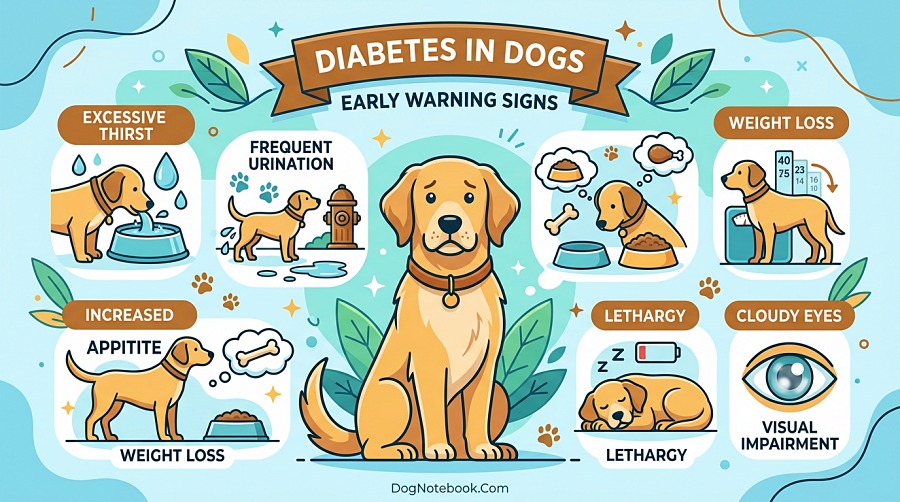
The challenge most dog owners face is that early symptoms look harmless at first. A dog that drinks more water on a hot day seems normal. A dog that begs for extra food just seems hungry. But when these signs appear together and persist for more than a few days, they point to something more serious. Here are the key early warning signs every dog owner should watch for:
- Excessive thirst and drinking far more water than usual
- Frequent urination, including accidents in previously house-trained dogs
- Weight loss despite eating normal or larger portions
- Increased hunger that never seems satisfied
- Lethargy, weakness, or reluctance to exercise
- Cloudy eyes or sudden vision changes
- Recurring infections, especially urinary tract and skin infections
- Poor coat condition, including dullness, dryness, and thinning fur
I have spoken with dozens of diabetic dog owners in online communities like r/DiabeticDogs, and the single most common regret is not recognizing these signs sooner. One owner told me their dog was drinking from puddles and the bathtub before they realized something was wrong. Another said they thought weight loss was a good thing until their vet diagnosed diabetes at a routine checkup. Early detection makes a real difference in how well treatment works and how long your dog lives.
Table of Contents
Understanding Canine Diabetes
Diabetes mellitus in dogs works similarly to Type 1 diabetes in humans. The pancreas contains clusters of cells called islets of Langerhans, and within those, beta cells produce insulin. When these beta cells are destroyed or damaged, insulin production drops or stops entirely. Without insulin, glucose from food cannot enter your dog’s cells to provide energy. Instead, it builds up in the bloodstream.
This excess glucose triggers a chain reaction. The kidneys work overtime to filter it out, pulling large amounts of water along with the sugar. That is why your diabetic dog urinates so frequently and drinks so much water to replace what is lost. The cells, meanwhile, are starving for energy even though the blood is swimming in glucose. The body starts breaking down fat and muscle for fuel, which causes weight loss despite a ravenous appetite.
Most dogs develop what veterinarians call insulin-dependent diabetes mellitus, meaning they need daily insulin injections to survive. Unlike humans, who can develop Type 2 diabetes managed with diet and oral medications alone, dogs almost always require insulin therapy. This distinction matters because it means early diagnosis is not optional. It is the difference between a manageable chronic condition and a medical emergency.
One concept that comes up frequently in diabetes management is the 3-hour rule. Veterinarians often recommend waiting at least 3 hours after an insulin injection before exercising your dog or making significant changes to their routine. This window helps prevent dangerous blood sugar drops, also known as hypoglycemia, which can happen when exercise burns through glucose faster than expected. If your dog is diagnosed, your vet will give you specific timing guidelines tailored to their insulin type and dose.
Diabetes in Dogs Early Warning Signs (The Complete List)
Each warning sign below tells you something specific about how diabetes is affecting your dog’s body. I have organized these from most common and earliest to detect, through to signs that may appear as the disease progresses.
1. Excessive Thirst (Polydipsia)
Polydipsia, the medical term for excessive thirst, is usually the very first sign owners notice. A healthy dog drinks roughly 1 ounce of water per pound of body weight per day. A 50-pound dog should drink about 50 ounces, or roughly 6 cups. If your dog suddenly drains the water bowl multiple times a day, starts seeking out unusual water sources like toilets, puddles, or even houseplant drip trays, polydipsia is likely at play.
What makes this sign tricky is that many factors increase thirst. Hot weather, exercise, salty food, and certain medications all cause your dog to drink more. The difference with diabetes is that the excessive thirst persists regardless of conditions. Your dog drinks just as much on a cool, restful Tuesday as after a long hike on a Saturday. If the pattern lasts more than 3 to 4 days with no obvious cause, it warrants a vet visit.
In forum discussions, owners frequently describe the moment they realized something was wrong. One owner on r/DogAdvice said their Labrador started drinking from the bathtub faucet. Another noticed their Poodle was emptying a full bowl overnight, something she had never done before. These are the kinds of behavioral shifts that should prompt you to measure your dog’s water intake over 24 hours and call your vet with the numbers.
2. Frequent Urination (Polyuria)
Polyuria goes hand in hand with polydipsia. As the kidneys filter excess glucose from the blood, they pull water along with it, producing large volumes of dilute urine. You might notice your dog asking to go outside more often, waking you up multiple times at night to go out, or having accidents in a dog that has been reliably house-trained for years.
The accidents are often what pushes owners to act. A dog that has not peed in the house since puppyhood suddenly leaves puddles on the floor, and it happens repeatedly. This is not a behavioral regression. It is a physical inability to hold that much urine. Some owners also notice that the urine itself is pale, almost clear, and that their dog seems to urinate for an unusually long time.
Frequent urination can also signal other conditions like kidney disease, Cushing’s disease, or a urinary tract infection. That is why you should never assume diabetes based on urination alone. Your veterinarian needs to run blood and urine tests to confirm the diagnosis and rule out other possibilities.
3. Weight Loss Despite Normal or Increased Appetite
This is the sign that confuses owners the most. How can a dog that eats everything put on its bowl, plus begs for more, actually be losing weight? The answer lies in what is happening inside the body. Without insulin, glucose cannot enter the cells. The food your dog eats gets converted to sugar, but that sugar stays trapped in the bloodstream instead of fueling muscles and organs.
Desperate for energy, the body starts breaking down stored fat and muscle tissue. Your dog is literally consuming itself from the inside while eating more food than ever. Owners on r/DiabeticDogs describe their dogs looking visibly thinner over just a few weeks, with ribs and hip bones becoming prominent despite hearty meals.
Weight loss in a dog that is eating well is never normal. Even if it turns out not to be diabetes, it points to a metabolic problem that needs veterinary attention. Rapid weight loss is particularly concerning and should be evaluated within days, not weeks.
4. Increased Hunger (Polyphagia)
Polyphagia, or excessive hunger, pairs with weight loss to create a frustrating cycle for both dog and owner. Your dog acts constantly starving. They finish their meal and immediately look for more. They beg at the table with unusual intensity. They might start raiding trash cans, stealing food from counters, or eating non-food items.
This ravenous hunger happens because the cells are sending emergency signals to the brain that they are starving. And they genuinely are. The food is there, the glucose is in the blood, but without insulin as the key, it cannot get inside the cells where it is needed. The brain interprets this as a state of famine and ramps up hunger signals to maximum.
Some owners try to respond by feeding more food, which unfortunately floods the bloodstream with even more glucose that the body cannot use. This actually makes the situation worse. If your dog shows persistent hunger combined with any of the other signs on this list, schedule a vet appointment before adjusting their food intake.
5. Lethargy and Weakness
When cells cannot access glucose for energy, your dog’s activity level drops noticeably. A dog that used to greet you at the door with a wagging tail might barely lift their head. Walks get shorter. Play sessions lose their appeal. Your dog sleeps more during the day and seems generally unenthusiastic about activities they used to love.
One specific manifestation that forum owners mention frequently is hind leg weakness. Diabetic dogs often develop a shuffling gait or reluctance to jump onto furniture or into the car. This happens because high blood glucose damages nerves over time, a condition called diabetic neuropathy. The hind legs are affected first because they contain the longest nerves in the body.
Lethargy can be subtle at first. You might just feel like your dog is having an off day. But when low energy becomes a pattern that lasts more than a few days, especially alongside changes in drinking or eating habits, it is time to pay attention. Dogs hide illness remarkably well, so visible lethargy usually means the problem has been developing for a while.
6. Cloudy Eyes and Cataracts
High blood glucose does not just affect organs and energy levels. It damages the lens of the eye. Excess sugar in the bloodstream gets converted to sorbitol inside the lens, which draws in water and causes the lens to swell and become opaque. This process can happen surprisingly fast. Some diabetic dogs develop cataracts within weeks of their blood sugar rising.
You might notice your dog’s eyes looking whitish or cloudy, especially in the center of the pupil. They might start bumping into furniture, hesitating on stairs, or seeming unsure in dim lighting. Cataracts caused by diabetes progress quickly compared to age-related cataracts, and they can lead to complete blindness if the underlying diabetes is not treated.
Not every cloudy eye means diabetes. Nuclear sclerosis, a normal aging change, also causes a bluish haze in older dogs but does not significantly impair vision. Your veterinarian can distinguish between the two during an eye exam. That said, any sudden change in your dog’s eye appearance warrants a prompt veterinary visit.
7. Recurring Infections
High blood sugar weakens the immune system and creates an environment where bacteria and yeast thrive. Diabetic dogs commonly develop urinary tract infections because sugar in the urine feeds bacteria in the bladder. Skin infections, especially warm, moist areas like the ears, armpits, and groin, are also frequent.
If your dog keeps getting the same type of infection, treated with antibiotics, only to return weeks later, diabetes could be the underlying cause. The infection is not the root problem. It is a symptom of a body that cannot fight off pathogens effectively because excess glucose is suppressing immune function.
Owners on r/olddogs frequently describe a cycle of repeated vet visits for urinary or skin infections before anyone thinks to check blood glucose levels. If your dog has had more than two infections in a six-month period, ask your vet to run a blood glucose panel alongside the standard tests.
8. Poor Coat Condition
A dog’s coat reflects their overall health. When diabetes disrupts nutrient absorption and hormone balance, the coat often shows it first. You might notice your dog’s fur looking dull, dry, or brittle. It might thin out, especially along the back and flanks. The skin underneath could be flaky or prone to dandruff.
Poor coat condition alone is not specific to diabetes. Thyroid problems, allergies, nutritional deficiencies, and many other conditions can cause similar changes. But when a dull, thinning coat appears alongside excessive thirst, frequent urination, or weight changes, diabetes moves higher on the list of possible causes.
Paying attention to grooming changes is especially important if you have a long-haired breed. The coat might mat more easily or lose its natural luster. Regular brushing sessions are a good opportunity to check for changes in coat texture, density, and overall condition.
Risk Factors: Which Dogs Are Most Likely to Develop Diabetes?
Any dog can develop diabetes, but certain factors significantly increase the risk. Age is the biggest one. Most dogs diagnosed with diabetes are between 6 and 9 years old, with the risk rising steadily after age 5. Juvenile diabetes does occur, but it is rare. In online forums, I have seen cases of dogs diagnosed as young as 1 year old, but these are exceptions rather than the rule.
Breed predisposition plays a notable role. Miniature Schnauzers, Poodles (both miniature and toy), Bichon Frises, Dachshunds, and Beagles are among the breeds most commonly affected. Samoyeds and Keeshonds also have elevated rates. If you own one of these breeds, being aware of the early warning signs is especially important because your dog’s genetic makeup puts them at higher risk.
Obesity is another major factor. Excess body fat causes chronic inflammation that can damage the pancreas over time. It also makes cells resistant to whatever insulin the body does produce, worsening the problem. Female dogs that have not been spayed face additional risk because progesterone, a hormone produced during heat cycles, can interfere with insulin function. This is one of many reasons veterinarians recommend spaying female dogs unless you plan to breed them.
Chronic pancreatitis also increases diabetes risk because it directly damages the insulin-producing cells in the pancreas. If your dog has a history of pancreatitis, your vet should monitor their blood glucose regularly as a precaution.
What Can Be Mistaken for Diabetes in Dogs?
Several conditions produce symptoms that look nearly identical to diabetes, which is why self-diagnosing is risky. Knowing what else can cause excessive thirst, frequent urination, and weight loss helps you understand why your vet needs to run specific tests.
Cushing’s disease (hyperadrenocorticism) is the most common diabetes mimic. It causes excessive thirst, urination, and hunger along with a pot-bellied appearance and thinning skin. Blood tests can distinguish between Cushing’s and diabetes because the hormone patterns are different.
Kidney disease causes increased thirst and urination as the kidneys lose their ability to concentrate urine. Weight loss and lethargy are also common. A simple blood panel checking BUN, creatinine, and SDMA levels can identify kidney problems.
Hypothyroidism can cause weight gain rather than weight loss, but the lethargy, poor coat condition, and general sluggishness overlap with diabetes. A thyroid panel (T4 and free T4) identifies this condition.
Urinary tract infections cause frequent urination and accidents, sometimes with increased thirst. A urine culture can identify bacteria and determine whether an infection is the primary problem or a secondary symptom of something larger.
Certain medications, particularly corticosteroids like prednisone, can cause increased thirst, hunger, and urination as side effects. If your dog recently started a new medication, discuss these symptoms with your prescribing vet before assuming diabetes.
When to See Your Veterinarian
Do not wait for multiple symptoms to appear before calling your vet. A single persistent sign, like excessive thirst lasting more than a few days, is enough reason to schedule an appointment. Dogs with diabetes can decline quickly, and early treatment leads to better outcomes.
At the visit, your veterinarian will typically run a blood glucose test, a complete blood count, a chemistry panel, and a urinalysis. A single high blood glucose reading does not confirm diabetes because stress can temporarily raise glucose levels in dogs. Your vet might recommend a fructosamine test, which reflects average blood sugar over the previous 2 to 3 weeks, giving a more accurate picture than a single glucose reading.
If your dog shows any of the following urgent signs, do not wait for a scheduled appointment. Go to an emergency veterinary clinic immediately:
- Vomiting that persists for more than 12 hours
- Complete refusal to eat for more than 24 hours
- Sudden collapse or inability to stand
- Breathing that seems labored or unusually rapid
- Sweet or fruity smell on your dog’s breath
- Seizures or disorientation
These symptoms can indicate diabetic ketoacidosis, a life-threatening complication that requires immediate intensive care. When in doubt, err on the side of caution. An unnecessary emergency visit costs time and money. A delayed emergency visit can cost your dog’s life.
Diabetic Ketoacidosis: The Emergency Warning Signs
Diabetic ketoacidosis, or DKA, is what happens when diabetes goes untreated for too long. When cells cannot get glucose for energy and the body has exhausted its fat reserves, it starts breaking down fat at an extreme rate. This process produces ketones, acidic byproducts that build up in the blood and make it dangerously acidic.
DKA is a medical emergency with a mortality rate of roughly 30 percent in dogs if not treated promptly. The warning signs include a sweet or fruity odor on your dog’s breath, persistent vomiting, extreme weakness or collapse, rapid breathing, and a depressed mental state where your dog seems unresponsive or barely conscious.
The important thing to understand about DKA is that it is preventable. It develops when diabetes goes undiagnosed or when a diagnosed diabetic dog’s blood sugar becomes unregulated due to illness, infection, or missed insulin doses. Recognizing the early warning signs of diabetes before it progresses to DKA is one of the most important things you can do as a dog owner. Dogs that receive proper diabetes treatment live full, active lives for years after diagnosis.
FAQ
What are the first signs of dog diabetes?
The first signs of diabetes in dogs are excessive thirst (polydipsia) and frequent urination (polyuria). Your dog may drain the water bowl repeatedly, have accidents in the house, and need to go outside far more often than usual. These two signs typically appear together because the kidneys are working overtime to filter excess glucose from the blood, pulling large amounts of water with it. Weight loss despite a normal or increased appetite is another early sign that often follows within days or weeks.
What is the 3-hour rule in diabetes?
The 3-hour rule in diabetes management refers to the recommendation that you wait at least 3 hours after giving your dog an insulin injection before engaging them in significant exercise or physical activity. Exercise burns glucose, and when combined with insulin that is actively lowering blood sugar, it can cause a dangerous drop called hypoglycemia. Your veterinarian will provide specific timing guidelines based on the type of insulin your dog takes and their individual needs.
At what age do dogs usually develop diabetes?
Most dogs develop diabetes between 6 and 9 years of age, with the risk increasing steadily after age 5. However, diabetes can occur at any age. Juvenile diabetes is rare but does happen, with some dogs diagnosed as young as 1 year old. Female dogs, overweight dogs, and certain breeds like Miniature Schnauzers, Poodles, and Bichon Frises are at higher risk regardless of age.
What can be mistaken for diabetes in dogs?
Several conditions can mimic diabetes symptoms in dogs. Cushing’s disease causes similar excessive thirst, urination, and hunger. Kidney disease leads to increased thirst and urination along with weight loss. Hypothyroidism shares symptoms like lethargy and poor coat condition. Urinary tract infections cause frequent urination and accidents. Corticosteroid medications like prednisone can also produce diabetes-like side effects including increased thirst and hunger. Blood and urine tests from your veterinarian are needed to tell these conditions apart.
Take Action Early: Protecting Your Dog From Diabetes Complications
Recognizing diabetes in dogs early warning signs can save your dog’s life. The pattern is usually clear: excessive thirst and urination come first, followed by weight loss despite a hearty appetite, then lethargy and possibly cloudy eyes. If you notice even one of these signs persisting for more than a few days, schedule a vet visit. A simple blood glucose test takes minutes and can either give you peace of mind or catch diabetes when it is most treatable.
Dogs diagnosed with diabetes early and managed with proper insulin therapy, diet, and monitoring can live happy, active lives for many years. Owners in the r/DiabeticDogs community regularly share stories of their dogs thriving at 12, 14, even 16 years old despite a diabetes diagnosis. The key is catching it early and committing to the daily management routine. Your dog depends on you to notice the signs they cannot explain. Trust your instincts, measure what you can, and never hesitate to call your vet when something feels off.