
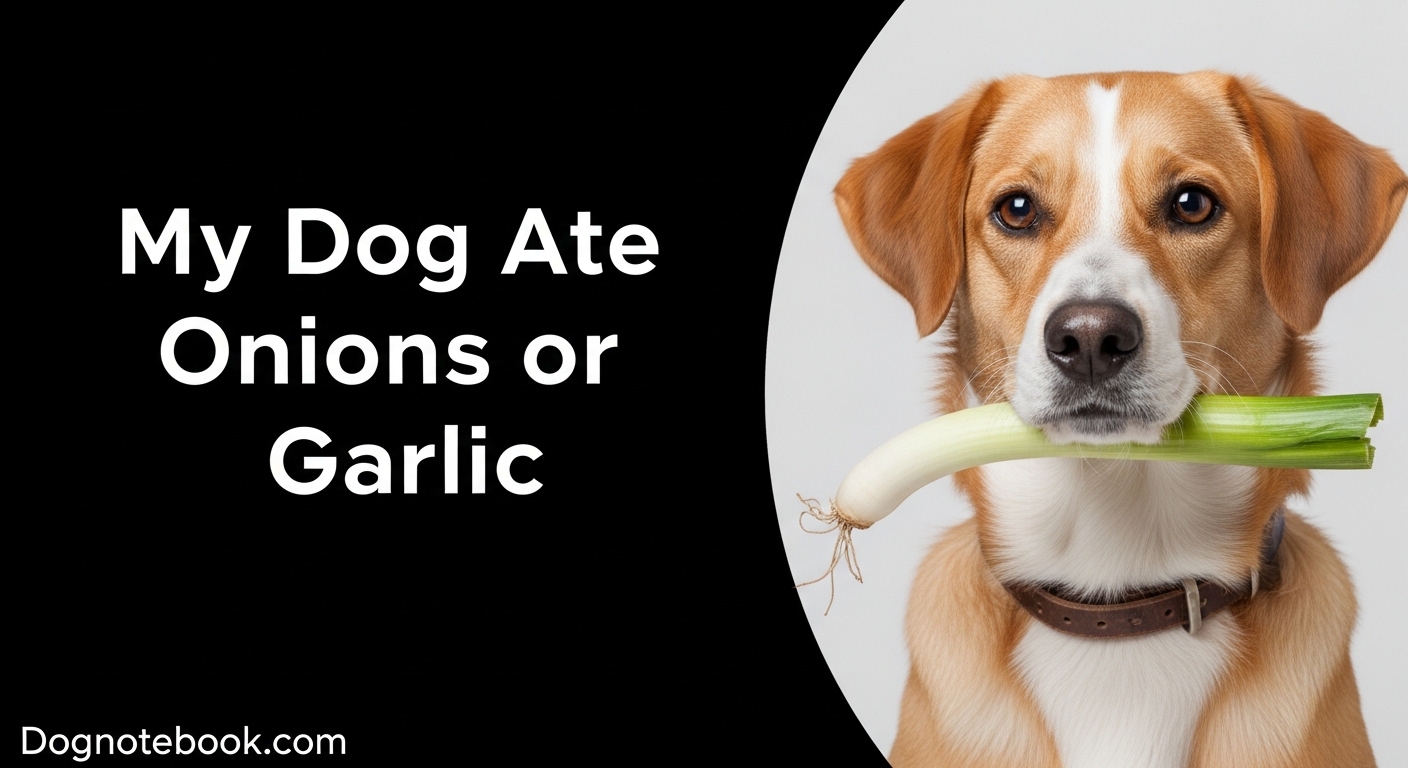
If your dog ate onions or garlic, the first thing you need to do is call your veterinarian or an animal poison control hotline right now. I know that spike of panic when you realize your dog got into something they shouldn’t have, and I want to help you through this. Onions, garlic, chives, and leeks are all part of the allium family, and every single one of them is toxic to dogs. The good news is that most dogs recover fully when they get prompt veterinary care. This guide walks you through exactly what to do, what symptoms to watch for, and how to keep your dog safe going forward.
Table of Contents
Why Are Onions and Garlic Toxic to Dogs?
Onions and garlic contain compounds called N-propyl disulfide and thiosulfates. These sulfur-containing oxidants are the reason allium vegetables are poisonous to dogs. When a dog eats onions or garlic, these toxic compounds attach themselves to the surface of red blood cells.
Here is where things go wrong: the dog’s immune system recognizes those damaged red blood cells as foreign invaders and starts destroying them. This process is called hemolytic anemia. As red blood cells are destroyed faster than the body can replace them, the blood loses its ability to carry oxygen throughout the body.
Without enough healthy red blood cells, your dog’s organs and tissues become oxygen-deprived. That oxygen deprivation is what causes the weakness, lethargy, and pale gums you see in onion and garlic poisoning. In severe cases, the condition can become life-threatening.
It is important to understand a few key facts about this toxicity:
- All forms of onion and garlic are toxic: raw, cooked, dried, powdered, and dehydrated
- Cooking does NOT reduce the toxicity at all
- Garlic is actually more potent than onion, pound for pound
- All members of the allium family are dangerous, including chives, leeks, and shallots
- Toxicity can build up over time from repeated small exposures
That last point catches many dog owners off guard. A single small amount might not cause obvious symptoms, but if your dog eats onion or garlic regularly, the damage accumulates. That is why even small amounts warrant attention.
Symptoms of Onion and Garlic Poisoning in Dogs
Symptoms of onion and garlic poisoning in dogs can appear anywhere from a few hours after ingestion to several days later. This delayed onset is one of the trickiest things about this type of toxicity. Your dog might seem totally fine for days before symptoms show up, which is why close monitoring is so important.
Here are the main symptoms to watch for:
- Vomiting – often one of the earliest signs
- Diarrhea – may contain blood in severe cases
- Loss of appetite – refusing food or treats
- Lethargy and weakness – noticeably less energetic than usual
- Pale gums – gums that look white or very light pink instead of healthy pink
- Rapid breathing – breathing faster than normal, even while resting
- Elevated heart rate – heart beating noticeably faster
- Dark or red-colored urine – a sign of red blood cell destruction
- Abdominal pain – dog may whine, hunch over, or resist touching
- Collapse or fainting – in severe, untreated cases
Early Symptoms (Within 24 Hours)
In the first day after your dog eats onions or garlic, you might see gastrointestinal upset like vomiting and diarrhea. Some dogs show no symptoms at all during this phase, especially if they ate a smaller amount. Do not assume your dog is fine just because the first few hours pass without incident.
Delayed Symptoms (1 to 7 Days Later)
The more serious symptoms tied to red blood cell destruction tend to show up later. Pale gums, weakness, dark urine, and rapid breathing can develop anywhere from one to seven days after ingestion. This delayed timeline is exactly why veterinary guidance matters, even if your dog seems okay at first. I have spoken with dog owners whose dogs showed zero symptoms for three days before suddenly becoming weak and lethargic.
My Dog Ate Onions or Garlic – Now What?
If you are reading this because your dog just ate something with onion or garlic, here is your step-by-step action plan:
Step 1: Do not panic, but act quickly. Take a breath. You found this article, which means you are already taking the right steps. Dogs have a much better chance of a full recovery when their owners respond promptly rather than waiting to see what happens.
Step 2: Figure out what and how much. Try to determine what your dog ate, how much of it, and when. Did they eat raw onion, cooked garlic, garlic powder, or something seasoned with onion? Was it a single small piece or a significant portion? This information is critical for your veterinarian.
Step 3: Call your veterinarian or poison control immediately. This is the single most important step. Call your regular vet, the nearest emergency vet clinic, or a pet poison control hotline. The ASPCA Animal Poison Control Center is available 24/7 at (888) 426-4435. The Pet Poison Helpline is another option at (855) 764-7661. They will assess the risk based on your dog’s weight and the amount consumed.
Step 4: Do NOT induce vomiting without professional guidance. I want to emphasize this one. Many people reach for hydrogen peroxide to make their dog throw up, but doing this without veterinary direction can cause more harm than good. If your vet recommends inducing vomiting, they will give you specific instructions on how to do it safely.
Step 5: Monitor your dog closely. Keep a close eye on your dog for the next several days. Check their gums for paleness, watch their energy levels, note any changes in appetite, and pay attention to the color of their urine. Write down any symptoms and when they started. This information helps your vet tremendously if treatment becomes necessary.
How Much Onion or Garlic Is Toxic to Dogs?
This is one of the most common questions worried dog owners ask, and the answer depends heavily on your dog’s size. As a general guideline, it takes approximately 15 to 30 grams of onion per kilogram of a dog’s body weight to cause clinically significant changes to their blood. To put that in practical terms:
- Small dogs (under 20 lbs): As little as a quarter of a medium onion or less than a teaspoon of garlic powder could be concerning
- Medium dogs (20 to 60 lbs): Half a medium onion or about a teaspoon of garlic powder may cause issues
- Large dogs (60+ lbs): A full medium onion or a tablespoon of garlic powder is the danger zone
Garlic is roughly three to five times more potent than onion when it comes to toxicity. So even though garlic portions look smaller, they pack a more concentrated dose of the toxic compounds. Garlic powder is especially dangerous because it is so concentrated. One teaspoon of garlic powder can be equivalent to several cloves of raw garlic.
Here is the tricky part: individual sensitivity varies. Some dogs are more susceptible than others. Japanese breeds like Akitas and Shiba Inus are known to be genetically more sensitive to allium toxicity. Regardless of breed or size, any amount of onion or garlic warrants a call to your vet. It is always better to make that call and be told your dog is fine than to wait and wish you had acted sooner.
Veterinary Treatment for Onion and Garlic Poisoning
When you take your dog to the vet after they ate onions or garlic, the treatment plan depends on how much time has passed and how severe the situation is. Here is what you can expect.
If you get to the vet quickly (within a couple of hours): Your vet may induce vomiting to remove the onion or garlic from your dog’s stomach before it gets absorbed. They might also administer activated charcoal, which binds to the toxic compounds in the digestive tract and prevents further absorption into the bloodstream.
If more time has passed: The focus shifts to supportive care. Your dog may receive IV fluids to help flush the toxins through their system and keep them hydrated. Blood work will check red blood cell levels and look for signs of hemolytic anemia.
In severe cases: If a significant number of red blood cells have been destroyed, your dog might need a blood transfusion to restore their oxygen-carrying capacity. Oxygen therapy can help while the body recovers. Hospitalization for monitoring may also be recommended.
Your vet will likely recommend follow-up blood tests over the next several days to track your dog’s red blood cell count and make sure it is recovering. Most dogs who receive timely treatment bounce back well, and the veterinary team will guide you through the recovery process.
Timeline and Recovery Expectations
This is a question I see asked constantly in dog owner communities, and most online resources do not address it clearly. Here is what the timeline typically looks like for onion and garlic toxicity in dogs.
Symptom onset: Gastrointestinal symptoms like vomiting and diarrhea can start within a few hours. The more serious blood-related symptoms (pale gums, weakness, dark urine) typically appear within 1 to 5 days but can take up to 7 days to show up.
Recovery time: With prompt veterinary treatment, most dogs start showing improvement within 24 to 48 hours. Full recovery of red blood cell counts usually takes 1 to 3 weeks as the body produces new, healthy red blood cells.
Long-term effects: In the vast majority of cases, dogs who receive proper treatment recover completely with no lasting effects. The body regenerates healthy red blood cells and returns to normal function. Follow-up vet visits are important to confirm that blood values have returned to healthy levels.
The key factor in recovery is timing. Dogs treated early, before significant red blood cell destruction occurs, tend to recover faster and with fewer complications than dogs whose treatment is delayed.
How to Prevent Your Dog from Eating Onions and Garlic
Prevention is always better than an emergency vet visit. Here are practical steps I recommend to keep your dog away from these toxic foods.
Be careful with table scraps. This is the number one way dogs end up eating onion or garlic. Many human dishes contain onion or garlic as a base ingredient, including pasta sauces, soups, stews, stir-fries, and casseroles. Even small amounts mixed into leftovers can be harmful over time.
Watch out for hidden sources. Onion and garlic show up in places you might not expect. Check labels on these common items before sharing them with your dog:
- Baby food (many contain onion powder for flavoring)
- Soup and seasoning mixes
- Pre-made sauces and marinades
- Packaged rice or pasta side dishes
- Takeout and restaurant food
- Some commercial broths and stocks
- Pizza, burgers, and other seasoned foods
- Certain meat tenderizers and rubs
Store ingredients securely. Keep onions and garlic in closed cabinets or pantry shelves your dog cannot access. Dogs are surprisingly resourceful when they smell something interesting, and some will counter-surf or raid low shelves. I keep all allium vegetables in a high cabinet specifically because our lab figured out how to open the pantry door.
Use safe flavor alternatives. If you want to add flavor to your dog’s homemade meals, stick with dog-safe options. A small amount of plain bone broth (check the label for onion and garlic), a sprinkle of parsley, or a spoonful of pure pumpkin puree are all much safer choices that dogs enjoy.
Train a solid “leave it” command. Teaching your dog to leave things alone on command is one of the most valuable safety skills they can learn. It gives you a way to stop them from eating something dangerous before it is too late. Practice regularly with treats, and gradually work up to more tempting distractions.
Take out the trash securely. Onion and garlic scraps in the garbage can are an easy target for curious dogs. Use a trash can with a secure lid, or keep your garbage bin inside a closed cabinet. This simple change prevents a surprising number of emergency situations.
FAQ
What happens if my dog eats a little bit of garlic and onions?
Even a small amount of onion or garlic can be concerning for dogs, though a very tiny piece may not cause noticeable symptoms in a larger dog. The toxic compounds in alliums cause cumulative damage, meaning repeated small exposures add up over time. If your dog ate any amount of onion or garlic, call your vet for guidance. They will assess the risk based on your dog’s weight, the amount consumed, and the form it was in (raw, cooked, or powdered).
How long does onion toxicity last in dogs?
With prompt veterinary treatment, most dogs start improving within 24 to 48 hours. Full recovery of normal red blood cell counts typically takes 1 to 3 weeks as the body produces new healthy blood cells. Without treatment, symptoms can persist and worsen over several days to a week, potentially becoming life-threatening. The duration depends on how much was consumed, the dog’s size, and how quickly treatment began.
How quickly does garlic poisoning show in dogs?
Early symptoms like vomiting and diarrhea can appear within a few hours of eating garlic. However, the more serious symptoms related to red blood cell destruction, such as pale gums, weakness, and dark urine, typically develop within 1 to 5 days. In some cases, symptoms can be delayed up to 7 days after ingestion. This delayed onset is why monitoring your dog for a full week after garlic ingestion is so important.
How do you get onions out of a dog’s system?
You cannot safely remove onion toxins from your dog’s system at home. If caught within 1 to 2 hours, a veterinarian can induce vomiting and administer activated charcoal to bind remaining toxins in the digestive tract. After that window, treatment focuses on supportive care: IV fluids to flush the system, monitoring blood work, and in severe cases, blood transfusions to replace destroyed red blood cells. Always call your vet rather than attempting home remedies.
Final Thoughts
Finding out your dog ate onions or garlic is scary, but you are now armed with the information you need to act. The most important takeaway from this guide is simple: call your veterinarian. Whether your dog ate a single small piece of onion or got into a whole container of garlic powder, professional guidance is your best path forward.
Remember that symptoms can be delayed up to a week, so keep monitoring your dog even if they seem fine right after the incident. Watch for pale gums, unusual weakness, dark urine, and changes in appetite or energy. With prompt care, the vast majority of dogs recover completely and go on to live happy, healthy lives.
Once the immediate situation is resolved, take a few preventative steps like securing your trash, storing allium vegetables out of reach, and double-checking ingredient labels before sharing any human food with your dog. A little preparation goes a long way toward making sure this never happens again.