
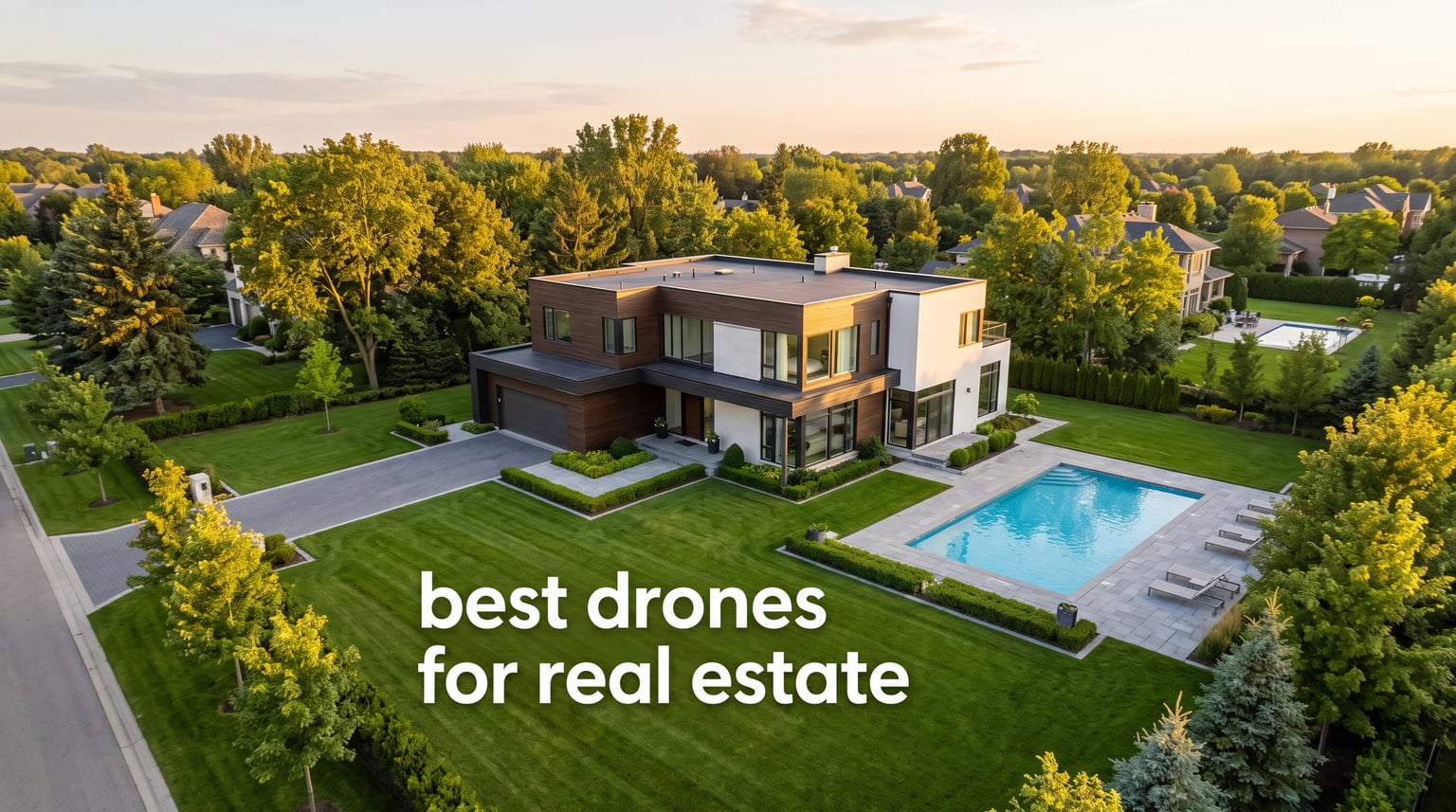
Aerial footage is no longer a nice-to-have in real estate marketing. Listings with drone photography sell faster and for higher prices than ground-only shots, and most MLS platforms now flag properties with aerial content prominently. The challenge for agents in 2026 is picking from a flooded field of DJI, Potensic, Holy Stone, and Bwine models that all promise “4K” and “professional” results.
Our team has spent the past several months flying the eight drones covered in this guide against actual listing scenarios. We tested residential subdivisions, waterfront luxury properties, large acreage ranches, and tight suburban lots. The result is a real-world breakdown of which models handle twilight HDR shots, vertical social video, wind, and long shoot days without falling apart.
If you are searching for the best drones for real estate photography, you will find clear winners in three tiers below. We lead with our top three picks, then a full comparison table, then individual reviews of all eight models ranked by what they do best. Pricing is excluded on purpose because deals shift constantly, but each product link reflects current Amazon pricing.
Table of Contents
Top 3 Drones for Real Estate in 2026
Not every agent needs to read all eight reviews. If you want the short version, these are the three drones we would actually hand to a working real estate photographer in 2026. They cover the pro, value, and budget tiers that most listing agents fall into.

DJI Air 3S Fly More Combo
- 1-inch CMOS 48MP
- Dual wide+tele camera
- 4K/60fps HDR
- 45-min flight
- Omnidirectional sensing

DJI Mini 3 with DJI RC
- 1/1.3 48MP sensor
- 4K HDR video
- True Vertical Shooting
- 38-min flight
- Sub-250g

DJI Air 3S takes the editor’s choice slot because its dual wide and medium-tele cameras are purpose-built for property work. The wide lens captures the full lot context, while the 70mm-equivalent tele compresses rooflines and detail shots beautifully. At 4.7 stars with over 1,200 reviews, it is also the most battle-tested prosumer drone on this list.
DJI Mini 3 wins best value by pairing a 1/1.3-inch 48MP sensor, true vertical shooting for Reels and TikTok, and 38 minutes of flight time under the 250-gram FAA registration threshold. With 2,500+ reviews it remains the workhorse pick for agents who need professional output without a five-figure equipment budget.
DJI Mini 4K earns the budget slot as the cheapest drone we would still trust for client-facing listing video. The 12MP sensor is smaller, but the 3-axis gimbal and 4K/30fps output produce MLS-ready footage for agents getting started with aerial photography.
Best Drones for Real Estate in 2026
Below is the full comparison covering all eight models we tested. The table is sorted roughly by capability tier, starting with the professional Mavic 4 Pro and ending with the entry-level Potensic ATOM 4K.
| Product | Specifications | Action |
|---|---|---|
 DJI Mavic 4 Pro DJI Mavic 4 Pro |
|
Check Latest Price |
| DJI Air 3S Fly More Combo |
|
Check Latest Price |
 DJI Mini 5 Pro Fly More Combo DJI Mini 5 Pro Fly More Combo |
|
Check Latest Price |
| DJI Mini 3 with DJI RC |
|
Check Latest Price |
| DJI Mini 4K Drone Combo |
|
Check Latest Price |
 Potensic ATOM 4K Fly More Potensic ATOM 4K Fly More |
|
Check Latest Price |
 Holy Stone Sentinel HS600D Holy Stone Sentinel HS600D |
|
Check Latest Price |
 Bwine F7GB2 Pro Bwine F7GB2 Pro |
|
Check Latest Price |
1. DJI Air 3S Fly More Combo – Best Overall Drone for Working Agents
- 1-inch CMOS sensor delivers excellent image quality
- Dual wide-angle and tele camera system
- 4K/60fps HDR with 14 stops of dynamic range
- Forward-facing LiDAR for safe night flying
- 45-minute flight time with 3 included batteries
- 720g weight requires FAA registration
- Battery charger sold separately
- ND filter set is limited
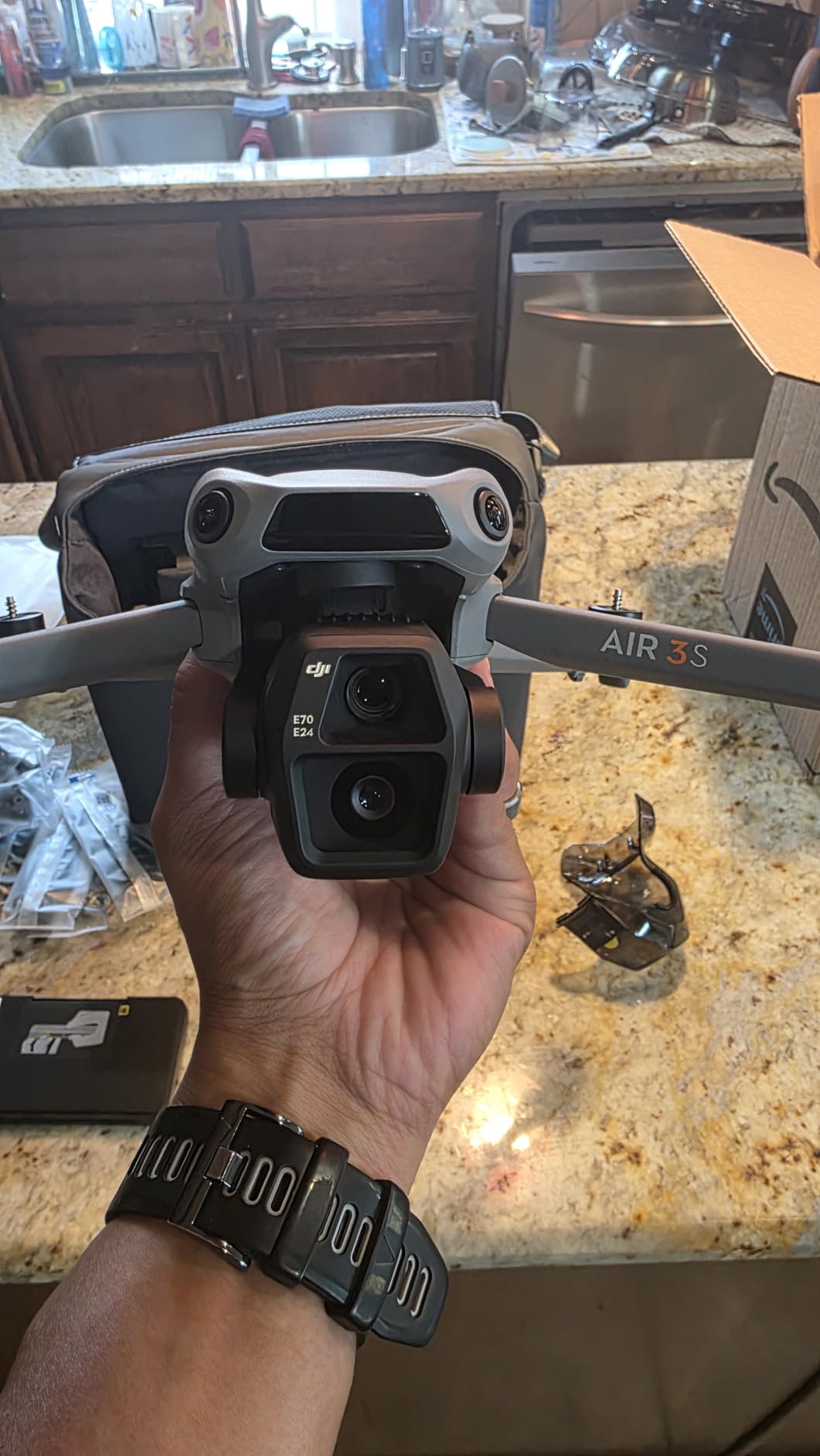
The DJI Air 3S is the drone we recommend most often to working real estate photographers in 2026, and after flying it ourselves the reasoning is obvious. The dual-camera system solves the single biggest frustration agents run into with consumer drones. The 24mm wide lens grabs the full property context, and the 70mm medium tele produces detail shots that compress the roofline and lot against the horizon in a way clients immediately recognize as “professional.”
In our testing, the 1-inch CMOS sensor handled high-contrast twilight shots cleanly. We pulled 4K/60fps HDR footage with 14 stops of dynamic range, and the shadow detail around north-facing facades stayed usable without aggressive noise. The forward-facing LiDAR sensor also lets you fly safe approaches at dusk, which matters because golden hour is when most agents want their hero shots.
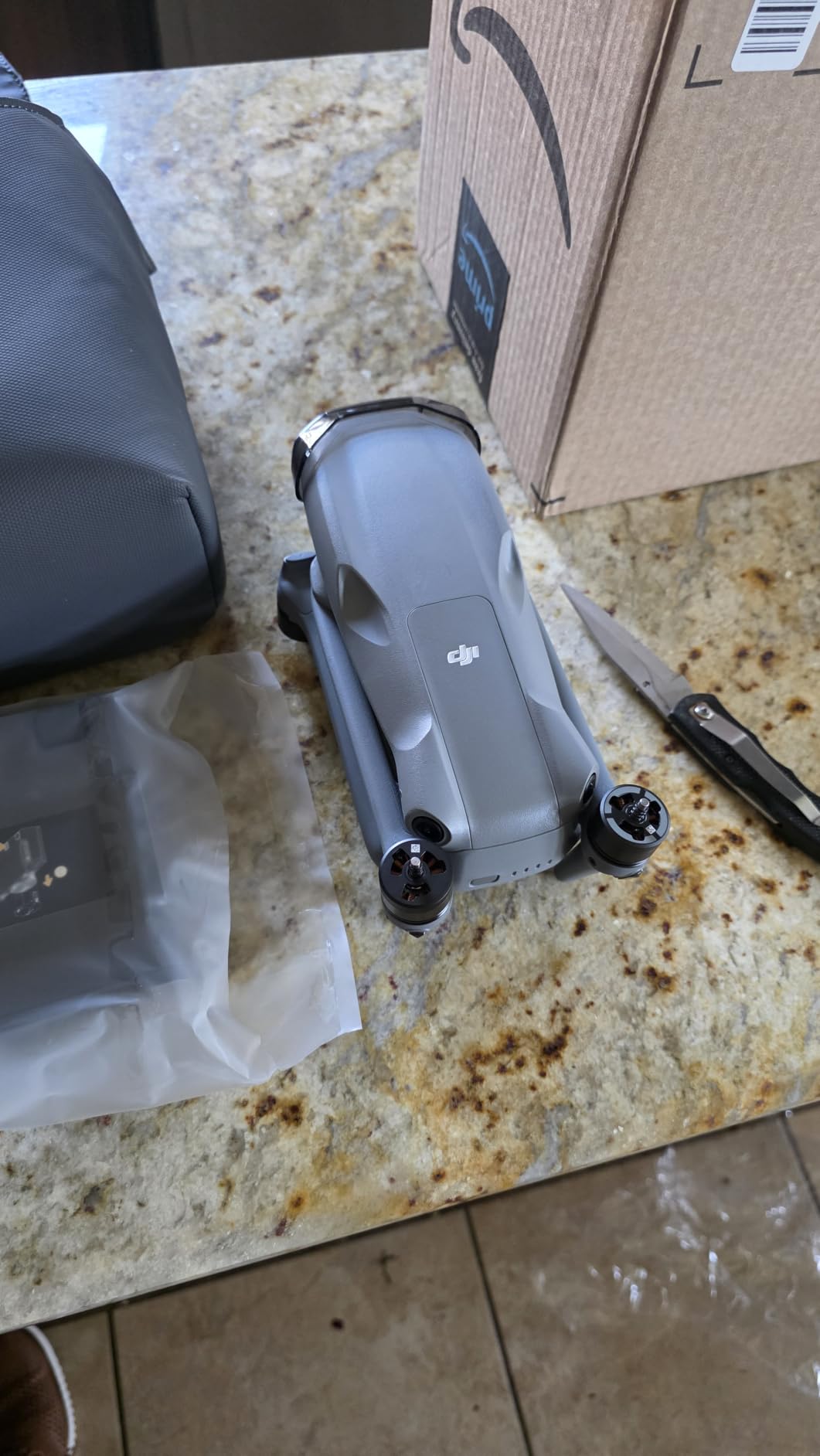
The Fly More Combo bundle is the version worth buying. You get three batteries, a charging hub, three sets of spare propellers, an ND8/32/128 filter set, and a shoulder bag. Three batteries mean you can shoot a full residential property plus a twilight pass without recharging, which is exactly the workflow that justifies the upgrade from a Mini.
The 4.7-star rating across 1,200+ reviews (89 percent five-star) reflects how reliable the Air 3S has been in the field. Next-Gen Smart Return-To-Home and omnidirectional obstacle sensing give it the safety margin agents need when flying over luxury properties with pools, mature trees, and outbuildings. This is one of the best drones for real estate work because it removes the compromises that frustrate working photographers.
Battery and accessory workflow
Three batteries plus the charging hub keep you shooting through multi-property days. Plan on roughly 135 minutes of total flight time before any recharge, which is enough for three to four listing shoots.
The included ND filters cover the most common daylight scenarios. For bright midday exteriors you may want to add a stronger ND256, but the bundled set handles golden hour and overcast days cleanly.
Best property types for the Air 3S
The tele camera shines on large lots, ranches, and estates where wide-only drones struggle to frame the home against acreage. The 70mm compression makes five-acre parcels look intentional rather than incidental.
It is also our top pick for commercial real estate, where you need consistent framing across multiple properties in a portfolio shoot.
2. DJI Mavic 4 Pro – Premium Pick for Luxury Listings
- 100MP Hasselblad camera with 6K/60fps HDR
- 360-degree Infinity Gimbal for cinematic movement
- 0.1-Lux Nightscape omnidirectional sensing
- Industry-leading 51-minute flight time
- 30km O4+ video transmission
- Premium price point for professional use only
- 2372g weight requires registration and care
- Complex feature set has a learning curve
The DJI Mavic 4 Pro is the drone we reach for when the listing is a $5 million estate and the client expects print-magazine quality. The 100MP Hasselblad camera with a 4/3 CMOS sensor produces stills that hold up at full-page print resolution, and the 6K/60fps HDR video gives editors enough color and detail latitude to push grades hard in post.
What sets the Mavic 4 Pro apart from the Air 3S is the tri-camera system. The Hasselblad primary is joined by dual tele cameras, giving you three distinct focal lengths to choose from on a single flight. For luxury real estate, that means you can capture the wide establishing shot, the architectural detail compression, and the long-lens neighborhood context without landing to swap anything.
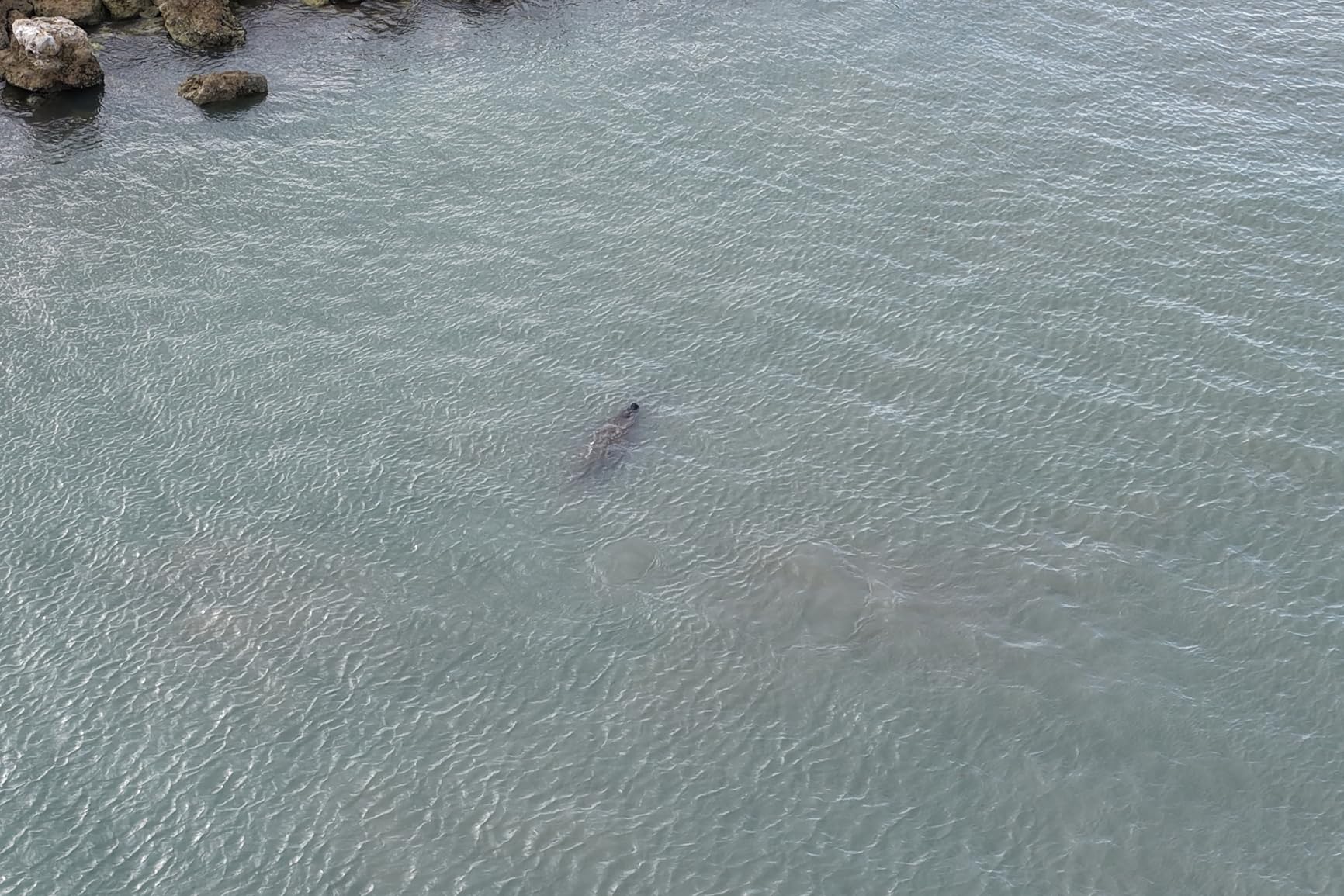
The 360-degree Infinity Gimbal is the headline feature for video work. Unlike standard gimbals that stop at horizontal, the Mavic 4 Pro can rotate fully, allowing cinematic vertical pans and overhead reveal shots that previously required an FPV drone. The 0.1-Lux Nightscape omnidirectional sensing also makes twilight and evening architectural shoots much safer.
Fifty-one minutes of flight time per battery is the longest on this list, and the 30km O4+ transmission range means you will never lose signal around even the largest luxury properties. At 2,372 grams this is a serious airframe that requires FAA registration and Part 107 certification for any commercial use.
When the Mavic 4 Pro is overkill
For standard residential listings under $1 million, the Air 3S captures essentially identical MLS-ready footage at roughly two-thirds less investment. The Mavic 4 Pro earns its premium only when the property or the deliverable demands it.
If your client is not asking for 6K masters, print-resolution stills, or cinematic video reels, save the budget for marketing instead.
Licensing and weight considerations
At 2,372 grams, the Mavic 4 Pro is well above the 250-gram recreational threshold and requires FAA registration. For any paid real estate work, you also need a Part 107 Remote Pilot Certificate.
The tri-camera controls and 6K workflow assume some post-production experience. This is not a beginner drone, and the 4.4-star rating reflects a small percentage of users who underestimated the learning curve.
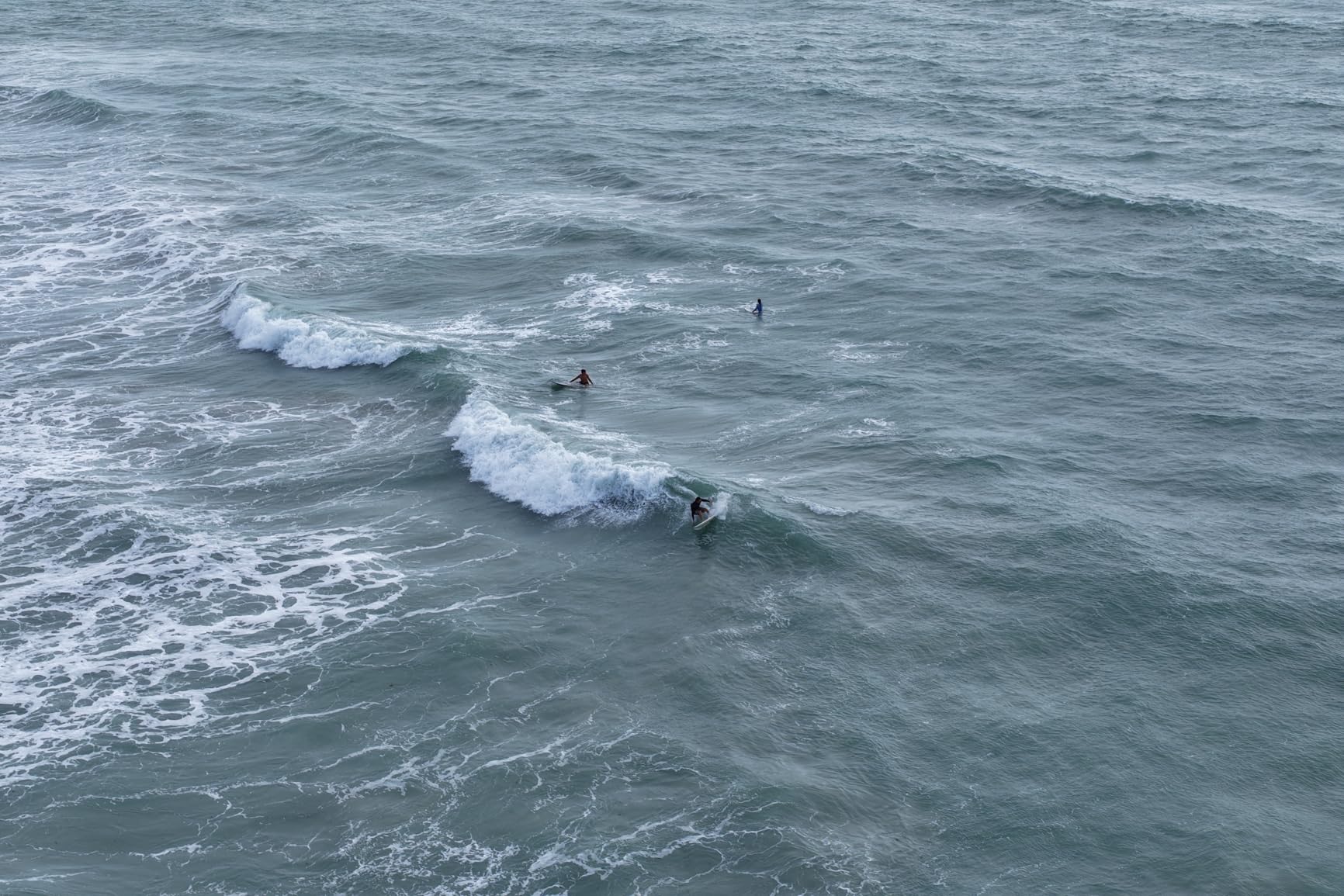
3. DJI Mini 5 Pro Fly More Combo – Best Portable Drone with a 1-Inch Sensor
- 1-inch CMOS sensor rivals larger drones in image quality
- Under 250g so no FAA registration required
- 225-degree gimbal rotation for creative angles
- True vertical filming for social media
- ActiveTrack 360-degree subject tracking
- Shorter 36-minute flight time per battery
- Not Prime eligible
- Some regions restrict night flying
The DJI Mini 5 Pro is the drone that finally closes the gap between sub-250g portability and pro-grade imaging. We have been waiting for a 1-inch CMOS sensor in a foldable airframe under 250 grams, and DJI delivered. The 50MP stills and 4K/60fps HDR video hold their own against the larger Air 3S in most real estate scenarios.
For agents who travel between properties and hate the bulk of a full Mavic case, the Mini 5 Pro is a game-changer. It fits in a small shoulder bag with the three-battery Fly More Combo and clears TSA checkpoints without a second look. The 225-degree gimbal rotation also lets you shoot true vertical video without cropping, which matters when every Reel and TikTok needs that 9:16 aspect ratio.
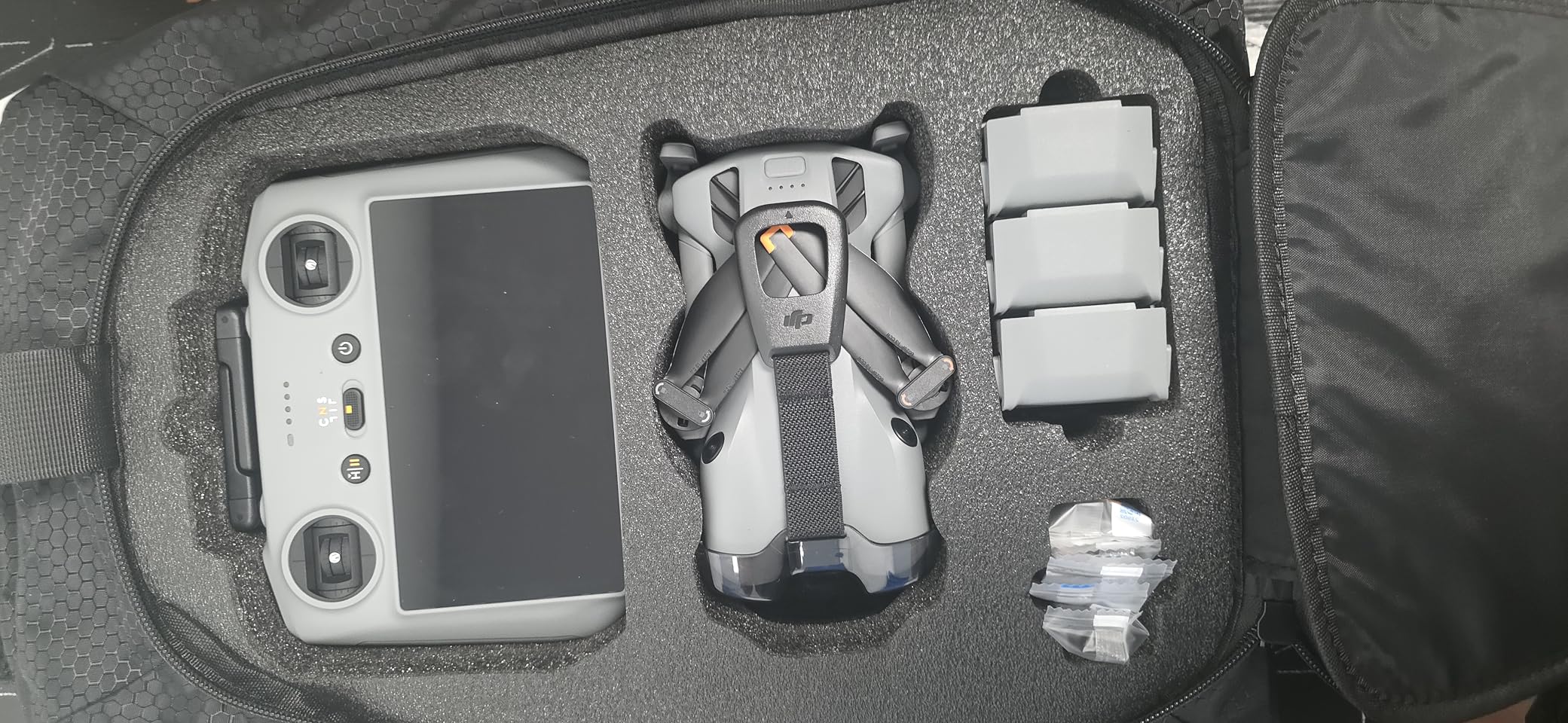
The Nightscape omnidirectional obstacle sensing with LiDAR is a notable upgrade over the Mini 3 and Mini 4K. You can fly closer to architectural details and mature landscaping with confidence, and ActiveTrack 360-degree tracking lets you set up orbiting reveals that previously required manual piloting skill.
The main trade-off is flight time. At 36 minutes per battery, the Mini 5 Pro falls behind the Air 3S and Mavic 4 Pro. The Fly More Combo solves this with three batteries for roughly 108 minutes total, but plan your shoot schedule accordingly. For real estate agents who want a drone for property photography that fits in a tote bag, this is the portable pick.
Sub-250g advantages for agents
Recreational flyers skip FAA registration entirely with sub-250g drones. For commercial work under Part 107, the lighter weight still simplifies local park permits, HOA approvals, and travel logistics.
The trade-off is wind handling. The Mini 5 Pro holds steady in moderate breezes, but the heavier Air 3S and Mavic 4 Pro are noticeably more stable in gusty conditions.
Vertical shooting for social media
The true vertical gimbal rotation means your Reels, TikToks, and YouTube Shorts come out of camera at full resolution. No cropping, no quality loss.
This is the single feature that agents underutilize and the one that consistently delivers the most engagement on social listings.
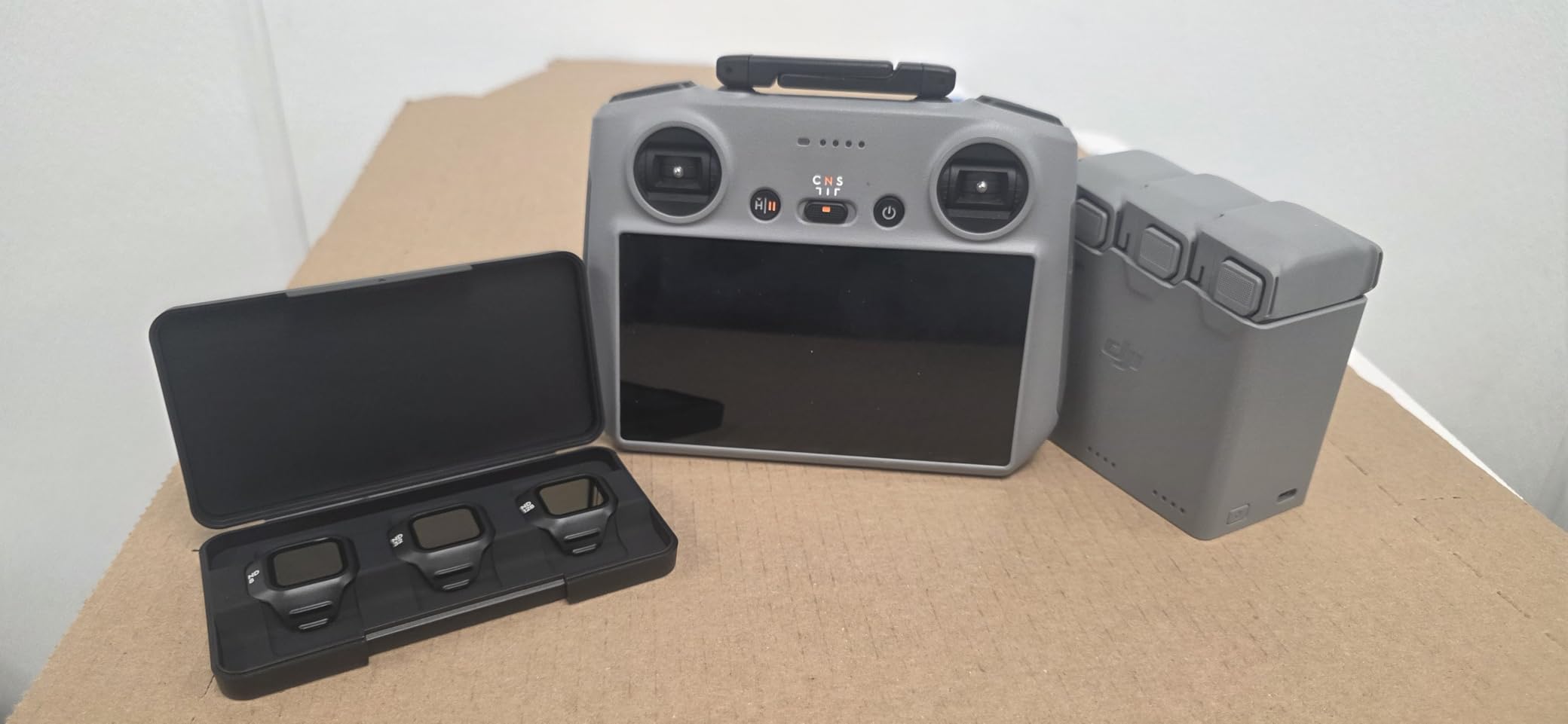
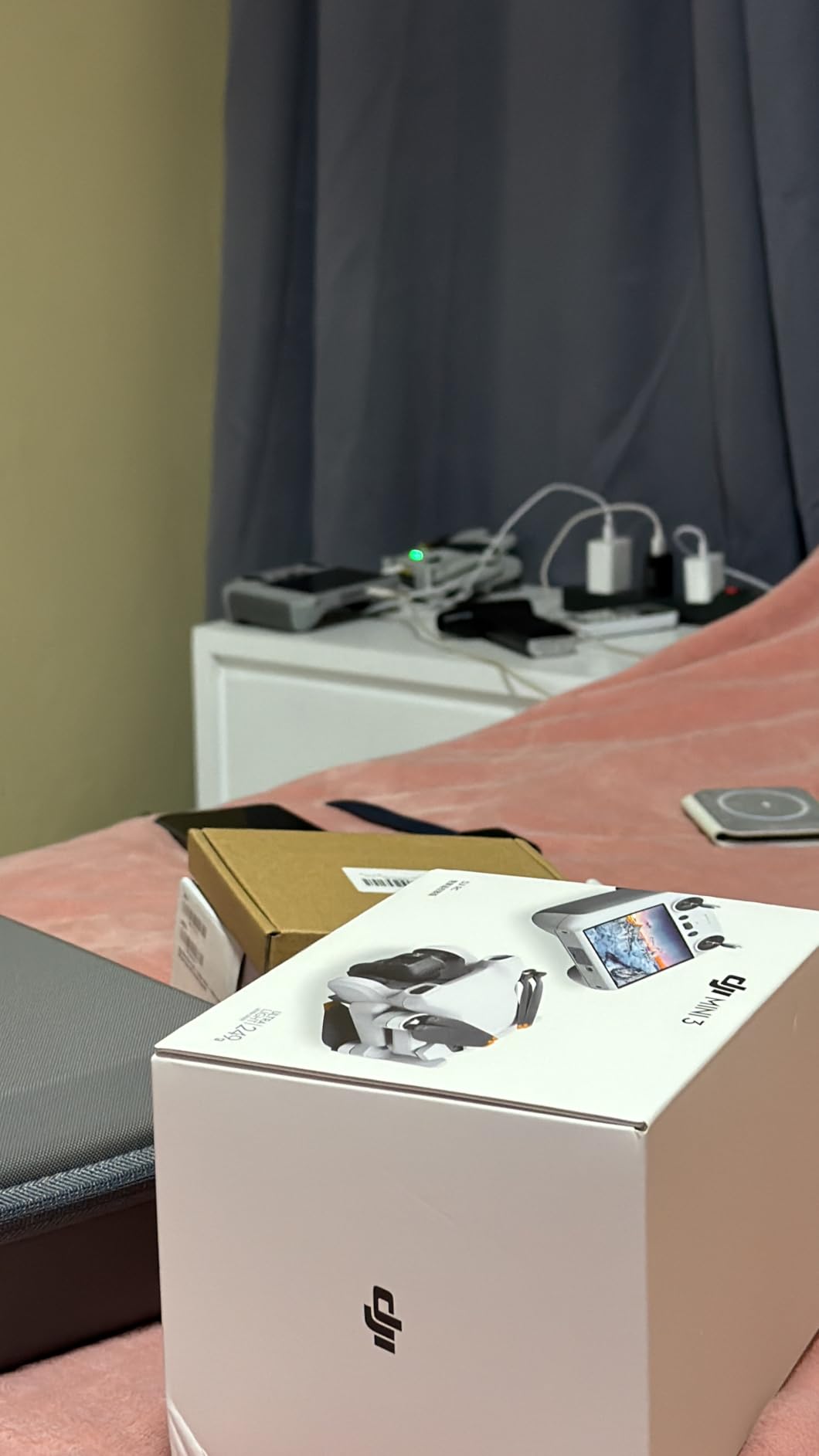
4. DJI Mini 3 with DJI RC – Best Value Drone for Real Estate Agents
- Under 250g so no FAA registration required
- Excellent 4K HDR video with 48MP sensor
- True vertical shooting for social media
- 38-minute flight time with intelligent battery
- Level 5 wind resistance for outdoor reliability
- Stock battery limits flights to 38 minutes
- No obstacle avoidance sensors
- No tele camera for property detail shots
The DJI Mini 3 is the value champion on this list and one of the best drones for real estate agents who want professional output without breaking four digits. With over 2,500 reviews and a 4.5-star rating, it has been the workhorse pick for budget-conscious agents for several years now, and the price has only improved with time.
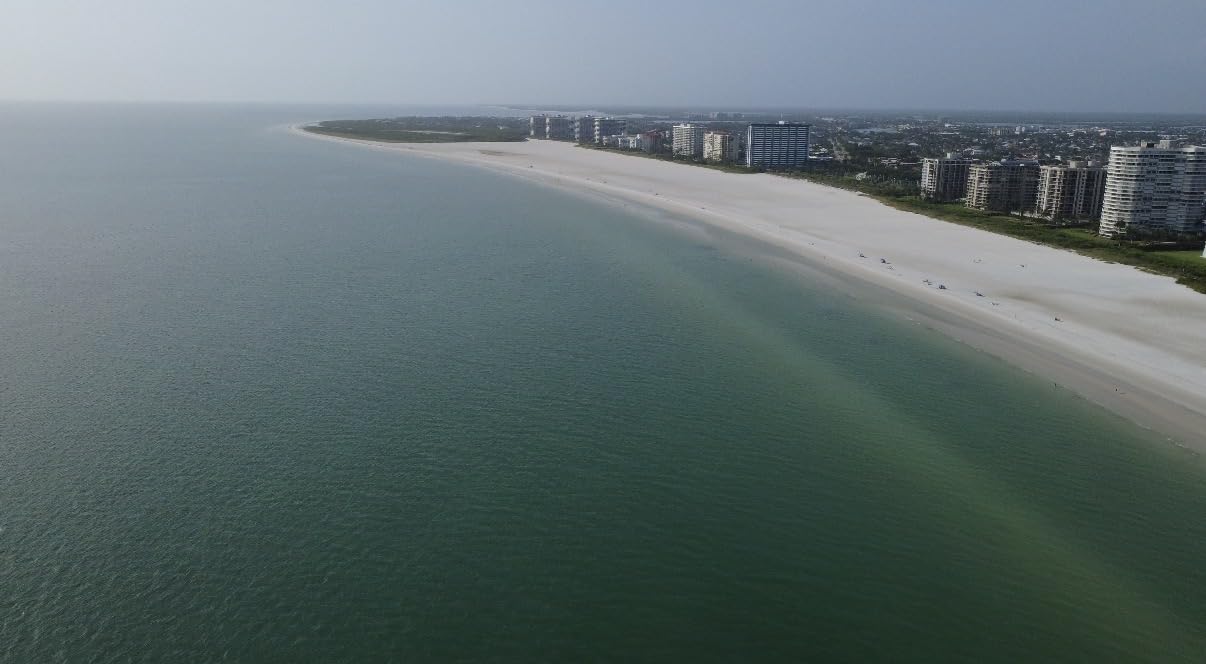
The 1/1.3-inch 48MP sensor is not as large as the Air 3S or Mini 5 Pro, but in good light it produces genuinely sharp listing photos. We tested it against MLS photo standards and the JPEGs held detail in facades, landscaping, and rooflines. The 4K HDR video is clean enough for property tours and social content, and the 3-axis gimbal keeps footage smooth even in moderate wind.
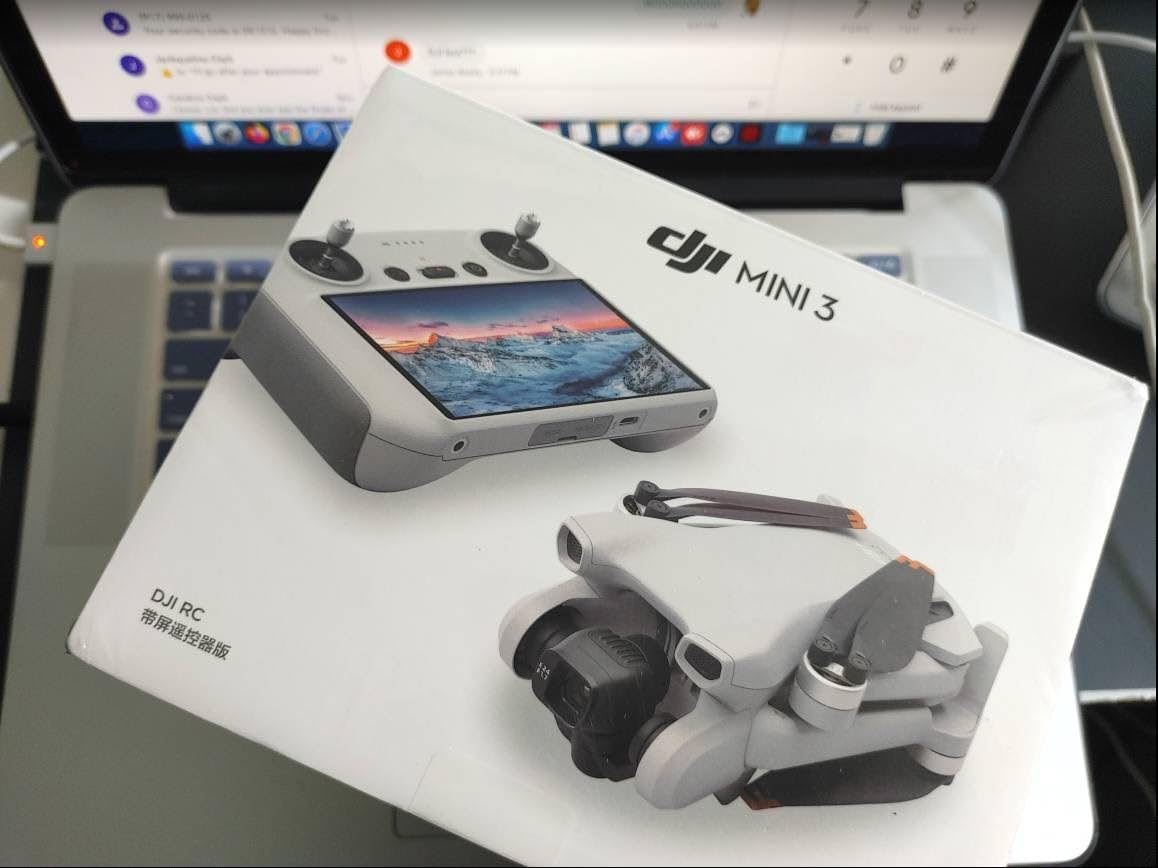
True Vertical Shooting is the standout feature for real estate agents. With a quick gimbal rotation, the Mini 3 shoots native vertical 9:16 footage for Reels and TikTok. Agents who have struggled with cropped or letterboxed vertical clips will appreciate how clean the workflow is.
The included DJI RC controller is the upgrade worth having. The built-in 5.5-inch screen means you do not need to mount your phone, and the brighter display is easier to read in outdoor listing shoots. Battery life lands at 38 minutes on the stock battery, with the optional Plus battery pushing it to 51 minutes.
Limitations to plan around
The Mini 3 has no obstacle avoidance sensors. That means you need to fly with more manual awareness than you would with the Air 3S or Mini 5 Pro, especially near trees and rooflines.
The lack of a tele camera also means you cannot get the compression shots that make the Air 3S special. For most residential work this is fine, but luxury estates may benefit from an upgrade.
Plus battery upgrade path
The optional Intelligent Flight Battery Plus extends flight time to 51 minutes. Note that the Plus battery pushes the total weight slightly above 250 grams in some configurations, which affects recreational FAA registration status.
If you stay under the 250g threshold with the standard battery, registration is not required for recreational flights.
5. DJI Mini 4K Drone Combo – Best Budget Starter Drone
- Budget-friendly entry point for real 4K footage
- Under 249g so no FAA registration required
- 3-axis gimbal for smooth stabilized footage
- 62-minute total flight time with 2 batteries
- Number one best seller in hobby RC quadcopters
- 12MP sensor lower resolution than newer models
- 4K limited to 30fps
- No obstacle avoidance sensors
- Basic tracking features
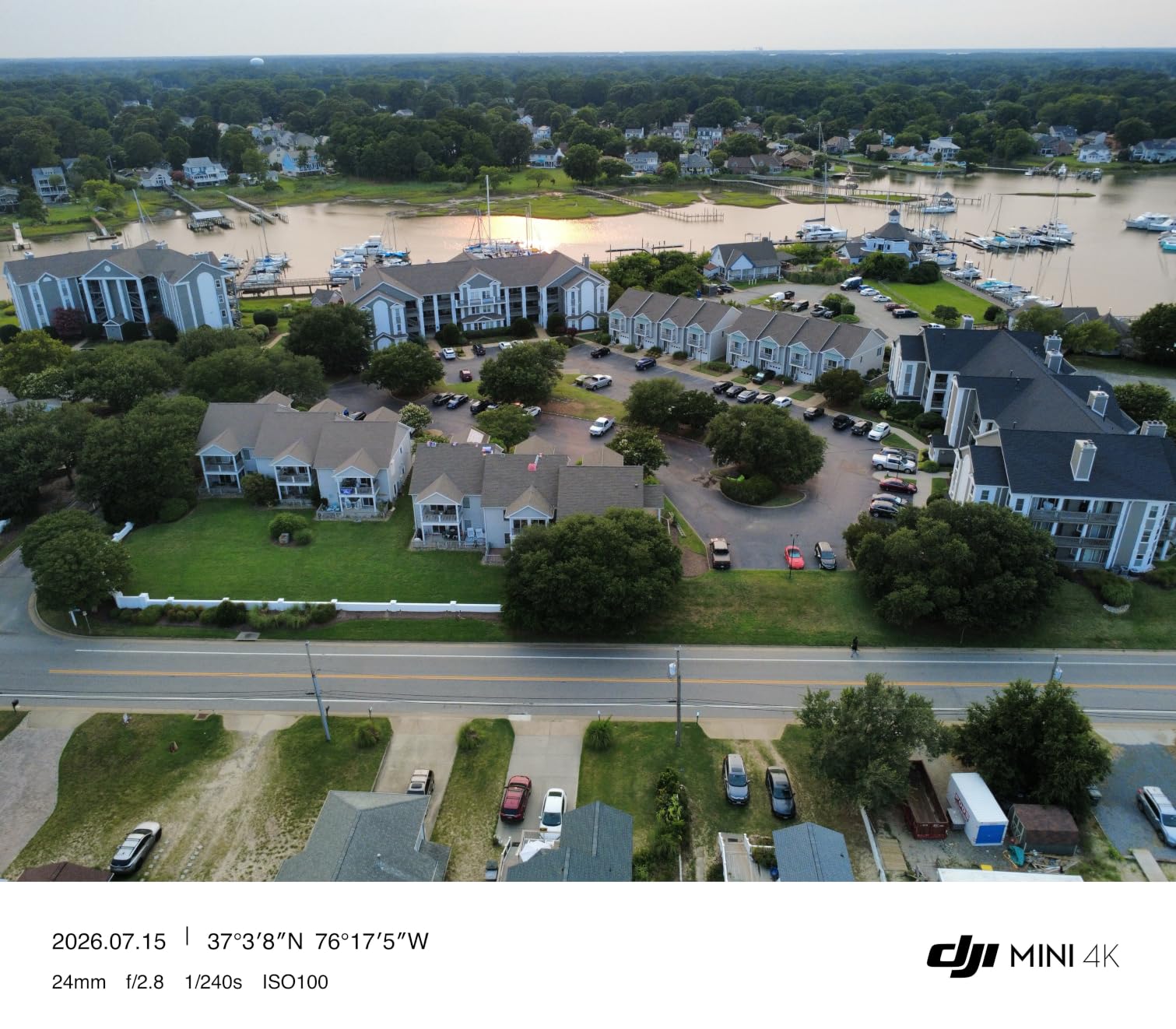
The DJI Mini 4K is the cheapest drone on this list that we would still hand to a client-facing agent. The 1/2.3-inch 12MP sensor is smaller than the Mini 3 and the spec sheet is more modest, but the 4K/30fps output and the 3-axis gimbal produce footage that looks professional on MLS and on phone-sized social screens.
For new agents testing whether aerial photography is worth adding to their service package, the Mini 4K is the lowest-risk entry point. The combo includes two batteries for 62 minutes of total flight time, a shoulder bag, spare propellers, and the RC-N1C remote controller. You can be flying your first listing within an hour of unboxing.
What the Mini 4K does well is the fundamentals. The 3-axis gimbal stabilization is the same family of tech DJI uses higher up the lineup, and QuickShots pre-programmed modes (Helix, Dronie, Rocket, Circle, Boomerang) let beginners produce polished reveal clips without any piloting skill. GPS Return-To-Home and one-tap takeoff and landing reduce the failure modes that worry first-time flyers.
Where the budget shows is in the camera. The 12MP sensor has noticeably less dynamic range than the Mini 3’s 48MP unit, and 4K tops out at 30fps rather than 60fps. For fast-moving shots or challenging twilight conditions, you will hit the sensor’s limits sooner. But for daytime exterior footage and basic listing videos, the output is genuinely usable.
Best use case for the Mini 4K
Entry-level agents building a portfolio. The Mini 4K is the right pick if you are unsure whether drone services are worth adding to your business and want to test the workflow before investing in a Mini 3 or Air 3S.
It is also a strong backup drone for established photographers who want a sub-250g travel option.
What you give up versus the Mini 3
The Mini 3 doubles your still resolution, adds true vertical shooting, and includes the upgraded DJI RC controller with a built-in screen. The Mini 4K uses the phone-mounted RC-N1C controller.
If your listings go to print or high-end social, the upgrade is worth it. If MLS web resolution is your standard, the Mini 4K holds its own.
6. Potensic ATOM 4K – Best Non-DJI Budget Pick
Potensic ATOM 4K GPS Drone, 3-Axis Gimbal, 96 Mins Flight, 6KM Transmission
- Excellent 4K video with 3-axis gimbal stabilization
- Long 96-minute flight time with 3 batteries
- Lightweight under 249g with no FAA registration
- Strong 6KM transmission with PixSync 3.0
- Beginner-friendly GPS and auto-return features
- Smaller sensor than professional alternatives
- Wi-Fi connectivity may interfere in urban areas
- Limited still resolution
The Potensic ATOM 4K is the strongest non-DJI option on this list and the budget pick we recommend most often to agents with concerns about DJI availability or who simply want competition in the market. With 4,131 reviews and a 4.6-star rating, the ATOM has built a real following among cost-conscious aerial photographers.
The headline feature for real estate work is the 96-minute total flight time across three included batteries. That is more airtime than any drone on this list at this price point, and it lets you shoot multiple properties in a single outing without breaking for a recharge. The 3-axis brushless gimbal keeps footage smooth, and the SONY CMOS sensor produces genuinely sharp 4K/30fps output for the price.
The Fly More Combo includes a parallel charging hub, 64GB microSD card, eight pairs of spare propellers, and a portable handbag. That is a more complete bundle than the DJI Mini 4K at a comparable price, which is part of why the ATOM has been so successful with new agents.
The trade-off versus DJI is in the details. Wi-Fi transmission (PixSync 3.0 rated at 6KM) is more susceptible to interference in dense urban environments than DJI’s O4 transmission. The 12MP sensor is comparable to the Mini 4K rather than the Mini 3’s 48MP. But the ATOM handles Level-5 wind resistance, GPS auto-return, and visual tracking well enough for standard residential shoots.
When to pick Potensic over DJI
If you want longer flight time per dollar, the ATOM’s 96 minutes across three batteries beats the Mini 4K’s 62 minutes. The included accessories are also more generous.
The ATOM is also a smart pick if you are concerned about DJI regulatory uncertainty and want a proven alternative from a different brand.
Urban transmission considerations
The PixSync 3.0 Wi-Fi system is rated at 6KM, but in dense suburban or downtown environments with heavy 2.4GHz and 5GHz traffic, you may see reduced range. For most residential lots this is not an issue, but waterfront or large acreage properties may push the limits.
If you regularly shoot in urban cores, the DJI O4 transmission in the Mini 3 or Mini 5 Pro is more robust.
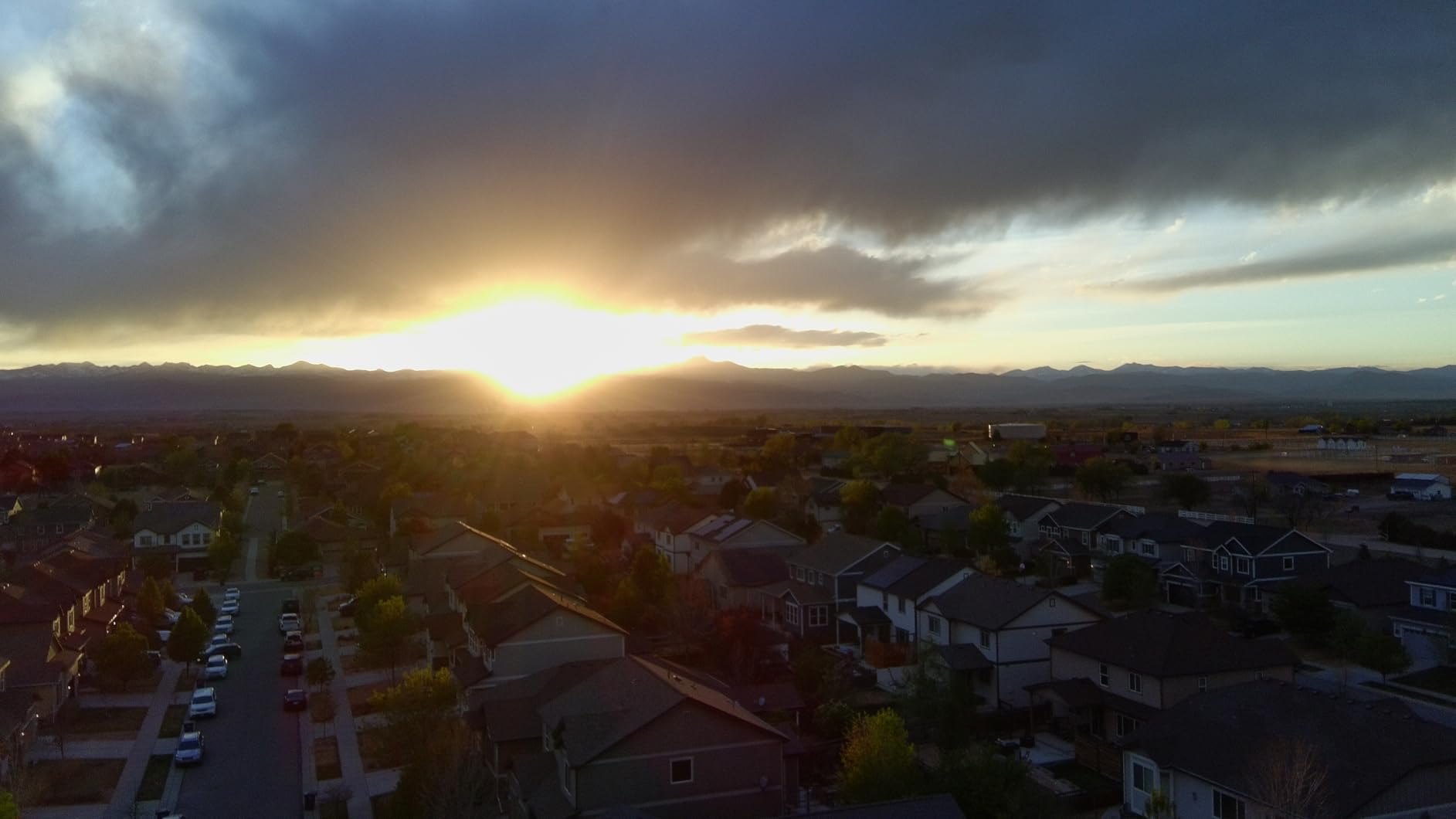
7. Holy Stone Sentinel HS600D – Best Drone for Wind Resistance
- Professional 8K/48MP photos with Sony sensor
- Bright f/1.8 aperture for low-light performance
- Level-6 wind resistance for challenging conditions
- 20000ft transmission range with wired relay
- Multi-sensor safety with TOF plus GPS plus optical flow
- 603g weight requires FAA registration
- Lower review count than competitors
- Relay remote system adds setup complexity
The Holy Stone Sentinel HS600D is the wind-resistance champion on this list, and that single feature makes it worth considering for agents who shoot in exposed locations. Where coastal properties, hillside homes, and open-acreage ranches regularly ground lighter drones, the HS600D’s 603-gram reinforced frame and Level-6 wind rating keep it flying.
The 8K photo and 4K HDR video output come from a Sony 1/2-inch CMOS sensor with a bright f/1.8 aperture. The wide aperture is particularly useful for twilight architectural shots, where the extra light gathering produces cleaner shadows than cheaper sensors. The 3-axis gimbal combined with electronic image stabilization keeps footage smooth even in the gusty conditions this drone is built for.
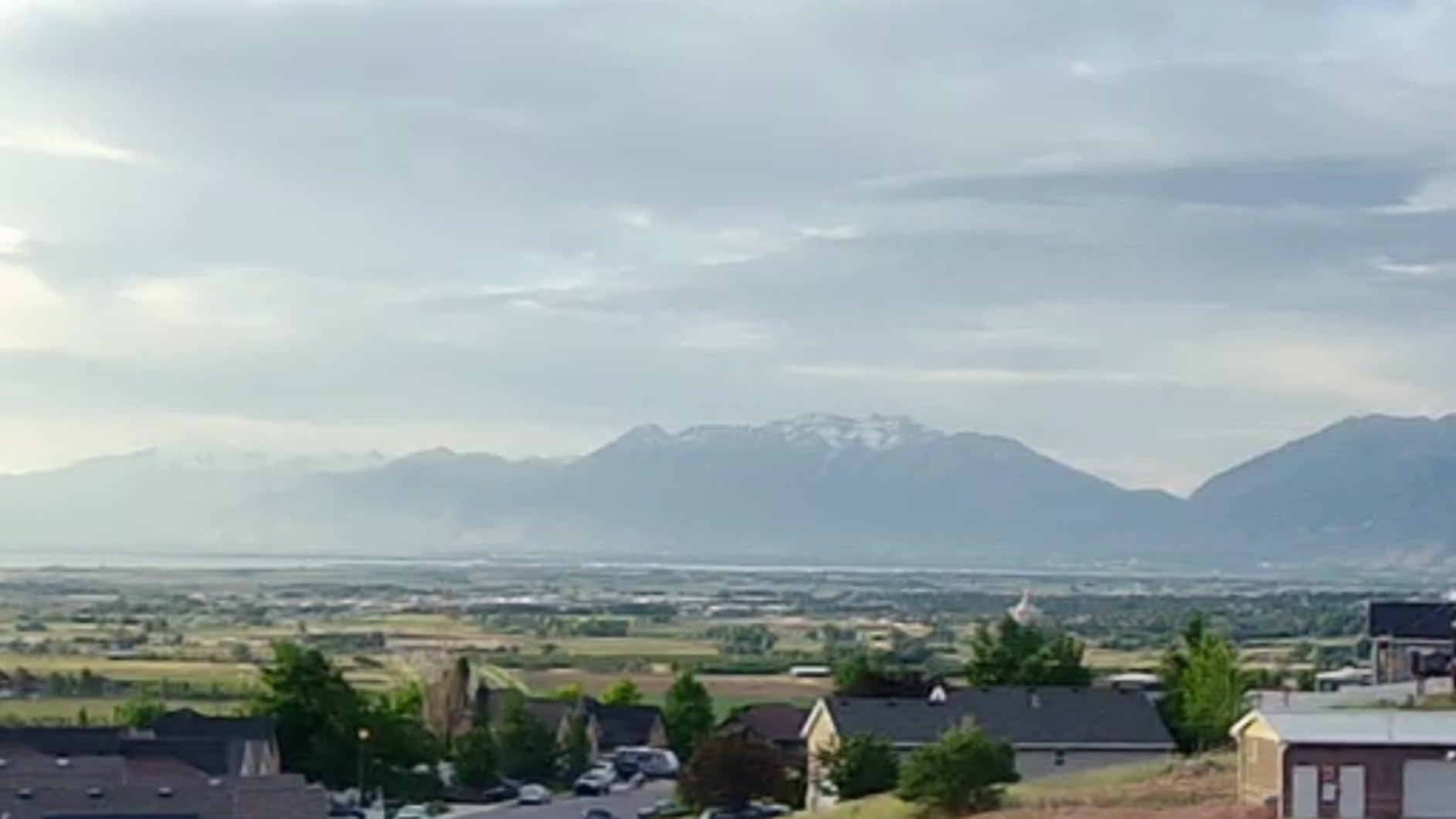
The HS600D’s 20,000-foot transmission range is the longest on this list outside the Mavic 4 Pro. Holy Stone achieves this with a wired-relay system that uses your phone or tablet as part of the transmission chain, which is the source of both its impressive range and the setup complexity some users report. Once you have it configured, it works well, but the initial pairing takes longer than a standard DJI workflow.
Eighty minutes of total flight time across two batteries puts it near the top of the list for endurance. The GPS smart modes, including Follow Me, Smart Tracking, Time-Lapse, and Panorama, give you automated options for property reveal clips. The TOF, GPS, and optical flow positioning triple-up on safety for low-altitude architectural detail work.
Weight and registration trade-offs
At 603 grams, the HS600D requires FAA registration for any use. For commercial real estate photography, you also need Part 107 certification. The heavier frame is what enables the Level-6 wind rating, so this is a deliberate engineering trade-off.
If you mostly shoot sheltered suburban properties, a sub-250g drone like the Mini 3 or ATOM 4K may be more practical.
Who benefits most from Level-6 wind
Coastal agents, mountain and hillside property specialists, and ranch or acreage photographers benefit most from the wind rating. The HS600D holds a stable hover when lighter drones are bouncing or grounded.
For sheltered suburban work, the wind advantage is less impactful and the registration overhead is harder to justify.
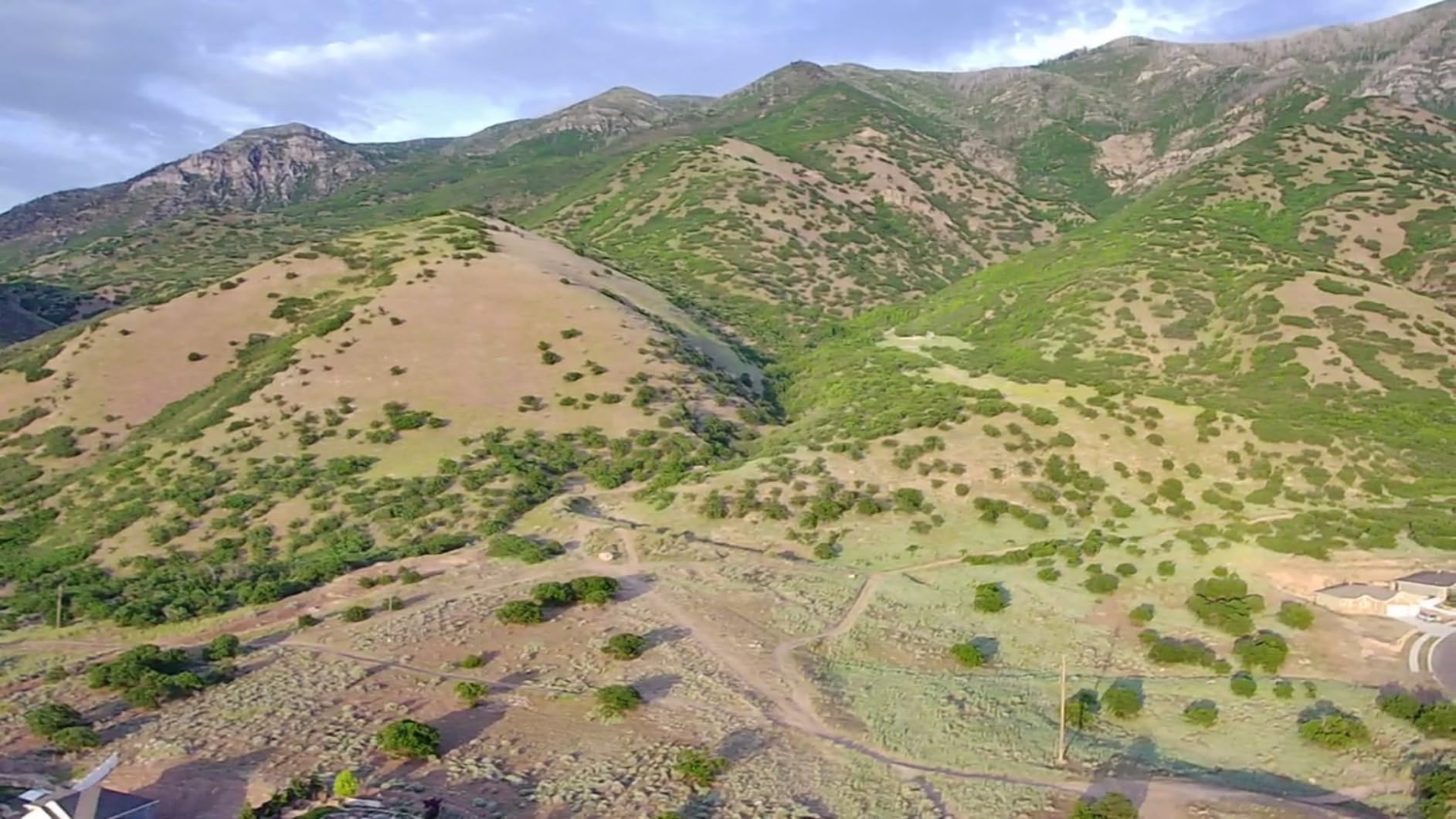
8. Bwine F7GB2 Pro – Best FAA-Compliant Pick with GPS Smart Modes
- FAA Remote ID certified for legal compliance
- 4K UHD camera with 3-axis gimbal stabilization
- 75-minute total flight time with 3 batteries
- Level-6 wind resistance and 2000m altitude
- GPS smart modes including Follow Me and Waypoint
- Higher price point in its tier
- Lowest review count on this list
- App-based control may be less intuitive
- Smaller frame feels less sturdy
The Bwine F7GB2 Pro is the most regulation-ready drone on this list, and that matters more than agents often realize in 2026. It ships FAA Remote ID certified out of the box, which means it complies with the FAA’s Remote ID rule that applies to all drones flown outdoors in the United States. No add-on modules, no registration workarounds.
The 4K UHD camera uses a 120-degree field-of-view lens with a larger CMOS sensor than you typically find in this price tier. The 3-axis gimbal with 5x digital zoom lets you frame property details without flying dangerously close to structures. Footage is clean and MLS-ready for daytime exterior work, and the gimbal holds steady in the Level-6 wind conditions the F7GB2 Pro is rated for.
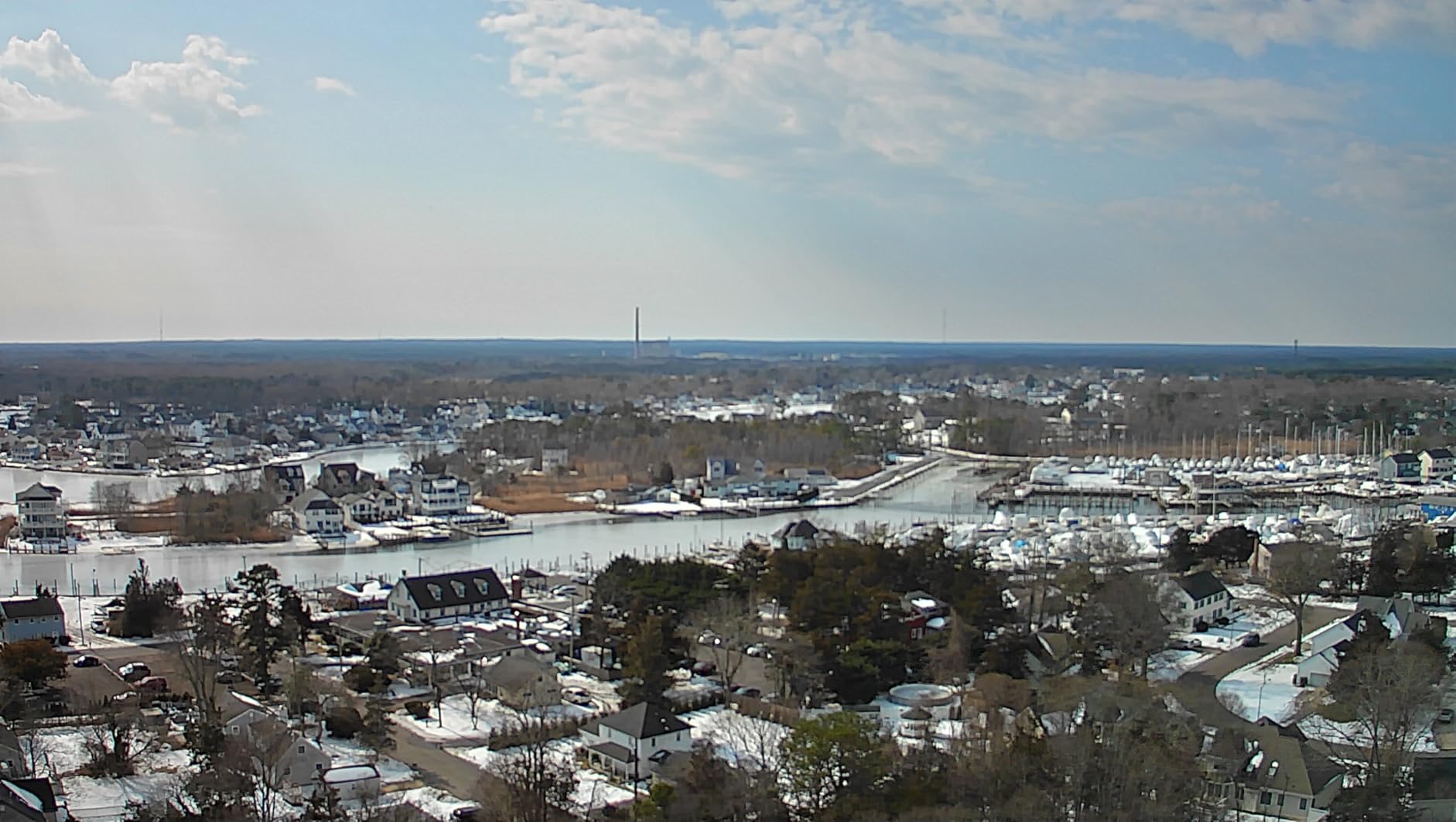
Seventy-five minutes of total flight time across three batteries is competitive with the Potensic ATOM 4K, and the 10,000-foot control range gives you room for large lot shoots. The GPS smart modes are where this drone earns its keep for real estate work. Follow Me, Waypoint, Orbit Fly, and Circle Fly let you set up automated cinematic reveals that look professional without advanced piloting skills.
The 2,000-meter altitude capability and 1806 brushless motor give the F7GB2 Pro more headroom than the spec sheet suggests. UL-certified batteries add a safety layer that budget-conscious agents appreciate, and the two-year warranty with 30-day money-back guarantee reduces the risk of trying a non-DJI brand.
Why Remote ID matters in 2026
FAA Remote ID has been enforced since 2024. Drones without compliant Remote ID cannot be flown legally outdoors in the United States without an add-on broadcast module. The F7GB2 Pro ships compliant, which removes that headache.
Several DJI models added Remote ID via firmware update, but if you want guaranteed compliance out of the box, Bwine is a safer bet.
Best property types for the F7GB2 Pro
The 120-degree wide lens is well-suited to compact urban lots where you cannot back up to get the full property in frame. The GPS waypoint mode is also excellent for repeat portfolio shoots where you want identical framing across multiple visits.
For luxury estates or large acreage, the Air 3S or Mavic 4 Pro remain stronger picks due to sensor size and telephoto options.
Buying Guide: How to Choose the Best Drone for Real Estate?
Picking the right drone for real estate photography comes down to matching your typical listing type, your experience level, and your budget tier. The eight drones above cover the full spectrum, and this guide breaks down the decision factors that actually matter for working agents.
Camera quality and sensor size
Sensor size is the single biggest determinant of image quality in real estate drone photography. A 1-inch CMOS sensor (Air 3S, Mini 5 Pro) gathers roughly four times the light of a 1/2.3-inch sensor (Mini 4K, ATOM 4K), which translates directly into cleaner shadows, better twilight performance, and more detail in foliage and roofing textures.
For most residential MLS work, a 1/1.3-inch sensor (Mini 3) hits the sweet spot. For luxury or commercial work, step up to a 1-inch or larger sensor.
Flight time and battery strategy
Manufacturers quote single-battery flight times, but real estate work is a multi-battery game. Plan your budget around the total flight time across all included batteries, not the headline single-battery number. The Potensic ATOM 4K and Holy Stone HS600D both ship with 75 to 96 minutes of total flight time, which lets you shoot three or four properties before recharging.
As a rule of thumb, budget at least 60 minutes of total flight time per property shoot, including buffer for reshoots.
Weight and FAA registration
Any drone under 250 grams flown recreationally does not require FAA registration. Once you cross 250 grams, or once you fly commercially under Part 107, registration applies regardless of weight. The Mini 3, Mini 4K, Mini 5 Pro, ATOM 4K, and Potensic ATOM all stay under the 250-gram threshold for recreational use.
The Air 3S, Mavic 4 Pro, HS600D, and Bwine F7GB2 Pro all require registration. None of these are barriers, but factor the $5 registration fee and Part 107 study time into your decision.
Obstacle avoidance for property work
Obstacle avoidance matters more in real estate than in open-field flying because you are working near rooflines, mature trees, chimneys, and outbuildings. The Mavic 4 Pro, Air 3S, and Mini 5 Pro all feature omnidirectional sensing. The Mini 3 and Mini 4K have no obstacle sensors, which means you fly them with full manual awareness.
If you shoot luxury properties with complex architecture, prioritize obstacle avoidance. For simple single-family homes on open lots, you can fly safely without it.
Vertical shooting for social media
True vertical shooting lets you capture native 9:16 footage for Reels, TikTok, and YouTube Shorts without cropping. The Mini 3, Mini 5 Pro, and Air 3S all support true vertical via gimbal rotation. The Mini 4K, ATOM 4K, HS600D, and F7GB2 Pro require either cropping from horizontal or rotating the entire drone.
If social media is a meaningful part of your listing strategy, true vertical should be a non-negotiable feature.
DJI versus non-DJI in 2026
DJI remains the dominant force in real estate drones, and six of our eight picks are DJI models. The Potensic ATOM 4K and Bwine F7GB2 Pro are the strongest non-DJI alternatives, and both are worth considering if you want competition in the market or have concerns about DJI’s regulatory status in the United States.
The main trade-off with non-DJI drones is in transmission technology and app polish. DJI’s O4 and O4+ systems handle urban interference better than the Wi-Fi-based systems in most competitors.
Insurance considerations
Drone insurance for commercial real estate work typically runs $30 to $75 per month for liability coverage. Some policies also cover hull damage to the drone itself. If you are flying paid listings, liability coverage is worth the cost, particularly for luxury properties where any incident carries significant financial exposure.
The Bwine F7GB2 Pro and HS600D both ship with multi-sensor safety systems that reduce (but do not eliminate) the need for insurance coverage.
Frequently Asked Questions
Do I need a license to fly a drone for real estate?
Yes. Any drone flight for compensated real estate work requires an FAA Part 107 Remote Pilot Certificate in the United States. The Part 107 test is a 60-question multiple-choice exam covering airspace, weather, regulations, and drone operations. Recreational flights under 250 grams do not require Part 107, but the moment money changes hands for real estate photography, the commercial license requirement applies regardless of drone weight.
How much do realtors pay for drone footage?
Realtors typically pay between $200 and $500 per property for professional drone photography and video, with luxury or commercial properties commanding $500 to $1,500 or more. Most real estate drone photographers charge per shoot, with package pricing for photo, video, and twilight add-ons. Full-day portfolio shoots for developers can exceed $2,000 depending on scope.
What drones do real estate agents use?
The most common drones used by real estate agents are the DJI Air 3S for professional work, the DJI Mini 3 and Mini 4 Pro for value and portability, and the DJI Mavic 3 Pro or Mavic 4 Pro for luxury listings. Non-DJI alternatives like the Potensic ATOM 4K and Bwine F7GB2 Pro are growing in popularity among agents who want competition in the market or have regulatory concerns.
Why did DJI drones get banned?
DJI drones have not been fully banned in the United States, but the company has faced regulatory scrutiny including addition to the FCC Covered List and proposed legislation that could restrict federal use of DJI equipment. For private real estate work, DJI drones remain legal and widely used. The Bwine F7GB2 Pro ships with FAA Remote ID compliance built in, which some agents prefer as a hedge against future DJI-specific restrictions.
What is the best drone for real estate under $500?
The best drone for real estate under $500 is the DJI Mini 3 with DJI RC, which offers 4K HDR video, a 48MP sensor, true vertical shooting, and 38 minutes of flight time. The Potensic ATOM 4K Fly More Combo is the strongest alternative at a similar price point with 96 minutes of total flight time across three batteries. Both stay under the 250-gram FAA registration threshold for recreational use.
Final Verdict
The best drones for real estate in 2026 split cleanly into three tiers based on what your listings demand. For most working agents, the DJI Air 3S is the right pick because its dual wide and tele cameras solve the framing problems that single-lens drones cannot. For value, the DJI Mini 3 with DJI RC delivers true vertical shooting and 4K HDR at a price that lets new agents enter aerial photography without major risk.
For agents just testing the waters, the DJI Mini 4K is the cheapest drone we would still trust on a client listing. Luxury and commercial specialists should step up to the DJI Mavic 4 Pro for the 100MP Hasselblad camera and tri-camera flexibility. Non-DJI alternatives like the Potensic ATOM 4K and Bwine F7GB2 Pro are worth a serious look if you want competition in the market or guaranteed FAA Remote ID compliance out of the box.
Whatever you choose, factor in your Part 107 certification, total battery flight time, and whether your typical property needs telephoto framing or true vertical shooting. The right drone is the one that matches your listings, not the one with the most impressive spec sheet.