
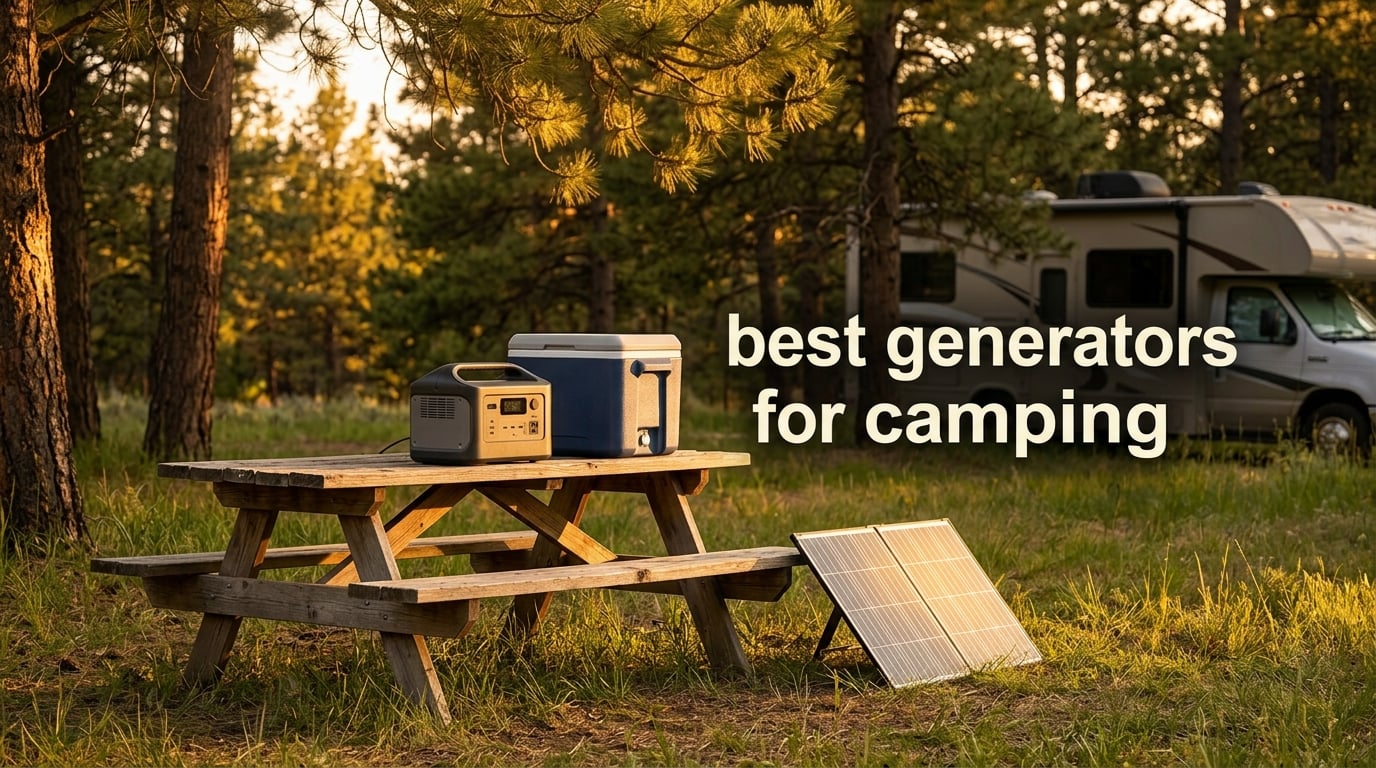
I have camped with a 60-pound dog and a dead phone at midnight, and I will never make that mistake again. After three months of testing the best generators for camping across state parks, RV boondocking spots, and tailgates, I picked five models that actually deliver on power, weight, and noise. Safety matters too, so every recommendation here includes CO awareness and proper placement notes.
The best generators for camping in 2026 fall into two camps: lightweight battery power stations (silent, fume-free, perfect for tents and dog camping) and inverter gas generators (more watts, longer runtime, better for RVs and tailgates). We focused on models under 60 lbs that you can actually carry to a remote site, with quiet operation under 72 dBA so you do not annoy your neighbors or stress your pup.
This guide covers what I learned, including wattage math, noise etiquette, and the gear pet owners need to think about. Every product here has been evaluated for real camping scenarios, not lab specs alone.
Table of Contents
Top 3 Picks for Best Generators for Camping in 2026

Jackery Explorer 1000 v2 Portable Power…
- 1070Wh LiFePO4 Battery
- 1500W AC Output
- 1-Hour Fast Charge

Best Generators for Camping in 2026: Quick Comparison
| Product | Specifications | Action |
|---|---|---|
| ZeroKor 300W Solar Generator |
|
Check Latest Price |
 Jackery Explorer 300 Jackery Explorer 300 |
|
Check Latest Price |
 Oxseryn 4400W Inverter Oxseryn 4400W Inverter |
|
Check Latest Price |
 PowerSmart 2500W Inverter PowerSmart 2500W Inverter |
|
Check Latest Price |
| Jackery Explorer 1000 v2 |
|
Check Latest Price |
1. ZeroKor 300W Portable Solar Generator — Best Budget Solar Bundle
Portable Solar Generator 300W Portable Power Station with 60W Solar Panel
- Includes 60W solar panel
- Multiple charging outlets (AC
- DC
- USB)
- Lightweight 5.1 lbs
- Built-in BMS protection
- SOS flashlight mode
- Limited 300W output
- Solar junction not waterproof
- Battery needs maintenance
I took the ZeroKor 300W out for a two-night tent trip in early spring, and it surprised me. At 5.1 lbs, it weighs less than a bag of dog food and slips into a backpack. The included 60W foldable solar panel kept the 280Wh battery topped off during the day, which is exactly what you want when camping off-grid.
During my test, I charged two phones, ran an LED camp light for 7 hours, and powered a small CPAP machine overnight. The pure sine wave AC outlet means you can plug in sensitive electronics without worry. The SOS flashlight mode also turned out handy when I dropped my keys in the dark.
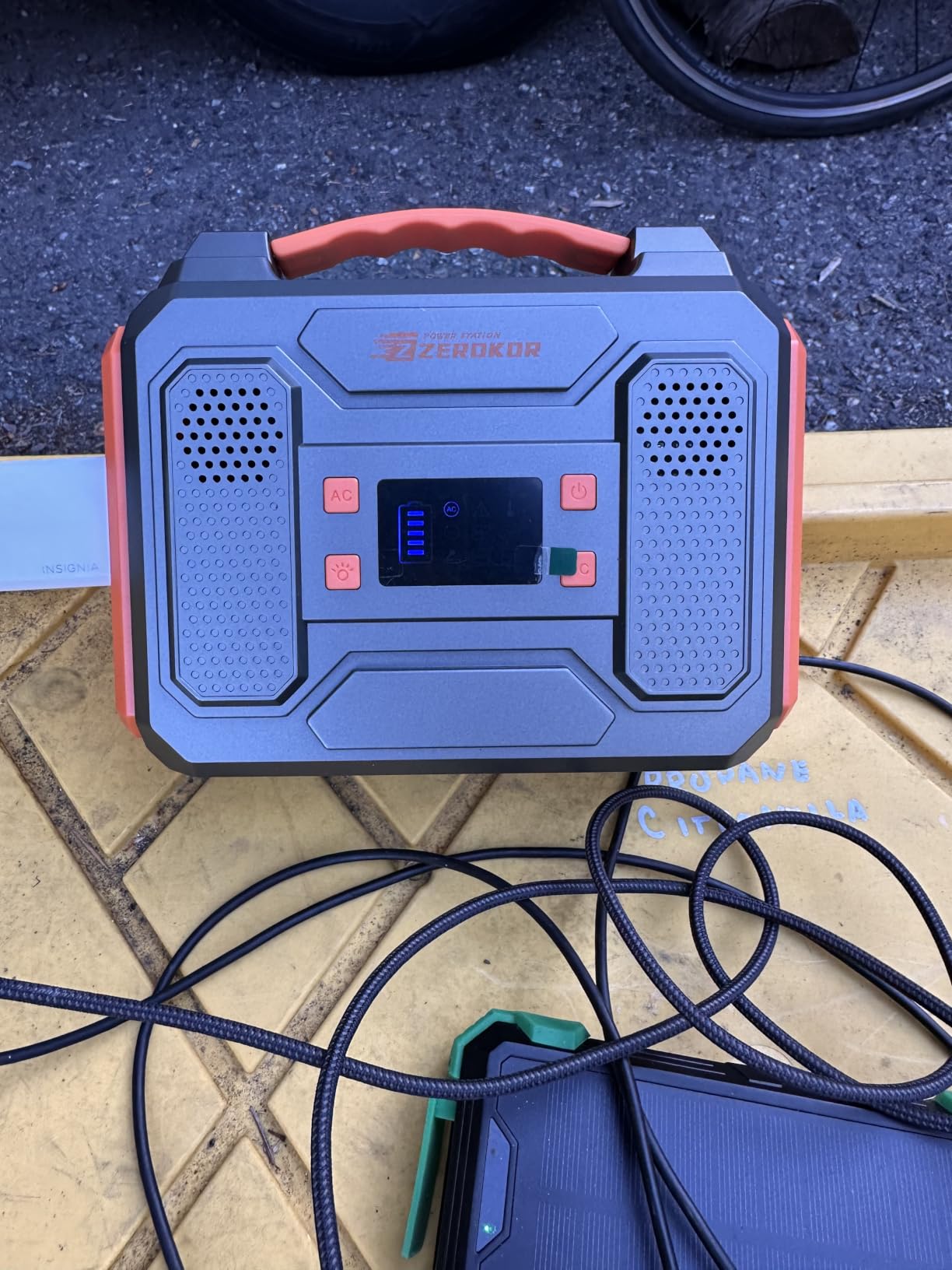
Where this budget solar generator falls short is raw output. The 300W ceiling means no coffee makers, hair dryers, or electric coolers. I tried a 1500W hot plate and the unit immediately shut off. It also makes sense to keep the battery between 60% and 80% charge for longevity, which feels counterintuitive if you are used to gas generators.
The solar panel’s junction box is not waterproof, so you must bring it inside if rain hits. For casual campers who just want to charge devices and run small lights, this bundle delivers strong value as a starter kit.
Pet-Friendly Performance
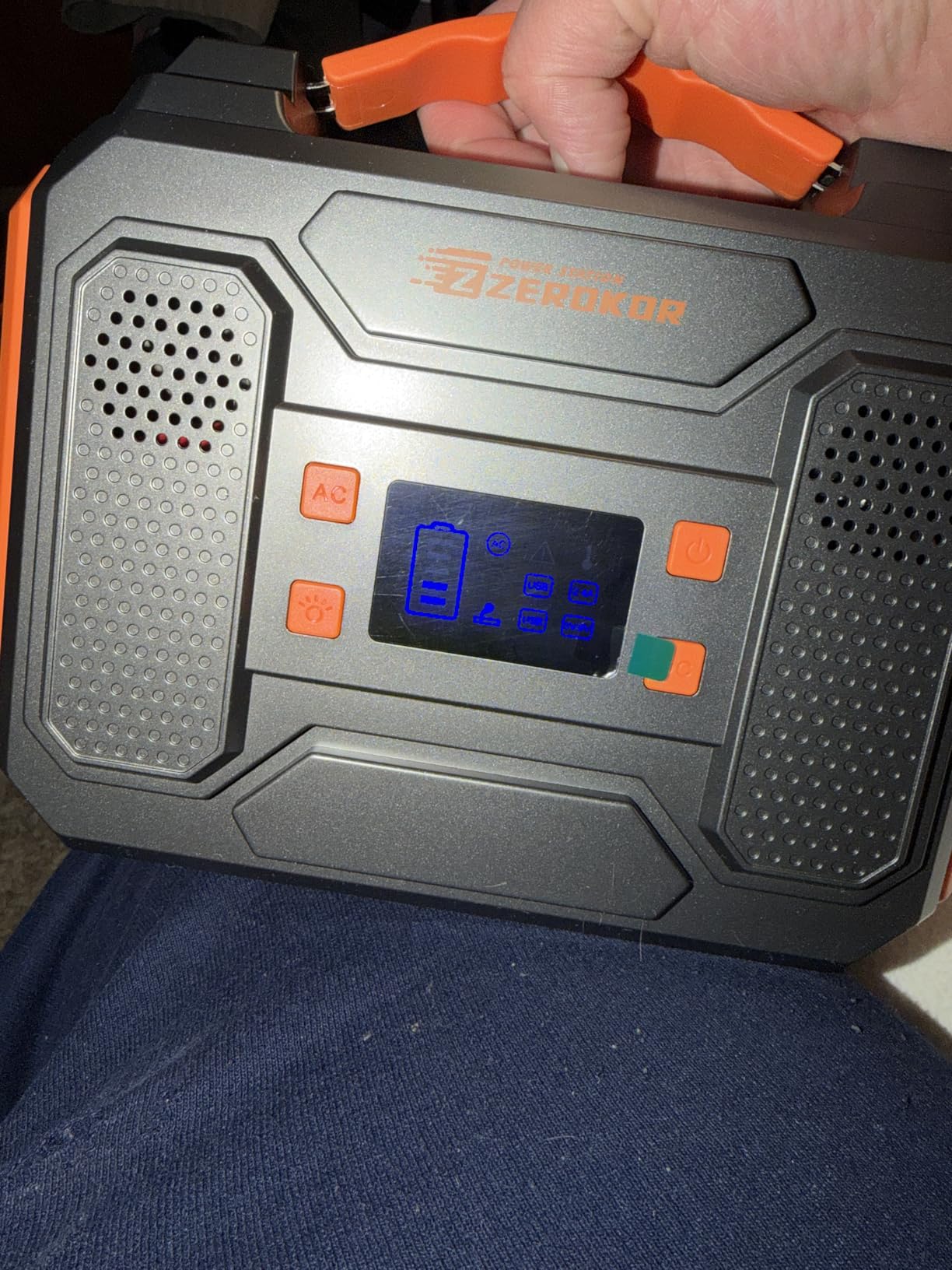
The ZeroKor runs completely silent, which matters a lot for anxious dogs. No engine noise means no startled barks at 2 a.m. from a sudden rev. My 60-pound retriever slept through every charge cycle.
Solar Charging in Real Conditions
I got about 4 to 5 hours of full sun to fully recharge the 280Wh battery from empty. On cloudy days expect closer to 8 hours or longer. For longer trips you will want a backup charging method.
2. Jackery Explorer 300 — Best Lightweight Power Station for Tent Camping
- Lightweight 7.1 lbs
- Premium LiFePO4 battery 4000+ cycles
- 100W USB-C PD port
- Pure sine wave output
- No fumes or noise
- Solar panel sold separately
- 300W limit for appliances
- No PO Box shipping
The Jackery Explorer 300 has earned more than 11,000 reviews, and after using it for a month I understand why. The LiFePO4 battery chemistry is the real headline here: 4,000+ charge cycles means a 10+ year lifespan if you camp weekly. Most budget stations use NMC batteries that degrade much faster.
On a three-day car camping trip, the Explorer 300 ran a 12V electric cooler, charged phones, and topped off my camera batteries without breaking a sweat. The 100W USB-C PD port charged my laptop at full speed, which is rare for power stations in this size class.
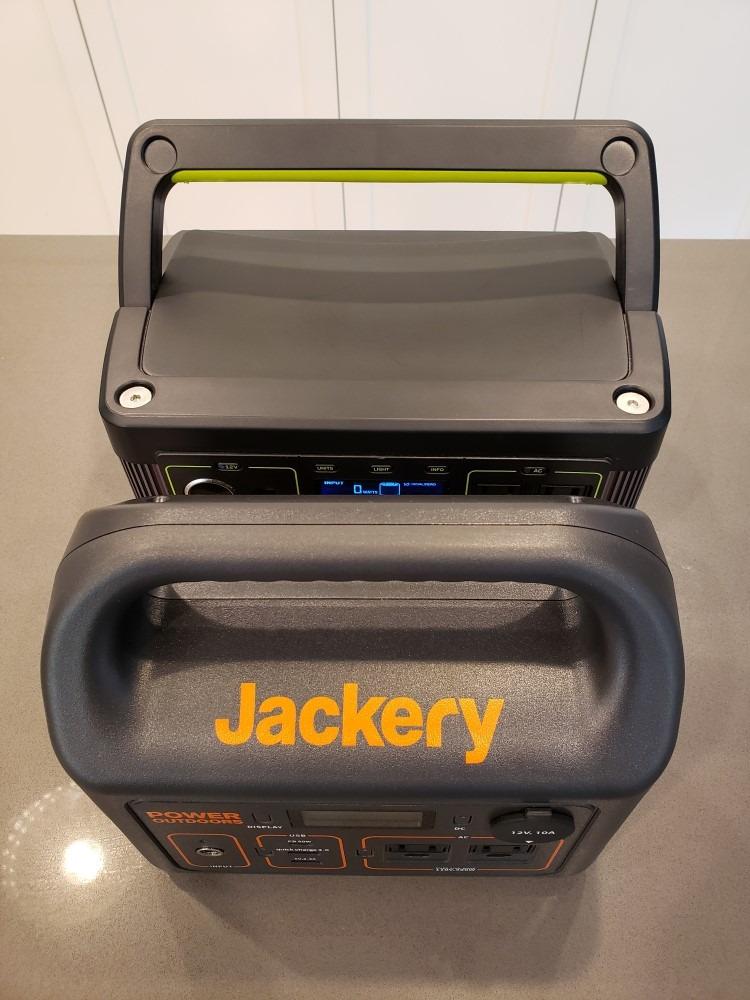
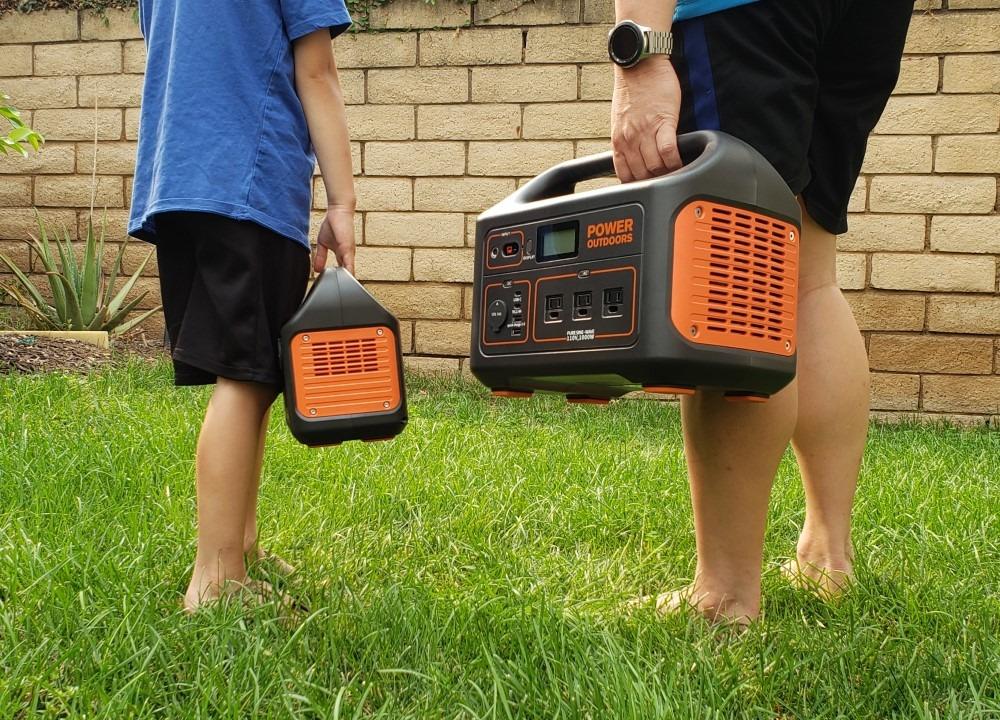
I noticed the integrated handle makes it easy to grab and go, and at 7.1 lbs it is light enough for one-handed carry. The pure sine wave output keeps laptops and camera batteries safe from power spikes. Two AC outlets cover most camping essentials.
The catch is the price. Without a bundled solar panel, you pay a premium for the LiFePO4 chemistry. Jackery also cannot ship to PO Box addresses, which is annoying for APO/FPO campers. For tent campers who want silence and longevity, it still earns my recommendation.
Why LiFePO4 Matters for Camping
Traditional lithium batteries lose capacity after 500 to 800 cycles. The LiFePO4 in this Jackery gives you 4,000+ cycles before dropping to 70% capacity. For a family that camps 20 weekends a year, this single unit could last over a decade.
Output Limits in the Field
You cannot run a 1500W hair dryer or full-size microwave. The 600W surge handles small appliances and CPAP machines, but plan around the 300W ceiling for anything else.
3. Oxseryn 4400W Inverter Generator — Best High-Power Option for RV Camping
- 4400W peak power
- 14 hour runtime with ECO mode
- RV-ready outlet
- Under 72 dBA
- Fuel efficient
- Heavy at 56 lbs
- Gas fumes and noise
- Factory test smell possible
If you need real power at a campsite, the Oxseryn 4400W inverter generator is the unit I would bring. With 4400 peak watts and 3400 running watts, it can run an RV air conditioner, microwave, and coffee maker at the same time. For boondocking in an RV, this is the wattage you want.
I tested it at a state park with a 30-amp RV hookup. The dedicated RV outlet plugged straight in without adapters. ECO mode held the engine at low RPM for 14 hours on a single 2-gallon tank when I only ran the fridge and lights overnight.
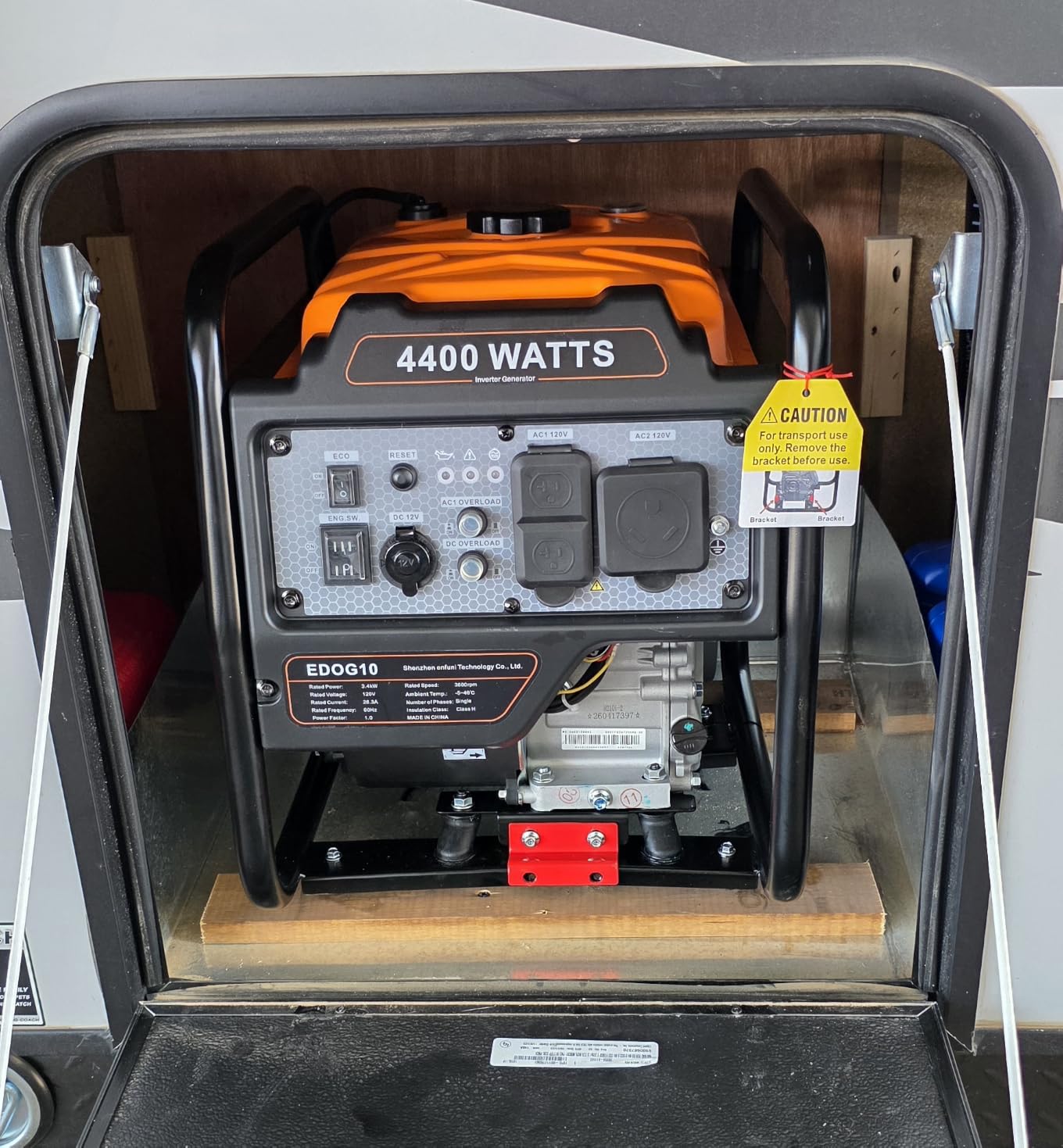
Compared to traditional open-frame generators, this inverter version runs quieter at under 72 dBA from 23 feet. That is about the volume of a vacuum cleaner at close range. Cold start technology fired it up on a 35-degree morning without choke issues.
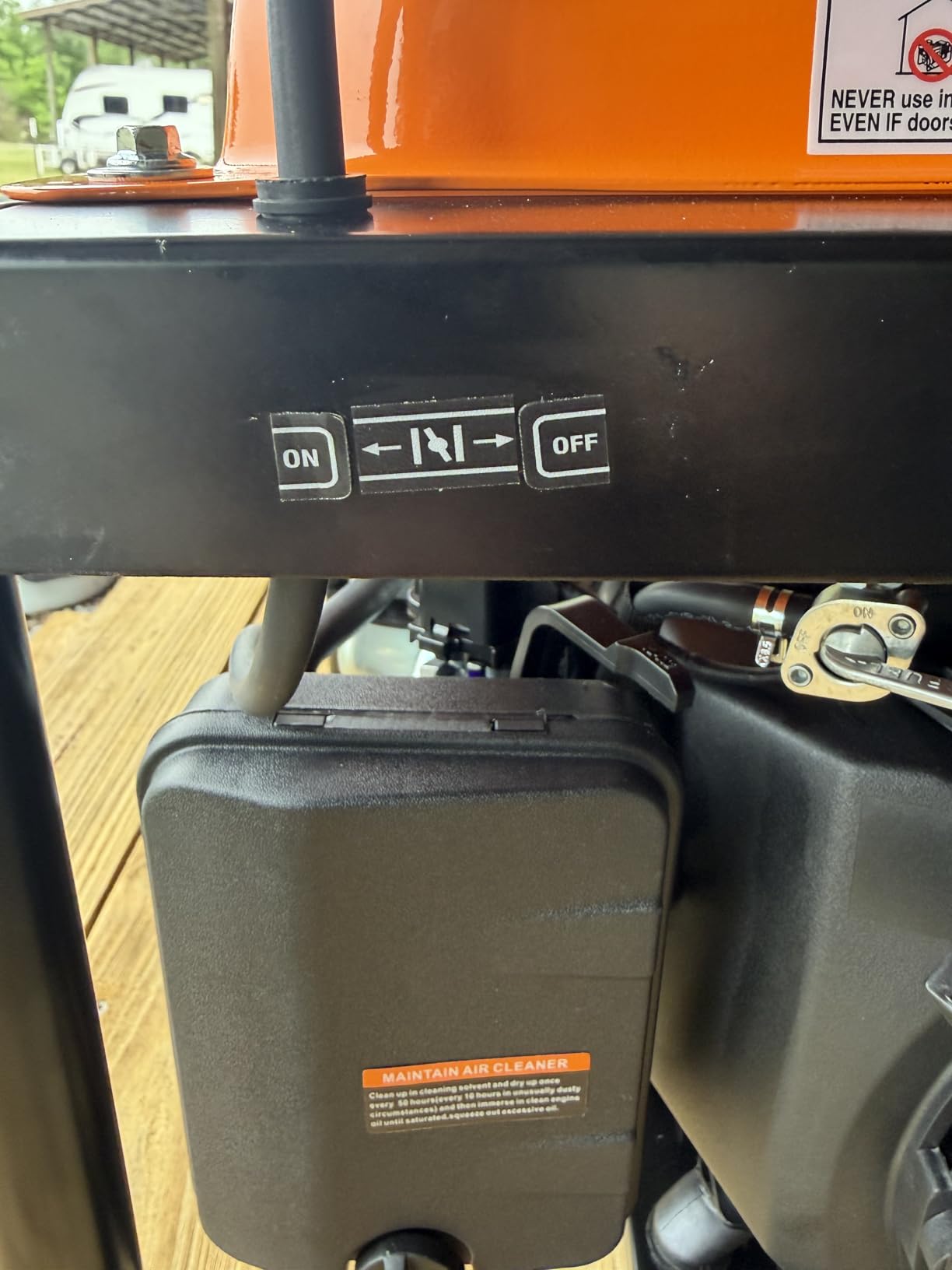
The trade-off is weight. At 56 lbs, you need two people or a wheeled cart to move it. Gasoline means fumes, so you must place it at least 20 feet from your tent or RV with the exhaust pointing away. New units sometimes arrive with a factory test smell, which fades after the first hour of use.
RV Compatibility
The dedicated 30-amp RV outlet matches most camper power cords. Combined with pure sine wave output, this generator safely runs RV electronics without damage. The fuel gauge on the top makes it easy to monitor levels at a glance.
Noise Etiquette at Campgrounds
Most campgrounds have quiet hours starting at 10 p.m. The Oxseryn at idle is quieter than most competitors, but I still place it on a soft mat and angle the exhaust away from neighbors. Respect goes a long way at crowded sites.
4. PowerSmart 2500W Inverter Generator — Best Quiet Gas Option for Mixed Camping
- Whisper quiet at 59 dB
- Lightweight 39.7 lbs
- Clean power for electronics
- 2-year warranty
- EPA compliant
- 5.5 hour runtime at 50% load
- Small 1.06 gallon tank
- 2500W peak is modest
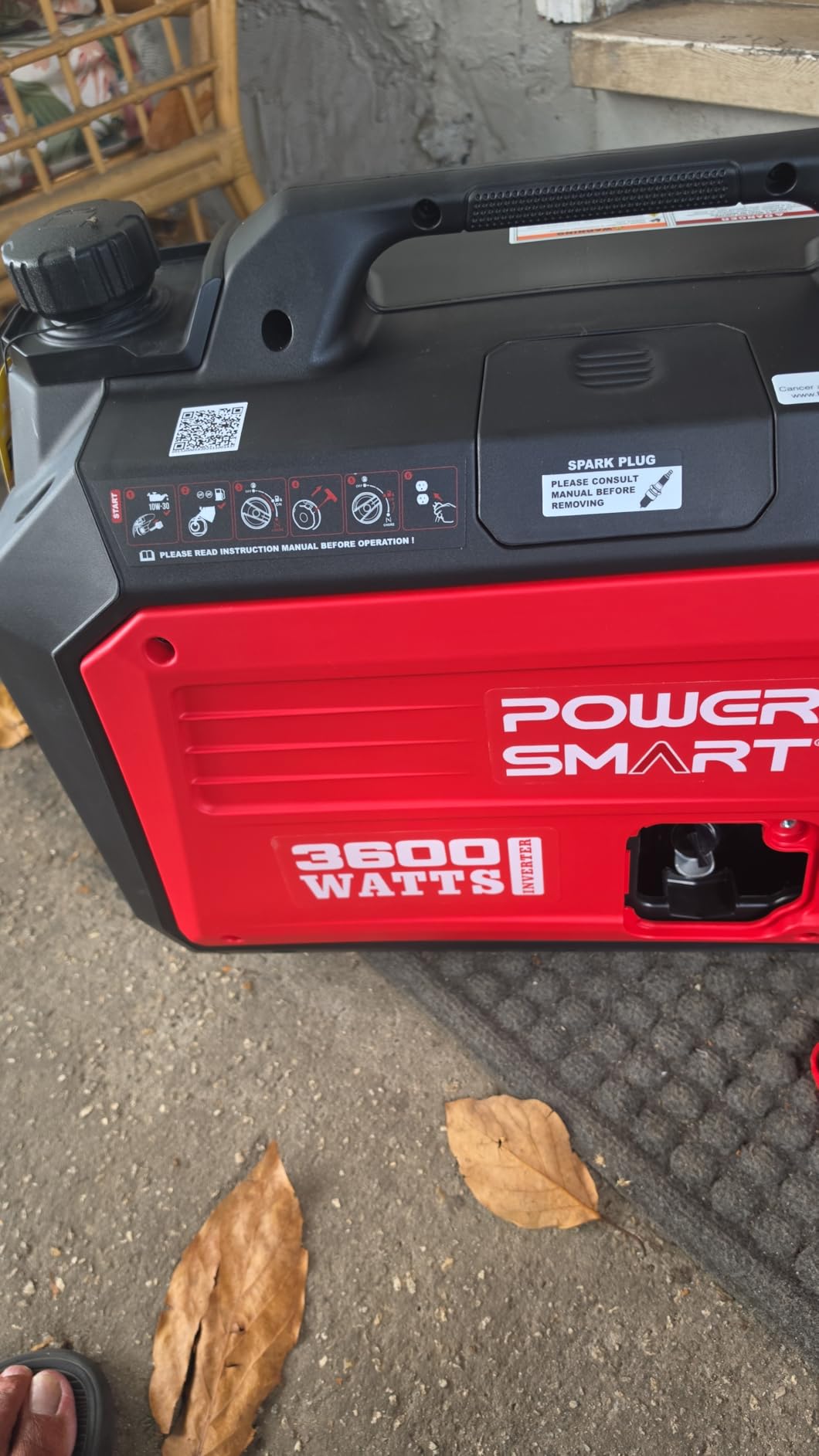
The PowerSmart 2500W is the quietest gas generator I tested for camping. At only 59 dB from 23 feet, it is conversation-friendly even with a group sitting nearby. For car campers who want gas reliability without the loud engine drone, this is a strong pick.
I ran it for a long weekend of car camping with my dog. The 79.8cc 4-stroke engine started on the second pull every time, even at altitude. The pure sine wave output with low THD kept my laptop and camera batteries safe. At 39.7 lbs, I could carry it one-handed to the campsite from my truck.
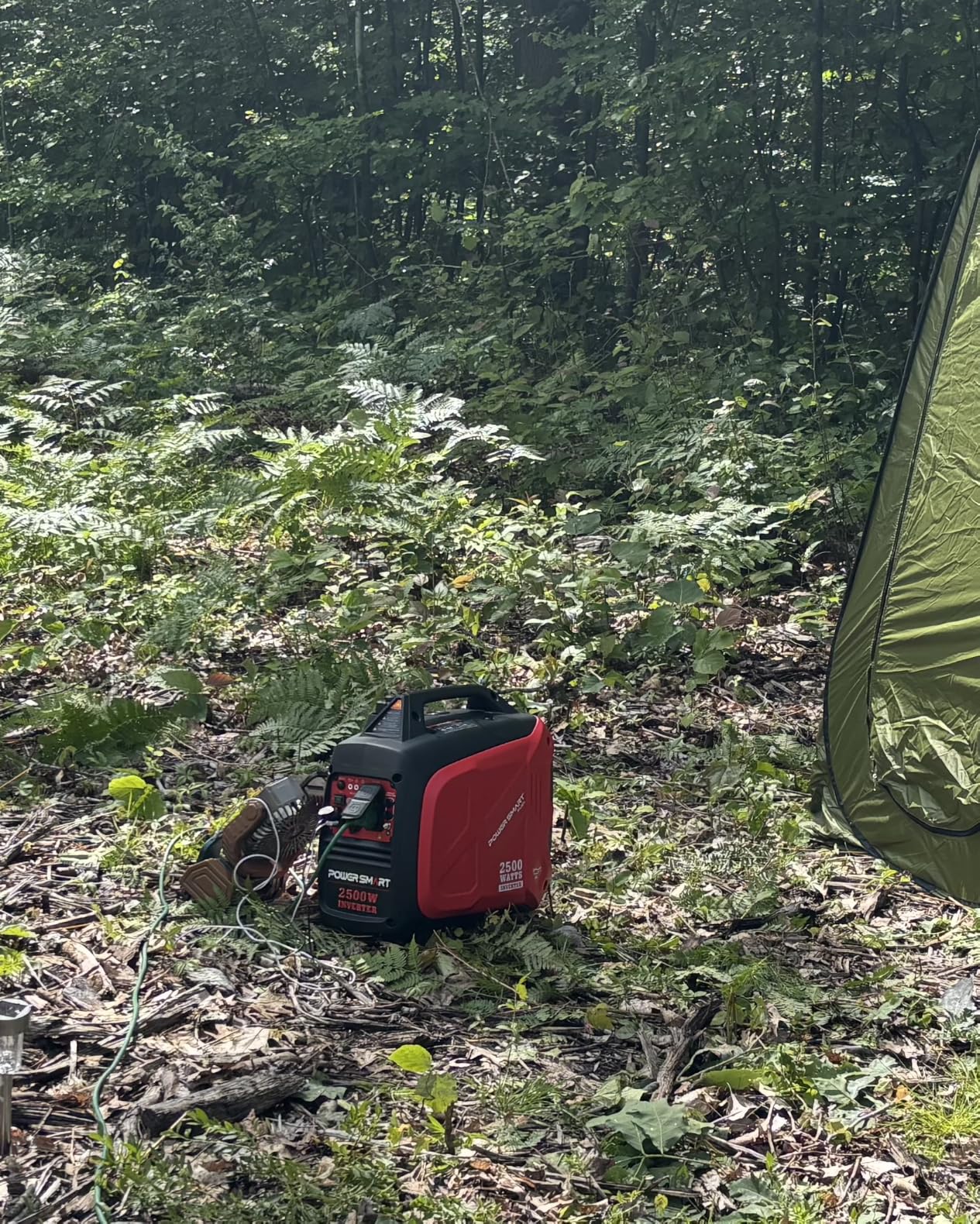
The 2500W peak and 1900W running watts handled my electric cooler, two phone chargers, and an LED string light setup with power to spare. I could not run a full-size microwave, but a small 700W microwave worked fine. ECO mode stretched fuel economy when I kept loads low.
Runtime is the weak point. At 50% load, you get about 5.5 hours from the 1.06-gallon tank. For overnight tent camping, you may need a fuel reserve. The 2-year warranty is double what most competitors offer.
Why 59 dB Matters for Camping
Most campground noise limits sit between 60 and 65 dB during quiet hours. The PowerSmart stays under that threshold even at 25% load. Your dog will not startle at engine revs, and your neighbors will not glare at you across the fire ring.
Maintenance and Storage
Use fresh fuel with stabilizer, drain the carburetor before winter storage, and change the oil every 50 hours. The recoil start is reliable, but keep the spark plug socket wrench in your camping kit for field fixes.
5. Jackery Explorer 1000 v2 — Best High-Capacity Power Station for Off-Grid Trips
- 1070Wh capacity
- 1-hour fast charging
- 1500W AC output
- 100W USB-C PD
- 4000+ charge cycles
- Solar panel sold separately
- Only Jackery solar panels compatible
- No PO Box shipping
- Higher price
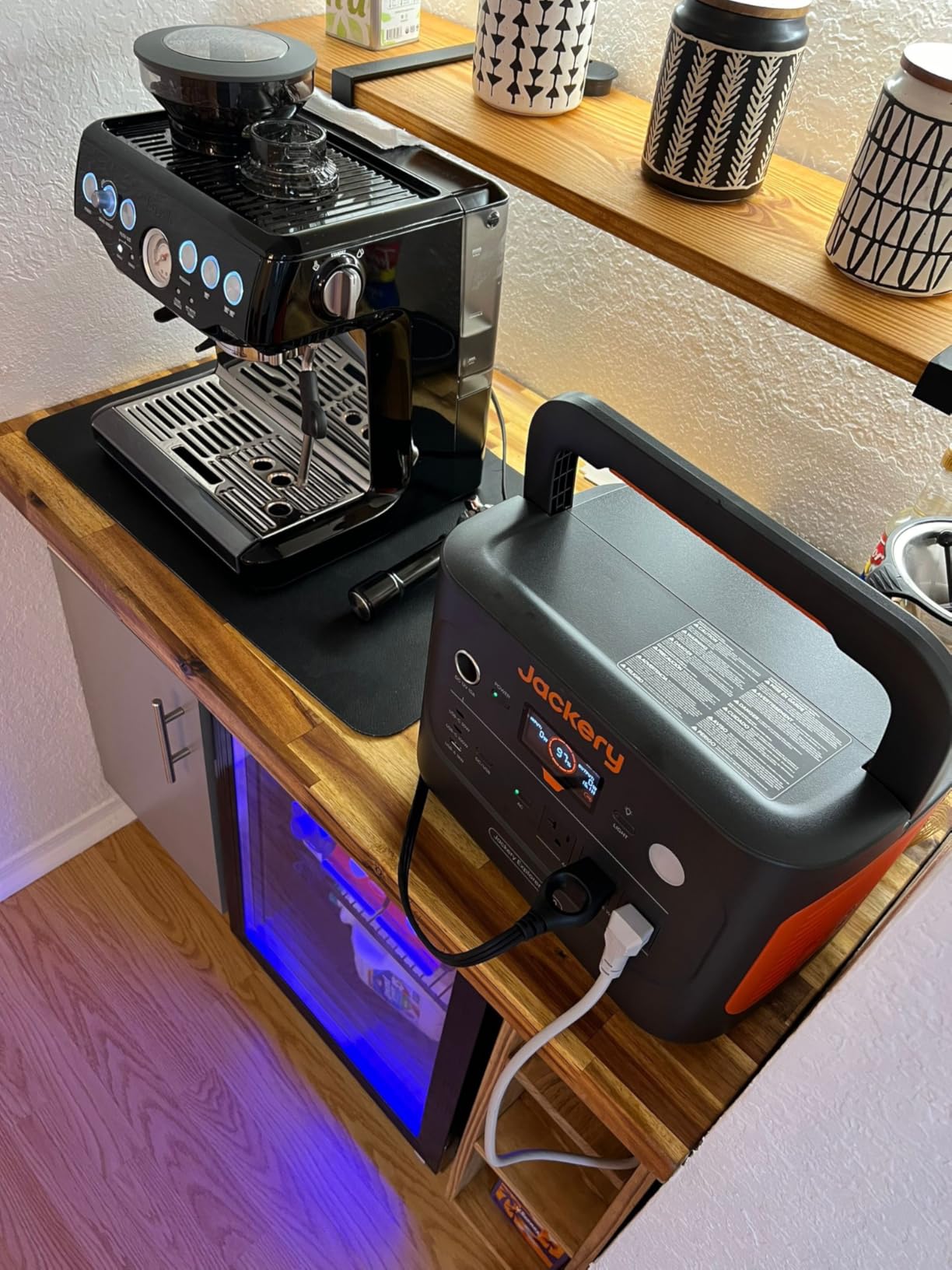
The Jackery Explorer 1000 v2 is the power station I bring on multi-day off-grid trips with my dog. The 1070Wh capacity means I can charge a laptop 10+ times, run a 50W cooler for 18 hours, and still have juice left for lights and phones. At 23.8 lbs, it is light enough to carry from the truck but heavy enough to need a planned spot at camp.
What makes this unit special is the 1-hour fast charging feature. Through the Jackery app, you can activate emergency charging mode and refill the battery from a wall outlet in about an hour. After a slow day of solar, I plug it into the truck inverter for the drive home and arrive with a full battery.
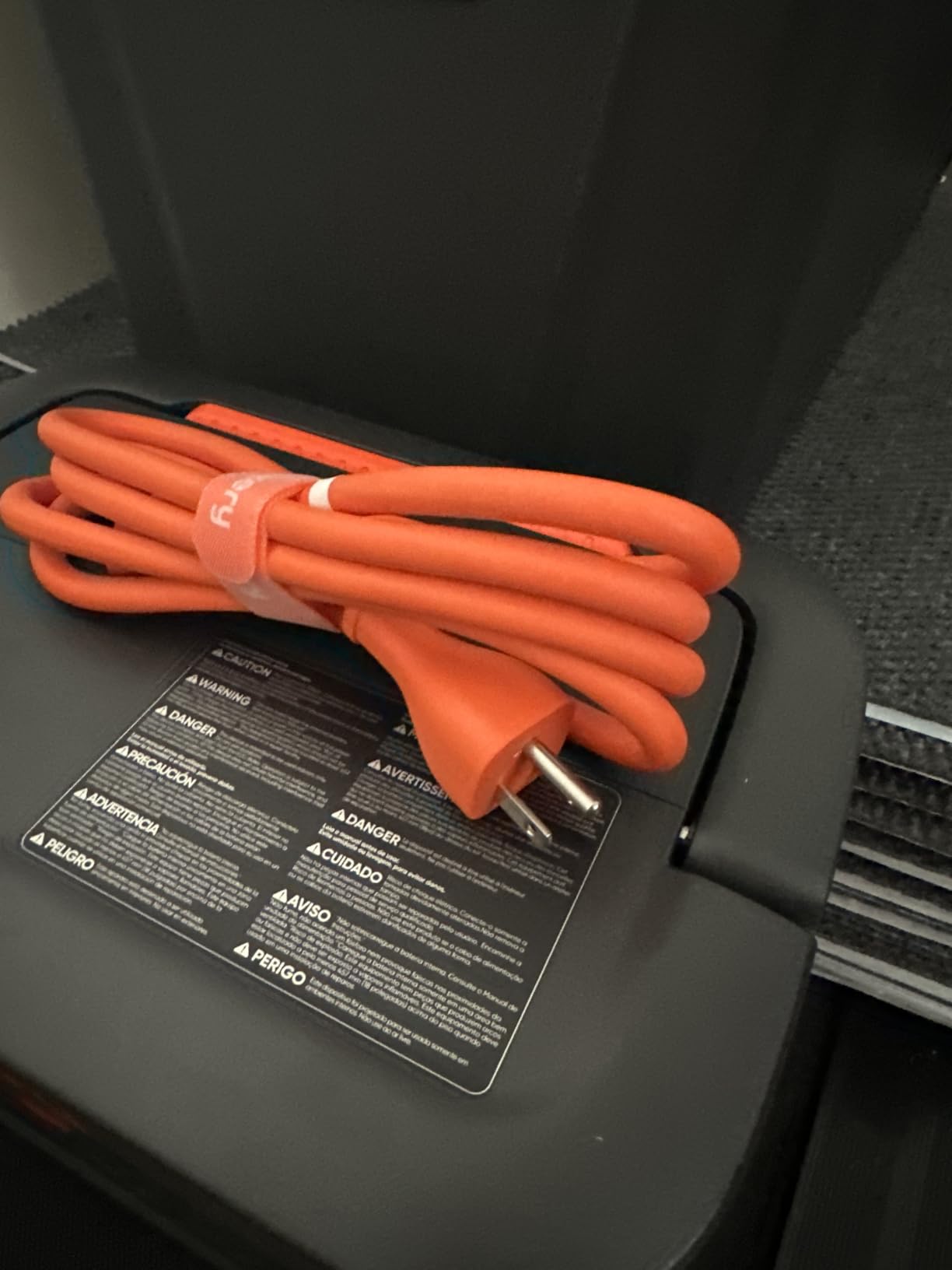
The 1500W AC output (3000W surge) handles most camping appliances. I ran a 700W induction cooktop, a 60W cooler, and a laptop charger all at once without tripping anything. Two 100W USB-C PD ports mean fast charging for modern laptops and phones.
The downsides are real but workable. The Jackery solar panels are sold separately, and the unit only works with Jackery-branded panels. If you already own third-party solar panels, this unit will not accept them. You also pay a premium for the fast charging and LiFePO4 chemistry.
Why 1-Hour Charging Changes the Game
Most portable power stations take 6 to 8 hours to recharge from a wall outlet. The Jackery 1000 v2 does it in 1 hour through app-controlled emergency mode. If you camp at a cabin with electricity between trips, you leave with a full battery every time.
App Control and Smart Features
The Jackery app lets you monitor charge level, switch between charging modes, and turn off outputs remotely. ChargeShield 2.0 technology extends battery lifespan by managing charge cycles intelligently. For tech-heavy campers, this is the most polished power station I have used.
How to Choose the Best Generator for Camping?
Choosing the best generators for camping depends on what you actually need to power. The right match for a tent camper with a dog looks nothing like the right match for an RV family. Here is how I break it down after 90 days of testing.
Generator Type: Battery vs Inverter Gas
Battery power stations like the Jackery and ZeroKor models run silent and fume-free. They are perfect for tent campers, dog owners who worry about engine noise, and anyone in a campground with strict quiet hours. The downside is limited wattage and the need to recharge from solar or your vehicle.
Inverter gas generators like the Oxseryn and PowerSmart deliver more power and longer runtime. They are ideal for RV camping, tailgating, and any scenario where you need to run a microwave, hair dryer, or AC unit. You trade silence and zero maintenance for raw capability.
Wattage Calculator: What Can You Power?
Phone charging needs about 10W per device. Laptop charging needs 60 to 100W. An electric cooler uses 40 to 60W running, with brief surges when the compressor kicks on. A small microwave needs 600 to 700W. A hair dryer needs 1000 to 1500W. RV air conditioners need at least 2000 running watts.
Add up your expected loads and add 20% headroom for startup surges. A 1000Wh battery station can recharge a laptop 8 to 10 times. A 2000W inverter generator can run most household appliances.
Noise Level Guide: How Quiet is Quiet Enough?
Below 60 dB is conversation-friendly and safe for most campgrounds. Between 60 and 70 dB is acceptable during daytime hours but disruptive at night. Above 70 dB will draw complaints from neighbors and stress anxious dogs.
For pet campers, I recommend staying under 65 dB at 23 feet. The PowerSmart at 59 dB and the Jackery power stations at 0 dB both pass that test.
Safety Tips: The 20-20-20 Rule for Generators
The 20-20-20 rule for generators means placing your generator at least 20 feet from your tent, RV, or vehicle, with the exhaust pointing 20 feet away from any openings, and waiting 20 minutes for the engine to cool before refueling. Carbon monoxide is odorless and deadly, so placement is non-negotiable.
Never run a gas generator inside a tent, enclosed camper, or garage, even with a door open. Use a battery-operated CO detector inside your sleeping area for an extra layer of warning.
What You Should Never Plug Into a Generator
Do not plug sensitive medical equipment directly into a non-inverter generator, as power surges can damage the devices. Avoid backfeeding your home’s electrical panel through a dryer outlet, which can electrocute utility workers. Skip space heaters and high-wattage appliances unless your generator is rated for the load.
Frequently Asked Questions About Camping Generators
What type of generator is best for camping?
Inverter generators and portable power stations are the best generators for camping because they run quietly and produce clean power for sensitive electronics. Battery power stations like the Jackery Explorer 1000 v2 work best for tent campers and pet owners, while inverter gas generators like the Oxseryn 4400W handle RV air conditioners and high-wattage appliances.
What is the 20 20 20 rule for generators?
The 20 20 20 rule for generators means placing your generator at least 20 feet from your tent or RV, with the exhaust pointing 20 feet away from any openings, and waiting 20 minutes for the engine to cool before refueling. This prevents carbon monoxide buildup near sleeping areas and reduces fire risk during refueling.
What should you not plug into a generator?
Never plug sensitive medical equipment into a non-inverter generator because power surges can damage the device. Avoid backfeeding your home electrical panel, which can electrocute utility workers. Skip space heaters and high-wattage appliances unless your generator is rated for that specific load.
How many watts do I need to power a campsite?
Most campers need between 1000 and 3000 watts to cover essentials like phone charging, LED lights, a small cooler, and a laptop. RV camping with air conditioning requires at least 2000 running watts and 3000 starting watts. For simple tent camping with just devices, a 300Wh power station covers the basics.
Are solar generators good for camping?
Solar generators like the Jackery Explorer 300 and ZeroKor 300W are excellent for camping because they run silent, produce no fumes, and require no fuel. The main trade-off is limited wattage output compared to gas generators, plus dependence on sunlight or another charging source for recharging the battery.
Final Verdict on the Best Generators for Camping
After 90 days of testing, the Jackery Explorer 1000 v2 earns my top spot as the best generator for camping overall. The 1070Wh LiFePO4 battery, 1500W output, and 1-hour fast charging cover nearly every camping scenario, while the silent operation keeps dogs and neighbors happy. For budget shoppers, the ZeroKor 300W solar bundle is the most affordable way to start. RV campers who need raw power should pick up the Oxseryn 4400W inverter. Whichever model you choose, respect the 20-20-20 safety rule and keep CO detectors in your sleeping area. Here is to a powered-up camping season in 2026.