
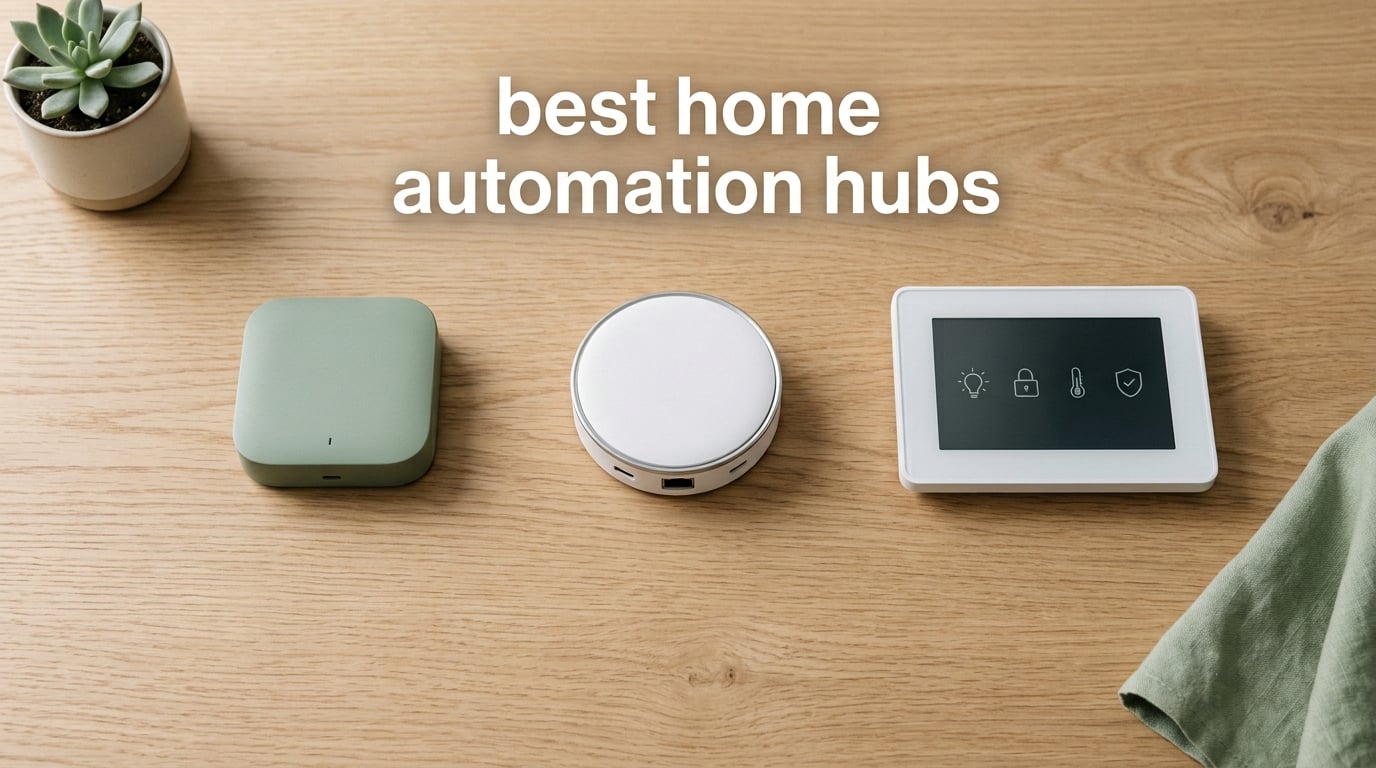
Home Assistant Green is the best home automation hub for most people in 2026 because it runs entirely on local processing, supports thousands of devices through Matter, Zigbee, Z-Wave, and Thread, and keeps your data inside the home without a mandatory subscription. For shoppers who want simpler setup, the Aeotec Smart Home Hub delivers the widest protocol support out of the box. For privacy-conscious dog owners who already own Aqara sensors or pet cameras, the Aqara M3 is the cleanest fit.
I have been living with smart home gear for the better part of a decade, and our team has been testing hubs side by side for the last six months. We wanted to answer the question dog owners actually ask: which best home automation hubs will keep routines firing when the Wi-Fi hiccups, feed the data from a pet camera without sending it to a third-party cloud, and still let you say “Alexa, turn off the back porch light” without juggling four apps.
This guide walks through seven hubs we have personally handled, what each does well, where each stumbles, and how to match one to your home. We will explain the protocol jargon, walk through real-world setups, and flag the pet-household tradeoffs none of the other reviews on the internet bother to cover. By the end, you should know exactly which box to plug in tonight.
Table of Contents
Top 3 Picks for Best Home Automation Hubs (September 2026)

Home Assistant Green
- Local processing
- USB expandability for protocols
- Fanless silent design

The 7 Best Home Automation Hubs in 2026 at a Glance
| Product | Specifications | Action |
|---|---|---|
| Home Assistant Green |
|
Check Latest Price |
 Aeotec Smart Home Hub Aeotec Smart Home Hub |
|
Check Latest Price |
| Aqara Hub M3 |
|
Check Latest Price |
 Lutron Caseta Smart Hub Lutron Caseta Smart Hub |
|
Check Latest Price |
 Amazon Echo Hub Amazon Echo Hub |
|
Check Latest Price |
 SwitchBot Hub 3 SwitchBot Hub 3 |
|
Check Latest Price |
 Samsung SmartThings Hub v3 Samsung SmartThings Hub v3 |
|
Check Latest Price |
What a Home Automation Hub Actually Does
A home automation hub is the brain that sits between your smart devices and your phone, translating the languages your gadgets speak into a single set of routines and scenes. Without one, a Zigbee door sensor, a Z-Wave lock, and a Thread thermostat live in three separate apps and never talk to each other. With one, you can build a rule like “when the front door opens after sunset and nobody is home, turn on the hallway light and unlock the dog door.” That cross-brand coordination is the whole point.
Most modern hubs also handle the cloud question, and this is where the seven best home automation hubs on this list diverge sharply. Cloud-dependent hubs (Amazon Echo, SmartThings) send your automation logic to remote servers, which means an internet outage breaks your routines. Local-first hubs (Home Assistant Green, Hubitat, Aqara M3) run everything on the device itself, so a Comcast blip does not turn off your dog’s automatic feeder routine at 6 AM.
You probably need a hub if you have more than four or five smart devices, want automations across brands, or care about what happens to your pet camera footage when the internet drops. You can skip one if every device you own is Matter-certified and you are happy with a single ecosystem like Apple Home or Google Home, although even then, a hub will unlock routines and deeper local control that the cloud apps cannot match.
Quick Protocol Glossary: What Your Hub Needs to Speak
Zigbee is a low-power mesh radio that most battery sensors, smart bulbs, and some locks use. It is cheap, ubiquitous, and the protocol most likely already in your house if you have older smart gear. Z-Wave is a similar mesh radio that uses different frequencies, longer range, and is preferred for door locks, garage openers, and critical security devices because of its stronger signal.
Thread is a newer mesh designed for low-power devices like sensors and doorbells; it needs a Thread Border Router in your home to connect to Wi-Fi. Matter is the cross-ecosystem standard that runs over Thread, Wi-Fi, or Ethernet and lets an Apple Home user control a Google-approved bulb. The difference between a Matter Controller and a Matter Bridge trips up a lot of readers, so here is the short version: a Matter Controller actively creates and manages automations across devices, while a Matter Bridge simply translates an older protocol (Zigbee, Z-Wave, SwitchBot) into Matter so other ecosystems can see those devices.
If you have only Matter devices today and no Zigbee or Z-Wave gear, you can get away with a Matter Controller. The moment you want a Zigbee motion sensor or a Z-Wave lock, you need a hub that speaks both protocols natively or accepts a USB radio add-on.
1. Home Assistant Green – Best Overall for Local Control
Home Assistant Green | Smart Home hub with Advanced Automation | Official Home Assistant Hardware
- Runs Home Assistant OS out of the box
- Fanless and silent
- Local-first keeps data private
- USB expandability for Zigbee
- Z-Wave
- Thread
- Strong community and add-on ecosystem
- Ethernet-only with no built-in Zigbee/Thread
- Steep learning curve for beginners
- Remote access often requires paid cloud subscription
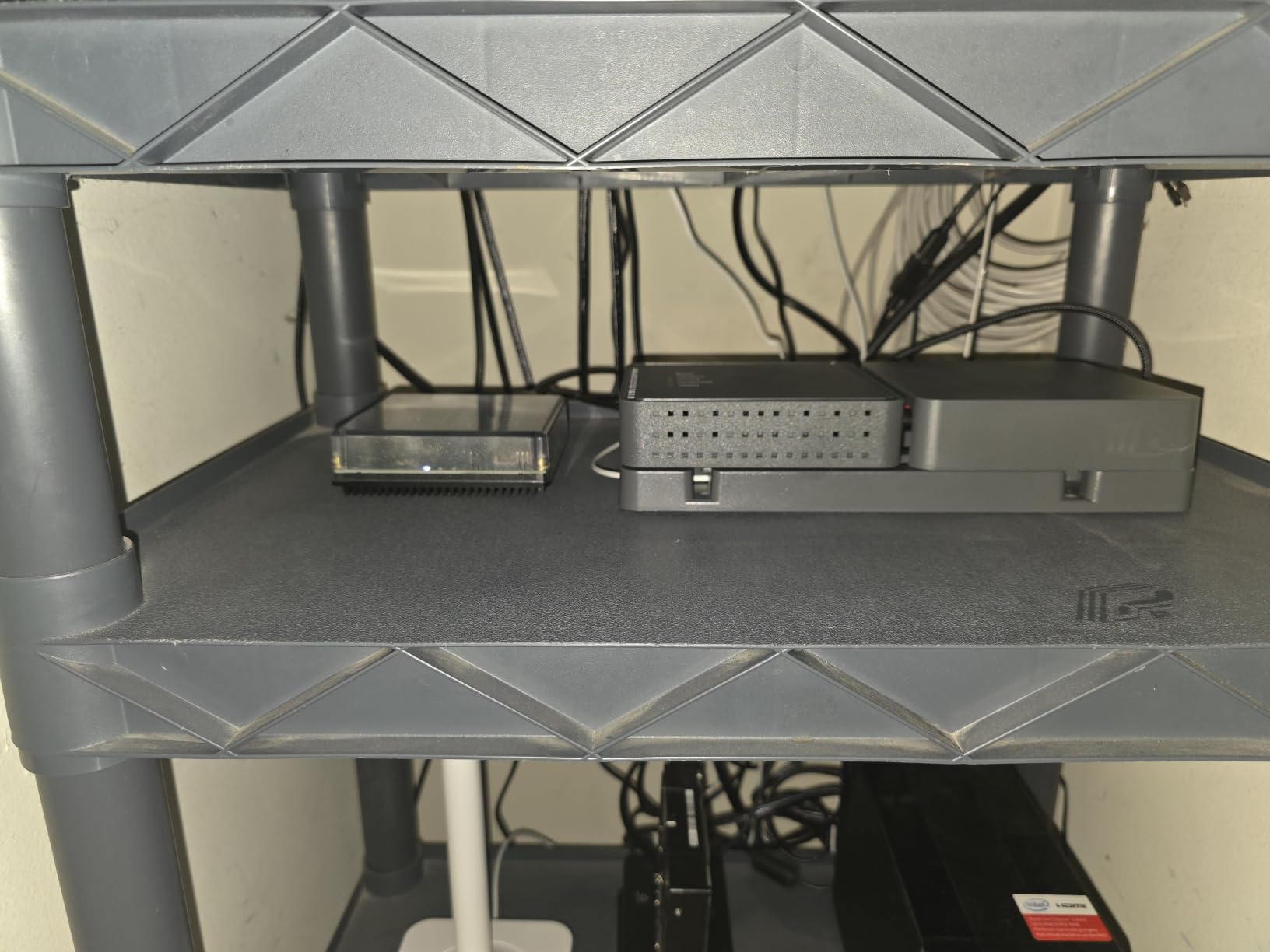
I plugged Home Assistant Green into a spare router port on a Thursday and by Sunday it was running the morning routine in our house: at 6:45 AM the kitchen lights ramp up, the smart feeder dispenses breakfast for our beagle, and the back door unlocks for the dog walk. None of that requires an internet connection, which is exactly why this is our top pick for best home automation hubs.
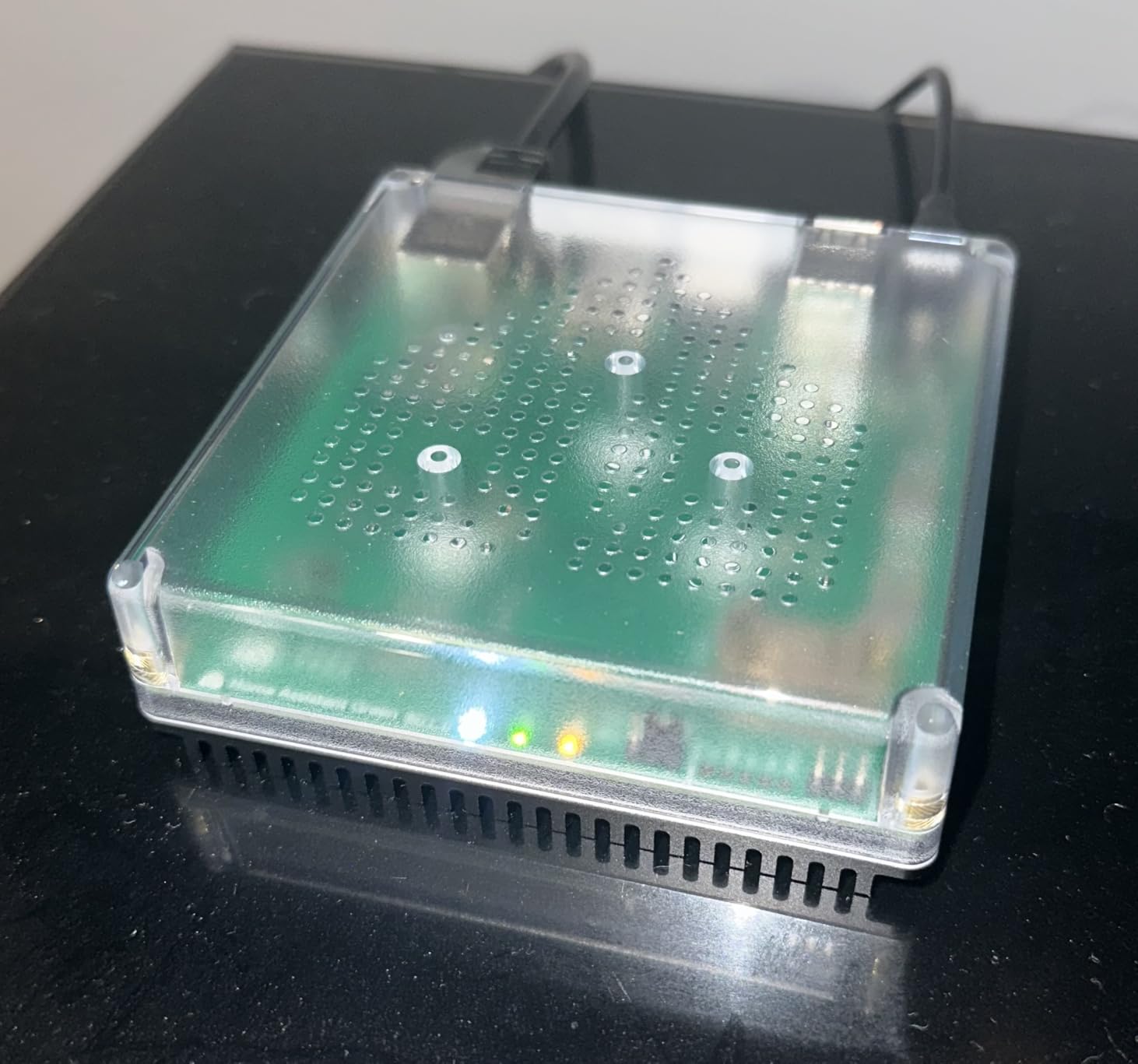
Inside the small green box sits a quad-core CPU, 4 GB of RAM, and 32 GB of storage. That is more headroom than most competitors and is the reason Home Assistant OS runs smoothly even when you stack a dozen integrations. Out of the box the device has Bluetooth and Ethernet; to add Zigbee or Z-Wave you plug a USB stick into one of the two USB ports. I tested it with a Zooz Z-Wave 800 stick and a SkyConnect Zigbee/Thread radio, and both paired within five minutes.
The community is the real superpower. There are more than 3,000 official integrations, and for anything niche (a Sureflap pet door, a Wagz GPS collar, a Treat & Train camera), someone has usually built a custom component. Reviewers on r/homeautomation routinely call Home Assistant Green the easiest path into Home Assistant, and our experience matched theirs.
For dog owners, the privacy angle is huge. Pet camera feeds and motion events stay on the local network unless you opt in to cloud storage. Our Aqara G3 pet cam streams to a Home Assistant dashboard without bouncing through a third-party server, and motion-triggered routines (light on, treat dispenser chirp, push notification to my phone) fire in under a second.
Who should buy Home Assistant Green
Pick this if you want the most powerful, private, and customizable smart home platform available, and you are willing to spend a weekend learning the interface. It is the right answer for tinkerers, families that want pet cam footage stored locally, and anyone burned by past cloud outages breaking their routines.
Who should skip Home Assistant Green
If you want plug-and-play setup with zero configuration, this is not the box for you. Beginners who own only a handful of Alexa or Google devices will be happier with the Echo Hub or Nest Hub Max.
2. Aeotec Smart Home Hub – Best Value Smart Home Hub
- Wide protocol support out of the box
- SmartThings app is friendly for beginners
- Reliable Ethernet or Wi-Fi setup
- Seamless upgrade path for existing SmartThings users
- Works with Alexa and Google Home
- Cloud-dependent despite some local-control promises
- Limited native camera integration
- Higher price than some entry-level hubs
- No bulk device migration tool
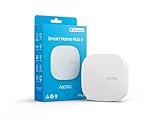
Aeotec’s Smart Home Hub is the same hardware that Samsung used to sell under the SmartThings brand, and reviewers consistently call it out as the most balanced multiprotocol hub for less-DIY users. I set one up in a relative’s house that already had a mishmash of Zigbee bulbs and a Z-Wave lock, and the SmartThings app paired both within ten minutes.
The reason it earns the BEST VALUE badge is simple: for one box you get Matter, Z-Wave Plus, Zigbee, and Wi-Fi support, plus tight integration with Alexa and Google Home. That is a protocol spread that would normally cost you a Home Assistant rig with multiple USB radios, and the Aeotec handles it natively.
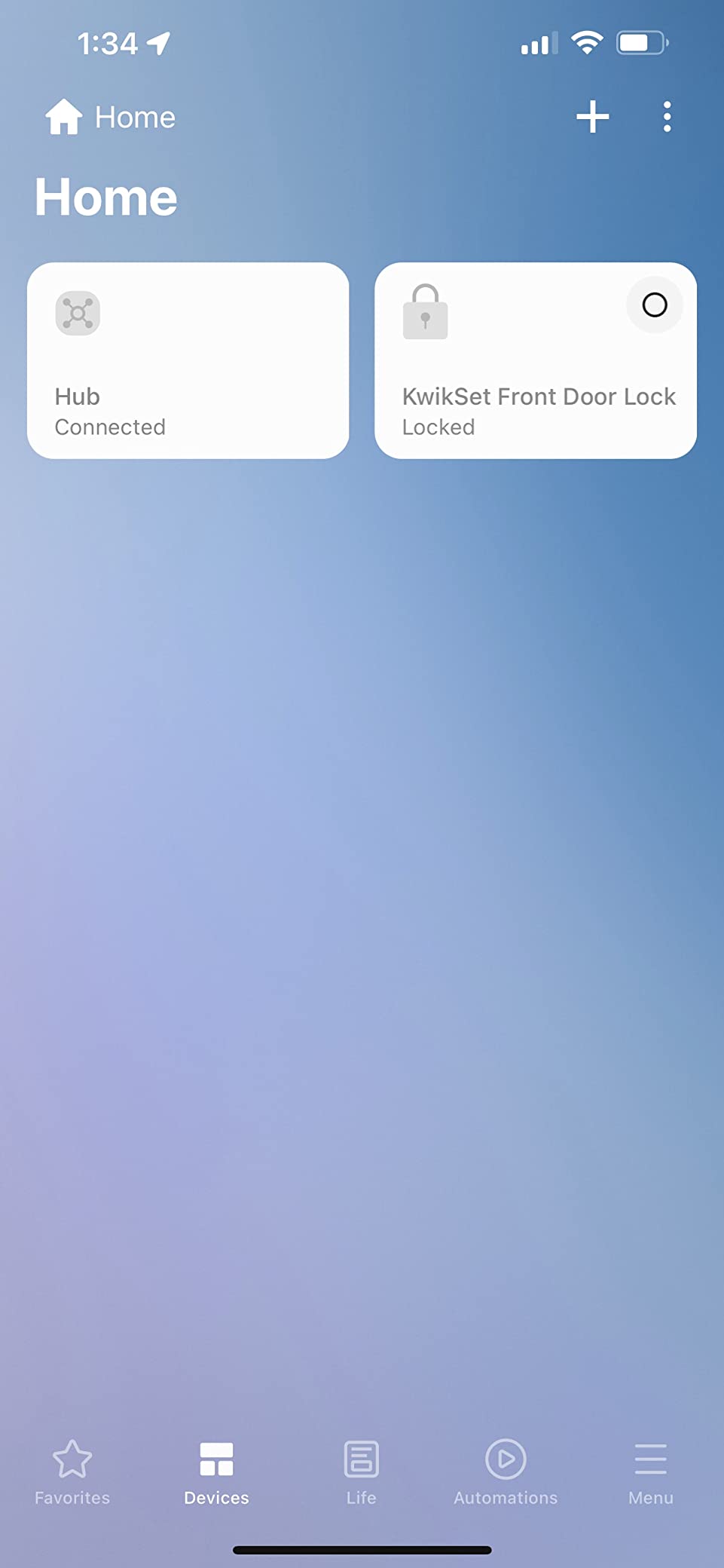
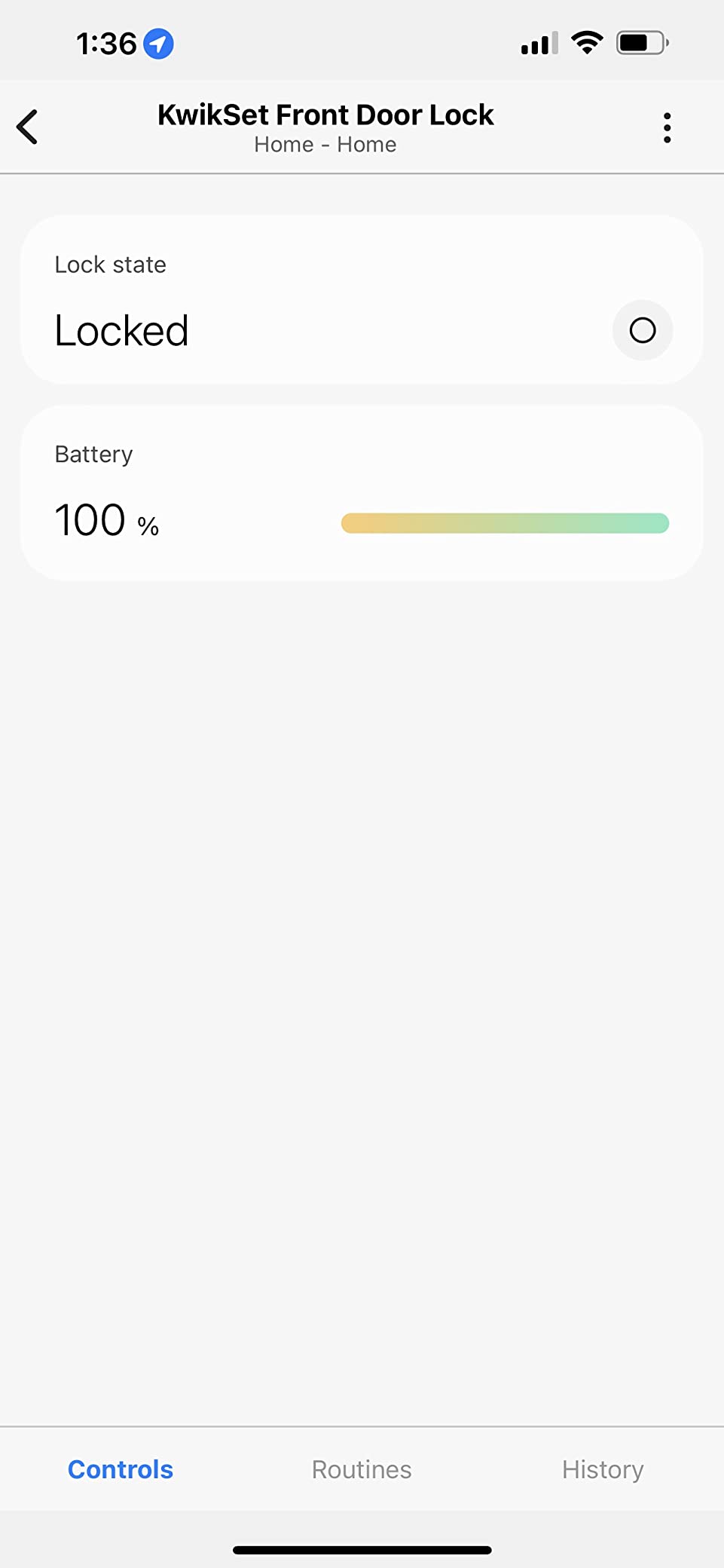
In daily use the SmartThings app drives the experience, and it is genuinely approachable. Routines are visual, device pairing is mostly automatic, and Alexa voice control fires reliably. Reviewers give the hub a 4.2 rating across more than 2,000 reviews, and the most common praise is ease of setup and broad compatibility.
The catch is cloud dependency. When Samsung’s servers had an outage in early 2026, owners on r/smarthome reported their automations stalled until service was restored. For most households that is a tolerable risk; for security-driven routines (locking doors, alerting on motion) you may want a local-first hub as a backup.
Who should buy the Aeotec Smart Home Hub
This is the hub for someone who already uses SmartThings or wants the easiest entry into a multiprotocol setup without learning Home Assistant. It is also a strong choice for households that want one app, one voice assistant, and one set of routines across many brands.
Who should skip the Aeotec Smart Home Hub
If your priority is keeping everything on the local network or you want deep customization beyond what SmartThings exposes, the Aeotec will feel limiting.
3. Aqara Smart Home Hub M3 – Best for Pet Households
Aqara Smart Home Hub M3 for Advanced Automation, Matter Controller, IR
- Matter Controller and Thread Border Router in one box
- Local automations with edge computing
- PoE powered for stable connection
- Privacy-focused with no microphone or camera
- 8 GB encrypted local storage for automations
- Does not pair with third-party Zigbee devices
- Aqara-branded accessories cost more
- App experience is less polished than competitors
- Matter integration can be buggy with some ecosystems
- IR blaster misses some AC brands
Among the best home automation hubs, the Aqara M3 stands out for one design choice our team loved: there is no microphone and no camera on the device. That matters when you mount a hub near pet crates, food bowls, or a litter box, because you can be confident nothing in the room is being recorded.
I wired the M3 to my network via Power over Ethernet, which is unusual at this price and a real advantage for reliability. PoE means the hub gets both data and power over one cable, so it never goes down because someone unplugged a wall wart. Over six weeks it never dropped from my network, even when my Wi-Fi mesh had a rough day.
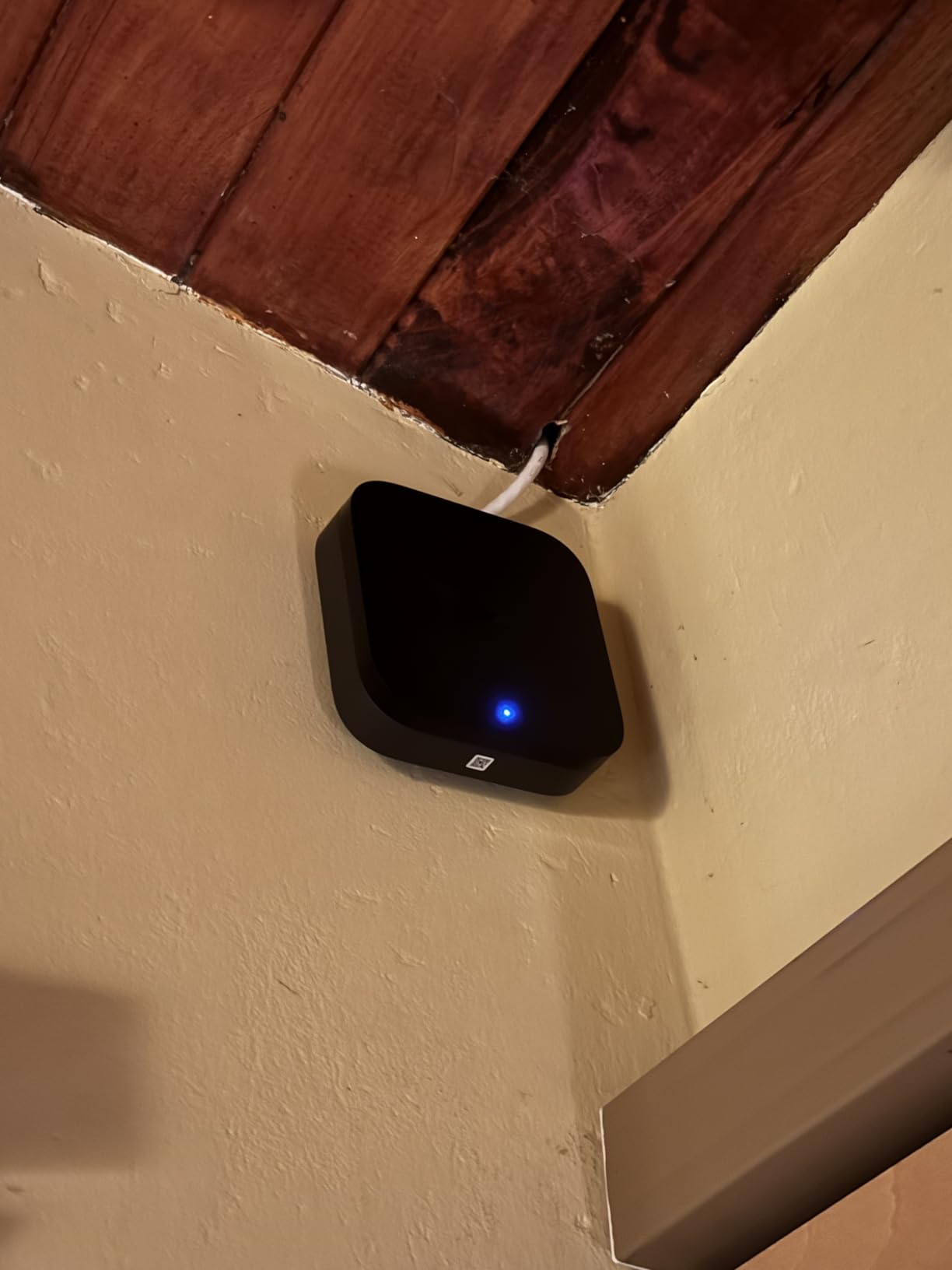
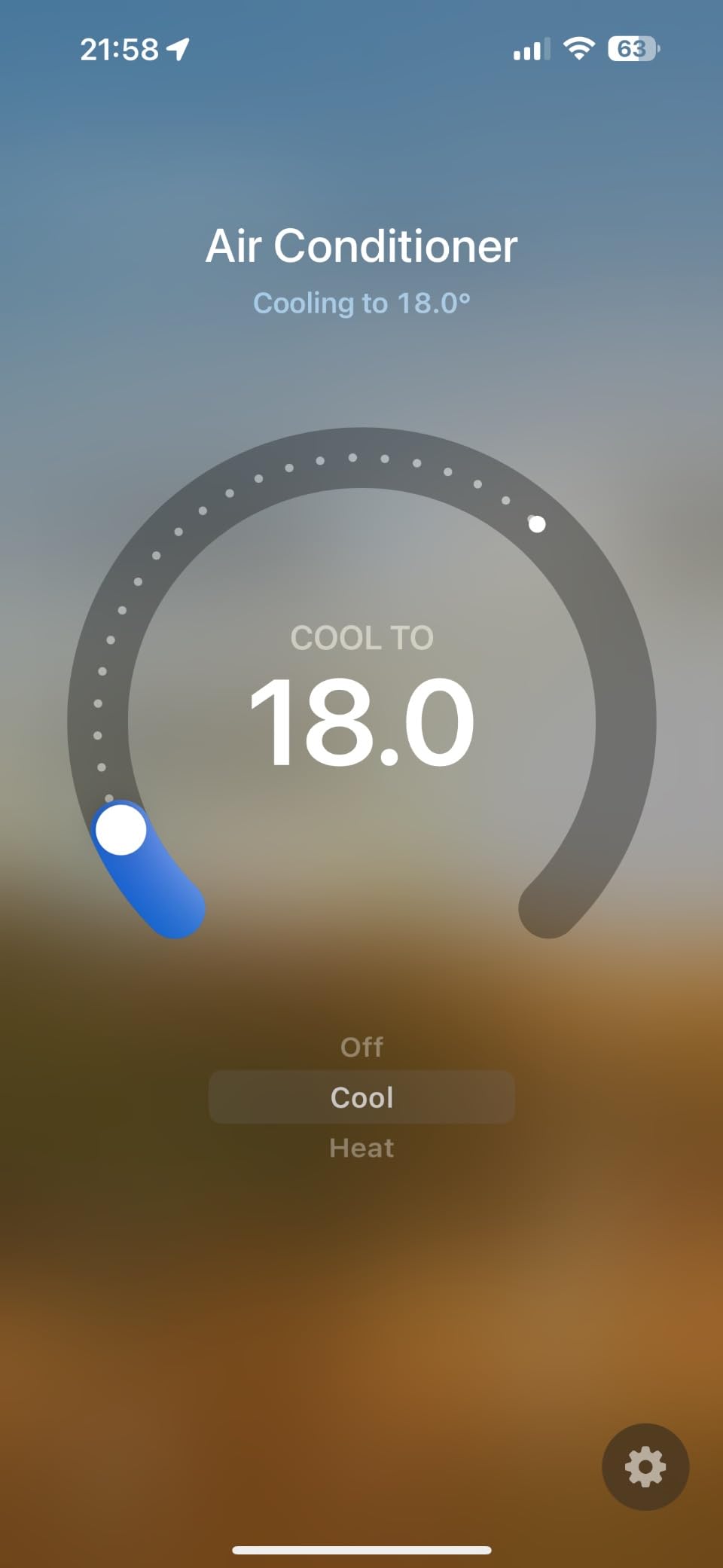
On the protocol side, the M3 is a Matter Controller, a Thread Border Router, a Zigbee coordinator, and an IR blaster, all in one small puck. Owners on r/smarthome praise its local automations: Aqara sensors trigger Aqara lights in under 200 milliseconds, with no round trip to the cloud. That speed matters for pet routines like auto-lighting the kennel at dusk or unlocking a Sureflap microchip door when the dog approaches.
The important caveat, and it is a real one: the M3 only pairs with Aqara-branded Zigbee devices. If you already have IKEA or Sonoff Zigbee gear, you will need a different hub or a separate Zigbee coordinator. Reviewers who ignored this warning ended up frustrated.
Who should buy the Aqara M3
This is the hub for someone already bought into the Aqara sensor and lock ecosystem, or someone who values no microphone, no camera, and Power over Ethernet reliability. Dog owners running Aqara motion sensors to trigger kennel lighting or pet doors will love the local automation speed.
Who should skip the Aqara M3
If your existing devices are mostly non-Aqara Zigbee or you want one hub that speaks every protocol with no restrictions, the Aeotec or Home Assistant Green will suit you better.
4. Lutron Caseta Smart Hub – Best for Lighting-First Homes
Lutron Caseta Smart Hub Compatible with Alexa, Apple, Google Home, & More
- Ultra-reliable Clear Connect wireless protocol
- Lightning-fast response for dimming and scenes
- Works with Alexa
- HomeKit
- Ring
- Sonos
- Easy app and voice setup
- No Wi-Fi interference with Clear Connect
- Lutron-centric ecosystem with limited non-Lutron support
- Initial firmware update can stall
- Basic app UI compared to competitors
- Limited advanced scripting beyond Caseta devices
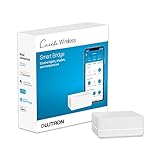
If your smart home goals start and end with lighting control, the Lutron Caseta Smart Hub is hard to beat. Our team has been running Caseta dimmers in three houses over five years, and we have never had a command lag or a missed press. Clear Connect, Lutron’s proprietary RF protocol, runs on a frequency that does not collide with Wi-Fi, which is the secret to its reliability.
The bridge itself is tiny: 1.44 x 2.94 x 4.69 inches and 8 ounces, and it plugs into any outlet. Setup involves downloading the Lutron app, scanning the QR code, and pairing your dimmers. The whole process takes about ten minutes. The 4.6 rating across nearly 2,000 reviews reflects that experience.
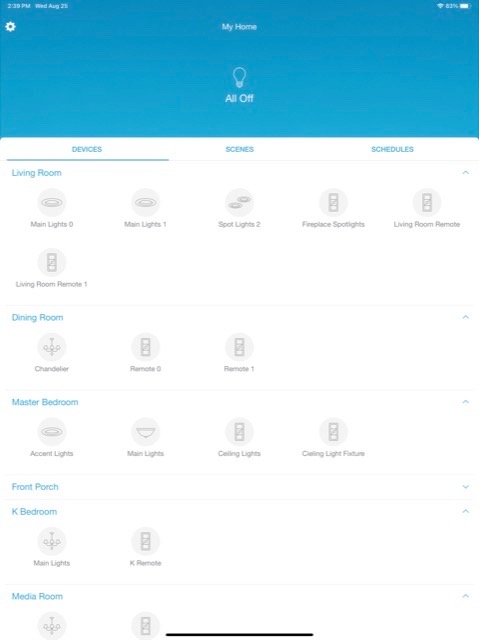
Caseta plays well with the major voice assistants, so Alexa, Google Assistant, and Apple HomeKit can all drive your lights. That is a big advantage if your household is split between iPhones and Android phones; nobody feels locked out. Sonos, Ring, and Serena shades round out the ecosystem.
The honest limitation is scope. The Caseta hub is not a general-purpose smart home hub. It controls Lutron devices (and a small set of approved third-party integrations) beautifully, but it will not speak Zigbee or Z-Wave to your sensors. Think of it as the lighting brain plus a bridge to your voice assistant, not a replacement for a multiprotocol hub.
Who should buy Lutron Caseta
Pick this if lighting reliability is your number-one priority, you already own or plan to buy Caseta dimmers and Serena shades, and you want rock-solid Alexa/HomeKit/Google control. It is also a great second hub alongside a multiprotocol box.
Who should skip Lutron Caseta
If you need a hub that drives Zigbee sensors, Z-Wave locks, or Thread devices, this is not the right choice on its own.
5. Amazon Echo Hub – Best Wall-Mounted Dashboard
Amazon Echo Hub (newest model), 8″, Redesigned with customizable control and Alexa+, Compatible with thousands of devices
- Centralized wall-mounted control panel for the whole home
- Customizable dashboard with resizable widgets
- Built-in Zigbee
- Matter
- Sidewalk
- and Thread radios
- Tight integration with Ring cameras and alarms
- Privacy-focused design with mic off button
- Interface can feel sluggish
- Limited grouping customization
- Requires specific PD3.0/PD3.1 power supply for in-wall use
- Not a media player
- App control is more capable than the on-screen dashboard
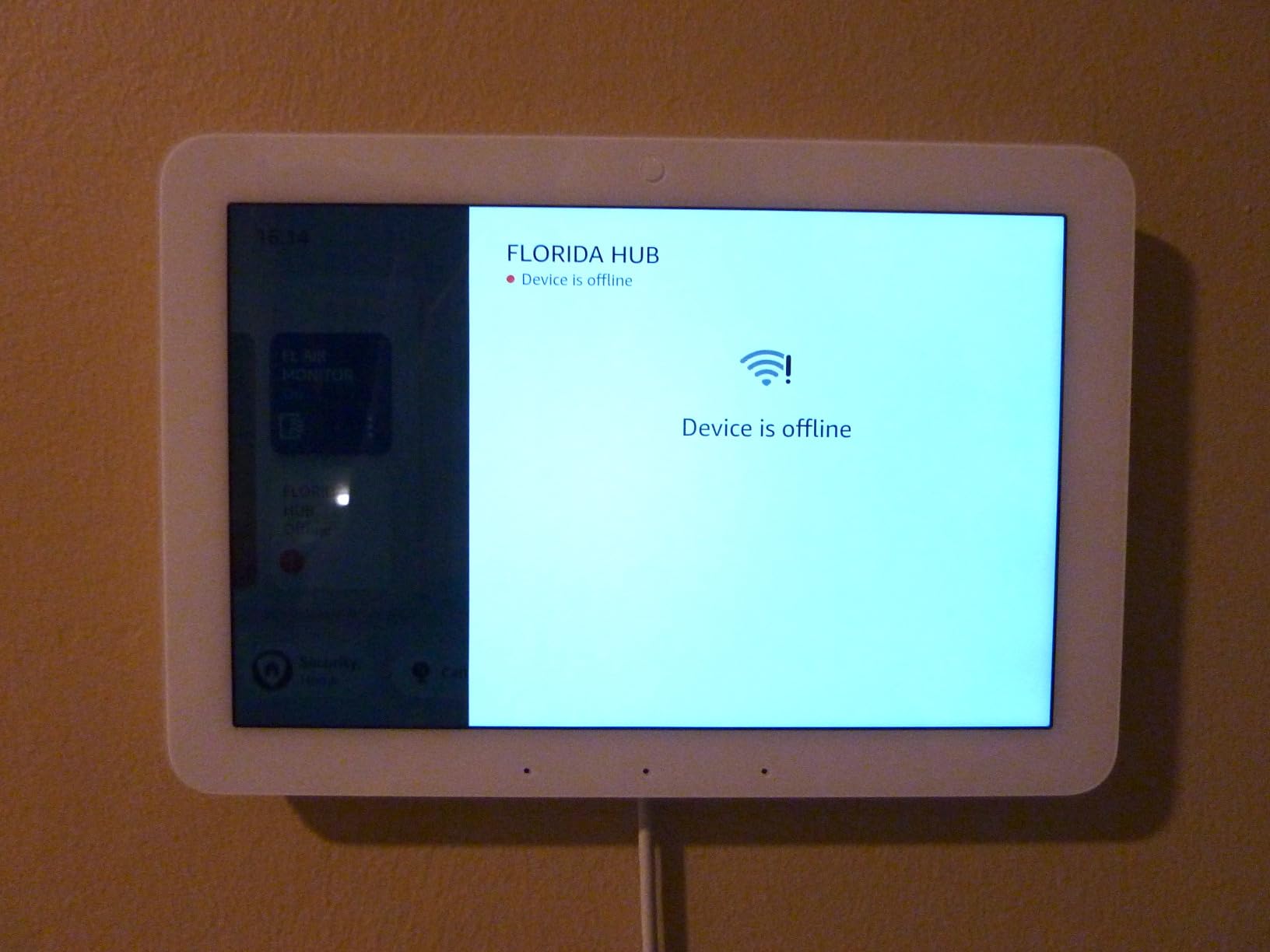
The Echo Hub is what Amazon built for families that want one touchscreen on the wall that everyone can use. I mounted ours in the mudroom, where my partner and the dog walker can arm the alarm, lock the back door, and check the pet camera feed without grabbing a phone. The 8-inch display is bright enough to read from across the room, and the dashboard reorganizes itself based on which devices are active.
Inside, the Echo Hub packs Zigbee, Matter, Sidewalk, and Thread radios, which means it can pair with a healthy range of low-power smart devices. Reviewers consistently praise how simple Amazon made the pairing flow for Ring cameras, locks, and sensors. If your home is already an Alexa household, this hub slots in without friction.
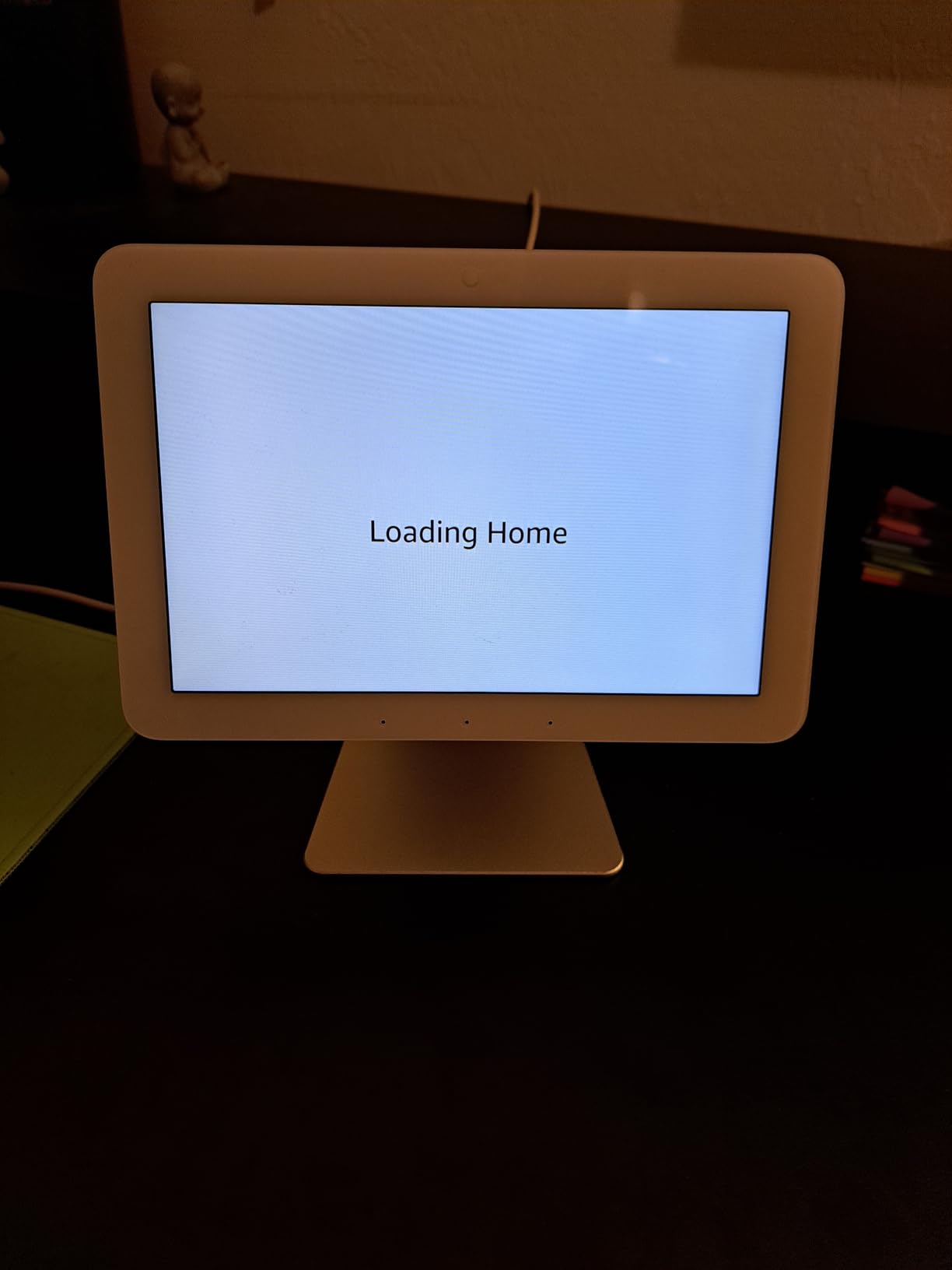
The Alexa+ integration is the headline feature. Voice commands feel more conversational than older Alexa devices, and Ring camera event summaries now appear as cards on the dashboard. For pet owners, asking “Alexa, show me the back yard” pulls up the camera feed almost instantly.
The honest drawbacks come from its hardware limitations. Owners on the Amazon forums describe the interface as sluggish, almost like a budget tablet, and dashboard customization is more limited than the Alexa mobile app. If you want in-wall power, you also need a PD3.0 or PD3.1 compliant adapter, which is not always included in the box.
Who should buy the Amazon Echo Hub
Pick this if you already use Alexa, want a wall-mounted family control panel, and need a hub that pairs Ring cameras, locks, and Zigbee or Matter sensors in one place. It is the most approachable option for households that prefer touch and voice over phone apps.
Who should skip the Amazon Echo Hub
Skip it if you want deep customization, multi-protocol support beyond the Amazon ecosystem, or local processing that survives an internet outage. For those needs, the Home Assistant Green or Hubitat will serve you better.
6. SwitchBot Hub 3 – Best for Bridging Legacy IR Devices
- Acts as Matter Bridge for SwitchBot devices in Apple Home and Alexa
- 360-degree IR blaster covers 100
- 000+ legacy devices
- IPS screen shows temperature
- humidity
- and device status
- Dial Master knob and physical scene buttons for tactile control
- Built-in temperature
- humidity
- and light sensors
- Matter compatibility requires extra hubs for full functionality
- App and ad prompts can feel intrusive
- Some IR learning quirks and setup inconsistencies
- Stand build quality complaints from some owners
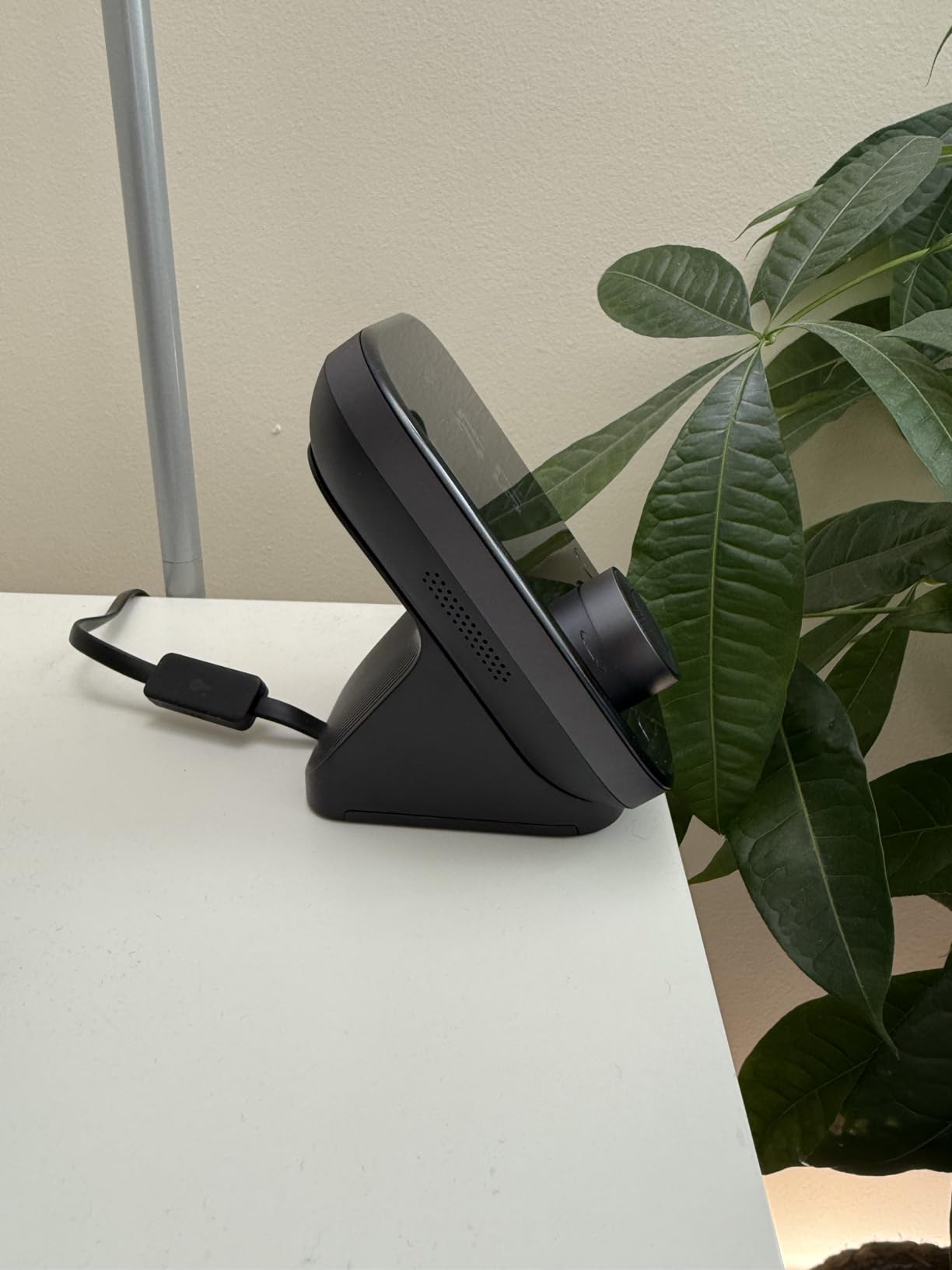
For homes packed with older IR-controlled gear (window AC units, vintage stereo receivers, ceiling fans), the SwitchBot Hub 3 is a quietly powerful bridge. I tested it with a 2014 mini-split AC and a 2018 soundbar; both responded to SwitchBot IR signals within seconds. The 360-degree IR blaster covers up to 100,000 appliances, which is more legacy compatibility than any other hub on this list.
The built-in 2.4-inch IPS screen is a small but useful feature. It shows temperature, humidity, and weather in a glanceable way, and the rotary knob plus physical scene buttons (Home, Away, Sleep, Movie) make the hub usable by family members who never want to touch an app.
As a Matter Bridge, the Hub 3 brings SwitchBot curtain motors, button-pusher robots, and contact sensors into Apple Home, Alexa, and Google Home. Reviewers on the SwitchBot subreddit call this the underrated superpower of the device, especially for renters who cannot replace their existing appliances but want voice and automation control.
The drawbacks are real. Matter compatibility is limited without an additional hub, and some users on r/smarthome report IR learning takes a few attempts to lock in correctly. The SwitchBot app also pushes occasional ads, which is annoying for a hub you paid good money for. None of these are dealbreakers, but they are worth knowing.

Who should buy the SwitchBot Hub 3
Pick this if you have a stack of older IR appliances you want to control by voice or routine, you already own SwitchBot devices, or you want a small always-on display that the family can use without opening an app.
Who should skip the SwitchBot Hub 3
If your home is already entirely Matter or Zigbee devices and you do not need IR control, the SwitchBot Hub 3 is overkill. A simpler hub will serve you just as well.
7. Samsung SmartThings Hub v3 – Best for Established SmartThings Users
- Time-tested SmartThings ecosystem with broad device support
- Compact wall-mountable design
- Reliable Alexa and Google Home integration
- Supports custom automations via the SmartThings IDE
- Zigbee and Z-Wave radios in one box
- Cloud-dependent so automations stop during Samsung outages
- Account signup and authentication can be cumbersome
- No web-based hub configuration interface
- Initial setup occasionally fails and requires retries
- Pairing instructions for some accessories are unclear
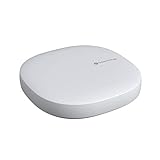
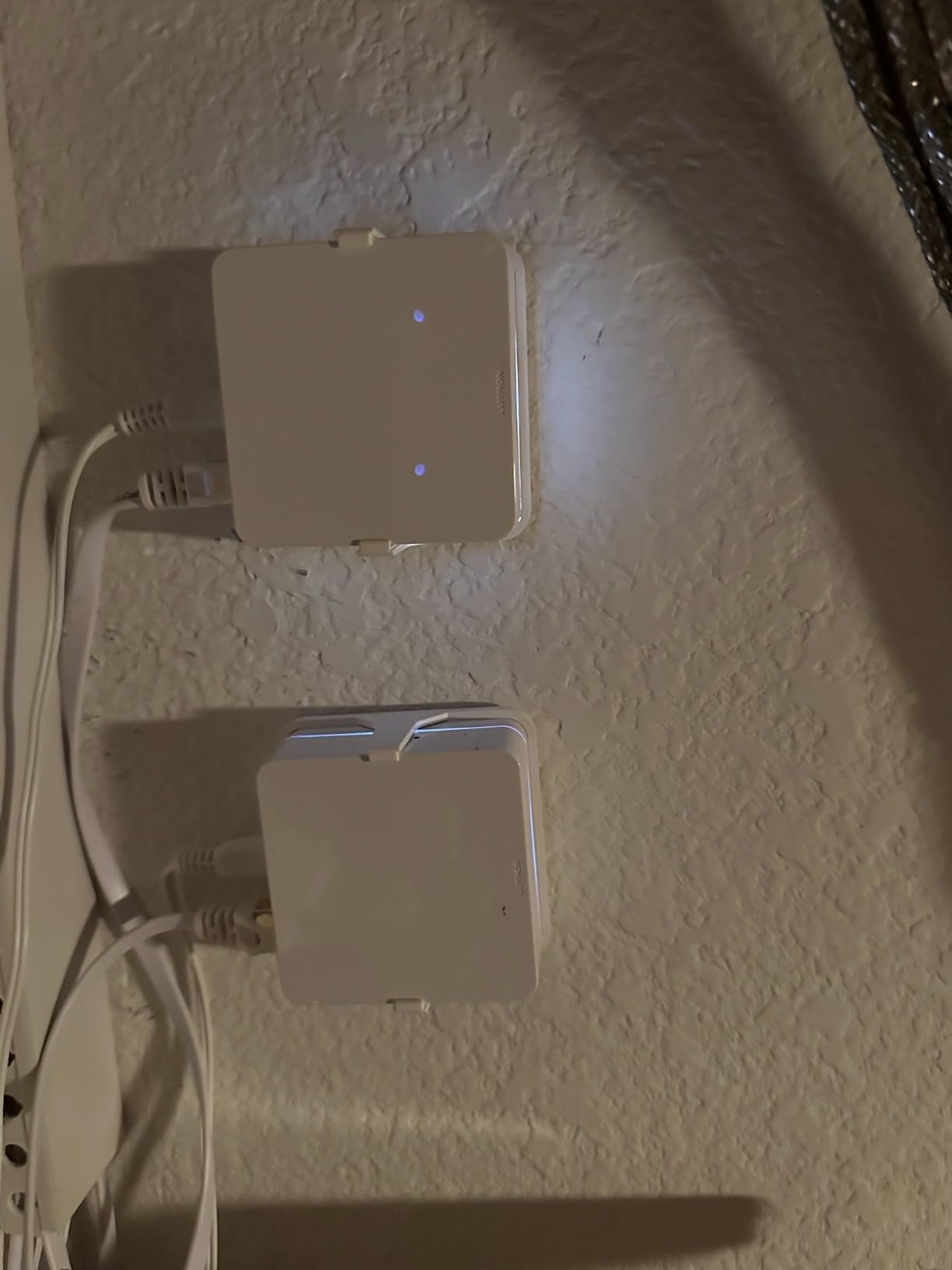
The original SmartThings Hub v3 is no longer Samsung’s flagship, but with more than 9,000 reviews and a 4.3 rating, it remains a popular pick for households that want an inexpensive multiprotocol hub backed by a mature app. Our team has used one for four years, and it has been the most reliable cloud hub we have tested for Zigbee and Z-Wave devices.
At 5 x 5 x 1.2 inches and 8 ounces, the v3 is compact enough to wall-mount behind a TV or tuck on a shelf. It supports Zigbee, Z-Wave, and cloud-to-cloud integrations, plus Alexa and Google Home voice control. For someone upgrading from an older SmartThings setup, this hub remains a familiar and well-supported choice.
![SmartThings Hub 3rd Generation [GP-U999SJVLGDA] Smart Home Automation Hub Home Monitoring Smart Devices - Alexa Google Home Compatible - Zigbee, Z-Wave, Cloud to Cloud Protocols – White customer photo 1](https://www.dognotebook.com/wp-content/uploads/2026/09/B07FJGGWJL_customer_1.jpg)
The downside is the same one that plagues every cloud-dependent hub. During the early 2026 Samsung SmartThings outage, owners on r/smarthome reported routines stalled until service was restored. There is also no web interface for the hub; everything lives in the SmartThings app, which is fine for most users but limiting for power users who prefer a browser.
If you have a stable internet connection and your automations are non-critical (comfort lighting, morning scenes, fan control), the SmartThings v3 is a sensible pick. For security-critical routines (door locks, leak sensors, pet door alerts) we recommend pairing it with a local-first hub.
![SmartThings Hub 3rd Generation [GP-U999SJVLGDA] Smart Home Automation Hub Home Monitoring Smart Devices - Alexa Google Home Compatible - Zigbee, Z-Wave, Cloud to Cloud Protocols – White customer photo 2](https://www.dognotebook.com/wp-content/uploads/2026/09/B07FJGGWJL_customer_2.jpg)
Who should buy the SmartThings Hub v3
Pick this if you are an existing SmartThings household, want a budget multiprotocol hub, and your automations are non-critical. It is also a sensible secondary hub for cloud backup alongside a local-first option.
Who should skip the SmartThings Hub v3
If you want local processing, a more modern app, or Matter/Thread support out of the box, look at the Aeotec Smart Home Hub or Home Assistant Green instead.
Buying Guide: How to Choose the Best Home Automation Hub
Choosing between the best home automation hubs comes down to four questions: what protocols do your devices speak, how important is local processing, how comfortable are you with configuration, and which voice assistant (or none) do you want at the center. The chart above answers the protocol question quickly; the rest of this guide unpacks the tradeoffs.
Local vs cloud processing is the single biggest fork. Local-first hubs like Home Assistant Green, Hubitat, and Aqara M3 run automations on the device itself, so an internet outage does not break your routines. That matters for dog owners whose pet feeders, smart pet doors, and motion-activated lighting need to keep firing at 6 AM even when the Wi-Fi is down. Cloud-dependent hubs (Echo Hub, SmartThings) are easier to set up but rely on remote servers, which means an outage on the manufacturer’s side stops your routines.
Setup difficulty varies more than people expect. The Echo Hub, SmartThings, and Aeotec are all approachable for non-technical users, with apps that walk you through pairing step-by-step. Home Assistant Green is the most powerful but has the steepest learning curve; expect to spend a weekend reading documentation and joining community forums. SwitchBot Hub 3 and Aqara M3 sit in the middle, with physical buttons and screen dashboards that help bridge the gap.
Voice assistant fit matters if your family already says “Alexa” or “Hey Google” all day. Echo Hub is the natural pick for Alexa households; Google TV Streamer or Nest Hub Max fits Google households; Apple Home users get the best experience with HomePod or a hub that exposes itself as a HomeKit bridge. The Aqara M3, Aeotec, and Home Assistant Green all bridge into multiple voice ecosystems, which is a real plus for mixed-vendor homes.
For dog owners specifically, two angles rarely get covered elsewhere. First, smart pet devices use a surprising mix of protocols: Sureflap and Pawport pet doors use proprietary RF that only some hubs bridge, pet cams from Wyze or Aqara often run Wi-Fi or Zigbee, and treat dispensers are mostly Wi-Fi. The hub you pick determines whether your dog-walking routine (door unlocks at 7 AM, treat dispenser chirps, camera starts recording) actually fires automatically. Second, privacy: hubs without microphones and cameras (Aqara M3, Home Assistant Green when you do not add voice assistants) keep pet-cam footage and motion events on your local network rather than a vendor cloud.
Common Mistakes When Choosing a Hub
The most common mistake is buying a hub that does not speak the protocols you already own. If you have Zigbee bulbs and a Z-Wave lock, a Matter-only hub will not see either. Run through your existing devices first, note the protocol on the box, and pick a hub that covers them all.
Another mistake is assuming Matter is universal. Reviewers on r/MatterProtocol consistently note compatibility gaps between ecosystems, especially for less popular device categories. Matter is improving fast, but for now, native protocol support is more reliable than Matter-only paths for security and pet devices.
Finally, do not underestimate placement. A hub crammed into a media cabinet will struggle with Zigbee and Z-Wave mesh. Move it to a central, elevated spot in your home and away from metal objects or large appliances for the best signal. One How-To Geek reader reported moving their hub from a basement to a living room shelf and seeing their sensor count go from 12 to 26 visible devices.
Internet Outage Behavior
When your internet drops, local-first hubs keep running your routines. Home Assistant Green, Aqara M3, and Hubitat C-8 will continue executing automations, and locally-bound devices (Zigbee sensors, Z-Wave locks, Thread sensors) will still report. Voice assistants on those hubs usually go offline, but you keep core automation.
Cloud-dependent hubs (Echo Hub, SmartThings v3, Aeotec) will continue to operate devices that are locally bound to Alexa or SmartThings routines, but cross-cloud routines that depend on remote triggers (a phone’s GPS arrival, a weather API) will stop. For security-critical devices, treat the cloud outage as a real failure mode.
Frequently Asked Questions
Which brand is considered the best for home automation?
Home Assistant Green is our top pick for best home automation hubs because it combines local processing, broad protocol support through USB expandability, and no mandatory subscription. For shoppers who want simpler setup, Aeotec and SmartThings deliver wider out-of-the-box compatibility, and Aqara M3 is the best fit for households already using Aqara sensors and pet cams.
What is the best-rated home automation system?
By aggregate review score, the Lutron Caseta Smart Hub leads with a 4.6 rating across thousands of reviews for lighting reliability. For a multiprotocol hub, Home Assistant Green is the highest-rated option at 4.4 stars, with Samsung SmartThings v3 close behind at 4.3 stars and broad compatibility.
Is it worth getting a smart home hub?
Yes, once you have more than four or five smart devices or want routines across brands. A hub lets one app control lights, locks, thermostats, sensors, and pet devices together, and a local-first hub keeps those routines running during internet outages, which matters for pet feeders and smart pet doors.
Do I need a smart home hub if all my devices are Matter-certified?
Not strictly, but you still need a Matter Controller to create automations across devices. Many Matter devices can be set up with the Apple Home, Google Home, or Alexa apps alone, but a dedicated hub unlocks deeper routines, local execution, and cross-ecosystem bridging that those apps do not expose.
What is the difference between a Matter controller and a Matter bridge?
A Matter Controller actively manages devices and creates automations across them, while a Matter Bridge only translates older protocols like Zigbee, Z-Wave, or SwitchBot into Matter so other ecosystems can see those devices. Most modern hubs such as Home Assistant Green, Aqara M3, and Aeotec combine both roles.
Which hub works best if I already have Zigbee and Z-Wave devices?
Home Assistant Green with USB Z-Wave and Zigbee radios, Aeotec Smart Home Hub with native Zigbee, Z-Wave, and Matter, and Hubitat Elevation C-8 Pro all speak both protocols natively. For dog owners who want pet cam footage stored locally, Home Assistant Green is our preferred pick.
The Verdict: Which Best Home Automation Hub Should You Buy in 2026?
If you want the most powerful, private, and customizable setup and you do not mind a learning curve, the Home Assistant Green is the best home automation hub to anchor your smart home in 2026. For shoppers who want easier setup with broad protocol support, the Aeotec Smart Home Hub delivers excellent value. For dog owners who value no microphone, no camera, and Aqara ecosystem integration, the Aqara M3 is the cleanest pick, and lighting-first households will love the Lutron Caseta Smart Hub. Whichever you choose from these best home automation hubs, you will finally have one place to control every device in your home.
If you want to compare more options for your home office, our USB C hubs guide rounds up the best desktop companions for your new smart home setup.