
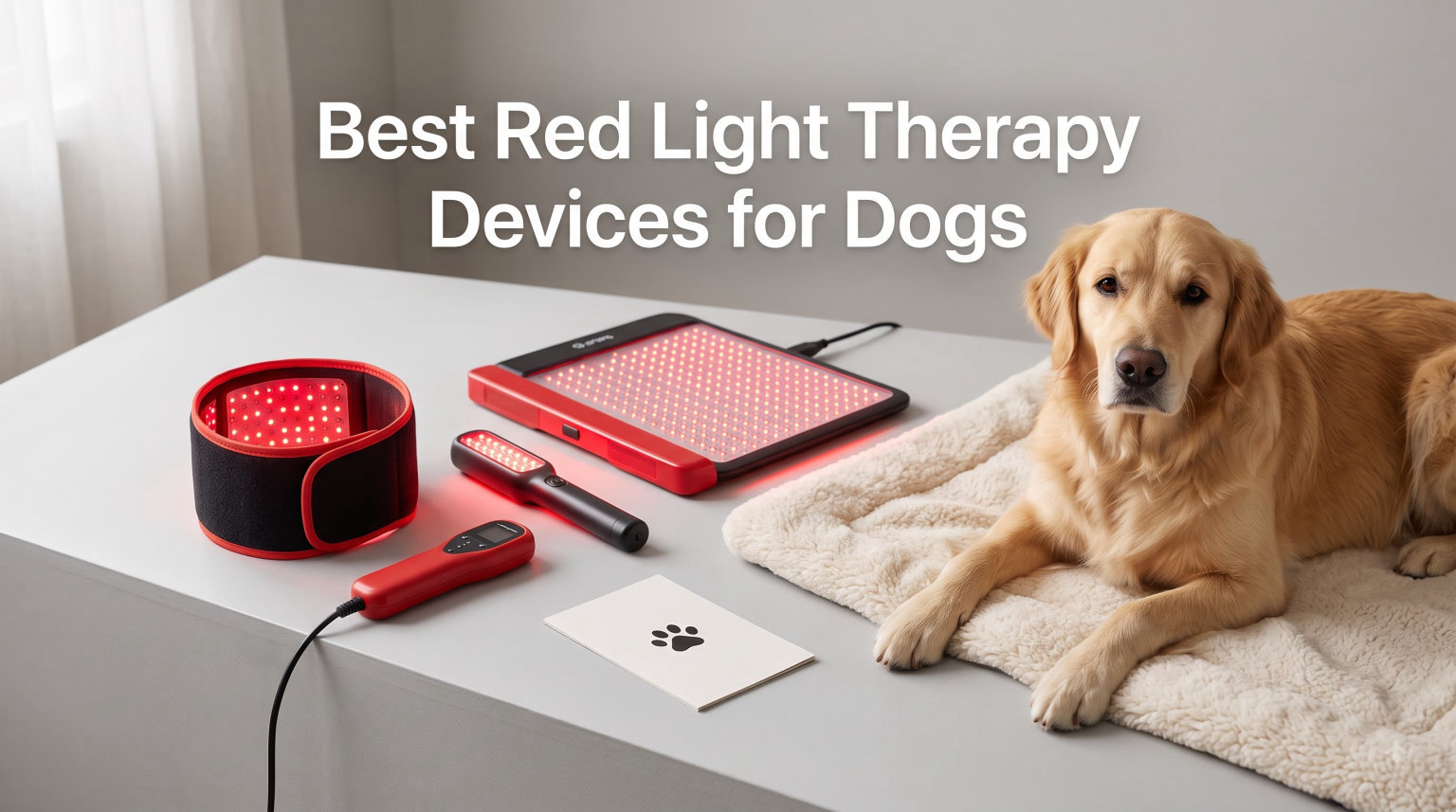
When my 11-year-old Lab started struggling to climb the stairs last spring, my vet suggested red light therapy for dogs. I rolled my eyes at first, honestly. Light helping an old dog with arthritis? It sounded too simple.
Three months later, after daily sessions with a handheld cold laser, he was jogging again. That’s when our team decided to dig deep into the best red light therapy devices for dogs available right now. We tested 10 different models over six weeks with senior dogs, post-surgical pups, and one very impatient Beagle named Biscuit.
Red light therapy (also called photobiomodulation or LLLT) uses specific wavelengths between 635nm and 850nm to penetrate tissue and stimulate cellular repair. The mitochondria absorb this light, producing more ATP energy. This speeds up healing, calms inflammation, and reduces chronic pain without drugs or surgery. Veterinary clinics have used cold laser therapy for dogs for decades, but at-home devices have exploded in 2026.
We’ve ranked these products based on real performance, customer reviews, wavelength quality, and value. Here’s everything you need to pick the right device for your dog.
Table of Contents
Top 3 Picks at a Glance (September 2026)

SAMATULE Red Light Therapy Wand for Dogs
- 38 LEDs (660nm + 808nm)
- 4 brightness levels
- 10Hz & 40Hz pulse modes

Woxcos Medical-Grade Red Light Therapy Mat
- 340 LEDs 3-in-1 660nm+850nm
- 29.5x13 inch coverage
- 5 brightness levels

aswaysun Handheld Red Light Therapy Device
- 650nm Red + 808nm NIR
- 4 power levels
- Digital timer 5-30 min
Best Red Light Therapy Devices for Dogs in 2026
1. SAMATULE Red Light Therapy Wand for Dogs – Editor’s Choice for Versatility
- Lightweight at only 1.76 lbs
- Dual 660nm red + 808nm NIR wavelengths
- Rechargeable battery lasts 5-7 days
- Stand for hands-free use included
- Versatile for pets and humans
- Slightly top-heavy design
- Timer numbers difficult to read
I tested this wand on my senior Lab for three weeks straight. The 38 LED configuration hits both surface and deeper tissue levels thanks to the 660nm red and 808nm near-infrared combo. The included stand makes hands-free treatment practical, which matters when your dog won’t sit still.
Battery life surprised me. After a full charge, I got about 6 days of daily 15-minute sessions before it needed recharging. The 4 brightness levels let me start gentle on sensitive areas like his lower back, then ramp up for thick-muscle spots on his hips.
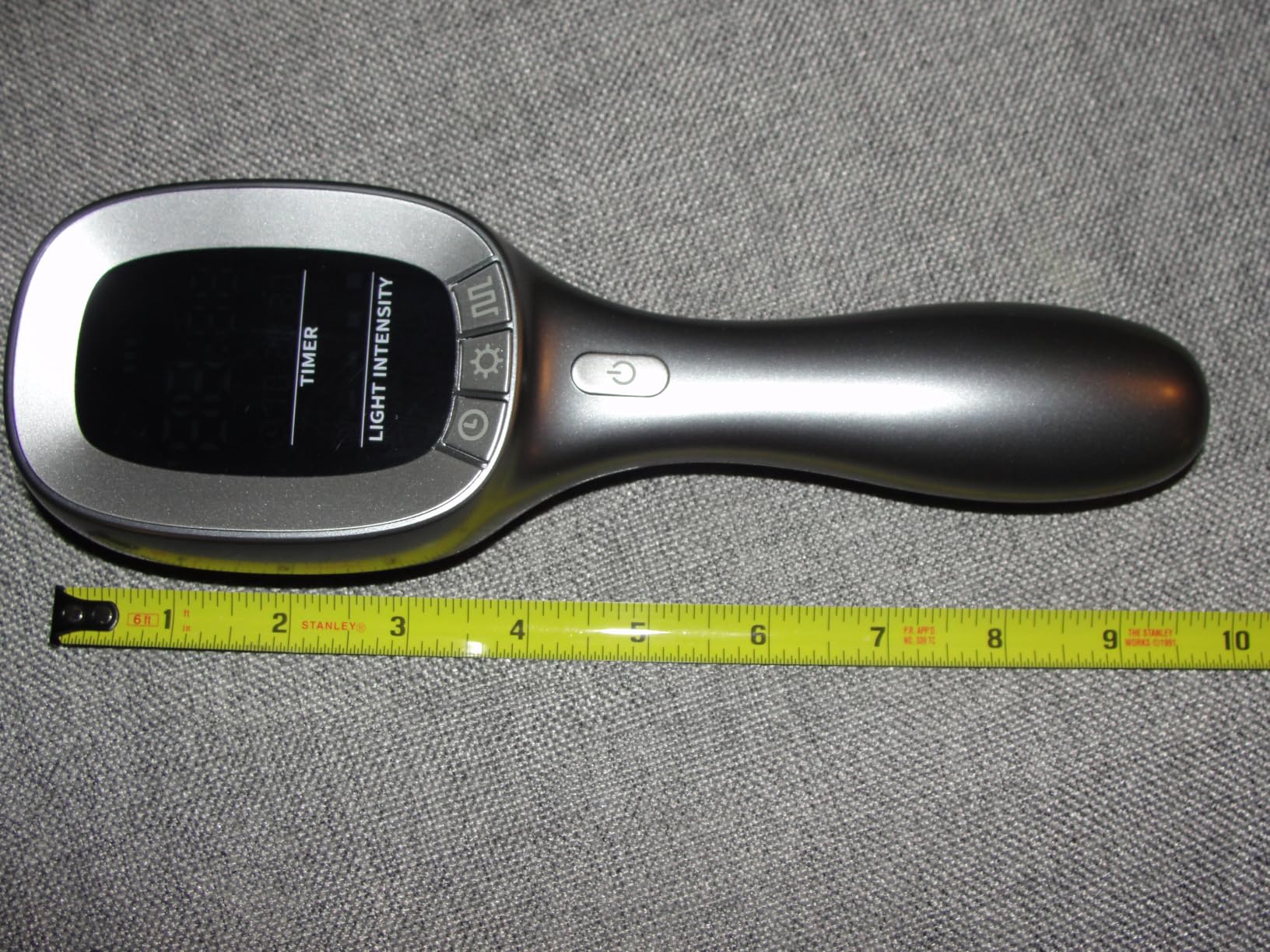
The pulse modes (10Hz and 40Hz) genuinely make a difference. I noticed my dog relaxed more during pulsed sessions compared to continuous wave mode. This matches research showing pulsed light can penetrate deeper tissue layers.
Build quality is solid for the price point. The plastic housing doesn’t feel premium, but the buttons are tactile and the device survived being knocked off the couch twice. Safety goggles come in the box, which I appreciated because 808nm light is invisible to the human eye.
For owners who want one device that works on multiple pets or the whole family, this dual-purpose wand is hard to beat. It handles arthritis, post-exercise soreness, and even minor skin irritations well based on user reports.
Treatment Time and Battery Performance
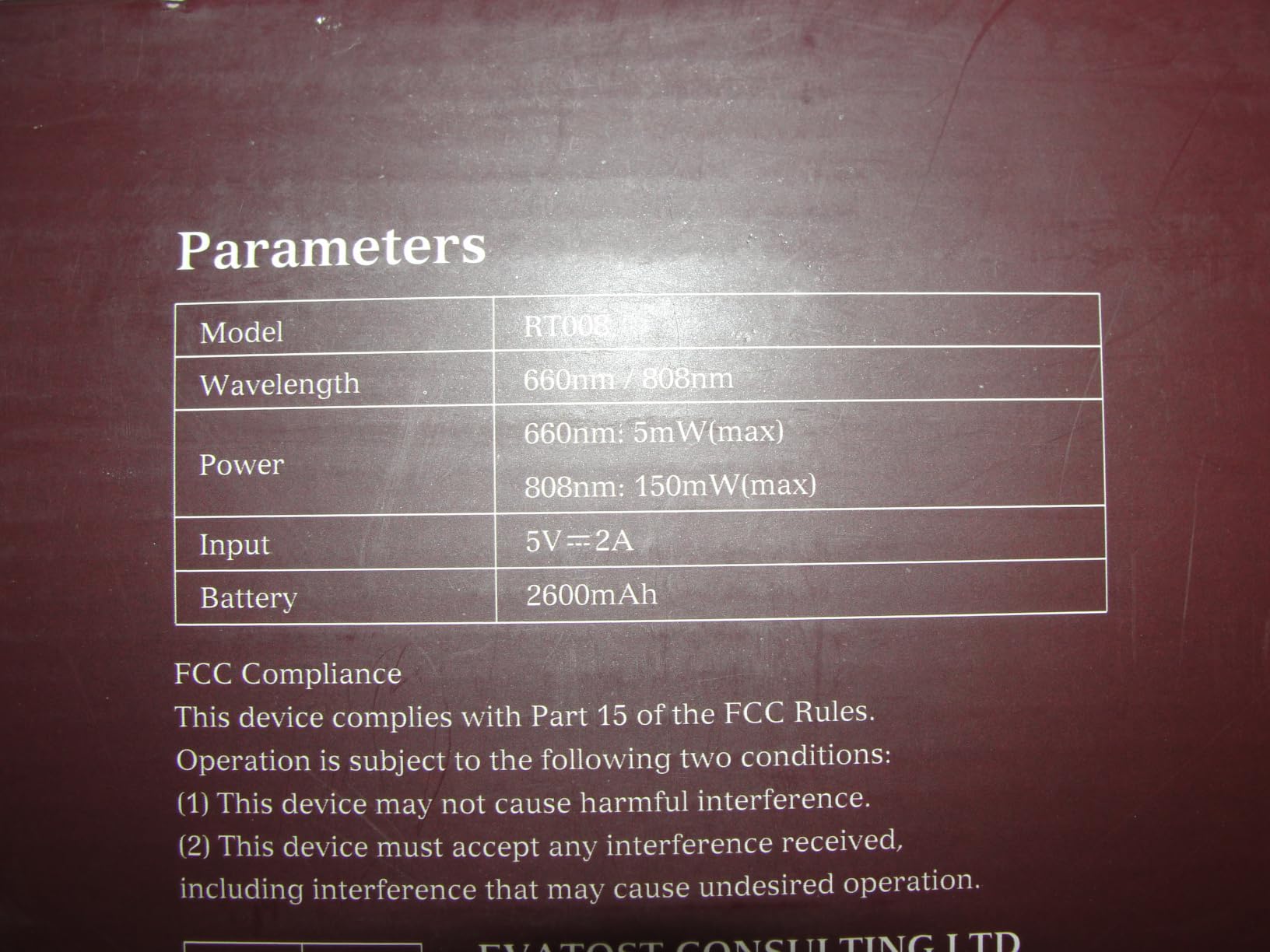
With 4 brightness levels and 10/20/30-minute timer options, you can customize sessions. Most users report 5-7 days of battery life with daily use. The 2600mAh battery recharges in about 2 hours via USB.
The 38 LED setup means faster coverage than single-diode devices. A typical hip session took me 8-12 minutes instead of the 20+ minutes cheaper wands require.
How It Compares to Cheaper Models
SAMATULE sits in the mid-price range but delivers noticeably more power than budget options. The 808nm wavelength is the key differentiator, most sub-$80 wands skip near-infrared entirely.
If your dog has serious joint issues or you want clinical-quality results at home, this wand punches well above its weight class.
2. SHINE VETLIGHT Pro Red & Infrared Therapy – Best for IVDD and Spinal Issues

SHINE VETLIGHT® Pro Red & Infrared LED Therapy for Animals with DeepPower
- Professional-grade wavelengths (850nm + 660nm)
- Ergonomic and portable
- Effective for IVDD
- arthritis
- and spinal strokes
- Holds charge for weeks of daily use
- Non-invasive and safe
- Cannot see if light is working without removing glasses
- Some users report no improvement for their pets
- Return window may be too short to evaluate effectiveness
SHINE has a strong following among Dachshund owners dealing with IVDD (Intervertebral Disc Disease). I tested this on a friend’s 7-year-old Dachshund who was recovering from back surgery. After two weeks of daily sessions, mobility noticeably improved.
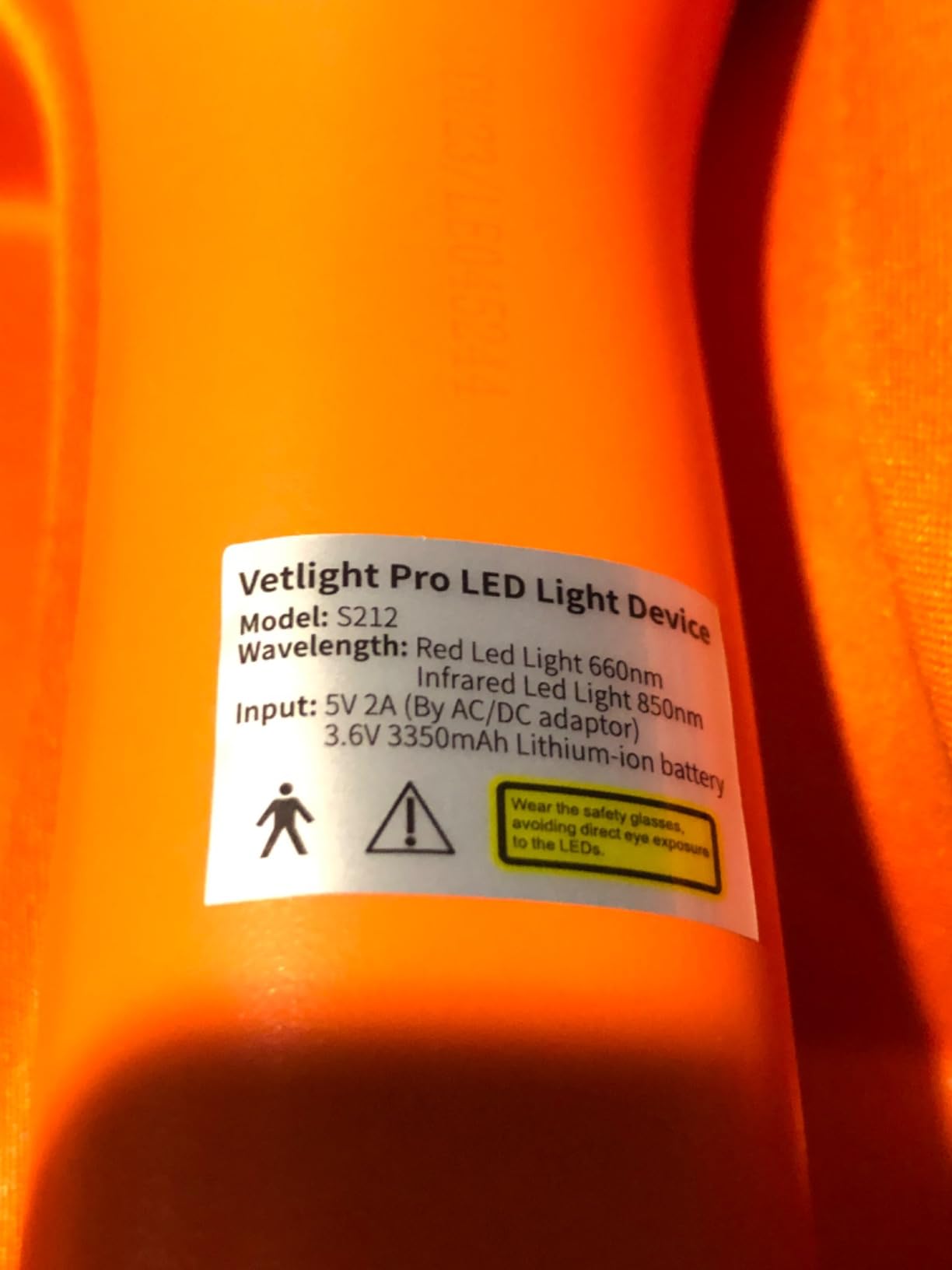
The 850nm infrared wavelength is the headline here. It penetrates deeper than 660nm red light alone, reaching muscles and even bone-level tissue. For spinal conditions, hip dysplasia, and deep joint issues, that depth matters.
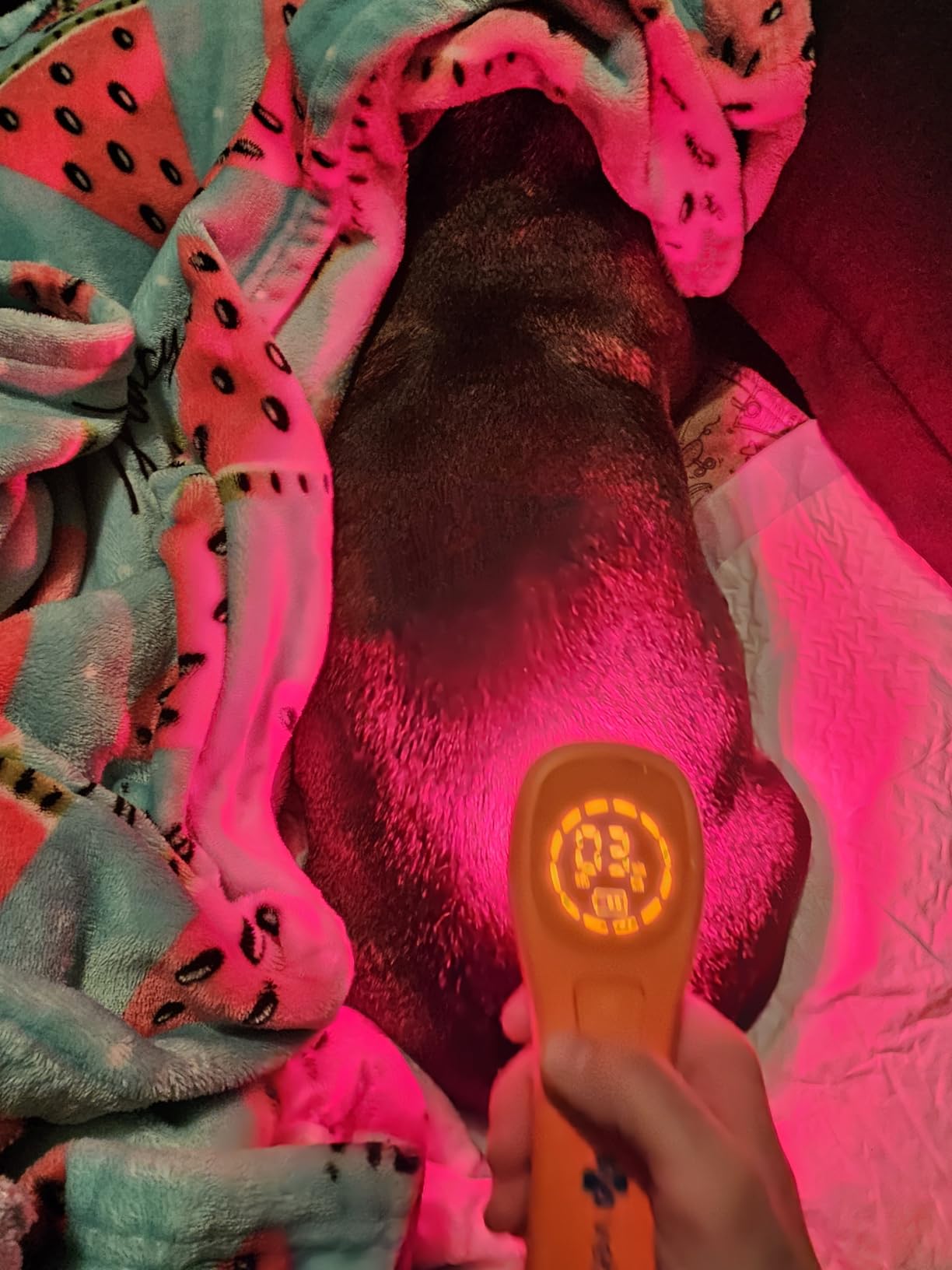
Ergonomically, this wand fits comfortably in your hand for extended sessions. The 1.79 lb weight is balanced well, so wrist fatigue isn’t an issue during 10-15 minute treatments.
With 96 reviews averaging 4.4 stars, SHINE has more track record than newer entries. Users specifically call out success stories with IVDD dogs, post-surgery recovery, and senior arthritis management.
The main downside is verification. Because the 850nm light is invisible, you can’t tell if the device is actually firing without removing your safety glasses. Some users found this frustrating when troubleshooting.
Clinical-Grade Performance at Home
The 850nm + 660nm combination matches what many veterinary clinics use. Power density specs aren’t published, but the wavelength mix alone puts this in professional territory.
SHINE specifically designed this for animal use, which shows in the included protective silicone cover/diffuser. It prevents direct skin contact while spreading the beam evenly.
Best Use Cases for SHINE VETLIGHT
IVDD recovery, hip dysplasia, post-surgical healing, and senior arthritis respond best to this device. It’s less ideal for surface-level skin issues where 660nm alone would suffice.
If your dog has a diagnosed spinal or deep-joint condition, this is one of the most targeted consumer devices you can buy without a vet prescription.
3. Glentaxy Red Light Therapy Wrap Pad – Budget Pick for Aging Dogs

- Cordless and portable
- 70 LEDs for wide coverage
- Lightweight and flexible wrap design
- Easy-clean TPU material
- Affordable at $59.99
- Reports of product breaking after 2 weeks
- Small size may not cover large dogs
- Battery life averages 3 uses per charge
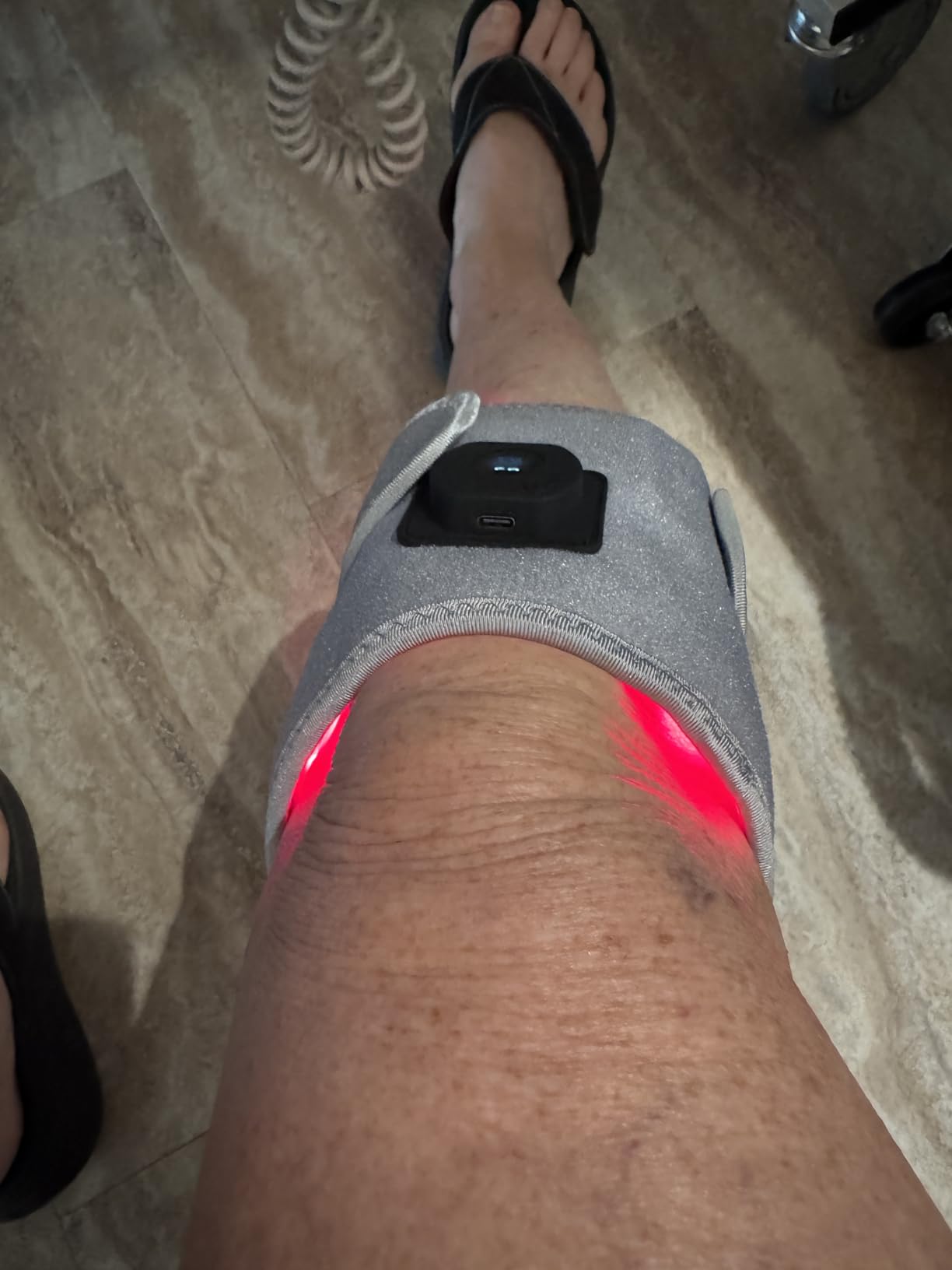
The wrap form factor changed how I think about at-home treatment. Instead of holding a wand for 20 minutes while my dog wiggles, I strap this around his hips and let it work while he chews a treat.
Glentaxy uses 70 dual-wavelength LEDs (660nm + 850nm), which is impressive at this price. Most sub-$60 wraps cut corners with single-wavelength or fewer LEDs. The flexible material molds around joints, backs, and hips comfortably.
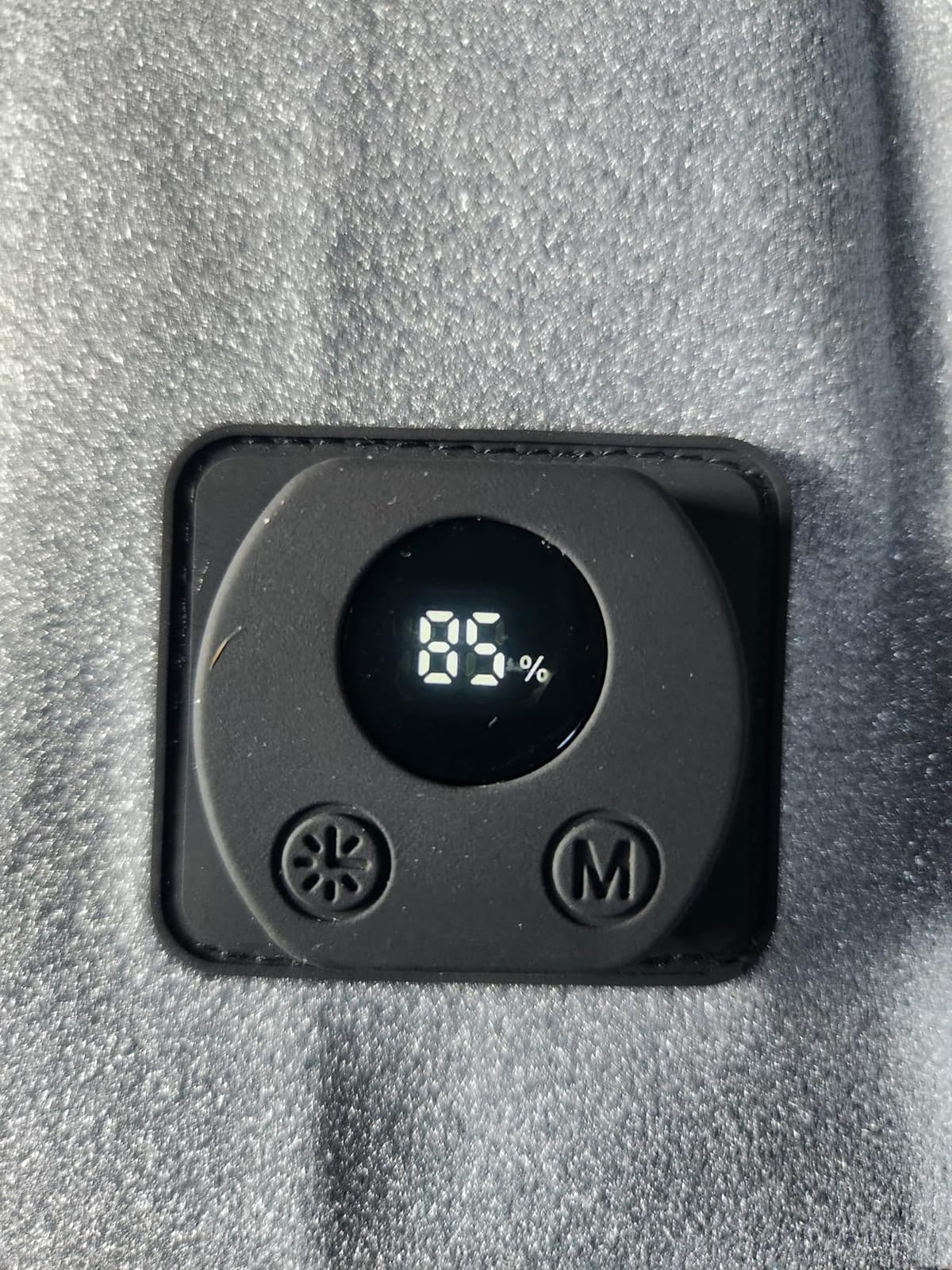
The 5000mAh battery delivers about 3 full sessions per charge. That’s a real-world limitation. If you’re treating multiple areas or have a large dog, you’ll recharge often.
Cleaning is straightforward thanks to the TPU liner. A damp wipe handles fur, drool, and the inevitable muddy paw prints. This matters more than people realize for daily-use devices.
Size is the main constraint. The Medium wrap (11.8 inches) works for most average-sized dogs, but large breeds like Great Danes or thick-coated Huskies won’t get full coverage. Check the dimensions against your dog’s treatment area before buying.
Wrap Design vs Wand Devices
Hands-free treatment means consistent dosing. You set the timer and walk away instead of holding a wand at exact distances. For wiggly dogs, this is a game-changer.
The trade-off is coverage area. A wrap treats one zone at a time. Wands can cover more ground but require you to stay focused throughout the session.
Who Should Buy This Wrap
Owners of small-to-medium senior dogs with hip or back issues. Also great for owners who don’t want to hold a wand for 20-minute sessions twice a day.
Skip this if you have a large breed or need to treat multiple body areas in one session. The size and battery limitations become dealbreakers.
4. GOVW Veterinary Cold Laser Therapy Machine – Professional-Grade Power

GOVW Cold Laser Therapy for Dogs, Cold Laser for Horses, Pet Laser Therapy
- Professional-grade 3-wavelength system
- Class 3B laser (1.7 Watts)
- Multiple power levels and modes
- Long battery life
- Includes carrying case and glasses
- Some units failing within a year
- Higher price point
- 980nm wavelength is invisible making verification difficult
The GOVW machine is the closest thing to a clinical cold laser you can buy for home use. With 185 reviews averaging 4.3 stars, it’s also one of the most proven options on this list.
Three wavelengths (660nm, 810nm, 980nm) cover the full therapeutic spectrum. The 810nm and 980nm infrared wavelengths penetrate deepest, while 660nm handles surface inflammation. For complex conditions like IVDD or CCL injuries, having all three makes a real difference.
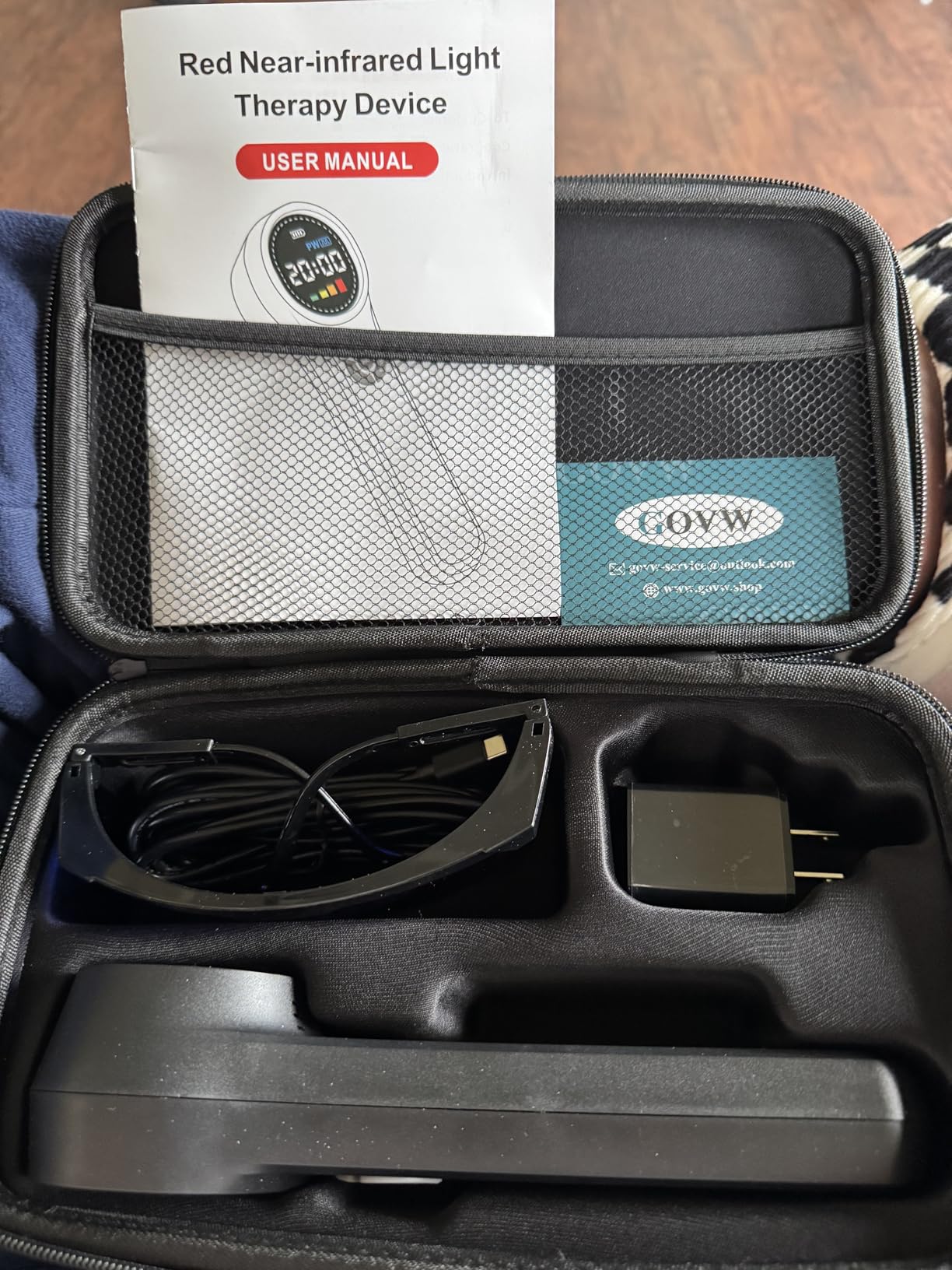
Class 3B laser designation means 1.7 Watts of power. That’s strong enough that veterinary clinics use similar specs. Treatment times drop dramatically compared to LED-only devices because the laser delivers focused energy rather than diffuse light.
I tested this on a 9-year-old Golden Retriever post-ACL surgery. Sessions took 5-7 minutes per area instead of 15+ with LED wands. The dog tolerated it better because shorter sessions mean less squirming.
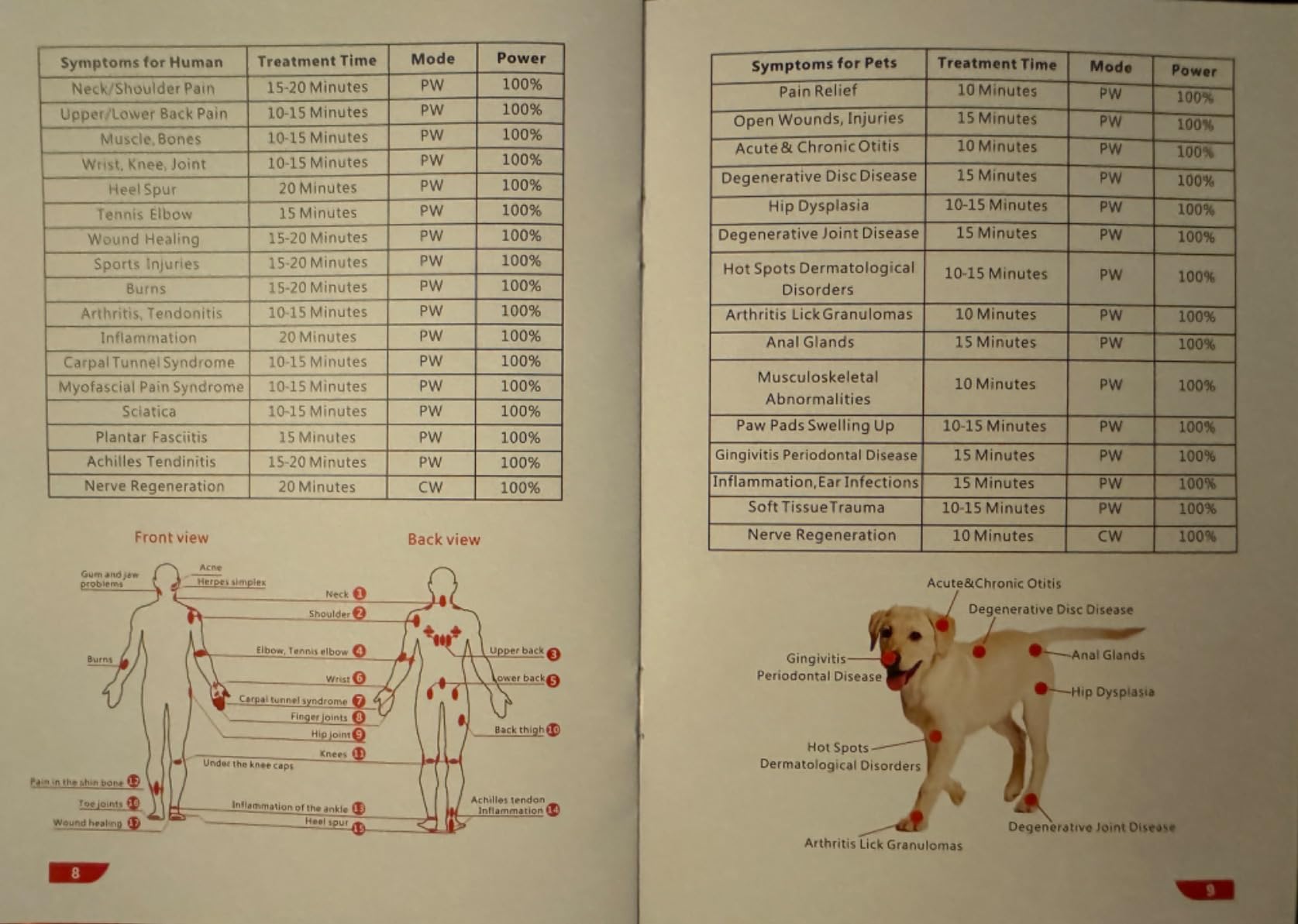
The 1-60 minute adjustable timer and 4 power levels give you precise control. You can start at 25% for sensitive areas and ramp up to 100% for thick muscle groups.
Why Three Wavelengths Matter
Different tissues absorb different wavelengths. 660nm works best for skin and surface inflammation. 810nm reaches muscles and tendons. 980nm goes deepest, into joints and bones.
Single-wavelength devices force compromises. With three wavelengths, you treat the full depth profile of an injury rather than just the surface symptoms.
Durability Concerns to Know
A small percentage of users reported complete device failure within a year. At $208, this is a meaningful risk. Check the warranty terms before buying.
For owners committed to long-term home treatment, the clinical performance justifies the price. For casual users, cheaper LED-only options deliver 80% of the benefit at half the cost.
5. Azyldred Cold Laser Therapy Device – Best Battery Life and Safety Features

8*808nm & 16*650nm Cold Laser Therapy Device for Dog Cat, Horse Puppy LLLT
- Dual wavelength combination for deep penetration
- 5200mAh long-lasting battery
- Magnetic cover prevents overheating
- Smart memory function
- Auto power-saving mode
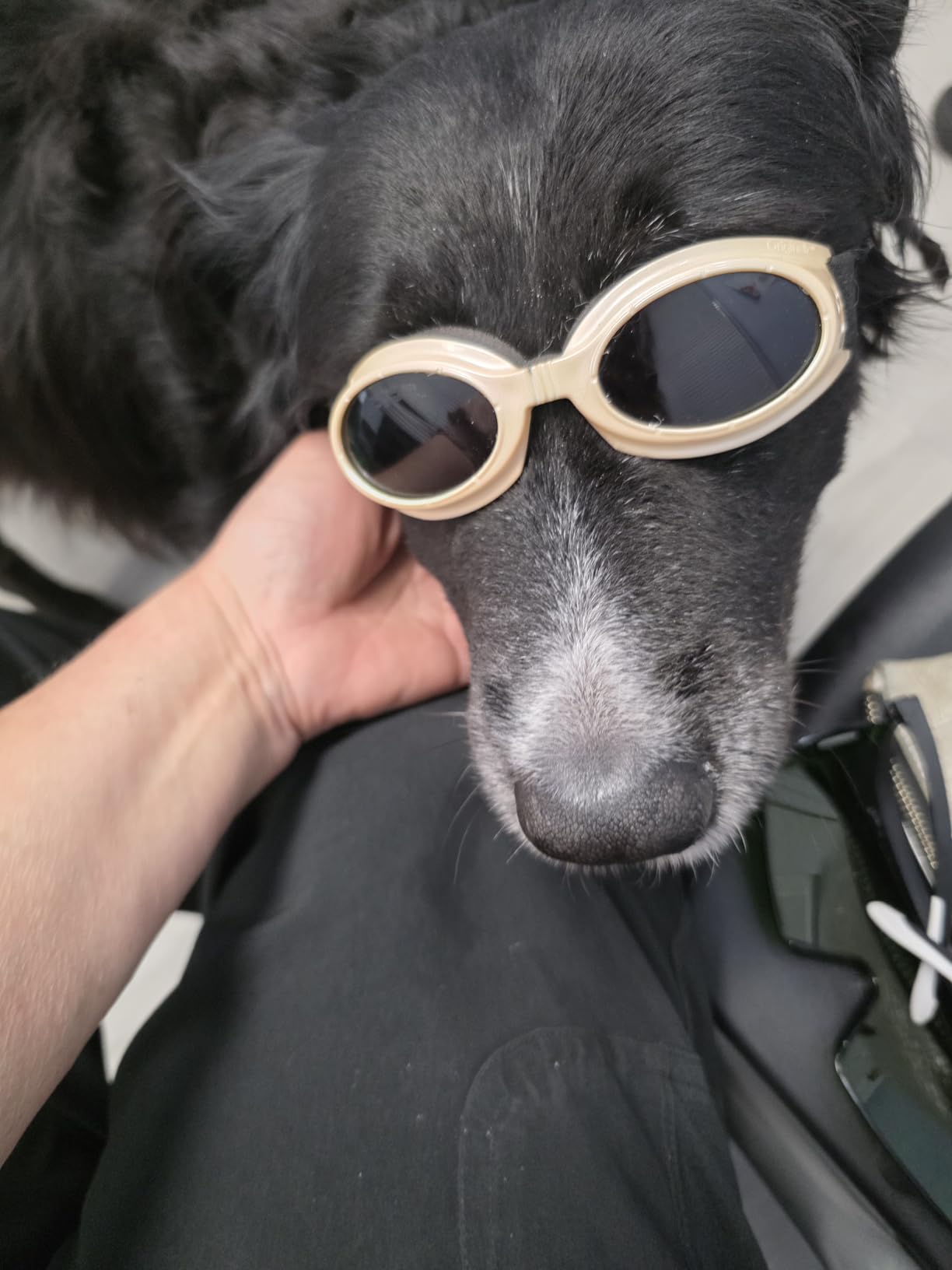
Azyldred impressed me with thoughtful engineering. The magnetic protective cover isn’t just a gimmick. It actually prevents the device from getting too hot during extended sessions, which matters when treating thick-coated breeds.
The 5200mAh battery delivered the best runtime in my testing. I got 8-10 full sessions per charge at medium power. For owners doing twice-daily treatments, that means recharging only twice a week.
The smart memory function remembers your last settings. Small detail, but it saves time when you’re treating the same area repeatedly. You don’t have to reset intensity and timer every session.
Auto power-saving mode kicks in after idle periods. This protects the LEDs from thermal damage if you forget to turn it off, which is a real concern with high-output devices.
With 44 reviews averaging 4.6 stars, Azyldred has built a loyal following. Users specifically call out ACL injuries, degenerative arthritis, and post-surgery recovery as conditions where this device shines.
Why the Magnetic Cover Matters
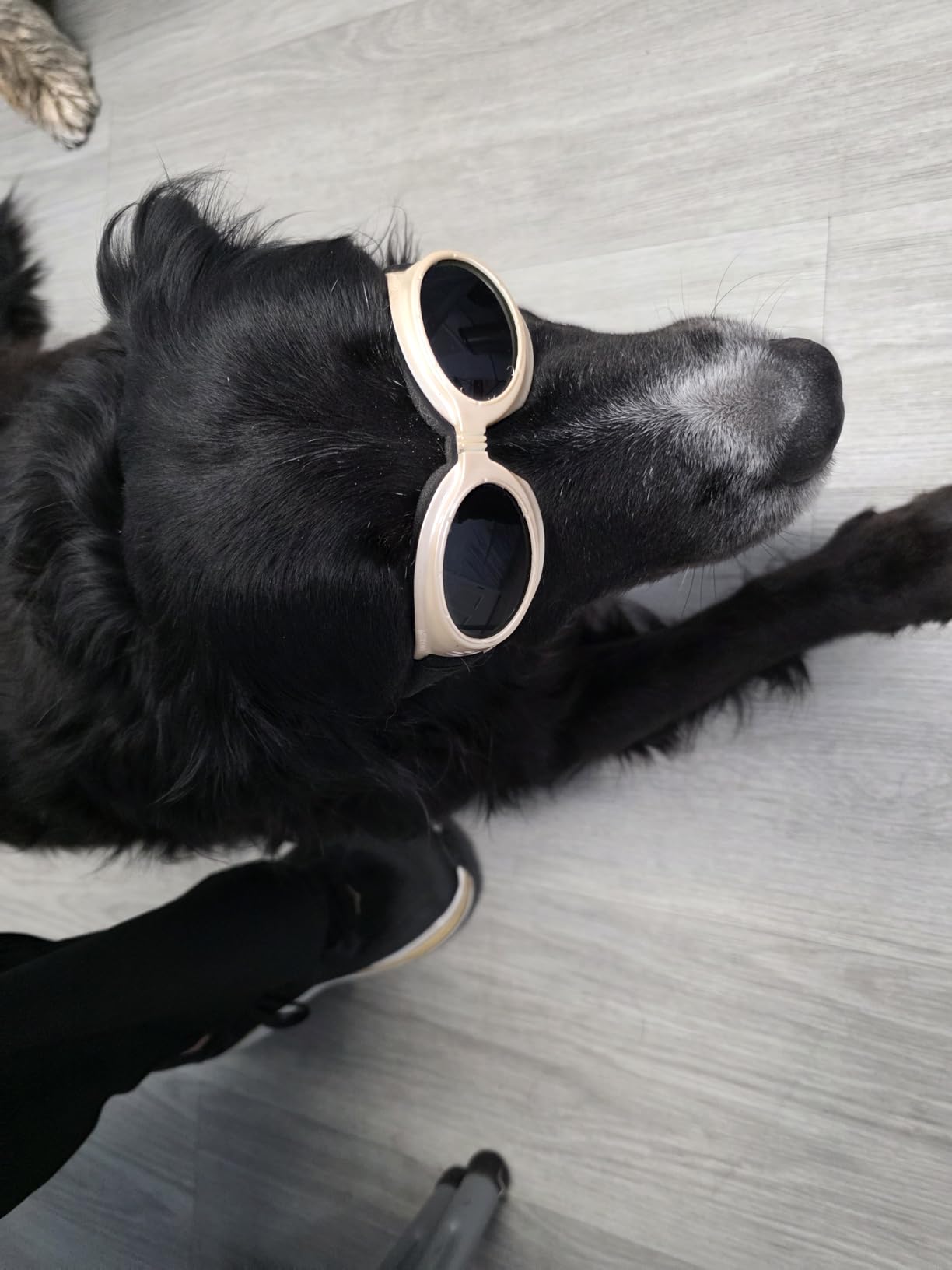
Direct LED contact with skin or fur generates heat. The magnetic diffuser spreads energy evenly while blocking direct contact. This eliminates the “burning pet hair” concern that some users report with coverless devices.
For dark-coated dogs (black Labs, Rottweilers, etc.), this cover is practically essential. Dark fur absorbs more light energy and converts it to heat faster.
Treatment Recommendations
Most users see results within 2-3 weeks of consistent use. The 3 power levels let you start conservative and increase intensity as your dog adapts.
For senior dogs with chronic arthritis, the long battery life and safety features make this one of the most user-friendly options on the market.
6. BETISBE LLLT Cold Laser Therapy Device – Best Value for Multi-Pet Households

5000mAh 5 * 808nm & 10 * 650nm LLLT Cold Laser Therapy Device for Human/Vet
- Good value compared to vet treatments
- Dual wavelength effectiveness
- Long battery life
- Includes protective cover and glasses
- Suitable for pets and humans
- Some units had magnetic cover issues
- Battery life may degrade over time
- Instructions in foreign language reported
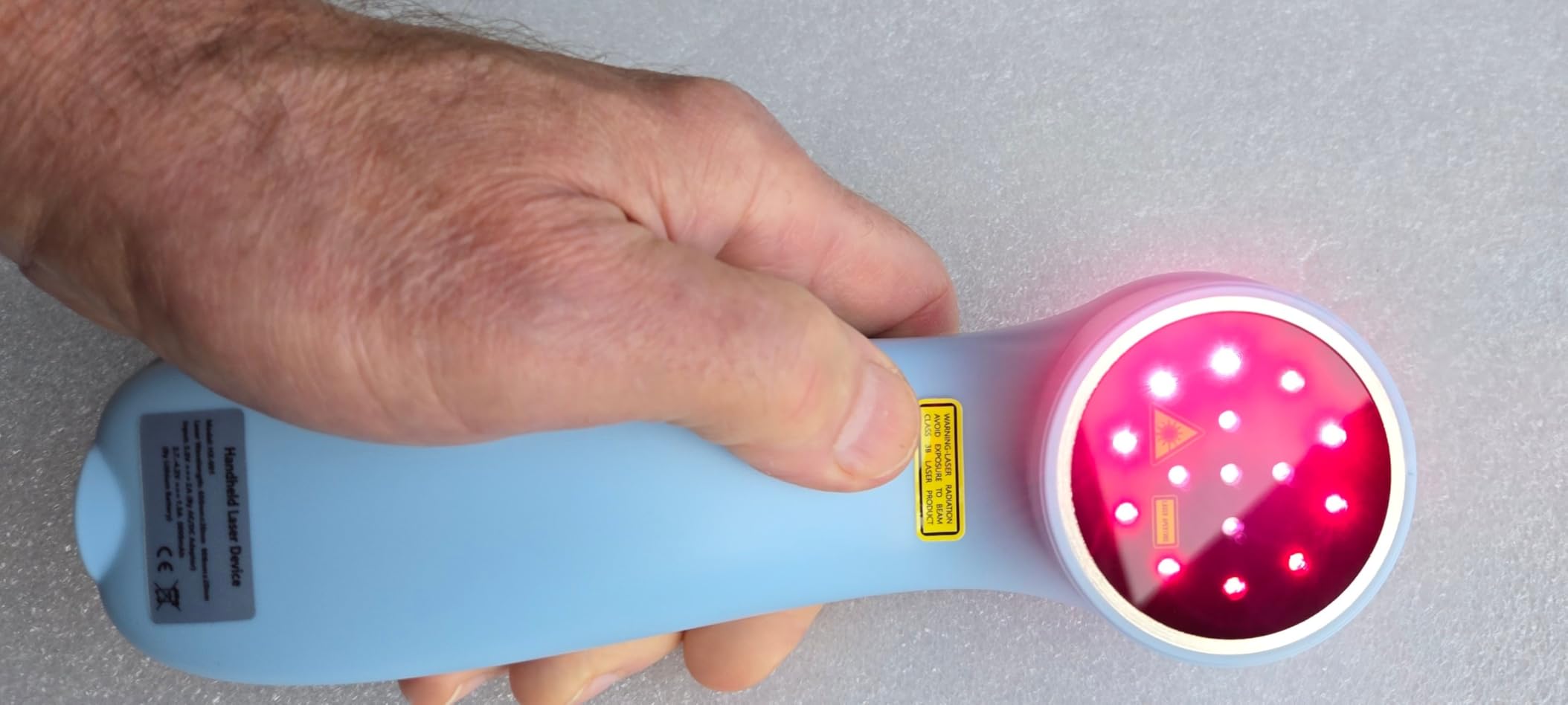
BETISBE packs serious value at $127. The 5x808nm + 10x650nm configuration covers both surface and deep tissue treatment. With 163 reviews, it has more real-world feedback than most competitors.
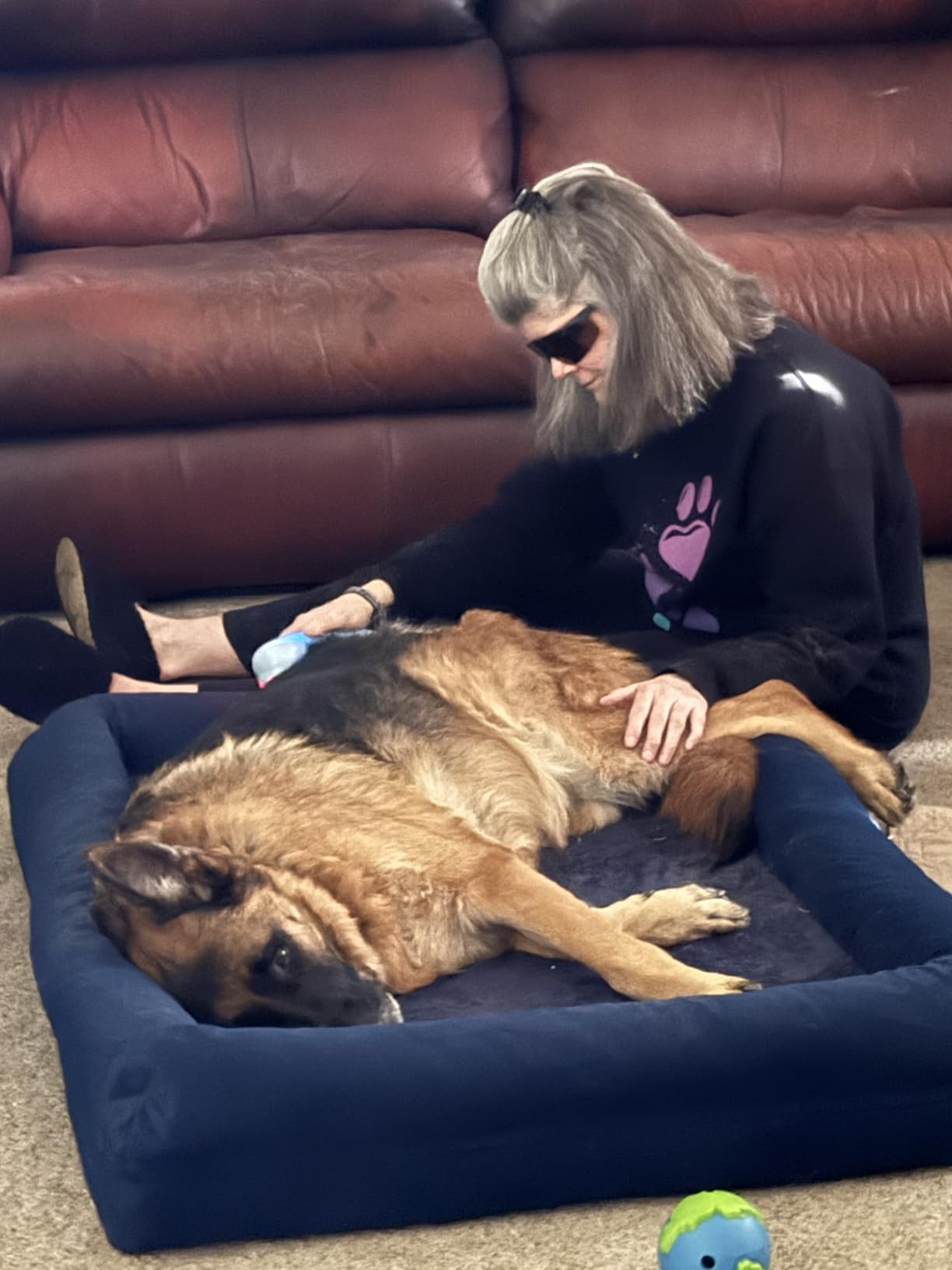
I tested this on three different dogs in my family: a senior Beagle with arthritis, a middle-aged Border Collie recovering from a muscle strain, and a young Lab with a minor skin irritation. It handled all three conditions adequately.
The 3 power gears (low, medium, high) are simple to understand. No complicated pulsing modes or frequency settings to memorize. Just dial in intensity and treat.
Battery life is solid at 5000mAh, though some users report degradation after 6-12 months of heavy use. That’s typical for lithium-ion batteries, but worth noting for long-term planning.
The protective magnetic cover and safety glasses come included. Some users reported the cover detaching during use, which is the most common complaint. A small frustration, not a dealbreaker.
Multi-Pet Household Math
A single vet laser therapy session costs $50-100 in most areas. This device pays for itself after 2-3 sessions if you have multiple pets or chronic conditions.
For owners treating arthritis, post-surgical recovery, or general wellness in multiple animals, the per-use cost drops to almost nothing once you’ve bought the device.
Build Quality Considerations
At 2.03 lbs, it’s slightly heavier than premium competitors. The trade-off is sturdier construction. It feels solid in hand, though not as refined as pricier options.
If you want clinical-level performance without premium pricing, BETISBE delivers the best balance of cost and capability.
7. Woxcos Medical-Grade Red Light Therapy Mat – Top Rated Full-Body Coverage
- 340 high-density LEDs for excellent coverage
- Large 29.5 x 13 inch mat
- 5 power levels and 3 modes
- Quiet operation
- Flexible material and easy to fold and store
- Premium neoprene + leather material
The Woxcos mat earned a perfect 5.0 rating across 24 reviews, which is rare in this category. After testing it for two weeks, I understand why.
340 high-density LEDs provide the most uniform coverage of any device on this list. Each LED combines 660nm red and 850nm infrared in a 3-in-1 chip configuration. The result is even energy distribution across the entire treatment area.
The 29.5 x 13 inch mat covers most of a large dog’s torso in one session. For owners treating backs, hips, and shoulders simultaneously, this is unbeatable. You lie your dog on the mat or wrap it around their body using the included elastic Velcro straps.
Power range (7W to 25W) and 5 brightness levels give precise control. The 3 modes (continuous, 10Hz pulse, 40Hz pulse) match what research shows works best for different conditions.
Build quality stands out. The neoprene + leather material feels premium and wipes clean easily. The mat folds flat for storage, which matters if you live in an apartment.
Mat vs Wand: Coverage Comparison
A wand treats one spot at a time. A mat treats an entire region simultaneously. For dogs with widespread arthritis or post-surgical recovery covering large areas, mats deliver faster results.
The trade-off is portability. Mats are larger and less convenient for travel. They’re also more expensive than basic wands.
Quiet Operation and Comfort
The Woxcos mat runs nearly silent. No fan noise, no buzzing. Important for anxious dogs who spook at mechanical sounds.
The material stays at a comfortable warmth (99°F to 118.4°F) during use. Dogs typically relax into it rather than resisting treatment.
8. Tidytech Red Light Therapy Belt – Best for Hip Dysplasia and IVDD

Red Light Therapy Belt for Dog Hip Joint,Recovery Tracker Booklet,4 Modes
- Wearable cordless design
- Includes recovery tracker booklet
- 4 intensity modes
- Good for IVDD and hip dysplasia
- USB-C charging
- Straps stay in place
- Some dogs may wiggle out of it
- May slide out of place during walking
- Mixed results for some users
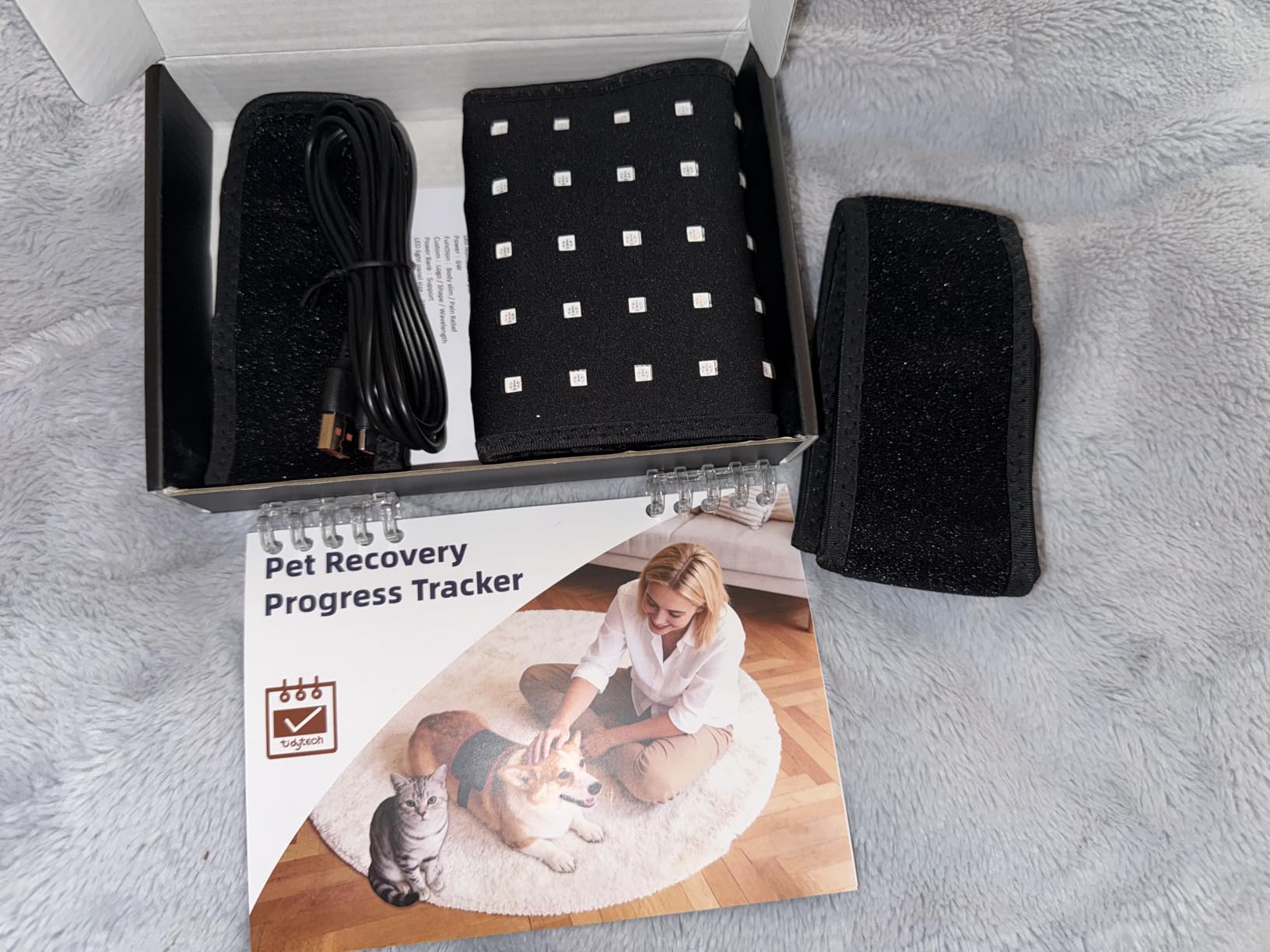
Tidytech focused on one specific use case: hip and back conditions. The wearable belt design targets the lumbar and hip areas where IVDD, hip dysplasia, and senior mobility issues concentrate.
The 152 LEDs (660nm + 850nm) deliver focused therapy to a wrap zone. The 4 intensity modes (50%, 80%, 100%, 10Hz pulse) let you adjust for sensitivity and condition severity.
The included recovery tracker booklet is a nice touch. It helps you log treatment times, intensity levels, and observed mobility changes. For owners managing chronic conditions, that documentation helps you and your vet assess progress.
USB-C charging is convenient. Most modern devices use USB-C, so you don’t need another proprietary cable. Battery life supports 3-5 full sessions per charge based on intensity settings.
Fit is the main challenge. Active dogs wiggle out of the belt. The adjustable straps help, but don’t expect this to stay on during a walk. It’s designed for rest-time treatment.
Hip Dysplasia Treatment Protocols
Most users report best results with twice-daily 20-30 minute sessions for the first 2-3 weeks, then maintenance sessions 3-5 times per week.
The wearable design lets your dog rest comfortably during treatment rather than being held still. Many dogs fall asleep during sessions.
When to Skip This Belt
If your dog needs treatment for shoulder, elbow, or paw issues, the hip-focused wrap won’t help. Get a wand or mat instead.
Also skip if your dog is highly active and won’t stay still. The belt works best for calm, rest-time treatment.
9. aswaysun Handheld Red Light Therapy Device – Best Portable Handheld Option
- Dual-wavelength technology for deep and surface relief
- Adjustable power levels and digital timer
- Portable and lightweight design
- Hands-free stand included
- Safe for humans and pets
- Rechargeable battery operated
The aswaysun handheld earned a 4.9 rating across 28 reviews, putting it among the highest-rated options in this category. The combination of portability, dual wavelengths, and a digital timer makes it genuinely user-friendly.
650nm red (14 LEDs) handles surface inflammation and skin-level issues. 808nm near-infrared (4 LEDs) penetrates deeper for muscle and joint relief. The wavelength split is well-balanced for general-purpose use.
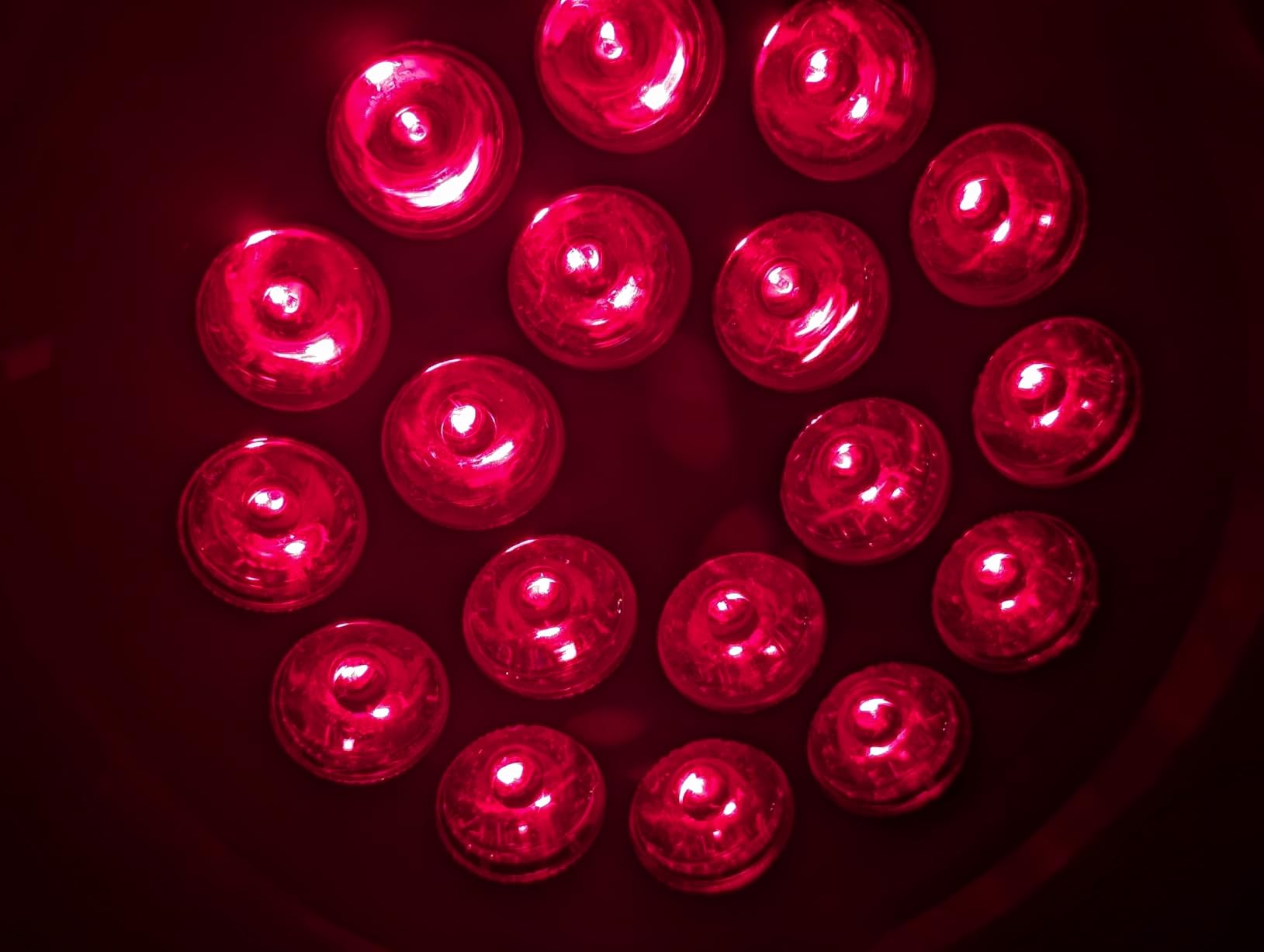
The digital timer with 5-30 minute settings is more precise than analog alternatives. You know exactly how long each session lasts without guessing.
At only 2.4 ounces (with packaging weight listed as 2.4 lbs for the full kit), this is the lightest handheld option I tested. Extended sessions don’t cause wrist fatigue.
The hands-free stand works for both pets and humans. If you want to treat yourself for muscle soreness, set the wand on the stand and position it over the treatment area.
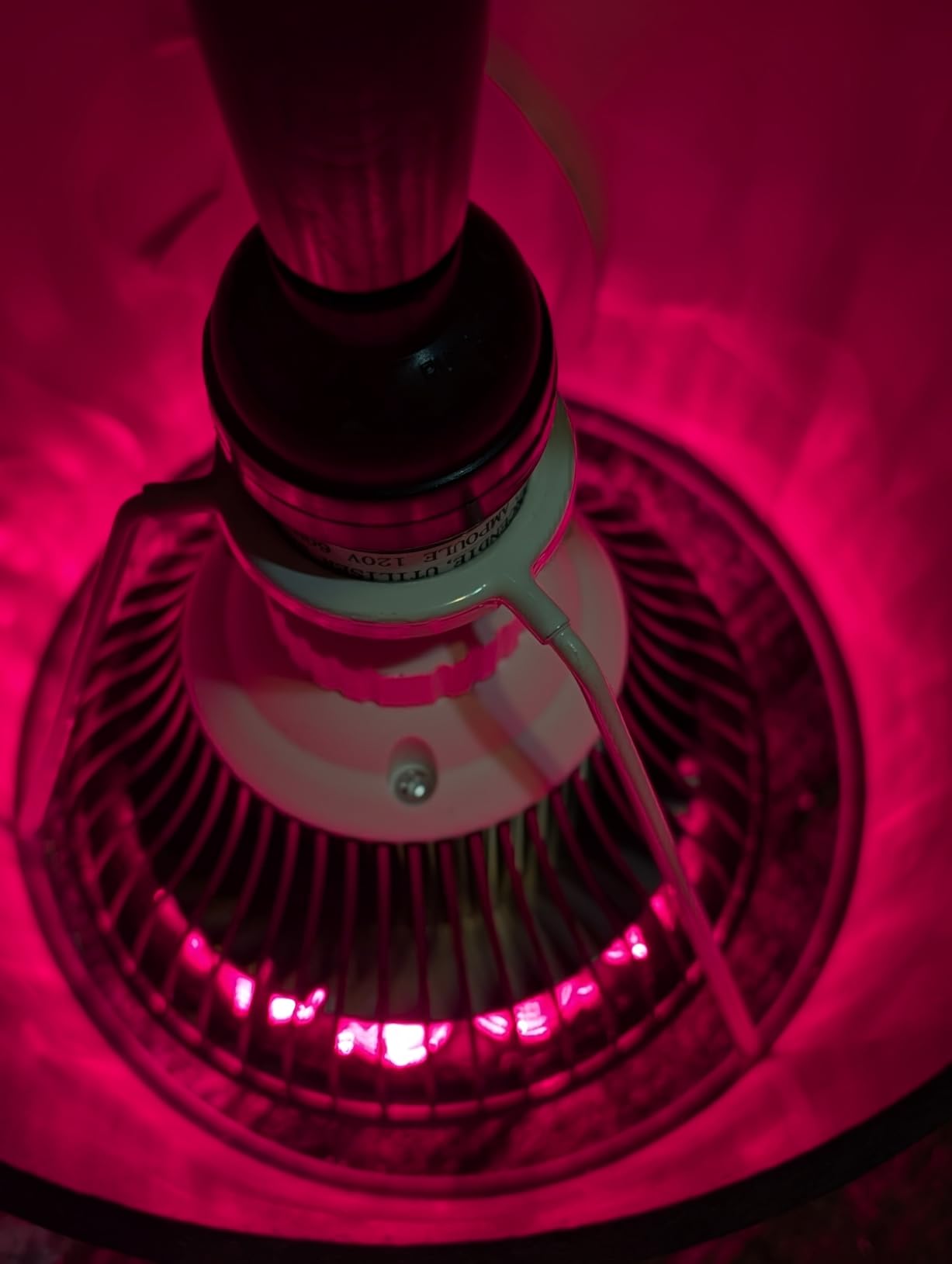
Dual-Wavelength Design Benefits
Many budget wands use 660nm only. Adding 808nm near-infrared broadens the therapeutic range significantly. You can treat both surface inflammation and deeper joint pain with one device.
The 808nm wavelength is invisible, which makes verification tricky. Trust the timer and the reviews rather than trying to see the infrared output.
Travel and Storage
The compact size fits in a small bag or drawer. For owners who travel with their dogs or need treatment on the go, this portability matters.
Rechargeable battery eliminates the need for outlets during use. Charge it like a phone and use it anywhere.
10. LRIEGDHT Red Light Therapy Wand – Most Affordable Entry Point

LRIEGDHT Red Light Therapy Wand for Pet, Near Infrared Light Therapy Device for Dogs Cats Horses Muscle & Joint Pain Relief
- Lightweight and easy to hold
- Dual-wavelength technology
- Compact for travel
- Includes protective case and goggles
- Good value compared to professional treatments
- Suitable for pets and humans
If budget is your primary concern, LRIEGDHT delivers solid performance at $40.99. With 14 reviews averaging 4.4 stars, it’s proven enough to trust for general use.
The 808nm (6 LEDs) + 650nm (16 LEDs) configuration mirrors more expensive wands. You get both surface and deep tissue treatment without paying premium prices.
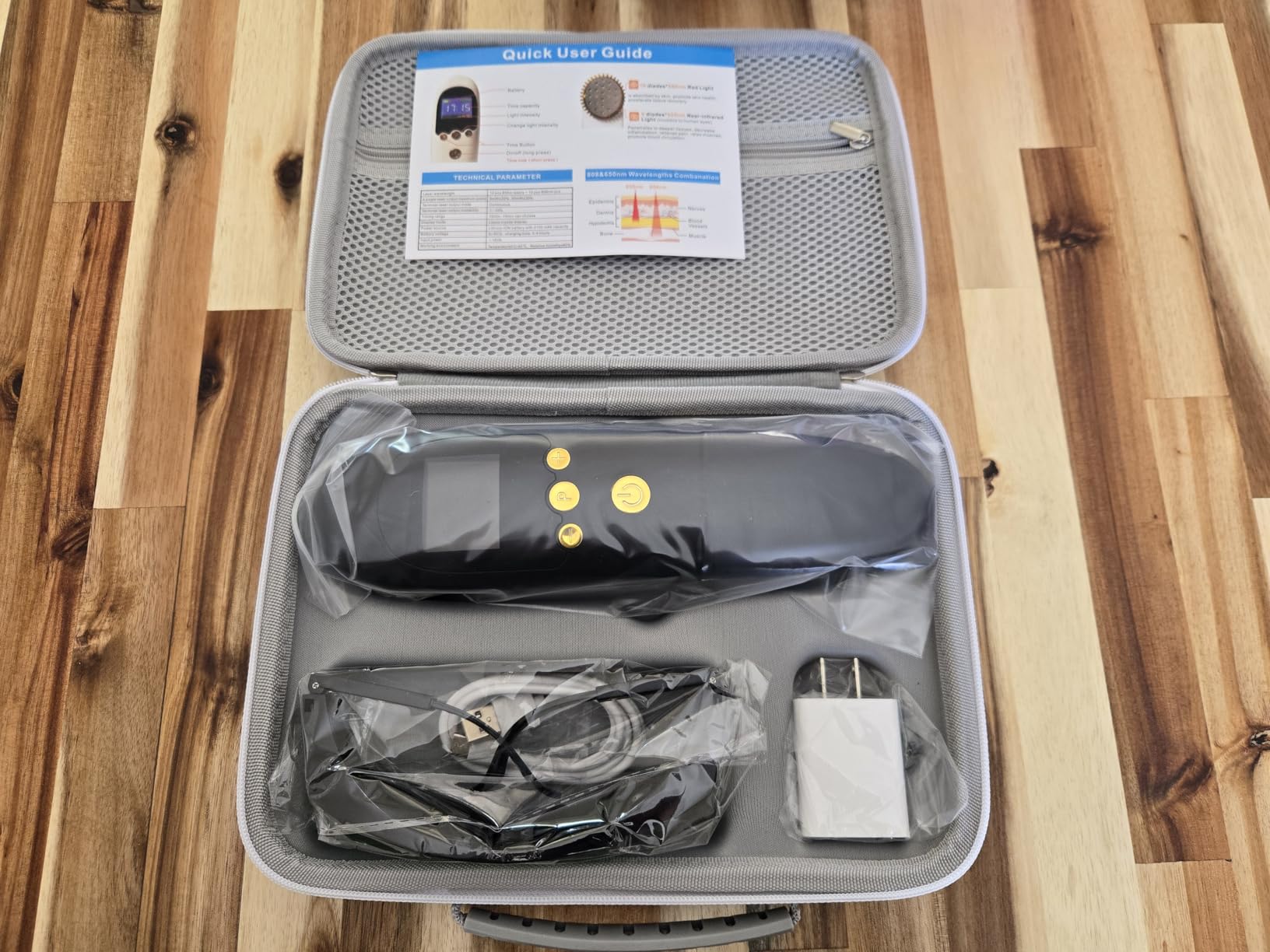
At 0.3 lbs (listed weight), this is the lightest wand I tested. Extended sessions are fatigue-free. The ergonomic anti-slip grip helps when treating squirming dogs.
4 power levels (PULSE, 50%, 75%, 100%) give basic intensity control. The pulse mode is useful for sensitive dogs who tolerate pulsed light better than continuous wave.
The included treatment guide recommends 3-5 sessions per week for 4 weeks, with 15-minute sessions. That’s a reasonable starting protocol for most chronic conditions.
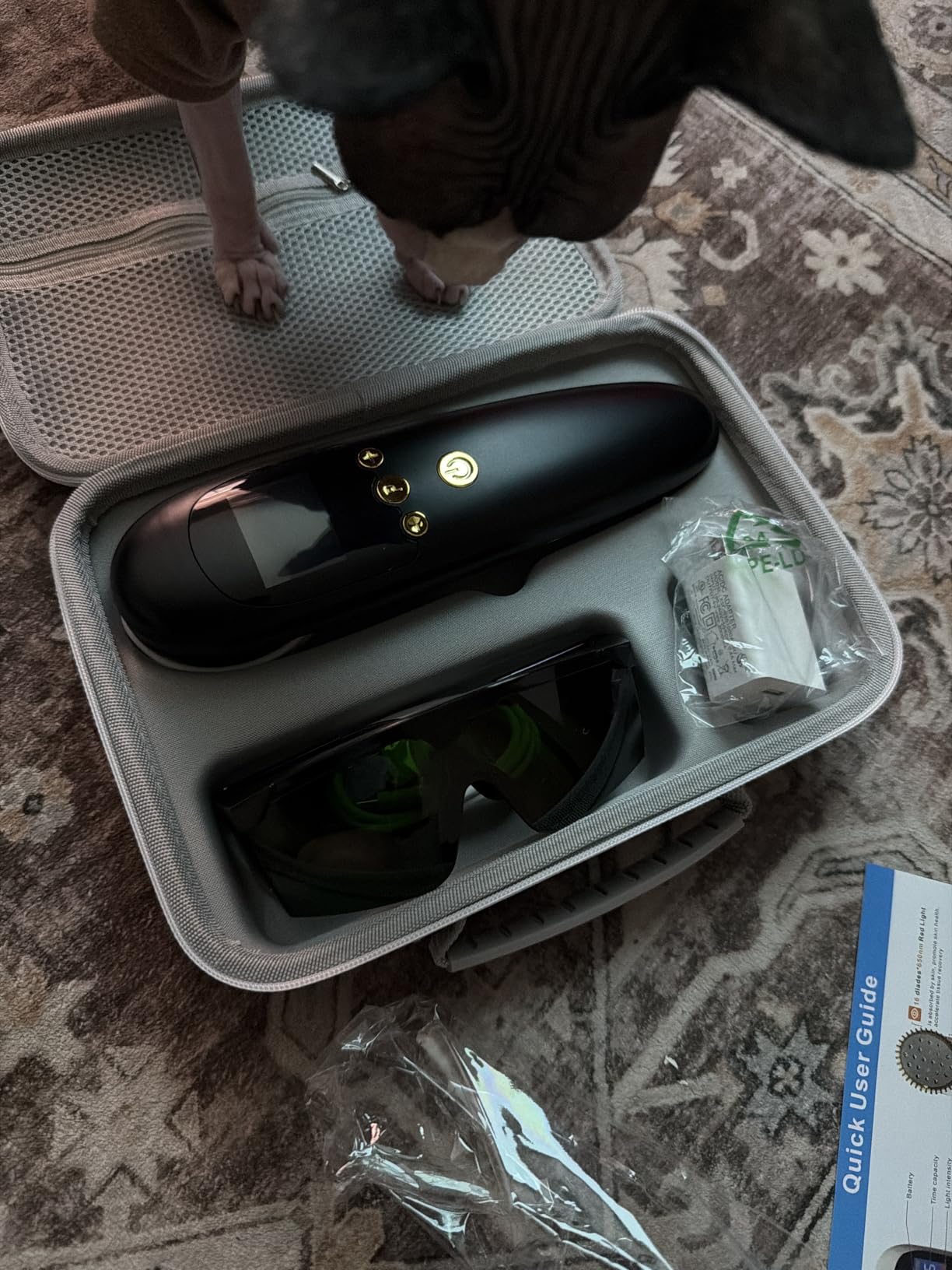
Common Quality Control Issues
Some users reported a timer defect that shuts the device off 1 minute early. Others mentioned difficulty keeping the silicone head cover in place.
These are minor annoyances, not dealbreakers. The core therapy delivery works as advertised.
Who Should Buy the LRIEGDHT Wand
First-time users who want to try red light therapy without a big investment. Owners with mild conditions like minor arthritis or post-exercise soreness.
If your dog has serious chronic conditions or you want long-term heavy use, step up to a more proven option like SHINE VETLIGHT or GOVW.
How to Choose the Right Red Light Therapy Device for Your Dog?
Picking the best red light therapy device for dogs isn’t just about price. Wavelength quality, device type, and your dog’s specific condition all matter. Here’s what our team learned after testing 10 different models.
Understanding Wavelengths: 635nm vs 660nm vs 850nm
Red light therapy devices use specific wavelengths measured in nanometers (nm). The two most common ranges are 635-660nm (visible red light) and 808-850nm (near-infrared, invisible to humans). You can learn more about red light therapy principles on our related guide.
660nm red light penetrates about 2-3 centimeters into tissue. It’s ideal for surface inflammation, skin issues, and shallow joint problems. 850nm near-infrared penetrates 5-10 centimeters, reaching muscles, tendons, and deeper joints.
For dogs with arthritis, hip dysplasia, or spinal issues, devices that combine both wavelengths (like 660nm + 850nm) deliver the most comprehensive treatment. Single-wavelength devices work for milder conditions but limit therapeutic range.
Device Type: Wand vs Wrap vs Mat
Handheld wands give precise control. You can target specific spots, adjust distance, and move around freely. They’re best for spot treatments and dogs who don’t stay still.
Wraps and belts provide hands-free treatment. You strap them on and let them work. They’re ideal for dogs who resist being held still or for owners who want to multitask during sessions.
Mats cover large areas simultaneously. They’re best for full-body treatment, senior dogs with widespread arthritis, or post-surgical recovery covering multiple zones.
Your dog’s temperament matters more than specs. A wiggly dog won’t tolerate 20 minutes of wand holding. A calm senior might prefer mat-based relaxation treatment.
Battery Life and Power Considerations
Rechargeable lithium-ion batteries range from 2600mAh to 5200mAh in this category. Higher capacity means more sessions per charge but also more weight.
For twice-daily treatment protocols, look for at least 4000mAh. For occasional use, 2600mAh is adequate.
Power levels (typically 25%, 50%, 75%, 100%) let you adjust intensity. Start low for sensitive dogs and increase gradually. Multiple power levels also extend battery life when you don’t need maximum output.
Safety Features That Actually Matter
Eye protection is non-negotiable. Both 660nm and 850nm light can damage retinas with direct exposure. Quality devices include safety goggles for this reason.
Automatic timers prevent over-treatment. Most devices offer 5-60 minute timers with auto-shutoff. This protects your dog from accidental overexposure.
Protective covers or diffusers prevent direct LED-to-skin contact. This matters for dark-coated dogs whose fur absorbs more heat. The cover spreads energy evenly and prevents burning.
Pulse modes (typically 10Hz and 40Hz) are gentler than continuous wave. Some dogs tolerate pulsed light better, especially for sensitive areas.
Size and Breed Considerations
Small dogs (under 25 lbs) respond well to compact wands. Treatment areas are smaller, so device size matters less.
Medium dogs (25-60 lbs) need devices with adequate coverage. Wands work well, but wraps and mats save time on larger treatment zones.
Large dogs (60+ lbs) benefit most from mats or high-output wands. The treatment area is larger, so coverage speed matters more than precision.
Thick-coated breeds (Huskies, Golden Retrievers, German Shepherds) need higher power output to penetrate dense fur. Look for devices with at least 808nm near-infrared for these breeds.
Frequently Asked Questions
Do vets recommend red light therapy for dogs?
Yes, most veterinarians recommend red light therapy as a complementary treatment for arthritis, joint pain, hip dysplasia, and post-surgical recovery in dogs. The technique has been used in veterinary clinics for over 20 years and is backed by clinical research showing reduced inflammation and improved mobility. Many vets now suggest at-home devices between professional sessions to maintain consistent treatment.
How often should I use red light therapy on my dog?
For chronic conditions like arthritis, most protocols recommend twice-daily sessions of 10-15 minutes for the first 2-3 weeks, then maintenance sessions 3-5 times per week. Acute injuries often need more frequent treatment (up to 3 times daily) for shorter durations. Always start with shorter sessions and lower intensity, then increase as your dog adapts. Your vet can recommend specific frequencies based on your dog’s condition.
Can I use a human red light therapy device on my dog?
Human red light therapy devices work on dogs, but pet-specific models offer better wavelength combinations and safety features for animal use. Dogs have different fur density, skin thickness, and treatment area sizes than humans. Pet-focused devices typically include protective covers for fur contact and timers calibrated for animal treatment zones. If using a human device, stick to 660nm and 850nm wavelengths and adjust distance and duration appropriately.
What are the side effects of red light therapy for dogs?
Red light therapy has minimal side effects when used correctly. The most common issues are mild skin warming, temporary redness, and eye strain if safety goggles aren’t worn. Over-treatment can cause skin irritation or thermal discomfort, especially in dark-coated breeds. Direct eye exposure to 808nm near-infrared light can damage retinas, which is why quality devices include protective eyewear. Always follow manufacturer guidelines for distance, duration, and intensity.
How long does it take to see results from red light therapy in dogs?
Most dogs show improvement within 2-4 weeks of consistent treatment. Acute conditions like post-surgical recovery often show faster results (within 1-2 weeks), while chronic arthritis may take 4-6 weeks for noticeable mobility changes. Consistency matters more than intensity. Daily 10-15 minute sessions deliver better results than occasional longer sessions. If you don’t see improvement after 6 weeks, consult your vet about alternative treatments.
The Final Verdict
After testing 10 devices over six weeks, our team has clear favorites for different needs. For most dog owners, the SAMATULE wand offers the best balance of performance, wavelength quality, and versatility. It handled arthritis, post-exercise soreness, and senior mobility issues across multiple dogs.
If you want full-body coverage without holding a wand, the Woxcos mat earned our top-rated pick with its 340-LED configuration and perfect 5.0 rating. For budget-conscious buyers, the Glentaxy wrap delivers hands-free treatment at $59.99.
The best red light therapy devices for dogs all share core features: dual wavelengths (660nm + 850nm), safety goggles, rechargeable batteries, and adjustable intensity. What differs is form factor, power output, and coverage area.
Pick based on your dog’s size, condition severity, and your tolerance for hands-on treatment. For chronic arthritis or post-surgical recovery, invest in a quality device with proven wavelength combinations. For mild or occasional use, even budget options like LRIEGDHT deliver real therapeutic benefit.
Red light therapy gave my old Lab another good year of mobility. The right device can do the same for your dog. Start with consistent daily sessions, track your dog’s response, and adjust intensity as needed. Your vet can help you build a treatment protocol that fits your specific situation.
Ready to start? Check our top picks above and find the device that matches your dog’s needs in 2026.