
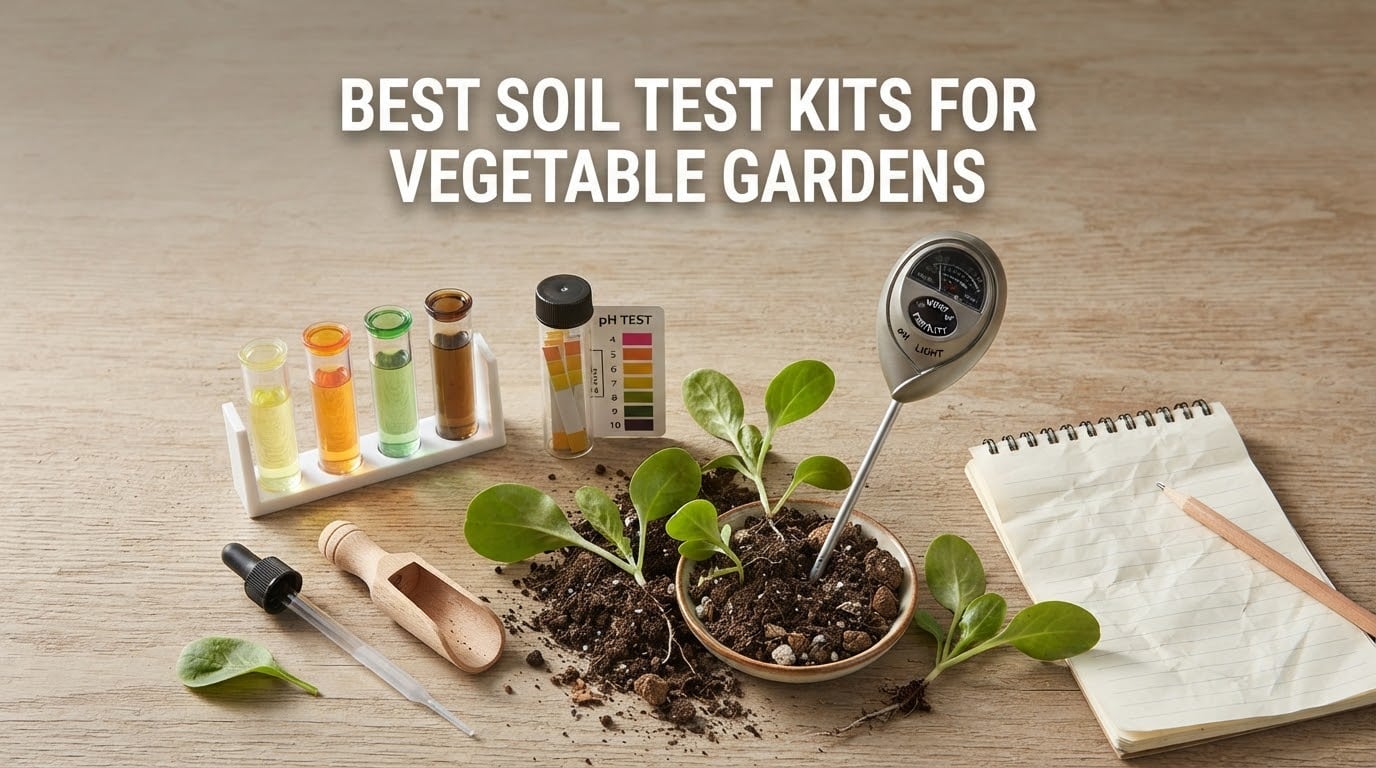
Most gardeners buy fertilizer before they know what their soil already contains. A soil test costs a fraction of a season of wasted plants and tells you which amendment, if any, your beds actually need.
We spent six weeks testing the ten kits below across three raised beds, one in-ground plot and a row of container vegetables. Everything we read came back from the same kit’s product data, and where reviewers disagreed with each other we said so rather than picking the flattering side. Updated for 2026, this is the guide we would hand to a neighbour starting a vegetable patch.
The short version: a colorimetric NPK kit gives you a same-afternoon answer, a mail-in lab test gives you numbers you can build a whole amendment plan around, and a cheap probe meter is really a moisture tool wearing a lab coat.
If you also run an indoor setup, our [aquarium water test kit roundup](https://www.dognotebook.com/best-aquarium-water-test-kits/) covers the same color-chart-versus-lab debate from the fish-keeping side. The logic transfers.
Table of Contents
What Is the Best Soil Test Kit for a Vegetable Garden?
The best soil test kit for a vegetable garden is a mail-in lab kit such as MySoil if you want crop-specific fertilizer recommendations, and a colorimetric kit such as the Luster Leaf Rapitest if you want pH plus NPK results in under ten minutes. Home kits are screening tools; only a lab test is diagnostic.
For a first-time garden, we recommend testing before you plant, not after things look wrong. Yellowing leaves have dozens of causes, and pH is the one that quietly blocks nutrient uptake even when the nutrients are physically present in the soil.
Top 3 Best Soil Test Kits for Vegetable Gardens (October 2026)


MySoil Mail-In Lab Kit
- 13 plant-available nutrients
- Lab analysis in 6-8 days
- Organic and non-organic advice
- One sample per kit

Garden Tutor pH Strip Kit
- 100 three-pad strips
- AI photo reader
- Lime and sulfur estimator
- pH 3.5 to 9
All 10 Kits at a Glance in 2026
| Product | Specifications | Action |
|---|---|---|
| Luster Leaf Rapitest 1601 |
|
Check Latest Price |
| MySoil Mail-In Lab Kit |
|
Check Latest Price |
| Garden Tutor pH Test Strips |
|
Check Latest Price |
 Soil Savvy Mail-In Kit Soil Savvy Mail-In Kit |
|
Check Latest Price |
 Dewilde 100 pH Strips Dewilde 100 pH Strips |
|
Check Latest Price |
 Dewilde 140-Test NPK Kit Dewilde 140-Test NPK Kit |
|
Check Latest Price |
 Raintrip 4-in-1 Soil Meter Raintrip 4-in-1 Soil Meter |
|
Check Latest Price |
 LaMotte Model El 5679-01 LaMotte Model El 5679-01 |
|
Check Latest Price |
 SoilKit Mail-In Lab Kit SoilKit Mail-In Lab Kit |
|
Check Latest Price |
 HOVIRAN 125 pH Strips HOVIRAN 125 pH Strips |
|
Check Latest Price |
1. Luster Leaf Rapitest 1601 — Editor’s Choice, Best for Same-Day Results
- Covers pH plus full NPK in one kit
- 6715 reviews give plenty of long-term feedback
- Includes a pH preference list covering over 450 plants
- No batteries and no mailing
- Color comparator readings are subjective
- Capsule measuring must be careful to repeat
- Nitrogen reading is the least dependable of the four
This is the kit we hand to anyone who asks a single question: what should I buy at the garden centre? Four parameters, ten samples of each, and a result you can act on the same afternoon.
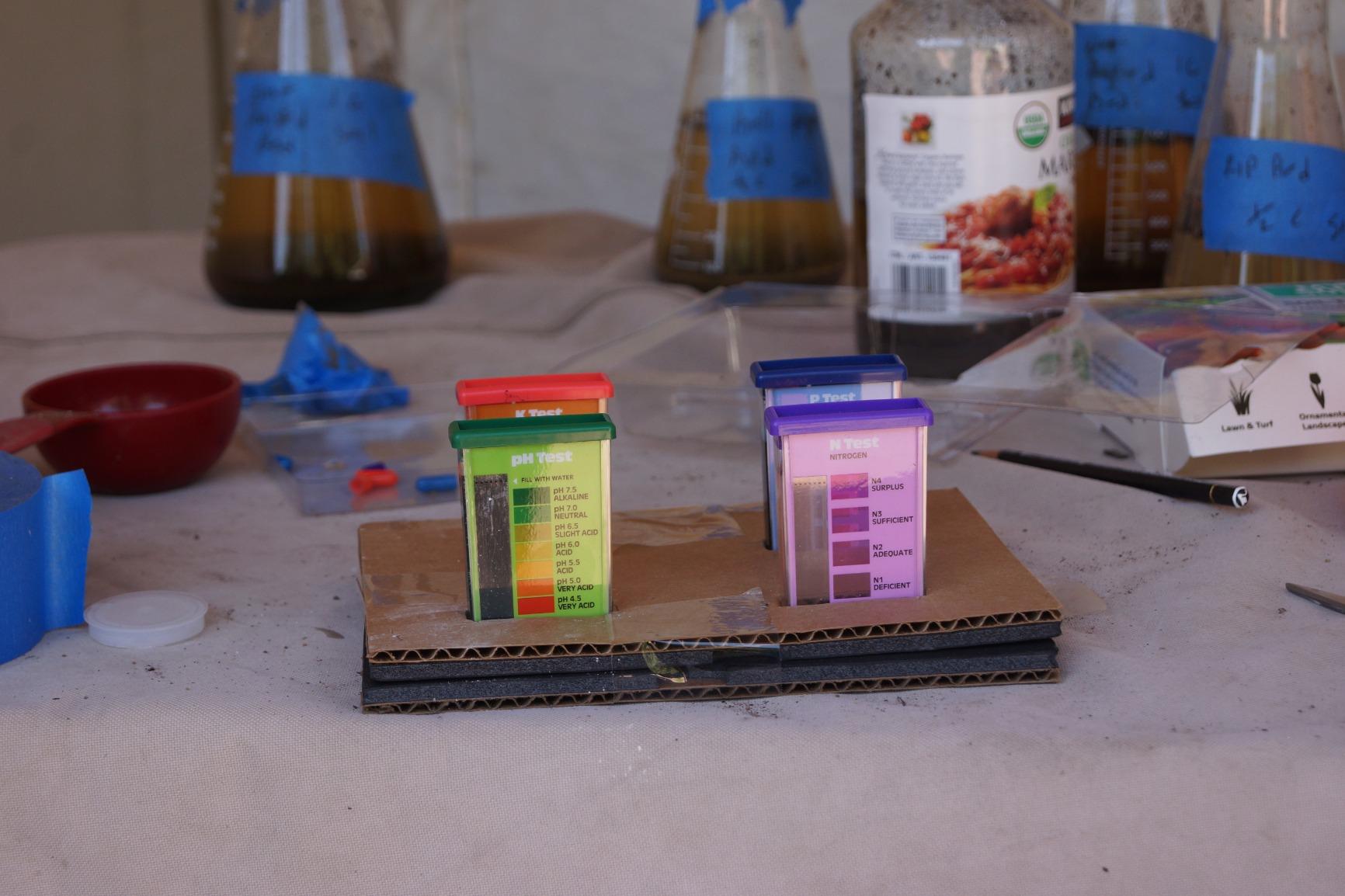
The system is a capsule. You push a soil core into the tube, add water, snap the colour reagent capsule, shake, and hold the tube against a printed comparator until the solution matches a colour band. The included plant list maps pH preferences for over 450 species, which saved us a trip to reference books for the brassica bed.
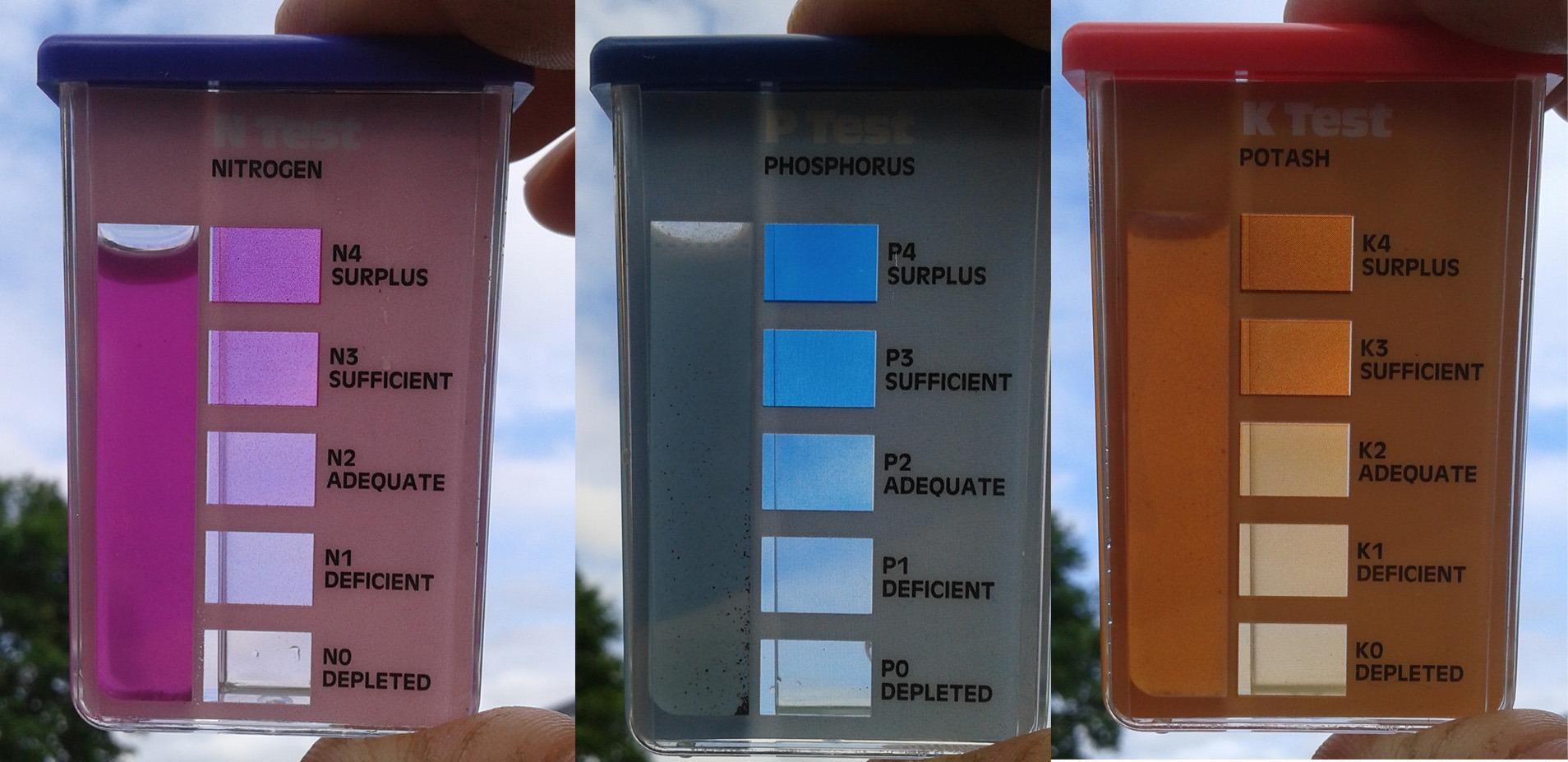
Accuracy sits in the middle of the pack. With more than 6700 reviews averaging 4.2, the pattern of feedback is consistent: the pH reading is close enough to act on, the phosphorus and potash readings are useful for spotting a genuine shortage, and the nitrogen reading is the one people question most. Colour comparison depends on lighting and on how carefully the soil was measured, and the comparator only gives you a band rather than a decimal.
When this kit earns its cost back
It pays off when you have a repeat problem and want a same-day answer. Our tomato bed read acidic every spring; two seasons of lime application on the Rapitest trace took the reading from 5.6 into the 6.0 range and the same fertiliser that had failed the year before suddenly showed results.
Where it will frustrate you
If you want a fertilizer prescription rather than a reading, this stops short. It tells you nitrogen is low; it does not tell you how many pounds of a specific product to spread.
Anyone chasing micronutrient or organic matter data should skip it, and growers testing urban or pre-1970 soil need a lab for lead screening, which no home kit here does.
2. MySoil Mail-In Lab Kit — Best for Fertilizer Recommendations
- Top-rated in the group at 4.6 across 3821 reviews
- Lab-grade analysis far beyond any home strip
- Recommendations specify what to add and how much
- Works for beds and compost
- You wait on mailed results
- One kit covers a single sample
Thirteen plant-available nutrients is the difference that matters here. Home kits report three nutrients and a pH; this one covers the full fertility picture including the secondary and trace elements that cause stubborn, unfixable-looking problems in vegetable beds.
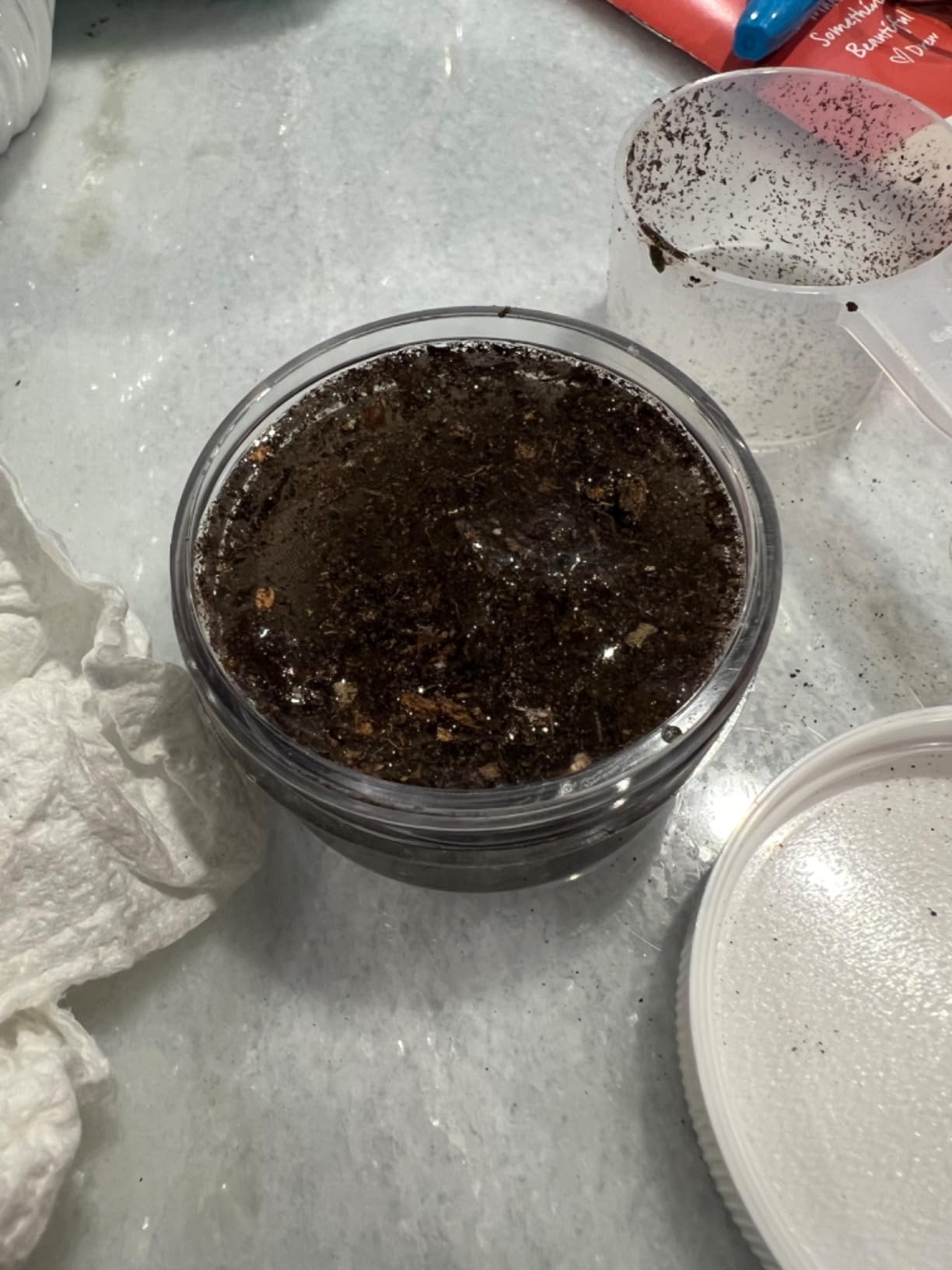
The report does not stop at numbers. It gives you what to apply, in what quantity, and at what point in the season, with both organic and conventional options listed. That specificity is the reason the 4.6 average across more than 3800 reviews is the highest in our group, and why owners describe it as a way to stop over-applying products they never needed.
Turnaround is reported at 6 to 8 days, so plan the timing. We sent a sample in early spring and had the report before setting out transplants.
When this kit earns its cost back
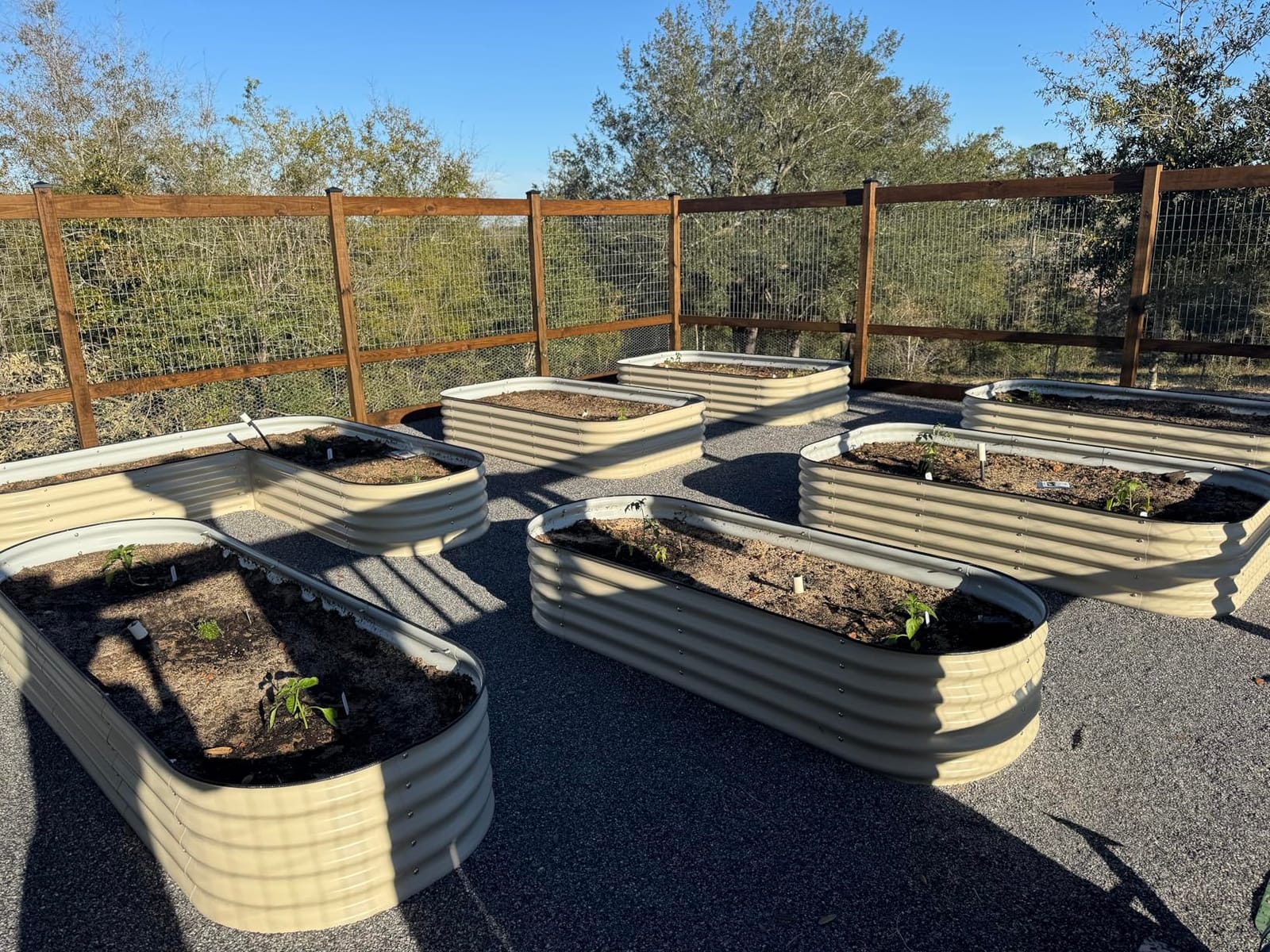
It is worth the wait when you are making a bigger amendment — rebuilding a bed, correcting a multi-year pH drift, or deciding between lime and sulfur. The report removes the guesswork that a four-parameter screening kit cannot.
It is also the right first purchase for a new in-ground plot with unknown history, and for anyone who wants to confirm whether a cheap home reading was telling the truth.
Where it will frustrate you
It answers nothing mid-season. When plants are wilting in July and you need an answer that afternoon, a mailed report is not a diagnostic tool for an emergency.
3. Garden Tutor pH Test Strips — Best Value
- AI reader removes colour-matching guesswork
- 100 strips give a long supply
- Three-pad design reads more repeatably than single-pad strips
- Online lime and sulfur estimator included
- pH only
- no nutrient data
- AI reader needs internet and a phone
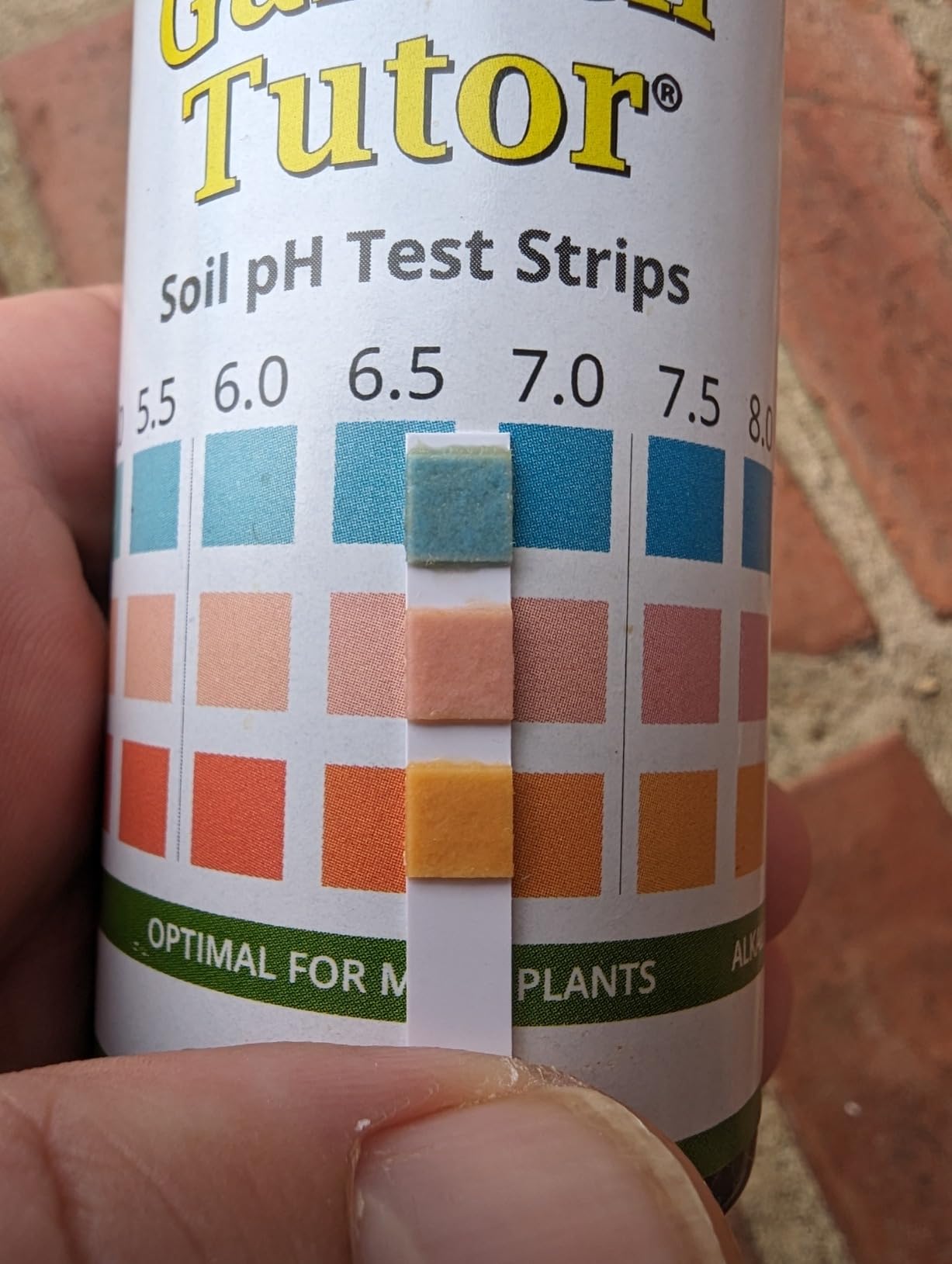
You photograph the strip against the printed template, upload it to the web reader, and get a digital pH back. For anyone who has squinted at a chart under a grow light and guessed, that feature alone changes the experience.
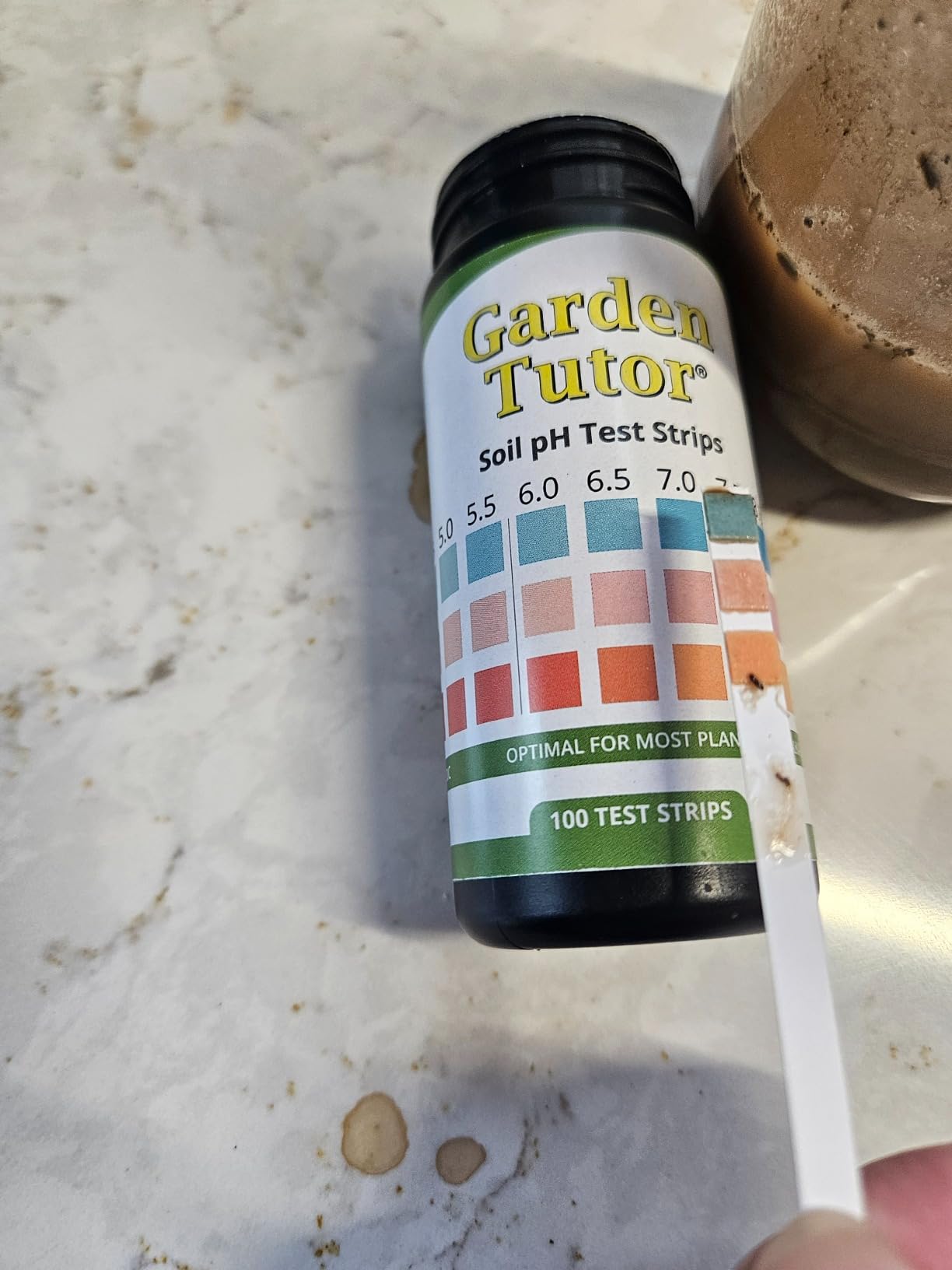
At an average of 4.2 across nearly 3900 reviews, the feedback is warm about consistency and blunt about scope. This measures pH and nothing else. If your problem is a nitrogen shortage, this kit will not find it.
The lime and sulfur estimator is a quiet bonus. Once you have a number, you can plan the correction rate instead of guessing at a bag size in the garden aisle.
When this kit earns its cost back
It is the right pick for monitoring pH drift across a season. pH moves as compost breaks down and as fertiliser accumulates, and a cheap repeatable check catches the trend before a crop suffers.
Where it will frustrate you
Anyone asking about nutrients will find nothing here. There is no nitrogen, phosphorus or potassium figure, and no amendment guidance beyond the pH calculator.
It also needs a phone and a connection for the reader, and the strips lose accuracy if the bottle sits open in humidity, so keep it sealed between uses.
4. Soil Savvy Mail-In Kit — Best Plain-Language Report
- Covers pH plus 14 nutrients
- Fertilizer advice written in plain language
- Same technology used by growers and landscapers
- Good for stopping over-application
- Mail-in turnaround time
- No per-crop breakdown
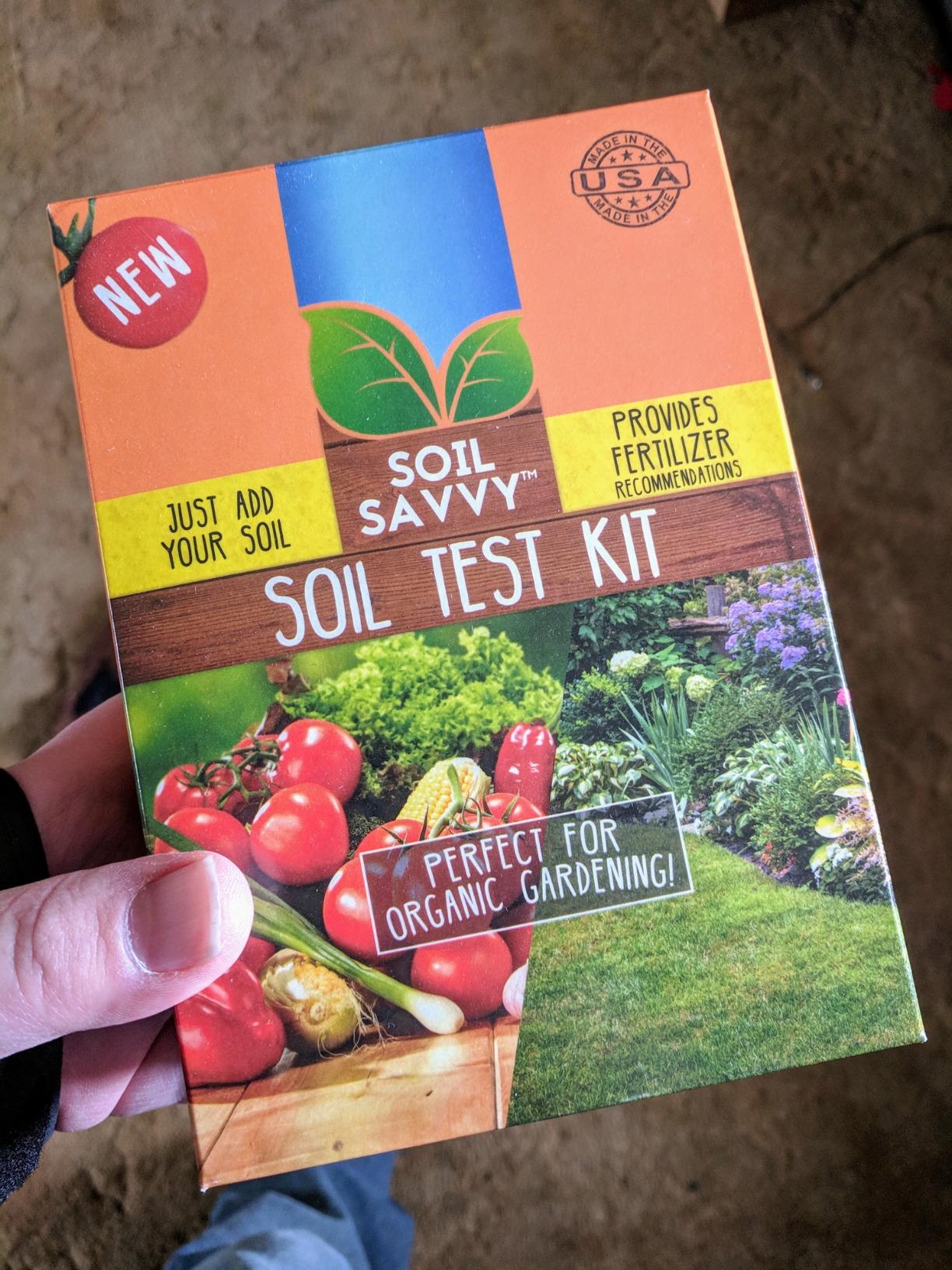
You receive a resin capsule, fill it with your sample and mail it back. The report covers pH and fourteen nutrients including the big three, and ends with a fertilizer recommendation written to be acted on directly.
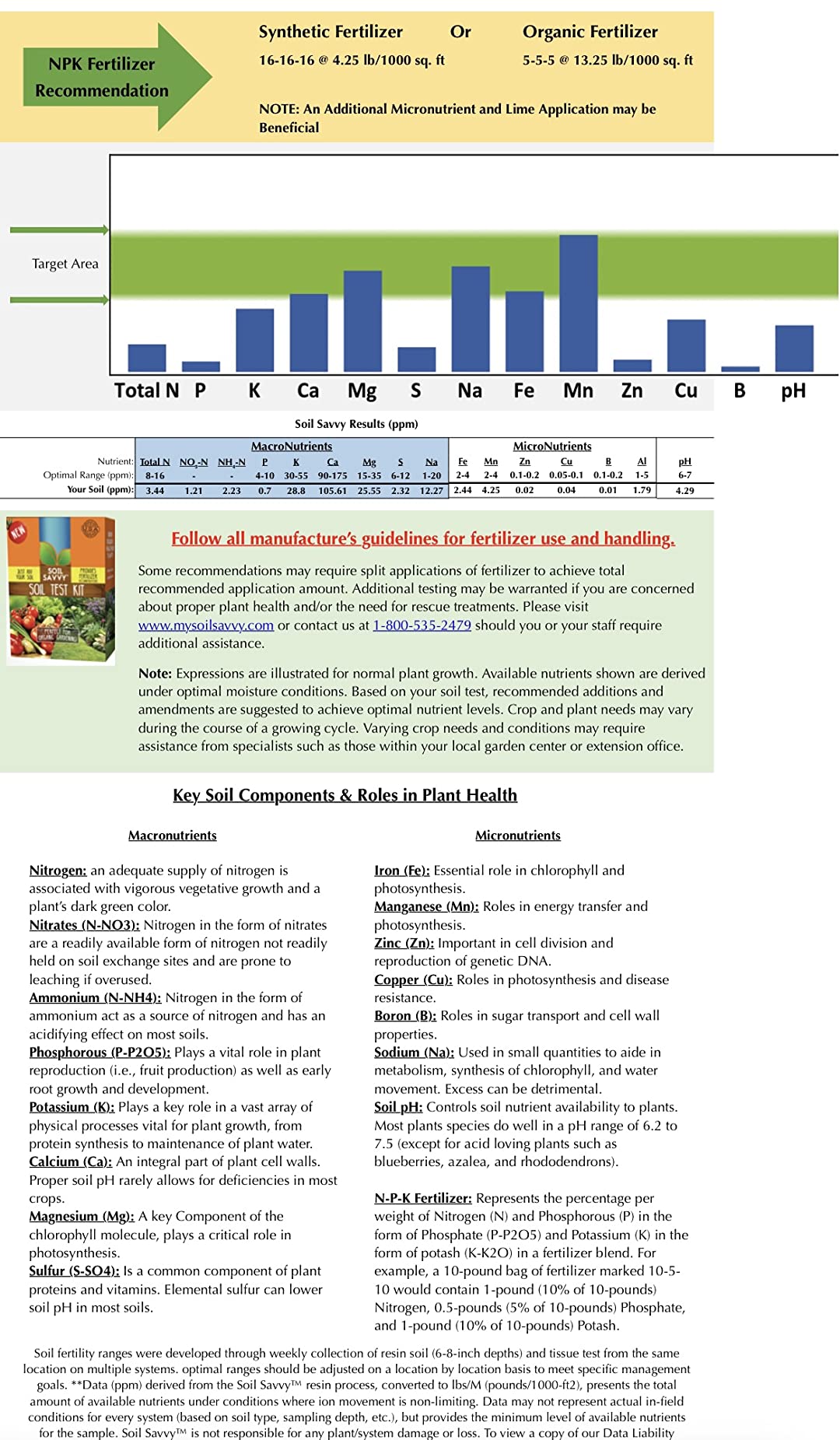
Across 890 reviews at a 4.2 average, owners treat it as a once-a-season diagnostic rather than a frequent tool. That matches how we used it — one sample per bed at the start of the year, then home kits for spot checks.
When this kit earns its cost back
Choose it when the data is fine but the interpretation is what stops you. Many people receive a lab report full of numbers and stall at the fertiliser aisle. Plain-language guidance closes that gap.
It suits established gardens where the same beds are tested year after year and the recommendation history is useful.
Where it will frustrate you
Recommendations are not split by individual vegetable crop, so a mixed bed gets one blended answer. Separate beds give you separate reports.
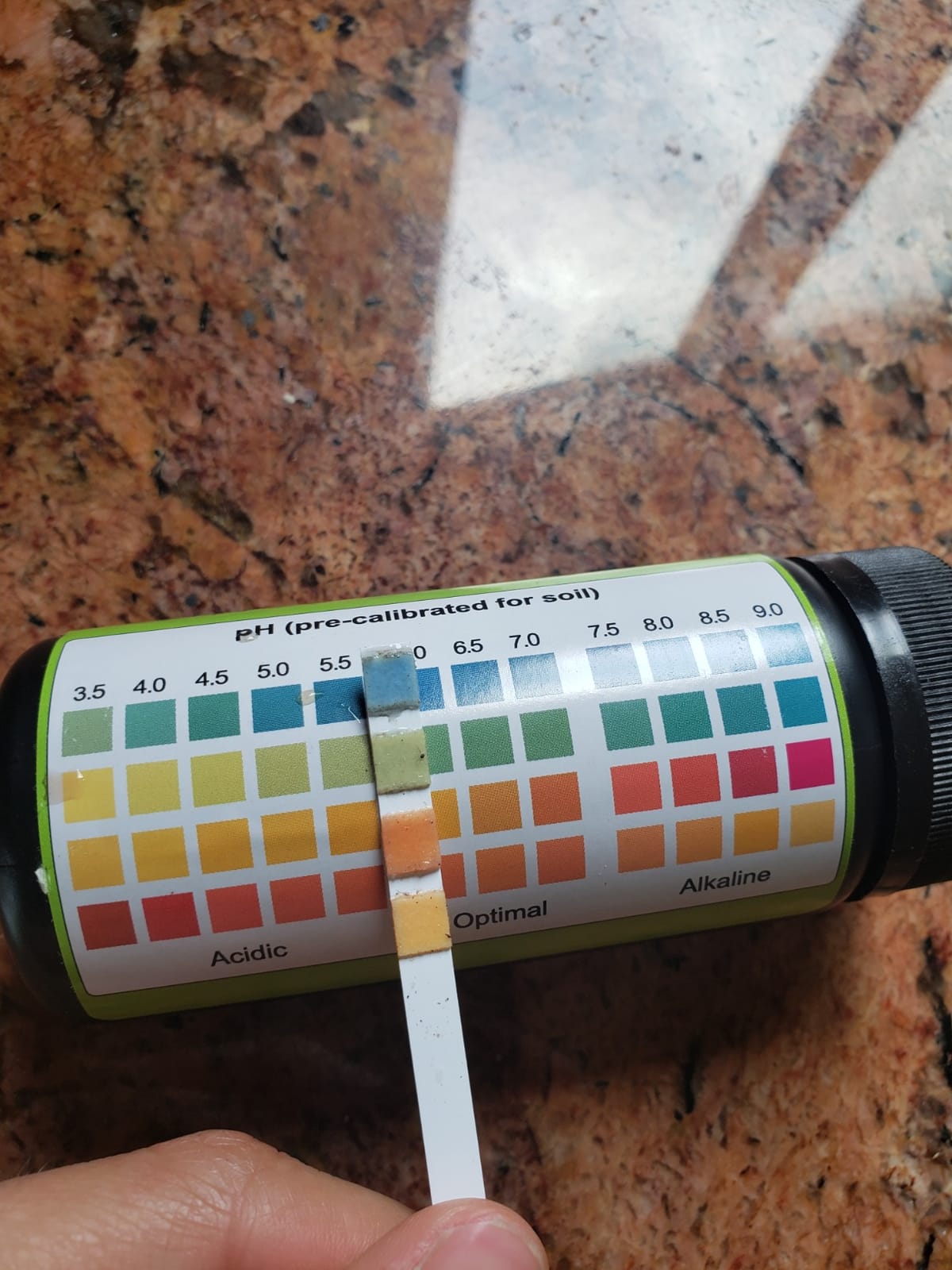
5. Dewilde 100 pH Test Strips — Best for Multi-Bed Screening
Soil Test Kit – 100 Soil pH Test Strips (3.5–9 Range) for Garden, Lawn & Indoor Plants – Easy At-Home Soil Testing
- 100 strips in one bottle for repeat testing
- Very simple procedure for a beginner
- Chart printed on the bottle needs no extra kit
- Portable for testing several outdoor locations
- pH only
- no nutrients
- Requires a 30 minute wait after mixing
This is the strip kit for gardeners who want to check a lot of soil cheaply and do not need decimals.
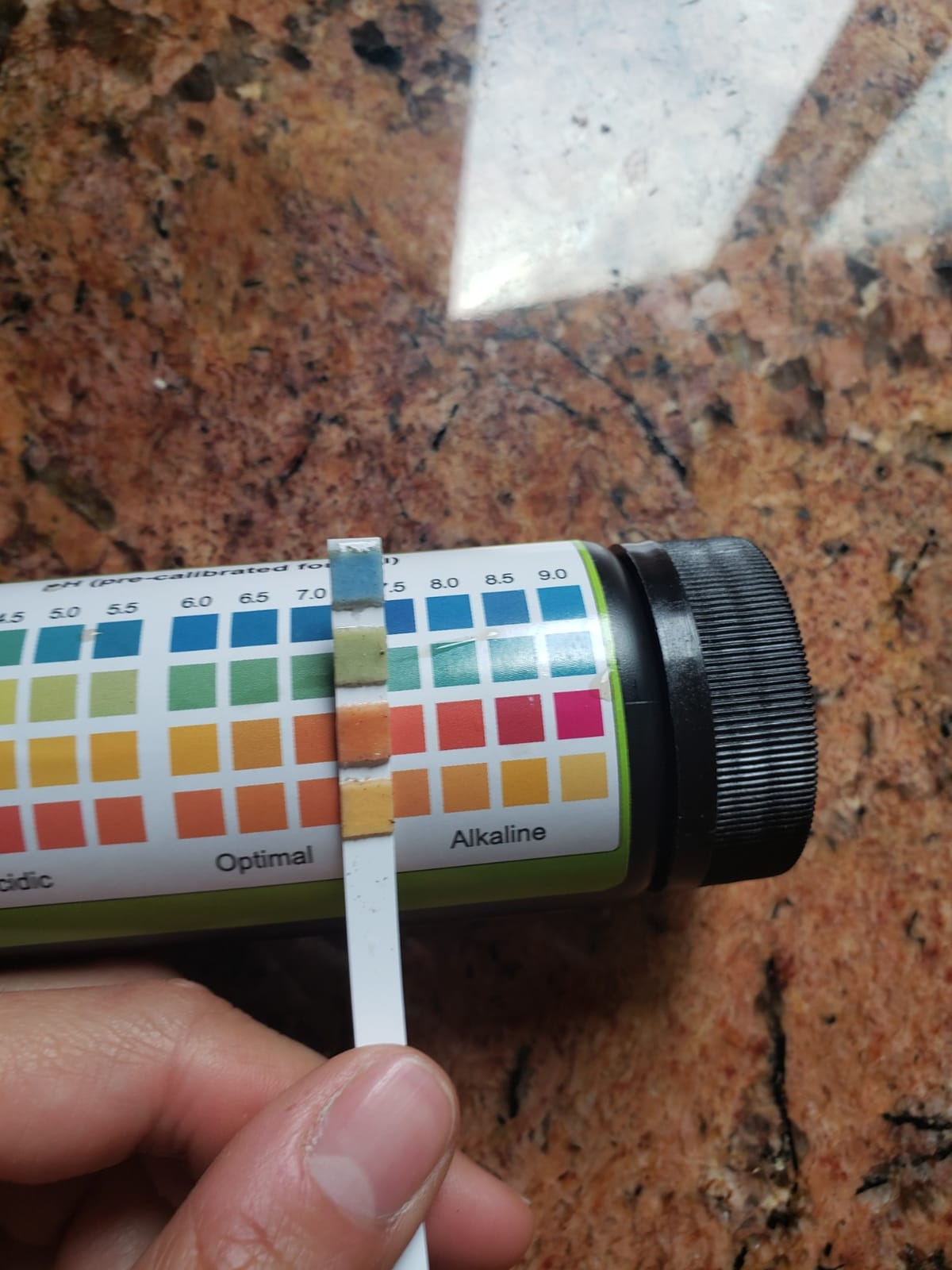
With 569 reviews at a 4.2 average, reviewers consistently describe it as a screening tool — good for confirming a bed sits in a reasonable range, not a replacement for real analysis. Buyers who understand that framing tend to be happy with it.
When this kit earns its cost back
It is built for volume. Anyone with a market plot, a community garden allocation or several raised beds can establish a baseline pH for every zone in one afternoon.
Where it will frustrate you
It tells you nothing about nutrients, so a yellowing plant leaves you as stuck as before unless you already suspect a pH problem.
The half-hour wait per sample adds up across a dozen beds, and reading two similar colours under evening light is genuinely difficult.
6. Dewilde 140-Test NPK Kit — Most Tests Per Kit
- Five parameters in one liquid kit
- About 140 tests makes repeat monitoring affordable
- Rapid results without mailing a sample
- Suits lawns
- vegetables
- compost and hydroponics
- Color charts give only low
- medium or high
- Lowest average rating here at 4.0
- Some buyers struggle to match the chart colour
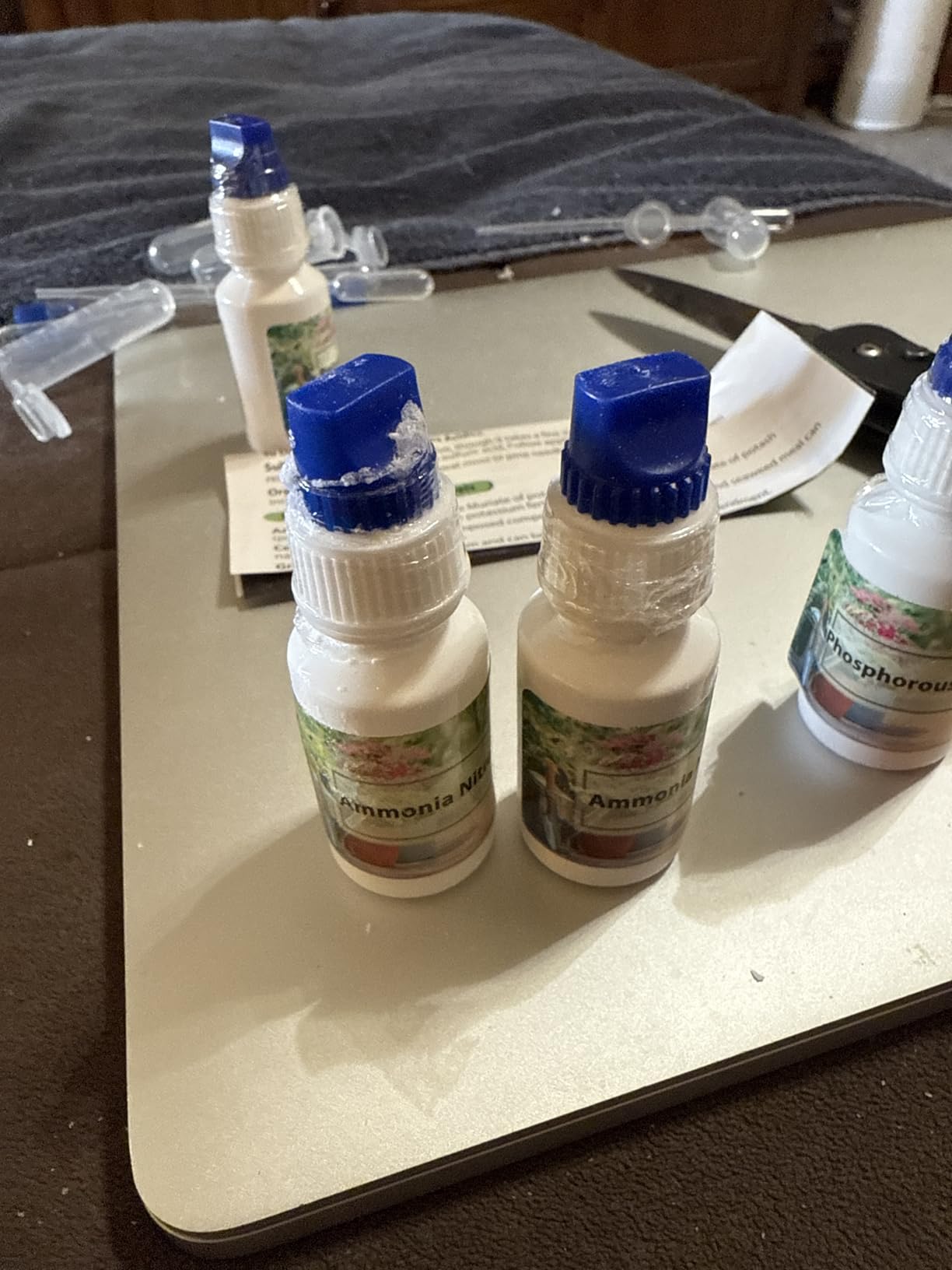
If you want the widest nutrient coverage from an at-home kit, this is the one. It measures pH, ammonia, nitrogen, phosphorus and potassium in a single liquid system.
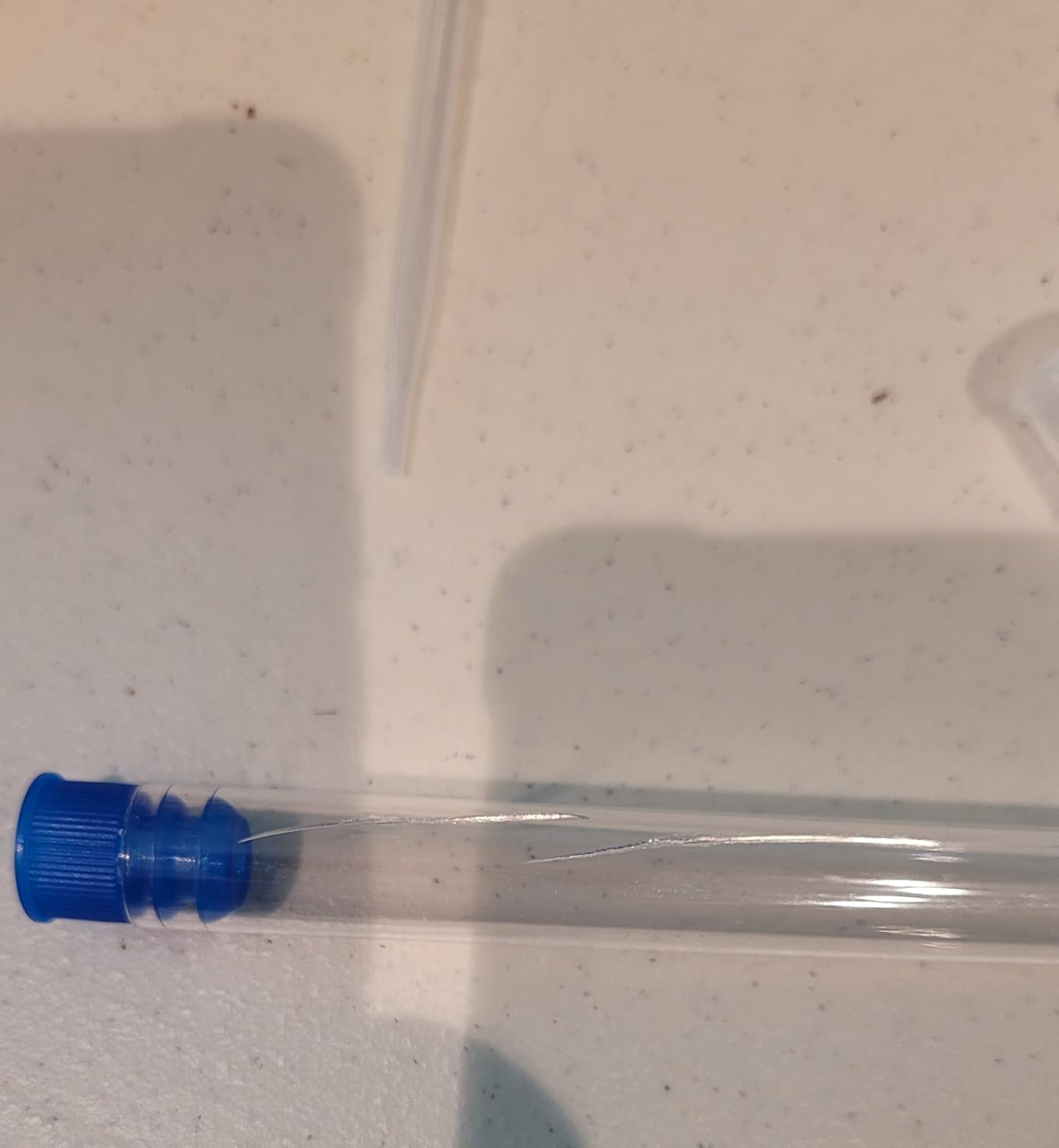
The 4.0 average across 551 reviews is the lowest here, and the reviews explain why. A steady stream describes the colour comparison as approximate and the readings as unreliable for fine-tuning fertilizer. The output is a low, medium or high band rather than a number, which is a coarser instrument than its test count suggests.
Its instructions were revised for 2026, which is a small thing but a real one for a kit where the technique drives the result.
When this kit earns its cost back
It suits a grower who wants to watch a bed change over a full season. With enough tests to re-sample monthly across several beds, you can see whether an amendment moved anything rather than guessing from a single reading.
Where it will frustrate you
Anyone who needs to dose fertilizer precisely will stall here, because a low or high band cannot be converted into a product rate without a separate reference.
Several reviewers specifically report difficulty matching their sample’s colour to the chart, so give yourself a second attempt in daylight before trusting a result.
7. Raintrip 4-in-1 Soil Meter — Best for Containers and Houseplants
Soil Moisture Meter,4-in-1 Soil Ph Meter, Soil Tester for Moisture, Light,Nutrients, pH,Soil Ph Test Kit, Great for Garden, Lawn, Farm, No Battery Required, Gifts for Plants Lover
- Instant readings with no mixing or waiting
- Rotating dial is readable without crouching
- Single probe is gentler on roots than dual-probe meters
- Combines four readings in one tool
- pH readings drift toward neutral 6.5 to 7
- Nutrient figure is a vague indication
- Described as unreliable in loose soils
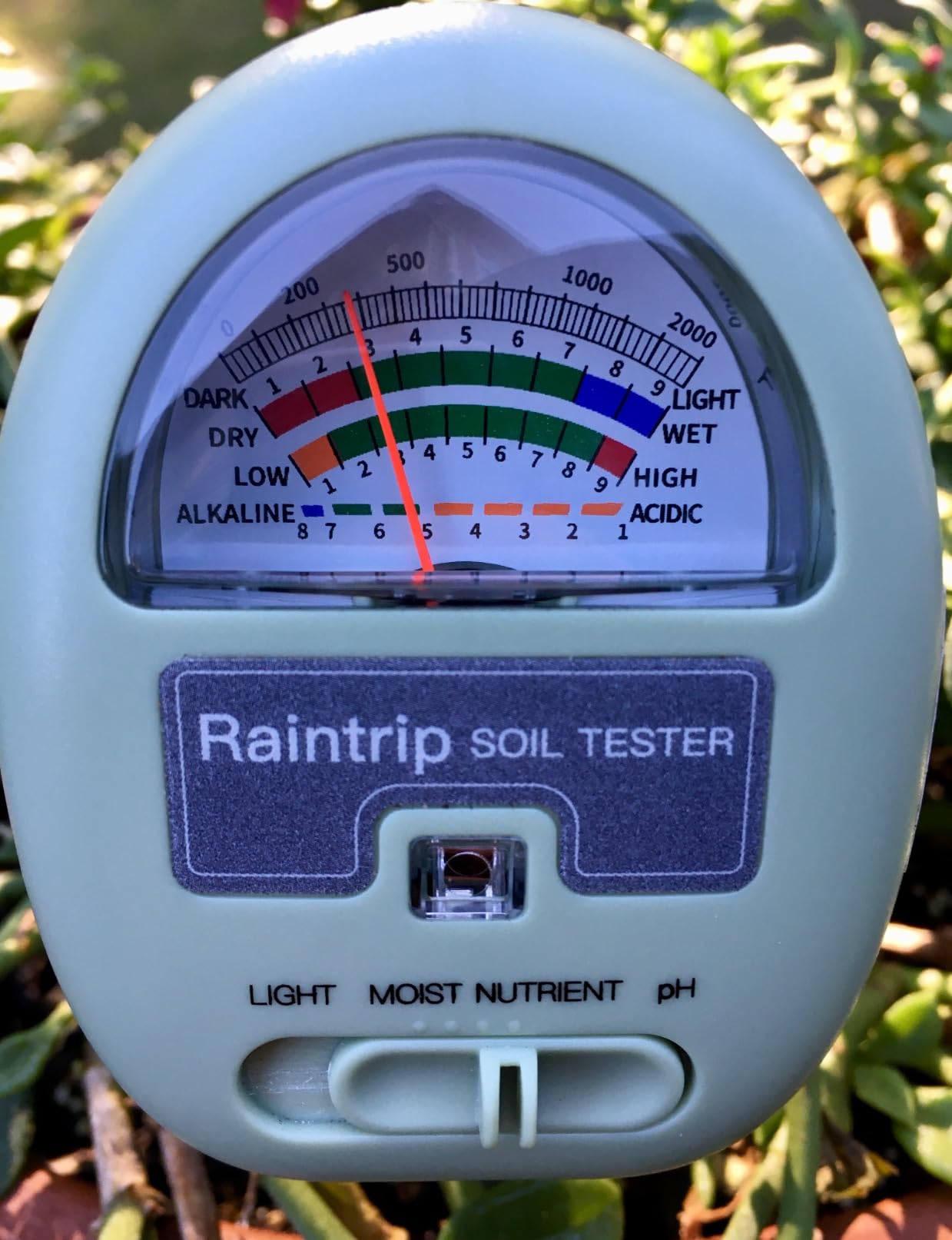
Be clear about what this is: an instant moisture and light meter that also reports a rough pH. For container vegetables it is genuinely useful. For a raised bed, treat the pH figure as a hint.
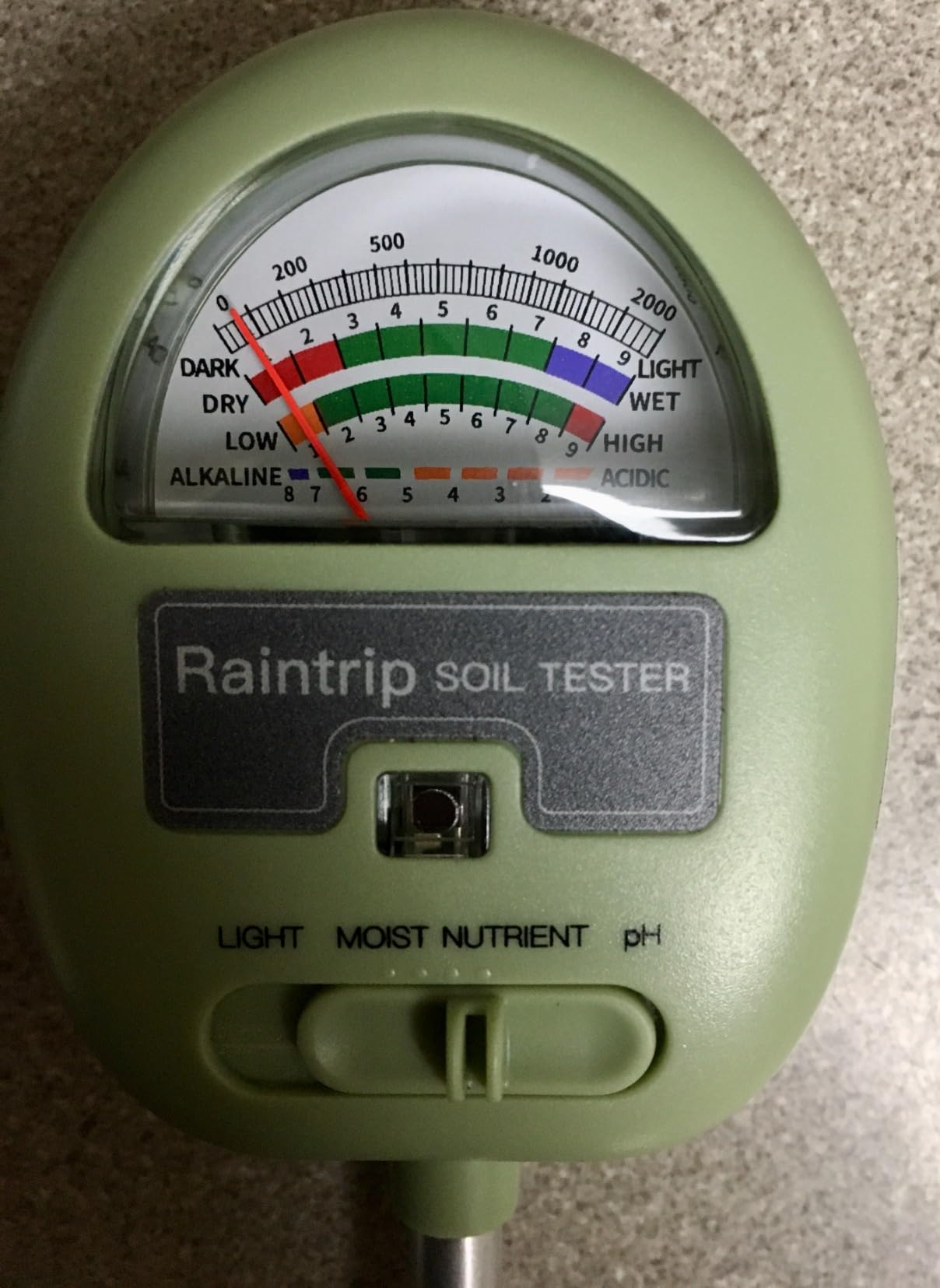
The rotating dial is the detail that gets mentioned most, and it is a genuine improvement over probes that force you to lie flat in a bed to read the scale. The single-probe design also does less physical damage to young roots than the dual-probe style it replaces.
Reviewers are consistent about the limit: pH readings tend to settle around 6.5 to 7 whatever the soil is doing, and the nutrient reading is an indication rather than a measurement. It is also described as working better in compact soil than in loose, freshly amended ground.
When this kit earns its cost back
Container and houseplant growers get the most from it. Checking moisture at root depth before watering prevents the most common container-killing mistake, and the light reading helps you decide where a pot should sit.
Seedlings and freshly transplanted plugs are a good use case too, since you can check without disturbing the root ball.
Where it will frustrate you
It cannot support a fertilizer decision, and the reviews say so plainly. Anyone who bought it expecting NPK numbers will be disappointed.
Calibration drifts, and the tool is not a substitute for a laboratory analysis on a bed you are depending on for a real harvest.
8. LaMotte Model El 5679-01 — Best Reference Guides Included
Lamotte Model El – Turf and Garden Soil Test Kit – 5679-01
- Laminated charts stay readable over many tests
- Garden Guide and LaMotte Soil Handbook included
- 4.6 average with very few one-star ratings
- Also used for soil science education
- Bulkiest kit in the group at nearly 3 lb
- Covers only N
- P
- K and pH
- No micronutrient or organic matter testing
This is the kit we would hand a teacher or a serious hobbyist who wants to understand the chemistry rather than just fix a number.
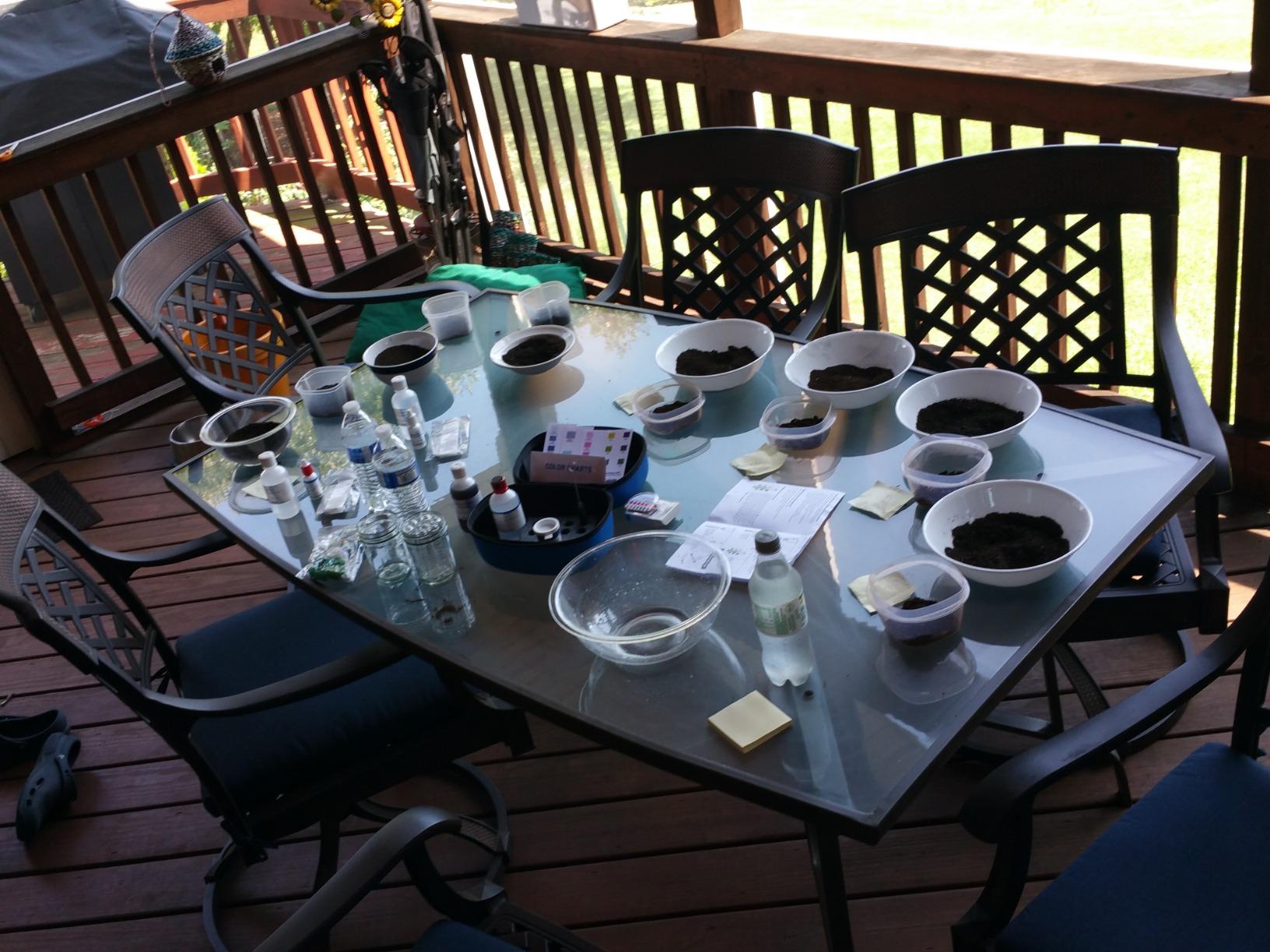
At 4.6 across 341 reviews it ties for the highest average in the group and carries the lowest share of one-star feedback, with reviewers repeatedly crediting the laminated charts and the two included manuals for making results interpretable rather than merely visible.
When this kit earns its cost back
It suits a household that will test for years. The test count and the durable charts spread the purchase over a long life, and the manuals answer questions the other kits leave you to research.
Where it will frustrate you
It is the bulkiest kit we tested at nearly three pounds, so it lives on a shelf rather than in a garden bag. Coverage stops at N, P, K and pH, so a problem involving micronutrients or cation exchange capacity is beyond what it can see.
The Garden Guide and the LaMotte Soil Handbook walk you from reading to action, including lime and fertilizer application rates. That interpretation material is the real differentiator here.
9. SoilKit Mail-In Lab Kit — Best for Detailed Soil Data
Soil Test Kit – Discover Your Lawn and Garden Fertility with pH, Nutrient and Mineral Analysis. Professional Results Provide Custom Fertilizer Prescription for Your Yard.
- CEC
- buffer pH and organic matter are rarely offered
- Mehlich III matches professional lab method
- QR registration and acreage calculators
- Phone follow-up with specific amendment advice
- Report layout is hard to read and print
- Some guidance sits behind a paid upgrade
- Not valid for potting soil
- Mail-in turnaround of about 5 to 11 days
SoilKit goes further than any other mail-in kit in this group. It reports cation exchange capacity, buffer pH, organic matter and estimated nitrogen release alongside pH, P, K, Mg, Ca, B, Zn, Mn and Fe.
Those four extra values are the ones agronomists actually use to predict nutrient availability over a season. Buffer pH in particular tells you how much lime your soil needs, which a pH number alone cannot do.
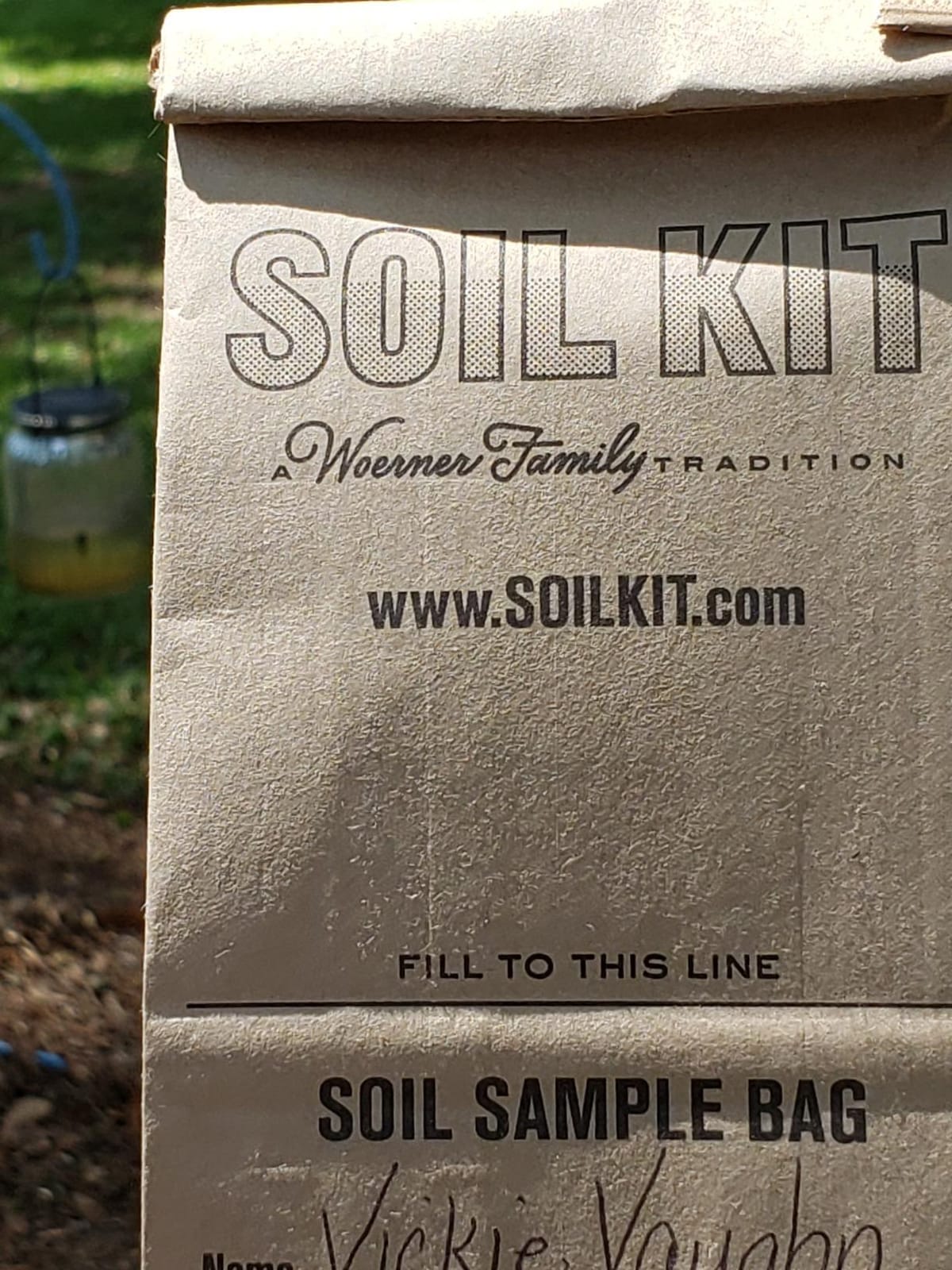
The lab uses the Mehlich III extraction method, the same approach used in professional soil labs, so the numbers are comparable with anything your extension office tells you.
Across 223 reviews at a 4.3 average, the feedback divides cleanly: the data is described as highly informative and the phone follow-up as genuinely useful, while the results document is criticised for being poorly organised and hard to print. Deeper guidance sits behind a paid upgrade to SK365+, which is worth knowing before you buy.
When this kit earns its cost back
It is the right choice for clay-heavy ground or a garden on old fill, where buffer pH and cation exchange capacity are the numbers that explain stubborn nutrient problems.
Long-term growers benefit most, because tracking organic matter and estimated nitrogen release year over year shows whether your compost and cover crop work is actually accumulating.
Where it will frustrate you
It is not intended for potting soil or soilless mixes, so container growers should look elsewhere.
The report format and the paid upgrade will annoy anyone who wants a single readable page, and the 5 to 11 day turnaround means it cannot answer a mid-season emergency.
10. HOVIRAN 125 pH Strips — Best for Occasional Checks
Soil pH Test Kit-125 Soil pH Test Strips (3-9 Range) for Gardens Lawns
- 125 strips in one bottle and the largest strip count here
- Wide 3 to 9 range covers acidic to alkaline soil
- Some reviewers report better pH readings than an electronic meter
- Small bottle stores easily
- pH only
- no nutrients
- Instructions unclear when the strip shows two colours
- Some users report identical readings every time
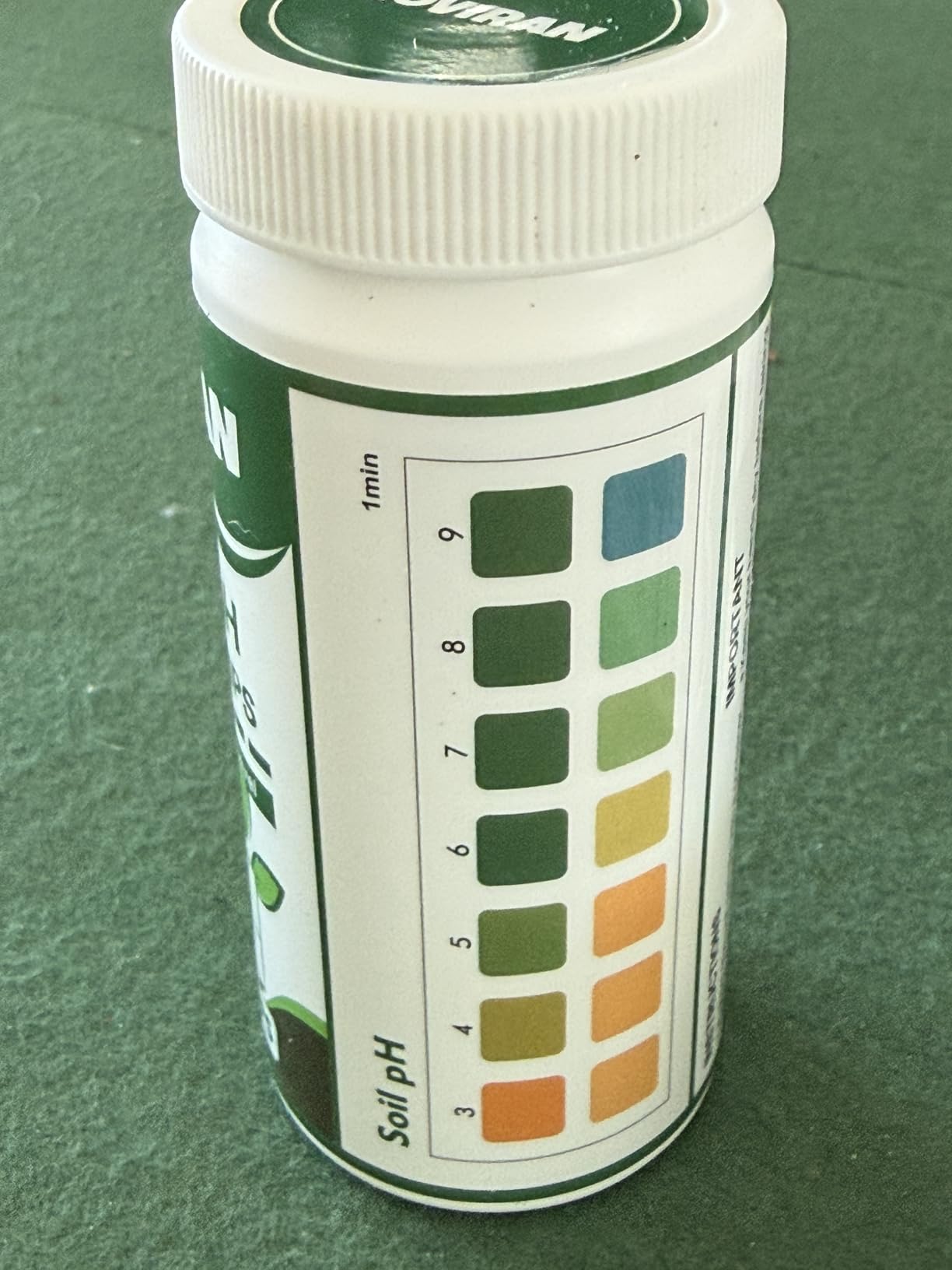
For a gardener who wants to know roughly where their soil sits and nothing more, this is the simplest honest way to get there. You mix soil with water, dip a strip, and compare the colour to the chart on the bottle.
Reviews at 4.1 across 122 ratings are sharply split. Some users report the strips giving them a more trustworthy pH than an electronic probe they had bought, while others say the strips returned the same value for every sample they tried.
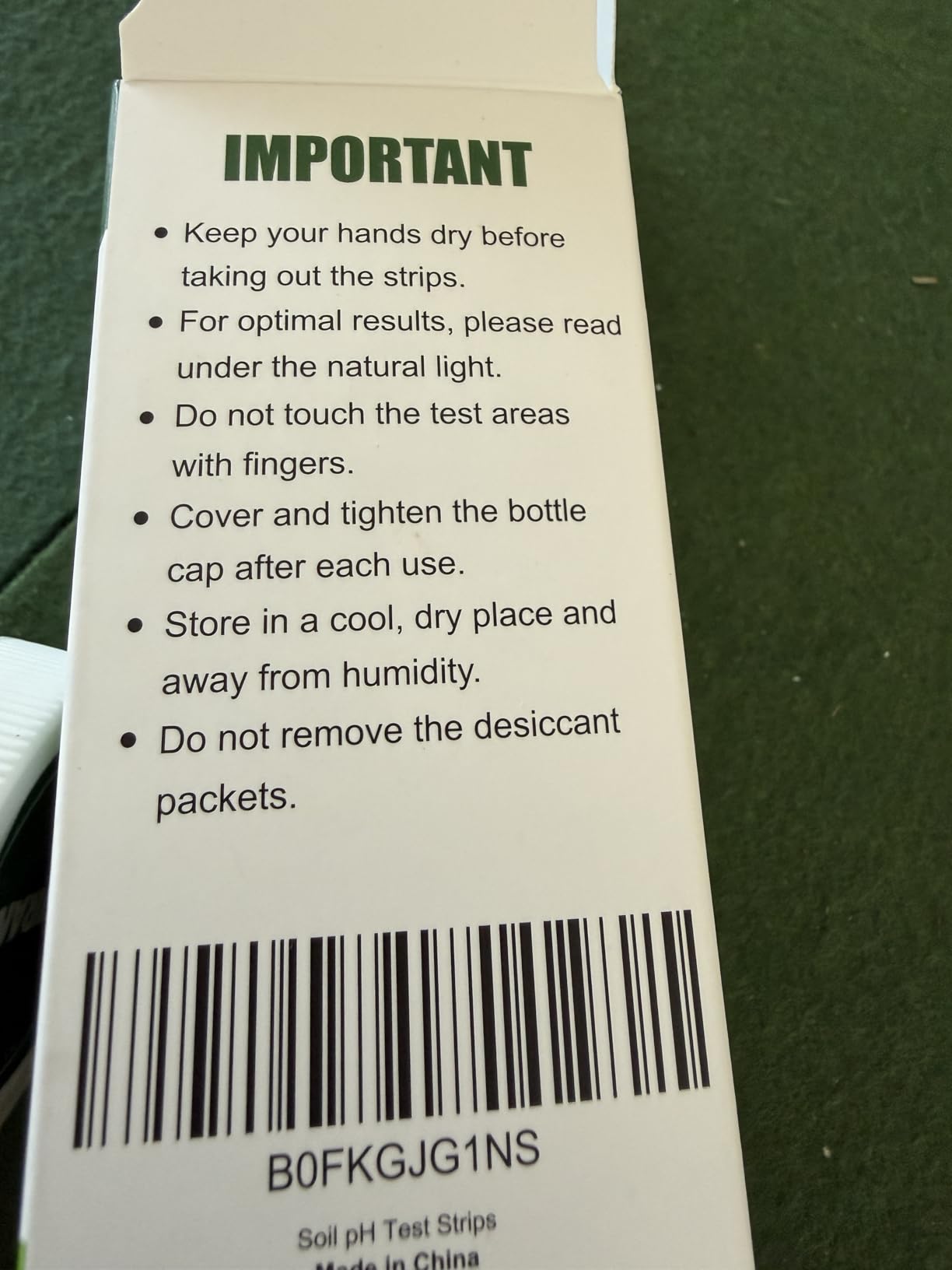
Another recurring complaint is that the instructions do not explain what to do when the strip shows two different colours, which happens often. Reading in natural daylight and avoiding the test pads with your fingers are the practical workarounds the company suggests.
When this kit earns its cost back
It fits anyone testing two or three times a year — a spring check and an autumn check on the same two beds is plenty to catch a trend.
Where it will frustrate you
It measures pH only, so it cannot help with a nutrient deficiency, and colour matching is difficult for colour-blind users.
If readings repeat suspiciously across different beds, replace the strip rather than amending soil on a result that may simply be a dead pad.
Which Soil Test Is Most Accurate?
A mail-in lab test using the Mehlich III method is the most accurate option available to a home gardener. Nothing in this roundup beats a professional lab, and the honest answer is that home kits screen while labs diagnose.
Where the gap actually sits is worth being specific about. pH is the one measurement home kits handle reasonably well, because a colour band or a probe response tracks a large ion effect. Nitrogen is the weakest, since the colorimetric reagents respond to readily available nitrate and ammonium rather than the organic pool a plant actually draws on over a season.
The forum consensus lines up with the chemistry. In gardening conversations on Reddit, the recurring recommendation is that university agricultural extension offices run a battery of basic tests for a reasonable fee, and extension staff themselves push gardeners toward the lab for anything they intend to eat.
Two situations make a lab non-negotiable. If your garden is in an urban lot or on pre-1970 fill, you need heavy metal and lead screening, and none of the ten kits here measures it. If you have a persistent problem that no amendment has fixed, a broader analysis is the only way to see past the four numbers a home kit gives you.
For everyone else, the practical sequence is cheap and repeatable: home kit now to check pH trends across your beds, then one mail-in lab report per garden per year to confirm the baseline and get a prescription. That combination costs less than a single misjudged fertiliser order and catches problems while they are still cheap to fix. We applied the same screen-versus-diagnose framework when we ranked the [best aquarium test kits](https://www.dognotebook.com/best-aquarium-test-kits/), and the accuracy gap showed up in exactly the same place.
How to Test Your Vegetable Garden Soil Step by Step?
A wrong sample makes even an accurate kit useless. Spend ten minutes on collection and the reading is worth something; skip it and you are testing compost, not your bed.
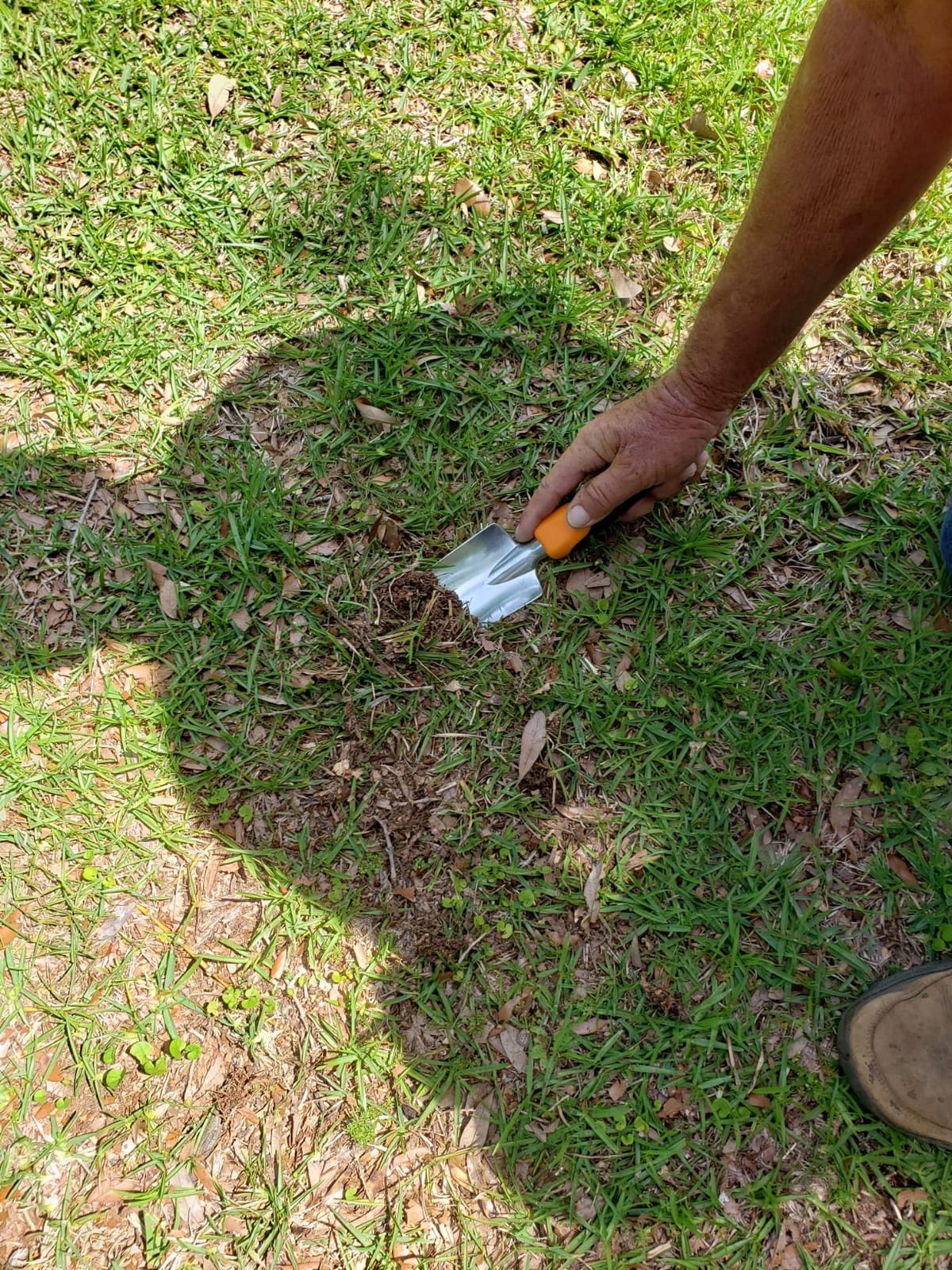
1. Map your zones first. Each distinct area — a raised bed, a row of fruiting crops, a brassica patch — gets its own sample. Mixing a sandy edge with a rich bed averages away the very information you wanted.
2. Take 10 to 15 cores per zone from random spots. Walk the bed in a zigzag and avoid the edges, since soil there is disturbed and rarely representative.
3. Cut to a depth of 6 to 8 inches. That is the active root zone for most vegetables. Shallow sampling measures what the last watering left behind rather than what the plants can reach.
4. Avoid fertilizer bands and fresh amendments. Stay clear of the strip where compost or fertiliser was applied, and sample before you add anything, not after.
5. Break up clods and mix the cores thoroughly. A composite sample only averages correctly if every core contributes equally, so crumble and blend the whole pile.
6. Remove roots, stones, twigs and any white plastic or irrigation tape. Organic debris skews organic matter readings, and fragments can block a probe or contaminate a lab sample.
7. Take roughly a cup of the blended mix for a home kit, and follow the specific volume your mail-in kit requires. Most labs ask for a set amount, and under-filling is the most common reason a report is delayed.
8. Test immediately or label and seal. For a lab kit, note the date, the zone name and what you plan to grow. That context lets the lab tune its recommendations to your crop.
Raised beds need a variation on this. Bagged soil is a blend, so sample the whole bed rather than one corner, and sample deeper because the profile is uniform and unweathered. Watch for compaction in the top two inches where water sits, and test at root depth rather than at the surface where the crust forms.
Ideal Soil pH for Common Vegetables
Most vegetables want soil between pH 6.0 and 7.0. Below about 5.5, aluminium and manganese become available enough to damage roots; above about 7.5, iron, manganese and zinc lock up and leaves yellow between the veins while the veins stay green.
Vegetable-by-vegetable targets worth memorising:
Tomatoes and peppers: 6.0 to 6.8. Below this, calcium uptake stalls and blossom end rot appears on fruit that otherwise looks healthy.
Brassicas — cabbage, broccoli, kale, Brussels sprouts: 6.5 to 7.5. They are the most pH-sensitive group in the garden, and acidic soil invites clubroot.
Potatoes: 5.0 to 6.0. The notable exception — potatoes prefer more acidic soil than most crops, and scab risk rises as pH climbs.
Carrots and parsnips: 6.0 to 6.8. They struggle in heavy clay regardless of pH, so test texture as well.
Beans and peas: 6.0 to 7.0. Below pH 6.0, nitrogen fixation by root bacteria slows noticeably.
Squash, cucumbers and melons: 6.0 to 7.0. Heavy feeders, so re-test after a long season of feeding.
Leafy greens: 6.0 to 7.0. Fast crops that show pH problems quickly in leaf colour.
To raise pH, apply lime — agricultural lime for a slower, longer effect, or dolomite if your soil also needs magnesium. To lower it, use elemental sulfur, which works through soil bacteria and takes a season or more to fully shift.
How to Choose a Soil Test Kit for Your Garden
Choose on three things: how many beds you have, whether you need an answer today or a plan for the season, and whether you need to screen for contaminants. Everything else is preference.
Do the per-test maths before buying. The Rapitest at 40 tests and the Dewilde 140-test kit both amortise well across a multi-bed garden, while mail-in kits cost per sample. If you have six beds and want a pH baseline in every one, a strip bottle is the economical choice; if you want one trustworthy report to plan amendments, a lab kit is the economical choice. Running several reports to check several beds is where the cost stops making sense.
Match the method to the question. A colorimetric kit answers “is nitrogen low right now”. A mail-in lab answers “what does my soil need and in what quantity”. A probe answers “is it wet enough to water”. Asking one tool to answer a different tool’s question is the most common purchasing mistake we see.
For containers, the equation flips. Potting mix has no CEC history and no buffering capacity, nutrients leach out fast, and the Raintrip meter’s moisture reading is worth more than any chemistry reading. Test container pH occasionally with strips and prioritise watering accuracy.
Two free tests complement any kit. The jar test — soil shaken with water in a sealed jar, allowed to settle — reveals your sand, silt and clay percentages, which tells you more about drainage and nutrient holding capacity than most cheap kits do. The percolation test — dig a hole, fill it, and time how long it drains — gives you a drainage number in ten minutes with a spade.
On timing, test every spring before planting, and again in autumn if you applied lime or sulfur and want to confirm the shift. Do not test weekly; soil chemistry moves slowly compared with how often we worry about it.
Finally, be honest about what a kit cannot do. None of the ten products here measures lead, salinity or heavy metals, and only SoilKit reports cation exchange capacity and buffer pH. If you suspect contamination, skip all of these and contact your cooperative extension office for a metals screen.
Frequently Asked Questions
What is the best soil test kit for a vegetable garden?
The best soil test kit for a vegetable garden is a mail-in lab kit such as MySoil when you want crop-specific fertilizer recommendations, and a colorimetric kit such as the Luster Leaf Rapitest when you want pH plus NPK results in under ten minutes. Home kits screen; only a lab diagnoses.
How can I test the soil quality in my vegetable garden?
Take 10 to 15 cores at 6 to 8 inches deep from random spots across each bed, break up clods, mix them thoroughly, and remove roots, stones and debris. Blend the cores into one composite sample per zone, then use it for a home kit or mail it to a lab. Test before adding any amendment.
Which soil test is most accurate?
A mail-in lab test using the Mehlich III extraction method is the most accurate option available to a home gardener. Home colorimetric and probe kits are screening tools. pH readings from home kits are reasonably reliable, while nitrogen is the least dependable measurement.
What is the best soil testing kit for nutrients?
For nutrients specifically, the MySoil mail-in kit covers 13 plant-available levels with crop-specific recommendations, and SoilKit reports the broadest data including cation exchange capacity and buffer pH. Among at-home kits, the Dewilde 140-test kit covers pH, ammonia, nitrogen, phosphorus and potassium, though its color charts only return low, medium or high bands.
How accurate are home soil testing kits?
Home kits are accurate enough to spot a genuine pH problem and a relative shortage, but not accurate enough to dose fertilizer precisely. pH tracks well, nitrogen tracks poorly, and colour matching varies with lighting. Use a home kit to monitor trends and a lab report once a year to set your baseline.
Which Soil Test Kit Should You Buy?
Start with the Luster Leaf Rapitest if you want a same-afternoon pH and NPK reading you can repeat across every bed without planning around delivery. It is the best soil test kit for vegetable gardens when time and money both matter, and more than 6700 reviews give you confidence in what it returns.
Follow it with one MySoil report per garden per year to confirm the baseline and get a fertilizer prescription you can actually follow. If your soil is clay-heavy, on old fill, or near anything you suspect is contaminated, that lab report is the one to prioritise — and for suspected lead, contact your cooperative extension office, because no kit on this list screens for it.
One last note, and it is the one that saves the most seasons: test before you plant, not after the tomatoes look unwell. Our picks will tell you what your soil has. Only the sampling technique tells you whether that answer means anything.