
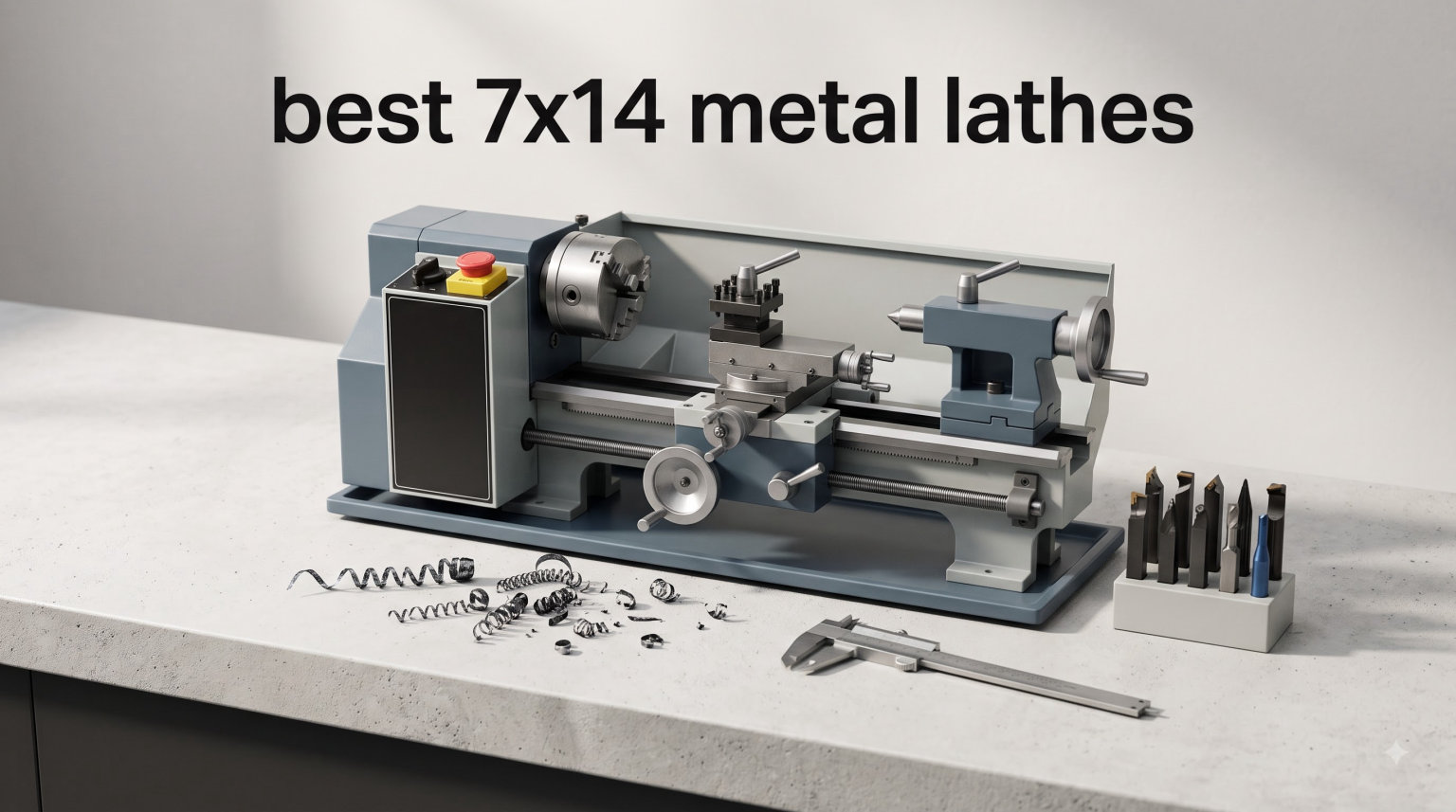
Small lathes have taken over home workshops, and the 7×14 format is the sweet spot for most hobby machinists. Our team spent three months researching the best 7×14 metal lathes you can actually buy right now, digging through owner reviews, forum threads, and spec sheets to find which machines are worth your bench space. We focused on the details that matter after the box arrives: gear material, tailstock alignment, chuck accuracy, and how much tuning each machine needs before it cuts cleanly.
A 7×14 metal lathe gives you a 7-inch swing over the bed and 14 inches between centers, which is enough room to turn bushings, arbors, small shafts, threaded rod, and hobby engine parts without giving up half your garage. Most of these benchtop metal lathes run on a standard 110V outlet, so there is no wiring project standing between you and your first chip. That combination of size, power draw, and price is exactly why this class of mini metal lathe is the default first machine for so many home shops.
One thing we learned from owner reports on r/minilathe and hobby-machinist.com: every lathe in this class needs some setup work out of the crate. Budget models ship with shipping grease, tight slides, and occasionally a tailstock that needs re-centering. Experienced machinists rate these machines highly once tuned; beginners should expect a weekend of cleaning and adjusting before precision work. We factored that reality into every review below, along with a few slightly larger alternatives (8×14 and up) that forum users consistently recommend when you can stretch the budget.
Table of Contents
Top 3 Picks for Best 7×14 Metal Lathes
If you want the short version, here are the three machines we would put our own money on. The VEVOR 7×14 with metal gears is the most proven all-rounder with nearly 300 owner reviews behind it. The ZHIMA-built upgraded 7×14 is the highest-rated machine on the list and ships with the best accessory kit. The Erie Tools 7×14 is the cheapest legitimate entry point if you just want to learn to turn metal.

VEVOR 7×14 Metal Lathe 550W
- Metal change gears
- 50-2500 RPM digital display
- 4-inch 3-jaw chuck
- Auto power-off protection

ZHIMA Upgraded 7×14 Mini Lathe
- 0.01mm spindle accuracy
- 0-2500 RPM reversible
- LED speed display
- Full accessory kit

Erie Tools 7×14 Benchtop Lathe
- 2500 RPM variable speed
- 12-52 TPI threading
- 5-piece carbide cutter kit
- 11 feed rate gears
Best 7×14 Metal Lathes in 2026
Here is the full lineup side by side. Every machine below is a compact benchtop lathe suitable for a home workshop, from true 7×14 models to slightly larger 8×14 and 9×30 options that owners cross-shop constantly. Compare the key features, then jump to the individual reviews for the real-world details the spec sheets will not tell you.
| Product | Specifications | Action |
|---|---|---|
| VEVOR 7×14 Metal Lathe 550W |
|
Check Latest Price |
| ZHIMA Upgraded 7×14 Mini Lathe |
|
Check Latest Price |
 VEVOR 7×13.78 Lathe 500W VEVOR 7×13.78 Lathe 500W |
|
Check Latest Price |
 VEVOR 8×14 Mini Lathe 650W VEVOR 8×14 Mini Lathe 650W |
|
Check Latest Price |
 CREWORKS 9×30 Benchtop Lathe CREWORKS 9×30 Benchtop Lathe |
|
Check Latest Price |
 CREWORKS 9×24 Benchtop Lathe CREWORKS 9×24 Benchtop Lathe |
|
Check Latest Price |
 VEVOR 8.3×29.5 Lathe 750W VEVOR 8.3×29.5 Lathe 750W |
|
Check Latest Price |
 VEVOR 7×12 Metal Lathe 550W VEVOR 7×12 Metal Lathe 550W |
|
Check Latest Price |
 WEN 7×12 Benchtop Lathe WEN 7×12 Benchtop Lathe |
|
Check Latest Price |
| Erie Tools 7×14 Mini Lathe |
|
Check Latest Price |
1. VEVOR 7×14 Metal Lathe 550W – Best Overall 7×14
- Metal gear instead of nylon for durability
- Variable speed 50-2500 RPM with digital display
- Automatic power-off protection switch
- 4-way quick change tool post
- LED work lamp included
- Requires significant setup and cleaning before first use
- Included brazed carbide tools need sharpening
- Tachometer sensor may need adjustment
This is the machine most people picture when they hear “7×14 mini lathe,” and it earns our top spot on sheer track record. With 289 reviews and a #2 ranking in Power Metal Lathes, it is the most proven 7×14 on the market in 2026. I like that VEVOR upgraded this version with metal change gears instead of the nylon gears that plague cheaper minis, because stripped plastic gear teeth are the number one killer of budget lathes.
The specs hit the sweet spot for a hobby metal lathe: 550W of power, a 7.09-inch swing over bed, 13.78 inches between centers, and variable speed from 50 to 2500 RPM with a digital display. The 4-inch 3-jaw chuck handles both round and square stock, and the 4-way quick change tool post saves you from constantly re-shimming a single tool holder. Safety features are better than average too, with an automatic power-off switch and an included LED lamp for lighting the cut.
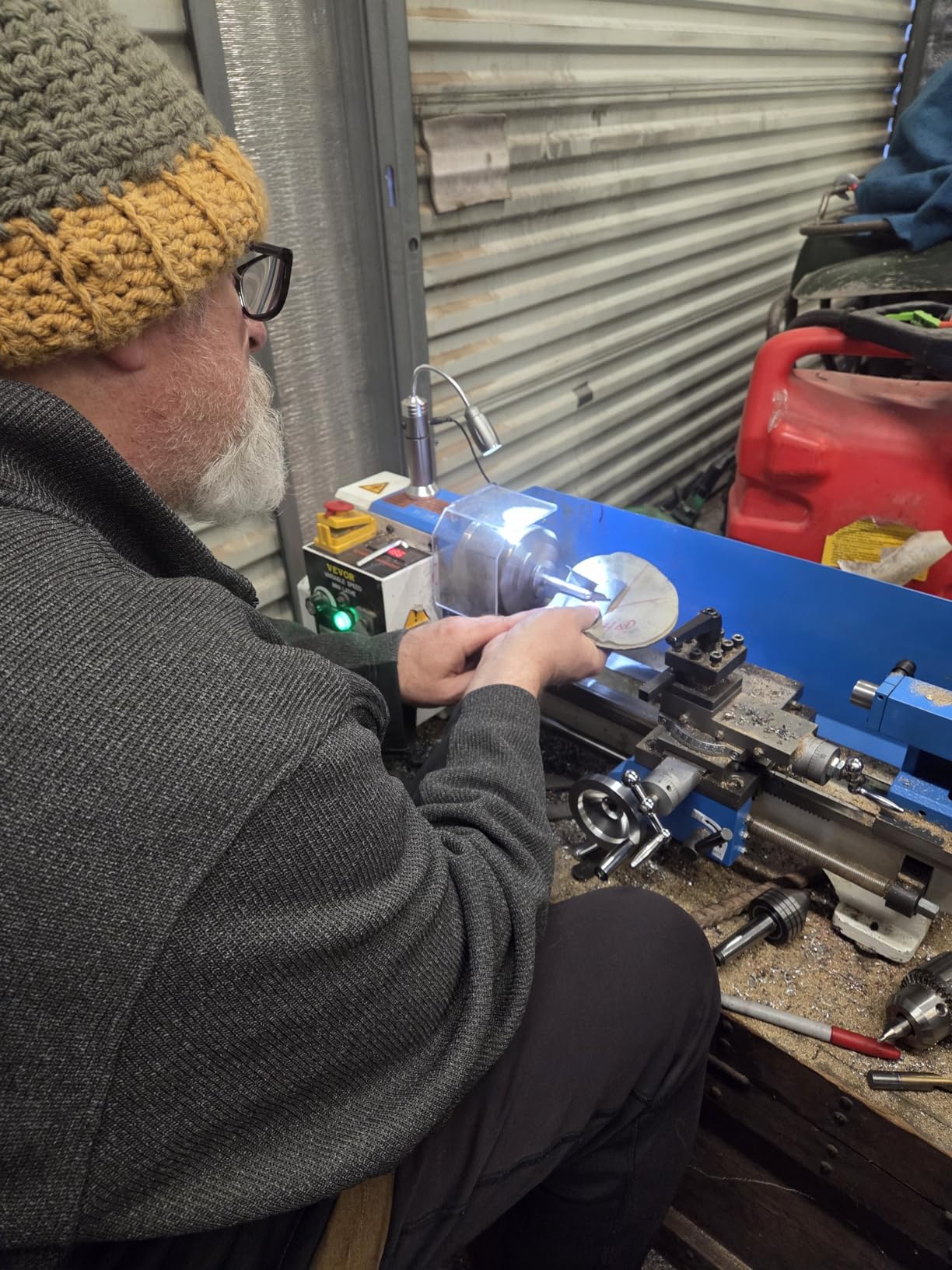
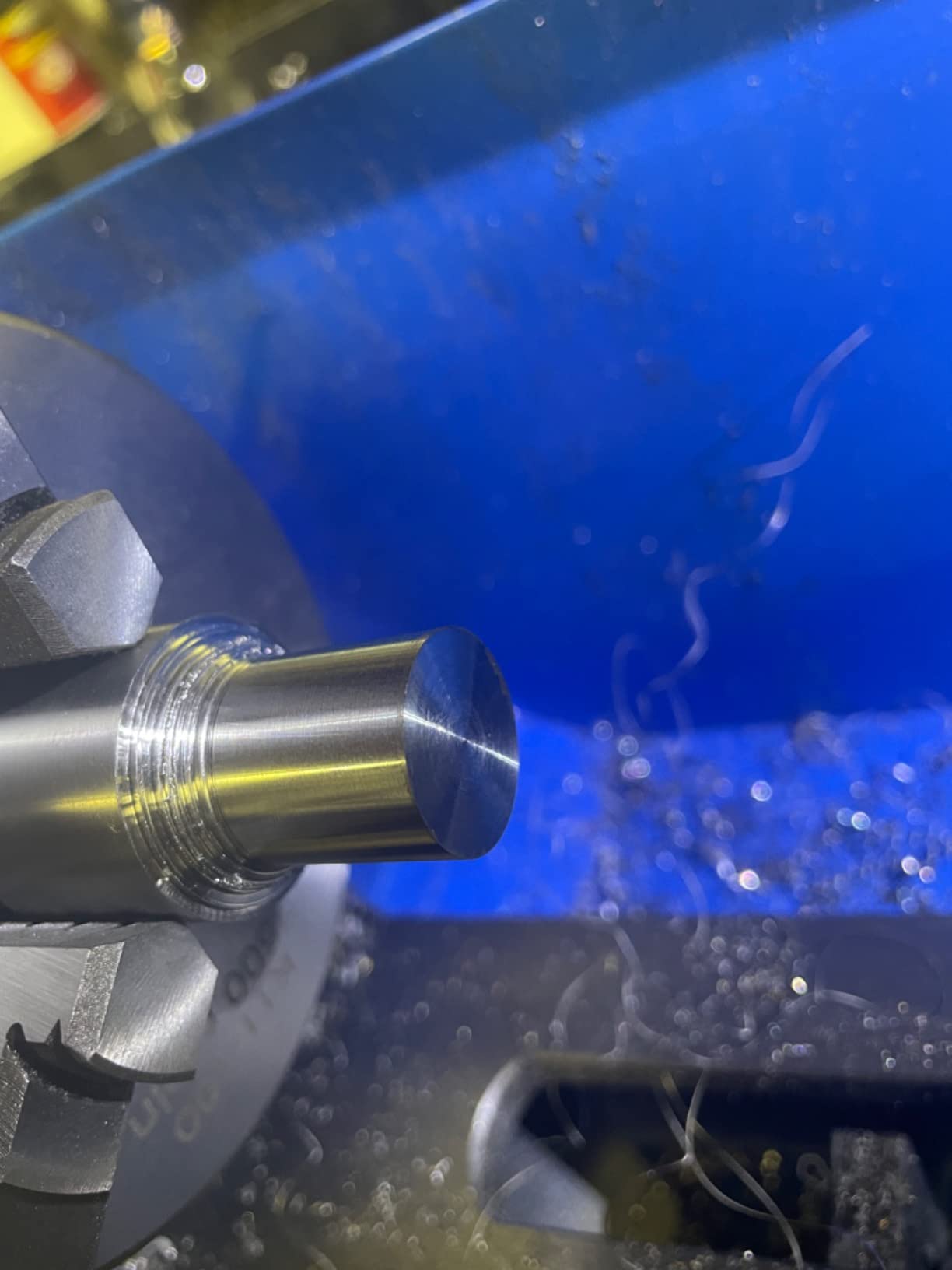
Now the honest part, because no review of a Chinese benchtop lathe should skip it. Owners consistently report this machine needs a real setup session before precision work: cleaning shipping grease off the ways, adjusting gibs, and occasionally shimming the lathe bed for tighter tolerances. The included brazed carbide cutting tools are usable but need sharpening, and a few owners had to adjust the tachometer sensor to get accurate RPM readings.
The pattern in the reviews is clear once you read enough of them. Machinists with experience rate this lathe highly and call it good value; beginners find the learning curve steep. Common fixes like realigning the tailstock or tightening a loose carriage are routine tuning, not defects, but you should know they exist going in.
Who Is This Lathe Best For?
This is the right pick if you want the safest default choice in the 7×14 class and you are willing to spend a weekend setting it up properly. It suits hobby machinists, home workshop builders, and small repair work where you need reliable threading and turning without paying premium-brand prices. If you already own dial indicators and know how to adjust gibs, you will get this machine cutting accurately fast.
What To Check When It Arrives
Before your first cut, clean all shipping grease from the ways, check the tailstock alignment against the headstock with a dial indicator, and adjust the carriage gibs to remove slop without binding. Verify the tachometer reads correctly against the digital display, and plan on buying sharper tooling than the included brazed carbide set. An hour of checks here is the difference between a frustrating machine and a great one.
2. ZHIMA Upgraded 7×14 Mini Metal Lathe – Best Value
- Highest rated lathe on our list at 4.8 stars
- Spindle accuracy under 0.01mm
- Complete accessory kit included
- Responsive customer support
- Reversible operation with emergency stop
- Crate packaging can allow shipping damage
- Tailstock may need centering
- Limited torque for cutting steel
Here is the sleeper pick of the roundup. This ZHIMA-built 7×14 (listed under a generic brand name) has the highest customer rating of any machine we reviewed at 4.8 stars, and the small review count of 7 means early owners are genuinely delighted rather than grading on a curve. It carries the same core specs as the VEVOR: a 550W motor, 0-2500 RPM reversible spindle, and a 4-inch 3-jaw self-centering chuck.
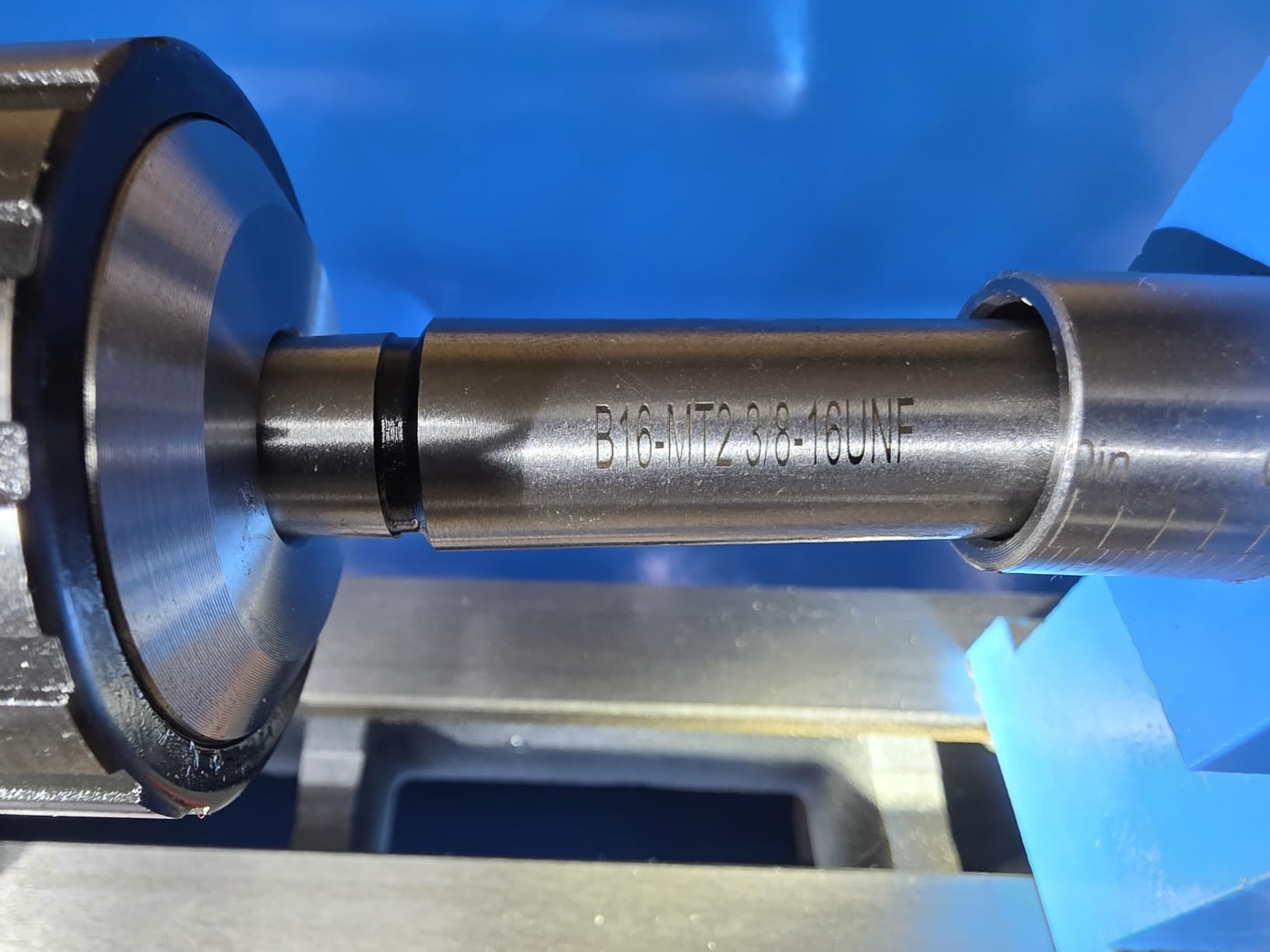
What sets it apart is the package. Owners report being impressed with everything that came with it: five metal change gears, a tool kit, an accessories kit, an oil gun, and a manual, all standard. The spindle is rated to under 0.01mm accuracy, which matches the claims of machines costing considerably more. The LED display makes speed monitoring easy, and the quick-change turret tool post is made from high-grade aluminum alloy rather than pot metal.
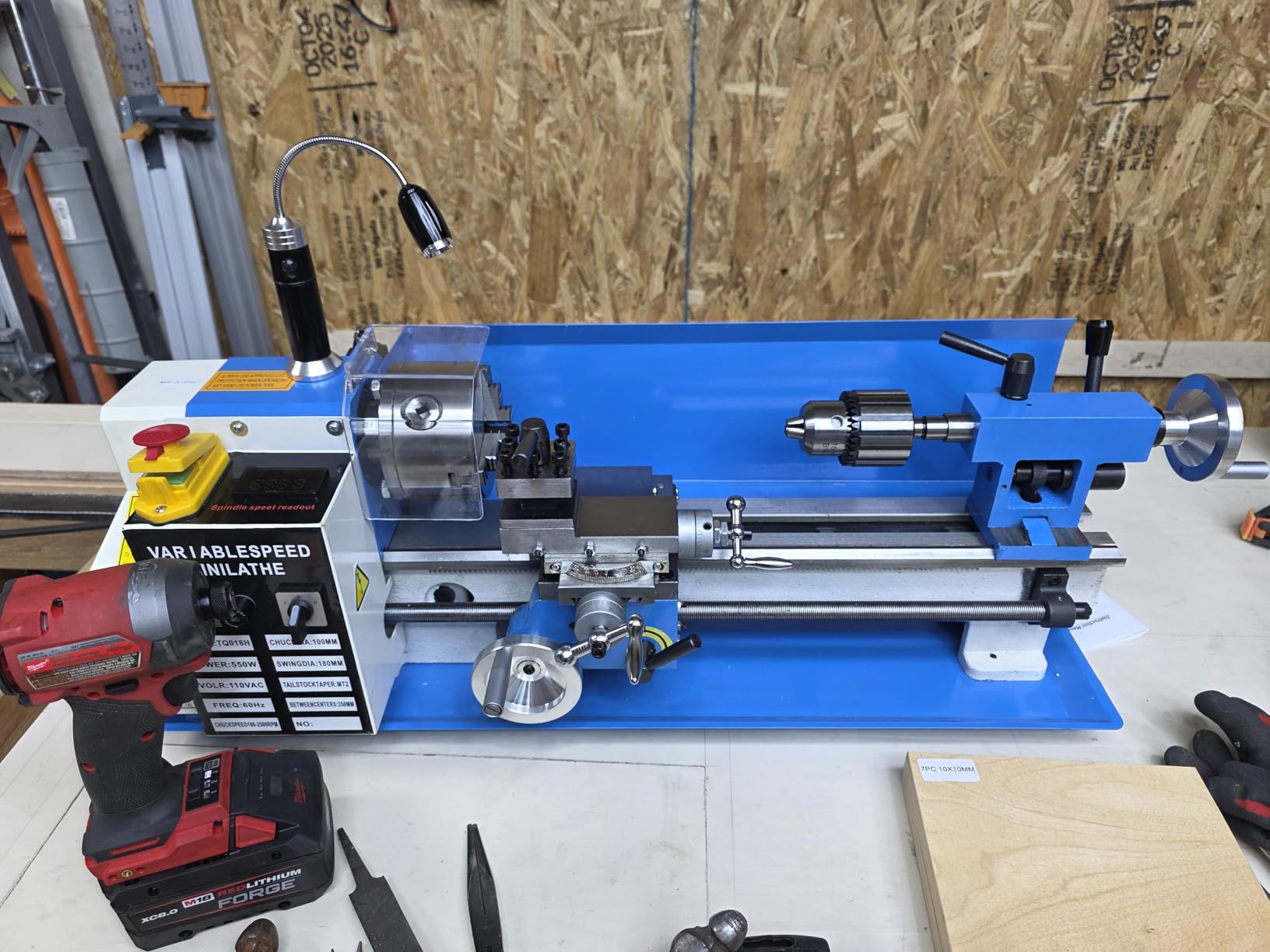
The 7.09-inch swing and 14-inch bed handle both small and medium hobby projects, and the machine handles turning, drilling, boring, and threading across wood, plastic, brass, and aluminum. Reviewers specifically praise the customer support, which is not something you often hear about budget import machinery. When an unknown brand earns that kind of feedback, it matters.
The weaknesses are the usual suspects at this price. One owner had the crate fail to hold the lathe securely, causing damage in transit, so inspect everything on delivery. The tailstock may not arrive perfectly centered with the chuck, and the 550W motor has limited power and torque for cutting steel. Treat this as an aluminum and light-duty machine and it will serve you well.
Who Is This Lathe Best For?
This is the best 7×14 metal lathe for the money if you mainly work in aluminum, brass, plastic, and wood and want the richest included accessory kit without buying extras separately. It suits beginners who appreciate responsive seller support and hobbyists who want a backup machine that arrives nearly complete. Steel cutting is possible but only with light passes.
What To Check When It Arrives
Photograph the crate before opening it in case of transit damage, then check the tailstock centering against the spindle with a test bar. Run the spindle through its full RPM range on the LED display to confirm smooth variable speed in both directions, and confirm all five metal change gears and the tool kit are in the box before the return window closes.
3. VEVOR 7 x 13.78 Inch Precision Benchtop Lathe – Best Threading Setup
- External poly-V-belt drive multiplies torque 3x
- 20mm spindle bore passes larger bar stock
- MT2 tailstock with quick-lock
- Turns 18 imperial thread types in forward and reverse
- Prime shipping eligibility
- Requires setup and cleaning before first use
- Slides may move tight and uneven out of the box
- No dedicated axis locking levers
- Light weight can cause chatter on heavy cuts
This VEVOR sits in an interesting middle ground in 2026: same footprint class as the 7×14, but with a few upgrades that matter if threading is your priority. The standout is the external poly-V-belt drive with a 1:9 ratio that VEVOR claims increases torque threefold. In practice, owners say that translates to better low-speed performance when cutting coarse threads.
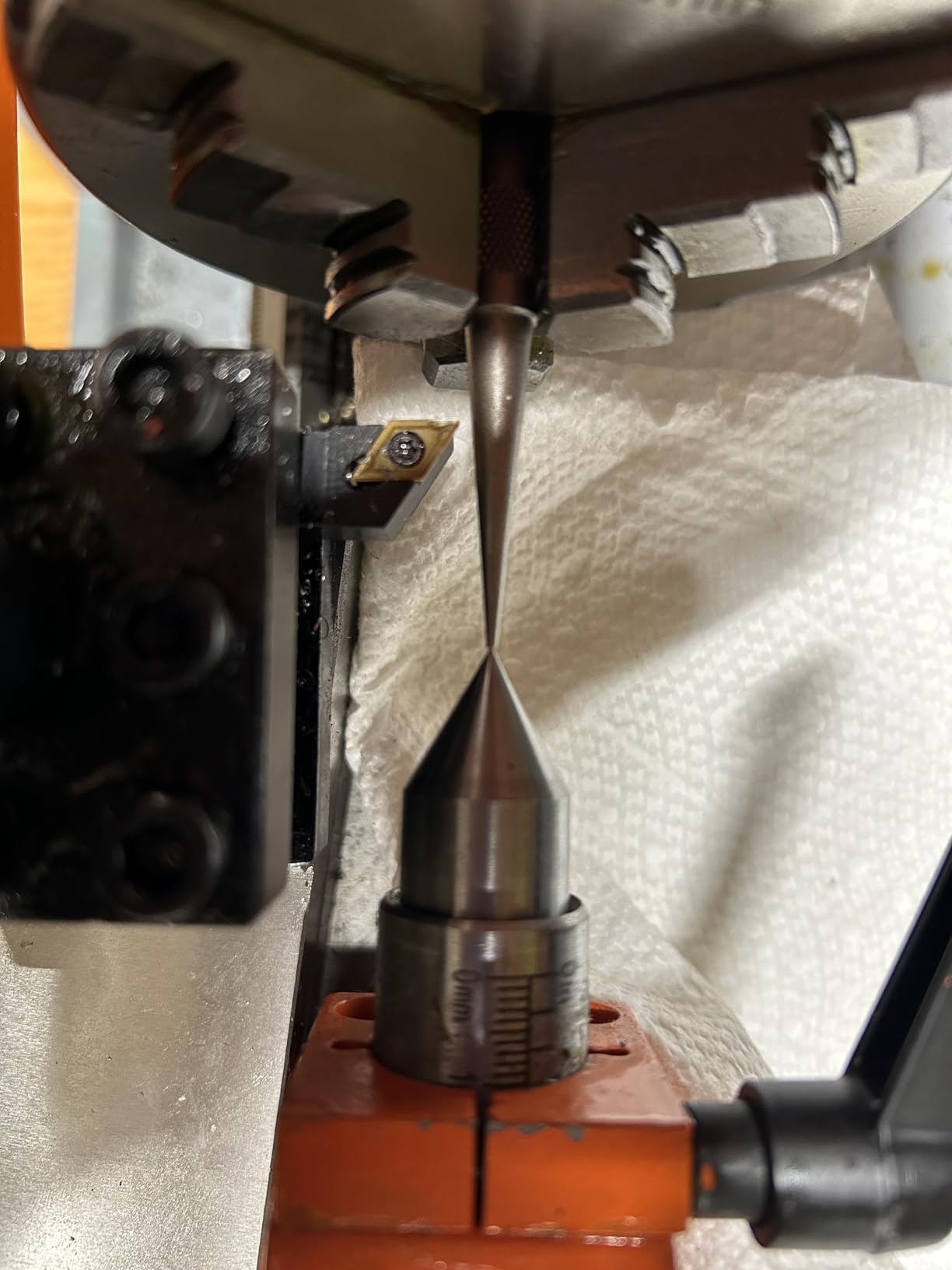
Threading is genuinely the strong suit here. The machine turns 18 types of imperial threads from 12 to 52 TPI in both forward and reverse, which covers most hobby and repair work you will ever attempt. The 20mm spindle bore is another quiet advantage: you can pass longer bar stock through the headstock instead of fighting the chuck capacity limit. The MT2 taper tailstock with press-thread quick-lock makes adjustments fast.
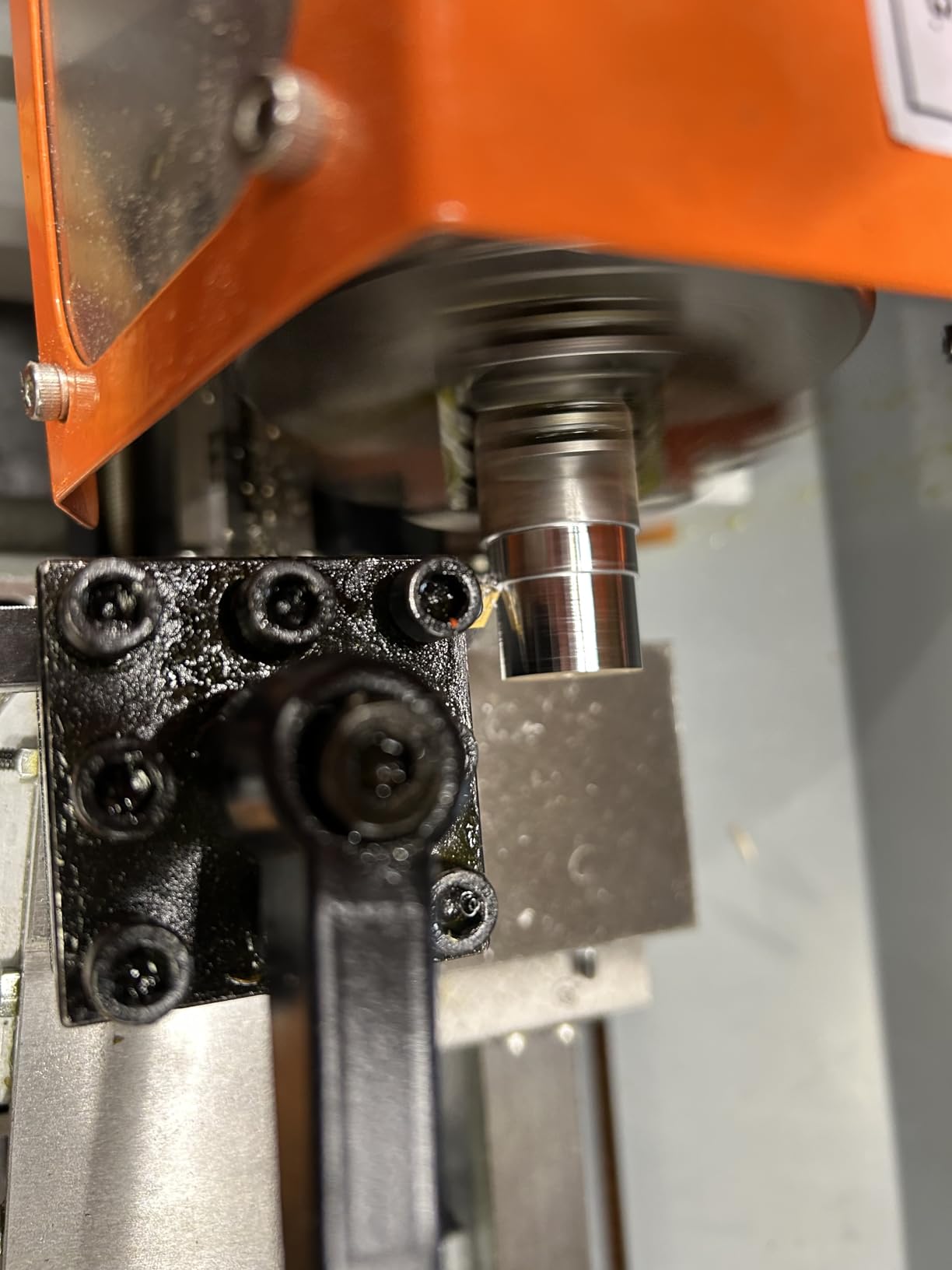
The HT200 cast iron construction and metal gears follow the same recipe as the top-rated VEVOR, and the chuck cover protection and overload protection are welcome safety touches. It ships with a proper tool box, oiler, and a full wrench set, so you are not hunting for hex keys on day one. It is also Prime eligible, which removes most of the shipping-risk lottery that plagues lathe delivery.
Owner feedback echoes the family pattern: expect to clean and adjust before precision work. Slides can arrive tight and uneven, there are no dedicated axis locking levers, and at 108 pounds the machine lacks the mass for heavy cuts, so chatter shows up if you get greedy with depth of cut. Hobbyists who can tune the machine appreciate the variable speed and torque multiplication.
Who Is This Lathe Best For?
This is the pick if thread cutting is a core requirement rather than an occasional task, or if you regularly work with long slender stock that benefits from the 20mm spindle bore. It suits a home shop that wants VEVOR value with a couple of genuine mechanical upgrades. If you mostly take light finishing cuts in aluminum, the standard 7×14 above is simpler.
What To Check When It Arrives
Work through the slide adjustments methodically, since the cross slide and compound often ship tight and uneven. Test the half-nuts engage cleanly on the lead screw before attempting a thread, and verify the quick-lock tailstock clamps solidly under a drilling load. Confirm the chuck cover interlock actually cuts power, since that is your main safety interlock.
4. VEVOR 8×14 Mini Metal Lathe 650W – Best Step-Up Size
VEVOR Mini Metal Lathe 8″x14″ Compact Lathe Machine 2250 PRM Variable Speed
- 8.3 inch swing handles larger workpieces
- Metal gears instead of nylon
- Adjustable tailstock with four set screws for taper cutting
- Includes 9 cutters and 9 metal gears
- Turret post for quick tool changes
- Gibs and slides require adjustment before use
- Carriage power feed has no neutral position
- Included tooling is low quality
- No carriage lock mechanism
Forum users on r/Machinists constantly repeat one piece of advice: the 8×14 gives you more bed and more swing for only a little more money, and this is the VEVOR that makes that case. You get an 8.3-inch swing over bed, a 650W motor in cast iron, and the same 50-2250 RPM variable speed range with forward and reverse. For hobbyists who already regret not buying bigger, this is the answer.
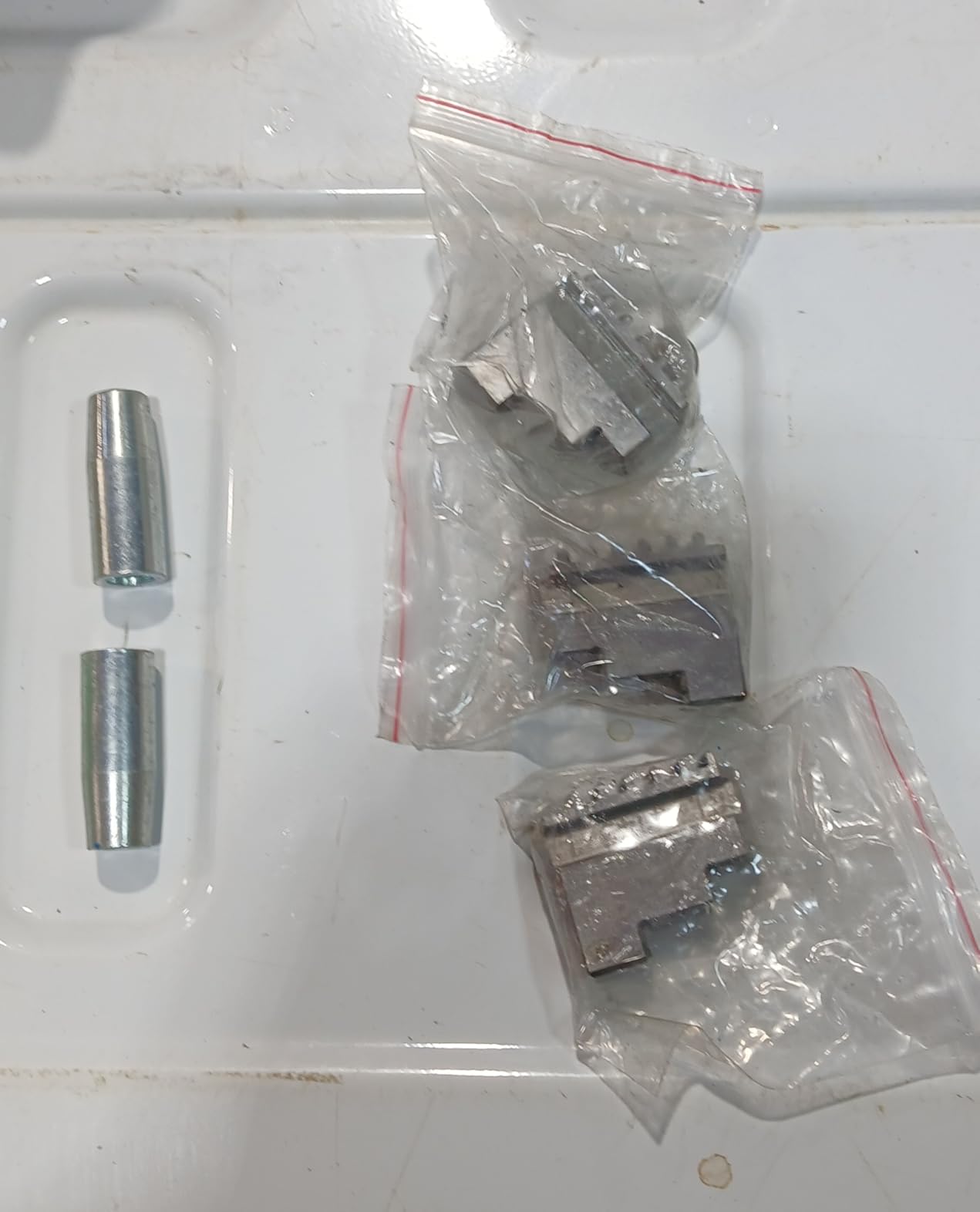
The details are solid for the class. The 3.9-inch 3-jaw chuck rides on a 0.8-inch (21mm) spindle bore, the MT2 tailstock accepts standard centers and drill chucks, and the four set screws on the tailstock let you offset it properly for taper cutting. VEVOR includes metal change gears, nine cutters, and an oil gun in the box. The backsplash guard keeps chips off your wall.
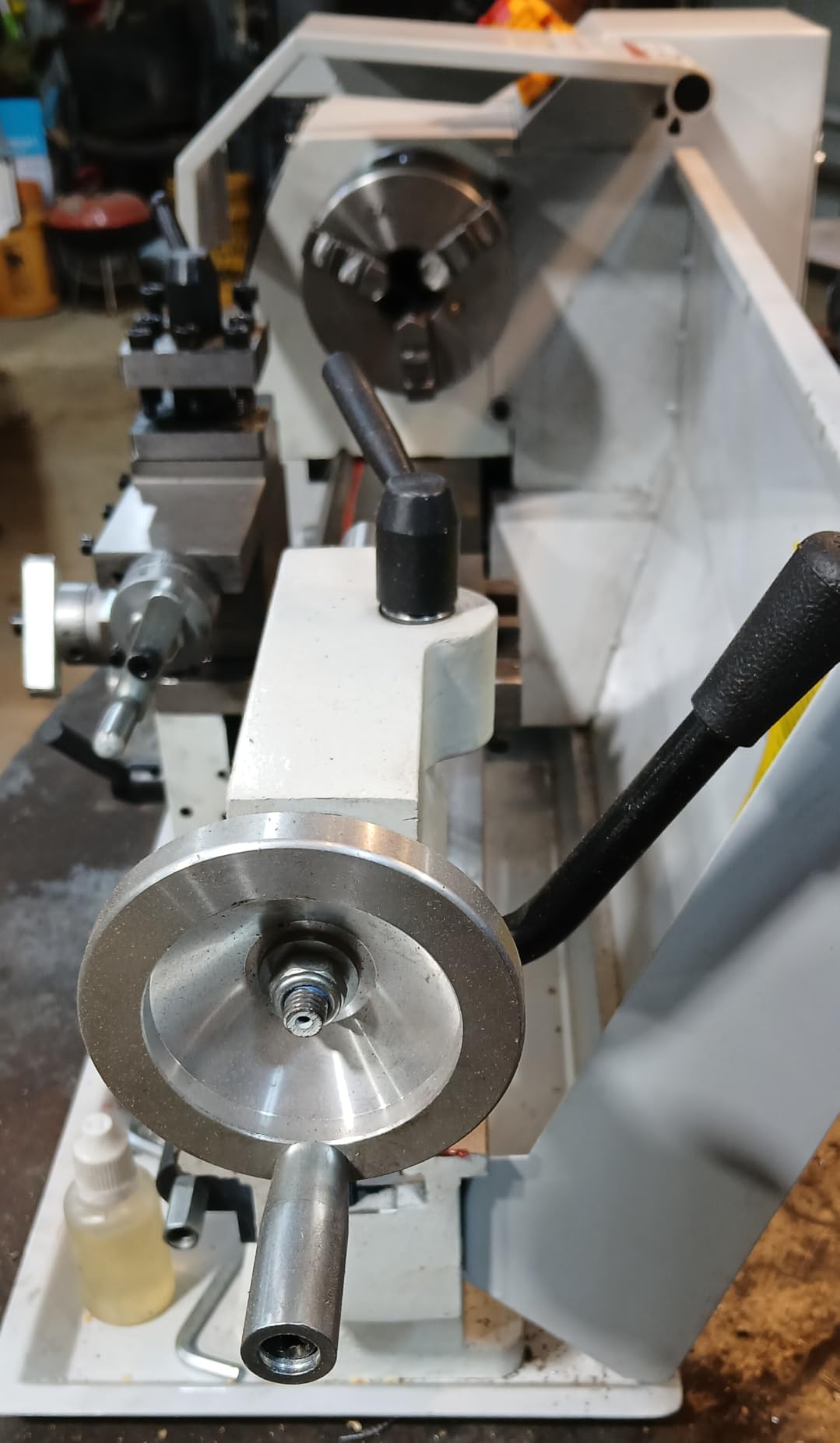
Where it frustrates owners is the carriage system. The power feed has no neutral position, meaning you cannot disengage feed without changing the drive setup, which experienced users find genuinely inconvenient. There is also no carriage lock, which makes parting off and facing operations less rigid than they should be. The included tool post and cutters are low quality, so budget for an upgrade there.
Still, the 3.7-star rating across 54 reviews reflects a machine that rewards setup effort. Owners who adjusted the gibs, addressed the slides, and replaced the cheap tooling report good value and a capable hobby lathe. It is best understood as a project platform that grows with you rather than a turnkey machine.
Who Is This Lathe Best For?
This suits the hobbyist who keeps running into the capacity limits of a 7-inch swing or who turns longer parts that benefit from the extra bed length. It is a smart buy if you already own or plan to buy better tooling, since the included cutters disappoint. Skip it if you want a machine that performs perfectly out of the crate.
What To Check When It Arrives
Adjust the carriage and cross-slide gibs before your first real cut, and plan a tool post upgrade early because the stock turret flexes. Test how the power feed engages and disengages so you are not surprised mid-cut, and consider adding a carriage lock mod, a common and cheap community upgrade for this machine.
5. CREWORKS 9×30 Benchtop Metal Lathe 1100W – Best Power Per Dollar
- 1100W motor with 0-3000 RPM range
- Huge 1.5 inch spindle bore
- 8.7 inch swing and 27 inches between centers
- 5 inch precision 3-jaw chuck
- Excellent customer service reputation
- Ways and slides need stoning and cleaning
- Electronics failures reported with no replacement parts
- Tailstock alignment issues
- Heavy at 198 pounds
If the 7×14 class feels limiting, this CREWORKS 9×30 is the most affordable big leap on our list. The 1100W motor doubles the power of the small minis, the 8.7-inch swing and 27-inch center distance swallow workpieces a 7×14 can only envy, and the 1.5-inch spindle bore lets you pass serious bar stock right through the headstock.
The 5-inch 3-jaw chuck is a genuine precision unit, and the 0-3000 RPM range with real-time digital display gives you the speed flexibility for everything from slow steel threading to fine aluminum finishes. Owners report the machine arrived clean with no rust, which is rarer than it should be in this market, and CREWORKS customer service draws consistent praise when problems come up.
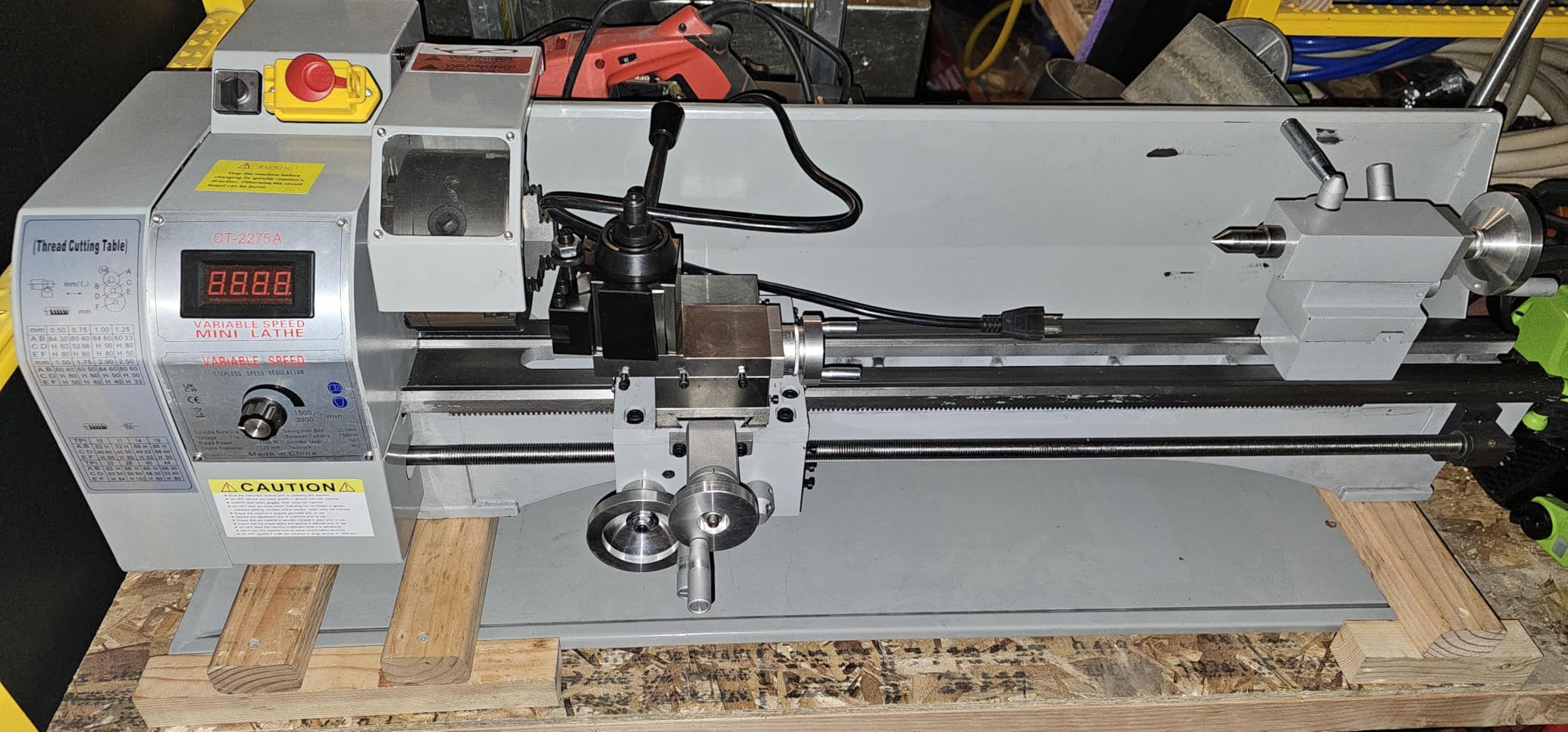
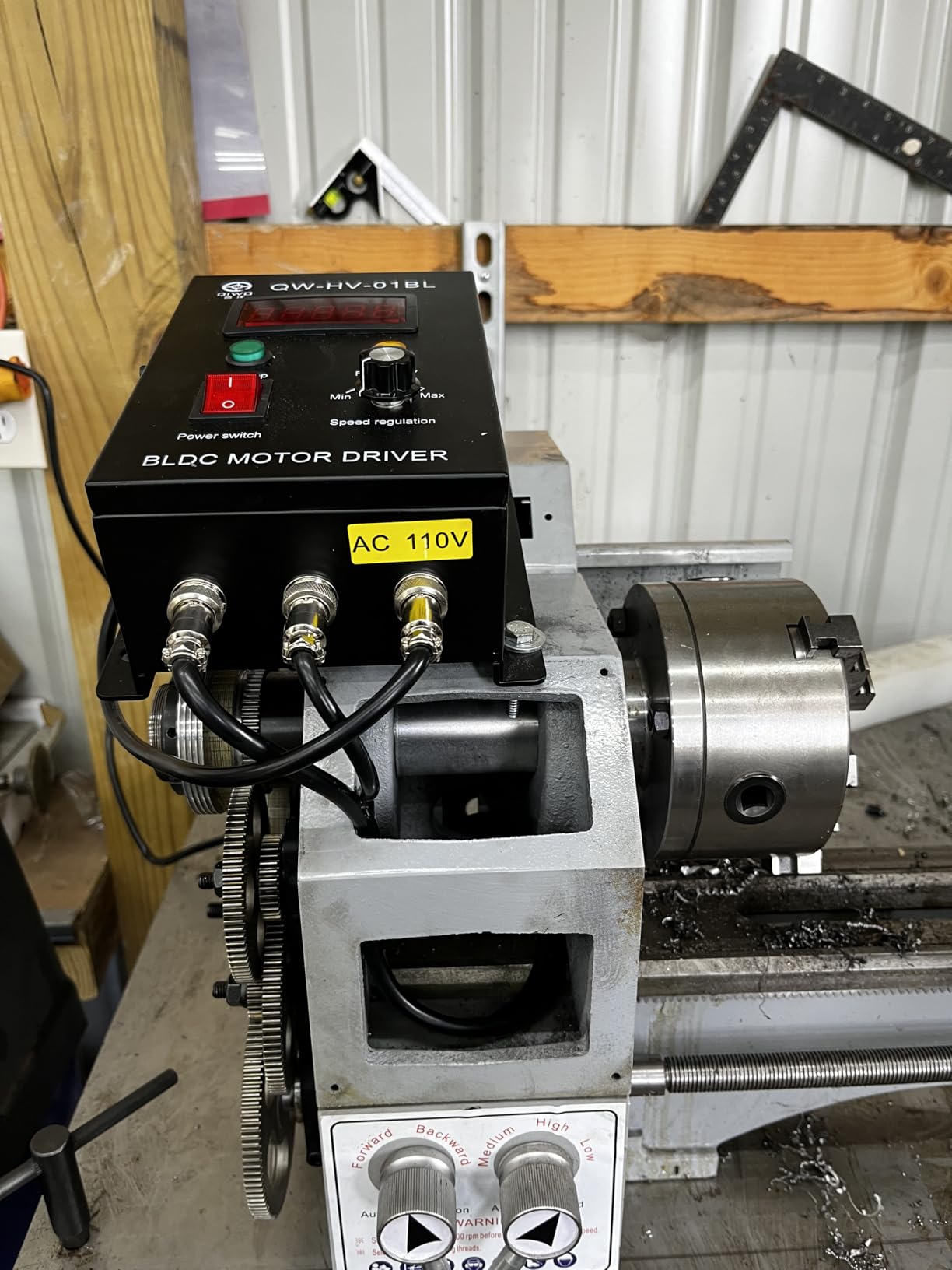
The caveats are real though. Everything arrives rough and sticky, so plan on stoning the ways, cleaning slides, and re-lubricating before accurate work is possible. The serious concern is electronics: some owners report controller boards burning up with no replacement parts available, which can turn a bargain into a boat anchor. The tailstock also needs alignment attention.
Weigh those risks against the capacity and the price. For a hobbyist who wants maximum machine per dollar, can handle a teardown-and-tune session, and is comfortable possibly sourcing a third-party motor controller, this is a lot of lathe. Buyers who want zero risk should stay with the proven VEVOR picks.
Who Is This Lathe Best For?
This is for the serious hobby machinist or small prototype shop that needs real capacity and power without a full-size industrial machine. It suits people comfortable with electrical and mechanical tinkering who see setup work as part of the hobby. It is a poor choice for a first lathe or for anyone who needs guaranteed parts availability.
What To Check When It Arrives
Stone and clean every sliding surface before first use, then check tailstock alignment with a dial indicator over the full bed length. Test the motor controller through the entire RPM range early in the ownership window while warranty options are strongest, and confirm the 5-inch chuck runs true under 0.01mm at the jaws.
6. CREWORKS 9×24 Benchtop Metal Lathe – Best Complete Package
- 1100W brushless motor needs no brush replacements
- Includes steady rest and follow rest
- Ships with 6 metal change gears and full wrench set
- Excellent power for the price
- Backed by a real parts list
- Tailstock not aligned with spindle from factory
- Circuit board and motor failures reported
- Finish on ways and carriage is rough
- Requires significant setup
The 9×24 is the slightly shorter sibling of the CREWORKS above, and it wins on what is in the box. Along with the lathe you get a steady rest and follow rest (essential for turning thin stock), five brazed carbide tools, six metal change gears, a dead center, chuck jaws and wrench, spare fuse, cutting oil bottle, and a toolbox. That is the most complete accessory bundle in this roundup.
Mechanically it shares the strengths: the 1100W brushless motor, 8.7-inch swing, 1.5-inch spindle bore, 5-inch precision chuck, and 0-3000 RPM with digital display. Brushless matters here since it eliminates brush replacement as a maintenance item. One owner summarized it bluntly: it rips through aluminum when dialed in.
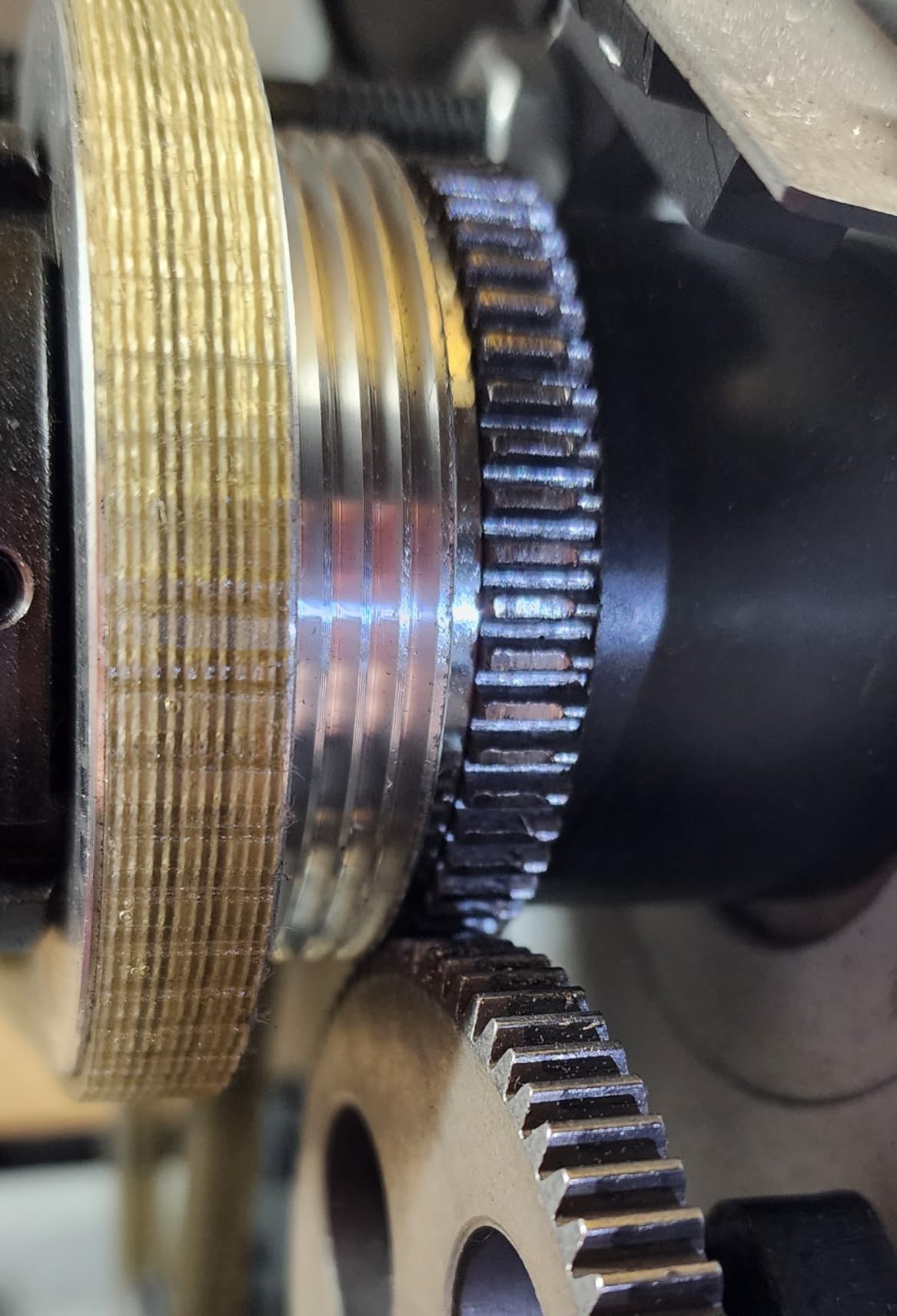
Dialing it in is the catch. The factory tailstock often arrives misaligned with the spindle, and the machining finish on the bed ways, carriage, steady rest, and tailstock is rough enough that owners describe the machine as requiring significant setup and adjustment. Like its bigger sibling, there are circuit board and motor failure reports, so the electronics risk is shared across the CREWORKS line.
The 3.6-star rating is the tradeoff showing: a very solid lathe at the core, wrapped in inconsistent quality control. Buyers who enjoy tuning machinery get a capable 9×24 with every accessory they need on day one. Buyers who want predictable refinement should look at the WEN or the main VEVOR pick instead.
Who Is This Lathe Best For?
This suits a hobbyist who wants a larger lathe plus the full accessory package in one purchase, especially if turning thin or long stock where the steady and follow rests matter. It rewards owners with tuning experience. If you have never adjusted a tailstock or stoned a way, start smaller.
What To Check When It Arrives
Inventory every accessory against the included components list immediately, since the steady rest and gear set are expensive to buy separately. Align the tailstock before any drilling, inspect the ways for rough spots and stone them, and run the brushless motor through break-in at moderate RPM before demanding full load.
7. VEVOR 8.3 x 29.5 Inch Benchtop Lathe 750W – Best Brushless Mid-Size
- 750W brushless motor with no brush maintenance
- Two speed ranges 50-1250 and 100-2500 RPM
- Cuts 24 thread types in metric and imperial
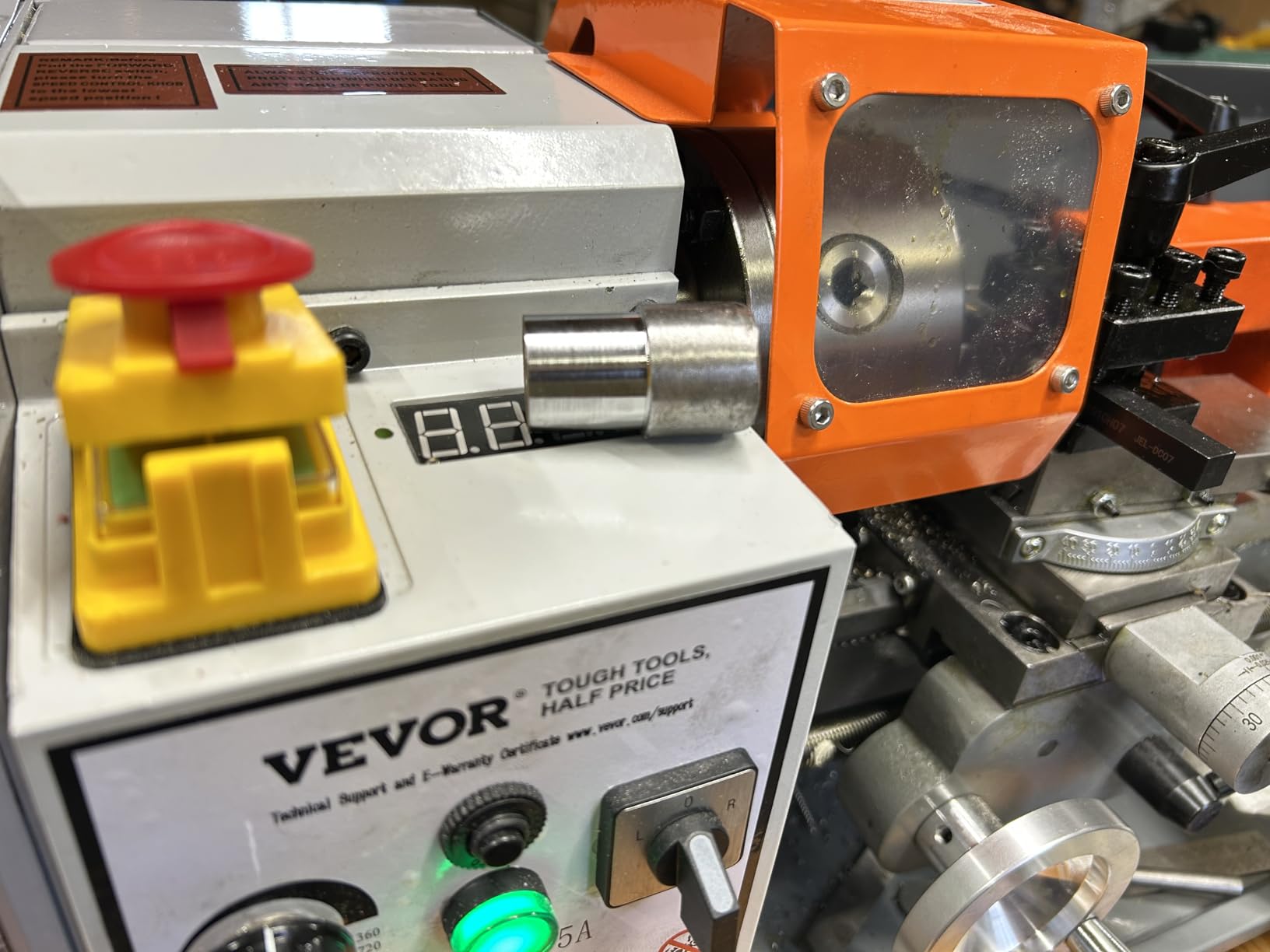
- Full safety interlocks including chuck cover cutoff
- Solid HT200 cast iron build
- Requires extensive setup and cleaning
- Slides arrive tight and jerky
- Half nut dial has known quality issues
- Heavy at 197 pounds needs sturdy mounting
This is the big VEVOR: an 8.3×29.5 format with a 750W brushless motor, aimed at the buyer who wants mid-size capacity with the brand’s most complete feature set. The two-range HI-LO gearbox (50-1250 RPM low, 100-2500 RPM high) gives you proper torque multiplication at low speeds, which single-range minis simply cannot match.
Threading capability is the headline spec: 24 thread types including 14 metric and 10 imperial, cutting in forward and reverse. Safety equipment is the best in this roundup, with an emergency stop switch, overload protection, a chuck cover power-off switch, and a pulley housing interlock. At 197 pounds of HT200 cast iron, it is also the most rigid VEVOR here, which shows in reduced chatter on heavier cuts.
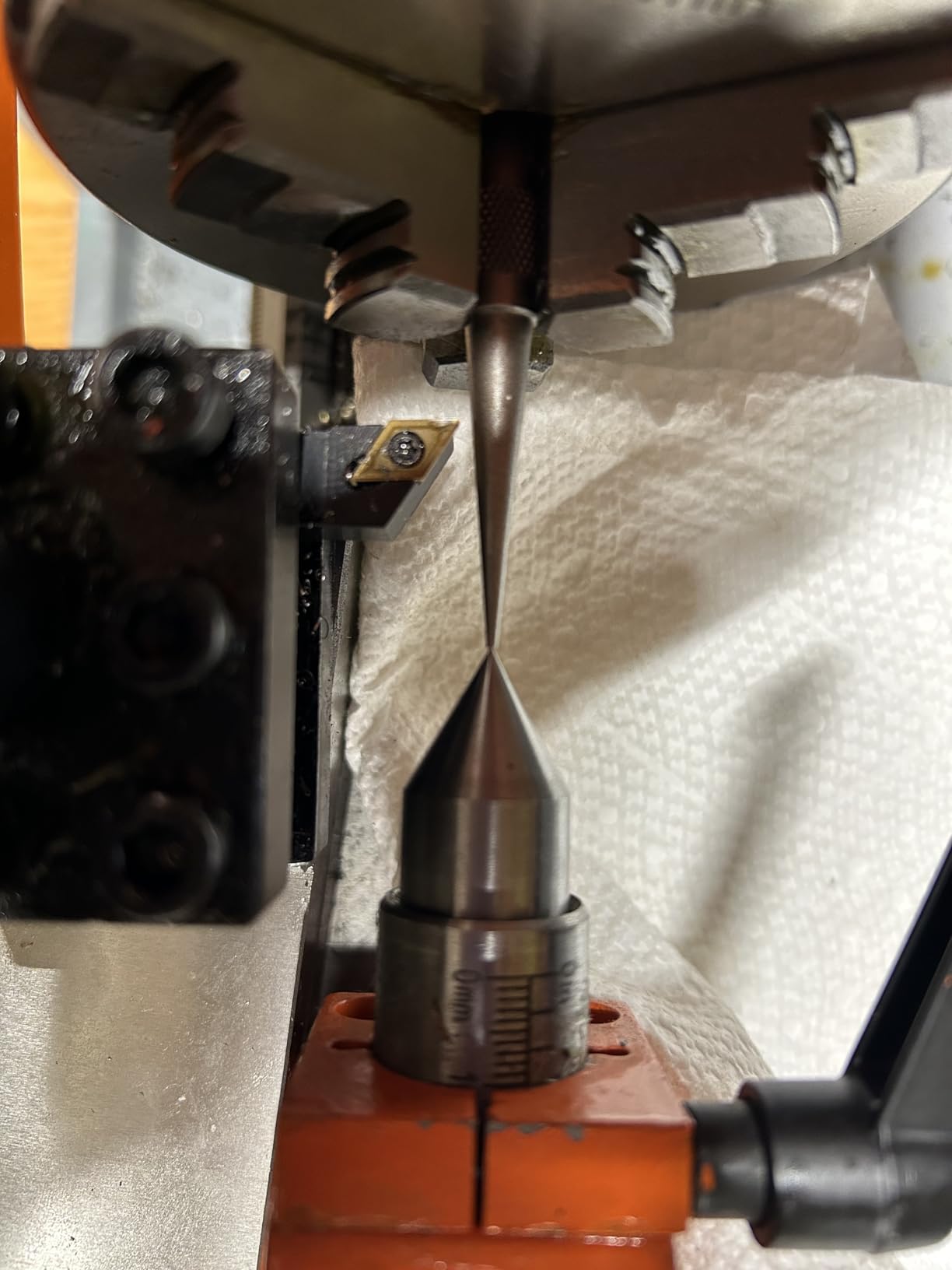
Owners appreciate the build quality and the continuously variable speed, but the setup burden is the heaviest of the VEVOR lineup. Expect extensive cleaning, and the slides arrive tight and jerky out of the crate. The known weak point is the half nut dial, which several owners report as problematic, a real issue since the half-nuts are what engage threading.
The other criticism is value positioning: this is the most expensive VEVOR on our list, and some owners feel the quality is too similar to the cheaper models to justify the premium. Our take: pay it for the brushless motor and low-range torque only if you regularly cut coarse threads or turn larger diameter stock.
Who Is This Lathe Best For?
This is for the owner consolidating on one machine: enough capacity for serious projects, brushless reliability, and dual speed ranges for both delicate and heavy work. It fits an advancing hobbyist upgrading from a 7×12 or 7×14 who does not want to buy a second lathe in two years. It is overkill for occasional small-parts work.
What To Check When It Arrives
Budget a full day for cleaning and degreasing before first power-up, and test the half-nut engagement carefully across the threading dial early, since that assembly has known issues. Confirm the bench or stand you mount it on handles 197 pounds plus cutting loads, and verify all four safety interlocks function.
8. VEVOR 7×12 Precision Benchtop Mini Lathe – Best Light-Duty Budget Option
- Sturdy high-grade iron bed
- 3-jaw self-centering chuck accurate within 0.01mm
- Forward and reverse at all speeds
- Quick change tool post
- Includes movable lamp and emergency stop
- Nylon gears are less durable
- Tailstock may not line up on center
- Play in X and Y carriage slides
- Quality control issues including damage on arrival
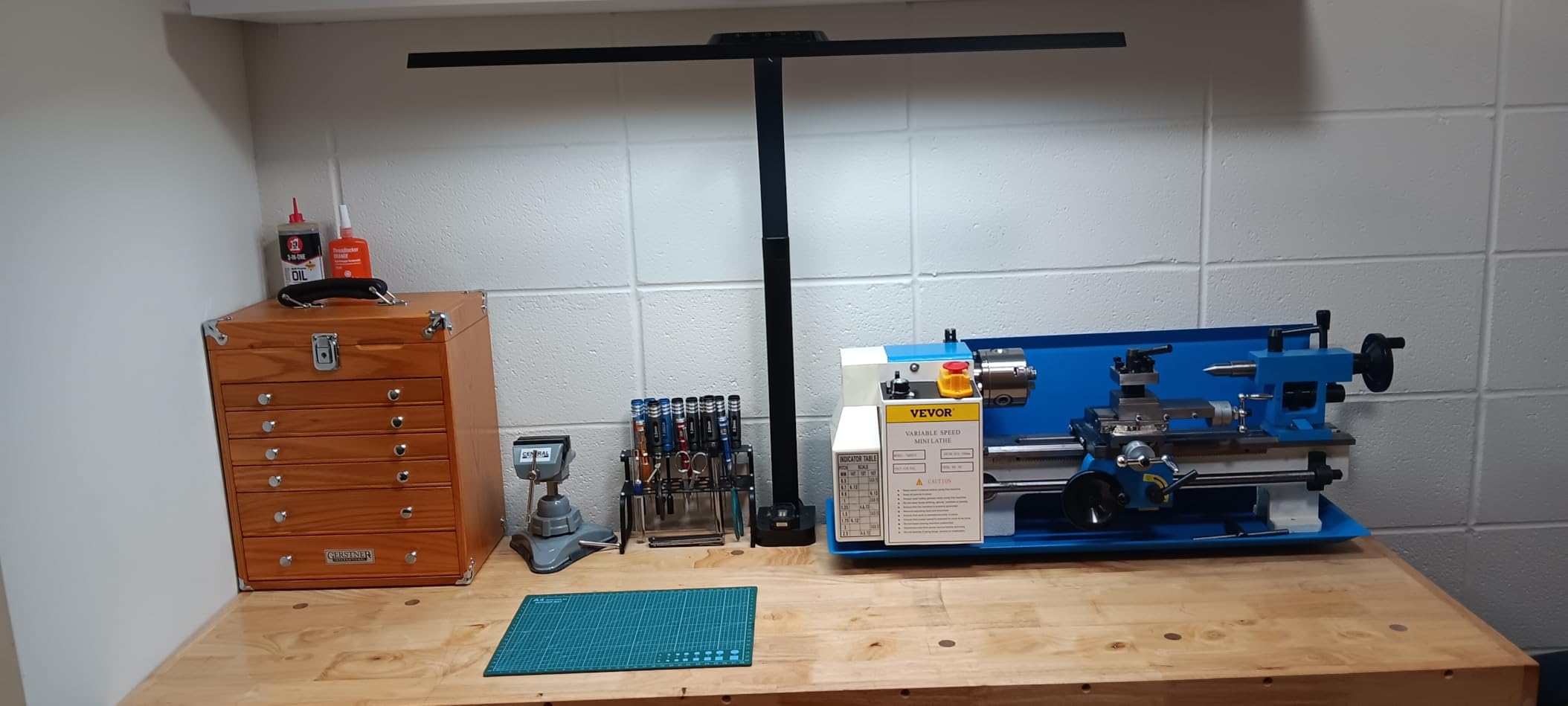
The 7×12 is the earlier VEVOR mini and still widely available at the lowest price of the brand’s lineup. You get the same 550W power and variable speed from 0 to 2250 RPM with forward and reverse, plus a 3-jaw self-centering chuck claimed accurate to 0.01mm. A movable lamp and an emergency stop button round out a decent package for light hobby work.
The critical difference from the newer models is the gears: this one uses nylon where the upgraded machines use metal. Nylon gears are quieter but wear faster and can strip under a heavy cut, which is the single most common long-term complaint across budget minis. Combined with the 3.5-star rating across 121 reviews, this is clearly a step down from the 7×14 above.
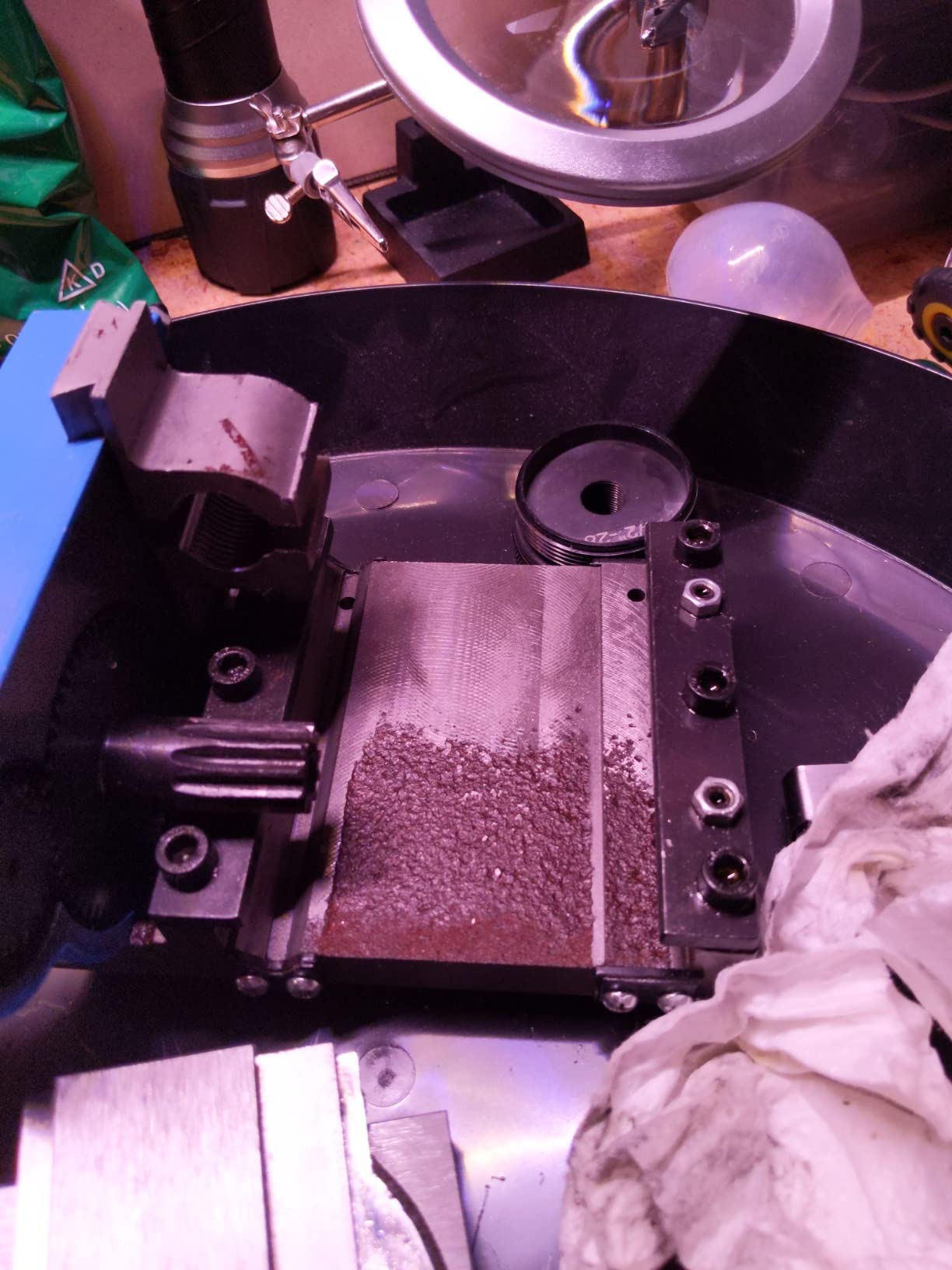
Owner complaints cluster around fit and finish. The tailstock may not line up on center with the chuck, the carriage has play in both the X and Y slides, and the manual does a poor job explaining gear ratios. There are even reports of damaged parts on arrival, though buyers note better luck purchasing through Amazon directly versus third-party sellers.
With all that said, experienced machinists who can adjust the slides, realign the tailstock, and work within the nylon gear limits get a functional lathe for light turning at a bargain price. Some owners eventually upgrade to metal gears anyway. Best suited for skilled users who can make adjustments rather than newcomers expecting polish.
Who Is This Lathe Best For?
This suits a mechanically experienced buyer who wants the cheapest possible entry into metal turning and is comfortable adjusting, shimming, and eventually upgrading components. It also works as a dedicated second machine for tiny work. Beginners with no tuning experience should spend a little more on the 7×14 with metal gears.
What To Check When It Arrives
Inspect every casting for shipping damage immediately upon delivery, and check tailstock centering before your first drilled hole. Adjust the X and Y slide gibs to remove play, and consider sourcing a metal change gear set early if you plan to keep the machine long term. Buy from Amazon directly for easier returns if issues appear.
9. WEN 7×12 Benchtop Metal Lathe ML712 – Best Warranty
WEN 7-by 12-Inch Benchtop Metal Lathe, Variable Speed, Two Direction (ML712)
- Two-year warranty from an established US brand
- Threading dial for 18 thread sizes from 12 to 52 TPI
- MT3 spindle taper takes bigger tooling
- Adjustable auto feed
- Variable speed 100-2500 RPM in both directions
- Plastic gears are a durability concern
- Not suitable for heavy-duty work
- Weak and shaky performance reported by some owners
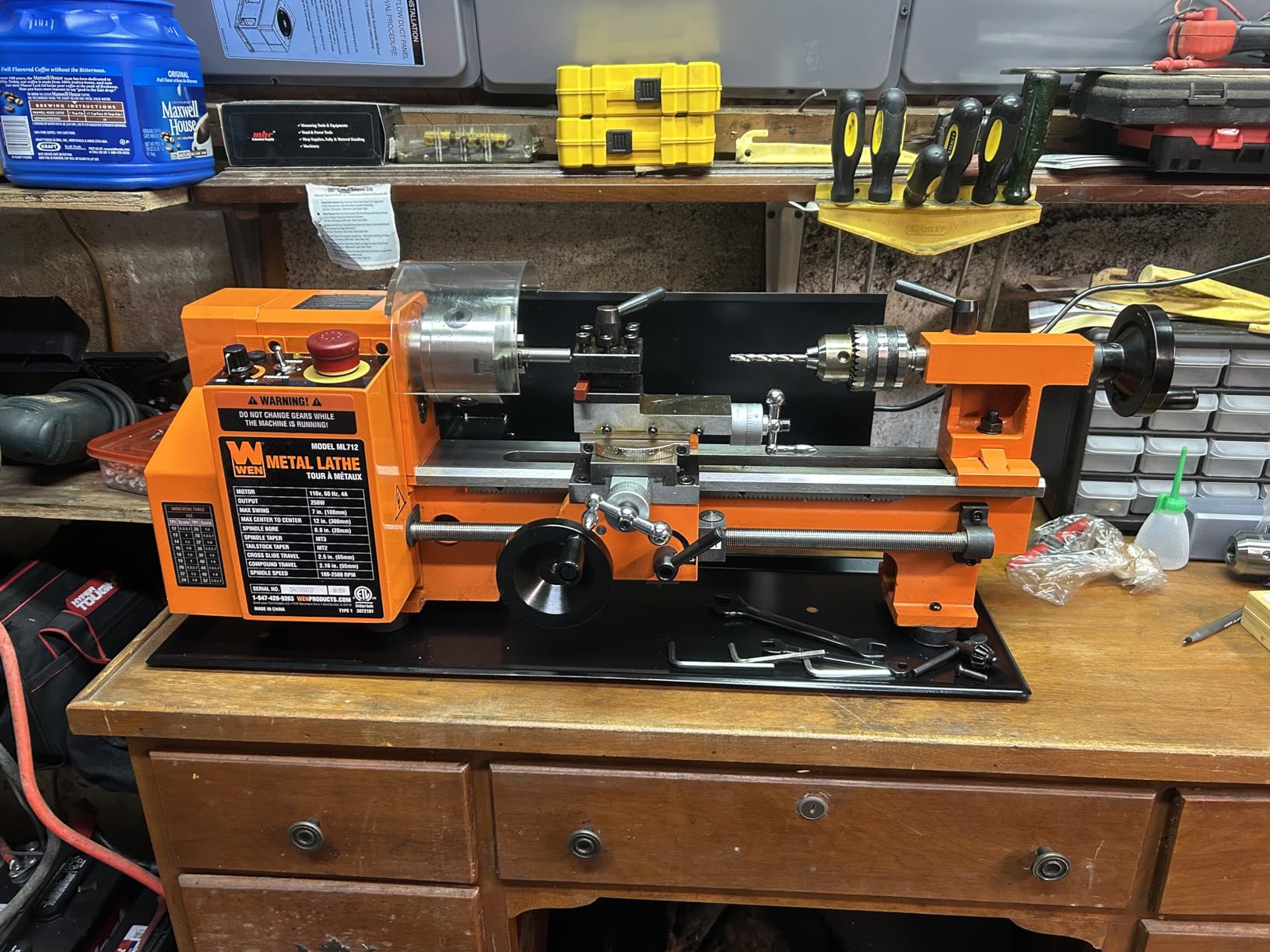
WEN is the one established American-market brand in this roundup, and that shows up where it matters most: a two-year warranty and real customer support infrastructure. The ML712 covers the basics well, turning stock up to 12 inches long and 7 inches in diameter in aluminum, steel, and brass, with variable speed from 100 to 2500 RPM in either direction.
The threading dial indicator supports 18 different screw thread sizes from 12 to 52 TPI, and the machine offers both manual operation and adjustable auto feed. A detail hobbyists appreciate is the MT3 spindle taper paired with an MT2 tailstock taper, since MT3 tooling is larger and more rigid. Reviewers call it a great running little lathe with a solid protection mechanism.
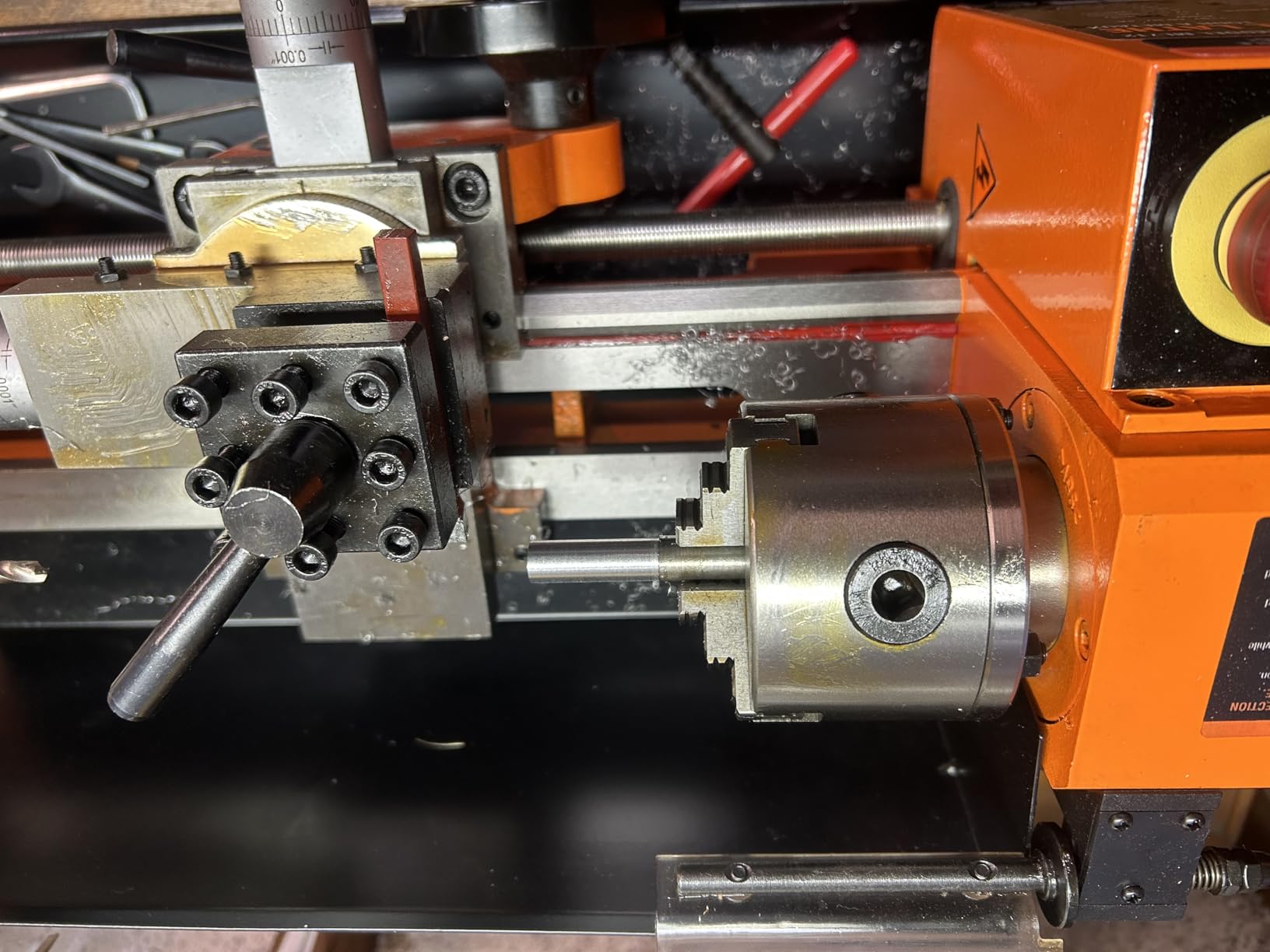
The honest downside is the same one that follows every lathe at this price: plastic gears. Owners flag them as a durability concern, and some report weak, shaky performance when pushing the machine beyond light-duty cuts. If you plan production-style work in steel, this is not the machine. For occasional hobby turning, it is entirely adequate.
The 3.7-star rating over a small pool of 11 reviews tells you this is a niche product rather than a market leader, but the value proposition is clear. You are buying warranty coverage, brand support, and known-good fundamentals, and accepting modest capability in exchange.
Who Is This Lathe Best For?
This is the pick for a cautious first-time buyer who values warranty protection and a real support phone line over raw capability. It suits occasional hobbyists making small metal items, pen parts, and model components. Skip it if you cut steel regularly or need rigidity for bigger work.
What To Check When It Arrives
Register the two-year warranty immediately, since that coverage is the main reason to choose this machine. Test the threading dial across several TPI settings, check the auto feed engagement, and keep cuts light to protect the plastic gear train. Stock a spare set of change gears if the machine becomes central to your workshop.
10. Erie Tools 7×14 Precision Benchtop Lathe – Cheapest Real 7×14
- Lowest price of any true 7x14 on our list
- Includes 5-piece carbide tipped cutter kit
- Internal and external chuck jaws both included
- 11 feed rate gears for threading flexibility
- Well packed for shipping
- Plastic headstock gears are a known failure point
- Quality control issues reported
- Motor and driver can fail prematurely
The Erie Tools 7×14 is the cheapest legitimate 7×14 metal lathe in this roundup, and it has been on the market since 2015, which means the failure points are extremely well documented. You get variable speed to 2500 RPM in either rotational direction (so left-hand threads are possible) and a thread indicator covering 12 to 52 TPI in metric or imperial.
The package is genuinely complete for a budget machine: the lathe itself, a chuck key, a five-piece carbide tipped cutter kit, both internal and external chuck jaws, 11 feed rate gears, and the manual. Owners say it is well packed for shipping, which sounds trivial until you read the arrival-damage stories on other brands. For small precision parts, it does the job.
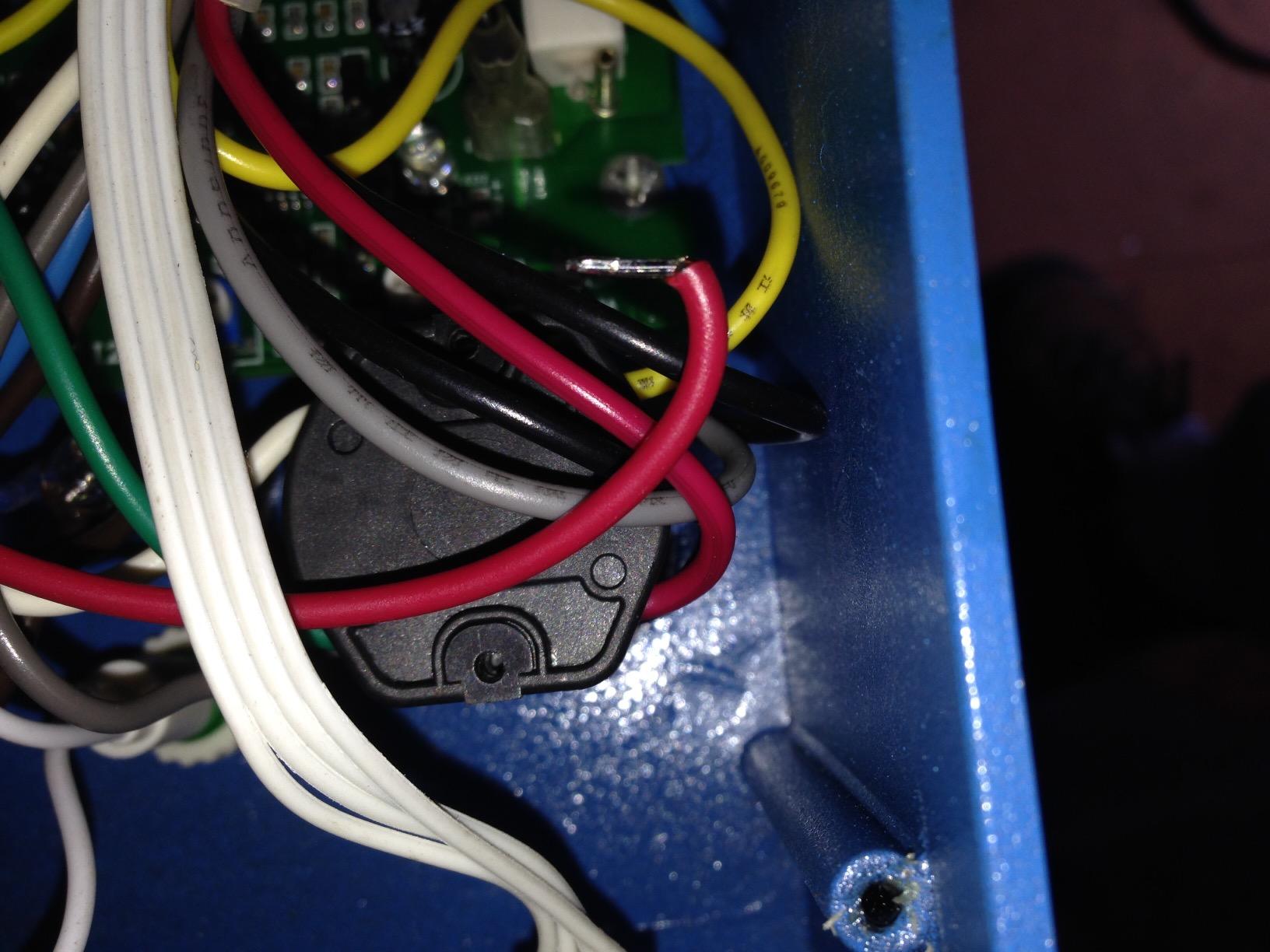
The known weakness is the plastic gears in the headstock, which the community treats as a when-not-if failure point. Combined with reports of quality control slips and premature motor or driver failures, the 3.4-star rating is the lowest in our roundup. Many owners treat this as a starter machine to learn on, then either upgrade or rebuild with better parts.
That is actually a reasonable way to use it. For the price of a weekend machining class, you can own a lathe, learn to turn, drill, and thread, and discover whether the hobby sticks before committing serious money. Just go in with correct expectations about longevity and plan on gentle operation.
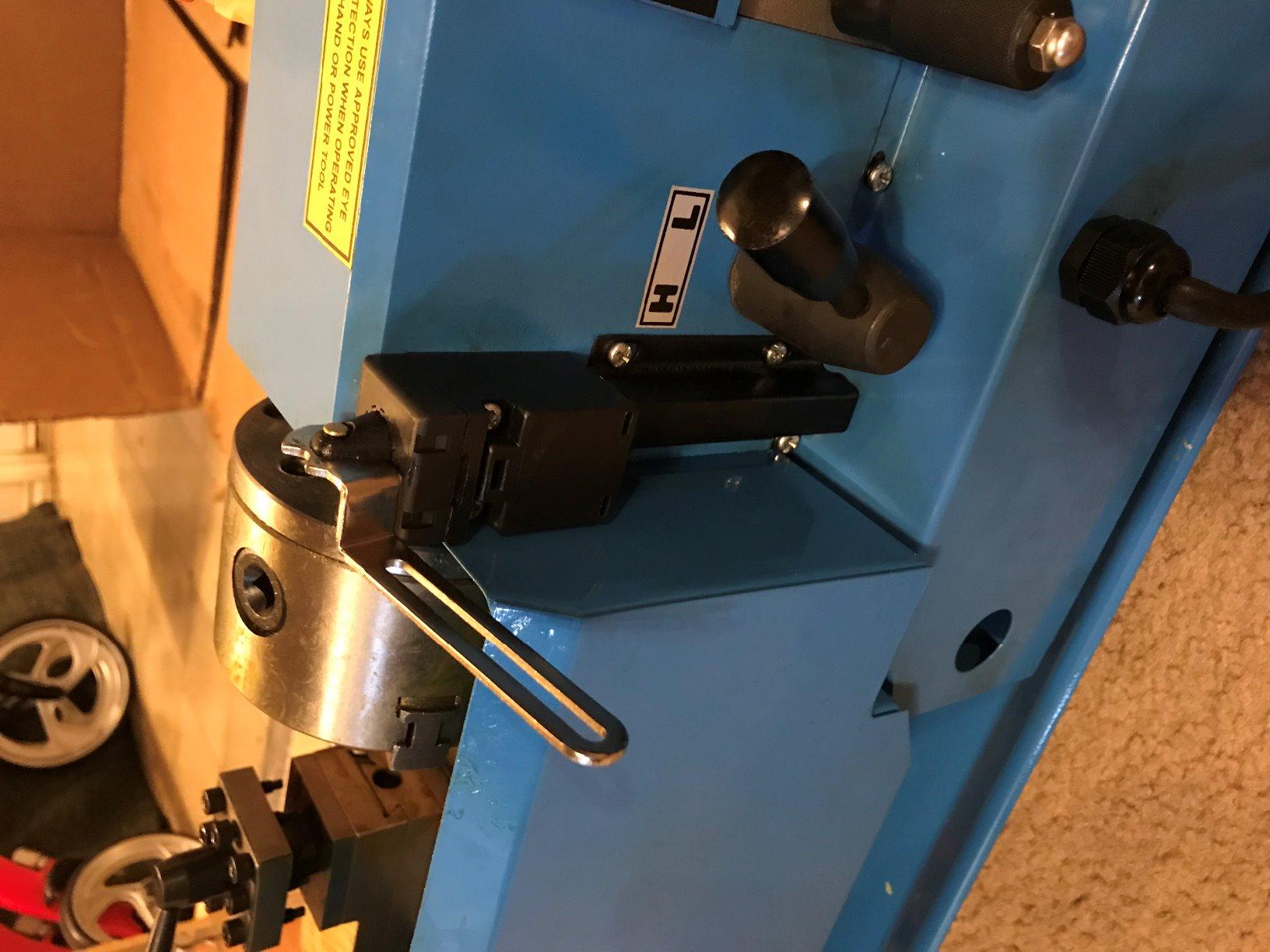
Who Is This Lathe Best For?
This is the best 7×14 metal lathe for absolute beginners on a tight budget who want to learn thread cutting and basic turning without a big investment. It also suits tinkerers who enjoy rebuilding and upgrading machines. Anyone needing reliability for regular project work should step up to the metal-geared VEVOR.
What To Check When It Arrives
Check the headstock gear mesh and keep a spare plastic gear set on hand given the documented failure rate. Test the motor controller early within the return window, verify all 11 feed rate gears are included, and use the carbide tipped cutters that come in the kit rather than buying cheaper high speed steel tooling.
Buying Guide: How to Choose a 7×14 Metal Lathe?
Choosing between these machines comes down to a handful of factors that matter far more than listing-page marketing. Here is what our team weighs when recommending a benchtop metal lathe, informed by the recurring themes in owner reviews and machining forums.
Motor Power and Speed Control
The 550W motors in the standard 7×14 class handle aluminum, brass, and light steel cuts comfortably. Stepping up to 650W, 750W, or 1100W buys heavier cuts, bigger stock, and less stalling, at the cost of weight and price. Variable speed control is standard across everything we reviewed, and a digital readout or LED display makes hitting the right RPM for each material and diameter much easier than guessing.
Look for two-range HI-LO operation if you cut coarse threads or turn large diameter stock. The low range multiplies torque where single-range machines bog down. Brushless motors, like those in the larger VEVOR and CREWORKS models, remove brush replacement from your maintenance list entirely.
Gear Material: Metal vs Nylon vs Plastic
This is the single biggest reliability divider in the mini lathe market. Metal change gears, like those in the top VEVOR picks and the ZHIMA, survive heavy cuts and last the life of the machine. Nylon gears, as in the VEVOR 7×12, run quieter but wear faster. Fully plastic headstock gears, as in the Erie Tools, are the known weak point and a reasonable thing to plan around.
If a machine you love only comes with plastic gears, check whether metal replacement sets exist before buying. The mini lathe community has built a healthy upgrade ecosystem, but only for popular chassis designs.
Spindle Bore and Chuck Quality
The spindle bore determines what bar stock you can pass through the headstock, and the difference between a 20mm and a 38mm (1.5-inch) bore changes what projects are practical. Chuck quality shows up as runout: look for claims of 0.01mm accuracy or better, and expect to verify with your own dial indicator. The 4-inch and 5-inch 3-jaw self-centering chucks on these machines cover most hobby work.
Threading Capability
Every lathe here cuts threads, but the ranges differ. The common imperial range is 12 to 52 TPI; the bigger VEVOR adds 24 thread types across metric and imperial. If threading is a primary use, also check the half-nut engagement quality and whether the machine threads in reverse for left-hand work, a feature the Erie Tools and several VEVOR models include.
Brand Reputation and Support
Forum consensus from hobby-machinist.com and Reddit is consistent: SIEG and Grizzly carry the best reputations for consistency, WEN offers real warranty support, and VEVOR quality is inconsistent but generally good value when purchased through Amazon. Real-world user reviews matter more than spec sheets here, because two units of the same model can arrive in very different states of tune.
Setup Effort and Accessories
Budget for what the box does not include. Nearly every machine here needs cleaning, degreasing, gib adjustment, and tailstock alignment before precision work. Useful additions are a dial indicator, better cutting tools than the included brazed carbide sets, way oil, and a sturdy bench. The CREWORKS 9×24 stands out for including steady and follow rests that cost real money elsewhere.
Size: Should You Buy Bigger Than 7×14?
The most common forum advice is that 8×14 machines cost only slightly more than 7×14 while adding swing and bed length, and our price data supports that. If you are torn, weigh whether the extra 1.3 inches of swing would unlock projects you actually plan to attempt. Also confirm your bench and floor can handle machines approaching 200 pounds.
Frequently Asked Questions
What is the best brand of metal lathes?
For 7×14 class benchtop lathes, VEVOR leads on value and proven owner feedback, WEN offers the best warranty support among budget brands, and SIEG and Grizzly carry the strongest reputations for consistency among machining forum users. Among the machines we reviewed, the VEVOR 7×14 with metal gears earned our Editor’s Choice pick for its balance of price, features, and nearly 300 owner reviews.
What is the best lathe machine for home use?
A 7×14 benchtop metal lathe with a 550W motor, variable speed, and metal change gears is the best fit for most home workshops. It runs on a standard 110V outlet, handles hobby-scale turning and threading, and fits on a sturdy bench. Our top pick for home use is the VEVOR 7×14, with the ZHIMA upgraded model as a strong value alternative.
What are people saying about the Vevor Metal Lathe?
Owner feedback on VEVOR metal lathes is mixed but generally positive for the price. Experienced machinists rate them highly as value machines, while the common complaints involve setup work: shipping grease, tight slides, tailstock alignment, and tachometer adjustments. The 7×14 model with metal gears scores best at 3.9 stars across 289 reviews, while older nylon-geared models score lower.
Can a beginner use a 7×14 metal lathe?
Yes, a beginner can use a 7×14 metal lathe, but expect a steep learning curve. Every machine in this class needs cleaning, gib adjustment, and tailstock alignment before accurate cuts, and you must learn safe operating habits like removing the chuck key and guarding against swarf. Beginners who accept the setup work report satisfying results; those wanting a turnkey machine should consider the warranty-backed WEN.
What can you make on a 7×14 lathe?
A 7×14 lathe can make bushings, arbors, small shafts, threaded rods, spacers, model engine parts, pen blanks, and repair parts for tools and vehicles. The 7-inch swing handles stock up to 7 inches in diameter, and 14 inches between centers suits longer workpieces. It works on aluminum, brass, steel, plastic, and wood for hobby machining and prototyping.
Conclusion
After comparing all ten machines, our recommendation for the best 7×14 metal lathe in 2026 is the VEVOR 7×14 with metal gears: it has the largest owner base, the durability upgrade that matters most, and a price that leaves room in the budget for tooling. The ZHIMA upgraded 7×14 is the value play with the highest rating and richest kit, and the Erie Tools 7×14 remains the cheapest way to start learning.
Whatever you choose, go in expecting a setup weekend, buy a dial indicator and decent cutters, and keep your early cuts light. A tuned budget mini lathe will outperform a neglected expensive one every single time. Pick the machine that matches your materials and patience level, and start making chips.