
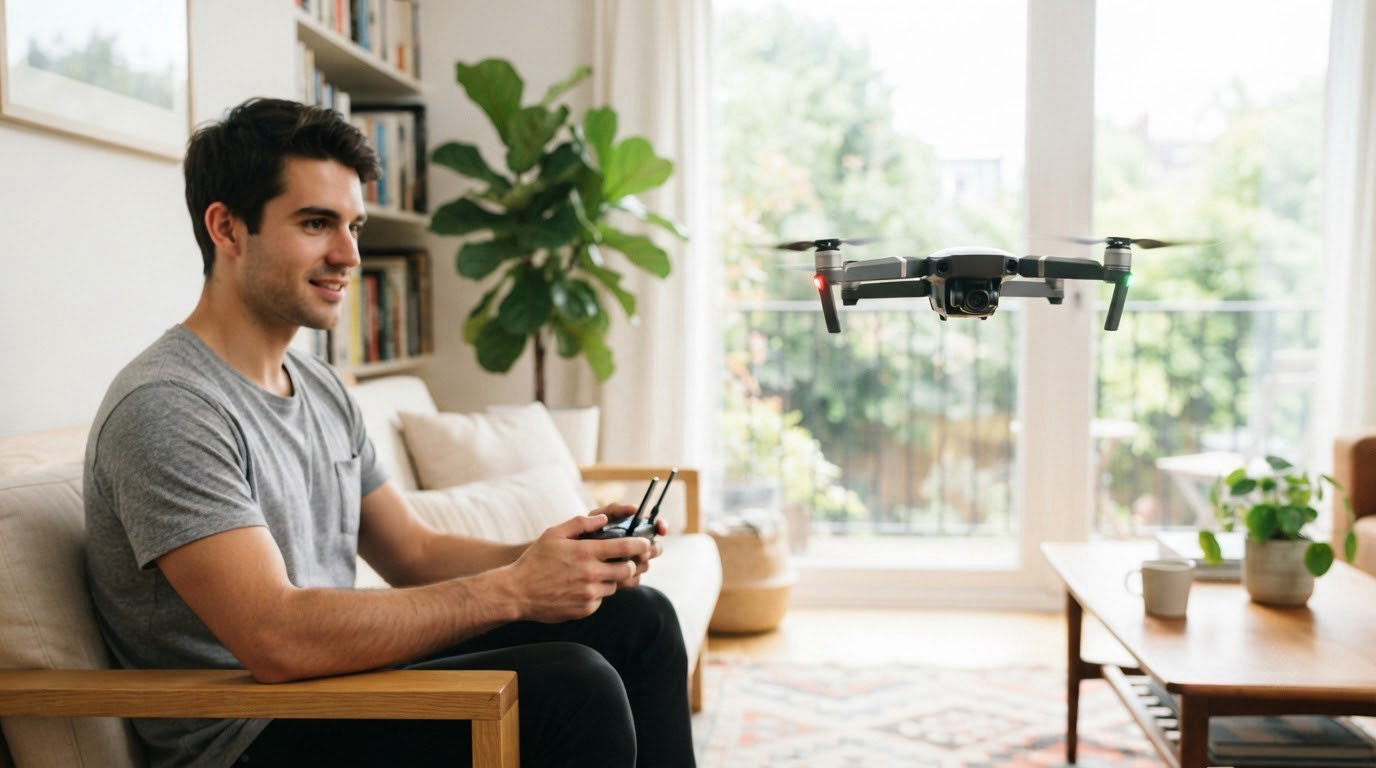
If you are shopping for a drone during Amazon’s October sale, the Potensic ATOM SE is the one to watch first: two batteries in the box, a GPS return-home and a 4K sensor that holds up better than its weight class suggests. The Holy Stone HS360S is the easier first flight for a nervous beginner, and the DJI Neo is the pick if you want usable video from something that fits in a jacket pocket.
Amazon’s October sale runs over two days and the offers on these drones appear and disappear through the window. Every pick below links straight to the current Amazon listing so you can check the offer yourself.
Table of Contents
Our Top 3 Picks for Best Amazon Prime Big Deal Days Drone Deals in 2026
Best Amazon Prime Big Deal Days Drone Deals Compared
| Product | Specifications | Action |
|---|---|---|
| Potensic ATOM SE |
|
Check Deal Price |
| Holy Stone HS360S |
|
Check Deal Price |
 DJI Neo DJI Neo |
|
Check Deal Price |
 DJI Mini 4K DJI Mini 4K |
|
Check Deal Price |
 DJI Mini 3 Fly More Combo DJI Mini 3 Fly More Combo |
|
Check Deal Price |
 Ruko U11MINI 4K Ruko U11MINI 4K |
|
Check Deal Price |
 Bwine F7MINI 4K Bwine F7MINI 4K |
|
Check Deal Price |
 SKYROVER X1 SKYROVER X1 |
|
Check Deal Price |
 karuisrc GPS Drone karuisrc GPS Drone |
|
Check Deal Price |
 DJI Avata 2 DJI Avata 2 |
|
Check Deal Price |
How We Chose
Every drone here was compared on the same fields: takeoff weight, flight time per battery, camera and stabilization, control range, what arrives in the box and how many owners have actually flown it. Ratings and owner reviews on Amazon were checked on October 2026. Nothing here is a confirmed discount, so treat these as the models worth watching and compare the current offer yourself.
1. Potensic ATOM SE: Editor’s Choice for Two Batteries and Real GPS Flights
- Two 2500 mAh batteries included
- 4 km PixSync 2.0 control link
- Brushless motors with a 16 m/s top speed
- GPS return home plus Follow Me and waypoint modes
- Folds small and comes with a handbag
- No gimbal so stabilization is electronic only
- No micro SD card in the box
- App connection needed for most features
The ATOM SE is the pick here because battery count matters more than any single spec. Most sub-250 g drones ship with one battery, and one battery means one short flight before you sit on the ground waiting for a charge. This one includes two 2500 mAh packs rated at 31 minutes each, so 62 minutes total out of the box.

Owners like it for daylight clips and for the fact that it holds altitude better than a drone in this class usually manages. Buy a micro SD card before you fly, because it is not in the box.
The camera underneath is a 1/3-inch Sony CMOS sensor shooting 4K at 30 fps with ShakeVanish electronic stabilization, a 118-degree field of view and a tilt that runs from plus 20 degrees down to minus 90.
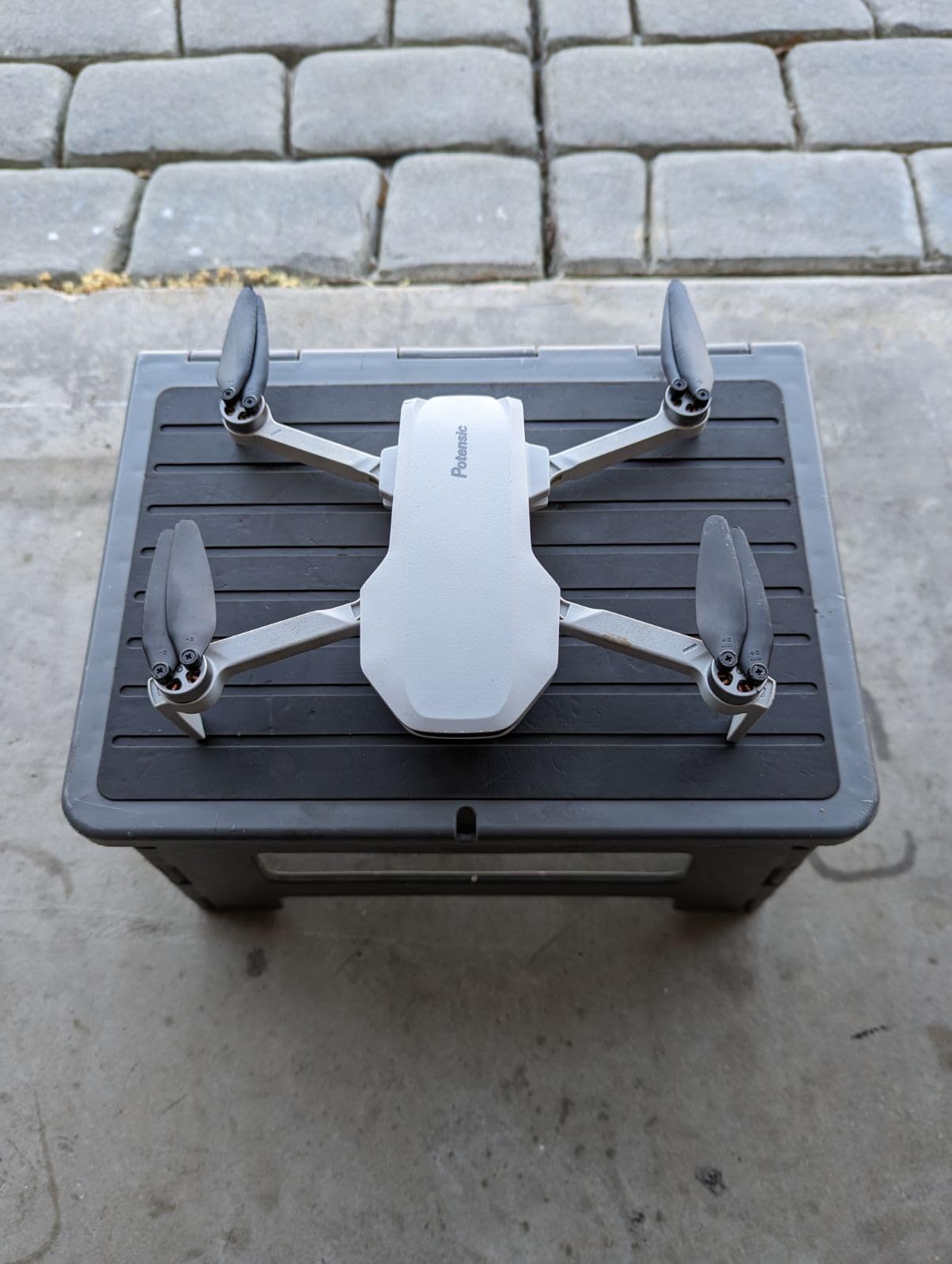
Controls are three-speed, with Beginner, Normal and Sport modes, plus GPS auto return, Follow Me, Waypoint Flight and Circle Flight. The 4 km control link is real in open air and drops quickly around buildings or trees.
Compared with the Holy Stone HS360S, this drone gives you a longer link, brushless motors and a second battery, while the HS360S gives you a cheaper entry and a more forgiving beginner mode. Pick this one if you plan to shoot more than a single lap around a park.
2. Holy Stone HS360S: Best for New Pilots Who Want the Easiest First Flight
- Beginner mode and optical flow positioning
- GPS return home
- 5 GHz link advertised to 10000 ft
- Brushless motors
- Folds flat
- One battery included and it charges slowly
- No gimbal or stabilization so video is choppy
- Some owners report hover drift and coarse control sticks
Owners consistently describe the HS360S as the drone they wish they had started on. The beginner mode caps speed and tilt, optical flow keeps it steady over a flat floor or lawn, and a single-cable connection to your phone removes the usual Wi-Fi setup argument. At 213 g it sits comfortably under the registration threshold.
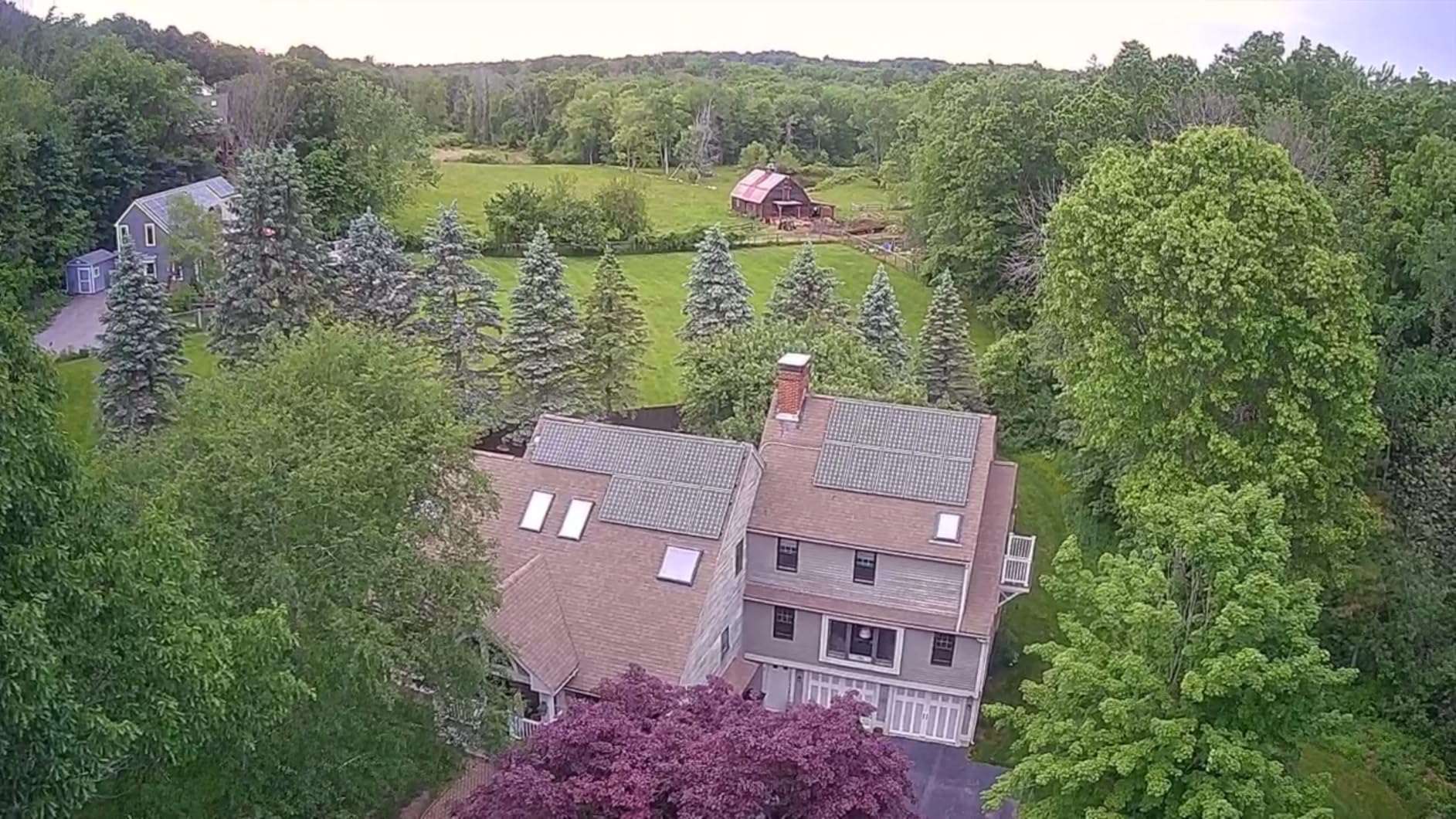
The trade-off is honest and worth saying out loud. There is no gimbal and no image stabilization, so video shakes even in calm air, and only one battery is included with a charger that owners describe as slow. Expect roughly 20 minutes of flying per pack.

A few owners also report persistent hover drift or a toilet-bowl oscillation on carpet, and say the control sticks have only two effective speed steps. If you are not fussy about smooth footage and you want the least intimidating aircraft on this list, that trade is usually worth it. If you care about the picture, the DJI Mini 4K two entries down is the step up.
3. DJI Neo: Best for Pocket Video With No Controller to Learn
- Palm takeoff and landing
- Subject tracking and eight QuickShots modes
- Full-coverage propeller guards
- Built-in storage so no card is needed
- App
- voice or optional RC control
- Short real-world flight time
- Limited internal storage and no SD card slot
- Oversharpened and oversaturated colour
- No vertical video mode
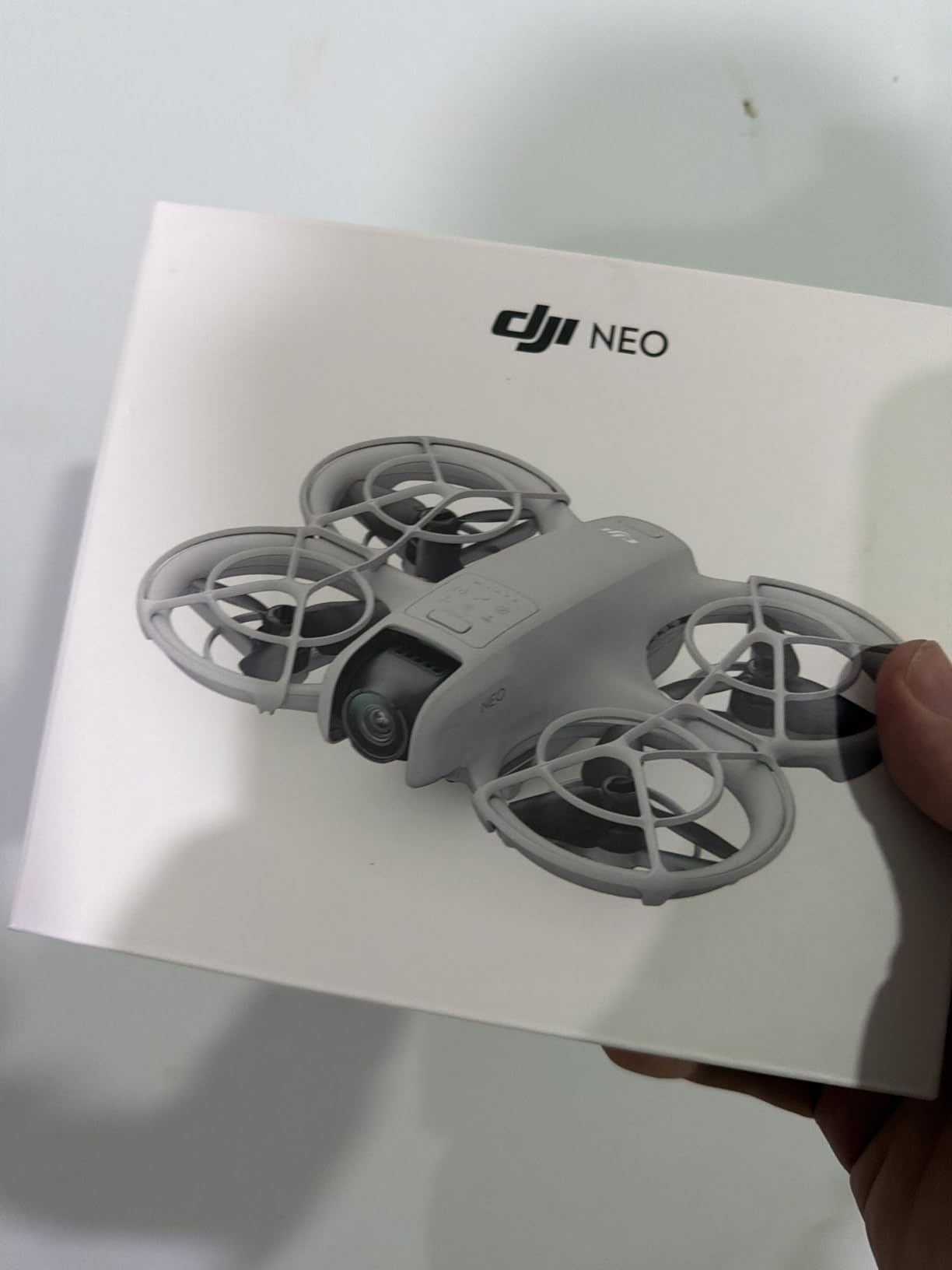
At 135 g this is the smallest aircraft on the list, and it is the one you can genuinely launch with an open palm. It hovers remarkably steady for its size, indoors and out, and the subject tracking and eight QuickShots modes do more of the work than most people expect from a phone-controlled drone.
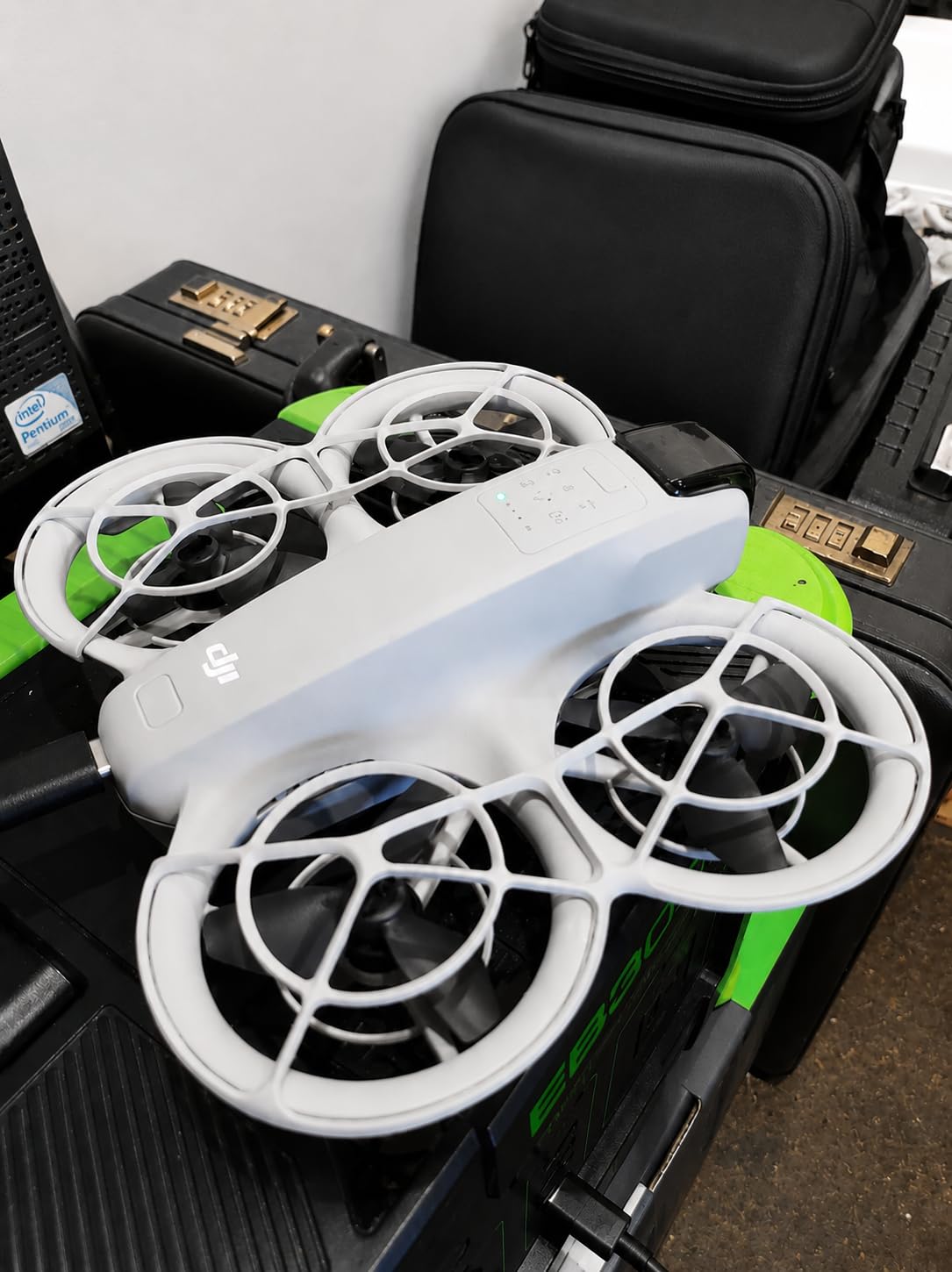
The full-coverage propeller guard is the safety story here. You can fly it in a hallway or around people without the anxious hover-back you get from a bare-armed drone, and there is built-in storage, so you can shoot a clip in the first minute without hunting for a card.
Owners are candid about the limits. Real-world flight time is closer to 10 to 15 minutes per battery, the image processing pushes oversharpened and oversaturated colour, and there is no vertical shooting mode for Reels or Shorts. The DJI Fly app also has to be downloaded from DJI’s own site rather than the Play Store.
Against the Potensic ATOM SE, the Neo wins on size and hands-free flying and loses on battery count and range discipline. If your footage is going into a phone-shaped video, check the Ruko U11MINI 4K instead, since it has a screen remote and more flight time.
4. DJI Mini 4K: Best for Gimbal-Smoothed 4K Footage
- True 3-axis mechanical gimbal
- 31 minutes per battery
- 10 km video transmission
- Level 5 wind resistance at 38 kph
- Includes the RC-N1C remote
- Base bundle includes one battery only
- No obstacle avoidance sensing
- No vertical shooting mode
The distinction that separates this from most of the list is the mechanical gimbal. The Mini 4K holds pitch, roll and yaw steady on a physical axis, so footage stays smooth in motion rather than only in a hover, which is exactly the jump people notice between a first drone and a second one.
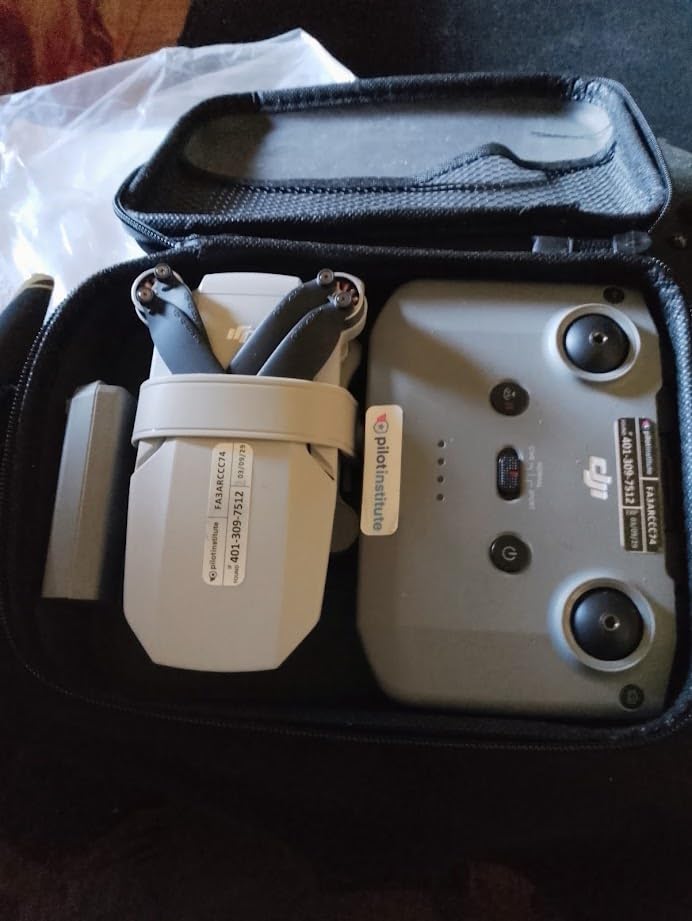
At 240 g it stays under the 249 g threshold, and 31 minutes of flight plus 10 km of video transmission means you can finish a shot and get back without babysitting the battery. Level 5 wind resistance rated at 38 kph keeps the picture usable when there is a breeze, which is more than most of the sub-250 g options offer.

Two things to know before you commit. The base bundle here ships with one battery, so owners who fly long sessions usually add a second, and there is no obstacle avoidance on board, which means the aircraft will not stop itself for a tree. The RC-N1C remote is included, so you are not relying on a phone screen in bright sun.
If your shooting is vertical and you want the screen controller to come with it, the DJI Mini 3 Fly More Combo covers both. If you would rather not fly a DJI app download ritual, the Ruko U11MINI 4K has the screen and the range without it.
5. DJI Mini 3 Fly More Combo: Best for Multi-Battery Bundles and Long Days Out
- Three batteries and a two-way charging hub
- 1/1.3-inch sensor with 48 MP stills and dual native ISO fusion
- True vertical shooting for social video
- DJI RC remote with a built-in 5.5-inch screen
- No omnidirectional obstacle avoidance
- Thin plastic shell around the gimbal
- Batteries lose charge sitting in the charging hub
This is the bundle question in a single box. You get three batteries, a two-way charging hub and a shoulder bag, which adds up to about 114 minutes of flight time before you buy anything else. On a full day out walking a coastline or shooting a property, that is the difference between one flight and four.
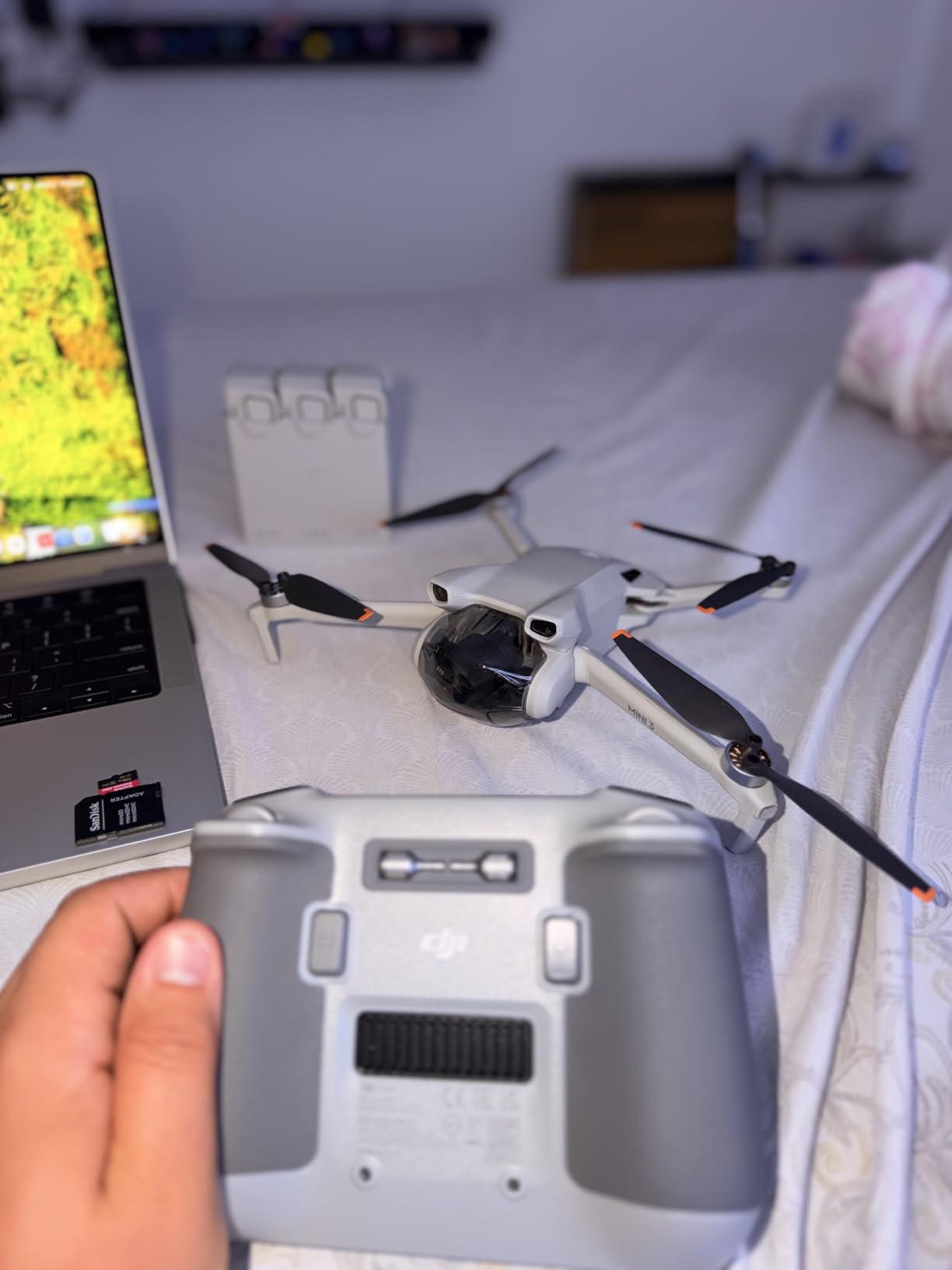
The camera is a step up again, with a 1/1.3-inch sensor, 4K HDR video, 48 MP stills and dual native ISO fusion for highlight and shadow detail. True vertical shooting means the gimbal rotates the frame for Reels and Shorts without cropping, which is the feature most creators end up buying a Mini 3 for.
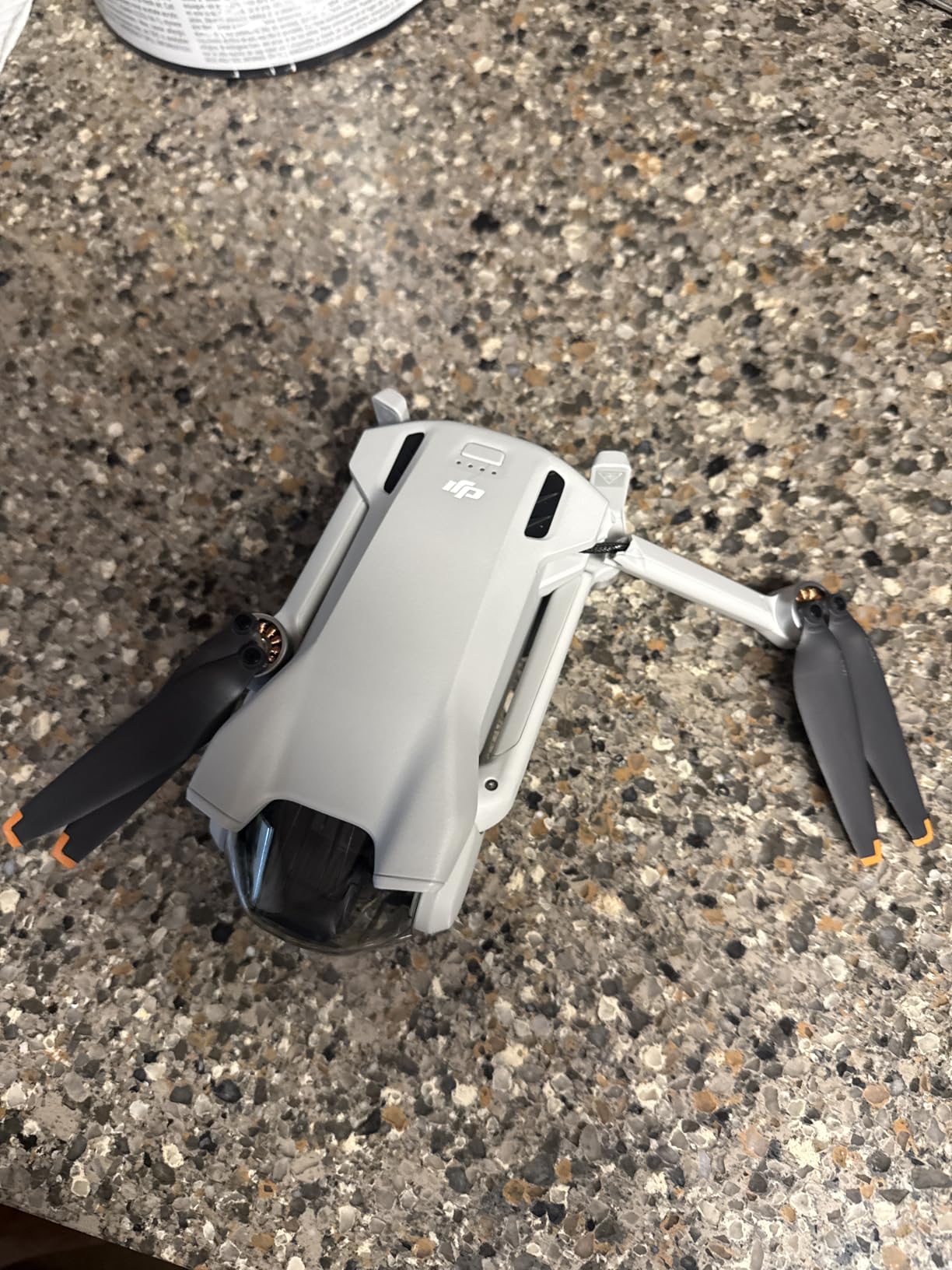
The DJI RC remote has a 5.5-inch daylight-readable screen, so you are not flying by looking at your phone in glare. A handful of owners report the plastic shell feels thin around the gimbal, and batteries left in the hub keep draining rather than holding a partial charge, so take them out when you pack up.
Good to know: there is still no omnidirectional obstacle avoidance on this model. If flying near trees or buildings is part of your plan, the SKYROVER X1 further down is the one in this group with 360-degree sensing.
6. Ruko U11MINI 4K: Best for Screen Control Without a Phone
- 5.5-inch 1080p touchscreen remote included
- 1/2-inch sensor with 8K stills and a 3-axis gimbal
- 20000 ft digital transmission outside Wi-Fi
- Two batteries for about 64 minutes
- GPS
- barometer
- ToF and optical flow positioning
- Screen has no live internet for map downloads
- Fixed camera tilt with less framing flexibility
- Touchscreen can be awkward in bright sun
A built-in 5.5-inch touchscreen is the reason this one is worth a look. No phone tethering, no app permission dance, nothing to forget before a flight, and the screen stays readable outdoors better than most phones do.
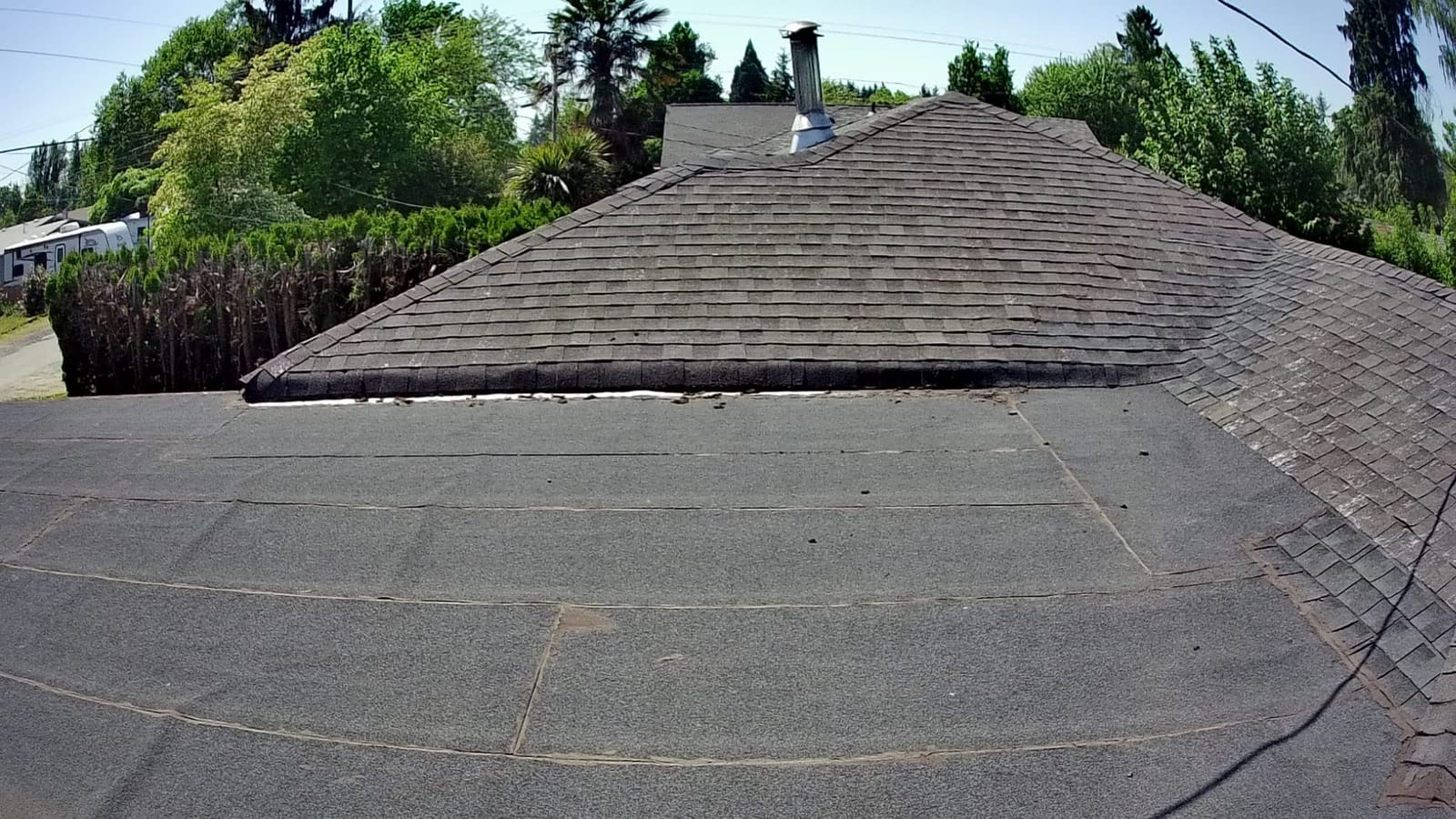
Underneath, the spec sheet is more serious than a touchscreen remote suggests: a 1/2-inch sensor producing 8K stills, 4K at 30 fps on a 3-axis mechanical gimbal, and a 20,000 ft digital link that runs on its own transmission system rather than Wi-Fi. Two batteries give roughly 64 minutes of flight.
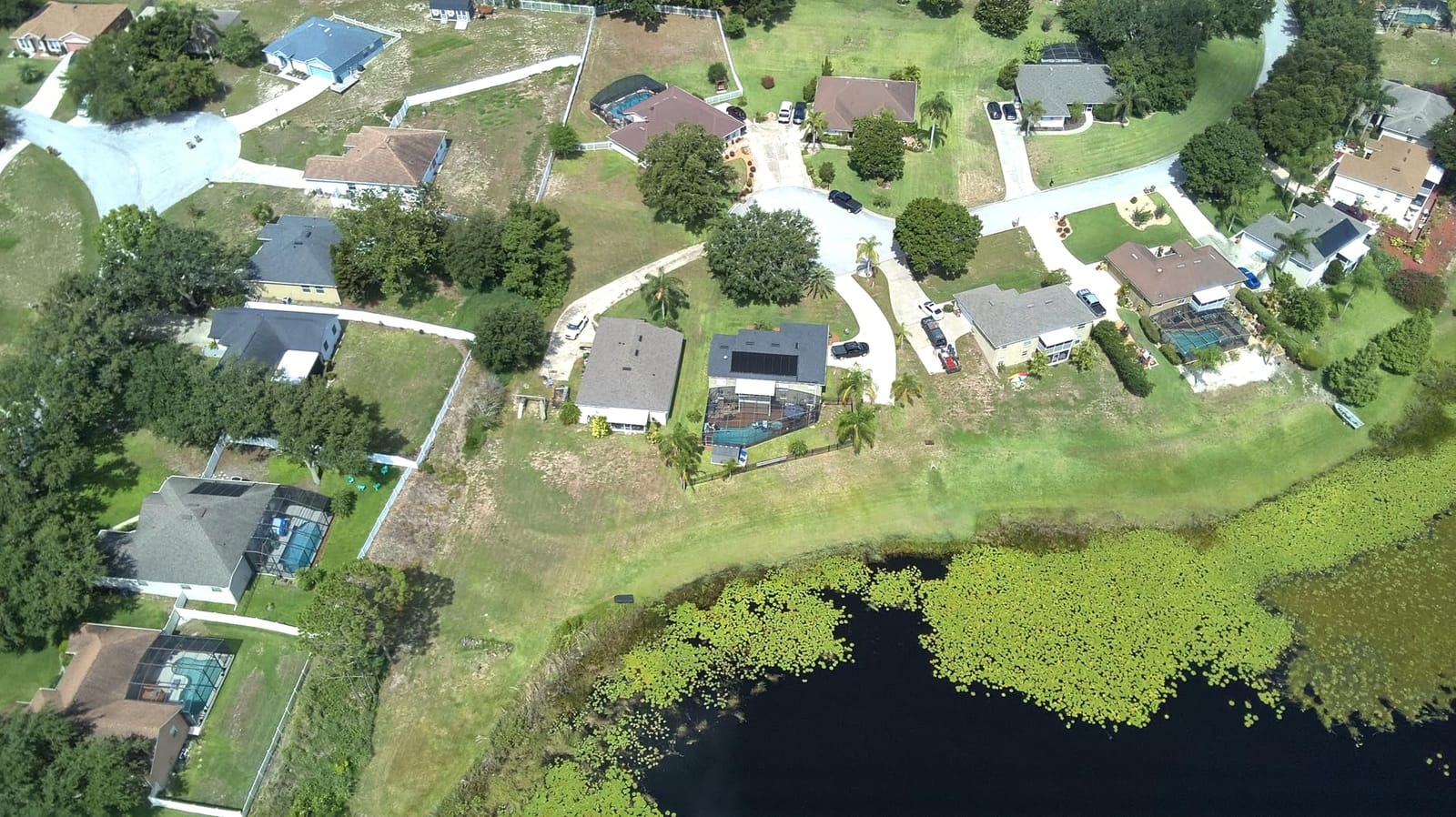
Owners point to the quadruple positioning setup, meaning GPS, barometer, ToF and optical flow, plus a locator buzzer for finding the aircraft in tall grass after a flyaway. The camera tilt is fixed, so framing takes more thought than on a tilting gimbal, and the screen has no internet connection, so you cannot pull map tiles mid-flight.
The DJI Mini 4K is the alternative if you want a tilting gimbal and DJI’s flight app instead of a screen. The Bwine F7MINI 4K takes the same general approach but ships three batteries rather than two.
7. Bwine F7MINI 4K: Best for Battery Count and Gimbal Specs
- Three batteries for 96 minutes of total flight
- 3-axis gimbal at this price point
- 48 MP 1/2-inch sensor with an f/1.8 aperture
- 20000 ft digital transmission
- Carrying case and spare props included
- Smaller review base than the established brands
- Wind performance less proven in gusty air
- No screen on the controller
Ninety-six minutes of flight from three 2200 mAh batteries is the headline here, and only the DJI Mini 3 Fly More Combo in this list carries more total air time. For a first serious drone you can carry a whole day of flying in a case, without planning around a wall socket.

The camera is the surprise. A 48 MP 1/2-inch sensor with an f/1.8 aperture shooting 8K stills and 4K at 30 fps on a 3-axis stabilized gimbal is a specification sheet that reads like a much more expensive aircraft. Transmission runs to 20,000 ft on a wired digital link with a locator buzzer for finding the drone if it goes down.
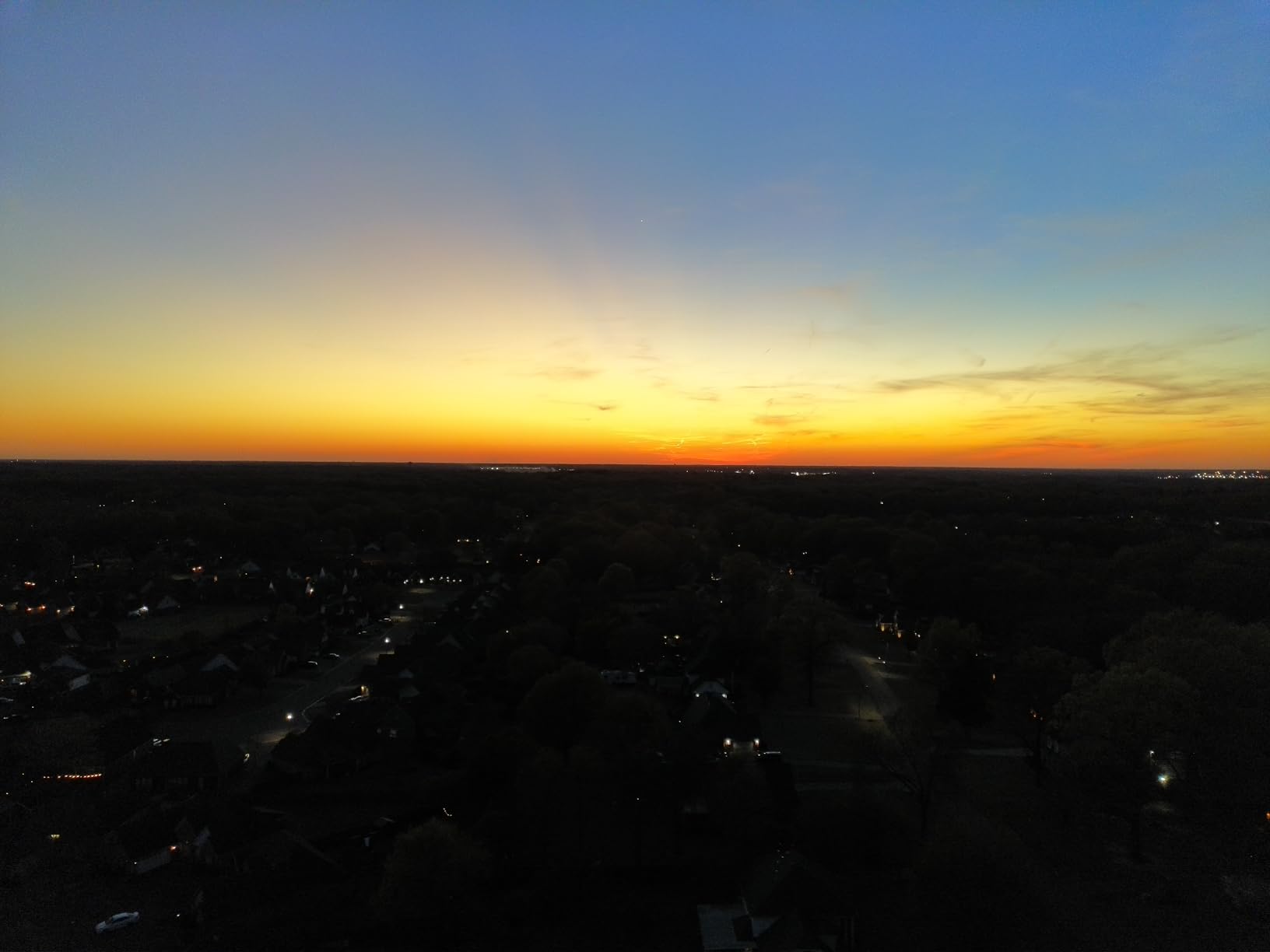
The trade-offs are familiar for a less established brand. Fewer owners have flown it, so there is less long-term feedback on reliability, and owners note the wind performance is less proven than the listing suggests in gusty conditions. You will still be flying from a phone with no built-in screen, and the drone carries a two-year warranty, which is a point in its favour.
If you want three batteries but also want a screen to fly from, the SKYROVER X1 is the same idea with a touchscreen and obstacle sensing added.
8. SKYROVER X1: Best for Obstacle Sensing Under 250 g
- 360-degree obstacle sensing in a sub-250 g body
- 1/1.32-inch sensor with 4K at 60 fps and HDR
- 5.5-inch screen remote rated at 700 nits
- Three batteries for 96 minutes
- 4K at 100 fps slow motion and AI night shot
- Smaller review base at 309 reviews
- Newer brand with a shorter reliability track record
Obstacle avoidance in a body that stays under 250 g is unusual enough to be the whole reason to look here. Where most of the sub-250 g drones on this list will happily fly into a branch, the X1 carries 360-degree sensing alongside smart return to home.
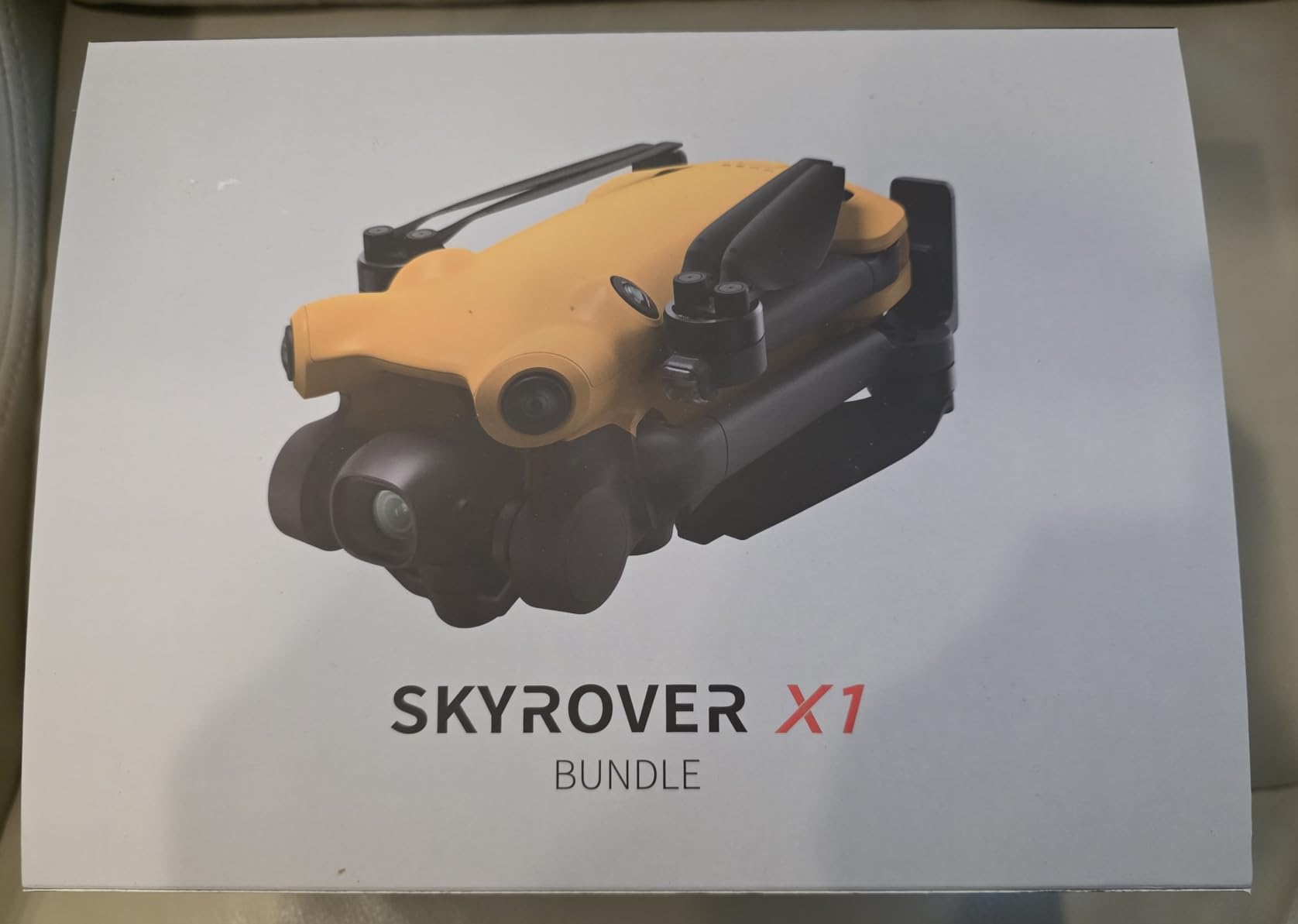
The rest of the spec sheet is built for long sessions: a 1/1.32-inch sensor with an f/1.7 aperture shooting 4K at 60 fps HDR and 48 MP stills, 4K at 100 fps slow motion, AI night shot and true vertical shooting. Three batteries add up to 96 minutes, and the 5.5-inch remote is rated at 700 nits, so it stays readable in direct sun.
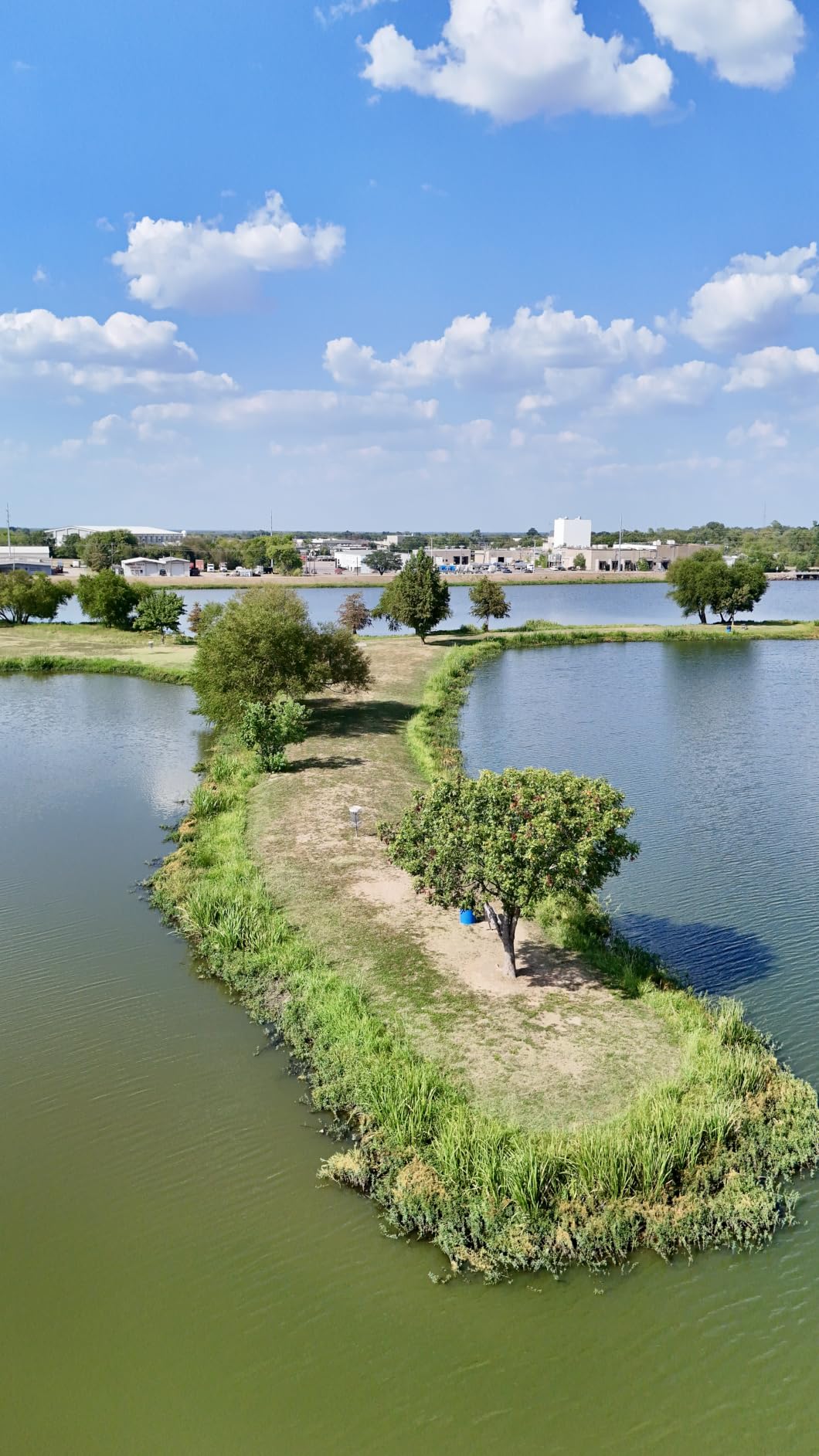
Be honest about the risk profile. The 4.6 rating comes from a much smaller pool of reviews than the DJI entries, and a newer brand has a shorter track record for repairs and firmware. For most buyers that is acceptable. For someone who wants an aircraft to last five years with support behind it, the DJI Mini 3 Fly More Combo is the safer bet, and it costs more.
Transmission here is the longest claimed on the list at 9.32 miles with a 1080p at 60 fps live view, which helps on open farmland and coastlines where you are not relying on Wi-Fi range.
9. karuisrc GPS Drone: Budget Pick for the Lowest-Cost Way to Learn
- Lowest entry point in this list
- 4.5-inch screen built into the controller
- GPS auto return and optical flow hovering
- Carrying case
- spare props and screwdriver included
- Lowest average rating here at 4.1 stars
- Thin documentation and unclear return-to-home instructions
- Some owners report aircraft that will not lift off
- Micro SD card not included
The case for this drone is that it is the cheapest way to find out whether you like flying. At 206 g with a 4.5-inch screen in the controller, a battery giving about 22 minutes, and propeller guards around the arms, it covers the basics without a phone.
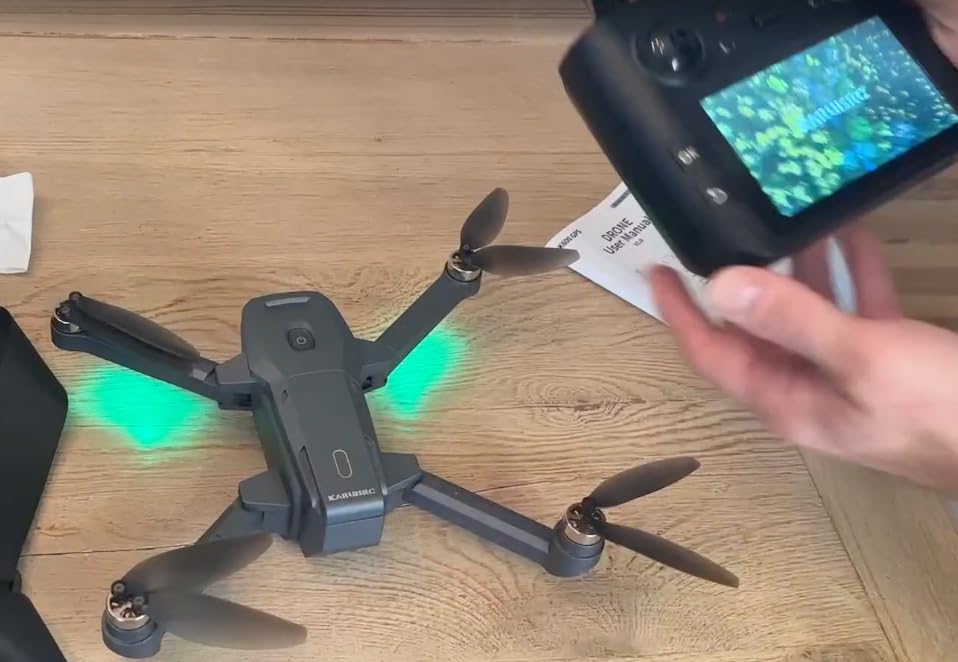
Be clear-eyed about what you are buying. Its 4.1 star average is the lowest in this list, and the recurring themes in reviews are unclear documentation, a return-home feature nobody can explain from the manual, and a small number of aircraft that would not lift off after the preflight check. The micro SD card is not included either.
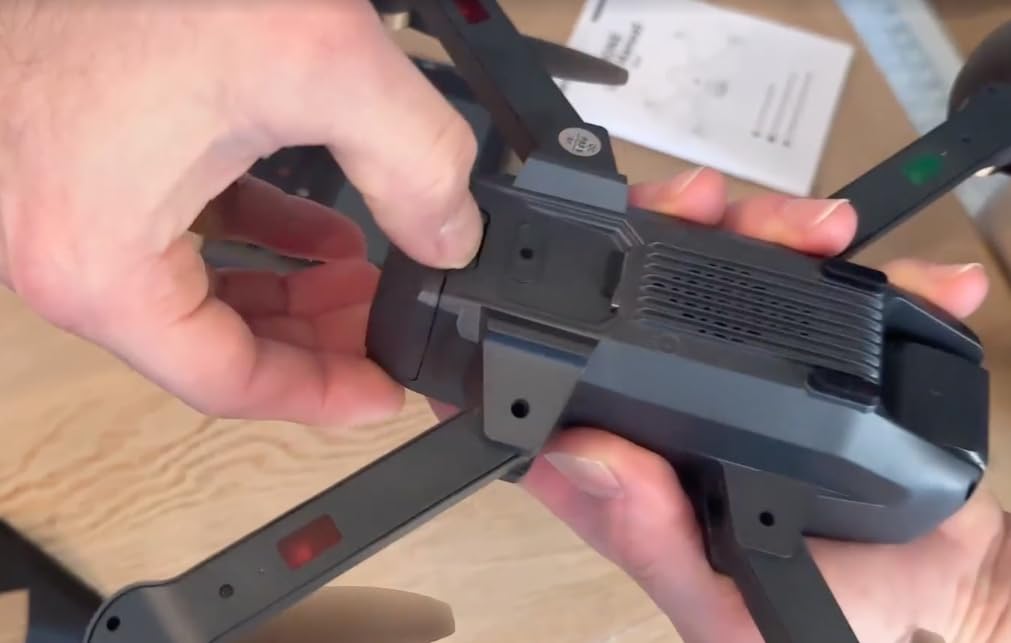
One detail worth flagging: the listing headline mentions 4K, but the specification section lists 1080p capture with EIS and a 90-degree adjustable lens. Read the specification block before you assume the video resolution. If your plan is real 4K footage, skip this and start at the Potensic ATOM SE or the DJI Mini 4K.
Plenty of people buy one of these to practise on before spending serious money. That is a reasonable use, as long as you keep expectations at the 1080p level.
10. DJI Avata 2: Best for FPV Flying With Goggles
- Goggles 3 and RC Motion 3 controller in the combo
- 1/1.3-inch sensor with a 155-degree field of view
- 4K at 60 fps and 2.7K at 120 fps in D-Log M
- Built-in full propeller guard
- Three batteries and a smart charging hub
- Real battery life closer to 15-20 minutes
- Motion controller cannot yaw without forward motion
- Goggles fit suits smaller faces and the view is narrow
This one is a different category. The Avata 2 is a first-person-view drone: you put goggles on, the aircraft is bolted to your perception, and up to 60 mph in manual mode is the point rather than a side note. The Fly More Combo bundles three batteries, a charging hub, a sling bag, DJI Goggles 3 and the RC Motion 3 hand controller.
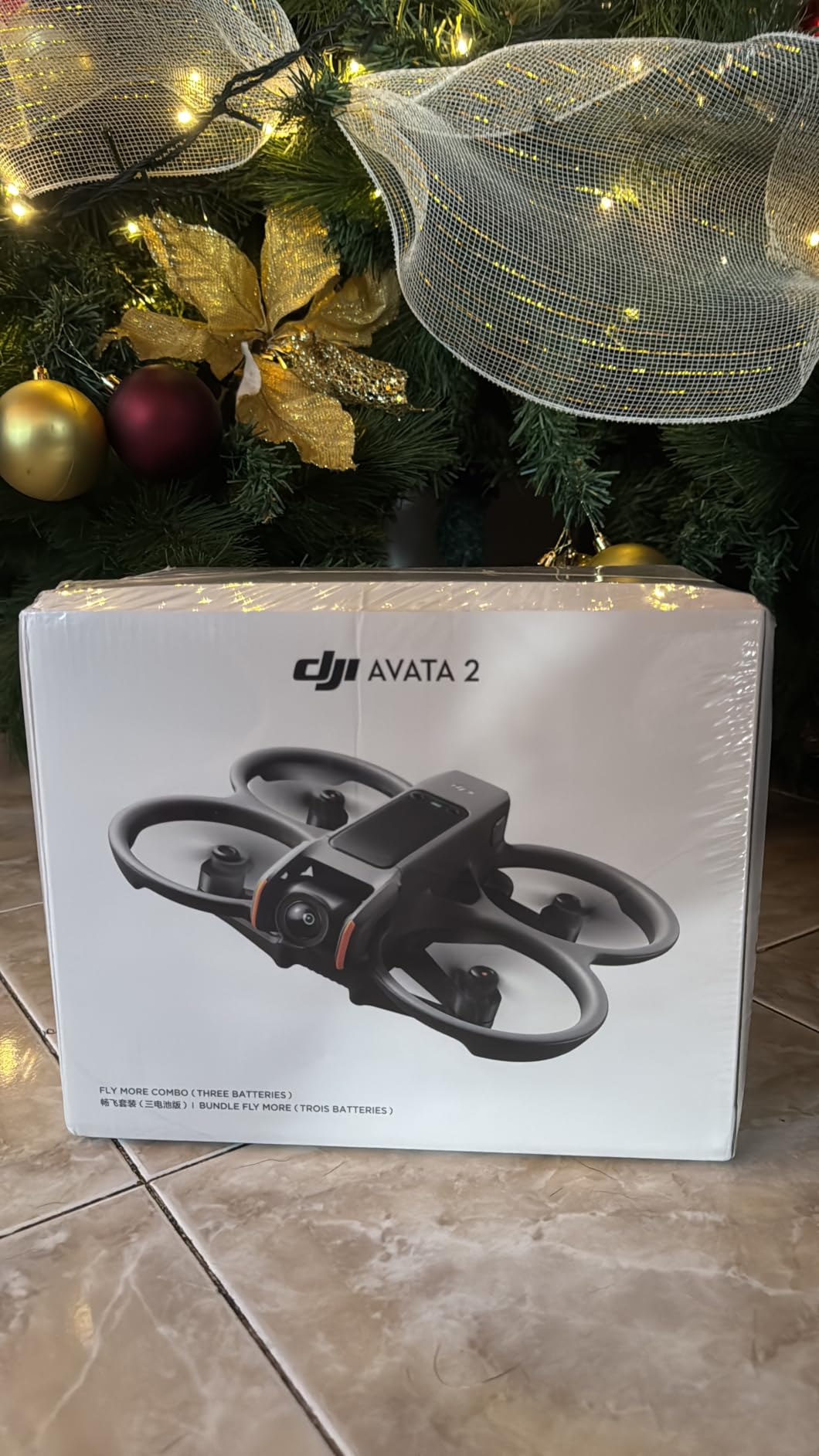
The motion controller is what makes FPV approachable for a beginner. Squeeze to accelerate, tilt to steer, and the on-screen pause button airbrakes and hovers instantly, which builds confidence far faster than a joystick. The built-in full propeller guard survives the crashes that come with learning.
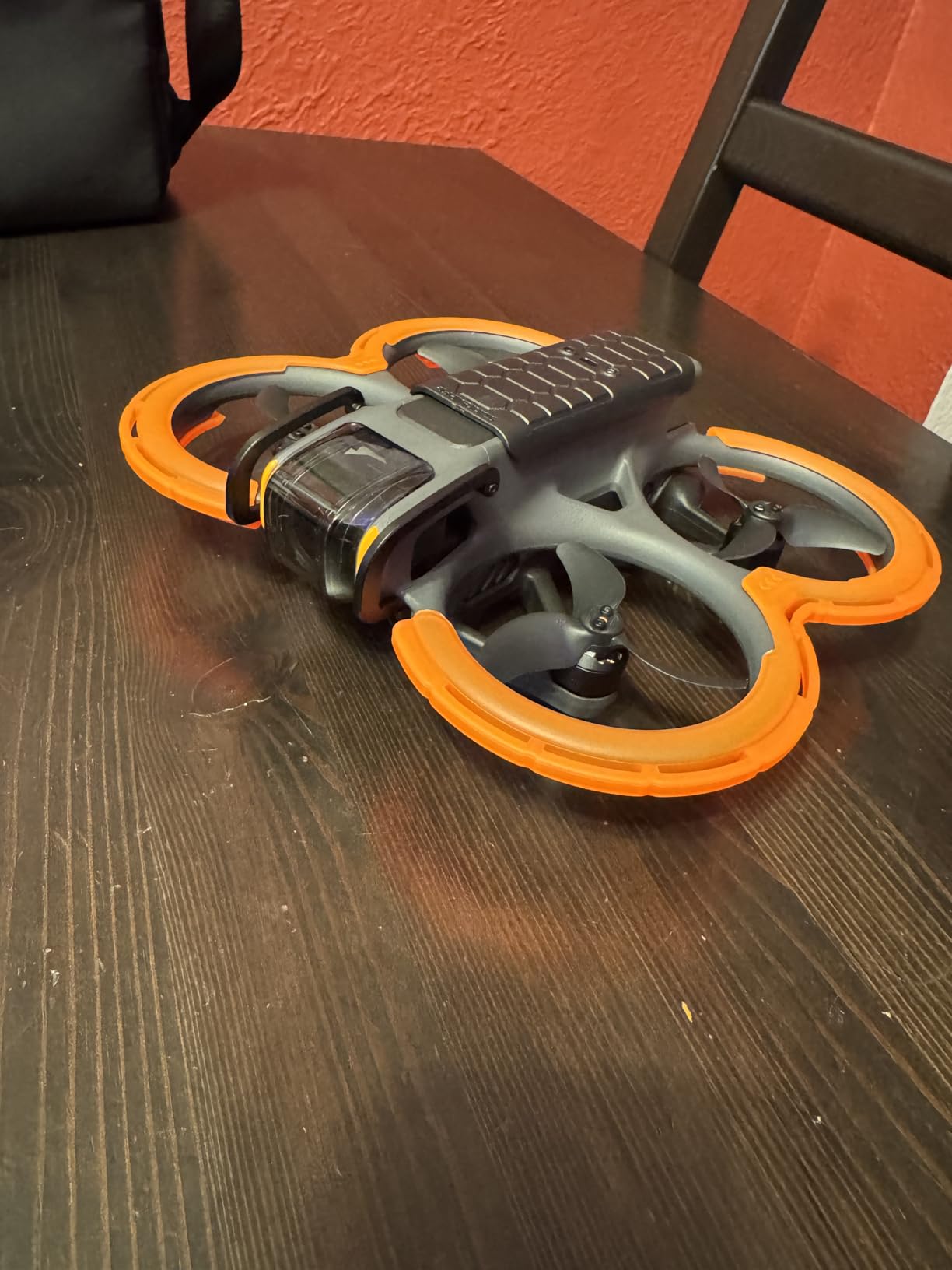
Two practical notes. At 377 g it is well over 250 g, so unlike every other drone in this roundup it needs FAA registration before you fly it outdoors. Owners also put real battery life closer to 15 to 20 minutes rather than the rated figure, and say the motion controller cannot yaw on the spot, which limits precision shots.
If you are after cinematic footage rather than the ride, the DJI Mini 3 Fly More Combo is the more useful aircraft. If you want the goggles experience and nothing else, this is the only pick here that includes them.
How to Choose Drones During Prime Big Deal Days
Drone Type and Intended Use
Start by naming the job. A selfie and social clip drone is tiny, cheap and short-flown; a camera drone carries a gimbal and 10 km of transmission for scenic work; an FPV drone needs goggles and a motion controller and flies fast. On this list the DJI Neo covers the first job, the DJI Mini 4K or Potensic ATOM SE covers the second, and the DJI Avata 2 covers the third.
Flight Time and Range
Battery count matters as much as minutes per pack, because the second battery has to be charged somewhere. For casual weekend flights, anything above 25 minutes per battery is comfortable, and two batteries beats one longer pack for most people. Serious work at altitude or over open ground wants more, and a claimed control link only matters if you have somewhere legal to fly it.
Camera and Stabilization Features
A 3-axis mechanical gimbal is the single clearest upgrade in this list, because it holds the frame steady while the aircraft moves rather than only while it hovers. Sensor size comes next, since a 1/3-inch sensor and a 1/1.3-inch sensor at the same nominal 4K produce very different pictures in low light. Check for vertical shooting too if your video goes to Reels or Shorts.
Controls and Flight Features
For a first drone, a physical remote with beginner and normal modes beats a phone app. GPS return home is worth having on anything flown away from you, and obstacle avoidance only really exists on the SKYROVER X1 in this group. Follow Me, waypoint and orbit modes are convenient extras, but they are not substitutes for knowing where you are.
Size, Weight and Flying Requirements
Most people buying here will land under 249 g, which keeps recreational pilots out of the registration paperwork entirely. The exception here is the DJI Avata 2 at 377 g, which needs registering. Check your local aviation authority rules before your first flight, fly in open space away from people and roads, and keep an eye on local restrictions.
How to Shop Drone Deals During the Sale
Drone listings get copied and reused, so read the title carefully and confirm the exact model code. The Mini 4K and Mini 3 Fly More Combo are easy to mix up, and so are single-battery and multi-battery bundles of the same aircraft. Look at the package contents list for the remote model, the number of batteries, the charging hub, the case and any ND filters, and check whether the listing is new or renewed. See who sells the listing and who fulfils the order, because a marketplace reseller changes your support pathway. Most offers during Prime Big Deal Days require a Prime membership, and the offers themselves change through the event, so check back rather than trusting a price you saw earlier.
A short checklist before you buy: confirm the exact model code and bundle, confirm the remote is included, count the batteries, check the condition and the seller, and read the local flight rules for where you intend to fly.
Frequently Asked Questions
When does Amazon Prime Big Deal Days run?
Amazon Prime Big Deal Days runs October 6-7, 2026. It is the autumn counterpart to June Prime Day, and drone offers appear and disappear through the two days rather than lasting the whole window.
Do I need Prime to buy a drone deal during Amazon Prime Big Deal Days?
Most offers during the event need a Prime membership, and a free trial counts if you have not had one before. A few deals run for everyone, so check the offer terms on each listing before you assume you are shut out.
What are the best Amazon Prime Big Deal Days Drone Deals?
The Potensic ATOM SE leads for most buyers because it includes two batteries and a 4K camera under 250 g. The Holy Stone HS360S suits nervous beginners, the DJI Neo suits pocket-size clips, the DJI Mini 4K suits smooth gimbal footage and the DJI Mini 3 Fly More Combo suits full days of flying.
How much flight time should I look for in a hobby drone?
Look for at least 25 minutes per battery and two batteries in the box. Sub-15-minute drones such as the DJI Neo are fine for short clips, but a second pack turns one flight into an afternoon. Large bundles here reach 96 to 114 minutes in total.
Do I need to register a drone before flying it?
In the United States a recreational drone under 250 g does not need FAA registration, which covers every pick in this roundup except the DJI Avata 2 at 377 g. Rules differ outside the US and for commercial work, so check your local aviation authority before flying anywhere.
How should I care for drone batteries between flights?
Store batteries at partial charge in a dry place away from direct sun and heat, and avoid leaving them in a charging hub once they are full because owners report a slow drain. Fly them regularly and use a proper charger, since storage at full or empty charge is what ages a lithium pack fastest.
Final Verdict: Best Amazon Prime Big Deal Days Drone Deals
Buy the Potensic ATOM SE if you want the most flying per purchase, since two batteries and a 4K sensor make it the strongest all-round pick to watch during the sale. The karuisrc GPS Drone is the budget-friendly alternative if you only need to know whether you enjoy flying before spending more. Choose the DJI Mini 4K for real gimbal-smoothed 4K, the DJI Neo for pocket-size clips and the Holy Stone HS360S for the gentlest first flight. Longer days out belong to the DJI Mini 3 Fly More Combo, three-battery bundles to the Bwine F7MINI 4K, flying without a phone to the Ruko U11MINI 4K, obstacle sensing under 250 g to the SKYROVER X1, and goggles flying to the DJI Avata 2.
Check each listing for the exact bundle and the current offer during October 6-7, 2026, and fly somewhere legal before you open the box.