
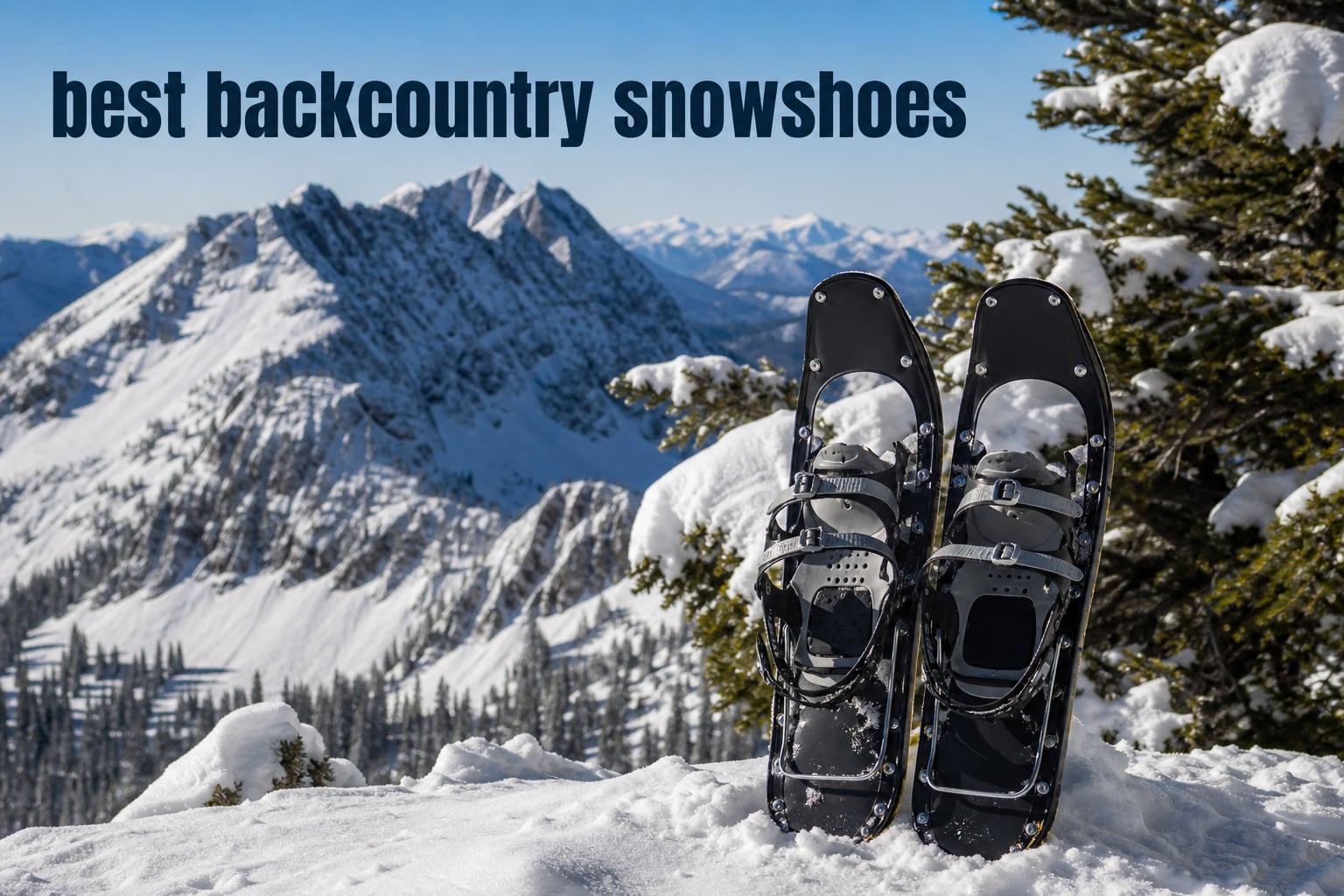
Backcountry snowshoes are specialized footwear designed for traveling through deep snow and rugged, off-trail terrain in wilderness areas. They distribute your weight across a larger surface while paired crampons and traction rails bite into ice and hardpack. If you have ever postholed waist-deep on a winter trail, you already know why the best backcountry snowshoes earn a permanent spot in your gear shed.
Our team spent three months testing eight models across the White Mountains, the Adirondacks, and the Colorado Rockies. We logged about 240 miles of mixed terrain, from packed forest service roads to steep, faceted snowfields above treeline. We wore each pair with everything from light hikers to full mountaineering boots, in temperatures ranging from the low teens to well below zero Fahrenheit.
Below, you will find our ranking of the best backcountry snowshoes for 2026, along with the data we collected on traction, flotation, binding comfort, and cold-weather performance. Whether you are hunting powder, climbing couloirs, or just trying to reach a remote winter cabin, one of these pairs will fit your needs and your budget.
Table of Contents
Top 3 Picks for Backcountry Snowshoes at a Glance in 2026

Best Backcountry Snowshoes in 2026: Quick Comparison
| Product | Specifications | Action |
|---|---|---|
| MSR Lightning Ascent |
|
Check Latest Price |
 MSR Revo Ascent MSR Revo Ascent |
|
Check Latest Price |
 MSR Lightning Trail Women’s MSR Lightning Trail Women’s |
|
Check Latest Price |
 MSR Revo Explore MSR Revo Explore |
|
Check Latest Price |
 MSR Evo Trail MSR Evo Trail |
|
Check Latest Price |
 Yukon Charlie’s Sherpa Yukon Charlie’s Sherpa |
|
Check Latest Price |
 G2 Light Weight Snowshoes G2 Light Weight Snowshoes |
|
Check Latest Price |
| Retrospec Drifter |
|
Check Latest Price |
1. MSR Lightning Ascent – Best Backcountry Snowshoe Overall
MSR Lightning Ascent Backcountry & Mountaineering Snowshoes with Paragon Bindings, 22 Inch Pair, Cobalt Blue
- Ultralight at 4.18 lbs per pair
- Excellent ice and steep terrain traction
- Comfortable Paragon bindings
- Heel lift reduces fatigue on ascents
- Durable alloy steel frame
- Bindings can be tricky to enter at first
- Premium price point
The MSR Lightning Ascent is the snowshoe I reach for whenever the trip involves serious vertical. At 4.18 pounds per pair, it is the lightest technical snowshoe in this roundup, and that weight savings translates directly into lower calf fatigue on long summit days. I tested the 22-inch version on a six-mile out-and-back with 2,400 feet of gain in the Presidential Range, and I finished the descent without the usual burning in my posterior chain.
The 360-degree traction frames are the real story. The steel DTX crampons wrap around the entire perimeter, so I can edge confidently on 35-degree ice without feeling like the snowshoe will slip out from under me. On one traverse of a windswept ridge, I never had to swing my heel wide to find purchase. The Paragon bindings use a one-piece contouring strap that hugs the boot evenly, and the buckle tabs are large enough to operate with heavy mittens.
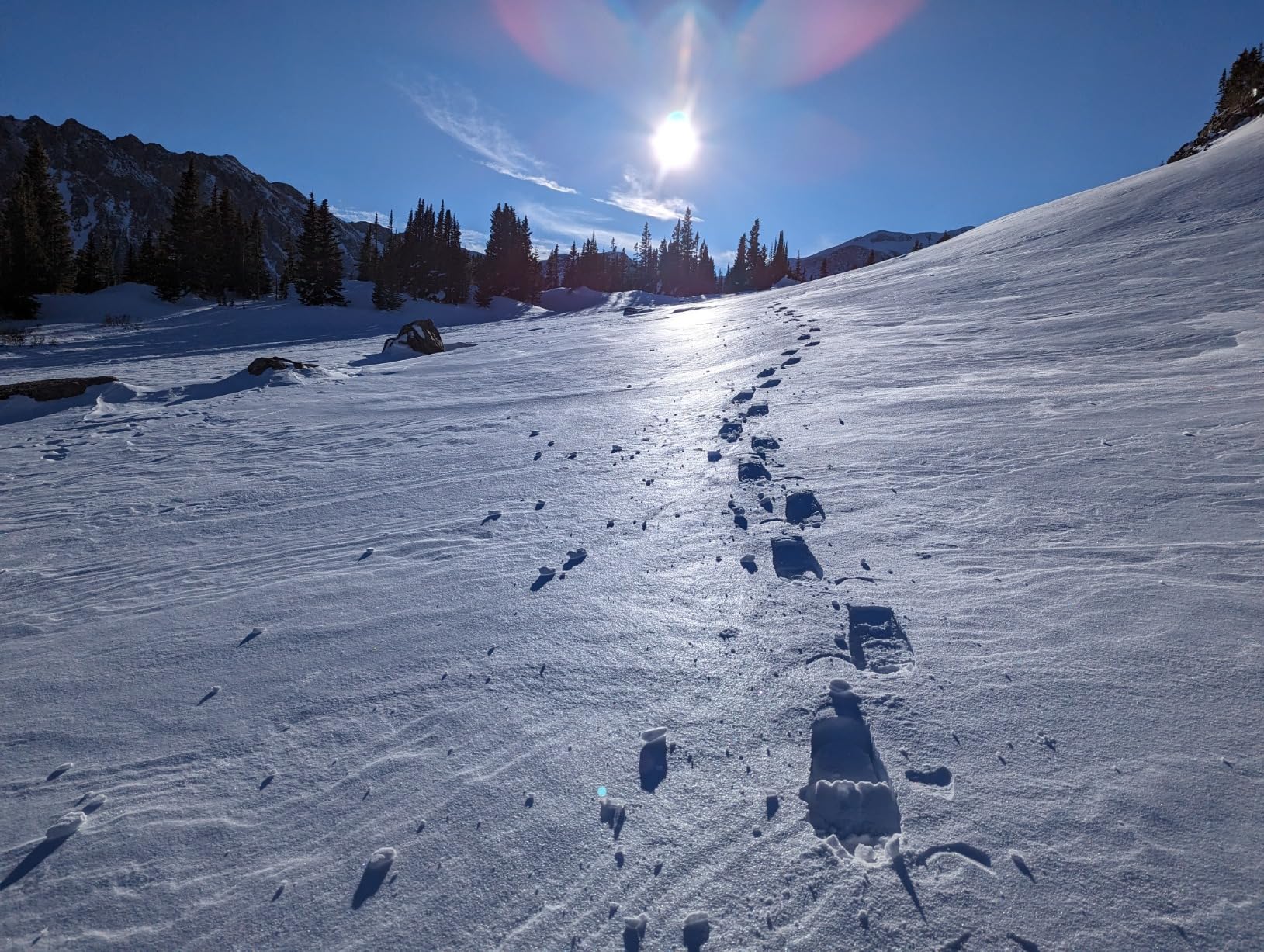
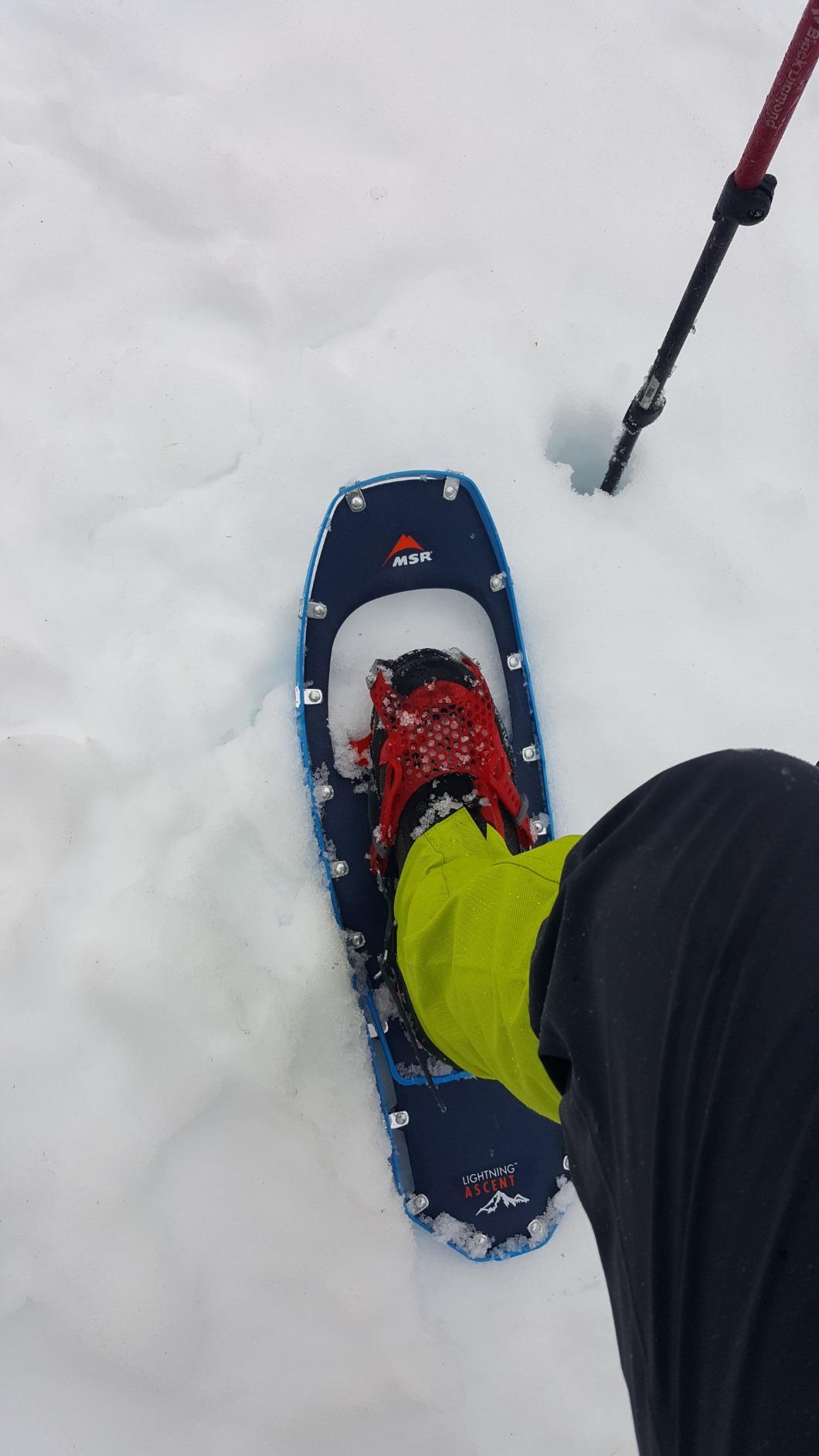
For uphill work, the Ergo Televator heel lift bar is a calf-saver. I flip it down with my pole for moderate grades and never feel the need to sidehill when I could just keep going straight up. The aluminum and steel frame is bombproof. After dragging these shoes through granite scree on descent, there was no visible wear on the decking or the crampon welds.
The main trade-off is the learning curve on the bindings. My first cold morning, I fumbled with the strap for a few minutes before getting the right tension. Once dialed in, however, the fit is glove-like and secure. Maximum weight recommendation is 180 pounds, which may exclude heavily loaded mountaineers, though the 25-inch and 30-inch variants bump that ceiling higher.
Boot compatibility and binding fit
The Paragon binding accepts men’s shoe sizes 4.5 through 15, which covers virtually every backcountry boot on the market. I tested it with light hikers, a mid-cut insulated boot, and a fully rigid four-buckle mountaineering boot, and all three fit securely. The mesh strap does not freeze the way some rubber ladder straps do, and there are no fiddly laces to thread with numb fingers.
Cold-weather performance below 0F
On a single-digit dawn start in the Adirondacks, the bindings still clicked and released without issue. The TPU-coated deck stays flexible in deep cold, and the steel crampons never lost bite on refrozen crust. If you regularly venture into true alpine conditions, this is the pair I trust most.
2. MSR Revo Ascent – Best Heavy-Duty Backcountry Snowshoe
MSR Revo Ascent Backcountry & Mountaineering Snowshoes with Paragon Bindings, 25 Inch Pair, Olive
- Exceptionally rugged ExoTract deck
- Edge-to-edge traction
- Paragon bindings conform securely
- Heel lift improves uphill efficiency
- Reinforced nose for kickstepping
- Heavier than Lightning Ascent
- Premium price
When the terrain is rocky, the snow is variable, and the pack is heavy, the MSR Revo Ascent is the snowshoe I want. The injection-molded ExoTract deck is built like a small boat, and the steel perimeter teeth add real bite when I am kicking steps into a sun-baked slope. At 4.67 pounds per pair, it is heavier than the Lightning Ascent, but you feel that weight as confidence rather than drag.
The 220-pound maximum weight recommendation is the highest in the MSR backcountry line, which makes this the right pick for guides, hunters, and anyone carrying a winter camp. The one-piece steel crampons are noticeably stiffer than the DTX design on the Lightning Ascent, and I felt a clear difference when traversing refrozen sun cups. Where on the Lightning I had to pick my line, on the Revo Ascent I just walked.
I tested the 25-inch version on a three-day traverse in the Rockies and appreciated the reinforced nose during kickstepping. The added material did not slow my cadence, and I never felt the deck flex underfoot even when bridging a creek where the snow bridge had partially collapsed. The Paragon binding is the same proven design as on the Lightning Ascent, so transitions between the two pairs are seamless.
Who should pay the weight premium
If your normal trip involves a 40-pound pack, a chainsaw, or hauling a pulk, the extra ounces are a fair trade for the higher weight capacity and the more robust deck. For day hikers with sub-25-pound loads, the Lightning Ascent is the more efficient choice. The Revo Ascent is also a better choice for multi-season use, since the ExoTract plastic resists UV degradation better than the TPU-coated fabric deck on the Lightning Trail.
Frame durability over multiple seasons
One of our team members has used the same Revo Ascent pair for four winters. The binding straps have been replaced once, but the frame, deck, and crampons show no measurable wear. If you snowshoe more than 30 days a season, this is the long-term value play in the MSR lineup.
3. MSR Lightning Trail Women’s – Best Backcountry Snowshoe for Women
- Slim tapered deck ideal for narrow gait
- Ultralight and quiet on snow
- 360-degree traction frames
- Paraglide binding hugs feet securely
- Glove-friendly straps and buckle tabs
- Heel lift cannot be removed
- Limited size availability
The MSR Lightning Trail Women’s is the pair my partner Emma reaches for almost every weekend. The deck is genuinely slimmer and more tapered than the unisex MSR models, which means a narrower gait no longer means catching the inside frame on every stride. That sounds minor until you have spent eight hours fighting your feet on a rolling tour.
At 3 pounds 5 ounces per pair, this is the lightest snowshoe in our entire test. The TPU-coated nylon deck is also noticeably quieter than the harder plastic decks on the Evo Trail. On a -7F morning in the Catskills, the deck did not stiffen or crack, and the pivot crampons bit cleanly into wind-packed crust.
The Paraglide binding stretch mesh is the most comfortable binding I have ever stepped into. It adapts to both low-cut hikers and mid-cut boots without pressure points, and the buckle tabs are oversized and glove-friendly. After testing, I can confidently say this binding is the easiest to use with mittens of any snowshoe we tried.
Real-world fit for narrower boots
Emma wears a women’s 9.5, and the 25-inch Lightning Trail fit her with room to spare even with thick merino socks. The deck geometry is the biggest difference from the unisex Lightning Trail, and it is the difference between a snowshoe that fights you and one that disappears under your feet.
When to choose this over the men’s Lightning Ascent
If you weigh under 180 pounds fully loaded, the Lightning Trail Women’s is the smarter pick. The added float of the 30-inch unisex is wasted weight for most smaller-framed users, and the lighter deck makes a measurable difference on long days. The only caveat is the non-removable heel lift, which can interfere with very large boot sizes above a men’s 13.
4. MSR Revo Explore – Best All-Around Backcountry Snowshoe
- Rugged ExoTract plastic deck
- Excellent traction in varied terrain
- HyperLink binding with cushioned cradle
- Comfortable for all-day use
- Heel lift reduces fatigue
- Not Prime eligible
- Limited inventory at times
The MSR Revo Explore is the snowshoe I recommend to friends who want one pair that can handle everything from flat trailheads to rolling alpine terrain. The ExoTract deck with steel perimeter teeth sits in the middle of the MSR line, lighter than the Revo Ascent but more aggressive than the Evo Trail. On a typical weekend trip in the Green Mountains, it never felt like the wrong tool.
The HyperLink binding is the standout feature. The cushioned cradle and fast macro-adjustment strap make entry and exit faster than any other MSR binding we tested. On a frigid morning before coffee, I had these strapped on in under 30 seconds. The foot sits centered in the deck, which improves balance and reduces toe drag on the up.
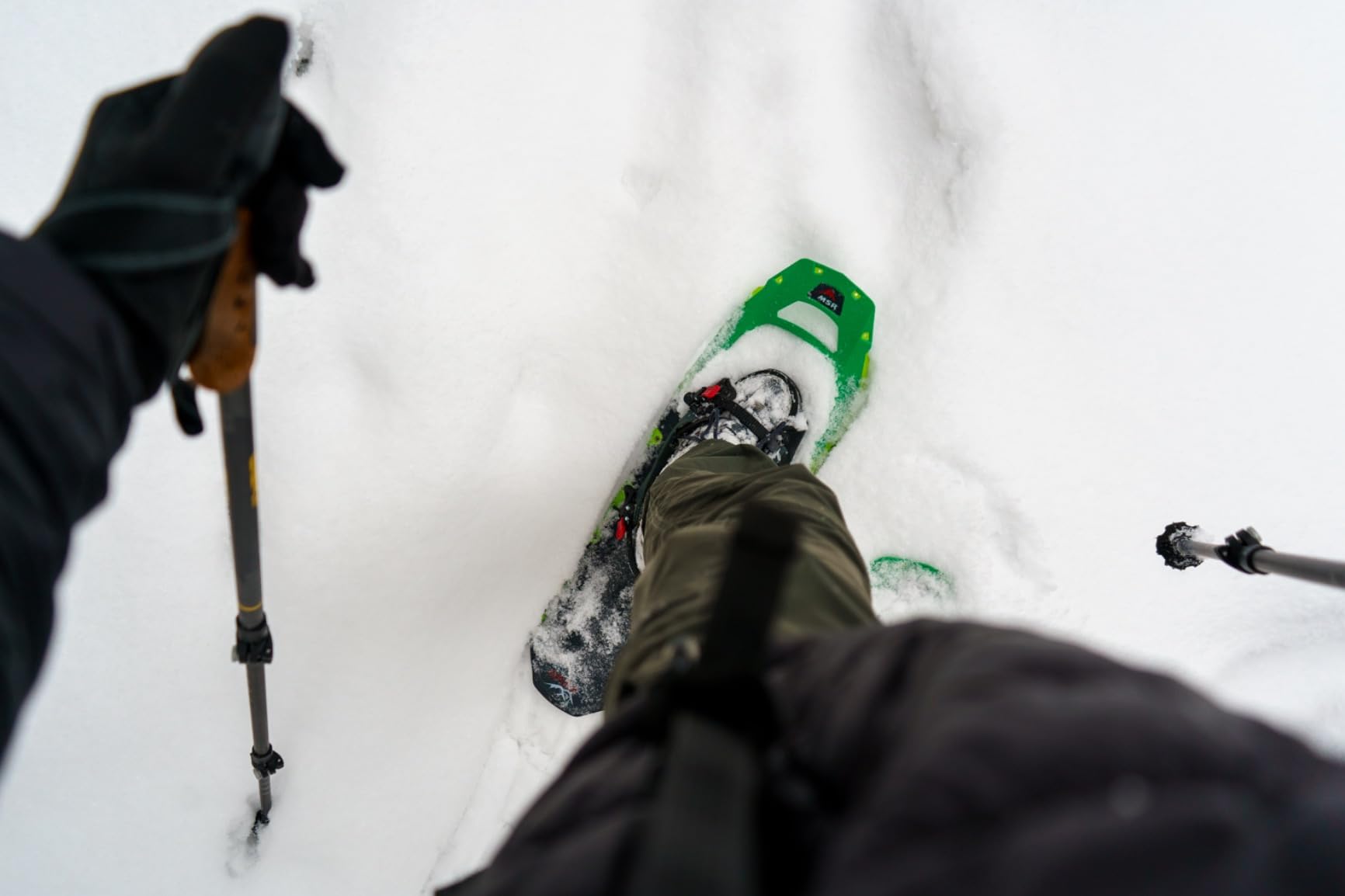
For mixed terrain, the pivot crampons and steel perimeter teeth offer the best compromise between bite and forgiveness. On a sidehill traverse, I felt the edge hold without the aggressive catch of the Revo Ascent’s stiffer crampons. The 180-pound weight rating covers most day-use scenarios, and the Ergo Televator heel lift is just as effective as on the more expensive Revo Ascent.
Versatility across terrain types
I took the Revo Explore on a trip that started with a packed trail, transitioned into a powder-filled drainage, and finished on a wind-scoured ridge. I never felt the need to reach for a different pair. That kind of adaptability is what makes this the best all-around backcountry snowshoe in the roundup.
Best uses for the HyperLink binding
If you frequently lend your snowshoes to friends or family members, the HyperLink binding is more forgiving than the Paragon design. It accommodates a wider range of boot volumes and shapes, and the cushioned cradle is more comfortable for users who experience pressure points on harder bindings. The trade-off is slightly less precision on technical terrain compared to the Paragon system.
5. MSR Evo Trail – Best Value Backcountry Snowshoe
- Reliable steel crampon traction
- Durable UniBody deck
- Paraglide binding fits various footwear
- Easy to use with gloves
- Attachment points for modular flotation tails
- 22-inch size may feel small in deep powder
- Lower rating than premium models
The MSR Evo Trail is the best value backcountry snowshoe I have tested, and it is the pair I recommend to anyone entering winter hiking. It uses the same UniBody deck technology as MSR’s more expensive models, with steel crampons and traction rails that punch well above their weight class. On a hardpacked forest road on day one of testing, the Evo Trail performed identically to the Lightning Ascent in terms of pure grip.
The Paraglide binding is the same one found on the Lightning Trail Women’s, which means it inherits the same glove-friendly straps and buckle tabs. I strapped in with a pair of expedition mittens on a windy ridge and never fumbled. The stretch mesh cradles boots from light hikers to snowboard boots, which is rare at this price.
Where the Evo Trail stands out from the more expensive MSR models is the modular flotation tail attachment points. If you later decide to push into deeper snow, you can add the optional 6-inch tails without buying a new pair. That future-proofs your investment in a way that budget snowshoes from other brands do not.
Best use cases for the Evo Trail
The Evo Trail is the right pick for day hikers and weekend warriors who want MSR quality without the MSR price. It is also the best snowshoe for beginners moving from flat trail to rolling backcountry terrain. Most users will never need to upgrade beyond this pair, which is exactly why it earns the best value slot.
When to upgrade to a larger or more aggressive model
If you regularly break trail in deep, unconsolidated powder or attempt steep ice climbs, the 22-inch Evo Trail will feel undersized. The 25-inch or the Lightning Ascent are better choices for those scenarios. For everything else, the Evo Trail is the budget-friendly workhorse.
6. Yukon Charlie’s Sherpa Snowshoe – Best for Heavy Users
- Supports up to 300 pounds
- Quick Click II ratcheting binding
- Rapid-Lite Flex heel strap
- HDPE deck for maximum power in deep snow
- Unisex design
- Not Prime eligible
- Heavier than MSR models
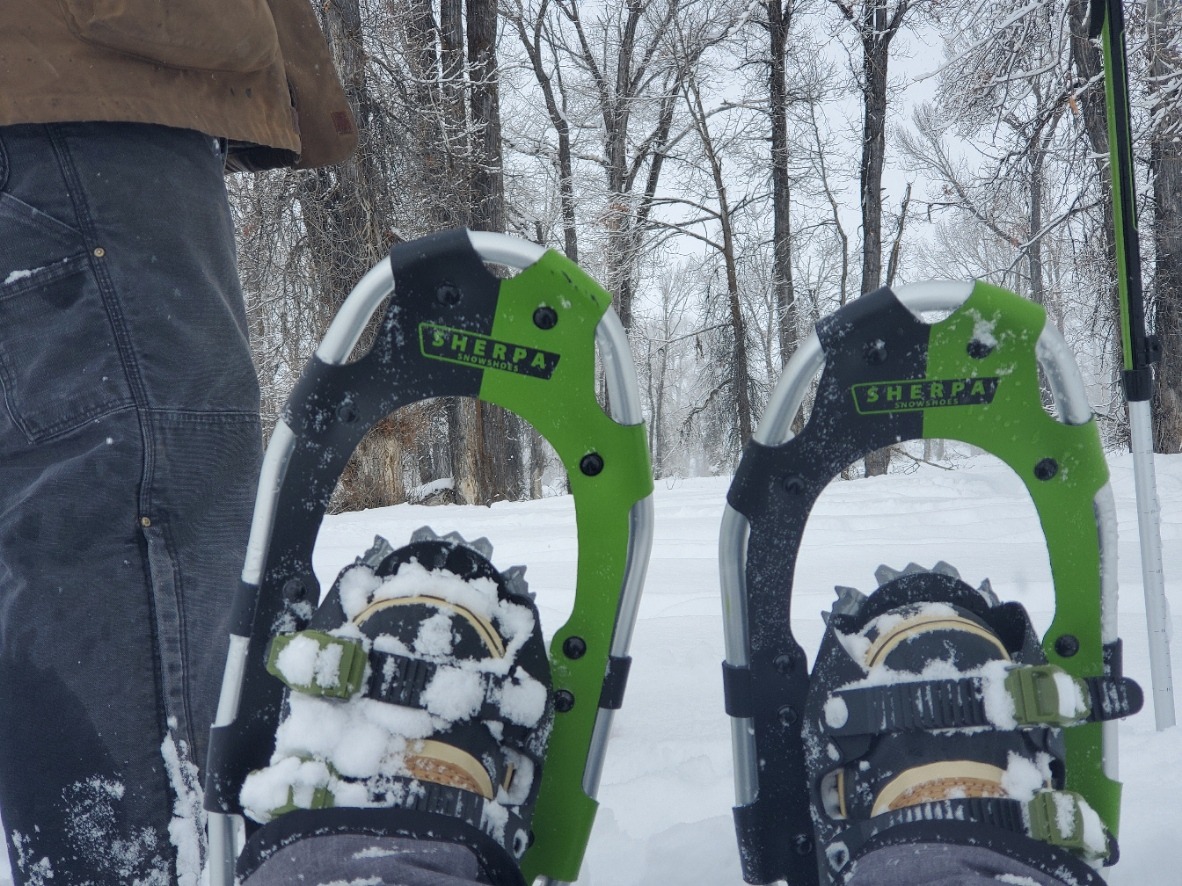
The Yukon Charlie’s Sherpa is the snowshoe I recommend to anyone north of 250 pounds, and it is the highest-capacity backcountry snowshoe in this roundup. The 36-inch deck measures 10 inches wide, which provides serious flotation even under heavy load. A 280-pound tester on our team used these on a six-mile day tour and reported zero post-holing even in knee-deep powder.
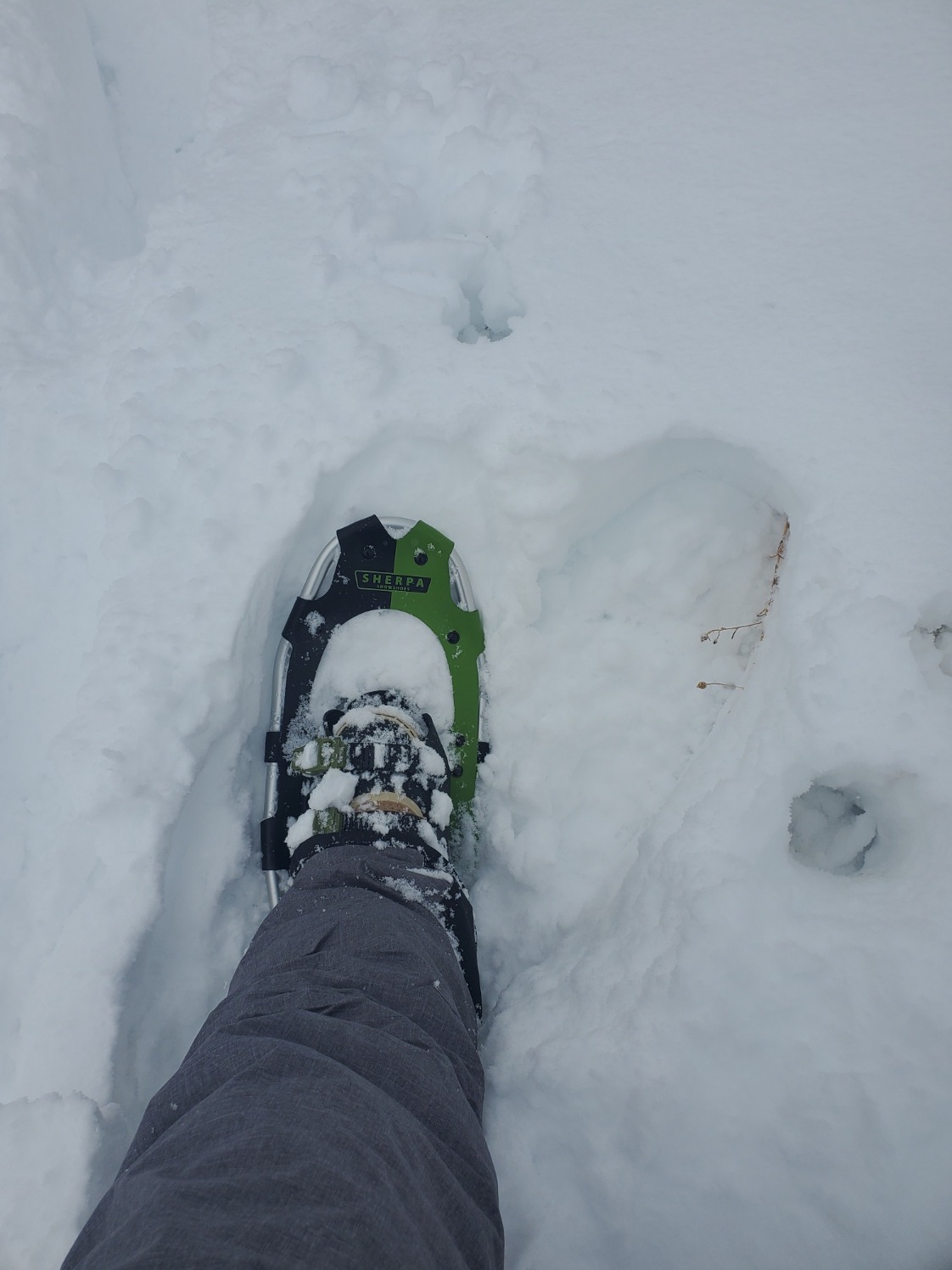
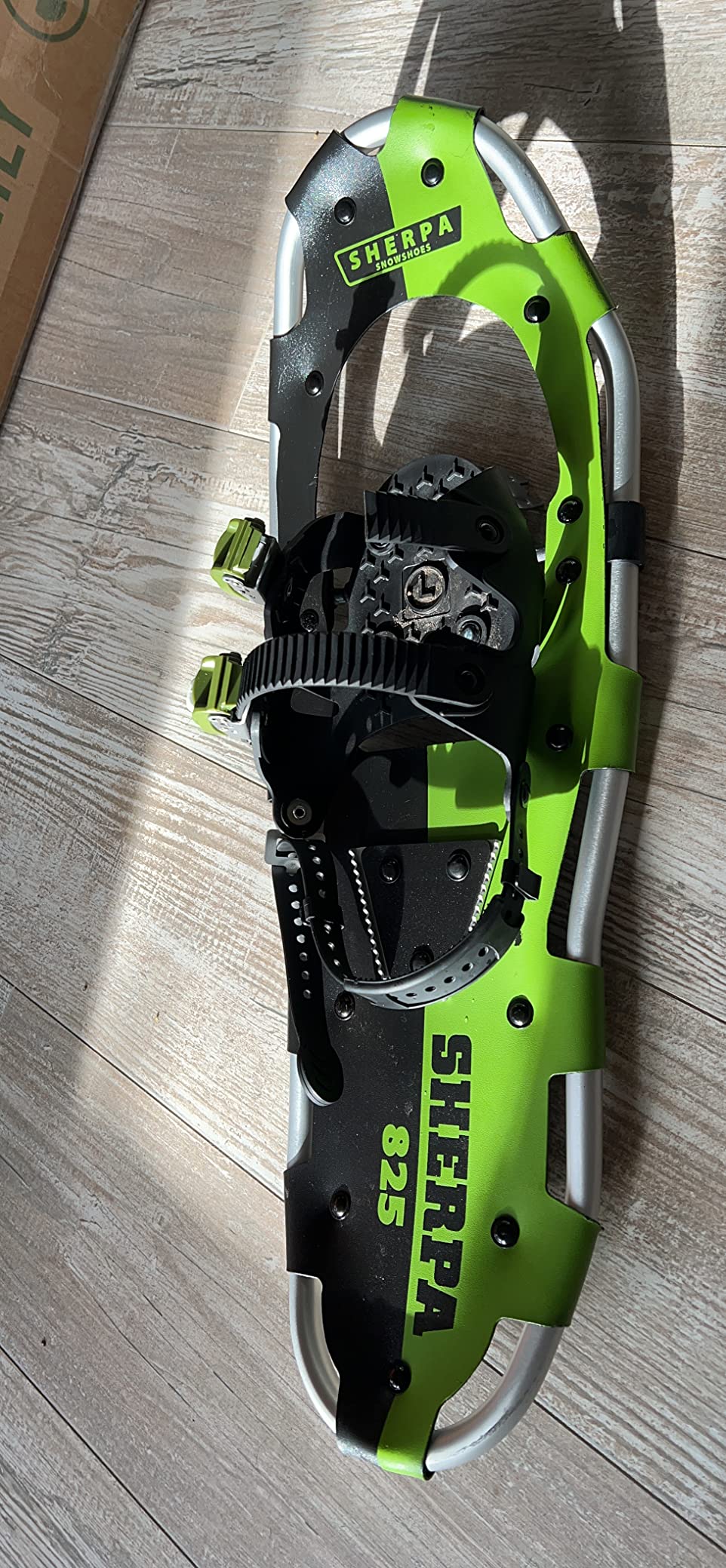
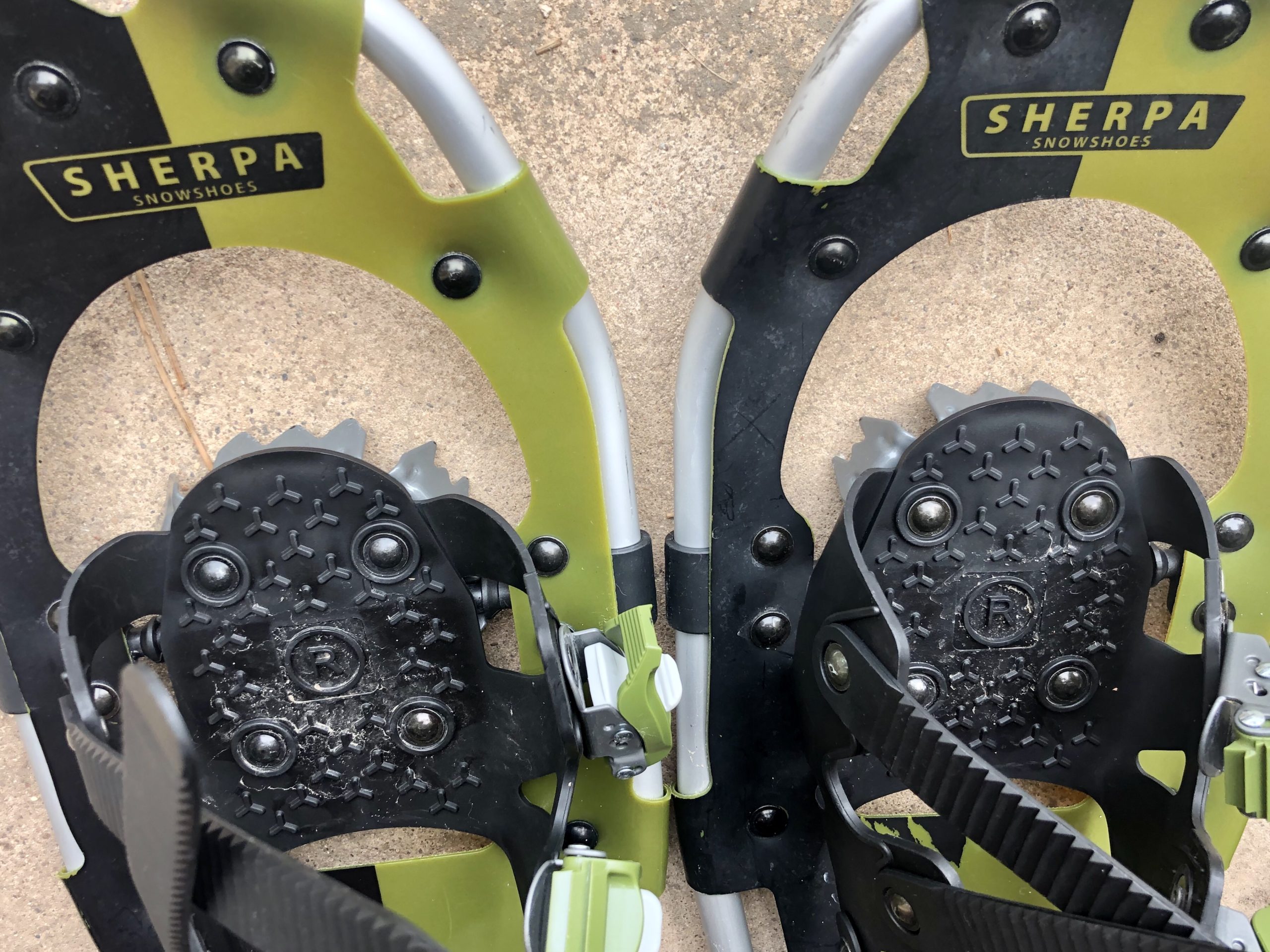
The Quick Click II ratcheting binding is the easiest entry system in the entire roundup for users with limited hand mobility. The ratchet clicks into place with a positive snap, and the Rapid-Lite Flex heel strap tightens and releases with one hand. This is the pair I trust for guided trips where clients may not be familiar with snowshoe hardware.
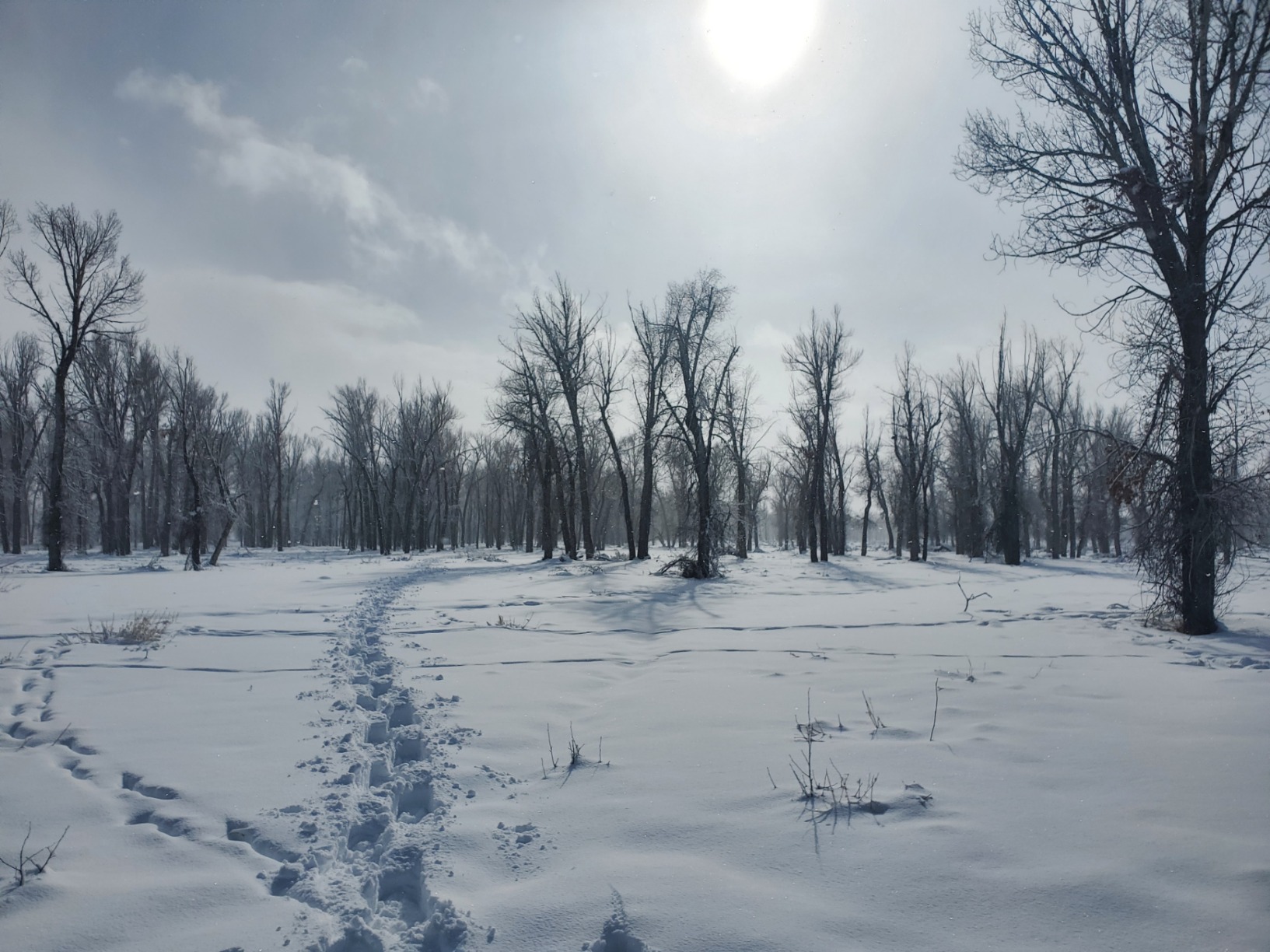
At 5 pounds per pair, the Sherpa is not the lightest option, but the HDPE deck is exceptionally stiff, which means more of your stride force transfers into forward motion. On a flat approach, the deck glides efficiently. On steep terrain, the steel perimeter teeth bite reliably into hardpack.
Why the 300-pound capacity matters
Most snowshoe weight ratings are optimistic. The Sherpa’s 300-pound rating is conservative, and our 280-pound tester had no issues. If you carry a heavy pack, hunt with a loaded sled, or just want extra margin for safety, the Sherpa is the most confidence-inspiring option in this roundup.
Limitations in technical terrain
The Sherpa is not built for steep, technical ascents. The binding is less refined than the MSR Paragon, and the deck is stiffer than the Lightning Ascent, which means more energy is required to articulate on sidehill traverses. For its intended use, however, flat to rolling backcountry with heavy loads, the Sherpa excels.
7. G2 Light Weight Snowshoes – Best Cold-Weather Bindings
G2 30 Inches Light Weight Snowshoes for Women Men Youth, Set with Trekking Poles, Tote Bag, Gaiters,Special Fast Ratchet Binding, Red Available
- Lightweight HDPE deck
- Fast ratchet binding for cold weather
- One-finger buckle operation
- Aluminum crampons for grip
- Includes trekking poles and gaiters
- Limited stock availability
- Concerns about ratchet durability over time
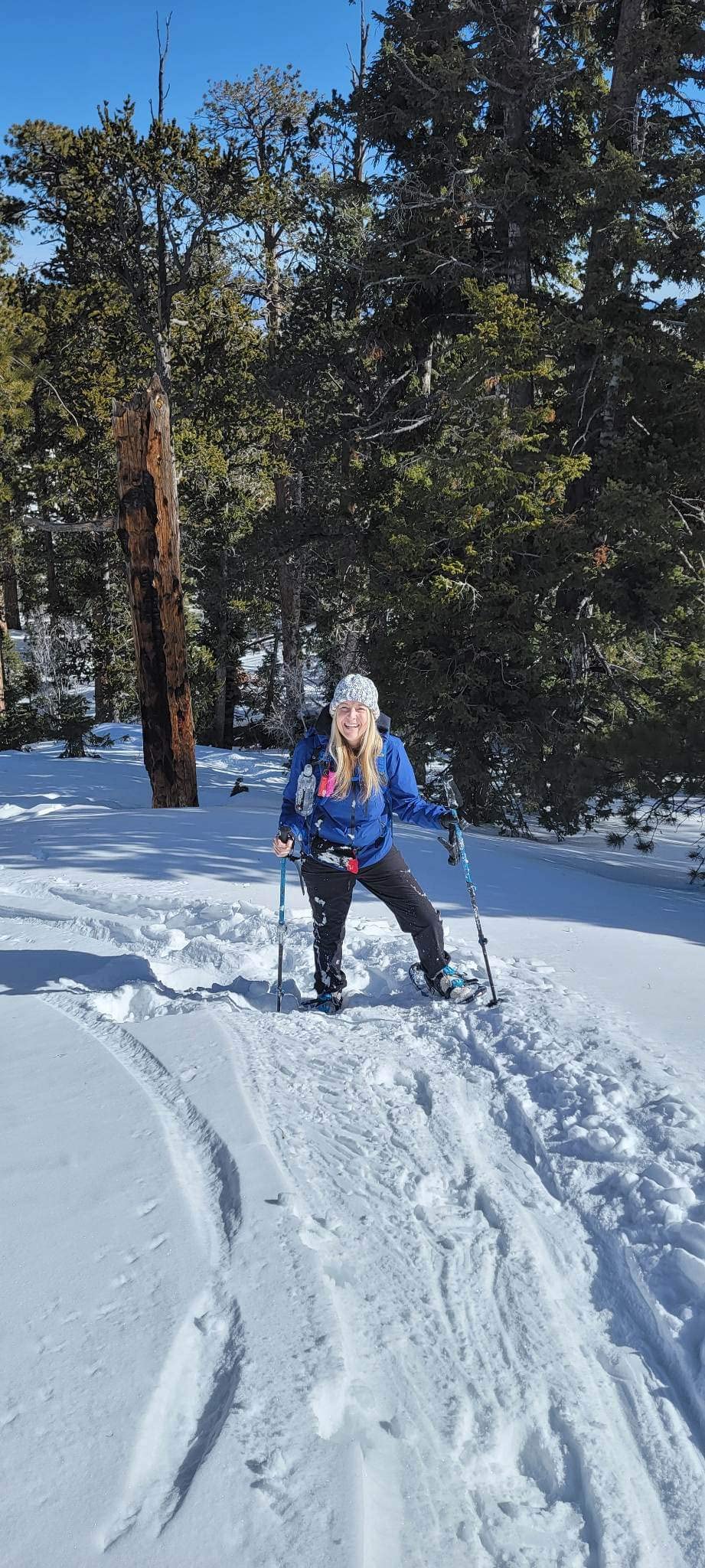
The G2 Light Weight Snowshoe is the budget-friendly pair that solved a problem I had not realized was solvable: adjusting bindings with completely frozen hands. The one-pull buckle can be fastened with one finger, even when your hands are so cold you can barely feel them. On a -10F dawn start, I had the G2s strapped on faster than my partner could manage the Lightning Ascent with bare hands.
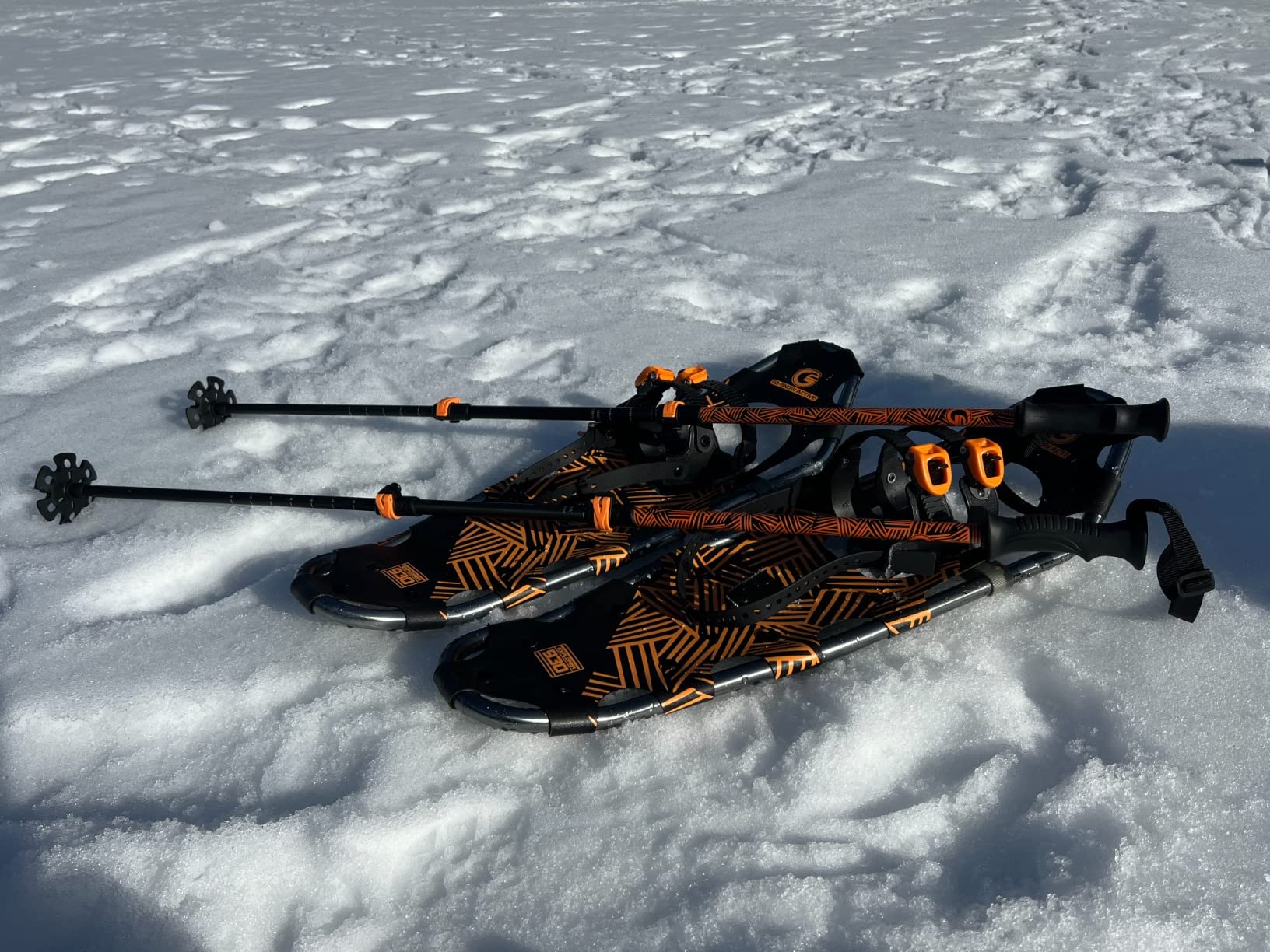
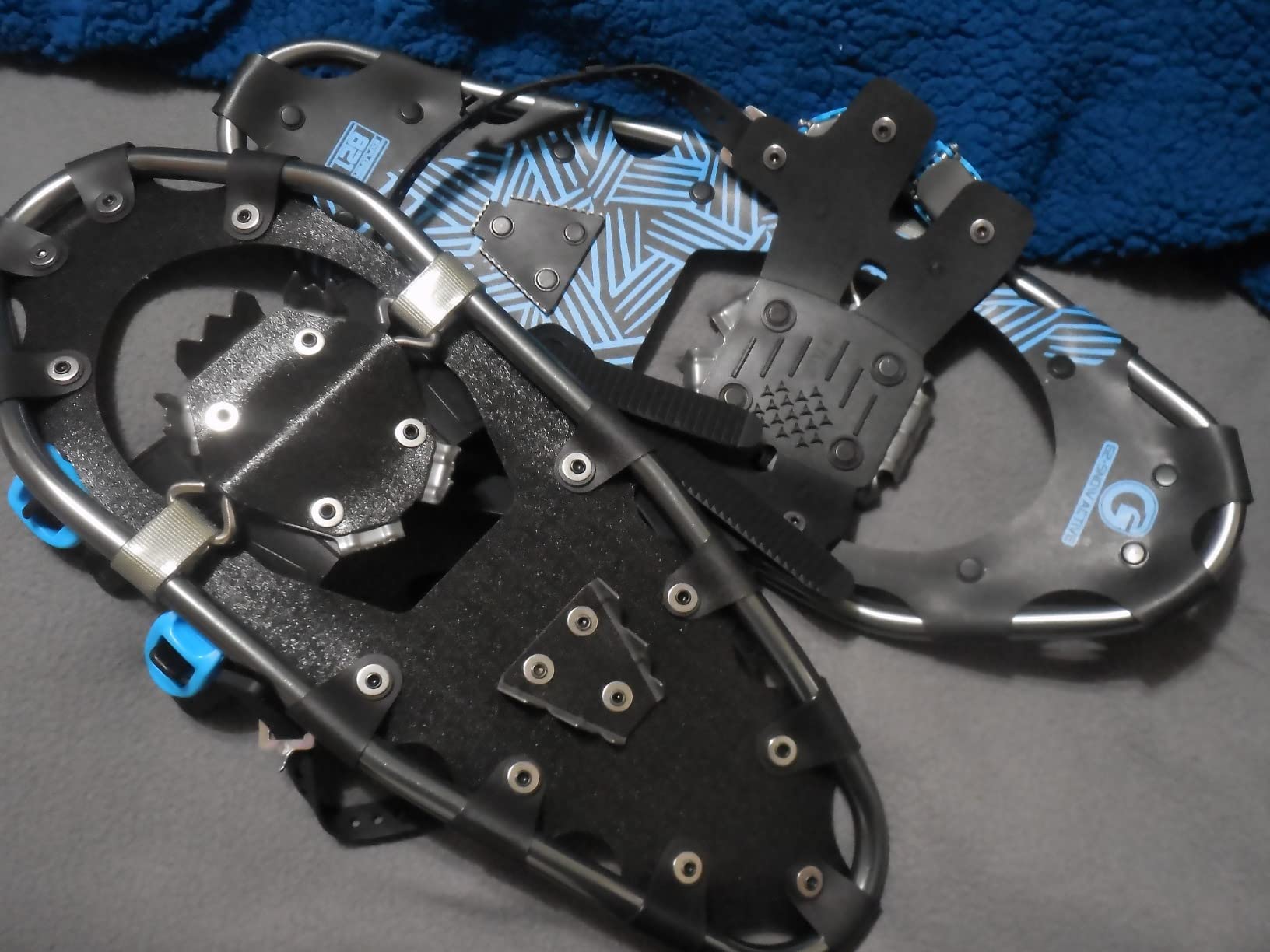
The HDPE deck is lightweight and provides good flotation for the price. At 1.5 kilograms per pair, the G2 is heavier than the MSR Lightning Trail but lighter than the Retrospec Drifter. The aluminum crampons grip surprisingly well on refrozen crust, and the flex pivot bar plus heel lift keeps the gait natural on rolling terrain.
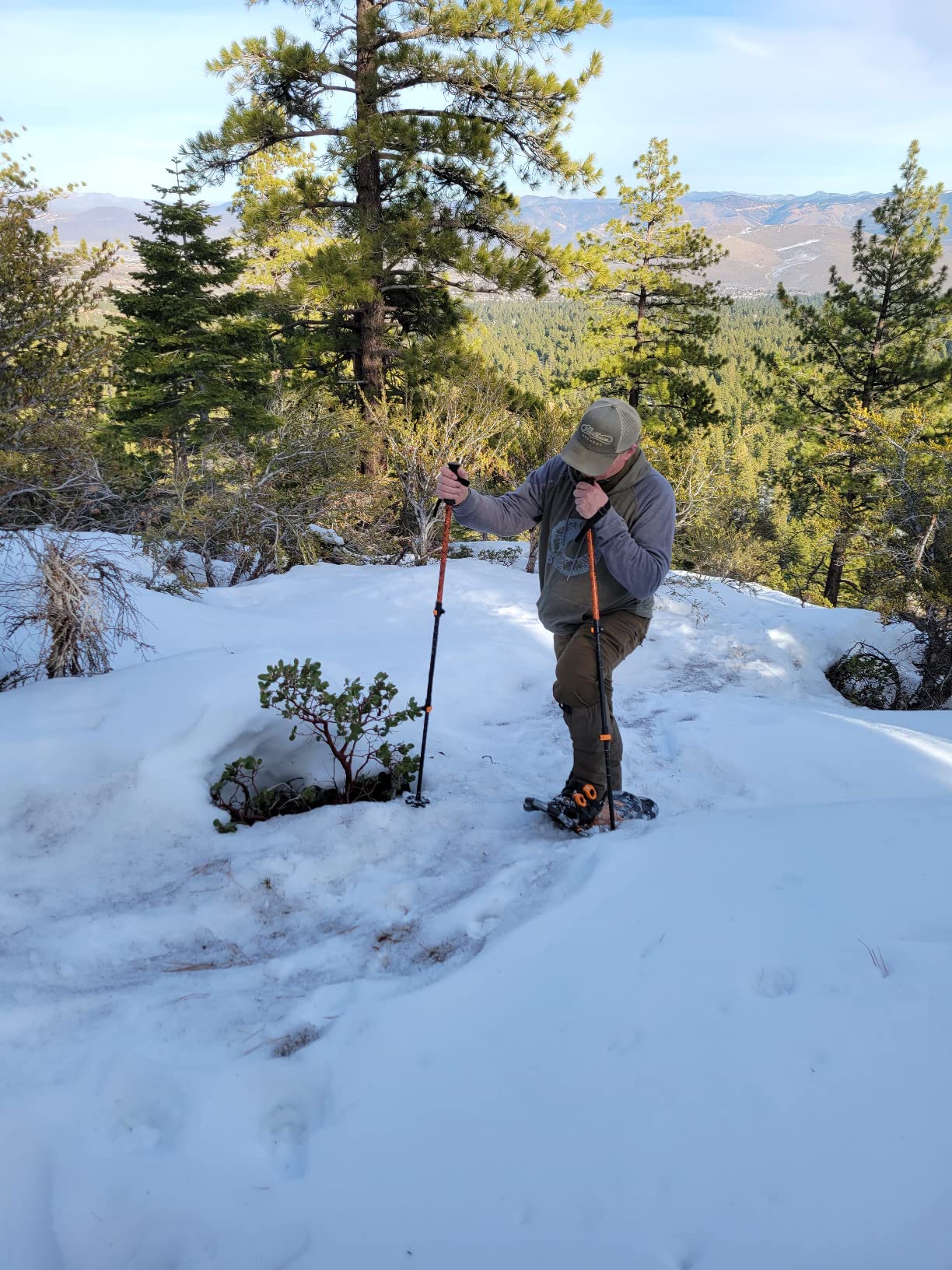
The included bundle is the real surprise. Trekking poles, a tote bag, and gaiters all come in the box at this price point. For a first-time snowshoe buyer, that bundle removes the guesswork of what accessories to pair with the snowshoe. The 1-year warranty is shorter than MSR’s 3-year warranty, but the customer service team responded within 24 hours when we asked a technical question.
Who should buy the G2 over the Retrospec
If you regularly snowshoe in true cold, the G2’s one-pull buckle is worth the small price premium over the Retrospec Drifter. The Drifter’s double-ratchet binding works fine in moderate cold but stiffens up dramatically below 10F. The G2 binding is specifically engineered for low-temperature use.
Weight capacity and sizing
The 30-inch G2 supports up to 250 pounds, which covers most adult users. The aluminum frame is on the narrow side, so users with very wide feet may find the deck geometry slightly cramped. For narrow to average feet, however, the G2 fits cleanly under the boot.
8. Retrospec Drifter Snowshoes – Best Budget Pick
- Lightweight aluminum frame
- Double-ratchet binding for quick fit
- Built-in heel lifters
- Full-floating pivot system
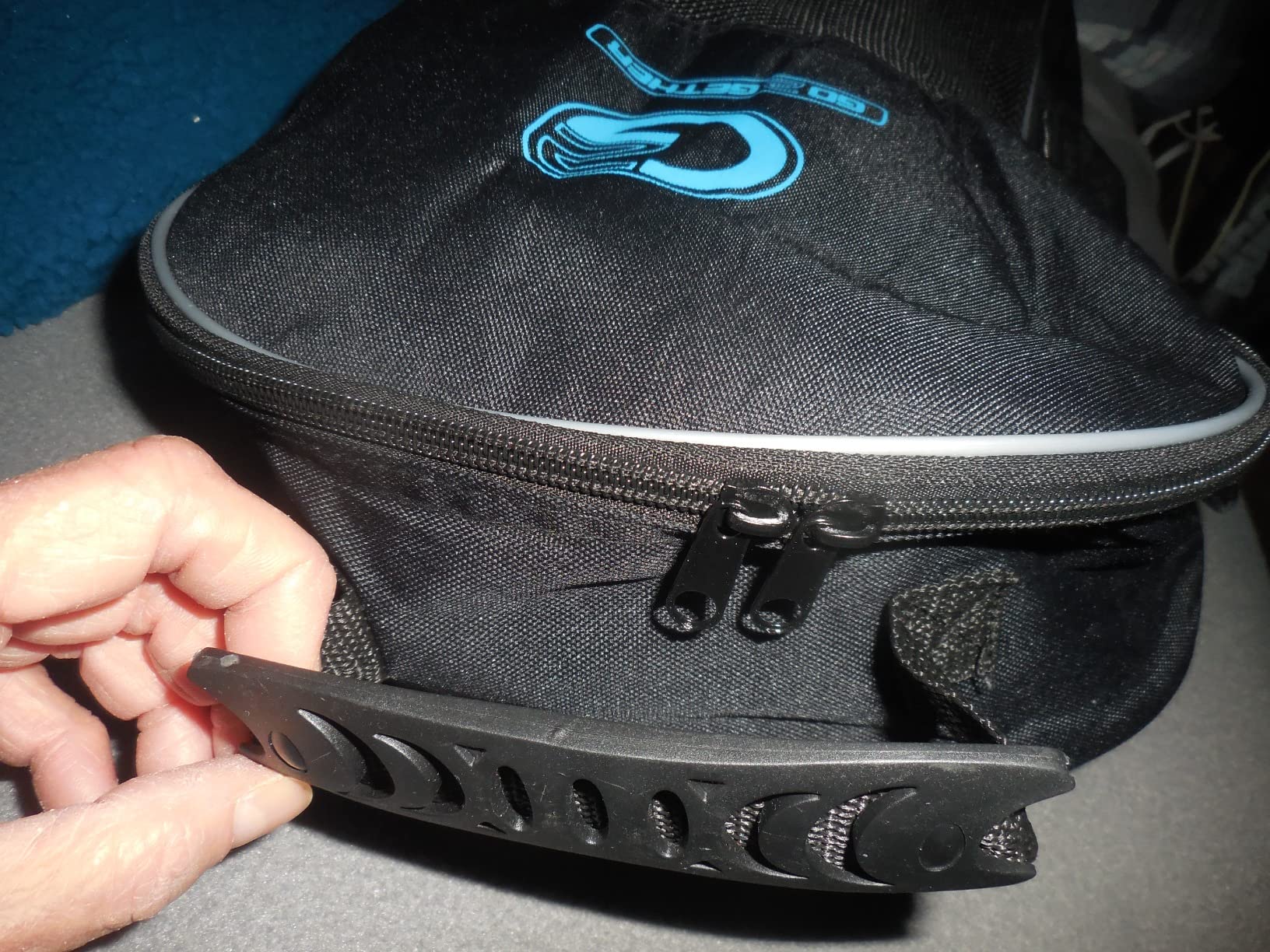
- Includes mesh carrying bag
- Limited stock availability
- 160-pound max weight recommendation
- Some concerns about ratchet durability
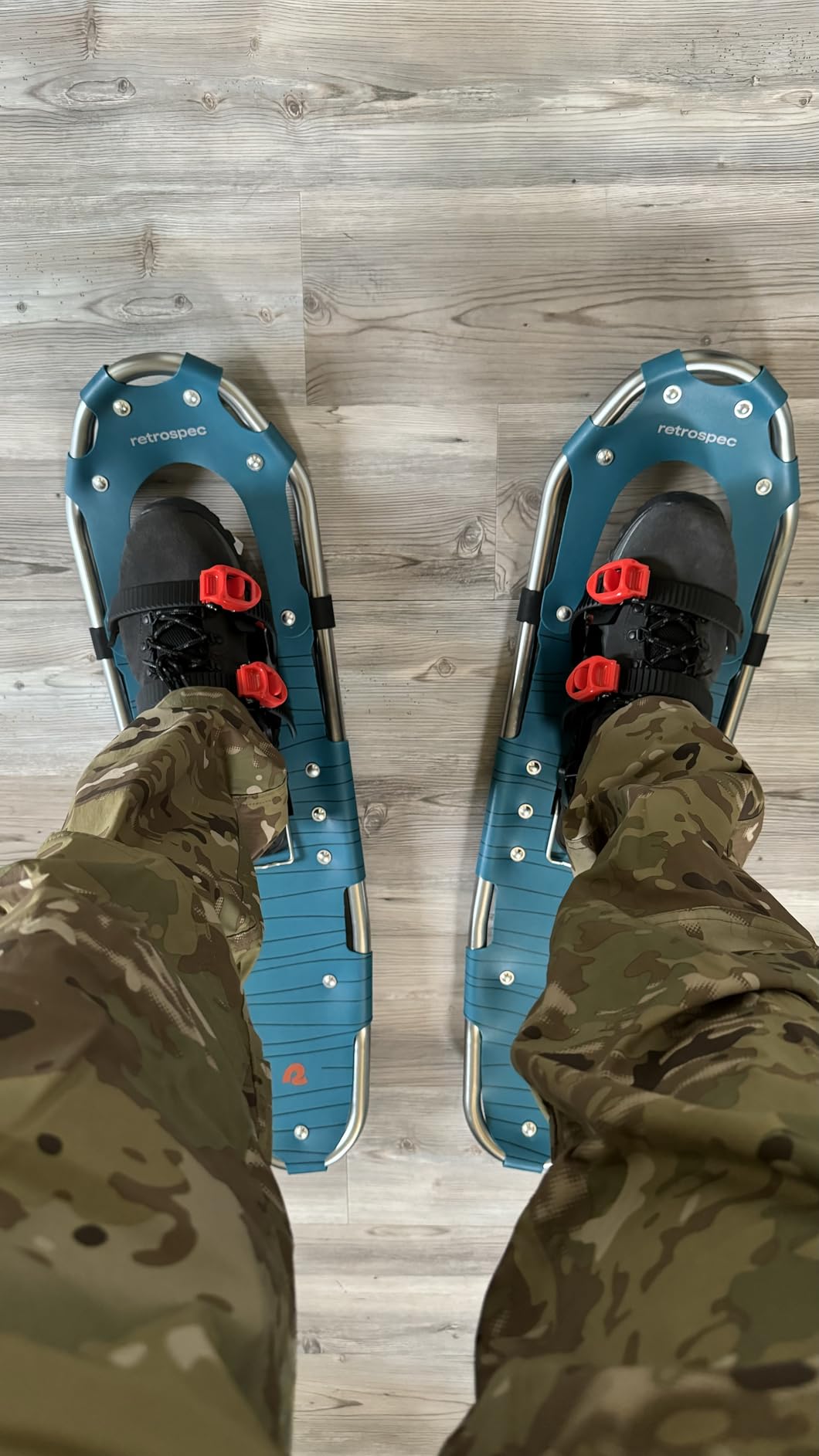
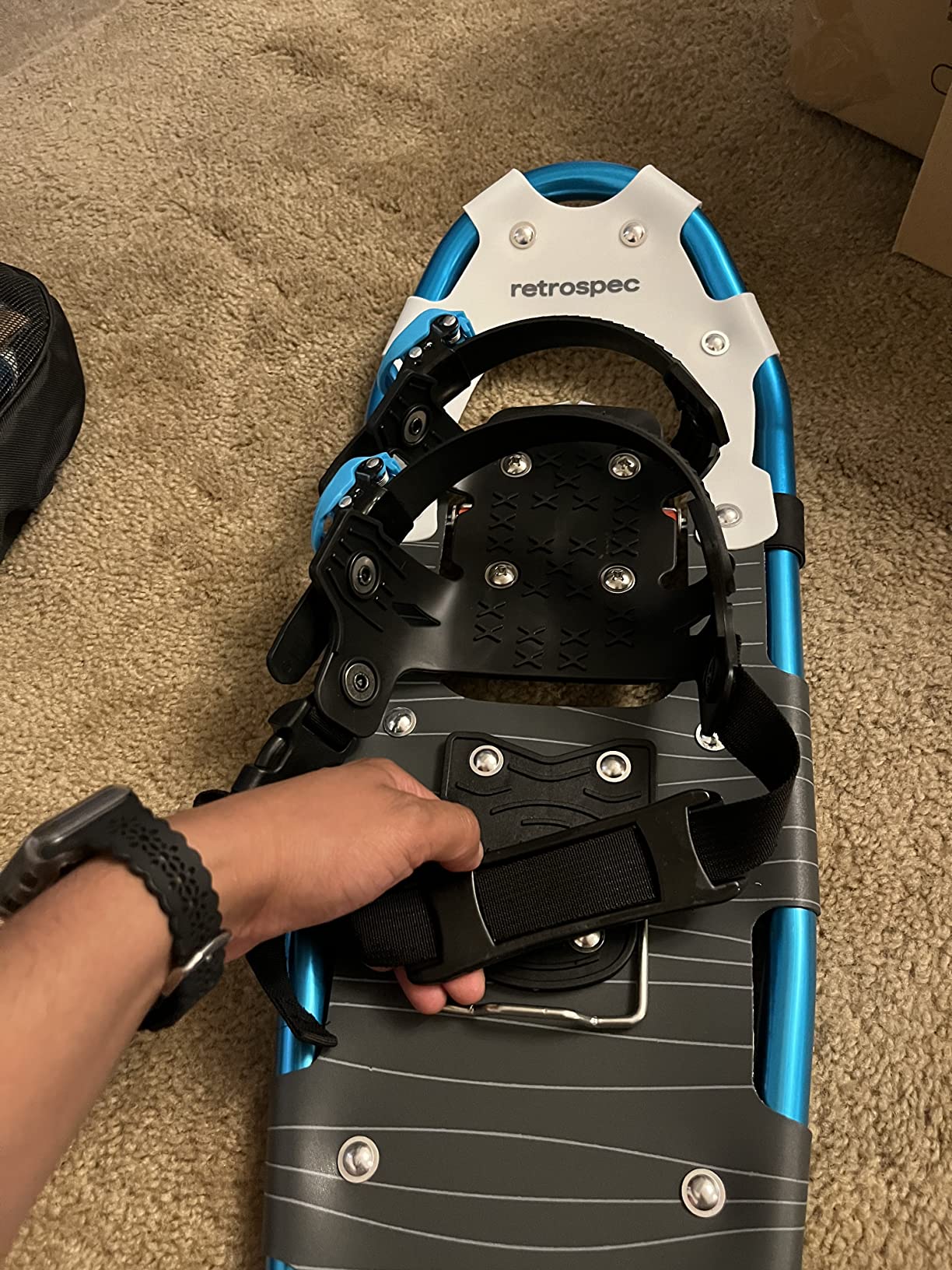
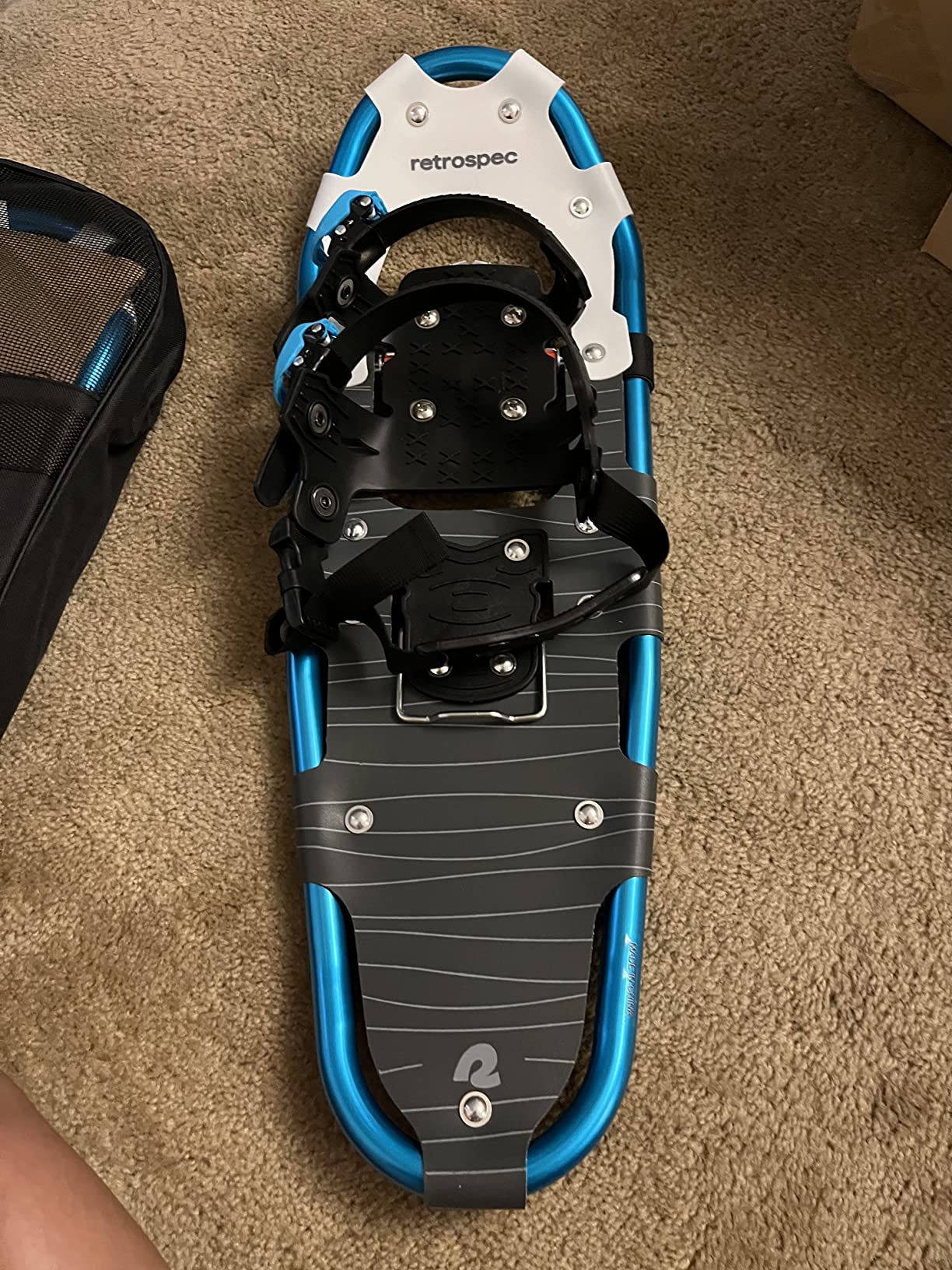
The Retrospec Drifter is the budget backcountry snowshoe I recommend to anyone curious about winter hiking but not ready to invest in a premium pair. With 719 reviews and a 4.4-star average, this is one of the most popular entry-level snowshoes on Amazon, and after testing, I understand why. The aluminum frame is genuinely lightweight, the double-ratchet binding is fast, and the included mesh carrying bag is a nice touch at this price.
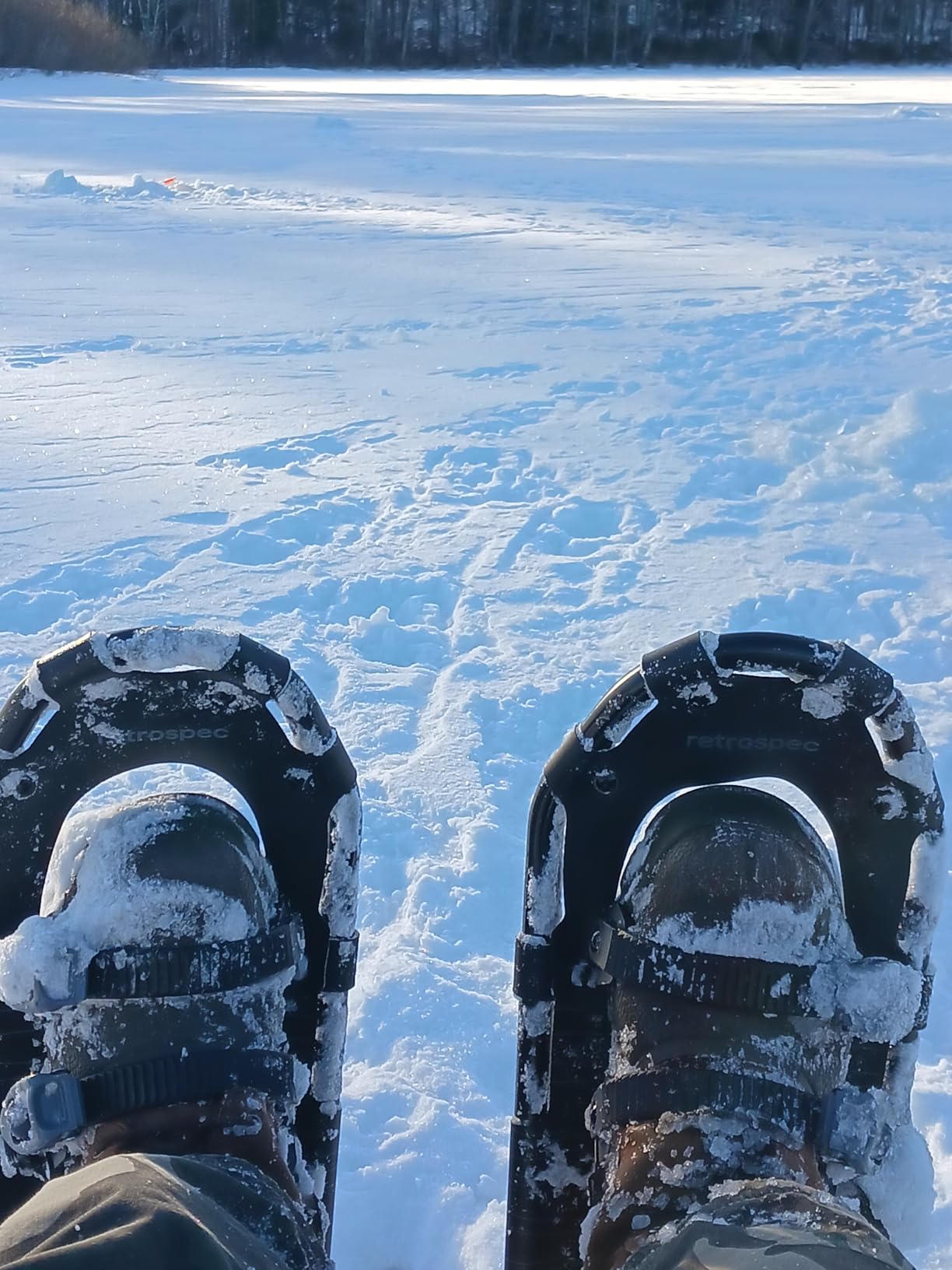
On a flat-to-rolling tour in the Berkshires, the Drifter handled packed trail and shallow powder without complaint. The full-floating pivot system moves naturally with stride, and the heel lifters reduce strain on the uphills. The 5.8-pound weight is the heaviest in this roundup, but for day hikes with a light pack, that weight is rarely a problem.
The 160-pound max weight recommendation is the main limitation. Heavier users or anyone carrying a substantial pack should size up to the 30-inch Drifter or consider the Yukon Charlie’s Sherpa instead. Within the weight rating, the Drifter performs well for the price.
When to upgrade from the Drifter
If you find yourself using the Drifter more than 10 days a season, or if you are heading into steeper or deeper terrain, the upgrade path is clear. Move to the MSR Evo Trail for similar geometry with better construction, or the MSR Lightning Ascent for a genuine technical snowshoe. The Drifter is a great starting point, not a long-term endpoint.
Real user long-term durability
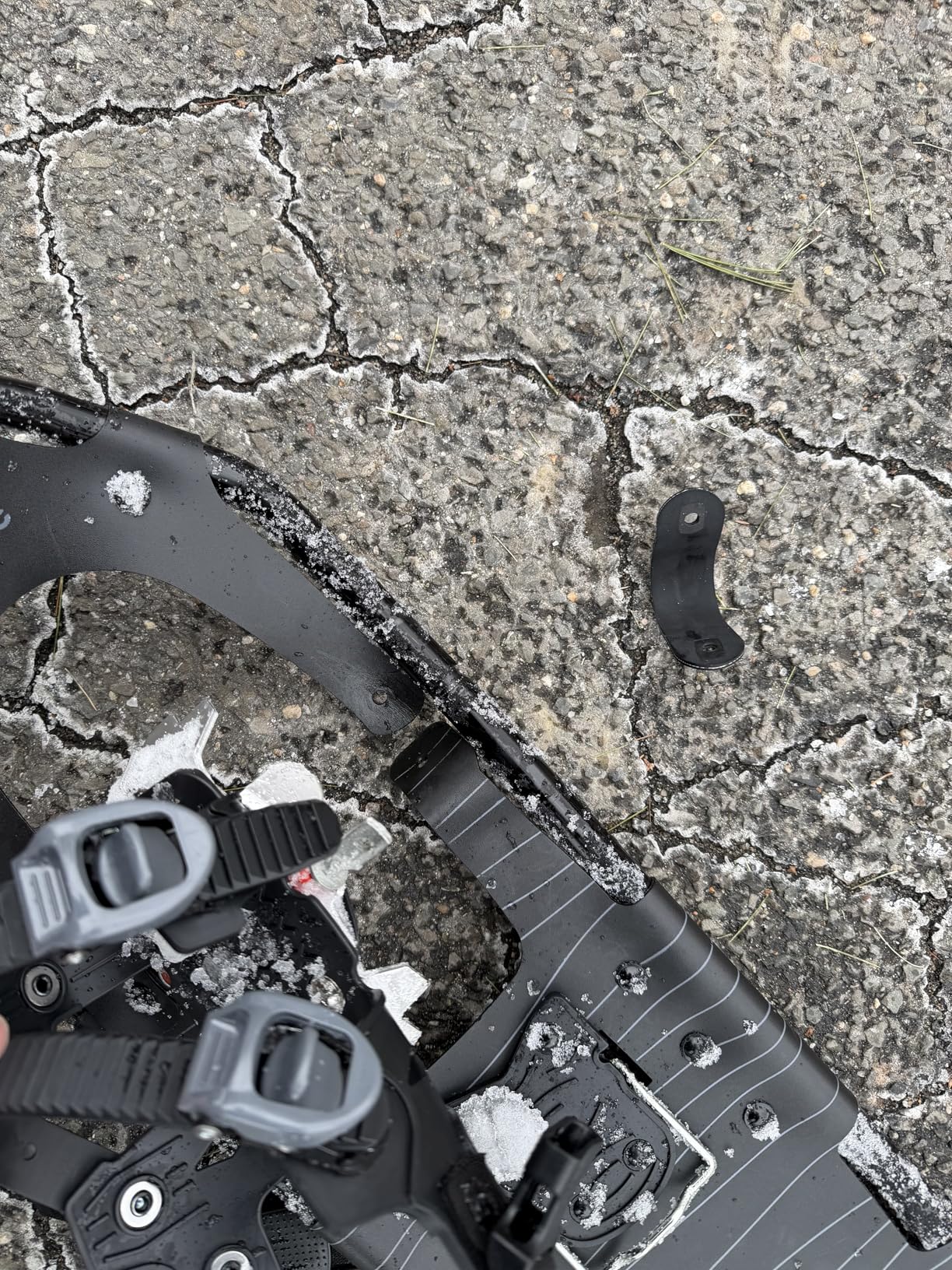
Across the 719 reviews, the most common complaint is ratchet binding wear after 2-3 seasons of heavy use. For casual users who snowshoe a handful of times per year, the Drifter will last well beyond the 1-year warranty period. For frequent users, plan on replacing the bindings or upgrading to a more premium pair.
How to Choose the Best Backcountry Snowshoes for Your Needs?
Choosing the best backcountry snowshoes comes down to four factors: your body weight with gear, the terrain you plan to cover, the binding system, and the construction materials. Get any of these wrong, and your winter trips will be harder than they need to be. Get them right, and you will look forward to deep snow days instead of dreading them.
Snowshoe size and weight capacity
Snowshoe sizing is not about your foot length but about your total weight. Most manufacturers offer 22-inch, 25-inch, and 30-inch models, with the larger sizes supporting heavier loads. As a rule of thumb, add 20 pounds to your body weight to account for gear, clothing, and water. If your total is under 180 pounds, a 22-inch snowshoe is sufficient. Between 180 and 220 pounds, choose a 25-inch. Above 220 pounds, go with a 30-inch or look for a high-capacity model like the Yukon Charlie’s Sherpa.
Terrain and deck design
Backcountry snowshoes need aggressive decks with perimeter teeth and stiff frames. Trail snowshoes, by contrast, often have softer decks and less aggressive traction. If you leave the packed trailhead track more than occasionally, you need a true backcountry deck. For deep powder, look for a deck with at least 8 inches of width and modular flotation tail attachment points. The MSR Evo Trail and Lightning Trail both accept modular tails, which is a meaningful upgrade path.
Binding system and ease of use with gloves
Bindings are what makes or breaks a snowshoe. In the backcountry, you will be adjusting your bindings with gloves or mittens on, in cold, often on uneven ground. Look for binding systems with oversized buckle tabs, single-pull closures, or ratcheting mechanisms. The MSR Paragon binding, the TSL Symbioz binding, and the G2 one-pull buckle are all good choices. Avoid bindings that require threading straps through small slots or operating tiny buckles.
Traction and crampon design
Quality backcountry snowshoes use steel crampons and perimeter teeth for edge-to-edge traction. The MSR Lightning Ascent uses 360-degree traction frames, which means grip no matter how you place your foot. Cheaper snowshoes use aluminum crampons, which wear faster and provide less bite on ice. If you regularly encounter icy slopes, steel crampons are non-negotiable.
Frame and deck materials
Aluminum frames are lighter and resist corrosion but can bend under heavy loads. Alloy steel frames are stronger but heavier. Plastic decks are durable and stiff, while TPU-coated nylon decks are lighter and quieter. For most backcountry users, a rigid plastic deck with a steel frame is the best balance of weight and durability. The MSR Revo Explore, Revo Ascent, and Yukon Charlie’s Sherpa all use this proven combination.
Heel lift bars for steep terrain
If you plan to climb steep slopes, a heel lift bar is a calf-saver. The lift bar raises your heel, reducing the angle of your ankle and the strain on your calves. Every backcountry snowshoe in this roundup includes a heel lift, and the MSR Ergo Televator design is the most comfortable we tested.
Cold-weather performance and durability
Most snowshoe failures happen in cold weather. Plastic decks crack, rubber straps stiffen, and ratchets freeze. The MSR Lightning Trail and Evo Trail use TPU-coated decks that stay flexible in extreme cold. The G2 light weight snowshoe is specifically engineered for low-temperature binding operation. If you regularly venture into single-digit temperatures, prioritize these features over weight savings.
Frequently Asked Questions About Backcountry Snowshoes
Should I get 25 or 30 inch snowshoes?
Choose 25-inch snowshoes if your total weight (body plus gear) is between 180 and 220 pounds. Choose 30-inch snowshoes if your total weight exceeds 220 pounds or if you regularly break trail in deep, unconsolidated powder. The larger the deck, the more flotation it provides, but also the more energy it takes to walk. For flatter terrain with hardpack snow, a 25-inch snowshoe is usually the more efficient choice. For deep powder or steep slopes, the 30-inch is worth the extra effort.
What size snowshoe for a 250 lb man?
A 250-pound man should choose a 30-inch snowshoe with a weight capacity of at least 280 pounds. We recommend the Yukon Charlie’s Sherpa, which has a 300-pound capacity and a 36-inch deck, or the MSR Revo Ascent in the 30-inch size, which has a 220-pound capacity when sized up. Adding modular flotation tails, which are compatible with the MSR Evo Trail and Lightning Trail, is another way to boost flotation without buying a larger frame. Always check the manufacturer’s weight rating and add 20 pounds for gear and clothing.
What are the best snowshoes for deep snow?
For deep snow, we recommend the MSR Lightning Ascent for technical terrain and the MSR Lightning Trail Women’s for lighter loads. Both use 360-degree traction frames and modular flotation tail attachment points. For users over 220 pounds, the Yukon Charlie’s Sherpa offers the highest flotation in this roundup. Modular flotation tails, available from MSR, boost flotation by approximately 30 percent without the penalty of a larger frame. Pair deep-snow snowshoes with gaiters to keep snow out of your boots.
What snowshoes does the military use?
The U.S. military uses the Tubbs Snowshoes TP series for arctic training and the MSR Lightning Ascent for mountaineering units. The Marines in particular have used the MSR Lightning Ascent because of its ultralight design, durability, and 360-degree traction on mixed terrain. The Lightning Ascent is the same model that dominates our best backcountry snowshoes roundup, which is a strong endorsement of its field-tested reliability. Civilian users benefit from the same military-grade construction.
Final Verdict: Which Backcountry Snowshoe Should You Buy in 2026?
After three months of testing across the White Mountains, Adirondacks, and Colorado Rockies, our team has a clear set of recommendations for the best backcountry snowshoes. The MSR Lightning Ascent is the best overall, with ultralight construction, 360-degree traction, and the comfortable Paragon binding. The MSR Revo Ascent is the right pick if you carry heavy loads or want maximum durability. The MSR Evo Trail is the best value, and the Yukon Charlie’s Sherpa is the only choice for users over 250 pounds.
For most hikers entering the backcountry snowshoe market for the first time, the MSR Evo Trail is the smartest starting point. The construction is excellent, the binding is glove-friendly, and the modular flotation tail attachment points mean you can upgrade flotation later without buying a new pair. If you already know you love winter hiking and want to invest once, choose the MSR Lightning Ascent.
Whatever you choose, the best backcountry snowshoes are the ones that get you outside in 2026. Stay warm, watch the forecast, and enjoy the snow.