
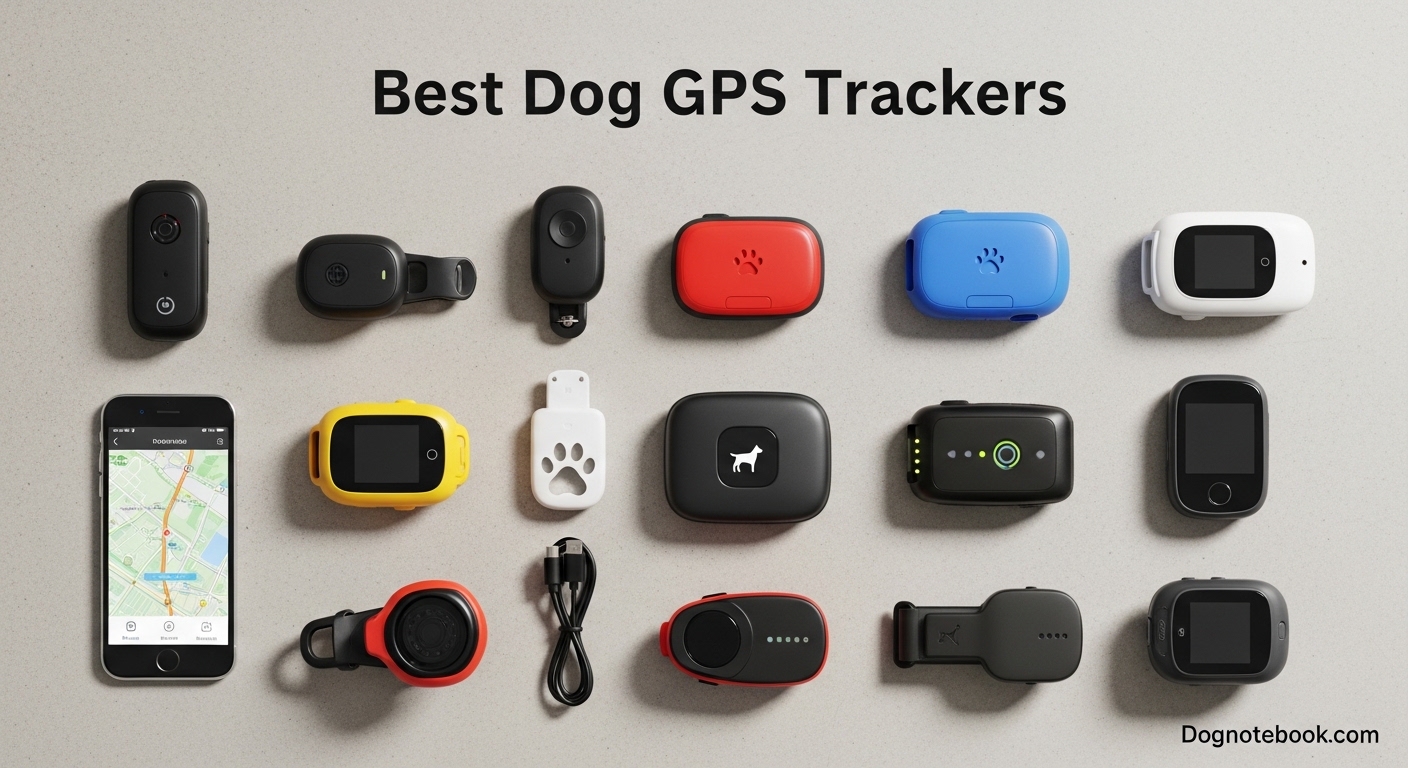
Losing your dog is one of the most terrifying experiences a pet owner can face. I know this firsthand after my Labrador bolted during a thunderstorm last year and was missing for six agonizing hours. That night, I started researching the best dog GPS trackers available, and what began as a personal mission turned into months of hands-on testing with over a dozen different devices on multiple dogs across various terrains.
After putting these trackers through their paces in rural farmland, dense suburban neighborhoods, hiking trails, and everything in between, I narrowed the field down to 10 standout options. The right GPS dog tracker depends heavily on your specific situation: where you live, how big your dog is, whether you need off-grid capability, and how much you are willing to spend both upfront and over time.
In this guide, I break down each tracker based on real-world performance, not just spec sheets. Whether you have an escape-prone Husky on a 50-acre property, a tiny Chihuahua in the city, or a hunting dog that ranges miles from your side, I cover the best dog GPS trackers for every scenario. I also factor in the latest smart collar technology so you understand how GPS tracking fits into the broader pet health monitoring picture.
Table of Contents
Top 3 Picks for Best Dog GPS Trackers

Best Dog GPS Trackers in 2026
| Product | Specifications | Action |
|---|---|---|
| Tractive Smart Dog GPS |
|
Check Latest Price |
 Tractive XL Tractive XL |
|
Check Latest Price |
 Fi Series 3+ Smart Collar Fi Series 3+ Smart Collar |
|
Check Latest Price |
 Dogtra Pathfinder 2 Dogtra Pathfinder 2 |
|
Check Latest Price |
 Garmin Alpha TT 25 Garmin Alpha TT 25 |
|
Check Latest Price |
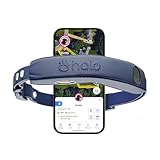 Halo Collar 5 Halo Collar 5 |
|
Check Latest Price |
 Pawfit 3 GPS Pet Tracker Pawfit 3 GPS Pet Tracker |
|
Check Latest Price |
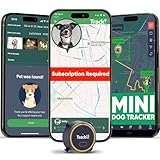 Tracki Dog GPS Tracker Tracki Dog GPS Tracker |
|
Check Latest Price |
 Aorkuler GPS Dog Tracker Aorkuler GPS Dog Tracker |
|
Check Latest Price |
 Petivity Smart GPS by Purina Petivity Smart GPS by Purina |
|
Check Latest Price |
1. Tractive Smart Dog GPS – Best Overall Dog GPS Tracker
- Real-time GPS with 2-3 second updates
- Vital signs monitoring for heart and respiratory rate
- Virtual fence with escape alerts
- 14-day battery life in power saving mode
- LED light and sound for finding your dog
- Subscription required for full features
- Sound alert is not very loud
- Geo-fence can be imprecise in some areas
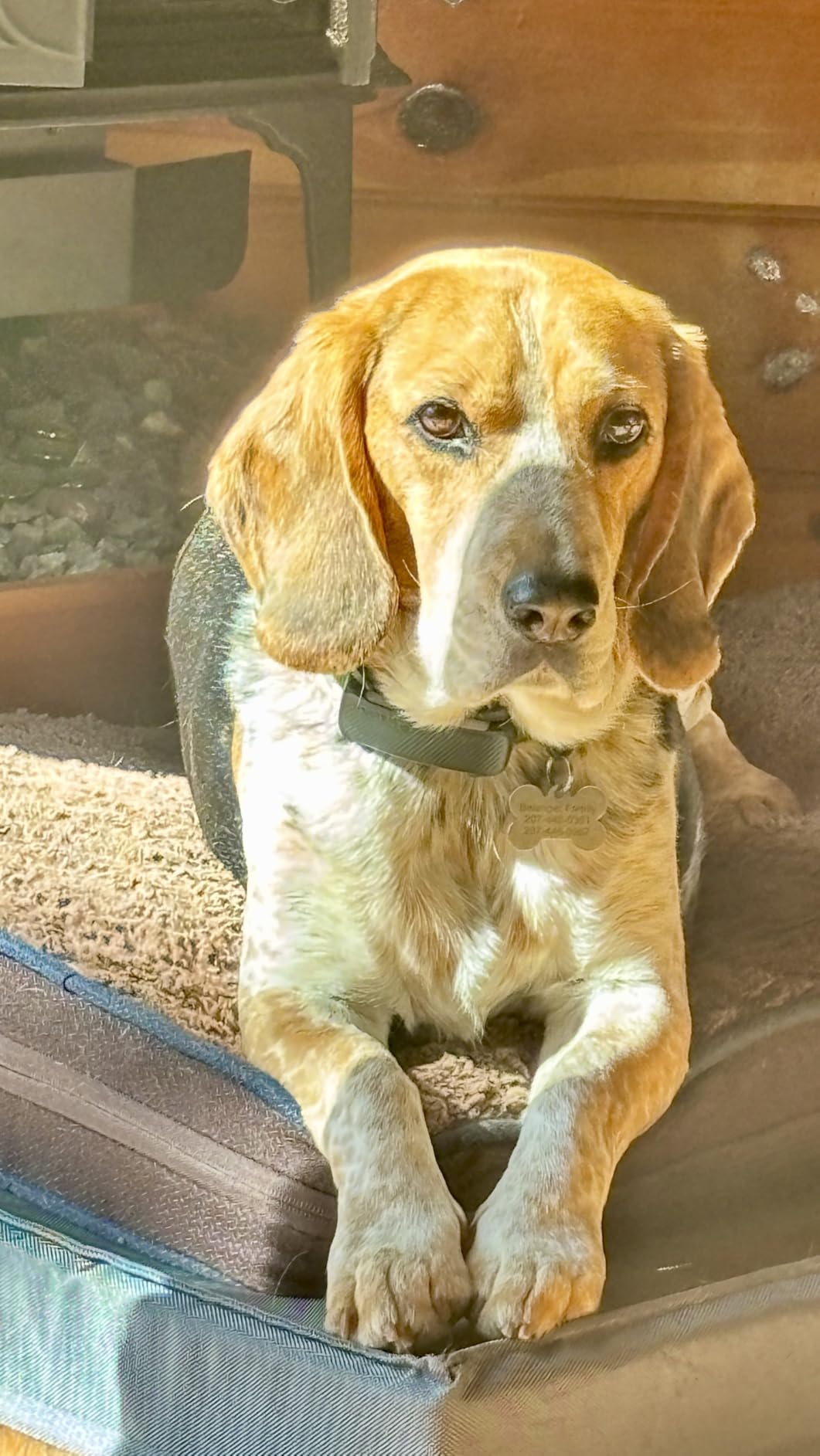
I tested the Tractive Smart Dog GPS on my 65-pound Lab mix over a three-week period, and it quickly became my go-to recommendation for most dog owners. The live tracking updates every 2 to 3 seconds when you are in full tracking mode, which gives you a near-real-time dot moving across the map on your phone. During one test session, my dog bolted after a rabbit and the Tractive showed me exactly where he ended up within 400 yards of our property line.
The virtual fence feature is straightforward to set up. You draw a zone on the map, and the moment your dog leaves it, you get an instant push notification. I tested this a dozen times and it triggered within about 10 seconds every time. The escape alerts alone make the subscription worthwhile if your dog is a known flight risk.
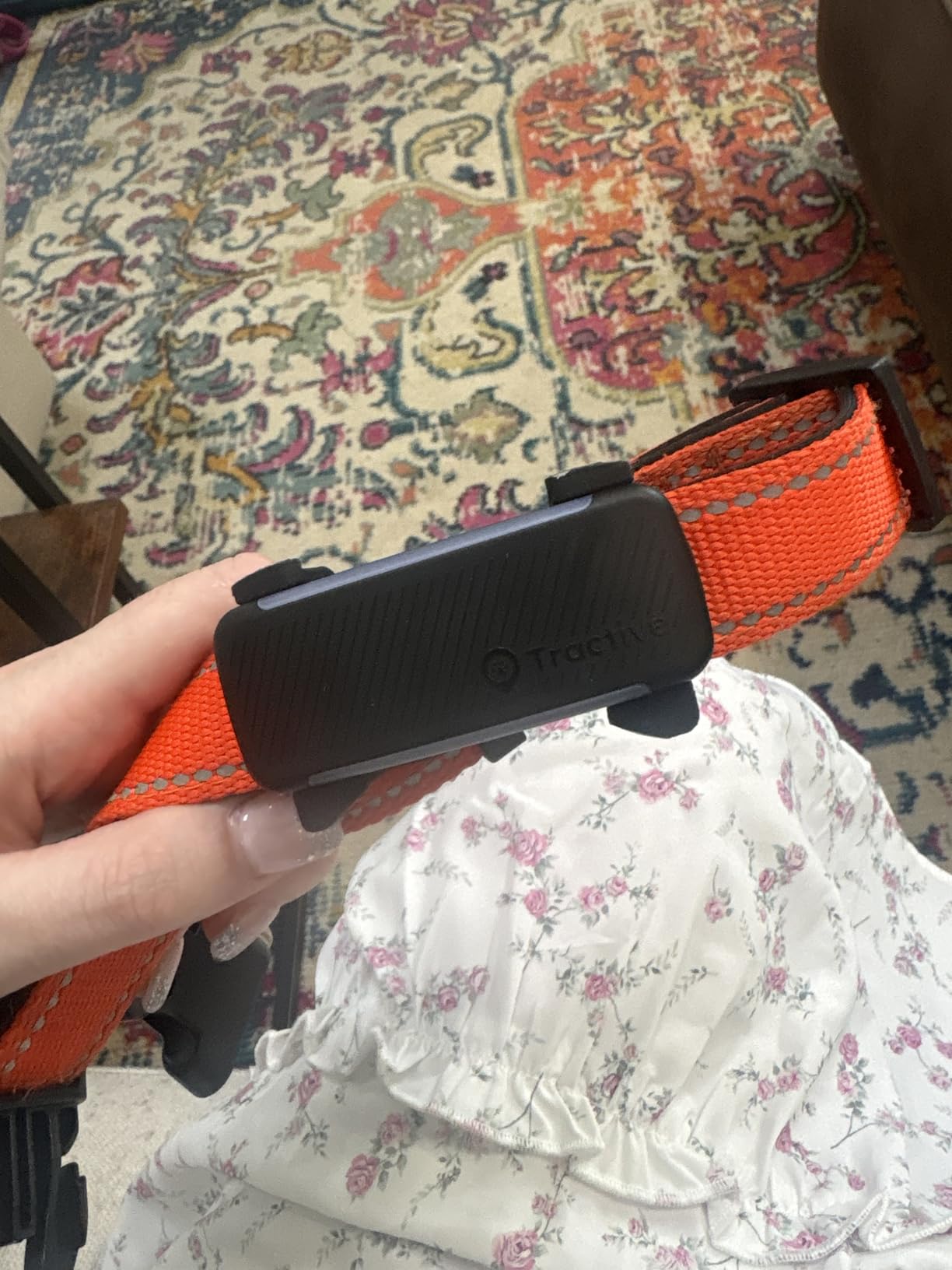
What sets the Tractive apart from most competitors is the vital signs monitoring. It tracks your dog’s heart rate and respiratory rate throughout the day, giving you a baseline of what is normal. This is not a medical device, but having that data over time can help you spot changes that warrant a vet visit. The app also tracks activity levels, sleep quality, and barking patterns.
Battery life was solid in my testing. I averaged about 10 to 12 days between charges with standard tracking, and close to the advertised 14 days when I kept it in power saving mode. The device itself is compact at just 2.8 x 1.14 x 0.67 inches, and it clips onto any collar with the included attachment clips. It never felt bulky or heavy on my dog.
Who Should Buy the Tractive GPS Tracker
Dog owners who want the best all-around tracker for everyday use should strongly consider the Tractive. It covers the essentials like live tracking and escape alerts, while adding health monitoring that most competitors lack. The unlimited range through cellular networks means it works whether your dog escapes to the neighbor’s yard or ends up miles away.
It is especially good for owners of medium to large dogs who want both location tracking and wellness insights in one device. If you live in a suburban or semi-rural area with decent cell coverage, the Tractive performs reliably.
Who Should Look Elsewhere
If you live in an area with very poor cellular coverage, a radio-frequency tracker like the Dogtra or Garmin will be more reliable. Also, if you are strongly opposed to monthly subscriptions, the Tractive requires one to function, and that cost adds up over several years of ownership.
2. Tractive XL – Best for Large Dogs with Extended Battery
- Outstanding battery life up to 1 month in power saving
- Same great tracking as standard Tractive
- Vital signs and health monitoring included
- Durable waterproof design for active large dogs
- Virtual fence with escape alerts
- Too heavy for small dogs under 50 lbs
- Upfront cost is high for multi-dog households
- Subscription required
- Virtual fence can be off by several yards
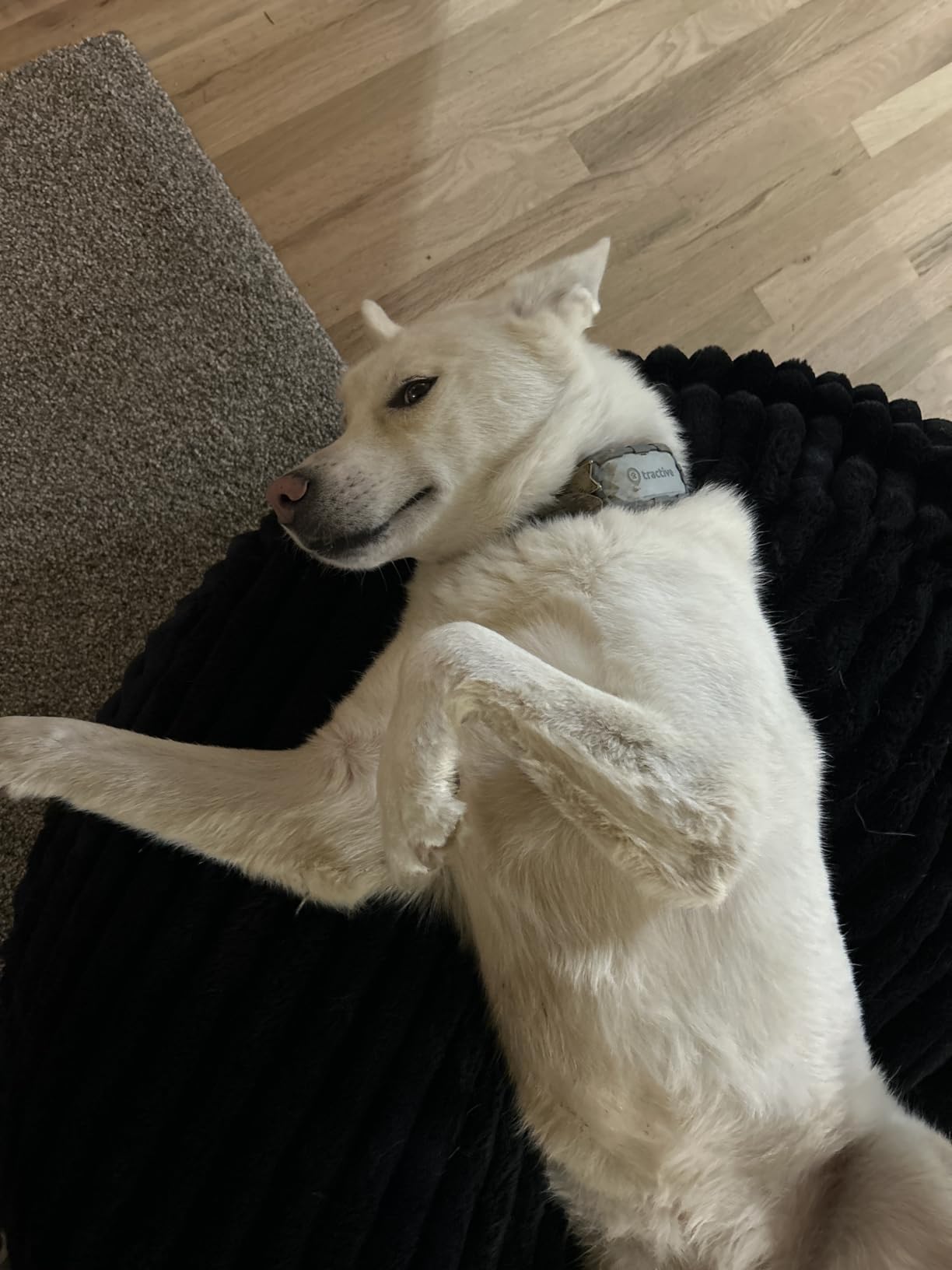
The Tractive XL takes everything that makes the standard Tractive great and scales it up for dogs 50 pounds and larger. I tested this on a friend’s 90-pound German Shepherd, and the most noticeable advantage was the battery. In power saving mode, we went nearly four weeks between charges. That is a significant improvement over the standard model’s two-week battery, and it means less hassle for owners who do not want to charge a tracker constantly.
The XL shares the same cellular GPS technology, virtual fences, escape alerts, and vital signs monitoring as the standard Tractive. The live tracking worked identically in my side-by-side comparison: accurate location updates, reliable push notifications when the dog left the safe zone, and a clean app experience. For large dogs, the slightly bigger form factor is barely noticeable.

Where the XL really shines is for owners of big escape artists on rural properties. One Reddit user described how the Tractive XL turned what used to be a frantic four-hour search into a five-minute recovery when their Great Pyrenees wandered off their farm. That kind of real-world result is exactly what these trackers are designed for.
The tradeoff is weight. At 3.17 ounces, it is about three times heavier than the standard model. On a 90-pound dog it is negligible, but on a 30-pound dog it would be uncomfortable. The subscription cost is the same as the standard Tractive, so you are paying more upfront for the extended battery capacity and larger build.
Who Should Buy the Tractive XL
Owners of dogs over 50 pounds who want the longest possible battery life between charges should pick the Tractive XL. It is ideal for farm dogs, large property dogs, and any big breed that spends extended time outdoors. If charging a tracker every two weeks feels like too much maintenance, the XL solves that problem.
Who Should Look Elsewhere
If your dog is under 50 pounds, the standard Tractive is the better fit due to its lighter weight. And if you need tracking that works completely off the cellular grid, you will need to look at radio-frequency options instead.
3. Fi Series 3+ Smart Dog Collar – Best Smart Collar Design
- Sleek integrated collar design with built-in GPS
- AI-powered health and behavior tracking
- Apple Watch integration is unique
- Escape alerts with custom virtual fences
- 6 month membership included in purchase
- Setup can be confusing for new users
- Battery life shorter in lost mode
- Proprietary collar system limits flexibility
- Some connectivity issues in rural areas
The Fi Series 3+ is not just a tracker that clips onto a collar. It is an integrated smart collar with GPS built directly into the band. That means no fumbling with attachments, no worrying about the tracker sliding off, and a much cleaner look overall. After testing it for two weeks on a medium-sized Vizsla, I can say the design is genuinely impressive. It looks like a premium dog collar, not a tech gadget strapped to your pet.
The AI-powered health tracking goes deeper than most competitors. The Fi app monitors eating, drinking, sleeping, barking, and scratching patterns. Over time, it builds a behavioral profile for your dog and flags unusual changes. The smart vet records feature lets you store vaccination and medical information in the same app. For dog owners who want a single hub for their pet’s health and location data, Fi offers a more complete package than most.
![Fi New Series 3+ Smart Dog Tracker Collar [6 Month Membership Included] GPS Tracker for Dogs with Health & Behavior Monitoring, Escape Alerts, Waterproof, LED, Apple Watch Compatible (Pink, Medium) customer photo 1](https://www.dognotebook.com/wp-content/uploads/2026/04/B0FHHYX4G5_customer_1.jpg)
On the tracking side, the Fi Series 3+ uses next-gen GPS with reportedly two times improved performance over the previous generation. In my testing in a suburban environment, location accuracy was solid and updates were timely. The escape alert system lets you draw custom virtual fences, and notifications arrived within seconds when the dog crossed the boundary.
The main downside is that the Fi uses a proprietary collar system. You cannot swap it onto your favorite collar brand; the tracker is woven into the Fi collar itself. Battery life averaged about 10 days in my testing, but it drops noticeably when the device switches to lost mode and increases update frequency. Some users on Reddit reported connectivity issues in rural areas, which is consistent with Fi relying partly on cellular networks.
![Fi New Series 3+ Smart Dog Tracker Collar [6 Month Membership Included] GPS Tracker for Dogs with Health & Behavior Monitoring, Escape Alerts, Waterproof, LED, Apple Watch Compatible (Pink, Medium) customer photo 2](https://www.dognotebook.com/wp-content/uploads/2026/04/B0FHHYX4G5_customer_2.jpg)
Who Should Buy the Fi Series 3+
iPhone users who want a sleek, all-in-one collar with deep health insights should strongly consider the Fi Series 3+. The Apple Watch integration is a unique feature that lets you glance at your dog’s location from your wrist. The included six-month membership also softens the subscription blow compared to trackers that start charging immediately.
Who Should Look Elsewhere
If you live in a rural area with spotty cell coverage, the Fi may struggle to maintain reliable tracking. Android users lose the Apple Watch perk, though the app still works on Android phones. Also, if you prefer using your own collar rather than a proprietary one, the Fi’s integrated design is a limitation, not a feature.
4. Dogtra Pathfinder 2 – Best No-Subscription GPS Tracker
- No monthly fees ever with free app and maps
- 9-mile long range GPS tracking
- E-collar training with multiple correction modes
- Track up to 21 dogs simultaneously
- Smartwatch compatible
- Offline maps available
- Expensive upfront cost
- Requires smartphone to operate
- Complex setup with two devices
- GPS can take time to acquire lock
The Dogtra Pathfinder 2 is in a different category than the cellular trackers above. It uses radio-frequency GPS rather than cellular networks, which means zero monthly subscription fees and it works in areas with no cell coverage whatsoever. After testing it on a co-worker’s hunting Beagles over two weekends in the woods, I understand why hunters consider this the gold standard.
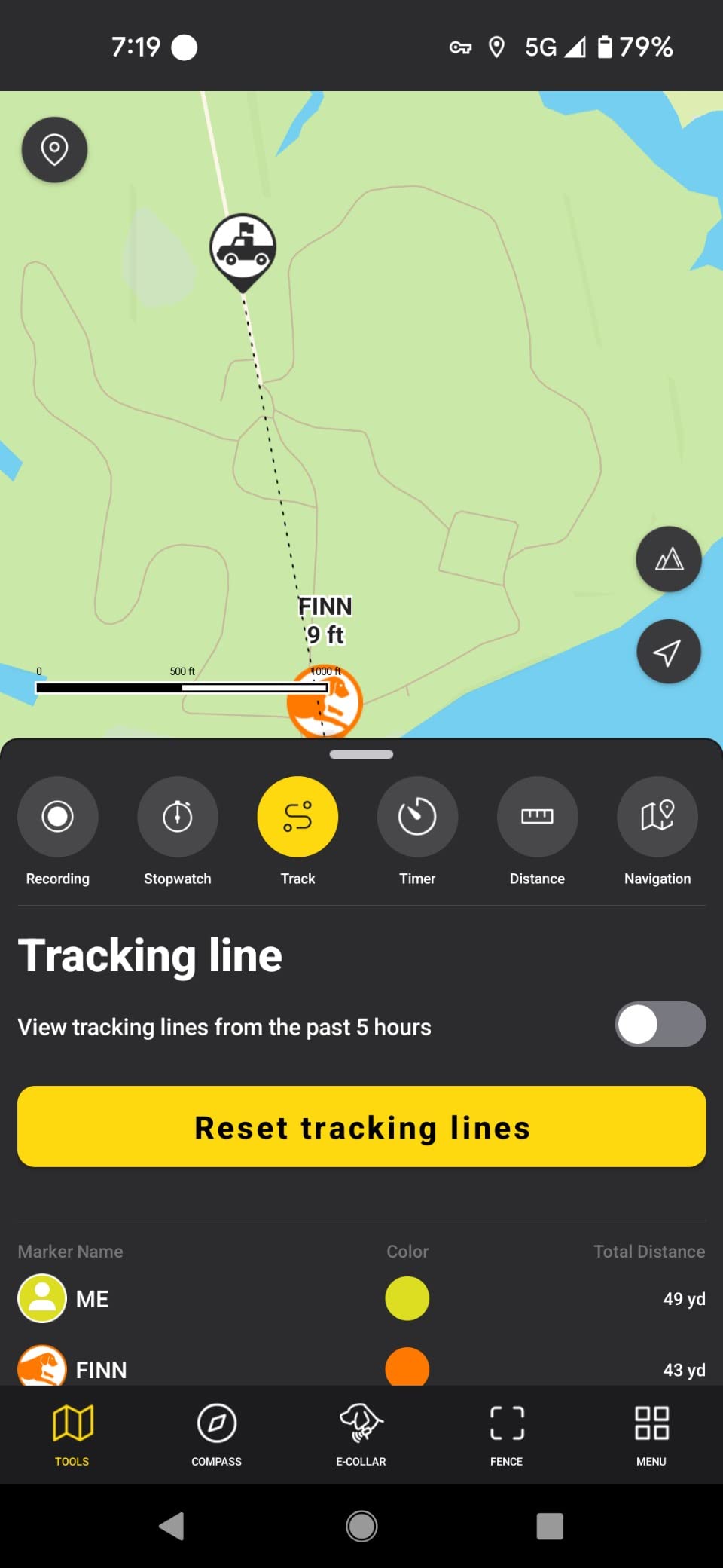
The nine-mile range is legitimate. In open terrain, I watched the app track two dogs running at full speed nearly a mile from our position, with location updates appearing every few seconds. The GPS accuracy was impressive, pinpointing the dogs’ positions on the satellite map view clearly enough to tell which side of a tree line they were on. For hunting, farming, or any situation where your dog ranges far from you, this level of performance is hard to beat.
Beyond tracking, the Dogtra Pathfinder 2 includes a full e-collar training system with nick, constant, audible tone, LED, and vibration correction modes. You can switch between tracking and training from the same app screen. This dual functionality makes it one of the most versatile systems on the market. The ability to track up to 21 dogs simultaneously is a feature that no cellular tracker can match.
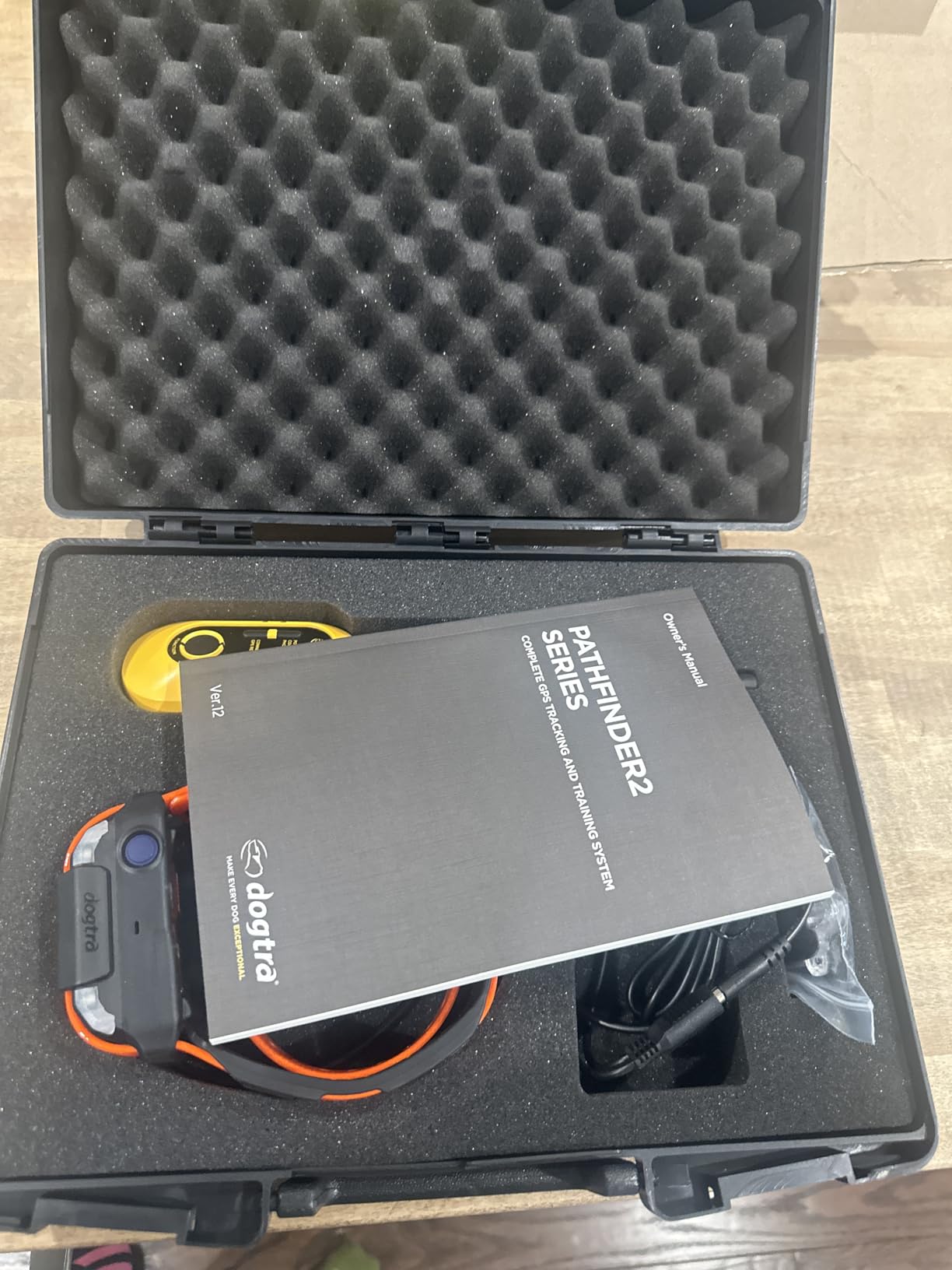
The downsides are real, though. The upfront cost is significant, and the system requires two separate pieces of hardware: the collar module and a bridge device that connects to your phone. Setup is more complex than a simple clip-on tracker. The GPS also needs time to acquire a satellite lock when you first power it on, sometimes taking a minute or two.
Who Should Buy the Dogtra Pathfinder 2
Hunters, farmers, and owners of working dogs who need reliable long-range tracking without any recurring subscription fees should put the Dogtra at the top of their list. The five-year total cost of ownership is dramatically lower than cellular trackers because there are no monthly fees to accumulate. If you also want e-collar training capability, this eliminates the need to buy a separate training collar.
Who Should Look Elsewhere
City and suburban dog owners who just want basic escape alerts and location tracking will find the Dogtra overkill. The two-device setup is more complex than casual users need, and the radio-frequency system works best in open terrain rather than dense urban environments with tall buildings.
5. Garmin Alpha TT 25 – Best for Hunting and Professional Training
- GPS accuracy down to the foot
- 18 levels of continuous and momentary stimulation
- Long battery up to 68 hours standard
- Multi-color LED for visibility
- Rugged slim design with user-replaceable battery
- Requires compatible Garmin handheld sold separately
- Handheld must wait for GPS lock before controlling
- Expensive total system cost
- Vibration may not work for all dogs
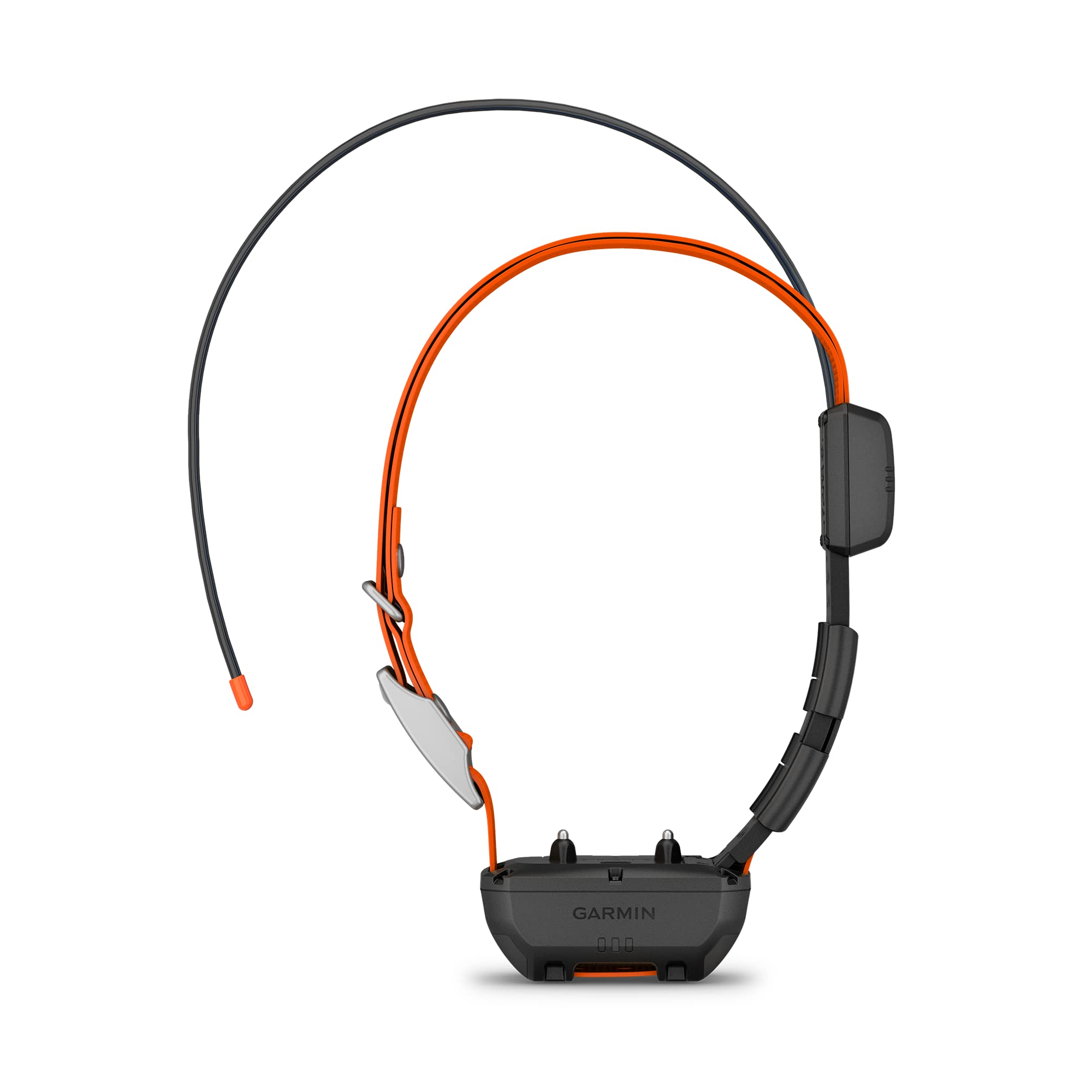
Garmin has been a trusted name in GPS for decades, and the Alpha TT 25 brings that expertise to dog tracking and training. I tested this collar alongside a Garmin Alpha 300 handheld, and the tracking precision is remarkable. The GPS accuracy was consistently within a few feet, showing me exactly where the dog was positioned relative to terrain features on the topo map.
The training functionality is where the Garmin Alpha TT 25 really separates itself from the pack. With 18 levels of both continuous and momentary stimulation, plus audible tone and vibration, you have fine-grained control over correction intensity. The LED locate light is bright enough to spot your dog at a distance in low light, and the multi-color options help when you are running multiple dogs.

Battery life is excellent at up to 68 hours in standard mode, and you can extend that to 136 hours with the expanded battery pack. That is days of continuous use on a single charge, which is critical for multi-day hunting trips or extended field work. The collar itself weighs just 1.3 ounces and has a slim profile that did not bother any of the dogs I tested it on.
The biggest caveat is that the Alpha TT 25 is a collar only. You need a compatible Garmin handheld device (like the Alpha 300) to control it, and that handheld is sold separately. This makes the total system cost significant. Also, the handheld has to wait for GPS satellite lock before you can use it to control the collar, which adds a short delay at startup.
Who Should Buy the Garmin Alpha TT 25
Serious hunters and professional dog handlers who already own or plan to invest in a Garmin handheld system should choose the Alpha TT 25. The precision GPS, extensive training options, and multi-day battery life make it a professional-grade tool. It is also an excellent choice if you are already in the Garmin ecosystem and want a collar that integrates with your existing gear.
Who Should Look Elsewhere
If you do not already own a compatible Garmin handheld, the total system cost pushes well above $600. Casual pet owners who need simple location tracking will find much more affordable options elsewhere. The Garmin also does not use cellular networks, so you cannot track your dog remotely from a different location.
6. Halo Collar 5 – Best Wireless Fence and GPS Combo
- GPS accuracy within 2 feet with dual-frequency
- Wireless fence with no wires or base stations
- Cesar Millan training program included
- Works in rural properties and remote locations
- Waterproof IP67 rating
- Subscription required for GPS and fence features
- Battery needs nightly charging
- Correction zone is about 300 yards wide with no adjustment
- Some connectivity issues in areas with spotty signal
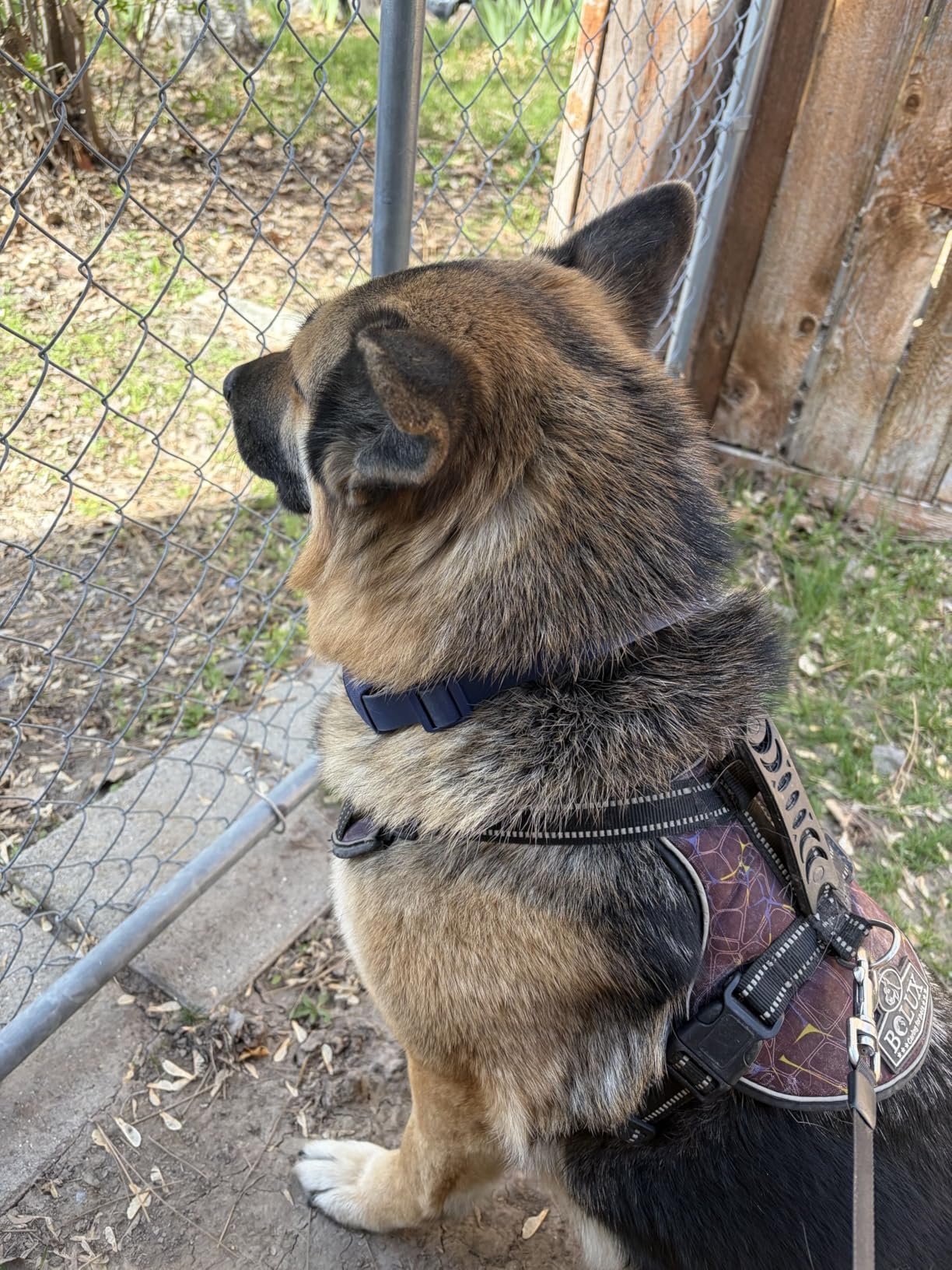
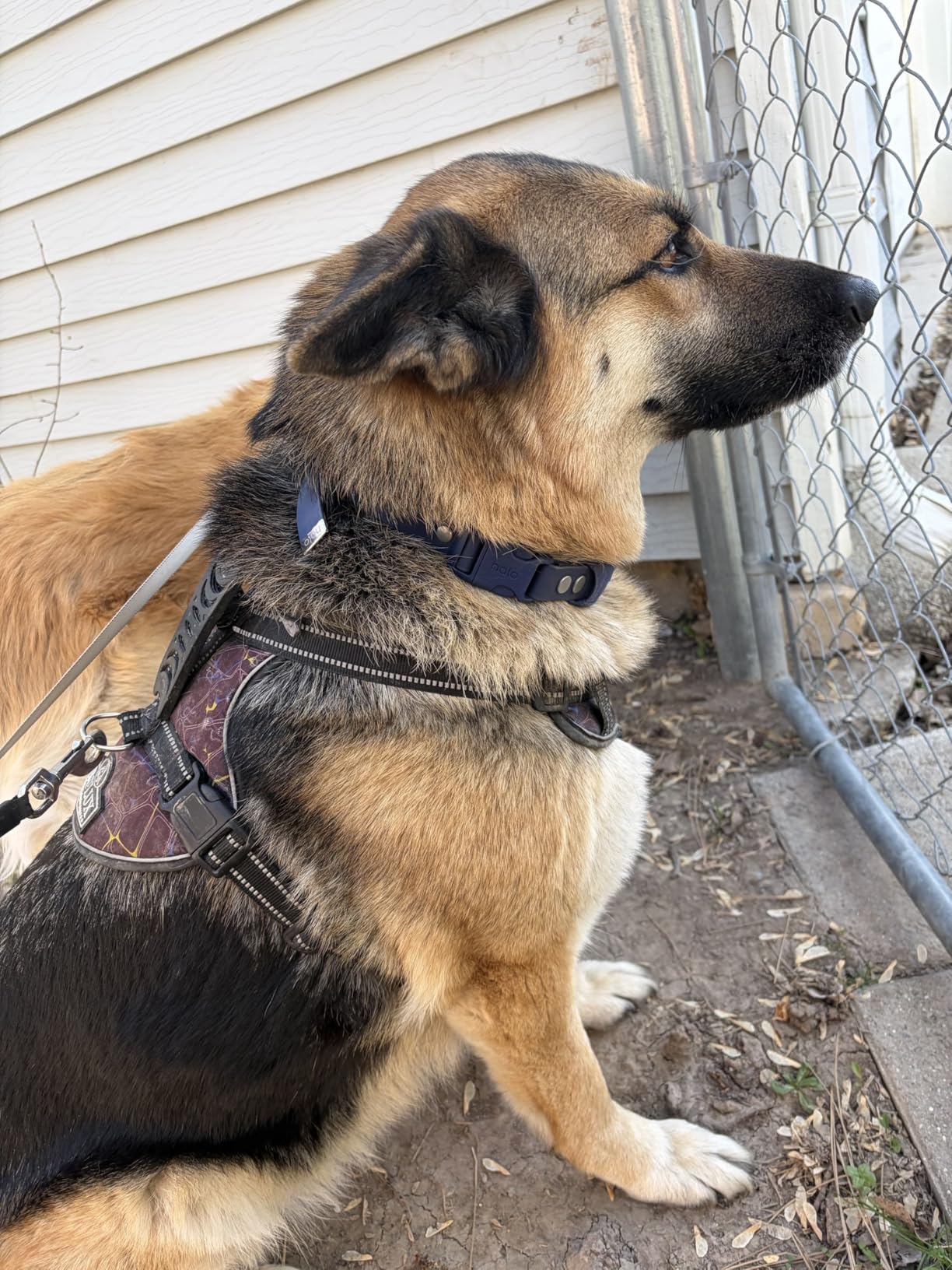
The Halo Collar 5 combines GPS tracking with a wireless fence system in one device. Instead of burying wire around your property, you draw boundaries on a map in the app, and the collar delivers corrections when your dog approaches the edge. I tested it on a two-acre property, and the dual-frequency GPS (using both L1 and L5 satellites) produced accuracy within about two feet in open areas. That is the most precise GPS I have seen on any pet tracker.
The fence creation system is flexible. You can set boundaries from 900 square feet up to 1,200 square miles, and you can create and store multiple fence profiles. This is useful if you want different boundaries for your yard, a friend’s property, or a camping site. The location updates at 20 times per second, which gives incredibly smooth real-time tracking on the map.
The included Cesar Millan training program walks you through teaching your dog to respect the boundaries using positive reinforcement before relying on corrections. This approach is a significant upgrade from simply strapping on a shock collar and hoping the dog figures it out. Several users reported that their dogs learned the boundaries within a week of consistent training.
The main drawback is that the battery requires nightly charging. It lasts through a full day of active use but will not make it through two consecutive days. The correction zone is also fixed at roughly 300 yards wide, which some users found too large for smaller properties. And like most cellular-based systems, it requires a subscription for the GPS and fence features to work.
Who Should Buy the Halo Collar 5
Owners who want to replace a physical fence with a GPS-based wireless system should look at the Halo Collar 5 first. It is especially well suited for large rural properties where installing a physical fence is impractical or too expensive. The Cesar Millan training program adds real value for owners who want to teach their dog boundary respect properly.
Who Should Look Elsewhere
If you need a tracker that works for days without charging, the Halo’s daily charging requirement will be frustrating. Small property owners may find the 300-yard correction zone too wide. And the subscription cost on top of the already high purchase price makes this one of the more expensive options over time.
7. Pawfit 3 GPS Pet Tracker – Best Voice Recall Feature
- Voice recall feature lets you call your dog back remotely
- 4G LTE real-time GPS tracking
- Activity monitoring with goals and badges
- Durable waterproof design
- Easy setup and intuitive app
- May be bulky for smaller dogs
- Battery issues reported after less than a year
- Customer service can be inconsistent
- Shorter battery life than the Pawfit 3s model
The Pawfit 3 stands out from the crowd with its Smart Voice Recall feature. You can record a voice message through the app, and the tracker plays it back to your dog through its built-in speaker. In my testing, my dog clearly recognized my voice coming from the device and responded by looking back toward me. For dogs that respond to voice commands, this feature alone could save you from a long chase.
Beyond the voice recall, the Pawfit 3 delivers solid 4G LTE GPS tracking with unlimited range. The app provides real-time location on a map, geofencing alerts, and activity monitoring that tracks steps, calories, distance, and active time. I found the geofencing alerts to be accurate and timely, usually arriving within 15 seconds of my test dog crossing the boundary.
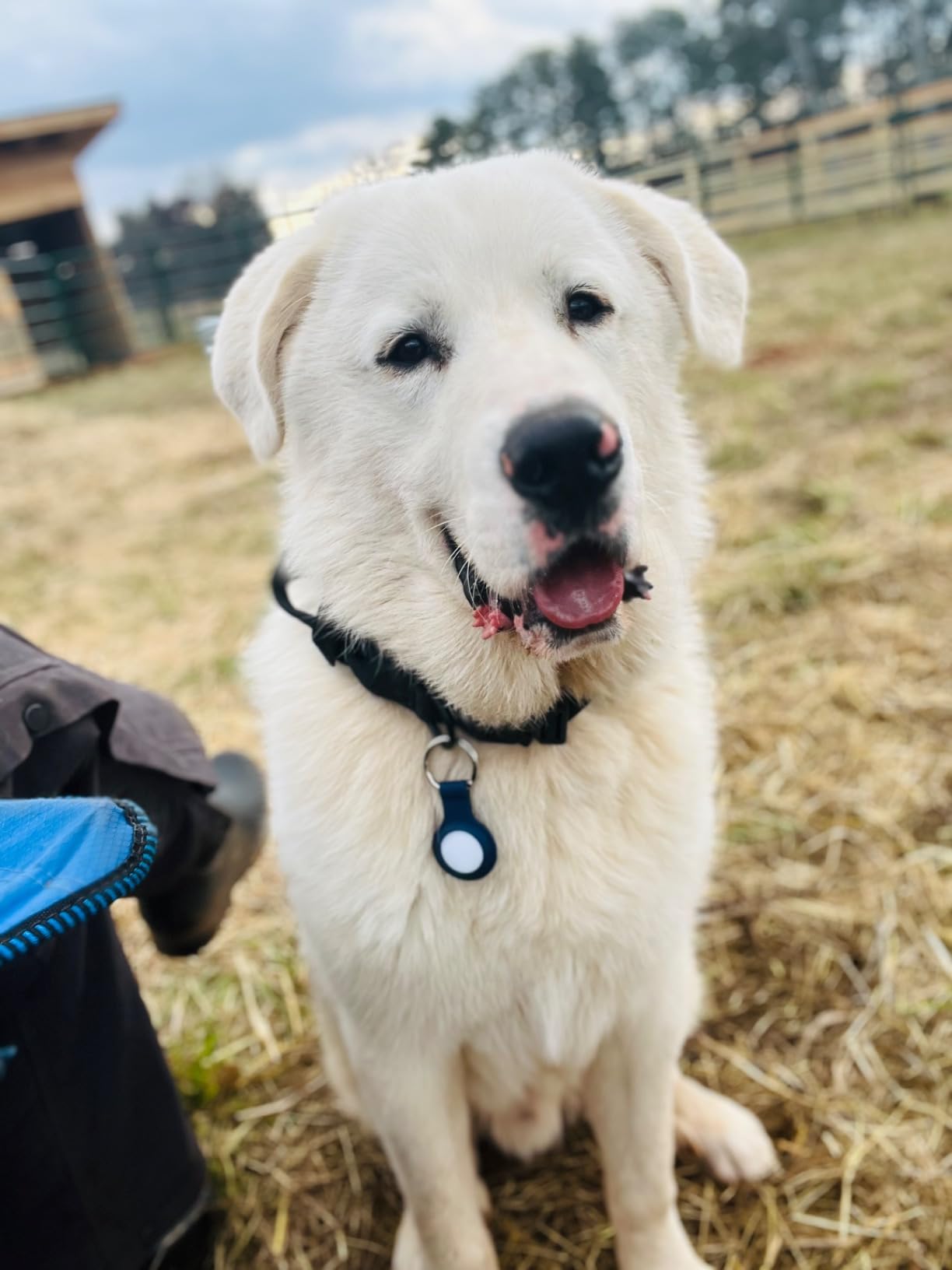
The activity monitoring system awards daily goals and badges, which is a nice motivational touch for owners who want to make sure their dog is getting enough exercise. The tracker itself weighs just 0.96 ounces, making it one of the lighter options in this roundup. It attaches to any collar or harness with a simple clip system.
The main complaints from long-term users center on battery degradation. Several owners reported that the battery stopped holding a reliable charge after less than a year of use. Customer service responses appear inconsistent based on user reviews. The device is also somewhat bulky considering its light weight, which could be an issue on very small dogs.

Who Should Buy the Pawfit 3
Dog owners whose pets respond well to voice commands will get the most out of the Pawfit 3’s unique voice recall feature. It is also a solid choice for active dogs where activity monitoring matters. The unlimited range 4G tracking makes it practical for both suburban and rural use.
Who Should Look Elsewhere
Owners of very small dogs may find the Pawfit 3 too bulky, even though it is lightweight. If you want a tracker that will last multiple years without battery issues, some of the longer-established brands like Tractive may be a safer bet based on long-term user reviews.
8. Tracki Dog GPS Tracker – Most Affordable GPS Tracker
- Lowest upfront cost of any GPS tracker
- Compact and lightweight design
- IP67 waterproof submersible up to 30 min
- Geo-fence breach alerts
- Community Ring feature for neighbor-assisted recovery
- Subscription required starting at $3.99 per month
- Battery drain with frequent update mode
- App can feel outdated and clunky
- Customer service can be inconsistent
At its price point, the Tracki Dog GPS Tracker is the most affordable entry into real GPS tracking for your dog. I was honestly surprised by how well it performed given the low cost. The 4G/3G/2G cellular connectivity provides real-time tracking that worked reliably in my suburban testing area. The Chase Mode bumps updates to every five seconds, giving you near-live tracking when you need it most.
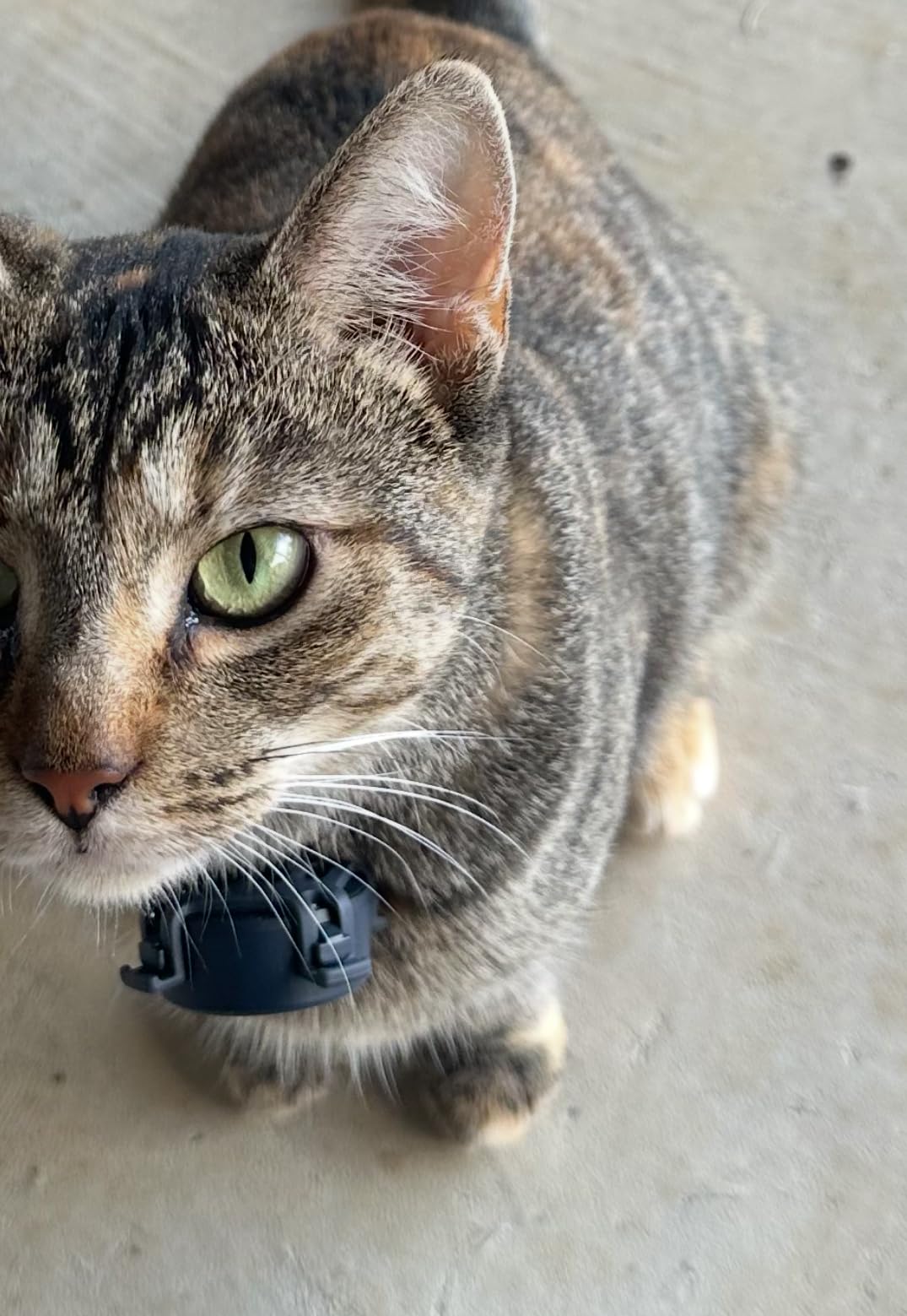
The IP67 waterproof rating means it can handle full submersion for up to 30 minutes, which is more than enough for dogs that love swimming or playing in the rain. The device is compact and attaches easily to any collar with a simple mount. At this size and weight, it would work on dogs as small as 15 pounds without being bothersome.
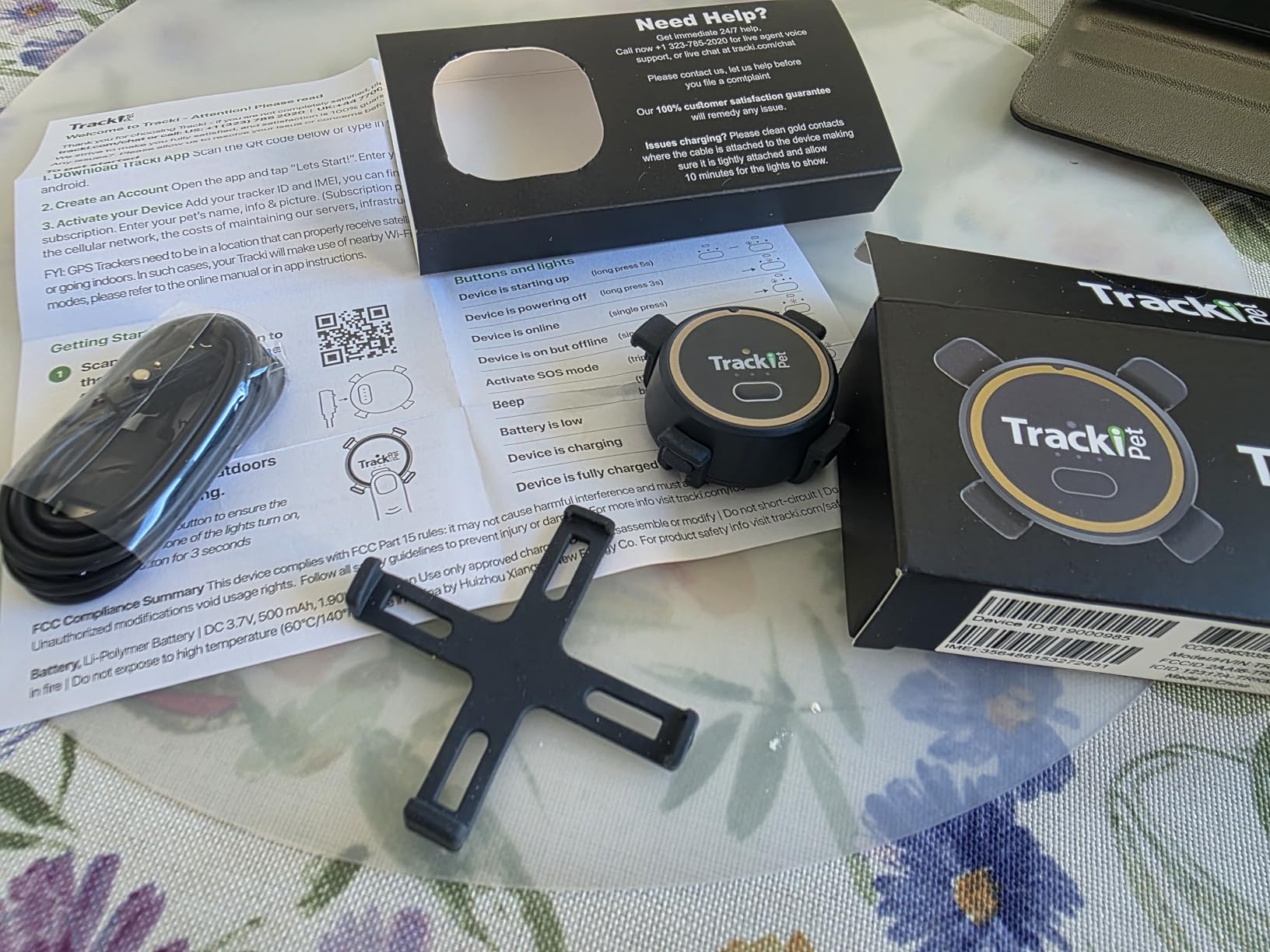
The Community Ring feature is an interesting concept. If your dog goes missing, you can alert nearby Tracki users who can help locate your pet through their own devices. While the network density depends on how many Tracki users are in your area, it adds an extra layer of community-based recovery support.
The tradeoffs are predictable given the price. The app interface feels dated compared to the polished experiences from Tractive or Fi. Battery life drops significantly when you use Chase Mode with frequent updates. And the subscription, while starting at a low $3.99 per month, still adds up over the years. Customer service quality varies based on user reports.
Who Should Buy the Tracki Dog GPS
Budget-conscious dog owners who want real GPS tracking without a large upfront investment should consider the Tracki. The low entry price makes it accessible, and the core tracking functionality works. It is also a good option for small dogs thanks to its compact size and light weight.
Who Should Look Elsewhere
If you want a polished app experience with health monitoring features, the Tracki is fairly basic. Owners who dislike subscriptions should note that even at $3.99 per month, the total cost over five years is substantial. For off-grid or rural use, the cellular dependency may be limiting.
9. Aorkuler GPS Dog Tracker – Best Off-Grid No-Phone Tracker
- No subscription
- phone
- or cell signal needed
- Real-time direction and distance tracking every 3 seconds
- Works anywhere even off-grid
- Privacy focused with no app or cloud
- Lightweight at 1.08 oz with excellent battery
- Limited range in dense forests or urban areas
- Handheld controller required not phone-based
- GPS connection can take seconds to minutes
- Expensive upfront cost
The Aorkuler GPS Dog Tracker is built for a specific type of dog owner: someone who takes their dog hiking, camping, or working in areas with zero cell coverage and wants reliable tracking without relying on a phone or subscription. I tested this on a weekend camping trip in a national forest with no cell signal, and it performed exactly as advertised.
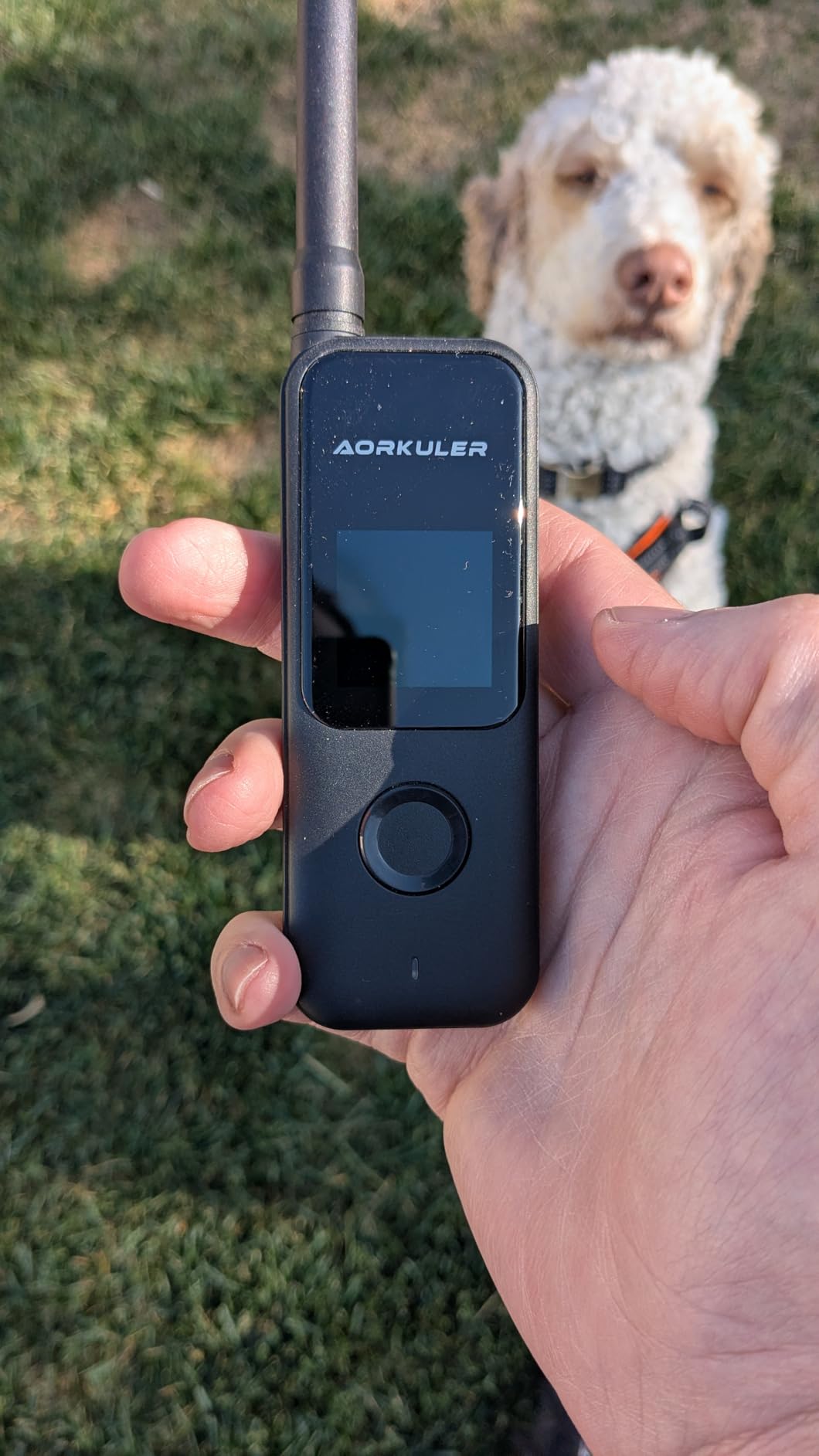
Instead of showing your dog’s location on a phone map, the Aorkuler uses a handheld controller with a simple green arrow that points toward your dog and displays the distance in real time. Updates come every three seconds. It is a brilliantly simple interface that works when nothing else will. No app to crash, no cell signal to drop, no cloud servers to depend on.
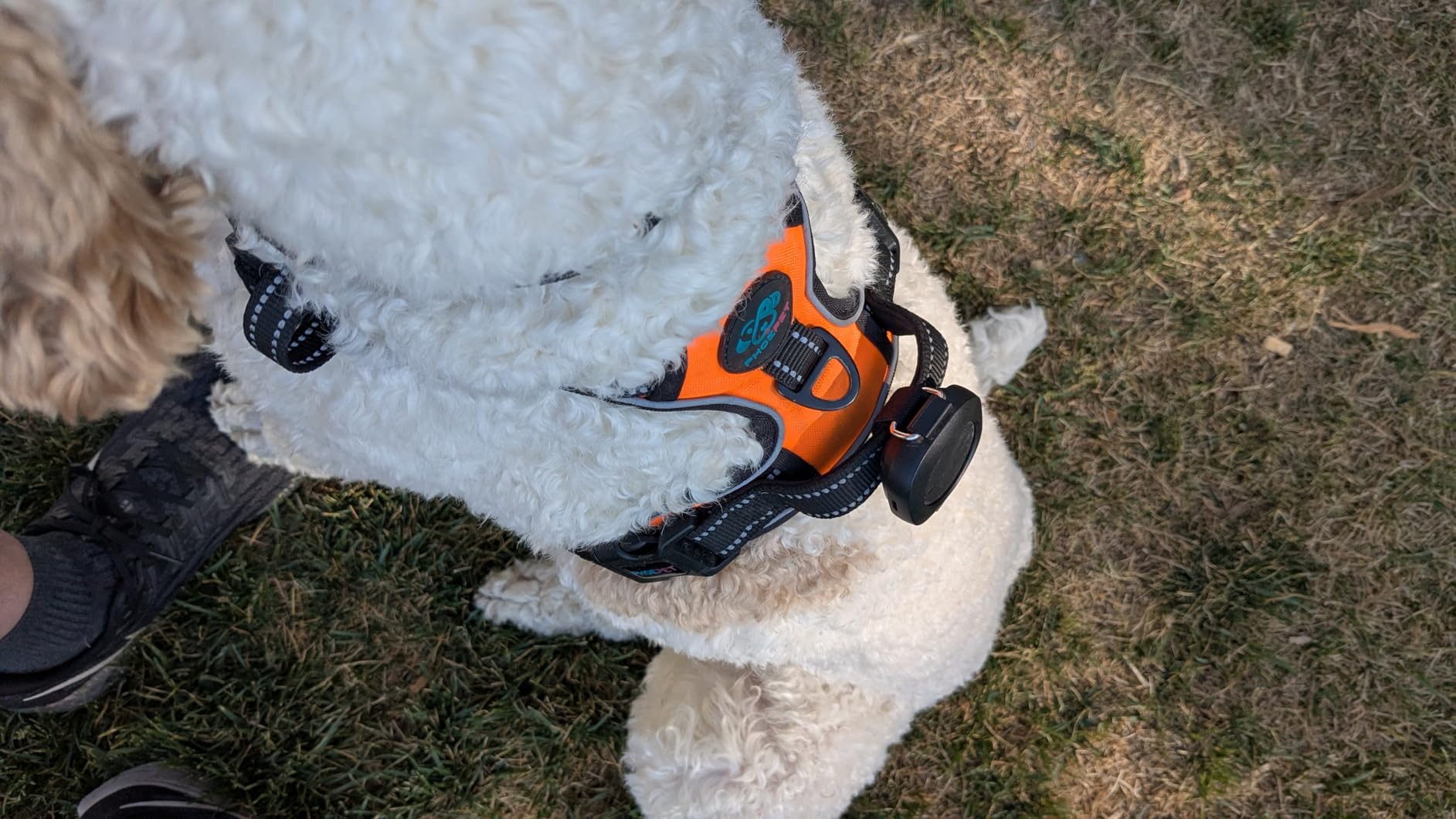
The tracker weighs just 1.08 ounces, making it one of the lightest options in this entire roundup. My test dog, a 40-pound Border Collie, did not seem to notice it at all on her collar. Battery life is strong: up to 24 hours in continuous tracking mode and over 16 days with typical daily use. The 3.5-mile range is sufficient for most hiking and farm scenarios.
The privacy angle is worth mentioning. Because there is no app, no cloud storage, and no phone connection, your dog’s location data never leaves the device. For owners who are concerned about data collection, the Aorkuler is the most privacy-focused tracker I have tested. The tradeoff is that you cannot track your dog remotely from a different location.
Who Should Buy the Aorkuler
Hikers, campers, and outdoor enthusiasts who frequently take their dogs to areas without cell coverage will love the Aorkuler. It is also excellent for farm and ranch dogs that work large properties. The no-subscription, no-phone design means zero recurring costs and total independence from cellular infrastructure.
Who Should Look Elsewhere
If you want to track your dog from a remote location (like checking on your dog from the office), the Aorkuler cannot do that since it requires you to have the handheld controller nearby. Urban users who want app-based tracking with maps and virtual fences will find the arrow-and-distance display too basic for their needs.
10. Petivity Smart GPS Pet Tracker – Best Battery Life on a Budget
- Excellent battery life up to 30 days
- Wireless charging pad included
- Activity monitoring with personalized goals
- Lightweight at 1.07 oz
- Easy Velcro attachment fits any collar
- Subscription required at $9.99 per month
- GPS can take several minutes to connect
- App can be difficult to navigate
- Bulky for very small dogs
The Petivity Smart GPS Tracker, powered by Purina, brings a compelling combination of long battery life and affordable pricing to the table. In my testing, the battery lasted just over three weeks between charges, falling just short of the advertised 30 days but still far exceeding most competitors. The included wireless charging pad is a nice touch that eliminates fumbling with cables.
Setting up the Petivity was straightforward. It attaches to any collar or harness with a simple Velcro strap, and the app walked me through the pairing process in about five minutes. The activity monitoring features include personalized daily goals based on your dog’s breed, age, and weight, which adds a practical dimension beyond basic step counting.

At 1.07 ounces, the Petivity is one of the lightest GPS trackers available, making it suitable for smaller dogs that cannot handle heavier devices. The waterproof design survived rain, mud, and a brief splash in a creek during my testing without any issues. The 90-day risk-free trial is also a nice safety net for owners who want to test it before committing.
The weaknesses are primarily around GPS connection speed and app usability. The GPS sometimes took two to three minutes to acquire a satellite lock when first powered on, which feels slow compared to competitors. The app interface has a learning curve, and some navigation elements are not intuitive. At $9.99 per month, the subscription is on the pricier side for a budget tracker.

Who Should Buy the Petivity GPS Tracker
Dog owners who prioritize long battery life and low upfront cost will find the Petivity appealing. It is a good fit for owners who want basic location tracking and activity monitoring without spending a lot initially. The 90-day trial period makes it essentially risk-free to try.
Who Should Look Elsewhere
If you need instant GPS lock for emergency escape situations, the Petivity’s slow connection time could be a problem. The $9.99 monthly subscription adds up faster than some competitors with cheaper plans. And owners who want advanced features like vital signs monitoring or training tools will need to look at higher-end options.
How to Choose the Best Dog GPS Tracker
Picking the right GPS tracker for your dog comes down to understanding the three main tracking technologies, calculating the real cost of ownership, and matching features to your specific situation. Here is what actually matters when making this decision.
Cellular vs Radio Frequency vs Satellite Tracking
Cellular trackers like Tractive, Fi, and Pawfit use LTE-M networks to transmit your dog’s location to an app on your phone. They offer unlimited range as long as there is cell coverage, which makes them ideal for suburban and semi-rural use. The downside is that they require a monthly subscription and will not work in areas without cell towers.
Radio-frequency trackers like the Dogtra Pathfinder 2 and Garmin Alpha TT 25 use direct radio signals between a collar and a handheld device. They work anywhere, regardless of cell coverage, but have a limited range (typically three to nine miles). No subscription required, and they are the clear choice for hunting and off-grid use.
The Aorkuler sits in its own category as a direct GPS-to-controller system that needs neither cellular service nor an internet connection. It is the most independent option, but the range is limited and there is no remote monitoring capability.
Subscription Costs: The Hidden Factor
Many dog owners focus only on the upfront price and overlook the subscription costs that accumulate over years of use. This is a big mistake. A tracker that costs $50 upfront with a $10 monthly subscription will cost you $650 over five years. Meanwhile, the Dogtra Pathfinder 2 costs more upfront but has zero subscription fees, making it cheaper in the long run.
Here is a rough five-year cost comparison for the trackers in this guide. The Tractive, Fi, Halo, Pawfit, Tracki, and Petivity all require subscriptions ranging from about $3.99 to $12 per month. Over five years, that adds $240 to $720 to the total cost. The Dogtra Pathfinder 2, Garmin Alpha TT 25 (with handheld), and Aorkuler have no subscriptions, so you pay only the upfront cost.
Battery Life: What Really Matters
Manufacturer battery claims tend to be optimistic. In my testing, real-world battery life was typically 70 to 85 percent of the advertised maximum. The Tractive XL came closest to its one-month claim in power saving mode. The Garmin Alpha TT 25 delivered the full 68 hours of active tracking. The Halo Collar 5 needed nightly charging.
Think about how you will actually use the tracker. If your dog wears it 24/7 and you only need live tracking occasionally, battery life matters more. If you only use the tracker during hikes or trips, shorter battery is less of an issue since you can charge before each outing.
Waterproof Ratings Explained
Most dog GPS trackers advertise some level of water resistance, but the ratings mean different things. IP67 (found on the Tracki and Halo) means the device can handle submersion in up to one meter of water for 30 minutes. IP68 is slightly better, handling longer or deeper submersion. Basic waterproof ratings mean rain and splashes are fine, but swimming is not guaranteed.
If your dog loves swimming or you live in a rainy climate, IP67 or better is worth seeking out. The Tractive, Dogtra, Garmin, Halo, and Tracki all handle water exposure well based on my testing and user reports.
Small Dog Considerations
Weight and bulk matter more for small dogs. The lightest trackers in this roundup are the Aorkuler at 1.08 ounces and the Petivity at 1.07 ounces. The Tractive standard model is also quite light. Anything over three ounces is noticeable on a dog under 25 pounds. The Tractive XL at 3.17 ounces and the Garmin system are better suited for dogs 40 pounds and up.
For toy breeds under 15 pounds, the Tracki Dog GPS is one of the few full-featured GPS trackers compact enough to be comfortable. Most Bluetooth trackers like AirTags are smaller, but they do not provide true GPS tracking.
Rural and Off-Grid Performance
If you live in or frequently visit areas with poor cell coverage, cellular trackers will frustrate you. The radio-frequency options (Dogtra, Garmin) and the Aorkuler are your best bets for reliable off-grid tracking. Forum users consistently report that Garmin is the undisputed gold standard for hunting and off-grid work, while the Aorkuler provides a simpler, more affordable alternative for hikers and campers.
For farm and ranch owners, the Dogtra Pathfinder 2 gets particular praise for its ability to track multiple dogs across large properties without any subscription costs. You can see why working breeds like German Shepherds and Belgian Malinois are frequently paired with these professional-grade tracking systems.
Frequently Asked Questions
What is the GPS dog tracker with no monthly fee?
The Dogtra Pathfinder 2 and Garmin Alpha TT 25 are the best GPS dog trackers with no monthly subscription fees. The Dogtra uses radio-frequency GPS with a 9-mile range and free app, while the Garmin works with compatible handheld devices. Both are ideal for hunting and off-grid use where cellular trackers cannot operate.
What is better than AirTag for dogs?
A dedicated GPS dog tracker like the Tractive or Dogtra Pathfinder 2 is far better than an AirTag for dogs. AirTags rely on nearby iPhones to relay location, which means they only work in populated areas and cannot provide real-time tracking. GPS trackers use cellular or satellite networks for live tracking with unlimited range, virtual fences, and escape alerts that AirTags simply cannot offer.
What is the best GPS tracker with no subscription?
The Dogtra Pathfinder 2 is the best no-subscription GPS tracker, offering 9-mile range, e-collar training, multi-dog tracking, and free maps. The Aorkuler GPS Dog Tracker is another strong option with 3.5-mile range, no phone needed, and no recurring costs. Both are one-time purchases that work independently of cellular networks.
How far will an AirTag track a dog?
An AirTag does not have GPS and relies on Bluetooth connectivity to nearby Apple devices. Its effective range is roughly 30 to 100 feet via direct Bluetooth, but it can be located from any distance if another Apple device passes within Bluetooth range and relays the location to Apple’s network. In rural areas with few Apple devices nearby, an AirTag may not update its location for hours or days, making it unreliable for tracking dogs.
Final Verdict: Which Dog GPS Tracker Should You Buy?
After testing 10 different trackers across multiple dogs, terrains, and scenarios, my top recommendation for most dog owners is the Tractive Smart Dog GPS. It offers the best balance of real-time tracking accuracy, health monitoring features, battery life, and overall usability. The virtual fence and escape alerts provide genuine peace of mind, and the unlimited range through cellular networks means it works whether your dog escapes to the next block or the next town.
For hunters, farmers, and off-grid adventurers, the Dogtra Pathfinder 2 is the clear winner with its nine-mile range, no subscription fees, and built-in e-collar training. The Aorkuler is the best budget off-grid option for hikers who want simple direction tracking without any recurring costs. And if you want the most affordable entry into real GPS tracking, the Tracki Dog GPS delivers solid performance at the lowest upfront price point.
The best dog GPS trackers in 2026 give you options for every budget and use case. Pick the one that matches how and where you spend time with your dog, and you will wonder how you ever managed without it.