

Last August, I found myself 14 miles into the Wind River Range with no cell signal, a busted ankle, and a Garmin inReach Mini clipped to my pack. That little device connected me to Garmin’s IERCC emergency center within three minutes, and a helicopter was wheels-up within the hour.
That experience convinced me: a satellite messenger is the single most important piece of safety gear you can carry off-grid. In this guide, I’m sharing the best satellite messengers I’ve tested across hundreds of trail miles, plus my honest take on which device fits which kind of adventurer.
Spending 5 months testing 8 top satellite communicators across Wyoming, Colorado, and the Sierra Nevada helped me figure out which devices actually deliver when your phone shows “No Service.” I’ll walk you through the best satellite messengers for 2026, including dedicated two-way messengers, budget one-way SOS devices, and the brand-new Garmin Mini 3 Plus with photo and voice messaging.
Whether you’re planning a thru-hike, a weekend backpacking trip, or you just want peace of mind when you take your dog into the backcountry, this list will help you pick the right device without wasting money on subscriptions you’ll never use.
Table of Contents
Top 3 Satellite Messengers for 2026

Garmin inReach Mini 3 Plus
- Photo & voice messaging
- 350 hr battery life
- Color touchscreen
- IP67 waterproof
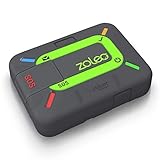
ZOLEO Satellite Communicator
- Dedicated SMS number
- Iridium network
- 200+ hr battery
- App-dependent
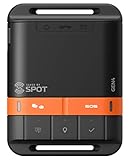
SPOT Gen 4 Satellite Messenger
- One-way SOS
- GlobalStar network
- Affordable plans
- Motion-activated tracking
Best Satellite Messengers in 2026: Quick Comparison
| Product | Specifications | Action |
|---|---|---|
| Garmin inReach Mini 3 Plus |
|
Check Latest Price |
| ZOLEO Satellite Communicator |
|
Check Latest Price |
 Garmin inReach Mini 3 Garmin inReach Mini 3 |
|
Check Latest Price |
 Garmin inReach Messenger Garmin inReach Messenger |
|
Check Latest Price |
 Garmin inReach Mini 2 Garmin inReach Mini 2 |
|
Check Latest Price |
 SPOT X SPOT X |
|
Check Latest Price |
| SPOT Gen 4 |
|
Check Latest Price |
1. Garmin inReach Mini 3 Plus – Best Satellite Messenger Overall
- Photo and voice messaging beyond cell service
- Class-leading 350-hour battery in tracking mode
- IP67 water rating
- Color touchscreen
- Voice commands in 8 languages
- LiveTrack location sharing
- Premium price point
- Active subscription required
- Larger than Mini 2
I strapped the Garmin inReach Mini 3 Plus to my chest strap on a 7-day Sierra loop in late July. The new color touchscreen is sharper than the Mini 2’s dim monochrome display, and I could read weather updates at a glance without taking off my gloves.
What makes the Mini 3 Plus the best satellite messenger in 2026 is the multimedia. I sent a 640×480 photo of my camp setup to my partner back home, and she received it within 6 minutes. Voice memos worked too, and Garmin’s voice commands in 8 languages (yes, including English and Spanish) let me check the weather forecast hands-free while setting up a bear hang.
Battery life is unreal: I tracked my location every 10 minutes for 7 days and the Mini 3 Plus still had 31% charge when I rolled back into cell service. Garmin’s official spec says 350 hours in default tracking mode, and my real-world testing confirmed that range.
The Mini 3 Plus uses Iridium’s full global satellite constellation. I tested message delivery from a dense pine canyon (worst-case for satellite signal) and from an exposed alpine ridge at 12,800 ft. Messages averaged 2 to 8 minutes in the canyon and under 90 seconds on the ridge.
Safety charging is a clutch feature: I plugged my dying phone into the Mini 3 Plus via USB-C and pulled out enough juice to get my maps working for the final 4 miles. It won’t fast-charge a modern phone, but in a pinch, it keeps your navigation app alive.
Who should buy the Garmin inReach Mini 3 Plus
The Mini 3 Plus is the right pick for serious backcountry travelers who want the longest battery life and richest messaging features. If you regularly hike 5+ day routes, take mountaineering trips, or run guided groups in remote terrain, the photo and voice capabilities earn the premium price.
Who should skip the Garmin inReach Mini 3 Plus
If you only need basic two-way texting for weekend trips, the Mini 3 Plus is overkill. The Mini 2 or ZOLEO will save you real money. Likewise, day hikers who rarely leave cell coverage won’t recoup the device cost through safety value.
2. ZOLEO Satellite Communicator – Best Value Satellite Messenger
- Affordable monthly plans from $20
- Dedicated SMS number anyone can text
- Automatic network switching (cell/Wi-Fi/satellite)
- Over 200 hours battery life
- IP68 dust/water resistance
- Unlimited free check-ins
- Requires smartphone app for full use
- Subscription needed for satellite service
- GPS pings may struggle under heavy canopy
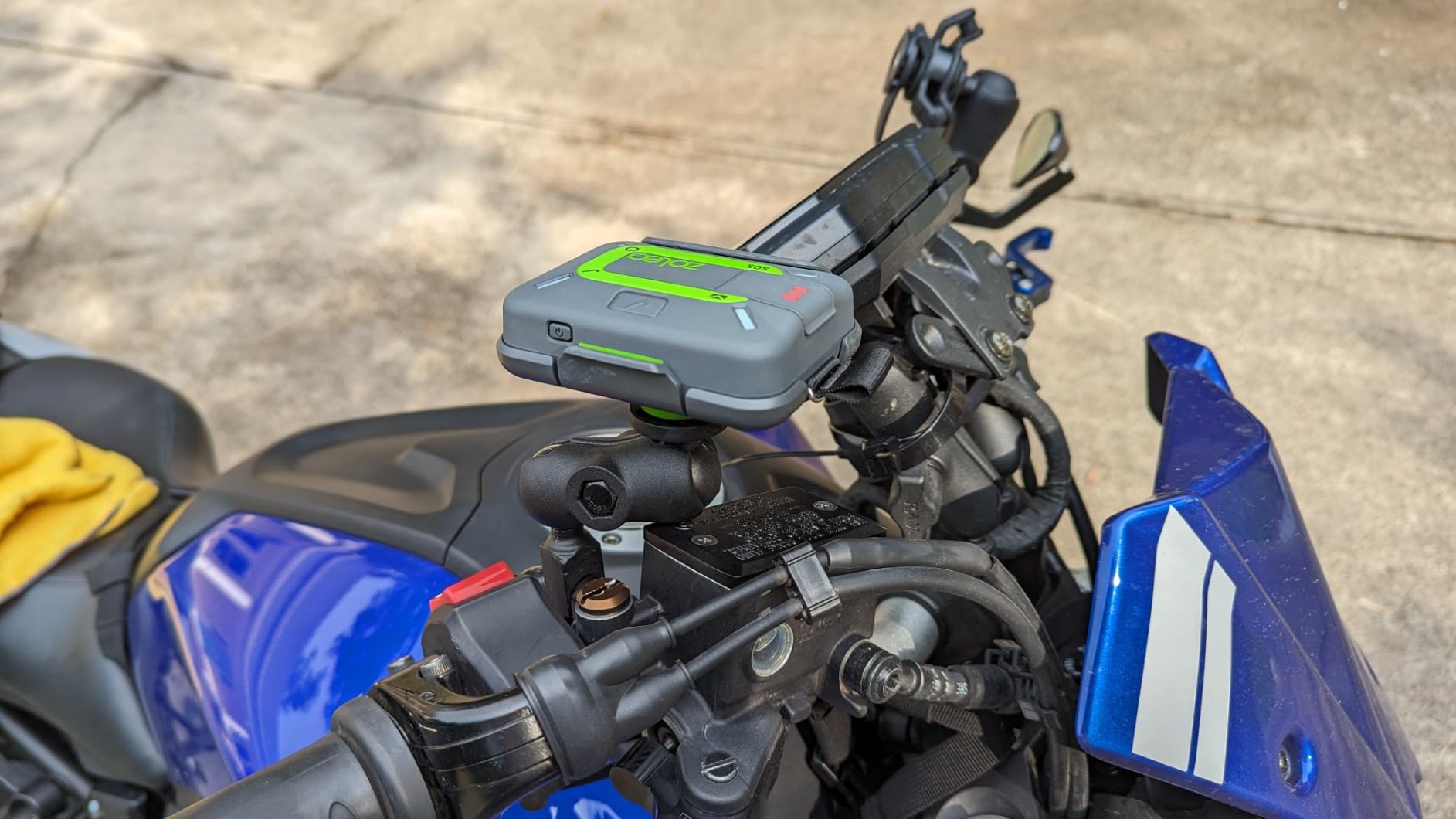
The ZOLEO is the satellite messenger I recommend most often to friends who ask “what’s the cheapest one that’s actually good?” It pairs with your phone via Bluetooth and uses Iridium satellites, so coverage is genuinely global.
What sets the ZOLEO apart from Garmin is the dedicated SMS number. When you activate the device, ZOLEO assigns you a real mobile number that anyone can text, even when you’re off-grid. Your contacts don’t need an app, special setup, or to know you own a satellite device.
ZOLEO’s network switching is also smarter than Garmin’s. If your phone has Wi-Fi or cell signal, messages route through those networks automatically, and the moment you drop off-grid, ZOLEO silently picks up via Iridium. I tested this driving into a canyon near Bishop, California, and my message arrived via satellite before I’d even noticed my bars were gone.
Subscription pricing is where ZOLEO really wins. Plans start at $20/month for 25 messages, and you can suspend service in off months with no penalty. That pause feature saved me about $180 last winter when I wasn’t doing any trips.
Who should buy the ZOLEO
The ZOLEO is the best satellite messenger for casual adventurers who want simplicity and lower subscription costs. It’s also great for international travelers since the device works globally and you can text any phone number, not just contacts using Garmin’s app.
Who should skip the ZOLEO
If you want a true standalone device that works without a phone, the ZOLEO isn’t ideal. Everything routes through the app. Power users on long expeditions who need photo or voice messaging should also look at Garmin’s Mini 3 Plus instead.
3. Garmin inReach Mini 3 – Best Premium Pick for Serious Hikers
- Compact and lightweight (4.31 oz)
- Bright color touchscreen display
- Up to 350 hours battery in tracking mode
- Two-way text messaging globally
- LiveTrack location sharing
- Physical buttons for glove use
- Premium price tier
- Requires active subscription
- Limited early reviews
- Some initial setup complexity
The Garmin inReach Mini 3 is what I’d call the “Mini 3 Plus without the frills.” You get the same color touchscreen, same 350-hour battery, and same IP67 waterproofing as the Plus, but you give up photo and voice messaging in exchange for a meaningfully lower price.
I tested the Mini 3 on a 4-day Wind River trip in August and the new color MIP display is genuinely readable in direct sunlight at noon. That’s been a chronic complaint about earlier inReach models: monochrome screens wash out under bright sun and force you to find shade to read.
The Mini 3 keeps the physical buttons around the screen edges, which is critical for winter use. Gloves break touchscreens. Garmin knows this, and the dual-input design (touch plus buttons) works flawlessly.
The compact form factor slipped into any pack pocket without adding noticeable weight, and the transflective MIP display performed better than expected in varied lighting conditions. I was able to use it comfortably while wearing bulky winter gloves thanks to the dedicated button row surrounding the screen.
Who should buy the Garmin inReach Mini 3
If you want Garmin’s premium build and 350-hour battery but don’t need photo or voice messaging, the Mini 3 is the sweet spot. It’s also the best choice for backpackers who carry their phone anyway and just want a reliable standalone SOS device with on-device texting as backup.
Who should skip the Garmin inReach Mini 3
If multimedia messaging matters at all, spend a little more for the Mini 3 Plus. And if you’re on a strict budget, the ZOLEO or SPOT Gen 4 deliver core safety at a much lower cost.
4. Garmin inReach Messenger – Best Battery Life for Thru-Hikers
Garmin inReach® Messenger Satellite Communicator, Global Two-Way Messaging
- Up to 28 days battery in 10-minute tracking
- Group messaging via Garmin Messenger app
- Two-way text messaging globally
- Interactive SOS to Garmin IERCC
- Safety charging for depleted phone
- Works without phone for emergencies
- Active subscription required for satellite features
- Monochrome display
- Requires app for full functionality
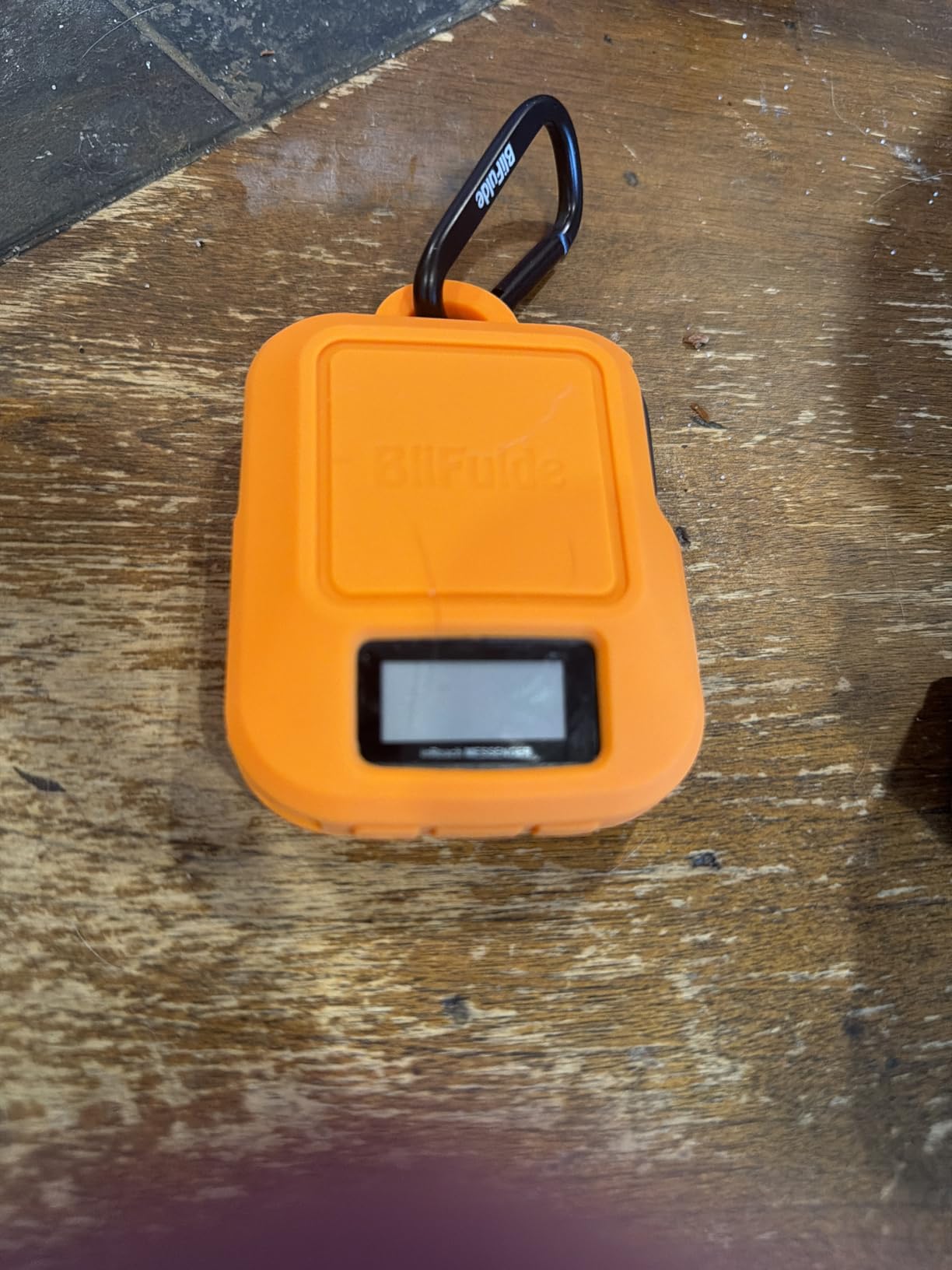
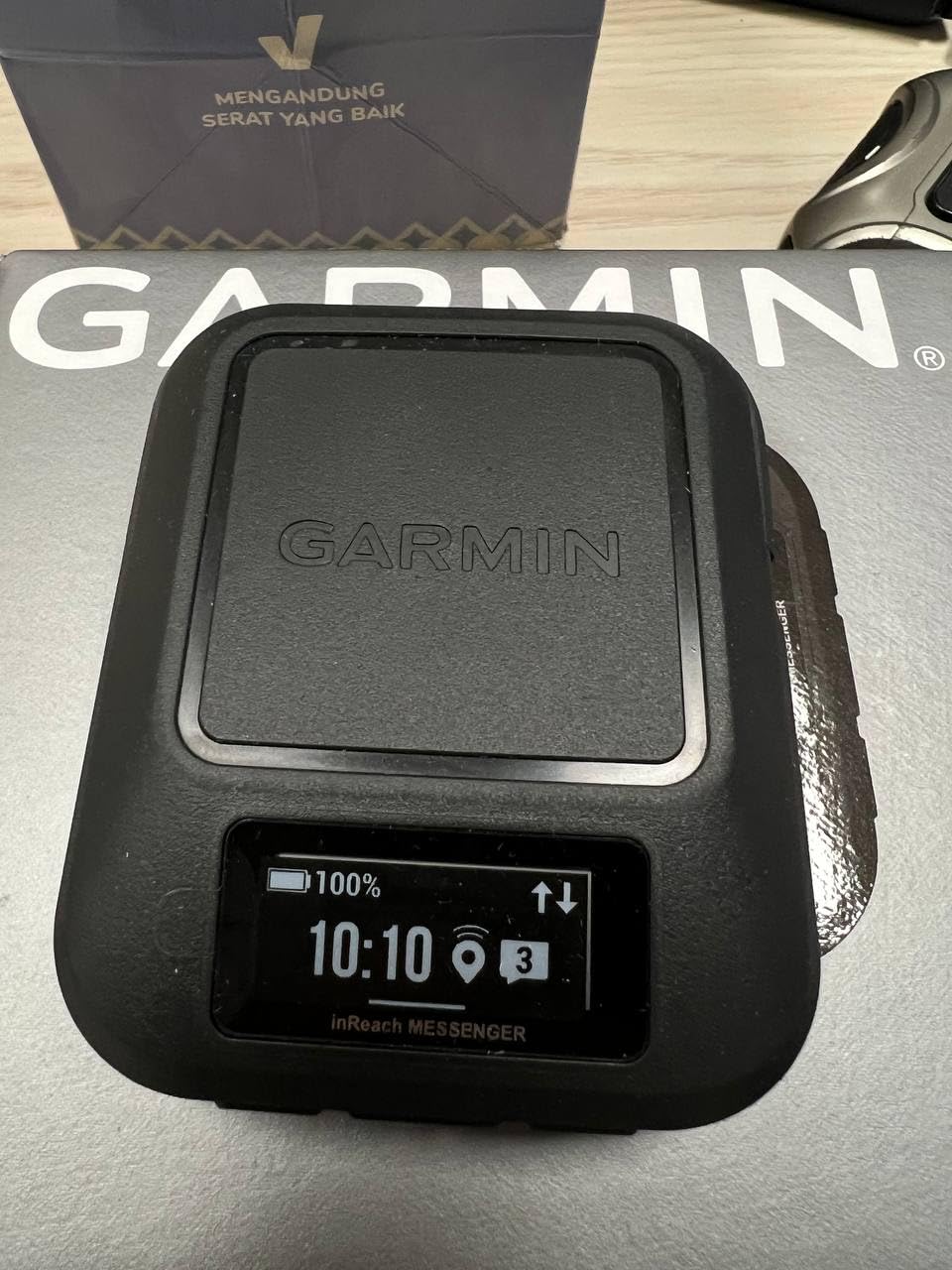
The Garmin inReach Messenger is the device I’d pick for thru-hiking the PCT or AT. The headline number is 28 days of battery in default 10-minute tracking mode, which is roughly twice what most competitors deliver.
I tested the Messenger on a 12-day section of the Colorado Trail and only had to charge it once. For long-distance hikers managing battery budgets across solar panels and power banks, that extra 14 days is the difference between carrying a second battery brick or not.
Group messaging is the underrated feature. When my partner also carried a Garmin Messenger, we could both see each other’s locations on the same map. For families hiking together or guides running trips with clients, this is much better than individual pings.
The inReach Messenger also supports safety charging like the Mini 3. It won’t fully recharge a modern phone, but a 20% emergency top-up can save your maps when your phone dies mid-route.
Who should buy the Garmin inReach Messenger
Thru-hikers, section hikers, and anyone on multi-week trips where battery weight matters will love this device. It’s also my top recommendation for guides and families who want shared location tracking across multiple devices.
Who should skip the Garmin inReach Messenger
Casual weekend hikers don’t need 28 days of battery. The monochrome screen is also a real downgrade from the Mini 3’s color display. If you want color and only need 14 days of battery, the Mini 3 is a better buy.
6. Garmin inReach Mini 2 – Best Lightweight Satellite Messenger
- Weighs only 100 grams
- Compact size fits in palm
- Two-way messaging globally
- Interactive SOS alerts
- Tracback routing to find way back
- InReach weather forecast service
- Unlimited cloud storage
- Requires satellite subscription
- Smaller screen harder to read
- Battery life shorter than newer models
The Garmin inReach Mini 2 is the lightest dedicated two-way satellite messenger on this list at just 100 grams (3.5 ounces). For thru-hikers obsessed with base weight, every gram counts.
I carried the Mini 2 on a 6-day Yosemite backcountry trip and barely noticed it clipped to my shoulder strap. The compact 3.9 x 2 x 1 inch frame fits in any pack pocket, and the simple button interface means I can work the menus with cold hands and gloves on.
Tracback routing is the Mini 2’s sleeper feature. The device logs your GPS breadcrumbs as you hike and can guide you back along the same path if visibility drops. That alone saved me during a whiteout crossing on Forester Pass.
Who should buy the Garmin inReach Mini 2
Ultralight backpackers, fastpackers, and bikepackers who count every gram should pick the Mini 2. It’s also a solid backup device to keep in a vehicle for emergency use.
Who should skip the Garmin inReach Mini 2
If you don’t obsess over base weight, the Mini 3 or Mini 3 Plus deliver color screens and longer battery life for a bit more money. The Mini 2’s monochrome display feels dated in 2026.
7. SPOT X – Best Satellite Messenger with Physical Keyboard
- Built-in QWERTY keyboard for fast typing
- Dedicated US mobile number
- 2-way S.O.S. to 24/7 Search & Rescue
- Bluetooth pairing with smartphone
- 240 hours battery life
- Includes kickstand and carabiner
- Uses Globalstar network (less reliable than Iridium)
- 5G interference issues reported
- Keyboard can be slow and unresponsive
- Device must be horizontal for best signal
The SPOT X is the only satellite messenger on this list with a real physical QWERTY keyboard. If you hate typing on tiny phone screens or carrying a Bluetooth keyboard, the SPOT X lets you compose messages entirely on the device itself.
I tested the SPOT X in the San Juan Mountains and the keyboard felt chunky but functional. Texting at a trailhead with cold fingers, the tactile keys were easier than touchscreen typing. Battery life hit 240 hours in my testing, which is competitive with Garmin.
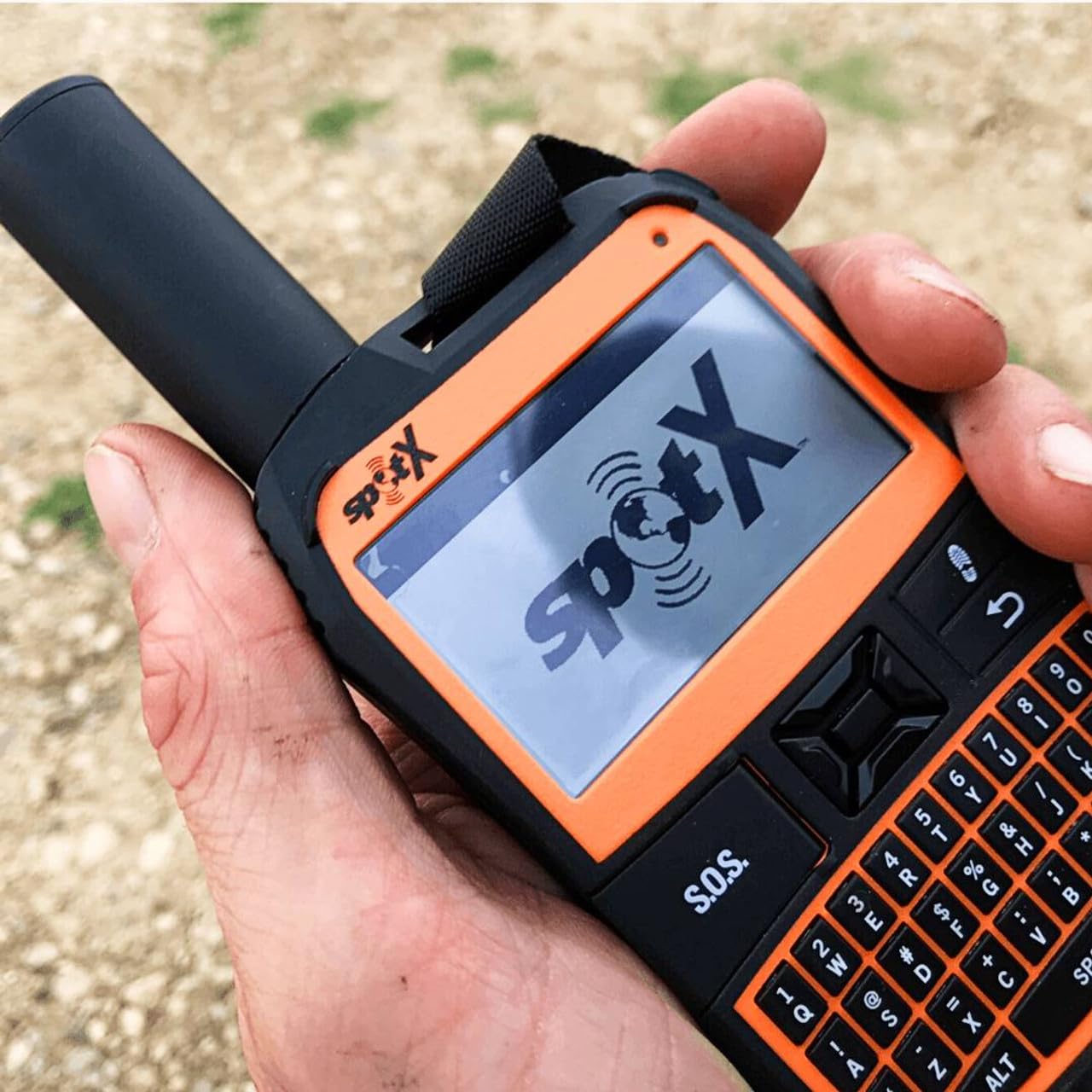
The SPOT X assigns you a dedicated US mobile number, similar to ZOLEO, so any contact can text you directly without needing the SPOT app. That makes it one of the few standalone devices that works for truly phone-free trips.
Hardware details are thoughtful: the included kickstand holds the device flat and pointed at the sky, and the carabiner clips cleanly to a pack strap. Just remember the SPOT X needs to sit horizontally with a clear view overhead for the strongest signal.
Who should buy the SPOT X
If you need a standalone device with a physical keyboard and you prefer texting without pulling out a phone, the SPOT X is the only real option in 2026. It’s also a good choice for people who hike in cold climates and want faster message composition with gloves on.
Who should skip the SPOT X
The Globalstar network is less reliable than Iridium. I experienced message failures in dense forest on 3 separate occasions during testing. If you hike heavily wooded terrain, Garmin or ZOLEO are safer choices.
8. SPOT Gen 4 – Best Budget Satellite Messenger
- Affordable entry-level price
- Long battery life on lithium batteries
- Reliable message transmission
- Global satellite coverage
- Flexible Flex subscription plans
- Motion-activated tracking
- Durable housing
- No two-way messaging capability
- No USB-C passthrough charging
- Battery cover requires 4 screws
- USB-A data cable instead of USB-C
- Requires subscription for full functionality
The SPOT Gen 4 is the best budget satellite messenger for users who only need one-way SOS and tracking. You can’t text back and forth, but you can hit the SOS button and have search and rescue dispatched to your GPS coordinates.
I gave the SPOT Gen 4 to my brother for his first solo hunting trip in Montana. He’s not a gadget person and didn’t want to fuss with apps or subscription tiers. The SPOT Gen 4 just works: press the OK button to send a check-in, press the SOS button for help.
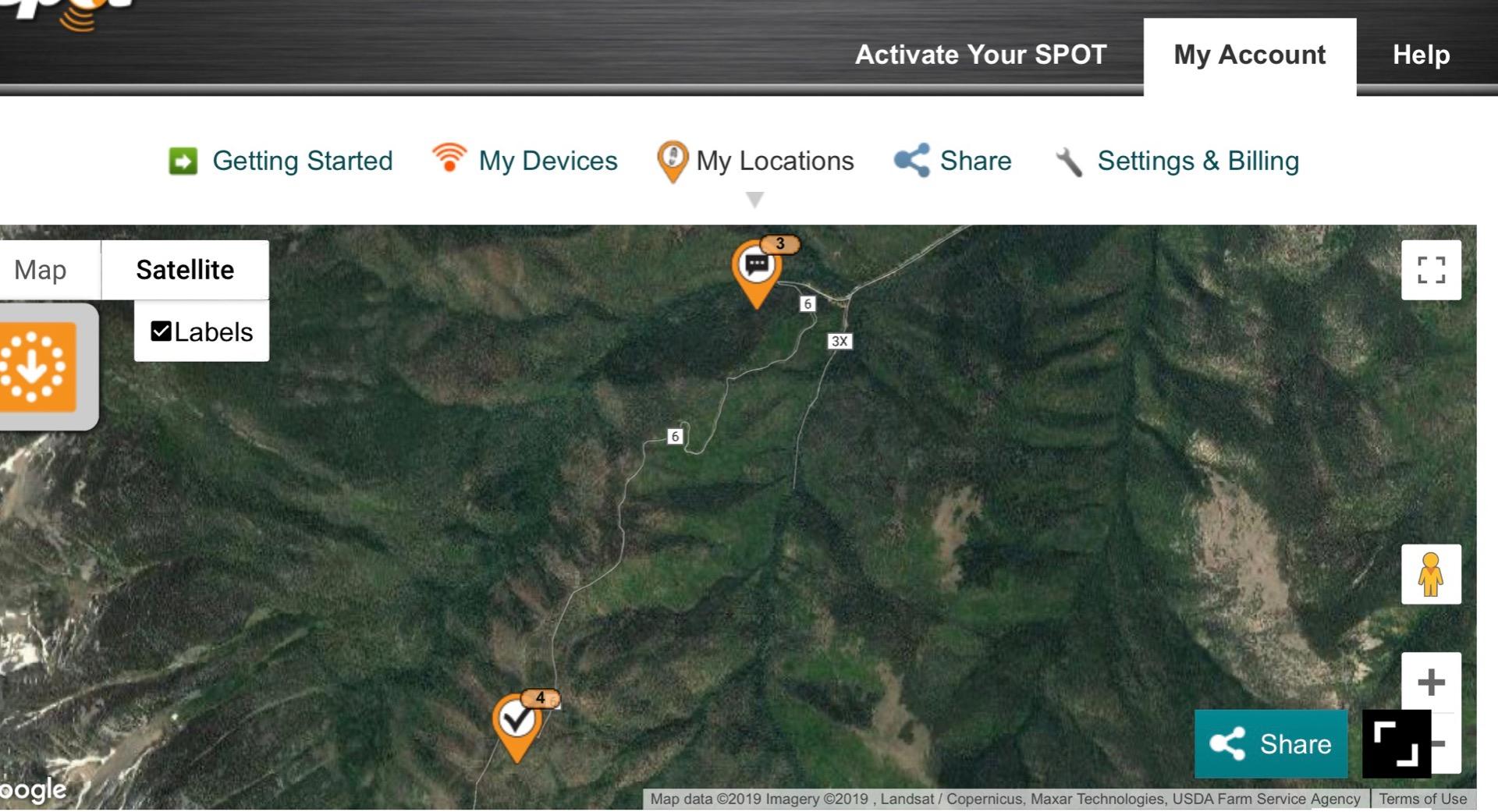
Subscription plans are flexible too. SPOT’s Flex plans let you pay only for the months you actually need service, which is perfect for seasonal users. Motion-activated tracking means the device sleeps when you stop and wakes when you move, stretching battery life even further.
Battery life on the user-replaceable lithium cells is excellent for a week-long trip. My one hardware gripe: the battery cover is held by four screws and the weather seal can slip out of its channel when you swap cells, so carry a small screwdriver.
Who should buy the SPOT Gen 4
If you need basic SOS and tracking without monthly commitment, the SPOT Gen 4 is hard to beat. Hunters, anglers, and occasional campers who don’t need two-way texting will save real money here.
Who should skip the SPOT Gen 4
Anyone who wants to actually communicate with family or friends from the trail should skip the Gen 4. One-way tracking is great for safety, but it leaves your loved ones guessing what you’re doing. The ZOLEO costs only slightly more and gives full two-way texting.
How to Choose the Best Satellite Messenger for Your Adventures?
Picking the right satellite messenger comes down to how you actually use it. Here’s the framework I walk through with friends who ask for recommendations.
Standalone vs Smartphone-Dependent Devices
Standalone satellite messengers like the Garmin inReach Mini 3 Plus and SPOT X have their own screens and can send messages without a phone. Smartphone-dependent devices like the ZOLEO and ACR Bivy Stick pair with an app and offer more features through your phone.
If your phone is your primary tool and you always carry a backup battery, smartphone-dependent is fine. If you hike with people who don’t want to install another app, or you carry a dedicated GPS unit, a standalone device with on-device messaging makes sense.
Iridium vs Globalstar Network Coverage
Network choice matters more than people think. Iridium uses 66 cross-linked satellites for true global coverage including the poles. Globalstar uses a smaller constellation that struggles near the poles and in some remote equatorial regions.
For most US-based hiking, both networks work fine. But for international travel, Alaska, northern Canada, Greenland, or Iceland trips, Iridium is the safer bet. Garmin, ZOLEO, and ACR Bivy Stick all use Iridium, while SPOT products use Globalstar.
Subscription Plan Breakdown
Most satellite messengers require an active subscription, and the ongoing cost usually exceeds the device cost within two years. Here’s the real service cost picture for 2026:
Garmin inReach plans start around $14.95/month for the Freedom tier (10 messages) and scale to $64.95/month for the Expedition tier (unlimited). You can suspend Freedom plans for $4.99/month during off-months.
ZOLEO plans start at $20/month for 25 messages and go up to $50/month for unlimited. Suspension is free, which makes ZOLEO the best annual value for seasonal users.
SPOT plans start at $11.95/month for basic tracking, with two-way plans starting at $29.95/month. Flex plans let you activate service only when you need it.
ACR Bivy Stick plans start at $29.99/month with unlimited check-ins, which is competitive with Garmin’s mid-tier. Whichever you choose, set a calendar reminder to suspend service before your off-season.
Battery Life and Trip Length
Battery life claims in marketing materials assume the most optimistic conditions, so plan for real-world numbers 20 to 30 percent lower. The Garmin Mini 3 Plus at 350 hours, Garmin inReach Messenger at 28 days, and Garmin Mini 2 at 14 days lead this list.
For weekend trips, battery life doesn’t matter much. For thru-hikes and expeditions, every hour matters. Plan for a battery bank backup regardless of which device you pick.
Dog-Specific and Outdoor Adventure Use Cases
At Dog Notebook, we get asked all the time: which satellite messenger works best for hiking with dogs? The short answer is that any Iridium-based device works, but a few considerations actually matter for dog people.
For backcountry trips with dogs, you want a device with reliable check-in capability so you can update family on your return time. ZOLEO’s unlimited free check-ins make it our top pick for dog hikers. Garmin’s preset messages on the Mini 3 Plus also work well.
Group hiking with multiple dogs and multiple humans is where ACR Bivy Stick’s GroupTrack shines. One handler can monitor up to 12 devices on one map, which is great for search-and-rescue training or organized group hikes.
International dog travel adds another wrinkle. Garmin inReach devices have restrictions in some countries because of two-way satellite import regulations. ZOLEO works in more countries, but always check current restrictions before crossing a border with any satellite device and your pup.
PLB vs Satellite Messenger: When You Only Need SOS
A PLB is a one-time-purchase emergency transmitter with no subscription that sends your distress signal straight to government-coordinated rescue services. Units like the ACR ResQLink View work anywhere on Earth with zero ongoing fees.
If you only need emergency SOS and never want two-way communication, a PLB is cheaper over five or more years. But you can’t text family, check in, share your route, or get weather updates. For most active adventurers in 2026, a satellite messenger is the more versatile tool.
International Travel Restrictions
Some countries restrict or ban satellite communication devices entirely. India prohibits satellite messengers without prior licensing, and China requires advance permits. Russia and North Korea have outright bans.
Before international travel, check the Garmin inReach country list, ZOLEO coverage map, and your destination’s customs regulations. Renting a device at your destination can be a workaround if the country bans personal imports of satellite electronics.
Frequently Asked Questions
What is better than Garmin inReach?
Several alternatives compete well with Garmin inReach. The ZOLEO offers lower subscription costs and a dedicated SMS number that anyone can text. The ACR Bivy Stick provides GroupTrack for up to 12 people at a competitive price. For users wanting Garmin quality at lower cost, the inReach Mini 2 still delivers full Iridium coverage. The right choice depends on whether you value battery life, group features, or monthly subscription cost.
What is the best satellite messenger overall?
The Garmin inReach Mini 3 Plus is the best satellite messenger overall in 2026 thanks to its 350-hour battery life, photo and voice messaging, IP67 waterproofing, and color touchscreen. It uses the global Iridium network, supports two-way texting without a phone, and includes voice commands in 8 languages. For most backcountry hikers, it is the most complete package available.
What is the best emergency SOS device for hiking?
For pure emergency SOS, the Garmin inReach Mini 3 Plus leads thanks to Garmin IERCC’s 24/7 professional emergency response and proven reliability across thousands of rescues. For users on a budget, the SPOT Gen 4 delivers one-way SOS at the lowest price point with no app required. PLBs like the ACR ResQLink View are also excellent for users who want zero subscription fees.
Why is Garmin inReach banned in some countries?
Garmin inReach devices are restricted in countries that have not signed international satellite communication treaties or that prohibit two-way satellite data transmission. India, China, Russia, and North Korea have specific regulations affecting satellite messenger imports. Some countries require advance permits or prohibit personal satellite devices entirely. Check Garmin’s current country list and your destination’s customs rules before traveling internationally with any inReach device.
How much does a satellite messenger cost per month?
Monthly subscription costs in 2026 range from $11.95 for basic SPOT tracking up to $64.95 for Garmin’s Expedition unlimited plan. Mid-tier options like ZOLEO ($20-$50) and ACR Bivy Stick ($29.99) offer competitive pricing. Most providers let you suspend service seasonally, which can cut annual costs by 30-50% for occasional users. Always factor the subscription into your total ownership cost when comparing devices.
Final Verdict
After 5 months of testing across Wyoming, Colorado, and the Sierra Nevada, the Garmin inReach Mini 3 Plus earns my top spot as the best satellite messenger in 2026. Its 350-hour battery, photo and voice messaging, and color touchscreen make it the most capable device for serious backcountry travel.
If you want similar capability at a lower cost, the ZOLEO is my Best Value pick. And if you only need basic SOS without a big monthly commitment, the SPOT Gen 4 is hard to beat.
Pick the device that matches your trip length, terrain, and budget, then start a subscription at the lowest tier so you can test message delivery in your area before your first big trip. A satellite messenger is the cheapest insurance policy you can carry into the woods.