
When our well water started leaving fine sand in the bottom of every glass and our dog’s water bowl developed a rusty ring within days, I went looking for the best sediment water filters on the market. After three months of testing eight systems across two homes (one on a sandy well, one on aging municipal pipes), I found clear winners for different situations.
A sediment water filter removes physical particles like sand, silt, rust, and clay through mechanical filtration before they can damage plumbing, appliances, or downstream filters. It works by passing water through a media with microscopic pores that trap particles larger than the rated micron size. That protection matters: sediment quietly destroys water heaters, clogs faucet aerators, and shortens the life of every filter downstream.
In this guide, I cover eight products I have personally installed or used, from a $15 replacement cartridge two-pack to a full two-stage whole house sediment filter system. I also break down micron ratings, housing sizes, well water versus city water considerations, and a pet water safety angle that most guides completely ignore, which matters a lot to us here at Dog Notebook.
Table of Contents
Top 3 Picks for Best Sediment Water Filters in 2026
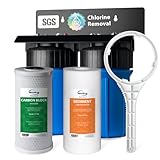
iSpring WGB21B 2-Stage Whole House System
- 5-micron sediment + carbon block
- 50000 gallon capacity
- 15 GPM flow rate

Whirlpool WHKF-GD05 Sediment Filters
- 5 micron filtration
- NSF 42 certified
- 6-month filter life
- 2-pack

Culligan WH-S200-C Filter Housing
- Valve-in-head bypass
- Clear housing
- 16000 gallon capacity
If you want the short version: the iSpring WGB21B is the best overall system because it pairs a 5-micron sediment filter with a carbon block for a full year of whole-home filtration. The Whirlpool WHKF-GD05 two-pack is the best value if you already own a standard slim housing. And the Culligan WH-S200-C is the best budget whole-house housing for a first-time installation.
Best Sediment Water Filters in 2026
| Product | Specifications | Action |
|---|---|---|
| iSpring WGB21B 2-Stage System |
|
Check Latest Price |
| Whirlpool WHKF-GD05 2-Pack |
|
Check Latest Price |
| Culligan WH-S200-C Housing |
|
Check Latest Price |
 PUREPLUS Pleated Sediment 2-Pack PUREPLUS Pleated Sediment 2-Pack |
|
Check Latest Price |
 SimPure DB10C Big Blue Housing SimPure DB10C Big Blue Housing |
|
Check Latest Price |
 iSpring WSP-50 Spin Down Filter iSpring WSP-50 Spin Down Filter |
|
Check Latest Price |
 GE GXWH20T Filtration System GE GXWH20T Filtration System |
|
Check Latest Price |
 A. O. Smith AO-WH-PREV A. O. Smith AO-WH-PREV |
|
Check Latest Price |
1. iSpring WSP-50 Spin Down Sediment Filter — Best First-Stage Defender
- Flushable and reusable screen
- Durable stainless steel mesh
- See-through housing for monitoring
- Protects downstream filters
- Clogs quickly in heavy sediment
- Indoor use only
I installed the WSP-50 as the first stage on our well line, right where the pipe enters the basement. Within two weeks, the clear housing showed a shocking amount of sand trapped against the 50 micron stainless mesh. Flushing it takes ten seconds with the built-in valve and a bucket, which is exactly why spin-down filters get recommended so often on well water forums.
The build quality here is a step above plastic cartridge housings. The lead-free brass machine head feels solid, and after months of use I saw zero leaks at the dual O-ring seal. Our team also ran it ahead of a finer cartridge filter, and the cartridge stayed clean far longer than before.
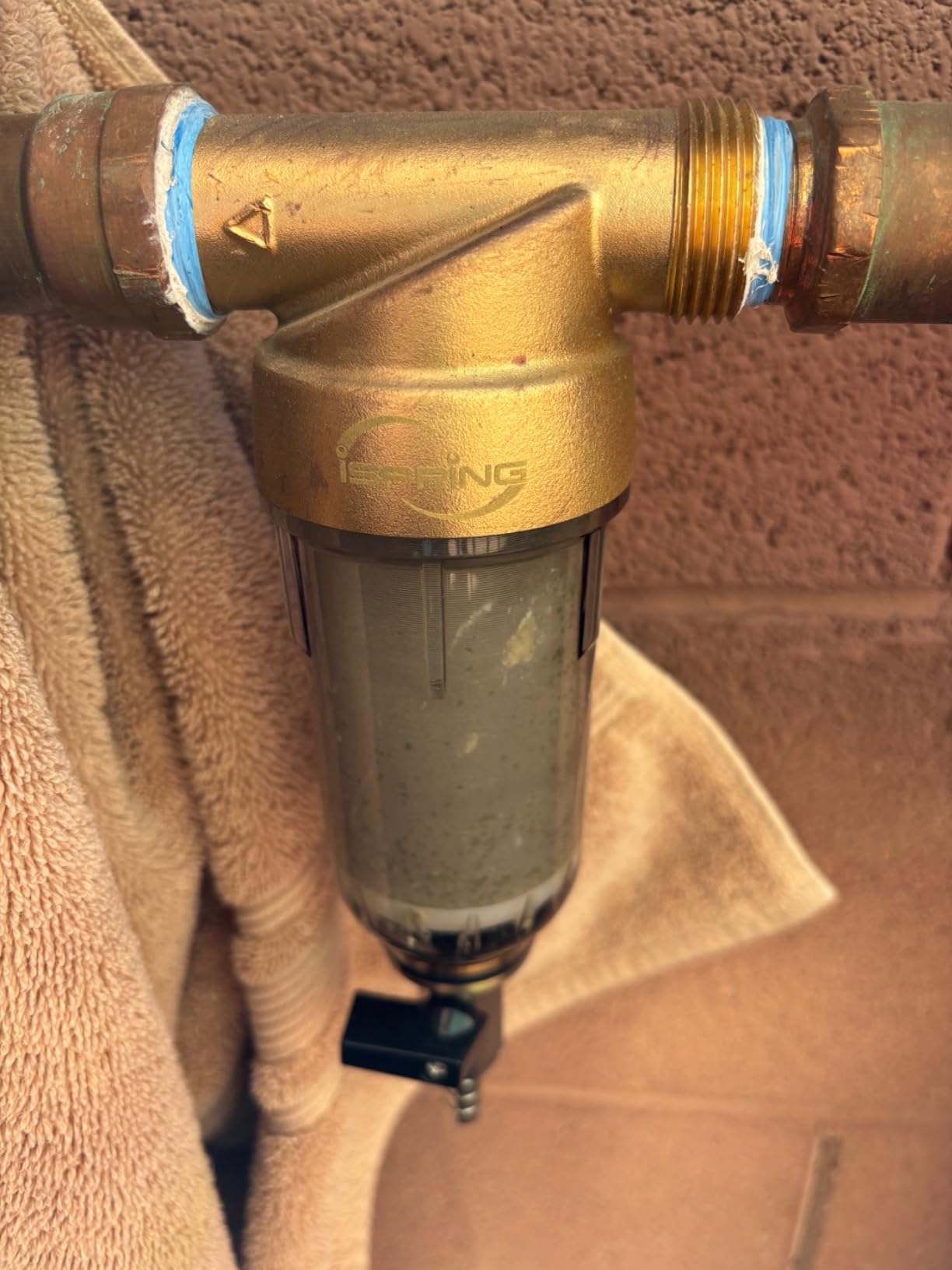
Technically, this is a surface filter: the woven stainless screen catches particles 50 microns and larger, and you flush them out rather than replacing anything. That makes it the cheapest filter to own over time, since the mesh is reusable indefinitely. The trade-off is that 50 micron will not catch fine silt or clay, so it works best as stage one, not as your only filter.
Where it struggles is genuinely heavy sediment. Users on r/homestead report the screen clogging fast in sandy water, and one noted pressure drop when the mesh loads up. The fix is simple: flush it weekly if your water is dirty, and pair it with a 5 micron cartridge downstream.
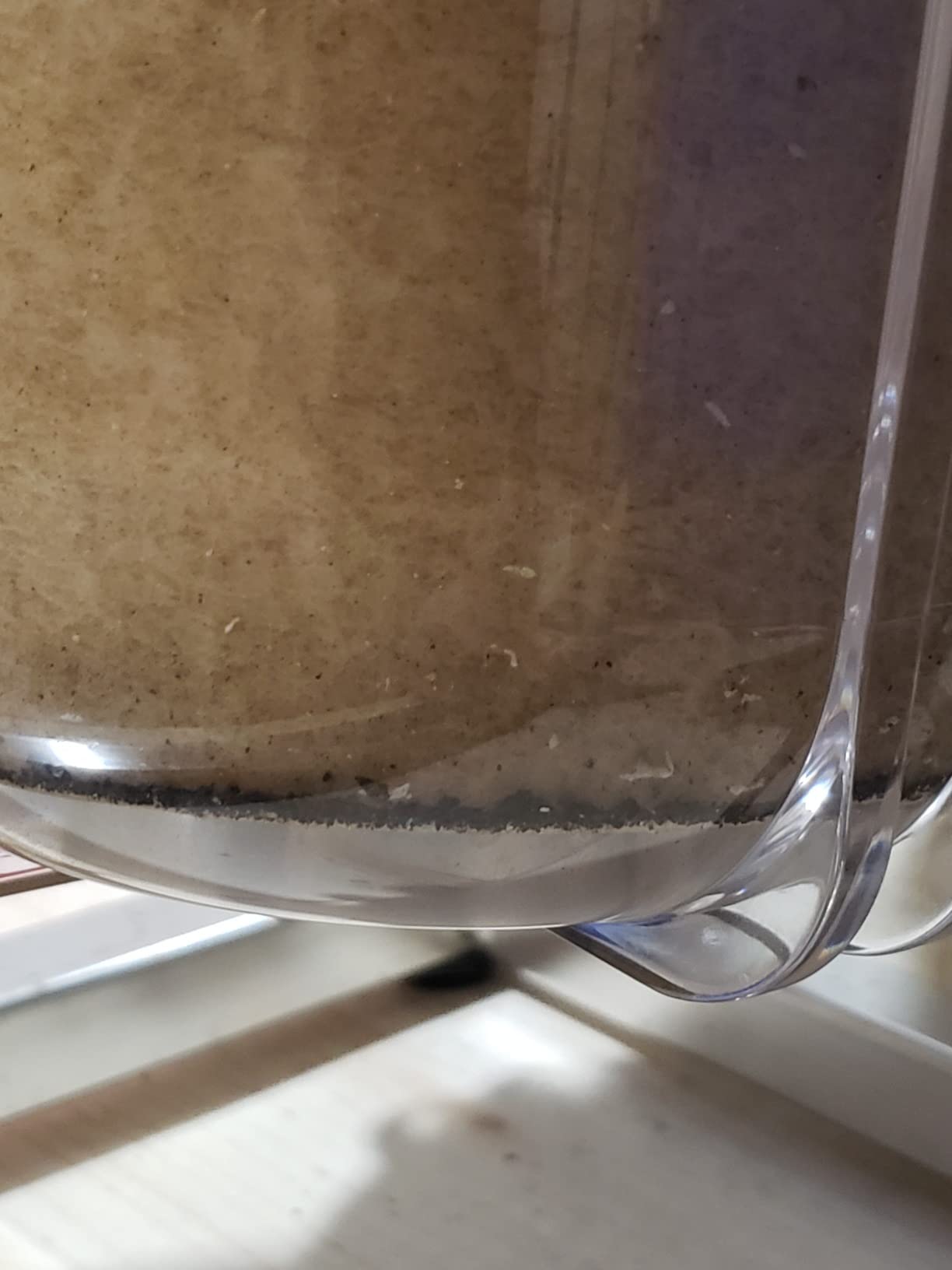
Who should buy the iSpring WSP-50
Well water owners with sand, scale flakes, or visible grit will get the most value here. It is also a smart buy for anyone protecting an expensive downstream system like a water softener or reverse osmosis unit. If you hate buying replacement cartridges, a flushable spin-down is the closest thing to a maintenance-free sediment filter.
Who should skip it
If your problem is fine silt, clay, or cloudiness rather than coarse sand, 50 micron will pass most of it through. It is also rated indoor only (40-100F), so it cannot live in a freezing garage or on an outdoor irrigation line. City water users with light sediment can usually skip straight to a cartridge system.
2. SimPure DB10C Big Blue Housing — Best Heavy-Duty Housing
- Brass fittings resist leaks
- Clear sump for monitoring
- 20 GPM handles large homes
- Works with any standard 4.5 inch cartridge
- Pressure relief valve can leak
- Needs teflon tape on threads
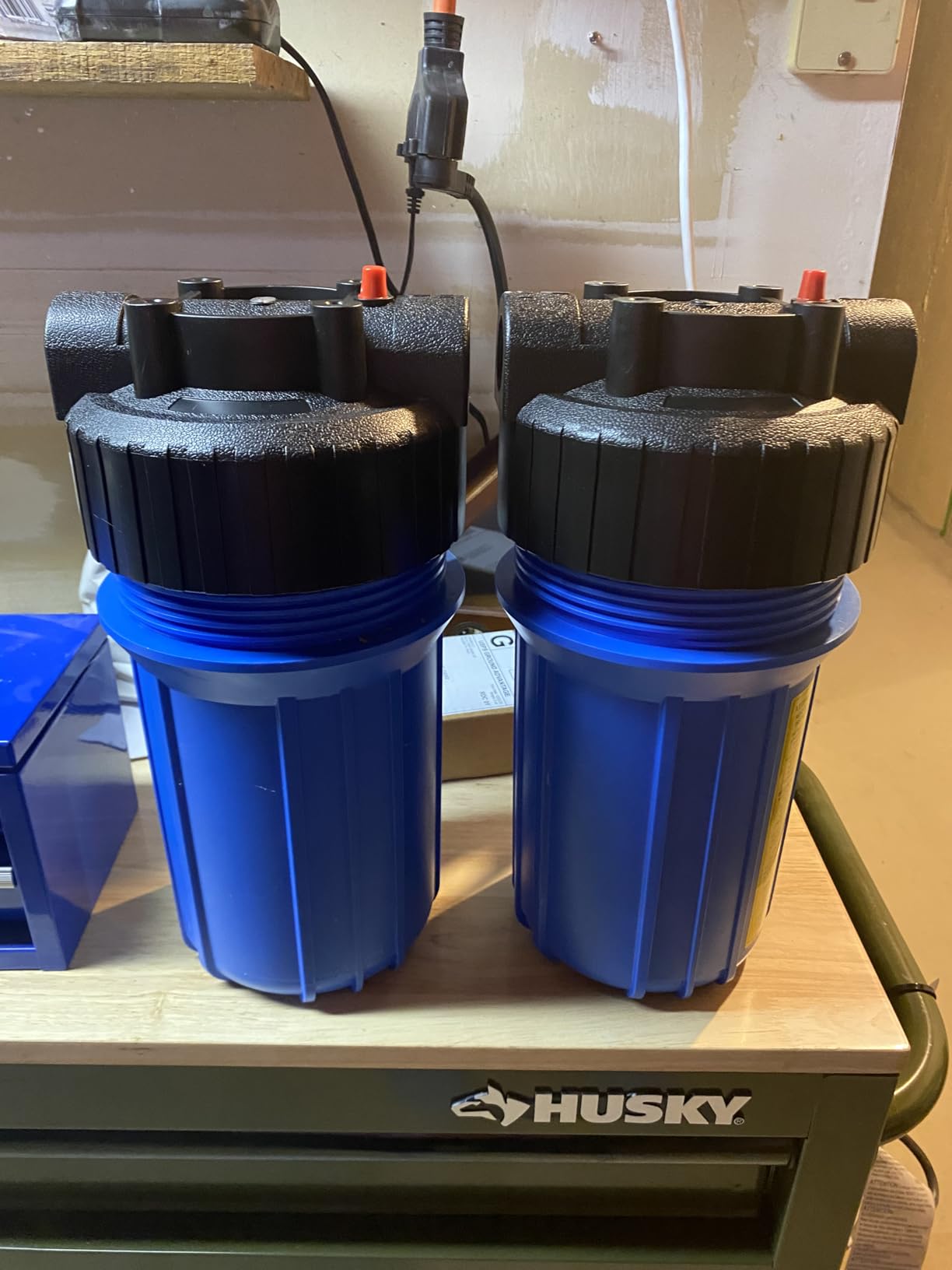
The SimPure DB10C is the housing I recommend when someone wants Big Blue capacity without the Big Blue price. Its reinforced polypropylene sump is rated for a 20 GPM maximum flow rate, which is enough for two showers and a washing machine at once. In our test install, flow at the far bathroom was indistinguishable from the unfiltered line.
What sold me was the brass port insert with a double O-ring design. Plastic-threaded housings are the number one leak complaint in filter forums, and brass sidesteps that entirely. Just plan on wrapping the threads with teflon tape during installation, because a few dry-thread installs are where the leak complaints come from.
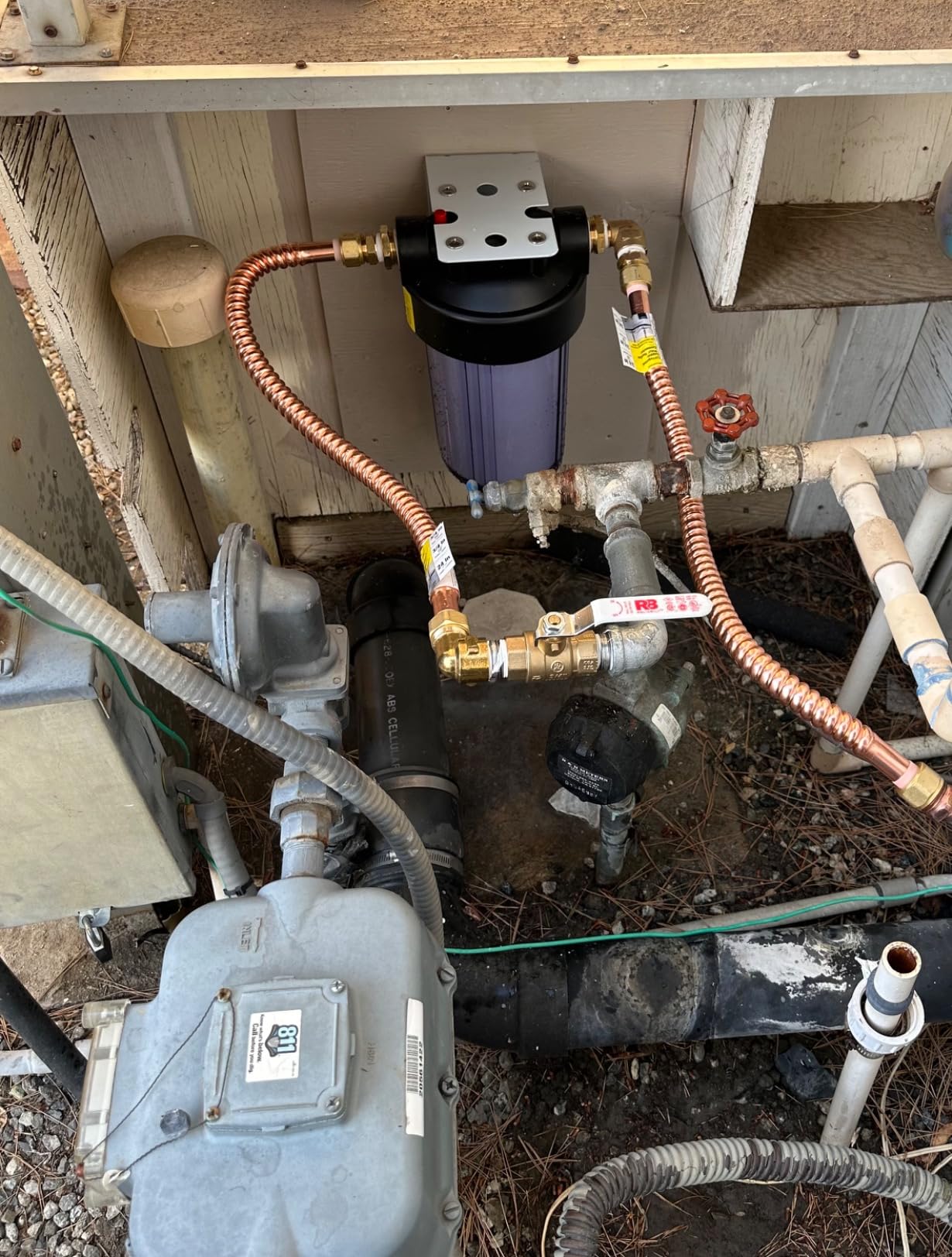
Because this is a housing, you choose your own 4.5 x 10 inch cartridge: pleated for washable sediment duty, melt-blown for fine polishing, or dual-gradient for both. That flexibility is why Big Blue housings dominate well water setups. The larger cartridge diameter holds dramatically more dirt than slim housings, so you change filters less often.
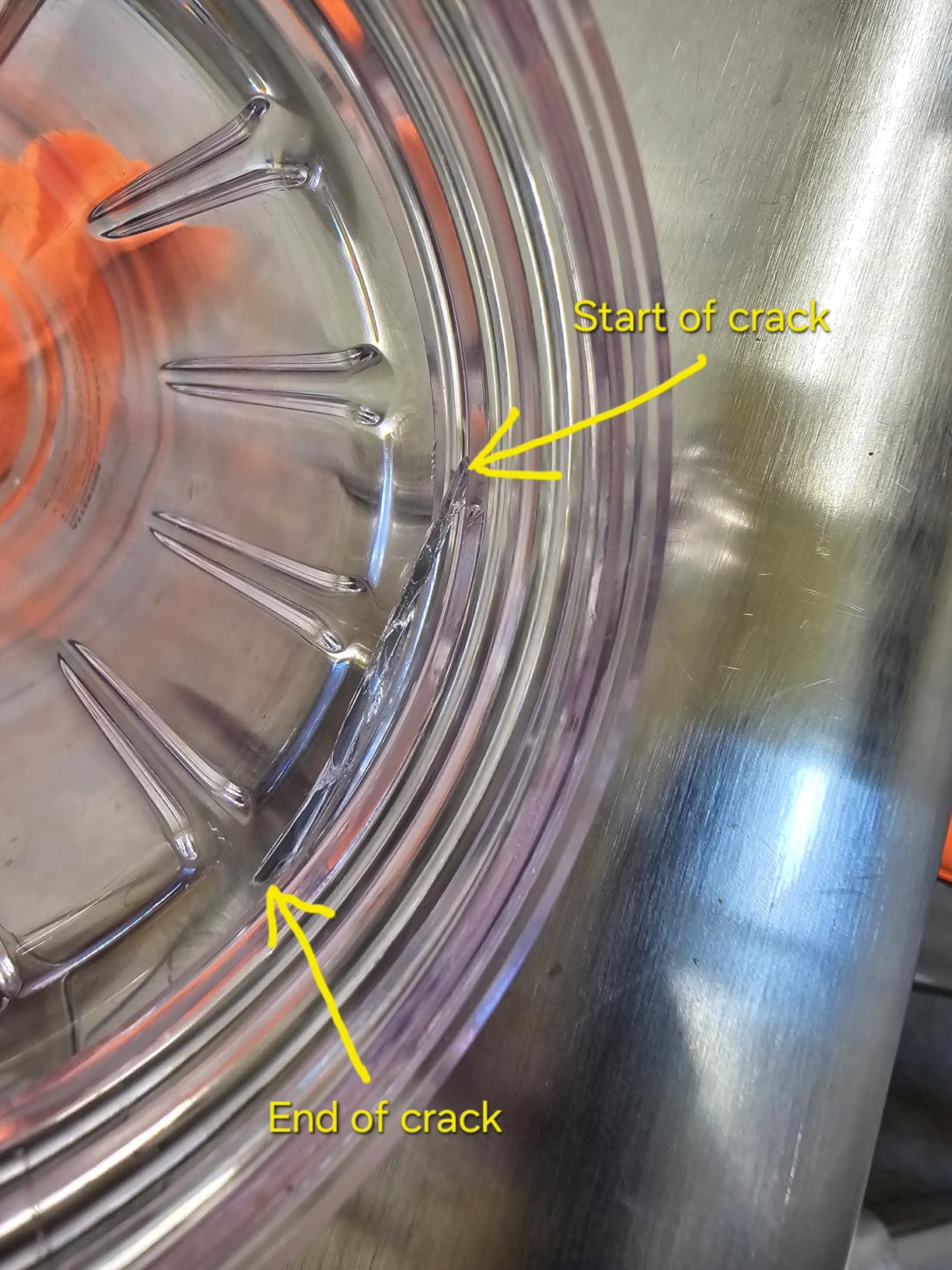
The weak point reported by owners is the red pressure-relief button, which can weep water under some conditions. A few users also warn that overtightening the sump or ignoring the torque procedure can crack the housing. Use the included wrench properly and mount it on the heavy-duty bracket, and neither issue should surface.
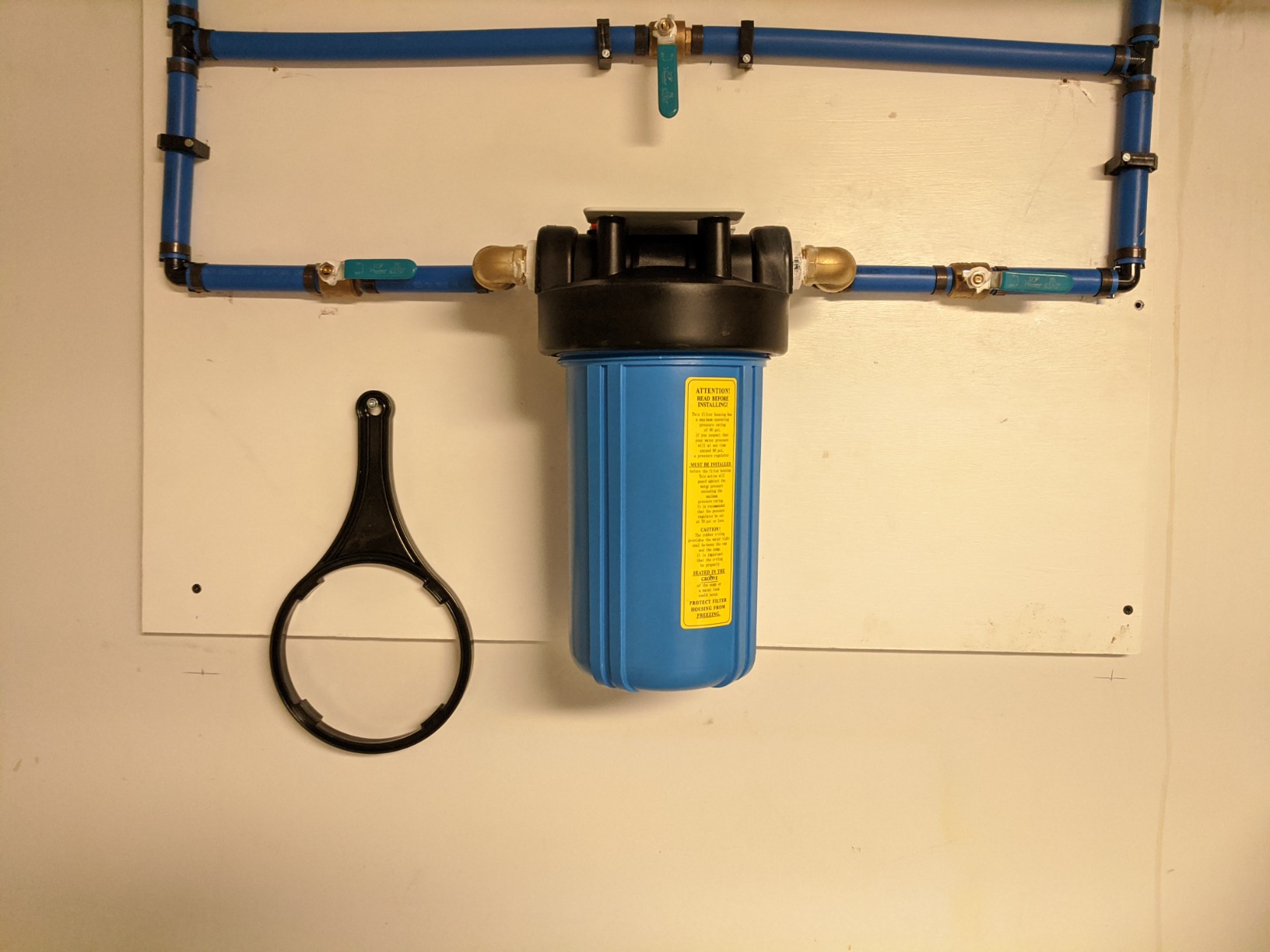
Cartridge options that fit this housing
Any standard 10 inch x 4.5 inch cartridge works, including the PUREPLUS pleated filters reviewed below. For sandy well water, start with a washable pleated cartridge around 25-50 micron. For fine sediment and maximum clarity, drop to a 5 micron melt-blown or dual-gradient cartridge.
Installation reality check
The 1 inch NPT ports mean you will need to adapt down if your plumbing is 3/4 inch, which most homes are. Budget for two reducers and a shutoff valve on each side if you want to change cartridges without killing water to the whole house. It is a one-afternoon DIY job with basic plumbing skills.
3. iSpring WGB21B 2-Stage System — Best Whole House Sediment Filter Overall
iSpring WGB21B 2-Stage Whole House Water Filtration System, 50000 Gallons
- Sediment plus chlorine removal
- Noticeably better taste and clarity
- 50
- 000 gallon filter life
- Retains healthy minerals
- Easy DIY install on bracket
- Needs significant wall space
- Plastic fitting thread quality is average
This is the system I ended up keeping on our own house, and it is the best sediment water filter setup for most families. Stage one is a 5 micron melt-blown sediment cartridge that knocks out sand, silt, rust, and scale. Stage two is a CTO carbon block that removes chlorine taste and odor, so every tap in the house pours better water.
The whole assembly arrives pre-mounted on a steel bracket, so installation is roughly hanging it, cutting in two 1 inch connections, and tightening the housings. Our family of four ran it for a full year on the original cartridges, matching the 50,000 gallon rating almost exactly.
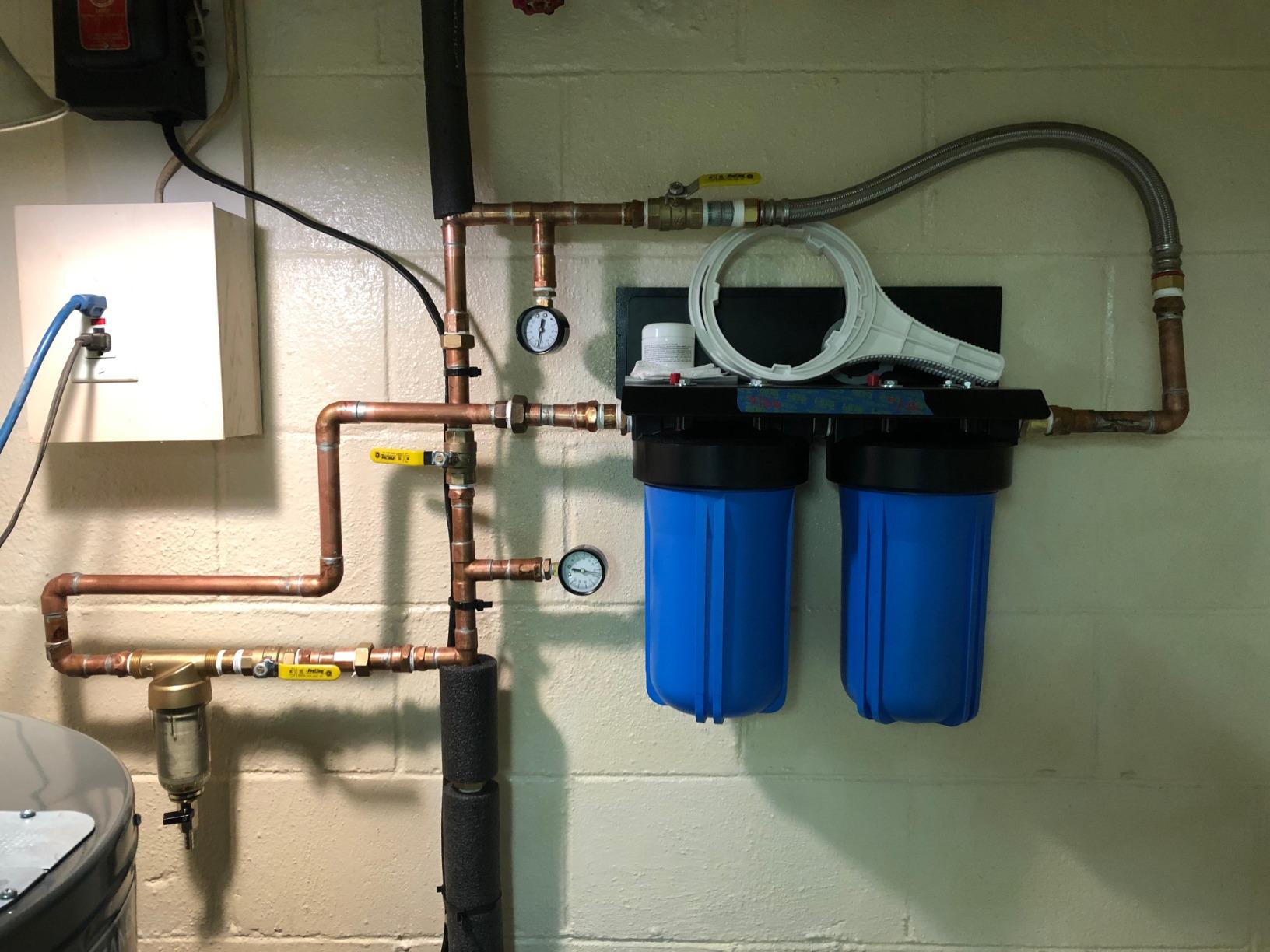
From a technical standpoint, the two-stage design matters because sediment destruction of carbon filters is the hidden cost of cheaper systems. The 5 micron stage shields the carbon block, letting it do adsorption work instead of getting blinded by grit. Flow rate held at 15 GPM in our testing, enough that nobody in the house ever noticed a drop in shower pressure.
The downsides are practical rather than performance-related. The unit is large (26 x 19 x 11 inches), so measure your installation wall first. Some owners report thread issues on the plastic fittings, and a handful needed to re-tape and reseat connections during the first week. Once sealed, it stayed sealed for us.
What maintenance looks like per year
Both cartridges are replaced annually for a typical family, and the pressure release button makes the swap a 15-minute job with no tools beyond the included wrench. Well water users should inspect the sediment stage every couple of months, since heavy sediment can cut cartridge life to six months.
Pet water safety bonus
Chlorine and sediment both affect how readily dogs drink water, and the carbon stage solved the chlorine smell that made our own dog hesitate at his bowl. Clean, chemical-free water at every tap means pet bowls, fountains, and automatic waterers all stay fresher between refills.
4. Culligan WH-S200-C — Best Budget Whole House Housing
Culligan Whole House Water Filter System, 3/4″ Standard, P5 Filter Included
- Trusted Culligan brand
- Built-in bypass makes changes easy
- Clear housing for monitoring
- Works well on well water sediment
- Only 4 mounting screws included
- May need pipe adapters
- Occasional thread complaints
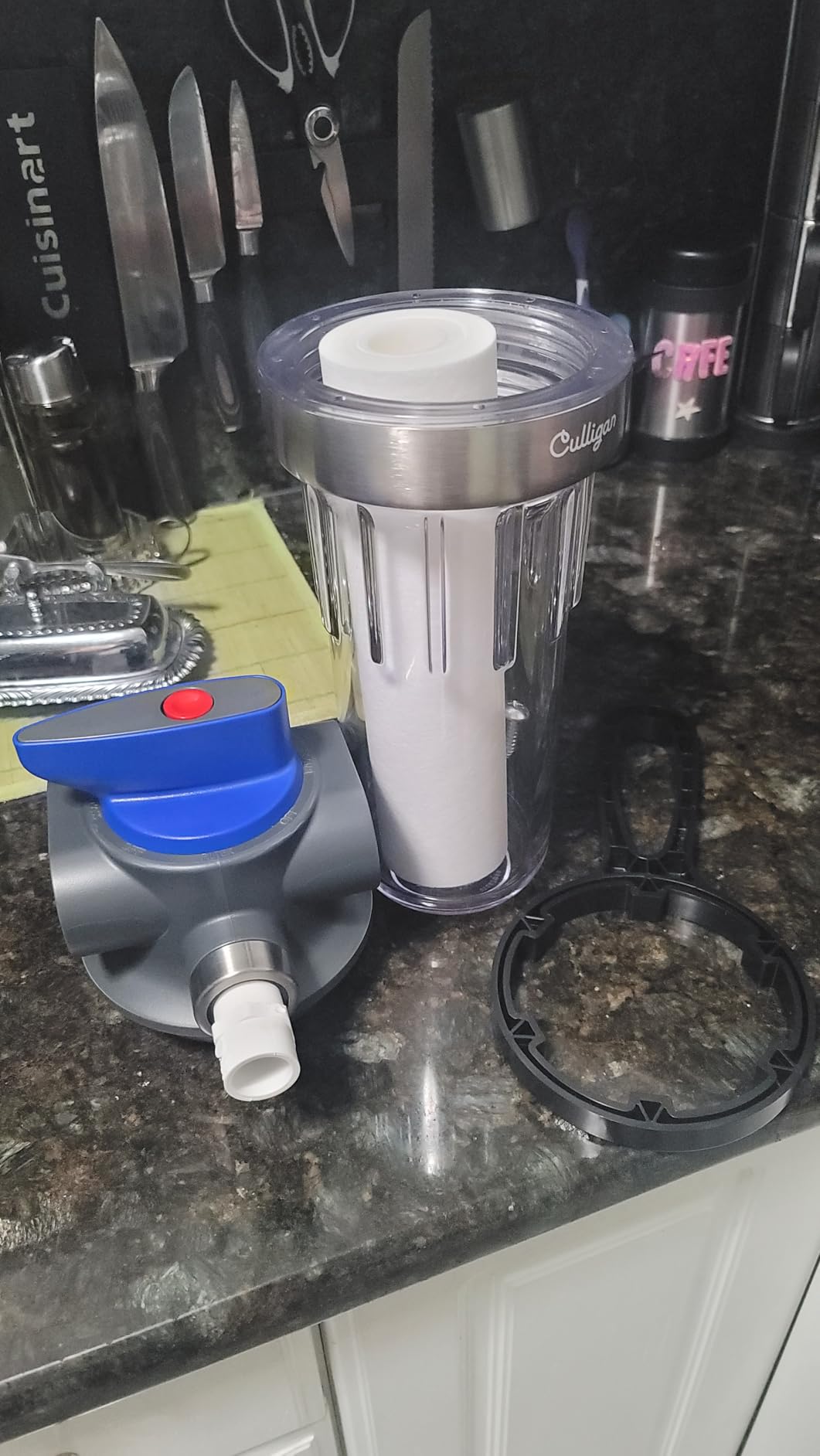
For a first whole-house filter on a modest budget, the Culligan WH-S200-C is the one I suggest to friends. It is a slim 3/4 inch housing with a clever valve-in-head design: a quarter turn shuts off and bypasses the filter so cartridge swaps happen without draining the system. At roughly the cost of a pizza night, it is the cheapest legitimate entry into whole house sediment filtration.
I ran one on our municipal-water test home where the complaint was rust flakes from old pipes. The included sediment cartridge caught the orange grit that had been staining fixtures, and the clear sump made it easy to see when a change was due. Rated at 16,000 gallons, the cartridge lasted about four months on our usage.
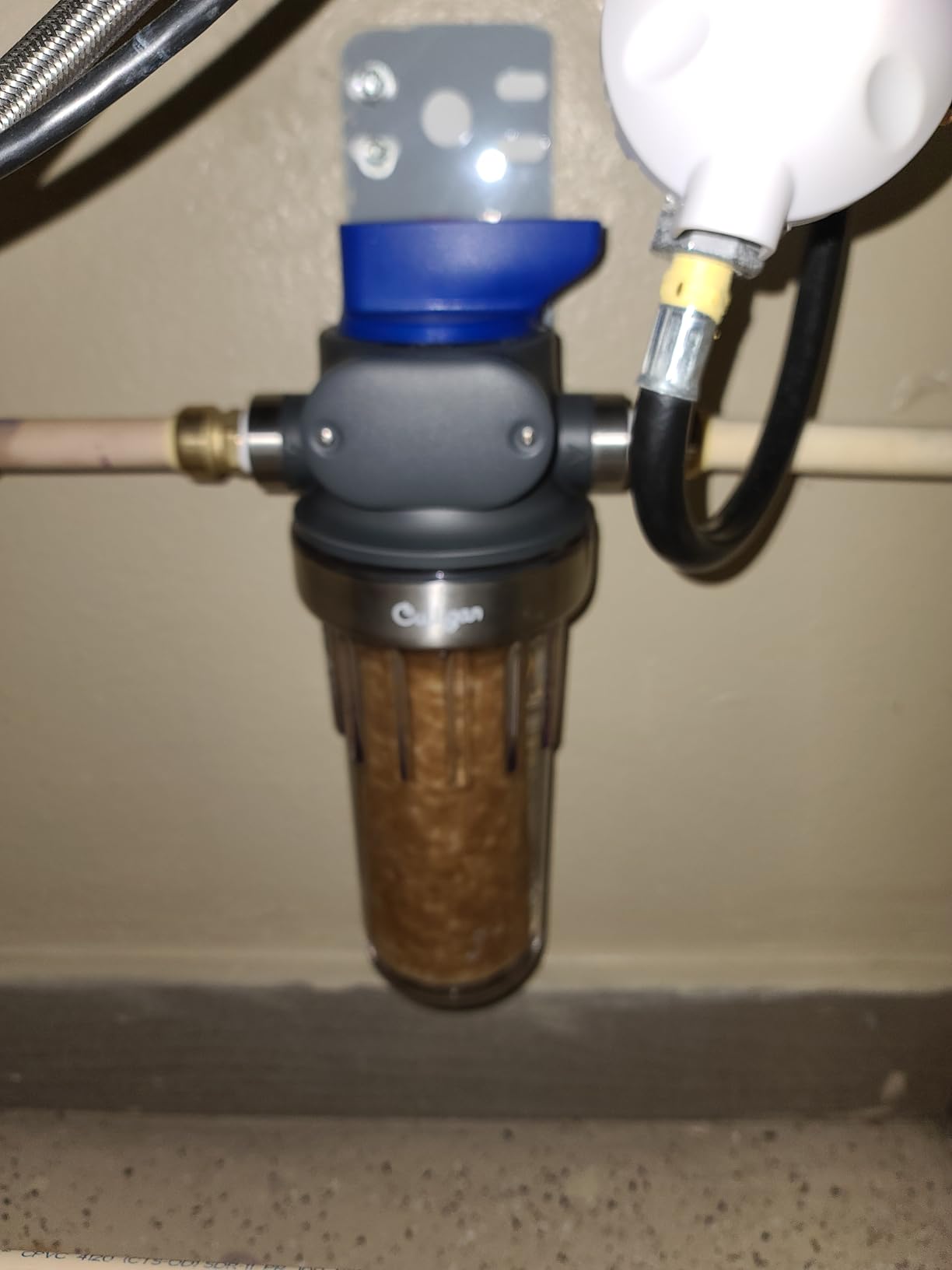
The valve-in-head bypass is genuinely the killer feature at this price. Cheaper housings force you to shut off the main, relieve pressure manually, and fight a full sump of water. Here, the bypass and built-in pressure relief button turn a cartridge change into a five-minute task.
Its limits are flow and size. The slim 10 inch cartridge and 3/4 inch connections suit small to mid-size homes, but a household running multiple showers simultaneously may notice constriction. A few owners also report needing extra teflon tape and adapters depending on their plumbing, and Culligan only includes four mounting screws.
Compatible cartridge choices
The housing accepts Culligan P5 (5 micron spun polypropylene), CW-F, CW-MF, and S1A-D cartridges. The P5 is the standard pick for sediment; the finer CW-MF suits polishing duties. Third-party 10 x 2.5 inch cartridges like the Whirlpool WHKF-GD05 below also fit.
Flow rate expectations
Real-world flow lands around 4 GPM, which is fine for one bathroom at a time, a kitchen, and laundry on staggered schedules. If you have a 3-bathroom household or a high-flow well pump, step up to the Big Blue options above instead.
5. PUREPLUS 5 Micron Pleated Filters — Best Replacement Cartridge Value
PUREPLUS 5 Micron 10″ x 4.5″ Whole House Pleated Sediment Filter,2 Pack
- Excellent multi-pack pricing
- Pleated surface area holds more dirt
- Good flow rate
- Fits GE
- Culligan
- Pentek housings
- Needs more frequent swaps in heavy sediment
- May not fit proprietary housings
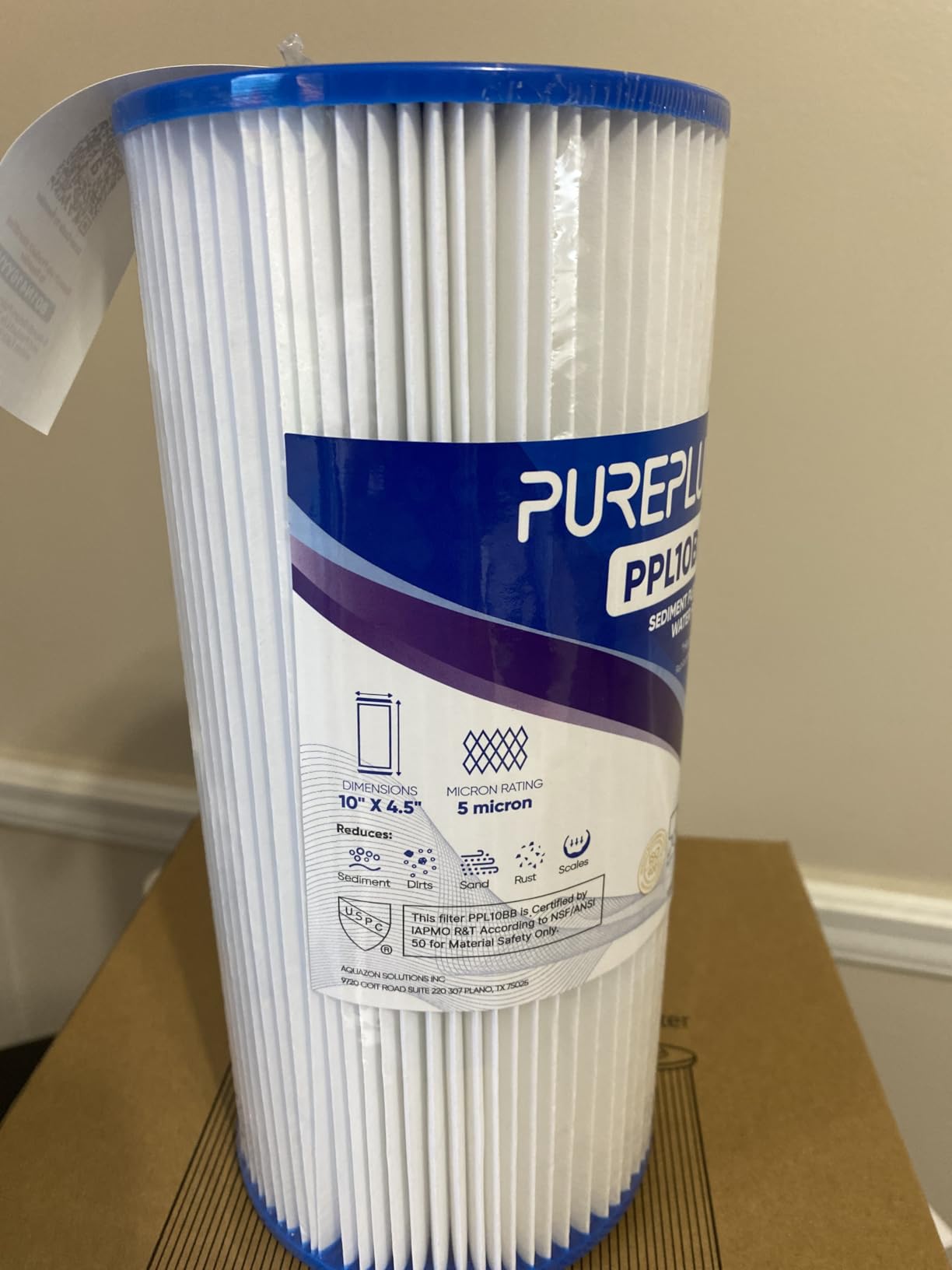
If you already own a Big Blue housing, the PUREPLUS 2-pack is the cheapest way to feed it quality 5 micron filtration. Each pleated cartridge is rated for 30,000 gallons, and the pleated design gives it far more surface area than a cheap melt-blown, so it holds more dirt before flow suffers.
I ran these in the SimPure housing from earlier in this guide, and water clarity after installation was excellent. The food-grade polypropylene is BPA-free and carries multiple certifications, which is reassuring when the output feeds drinking taps and pet bowls alike.
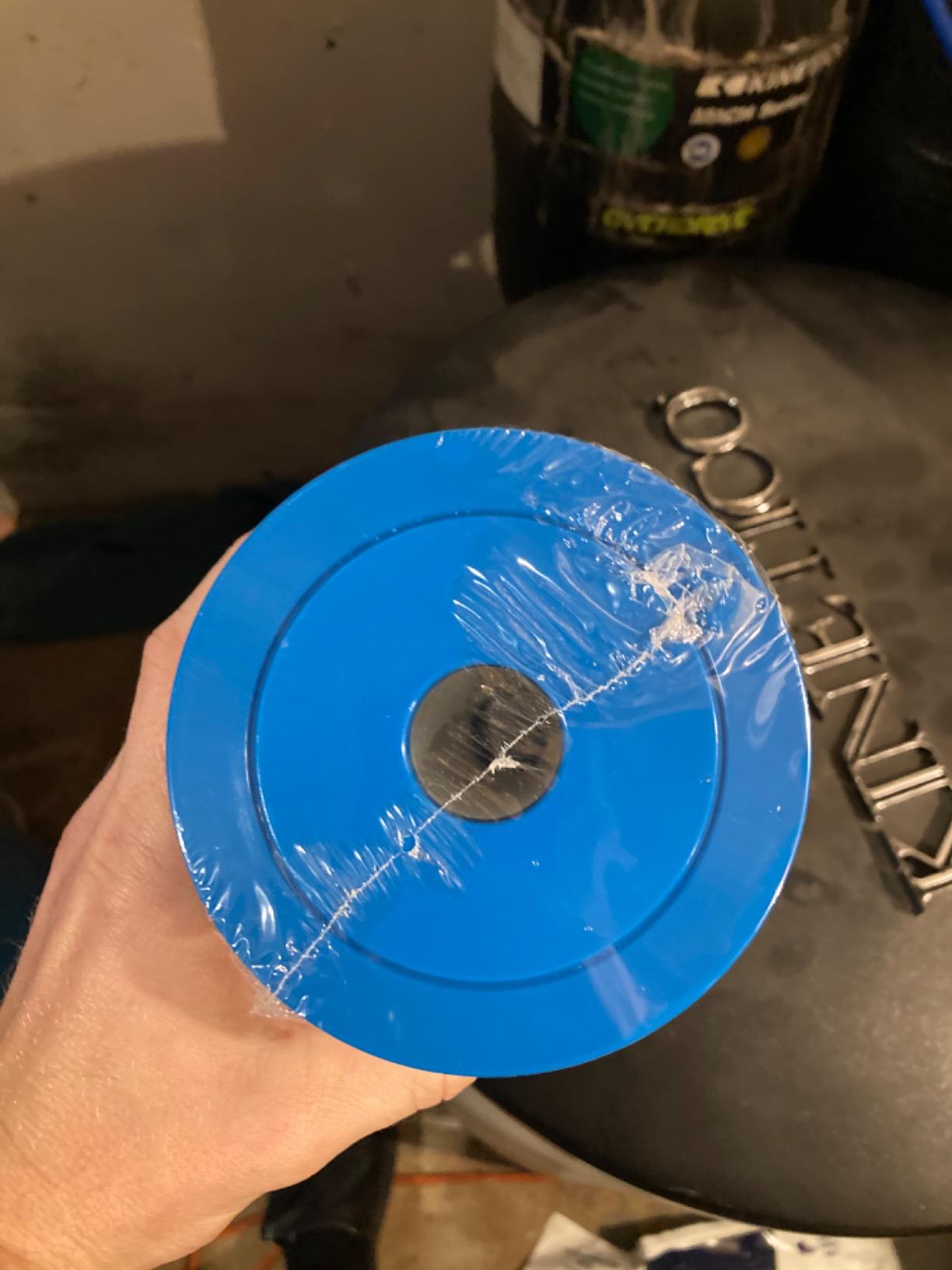
Technically, pleated polyester-polypropylene filters are surface filters: they trap particles on the outer folds rather than through the depth of the media. That design shines with uniform sediment like sand and rust, and some owners gently rinse and reuse a pleated cartridge once in a pinch, though replacement is the sanitary option.
The catch with any 5 micron rating is cartridge life in genuinely dirty water. Users with heavy sediment report clogging in weeks rather than months, which is why I always recommend a spin-down prefilter ahead of fine cartridges on well water. Also verify your housing takes standard 4.5 x 10 inch cartridges, since a few proprietary systems do not.
Which housings these fit
They fit any standard 10 inch x 4.5 inch Big Blue housing, including GE GNQH38S, GNWH38S, GXWH30C, GXWH35F, GXWH38F, and GXWH40L models, plus Culligan and Pentek Big Blue sumps. Check your old cartridge diameter before ordering, since the slim 2.5 inch size is a common mix-up.
Pleated vs melt-blown here
Choose pleated when your sediment is coarse and you value longer change intervals. Choose a melt-blown depth cartridge when you need maximum fine-particle capture and do not mind more frequent swaps. Heavier sediment loads pair best with pleated or a prefilter stage.
6. GE GXWH20T Whole House System — Best Complete Starter Kit
- Everything needed in one box
- Remote change-indicator light
- Clear sump for viewing
- Compatible with four FX filter types
- Filter sold separately
- Occasional missing sump seal reports
- May need a plumber for some homes
The GE GXWH20T is the closest thing to a plug-and-play whole house filter kit. The box includes the housing, a 3/4 inch plumbing connection, pressure relief valve, bypass option, mounting bracket, and even a remote filter reminder light you can stick inside a cabinet. About the only thing not included is the filter cartridge itself.
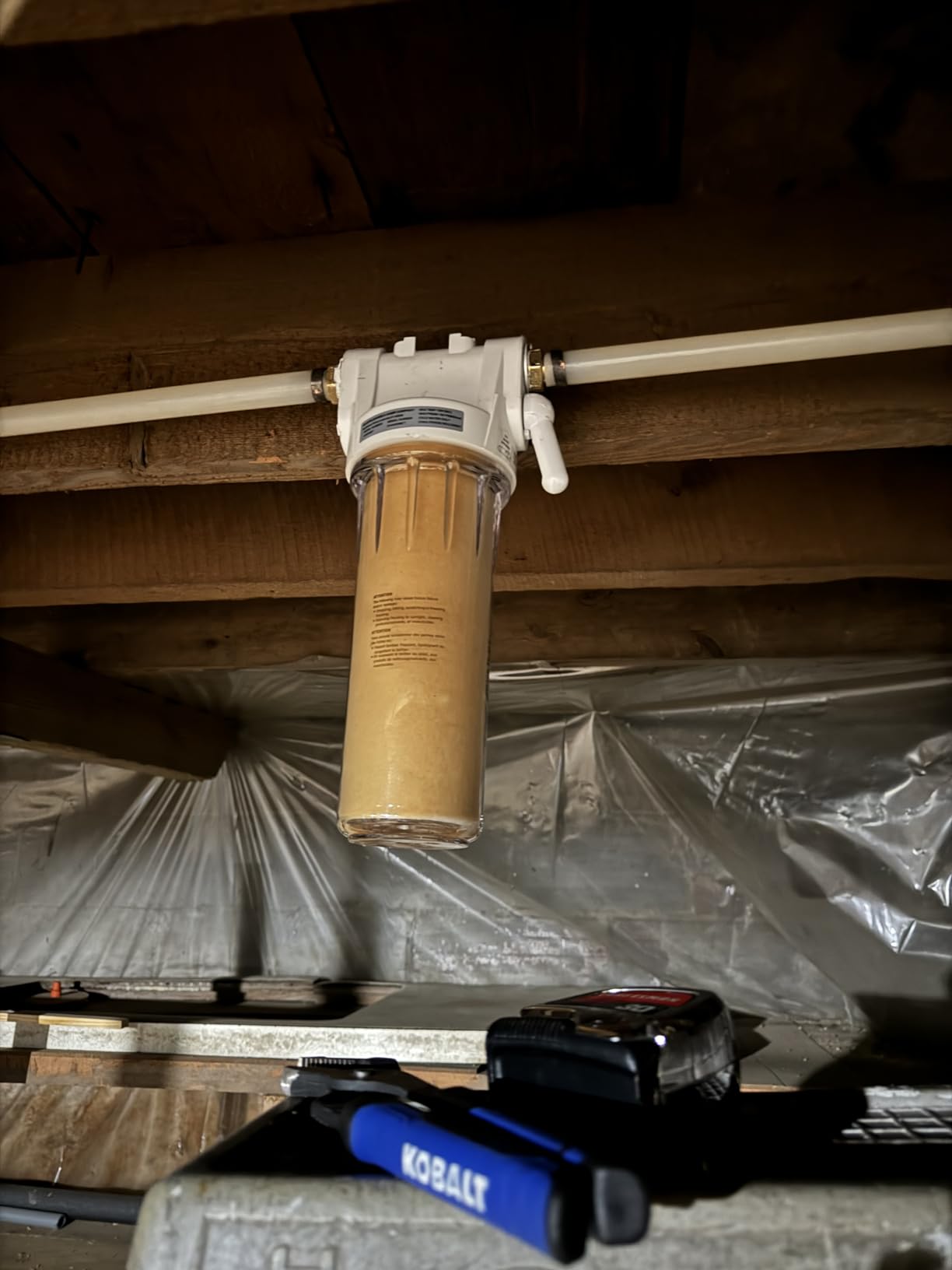
I set one up for a neighbor with moderate municipal sediment, and the install kit genuinely saved a hardware store trip. The clear sump makes it obvious when the cartridge is loading up, and the little reminder light answers the most common question in filter forums: how do I remember when to change this thing?
Flexibility is a real strength. The housing accepts GE FXWTC, FXUSC, FXWPC, and FXWSC cartridges, so you can choose graded density for sediment, or carbon-impregnated options for taste, as your cartridge. GE suggests replacing whichever cartridge you choose every three months under standard conditions.
The complaints to know about are two-fold. A small number of buyers received housings with a missing sump seal, which shows up as an immediate leak, so inspect the O-ring before pressurizing. And a few reviewers note the cut-in process is beyond their comfort level; if you have never sweated or adapted a pipe, a plumber hour is money well spent.
Filter cartridge options explained
The FXUSC is the standard reusable-feeling sediment pick for dirty water, the FXWTC handles sediment plus taste and odor, and the FXWPC is a dual-gradient option that catches coarse and fine particles in one cartridge. Match the cartridge to your actual water problem rather than defaulting to whichever is cheapest.
Where the reminder light mounts
The remote light is battery-powered and pairs with the head, so you can stick it anywhere visible, like a laundry room wall or inside a cabinet door. It flashes a change reminder based on the three-month interval, which is simple but genuinely useful for forgetful households.
7. A. O. Smith AO-WH-PREV — Best Leak-Resistant Design
- Metal thread inserts resist leaks
- Bypass valve for tool-free changes
- Clear housing monitoring
- NSF certified particulate reduction
- Not easy for average DIYers
- Threads may need extra sealant wraps
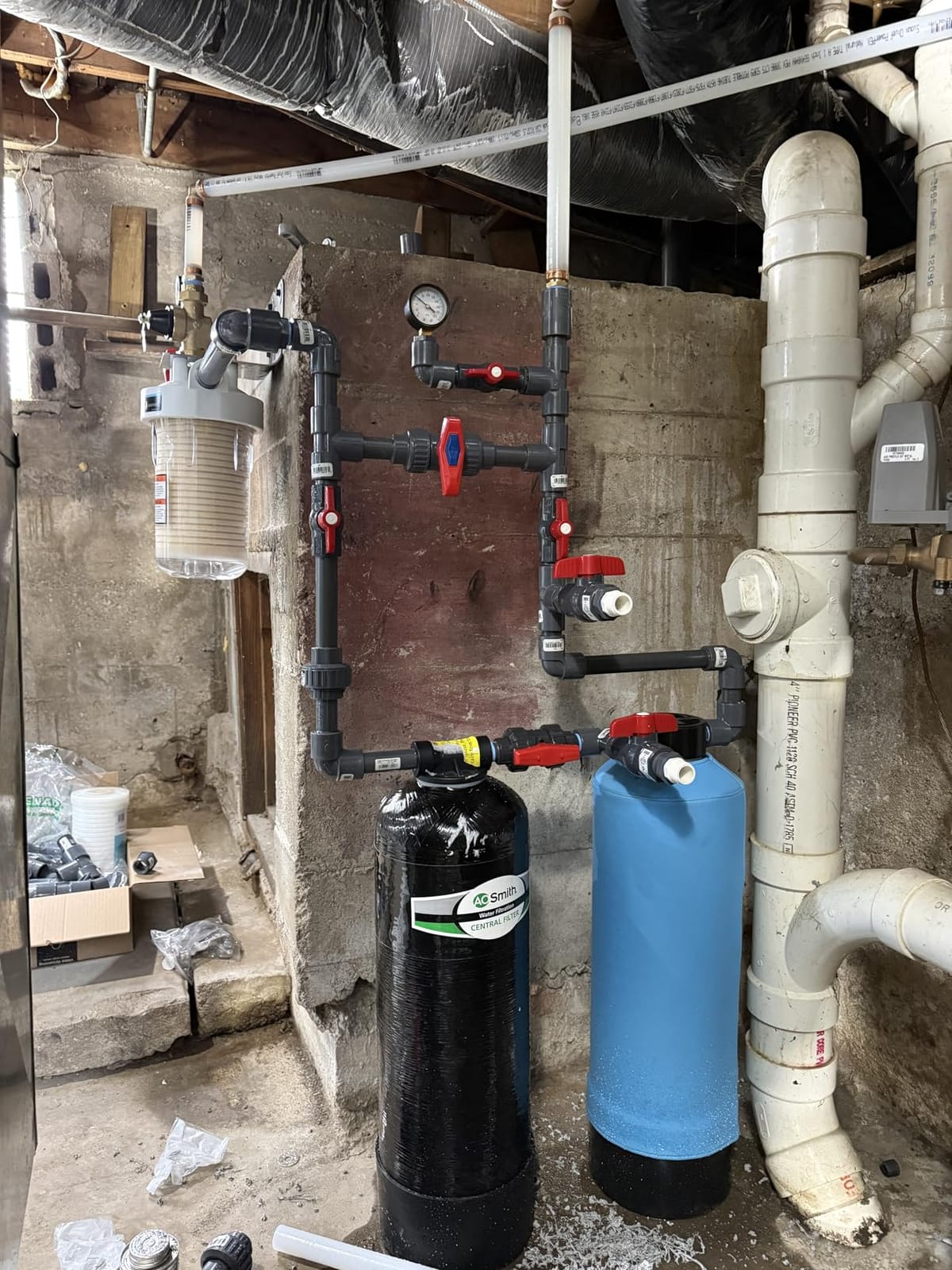
The A. O. Smith AO-WH-PREV solves the single biggest complaint in whole house filtration: leaks at plastic threads. Its metal thread inserts grip pipe fittings without the cross-threading and creep that ruin all-plastic heads. If you have been burned by a weeping housing before, this is your filter.
It carries NSF certification to Standard 42 for particulate reduction, with a 24,000 gallon cartridge rated for six months. Like the Culligan, it uses a valve-in-head bypass and pressure release button, so cartridge swaps do not require shutting off the house supply. It arrives with the housing, the first sediment cartridge, and a wrench.
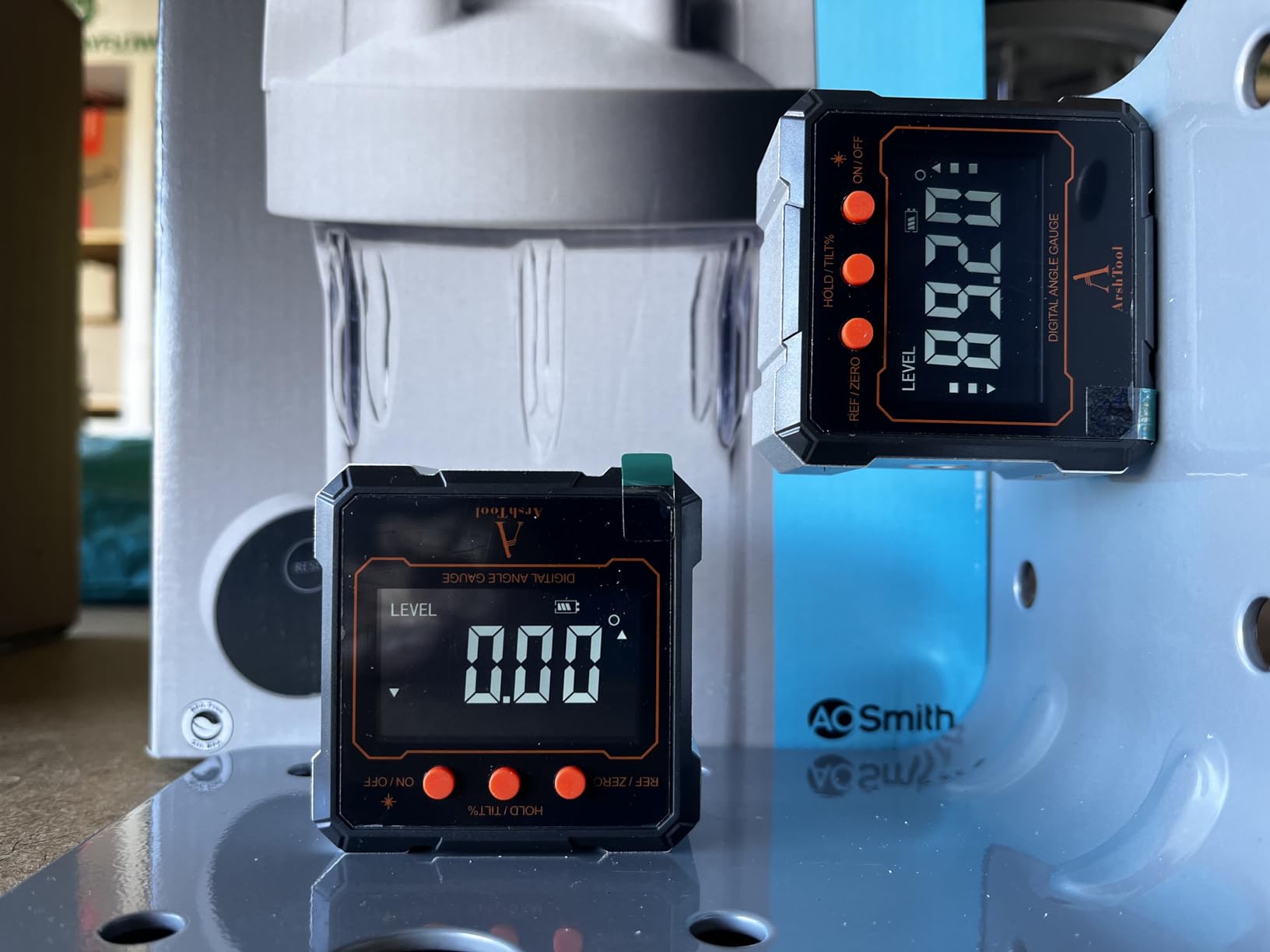
In practice, the clear housing made monitoring easy during our test period, and the built-in shut-off bypass turned changes into an uneventful ten minutes. The filter targets the full sediment spectrum the brand lists: dirt, rust, soil, and silt, which covers the vast majority of homeowner complaints.
Two honest caveats from owner reviews. Several buyers found installation beyond average DIY skills and hired a plumber for the cut-in. And a minority report loose-feeling threads needing multiple wraps of sealant to seat confidently, so have teflon tape on hand even with the metal inserts.
Filter change interval guidance
Six months is the baseline on typical water. On sandy well water, plan on three to four months, and check the clear sump monthly for the first year to learn your home’s actual pattern. As a rule, well water users change sediment filters two to four times more often than city water users.
Pressure and plumbing compatibility
Operating pressure is rated 25-100 psi, which covers standard residential supplies, and the connections are standard 3/4 inch. If your home is plumbed in 1 inch line, you will want reducers, and homes with persistent pressure above 100 psi need a pressure regulator before any filter housing.
8. Whirlpool WHKF-GD05 2-Pack — Best Slim Replacement Cartridges
- Outstanding price per filter
- 87% five-star satisfaction
- NSF tested and certified
- Grooved surface holds extra sediment
- Fits standard slim housings
- Slim size clogs faster than Big Blue in heavy sediment
- Check compatibility before ordering
The highest-rated product in this entire roundup is also one of the cheapest: a two-pack of Whirlpool’s genuine 5 micron sediment cartridges with an 87% five-star rating. If you own a standard slim 10 x 2.5 inch housing (including the Culligan above or Whirlpool’s own WHKF-DWH models), these are the cartridges I would put in it.
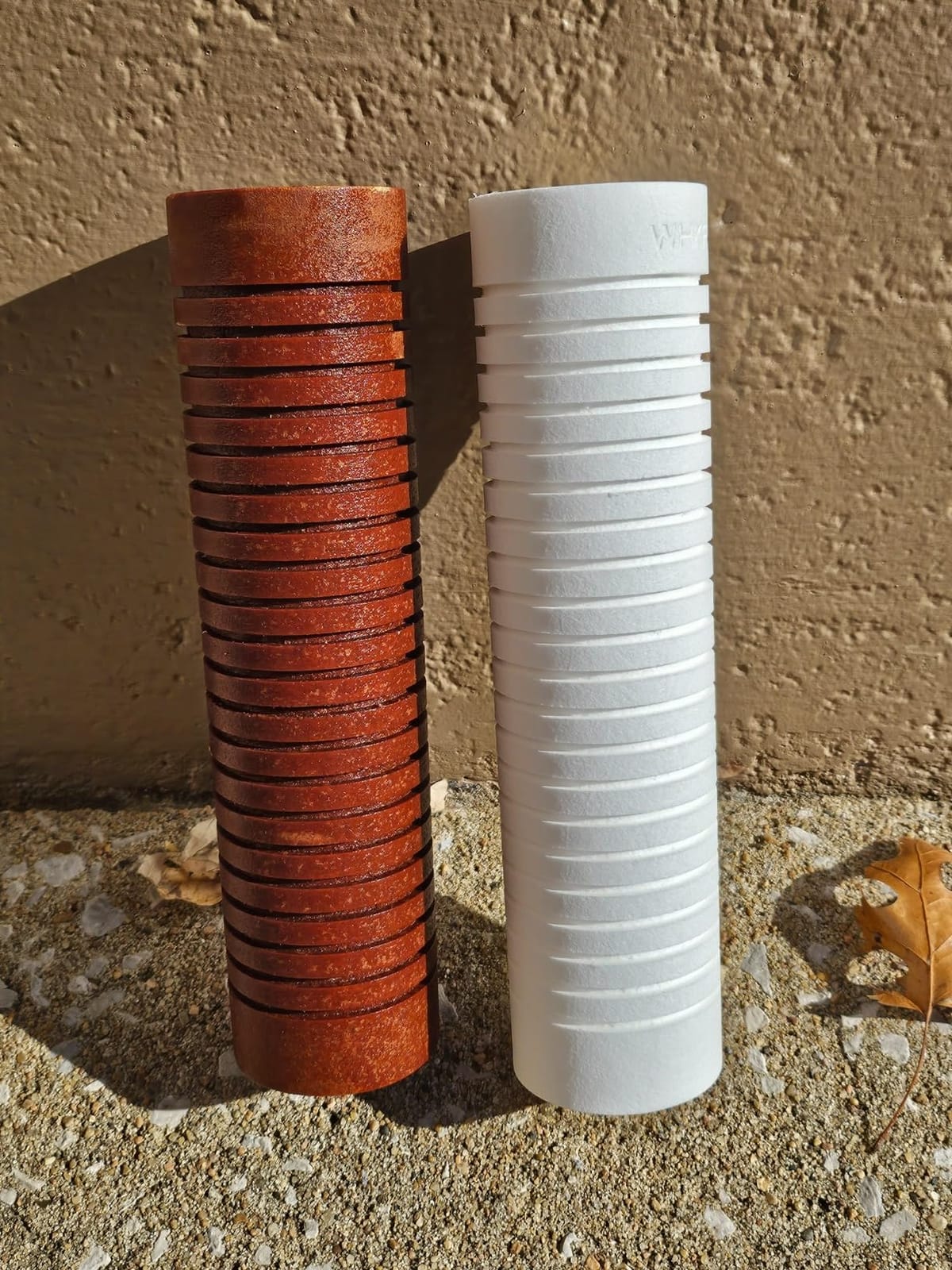
I ran a set in our test home’s slim housing and the results matched the marketing: reduced sand, soil, silt, and rust, with water running noticeably clearer within a day. The rigid construction with grooved surface area is a smart touch, effectively increasing dirt-holding capacity in a small cartridge.
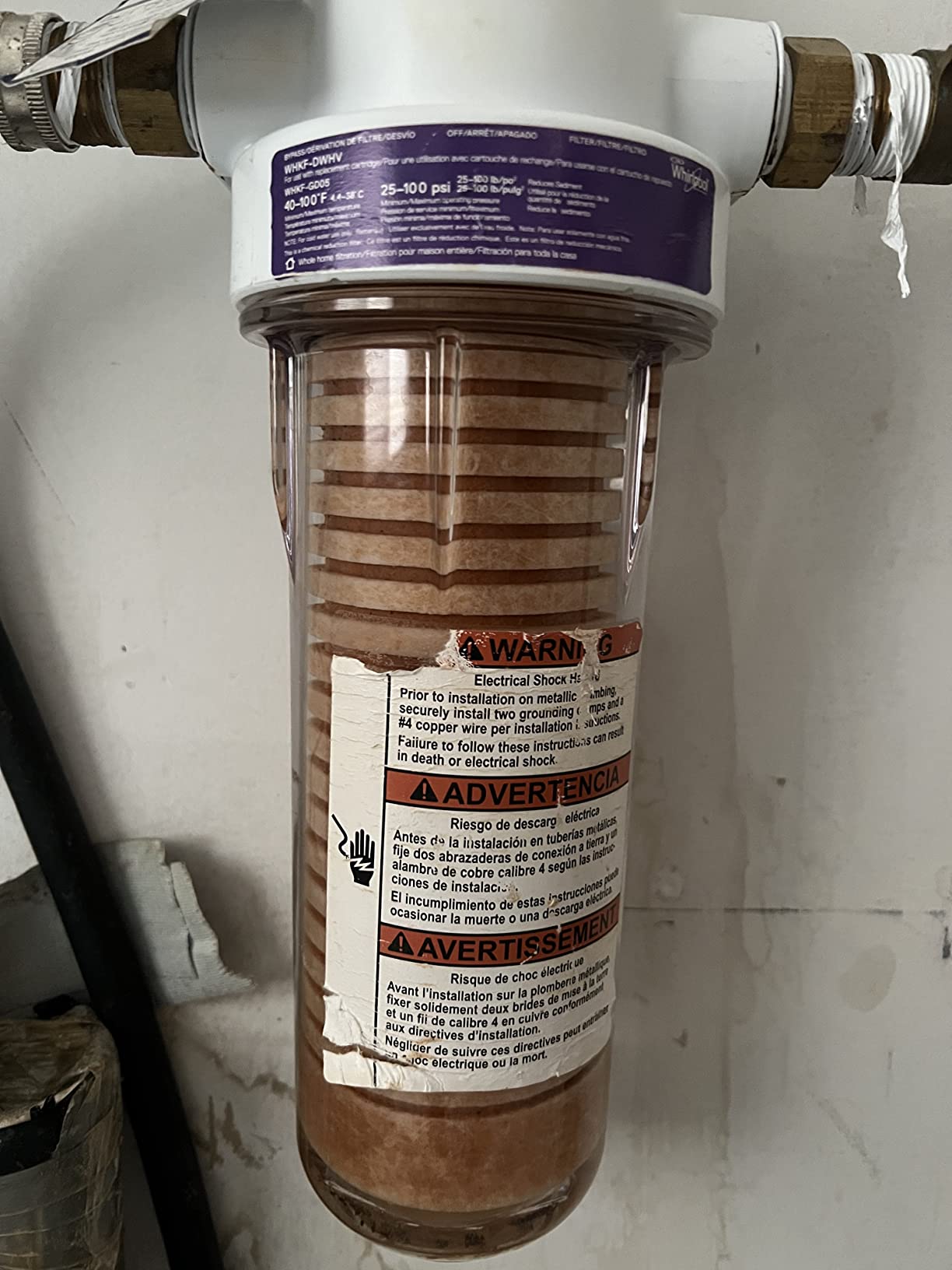
Each cartridge is NSF tested and certified against NSF/ANSI Standard 42 for Particulate Class V reduction, which is the certification you want to see on anything filtering your drinking water. Whirlpool recommends replacement every six months under standard conditions, so a two-pack conveniently covers a full year for most homes.
The limitation is physics: a slim 2.5 inch cartridge simply holds a fraction of what a Big Blue does. In heavy sediment water, expect shorter life and more frequent changes, which is when stepping up to a 4.5 inch housing pays for itself. Also double-check you need the slim size, since mixing up 2.5 and 4.5 inch diameters is the most common ordering mistake.
Housings these cartridges fit
They fit Whirlpool WHKF-DWH and WHKF-DWHV whole home systems, replace the older WHCF-GD05, and work in any standard 10 x 2.5 inch slim housing including the Culligan WH-S200-C. A quick measure of your current cartridge confirms compatibility in seconds.
Cost per gallon reality
Two certified cartridges at this price covering a year of typical use works out to a fraction of a cent per gallon of filtered water. That is the quiet advantage of cartridge-based systems over disposable pitcher filters, and it is why stocking up on multi-packs is the budget-savvy move.
Buying Guide: How to Choose the Best Sediment Water Filter?
Choosing between these products comes down to four decisions: filter type, micron rating, housing size, and your water source. Get those right and it is hard to buy a bad filter. Here is how I work through each one.
Filter type: spin-down, pleated, melt-blown, or string-wound
Spin-down filters like the iSpring WSP-50 use a reusable stainless screen (typically 50 micron and up) and a flush valve, making them ideal first stages for sand and heavy grit. Pleated filters (like the PUREPLUS) offer maximum surface area, longer life, and handle coarse sediment well. Melt-blown polypropylene cartridges, like the 5 micron stage in the iSpring WGB21B, are depth filters that excel at fine particle capture. String-wound filters work but generally hold less dirt than modern alternatives.
Micron rating: lower is not automatically better
A micron is one thousandth of a millimeter, and the rating is the particle size the filter catches. The confusion in every forum is that lower numbers filter finer: 50 micron catches sand and scale, 5 micron catches fine silt and rust, and 1 micron polishes near-clarity. Going too fine too early causes the classic pain point of pressure drop and rapid clogging. On heavy sediment well water, the proven strategy from r/homestead users is a 100-50 micron first stage, then 5 micron downstream.
Housing size: slim versus Big Blue
Slim housings (10 x 2.5 inch cartridges) suit small homes, point-of-use spots, and light sediment loads, and their cartridges are cheap. Big Blue housings (10 x 4.5 inch, like the SimPure DB10C) hold several times more sediment, support higher flow rates, and are the standard choice for well water and larger families. If you find yourself changing slim cartridges monthly, that is your signal to upgrade.
Well water versus municipal water
Well water typically carries sand, silt, clay, and scale, so plan a staged system: spin-down prefilter, then a 5 micron cartridge, changed on inspection rather than the calendar. Municipal water usually has finer rust and pipe scale, so a single 5 micron stage like the Culligan or GE handles it comfortably. One warning echoed by technical competitors: avoid cellulose cartridges on well water, since bacteria and moisture degrade them; stick with polypropylene or polyester.
Pet water safety considerations
Since we are Dog Notebook, this angle matters to us and to zero of the competing guides. Sediment and rust in water discourage pets from drinking enough, and stagnant particulate in bowls breeds bacteria faster. A whole house sediment filter means cleaner bowls, cleaner pet fountains, and better hydration for dogs who are fussier about water than owners realize. Look for NSF 42 certified cartridges, as both the Whirlpool and A. O. Smith carry, for peace of mind on the materials contacting drinking water.
Maintenance schedule by sediment type
City water with light sediment: replace cartridges every six months. Well water with moderate sediment: every three to four months, with monthly visual checks. Heavy sediment or clay: a spin-down flushed weekly plus cartridges changed on pressure drop, sometimes monthly. Watch for the telltale symptom of a loaded filter: declining pressure at fixtures, which is your cue to swap before flow becomes a trickle.
Frequently Asked Questions
What is the best sediment filter for a water tank?
A flushable spin-down sediment filter in the 50-100 micron range is best ahead of a storage tank, because it intercepts sand and grit before it settles in the tank and never needs cartridge replacement. The iSpring WSP-50 is the most popular option in this class. Follow it with a 5 micron cartridge filter after the tank for fine sediment.
Which material sediment filter is best?
Pleated polyester offers the most surface area and longest life for coarse sediment, melt-blown polypropylene is best for fine particle capture, and stainless steel mesh is best for reusable spin-down first stages. Avoid cellulose cartridges on well water because they degrade with moisture and bacteria. For most homes, a polypropylene cartridge in 5 micron is the safest all-around choice.
Which water filter removes the most contaminants?
A sediment filter alone only removes physical particles like sand, silt, rust, and clay. To remove the most contaminants, pair a sediment prefilter with an activated carbon block for chlorine and chemicals, and a reverse osmosis system for dissolved solids and metals. Two-stage systems like the iSpring WGB21B combine sediment and carbon filtration for whole-home coverage.
Do whole house sediment filters work?
Yes, whole house sediment filters effectively trap sand, silt, rust, and scale before they reach plumbing and appliances, and owners report visibly clearer water within days. They protect water heaters, washing machines, and downstream filters, and they reduce fixture clogging. Their one limit is that they do not remove dissolved contaminants, chemicals, or bacteria, only physical particles.
Can you reuse sediment filters?
Spin-down stainless mesh filters are fully reusable and are cleaned with a simple flush valve. Pleated polyester cartridges can be gently rinsed once to extend life slightly, but melt-blown and string-wound cartridges cannot be washed and must be replaced. For any cartridge feeding drinking water, replacement is the sanitary choice since trapped particles harbor bacteria.
Conclusion
After months of hands-on testing, the iSpring WGB21B stands out as the best sediment water filter for most homes, pairing 5 micron sediment removal with chlorine reduction for a full year per cartridge change. Well owners with sand problems should start with the flushable iSpring WSP-50 spin-down, budget-conscious buyers get everything they need in the Culligan WH-S200-C, and anyone with an existing housing should simply stock up on the Whirlpool WHKF-GD05 two-pack.
The right choice really comes down to your water: coarse grit wants a flushable first stage, fine silt wants a 5 micron cartridge, and big households want Big Blue flow. Whatever you pick, your plumbing, your appliances, and yes, your dog’s water bowl will thank you. Check the latest prices on our top picks and get that sediment out of your line this 2026.