
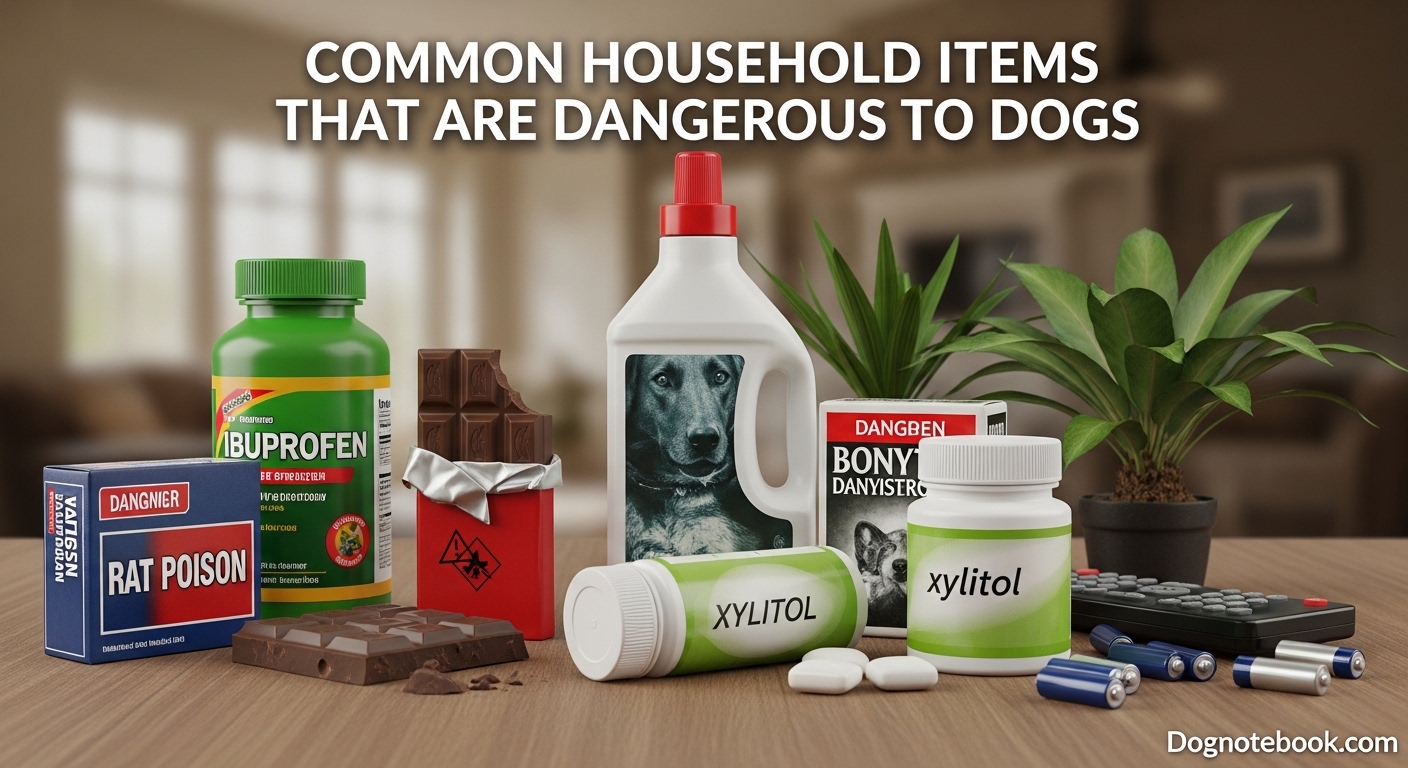
Every year, thousands of dogs are rushed to emergency veterinary clinics because they got into something they should not have eaten, chewed, or licked. Most of these emergencies happen from items sitting right in our kitchens, bathrooms, and garages. Understanding common household items that are dangerous to dogs is not just helpful knowledge; it can be the difference between life and death for your pet.
I have spent years working with dog owners, veterinarians, and pet safety experts to compile the most comprehensive resource on this topic. What surprises most people is how many everyday products, from sugar-free gum to a handful of raisins, can cause severe poisoning in dogs. Some items can cause fatal reactions in amounts as small as a single serving.
Dogs explore the world through their mouths. Their powerful sense of smell draws them to items we would never expect them to find appealing, and their curiosity often leads them into cabinets, trash cans, and purses. This guide covers every major category of household hazards for dogs, explains the specific dangers each item poses, and gives you a clear emergency action plan if the worst happens.
Keep this page bookmarked. Share it with everyone in your household. The information here could save your dog’s life.
Emergency contacts to save right now:
- ASPCA Animal Poison Control: (888) 426-4435
- Pet Poison Helpline: (855) 764-7661
- Your regular veterinarian’s after-hours number
- Nearest 24-hour emergency veterinary clinic address
Table of Contents
Foods Toxic to Dogs
Food-related poisoning is the most common reason dog owners call poison control hotlines. Many of the items on this list are things we eat every day without a second thought. But a dog’s metabolism processes these substances very differently than a human body does. Here are the foods dogs cannot eat and why each one poses a threat.
Chocolate and Cocoa Products
Chocolate is the number one food-related cause of dog toxicity calls to veterinary clinics. It contains theobromine and caffeine, both classified as methylxanthines, which dogs process far more slowly than humans. The darker the chocolate, the more dangerous it is. Baker’s chocolate and dark chocolate contain the highest concentrations of theobromine, while white chocolate has the least.
Symptoms of chocolate poisoning usually appear within 6 to 12 hours and include vomiting, diarrhea, rapid breathing, increased heart rate, muscle tremors, and seizures. In severe cases, chocolate ingestion can lead to cardiac arrhythmia and death. A 10-pound dog that eats just 1 ounce of baker’s chocolate can experience life-threatening symptoms. If your dog eats any amount of chocolate, call your vet or poison control immediately.
Xylitol (Birch Sugar)
Xylitol is one of the most toxic items for dogs in any home, and many dog owners have never heard of it. This sugar substitute goes by several names on ingredient labels, including birch sugar and birch extract. You will find it in sugar-free gum, sugar-free candy, peanut butter, baked goods, breath mints, and even some toothpaste and mouthwash brands.
In dogs, xylitol triggers a massive insulin release from the pancreas, causing blood sugar levels to plummet dangerously fast. This can happen within 10 to 15 minutes of ingestion. Even small amounts can cause severe hypoglycemia, seizures, liver failure, or death. A couple of pieces of xylitol-sweetened gum can be fatal to a small dog. Always check ingredient labels on anything sugar-free before bringing it into a home with dogs.
Grapes and Raisins
Grapes and raisins are among the most surprising items on this list. For reasons that veterinary science has not fully determined, even small quantities can cause acute kidney failure in dogs. Some dogs seem to tolerate grapes with no ill effects, while others develop kidney failure after eating just a handful of raisins or a few grapes. There is no established safe dose, which makes every exposure a gamble with your dog’s life.
The uncertainty is what makes grapes and raisins so dangerous. Because there is no known toxic threshold, any ingestion warrants an immediate call to your veterinarian. Symptoms include vomiting, lethargy, increased thirst, decreased urine production, and abdominal pain. Kidney damage can begin within 24 hours and may be irreversible if treatment is delayed.
Macadamia Nuts
Macadamia nuts cause a distinctive syndrome in dogs that includes weakness in the hind legs, tremors, vomiting, and elevated body temperature. Most dogs recover with supportive care, but the experience is frightening for both the dog and the owner. The exact toxic mechanism is not fully understood, but even small amounts, as few as 6 to 12 nuts for a medium-sized dog, can produce symptoms.
These nuts are often found in cookies, candies, and baked goods, especially around the holidays. Dogs that counter-surf or get into pantries can easily access them. Watch for stumbling, difficulty standing, and a hunched posture within 12 hours of potential exposure.
Alcohol and Caffeine
Dogs are far more sensitive to alcohol than humans. Even small amounts of beer, wine, or liquor can cause dangerous drops in blood sugar, blood pressure, and body temperature. Alcohol poisoning in dogs leads to vomiting, disorientation, muscle tremors, and respiratory failure. Dogs can also be exposed to alcohol through fermented foods, raw bread dough, and certain liquid medications.
Caffeine poses similar risks because, like theobromine, it is a methylxanthine. Coffee grounds, tea bags, energy drinks, and diet pills all contain caffeine. A dog that gets into the trash and eats coffee grounds can develop rapid heartbeat, restlessness, panting, and seizures. Keep all caffeinated products well out of reach.
Onions, Garlic, and Chives
All members of the Allium family, including onions, garlic, chives, and leeks, contain compounds called N-propyl disulfide and thiosulfates that damage red blood cells in dogs. This damage leads to hemolytic anemia, where the body destroys its own red blood cells faster than it can replace them. The effect is cumulative, meaning repeated small exposures can be just as dangerous as one large dose.
This category is tricky because these ingredients appear in so many prepared foods. Soups, sauces, baby food, and leftovers often contain concentrated onion or garlic powder, which is significantly more potent than the raw vegetable. Symptoms of Allium poisoning include pale gums, weakness, elevated heart rate, and red or brown-colored urine. These signs may not appear for several days after ingestion.
Raw Bread Dough and Yeast
Raw bread dough containing live yeast poses a unique and dangerous threat to dogs. When a dog swallows raw dough, the warm, moist environment of the stomach provides ideal conditions for the yeast to continue rising. This can cause the stomach to expand to dangerous sizes, potentially leading to gastric dilatation-volvulus (bloat), which is a life-threatening emergency.
Additionally, the fermenting yeast produces alcohol, which is absorbed into the bloodstream and can cause alcohol poisoning. Signs include a distended abdomen, unproductive retching, disorientation, and weakness. This is a true emergency that requires immediate veterinary intervention.
Other Risky Foods
Several other common kitchen items deserve a mention on the dangerous list. Salt in large quantities can cause sodium ion poisoning, leading to vomiting, tremors, and seizures. Nutmeg contains myristicin, which can cause hallucinations, disorientation, and seizures in dogs. Avocado contains persin, which causes vomiting and diarrhea, and the pit is a choking and intestinal blockage hazard. Moldy or spoiled foods can contain tremorgenic mycotoxins that cause muscle tremors and seizures.
Cleaning and Laundry Products
Cleaning products are among the most accessible household chemicals dogs encounter daily. Many have sweet or pleasant scents that attract curious noses. Some products cause immediate chemical burns, while others produce toxic fumes. Here is what you need to know about the most dangerous cleaning products in your home.
Bleach and Disinfectants
Household bleach (sodium hypochlorite) can cause severe chemical burns to a dog’s mouth, esophagus, and stomach. Even diluted bleach is dangerous if ingested. Dogs may lap at bleach water in buckets, walk through freshly mopped floors and then lick their paws, or chew on bleach-soaked rags. Symptoms include drooling, pawing at the mouth, vomiting, difficulty swallowing, and abdominal pain.
Concentrated disinfectants and toilet bowl cleaners are equally dangerous. Some contain quaternary ammonium compounds, which can cause corrosion of the mouth and digestive tract. Keep toilet lids closed if you use in-tank cleaning tablets, and always rinse surfaces thoroughly after using disinfectants. Store all cleaning products in closed cabinets, preferably with childproof latches.
Detergents and Fabric Softener Sheets
Laundry detergents, especially concentrated pods, pose a significant risk. The attractive colors and soft texture of detergent pods make them appealing to dogs. Biting into a pod releases concentrated detergent that can cause chemical burns, vomiting, and respiratory distress from aspiration. Fabric softener sheets contain cationic surfactants that are highly toxic to dogs and can cause ulcers in the mouth and digestive tract.
Dryer sheets are particularly sneaky because people leave them in accessible places like laundry baskets or even use them to reduce static on pet fur, which is not safe. Keep all laundry products in sealed containers and pick up any dropped pods or sheets immediately.
Drain Cleaners and Toilet Bowl Products
Drain cleaners contain sodium hydroxide (lye) or sulfuric acid, both of which cause immediate and severe chemical burns. Even brief contact with these substances can permanently damage your dog’s mouth, throat, and digestive system. Toilet bowl cleaners that sit in the tank or bowl continuously release chemicals into the water. Many dogs drink from toilets, making this a regular exposure risk.
Switch to dog-safe alternatives when possible, and always keep bathroom doors closed or toilet lids down. If you must use chemical drain cleaners, keep your dog completely out of the area until the product has been thoroughly flushed and rinsed away.
Chemicals, Automotive, and Garden Products
The garage, shed, and yard contain some of the most lethal substances in any home. These products are often stored at ground level and may have sweet smells or tastes that attract dogs. Here are the most dangerous chemical hazards your dog might encounter.
Antifreeze (Ethylene Glycol)
Antifreeze is one of the deadliest substances a dog can ingest, and it is also one of the most appealing to them. Ethylene glycol has a sweet taste that dogs find irresistible. Even a small puddle of antifreeze on a garage floor or driveway is enough to cause fatal kidney failure. Less than 3 ounces can kill a medium-sized dog.
The danger of ethylene glycol toxicity lies in its progression. Within the first 30 minutes to 12 hours, your dog may appear drunk or wobbly. This phase often leads owners to believe the symptoms will pass. But within 12 to 24 hours, the kidneys begin shutting down. By the time kidney failure becomes apparent, treatment options are extremely limited. If you suspect your dog has licked or ingested antifreeze, do not wait for symptoms. Get to a vet immediately.
Fertilizers and Soil Amendments
Many lawn fertilizers contain ingredients that are harmful to dogs, including nitrogen, phosphorus, potassium, iron, and sometimes insecticides or herbicides as additive ingredients. Dogs that walk on freshly fertilized lawns can pick up granules on their paws and then ingest them while grooming. Some fertilizers are also formulated with bone meal or blood meal, which dogs find palatable and may eat directly from the bag.
Symptoms of fertilizer poisoning include vomiting, diarrhea, drooling, and abdominal pain. Products containing iron can cause additional problems including liver damage and shock. Always water fertilizer into the lawn after application and keep dogs off treated areas for at least 24 to 48 hours. Store all garden products on high shelves in sealed containers.
Rodenticides and Insecticides
Rat poison and mouse bait are designed to kill, and they do not discriminate between rodents and dogs. Most rodenticides contain anticoagulants that prevent blood from clotting, causing internal bleeding that can go unnoticed for days. Other formulations contain bromethalin, which causes brain swelling, or cholecalciferol, which leads to dangerously high calcium levels and kidney damage.
Insecticides, including flea and tick products designed for dogs, can also be toxic if ingested in large quantities or if products meant for a large dog are applied to a small dog or cat. Slug and snail bait containing metaldehyde is particularly dangerous and can cause tremors, seizures, and death within hours. If you use any pest control products, place them in areas completely inaccessible to your dog, and always follow label directions.
De-Icing Products
Road salt and de-icing chemicals are dangerous to dogs in two ways. Walking on treated surfaces can cause chemical burns and irritation to paw pads, and dogs that lick their paws afterward ingest concentrated amounts of sodium chloride, calcium chloride, or other chemicals. Ingestion can lead to vomiting, drooling, increased thirst, and in severe cases, sodium poisoning.
During winter months, rinse and wipe your dog’s paws after every walk. Consider using dog booties for walks on treated surfaces. Store de-icing products in sealed containers, and opt for pet-safe de-icer alternatives whenever possible.
Human Medications
Human medications dogs should never ingest are the second most common cause of pet poisoning calls. Dogs can easily swallow pills left on nightstands, counters, or in purses. Many medications that are safe for humans are highly toxic to dogs, even in small doses. Here are the most dangerous categories.
Over-the-Counter Pain Relievers
Ibuprofen (Advil, Motrin), naproxen (Aleve), and acetaminophen (Tylenol) are among the most frequently ingested human medications by dogs. Ibuprofen and naproxen are NSAIDs that can cause stomach ulcers, kidney failure, and central nervous system problems in dogs. Even one or two pills can be dangerous for a small dog.
Acetaminophen damages red blood cells in dogs and can cause liver failure. Cats are even more sensitive, but dogs are still at serious risk. Never give your dog any human pain medication without explicit instructions from your veterinarian. If a pill drops on the floor, find it before your dog does. Many dogs will eat a dropped pill faster than you can pick it up.
Prescription Medications
Antidepressants (SSRIs like Prozac, Zoloft, and Paxil), ADHD medications (Adderall, Ritalin), blood pressure medications, and heart medications all pose serious risks to dogs. Antidepressants can cause a dangerous condition called serotonin syndrome, which leads to elevated body temperature, tremors, seizures, and potentially death. ADHD medications contain stimulants that can cause racing heart rate, elevated body temperature, and seizures.
Blood pressure medications can cause dangerous drops in blood pressure and heart rate. Even topical medications like hormone creams and nicotine patches can be toxic if your dog licks the application site or chews the patch. Keep all prescription medications in closed cabinets, and never leave pill organizers where dogs can reach them.
Vitamins and Supplements
While many people assume vitamins are harmless, several can be dangerous to dogs in human doses. Iron supplements are particularly toxic and can cause vomiting, diarrhea, and organ damage. Vitamin D supplements in large doses cause dangerously high calcium levels that lead to kidney failure. Joint supplements containing glucosamine are generally safe in small amounts but can cause digestive upset if a dog eats a large quantity.
Prenatal vitamins, which contain high levels of iron and folic acid, are another common ingestion risk since many women keep them on the nightstand or counter. Treat all vitamins and supplements with the same caution as prescription medications. Store them securely and pick up any that fall on the floor immediately.
Batteries and Small Objects
Everyday objects that seem harmless can pose serious threats to dogs, especially puppies and curious chewers. Batteries, coins, and small metal objects can cause chemical burns, heavy metal poisoning, and intestinal blockages.
Button Batteries and Household Batteries
Button batteries, the kind found in watches, hearing aids, key fobs, remote controls, and musical greeting cards, are extremely dangerous if swallowed. When a battery contacts the moist tissue of the esophagus or stomach, it creates an electrical current that causes severe chemical burns within hours. The damage can perforate the esophagus, creating a life-threatening situation.
Standard AA, AAA, C, and D batteries are also risky. A dog that chews on a battery can ingest the alkaline contents, which cause chemical burns to the mouth, throat, and digestive tract. Symptoms include drooling, difficulty swallowing, vomiting, and abdominal pain. Keep all batteries in drawers or containers, and dispose of used batteries promptly.
Coins and Heavy Metal Objects
Pennies minted after 1982 contain a zinc core that can cause zinc toxicity if swallowed. When a penny sits in the acidic environment of a dog’s stomach, the zinc leaches out and is absorbed into the bloodstream. Zinc toxicity causes hemolytic anemia, the destruction of red blood cells, along with vomiting, diarrhea, and kidney and liver damage.
Other small metal objects like nails, screws, staples, and jewelry can cause physical damage to the digestive tract or lead to heavy metal poisoning. If you drop small metal items, search the floor thoroughly before your dog finds them first. Pennies are particularly dangerous because dogs seem to enjoy chewing on them.
Toxic Plants
Many common houseplants and garden plants contain natural toxins that can harm dogs. Some cause mild stomach upset, while others can cause organ failure or death. Knowing which plants are dangerous helps you make safer choices for your home and yard.
Common Indoor Plants
Several popular houseplants are toxic to dogs. The Sago Palm is one of the most dangerous; every part of the plant, especially the seeds, contains cycasin, which causes severe liver failure. Ingestion of even one or two seeds has a mortality rate of 30 to 50 percent in dogs. Lilies are also extremely dangerous, particularly for cats, but certain varieties like Peace Lilies can cause oral irritation, vomiting, and difficulty swallowing in dogs.
Other toxic indoor plants include Aloe Vera, which causes vomiting and diarrhea; Pothos (Devil’s Ivy), which causes oral irritation and swelling; Philodendron, which causes similar mouth and throat irritation; and Dieffenbachia (Dumb Cane), which can cause severe swelling of the mouth and throat that interferes with breathing. Jade plants, snake plants, and corn plants can also cause vomiting and digestive upset. Before bringing any new plant home, check the ASPCA’s toxic plant database.
Outdoor and Garden Plants
Outdoor hazards include Oleander, which contains cardiac glycosides that affect the heart; Azaleas and Rhododendrons, which contain grayanotoxins that can cause vomiting, diarrhea, and potentially fatal heart arrhythmias; Foxglove, which contains digitalis and affects the heart; and Lily of the Valley, which causes irregular heart rate and seizures.
Tulip and daffodil bulbs contain the highest concentration of toxins in those plants, and dogs that like to dig in gardens may unearth and eat them. Castor beans contain ricin, one of the most potent natural toxins known. Autumn crocus contains colchicine, which causes severe organ damage. Yew bushes contain taxine alkaloids that cause sudden death from cardiac arrest, often with no warning symptoms.
Essential Oils, Nicotine, and Other Hidden Dangers
Some of the most overlooked common household items that are dangerous to dogs fall into emerging categories that many pet owners do not think about. Essential oils, vaping products, and cannabis are increasingly common in homes, and all three pose risks that are not widely discussed.
Essential Oils and Aromatherapy
Essential oils have become incredibly popular for home fragrance, cleaning, and personal wellness. However, many common essential oils are toxic to dogs, and the concentration in essential oil products makes them particularly dangerous. Dogs have a far more sensitive sense of smell than humans, and their livers process certain compounds differently.
The most dangerous essential oils for dogs include tea tree oil (melaleuca), eucalyptus, clove, peppermint, thyme, citrus, pennyroyal, pine, wintergreen, and cinnamon. Exposure can happen through ingestion, skin absorption, or inhalation. Symptoms range from drooling and vomiting to difficulty breathing, muscle tremors, and liver damage. Diffusers are especially risky because they aerosolize the oil, and dogs lying in the same room inhale concentrated vapors continuously.
If you use essential oils, keep them stored in closed cabinets, never apply them directly to your dog, and use diffusers in rooms your dog does not access. Wipe up any spills immediately.
Nicotine, E-Cigarettes, and Vaping Products
Nicotine is highly toxic to dogs, and e-cigarette and vaping products have made concentrated nicotine more accessible in homes than ever before. E-liquid refills contain nicotine in concentrations ranging from 0 to 50 mg per milliliter. A single bottle of e-liquid can contain enough nicotine to kill a small dog. The appealing flavors, like bubblegum, fruit, and dessert, make these products attractive to curious dogs.
Symptoms of nicotine poisoning appear quickly, often within 15 to 60 minutes. They include drooling, vomiting, diarrhea, agitation, rapid breathing, tremors, and seizures. High doses can cause paralysis and respiratory failure. Keep all nicotine products, including cigarettes, chewing tobacco, nicotine gum, patches, and e-liquids, in secure locations well away from pets.
Marijuana and Cannabis Products
With cannabis legalization expanding across many regions, veterinary clinics are seeing a significant increase in marijuana toxicity cases in dogs. Dogs are more sensitive to THC than humans, and they are most commonly exposed by eating edible products like gummies, brownies, or butter. The combined danger of THC toxicity and chocolate ingestion from edibles makes these cases particularly concerning.
Symptoms of marijuana poisoning in dogs include wobbling or stumbling, urinary incontinence, dilated pupils, slow heart rate, and in severe cases, tremors and seizures. Most dogs recover with supportive veterinary care, but the experience is stressful and potentially dangerous. Store all cannabis products securely, just as you would any medication or toxic substance.
Signs and Symptoms of Poisoning in Dogs
Recognizing the signs of poisoning quickly can save your dog’s life. Symptoms vary depending on the substance ingested, the amount, and the size of your dog. Some toxins produce immediate symptoms, while others have delayed effects that can make the situation harder to identify. Here are the warning signs organized by body system.
Gastrointestinal Symptoms
The digestive system is usually the first to react when a dog ingests something toxic. Vomiting is the most common sign and may contain blood or pieces of the ingested substance. Diarrhea, often bloody, frequently accompanies vomiting. You may also notice drooling excessively, lip smacking, refusing food, and abdominal pain that makes the dog stand with a hunched posture or resist being touched on the belly.
These symptoms are not specific to poisoning; they can also indicate other gastrointestinal issues. However, if your dog has had access to any of the items discussed in this article, treat these symptoms as potential poisoning and call your vet immediately. Time is critical in treatment.
Neurological Symptoms
Neurological signs indicate that a toxin is affecting your dog’s brain or nervous system. These include stumbling or appearing drunk, muscle tremors, seizures, disorientation, inability to stand or walk normally, head pressing against walls or furniture, and dilated or constricted pupils. Some toxins cause hyperactivity and restlessness, while others cause depression and unresponsiveness.
Neurological symptoms are always serious and warrant immediate emergency veterinary care. Toxins that cause neurological effects, like xylitol, macadamia nuts, and certain medications, can progress rapidly. Do not wait to see if symptoms improve on their own.
Respiratory and Cardiovascular Symptoms
If your dog is having difficulty breathing, breathing rapidly at rest, coughing, or has pale or blue-tinged gums, these may be signs of a toxin affecting the respiratory or cardiovascular system. Some toxins cause fluid accumulation in the lungs, while others directly affect heart rate and rhythm. A racing or irregular heartbeat, collapse, and weakness are all cardiovascular warning signs.
These symptoms indicate a medical emergency. Respiratory distress can worsen quickly, and cardiac effects can become life-threatening within minutes. Get your dog to an emergency veterinary clinic immediately.
Skin and Behavioral Changes
Skin-level exposure to toxins can cause redness, swelling, hives, or chemical burns. You might notice your dog scratching, licking, or chewing at a specific area repeatedly. Behavioral changes are also important indicators. A dog that suddenly seems lethargic, hides, whines, or acts abnormally may be reacting to a toxic exposure.
Changes in thirst and urination patterns, such as drinking far more water than usual or producing no urine at all, can indicate kidney damage from toxins like antifreeze, grapes, or certain medications. Any sudden change in your dog’s normal behavior should prompt a closer look at what they might have gotten into.
Silent Killers: Delayed Symptom Toxins
Some toxins are particularly dangerous because symptoms do not appear until significant organ damage has already occurred. Antifreeze is a classic example. Dogs may appear to recover from the initial drunk phase, only to suffer fatal kidney failure 24 to 48 hours later. Rodenticides containing anticoagulants may not produce symptoms for two to five days, by which time significant internal bleeding has occurred. Onion and garlic toxicity may take days to manifest as anemia.
This is why you should never take a wait-and-see approach if you know or suspect your dog has ingested a toxic substance. By the time symptoms appear with delayed toxins, treatment is much more difficult and less likely to succeed. Always call your vet or a poison control hotline right away.
What to Do If Your Dog Ingests Something Toxic
Knowing what to do in a poisoning emergency is just as important as knowing what items are dangerous. The steps you take in the first minutes after discovering your dog has eaten something toxic can dramatically affect the outcome. Here is a clear, step-by-step emergency response plan.
Step-by-Step Emergency Response
Step 1: Stay calm and assess the situation. Take a deep breath. Your dog needs you to think clearly. Look around for evidence of what your dog consumed: chewed packaging, spilled products, open containers, or remnants of the substance.
Step 2: Remove your dog from the area. Move your dog away from the toxic substance immediately so they cannot ingest any more. Confine them in a safe room while you gather information.
Step 3: Identify the substance. Find the packaging or product container. Note the exact product name, active ingredients, concentration, and any first-aid information on the label. If your dog ate part of a plant, try to identify it or take a photo.
Step 4: Estimate the amount ingested. How much did your dog consume? Did they eat one pill or the entire bottle? A small piece of chocolate or the whole bar? This information helps your vet determine the severity of the exposure.
Step 5: Note the time. When did the ingestion likely happen? The timeline affects treatment options. Some treatments are only effective if administered within a specific time window.
Step 6: Call your vet or poison control immediately. Do not wait for symptoms to appear. Call your regular veterinarian, the nearest emergency vet, or one of the poison control hotlines listed at the top of this article. They can tell you whether to induce vomiting, rush to the clinic, or monitor at home.
Step 7: Follow professional instructions exactly. Do not induce vomiting or give your dog anything by mouth unless a veterinary professional specifically tells you to. Inducing vomiting with the wrong substance can make the situation worse, especially if your dog ingested a corrosive material.
Critical Emergency Contacts
Save these numbers in your phone right now, before you need them:
- ASPCA Animal Poison Control: (888) 426-4435 (consultation fee applies)
- Pet Poison Helpline: (855) 764-7661 (consultation fee applies)
- Your regular veterinarian: Keep their number and after-hours contact
- Nearest 24-hour emergency vet: Have the address saved in your phone’s GPS
These hotlines are staffed 24 hours a day, 7 days a week, including holidays. The consultation fee is a small price to pay for expert guidance in an emergency. They can walk you through exactly what to do and help you determine how urgently your dog needs to be seen.
What to Bring to the Vet
If you need to take your dog to the veterinary clinic, bring the following items:
- The product packaging or container (or a photo of it)
- Any remaining substance or vomit sample (in a sealed bag)
- A list of your dog’s current medications and health conditions
- Your dog’s weight (an accurate recent weight is helpful)
- The timeline of when ingestion occurred and when symptoms started
- An estimate of how much was ingested
This information helps your veterinarian make rapid treatment decisions. In poisoning cases, every minute counts, and having this information ready saves precious time.
What NOT to Do
Just as important as knowing what to do is knowing what not to do in a poisoning emergency.
- Do not induce vomiting without veterinary guidance. Corrosive substances like bleach, drain cleaner, and batteries cause more damage coming back up. Your vet will tell you if inducing vomiting is appropriate.
- Do not give your dog milk, oil, salt, or hydrogen peroxide without professional instruction. Home remedies found online can make the situation worse.
- Do not wait to see if symptoms develop. With many toxins, treatment is time-sensitive. Waiting reduces treatment options and worsens outcomes.
- Do not assume a small amount is harmless. Substances like xylitol, antifreeze, and certain medications can be deadly in very small quantities.
Prevention Tips: Dog-Proofing Your Home
The best treatment for poisoning is prevention. Taking the time to systematically dog-proof your home can prevent nearly all accidental poisonings. Here is a room-by-room approach to making your home safer for your dog.
Kitchen and Pantry
The kitchen is the most common site of accidental poisoning. Keep all toxic foods in upper cabinets or behind secured doors. Use childproof latches on lower cabinets where trash cans and cleaning products are stored. Never leave chocolate, grapes, raisins, xylitol-containing products, or other toxic foods on counters where a determined dog can reach them.
Use a trash can with a secure lid, and consider keeping it inside a closed cabinet. Dogs are remarkably skilled at getting into garbage. Clean up food spills and dropped items immediately. When cooking with onions, garlic, or other Allium vegetables, make sure scraps go directly into a sealed trash container. If you bake with xylitol or keep sugar-free products, double-check that they are stored securely.
Bathroom and Medicine Cabinet
The bathroom is a hotspot for medications and personal care products that can harm dogs. Keep all medications, vitamins, and supplements in a medicine cabinet with a door that closes securely. Never leave pills on a counter, nightstand, or in an open purse on the floor. Close the toilet lid at all times, especially if you use in-tank cleaning products.
Keep toothpaste, especially xylitol-containing brands, in the medicine cabinet. Store hair products, nail polish, nail polish remover, and other personal care items out of reach. Consider keeping the bathroom door closed when you are not using it, especially if you have a curious puppy.
Garage and Laundry Room
If your dog has access to the garage or laundry room, these areas need careful attention. Store all automotive products, especially antifreeze, on high shelves in sealed containers. Clean up any spills immediately and thoroughly. Keep fertilizers, pesticides, and rodenticides in locked cabinets, and consider switching to pet-safe alternatives.
In the laundry room, keep detergent pods in sealed containers, not open on top of the washer. Store dryer sheets, bleach, and fabric softener in closed cabinets. Keep the washer and dryer doors closed when not in use to prevent a curious dog from climbing inside.
General Safety Habits
Beyond room-specific measures, adopt these general habits to keep your dog safe from toxic substances:
- Keep purses, backpacks, and bags off the floor and out of reach. They often contain gum, medications, and other hazards.
- Pick up dropped items immediately, especially pills, coins, batteries, and food.
- Train your dog a reliable “drop it” and “leave it” command for emergencies.
- When visitors come over, ask them to keep their bags and medications secured.
- Research any new plant before bringing it into your home or yard.
- Use pet-safe cleaning and pest control products whenever possible.
- Keep the ASPCA toxic plant list bookmarked on your phone for quick reference.
- Consider crate training your dog for times when you cannot supervise them directly.
- Post poison control numbers on your refrigerator and save them in your phone.
Frequently Asked Questions
What household items are lethal to dogs?
The most lethal household items for dogs include antifreeze (ethylene glycol), xylitol-containing products like sugar-free gum, rodenticides, chocolate (especially dark and baker’s), certain medications like ibuprofen and antidepressants, and Sago Palm plants. These items can cause fatal organ damage even in small quantities and require immediate veterinary attention if ingested.
What is a silent killer for dogs?
Antifreeze (ethylene glycol) is considered a silent killer for dogs because it has a sweet taste that attracts them and produces an initial phase of symptoms that can mimic mild intoxication. Dogs may appear to recover, but kidney failure develops within 12 to 72 hours. By the time obvious symptoms appear, the damage is often irreversible. Other silent killers include anticoagulant rodenticides, which cause internal bleeding that may not show symptoms for days, and grape or raisin ingestion, which can cause kidney failure without immediate signs.
How do I know if my dog has ingested a toxin?
Look for these key signs of toxin ingestion: sudden vomiting or diarrhea (especially with blood), excessive drooling, stumbling or appearing drunk, seizures or tremors, rapid breathing or panting, pale or blue gums, lethargy or collapse, abnormal pupil size, and changes in thirst or urination. If you find chewed packaging, spilled products, or evidence your dog got into something, do not wait for symptoms. Call your vet or a poison control hotline immediately.
How long does toxic poisoning last in dogs?
The duration of toxic poisoning depends on the substance, the amount ingested, and how quickly treatment begins. Some mild exposures resolve within 24 to 48 hours with supportive care. More serious poisonings, like antifreeze ingestion or chocolate toxicity, may require several days of hospitalization. Certain toxins, like anticoagulant rodenticides, require weeks of treatment and monitoring. Early veterinary intervention significantly shortens recovery time and improves outcomes.
How do you flush poison out of a dog’s system?
Never attempt to flush poison out of your dog’s system at home without veterinary guidance. Treatment depends on the specific toxin and may include induced vomiting (only under veterinary direction), administration of activated charcoal to bind toxins, intravenous fluids to support kidney function and flush the bloodstream, specific antidotes when available, and supportive care like anti-seizure medication. Always call your vet or a poison control hotline first. They will guide you on the safest and most effective approach for the specific substance involved.
What can kill a dog in 12 hours at home?
Several common household items can be fatal within 12 hours. Antifreeze can cause irreversible kidney failure within 12 to 24 hours. Large amounts of chocolate can cause fatal cardiac arrhythmia. Xylitol can cause fatal hypoglycemia and liver failure within hours. Metaldehyde slug bait can cause fatal seizures. High doses of certain human medications like antidepressants or ADHD drugs can be lethal quickly. If you suspect your dog has ingested any of these, go to an emergency vet immediately without waiting for symptoms.
Are essential oils safe for dogs?
Many essential oils are not safe for dogs and can cause toxicity through ingestion, skin contact, or inhalation. The most dangerous include tea tree oil, eucalyptus, clove, pennyroyal, wintergreen, and citrus oils. Even diffusers can expose dogs to harmful concentrations through continuous inhalation. If you use essential oils, keep them stored securely, never apply them directly to your dog, and use diffusers only in rooms your dog does not access. Consult your veterinarian before using any essential oils in a home with pets.
Conclusion
Keeping your dog safe from household toxins comes down to two things: awareness and prevention. Knowing which common household items that are dangerous to dogs exist in your home is the first step. The second is taking systematic action to secure or remove those items before your dog finds them.
Start with the most dangerous items: antifreeze, xylitol products, medications, chocolate, and rodenticides. Secure these immediately. Then work through the rest of this guide room by room. Most accidental poisonings are entirely preventable with a few simple changes to how you store products and manage your dog’s environment.
Save the emergency contacts listed at the top of this article in your phone right now. Share this guide with everyone in your household. The few minutes it takes to dog-proof your home and memorize emergency steps could make all the difference for your dog when it matters most.