
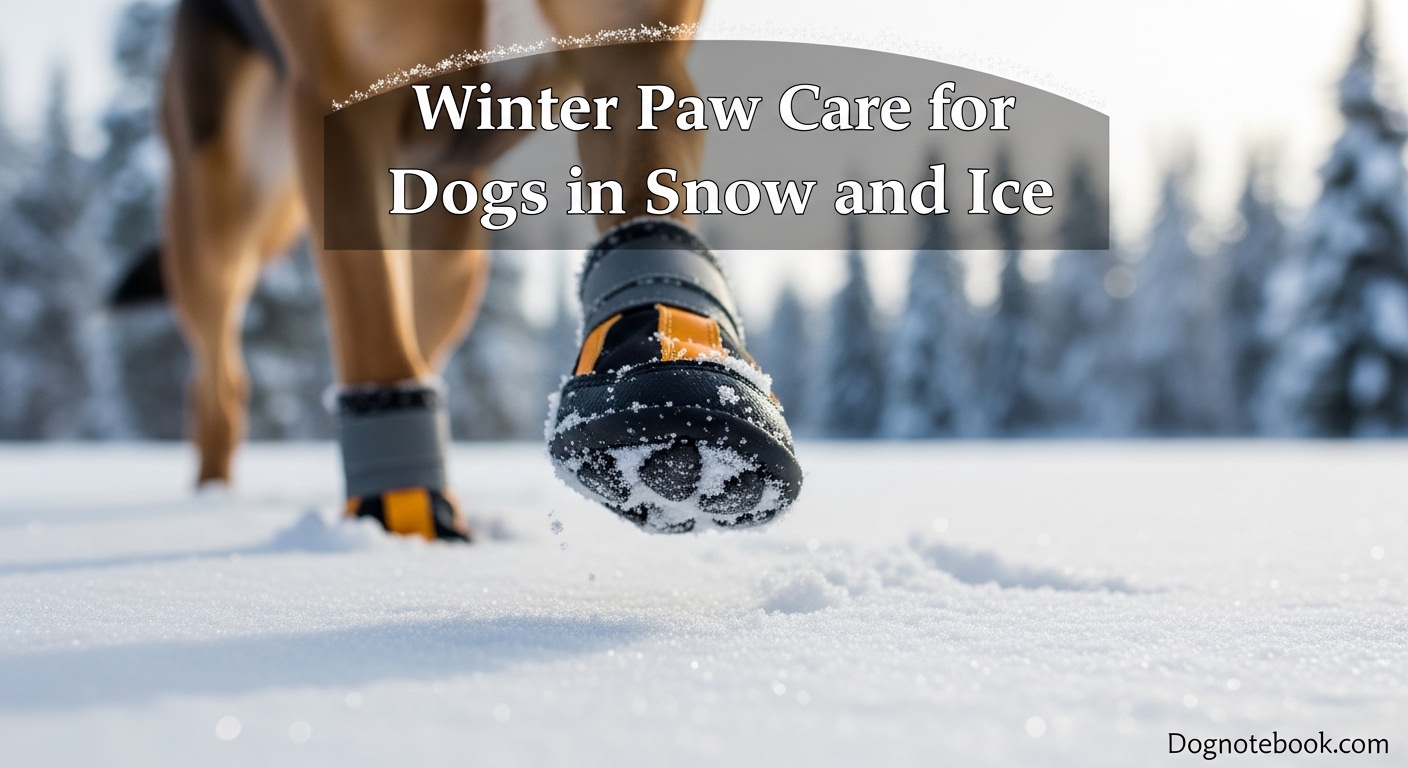
If you have ever watched your dog prance through fresh snow with pure joy, you already know how much they love winter. But that same snow, ice, and cold can do real damage to their paws if you are not prepared. Winter paw care for dogs in snow and ice is something every pet owner needs to think about before the first frost hits, because a few simple habits can save your dog from cracked pads, painful ice balls, and even chemical burns from road salt.
I learned this the hard way a few winters back when my Labrador came home limping after a short neighborhood walk. His paw pads were red, cracked, and sensitive to the touch. After a costly vet visit, I started researching winter paw care seriously. What I found changed how I handle cold-weather walks entirely, and I want to share everything our team has learned so you can skip the vet bill and keep your dog comfortable all season.
In this guide, I will walk you through the main winter threats to your dog’s paws, how to prepare before walks, what to do during and after outdoor time, and the warning signs that something is wrong. Whether you live in a snowy climate or just deal with occasional ice storms, these tips will help your dog stay happy and healthy through the winter of 2026.
Table of Contents
Why Winter Is Tough on Dog Paws
Three things conspire against your dog’s paws during winter: freezing temperatures, abrasive ice and snow, and the chemicals people use to melt ice. Each one causes different problems, and together they can make even a 10-minute walk miserable for your dog.
Frostbite and Cold Temperature Risks
Frostbite happens when tissue freezes due to prolonged exposure to cold. A dog’s paw pads are tough, but they are not immune. When temperatures drop below 20 degrees Fahrenheit, the risk of frostbite increases significantly for any dog, regardless of breed. At temperatures below zero, even brief exposure can cause damage.
How cold is too cold for a dog’s paws? There is no single answer because it depends on breed, coat thickness, age, and acclimation. A Husky handles cold far better than a Chihuahua. As a general rule, if it is too cold for your bare hands, it is probably too cold for your dog’s bare paws on an extended walk. Veterinarians often suggest the 7-second test: place the back of your hand on the pavement or snow for 7 seconds. If it is painful for you, it is painful for your dog.
Small breeds, senior dogs, puppies, and thin-coated dogs like Greyhounds and Pit Bulls are especially vulnerable. These dogs benefit from paw protection even in moderate cold around 30 to 40 degrees Fahrenheit.
Ice Balls Between the Toes
One of the most common winter paw problems is ice ball formation. When snow sticks to the fur between your dog’s toes, it melts slightly from body heat and then refreezes into hard little balls of ice. These ice balls press against the skin between the paw pads, causing pain and sometimes even small cuts.
Dogs with longer fur between their toes are more prone to this issue. You will notice your dog stopping frequently to chew at their feet, or walking with an awkward high-step gait. Left unchecked, ice balls can cause bruising and abrasions that lead to infection.
Chemical De-Icers and Road Salt
De-icing chemicals are perhaps the most dangerous winter threat your dog faces on a daily basis. Rock salt, calcium chloride, magnesium chloride, and other chemical de-icers can burn your dog’s paw pads on contact. These chemicals are also toxic if your dog licks them off their paws after a walk, which almost every dog does instinctively.
The salt draws moisture out of the paw pad tissue, leading to severe drying, cracking, and chemical burns. Even pet-safe ice melt products can cause irritation with repeated exposure. If you live in an area where sidewalks and roads are treated, chemical exposure is unavoidable unless you take preventive measures.
According to veterinarians at VCA Animal Hospitals, chemical de-icers can cause symptoms ranging from mild redness to blistering, and ingestion of these chemicals by licking can lead to vomiting, diarrhea, and more serious internal issues.
How to Protect Dog Paws Before Heading Outside
The best time to protect your dog’s paws is before you even open the front door. A solid pre-walk routine takes less than five minutes and can prevent the majority of winter paw problems.
Trim the Fur Between Paw Pads
If your dog has fluffy feet with visible fur growing between the paw pads, trimming that fur is one of the simplest and most effective things you can do. Long fur acts like a snow magnet, collecting ice and snow that compact into painful ice balls during walks.
Use a small pair of blunt-nosed scissors or electric pet clippers to carefully trim the fur flush with the paw pads. Do not cut into the pad itself. You want the fur to be short enough that snow cannot cling to it but not so short that the skin between the toes is exposed. I do this once every two to three weeks during winter, and it makes a noticeable difference.
Apply Paw Balm or Protective Wax
Paw balm creates a waterproof barrier between your dog’s paw pads and the cold, wet ground. Think of it like lip balm for your dog’s feet. The best known product is Musher’s Secret, a dense wax originally developed for sled dogs in Canada. It goes on as a thin, flexible layer that repels water and cold while moisturizing the pad underneath.
Here is how to apply paw balm correctly:
- Make sure the paws are clean and dry first
- Spread a thin, even layer across each paw pad and between the toes
- Work it into the pad surface so it adheres rather than sitting on top
- Apply about 15 minutes before going outside so it has time to set
- Reapply before every walk for the best protection
Vaseline (petroleum jelly) works as a budget alternative in a pinch, but it is not formulated for dogs and does not last as long as dedicated paw wax products. It also provides less insulation against cold. If you use Vaseline, reapply more frequently and keep an eye on your dog to prevent excessive licking.
You can also make a simple DIY paw balm at home by melting equal parts beeswax, coconut oil, and shea butter together, then pouring the mixture into a small tin to solidify. This homemade version provides a natural protective layer and is safe if your dog licks it.
Use Dog Boots or Booties for Maximum Protection
Dog boots offer the most complete winter paw protection available. They shield against cold, ice, salt, and sharp objects all at once. For dogs that tolerate them, boots are the single best defense against winter paw damage.
Getting your dog to actually wear boots is the hard part. Most dogs hate the feeling at first and will do the classic high-stepping funny walk. The key is gradual introduction:
- Start indoors with the boots on for just a few minutes at a time
- Give treats and praise while the boots are on so your dog builds a positive association
- Gradually increase the time over a week or two before going outside
- Try short outdoor sessions first, then work up to longer walks
- Make sure the boots fit snugly but not tight, with room for the paw to spread naturally
Look for boots with flexible soles, secure velcro or strap closures, and a waterproof upper. The boot should stay on through normal activity without twisting or coming off. Dogs that spend a lot of time outdoors in winter, such as working dogs and service dogs, almost always wear boots for this reason.
Breed-Specific and Age Considerations
Not all dogs need the same level of paw protection. Northern breeds like Huskies, Malamutes, and Samoyeds have naturally tough, well-furred feet that handle cold better than most. But even these dogs benefit from paw balm when walking on salted sidewalks.
Puppies have softer, more sensitive paw pads than adult dogs. Their pads have not built up the calluses that come with age, so they are more susceptible to cracking and frostbite. Keep puppy walks shorter in cold weather and always use paw balm or boots.
Senior dogs often have reduced circulation, which makes them more vulnerable to cold-related paw problems. Arthritic seniors may also have trouble compensating for slippery ice, so boots with good traction are especially valuable for older dogs.
Winter Dog Walk Tips for Paw Safety
Once you are outside, there are several things you can do to minimize the risk to your dog’s paws during the walk itself.
Choose Your Route Carefully
Not all walking surfaces are equal in winter. Fresh powder snow is gentler on paws than packed, icy snow. Avoid areas where salt or chemical de-icers are clearly visible as a white or blue residue on the pavement. Grassy areas and dirt paths are usually safer than sidewalks and roads during winter.
If possible, shovel a clear path in your own yard for potty breaks so your dog does not have to navigate deep snow or ice just to relieve themselves. This is especially helpful for small dogs and seniors.
Keep Walks Short in Extreme Cold
When temperatures drop below 20 degrees Fahrenheit, shorten your walks to 10 to 15 minutes maximum. Below zero, limit outdoor time to quick potty breaks of 5 minutes or less. Frostbite can develop faster than most people realize, and dogs often do not show pain until damage has already occurred.
Watch your dog’s body language closely. If they start lifting their paws alternately, shivering, slowing down, or heading toward home, these are clear signals that the cold is getting to them. Trust their instincts and cut the walk short.
The 7-Second Ground Test
Before heading out, press the back of your hand against the ground or snow for 7 seconds. If you need to pull away because it is too cold or painful, the surface is too harsh for your dog’s bare paws. This simple test takes almost no time and can prevent painful frostbite incidents.
Avoid Frozen Puddles and Thin Ice
Frozen puddles might look harmless, but the ice can be sharp enough to cut paw pads. Thin ice on puddles can also crack under your dog’s weight, exposing their paws to freezing water underneath. Steer your dog around any frozen water you encounter on walks.
How to Clean and Care for Dog Paws After a Winter Walk
Post-walk paw care is just as important as pre-walk protection. Even with boots or balm, you should make cleaning your dog’s paws a non-negotiable habit after every single winter walk.
Step 1: Wipe or Rinse With Warm Water
The most important thing you can do is remove any salt, chemical residue, or ice from your dog’s paws immediately after coming inside. Use a warm, damp washcloth or towel to wipe each paw thoroughly. Make sure to get between the toes and around the nail beds where salt likes to hide.
For dogs that walked through heavy salt or slush, a quick rinse in a basin of lukewarm water works even better. Some dog owners keep a small plastic container of warm water by the door during winter for exactly this purpose. The water should be lukewarm, not hot, since hot water on cold paws can cause pain.
Step 2: Remove Any Remaining Ice Balls
If you notice small ice balls between your dog’s toes, do not pull them off. Pulling can tear the skin and fur. Instead, hold a warm, damp cloth against the ice ball for 30 seconds to melt it gently. Once it softens, you can carefully work it free with your fingers.
Step 3: Inspect for Damage
After cleaning, take 30 seconds to look over each paw. Check for cuts, cracks, redness, blisters, or pale patches on the pads. Catching problems early means you can treat them before they get worse. I keep a small flashlight by the door for winter paw inspections because the extra light makes it easier to spot small injuries.
Step 4: Apply Moisturizer or Paw Balm
Once the paws are clean and dry, apply a thin layer of paw balm or a dog-safe moisturizer. This helps soothe any irritation from the walk and keeps the pads from drying out. This is the same paw balm you used before the walk, applied the same way, just now serving as an aftercare treatment.
Step 5: Discourage Licking
Most dogs will try to lick their paws after a winter walk, especially if they picked up salt or chemicals. Licking introduces those toxic chemicals into their digestive system. Distract your dog with a treat or toy after paw cleaning, and if they are persistent about licking, consider using a cone or bitter spray on the paws temporarily until they lose interest.
Signs Your Dog’s Paws Need Immediate Attention
Sometimes, despite your best efforts, winter paw damage happens. Knowing the warning signs helps you catch problems early and get your dog the care they need before things get serious.
Here are five signs to watch for:
- Limping or favoring one paw – Your dog is clearly uncomfortable and avoiding putting weight on a specific paw. This could indicate a cut, ice ball, or frostbite.
- Excessive licking or chewing at the paws – Occasional licking is normal, but persistent, focused licking at one spot suggests irritation, a foreign object, or chemical burn.
- Cracked, bleeding, or raw paw pads – Visible damage to the pad surface means the paw has lost its protective barrier and is vulnerable to infection.
- Discoloration of the pads – Pads that appear pale, white, blue, or gray could indicate frostbite. Dark or black discoloration suggests more severe tissue damage that needs immediate veterinary attention.
- Blisters or raised bumps on the pads – These are typically chemical burns from salt or de-icers and can be quite painful.
If you notice any of these signs, clean the affected paw gently with warm water and contact your veterinarian. Mild cracks and redness can often be treated at home with paw balm and rest, but frostbite, bleeding, or chemical burns need professional care. Do not apply human medications to your dog’s paws without consulting a vet first, as many common products are toxic to dogs.
When It Is Too Cold: Indoor Exercise Options
Some days, it is simply too cold or dangerous for outdoor walks. Extreme wind chills, ice storms, and temperatures well below zero are good reasons to keep your dog indoors. But dogs still need exercise and mental stimulation, even when outdoor walks are off the table.
Here are some effective indoor alternatives:
- Hide-and-seek with treats – Hide small treats around a room and let your dog sniff them out. This engages their natural scent-tracking instincts and provides solid mental stimulation.
- Puzzle feeders and snuffle mats – These tools force your dog to work for their food, turning mealtime into a 15 to 20 minute brain workout that tires them out mentally.
- Tug-of-war and indoor fetch – A hallway or living room works fine for a modified game of fetch or tug. Use a soft toy to avoid knocking things over.
- Treadmill training – Some dogs can be trained to walk on a treadmill at a slow speed. Start with just a minute or two and build up gradually. This is not for every dog, but it can be a lifesaver during long cold snaps.
- Training sessions – Use the time to teach new tricks or reinforce commands. Ten minutes of focused training can be as tiring as a short walk.
On days when you skip the walk entirely, try to provide at least 20 to 30 minutes of combined physical and mental activity indoors. This prevents boredom, reduces destructive behavior, and keeps your dog’s spirits up until the weather improves.
FAQ
What can I put on my dog’s paws to protect from snow and ice?
You can apply paw balm, protective wax like Musher’s Secret, or petroleum jelly (Vaseline) to your dog’s paws before winter walks. Paw balm creates a waterproof barrier that shields pads from cold, ice, and salt. For maximum protection, combine balm with properly fitted dog boots. Apply the balm 15 minutes before heading outside so it has time to set, and reapply before every walk.
How cold is too cold for a dog’s paw?
Temperatures below 20 degrees Fahrenheit increase frostbite risk for most dogs. Small breeds, puppies, senior dogs, and thin-coated breeds can experience paw discomfort at 30 to 40 degrees. Use the 7-second test: press the back of your hand against the ground for 7 seconds. If it is painful for you, it is too cold for your dog’s bare paws. Below zero, limit outdoor time to brief potty breaks of 5 minutes or less.
Should I put wax on my dog’s paws in winter even without salt on sidewalks?
Yes, paw wax is beneficial even on clean snow and ice. It does more than protect against salt. The wax creates an insulating barrier against cold, prevents snow from sticking and forming ice balls between the toes, and moisturizes the paw pads to prevent cracking from dry winter air. Think of it as both protection and conditioning for your dog’s feet.
Should you trim the hair between a dog pad in winter?
Yes, trimming the fur between your dog’s paw pads is one of the best things you can do for winter paw care. Long fur collects snow that compacts into painful ice balls between the toes. Use blunt-nosed scissors or pet clippers to trim the fur flush with the paw pads every two to three weeks during winter. This simple step prevents most ice ball problems.
How long can dogs’ paws be in snow?
It depends on the temperature, your dog’s breed, and whether they have paw protection. At 20 to 30 degrees, most dogs can handle 20 to 30 minutes comfortably. Below 20 degrees, limit walks to 10 to 15 minutes. Below zero, keep outdoor time to under 5 minutes. Dogs wearing boots and paw balm can tolerate longer exposure, but always watch for signs of discomfort like paw-lifting or shivering.
How do I protect my dog’s paws from salt?
The best protection against road salt is a combination of dog boots and paw balm. If boots are not an option, apply a thick layer of paw wax before walks and stick to untreated surfaces when possible. After every walk, rinse or wipe your dog’s paws with warm water immediately to remove any salt residue before they can lick it off. Never let salt sit on your dog’s paws overnight.
Keeping Your Dog’s Paws Safe All Winter Long
Winter paw care for dogs in snow and ice does not have to be complicated. Trim the fur between their toes, apply paw balm before every walk, rinse their feet when you get home, and invest in a good pair of boots if you live in a harsh climate. Those four habits will prevent the vast majority of winter paw problems.
The key is consistency. A single unprotected walk on salted sidewalks can cause chemical burns, but a few minutes of preparation makes winter walks safe and comfortable for your dog. Start your winter paw care routine before the cold weather hits, and both you and your dog will enjoy the season without worry.
When in doubt, check with your veterinarian about your specific dog’s needs. Some dogs with health conditions like diabetes or arthritis need extra precautions in cold weather. Your vet can give you personalized advice based on your dog’s breed, age, and overall health so you can both enjoy worry-free winter walks in 2026 and beyond.