

The best acoustic electric guitar for stage work is the Yamaha APX600M, because a thin-line cutaway body survives a full seated set without tiring your shoulders and its Yamaha SRT under-saddle piezo with SYSTEM65 preamp gives a front-of-house engineer three bands to work with. That combination of comfort, control and a review pool of more than 1200 owner reports is why it takes the top slot in our 2026 list.
Everything else in this roundup was judged on the same criteria. An acoustic-electric, sometimes called an electro-acoustic, is a normal guitar with a pickup and preamp built in, so it plugs straight into a PA, a mixer, a DI box or an audio interface instead of needing a microphone on a stand. For live playing that difference is huge: no mic to position, no phase problems from a bad mic placement, and a tone you can shape per song rather than per room.
Forum threads on The Gear Page and Reddit’s r/AcousticGuitar make the same point. When people ask which acoustic-electric actually holds up to being gigged, the conversation turns on stagecraft: feedback thresholds, preamp reliability, battery access and neck comfort over a long set. Tonewood arguments come second. We weighed those stage factors first and used tone only to break ties. Our wider [acoustic electric guitar picks](https://www.dognotebook.com/best-acoustic-electric-guitars/) cover more everyday and studio use, while this page is built entirely around the stage.
Two things shape everything below. First, feedback is a physics problem, not a brand problem, and the guitars with a mid-sweep control and a phase switch are far easier to tame at volume. Second, a large dreadnought feels enormous after the fortieth minute of a solo set, so body size is a comfort decision as much as a tone decision. We came back to both of these in the buying guide at the end.
Table of Contents
Top 3 Stage-Ready Acoustic Electric Guitars in 2026

Yamaha APX600M
- Thin-line cutaway body
- 4.6 lbs
- SRT piezo with SYSTEM65 3-band preamp
- built-in tuner


Fender FA-125CE
- Dreadnought cutaway
- FE-A2 electronics
- gig bag and tuner included
- 2-year warranty
All 12 Picks at a Glance
Every guitar below carries a pickup and preamp, so all of them can run into a PA. The differences that matter on stage are body size, top material and how much EQ control the preamp gives you. Our full [acoustic guitar comparison](https://www.dognotebook.com/best-acoustic-guitars/) covers pure acoustics if you are not ready to plug in yet.
| Product | Specifications | Action |
|---|---|---|
| Yamaha APX600M |
|
Check Latest Price |
 Fender CD-60SCE Fender CD-60SCE |
|
Check Latest Price |
 Fender CD-140SCE Fender CD-140SCE |
|
Check Latest Price |
| Yamaha FGX800C |
|
Check Latest Price |
 Washburn Bella Tono Vite S9V Washburn Bella Tono Vite S9V |
|
Check Latest Price |
 Ibanez AEG50 Ibanez AEG50 |
|
Check Latest Price |
 Ibanez TCY10E Talman Ibanez TCY10E Talman |
|
Check Latest Price |
 Takamine GD11MCE Takamine GD11MCE |
|
Check Latest Price |
 Martin DX Johnny Cash Martin DX Johnny Cash |
|
Check Latest Price |
 Ibanez AEG70 Ibanez AEG70 |
|
Check Latest Price |
| Fender FA-125CE |
|
Check Latest Price |
 Takamine GD30CE-12 Takamine GD30CE-12 |
|
Check Latest Price |
How We Picked
We compared all twelve guitars on the same five stage criteria: how the body feels seated over a long set, how much EQ control the preamp offers, how the pickup behaves when the volume comes up, whether the finish and hardware survive transport, and how strong the owner review record is for reliability. Tone and top wood broke the remaining ties.
Nothing here is based on a single playthrough. We cross-read the owner reviews for each model, and where reviewers consistently report the same setup issue or failure mode, we say so plainly rather than skipping it. Where a spec was unavailable to us we left it out instead of guessing.
1. Yamaha APX600M – The Best Overall Stage Guitar
- Lightest body in the set at 4.6 lbs
- easy on the shoulders seated
- 25 inch scale with narrow 10 mm spacing suits electric players
- built-in chromatic tuner and 3-band preamp
- strong owner review record
- Factory strings often need upgrading
- high action out of the box on some examples
- narrow neck will not suit large hands
This is the guitar we kept reaching for. The APX body is thin enough that you forget it is on your knee, and at 4.6 pounds it is the lightest instrument in this roundup by a wide margin. That matters more than most spec sheets admit: the difference between a comfortable hour and an aching hour is the difference between finishing a set strong and watching your energy drain.
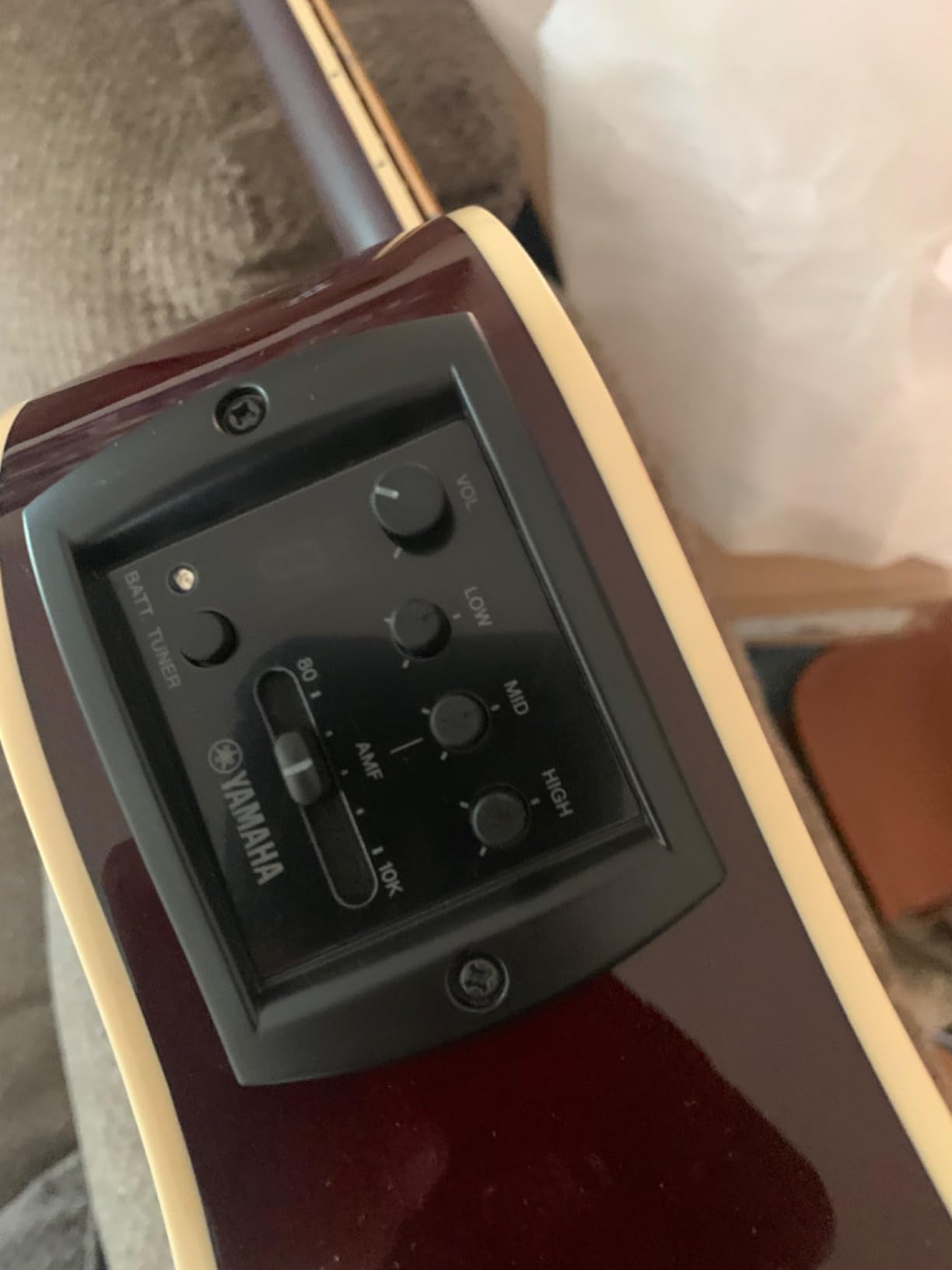
The electronics are the real stage argument. The Yamaha SRT under-saddle piezo feeds a SYSTEM65 preamp with a proper 3-band EQ, and the mid control has enough range to carve out the 200 to 400 Hz area where acoustic guitars collide with a vocal. Add the built-in chromatic tuner and you can retune between songs without reaching for a pedal.
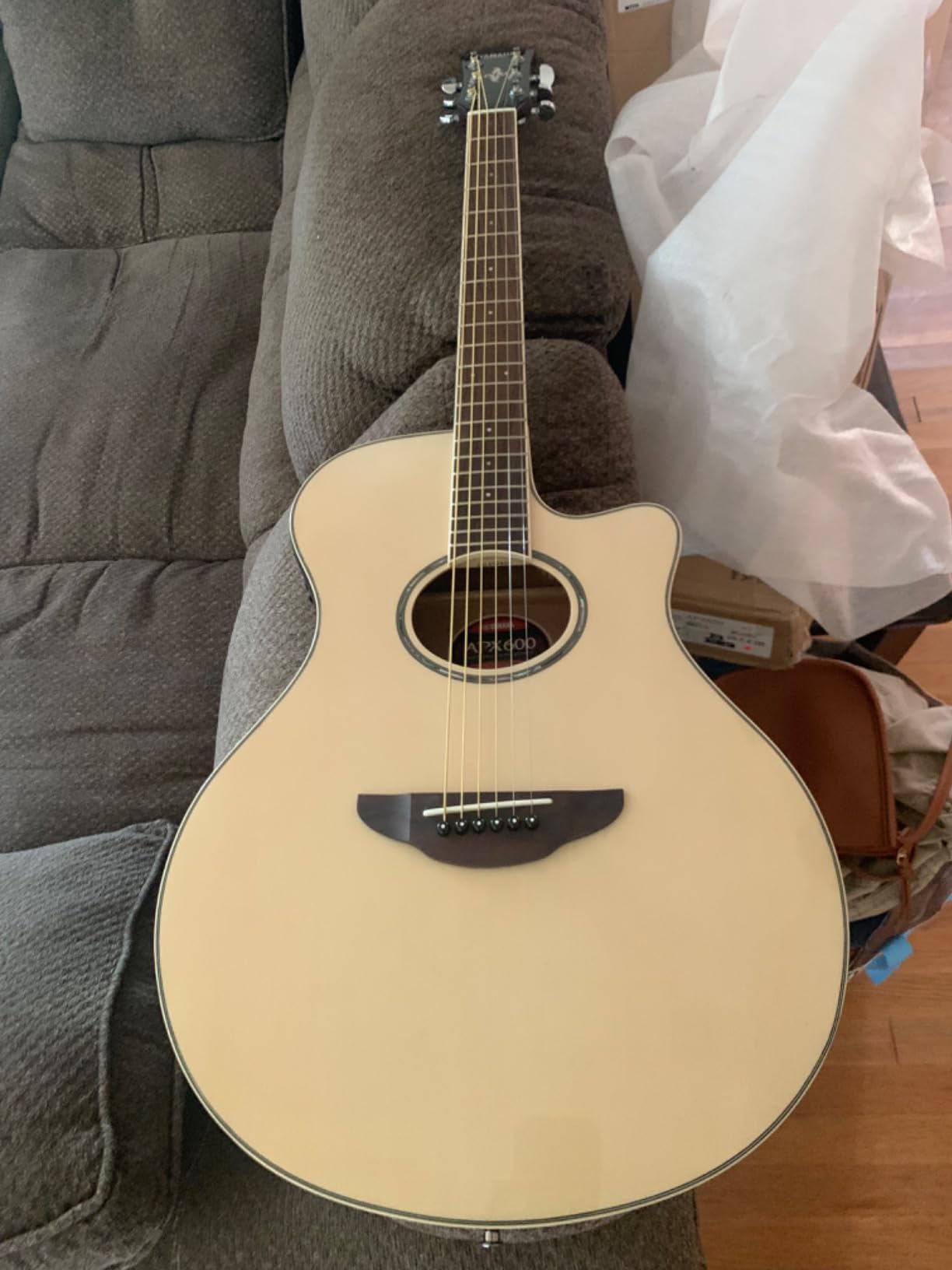
Owners describe it as genuinely ready to play, and the 25-inch scale with 10 mm string spacing is the closest thing to an electric neck in the group. That is a real advantage for someone moving over from an electric, and it is why this guitar shows up so often in live-use threads on r/AcousticGuitar as a first stage instrument.
The criticisms are consistent and easy to plan around. Several owners upgrade the factory strings immediately, and some report action that needs lowering at a first setup. Neither is a deal breaker. Book a setup, put on a decent set of strings, and the guitar behaves like a much more expensive instrument.
Who the APX600M suits
Solo singer-songwriters, open mic regulars and buskers who play standing or seated and cannot afford a heavy body. It also suits players with shoulder or joint issues who find dreadnoughts tiring after a short set. Because the neck is narrow, electric players make the transition faster than on any other guitar here.
Where it falls short
The thin body trades away some low end and unplugged volume, so it is not the right choice if you need a big dreadnought sound for bluegrass strumming. The under-saddle piezo also has no internal mic blending, so the amplified tone is more purely quack than the sound you hear in the shop. Run it with the mid pulled down a touch and it behaves.
2. Fender CD-60SCE – Warm Mahogany With Stage-Ready Fishman Electronics
Fender CD-60SCE All-Mahogany Dreadnought Cutaway Acoustic Electric Guitar, with 2-Year Warranty, Fishman Pickup and Preamp System, Natural
- Solid mahogany top gives a warm focused unplugged tone
- Fishman Classic Design pickup and preamp with built-in tuner
- scalloped X-bracing improves response
- rolled fingerboard edges are comfortable
- 2-year limited warranty
- Tuner only works when plugged into an amp
- high action on arrival for some
- composite nut and saddle could be upgraded to bone
Mahogany is the reason this guitar keeps showing up in pub and bar gig recommendations. It is warm in the mids rather than bright, which sits underneath a voice without fighting it, and a singer playing a whole set will appreciate not having to fight their own vocal range.
The Fishman Classic Design system is a step above the entry piezo systems. It gives you a tuner and a preamp with a tone control, which is not a lot of EQ, but the sound it captures is full and natural for a guitar at this level. The scalloped X-bracing under the solid top helps the top respond quickly under a hard strum.
Roughly 894 owners have rated it, and the tone of the reviews is steady: good value, warm sound, comfortable neck, electronics that just work. The rolled edges on the fingerboard are a small touch that adds up over a long set, because they take pressure off the side of your fretting hand.
Two practical notes. The built-in tuner only powers up when the guitar is plugged into an amp, so you cannot use it as a tuner while playing unplugged on a break. And a fair number of owners send it for a setup, because the action arrives high and the composite nut and saddle are the first parts worth replacing with bone.

Who the CD-60SCE suits
Songwriters and folk or blues players who sing while they play and want a warm, even voice across the whole neck. It is a dependable first gigging instrument for anyone who prefers a full-sized dreadnought shape but plays a moderate strumming pattern. The 2-year warranty is also a genuine plus for regular transport.
Where it falls short
At 8.6 pounds this is not a light guitar, and seated players doing long sets will feel it. The preamp gives you a tone control rather than a full EQ, so it is harder to place in a mix than the System 66 or SYSTEM65 models further down this list. Some owners also report fret buzz appearing after several months of use.
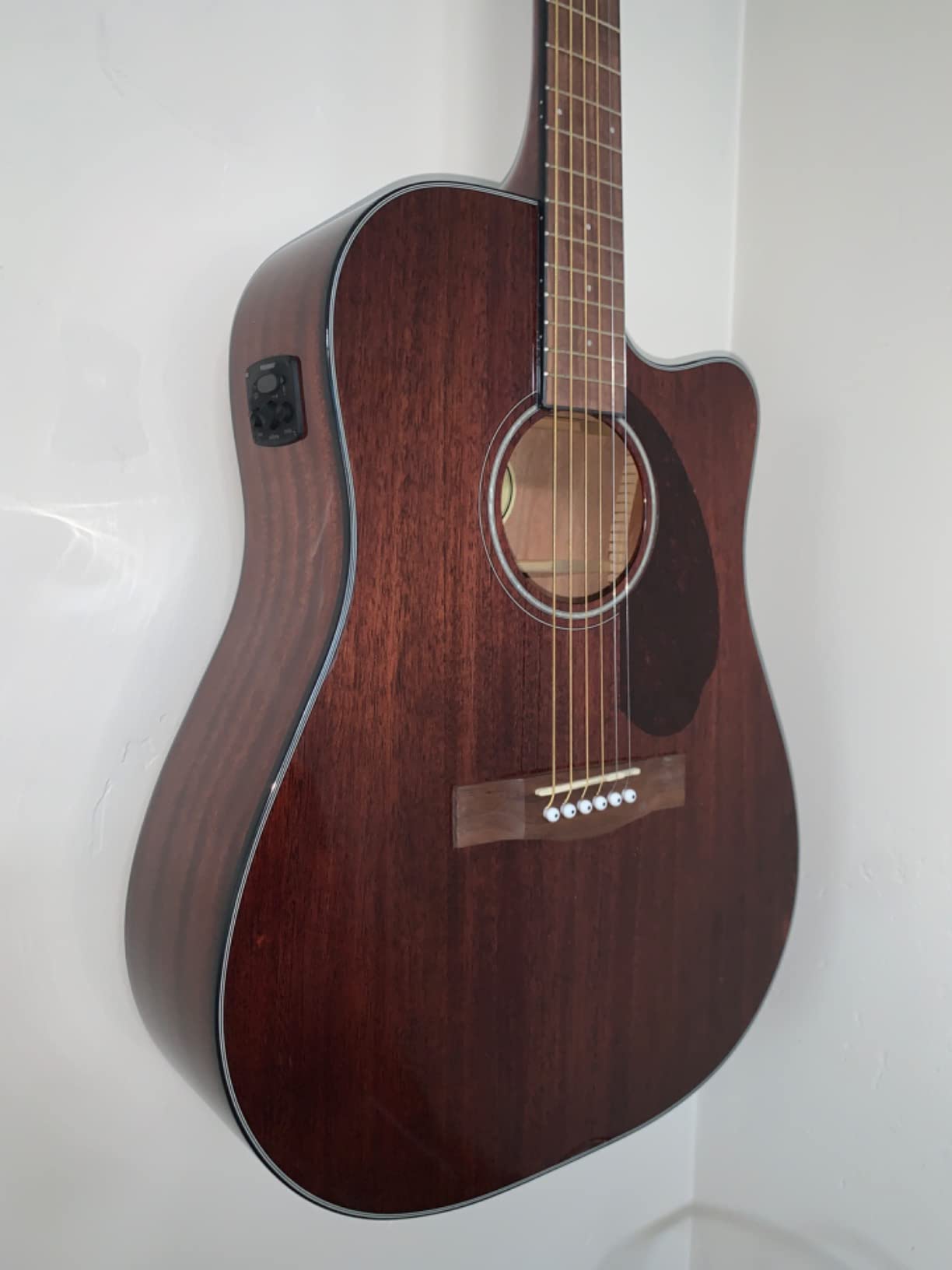
3. Fender CD-140SCE – All-Mahogany Dreadnought With a Hardshell Case
Fender CD-140SCE Acoustic Electric Guitar, Dreadnought, with Case, Mahogany
- Hardshell case included so it is gig-ready from day one
- all mahogany construction for a consistent warm tone
- Fishman electronics perform reliably
- good build quality
- 2-year limited warranty
- Heaviest guitar here at 13 pounds
- lower rating than the rest of this list
The thing that separates this from the CD-60SCE above is the hardshell case in the box. For a player who is gigging already, that is a bigger deal than any tone difference between two all-mahogany dreadnoughts. You are not hunting for a case in a hurry before your first paid show.
Sonically it sits in the same warm, mid-forward place as the other all-mahogany Fender. The Fishman CD pickup and preamp are straightforward, with enough control to shape the top end, and owners generally report the electronics holding up well over time. The single cutaway gives you access up the neck for a lead break if your arrangement needs one.
It is also the heaviest instrument in this roundup by some distance. Thirteen pounds is fine for a player used to a dreadnought, and it is a different story for anyone who gigs seated or has any back and shoulder history. A padded gig bag plus a good strap makes the weight manageable across a set.
With 345 owner reviews behind it, the feedback is more mixed than the other Fenders here. The tone and build draw praise, while weight and the fact that this model is not offered in as many variants come up as drawbacks. We would still take the included case into account before deciding.
Who the CD-140SCE suits
Working players who already gig and need a road-ready instrument without a second purchase. It suits a strummer who wants a bigger, fuller sound than a concert body gives and does not mind the weight. The included case also makes it a sensible backline or practice-room instrument that can be handed to other players.
Where it falls short
Weight is the obvious one, and at this level there is a thinner-body guitar that does the same job more comfortably. The Fishman CD system offers fewer tone controls than higher-tier systems, so you have less room to shape it once you are in a loud room. It also has the lowest average rating of the twelve, at 4.3.
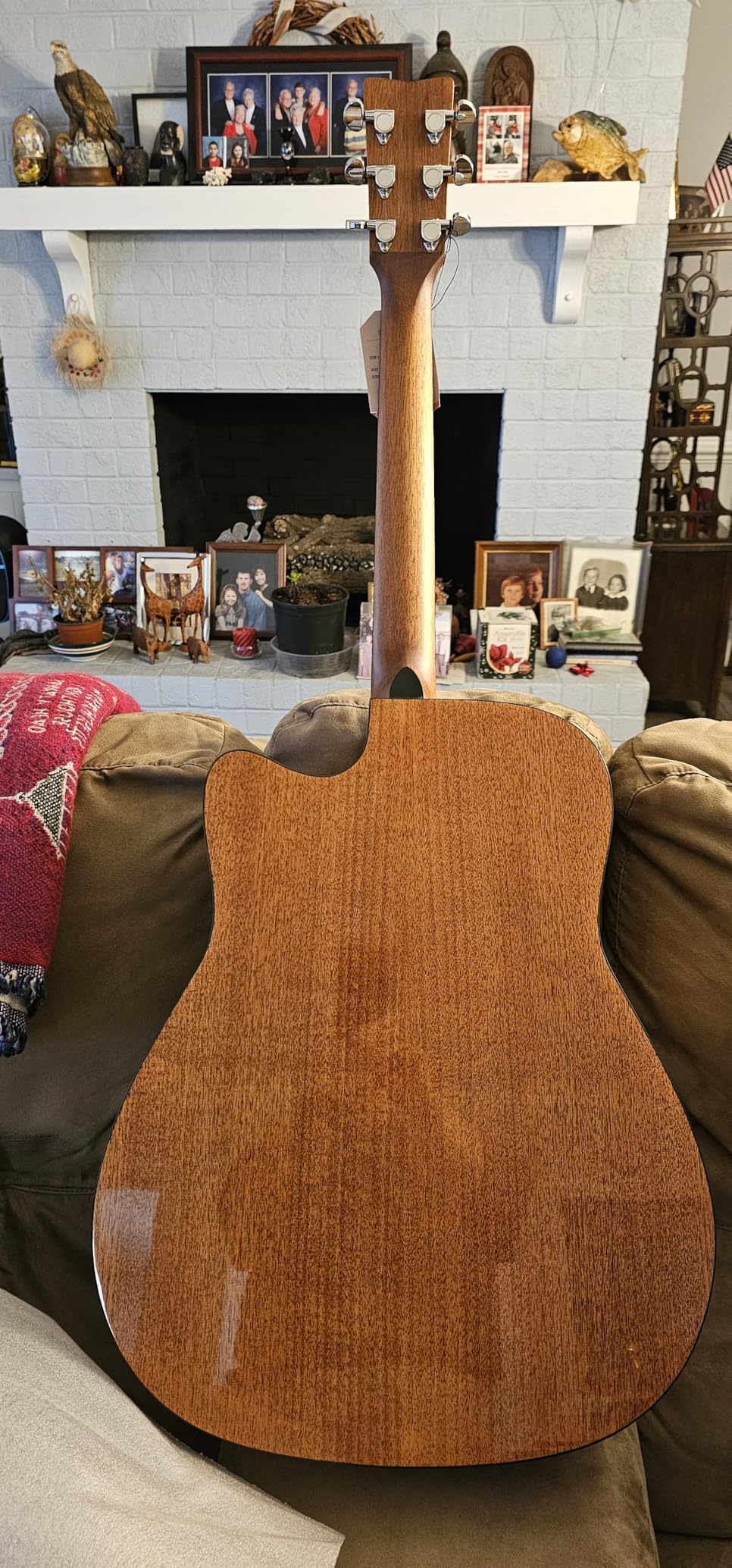
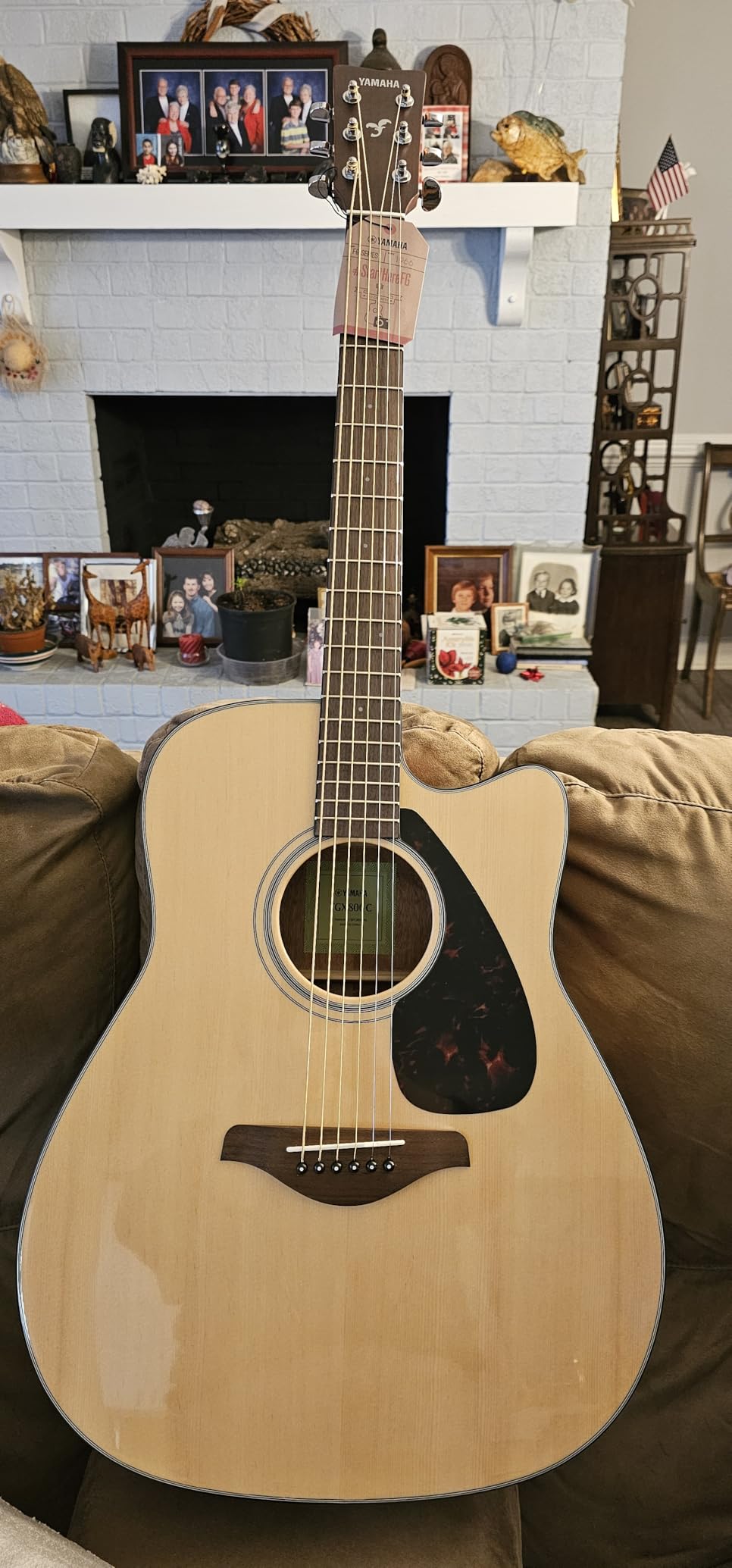
4. Yamaha FGX800C – The Highest-Rated Solid Top in the Set
- Highest rating in this roundup at 4.7
- Solid Sitka spruce top improves with playing
- System 66 gives a 3-band EQ with a dedicated mid sweep
- built-in tuner is accurate
- diecast tuners hold tuning
- Electronics cavity slightly reduces unplugged projection
- no front strap button
- fretboard inlays are small and hard to read
If you read every review in this roundup and pick the highest score, you end up here. The FGX800C carries a 4.7 average across 273 owner reviews, and the reason is straightforward: a solid Sitka spruce top on an instrument at this level is unusual, and that top keeps improving as you play it.
For stage use the System 66 preamp is the real headline. The three-band EQ with a mid-frequency control gives you the exact tool you need to stop a spruce-top guitar from fighting a vocal in the low mids. It is the system to look for if you play with other musicians and the mix is not yours to control.
This model is recommended constantly in live-use threads on r/AcousticGuitar, and forum readers who gig regularly name it as one of the solid-top guitars that holds up without drama. The pattern in those discussions matches the owner reviews here: strong unplugged tone, electronics that behave, and a guitar that suits both flatstrumming and a bluegrass rhythm part.
The 7.5-pound weight sits in the middle of this list. It is a full dreadnought, so it is substantial, but it is nowhere near the 13 pounds of the CD-140SCE. Players who find dreadnoughts tiring tend to manage it, while players who hate them outright should look at a slim body instead.
Who the FGX800C suits
Players who want a solid top that will improve over years of regular playing, and anyone rehearsing with a band who needs a mid-sweep to carve space in a loud mix. It also suits buskers and open mic performers who play the same guitar in a quiet room and on a small PA and want one voice for both.
Where it falls short
The electronics cavity costs a little unplugged projection, and owners notice it most on an open mic with a quiet guitar in the room. There is no front strap button, so a strap swap takes a wrench. Some examples also arrive with basic packaging that does not protect them well, so inspect the box before signing for anything.
5. Washburn Bella Tono Vite S9V – Studio Body With a Limited Lifetime Warranty
Washburn Bella Tono Vite S9V Studio Cutaway Acoustic Electric Guitar (BTS9VCECH-D)
- Studio body is smaller and easier on a seated player
- limited lifetime warranty is rare at this level
- ebony fingerboard with vine inlay looks striking
- Barcus Berry LX4 electronics are capable
- in the box with a light string set
- Top finish marks easily with no pickguard
- sensitive to overdriving into distortion
- tuner smoothness varies
- no case included
The studio body is the reason to look at this one. It is smaller than a dreadnought, lighter in the lap, and easier to keep comfortable through a long set, which puts it in the same comfort territory as the slim Ibanez models further down without looking like a small guitar on stage.
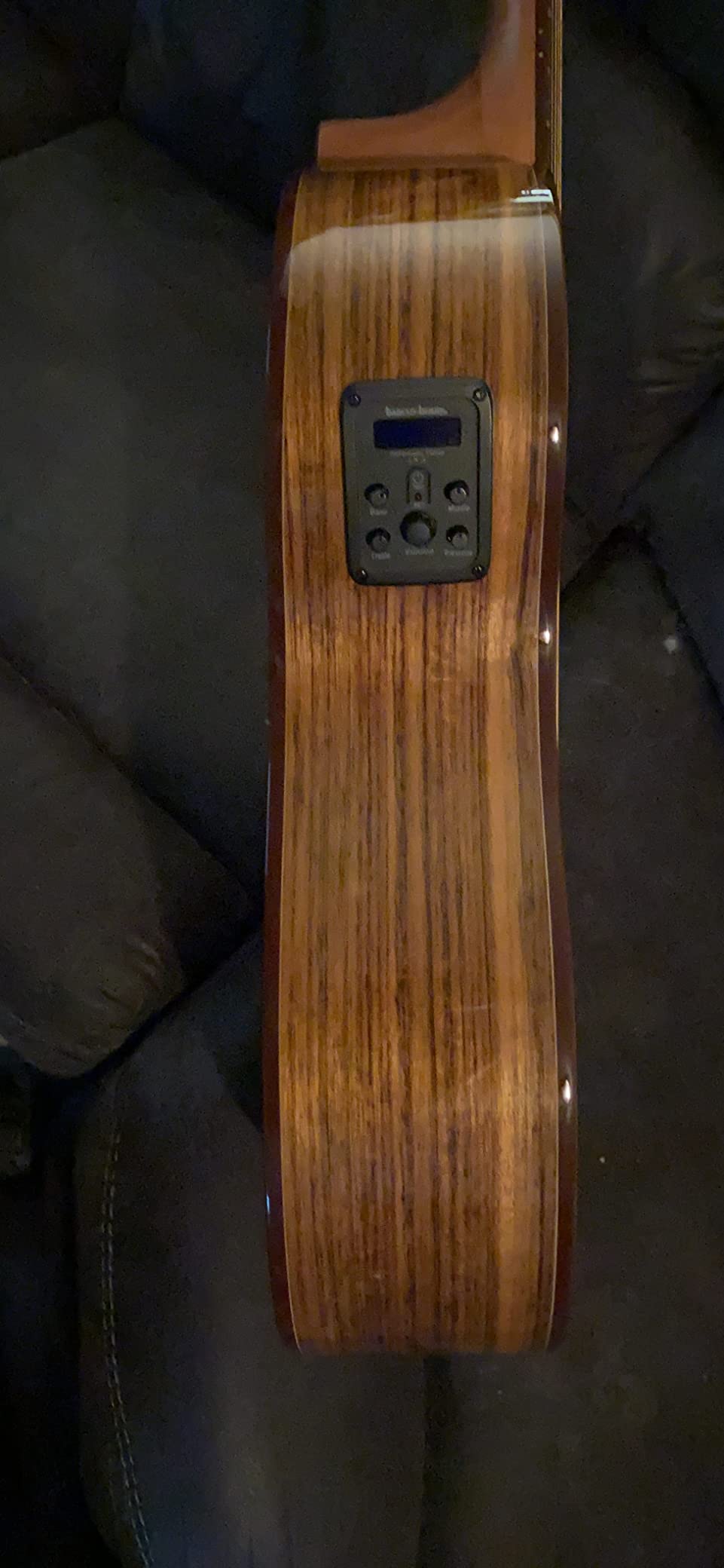
Under the finish you get a spruce top, figured walnut back and sides, an okoume neck and an ebony fingerboard with an inlaid vine pattern. The Barcus Berry LX4 preamp and pickup system is the electronic brain, powered by a single 9V battery, and owners report it performing well for the money.
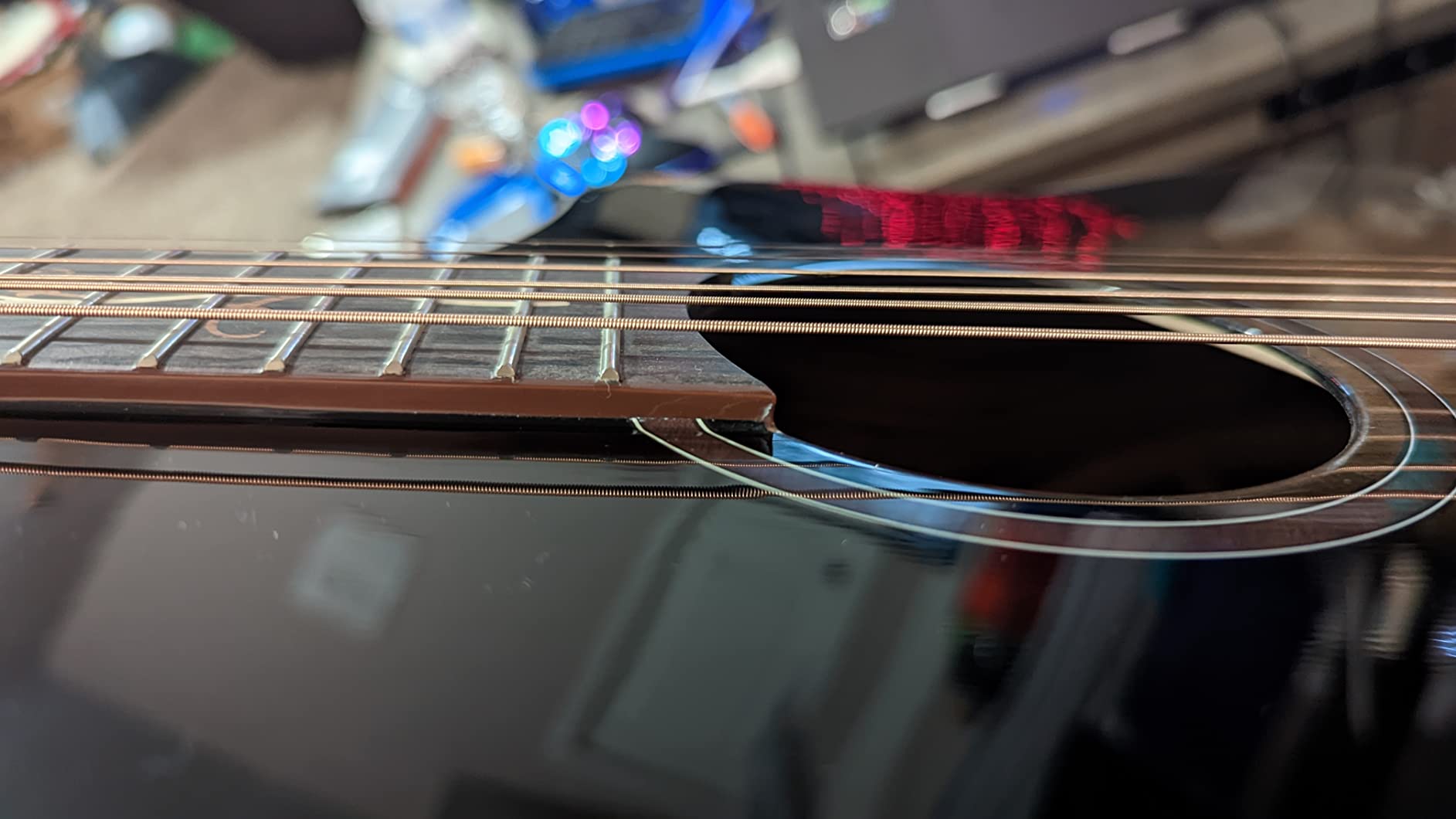
Two details make it stage-ready in a way that is easy to miss. It arrives with a light D’Addario phosphor bronze set, which is the right starting gauge for a smaller body. And the limited lifetime warranty means a hardware failure during a tour is not a crisis.
The finish is the real caution. There is no pickguard on the soundboard, so a slipped pick leaves a mark you can see under stage lights. Owners also note that the electronics are hot enough to drive an amp into distortion if you push the level too far, so start with the preamp volume low and work up.
Who the Bella Tono Vite S9V suits
Songwriters and fingerstyle-leaning performers who want a smaller body, a striking look for a stage with lights on it, and a warranty that removes the replacement anxiety. It also suits anyone moving up from a beginner instrument and wanting a serious step without moving to a large dreadnought.
Where it falls short
At 8 pounds it is not a featherweight, so comfort gains come from body depth rather than total mass. No case is included, so budget for a gig bag. The smaller body also means less low end than a dreadnought, which can leave you thin against a loud band unless you lean on the low-mid EQ.
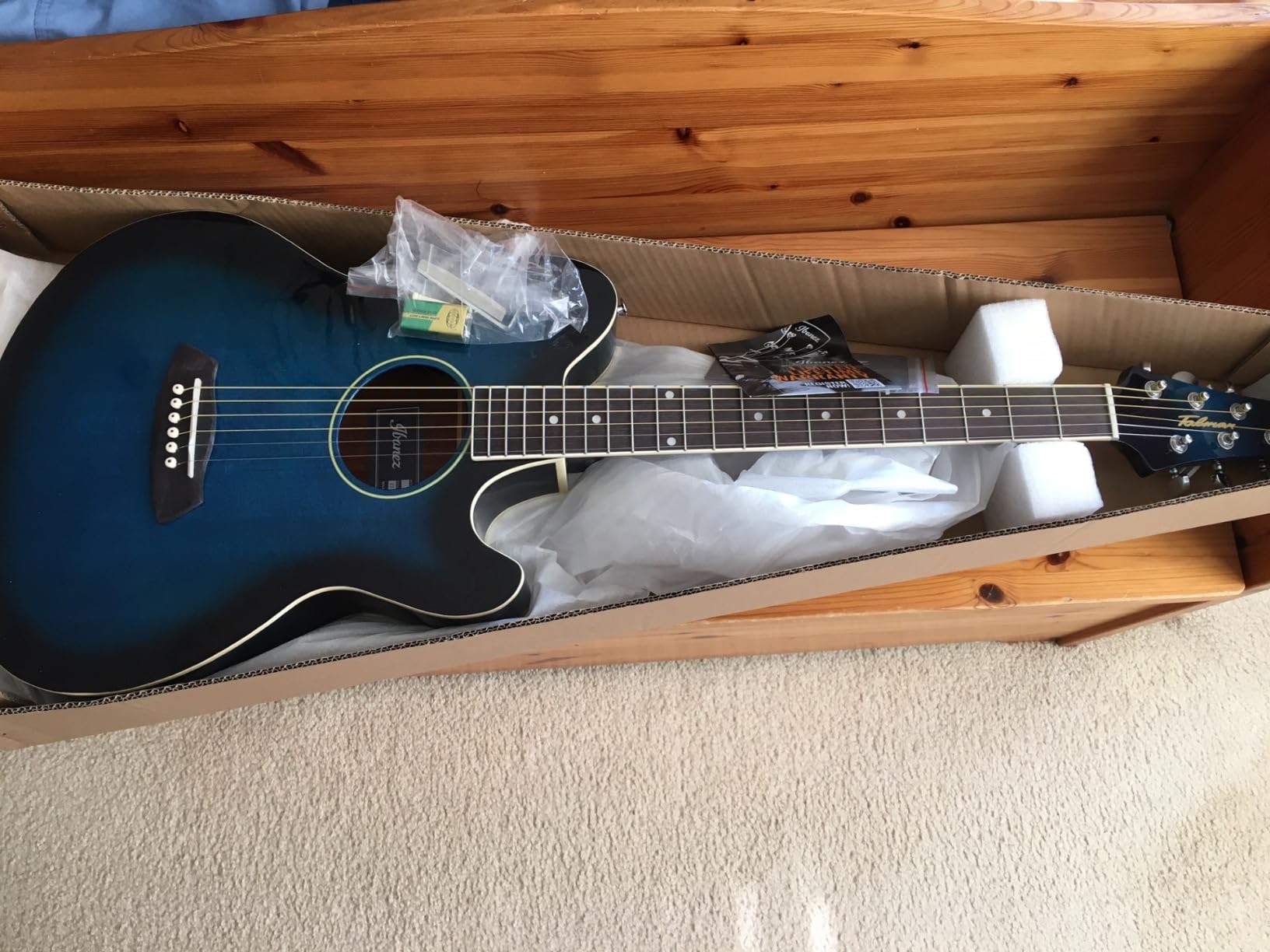
6. Ibanez AEG50 – Slim Body Comfort With a Southpaw Option
Ibanez AEG50 Acoustic-Electric Guitar – Indigo Blue Burst High Gloss
- Slim body is comfortable for small frames and anyone with joint issues
- 25 inch scale plays like an electric
- clean balanced amplified tone
- built-in tuner and simple controls
- easy string changes with the bridge pins
- Laminate build keeps unplugged volume low
- factory action and intonation often need work
- thinner body projects less
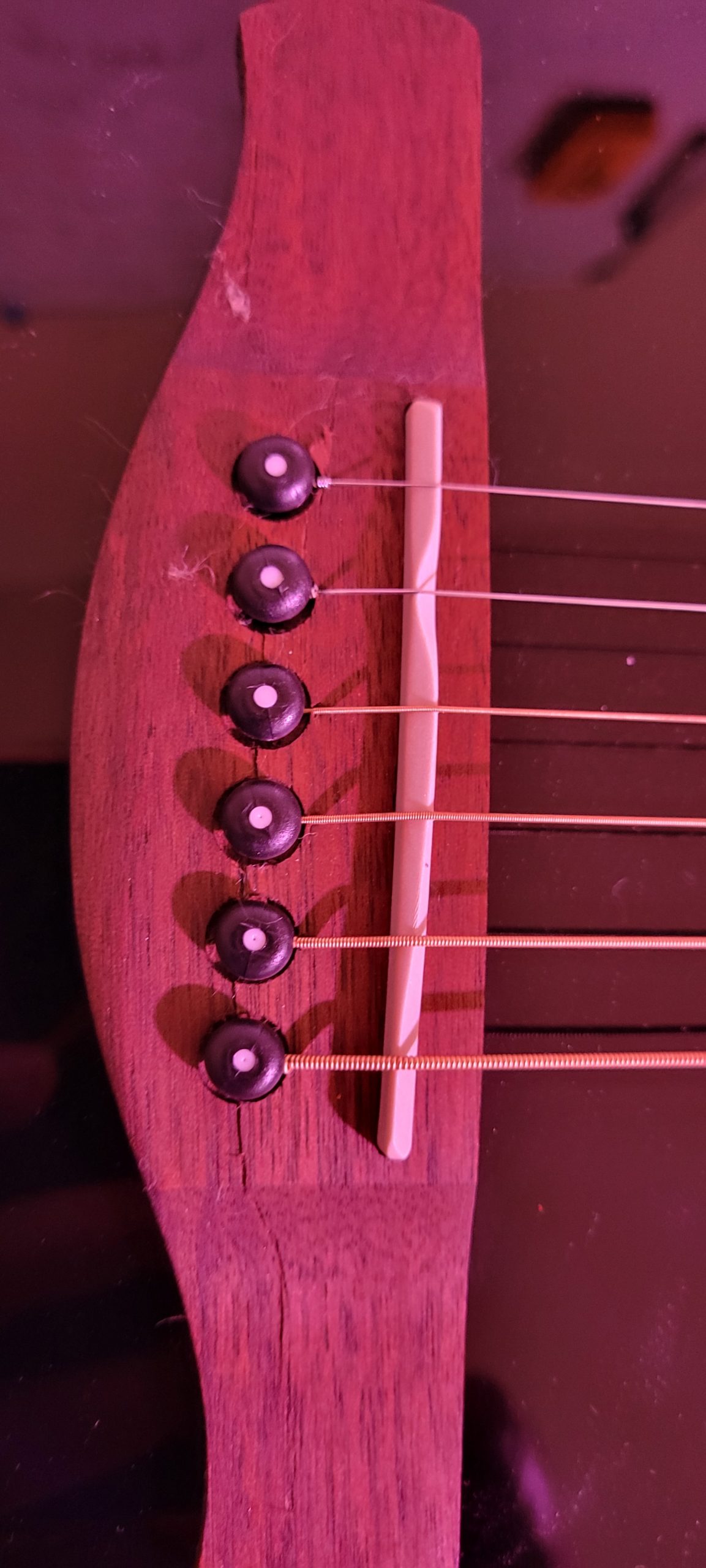
The AEG series is the shape most players should test before buying a dreadnought. At 6.8 pounds with a slim profile, this is one of the few guitars in the roundup that genuinely disappears under your arm, and owner reviews repeatedly describe it as the guitar people kept after trying something bigger.
Construction is a spruce top over sapele back and sides, a walnut fingerboard and a nyatoh neck in a comfortable profile. The 25-inch scale makes it a natural transition for electric players. The onboard electronics include a built-in tuner, and reviewers describe the amplified tone as clean and balanced rather than harsh.
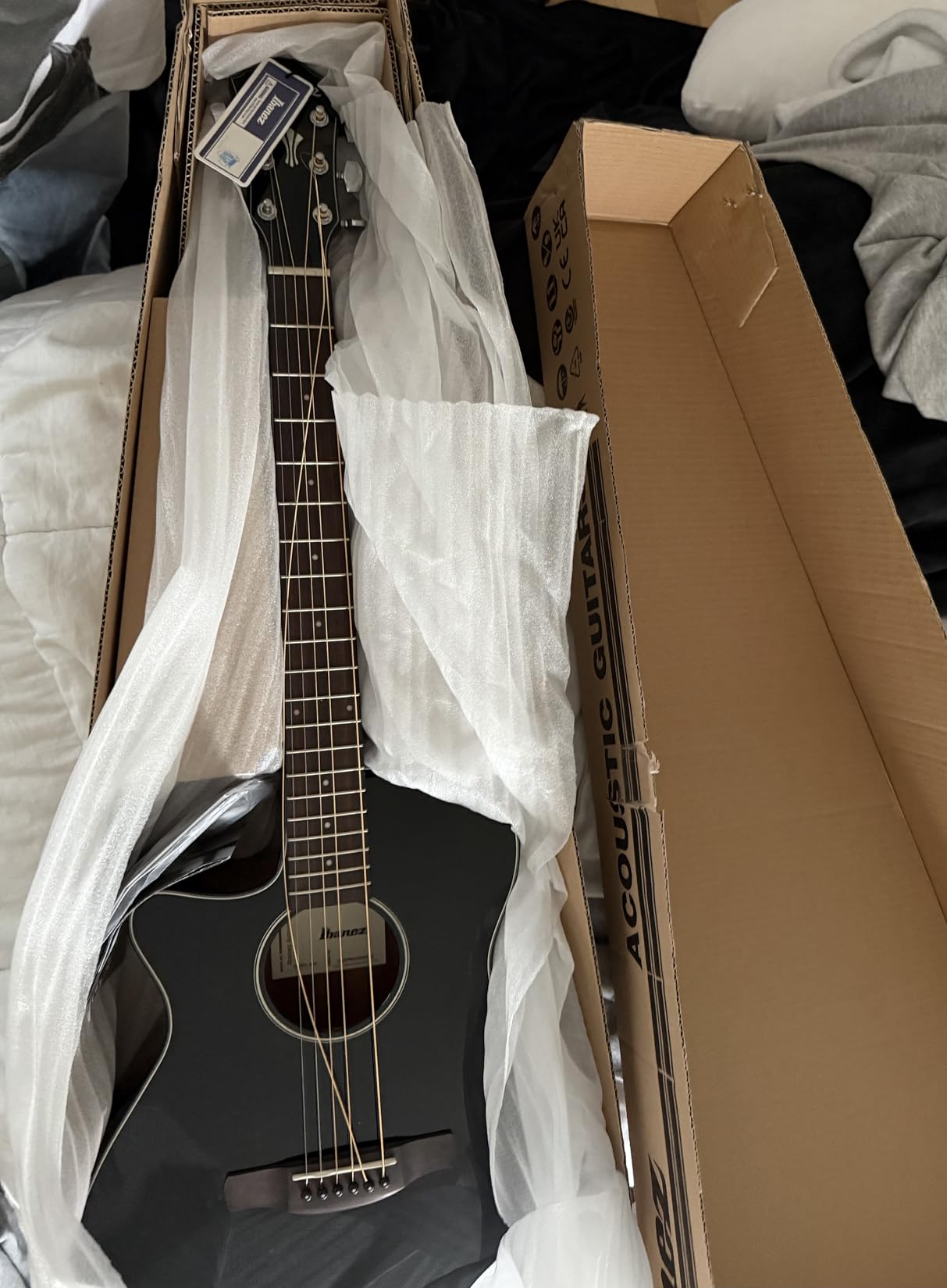
What you give up is volume. This is a laminate build, so unplugged it is quieter and less bassy than the solid-top guitars here. Several owners say that is a fair trade, particularly anyone playing in rooms where an unamplified acoustic would be fighting a drummer anyway.
There is also a southpaw version of this model, which is worth knowing because flagship guitars in this category are often offered in one orientation only. The most common owner complaint is a factory setup that needs adjustment, so plan a setup into the first month.
Who the AEG50 suits
Smaller players, anyone with shoulder or back issues, and players who sit through long sets. It suits open mic nights and cafe stages where volume comes from the PA rather than the guitar. Electric players who want one instrument for home and stage will find the neck and scale familiar.
Where it falls short
It is a laminate guitar, so unplugged volume and bass response are limited compared with a solid top. Some examples have fret buzz from the factory and need setup work. If you play unamplified acoustic as part of your set, the volume will not carry past the front three rows.
7. Ibanez TCY10E Talman – Built for Electric Players Who Want a Travel Guitar
- 24.75 inch scale and double cutaway feel electric
- only 4.3 pounds so it fits in a small case
- built-in tuner powered by a 9V battery
- compact 6.5 inch body depth is easy on a seated player
- Smaller body gives up acoustic volume and bass
- some examples need truss rod work
- not suited to pure acoustic playing
The Talman is the odd one out in this list and we like it for that. A 24.75-inch scale, a double-cutaway body and a 6.5-inch depth make it feel like an electric guitar that happens to have a soundboard. If you are a stage player who mostly works amplified, the transition is almost free.
Build details are good for the money: a spruce top over sapele back and sides, purpleheart fingerboard and bridge, and an okoume neck. The piezo system runs off a single 9V battery, which powers the onboard tuner, so there is one spare battery to carry and one place to change it.
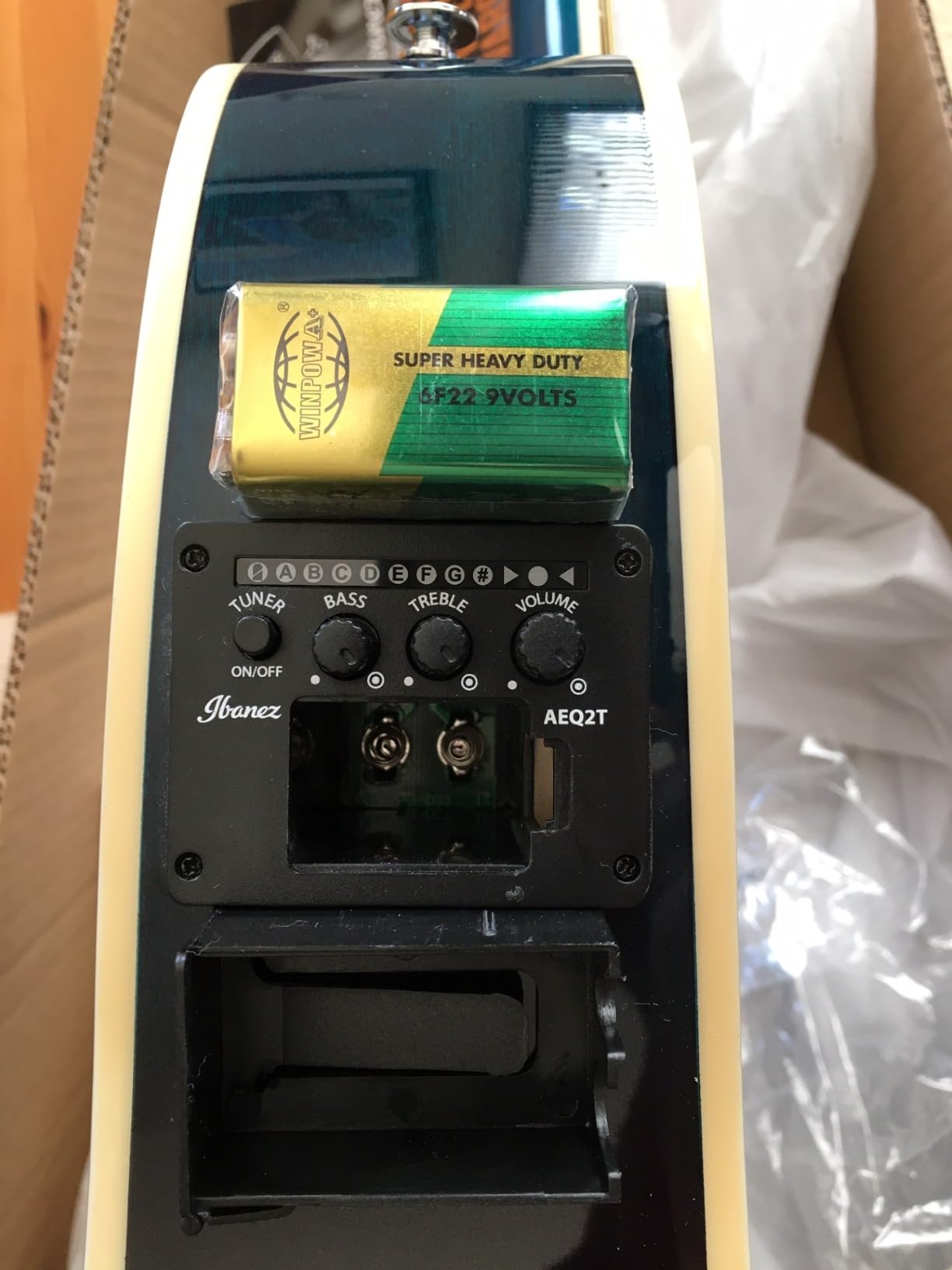
At 4.3 pounds it is the joint-lightest guitar here and it is the easiest to move between a home, a rehearsal room and a small stage. Owners frequently describe it as a travel and practice instrument that ended up being their main one, which tells you how little it gives up when you stay amplified.
The honest limitation is output. The smaller body produces less volume and less bass, so on an unamplified stage or a quiet room you will be playing softer than you would on a dreadnought. Reviewers also report inconsistent factory setup on some examples, and a few report loose hardware found in the body cavity, so check it over on arrival.
Who the TCY10E Talman suits
Electric players who want a second instrument for solo slots, rehearsals and writing without learning a new neck. It suits touring players who travel light, buskers who move between pitches, and anyone who wants the full range of the neck without fighting a cutaway body.
Where it falls short
This is an amplified-first instrument. Unplugged it sits between a small-body acoustic and something noticeably quieter, so it will not carry a room on its own. Some examples need a setup to settle in, and the piezo is a simple system with no EQ flexibility.
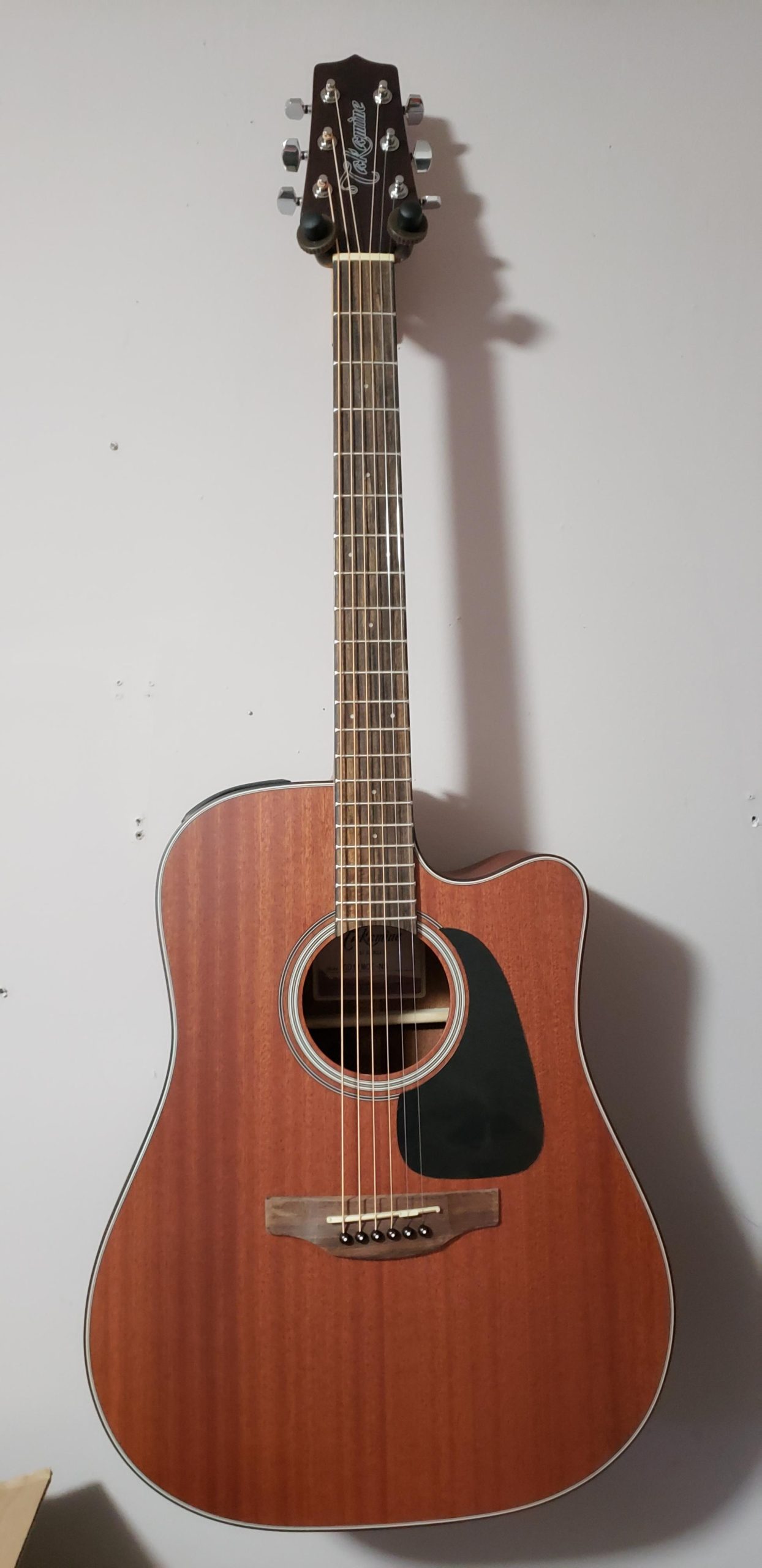
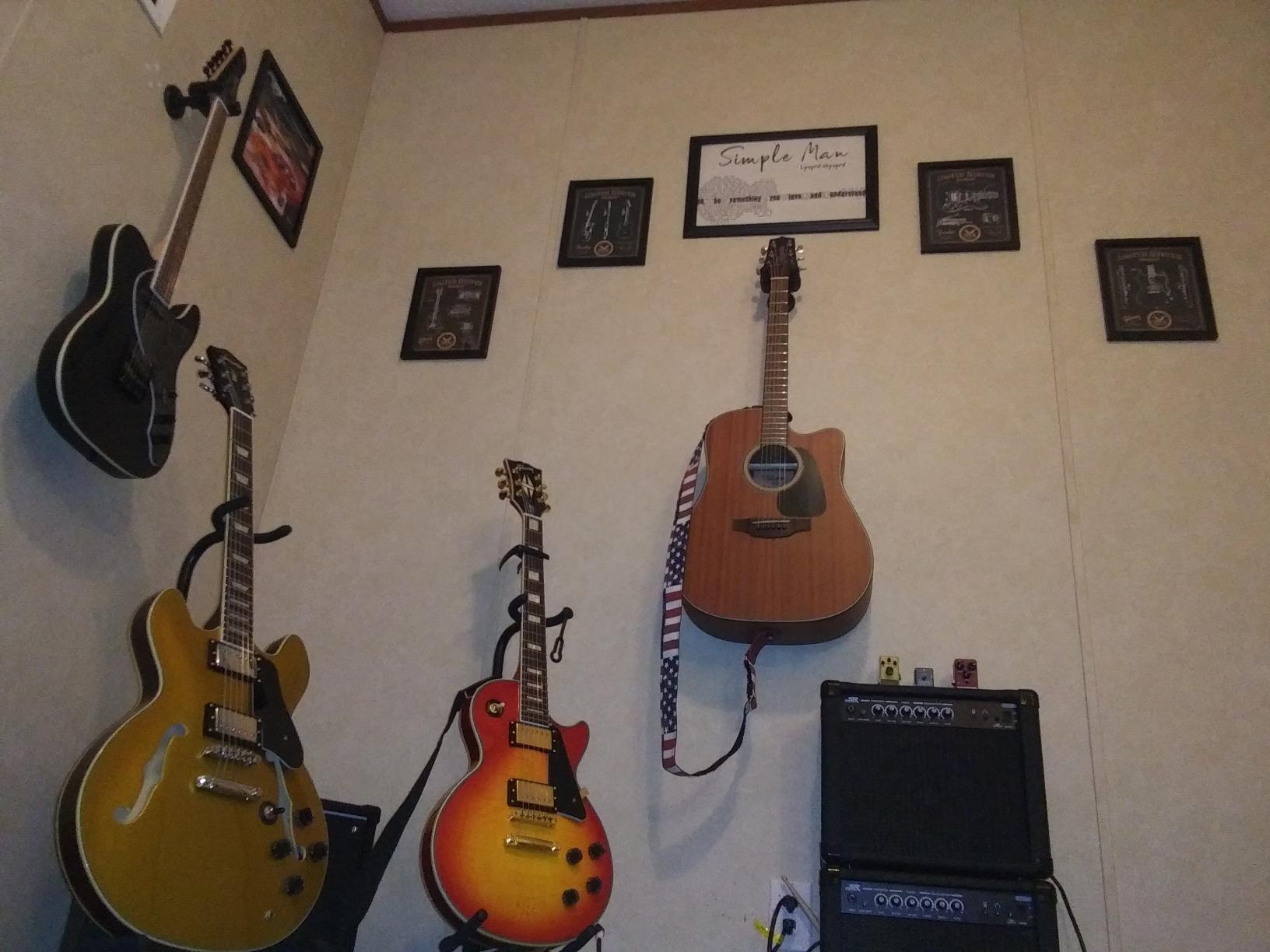
8. Takamine GD11MCE – Dreadnought Strumming Power on a Laminate Build
Takamine G-series GD11MCE Dreadnought Acoustic-electric Guitar – Natural
- Takamine electronics are a long-standing choice for live reliability
- dreadnought body gives the most low end in this roundup
- bone split saddle improves intonation
- 1.67 inch nut suits fingerstyle and strumming
- 6.8 pounds is light for a dreadnought
- All laminate so there is no solid top
- laurel fingerboard is a step down from rosewood or ebony
- limited colour options
Takamine built its reputation on guitars that go out on tour and come back working, and the GD11MCE carries that reputation in its electronics. The TP-4TD preamp with integrated tuner is a system that stage players trust, and it is the reason this guitar rates 4.6 across 146 owner reviews.
For sound, this is the biggest low-end option in the list that stays reasonable in the hand. The all-sapele dreadnought at 6.8 pounds is light for its body size, which is unusual and welcome when you are strumming for a full set. The cutaway gives you the upper frets if a solo needs them.
The split saddle bone bridge is a genuine step up in intonation over composite parts found on cheaper instruments, and it keeps a twelve-string or a heavy-gauge set honest. The 1.67-inch nut is narrower than a typical dreadnought, which makes it easier on the fretting hand and works for fingerstyle as well as strumming.
Everything is sapele, top, back and sides, so the guitar is a laminate. That is a deliberate trade: laminate tops are stable in changing humidity and travel well between a cold van and a warm stage. You give up some tonal complexity compared with solid wood, and a little of the top-end sparkle.
Who the GD11MCE suits
Strummers who need low end to be heard over a band, bluegrass and folk players in jam circles, and anyone who wants a dreadnought that is not a burden to carry. It also suits players who travel in varied conditions and want a guitar that will not react to humidity swings.
Where it falls short
There is no solid top, so the tone is warmer and more consistent rather than detailed and evolving. The laurel fingerboard is a lower-grade wood than rosewood or ebony and will need more attention over the years. If you are moving up from a guitar you have had for a decade, the jump in refinement is modest.
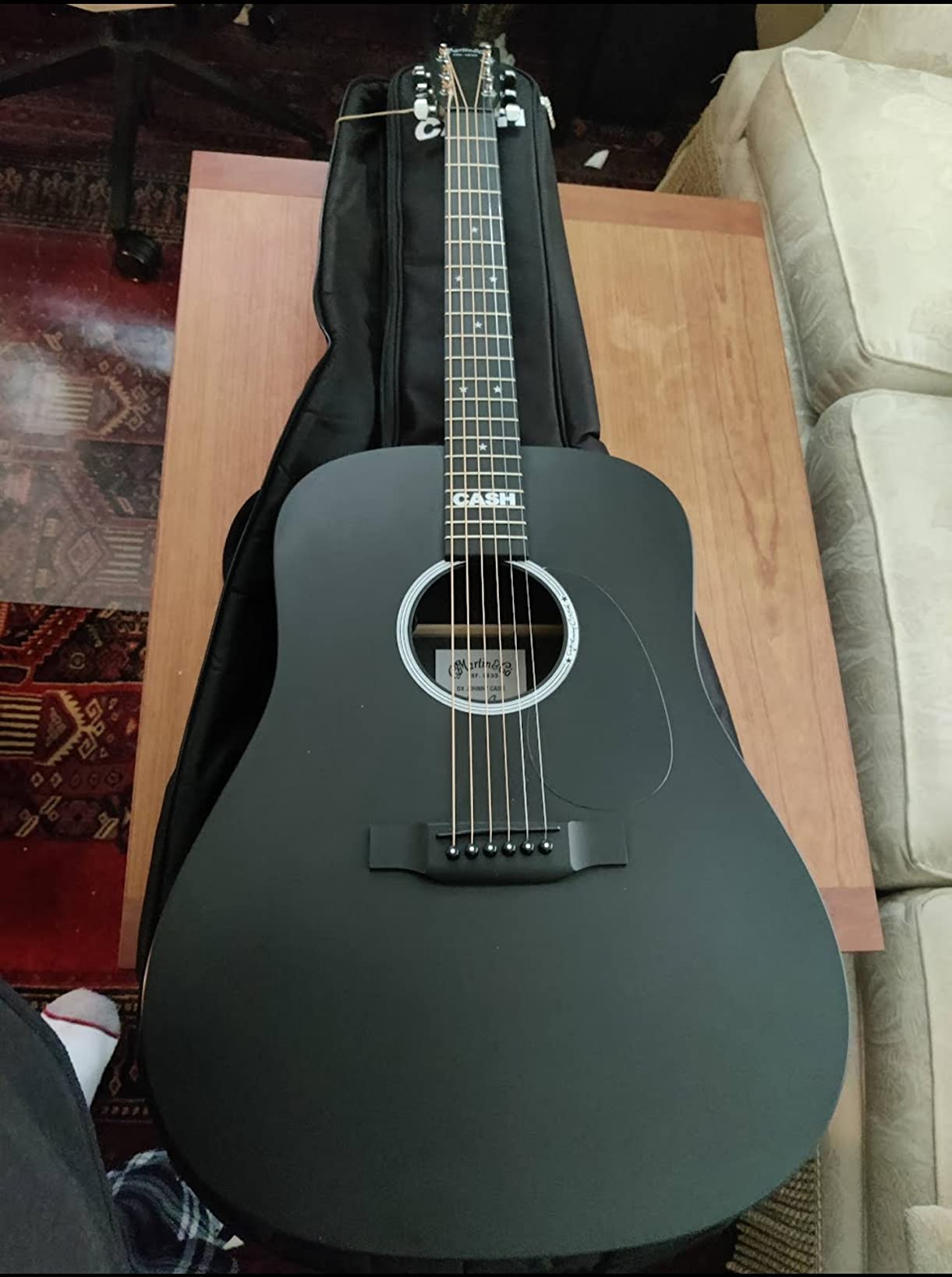
9. Martin DX Johnny Cash – Iconic Stage Look With Real Durability Questions
Martin Guitars DX Johnny Cash Signature Edition Acoustic-Electric Guitar with Gig Bag, HPL Construction, Modified D-14 Fret, Performing Artist Neck Jett Black
- Instantly recognisable stage look
- rich balanced tone that outshines its build class
- Fishman MX electronics give a genuinely amplified sound
- gig bag included
- Performing Artist neck is a comfortable profile
- HPL body is reported to crack on impact
- no front strap button
- premium pricing for a laminate build
Under stage lights this is the guitar that reads best from the back of the room. The Jett Black finish and the Johnny Cash styling make it instantly identifiable, and for a solo set where you are the whole visual identity, that has real value.
Sound is the surprise. Owners consistently say the tone punches above its build class, and the Fishman MX electronics produce an amplified sound that reviewers describe as full and balanced. The Performing Artist neck profile is a soft, shallow shape that is easy on a fretting hand over a long set, and the gig bag is included.
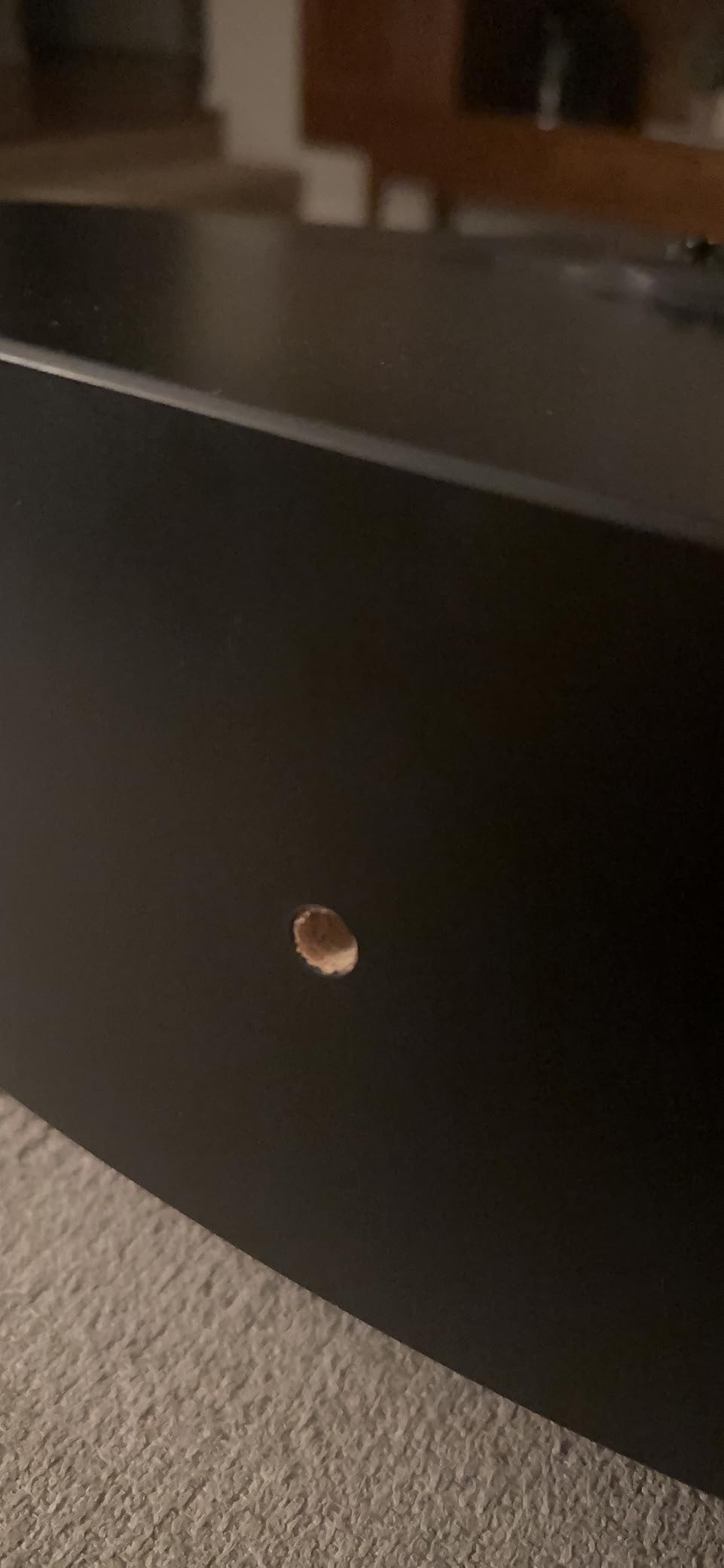
The durability question is real and we will not gloss over it. Multiple owners report the HPL body cracking or shattering from drops that would have left a wooden guitar playable. HPL is a high-pressure laminate, not solid wood, and it is less forgiving of impact than a traditional wood body.
For a gigging instrument that gets loaded into a van and unloaded in the rain, that matters. The absence of a front strap button is a smaller annoyance but a common complaint. We would pair this guitar with a hard case rather than rely on the included bag if it is going on the road regularly.
Who the Martin DX Johnny Cash suits
Solo performers who want their instrument to be part of the show, and players who value a comfortable neck and a full amplified tone over material purity. It suits anyone drawn to a vintage, high-contrast stage aesthetic. The included gig bag makes it easy to carry to an open mic without buying anything.
Where it falls short
The HPL body is the concern. If you gig hard, transport badly or play in variable weather, the risk of body damage is higher than on a solid-wood instrument. You also pay a premium for the brand and styling rather than for the build, and there is no front strap button.
10. Ibanez AEG70 – Flame Maple Slim Body, Also Built Southpaw
Ibanez AEG70 Acoustic-Electric Guitar – Transparent Charcoal Burst High Gloss
- Flame maple top looks superb under stage lighting
- slim body stays comfortable for long sets
- available in both right and southpaw versions
- LCD tuner is clear and easy to read
- 6 pounds is light for the size
- Advantage bridge pins make string changes fast
- Laminate build limits acoustic projection
- Tune-O-Matic bridge is unusual on an acoustic-electric
- less low end than a dreadnought
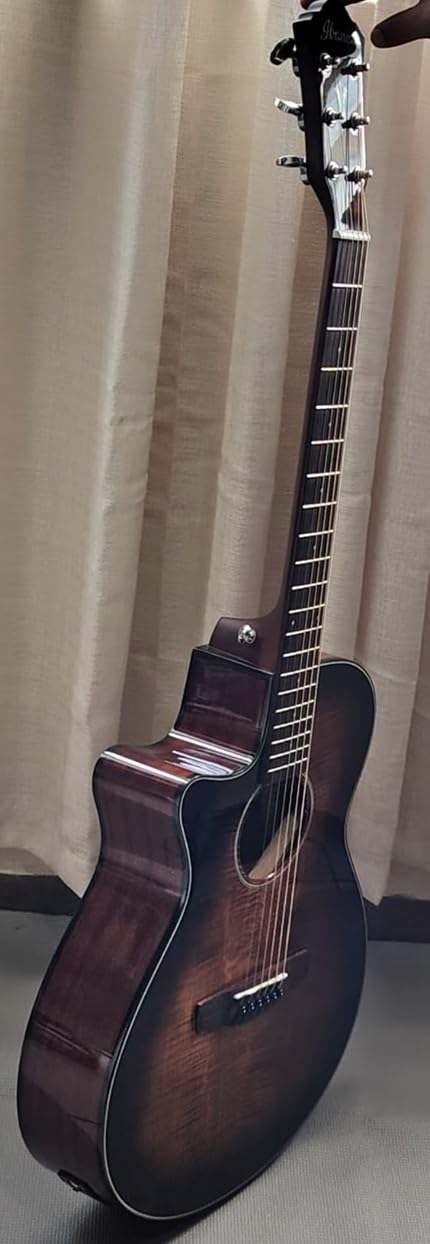
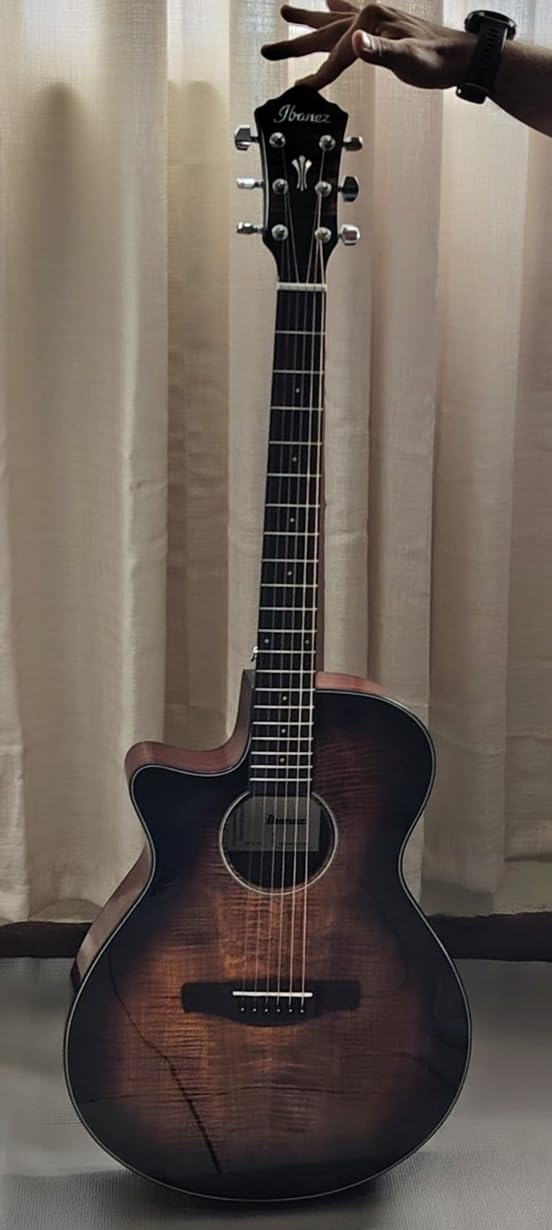
This is the guitar to look at if you play left handed. The AEG70 is offered in both orientations, which is a genuine gap in this category, where several flagship stage models are right-handed only. At 6 pounds with the slim AEG profile, it is also one of the easiest guitars here to play for a whole seated set.
The flame maple top with a transparent charcoal burst finish is the visual selling point, and it is genuinely striking. Under the finish you get sapele back and sides, a walnut fingerboard, a nyatoh neck and a 25-inch scale. The Ibanez electronics include an LCD tuner, which is easier to read at a glance on a dark stage than a small dot display.
Two small stage details stand out. The Advantage bridge pins let you change strings in seconds with a standard pin puller, which matters when you are doing several sets. And the thin body profile means this guitar sits comfortably against a seated singer without digging into your right leg.
The Tune-O-Matic bridge is an unusual choice on an acoustic-electric. Some players love the adjustability and the cleaner string spacing, while others find the intonation needs work out of the box. As with the rest of the laminate guitars here, unplugged projection is the trade for the slim, comfortable body.
Who the AEG70 suits
Southpaw players who have given up on finding a stage-ready slim body in their orientation. It also suits players who want a good-looking instrument for a stage with lighting, and anyone who prefers a slim body with more visual presence than a plain concert shape.
Where it falls short
It is a laminate guitar, so unplugged volume and low end are limited. The Tune-O-Matic bridge may need a setup for accurate intonation, and it is not the first choice if you rely on a natural saddle feel. The LCD tuner also needs power, so keep a spare battery in the case.
11. Fender FA-125CE – The Best Value Complete Bundle
- Bundle includes gig bag tuner strap strings and picks
- 911 owner reviews make it one of the best proven guitars here
- 2-year limited warranty
- dreadnought cutaway gives volume and upper fret access
- C-shaped neck suits most hands
- Laminate top and basswood back and sides
- accessories in the bundle are entry level
- 10 pounds is heavy for a seated set
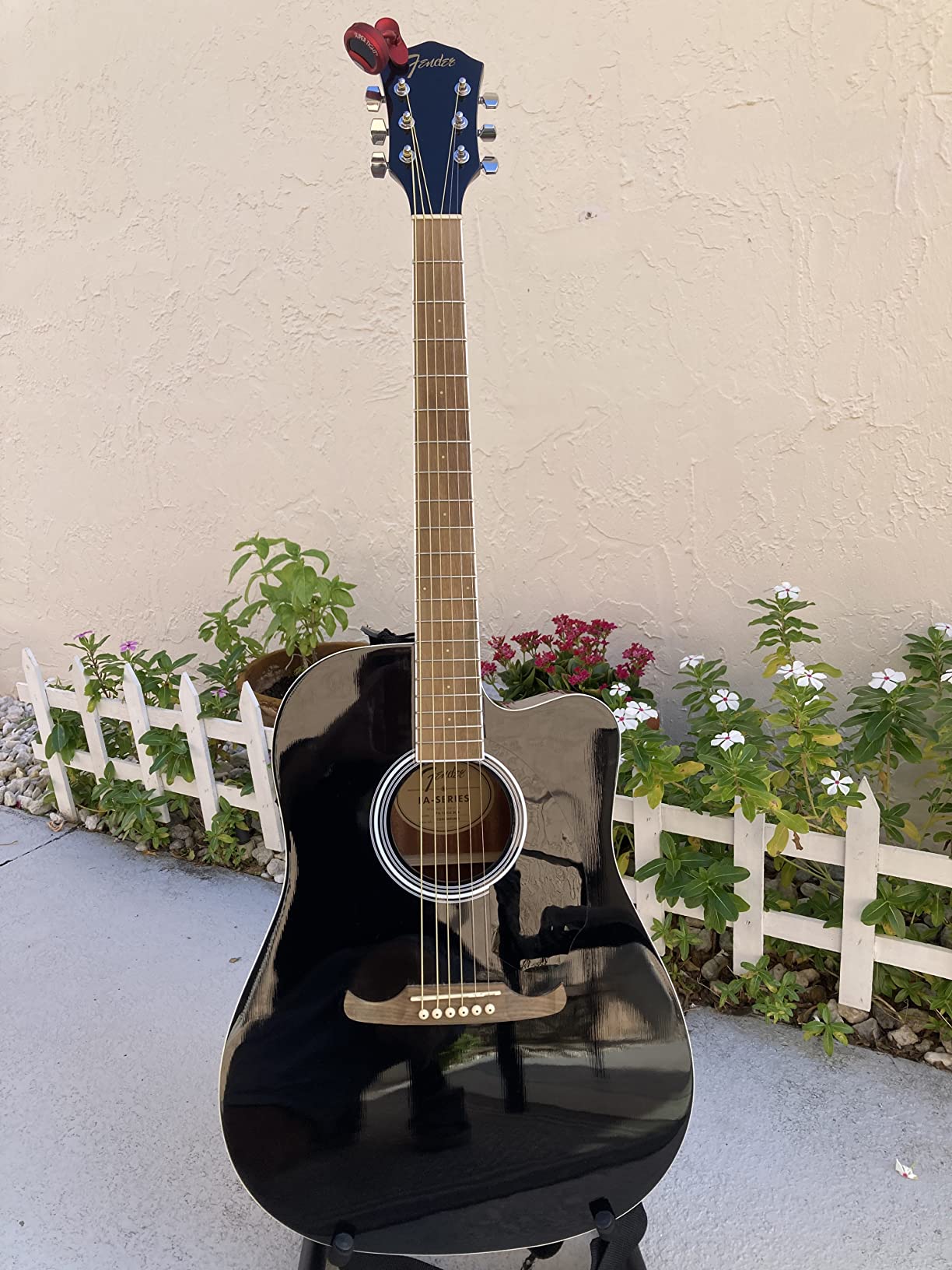
Nothing else in this list gives you a complete setup in the box. The FA-125CE bundle arrives with a gig bag, a tuner, a strap, strings, picks and instructional material, which means a first-time stage player can walk into an open mic with nothing else in their bag.
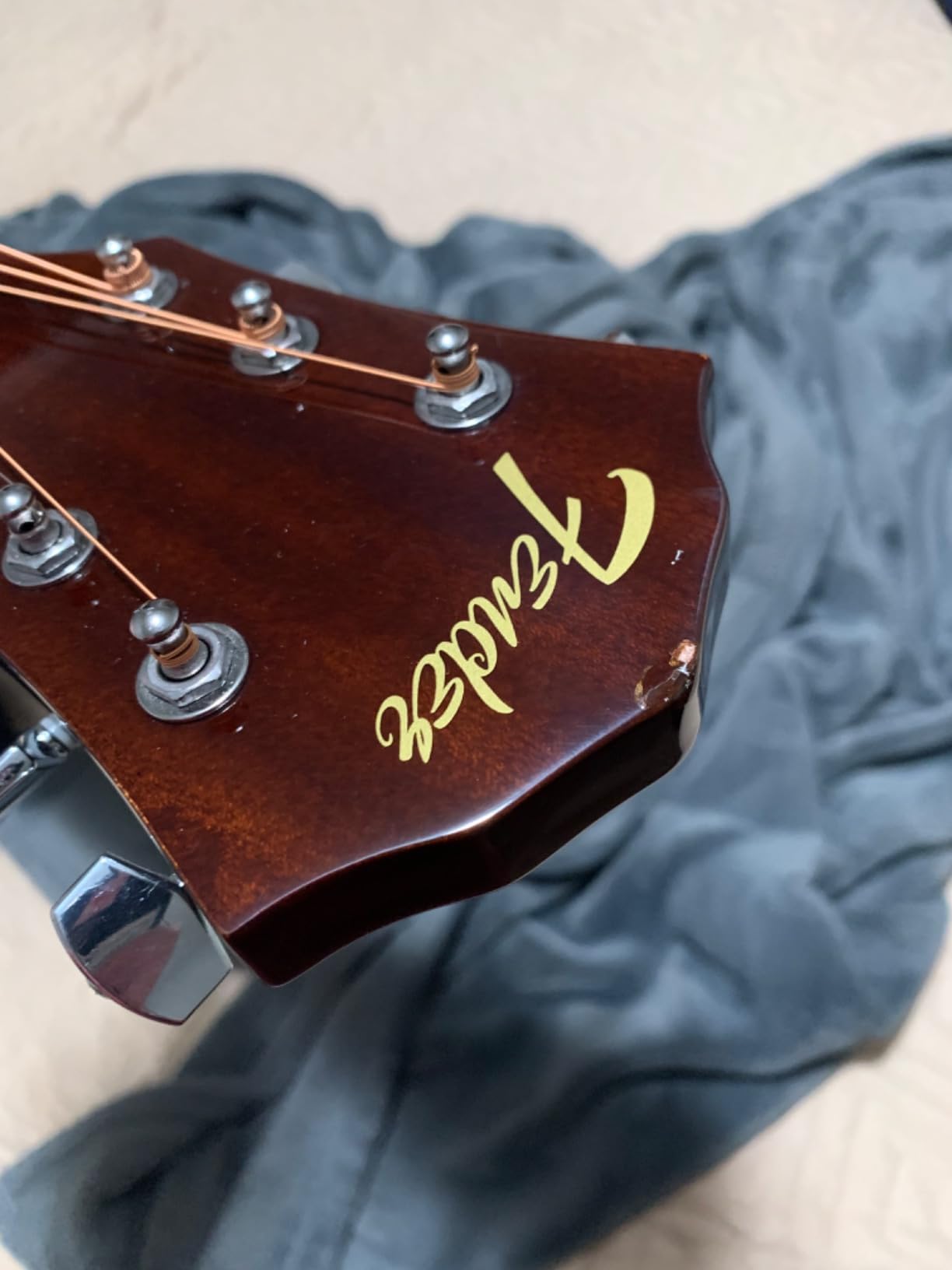
Underneath it is a laminate spruce top with basswood back and sides, a nato C-shaped neck and a rosewood fingerboard. The dreadnought cutaway body is the traditional stage shape, giving you volume when you need it and access up the neck for a lead break. At 25.3 inches it is a familiar scale length for most players.
With 911 owner reviews and a 4.5 average, this is one of the most proven instruments in the roundup. That volume of owner history is worth something in a category where failure modes are rarely discussed. The 2-year limited warranty is also better than most at this tier, and matters if the guitar is being transported regularly.
Owners are clear about the ceiling. The laminate top and basswood back and sides give a balanced tone that is not as resonant as mahogany or sapele, and the bundle accessories are entry-level, so expect to replace the strap or tuner eventually. At 10 pounds it is heavy for a seated player.
Who the FA-125CE suits
First-time gigging players who want everything they need in one purchase without researching accessories. It suits students, open mic performers and anyone rehearsing at home who wants to practise through a PA before their first show. The cutaway also makes it a sensible choice for players who want to solo higher up the neck.
Where it falls short
It is not a serious touring instrument and should not be treated as one. The laminate build and basswood back and sides limit resonance, and the bundle accessories are basic. If you already own a gig bag, a strap and a tuner, spend that money on a better preamp instead.
12. Takamine GD30CE-12 – 12-String Chorus for a Dedicated Stage Slot
Takamine GD30CE-12 12-string Acoustic-electric Guitar – Black
- Shimmering 12-string chorus that no 6-string can reproduce
- solid spruce top for a fuller sound than laminate
- Takamine TP-4TD preamp is stage-reliable
- split saddle bone bridge improves intonation across 24 strings
- 2-year warranty
- Requires far more hand strength and setup skill
- heavier at 8.1 pounds
- factory strings usually need replacing
- gloss finish shows wear
A 12-string is a specialist instrument, and the GD30CE-12 fills a specific stage slot: the shimmering intro, the jangling chorus, the wide wash under a chorus vocal. No 6-string in this roundup produces that sound, so if you write songs where the 12-string matters, this is the only pick that does it.
The build is more than an afterthought. A solid spruce top over mahogany back and sides, an ovangkol fingerboard and a split saddle bone bridge give the extra strings the intonation stability they need, because 24 strings at once magnify any setup fault into an out-of-tune chorus.
The Takamine TP-4TD preamp with integrated tuner is the same reliable system used in the GD11MCE above, and owners rate it well for live work. Being able to retune a 12-string quickly is not a small convenience, because a 12-string goes flat faster and reacts more sharply to humidity than a 6-string does.
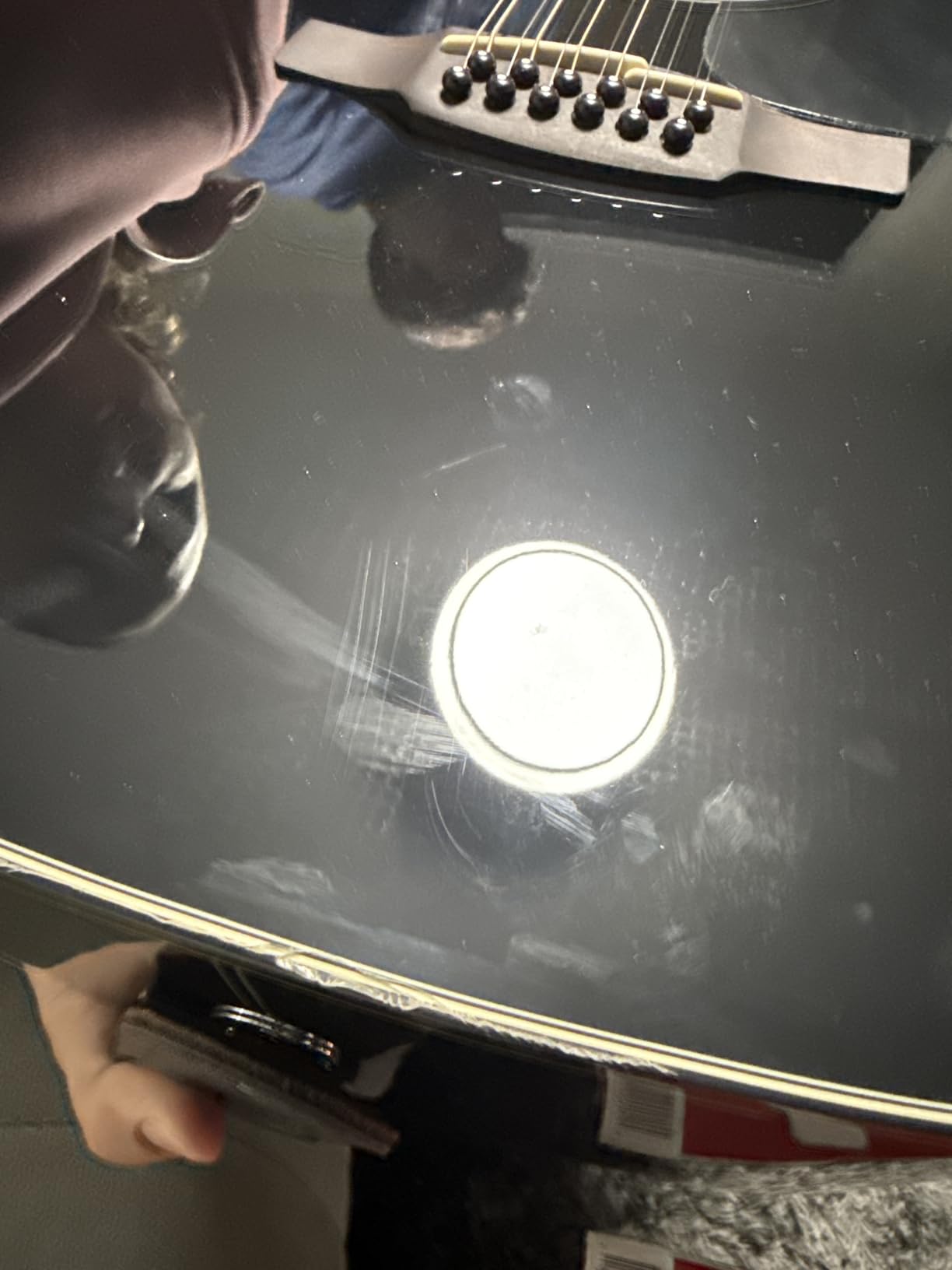
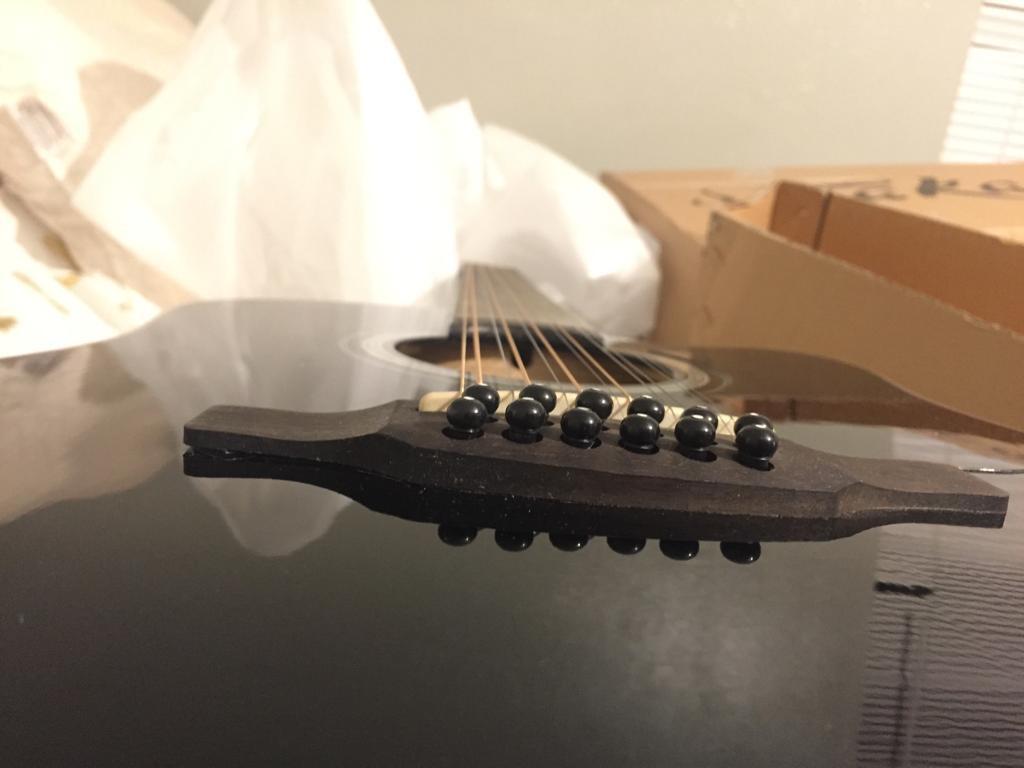
Buyers should go in with open eyes. A 12-string needs more hand strength, a different picking approach and a setup skill most players do not have, so the factory strings usually go straight in the bin. Reviewers also report quality control issues on arrival, including bridge separation and broken strings, so check the instrument carefully before your first gig.
Who the GD30CE-12 suits
Solo singer-songwriters and folk or jangle-pop players who write 12-string parts. It suits a set where one song needs that sound and the rest of the set is played on another guitar. A solid top means it also develops as you play it, which laminate instruments do not.
Where it falls short
It is not a first 12-string, and not a first guitar. The setup demands and string changes will frustrate a beginner. At 8.1 pounds it is heavy for a specialist instrument, and the gloss finish shows wear. Some examples have arrived with structural or setup problems, so budget time for a full setup after purchase.
How to Choose an Acoustic Electric Guitar for Stage?
Everything in this section comes back to one question: what does the signal have to survive on the night? Feedback, a vocal in the same frequency range, a drummer playing loud, and a set that lasts longer than you planned. Pick for those four things first, and tone is a distant fifth.
Body shape decides stage comfort
Concert or dreadnought is the single most common question we see, and the honest answer is that it is a comfort decision more than a tone decision. A dreadnought moves more air and sits better in a loud mix. A concert, grand auditorium or studio body is far easier to hold for a full seated set, and forum players consistently report that comfort is what determines whether you keep playing out.
Three of our picks here sit in the smaller end of the range and four are full dreadnoughts. The Yamaha APX600M is the thinnest and lightest at 4.6 pounds, and the Ibanez TCY10E is lighter still at 4.3 pounds with a scale length closer to an electric. The CD-140SCE at 13 pounds is the other extreme, and owners who gig with it say the included hardshell case is what makes that weight manageable.
Pickup and preamp system decides how you fight feedback
Almost every stage problem with an acoustic-electric comes down to the pickup and preamp. Feedback shows up when a high-frequency peak from the piezo runs into a loudspeaker at close range, and the fix is either a preamp with a mid-sweep to remove the offending range, or volume discipline.
The SYSTEM65 in the APX600M and the System 66 in the FGX800C both give you a three-band EQ with a dedicated mid-frequency control, which is the most useful stage tool in this list. The Fishman Classic Design and CD systems give you a tone control, which is workable but coarser. The Barcus Berry LX4 in the Washburn is capable but hot enough that you need to watch your gain.
A passive piezo with no preamp at all gives you almost nothing to work with on stage, because you have no level control and no EQ. That is why every guitar here has active electronics.
Solid top or laminate, and why it matters less than you think live
A solid top responds to playing and improves over years, which is why the FGX800C and the GD30CE-12 rate as highly as they do. A laminate top, like the one in the FA-125CE or the GD11MCE, is more stable across humidity and temperature and travels well between a cold vehicle and a warm stage.
Once you are amplified, that difference narrows. The piezo is reading string and top vibration, and the preamp is colouring the result heavily either way, so the solid top advantage you hear unplugged is smaller than you would expect through a PA. Buy a solid top if you also play at home unplugged. Buy a laminate if you want the cheapest durable option for amplified work.
Cutaway, scale length and neck width
A cutaway gives you access to the upper frets, which is what makes a solo break possible on a stage set. Every guitar in this roundup except the Takamine 12-string has one, so you are not choosing without options. What a cutaway does not do is make the guitar more comfortable, and some players find the cutaway horn slightly catches their picking hand.
Scale length changes how the guitar feels under your fretting hand. The 24.75-inch Talman and the 25-inch Ibanez models feel closest to an electric, while the 25.5-inch FGX800C and Washburn give you more tension and a firmer feel. Nut width matters more for comfort, and the 1.67-inch Takamine and 1.69-inch Fender figures sit in the narrower range that suits smaller hands.
Going direct: DI boxes, EQs and the signal chain
Do acoustic electric guitars need a DI box? Not strictly, because a preamp output is a normal instrument-level signal. But a DI box gives you a balanced, isolated signal that behaves far better over long cable runs, and many sound engineers prefer to take a DI rather than a direct line. Ask the engineer what they want before soundcheck, and bring a DI if you have one.
The chain is short. Guitar into the DI or mixer channel, notch the low-mid range, set your level below the point where the speaker starts complaining, and use the preamp mid control to clear space for the vocal. If you want a starting point for the EQ, cut around 250 to 300 Hz by three to six decibels, keep the low end below the vocal’s fundamental, and leave headroom above where you are playing.
For feedback specifically, three things help more than anything else. Turn down before you turn up, because level is the main trigger. Keep the mid-sweep away from a wide-open setting, since resonant midrange is what sustains a feedback loop. And if you have a phase switch, flip it, because a polarity mismatch with the microphone on another source can create a hollow tone that sounds like a problem it is not.
Stage durability and the pre-gig checklist
Finish wear is cosmetic, but structure is not. The Martin DX Johnny Cash is the clearest example in this list: owner reports describe HPL bodies cracking from drops that would have left a wooden guitar usable, so a hard case is worth the cost if you are gigging that instrument. Laminate builds generally shrug off humidity swings that would move a solid top.
Run this checklist before every gig. Fresh strings, at least three days before the show so they have settled. A spare set in the case. A spare 9V battery for the preamp. A tuner, whether onboard or clip-on. A DI box if the venue does not provide one. A strap with a working buckle. And a quick look at the action, the nut and the strap buttons, because a guitar that was fine at the last rehearsal is not always fine after a week in a hot car.
Frequently Asked Questions
What is the best acoustic electric guitar for stage performances?
The Yamaha APX600M is our top pick for stage. Its thin-line cutaway body weighs 4.6 pounds, so it stays comfortable across a full seated set, and the Yamaha SRT under-saddle piezo with SYSTEM65 3-band preamp gives an engineer real control over how the guitar sits in a mix. It carries 4.5 stars across more than 1200 owner reviews.
What is the best acoustic electric guitar for live performance?
For pure live performance the Yamaha FGX800C edges ahead on tone. A solid Sitka spruce top keeps improving as you play, and the System 66 preamp gives you a 3-band EQ with an adjustable mid-frequency control, which is the single most useful feature for cutting through a band without fighting a vocal. It holds a 4.7 average, the highest rating in our roundup.
What is the best acoustic guitar for gigging?
The best acoustic guitar for gigging is one you can still hold comfortably in minute forty. That is why the thin Yamaha APX600M and the slim Ibanez AEG series rank so highly, while the 13-pound Fender CD-140SCE suits players who want dreadnought volume and do not mind the weight. Add a mid-sweep preamp and a spare battery to any of them and you are gig-ready.
Is concert or dreadnought better?
A dreadnought moves more air and sits better against a loud band, so choose it for strumming, bluegrass and full-volume sets. A concert, grand auditorium or studio body is far easier to hold for a long seated set, so choose it for solo singer-songwriter work. For most stage players the smaller body wins, because comfort is what determines whether you keep playing out.
Do acoustic electric guitars need a DI box?
Not strictly. A preamp output is a normal instrument-level signal and can go straight into a mixer channel. A DI box still gives you a balanced, isolated signal that holds up over long cable runs, and many sound engineers prefer a DI. Ask the engineer in advance and bring one if you own it.
How do I stop an acoustic electric guitar feeding back on stage?
Turn the volume down before anything else, because level is what triggers feedback. Next, pull the preamp mid control back, since resonant midrange sustains the loop. Keep the guitar pointed away from the back wall of a cab. And if your preamp has a phase switch, try it, because a polarity mismatch can create a hollow tone that reads as feedback.
The Best Acoustic Electric Guitar for Stage in 2026
The best acoustic electric guitars for stage are not the ones with the most expensive preamps. They are the ones you can still hold comfortably in the last song, with enough midrange control to leave room for a voice, and a body that survives the trip. Our 2026 shortlist splits cleanly along those lines: the Yamaha APX600M for overall comfort and control, the Yamaha FGX800C for tone and EQ range, and the Fender FA-125CE if you want a complete package with nothing else to buy.
If you already own a solid acoustic, read the [Yamaha acoustic roundup](https://www.dognotebook.com/best-yamaha-acoustic-guitars/) and the [Fender acoustic picks](https://www.dognotebook.com/best-fender-acoustic-guitars/) first, since adding a pickup later to the wrong guitar is a common and expensive mistake. Whichever you choose, book a setup, carry a spare 9V battery, and do a soundcheck at the volume you will actually play, not the volume you wish you could play.
Our [Taylor acoustic guitar guide](https://www.dognotebook.com/best-taylor-acoustic-guitars/) covers the flagship end of the market, and it is worth reading if you are moving past this tier. Start with a setup, spend an evening with the feedback section above, and the right guitar becomes obvious fast.