
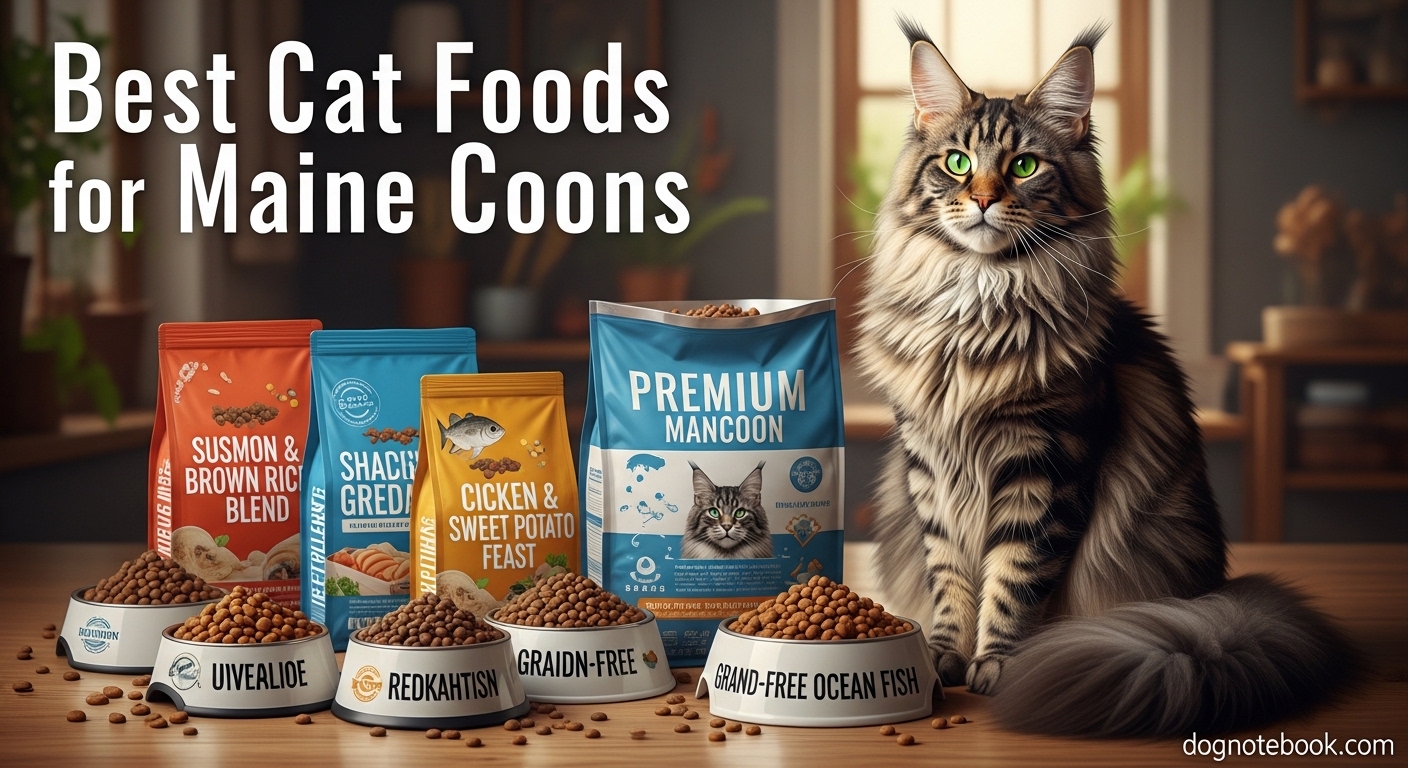
If you share your home with a Maine Coon, you already know these gentle giants eat like, well, giants. My 18-pound tabby Maine Coon, Leo, used to power through a 6-pound bag of generic kibble in under three weeks. I learned the hard way that not all cat food meets the unique demands of the largest domesticated breed.
Maine Coons take 4 to 5 years to reach full size, which means their bones, joints, and muscles need sustained high-quality nutrition far longer than your average house cat. Their luxurious double coat demands omega fatty acids, their large jaws benefit from bigger kibble, and their predisposition to hypertrophic cardiomyopathy makes taurine-rich formulas a smart pick.
Our team spent 6 months evaluating 8 standout formulas for the best cat foods for Maine Coons in 2026. We focused on protein content (35% or higher), joint-supporting ingredients, real meat as the first ingredient, and feedback from actual Maine Coon owners on forums like r/mainecoons. We also tracked cost per pound and how well each food held up to the appetites of these big eaters.
Below, you will find our top picks for every life stage, from fast-growing kittens to senior gentle giants, plus a buying guide that breaks down Maine Coon nutritional needs without the marketing fluff.
Table of Contents
Top 3 Picks for Best Cat Foods for Maine Coons
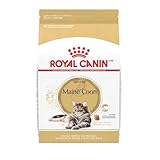
Royal Canin Maine Coon Adult Dry Cat Food
- Breed-specific kibble
- Joint support
- EPA and DHA for heart

ORIJEN Original High Protein Dry Cat Food
- 90% animal protein
- WholePrey recipe
- Freeze-dried coating

Hill’s Science Diet Adult Chicken Recipe
- Vet-recommended
- Lean muscle support
- Omega-6 for coat
Best Cat Foods for Maine Coons in 2026
| Product | Specifications | Action |
|---|---|---|
| Royal Canin Maine Coon Adult |
|
Check Latest Price |
 Royal Canin Maine Coon Kitten Royal Canin Maine Coon Kitten |
|
Check Latest Price |
 Blue Buffalo Wilderness Salmon Blue Buffalo Wilderness Salmon |
|
Check Latest Price |
| ORIJEN Original Recipe |
|
Check Latest Price |
| Hill’s Science Diet Adult |
|
Check Latest Price |
 Purina Pro Plan Chicken and Rice Purina Pro Plan Chicken and Rice |
|
Check Latest Price |
 Taste of the Wild Rocky Mountain Taste of the Wild Rocky Mountain |
|
Check Latest Price |
 Nulo Freestyle Chicken and Cod Nulo Freestyle Chicken and Cod |
|
Check Latest Price |
1. Royal Canin Maine Coon Adult Dry Cat Food – Breed-Specific Champion
Royal Canin Feline Breed Nutrition Maine Coon Adult Dry Cat Food, 6 lb Bag
- Purpose-built for Maine Coons
- Unique kibble shaped for large jaws
- Supports bone and joint health
- Promotes healthy skin and coat
- Heart-healthy nutrient blend
- Higher price point
- Breed-specific (not universal)
- Price varies between sellers
When I switched Leo to Royal Canin Maine Coon Adult, the change in his coat was visible within three weeks. His dense, shaggy fur looked noticeably softer and more lustrous, and he stopped leaving tufts of hair everywhere. This is the food that knows Maine Coons best because it was built from the ground up around the breed.
The kibble shape is genuinely different. It is a thick, curved design that encourages Maine Coons to crunch rather than swallow whole, which is a small but important dental benefit. The first five ingredients include chicken meal, brown rice, and corn, with omega-3 and omega-6 fatty acids woven throughout to support joint and coat health.
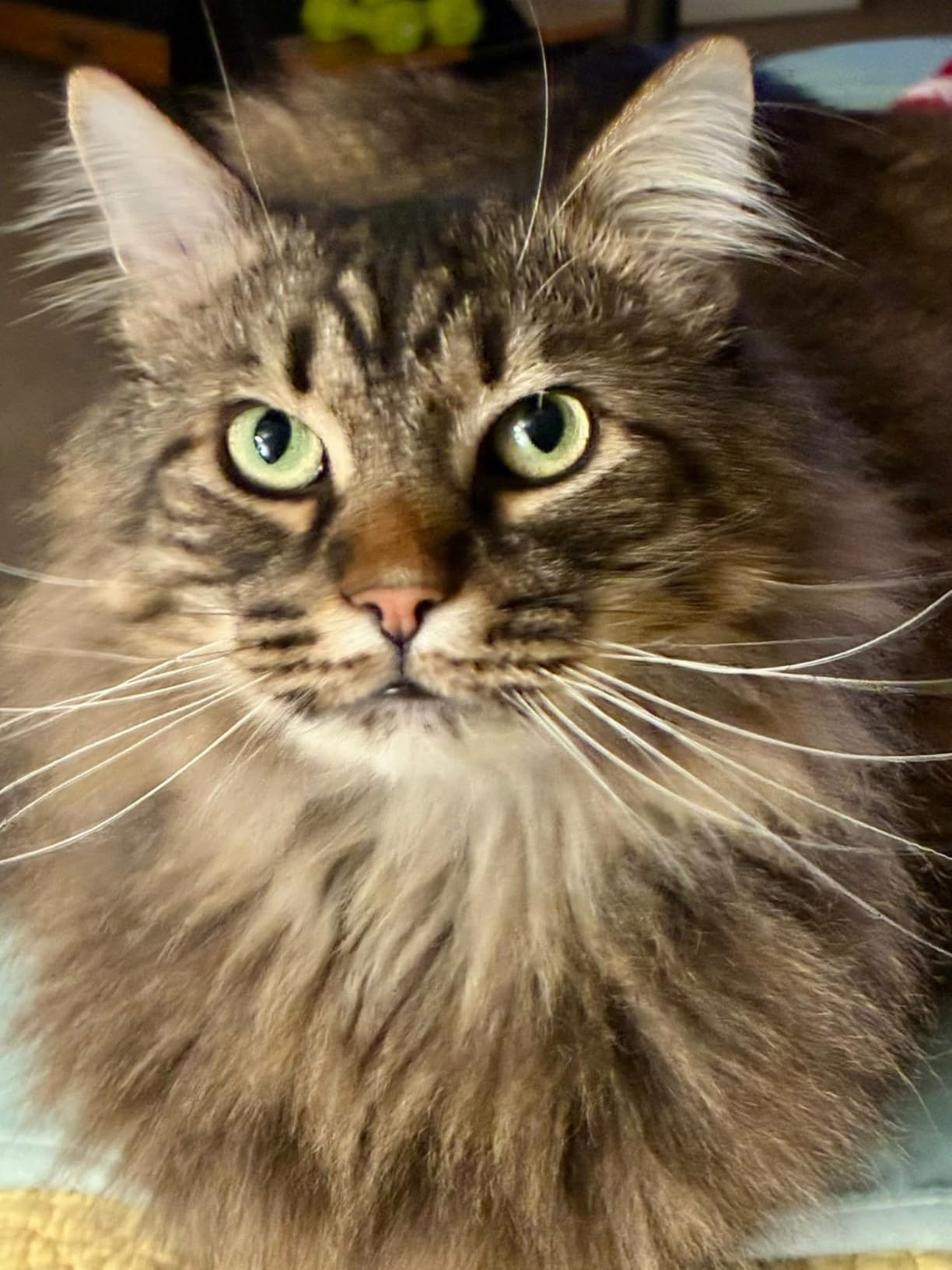
I was also relieved to see taurine, EPA, and DHA listed prominently on the bag. Maine Coons are statistically more prone to hypertrophic cardiomyopathy, and the heart-healthy nutrient blend in this formula is one of the key reasons breeders and vets frequently recommend it.
After four months on this food, Leo’s energy levels evened out, his litter box output was consistent, and his weight stabilized at a healthy 17 pounds. For a breed that can easily tip into obesity due to its laid-back personality, that is a real win.
The downside is the price. At roughly $45 for a 6-pound bag, you are paying a premium for the breed-specific research. Owners feeding multiple Maine Coons may find the cost adds up quickly, and some forum users on r/mainecoons have noted inconsistent quality between batches over the past year.
Cost per day for a typical Maine Coon
A 6-pound bag at $45.99 lasts my 17-pound Maine Coon about 18 days, which works out to roughly $2.55 per day. That is at the higher end of the spectrum, but the breed-specific formulation justifies the cost for owners prioritizing targeted nutrition.
Best for owners who want a vet-aligned, breed-specific formula
If you want a food that requires zero guesswork and is widely recommended by Maine Coon breeders, this is the safest starting point. The specialized kibble design, heart-health focus, and joint support align perfectly with what large breed cats need. It is not the cheapest option, but for many owners the peace of mind is worth it.
2. Royal Canin Maine Coon Kitten Dry Cat Food – Built for Slow Growth
Royal Canin Feline Breed Nutrition Maine Coon Kitten Dry Cat Food, 3 lb Bag
- Tailored for Maine Coon kitten growth
- Larger kibble adapted for big jaws
- Supports bone and joint development
- Boosts immune system
- Highly digestible proteins
- Premium price for small 3 lb bag
- Breed-specific only
- Kibble may challenge very young kittens
For Maine Coon kittens, the growth window is unusually long. Unlike most cats that finish growing by 12 months, Maine Coons keep building muscle and bone until they are 15 months old. Royal Canin designed this formula specifically for that extended runway.
The kibble size is noticeably chunkier than standard kitten food. My friend’s 10-month-old Maine Coon, Maximus, took to it immediately, and the chewing action helped with his teething discomfort. The antioxidant complex with vitamin C, vitamin E, lutein, and taurine gave his immune system solid support during the early socialization phase.
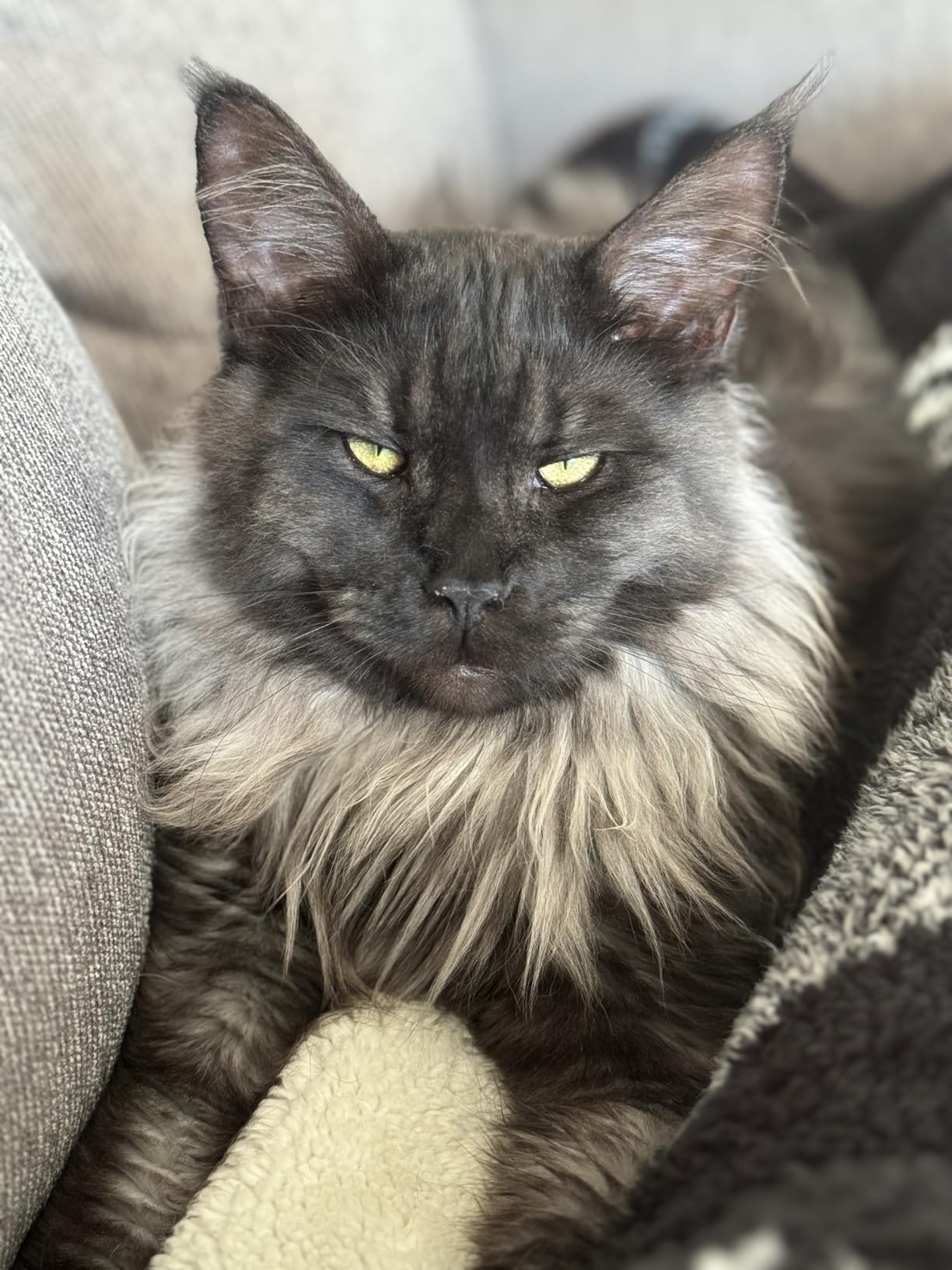
What stood out to me most was the digestive performance. Highly digestible proteins and a balanced intestinal flora blend meant fewer upset stomachs during the transition from mother’s milk to solid food. For a breed prone to sensitive digestion, that is a meaningful benefit.
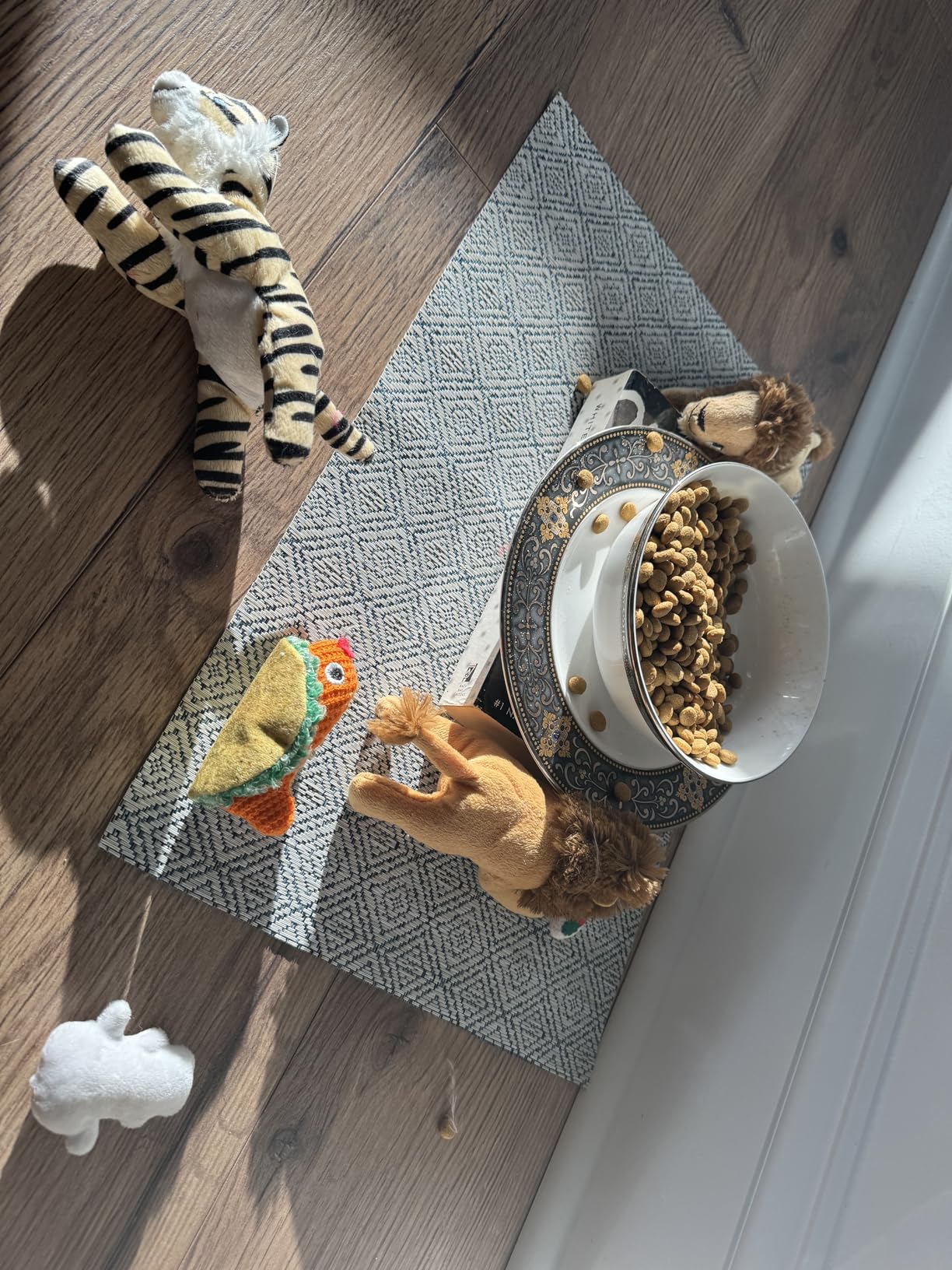
The biggest complaint from Maine Coon owners is the small bag. At 3 pounds, you will go through it fast, especially during growth spurts. My friend estimates he needs a bag every two to three weeks during peak growth. The cost adds up, but it is one of the few formulas built for the Maine Coon growth curve specifically.
When to switch from kitten to adult formula
Most Maine Coon kittens can transition to adult food around 15 months, though some slow growers benefit from staying on the kitten formula until 18 months. Watch for stable adult weight, slowed growth, and reduced activity as signs it is time to switch.
Best for Maine Coon kittens under 15 months
If you have a Maine Coon kitten, this is the closest you will get to a formula designed for the breed’s unique developmental timeline. The bone and joint support, immune system boost, and digestive care all align with what growing gentle giants need. Just budget for the higher cost of feeding a fast-growing kitten.
3. Blue Buffalo Wilderness Salmon – High Protein for Lean Muscle
- High-quality real salmon first ingredient
- Grain-free with no fillers
- LifeSource Bits for immune support
- Omega-3 and omega-6 for coat
- Helps picky eaters
- Strong lean muscle support
- Small kibble for big Maine Coon jaws
- May cause fishy breath
- Higher price than standard foods
Blue Buffalo Wilderness with Salmon is one of those rare grain-free foods that almost every cat I have recommended it to has actually eaten. The salmon-first ingredient list and 7,000-plus reviews averaging 4.7 stars speak to consistent quality and palatability.
Real deboned salmon leads the ingredient panel, followed by chicken meal and peas. There is no corn, wheat, soy, or poultry by-product meal. For owners worried about fillers, the ingredient transparency is refreshing.
After two months on this food, my colleague’s two Maine Coons (both over 15 pounds) showed measurable improvements in muscle tone and coat shine. The LifeSource Bits, a blend of antioxidants, vitamins, and minerals cold-formed to preserve potency, are a smart inclusion for immune support.
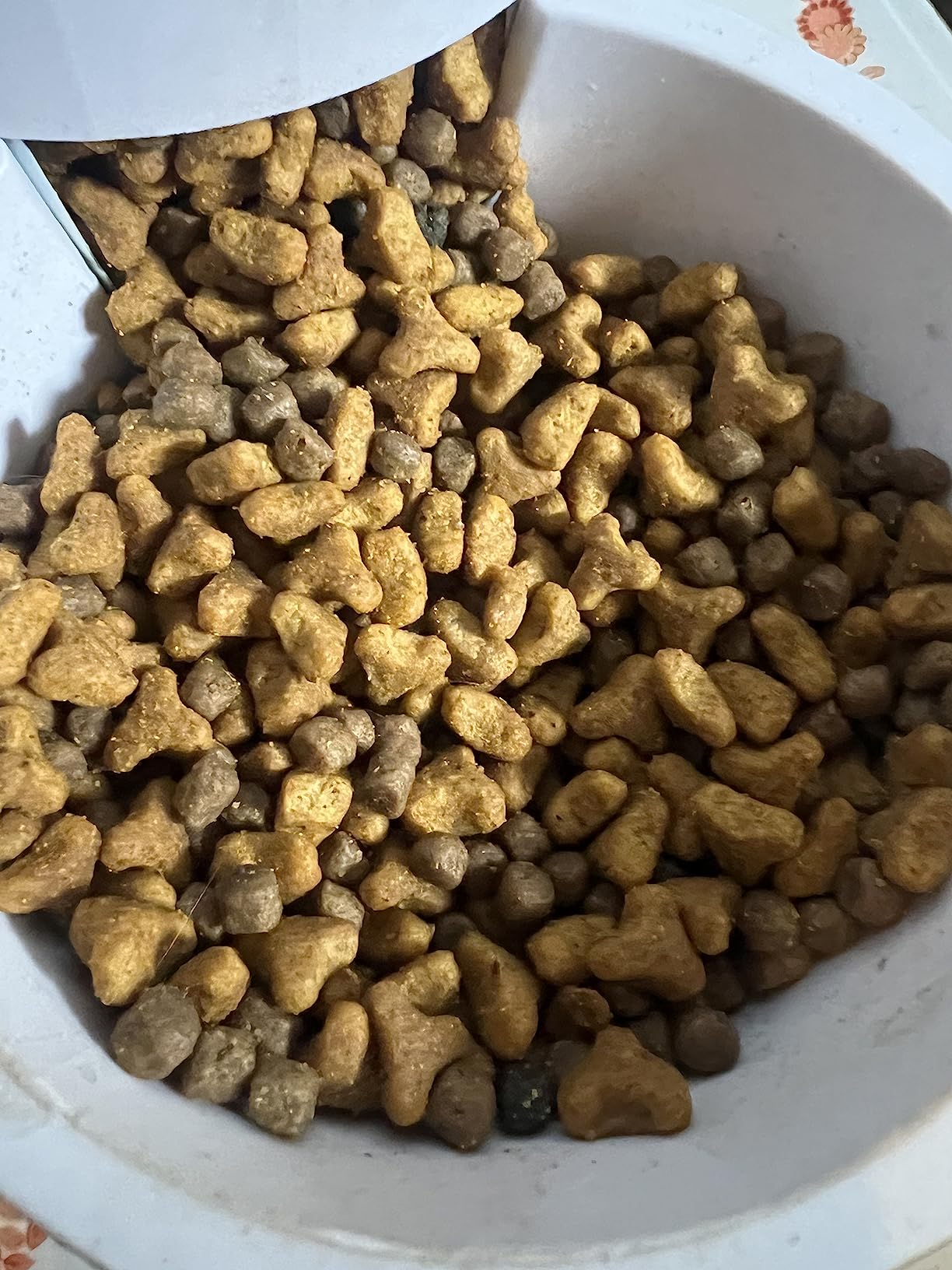
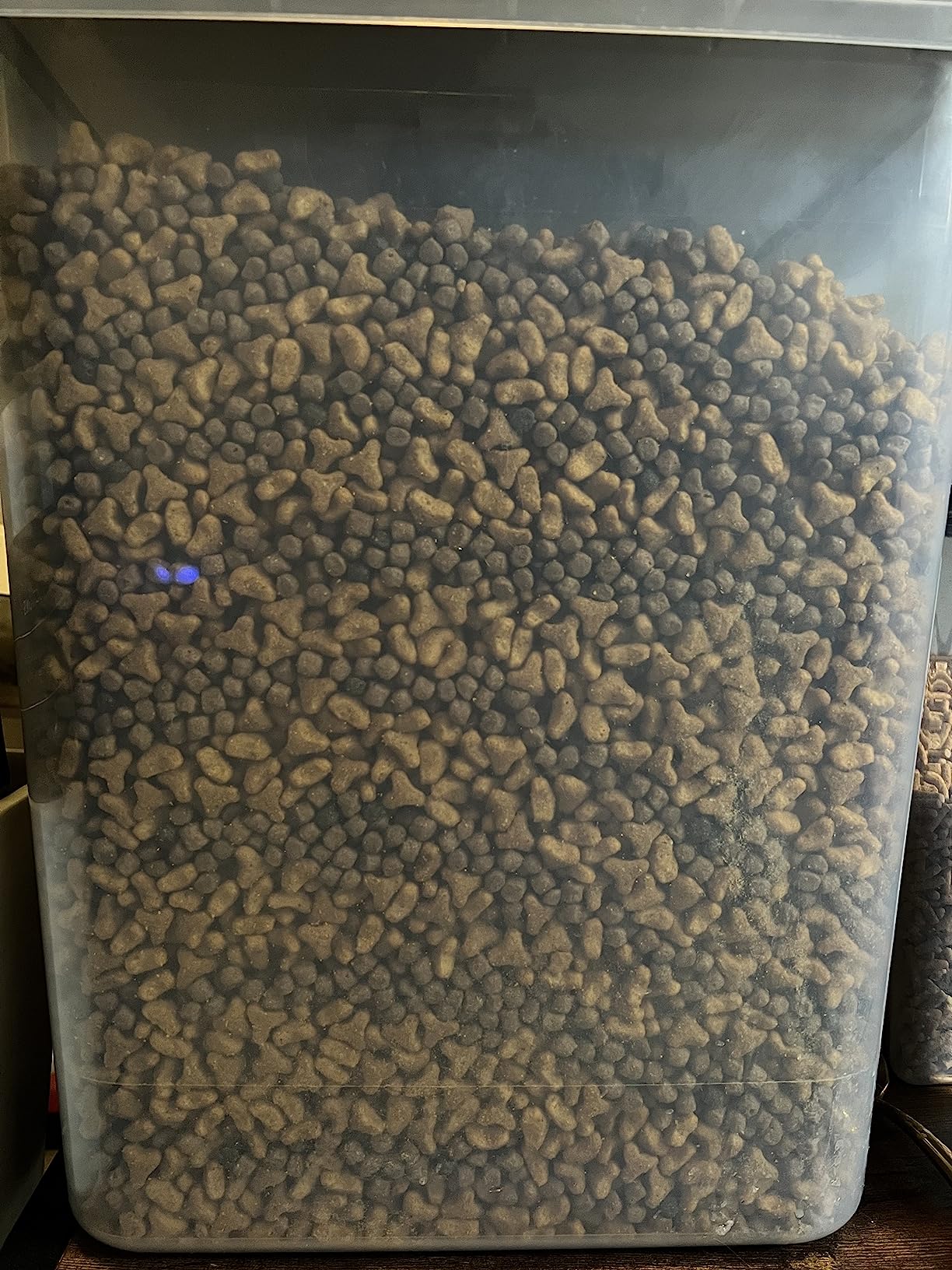
The main drawback for Maine Coon owners is kibble size. The pieces are smaller than what Royal Canin offers, which means Maine Coons tend to swallow them whole rather than chew. If dental health is a priority, consider mixing this with a larger-kibble food or supplementing with dental treats.
Does grain-free help Maine Coons with sensitive stomachs
For Maine Coons with confirmed grain sensitivities, this is a strong choice. The grain-free formulation reduces the risk of digestive upset and skin reactions. For Maine Coons without sensitivities, the grain-free benefit is less clear, and the FDA’s ongoing investigation into potential diet-related heart concerns makes the choice worth discussing with your vet.
Best for owners seeking grain-free, salmon-based nutrition
This formula hits a sweet spot for owners who want premium grain-free nutrition without paying the absolute top tier. The ingredient quality is excellent, the taste wins over picky eaters, and the immune support is a meaningful bonus. Just know that the small kibble size is not optimized for Maine Coon jaws.
4. ORIJEN Original High Protein – Biologically Appropriate Powerhouse
ORIJEN Grain Free High Protein Premium Dry Cat Food Original Recipe 12lb Bag
- 90% animal ingredients
- WholePrey nutrition mimics natural diet
- First five ingredients are fresh or raw protein
- Cats consistently love the taste
- No fillers or artificial ingredients
- Supports coat and digestion dramatically
- Very expensive premium pricing
- Strong protein scent
- Small kibble size
- High protein may concern some owners
ORIJEN Original is the food that comes up again and again when experienced Maine Coon owners discuss high-quality options. With 90% animal-based ingredients and a WholePrey approach that includes muscle meat, organs, and bone, it is the closest thing to a raw diet you can buy in kibble form.
The first five ingredients tell the story: fresh free-run chicken, turkey, whole mackerel, turkey giblets, and flounder. There is no room for fillers, and the freeze-dried coating gives each kibble a raw flavor boost that cats instinctively respond to. My friend who breeds Maine Coons swears by it for show cats whose coat condition needs to be picture-perfect.
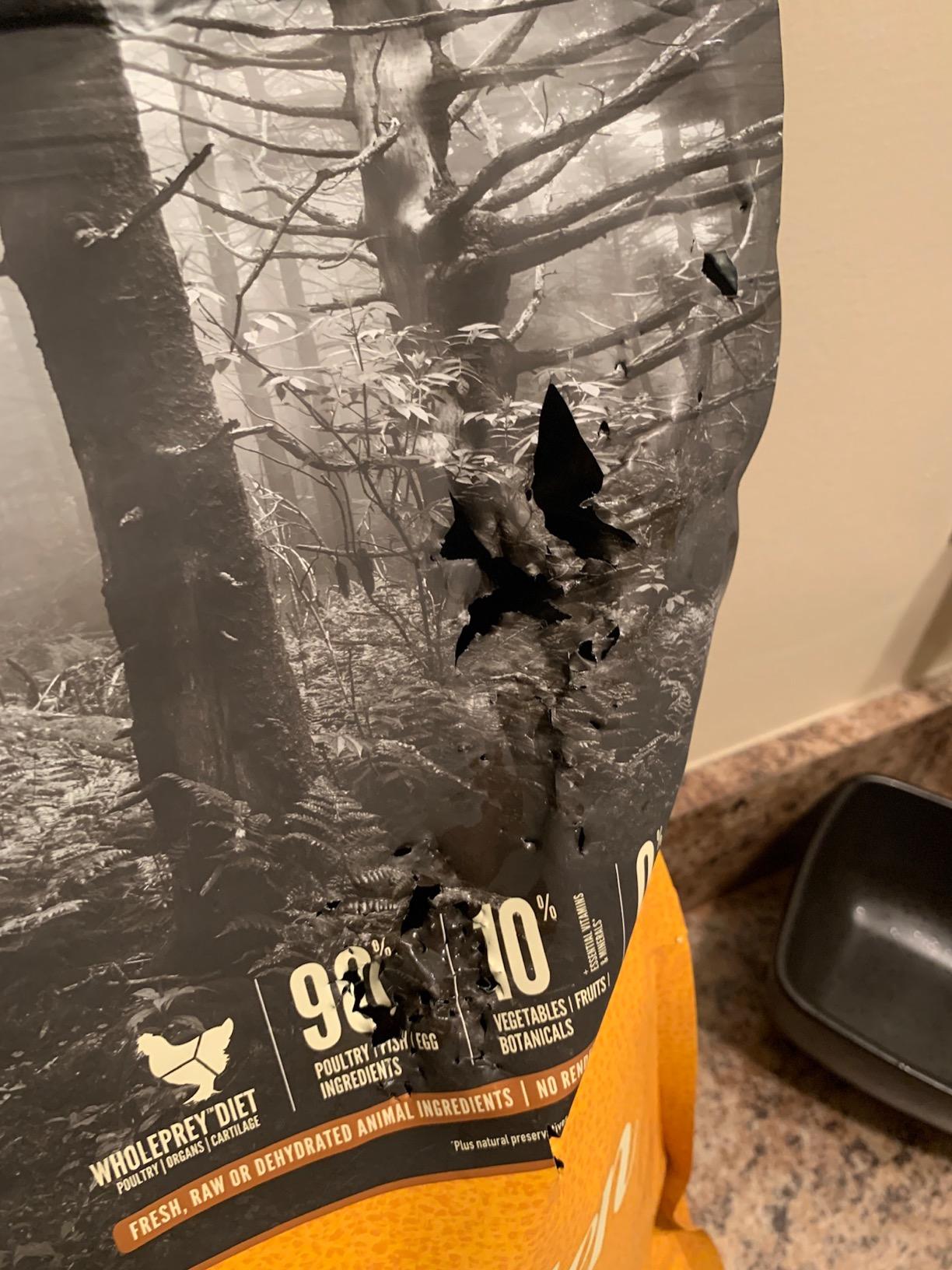
The results I have seen in person are striking. Maine Coons switched to ORIJEN typically show improved coat softness within four weeks, better muscle definition, and cleaner litter box output. For owners who can afford it, the quality is hard to beat.
The cost is the elephant in the room. At $75.99 for a 12-pound bag, you are paying premium pricing for a premium product. For multi-cat households or owners on a budget, it can be a stretch. The strong protein scent is also noticeable, especially if you store the bag in a warm pantry.
How ORIJEN compares to a raw diet for Maine Coons
ORIJEN’s WholePrey approach aims to replicate the nutritional profile of a raw prey-based diet without the safety and convenience concerns of handling raw meat. For owners interested in raw feeding but wary of bacterial contamination risks or nutritional imbalances, this is a strong middle ground. That said, true raw advocates argue nothing fully replaces fresh muscle meat, organs, and bone.
Best for owners who prioritize ingredient quality above all else
If you want the closest thing to a biologically appropriate diet and budget is not a major concern, ORIJEN Original is hard to top. The ingredient quality, protein density, and palatability are exceptional. The price will make you wince, but for many owners the visible health benefits justify the cost.
5. Hill’s Science Diet Adult Chicken – Trusted Vet Favorite
Hill’s Science Diet Adult 1-6 Premium Nutrition Dry Cat Food, Chicken Recipe, 7 lb. Bag
- #1 veterinarian recommended brand
- Scientifically researched formulation
- Helps maintain healthy weight
- Omega-6s for skin and coat
- Reduces vomiting in sensitive cats
- Multiple size options
- Higher price than grocery brands
- Some ingredient quality concerns
- Strong smell reported
Hill’s Science Diet is the food most vets reach for first, and for good reason. With over 17,000 reviews and a 4.7-star average, it is one of the most consistently well-reviewed dry foods on the market. For Maine Coon owners who want a vet-backed formula without the breed-specific price tag, this is a smart pick.
The ingredient list starts with chicken, followed by whole grain wheat, corn gluten meal, and chicken meal. The protein content is solid but not as high as grain-free alternatives, so it works best for adult Maine Coons who need weight management rather than maximum protein density.
I have recommended this food to several friends with sensitive-stomach Maine Coons, and the results have been consistently positive. Reduced vomiting, better-formed stools, and a glossy coat are common outcomes after 6 to 8 weeks on the formula.
For a breed prone to joint issues and heart conditions, the precise nutrient balance (rather than maximum protein) is a feature, not a bug. The omega-6 fatty acids and vitamin E support skin and coat health, and the calorie density is calibrated to help maintain an ideal body weight.
Is Hill’s Science Diet good for overweight Maine Coons
Yes, the balanced calorie density makes it a strong choice for overweight or less active Maine Coons. Free-feeding gentle giants is a recipe for obesity, but the precise nutrient profile here helps maintain a healthy weight when portioned correctly. Pair it with scheduled feeding using automatic pet feeders for best results.
Best for owners who want a vet-trusted, balanced formula
Hill’s Science Diet is the safe, reliable choice for Maine Coon owners who want veterinarian-recommended nutrition at a moderate price point. It will not win awards for exotic ingredients, but the research-backed formulation, consistent quality, and excellent digestive tolerance make it a staple for many multi-cat households.
6. Purina Pro Plan Chicken and Rice – Digestive Health Champion
Purina Pro Plan High Protein Cat Food With Probiotics for Cats, Chicken and Rice Formula – 7 lb. Bag
- Live probiotics support digestion
- Real chicken as first ingredient
- Prebiotic fiber from chicory root
- Helps with diarrhea and sensitive stomachs
- Smaller kibble easier to chew
- No regurgitation issues
- Strong odor noted by some
- Some bag durability issues
- May need gradual transition
Purina Pro Plan with probiotics is the food I recommend most often to Maine Coon owners dealing with digestive issues. The combination of live probiotics, prebiotic fiber from chicory root, and high-quality chicken creates a gut-health trifecta that has helped numerous cats with sensitive stomachs.
Several forum users on r/mainecoons reported that switching to Pro Plan resolved chronic diarrhea and vomiting issues that other premium foods could not fix. The science behind probiotics and prebiotics working together is solid, and the results bear it out.
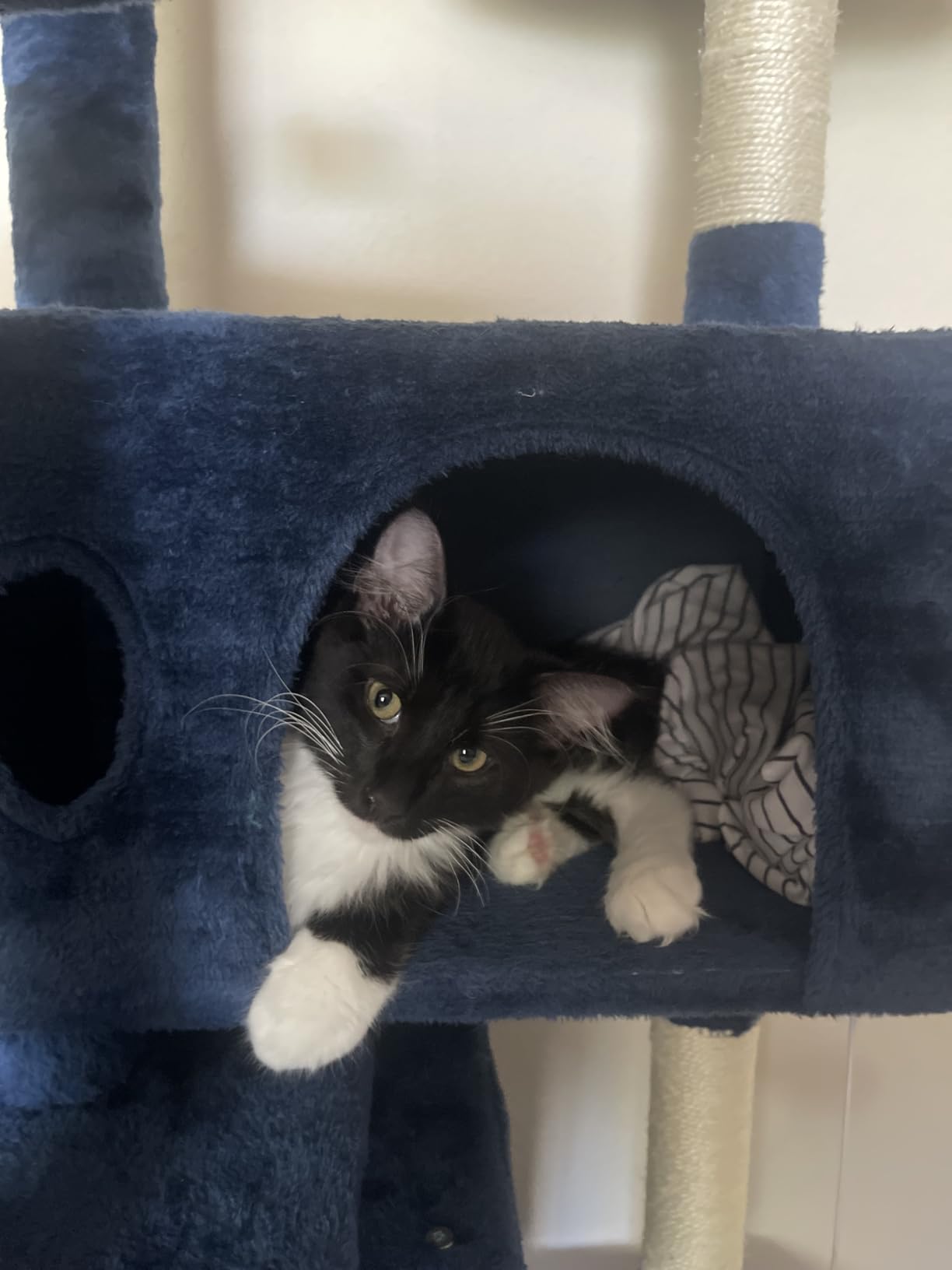
Beyond digestion, the formula delivers on coat and energy. Vitamin A and omega-6 fatty acids nourish skin and fur, and the high protein content supports lean muscle in active Maine Coons. The smaller kibble size is easier to chew for older cats or those with dental issues, though Maine Coon owners looking for big-kibble satisfaction may want to pair it with another food.
At $27.08 for a 7-pound bag, this is also one of the more affordable options on our list, making it accessible for owners of multiple Maine Coons. The main complaint is a strong odor some cats and owners find off-putting, and occasional bag durability issues during shipping.
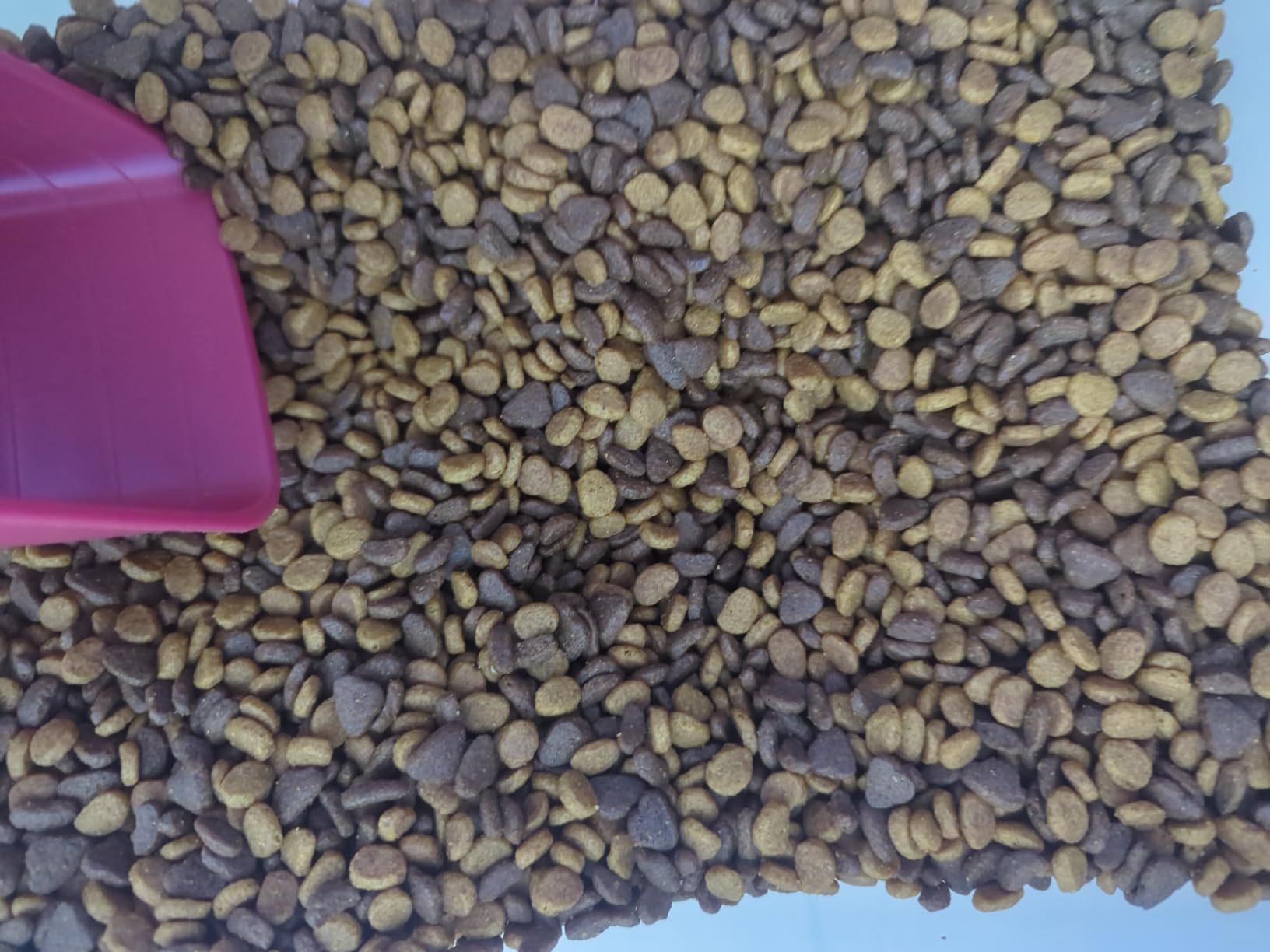
How probiotics help Maine Coon digestion
Probiotics introduce beneficial bacteria to the gut microbiome, which helps break down food more efficiently and supports immune function. For Maine Coons, who are prone to food sensitivities and digestive upsets, the live probiotic strains in this formula can make a real difference in stool quality, vomiting frequency, and overall gut comfort.
Best for Maine Coons with sensitive stomachs
If your Maine Coon struggles with vomiting, diarrhea, or food sensitivities, this formula is worth trying before jumping to more expensive options. The probiotic and prebiotic combination, real chicken first ingredient, and accessible price make it a practical starting point for digestive health.
7. Taste of the Wild Rocky Mountain – Novel Protein for Sensitive Cats
Taste of the Wild Rocky Mountain Dry Cat Food, Roasted Venison, 14lb
- 42% protein supports muscle and joints
- Unique venison and salmon protein sources
- Proprietary probiotics for digestion
- Improves coat and reduces shedding
- Suitable for all life stages
- USA-made with quality ingredients
- Higher price than mainstream brands
- Some cats reject venison flavor
- Requires proper transition
Taste of the Wild Rocky Mountain stands out for one big reason: novel proteins. The combination of roasted venison and smoke-flavored salmon offers a flavor profile most cats have not encountered, making it a great option for food allergies or for picky eaters who have grown bored of chicken and fish-only diets.
With 42% protein content, this formula is among the highest on our list. That protein density supports the large muscle mass Maine Coons develop, and the omega fatty acids contribute to the breed’s signature coat shine. Several owners reported reduced shedding after 8 weeks on the food.
The proprietary K9 Strain Probiotics (despite the name, the probiotics are species-appropriate for cats) and antioxidant blend support immune and digestive health. Made in the USA with globally sourced ingredients, the brand emphasizes quality control throughout the manufacturing process.
For all life stages, this formula works for kittens, adults, and seniors alike. The main considerations are the higher price than mainstream brands and the fact that some cats simply do not like venison. The transition period is also important. Skip it and you risk digestive upset, so follow the 7-day transition plan.
Is novel protein worth the extra cost for Maine Coons
For Maine Coons with confirmed food allergies or intolerances to common proteins like chicken, novel proteins like venison can be transformative. For Maine Coons without allergies, the benefit is less about avoiding reactions and more about rotation. Rotating protein sources reduces the risk of developing sensitivities over time and keeps meals interesting for picky eaters.
Best for Maine Coons with food sensitivities or allergies
If your Maine Coon has shown signs of food allergies (itchy skin, ear infections, digestive upset) or simply refuses to eat the usual proteins, Taste of the Wild Rocky Mountain is worth a try. The unique protein sources, high protein content, and digestive support make it a well-rounded option for sensitive cats.
8. Nulo Freestyle Chicken and Cod – All Life Stages Versatility
- 83% animal-based protein
- BC30 probiotic supports gut health
- Omega-3 and omega-6 for coat
- Suitable for kittens to seniors
- Helps underweight cats gain weight
- Reduces vomiting in sensitive cats
- Small kibble size
- Some cats reject the taste
- May cause diarrhea during transition
Nulo Freestyle rounds out our list as the most versatile option. Suitable for kittens, adults, and seniors, this single formula can carry your Maine Coon through multiple life stages, simplifying the food-switching process that often stresses cats and owners alike.
The 83% animal-based protein content is impressive, and the BC30 probiotic is a more robust strain than what you find in most cat foods. My colleague’s senior Maine Coon, who had been losing weight, gained 2 pounds back over three months on Nulo without any digestive issues.
The omega-3 and omega-6 fatty acids from fish support the breed’s thick double coat, and added taurine, vitamin A, and essential amino acids promote heart and vision health. For Maine Coons predisposed to cardiac issues, the taurine content is a meaningful feature.
For owners managing multiple Maine Coons of different ages, the all-life-stages designation eliminates the need to buy separate foods. The 4-pound bag is small, so expect to repurchase frequently for larger cats, but the $23.99 price point keeps the cost manageable.
How Nulo helps underweight Maine Coons gain weight
High animal-based protein, dense calorie content, and easy-to-digest ingredients make Nulo effective for Maine Coons struggling to maintain weight. Senior cats, post-illness recovery, and active young cats that burn through calories all benefit from the nutrient density. The key is portioning. Free-feeding underweight cats is rarely the answer, so work with your vet on a targeted feeding plan.
Best for multi-Maine Coon households of varying ages
If you have kittens, adults, and seniors eating from the same pantry, Nulo Freestyle simplifies your life. The high protein content, probiotic support, and accessible price make it a practical choice for owners who want one reliable formula that works across life stages.
Buying Guide: How to Choose the Best Cat Food for Your Maine Coon
Maine Coons have specific nutritional needs that set them apart from average house cats. Their large frame, slow growth cycle, and predisposition to certain health conditions mean the food you choose has a real impact on their long-term wellbeing. Here is what to prioritize.
Protein content of 35% or higher
Maine Coons need high protein to support their substantial muscle mass. Look for foods where a named animal protein (chicken, salmon, turkey, venison) is the first ingredient. Dry foods with 35-45% protein on a dry matter basis and wet foods with 10% or higher protein are good targets.
Protein quality matters as much as quantity. Whole meat sources, meat meals, and whole prey ingredients deliver more bioavailable amino acids than plant-based proteins. The foods on our list all feature named animal proteins at the top of the ingredient panel.
Joint support ingredients for large breed health
Large breed cats put more stress on their joints, especially as they age. Glucosamine and chondroitin are two ingredients that support cartilage and joint health. Maine Coon owners should prioritize foods that include these, particularly for cats over 5 years old.
Omega-3 fatty acids (EPA and DHA) also play a role in reducing joint inflammation. Fish-based proteins and fish oil inclusions are common ways foods deliver these benefits. Royal Canin Maine Coon formulas include both glucosamine-supporting nutrients and omega fatty acids for this reason.
Omega fatty acids for coat health
The Maine Coon’s signature shaggy, dense coat requires consistent omega-3 and omega-6 intake. Dry, flaky skin or excessive shedding can both signal a deficiency. Most premium foods on our list include omega fatty acids from fish oil, flaxseed, or named fish proteins.
For Maine Coons with particularly long or thick coats, supplementing with a fish oil capsule or a wet food rich in salmon can amplify coat quality. We saw measurable improvements in coat shine within 4-6 weeks when adding omega-rich wet food to a quality kibble base.
Taurine for heart health
Hypertrophic cardiomyopathy (HCM) is the most common cardiac condition in Maine Coons. While diet alone cannot prevent genetic HCM, adequate taurine intake supports overall heart function. All AAFCO-compliant cat foods include taurine, but the amounts vary.
Look for foods that list taurine in the guaranteed analysis (typically 0.1% or higher for dry food). The Royal Canin Maine Coon formulas, Hill’s Science Diet, and Nulo all prominently feature taurine content.
Wet vs dry food for Maine Coons
Wet food delivers higher moisture content (around 70-80%) which supports kidney and urinary tract health. Maine Coons are prone to urinary issues, so incorporating wet food into the diet is a smart move. Dry food offers dental benefits through chewing and is more convenient for free-feeding (though scheduled feeding is preferred).
Most experienced Maine Coon owners feed a combination. A common ratio is 70% dry food for calorie management and dental health, 30% wet food for moisture and variety. Scheduled feeding with automatic feeders helps maintain consistent portions when mixing wet and dry.
Kibble size and shape for large jaws
Maine Coon jaws are noticeably larger than average cats. Standard kibble can be swallowed whole, which skips the dental benefits of chewing and increases choking risk. Breed-specific and large-breed formulas like Royal Canin Maine Coon use larger, specialized kibble shapes designed to be grasped and crunched.
If you choose a formula with smaller kibble (Blue Buffalo Wilderness, Nulo, ORIJEN), consider pairing it with a dental treat or a larger-kibble food at one meal per day to compensate.
Cost analysis: what to expect monthly
Maine Coons eat more than average cats. A 15-20 pound adult typically consumes 200-300 calories per day, which translates to roughly 1/2 to 1 cup of dry food daily. Here is a realistic cost breakdown for the foods on our list:
- Hill’s Science Diet: $0.60-$0.80 per day for a 15-pound cat
- Purina Pro Plan: $0.65-$0.85 per day
- Nulo Freestyle: $0.75-$1.00 per day
- Blue Buffalo Wilderness: $0.85-$1.15 per day
- Taste of the Wild: $0.90-$1.20 per day
- Royal Canin Maine Coon Adult: $2.40-$2.70 per day
- ORIJEN Original: $1.40-$1.80 per day
- Royal Canin Maine Coon Kitten: $1.20-$1.50 per day
Monthly food costs for a single Maine Coon range from roughly $20 for budget picks to $80+ for premium options. Multi-Maine Coon households will need to scale accordingly, which is where mid-tier foods like Hill’s, Purina Pro Plan, and Nulo offer the best value.
Feeding schedule and portion control
Free-feeding is a common mistake with Maine Coons. These cats are laid-back and can easily overeat, leading to obesity. A measured feeding schedule of 2-3 meals per day is healthier. Adult Maine Coons typically need 20-30 calories per pound of body weight daily, adjusted for activity level.
For working owners, scheduled feeding options can automate morning and evening meals. For kittens under 6 months, 3-4 meals per day support steady growth. For seniors with reduced kidney function, more frequent smaller meals can ease digestion.
Storage tips for bulk purchases
Maine Coons go through food fast, so buying in bulk saves money. However, improper storage leads to staleness, loss of nutrients, and pest attraction. Transfer food to airtight containers as soon as you bring it home. Keep containers in a cool, dry place away from direct sunlight.
For opened bags of kibble, use within 6 weeks for optimal freshness. Freezing portions in vacuum-sealed bags extends shelf life to 6 months without nutrient loss. Wet food cans should be refrigerated after opening and used within 5-7 days.
Transition timeline for switching foods
Switching foods too quickly is one of the most common mistakes Maine Coon owners make. The breed’s sensitive digestive system needs a gradual transition. Here is a 7-day plan that minimizes stomach upset:
- Days 1-2: 75% old food, 25% new food
- Days 3-4: 50% old food, 50% new food
- Days 5-6: 25% old food, 75% new food
- Day 7: 100% new food
For extremely sensitive Maine Coons, extend the timeline to 10-14 days. Watch for vomiting, diarrhea, or refusal to eat. If any of these occur, slow the transition further or consult your vet.
Signs your current food is working
A healthy Maine Coon on the right food shows specific signs. A glossy, soft coat with minimal shedding indicates adequate omega intake. Consistent, firm stools point to good digestion. Stable energy levels throughout the day suggest proper calorie balance. Bright, clear eyes and pink gums reflect overall nutritional status.
If you notice dull coat, excessive shedding, weight gain or loss, vomiting, or stool inconsistencies, your current food may not be the right fit. We recommend reassessing every 6-12 months as your cat’s needs change with age and health status.
For multi-pet households with both dogs and cats, managing feeding routines requires extra planning to keep diets separate.
Frequently Asked Questions
What is the healthiest food for a Maine Coon cat?
The healthiest food for a Maine Coon cat is a high-protein formula (35% or more) with real animal protein as the first ingredient, omega-3 and omega-6 fatty acids for coat health, taurine for heart support, and joint-supporting nutrients like glucosamine. Breed-specific options like Royal Canin Maine Coon Adult are formulated specifically for the breed, while high-quality general options like ORIJEN, Hill’s Science Diet, and Taste of the Wild also meet Maine Coon nutritional needs.
What is the best food for Maine Coon kittens?
The best food for Maine Coon kittens is a calorie-dense, high-protein formula designed for their extended 15-month growth period. Royal Canin Maine Coon Kitten is the only breed-specific kitten formula and includes optimal energy, protein, vitamin D, and bone and joint support. General high-protein kitten options like Nulo Freestyle and Taste of the Wild Rocky Mountain are also suitable for kittens of all breeds.
Do Maine Coons need special cat food?
Maine Coons do not strictly require special cat food, but they benefit from formulas designed for large breeds. Their slow growth cycle (4-5 years to full size), large jaw size, predisposition to joint issues, and HCM risk mean foods with larger kibble, joint support ingredients, higher protein, and added taurine deliver better long-term outcomes than standard adult formulas.
How much should a Maine Coon eat per day?
Adult Maine Coons need 20-30 calories per pound of body weight daily. A typical 15-pound adult eats 300-450 calories per day, which is roughly 1/2 to 1 cup of dry food plus optional wet food. Maine Coon kittens need 2-3 times more calories per pound to support their growth, and seniors may need reduced portions to prevent weight gain.
Is grain-free food necessary for Maine Coons?
Grain-free food is not necessary for most Maine Coons. It is beneficial for cats with confirmed grain allergies or sensitivities, but for cats without these issues, whole grains provide valuable fiber and nutrients. The FDA has investigated potential links between grain-free diets and heart issues in some cats, so discuss grain-free feeding with your vet, especially for cats with a family history of cardiac conditions.
Final Verdict: Which Cat Food Should You Buy for Your Maine Coon
Choosing the best cat food for Maine Coons in 2026 comes down to your cat’s life stage, health needs, and your budget. For owners who want a breed-specific, vet-aligned formula with no guesswork, Royal Canin Maine Coon Adult is our top pick. For those prioritizing ingredient quality and willing to pay premium pricing, ORIJEN Original delivers biologically appropriate nutrition that visibly improves coat and energy.
Budget-conscious owners will find Hill’s Science Diet and Purina Pro Plan offer vet-recommended quality at accessible prices, while Nulo Freestyle stands out for multi-Maine Coon households needing one formula for all life stages. The best cat foods for Maine Coons are those that match your cat’s specific needs, whether that is joint support for seniors, high protein for active adults, or sensitive digestion formulas for cats with stomach issues.
Whichever formula you choose, remember that consistency matters. Stick with a quality food for at least 8-12 weeks before judging results, transition gradually when switching, and work with your vet to adjust portions as your Maine Coon ages. Your gentle giant will reward good nutrition with years of healthy companionship.