
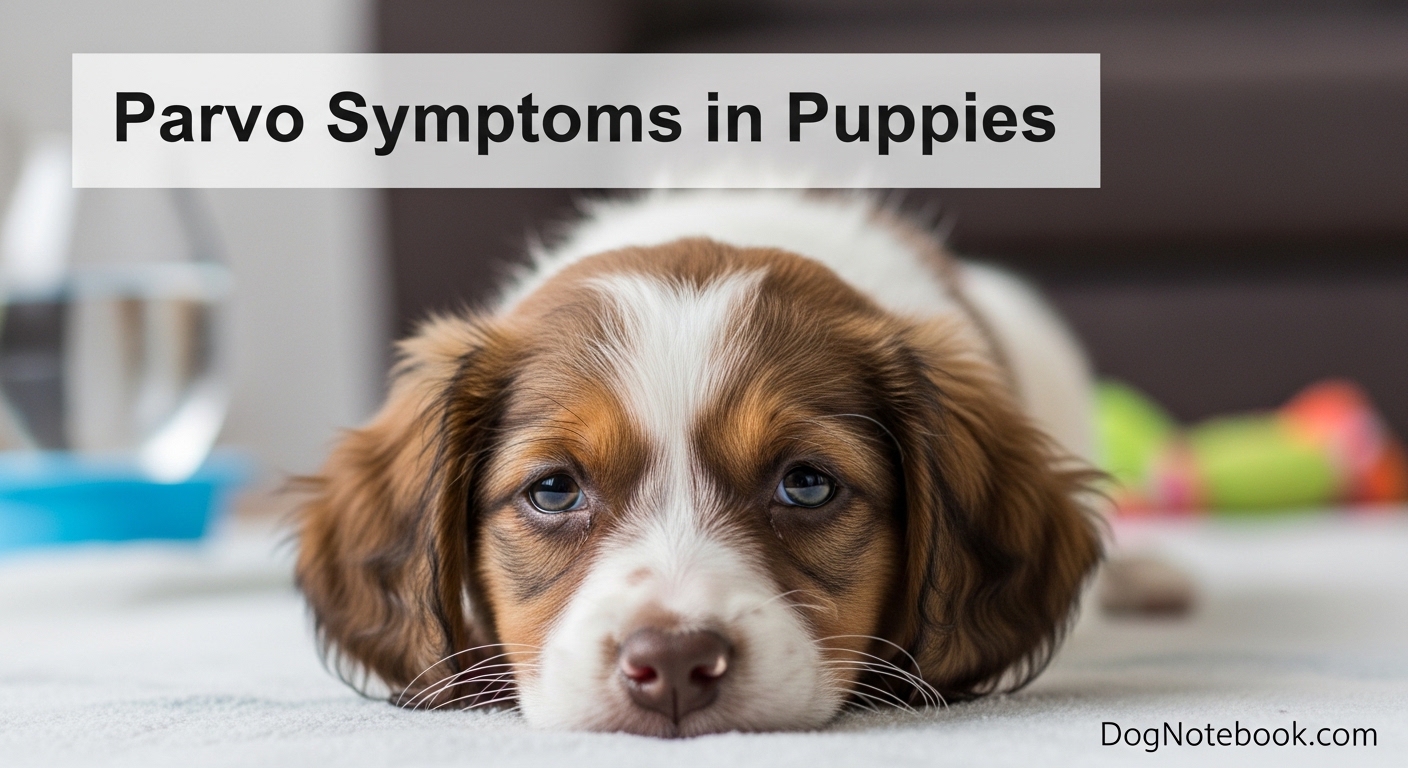
If your puppy suddenly stops eating, seems unusually tired, or vomits clear liquid, you may already be on the clock. Canine parvovirus does not wait. It moves through a puppy’s body in hours, not days, and the difference between survival and tragedy often comes down to how fast you recognize the warning signs. This guide walks you through parvo symptoms in puppies with an hour-by-hour timeline so you know exactly what to watch for and when to act.
I have spent years covering canine health topics and consulting with veterinarians on emergency protocols. The one thing every vet agrees on: owners who catch parvo early and get their puppy to a clinic within the first 24-48 hours of visible symptoms see dramatically better outcomes. Let me walk you through exactly what that progression looks like, hour by hour.
Table of Contents
What Is Parvo and Why It Kills So Fast
Canine parvovirus type 2 (CPV-2) is one of the most contagious and dangerous viruses your dog will ever face. It attacks two critical systems at once: the intestinal lining and the bone marrow. When the virus destroys the intestinal wall, bacteria leak into the bloodstream. When it shuts down bone marrow production, white blood cell counts crash. The combination of sepsis and a depleted immune system is what makes parvo so lethal.
The virus spreads through fecal-oral transmission. A puppy only needs to sniff, lick, or walk on contaminated ground to become infected. CPV-2 survives in soil, on surfaces, and in carpet fibers for months to over a year. It resists most household cleaners. Only a properly diluted bleach solution (1 part bleach to 30 parts water) reliably destroys it.
Puppies between 6 weeks and 6 months old face the highest risk. The danger peaks during what veterinarians call the “immunity gap,” the period when maternal antibodies from the mother’s milk fade but the puppy’s own vaccine series has not yet finished. Even a puppy who has had one or two shots is not fully protected until the entire series is complete at around 16 weeks.
Once the virus enters a puppy’s body, it has an incubation period of roughly 2 to 7 days. During this silent window, the virus replicates in the lymphoid tissue without any outward signs. By the time you notice symptoms, the virus has already been spreading internally for days.
Parvo Symptoms in Puppies: The Hour-by-Hour Timeline
This is where this guide differs from everything else you will find online. Most resources break parvo into day-by-day stages. But parvo does not work in tidy 24-hour blocks. It moves in hours, and the transitions between stages can happen rapidly. Below is the most detailed hour-by-hour symptom timeline available, built from veterinary sources and real owner reports.
Hours 0-24: The Silent Start (First Symptoms Appear)
The very first parvo symptoms in puppies are easy to dismiss. Your puppy might just seem a little off. Not dramatically sick, just quieter than usual, less interested in play, and reluctant to eat. Many owners assume their puppy ate something that disagreed with them or is just having a tired day.
Here is what specifically happens during these critical first hours:
- Lethargy that feels different from normal tiredness. Your puppy may lie in one spot and not respond to stimuli that normally excite them. One Reddit owner described it as their puppy being “shut down, not just sleepy.”
- Clear liquid vomit. This is one of the most frequently reported first symptoms in owner forums. Not food-based vomiting, but clear or frothy liquid on an empty stomach. If your puppy vomits clear liquid and has not eaten anything unusual, take note.
- Subtle disinterest in food. Your puppy might approach their bowl, sniff it, and walk away. This is not normal puppy behavior.
- Slight fever may develop. A normal puppy temperature is 101-102.5 degrees Fahrenheit. A fever of 103 or higher in combination with lethargy is a warning sign.
The mistake most owners make during Hours 0-24 is waiting. They think the puppy will feel better after sleep. In forum after forum, the most common regret is “looking back, I should have gone sooner.” If your unvaccinated or partially vaccinated puppy shows lethargy and clear vomit together, call your vet.
Hours 24-48: Visible Symptoms Emerge
By the second day, the symptoms become harder to ignore. The intestinal lining is actively being damaged, and the puppy’s body is starting to lose the battle against dehydration.
- Vomiting becomes frequent and forceful. Your puppy may vomit every time they try to drink water or move around. The vomit may progress from clear liquid to yellow bile.
- Diarrhea begins. At this stage it may still be brown or yellowish and somewhat formed. Within hours it will worsen dramatically.
- Complete food refusal. Your puppy shows zero interest in any food, including high-value treats they normally love.
- Abdominal pain. You may notice your puppy crying when picked up, or adopting a hunched posture with their belly tucked tight.
- Fever spikes. Temperature may reach 104-106 degrees Fahrenheit.
This is the window where a quick parvo antigen test (called an ELISA test, which takes about 10 minutes at the vet) can confirm the diagnosis. Do not wait for bloody diarrhea to appear. By that point, the puppy is already in the danger zone.
Hours 48-72: The Danger Zone
This is where parvo becomes a life-threatening emergency. The intestinal lining has sustained heavy damage, bacteria are entering the bloodstream, and dehydration accelerates rapidly.
- Bloody diarrhea with a distinctive, unmistakably foul odor. Many owners describe the smell as something they will never forget. The stool is often dark red or rust-colored and may contain tissue.
- Uncontrollable vomiting. Your puppy cannot keep anything down, not even water. Every sip comes right back up.
- Rapid, visible dehydration. The skin on the back of the neck stays tented when you pinch it instead of springing back. Eyes look sunken. Gums feel tacky or dry.
- Severe weakness. Your puppy may not be able to stand or walk. They may collapse when trying to move.
- Excessive drooling or foaming at the mouth.
If your puppy is at this stage, they need emergency veterinary care immediately. Not tomorrow morning. Not after work. Right now. Every hour without IV fluids and supportive care at this stage significantly decreases survival chances.
Hours 72-96: Critical Phase
In unvaccinated puppies without veterinary care, this phase often determines the outcome. The body’s systems begin to shut down.
- Hypothermia replaces fever. The puppy’s temperature drops below 100 degrees Fahrenheit as the body loses its ability to regulate temperature. Cold ears, cold paws, and shivering are signs.
- White blood cell count crashes. With bone marrow suppressed, the immune system essentially shuts down, making the puppy extremely susceptible to secondary infections.
- Sepsis risk is at its peak. Bacteria from the damaged intestinal wall flood the bloodstream. Septic shock can develop rapidly.
- Puppy becomes unresponsive. They may not react to their name, touch, or sound. This is a sign of systemic collapse.
Without treatment, mortality during this phase ranges from 68 to 92 percent. With aggressive veterinary intervention started before or during this phase, survival rates jump to 80 to 95 percent.
Hours 96-120+: The Turning Point
For puppies receiving veterinary care, hours 96-120 often mark the turning point. This is not a guaranteed recovery period, but it is where you start to see which direction things are heading.
With treatment (IV fluids, anti-nausea medication, antibiotics, nutritional support): Some puppies begin to stabilize. Vomiting may decrease. The puppy might show brief moments of alertness. The vet may try small amounts of oral fluids to test whether the intestinal tract is recovering.
Without treatment: The systemic collapse continues. Puppies who survive past this point without veterinary care are the rare exception, not the rule.
The typical hospital stay for parvo treatment lasts 3 to 7 days. Some puppies recover faster, others need a full week or more of intensive care.
When to Rush to the Emergency Vet
Let me make this as clear as possible. You should head to the vet immediately if your unvaccinated or partially vaccinated puppy shows any of the following:
- Clear or frothy liquid vomit, especially on an empty stomach
- Sudden, unexplained lethargy (not just sleepy, but “shut down”)
- Complete refusal to eat for more than one meal
- Any diarrhea that has an unusual smell or color
- Fever above 103 degrees Fahrenheit
- A combination of two or more of the above
Do not wait for bloody diarrhea. Do not wait to see if the puppy “bounces back” after a nap. Do not try home remedies like Pedialyte or chicken broth. A puppy with parvo cannot absorb oral fluids because the intestinal lining is damaged. Every hour you wait, the virus advances.
Call your vet or emergency clinic before you arrive. Tell them you suspect parvo. They will direct you to a separate entrance to prevent contaminating the waiting room and other patients. Most clinics can run a parvo antigen test in about 10 minutes.
The most common thing I read in owner forums after losing a puppy to parvo is some version of “I should have gone sooner.” Please do not let that be you.
What Parvo Treatment Actually Looks Like (and What It Costs)
If your puppy tests positive, the vet will recommend hospitalization. Here is what that process typically involves.
IV fluid therapy is the foundation of parvo treatment. Dehydration is the primary cause of death, so replacing lost fluids intravenously is non-negotiable. Your puppy will likely be on continuous IV fluids for several days.
Anti-nausea medications (like maropitant or ondansetron) stop the vomiting cycle so the intestinal tract can begin healing and the puppy can eventually tolerate oral fluids and food.
Broad-spectrum antibiotics are given to prevent or treat secondary bacterial infections that enter through the damaged intestinal wall. These are typically administered via injection since the puppy cannot keep oral medications down.
Nutritional support begins once vomiting is controlled. This may start with tiny amounts of a prescription recovery diet or liquid nutrition.
What about cost? This is the question no competitor answers, and it is one of the biggest stressors for owners. Parvo treatment typically costs between $500 and $2,500 depending on the severity, your location, and how many days of hospitalization are needed. Emergency clinics tend to cost more than daytime practices. Some vets offer outpatient treatment protocols (where you administer subcutaneous fluids at home and bring the puppy in daily) that can reduce costs significantly. Ask about payment plans, CareCredit, or local nonprofit assistance programs if cost is a barrier.
Recovery Timeline and Post-Treatment Care
Getting your puppy home from the vet is a relief, but the recovery process is not over. Here is what to expect after parvo treatment.
Week 1 post-discharge: Your puppy will still be weak. Feed a bland, easily digestible diet (boiled chicken and white rice is common). Offer small, frequent meals rather than large ones. Your puppy’s stool may still be soft for several days but should gradually firm up.
Weeks 2-3: Energy levels and appetite should return closer to normal. Continue restricting activity and avoid any exposure to other dogs or public areas.
The shedding period: This is critical. Your puppy will continue shedding live parvovirus in their feces for up to six weeks after recovery. During this time, any area your puppy uses is contaminated. Other unvaccinated dogs who visit your home or yard are at risk.
Environmental disinfection: Clean every surface your puppy contacted with a 1:30 bleach-to-water solution. Let it sit for at least 10 minutes before rinsing. Remove and discard any bedding, toys, or carpet that cannot be thoroughly bleached. The virus survives on surfaces for months, so this step is not optional. For your yard, thorough watering and sunlight help dilute viral particles, but you cannot fully disinfect soil.
Long-term outlook: Puppies who survive parvo generally develop strong, lasting immunity. Most veterinarians consider recovered puppies immune for life, though continuing the vaccination schedule is still recommended as a precaution.
Keep your puppy away from dog parks, pet stores, grooming facilities, and any area with other dogs for at least two months after recovery. This protects other puppies in your community.
Prevention: The Only Reliable Defense Against Parvo
There is no home remedy, supplement, or diet that prevents parvo. Vaccination is the only proven defense. Here is what the standard prevention schedule looks like.
The DHPP or DA2PP vaccine (which covers distemper, hepatitis, parainfluenza, and parvovirus) should begin at 6 to 8 weeks of age. Your puppy needs a booster every 3 to 4 weeks until they are at least 16 weeks old. The final booster is the one that typically provides full immunity because it comes after maternal antibodies have fully waned.
Until your puppy has completed the full series:
- Keep them off public grass, dog parks, pet store floors, and any area where unknown dogs have been
- Carry your puppy into the vet clinic rather than letting them walk through the parking lot and waiting room
- Limit socialization to fully vaccinated, healthy dogs in clean, controlled environments
- Ask about titer testing if you are unsure whether your puppy’s vaccines have taken effect
The vulnerability window between maternal antibody protection wearing off and the vaccine series being complete is when most parvo infections happen. It is frustrating, but staying vigilant during this 8-to-16-week period is the best thing you can do for your puppy.
FAQ
How quickly does parvo progress in puppies?
Parvo progresses extremely fast. Most puppies move from mild lethargy to life-threatening dehydration within 48 to 72 hours of the first visible symptoms. The virus attacks the intestinal lining and bone marrow simultaneously, causing uncontrollable vomiting and bloody diarrhea. By hour 72, untreated puppies are often in critical condition. This is why veterinarians emphasize that hours matter more than days with parvo.
What is stage 1 of parvo?
Stage 1 of parvo is the incubation period combined with the earliest symptom onset. After exposure, the virus replicates silently in the lymphoid tissue for 2 to 7 days. The first visible signs of stage 1 include lethargy, clear liquid vomit, and loss of appetite. These symptoms are mild and easy to dismiss, which is why many owners do not realize their puppy is sick until stage 2 begins.
How fast acting is parvo?
Parvo can kill an untreated puppy within 48 to 72 hours after visible symptoms begin. The virus replicates rapidly in rapidly dividing cells, which is why it attacks the intestinal lining and bone marrow so aggressively. Once bloody diarrhea and uncontrollable vomiting start, a puppy can lose fatal amounts of fluid within hours. With prompt veterinary treatment, survival rates reach 80 to 95 percent.
How to tell the early stages of parvo?
Look for these early warning signs in an unvaccinated puppy: sudden lethargy (puppy seems shut down, not just tired), clear or frothy liquid vomit on an empty stomach, complete refusal to eat, and a subtle fever above 103 degrees Fahrenheit. If your puppy shows two or more of these signs together, contact your vet immediately. A parvo antigen test takes about 10 minutes and can confirm the diagnosis before symptoms worsen.
Can a puppy survive parvo without treatment?
Survival without veterinary treatment is rare. The mortality rate for untreated parvo ranges from 68 to 92 percent. Puppies die primarily from dehydration, electrolyte imbalance, and sepsis caused by bacteria entering through the damaged intestinal wall. Home remedies like Pedialyte or broth do not work because the puppy’s intestines cannot absorb fluids. With prompt veterinary care including IV fluids, anti-nausea medication, and antibiotics, survival rates improve to 80 to 95 percent.
How long is parvo contagious after recovery?
A puppy who has recovered from parvo can shed live virus in their feces for up to six weeks after symptoms resolve. During this period, the virus can infect other unvaccinated dogs who come into contact with contaminated areas. Recovered puppies should be kept away from public spaces, dog parks, and any contact with unvaccinated dogs for at least two months. Thorough disinfection of the home environment with a bleach solution is essential.
The Bottom Line on Parvo Symptoms in Puppies
Understanding parvo symptoms in puppies through an hour-by-hour timeline gives you something most resources do not: a realistic sense of how fast this virus moves. The progression from a slightly tired puppy to a critically ill one can happen in under 48 hours. Clear liquid vomit and sudden lethargy in an unvaccinated puppy are not things to watch and wait on. They are reasons to call your vet.
The best outcomes happen when owners act within the first 24 hours of visible symptoms. With timely veterinary care, most puppies survive. Vaccination remains the single most effective way to prevent parvo entirely, and completing the full DHPP series by 16 weeks is non-negotiable for every puppy.
If you are reading this because your puppy is showing symptoms right now, stop reading and call your nearest emergency veterinary clinic. Every hour counts.