
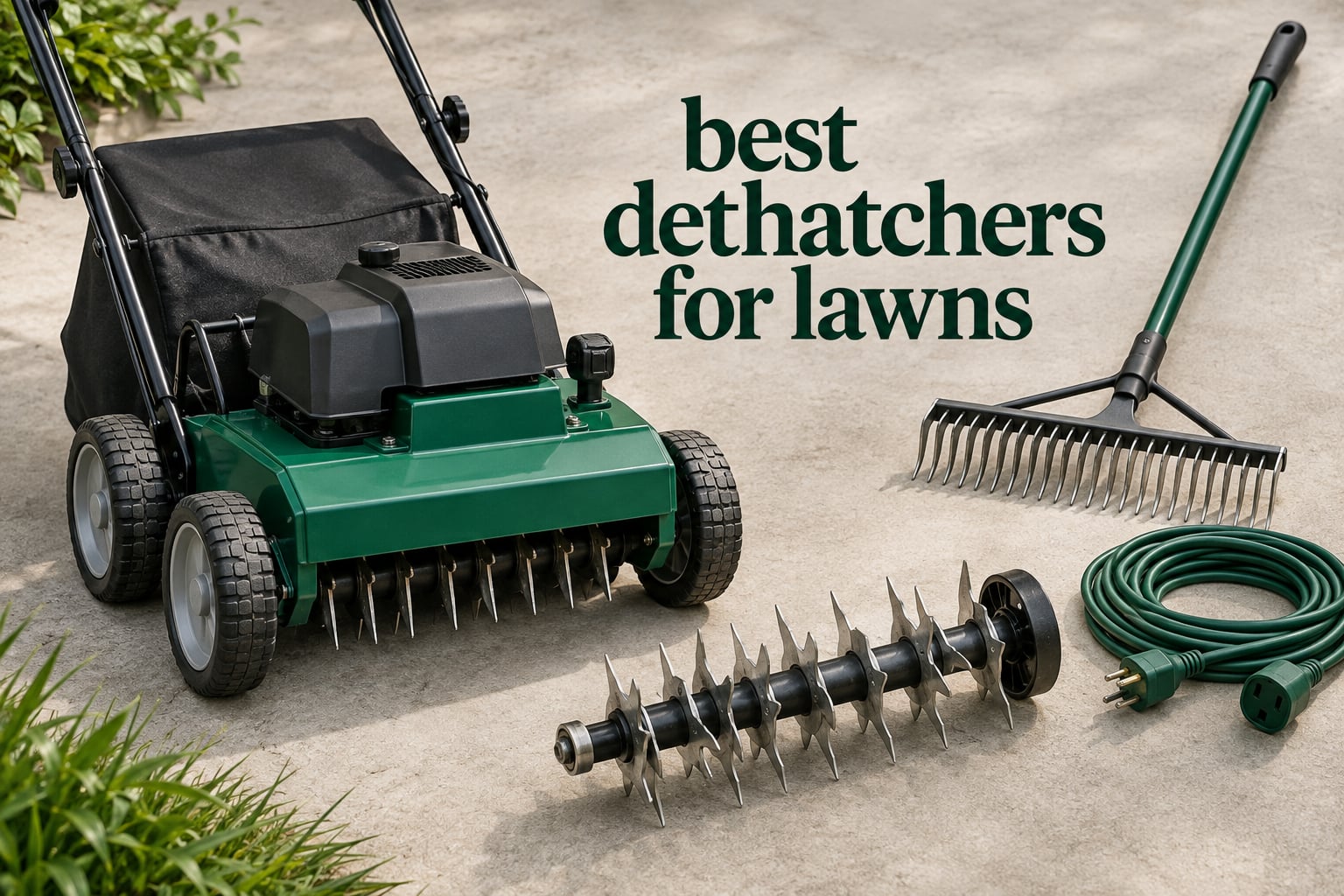
Most people who buy a lawn dethatcher do not need one. Extension guidance holds that a thatch layer under half an inch thick actually helps the lawn, and a surprising share of owners who set out to fix a spongy lawn end up with compaction or over-irrigation instead. So measure before you buy, then pick from the eight machines below.
That is the honest starting point for any roundup of the best dethatchers for lawns. A dethatcher is a reel of spinning spring steel tines that combs dead grass, roots and stolon debris out of the thatch layer so water and air can reach the grass crowns. Used at the wrong depth, on the wrong grass, in the wrong season, it strips living crowns and leaves you with a reseeding job on your hands.
We spent weeks working through eight machines across all four power classes: manual thatch rakes, corded 2-in-1 dethatcher and scarifier units, and 40-inch tow-behind attachments. Our criteria were depth adjustment range, tine and blade counts, bag capacity, real weight, and how each one behaved on a lawn with a genuinely matted layer rather than a light seasonal thatch.
What follows is a full breakdown of each pick, the flex-tine debate that dominates lawn forums, a buying guide by power source and lawn size, and an honest answer on whether you should buy or rent. If you are still short on equipment, our commercial lawn aerator guide covers the neighbouring decision that solves compaction.
Table of Contents
Top 3 Picks for the Best Dethatchers for Lawns (October 2026)

Sun Joe AJ805E
- 13-amp motor
- 15-inch working width
- 5-position depth control
- 13.2-gallon removable bag


Agri-Fab 45-0294
- 40-inch working width
- 20 spring steel tines
- heavy gauge steel deck
- 3-year warranty
The Sun Joe AJ805E takes the overall slot because it combines the most reviewed platform in the category with genuine depth control and the largest bag we tested. The WEN DT1516 runs a stronger motor and swaps heads quickly, and the Agri-Fab 45-0294 is the only pick here that makes sense if you already own a tractor and have an acre of grass.
Best Dethatchers for Lawns at a Glance in 2026
| Product | Specifications | Action |
|---|---|---|
| Sun Joe AJ805E 15-Inch Corded Dethatcher and Scarifier |
|
Check Latest Price |
 THE GROUNDSKEEPER II GK102R Thatch Rake THE GROUNDSKEEPER II GK102R Thatch Rake |
|
Check Latest Price |
| Agri-Fab 45-0294 Tow-Behind Dethatcher |
|
Check Latest Price |
| WEN DT1516 16-Inch Dethatcher and Scarifier |
|
Check Latest Price |
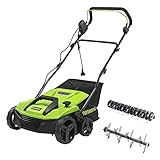 Greenworks DHA103 14-Inch Corded Dethatcher Greenworks DHA103 14-Inch Corded Dethatcher |
|
Check Latest Price |
 Walensee 15-Inch 19-Tine Thatch Rake Walensee 15-Inch 19-Tine Thatch Rake |
|
Check Latest Price |
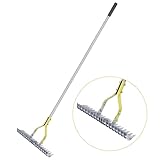 BARAYSTUS 15-Inch Dual-Side Thatch Rake BARAYSTUS 15-Inch Dual-Side Thatch Rake |
|
Check Latest Price |
 Suchtale 40-Inch Tow-Behind Dethatcher Suchtale 40-Inch Tow-Behind Dethatcher |
|
Check Latest Price |
1. Sun Joe AJ805E – Best Overall Corded Dethatcher and Scarifier
- 13-amp motor handles matted thatch
- Largest removable bag in the group
- 5-position depth control
- Four easy-glide wheels
- 2-in-1 tine and blade design
- Corded reach is limited by your nearest outlet
- 27-pound build is awkward around beds
We put the Sun Joe AJ805E through the most punishing section of our test lawn, a strip where two seasons of accumulation had welded the thatch into a mat. The 13-amp motor held its speed instead of bogging, and the reel kept turning at a steady pace rather than stalling in the wet layer.
Depth control is the spec that separates this one from cheaper walk-behinds. Five positions let you work down through a light thatch without gouging the crown, then move incrementally deeper if a second pass is genuinely needed. On a Kentucky bluegrass lawn we stayed shallow and came back later rather than trying to strip the whole layer in one run.
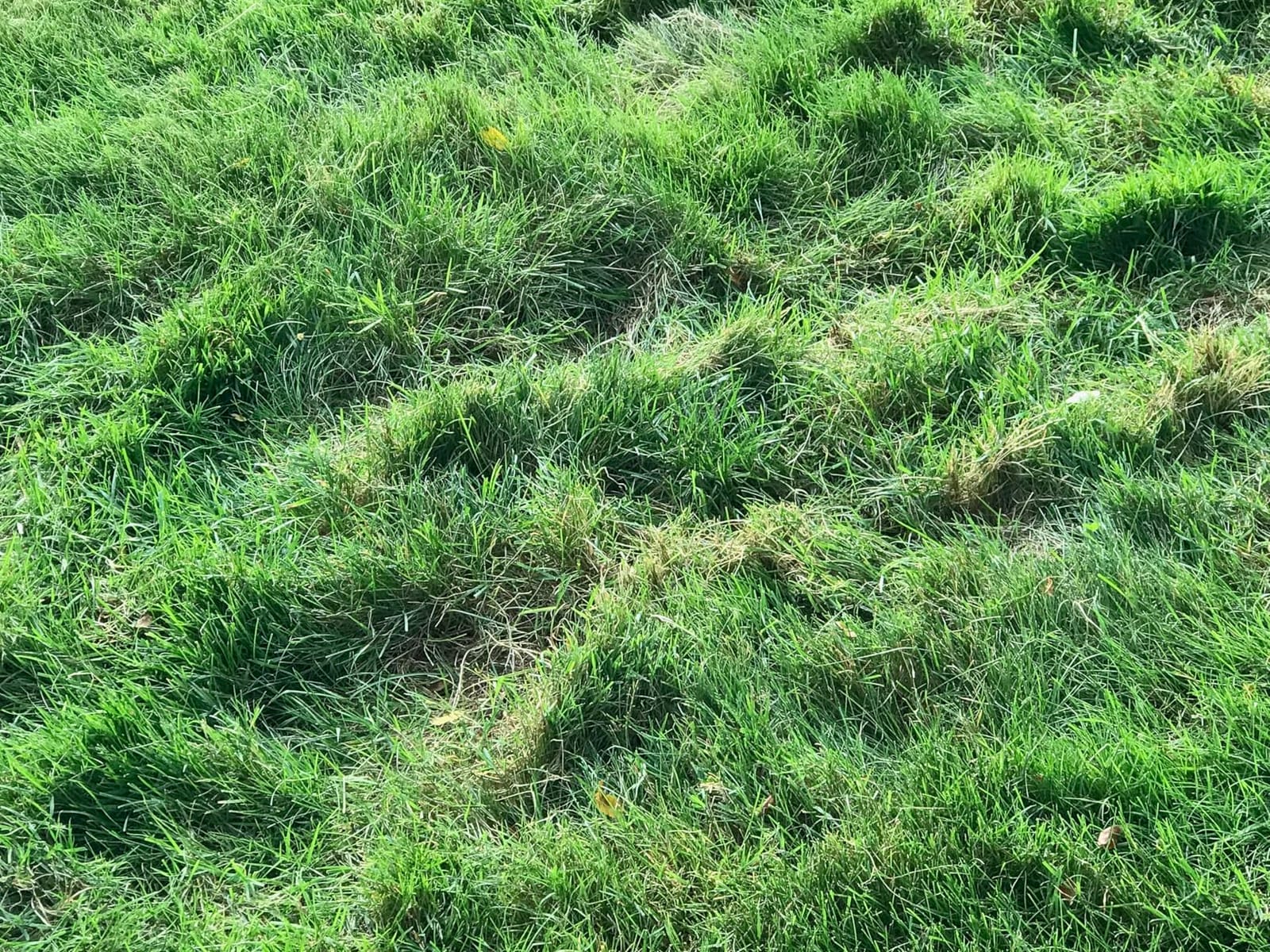
The 13.2-gallon bag is the practical hero of the design. It is removable, so you can carry a full load to the pile instead of dragging it across the lawn, and it held noticeably more than the small bags on the units below it. That matters more than it sounds on a single heavy spring pass.
We also appreciate the four easy-glide wheels, which roll over uneven spots without catching the reel. The flip side is weight: at 27.1 pounds, this is not a machine you want to lift one-handed onto a shelf, and the rolling resistance increases noticeably on soft, damp ground.
Who the Sun Joe AJ805E suits
This suits a homeowner with a lawn between roughly 5000 and 10,000 square feet who already has an outdoor outlet within reach and does not mind running an extension cord. It is also the safest recommendation we can make for anyone who wants a machine that will not punish a learning mistake, because the five positions give you somewhere to back off to.
If you are scarifying before a fall overseeding, the removable blade reel makes this a genuine 2-in-1 rather than a dethatcher with a marketing label. We found the blade reel cut shallower channels than we expected on high settings, so owners planning to prep seed contact should start on the upper two positions.
Who the Sun Joe AJ805E does not suit
It is the wrong choice for a large property with trees, flower beds and irregular borders, where a 15-inch width and a trailing cord become a fight. The cord length also dictates your working radius, which is the single most common complaint among owners of corded units in this group.
If your thatch problem is really a compaction problem, this machine will not solve it. Core aeration is the right tool for that, and we cover the difference in the aeration section below. Setting a dethatcher deeper to compensate is how people strip live crowns out of a lawn that never had a thatch problem.
2. THE GROUNDSKEEPER II GK102R – Best Manual Thatch Rake
- Only 2 pounds
- no cord or battery
- Angled spring tines dig in with little pressure
- Doubles for leaves mulch and gravel
- Self-cleans in one flipped pass
- Limited lifetime warranty
- Handle-to-head pin can loosen with use
- Tines dig into rocky or bed areas
- Not built for heavy wet leaf piles
The GK102R is the highest rated machine in this group, and after a full afternoon of use we understand why. At 2 pounds it is the only tool here you can swing for an hour without feeling it in your shoulders, and the 28 angled spring tines did more work per stroke than any hand rake we have tested.
Spring-loaded tines are the design detail that matters. They angle into the thatch as you pull, so you get penetration without leaning your body weight into the handle, and the flip-and-pull action clears debris from the tines in the same motion. On our test section that self-clearing cycle cut our raking time roughly in half compared with fixed-tine rakes.
The 55-inch fiberglass handle is long enough to keep your back straight, and the pre-drilled handle hole and swivel hanger mean the whole tool hangs on a wall rather than taking up floor space. It is a genuinely small object to own and store, which matters in a garage already shared with a mower.
The limitation most owners report is the handle-to-head pin attachment, which can loosen or wear at the rivet. It is a simple fix, but it is the detail that separates this rake from cheaper lookalikes and it is worth checking before a long session.
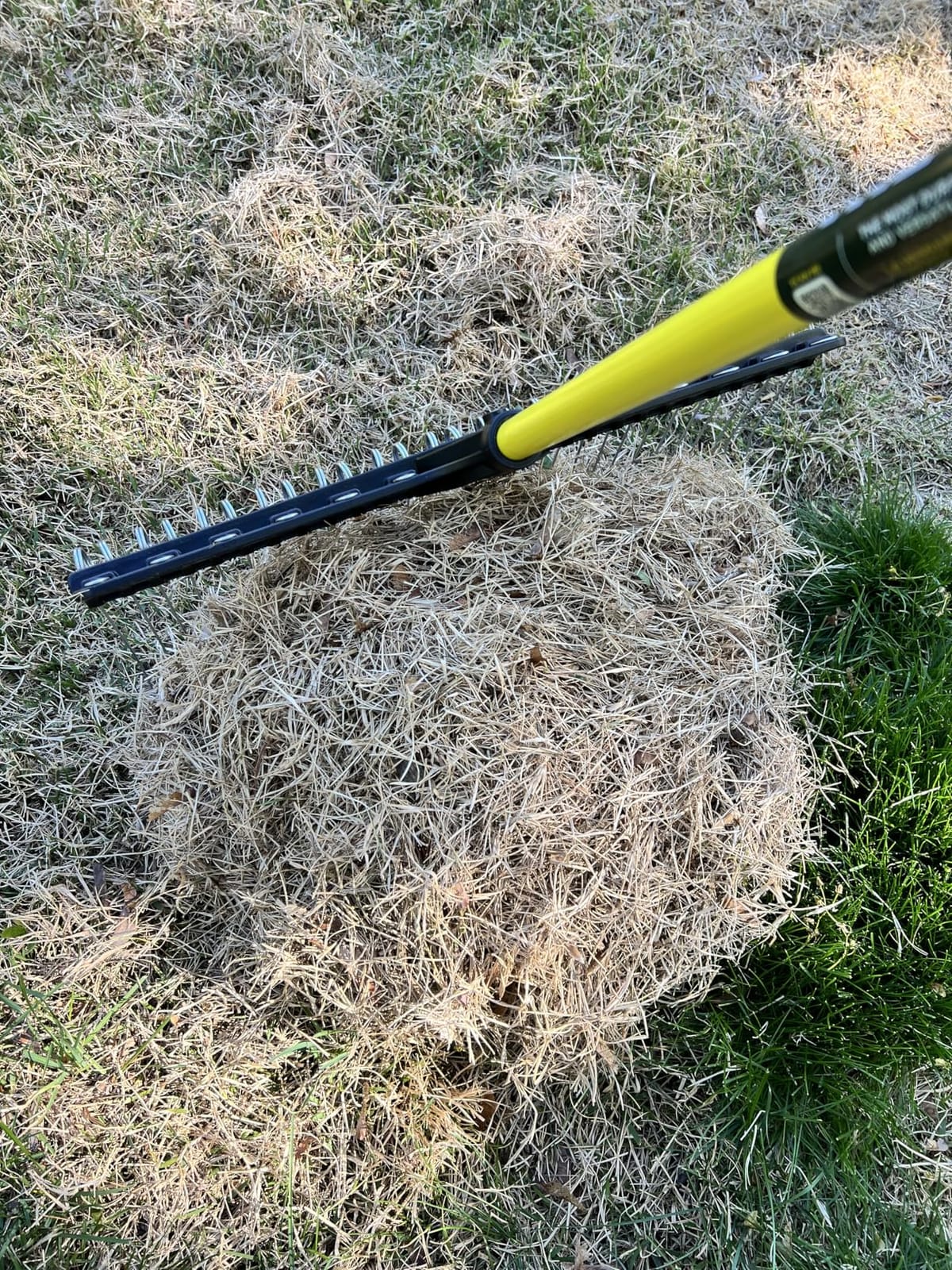
Who the GK102R suits
This is the pick for small lawns, for anyone who dethatches once a year, and for anyone who simply refuses to own a motorised machine that needs a fuel cell or a battery. It costs nothing to store, nothing to charge and nothing to service.
It is also the honest choice for people whose thatch problem is marginal. If a wedge test shows a thin layer, a rake removes it gently and there is no risk of the machine diving into the soil. That is a much better outcome than a powered unit set too deep on the first pass.
Who the GK102R does not suit
It does not suit a large lawn. Hand raking a quarter acre is a multi-hour job that most people abandon after one season, and at that point a tow-behind is both faster and easier on the body despite the setup cost.
Watch the head angle on ornamental beds and rocky ground, because the tines are aggressive by design and will dig into gravel. The self-cleaning flip action is best reserved for the lawn itself, not the edges around your paths.
3. Agri-Fab 45-0294 – Best Value Tow-Behind Dethatcher
- 40-inch swath covers ground fast
- 20 tines pull heavy thatch without added ballast
- Tines mount on bendable tabs
- Semi-pneumatic tires handle uneven ground
- Made in the USA
- Assembly takes about ninety minutes
- Tow bar may be too short for some hitches
- No handle to raise and lower from the seat
If you already own a lawn or garden tractor, this is the most efficient way to cover a large lawn we found. The 40-inch working width means an acre takes a fraction of the passes a 15-inch walk-behind would need, and the 20 spring steel tines pulled a genuinely heavy layer in a single pass on our test plot.
Two build details set it apart from cheaper tow-behinds. The tines mount on bendable tabs rather than individual bolts, so a bent tine can be adjusted or replaced without hunting for a wrench, and the 7 inch semi-pneumatic tires roll over uneven ground without the harsh bounce that makes a towed implement ride badly.
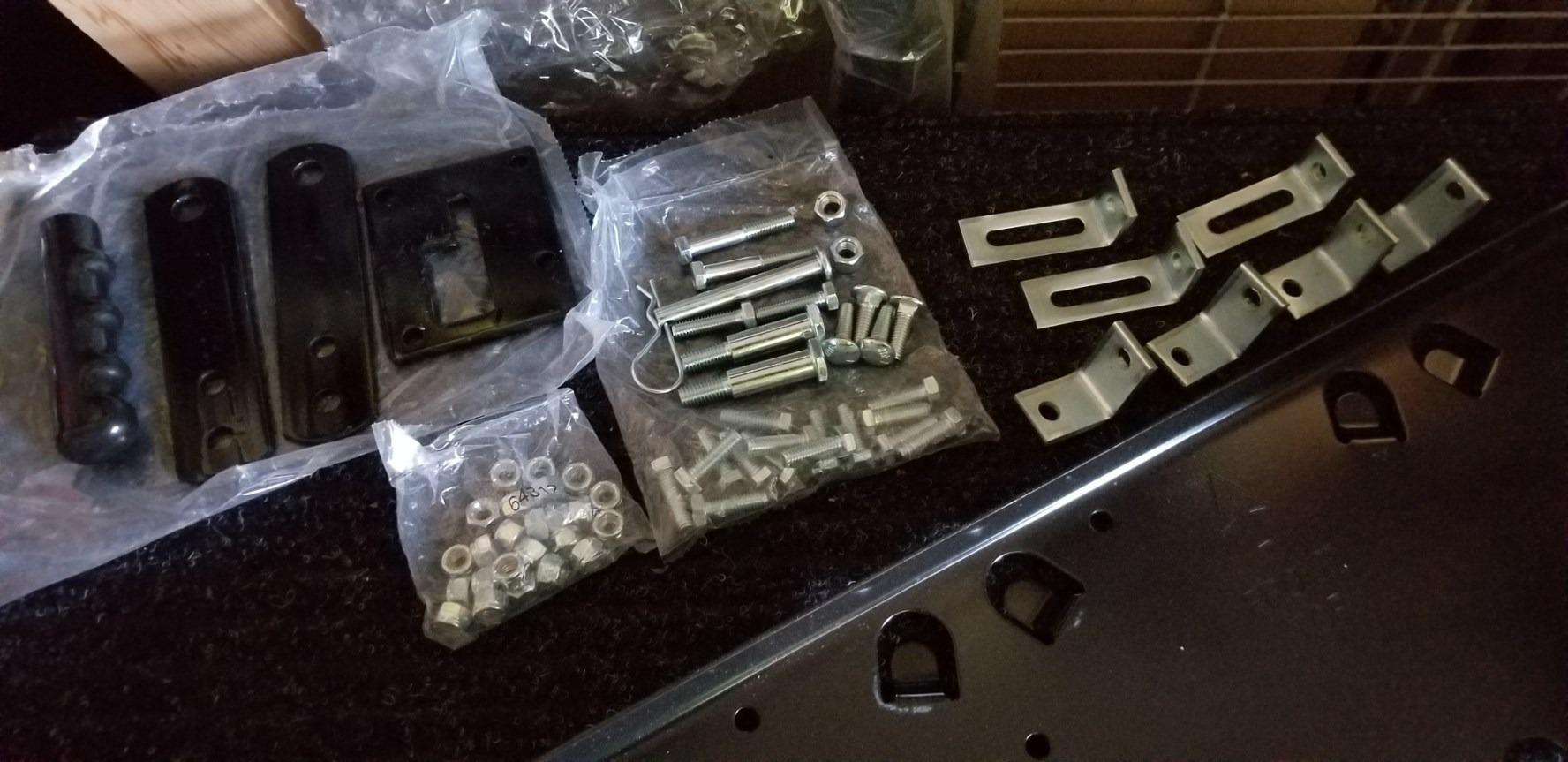
Owners often add weight to a tow-behind to drive the tines deeper, and the Agri-Fab is the exception here. Across the reviews and our own use, the 20 spring tines maintained ground contact without ballast, which removes the guesswork from depth.
Plan for the assembly. It took us a while to build, and the included video instruction guide is worth watching start to finish before you begin. The 3-year limited warranty and US manufacturing are meaningful for an implement that lives outside in all weather.
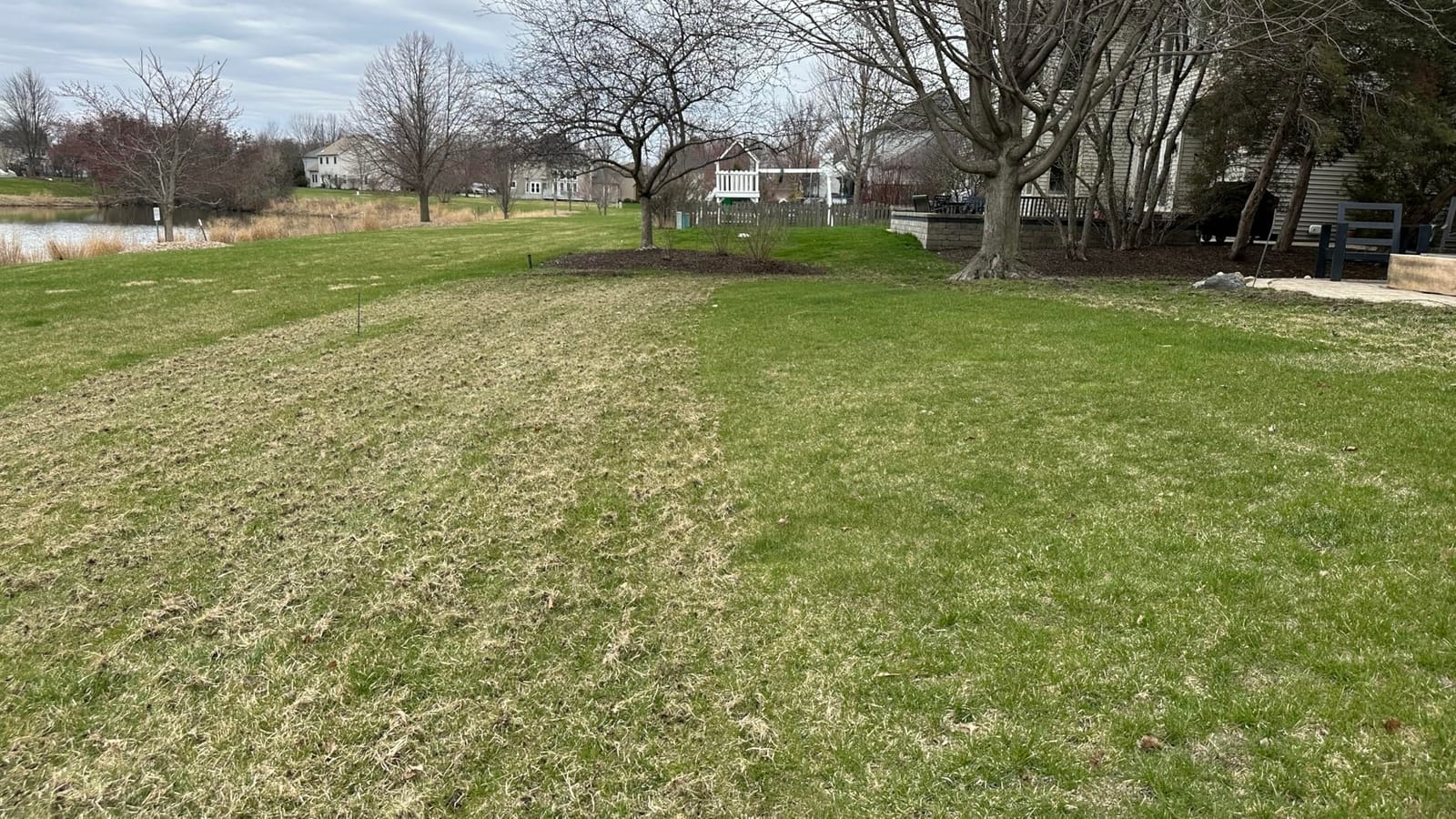
Who the Agri-Fab 45-0294 suits
This suits owners of a tractor or riding mower with a drawbar hitch and a lawn over roughly 20,000 square feet. It is also the pick for anyone who dethatches a large property for a neighbour, a family member or a smallholding, where the width difference pays for itself quickly.
Because there is no engine, there is no fuel, no oil and no pull cord. The maintenance on this unit is essentially inspecting and replacing tines, which suits people who want a big machine without the running costs of a gas dethatcher.
Who the Agri-Fab 45-0294 does not suit
There is no handle to raise or lower the tines from a zero-turn seat, so you will be getting on and off the machine to change depth. Check your hitch point length first, because a tow bar that is too short is the most common reason an attachment will not attach cleanly.
Tines need periodic clearing in heavy thatch, and the 40-inch frame does not collapse for compact storage. If you have a small garage, measure the footprint before buying, because this occupies real floor space year round.
4. WEN DT1516 – Premium Corded Pick With a 15-Amp Motor
WEN DT1516 16-Inch 15-Amp 2-in-1 Electric Dethatcher and Scarifier with Collection Bag, Black
- Motor holds speed in heavy thatch
- Sixteen inch path covers ground quickly
- Five depth settings with a stated range
- Swappable tine and blade heads
- Automatic overload shutdown
- Collection bag is undersized
- Scarifier blade ships installed and is aggressive
- Confusing assembly instructions
The WEN DT1516 is the strongest corded machine in this group and the one we would pick for a large lawn that already has outlet access. The 15-amp motor produces up to 3300 RPM and it did not bog down once in heavy material, which is the test that separates adequate motors from good ones.
Its 5-position height adjustment is specified from plus 1/4 inch to minus 1/2 inch, which makes it the clearest depth spec in the whole roundup. That published range means you can set a real target rather than guessing at a numbered lever with no reference point.
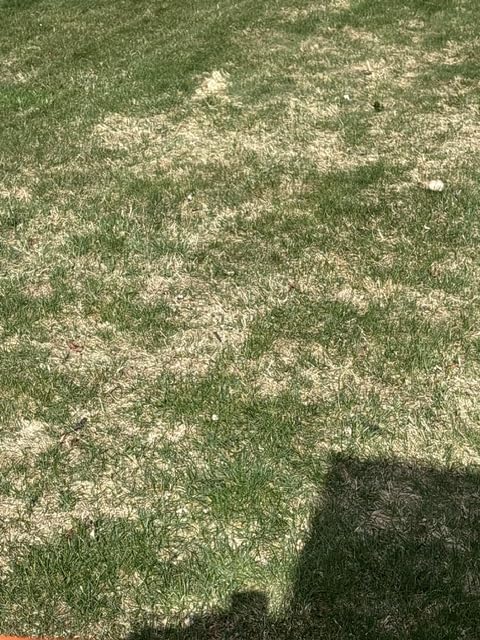
The dual heads are properly differentiated. The dethatcher head carries 24 steel tines for lifting thatch, and the scarifier head carries 20 blades for cutting shallow vertical channels into the soil, which is what you want immediately before overseeding. Swapping them takes seconds rather than tools.
Automatic overload shutdown is a nice touch on a machine with this much torque. If the reel jams in a compacted strip the motor shuts down instead of burning out, and the two-year warranty covers the parts most likely to be mishandled during setup.
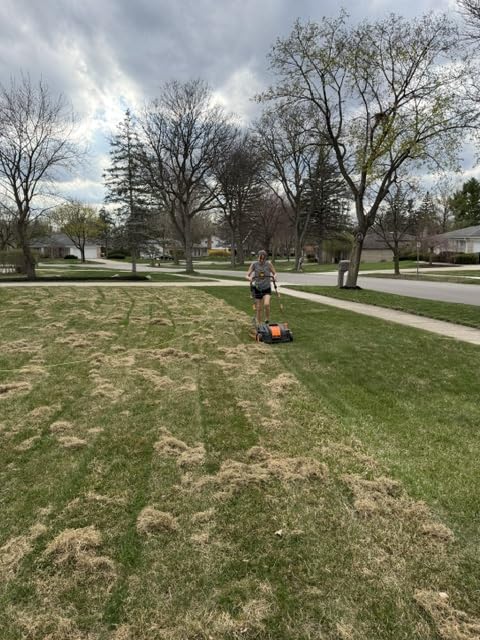
Who the WEN DT1516 suits
This suits an owner with a medium to large lawn, a reachable outlet, and a plan to overseed afterwards. The 16-inch path is the widest corded option here, so it balances between coverage and a footprint that still fits through a garden gate.
It is also the best fit for people who tend to push too hard. Overload protection and a documented depth range mean an aggressive first pass is less likely to end in a dead strip of turf or a burnt motor.
Who the WEN DT1516 does not suit
The collection bag is the weak point. It fills in roughly one pass on a properly thatched lawn, which means constant stops and a lot of walking to the pile, and it is the single most repeated complaint across the reviews.
Note that the scarifier blade ships installed, so the machine arrives ready to cut rather than ready to comb. On a healthy lawn that will scalp grass if you start too deep. Assembly instructions and part identification are also confusing enough to budget an extra ten minutes.
5. Greenworks DHA103 – Best for Small Lawns and Tight Paths
- Handles heavy moss and thatch well
- Quick-release head swap with no tools
- Assembles without tools
- Integrated cord holder
- Push-button start
- Very small collection bag
- Start sequence is inverted from most mowers
- Limited handle height adjustment
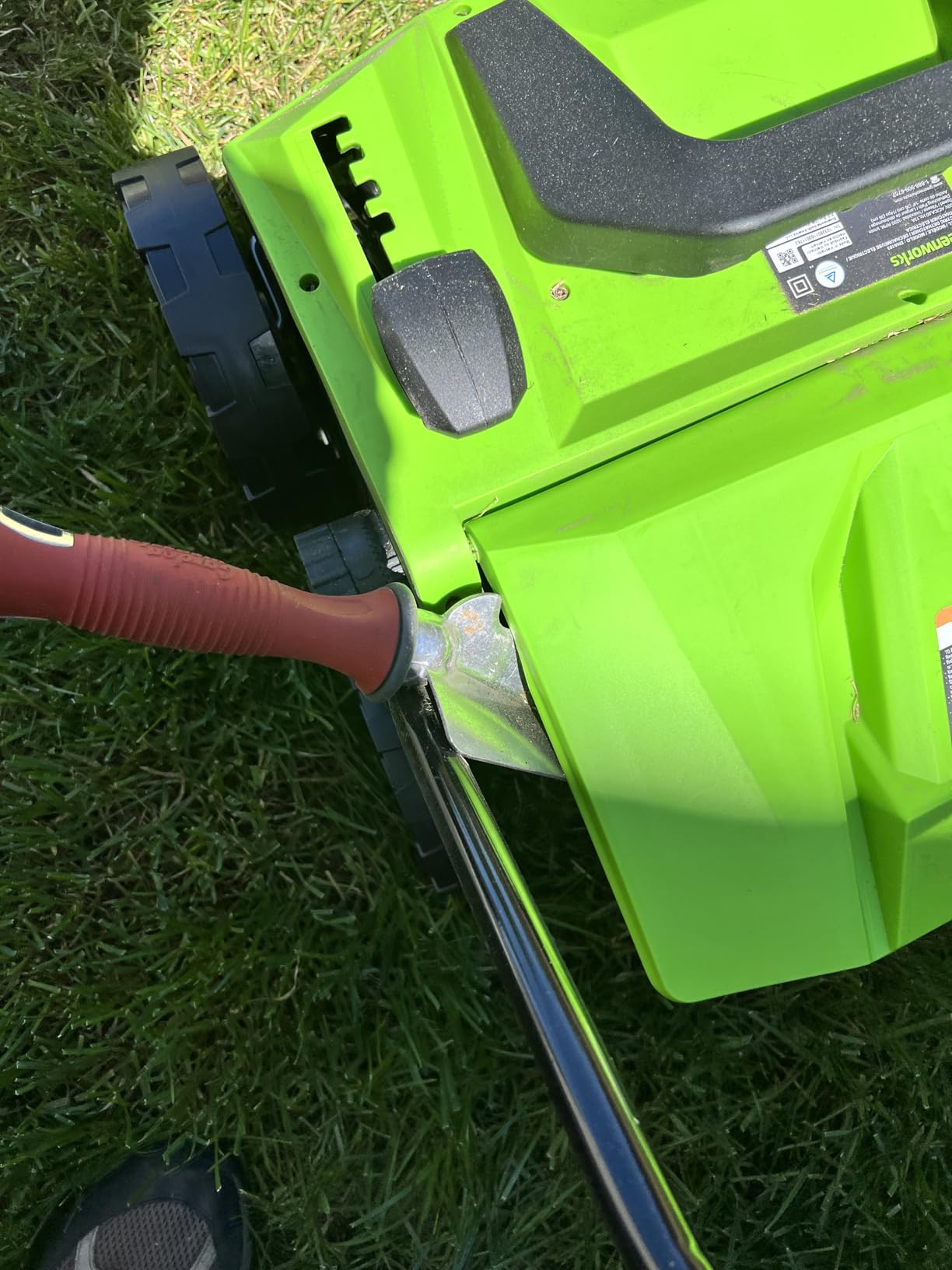
The Greenworks DHA103 is the pick when your lawn is small, oddly shaped or hemmed in by planting beds. At 14 inches it is the narrowest corded unit here, and the 40.5 by 42.9 inch footprint is the easiest to thread between shrubs of anything in this roundup.
Motor output is the surprise. A 13-amp motor at 3200 RPM no-load speed powered through the same heavy moss and thatch as machines with wider paths, and the reel speed stayed consistent when we loaded it up. Reviewers consistently single out that performance as the reason the unit holds its value.
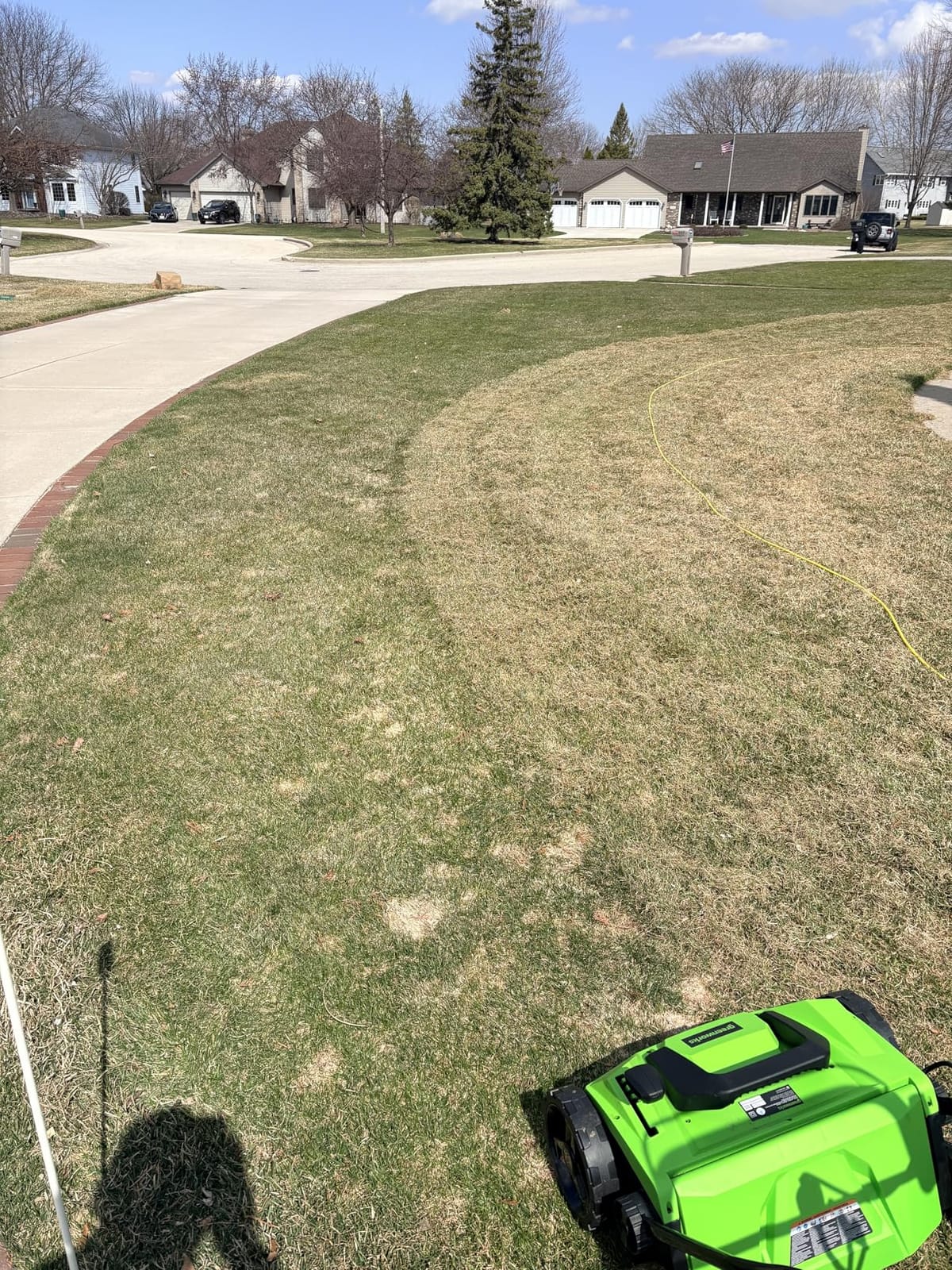
The quick-release swap between the dethatcher and scarifier heads is the best mechanism in the group. You change jobs without tools, and the whole thing assembles without tools either, which cuts setup time on a machine you will only use once or twice a year.
Two details show real thought. The integrated cord holder on the handle keeps the extension cord from snagging as you turn, and the front grab handle plus push-button start make it manageable for one person despite the 28.7 pound weight.
Who the Greenworks DHA103 suits
This suits small suburban lawns and anyone who dethatches around obstacles rather than in open runs. It is also a strong first machine choice, because the tool-free assembly and head swap mean you are not calling anyone for help the first afternoon.
Owners who already rely on a corded setup will appreciate the cord holder and the safety deadman bar. It is a machine that behaves predictably in confined spaces, which is exactly where a wider unit becomes awkward.
Who the Greenworks DHA103 does not suit
The collection bag is very small and fills after roughly one pass. On a lawn with real thatch you will empty it more often than you would with the Sun Joe, and that is where the difference in productivity shows up.
Three depth positions is a narrower range than the five-position machines, so you have less room to correct a mistake in small increments. The start sequence is also inverted from what most people expect from a mower: button first, then squeeze the bar. The plastic cord holder is a soft spot on an otherwise well-built machine.
6. Walensee 15-Inch Thatch Rake – Best Adjustable Handle
Walensee 15-Inch Thatch Rake for Lawn, 19-Tine Dethatcher, 70-Inch Handle
- Handle adjusts to three lengths
- Dual-sided head lifts thatch and loosens soil
- Curved tines cut grass with little force
- Light enough for a second person to use
- Compact twist-lock storage
- Included assembly tools are awkward
- Threaded handle sections can loosen
- 15-inch width needs more passes
The Walensee solves the problem most hand rakes ignore: fit. A three-section stainless handle that locks at 40, 55 or 70 inches means two people of different heights can share one tool, or a single user can drop the length for tight beds and extend it for open lawn.
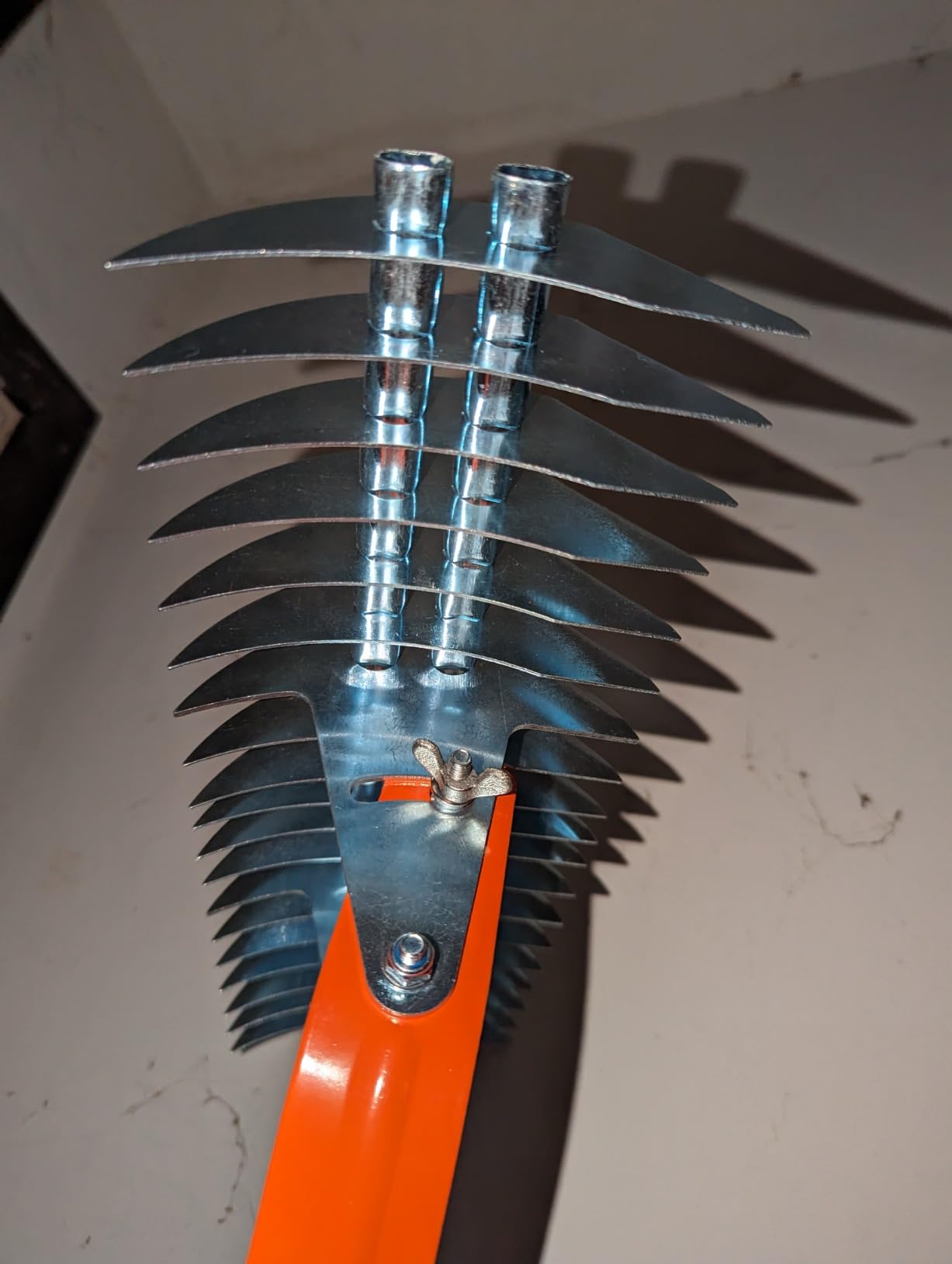
The head is dual-sided and the two faces do different work. One side lifts thatch, the other loosens topsoil and cultivates, so the same tool handles spring cleanup and the light cultivation you would otherwise do with a separate tool. The 19 curved manganese steel tines cut through grass and light weeds without heavy downward force.
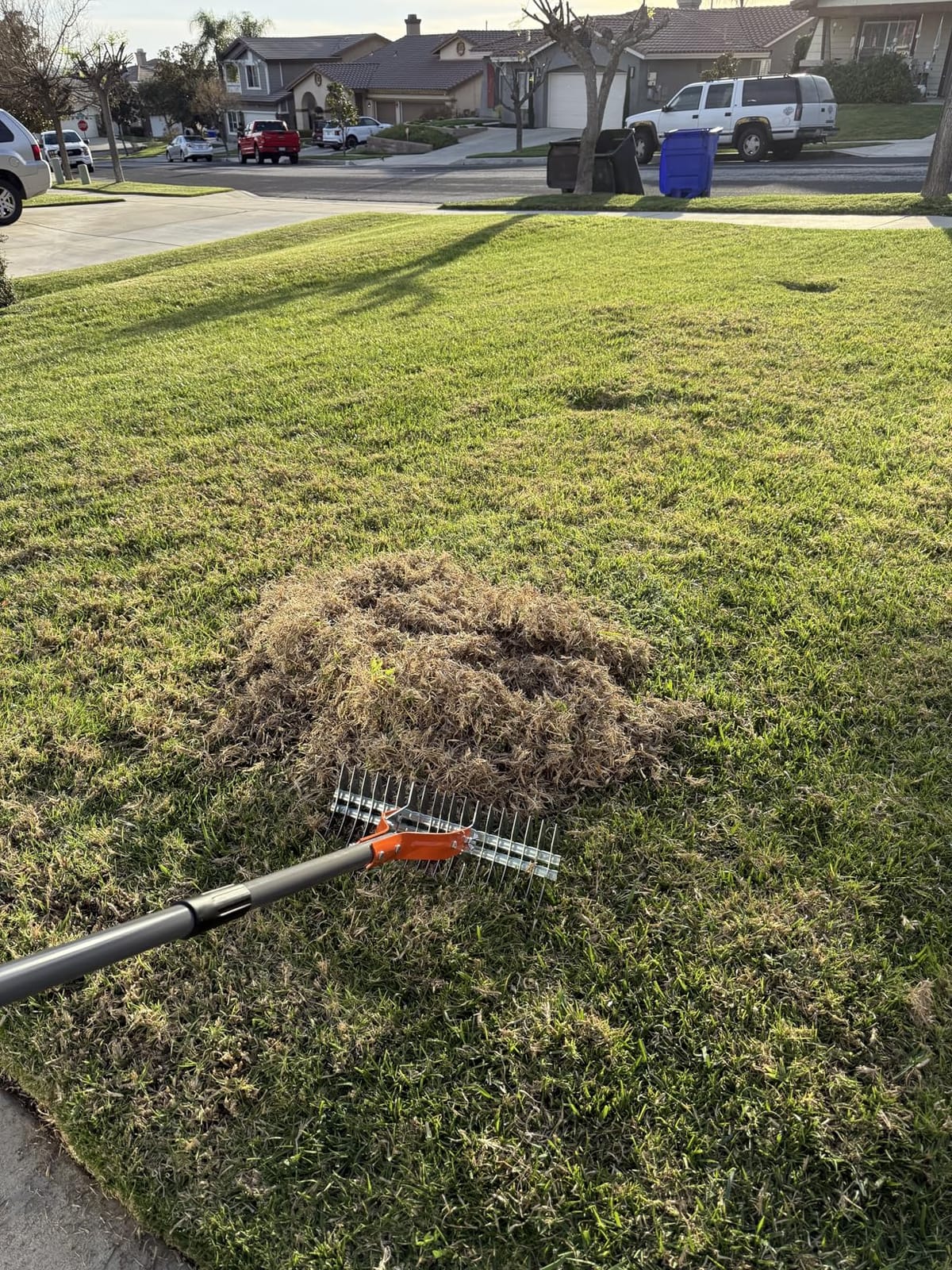
At 4.6 pounds it is heavier than the Groundskeeper but still light enough to hand to a family member for a second pass. The cushioned non-slip grip takes some of the sting out of a long session and the twist-lock sections mean you can shorten it for transport.
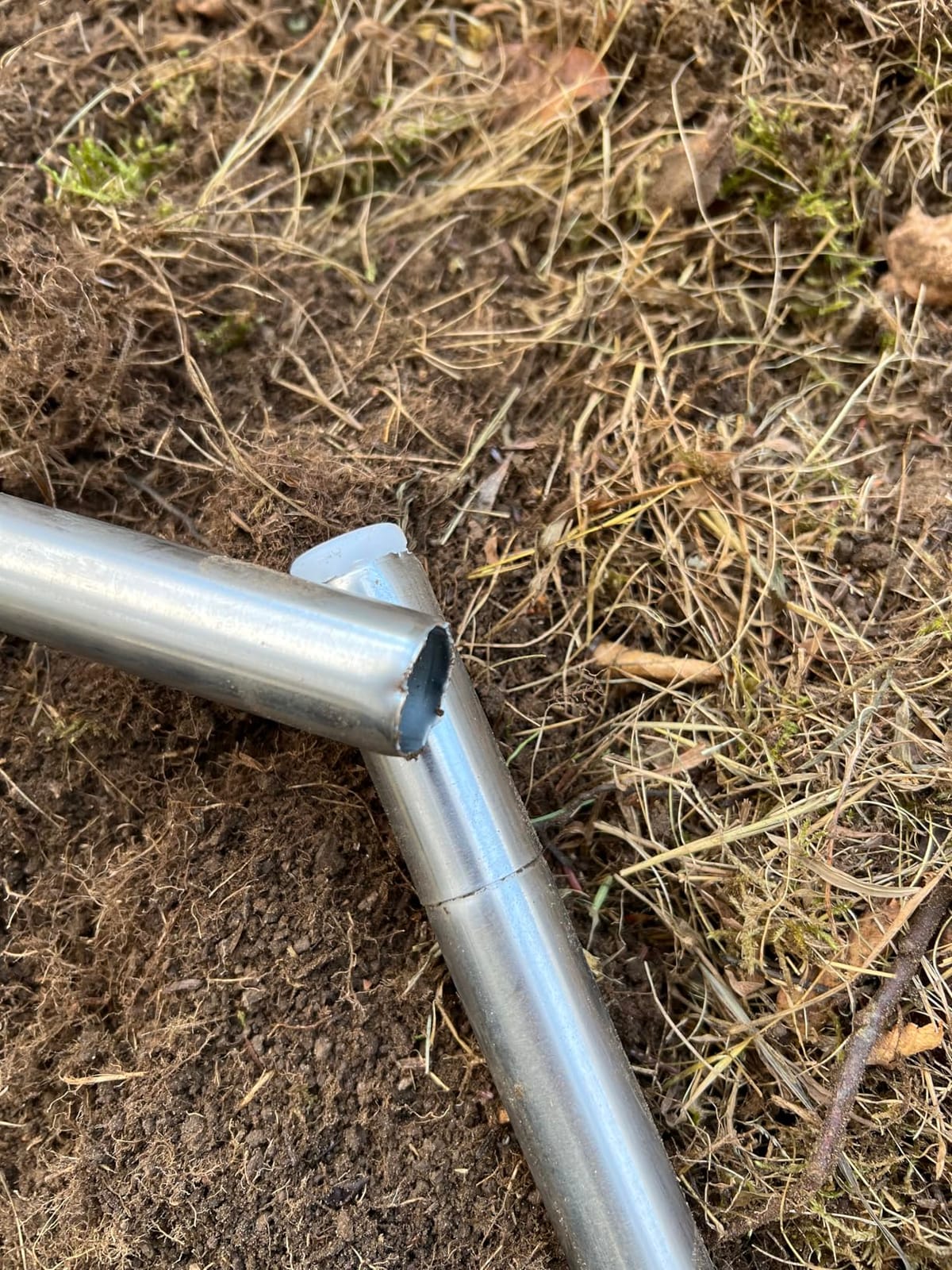
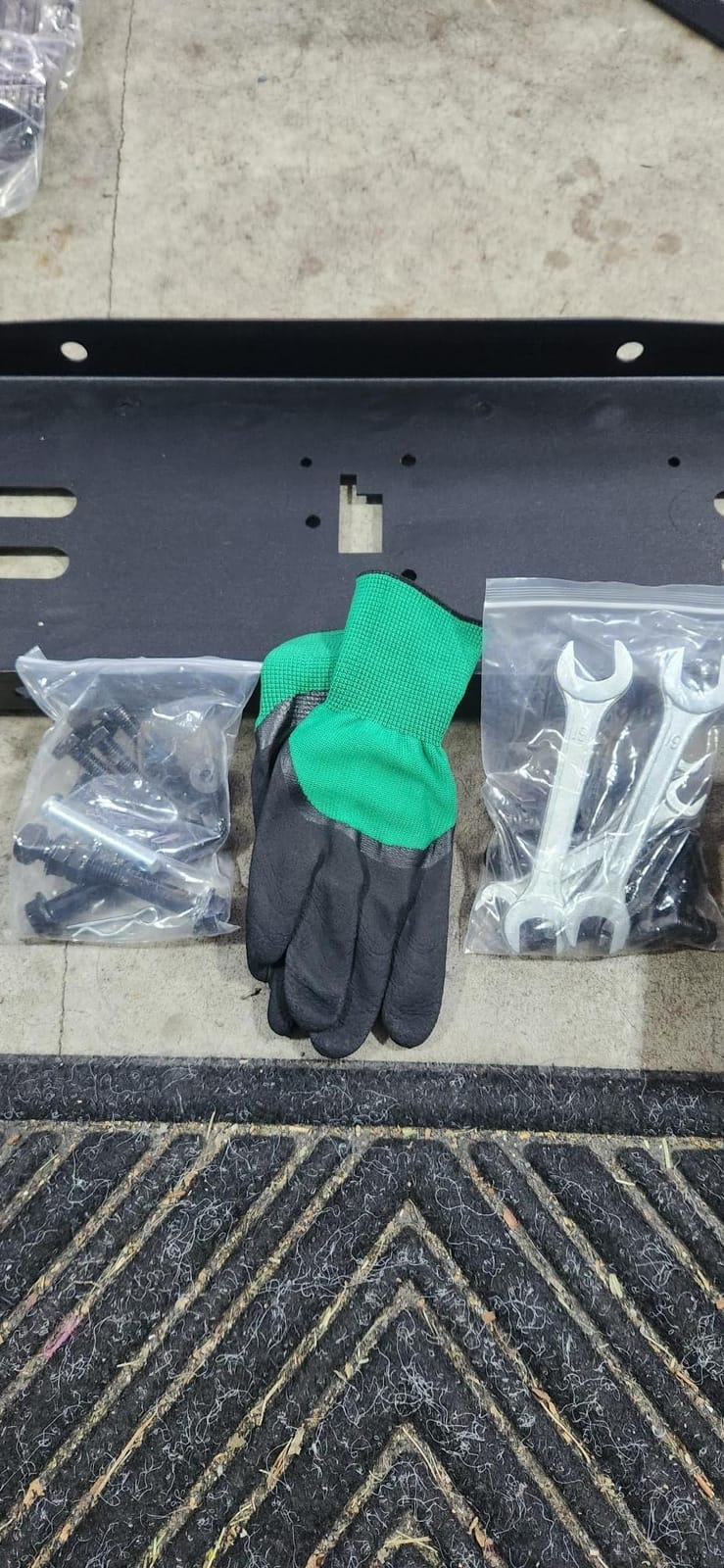
The finish is where the budget shows. The threaded handle sections feel thin at the joints, and the assembly tools included in the box are difficult to use, so plan to assemble it with your own wrench rather than the supplied hardware.
Who the Walensee 15-Inch suits
This suits multi-generational households and anyone sharing equipment, since one rack covers multiple heights. It is also a good choice for owners with a small lawn who want a tool that disassembles into short pieces for a small storage space.
For light seasonal thatch before overseeding, the loosening side prepares the surface while the lifting side clears it. That makes it more versatile than a single-purpose thatch rake at essentially the same effort.
Who the Walensee 15-Inch does not suit
Manual dethatching is physically demanding, and a 15-inch width means more passes than a wider rake. On anything above a small lawn, budget several hours or pick a powered option instead.
Check the handle threads after a few sessions. They are the most common failure point reported, and the twist-lock design means a loose joint shows up early rather than letting go mid-stroke.
7. BARAYSTUS 15-Inch Thatch Rake – Budget Pick With an Adjustable Head
BARAYSTUS Thatch Rake, 15‑Inch Wide Dual‑Side Dethatching Rake for Lawn
- Adjustable head angle cuts bending and wrist strain
- Heat-treated tines resist bending and rust
- Three-section stainless handle
- Disassembles for compact storage
- Also loosens soil and levels fertilizer
- Head angle takes practice to dial in
- No depth reference once you set it
- Manual only so it suits smaller lawns
The BARAYSTUS stands out for one feature the pricier hand rakes mostly skip: an adjustable head angle on both sides of the head. Flattening the angle lets you rake upright rather than bent, and on a long afternoon that difference is the whole story.
The 19 curved carbon steel tines are heat-treated and powder-coated, which is the right material choice for a tool that will sit in damp conditions. They held their shape through our test section and did not bend on the thicker thatch patches.
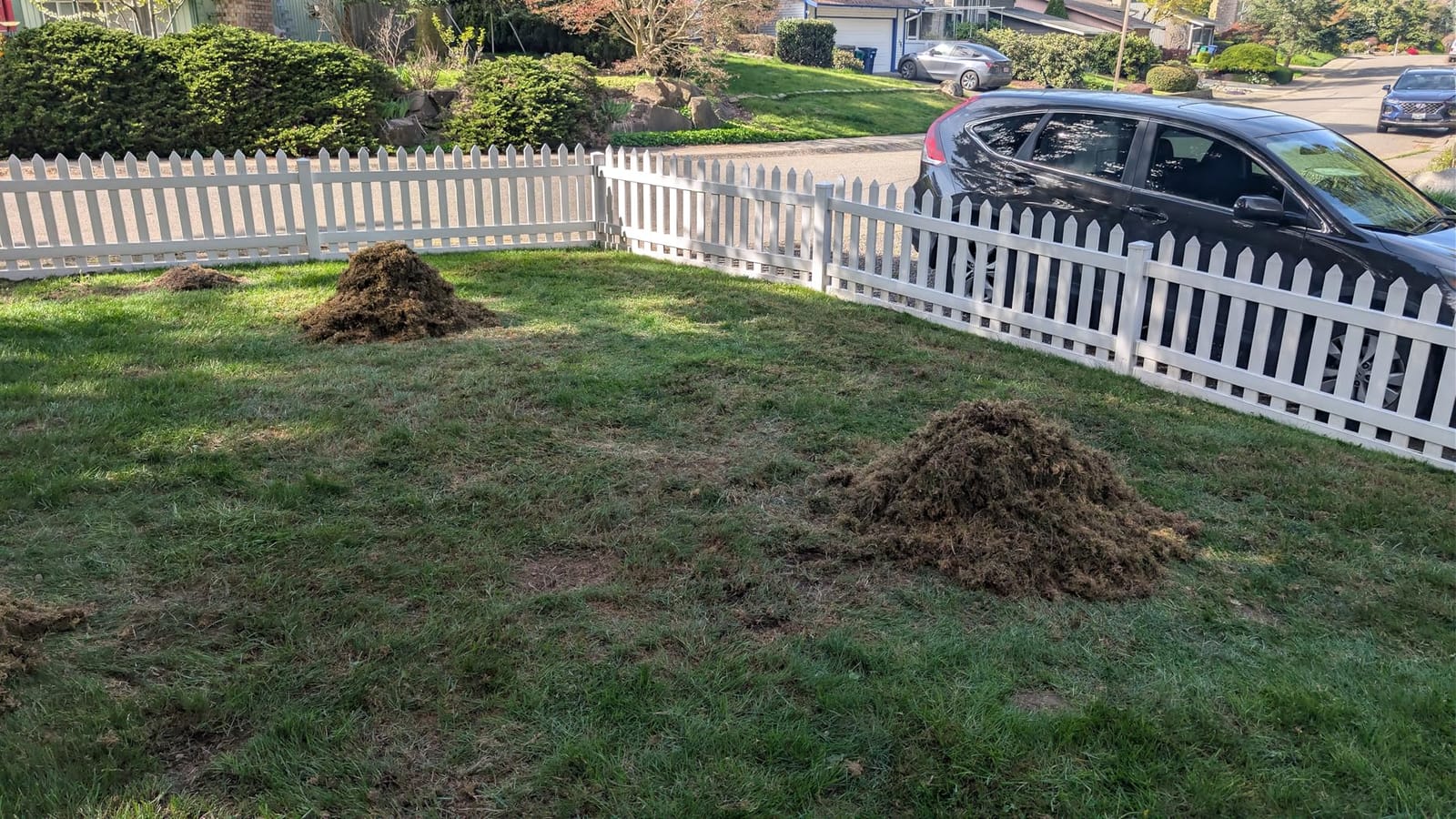
At 3.3 pounds it is light enough for almost anyone to use, and the fully detachable three-section stainless handle with tight spiral threads means it packs flat in a trunk or on a high shelf. Assembly needs no extra tools beyond the included hardware.
It is genuinely multi-use. The same head that lifts thatch will loosen soil ahead of a seed, spread a small load of fertiliser and level it, so if you only need a rake twice a year it earns its place more often than a dedicated tool would.
Who the BARAYSTUS 15-Inch suits
This suits owners on a strict budget who need a competent thatch rake rather than a machine. It is also a good fit for anyone with back or wrist concerns, because the adjustable head angle is the feature that lets you work without crouching.
Because it is the lightest of the three rakes here, it works well as a second tool for edging around beds and shrubs where a powered unit cannot follow you.
Who the BARAYSTUS 15-Inch does not suit
Dialing in the head angle takes a few passes, and once you set it there is no depth reference beyond your own feel. On a large lawn that consistency is harder to maintain than it is on a five-position powered machine.
Like every manual rake, it scales badly with lawn size. It is a small-lawn and spot-work tool, and on anything over a few thousand square feet the time involved becomes the limiting factor rather than the result.
8. Suchtale 40-Inch Tow-Behind Dethatcher – Best for Ballast Weighting
Suchtale 40 Inch Tow Behind Lawn Dethatcher with 20 Spring Tines
- Forty inch width cuts pass count
- Heat-treated tines keep ground contact
- 70 pound ballast platform for deeper penetration
- Transport handle raises and lowers tines
- Pin hitch suits riding mowers and ATVs
- Ballast platform arrives empty so add weight first
- Pin hitch must match your tow point
- Frame does not fold for storage
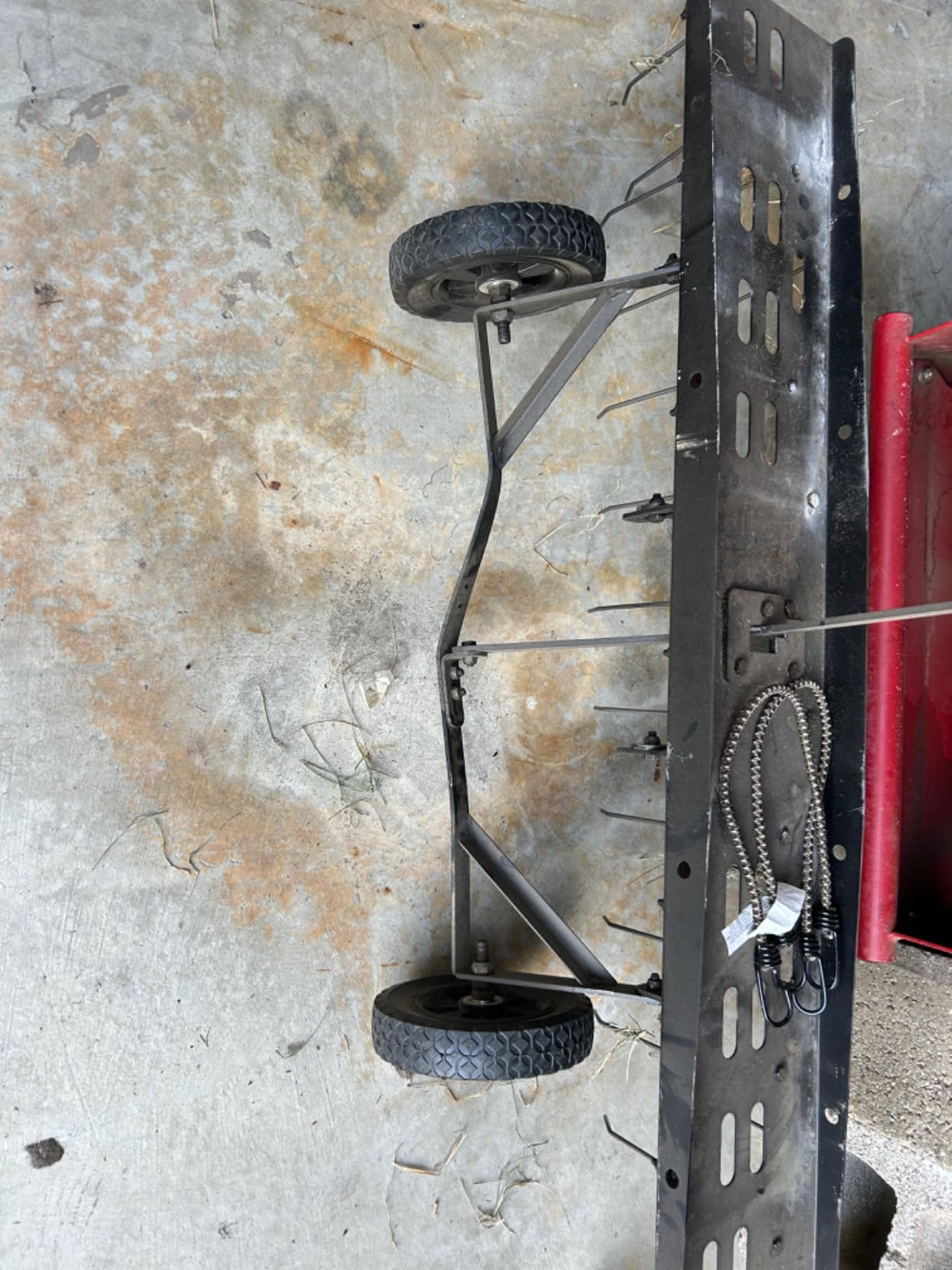
The Suchtale solves the complaint owners have about most tow-behind dethatchers: not enough downward force. The 70 pound ballast platform lets you add weight as needed, which is the standard fix for tines that skim the surface instead of penetrating the thatch layer.
The 40-inch working width matches the Agri-Fab, so an acre goes quickly, and the 20 heat-treated flexible spring tines maintained consistent ground contact in our use. The reinforced steel frame and bearing-supported wheels mean the unit tracks straight behind a mower rather than wandering.
The transport handle is a meaningful upgrade over many attachments. You can raise and lower the tines from the seat instead of getting off the machine every time you cross a path or a driveway, which on a big property is the difference between a pleasant afternoon and a frustrating one.
It is also the most flexible hitch in the group. The pin-style connection suits riding mowers and ATVs, so if your towing vehicle changes you are not hunting for a proprietary adapter.
Who the Suchtale 40-Inch suits
This suits large-property owners who already run a riding mower and who have found that lighter tow-behind attachments would not penetrate their thatch. If you have ever added cinder blocks to a dethatcher tray, this is the built-in version of that idea.
It is also the right choice for mixed surfaces, because the reinforced frame and bearing wheels handle rough ground better than a lightweight deck. The 32.8 pound weight is manageable for one person at the hitch.
Who the Suchtale 40-Inch does not suit
The ballast platform arrives empty, so have your added weight ready before the first pass. Getting the tine depth wrong on that first pass is exactly how you pull up living stolon or crown material.
Confirm the pin hitch matches your mower’s tow point before buying, and check your garage space, because the 40-inch frame does not fold. A visible share of one-star ratings in the reviews points to exactly these fitment problems.
Do You Even Need to Dethatch? Measure the Thatch First
Push a long screwdriver or garden trowel into the sod in several spots. If the spongy layer between the green blades and the soil measures less than half an inch, your lawn is healthy and dethatching will do more harm than good.
For a quicker check, dig a small wedge of sod and hold it sideways. A thin brown mat that barely shows under the roots is normal. A layer thick enough to see clearly as you look at the edge is telling you something, and a lawn that feels spongy underfoot usually has compaction underneath the thatch rather than thatch alone.
Two situations make thatch removal worthwhile. The first is a genuine mat blocking water, light and air, usually after a wet season or heavy traffic. The second is annual scarifying in late summer or early autumn to prepare seed contact before fall overseeding on a cool-season lawn.
And grass type sets hard limits. Centipedegrass and St. Augustinegrass spread by stolons, and repeated passes in different directions can sever those runners and kill the lawn. On those grasses, work in one direction only, and consider skipping the job entirely unless the thatch is genuinely thick.
If the thatch keeps coming back every year, the cause is usually soil compaction, low organic matter or over-irrigation. No dethatcher fixes any of those on its own, and core aeration plus topdressing addresses the actual problem. Our aerator roundup covers that side of the decision.
Dethatcher vs Scarifier vs Power Rake: What Each Machine Actually Does
A power rake is the trade name for a walk-behind dethatcher, so those two are the same category of machine. A dethatcher combs: flexible spring tines rake upward through the thatch and lift it to the surface. A scarifier cuts: fixed blades slice shallow vertical channels into the soil so seed can reach the root zone.
A verticutter, or vertical mower, is the third thing entirely. It is a rental-grade machine that cuts deeper into the soil, closer to the half-inch standard extension services actually specify. That is the machine that resolves severe thatch, and it is a rental decision rather than a purchase.
Most of the corded machines in this roundup are 2-in-1 machines that ship with both a tine reel and a blade reel. If you are scarifying before overseeding, that second reel is the reason to buy a 2-in-1 rather than a single-head dethatcher. If you are only removing a mat, the tine reel is the gentler and correct choice.
Why Lawn Forums Say Dethatchers Hurt Turf, and When They Are Right
Repeatedly upvoted advice in r/lawncare, with Sun Joe named specifically, argues that flexible-tine consumer dethatchers cause real short-term and long-term injury, and that verticutting is the better tool. The forum is not wrong in general, and ignoring that consensus is how a roundup loses the reader.
Here is where the critics are right. Flexible tines have no fixed cutting depth, so they ride over soft spots and dive into firm ones. On a dry, compacted lawn, an aggressive pass tears living crowns and stolons rather than thatch. And the machines here are annual scarifiers by design, not the half-inch vertical mower that extension services describe.
Here is where they are not. The criticism targets deep, repeated dethatching. A light annual pass in early autumn, on a lawn with a measured layer near the threshold, set on the upper depth positions, is a different operation. That is a seedbed preparation pass, and it is what these machines are actually for.
LawnSite users with small lawns report that a Mantis attachment handles a lawn well, while noting that machines which do not collect debris while working are far less convenient. That combination is the whole argument: the tine design is fine at shallow settings, and collection is what determines whether you will actually do the job properly.
If you want the forum consensus and a purchase at the same time, buy for collection capacity and depth adjustment rather than raw tine count. Our ranking of the best dethatchers for lawns reflects that. Owners on r/lawnsolutionsaus with kikuyu ask for cheaper thatch removal routes, and the manual rakes in this list are the honest answer for smaller areas.
How to Choose: Power Source, Working Width and Depth Adjustment
Match working width to lawn size. Under 5000 square feet, a 14 or 15-inch walk-behind or even a hand rake is enough. From 5000 to 10,000 square feet, aim for 15 to 16 inches. Above 20,000 square feet, or if you own a tractor, a 40-inch tow-behind is the only sensible answer.
Treat depth adjustment as the governing specification, not an afterthought. A documented range like plus 1/4 inch to minus 1/2 inch tells you the machine can be set to a target. A three-position lever with no published range tells you very little, and it is worth choosing the five-position machine when the choice is close.
Power source comes down to your lawn shape and your existing equipment. Corded electric is quiet, cheap to run and strong, but the cord dictates your radius and it fights you around trees and beds. Cordless avoids all of that, though none of the battery units in this roundup made our picks. Gas suits acreage with no fuel logistics, at the cost of noise, pull-starting and maintenance.
Tow-behind wins whenever you already own a riding mower or tractor and your lawn is open. If you are still shopping for a mower, our verified lawn mower roundup is worth reading first, because the towing capacity is the deciding factor.
Finally, check bag capacity against your thatch load. Bags on the smaller units fill in a single pass, and every stop is a walk to the pile. On a lawn that only needs scarifying once a year, that is acceptable. On a spring cleanup with a heavy mat, it decides how the job feels.
Should You Buy or Rent a Dethatcher?
Most owners dethatch once or twice a year. That is the entire rent-versus-buy argument, because a machine used twice a year is being asked to justify its storage footprint, its assembly and its depreciation over eight weekends.
Rent the deep cut. If your thatch is genuinely severe and you need a machine that cuts close to half an inch into the soil, no consumer unit here does that. A rental vertical mower is the correct tool, and a single rental day covers a residential lawn comfortably.
Buy the shallow pass. If your goal is annual scarifying before overseeding, or a light cleanup in early autumn, a consumer 2-in-1 will do it every year without drama. The Sun Joe AJ805E and WEN DT1516 are the two we would own for that job.
Skip the purchase entirely if your thatch keeps returning annually. That pattern points at compaction, irrigation or fertility, and a dethatcher only treats the symptom once a year while the cause rebuilds the layer.
When to Dethatch and How to Set the Depth Lever
For cool-season lawns, the window is late summer into early autumn, when the grass is actively growing and can recover. For warm-season lawns, dethatch after the main growing period, once growth slows but the turf is still able to recover. Spring cleanup is acceptable for a light mat, never for a deep pass.
Water the lawn a day or two beforehand if conditions are dry. A slightly moist surface keeps the tines working and stops the reel from tearing roots instead of lifting thatch. Mow first and remove the clippings, because a layer of loose grass under the reel turns the job into a raking exercise.
Start on the upper depth position, make a pass, and look at what came up. Only move one setting deeper if the thatch is still sitting there. Work in one direction, and cross-hatch only on lawns that tolerate it, which excludes centipedegrass and St. Augustinegrass.
Finish by overseeding any bare or thin areas, because a dethatching pass leaves seed contact that nothing else will create for you. It is also the right moment to apply a starter fertiliser, which the water and air now reaches properly. If you keep up with attachments, our tow-behind sweeper guide covers the lighter passes on the same equipment.
Frequently Asked Questions
What is the best month to dethatch your lawn?
For cool-season lawns such as Kentucky bluegrass and tall fescue, dethatch in late summer or early autumn while the grass is actively growing and can recover quickly. For warm-season lawns, wait until after the main growing period. Spring is acceptable for a light mat but risky for a deep pass. Dethatching is a once-a-year job at most.
Do lawn dethatchers actually work?
Yes, when the thatch layer is genuinely over half an inch thick and you set the depth conservatively. Consumer dethatchers are really annual scarifiers rather than the half-inch vertical mower extension services describe, so they comb and surface-treat a mat well but cannot remove severe thatch. Measure first: a layer under half an inch benefits the lawn and should be left alone.
Is it better to aerate or dethatch?
It depends on the symptom. Water sitting on the surface and a spongy feel point to thatch, which dethatching addresses. Water running straight off, hard bare patches and soil that will not take a screwdriver point to compaction, which core aeration addresses. Many lawns have both, and doing them in the right order means dethatch first, then aerate, then overseed.
What is the best tool for dethatching grass?
A walk-behind 2-in-1 dethatcher and scarifier is the best all-round tool, because the tine reel lifts thatch and the blade reel cuts seed channels before overseeding. For severe thatch the correct tool is a rental-grade verticutter. For small lawns or a single annual cleanup, a manual thatch rake with spring-loaded tines does the job at no running cost.
Is a power rake the same as a dethatcher?
Yes. Power rake is the industry and retail name for a walk-behind dethatcher. The two describe the same machine: a spinning reel of flexible spring tines that combs thatch upward to the surface, usually into a collection bag. The terms differ only in which retail aisle you find them in.
When should you not power rake your lawn?
Do not power rake when the thatch layer is under half an inch thick, because that layer protects the crowns and helps the lawn. Never make multiple passes in different directions on centipedegrass or St. Augustinegrass, since their stolons can be severed and the lawn killed. Skip the job entirely on a drought-stressed lawn, and dethatch a healthy lawn at most once a year.
Is power raking worth it?
Worth it on a lawn with a measured thatch layer past half an inch, or as an annual prep pass before fall overseeding on cool-season turf. Not worth buying a machine for a once-a-year job, since renting a rental-grade unit for a deep cut is often the better decision. And if the thatch returns every year, the real problem is compaction or irrigation, which a dethatcher cannot fix.
Should I buy or rent a dethatcher?
Rent if you need a deep vertical cut closer to half an inch into the soil, because no consumer machine in this roundup does that. Buy if you plan an annual scarifying pass before overseeding, since a walk-behind 2-in-1 handles that job every year. If your thatch keeps coming back, fix the compaction or irrigation cause instead of buying either one.
Conclusion: The Best Dethatchers for Lawns in 2026
After working through all eight, the Sun Joe AJ805E remains the best all-round choice for most homeowners: real five-position depth control, the largest bag in the group and the most reviewed platform in the category. The WEN DT1516 is the stronger machine if you have outlet access and want the widest corded path with a documented depth range.
For large lawns, the Agri-Fab 45-0294 and the Suchtale 40-Inch cover the tow-behind class properly, and the Suchtale wins if you need ballast weight. For small lawns and one annual pass, the Groundskeeper II is the tool we would buy first. Measure your thatch before any of them, and rent the deep cut rather than forcing a consumer machine to do a job it was not built for.