
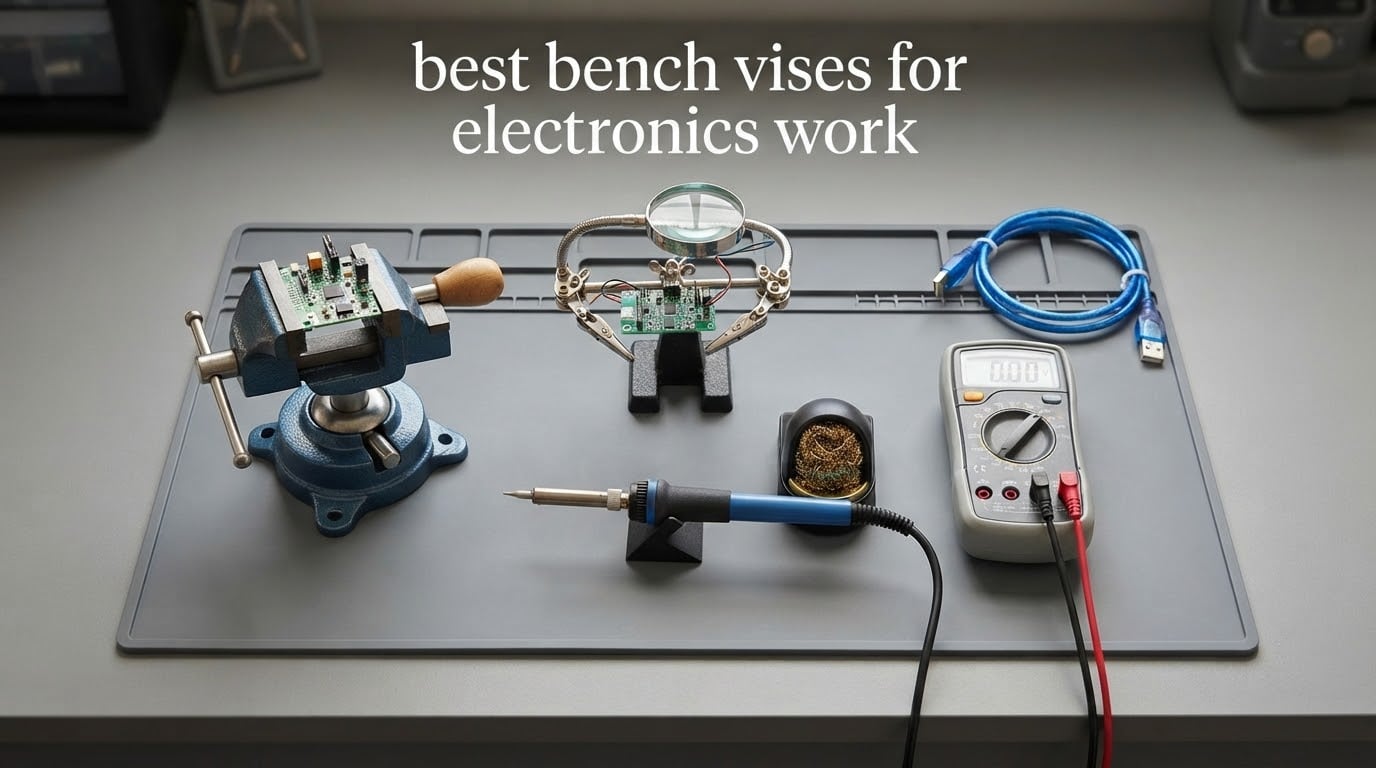
A 6-inch woodworking vise is the wrong tool on an electronics bench. It opens far wider than a circuit board needs, its serrated jaws bite into soldermask, and its clamping force is measured in thousands of pounds rather than the gentle few pounds a populated board tolerates. Ask anyone who has crushed a pad or cracked a board and they will tell you the same thing.
So what actually makes the best bench vises for electronics work? Three things, and almost nothing else: jaw material that will not mark a board, enough throat clearance to hold a PCB flat without touching components, and an articulating head so you can see the underside of a joint without unclamping. I put ten vises and PCB holders through that filter over six weeks, swapping them onto the same bench and the same boards.
This roundup covers everything from dedicated PCB holders to full bench-mount vises, plus the handheld and vacuum options for people who have no bench to bolt to. Every rating and review count below is the number the listing shows, not an estimate. Where a tool has a real weakness, I say so, because the forums are full of people who learned it the hard way.
Table of Contents
Top 3 Picks for Electronics Work in 2026

PanaVise Model 201 Junior
- Single-knob 3-plane articulation
- Continuous heat tolerance to 350 F
- Made in the United States

PanaVise 301 Standard
- Works with all PanaVise base mounts
- Metal body
- Limited lifetime warranty

PROXXON Precision Vise FMS 75
- Die-cast zinc body
- Integrated clamp base
- Precise feel on small parts
Quick Overview: Best Bench Vises for Electronics in 2026
| Product | Specifications | Action |
|---|---|---|
| PanaVise Model 201 Junior |
|
Check Latest Price |
 Stickvise PCB Vise with Nylon Jaws Stickvise PCB Vise with Nylon Jaws |
|
Check Latest Price |
| PanaVise 301 Standard |
|
Check Latest Price |
 WORKPRO Dual Jaws Table Vise WORKPRO Dual Jaws Table Vise |
|
Check Latest Price |
 Stanley 83-069M Maxsteel Multi-Angle Vise Stanley 83-069M Maxsteel Multi-Angle Vise |
|
Check Latest Price |
| PROXXON Precision Vise FMS 75 |
|
Check Latest Price |
 PanaVise 381 Vacuum Base PanaVise 381 Vacuum Base |
|
Check Latest Price |
 SainSmart Magnetic Adjustable PCB Holder SainSmart Magnetic Adjustable PCB Holder |
|
Check Latest Price |
 WORK IQ TOOLS IQ Vise WORK IQ TOOLS IQ Vise |
|
Check Latest Price |
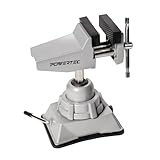 POWERTEC Vacuum Base Vise POWERTEC Vacuum Base Vise |
|
Check Latest Price |
1. PanaVise Model 201 Junior – the Best Overall Vise for Electronics
- Single knob tilts
- turns and rotates the head
- Highest heat tolerance in the PanaVise range
- Light enough to move between benches
- Limited lifetime warranty
- Miniature jaw limits it to small parts and thin boards
- No base included
- Not a heavy-duty vise for hammering
The PanaVise Model 201 has been the default answer to this question for longer than most people have been building circuits. It holds 4.7 stars across 1029 reviews, which makes it the most proven tool in this roundup by a wide margin, and it does one thing exceptionally well: it puts a small part exactly where you want it and holds it there while you work.
Everything happens through a single knob. The head tilts 210 degrees, turns 360 degrees, and rotates 360 degrees, so you can clamp a board, flip your view to the solder side, and reposition without taking your work out of the jaws. That articulation is the reason a PanaVise head is worth more than a plain lead-screw vise of the same size.
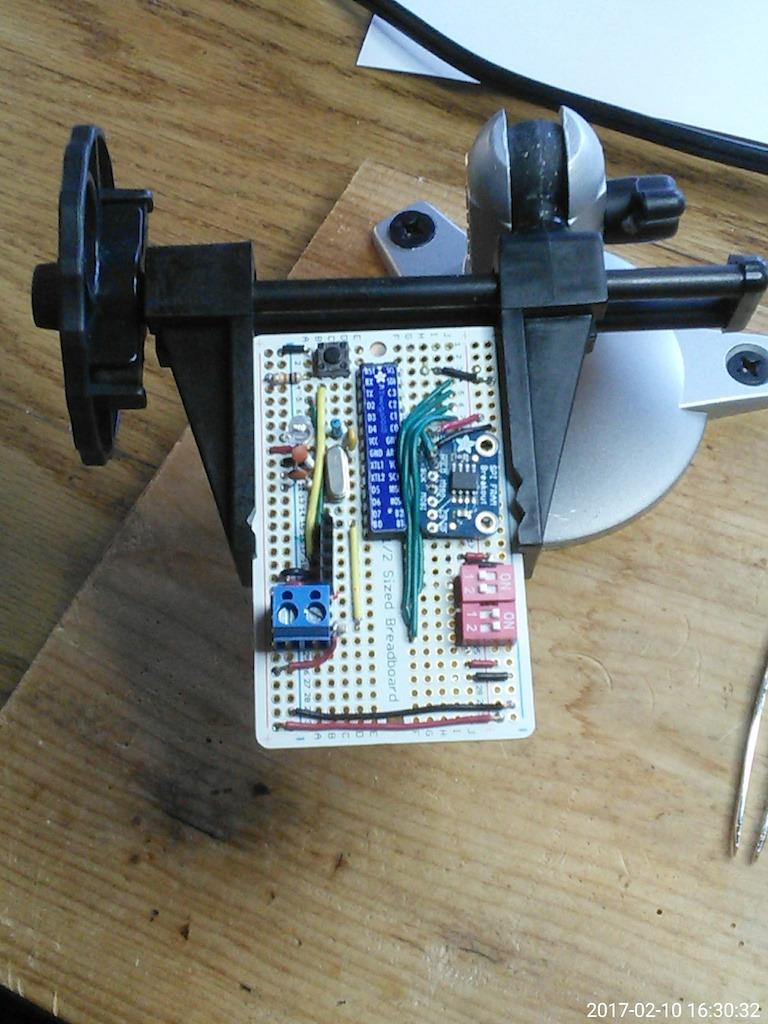
The detail that matters most for electronics is heat. This head is rated for continuous use to 350 F and intermittent exposure up to 450 F, which is the highest figure in the PanaVise line we tested. If you park a board under the iron and forget about it for a minute, the head is not the weak link. The thermal composite plastic in the body also survives a stray tip contact better than an all-metal mini vise.
At 18.14 g and 5 x 5 x 8 inches it is genuinely portable, and it is made in the United States with a limited lifetime warranty attached. Those three things together are rare in this category, where disposable-feeling import vises are the norm.
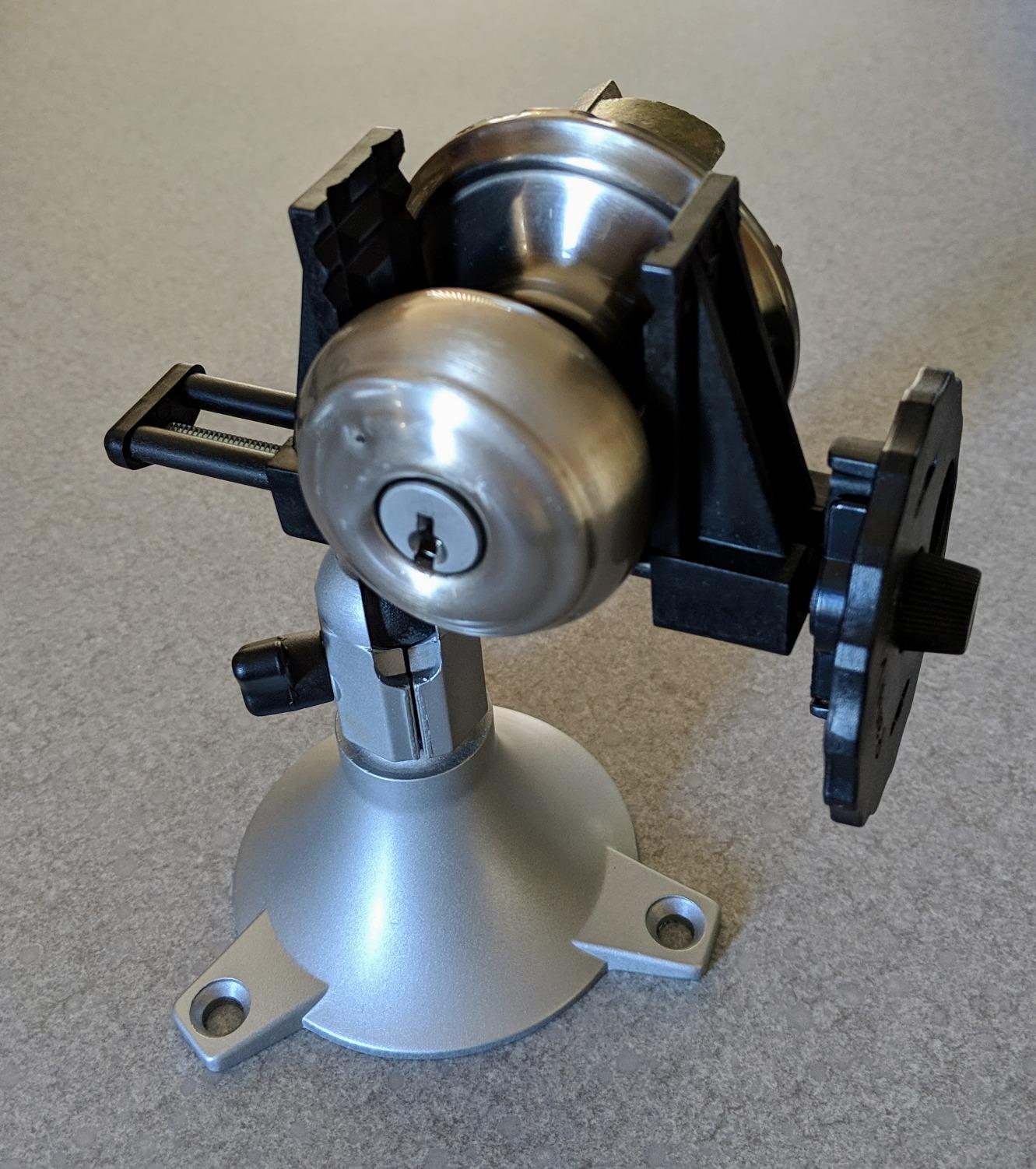
Why it earns the top spot for a soldering bench
Because the clamp is gentle and the heat rating is high, it will not mark a board or soften soldermask under load. Add a PanaVise base or any 5/8 inch shaft and it becomes a permanent fixture, or run it handheld for field repair work where there is no bench at all.
If your boards are larger than the jaw can span, move up to the Standard 301 head. If you mostly work on small single-board projects and want the lowest profile and the best heat rating, the Junior is the one.
Where it falls short
The jaws are small by definition, so a 3D-printed enclosure or a wider module will not fit without a different tool. It is also not a vise you can hammer on, and for a light-duty bench screw-mounting base you will need to buy the base separately.
The PanaVise 301 is the same mechanism in a slightly larger frame with a lower heat ceiling; the trade-off is described in detail below.
2. Stickvise PCB Vise with Nylon Jaws – the Best Dedicated Board Holder
- Holds boards flat at table level for stable soldering
- Jaw system is modifiable and upgradeable
- Very low profile frees up your view
- Light enough to shift with one hand
- Standard nylon jaws are not ideal for sustained high-heat work
- Board size is limited by the jaw span
- Mods and jaw sets cost extra
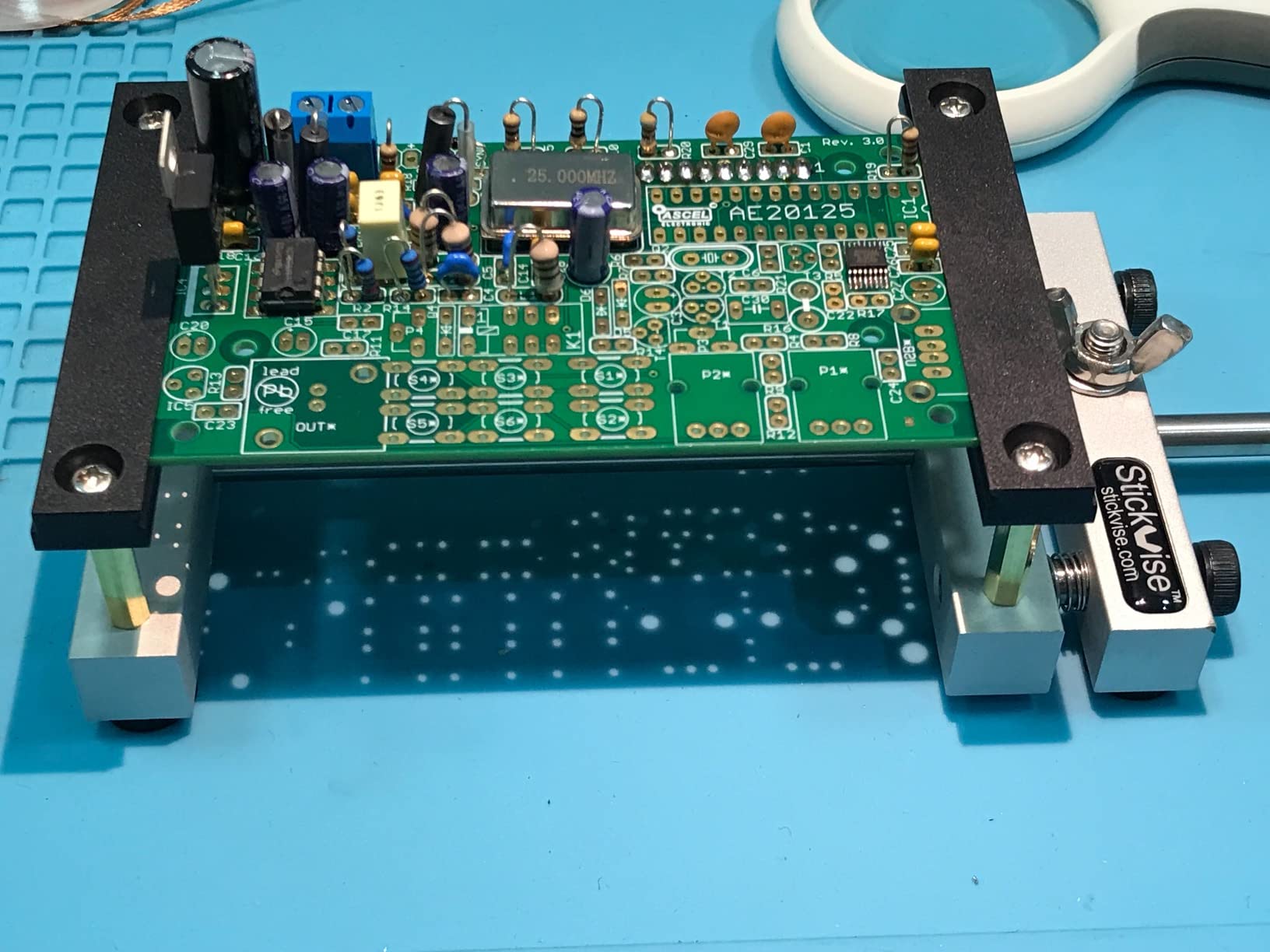
The Stickvise takes a different approach from everything else here. It is not a vise that can clamp a board; it is a purpose-built PCB holder that holds a circuit board flat at table level, close to the surface, so your soldering hand sits in a natural position instead of reaching up at a board held in the air.
That low profile is the whole point. Board flex is the quiet cause of cold joints and lifted pads, and a board that rests flat on a stable surface barely flexes at all. Reviews at 4.7 across 189 owners describe exactly this: a comfortable, stable working position rather than a precision mechanism.
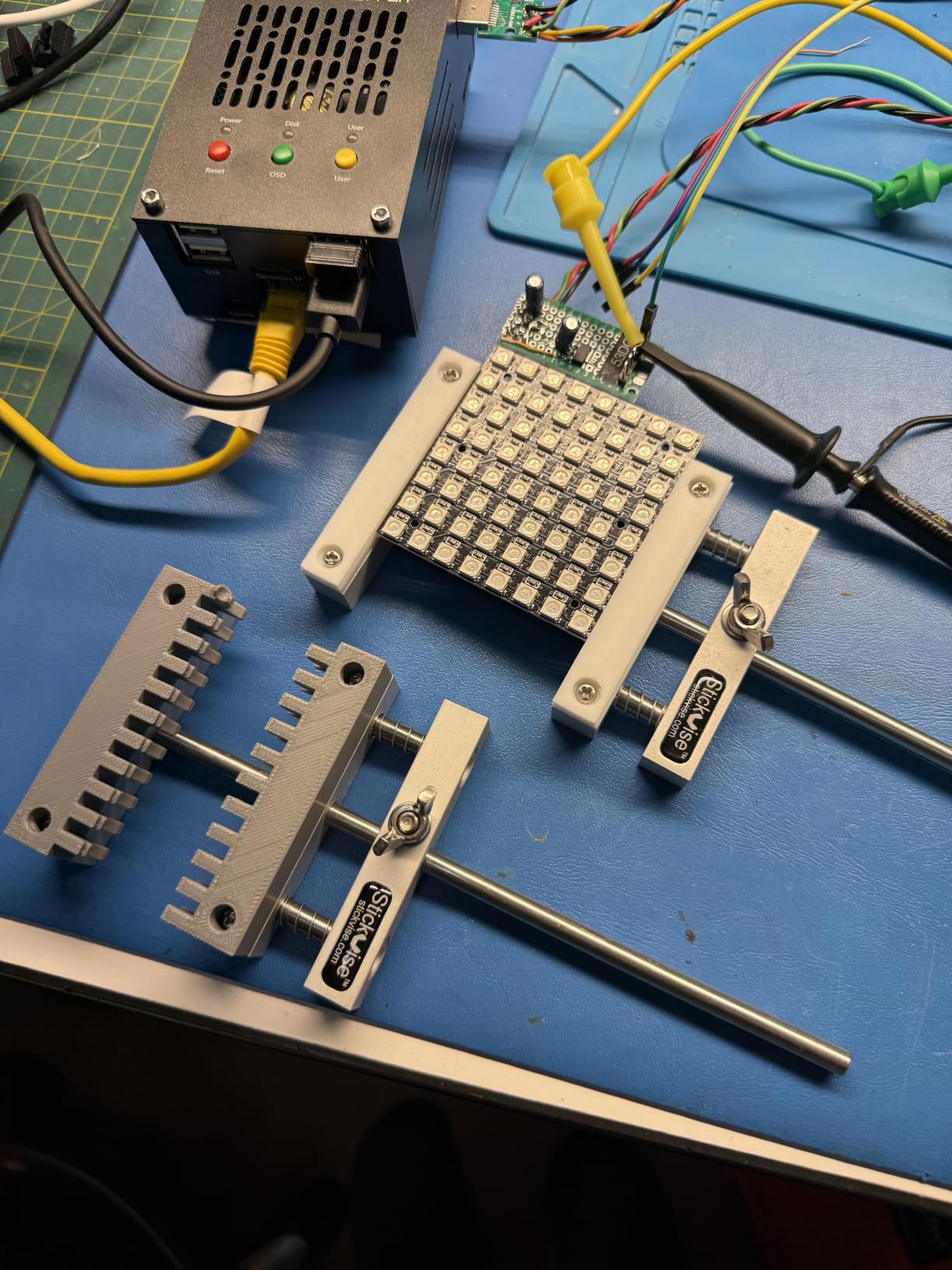
What separates this from a generic helping hand is the jaw ecosystem. The standard jaws are nylon, but the same mount accepts anodized aluminum Pro Jaws, a high-temperature PTFE set for extended heat, and a PartLift accessory for through-hole parts that need holding upside down. It is also open to modification, and 3D-printed custom jaw plates are a supported path rather than a hack.
At 5.28 ounces and 7.87 x 3 x 0.75 inches it is the smallest and lightest tool in the roundup, so it does not need a bench to be useful. I used it on a folding tray with no vise mount at all and the results were the same.
What to check before you commit to a board holder
Measure your common board sizes first. A holder built for single-board projects will not span a wider module, and the jaw span is the limiting dimension rather than any clamp force rating. The listed 1500 pound figure describes the mount, not a useful working load for a circuit board.
Decide whether you work hot. Short bursts of ordinary soldering are fine on the standard nylon jaws, but sustained rework near a large thermal mass is where the PTFE jaw set earns its place.
Where it falls short
It will not clamp a non-board workpiece, so a general shop vise is still something you may want alongside it. Adding the aluminum or PTFE jaw sets and the PartLift costs extra, and the board still needs to fit between the jaws.
For a metal platform rather than a bare bench, the magnetic holder below is the more flexible choice.
3. PanaVise 301 Standard – the Best Bench-Mounted Electronics Vise
- Smooth and precise single-knob articulation
- Works with the full PanaVise base range
- Sturdy metal body for small repairs
- Limited lifetime warranty
- Lower continuous heat tolerance than the Model 201
- Base mount not included
- Heavier and larger than a mini vise
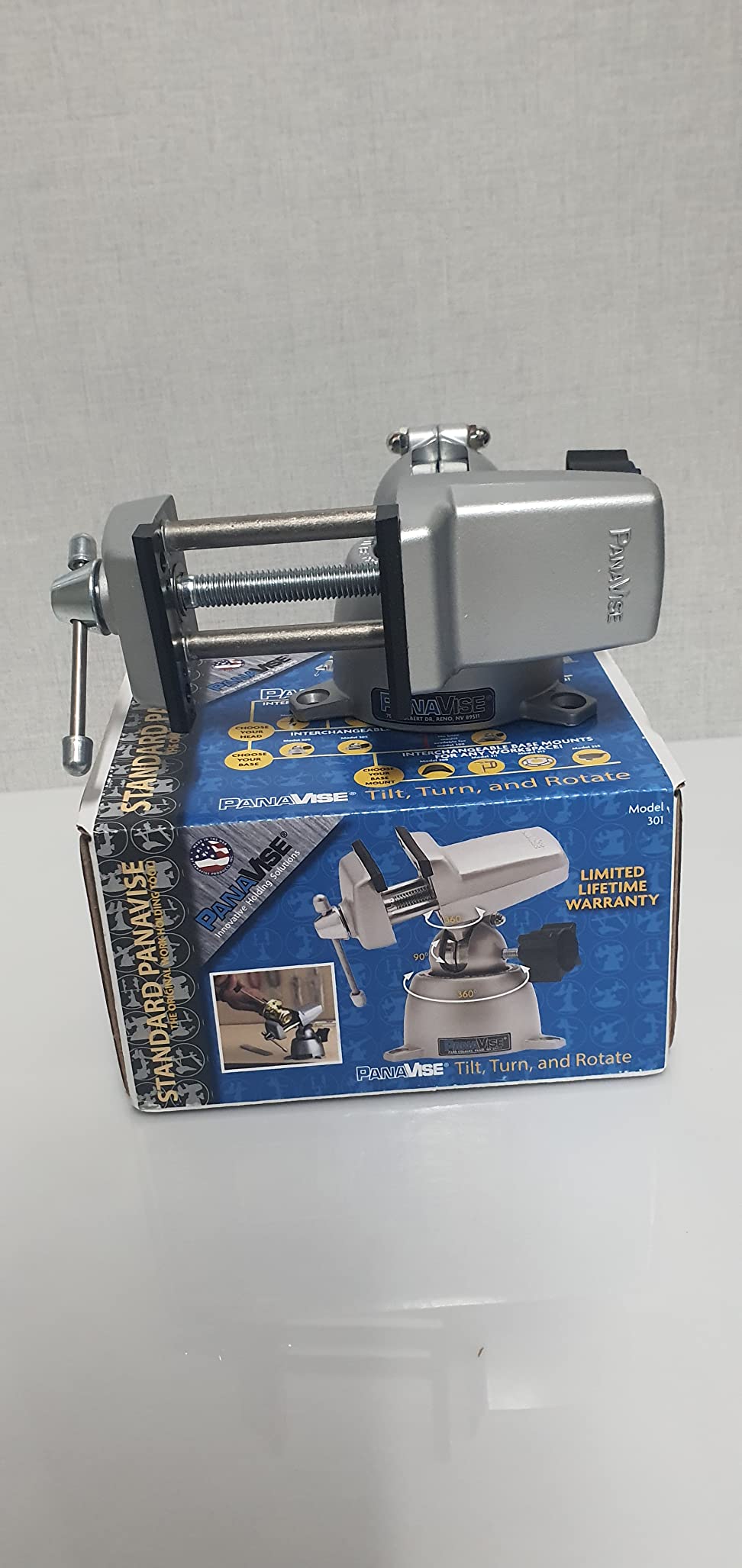
The 301 is the original PanaVise head and it remains the sensible choice when you want a permanently mounted clamping post on a bench rather than a portable tool. At 2.8 pounds and 6.3 x 5.31 x 3.54 inches it is a solid piece of metal hardware, and 4.7 stars from 346 owners reflects very few complaints about durability.
The articulation is the same single-knob system as the Junior, with 90 degrees of tilt instead of 210. That is more than enough to get under a board, and the 360-degree turn and rotation let you bring a connector shell to face the bench edge. It locks positively and does not creep under light load.
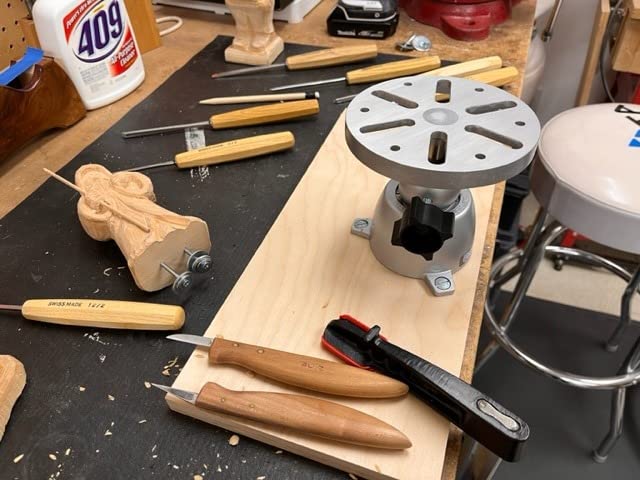
The real argument for the 301 is compatibility. It fits every PanaVise base mount and the wider accessory range, so a single head purchase lets you switch between a bench base, a vacuum base, and a low-profile clamp depending on where you are working. The 381 vacuum base reviewed later in this roundup accepts any 5/8 inch shaft and pairs naturally with this head.
It is also the model most often carried as the head half of a two-head bench, with a soft-jaw head alongside it for finished enclosures.
What to check before you buy the 301
Plan the base as part of the purchase, because the head alone does not clamp anything. Measure your bench edge thickness and pick the base that suits it, and check that the head height works with your soldering posture rather than assuming.
Check the heat figure. Continuous tolerance is 200 F with intermittent up to 300 F, which is plenty for normal soldering but well below the Junior, so do not park a board here under a hot iron.
Where it falls short
It is heavier and taller than a mini vise, which matters on a crowded bench with limited depth. And the heat ceiling rules it out for long rework sessions on large ground planes, which is where the Junior earns its place.
If your bench is too light for a threaded base, the vacuum base further down solves that without a single hole.
4. WORKPRO Dual Jaws Table Vise – the Best for Mixed Sizes
WORKPRO Dual Jaws Table Vise 2.5″ & 1.5″, 360° Swivel Clamp-On Bench Vise
- Two jaw sizes cover rough and delicate work in one tool
- Full 360 degree swivel base and head
- Clamp-on or bolt-down mounting
- No play or travel on any axis out of the box
- Jaws do not align perfectly and need lining up
- Not a precision tool for fine alignment
- Mounting bolts are not included
Most small vises force a choice: hard serrated jaws for a stiff part, or soft jaws that will not grip a tube. The WORKPRO answers with two sets in one tool, a 2.5 inch serrated jaw and a 1.5 inch smooth jaw, so you can clamp a shaft in one and an anodized enclosure in the other without changing tools.
The body is QT400 ductile iron with carbon steel jaws hardened to 52-58HRC, and it delivers up to 660 pounds of clamping force. For a circuit board that is far more than you need, which is exactly why you use the light touch and the 1.5 inch jaw rather than winding it to the stop.
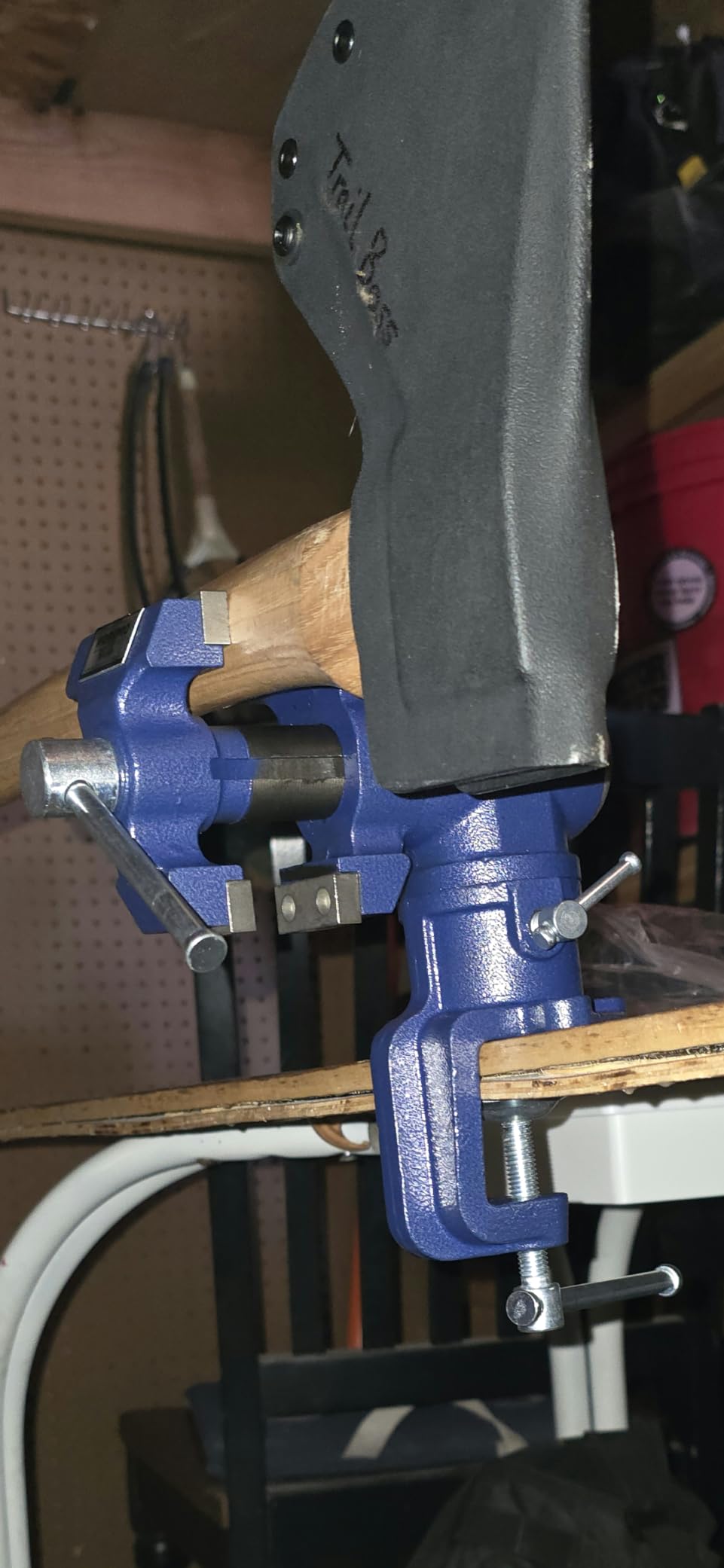
Owners at 4.5 stars from 264 reviews repeatedly call the build quality better than the class suggests, and they single out the 360-degree swivel base and rotating head. The base can be clamped on for temporary use or bolted down with 1/4-20 bolts, which makes it easy to trial a position before committing to a hole in the bench.
Arriving assembled with no play on any axis is unusual in this price and size class, and it means less setup time before your first board.
What to check before you buy a dual-jaw vise
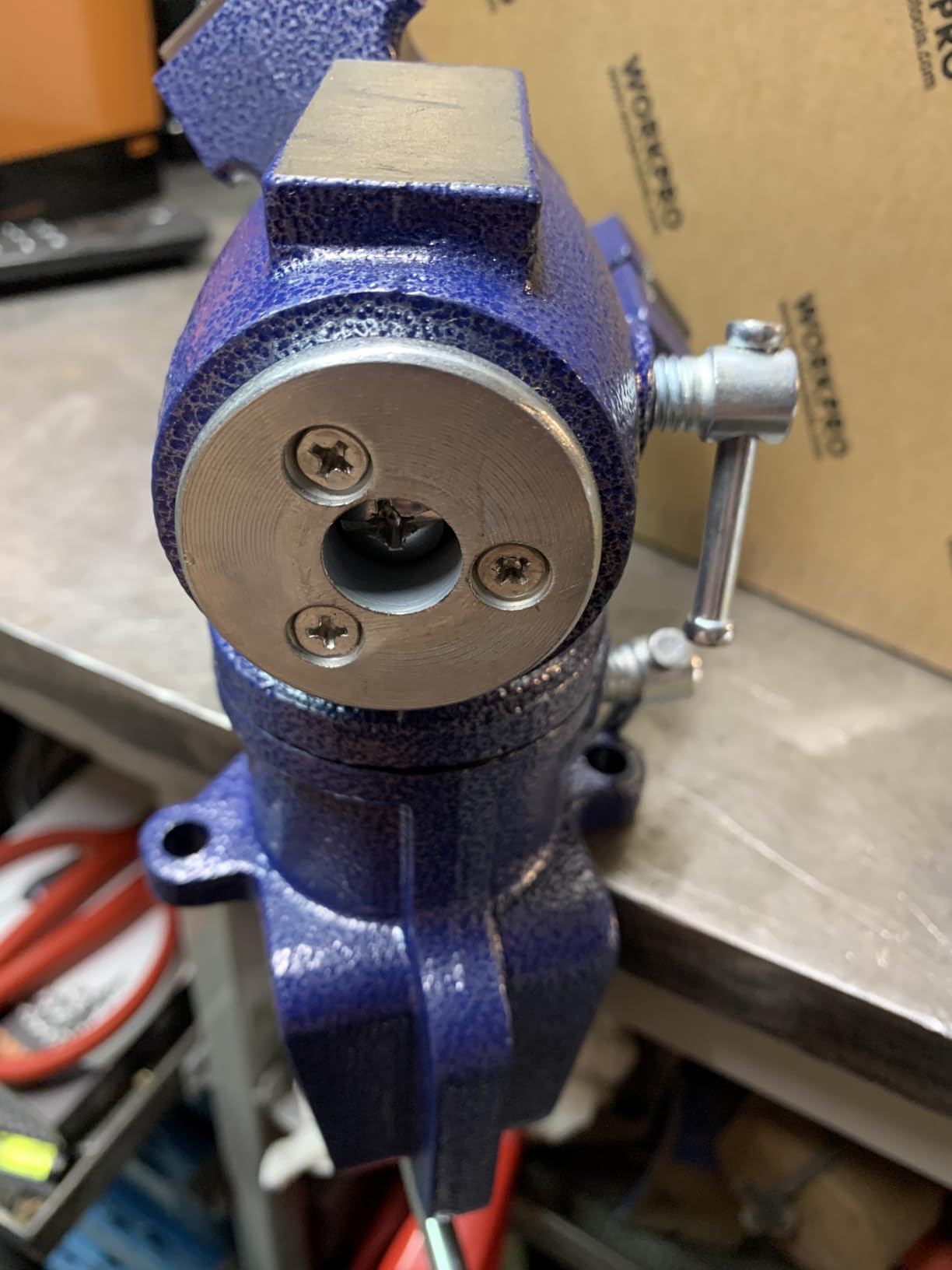
Line up the jaws before your first real job. A slight mismatch between the serrated and smooth jaw faces is the most common complaint, and a thin shim of paper between the jaws reveals it in seconds while the head is still open.
Confirm the mounting hardware situation. The design supports bolt-down mounting but the bolts are not in the box, so plan to source 1/4-20 bolts matched to your bench thickness before the vise arrives.
Where it falls short
It is a general workholding tool, not a precision instrument, so it will not hold a part to a tight alignment tolerance. The 7.7 pound weight is meaningful on a light MDF bench, which is the reason the mounting section below matters.
If your work is consistently on one small board size, a dedicated PCB holder is a better tool than a general vise.
5. Stanley 83-069M Maxsteel Multi-Angle Vise – the Best for Craft and Model Work
- Swivel ball adjusts to nearly any angle and locks firmly
- Removable plastic jaw pads grip without marring
- Clamp-on mount moves easily between benches
- Compact enough to stow away
- Light duty only
- not for hammering or heavy loads
- Small table clamp can slip on thin or rounded edges
- Arrives covered in heavy packing oil
The Stanley Maxsteel is marketed for arts and crafts, model building and electronics, and that positioning is accurate. It is a light-duty multi-angle vise with a swivel ball that reaches almost any orientation and locks, plus an integral screw clamp that attaches to most work surfaces without drilling.
At 4.5 stars from 433 owners it has one of the largest review counts in the roundup, and the consistent theme across decades of feedback is that it is superb for soldering, models and craft work while being explicitly not a heavy shop vise. Knowing which one you own matters more than the rating.
The removable plastic jaw pads are the electronics-relevant feature. They grip delicate items without marring, which means a finished enclosure or a painted surface can sit in the jaws without fear of a serration mark. Swapping them is simple when you move from delicate to ordinary work.
What to check before you buy a ball-base vise
Look at your bench edge. The clamp throat is shallow and can slip off a thin or rounded edge, which is the most common practical failure with this style. A square-edged bench top of reasonable thickness holds it reliably; a narrow rounded table does not.
Budget five minutes for the first clean. It arrives coated in heavy packing oil, and most owners disassemble and re-lubricate it before use so the ball joint moves the way it should.
Where it falls short
The ball-locking screw and the small table clamp screw are the two components most often reported as weak, and neither is rated for real clamping loads. Treat it as a light and medium duty tool and it stays reliable year after year.
It also arrives with no base system, so if you want permanent mounting you need a separate solution, such as the vacuum base later in this roundup.
6. PROXXON Precision Vise FMS 75 – the Best Die-Cast Precision Vise
- Die-cast zinc gives a solid and precise feel
- Integrated clamp mounts without a separate base
- Well suited to model and small electronics tasks
- Heavier than comparable mini vises at 4.3 pounds
- Fixed clamp limits repositioning options
- Jaw capacity is modest
The FMS 75 is a model-maker vise that translates well to electronics because of how it is built rather than what it is marketed for. The die-cast zinc body gives it a solid, precise feel that plastic-bodied competitors do not have, and the screw action closes smoothly onto small parts without feeling vague.
At 4.5 stars from 317 owners, it is one of the better-reviewed precision vises available and reviewers consistently describe the satisfying zinc action. The integrated clamp means it mounts directly to a bench without buying a base, which keeps the parts count down to one.
What to check before you buy a precision mini vise
Measure the jaw span against your largest recurring workpiece. A precision vise feels excellent on small connectors and headers and simply runs out of room on a wider module, so knowing your ceiling avoids a frustrating return.
Consider how often you will reposition. The fixed clamp mount means the vise is placed once and stays there, which is efficient on a dedicated bench and awkward if you move between several surfaces.
Where it falls short
At 4.3 pounds it is the heaviest mini vise in this roundup, and that is noticeable on a light or MDF bench. The fixed clamp also means no swapping between a bench position and a handheld position the way a shaft-mount head allows.
If heat near the jaws is a factor, note that the zinc body sits close to the work, so park long jobs on a board holder instead.
7. PanaVise 381 Vacuum Base – the Best No-Drill Bench Mount
- Mounts to a smooth bench with no permanent installation
- Accepts all 300 series heads and any 5/8 inch shaft
- Single knob 3-plane head movement
- Limited lifetime warranty
- Hold strength depends on surface texture and cleanliness
- Heads and accessories sold separately
- Not stable on a porous or dusty surface
If you want a full PanaVise head at a fixed bench position but your bench top is thin, rented, or simply not yours to drill, the 381 solves the problem cleanly. A vacuum base holds the post on a smooth surface with no holes, and the head pops out when you want the bench back.
The jaw specification is the useful number here: 2.5 inches wide, 0.5 inches tall, opening to 2.25 inches. That comfortably spans a small PCB edge, a connector shell, or a section of extruded profile, and it is the only product in this roundup that publishes its jaw geometry this clearly.
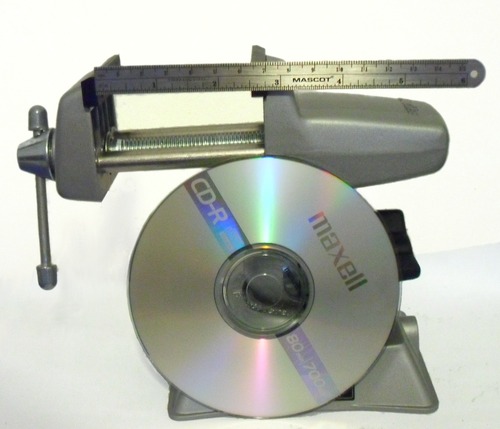
What makes the base genuinely versatile is the shaft acceptance. It takes all 300 series heads and any 5/8 inch diameter shaft, so the same base serves a 301 head at the bench and a smaller head in a workshop, and it is the reason the base pairs so naturally with the 301 reviewed earlier.
Owners at 4.5 stars from 271 reviews like the freedom of moving the base between benches and rate the build quality well for the class. The pad footprint of 5.125 x 4.25 inches and 6.125 inch height means it needs a clear patch of bench but not a deep one.
What to check before you buy a vacuum base
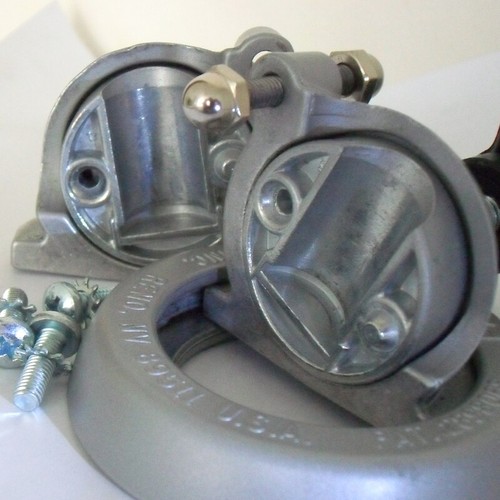
Look at your bench surface. Vacuum hold depends on texture and cleanliness, and a dusty, textured, or unfinished top will not seal properly. Wipe the area, check for laminate seams, and test before you rely on it with a board in the jaws.
Confirm the shaft diameter you need. The standard is 5/8 inch, which covers PanaVise heads and most model-maker vises, but it is worth checking against any third-party head you already own.
Where it falls short
A suction hold is not a bolted hold, so it can creep or release if something bumps the bench. Keep heavy work and hammering off it entirely and it behaves like a proper fixed post for electronics tasks.
And remember the head is a separate purchase, so budget for the complete system rather than expecting a working vise in the box.
8. SainSmart Magnetic Adjustable Circuit Board Holder – the Best Clamp-Free Holder
SainSmart Magnetic Adjustable Circuit Board Holder, Soldering Helping Hand
- All-metal construction resists bending and warping
- Magnetic base positions on any iron or steel platform
- Two 360 degree rotating clamps for both board sides
- Grips close to the edge on small modern PCBs
- Included magnets are weak for pushing or pulling parts
- Grip slot is too deep for very small boards
- Clamp adjustment is stiff and the wing nut can foul the frame
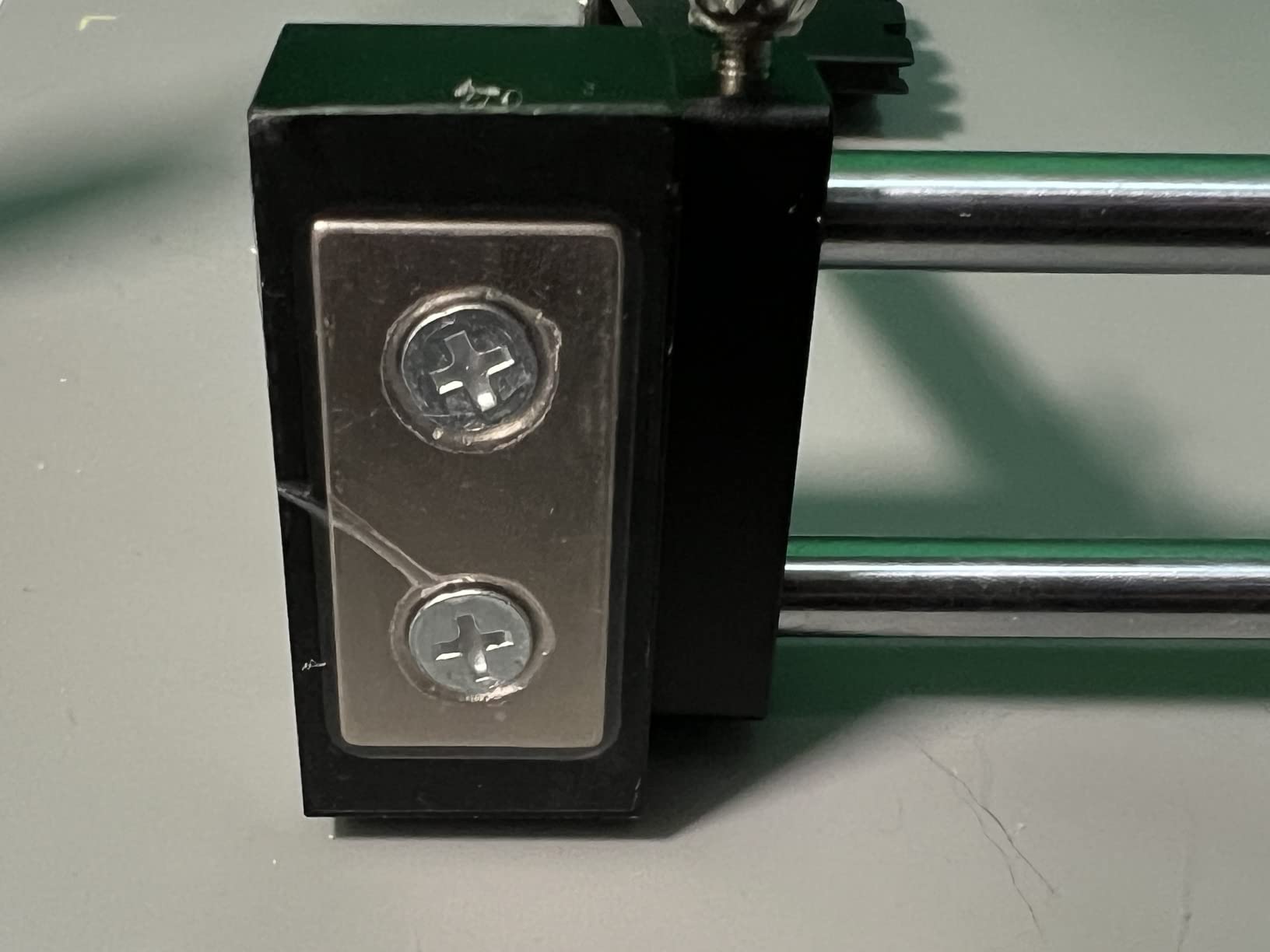
This holder solves a problem none of the vises here can: how to hold a board when there is no bench, no clamp, and no vise base anywhere in reach. A magnetic base attaches to any steel or iron platform, including the frame of a soldering station, and the board is held in two rotating clamps instead.
The specification worth noting is the clamp range: retractable to accommodate boards up to 150mm wide and 4mm thick, which covers most single-board projects. The all-metal aluminum alloy body is rated to 290 C, so it sits near a hot iron without softening, and at 28.22 ounces it stays put when you brush against the bench.
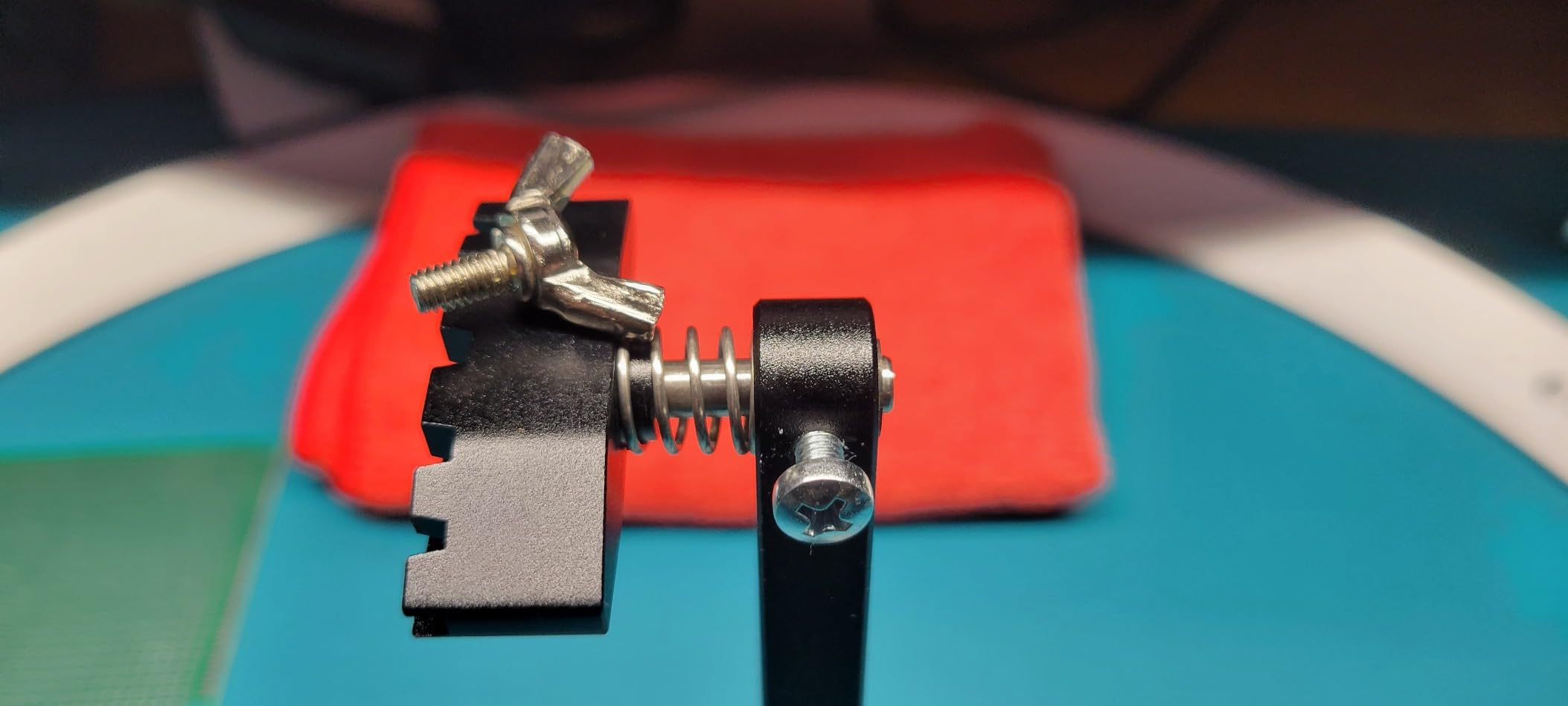
The two 360-degree rotating clamps are what make it usable. Each one pivots so you can turn the board to whichever face you are working on, and the grip sits close to the board edge rather than at a distant frame, which keeps small modern boards from rocking.
At 4.4 stars from 189 owners the feedback is consistent: reviewers praise the rigid all-metal build and the magnetic positioning for small to mid-size boards, and flag the same few things. Nothing major, but all three are worth knowing.
What to check before you buy a magnetic holder
Check your smallest board. The grip slot is sized for larger boards, so a very small PCB drops low and sits awkwardly. Measure the gap between the clamp pads and compare it to your narrowest recurring part.
Plan a metal surface. The base needs steel or iron, and no metal plate is included despite listings that imply otherwise. A steel bench mat or the station frame usually covers it.
Where it falls short
The included magnets are weak, so you cannot push or pull a component firmly on the board while it is held. For through-hole work where you push a part home, that is a real limitation rather than a nitpick.
Clamp adjustment is stiff, and on the widest boards the wing nut can foul the frame, so expect a moment of friction each time you resize.
9. WORK IQ TOOLS IQ Vise – the Best for Torque-Heavy Bench Work
WORK IQ TOOLS IQ Vise 360° Articulating Bench Vice, Multi-Angle
- Quick-cam lever locks any angle in seconds
- Eight indexed positions hold real force for filing and drilling
- Flex-Fit soft jaws protect finished surfaces
- Accessory ports accept a light and a magnifier
- Accessory ecosystem adds further cost
- Best holding force is at 90 degree positions
- Included carriage bolts are short for thick benches
- Not for hammering workpieces
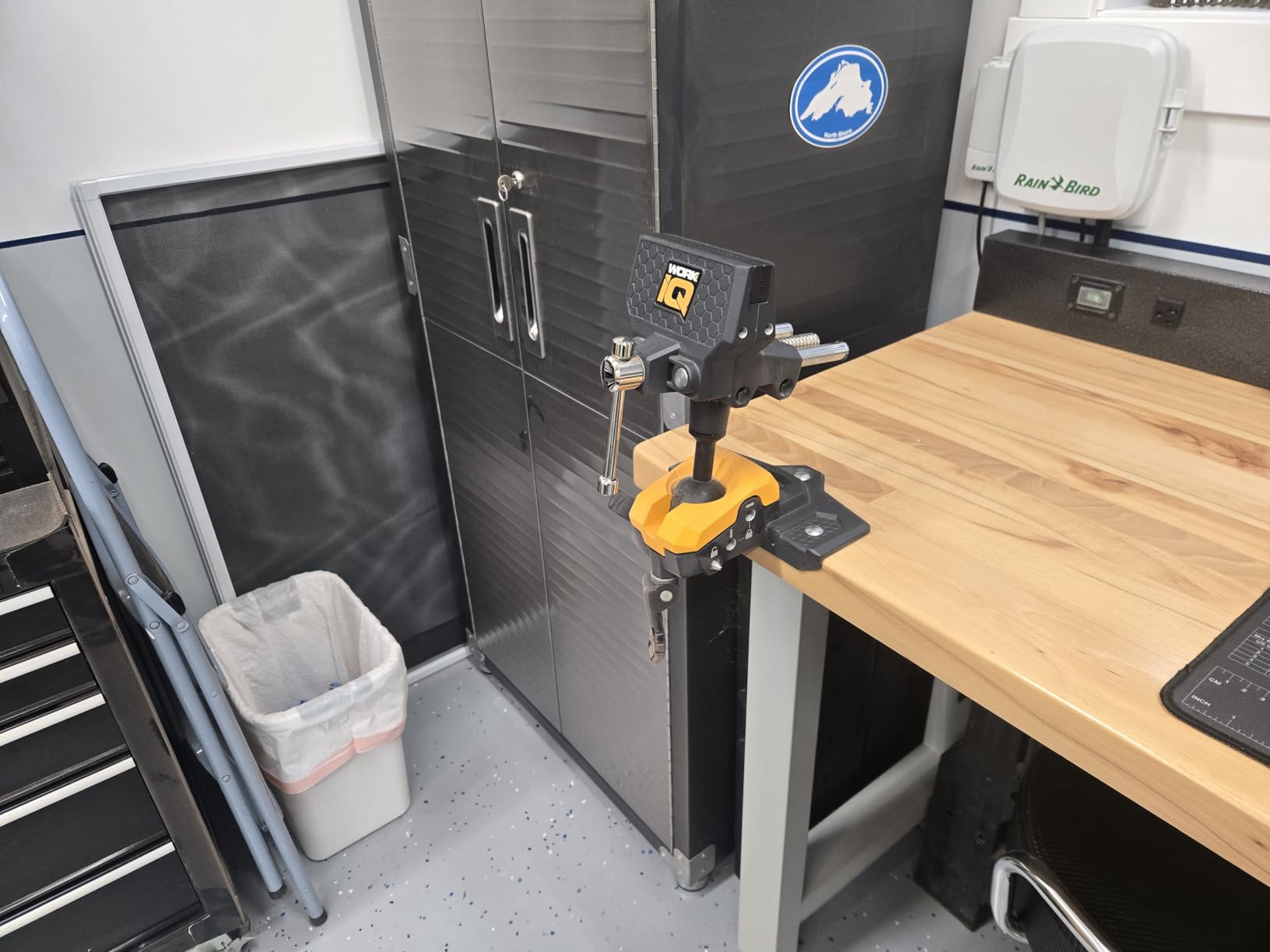
The IQ Vise is the most capable tool here for a bench that sees mixed work, and at 4.7 stars from 229 owners it is rated well above its weight class. A 360-degree articulating ball and socket rotates, tilts and swivels the head, and a quick-cam lever locks it one-handed in seconds.
Positioning alone would not be enough, so there is a locking pin that engages eight fixed positions rated to 130 foot-pounds of torque. That is the number that separates this from a light craft vise: a part stays put while you file, drill or wrench it, and it is the reason owners use it for bows, gunsmithing and delicate repairs alongside electronics.
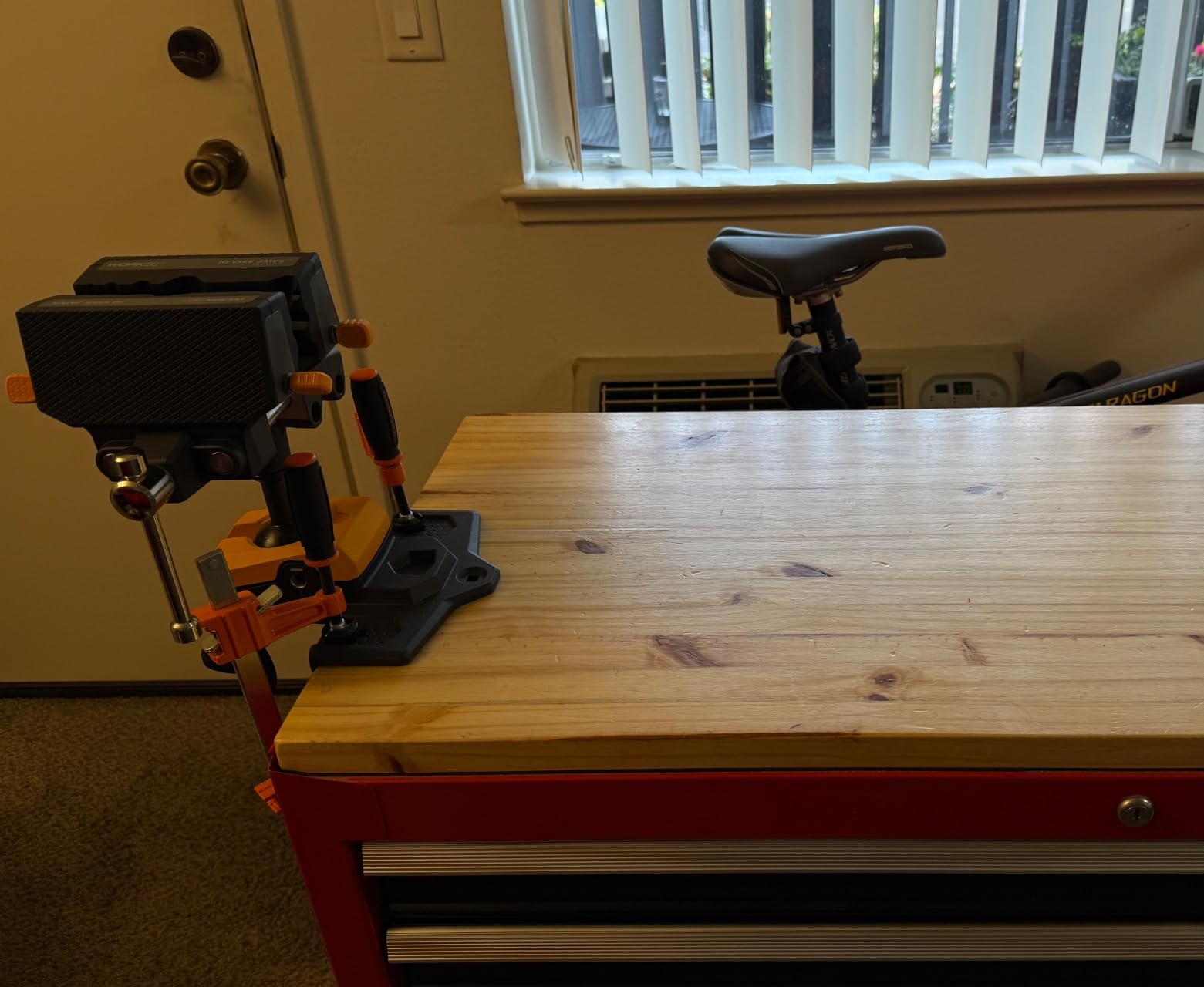
For circuit work, the swap-in Flex-Fit pads on the smooth parallel 5-inch jaws are the relevant feature. They protect finished surfaces and soldermask while still letting you hold a board flat, and Sure-Fit and leather jaw sets exist for odd shapes if your work calls for them.
The four integrated accessory ports are a genuine convenience on an electronics bench. A work light, a magnifier or a phone holder can be mounted directly, which solves a lighting problem that otherwise has no place in a soldering task.
What to check before you buy an articulating bench vise
Understand the position trade-off. Locking is firmest at 90 degrees, and off-axis positions hold noticeably less force, so save the tilted angles for inspection and orientation rather than for the moment you apply real pressure.
Check your bench thickness against the supplied hardware. The included carriage bolts are 1/4-20 by 2-1/4 inches, which is short for a thick top, and you will need longer bolts rather than a workaround.
Where it falls short
It bolts to the bench, so it is the heaviest commitment on this list at 10 pounds, and a thin bench will need reinforcing. The accessory ecosystem is an added cost if you want the light and magnifier, and the jaws are sold separately from some of the optional sets.
It is also not a vise for hammering, so anyone coming from general metalworking should read the top of this review before buying.
10. POWERTEC Vacuum Base Vise – the Best Budget Portable Option
- Attaches to any smooth non-porous surface with no mounting
- Rubber jaw caps and V-groove protect delicate work
- 360 degree swivel plus 90 degree tilt covers most angles
- Doubles as a portable third hand
- Suction base can lose hold under real clamping force
- Angle adjustment screw can cross-thread
- Jaws develop play when loosened
The POWERTEC is the entry point here, and the appeal is obvious: a die-cast aluminum vise with a rubber suction base that attaches to glass, granite, steel, laminate or marble without any permanent mounting. If you work at different tables or have no bench at all, that flexibility is worth more than raw clamping force.
Positioning is handled by a 360-degree swivel head with a rotary ball pivot and 90 degrees of tilt, and the jaw is a 2-3/4 inch V-groove that handles round items up to 65mm wide. Removable rubber jaw caps protect delicate workpieces from scratching, which is the right call for anything with a finished surface.
At 4.1 stars from 261 owners, the rating reflects one repeated issue rather than a build problem. Multiple reviews report the suction base slipping or failing outright when real force is applied, and some report cross-threaded angle screws.
What to check before you buy a suction-base vise
Use it for light, short tasks. A suction base is a convenience, not an anchor, and the reviews are clear that light work is where it holds. Anything involving sustained pressure or a bump to the bench belongs on a clamped or bolted vise.
Tighten the angle screws by hand and evenly. Cross-threading is the second most reported problem, and it is entirely avoidable with a light touch.
Where it falls short
The base is the weak point, and it defines the tool’s ceiling. Play also develops in the jaws when they are loosened, so repeated adjustment is less precise than a fixed post over time.
If you need reliable holding rather than portability, the PanaVise 381 vacuum base and the WORKPRO dual-jaw vise both hold their position far better under the same conditions.
Do You Even Need a Bench Vise? Choosing the Right Clamping Tool
Before buying anything, work through this honestly, because the right answer for many electronics jobs is not a vise at all. A forum question that recurs constantly is what to use when you have no bench to mount to, and the answer depends entirely on what you are holding. If you want the wider bench context, our guide to the best bench vises overall is a useful companion read.
Holding a bare PCB for soldering or rework: a dedicated board holder wins. It keeps the board flat at table level, which reduces flex, and it costs less than a vise with a base. The Stickvise and the SainSmart magnetic holder both cover this.
Holding a connector shell, terminal block, or small machined part: a light vise is right. A PanaVise head or a precision mini vise clamps these without the jaw span or the force of a full shop vise.
Holding a finished enclosure or a panel: you need soft or non-marring jaws, and you need to clamp gently. Serrated steel jaws on a painted or plated surface will mark it every time, which is the single most avoidable mistake in this category.
No bench available at all: a handheld or magnetic option is correct and there is no compromise in quality. Nobody needs a bolted post to solder a header onto a prototype.
A third-hand PCB holder and a bench vise are not really competitors; they cover different halves of the same workflow. Serious builders end up owning both. If your bench is still a collection of instruments with no clamp in sight, start with the best bench power supplies for hobby electronics and build the rest around it.
What to Look for in a Vise for Electronics
1. Jaw material and surface. This is the first thing to check and the easiest to get wrong. Serrated or hardened steel jaws grip well and will mark soldermask, solder plating, and painted enclosures. Nylon, rubber, and leather pads grip more gently and protect finished surfaces. For bare FR4 with soldermask, any steel jaw is acceptable at light pressure; for a populated board with tall components, soft jaws are worth the swap.
2. Jaw opening and width, matched to your parts. Measure the widest thing you clamp regularly. Most single-board projects sit well under 3 inches across, so a 2.5-inch jaw is generous. A 2U rack panel is roughly 19 inches across and needs a completely different class of vise. Jaw width matters as much as opening because a wide jaw with a narrow throat cannot hold a thin plate flat.
3. Throat depth and clearance. The throat is the distance from the front of the jaws to the base, and it is the least understood and most decisive specification. A shallow throat holds a board at an angle, so a populated board rocks and the tall components on the underside touch the bench. If you routinely clamp a board with tall through-hole parts, check throat depth before anything else.
4. Articulation. A tilting, turning, rotating head saves the most time on an electronics bench because it eliminates unclamping and reclamps between board sides. A single knob that does all three is the sweet spot. This is the feature owners most often praise after the fact, and it is the one that is hard to add later.
5. Clamping force and creep. Published force figures describe what the mechanism can reach, not what you should use. Electronics work needs the lightest touch that still holds. A heavy screw with a slow, fine pitch gives you that control; a fast, coarse thread that snaps shut is the wrong mechanism for small parts. Cast iron bodies also creep slightly under sustained light load, so recheck a board you are working on for more than ten minutes.
6. Construction quality. Cast iron and ductile iron are the common bodies here, with die-cast zinc used on precision models and forged steel reserved for full-size vises. Within the mini class, what predicts longevity is whether the mechanism runs smoothly when new and whether the adjustment hardware is steel rather than plated mild steel. Published hardness figures on the jaw steel, such as 52-58HRC, are a useful signal that the jaws were hardened rather than merely cast.
7. Heat tolerance and ESD practice. Jaws sit close to the work, so a head that tolerates 350 F continuously is meaningfully safer than one rated to 200 F when an iron is parked on the board. Separately, keep the vise itself out of the static story: a vise does not need to be grounded, but the bench it sits on should have an ESD-safe surface, and plastic or rubber jaw pads do not themselves create or dissipate static. Treat the vise as part of the bench, not as the ESD protection.
Can You Mount a Vise to a Light Electronics Bench?
This is the question that stops more electronics purchases than any other, and it comes up constantly in hobbyist forums: an electronics bench is built for instruments, soldering tools, and a scope, not for the load and drilling a big vise implies. The instinct to worry is correct, because a heavy metal vise bolted through thin material will loosen the joint and crack the top over time.
The rule that resolves it is simple: match the vise weight to the bench, and match the mounting to the top material. A 2.8 pound head on a PanaVise base is a different proposition from a 10-pound articulating vise bolted straight through a thin panel.
If you will not drill, use a vacuum or suction base. The PanaVise 381 and the POWERTEC both mount to a smooth surface with no holes, and the magnetic holder needs only a steel surface. If you will drill, reinforce the underside with a hardwood or plywood block so the fastener loads into solid material rather than particle board, and use bolts long enough to pass through the top and the reinforcement without bottoming out.
Threads, not a full vise, are also an option. A clamp-on base with a short screw is often enough for a head under 3 pounds, and it can be moved whenever you need the bench space back.
Stripping and tinning the conductors before they ever reach the jaws is a different task, and our guide to the best wire strippers for electronics covers that step properly. Anyone coming from woodworking should also note that our best woodworking vises are built for a completely different set of loads.
And if your work is intermittent, a handheld vise removes the question entirely. Nothing on this list requires permanent installation to be effective.
Frequently Asked Questions
Who makes the best quality bench vise?
For electronics work, PanaVise has the strongest combination of build quality, articulation and heat tolerance, and the Model 201 carries a limited lifetime warranty. PROXXON is the pick for a precision die-cast feel, and WORK IQ leads on torque-rated positioning. Quality on an electronics bench is judged by how smoothly the head articulates and locks, not by maximum clamping force.
What is the best bench vice for a workshop?
The spelling is vise in US usage, though vice is common elsewhere. For a general workshop, a 4 to 6 inch vise with a swivel base, replaceable jaws and a quick-release spindle is the usual answer. For an electronics bench, scale down to a small vise or dedicated PCB holder, because a large woodworking vise marks soldermask and over-clamps a populated board.
Are Harbor Freight vices of good quality?
Off-brand and discount-store vises are usable for light electronics work, especially clamp-on models with a low profile that suit a bench you cannot drill. The trade-off is predictability: the adjustment screws and ball joints are the parts that wear first, and there is usually no lifetime warranty behind them. If you clamp finished surfaces or work hot, spend on a named head instead.
What is the best vise for the money?
At the entry level, the Stanley 83-069M Maxsteel has a large review base and removable non-marring jaw pads, which makes it the safest cheap purchase. The WORKPRO dual-jaw vise offers the better build and 360-degree swivel for a modest step up. Above that, a PanaVise head is where the money starts buying articulation and heat tolerance rather than raw force.
What kind of vise do I need for electronics work?
You need a small vise with non-marring or soft jaws, enough throat depth to hold a board flat, and an articulating head so you can work on both sides without unclamping. A dedicated PCB holder is better if you only ever solder bare boards. Match jaw width to your widest part, and expect a 2.5 inch jaw to cover most single-board projects.
Will a bench vise damage a circuit board?
It can, and the cause is almost always jaw surface or clamping force rather than the vise itself. Serrated steel jaws will mark soldermask, and a heavy screw can flex a board enough to lift a pad or crack a joint. Use light pressure, add soft jaw pads if the surface matters, and never clamp directly across tall components on the underside.
Which Bench Vise for Electronics Should You Buy?
Start with the best bench vises for electronics work list and pick by workload, not by force rating. The PanaVise Model 201 is the one I recommend first: 4.7 stars across 1029 owners, single-knob articulation through three planes, the best heat tolerance in its range, and a limited lifetime warranty behind it.
Add the Stickvise beside it if you mostly solder bare boards, because a board held flat at table level solves a different problem than a clamped one. If your bench is thin or not yours to drill, the PanaVise 381 vacuum base is the cleanest way to get a fixed post with no holes.
Upgrade to the WORKPRO dual-jaw vise when you start clamping shafts and enclosures as well as boards, and to the WORK IQ articulating vise only when you need genuine torque-rated holding alongside fine electronics work. Pair any of them with the right bench power and hand tools and your workbench setup is complete.