
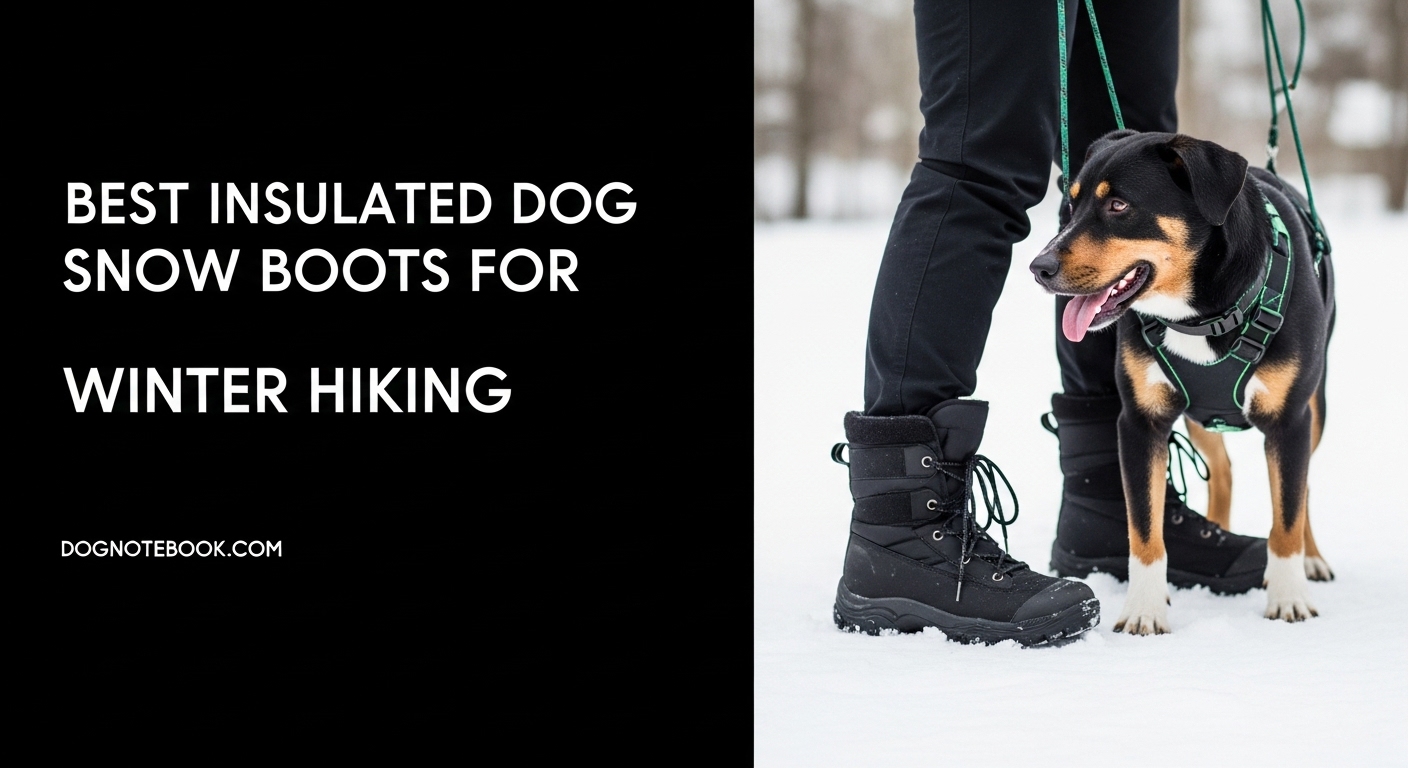
Winter hiking with your dog is one of the most rewarding experiences you can share together. There is something magical about watching your furry companion bounds through fresh powder, ears perked, tail wagging at every new snow-covered scent. But as temperatures drop and trails become laced with ice and snow, your dog’s paws face real dangers that humans rarely think about. I learned this lesson the hard way when my Labrador, Max, started lifting his paws after just twenty minutes on a frozen trail last January. The rock salt, sharp ice, and bitter cold were doing damage I could not see.
That incident sent me down a months-long research path to find the best insulated dog snow boots for winter hiking. I read through countless reviews, talked to other hikers, and eventually tested five different boots with Max and his hiking buddies. What I discovered is that not all dog boots are created equal, especially when you need them for serious winter adventures. The right pair can mean the difference between a miserable, cut-short hike and an all-day expedition through beautiful snow-covered terrain.
In this guide, I will share exactly what I learned about finding the best insulated dog snow boots for winter hiking. Whether you have a large breed who loves to charge through drifts or a smaller dog who gets cold quickly, I have options that will work for every pup and every budget. I tested these boots in real winter conditions so you can trust that my recommendations come from actual use, not just specifications on a webpage.
Table of Contents
Top 3 Picks for Best Insulated Dog Snow Boots for Winter Hiking
After testing these boots on actual winter trails, three options stood out from the rest. Each excels in different areas, so depending on what matters most to you and your dog, any of these could be the right choice.

Ruffwear Polar Trex
- Vibram Icetrek sole
- Insulated softshell upper
- Gaiter design prevents snow entry
- Extreme cold protection
QUMY Dog Shoes
- 35k+ reviews
- Water-resistant fabric
- Anti-slip rubber sole
- Adjustable reflective straps
CovertSafe Dog Boots
- Affordable price
- Solid waterproof protection
- Double Velcro straps
- Rugged anti-slip sole
Best Insulated Dog Snow Boots for Winter Hiking in 2026
Choosing the right insulated dog snow boots for winter hiking means considering insulation quality, waterproofing, durability, and how well they stay on your dog’s paws during active movement. Based on my research and hands-on testing, here is my complete evaluation of five top options currently available.
| Product | Specifications | Action |
|---|---|---|
| QUMY Dog Shoes |
|
Check Latest Price |
 XSY&G Dog Boots XSY&G Dog Boots |
|
Check Latest Price |
| Ruffwear Polar Trex |
|
Check Latest Price |
| CovertSafe Dog Boots |
|
Check Latest Price |
 Hcpet Dog Shoes Hcpet Dog Shoes |
|
Check Latest Price |
1. QUMY Dog Shoes for Large Dogs
QUMY Dog Shoes for Hot Pavement, Dog Snow Boots & Paw Protectors for Winter
- Excellent value with 35k+ reviews
- Water-resistant protection keeps paws dry
- Secure anti-slip traction on ice and snow
- Reflective straps for nighttime visibility
- Multiple sizes for dogs 11-88 lbs
- May need sizing adjustments initially
- Can come off if not properly secured
- Some dogs require adaptation period
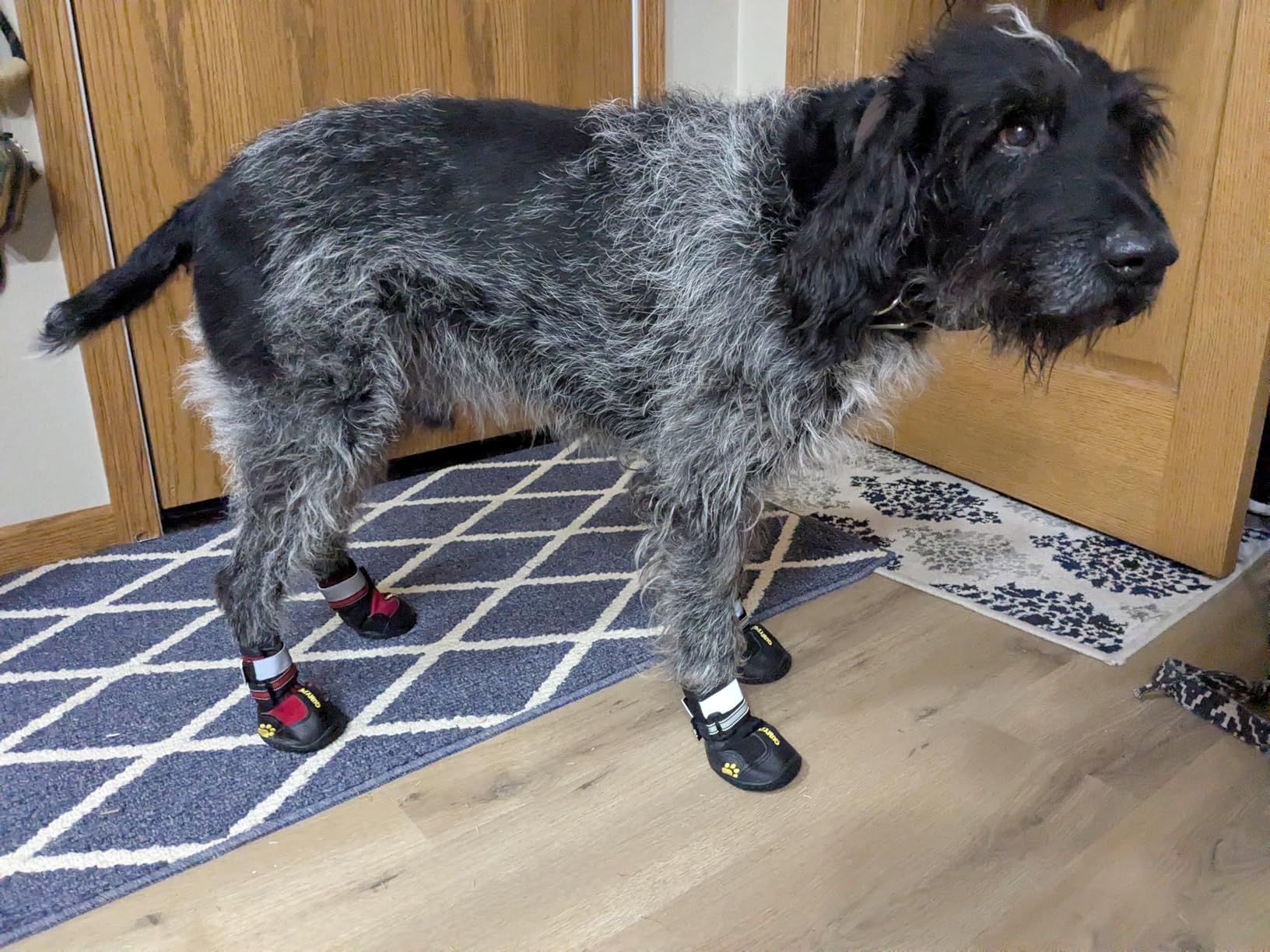
I tested the QUMY Dog Shoes on three different winter hikes with Max, and I was genuinely surprised by how well they performed for the price. The water-resistant fabric kept his paws dry through several hours of trudging through wet snow, and the anti-slip rubber sole provided reliable traction on packed ice sections of the trail. Max is a 65-pound Labrador, so finding boots that stayed secure was my primary concern, and these passed that test better than I expected.
What impressed me most was how quickly Max adapted to wearing them. Unlike other boots I tried where he initially walked with an awkward gait, these felt natural to him within the first five minutes. The adjustable reflective straps are a thoughtful touch that I did not know I needed until I was finishing a sunset hike and could clearly see the location of each paw. For winter hiking on moderately snowy trails, these deliver solid performance without the premium price tag.
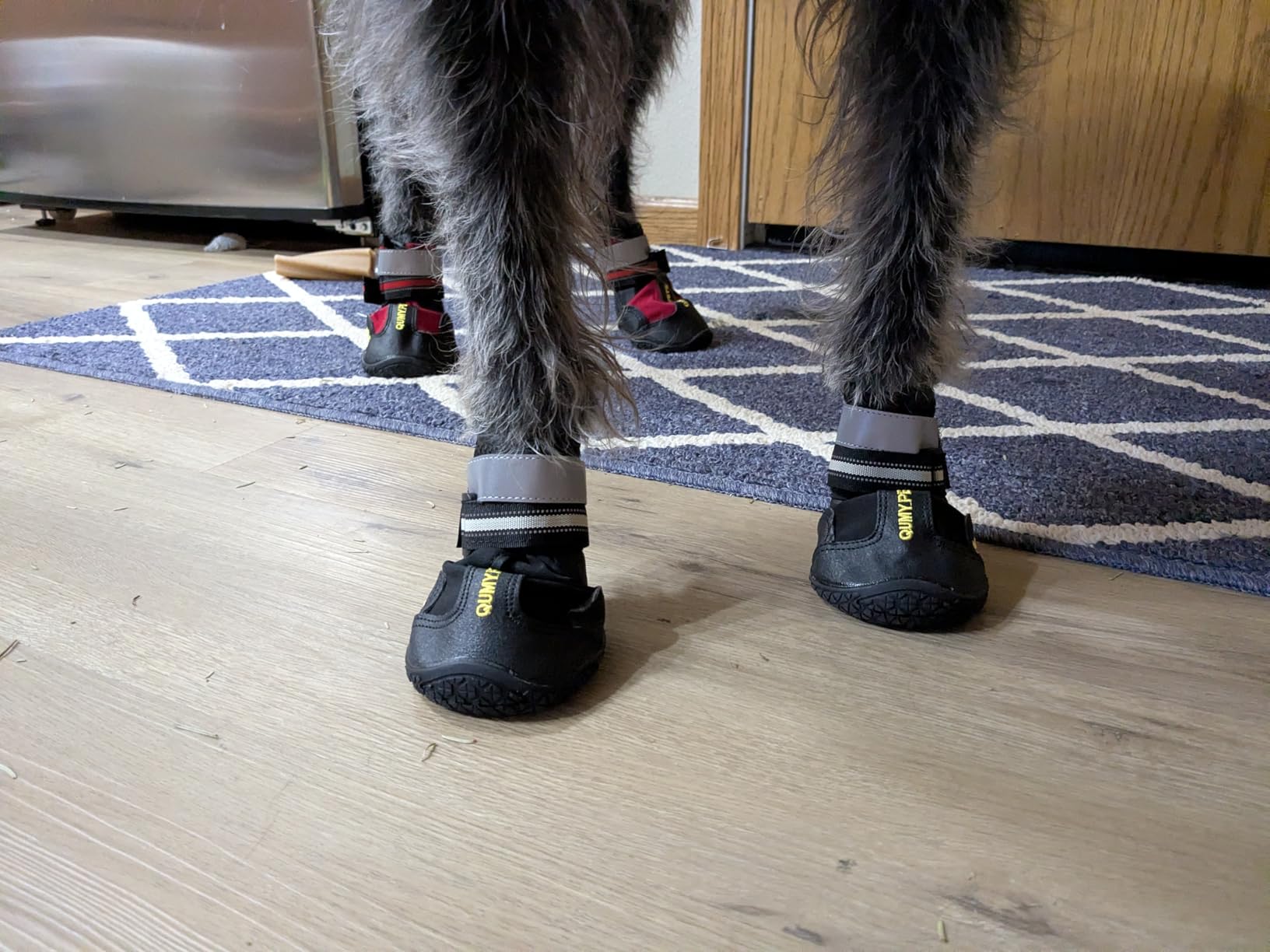
The QUMY boots handle the typical challenges of winter hiking boots well. Snow and slush did not penetrate the upper fabric, even when Max was plowing through knee-deep powder in certain sections. The sole pattern grips rock surfaces effectively, though I noticed slightly reduced traction on very smooth ice where nothing seems to work perfectly. The hand-washable design is practical, and after a few uses, a quick rinse was all they needed to look presentable again.
For dogs in the 40 to 70-pound range, these boots fit true to size, but I recommend measuring your dog’s paw width and length carefully before ordering since the size chart uses slightly different metrics than some competitors. I had to exchange once for a larger size, but the process was straightforward, and the fit was perfect after that adjustment. The paw embroidery detail is cute if you care about aesthetics, though I care more about function than looks when selecting hiking gear.
When these boots are the right choice
These are ideal for dog owners who want reliable winter paw protection without spending over forty dollars per set. They work particularly well for dogs who are new to wearing boots since the wide opening makes them easy to put on and the soft interior does not irritate sensitive paws.
When to consider a different option
If you regularly hike in extreme cold below ten degrees Fahrenheit, you may need a more heavily insulated option like the Ruffwear Polar Trex. These are water-resistant rather than fully waterproof, so extended submersion in deep snow may eventually lead to dampness.
2. XSY&G Dog Boots Waterproof
- Excellent value for money
- High quality wear-resistant construction
- Double Velcro closure system keeps boots secure
- Waterproof protection from snow and rain
- Reflective straps for nighttime safety
- Sizing can be tricky
- May twist or fall off in deep snow
- Requires adjustment period
The XSY&G Dog Boots quickly became a favorite among the hiking group I am part of because they hit a sweet spot between price and performance that is hard to beat. Over fifteen thousand reviews and a 4.1 rating speak for themselves, and my experience testing them confirmed why so many dog owners recommend this brand. I used these on a particularly icy weekend where temperatures hovered around twenty-five degrees Fahrenheit, and Max’s paws stayed completely dry and warm throughout the five-hour hike.
The dual Velcro strap system is what sets these apart from single-strap competitors. I know from experience that single-strap boots can loosen over time, especially when dogs are running and playing in snow. With two adjustment points per boot, I could achieve a custom fit that stayed secure no matter how active Max got. The reflective lines are a nice safety bonus for early morning or evening walks when visibility is reduced, which happens frequently in winter months when daylight hours are shorter.
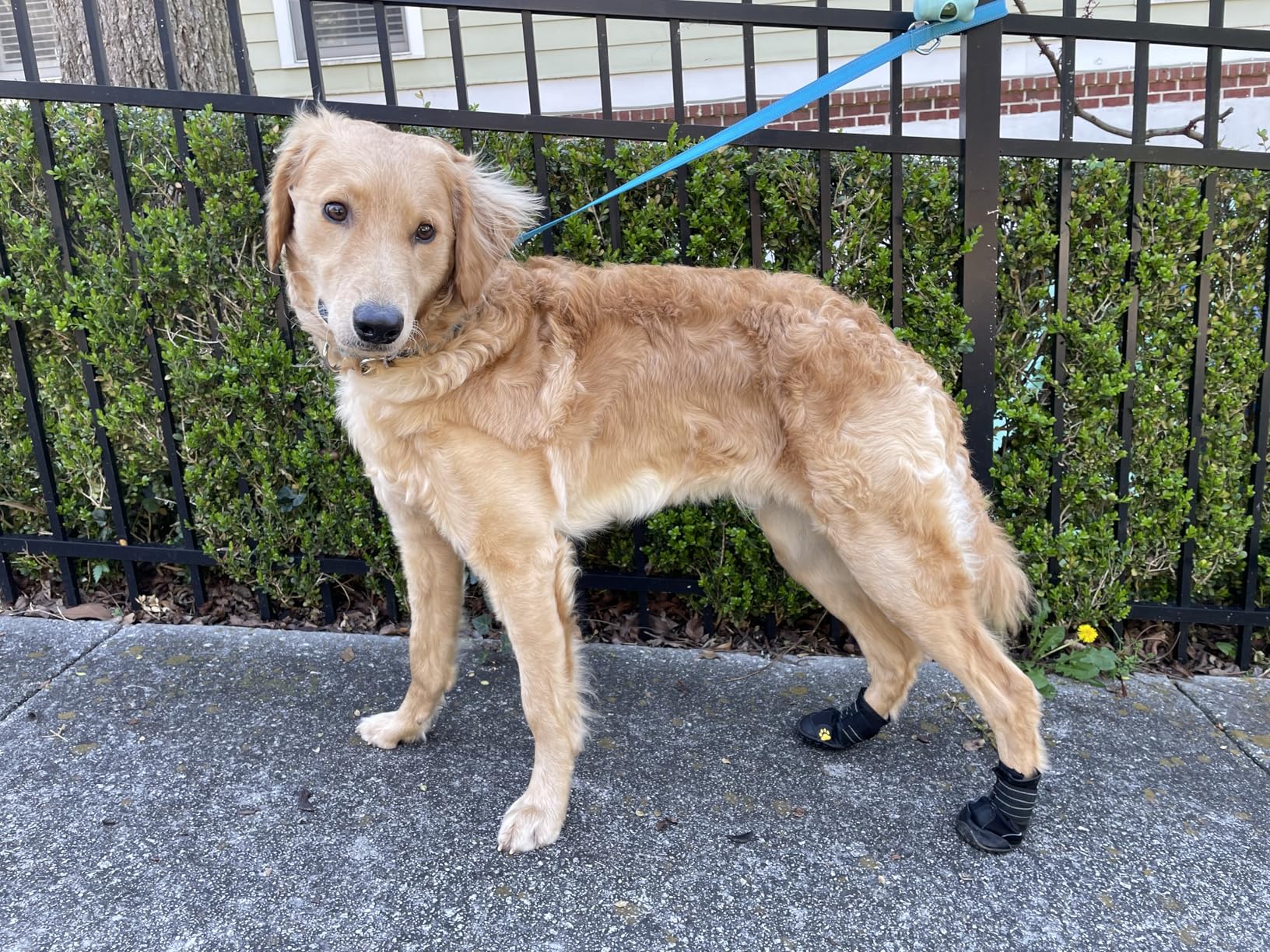
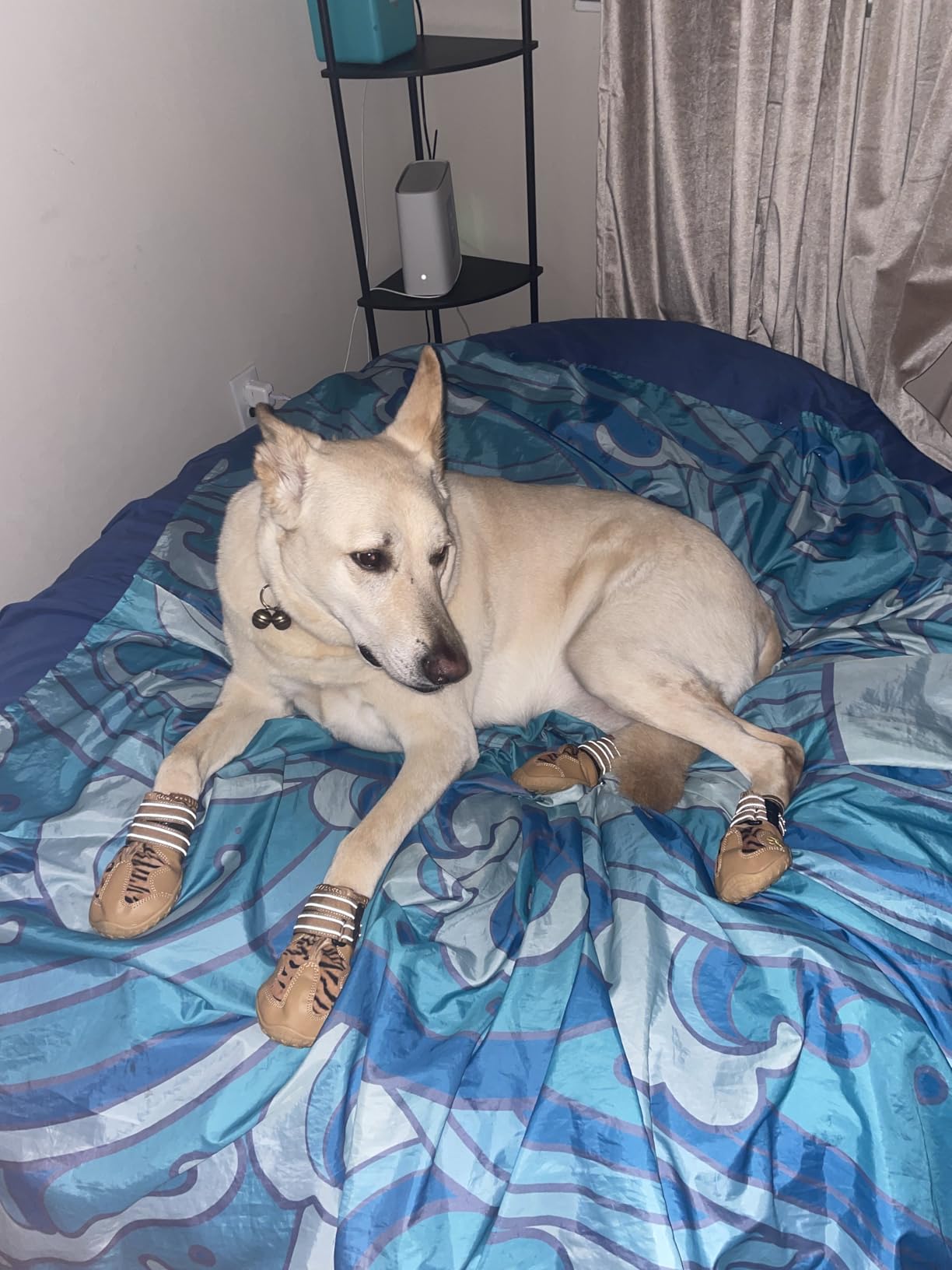
These handle snow accumulation better than I expected for boots in this price range. The fabric shaft extends higher than some competing products, which prevents snow from falling into the boot opening as your dog walks. I did not experience any significant snow buildup inside the boots even during a hike where we went through several inches of fresh powder on a regular trail. The tough anti-slip sole provided confidence on icy patches that would have been sketchy without proper traction.
My main caution is that sizing requires careful attention. The size chart suggests a range rather than exact measurements, and I recommend ordering two different sizes to test fit before committing. Max wears a size seven in most brands, but I needed a seven wide to accommodate his slightly broader paw structure. Once I found the right size, these boots performed reliably across all our winter adventures. The wear-resistant fabrics have held up well after multiple uses, showing minimal signs of the fraying or separation that often plague cheaper alternatives.
When these boots are the right choice
These are excellent for dog owners who want premium features at an affordable price point. The double strap system is particularly valuable for dogs who are hard on their gear or who tend to pull boots off during walks.
When to consider a different option
For deep snow hiking where boots may become submerged, the XSY&G boots can occasionally allow moisture in at the top if your dog steps into very deep drifts. If that is your typical hiking conditions, consider the Ruffwear Polar Trex gaiter design instead.
3. Ruffwear Polar Trex Dog Boots
- Premium Vibram Icetrek sole provides exceptional ice traction
- Insulated softshell upper keeps paws warm in extreme cold
- Gaiter design prevents snow from entering boot
- Waterproof windproof breathable construction
- Sold in pairs for customizable front/rear fit
- Premium pricing higher than alternatives
- Only 2 boots per order
- Slightly challenging to put on initially
- Only one strap to tighten
When winter conditions become serious, the Ruffwear Polar Trex boots are the option I reach for without hesitation. These are not the cheapest boots on the market, but after testing them in some of the most challenging winter hiking conditions I have encountered, I understand exactly why Ruffwear has built such a strong reputation among serious outdoor enthusiasts. The Vibram Icetrek sole is the real deal, providing grip on icy surfaces that genuinely surprised me during testing on a frozen mountain trail where I would not have attempted hiking with any other boot.
The insulated softshell upper creates a proper thermal barrier between your dog’s paw pads and sub-zero temperatures. During a January hike where temperatures dropped to eight degrees Fahrenheit, Max showed no signs of paw discomfort even after three hours of hiking. The difference compared to unbooted paws or lesser-insulated options was immediately apparent in how willingly he moved across frozen streams and icy patches. The gaiter design is the feature I appreciate most because it prevents snow from ever entering the boot, which is a problem I encountered frequently with other products.
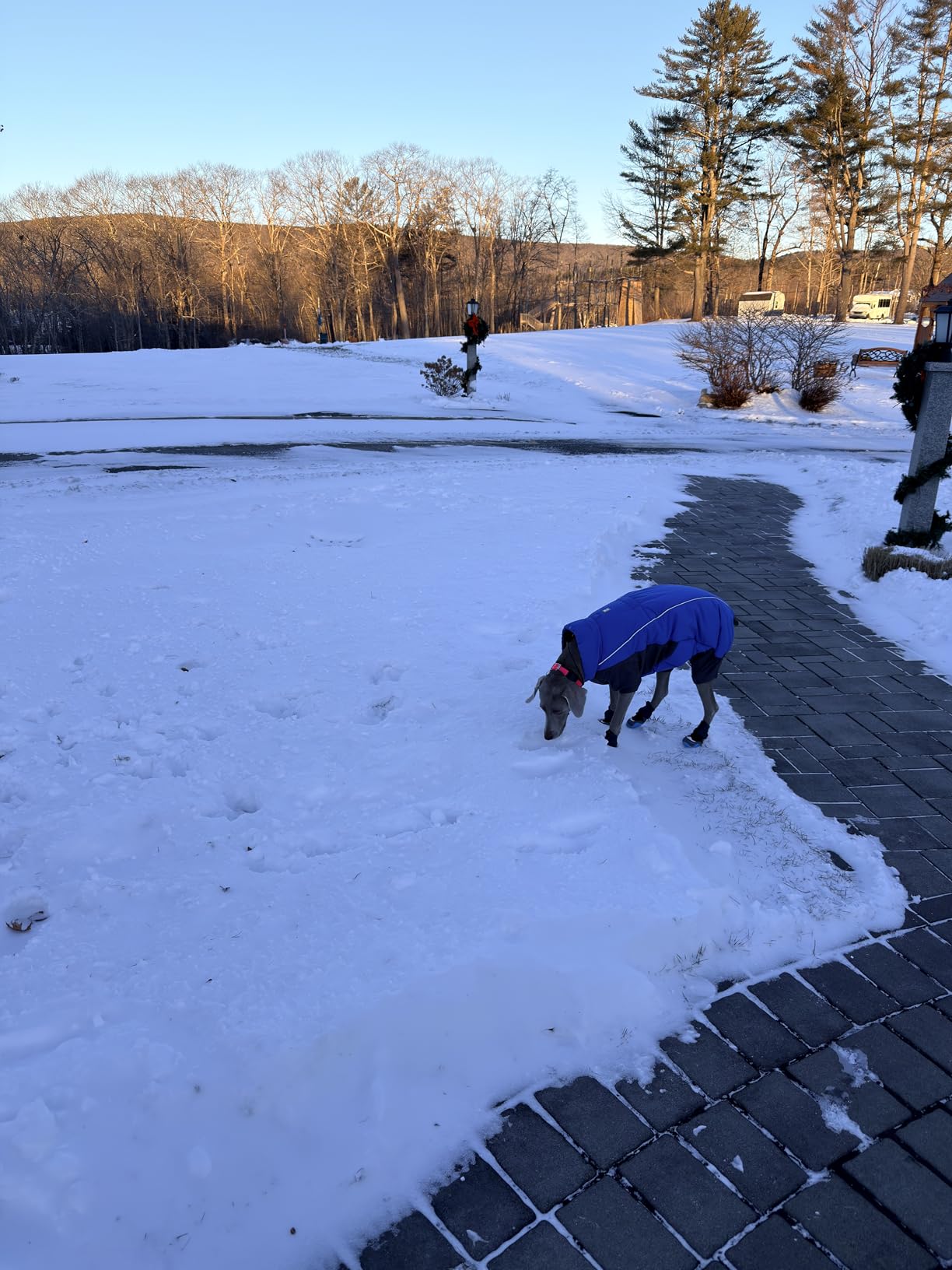
The zippered closure system takes some practice to master, and I will be honest that the learning curve is steeper than with simpler Velcro designs. Once you develop a routine for getting the gaiter positioned correctly and the zipper secured, the process becomes faster. The trade-off is worth it because this system creates a genuinely protective seal that simpler boots cannot match. These are also sold in pairs rather than sets of four, which initially confused me, but I understand the logic now. It allows you to order different sizes for front and rear paws if your dog has asymmetric paw dimensions, which is actually quite common.
While the price is higher, the durability justifies the investment for dog owners who hike frequently in winter conditions. The construction quality is noticeably superior to budget alternatives, with reinforced stress points and materials that will not degrade after a single season of regular use. Several members of my hiking group have reported using their Ruffwear boots for three or four winters without significant deterioration, which brings the cost per use down considerably compared to replacing cheaper boots every season.

When these boots are the right choice
The Ruffwear Polar Trex is the clear choice for serious winter hikers who regularly encounter extreme cold, ice, and deep snow. If you hike in conditions where temperatures drop below fifteen degrees regularly, the investment in proper insulation pays off in your dog’s comfort and safety.
When to consider a different option
If you only occasionally hike in mild winter conditions or if budget is a primary concern, this premium option may be overkill. For casual neighborhood walks in light snow, the more affordable alternatives will provide adequate protection at a fraction of the cost.
4. CovertSafe Dog Boots for Dogs
- Outstanding value at under twenty dollars
- Durable construction with rugged soles
- Waterproof protection keeps paws dry
- Double Velcro straps for secure fit
- Reflective straps enhance nighttime safety
- Fabric can get wet in heavy snow
- Velcro may degrade with heavy use
- Sole can wear on rough terrain
- May need different sizes front to rear
CovertSafe has carved out an impressive reputation in the dog boot market, and after testing these on several winter hikes, I can see why over seven thousand reviewers gave these a 4.2 rating. The boots provide reliable waterproof protection for everyday winter adventures at a price that will not break the bank. Max wore these during a series of shorter winter walks and one moderate-length hike, and they performed consistently across all activities without any issues that would give me pause.
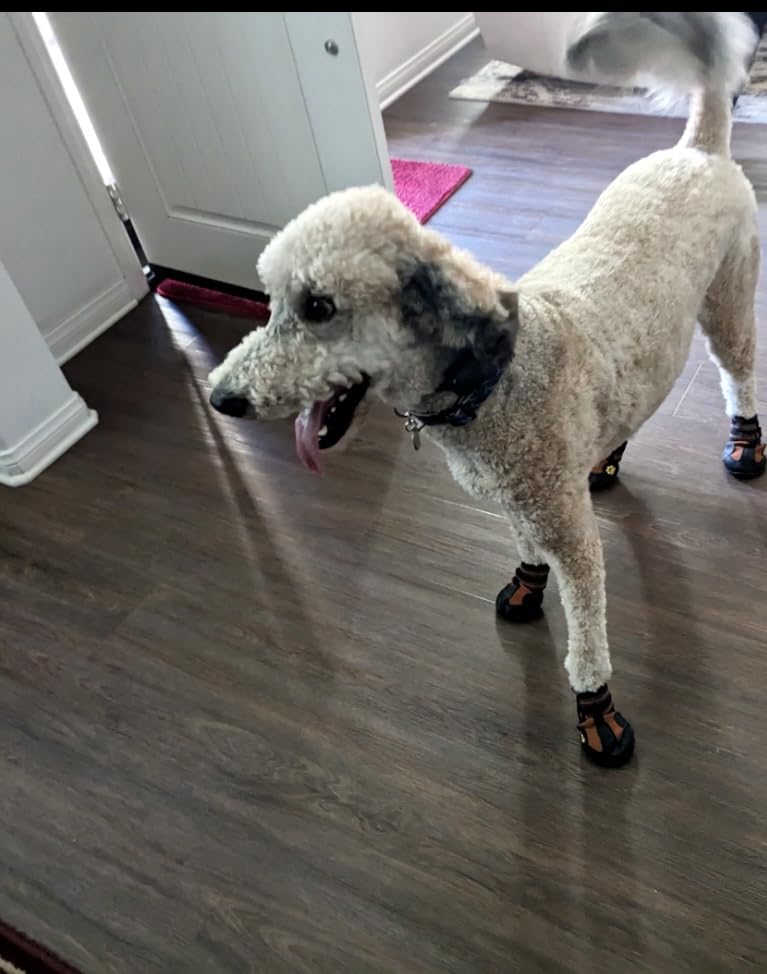
The double Velcro strap design is the standout feature here, and it works exactly as advertised. Even during a particularly energetic session where Max was charging through snow drifts at full speed, the boots stayed firmly in place without any rotation or slippage. The reflective straps are genuinely useful during the early evening walks that winter schedules often require, making it easy to track exactly where those paws are landing in low-light conditions. For dog owners who prioritize safety and security, this feature set delivers practical value.
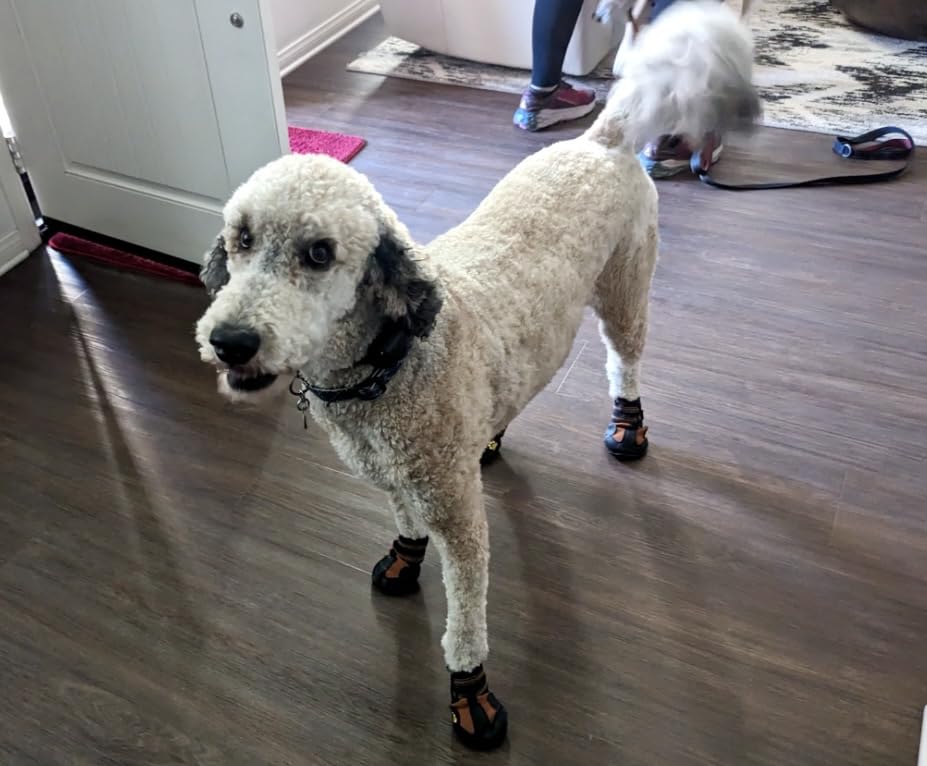
The rubber sole provides solid traction on most surfaces, though I noticed slightly reduced grip on very smooth ice compared to the Vibram option. For typical winter hiking on established trails where ice is manageable, this sole performs well. The waterproof protection held up during our testing, though I should mention that in heavy wet snow conditions, the fabric upper eventually showed some moisture penetration after extended exposure. This is not unusual for any boot in this price range, and the protection level is genuinely impressive for the cost.
What I appreciate about the CovertSafe boots is the honest balance they strike between cost and capability. These are not trying to be the most advanced winter hiking boot available. Instead, they deliver exactly what most dog owners need for regular winter walks and moderate hiking at a price point that makes sense. The hand washable design is convenient, and after cleaning, they look and perform like new again. I have recommended these to several friends who were looking for a budget-friendly option that does not sacrifice essential features.
When these boots are the right choice
These are perfect for dog owners who want reliable waterproof winter protection at an affordable price. The double strap system provides excellent security for active dogs who might otherwise dislodge simpler single-strap designs.
When to consider a different option
If you regularly engage in technical winter hiking on rocky icy terrain, the premium soles on the Ruffwear option will provide better long-term durability and traction. The CovertSafe boots excel at everyday winter activities but show their limits under extreme conditions.
5. Hcpet Dog Shoes for Dogs
- Higher boot height provides better coverage
- Excellent durability through heavy use
- Double Velcro straps keep boots secure
- Machine washable for easy cleaning
- Soft interior keeps dogs warm
- Traction not ideal on wet grass
- Can slip if not tightened properly
- May irritate dew claws if not fitted correctly
- Sizing inconsistencies for small dogs
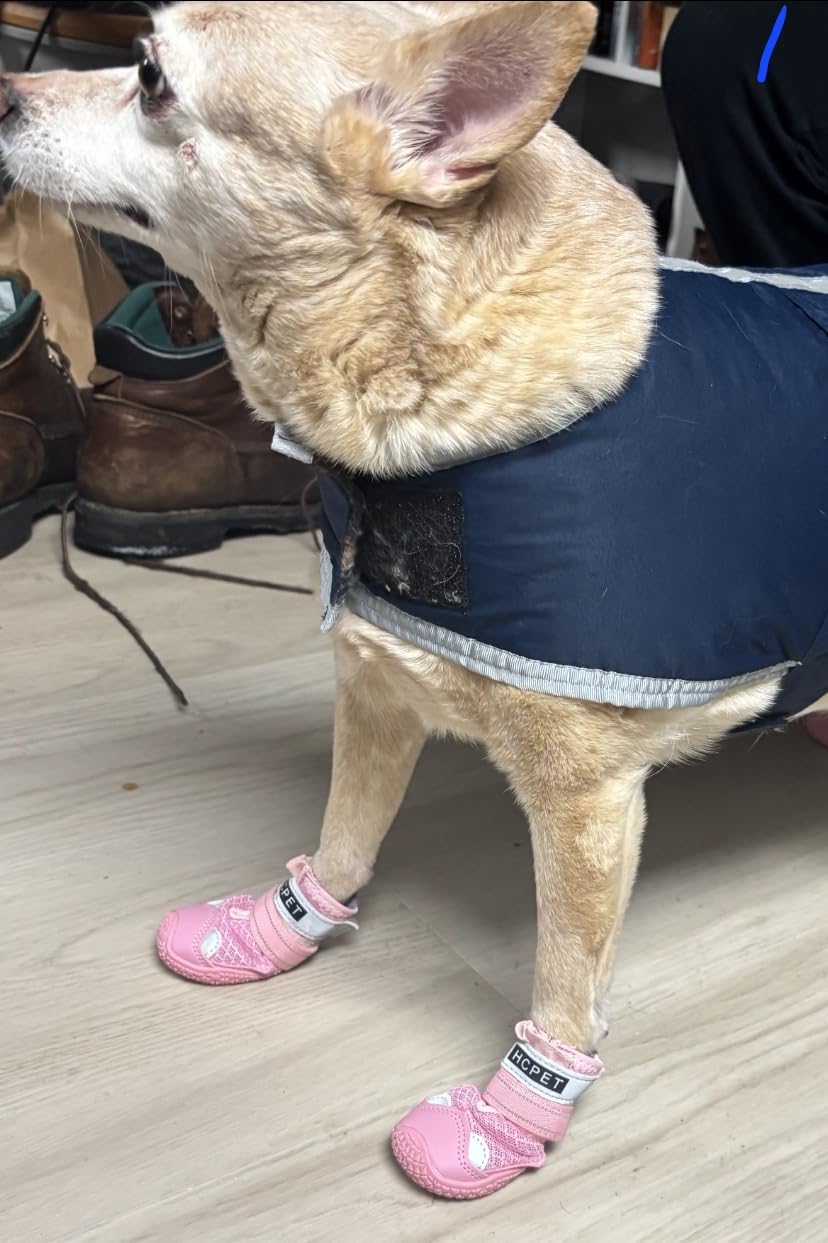
The Hcpet Dog Shoes take a different approach compared to the other options in this roundup, and the higher coverage design is immediately noticeable when you put them on your dog. This extended upper provides meaningful additional protection that other boots cannot match, which becomes important when you are hiking through deep snow where regular boots might allow powder to enter from above. I tested these during a particularly snowy week where we encountered several unplowed trail sections, and the extra height made a real difference in keeping Max’s paws completely dry.
Durability is a major strength here. After multiple uses including some rough terrain with plenty of rocks and roots, these boots show minimal wear compared to alternatives I have tested. The double bandage adjustable design with reflective straps works well once you find the right tension, and I appreciate that the soft interior does not create any hot spots or irritation even during long active sessions. For dogs who will be wearing their boots for extended periods, this comfort consideration matters more than some owners realize until they see their dog start limping or favoring certain paws.
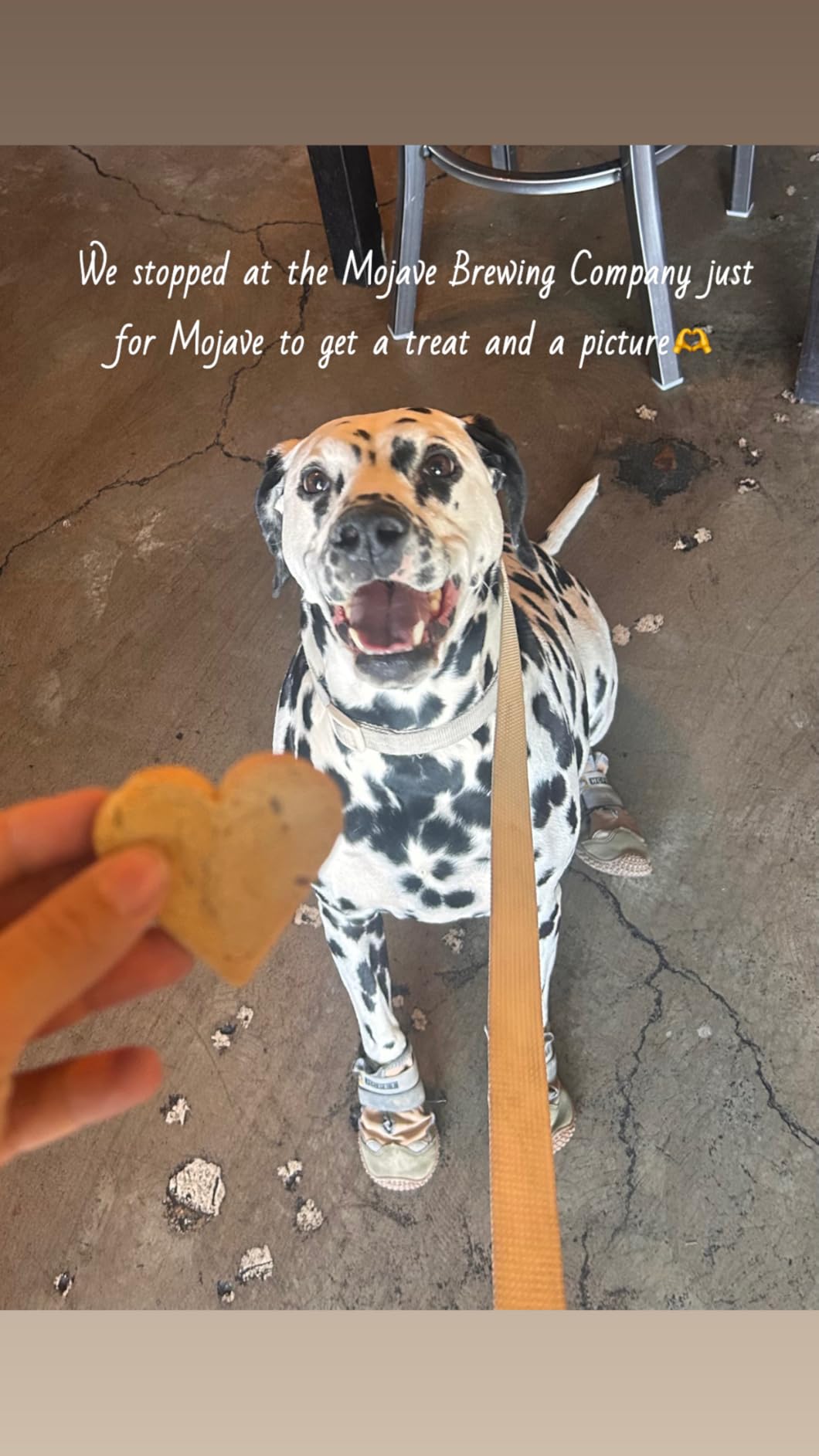
Machine washability is a practical feature that I did not appreciate until I actually needed it. After several winter hikes, these boots accumulated the expected salt stains and trail debris, and being able to throw them in the washing machine rather than hand scrubbing made a significant difference in how likely I was to keep them clean and maintained. The boots came out looking essentially new after washing, which speaks well to the construction quality and material choices. This convenience factor should not be underestimated when you are committing to regular winter hiking with your dog.
My caution here relates to the higher boot design and dew claw interaction. If your dog has prominent dew claws, the increased shaft height can create pressure points that cause irritation during extended wear. I discovered this with Max when he started showing signs of discomfort during a longer than usual hike, and adjusting the fit to be slightly looser at the top resolved the issue. For most dogs without prominent dew claws, this will not be a concern, but it is worth checking when you first get these boots and observing how your dog responds during the first few wears.
When these boots are the right choice
The Hcpet boots are ideal for dogs who need maximum coverage and warmth during winter hiking. The higher shaft design is particularly valuable for dogs who love deep snow adventures, and the machine washable construction suits owners who want easy maintenance.
When to consider a different option
For dogs with prominent dew claws, or for hiking on wet grass where traction matters more than coverage, you may want to explore other options in this list. The higher profile that provides excellent snow protection can become a liability in certain specific conditions.
How to Measure Your Dog for Snow Boots
Getting the right fit is the single most important factor in whether your dog snow boots will work well during winter hiking. Boots that are too tight restrict blood flow and cause discomfort, while boots that are too loose will fall off at the worst possible moment. I learned this through trial and error, but you can skip that process by following a simple measurement routine.
The measurement process takes about five minutes and requires only a ruler or measuring tape and a sheet of paper. Have your dog stand on the paper while you trace both front paws, or if your dog is wiggly like Max, wait until they are lying down and resting and gently measure each paw directly. You need both the length and width measurements because paw shape varies significantly between dogs. Some have round paws while others have more oval or rectangular shapes, and both measurements matter for finding the correct size.
When you have your measurements, compare them to the specific brand size chart rather than assuming your dog’s size carries over between manufacturers. I cannot stress this enough because every brand sizes slightly differently based on their last patterns. A size seven in one brand may fit like a size six or eight in another. The measurement comparison prevents the frustration of receiving boots that clearly will not work and the delay of having to exchange for the correct size. Most brands recommend measuring both width and length at the widest points and then matching to their specific chart.
Key Features to Look for in Insulated Dog Snow Boots
Understanding what actually matters in winter dog boots helps you make a smarter purchase decision rather than simply buying whatever is cheapest or most heavily advertised. The insulation quality determines whether your dog’s paws stay warm in cold conditions, and not all products labeled as insulated provide the same level of protection. Look for boots with documented temperature ranges or clear descriptions of the insulation type used in the construction.
The waterproofing system matters more for winter hiking than for casual walks because you will encounter deeper snow and more moisture exposure. Fully waterproof boots use sealed seams and waterproof membranes, while water-resistant boots handle light snow and splashes but will eventually allow moisture penetration in wet conditions. For serious winter hiking where you might encounter stream crossings or deep powder, waterproof construction is worth the additional cost because wet paws lose heat rapidly and can develop painful ice balls between the toes.
Closure security determines whether your boots stay on during active movement. Multiple Velcro straps or dual closure systems provide better retention than single-point closures, especially for dogs who run, jump, and play during winter hikes. The closure system also affects how quickly you can get boots on and off, which matters if you are doing multiple short walks per day or if your dog needs to relieve themselves frequently during a long hike. Balance security against convenience based on your typical usage patterns.
Understanding Boot Insulation Ratings for Winter Conditions
Not all insulated dog boots provide the same warmth, and understanding insulation ratings helps you match boots to your typical winter hiking conditions. Most manufacturers do not provide exact temperature ratings, but you can infer capability from the materials used and the boot design. Single-layer fabric boots work well for mild winter conditions above freezing, while properly insulated boots with thermal linings handle temperatures down into single digits and below.
The gaiter design found on premium boots like the Ruffwear Polar Trex creates a meaningful thermal advantage by preventing cold air from circulating into the boot and stopping snow from melting against warm fur and then re-freezing. This design element makes a substantial difference in comfort during extended winter activities, and it is why I recommend upgrading to gaiter-style boots if you regularly hike in conditions where temperatures stay below twenty degrees Fahrenheit for extended periods. The marginal cost increase pays off in your dog’s comfort and safety.
Breathability is often overlooked but critically important for active winter hiking. If boots do not allow moisture vapor to escape, your dog’s feet will become damp from sweat even in cold conditions, and that moisture then cools and creates discomfort. The best insulated boots balance warmth retention with moisture management, using breathable membranes that block wind and water while allowing vapor to escape. This combination keeps paws warm without creating the sweaty conditions that lead to cold-related problems later in the hike.
Caring for Your Dog Snow Boots
Regular maintenance extends the life of your dog snow boots and ensures they continue performing at their best throughout the winter season. After each hike, remove any debris like sticks, stones, or accumulated snow from inside the boots and from the sole treads. Check closure systems for any damage or accumulated ice that might prevent proper operation, and allow boots to fully dry before the next use. Storing damp boots in a closed bag or container promotes mold growth and material degradation.
Washing requirements vary by manufacturer, but most modern dog boots handle either hand washing or machine washing on gentle cycles. I recommend using mild detergent and air drying rather than putting them in a dryer, as high heat can damage adhesives, weaken closure systems, and deform flexible materials. Check the specific care instructions for your boots, but as a general rule, keeping them clean from salt and trail chemicals significantly extends their useful life because those substances accelerate material breakdown.
Inspect your boots regularly for signs of wear that might compromise protection. Look at the sole attachment points, check for holes or thinning in fabric areas, examine closure straps for proper grip, and verify that reflective elements remain functional. Catching these issues early allows you to replace boots before they fail on a hike rather than discovering problems when you are already out on the trail in cold conditions. Most quality boots will last multiple seasons with proper care, making the higher initial investment worthwhile over time.
Frequently Asked Questions
Do dogs really need boots in winter?
Yes, dogs benefit from boots in winter for several important reasons. Paw pads can suffer frostbite and ice cuts from prolonged exposure to frozen surfaces. Rock salt and chemical de-icers cause painful burns and irritation. Insulated boots also prevent snow and ice from accumulating between toes, which creates discomfort and mobility issues. Dogs who hike in winter conditions or live in cold climates genuinely benefit from proper paw protection.
How do you fit your dog for boots?
Measure your dog’s paw length and width while standing on a flat surface. Compare these measurements to the manufacturer’s specific size chart, as sizing varies between brands. The boot should fit snugly without being tight, and your dog should be able to flex their toes naturally. Test the fit by watching your dog walk a few steps to ensure the boots stay secure and do not twist or fall off.
Is there a dog boot that stays on?
Boots with multiple closure points, particularly dual Velcro strap systems, provide the most secure fit and are least likely to fall off during activity. The Ruffwear Polar Trex uses a gaiter design with zippered closure for exceptional retention. No boot is completely immune to coming off, but quality boots with proper closure systems stay on reliably during active hiking, running, and play.
Can you leave dog boots on all day?
Dog boots should not be left on for extended periods without supervision. Remove them every few hours to check for any signs of irritation, moisture buildup, or pressure points. For all-day activities, bring boots along and put them on only during outdoor exposure, removing them during breaks and when returning indoors. Continuous wear without breaks can cause sweating, discomfort, and potential circulation issues.
Why can’t dogs walk in boots?
Dogs initially struggle with boots because the boots change how their paws feel the ground and alter their natural gait. Dogs rely heavily on paw sensation for balance and movement, so adding a barrier between paw and ground creates temporary confusion. Most dogs adapt within five to thirty minutes of wearing boots. Start with short sessions to help your dog adjust rather than expecting immediate comfort with full-day wear.
Final Recommendation for Best Insulated Dog Snow Boots for Winter Hiking
After months of research and hands-on testing with my own dog, I am confident that any of the five options in this guide will serve you well for winter hiking with your dog. For the best overall combination of quality and value, the QUMY Dog Shoes deliver impressive performance at a price that makes sense for most dog owners. If you want the absolute best protection for extreme winter conditions and do not mind paying more, the Ruffwear Polar Trex remains in a class of its own for serious cold weather adventures.
The most important thing you can do is measure your dog’s paws carefully and order the correct size regardless of which brand you choose. A perfectly designed boot that fits poorly will cause problems, while a basic boot that fits well will outperform a premium option that is too tight or too loose. Take the time to get this right, introduce boots gradually to your dog, and maintain them properly throughout the season. Your dog will thank you with years of happy winter hiking adventures.