
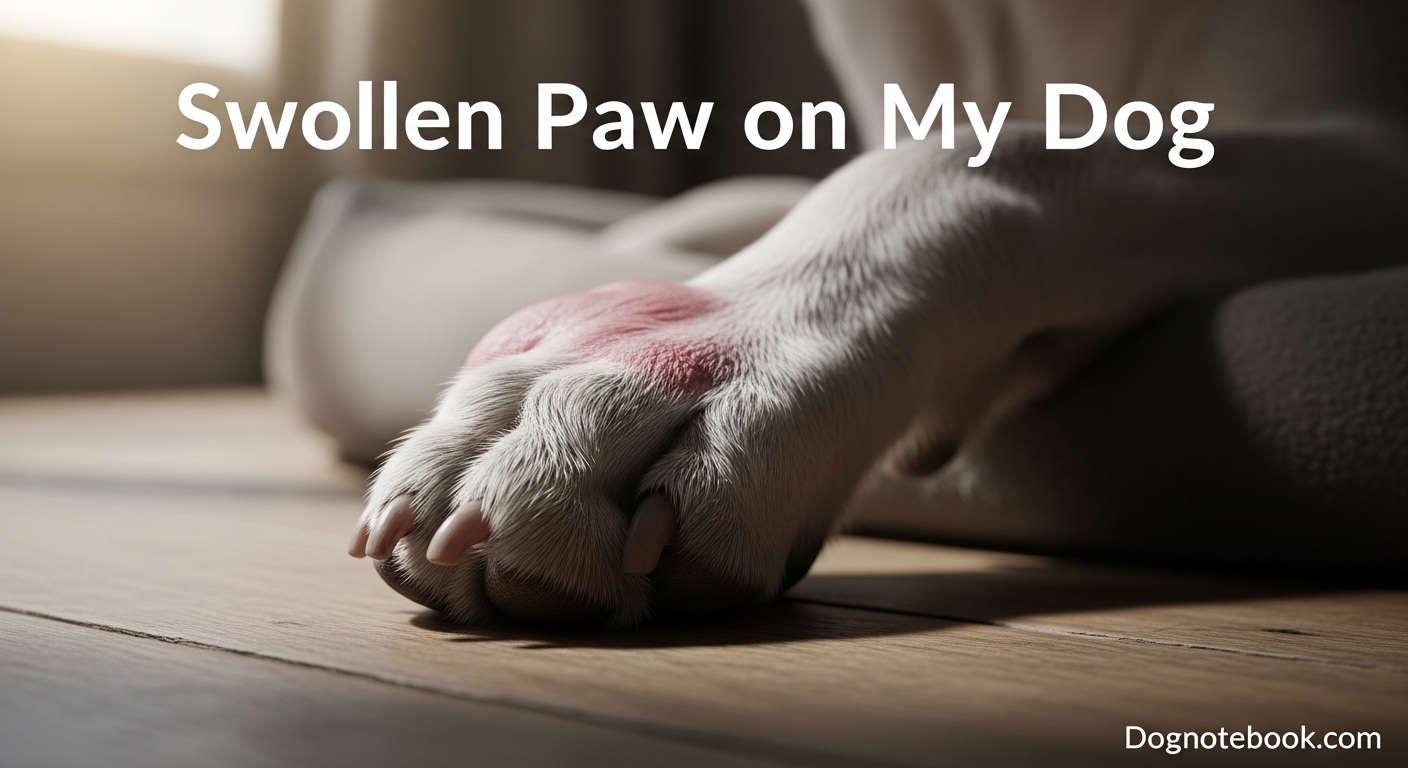
Seeing a swollen paw on your dog can be alarming, especially when you are not sure what caused it or how serious it might be. I have been there myself, watching my dog favor one leg after a walk and wondering whether to rush to the vet or try treating it at home. The good news is that most cases of dog paw swelling are treatable, and a calm, methodical approach makes all the difference.
This guide walks you through exactly what to check first when you notice a swollen paw on your dog, from a step-by-step inspection checklist to home treatment options and clear guidelines on when professional care is necessary. By the end, you will know how to assess the situation confidently and take the right next steps for your dog’s comfort and recovery.
Table of Contents
Quick Assessment: Swollen Paw on My Dog, What to Check First
When you first notice your dog limping or favoring a paw, your immediate priority is a careful visual and physical inspection. Stay calm, move slowly, and keep your voice reassuring so your dog stays relaxed during the exam. Here is a step-by-step checklist to follow.
Step 1: Look at the Whole Paw From a Distance
Before touching anything, compare the swollen paw to the matching paw on the other side. Note how much larger it looks, whether the swelling affects the entire paw or just one area, and whether your dog is holding it up or barely putting weight on it. This comparison gives you a baseline before you start handling the paw.
Step 2: Check Between the Toes and Paw Pads
Gently spread each toe and look between them. This is where foxtails, burrs, thorns, and small pieces of glass most often get lodged. Run your finger along the webbing between the toes, feeling for anything embedded. Many dog owners on forums report finding small thorns or grass seeds hidden between the toes that were not visible from above.
Step 3: Examine the Paw Pads for Cuts and Punctures
Turn the paw over and inspect the pads carefully. Look for cuts, puncture wounds, blisters, or cracked skin. Pad burns from hot pavement are especially common in summer and can cause noticeable swelling within hours. If you see a wound, note its size and depth.
Step 4: Feel for Heat and Compare Temperature
Place your hand on the swollen paw and then on the unaffected paw. A noticeable temperature difference, where the swollen paw feels warm or hot to the touch, strongly suggests inflammation or infection. Cool swelling, on the other hand, may point to fluid accumulation or a less acute cause.
Step 5: Look for Redness, Discharge, or Odor
Red skin, pus, clear discharge, or an unusual smell all point to infection. Check the nail beds too, as infected or torn nails can cause swelling that spreads across the entire paw. A yeast infection between the toes often produces a distinct musty odor and reddish-brown staining of the fur.
Step 6: Gently Press to Assess Pain Level
Apply light pressure to different areas of the paw. Watch your dog’s reaction carefully. If your dog pulls away sharply, yelps, or growls when you touch a specific spot, that localized pain helps narrow down the cause. General tenderness across the whole paw is more consistent with systemic swelling, while pinpoint pain suggests a localized injury or foreign object.
Common Causes of a Swollen Dog Paw
Understanding what typically causes dog paw swelling helps you make better decisions about treatment. Here are the most common causes I see discussed among veterinarians and experienced dog owners.
Foreign Objects and Debris
Small objects lodged in the paw are the single most common cause of sudden swelling. Foxtails, thorns, splinters, grass seeds, and pieces of glass can embed themselves between the toes or in the paw pads. The body reacts by sending fluid to the area, which causes visible swelling. This type of swelling usually comes on quickly after a walk through tall grass, wooded areas, or gravel. Removing the object and cleaning the area often resolves the swelling within a day or two.
Insect Stings and Bites
Bee stings, wasp stings, spider bites, and ant bites can cause rapid, dramatic swelling in a dog’s paw. This type of swelling often appears as a raised, puffy area and may happen suddenly during outdoor play. You might spot a stinger still embedded in the skin. Insect-related swelling is usually accompanied by your dog licking or chewing at the paw excessively. Most single stings resolve on their own, but multiple stings or allergic reactions need immediate veterinary attention.
Injuries: Cuts, Sprains, and Fractures
Lacerations from sharp rocks, metal, or broken glass can cause localized swelling around the wound. Sprains from awkward landings, rough play, or jumping off furniture lead to soft tissue inflammation that makes the entire paw appear puffy. Fractures, while less common, cause significant swelling often accompanied by severe lameness where the dog refuses to bear any weight. If your dog yelped during a specific activity and then started limping, an injury is the most likely culprit.
Infections and Allergic Reactions
Bacterial infections develop when bacteria enter through a cut, scrape, or cracked paw pad. The area becomes red, warm, and swollen, sometimes producing pus. Yeast infections thrive in the warm, moist environment between the toes and often cause persistent licking, reddish skin, and a characteristic odor. Allergic reactions, particularly seasonal allergies, frequently show up as itchy, swollen paws. Many owners on Reddit report that recurring paw swelling at specific times of year points directly to environmental allergies.
Pododermatitis and Interdigital Cysts
Pododermatitis is a general term for inflammation of the paw skin, and it can have multiple underlying causes including allergies, parasites, autoimmune conditions, and hormonal imbalances. Interdigital cysts are painful, fluid-filled lumps that form between the toes and often recur in the same spot. Certain breeds, including Bulldogs, Labrador Retrievers, and German Shepherds, are more prone to these conditions. If your dog keeps getting swollen paws in the same location, interdigital cysts or chronic pododermatitis are strong possibilities.
Signs Your Dog’s Paw Swelling Is Serious
Not every swollen paw needs a vet visit, but certain signs mean you should seek professional care right away. Knowing the difference between a minor issue and a serious problem can save your dog from prolonged pain and prevent complications.
Here are the red-flag symptoms that require immediate attention:
- Uncontrolled bleeding from the paw that does not stop after 5 minutes of applied pressure
- Visible bone or deep puncture wounds that expose tissue beneath the skin
- Swelling spreading up the leg, which can indicate a spreading infection or lymphatic involvement
- Fever, lethargy, or loss of appetite accompanying the paw swelling
- Complete refusal to bear weight on the paw for more than a few hours
- Pus, foul odor, or blackened tissue suggesting an advanced infection
- Rapid swelling of the face or throat along with paw swelling, which signals a severe allergic reaction
If you notice any of these signs, do not wait. Call your veterinarian or the nearest emergency animal hospital immediately. Forum discussions consistently show that dog owners who waited too long wished they had acted sooner, especially when infections were involved.
How to Treat a Swollen Dog Paw at Home
For mild swelling without any of the serious signs listed above, home treatment can be effective. These are remedies that experienced dog owners and veterinarians recommend frequently. Always consult your vet before starting any treatment if you are unsure about the cause.
Clean the Paw Thoroughly
Start by rinsing the paw with warm water and a mild, fragrance-free soap. This removes dirt, debris, and potential irritants from the surface. Pat the paw dry gently with a clean towel. Avoid using hydrogen peroxide or rubbing alcohol, as these can damage healthy tissue and delay healing.
Try an Epsom Salt Soak
An Epsom salt soak is one of the most widely recommended home treatments for swollen dog paws. Dissolve one tablespoon of Epsom salt in a cup of warm water and soak the affected paw for 10 to 15 minutes, two to three times a day. The magnesium sulfate helps reduce inflammation and can draw out small embedded objects. Make sure your dog does not drink the soak water, as Epsom salt can cause digestive upset if ingested.
Remove Visible Foreign Objects
If you spot a thorn, splinter, or other small object embedded in the paw, use clean tweezers to remove it gently. Pull in the same direction the object entered to minimize tissue damage. If the object is deeply embedded or you cannot get a clean grip, stop and take your dog to the vet rather than causing further injury.
Apply a Cold Compress for Insect Stings
For bee stings and insect bites, a cold compress can reduce swelling and numb the area. Wrap an ice pack or a bag of frozen vegetables in a thin towel and hold it against the paw for 5 to 10 minutes. Never apply ice directly to the skin. Some owners on Reddit also mention using a paste of baking soda and water on bee stings, which can help neutralize venom and soothe the area.
Prevent Licking and Chewing
Your dog’s instinct will be to lick the swollen paw, but this makes the problem worse by introducing bacteria and keeping the area moist. Use an Elizabethan collar (cone), a recovery suit, or even a clean sock taped loosely over the paw to prevent access. Several forum members specifically noted that stopping the licking cycle was the turning point in their dog’s recovery.
Use Chlorhexidine for Mild Irritation
A chlorhexidine solution, which you can get from most pet stores or your vet, is excellent for cleaning mild skin irritation and preventing bacterial growth. Dilute it according to the package instructions and apply it to the affected area with a clean cloth or cotton pad. Multiple dog owners in forums credit chlorhexidine with clearing up persistent licking-induced irritation when nothing else worked.
When to Take Your Dog to the Vet for a Swollen Paw
Deciding whether a swollen paw needs professional attention is one of the most common sources of anxiety for dog owners. The timeline below gives you clear guidance based on how the swelling progresses.
Seek veterinary care within 24 hours if:
- The swelling has not started to improve after 24 hours of home treatment
- Your dog is still limping significantly after a day of rest
- You suspect a foreign object is still embedded but cannot find or remove it
- The swelling is getting noticeably worse instead of better
Seek immediate emergency care if:
- Your dog shows signs of severe pain such as crying, snapping, or trembling when the paw is touched
- The paw feels hot and is oozing pus or has a foul smell
- Swelling is spreading rapidly up the leg
- Your dog develops facial swelling, difficulty breathing, or vomiting alongside the paw swelling
- You suspect a fracture based on the mechanism of injury
For recurring swelling that keeps coming back in the same paw or at the same time of year, schedule a non-emergency vet visit. Recurring paw swelling often points to underlying allergies, autoimmune conditions, or chronic pododermatitis that requires a targeted treatment plan rather than repeated rounds of home care.
Veterinary treatment for a swollen paw typically involves a physical exam, possible X-rays if a fracture or foreign body is suspected, and medications such as antibiotics, anti-inflammatories, or antifungals depending on the diagnosis. The cost varies widely depending on your location and the underlying cause, but basic treatment for a simple infection is generally manageable for most pet owners.
How Long Does a Swollen Dog Paw Take to Heal?
Setting realistic expectations for recovery time helps you monitor progress and know when something is not improving as it should. Healing times vary significantly based on the cause.
- Minor irritations and insect stings: 1 to 3 days with home treatment
- Foreign object removal (no infection): 2 to 5 days after the object is removed
- Bacterial infections with antibiotics: 5 to 14 days, with visible improvement within 48 hours of starting medication
- Yeast infections: 1 to 3 weeks with antifungal treatment
- Sprains and soft tissue injuries: 1 to 4 weeks with rest and restricted activity
- Fractures: 6 to 8 weeks, sometimes longer depending on severity and location
- Pododermatitis and interdigital cysts: Weeks to months, often requiring ongoing management
If the swelling has not started to improve within the expected timeframe for the suspected cause, contact your vet. Persistent swelling that does not respond to appropriate treatment may indicate a deeper issue such as a bone tumor, foreign body that migrated internally, or an autoimmune condition.
Preventing Paw Swelling in Dogs
Prevention is always easier than treatment. These daily habits can significantly reduce the chances of your dog developing a swollen paw.
Check your dog’s paws after every walk, especially after hiking, walking through tall grass, or visiting the beach. Look between the toes, inspect the pads, and remove any debris you find. During hot summer months, avoid walking on asphalt or concrete during peak heat hours. Place the back of your hand on the pavement for 5 seconds; if it is too hot for your hand, it is too hot for your dog’s paws.
Keep your dog’s nails trimmed to a proper length. Overgrown nails alter gait and can lead to paw strain and injury. In winter, rinse your dog’s paws after walks to remove road salt and chemical de-icers. During allergy season, wiping your dog’s paws with a damp cloth after outdoor time removes pollen and reduces allergic reactions.
For dogs prone to recurring paw issues, consider using dog boots for outdoor protection and applying a veterinary-recommended paw balm regularly to keep pads healthy and moisturized. Breeds with deep toe webs, such as Bulldogs and Spaniels, benefit from regular drying between the toes after baths and outdoor play to prevent yeast and bacterial growth.
Frequently Asked Questions
When should I take my dog to the vet for a swollen paw?
Take your dog to the vet if the swelling does not improve within 24 hours of home treatment, if your dog cannot bear weight on the paw, if you notice pus or a foul odor, or if swelling is spreading up the leg. Signs like fever, lethargy, or facial swelling alongside paw swelling warrant an immediate emergency visit.
What do you do when a dog’s paw is swollen?
Start by visually inspecting the paw for foreign objects, cuts, or insect stingers. Clean the paw with warm water and mild soap. Soak it in warm Epsom salt water for 10 to 15 minutes. Apply a cold compress for insect bites. Prevent your dog from licking the area. If the swelling does not improve within 24 hours or worsens, contact your veterinarian.
Will my dog’s swollen paw go down on its own?
Mild swelling from insect stings or minor irritation often resolves on its own within 1 to 3 days. However, swelling caused by infection, embedded foreign objects, fractures, or allergies typically requires treatment to improve. If the swelling has not started to decrease after 24 hours, it likely will not resolve without intervention.
What does an inflamed dog paw look like?
An inflamed dog paw appears visibly larger than normal, often with red or pink skin. The area may feel warm or hot to the touch. You might notice your dog licking or chewing the paw excessively, limping, or holding the paw up. In some cases, there is visible discharge, odor, or scabbing. Comparing the affected paw to the opposite paw makes the difference easier to spot.
Can I give my dog pain medication for a swollen paw?
Never give your dog human pain medications such as ibuprofen, acetaminophen, or aspirin without explicit veterinary guidance, as many human medications are toxic to dogs. Your veterinarian can prescribe safe, dog-specific anti-inflammatory medications or pain relievers if needed. Call your vet for advice before administering anything at home.
Why does my dog keep getting swollen paws?
Recurring paw swelling often points to seasonal allergies, food allergies, chronic pododermatitis, or interdigital cysts. Dogs with environmental allergies frequently develop inflamed, itchy paws at the same time each year. Some breeds, including Bulldogs and Retrievers, are genetically predisposed to recurring paw issues. A veterinary exam can identify the underlying cause and establish a long-term management plan.
Conclusion
Dealing with a swollen paw on your dog is stressful, but a systematic approach makes a real difference. Start with the inspection checklist: compare paws, check between toes, examine the pads, feel for heat, look for discharge, and assess pain levels. Most swollen paws come from simple causes like foreign objects, insect stings, or minor injuries that respond well to home treatment with Epsom salt soaks and proper wound care.
The key is knowing when home treatment is enough and when professional help is necessary. If swelling does not improve within 24 hours, if you see signs of infection, or if your dog cannot bear weight on the paw, it is time to call your vet. Recurring swelling deserves a proper veterinary workup to identify and address the underlying cause rather than treating symptoms over and over.
With regular paw checks after walks, seasonal allergy management, and a basic first-aid kit at home, you can catch and address most paw issues early, before they become bigger problems. Your dog depends on you to notice the small things, and now you know exactly what to look for.