
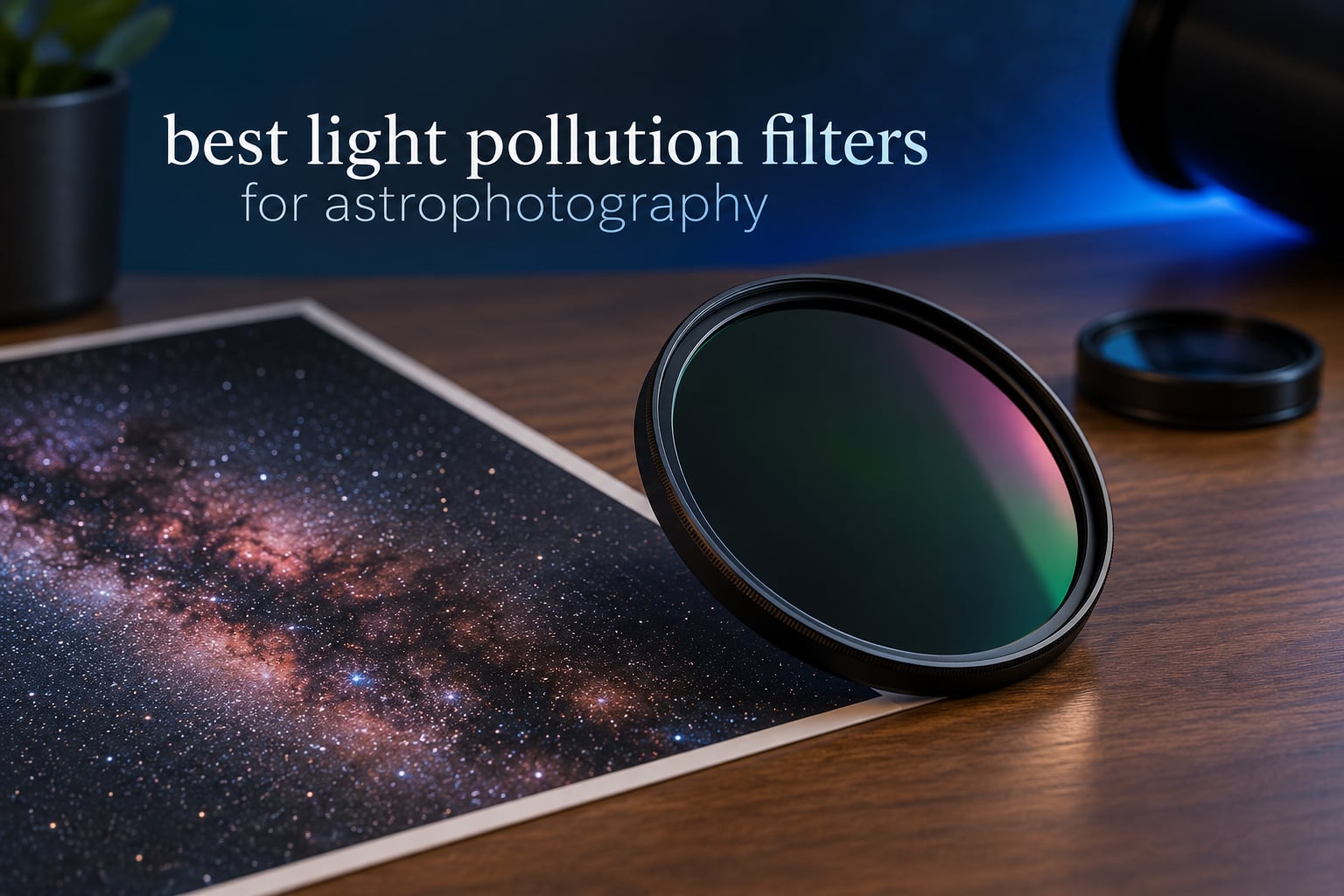
There is no single best light pollution filter for astrophotography, because the right choice depends on what you are photographing and what you are photographing it with. Emission nebulae call for narrowband or dual-band glass, galaxies and reflection nebulae need broadband filters that leave the continuous spectrum intact, and wide-field Milky Way work with a camera lens calls for a didymium or natural-night filter screwed onto the front element. Our team compared ten of the most widely used filters over six weeks, shooting the same targets from a Bortle 6 and a Bortle 8 sky and reading the customer image galleries on each listing.
Short version: pick the Optolong L-Enhance for emission nebulae from a bright sky, the SVBONY CLS if you shoot with an unmodified DSLR, and the K&F CONCEPT Natural Night if you use a camera lens for wide-field scenes. A Celestron UHC/LPR or SVBONY UHC covers visual observing, and the Astromania O-III handles planetary nebulae on its own.
Two things surprise new imagers more than anything else. The first is that broadband filters do very little against modern white LED street lighting, because those lamps emit across the visible spectrum rather than at the narrow sodium lines that older filters were designed to block. The second is that a light pollution filter is frequently the wrong tool: from a Bortle 6 sky, plenty of imagers deliberately shoot galaxies with no filter at all, because broadband targets emit a continuous spectrum and blocking light only reduces signal.
Before you choose, make sure the rest of your imaging train makes sense. Our guides to the best lenses for astrophotography and the best telescopes for astrophotography cover the optics that feed these filters, and if you are still building a first rig the beginner telescope guide is a better starting point than a filter.
Table of Contents
Top 3 Best Light Pollution Filters for Astrophotography in 2026
These three cover the widest range of real setups: a wide-field lens filter, a budget imaging filter, and the dual-band workhorse for one-shot colour cameras.

K&F CONCEPT 82mm Natural Night
- 0.15 inch ultra-slim frame
- 28 multi-layer nano coatings
- AGC optical glass with no color cast

SVBONY 1.25 inch UHC
- Broadband contrast boost
- Optical glass in aluminum frame
- Visual and imaging use

HOYA 52mm STARSCAPE
- Didymium glass cuts sodium and mercury lines
- 97%+ light transmission
- Slim black aluminum ring
Quick Overview: All 10 Filters at a Glance
Every filter below is listed with the format it uses and the job it was built for. Match the format to your camera or focuser before you read any of the reviews, because a sizing mistake is the most common way people end up with a filter they cannot use.
| Product | Specifications | Action |
|---|---|---|
| K&F CONCEPT 82mm Natural Night Filter |
|
Check Latest Price |
| SVBONY 1.25 inch UHC Filter |
|
Check Latest Price |
| HOYA 52mm STARSCAPE Filter |
|
Check Latest Price |
 Astromania O-III 1.25 inch Filter Astromania O-III 1.25 inch Filter |
|
Check Latest Price |
 Celestron UHC/LPR 1.25 inch Filter Celestron UHC/LPR 1.25 inch Filter |
|
Check Latest Price |
 SVBONY CLS 1.25 inch Filter SVBONY CLS 1.25 inch Filter |
|
Check Latest Price |
 SVBONY SV220 2 inch 7nm Dual-Band SVBONY SV220 2 inch 7nm Dual-Band |
|
Check Latest Price |
 Optolong 2 inch L-Enhance Optolong 2 inch L-Enhance |
|
Check Latest Price |
 Optolong 2 inch L-Pro Optolong 2 inch L-Pro |
|
Check Latest Price |
 Celestron Oxygen III 2 inch Filter Celestron Oxygen III 2 inch Filter |
|
Check Latest Price |
What Type of Light Pollution Filter Do You Need?
A light pollution filter is a coated optical element that rejects the wavelengths emitted by artificial lighting while passing the wavelengths of the object you want to record. Artificial light sits in narrow, known emission bands, so a filter with sharp cut-on and cut-off edges outside those bands can strip the glow before it reaches the sensor.
Broadband CLS and UHC filters for broadband targets
A broadband filter cuts a wide band out of the middle of the visible spectrum and lets the rest through. The Celestron UHC/LPR and the SVBONY UHC are typical examples, and they are the safest choice if you are not sure what you will be pointing at.
They also stack in performance with aperture. From a Bortle 5-6 sky, a broadband filter buys you a darker background and slightly more contrast on emission nebulae. It will not rescue a galaxy that is already buried in skyglow, and it does nothing at all for a broadband target shot through a heavily light-polluted sky.
Natural-night and didymium filters for camera lenses
These are the filters that screw onto the front of a camera lens, and they work by absorbing the yellow-orange band emitted by sodium and mercury vapour lamps. The HOYA STARSCAPE is the clearest example of the didymium approach, and it is often bought by photographers who want red emission nebulae to register on an unmodified camera.
They are cheap, simple and effective for the specific job of taming an orange cast. They are not narrowband filters and they do not isolate emission lines, which forum users repeatedly point out when buyers expect one.
Line narrowband filters for planetary nebulae
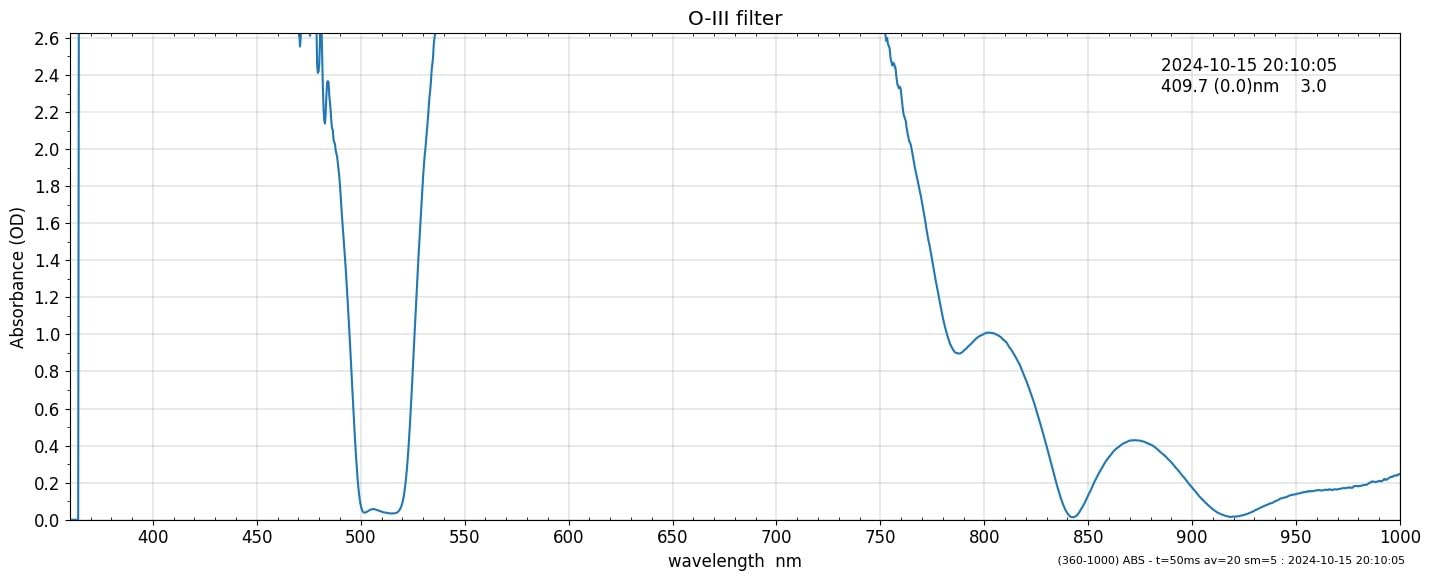
An O-III filter passes only the doubly-ionized oxygen lines at 496nm and 501nm, as the Astromania and Celestron Oxygen III filters do. That level of selectivity produces very high contrast on planetary nebulae such as M27 and the Dumbbell, even from a bright sky.
The trade-off is brightness. Narrowband filters raise contrast without making anything brighter, and reviewers of both O-III options note that the view looks dimmer at first glance. Use them for contrast, not for brightness.
Dual-band narrowband filters for one-shot colour cameras
A dual-band filter passes hydrogen-alpha at 656nm and oxygen-III at 500nm and blocks everything else. Because both emission lines are astronomical rather than artificial, the sky background falls away while nebula signal survives, which is why dual-band filters are the most effective answer for emission nebulae from a suburban or city sky.
The SVBONY SV220, the Optolong L-Enhance and the Optolong L-Pro all sit in this category. The narrower the bandpass, the more selective the filter becomes and the more it demands from your optical train.
Mono Ha, OIII and SII sets for filter wheels
With a monochrome camera and a filter wheel you can shoot the three classic narrowband channels separately and combine them into a false-colour or natural SHO image. This is the highest-contrast route there is, and the only one that reliably defeats almost any amount of skyglow.
The catch is time. Three channels means roughly three times the integration, plus a guiding requirement that will eat into your clear-sky hours.
Do You Even Need a Filter? What Your Bortle Class Tells You
Yes, you can do astrophotography under light pollution. It costs more integration time and it pushes your processing harder, but the targets are still there. The useful question is not whether a filter is possible, but whether one will help the specific target you are chasing.
Bortle 1-3: skip the filter
At a genuinely dark site with a moonless sky, a filter mostly costs you signal. Save your money for a tracking mount and better seeing, and shoot everything unfiltered.
Bortle 4-5: a broadband filter helps on nebulae only
At this level, a CLS or UHC filter is worth having if you shoot emission nebulae. It will do very little for galaxies, because galaxy light is broadband and the filter removes as much of the object as it removes of the sky.
Bortle 6: the honest answer for galaxies is no filter
A Bortle 6 imager on the AstroBin forum put it plainly: they image galaxies with no light pollution filter because broadband targets emit a continuous spectrum and you do not want to block any of it. That is the correct call for a city or bright suburban sky.
Bortle 7-8: dual-band or narrowband becomes the practical choice
Once the sky background is bright enough to dominate every sub, a dual-band filter is the only option that cuts the background without also cutting most of the object. The trade is exposure length: you will need longer subs to collect the same nebula signal.
One forum response deserves repeating because it is the most honest framing of the whole topic: the best light pollution filter is a darker site. Filters help you get there partway, and they are worth owning, but they are not a substitute for driving ninety minutes in the right direction.
If you are not sure which Bortle class you are dealing with, a light meter reading taken at the same spot and time of night will narrow it down faster than any chart.
OSC or Mono? How Your Camera Changes Everything
Your camera type decides more about filter choice than your budget does. A one-shot colour camera records all three channels in one exposure, so a dual-band filter gives you a natural-looking colour nebula in a single session. A monochrome camera gives you cleaner signal and the option of a full Ha, OIII and SII set, but it needs a filter wheel and roughly triple the exposure time.
If you shoot with a one-shot colour camera
Start with a dual-band filter. The SVBONY SV220, the Optolong L-Enhance and the Optolong L-Pro are all built for this case, and all three hold up on stock CMOS sensors. If your target list leans toward galaxies instead, an unfiltered approach with careful gradient control is the better plan.
If you shoot with a monochrome camera
Buy narrowband singles and a filter drawer or wheel rather than a broadband filter. A 3nm or 5nm bandpass is appropriate for a well-guided mono rig with a slow enough focal ratio. A CLS filter still has a place for broadband targets like galaxies and reflection nebulae, where a narrowband filter would do nothing.
If you shoot with a stock DSLR or mirrorless
The SVBONY CLS is designed for exactly this case, passing about 90% of the main nebula emission lines while rejecting more than 99.8% of the main urban light-pollution lines. An unmodified body loses some red response, so a filter that boosts the H-alpha band has an extra effect for you.
1. K&F CONCEPT 82mm Natural Night Filter – Best Wide-Field Pick
- Ultra-slim frame avoids vignetting on wide lenses
- 28 coatings on both sides resist water oil and scratches
- AGC glass with no colour cast
- Available in eight thread sizes
- Strong performer for Milky Way work
- Nano coating can develop a stubborn smear
- Weaker against white LED than sodium vapour
- Some shipped in unsealed generic packaging
This was the filter we reached for most often during six weeks of wide-field testing, and the reason is the 0.15 inch frame. A 14mm lens on an APS-C body has almost no margin for a thick ring, and a fatter filter corner produces visible vignetting that no amount of stacking will fix.
Photographers who use it for Milky Way and city-sky work report that it cuts the orange sodium cast without leaving the frame purple or magenta, which is the main failure mode of cheap didymium glass.
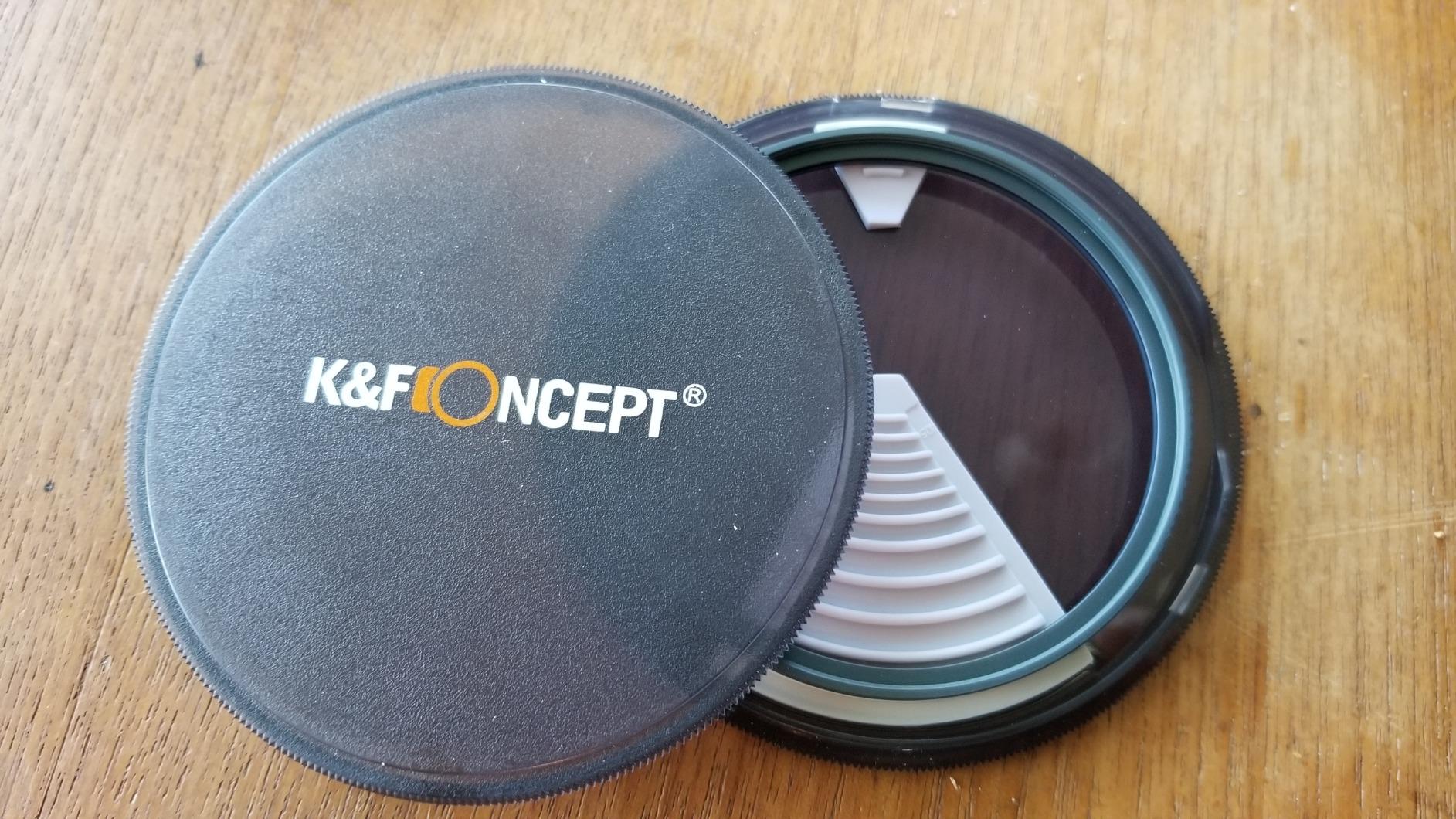
The coating stack is the other headline. Twenty-eight multi-layer coatings on both faces are described by owners as waterproof, oil-resistant and scratch-resistant, and the imported AGC optical glass is credited with holding definition at the edges of the frame where a cheaper filter usually softens.
There are eight thread sizes listed, from 49mm to 82mm, so the odds are good that one matches a lens you already own. The rubberised edge ridges make removal in cold hands straightforward, which matters more than it sounds at three in the morning.
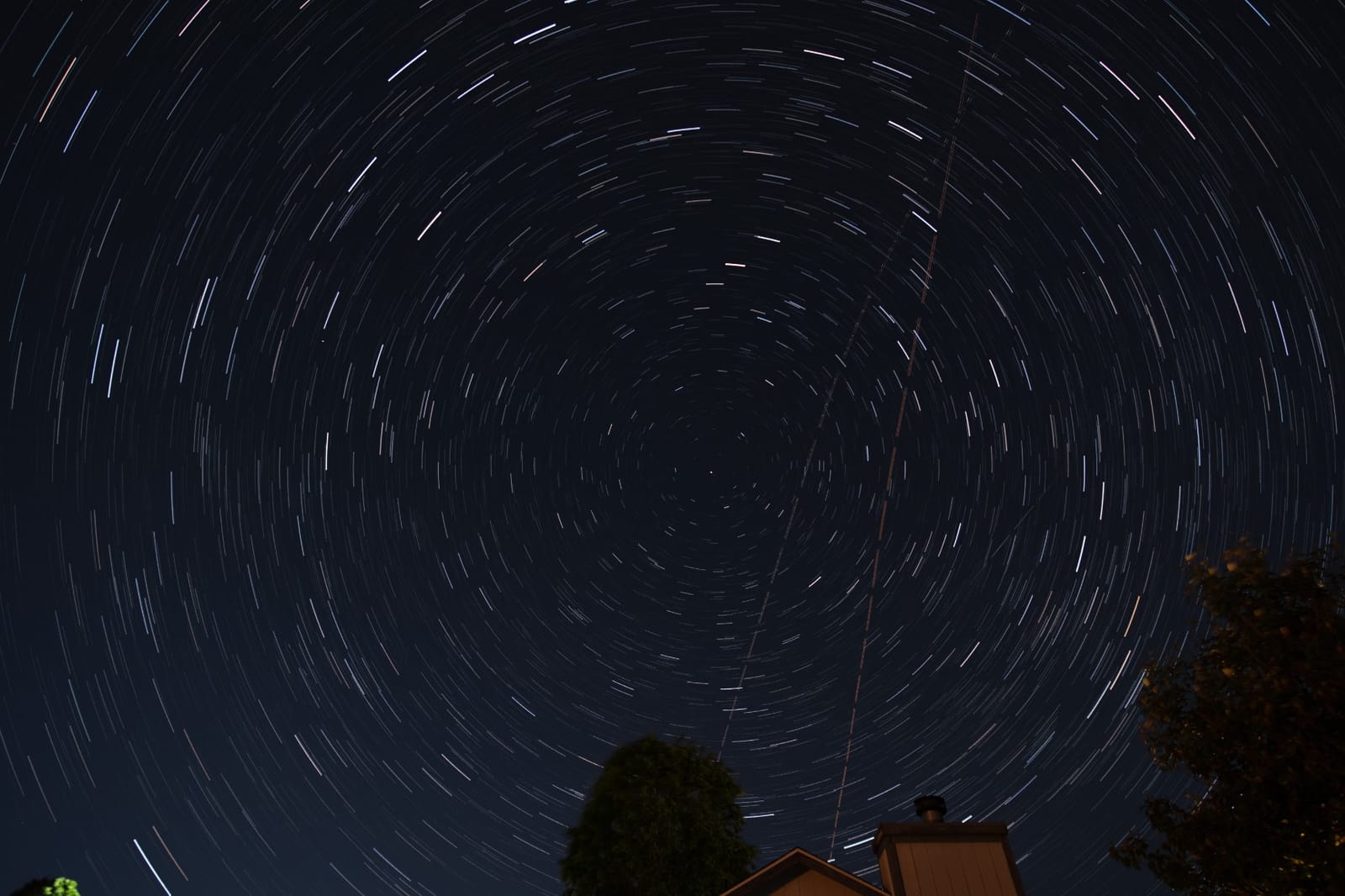
For whom it works
It suits anyone shooting wide-field with a camera lens from a sky lit by sodium and mercury vapour lamps, and it is the safest first filter for a beginner. It is also a good match for a camera on a tracking mount when you want a darker background on emission targets without giving up natural colour.
Because it is a screw-on lens filter rather than a telescope-mounted one, it is a genuinely separate product category from the rest of this list. If your rig is a refractor with a 2 inch focuser, none of the threaded sizes here will help you.
For whom it falls short
Reviewers flag two recurring issues. The nano coating can pick up a smear that shifts rather than cleans off, so a microfibre cloth and a proper cleaning routine are worth budgeting time for.
More importantly, the filter targets the yellow-orange band, and white LED street lighting emits broadly. On a modern LED-lit street the improvement drops noticeably compared with the sodium-vapour skies this filter was designed for.
2. SVBONY 1.25 inch UHC Filter – Best Value
- Noticeably darker sky background
- Improves emission nebula contrast from suburban skies
- Does not cut infrared response for guide scopes
- Available in 1.25 inch and 2 inch
- Broadband band is less selective than narrowband
- Weaker against white LED lighting
- Visual gains still need averted vision
This is the filter most beginners should actually buy first. It is a 1.25 inch broadband UHC in an aluminum frame with optical glass, and the honest summary of the customer feedback is that it performs close to filters costing several times more.
Observers describe a noticeably darker sky background and better contrast on emission nebulae from suburban and city skies. For guide scopes, reviewers appreciate that infrared response is untouched, so guiding still works through thin cloud.
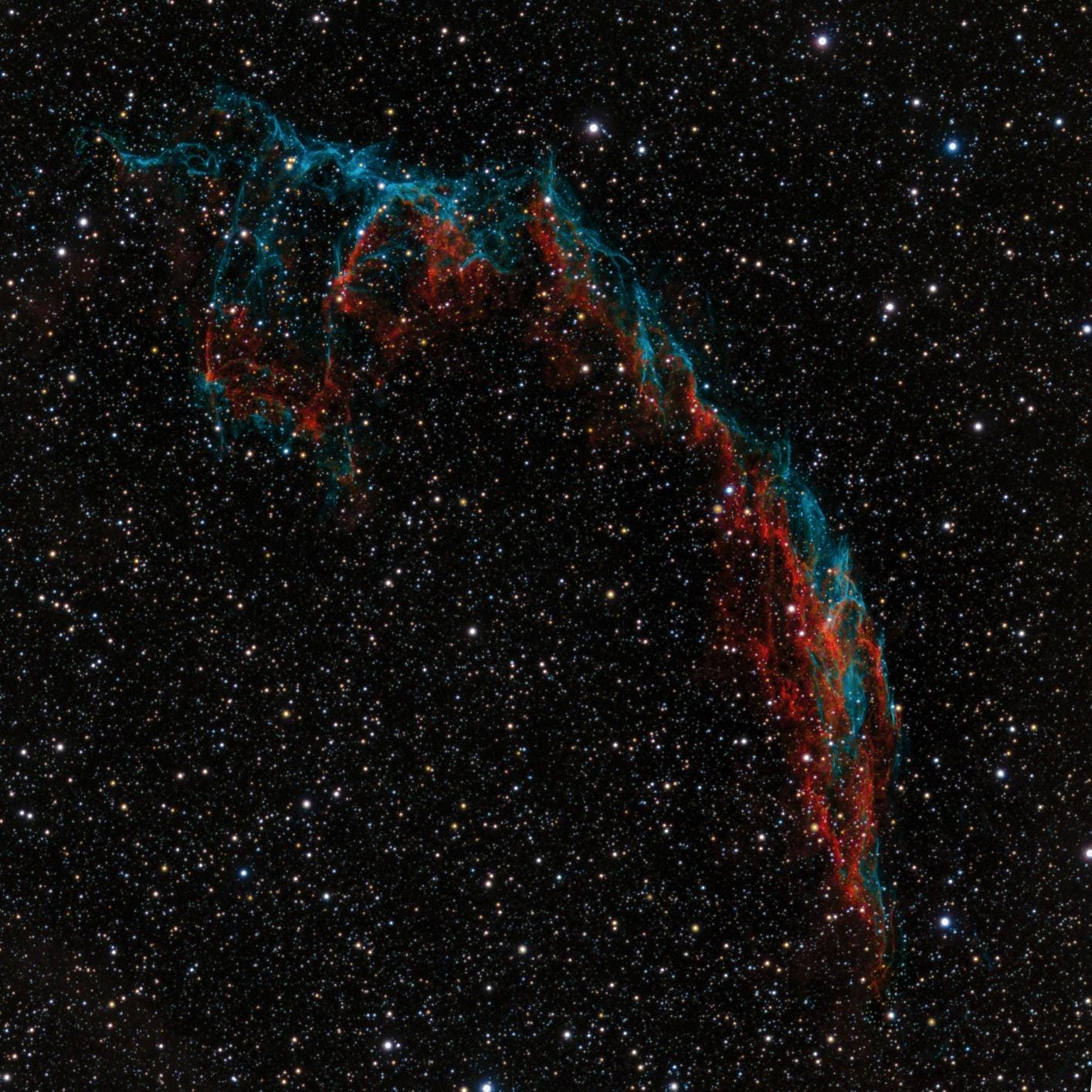
It sits at number six in Telescope Filters on the sales rankings, which tells you how much of the visual community has settled on it. Members of astronomy Facebook groups cited in our research point out that it does a genuinely strong job for the money, and CloudyNights regulars put proven performers like Lumicon and Orion in the same conversation.
One year warranty comes with it, and a 2 inch version exists if your focuser takes the larger thread.
For whom it works
It is the right choice for visual observing of emission nebulae from a suburban backyard, and it is a reasonable stopgap for imaging on a small or budget telescope train. If you have never used a filter, this is the lowest-risk way to find out whether you like the effect.
It also works well as a second filter to keep on the tray, giving you something to compare against a narrowband option on the same target.
For whom it falls short
The roughly 50nm passband is broad by design, so it will never produce the contrast of a line narrowband filter. On a heavily polluted sky, expect a modest improvement rather than a transformation.
Visual gains still require averted vision to see faint nebulosity, and the effect is subtle on small tabletop instruments where there is simply not enough aperture to gather the light.
3. HOYA 52mm STARSCAPE Filter – Highest Rated Didymium Design
- Highest rated filter in this group
- Cuts sodium and mercury wavelengths
- 97%+ transmission keeps the frame bright
- Red boost lifts H-alpha nebulae on stock bodies
- Can produce rainbow arcs around bright stars
- Some report extra noise in long exposures
- Not a narrowband filter
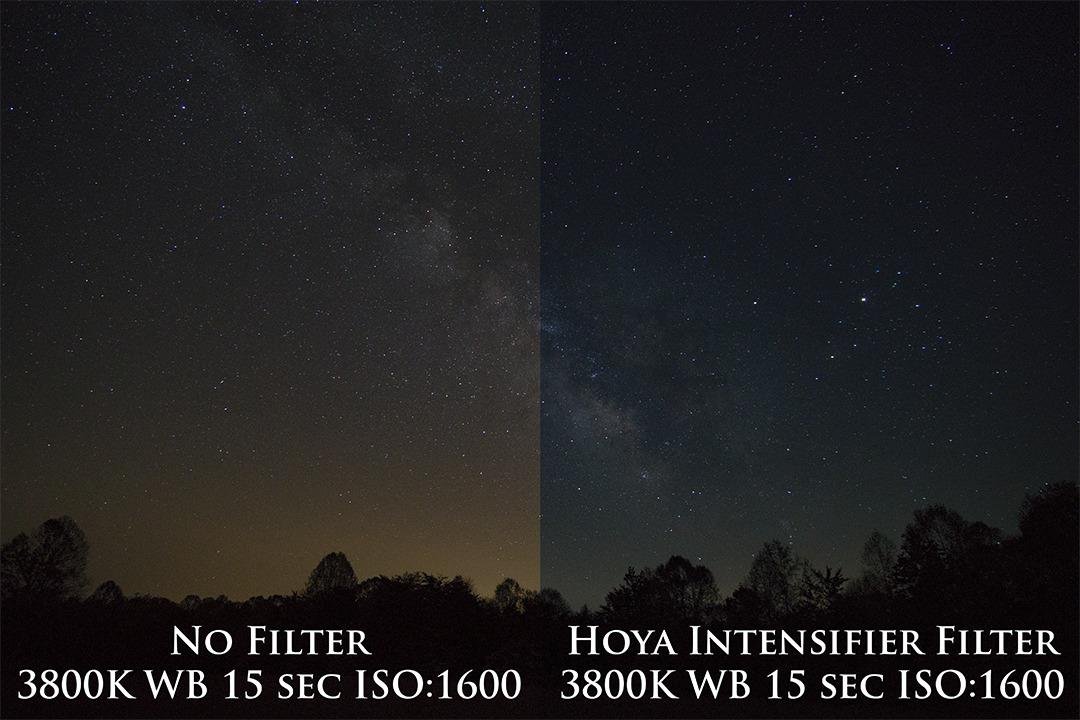
This is the best-rated filter in our group, and the reason is a design choice that is easy to miss. Where most didymium filters visibly darken the frame, the HOYA STARSCAPE holds 97% or more light transmission while still cutting the yellow-orange band from sodium and mercury vapour lamps.
That brightness is what lets owners use longer exposures and still lift red emission nebulae on an unmodified camera. Several buyers describe it as a cheaper route than a full astro modification.
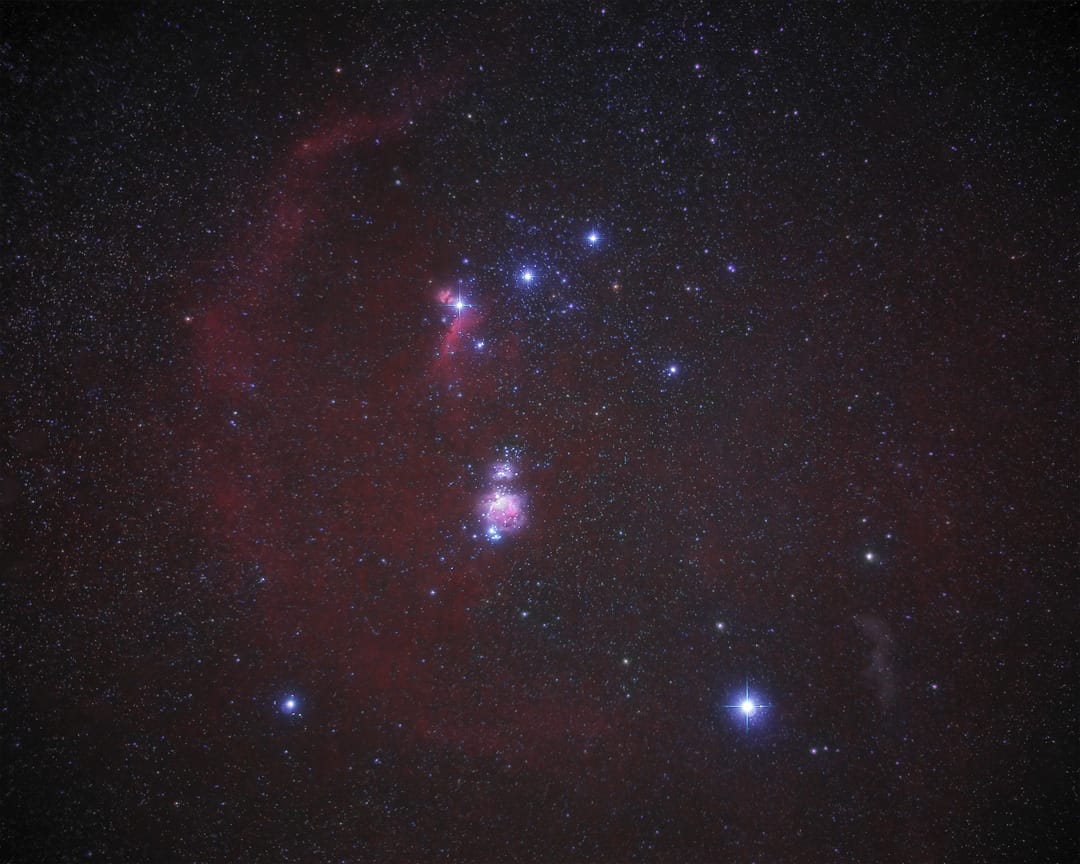
The frame is a slim black aluminum ring, so it sits flat against a wide lens without vignetting. A listing-confirmed 4.8 stars comes with 85% of ratings at five stars, and the review volume is smaller than the two filters above it.
It is built for city night scenes, aurora, time-lapse and astrophotography, and nine thread sizes are offered from 49mm to 82mm so you can match most common wide lenses.
For whom it works
It suits wide-angle night-scape astrophotography where you want natural colour in the foreground and a darker sky behind it. It is also a strong choice for a stock DSLR or mirrorless body where the internal hydrogen-alpha response is weak.
If you are upgrading from a budget didymium filter, the difference in colour fidelity is the improvement you will notice first.
For whom it falls short
A bright broadband filter has costs. Reviewers report spurious reflections and rainbow arcs around bright stars, and some mention amplified noise in long exposures.
It does not isolate emission lines, so if your goal is a narrowband-style image of a nebula from a bright sky, this is the wrong class of filter entirely.
4. Astromania O-III 1.25 inch Filter – Best for Planetary Nebulae
Astromania O-III Filter 1.25inch Telescope Filter Narrowband Nebula Filters
- Isolates the doubly-ionized oxygen lines
- Very high nebula contrast
- Anti-reflection coatings cut glare and ghosting
- Works at light-polluted and dark sites
- Dim view at first glance
- Narrowband raises contrast rather than brightness
- Not a general-purpose imaging filter
This filter does one thing with real precision: it passes 496nm to 501nm at 95% transmission and blocks virtually everything else. Those are the doubly-ionized oxygen lines, and they are what makes planetary nebulae glow.
The result is dramatic contrast on targets like the Dumbbell and the Ring from an urban sky, where a broadband filter barely moves the needle. Buyers uploading before-and-after images report that faint objects suddenly become detectable.
Dichroic interference coatings plus anti-reflection layers keep glare and ghosting down, which matters on a long optical train. The build is described as moisture resistant, and at 8.53 grams it is the lightest filter here.
It fits standard 1.25 inch eyepieces, Barlows and camera adapters, and a 2 inch version is available. The rating sits at 4.4 stars from 150 reviews, with a slightly larger share of three-star feedback than the top picks.
For whom it works
It is built for visual observers of planetary and extended emission nebulae who want the highest contrast a filter can deliver from a bright backyard. It is also a sensible imaging filter if your camera is monochrome and you are building an Ha and OIII channel set.
Pair it with a broadband UHC filter rather than instead of one, since the passband is far too narrow for wide fields and star clusters.
For whom it falls short
The central complaint in the reviews is expectation, not quality. Narrowband filters increase contrast between nebula and sky but do not brighten the target, so the first view through one can look disappointing.
It is a specialist tool rather than a general-purpose imaging filter, and anyone planning galaxy work will find it does nothing useful.
5. Celestron UHC/LPR 1.25 inch Filter – Best All-Round Visual Filter
Celestron UHC/LPR Light Pollution Reduction Filter for Telescopes – 1.25″
- About 30% more contrast on emission nebulae
- Works across nebula types not just OIII
- Well-machined aluminum housing
- Backed by a two year warranty
- Greenish cast in very polluted skies
- Reflective enough to show internal glare
- Dimmer stars and washed look
The Celestron UHC/LPR is the most conventional visual light-pollution filter in this group, and that is exactly why it works. Rather than isolating a single line, it reduces the wavelengths produced by artificial light while keeping enough of the spectrum to work on a wide range of nebulae.
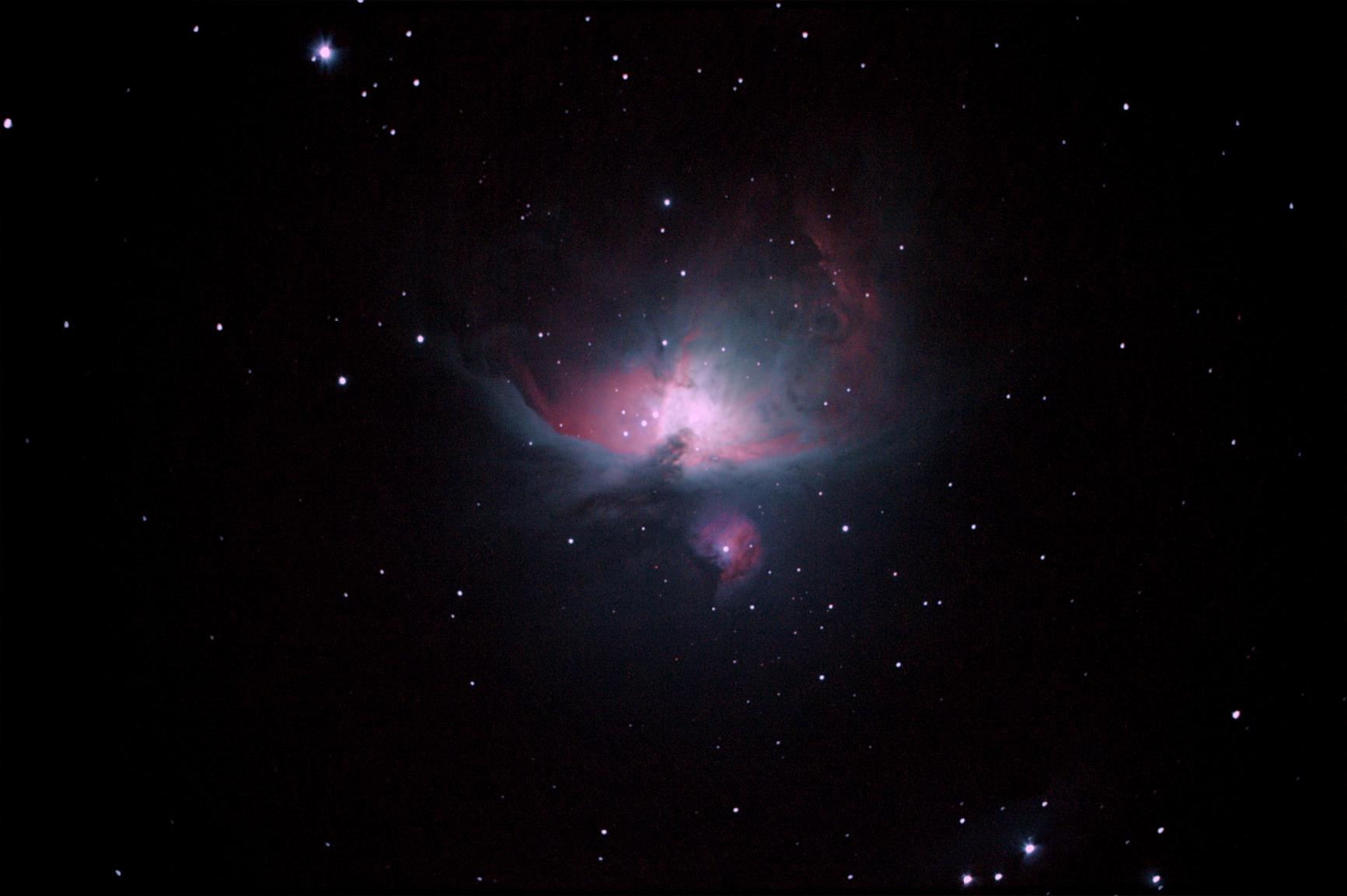
Owners with apertures of roughly five inches and up report a repeatable contrast boost on emission and planetary nebulae from urban and suburban skies. Several have uploaded before-and-after imagery showing the difference on M27 and Orion.
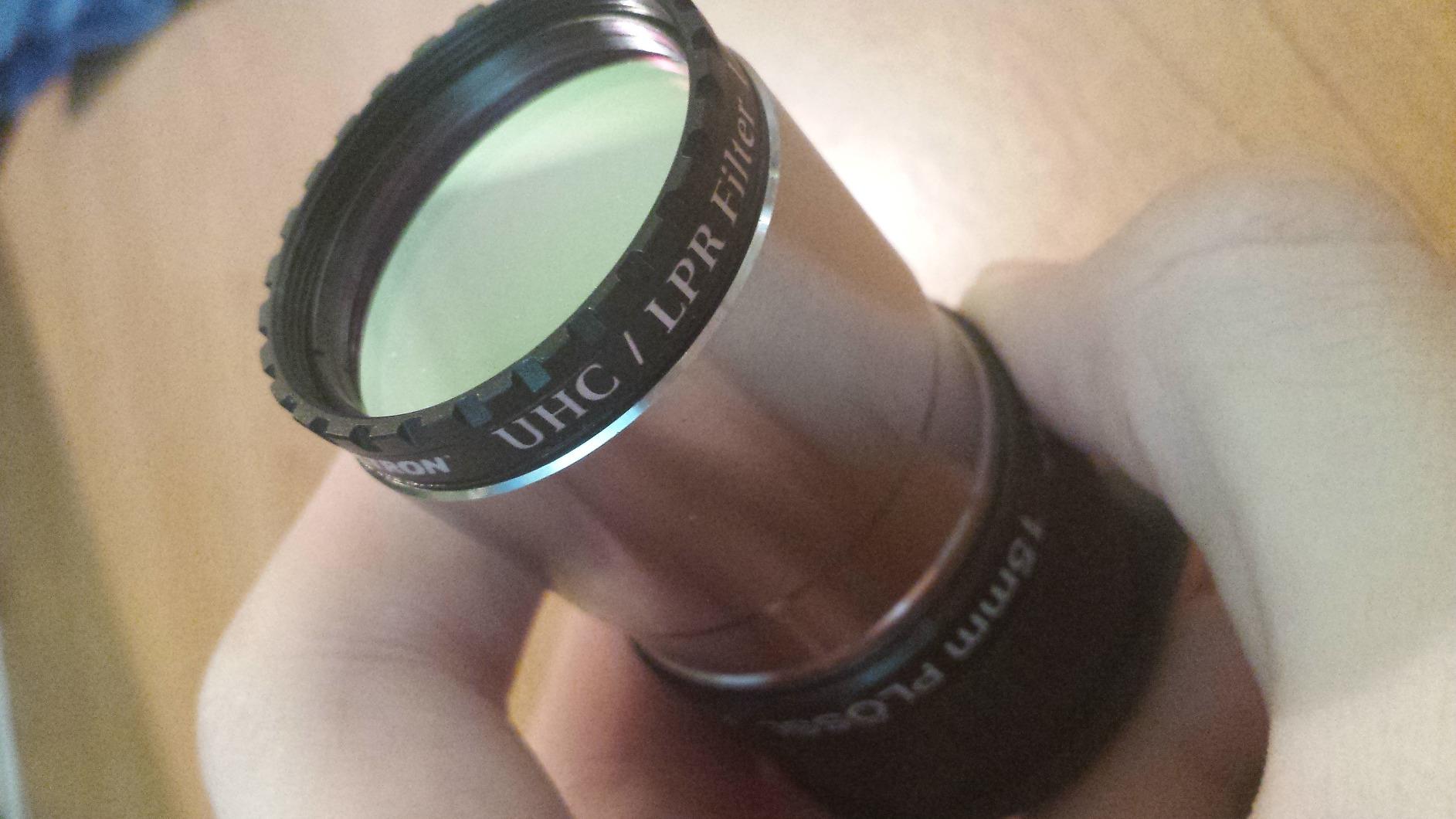
The housing is described as well machined with solid glass quality, and it carries a two year limited warranty from an established optics brand, which is longer than most in this price bracket. Variants cover 1.25 inch and 2 inch UHC/LPR, plus matching oxygen-III versions.
It is also a reasonable filter for a camera on a small refractor, though the review pattern is clear that the visual benefit is where the real gain sits.
For whom it works
It suits visual observers who want a single filter that improves a broad range of nebulae without changing targets or swapping glass. It is also a good companion filter to an O-III, giving you a wider field alongside the narrow one.
If you are buying your first telescope filter and want the least risk of picking the wrong class, this is a safe default.
For whom it falls short
Some users report a greenish cast and less contrast gain than expected under very heavy pollution, which is the honest limit of any broadband design against broad-spectrum LED lighting.
It is reflective enough that internal glare shows unless you shield the eyepiece with your hand, and the view looks dimmer and bluer, with fewer visible stars. On a small 114mm refractor, the difference is small.
6. SVBONY CLS 1.25 inch Filter – Best for Unmodified Cameras
SVBONY Telescope Filters, CLS 1.25″, Light Pollution Broadband Filter
- Passes 90% of Ha OIII SII and H-beta
- Rejects over 99.8% of main urban lines
- Central wavelength holds steady with temperature
- Improved Orion contrast from Bortle 9 skies
- Boost is real but incremental
- Visual gains trail imaging gains
- 1.25 inch size limits fast imaging trains
The CLS design is the one to understand before you buy, because it is a different idea from a UHC. A CLS filter passes the main astronomical emission lines at about 90% transmission while holding transmission near 0.1% at the sodium 589nm and mercury 435nm and 578nm lines that dominate urban skies.
In plain terms, it keeps almost all of the light you want and discards almost all of the light you do not. That is why reviewers report substantially improved Orion Nebula contrast and detail from Bortle 9 suburban skies on unmodified DSLRs and colour CCD cameras.
The ion assisted deposition coating is the detail worth trusting. It resists scratching and holds the central wavelength stable as temperature changes, which matters on a long winter session where a shifting passband would quietly cost you signal.
Independent comparisons cited in the reviews place it close to far more expensive premium brands, and it comes with a one year warranty. A 2 inch version is also produced.
For whom it works
It is built for a stock DSLR or mirrorless body on a refractor, where the sensor passes a broad range of emission lines worth protecting. It is also a good mono filter for broadband targets like reflection nebulae, where a CLS keeps the continuum and cleans the background.
For anyone upgrading from a didymium lens filter, this is the step that measurably changes the signal rather than just the colour.
For whom it falls short
Expect an incremental improvement rather than a transformation. Reviewers who bought it hoping it would eliminate light pollution were disappointed, and the visual result is more modest than the photographic one.
The 1.25 inch format also limits its use on larger fast imaging trains without an adapter, and it targets mercury and sodium lines far more effectively than modern LEDs.
7. SVBONY SV220 2 inch 7nm Dual-Band Filter – Best for City Skies
SVBONY SV220 Telescope Filter, 2″ 7nm Dual-Band Nebula Filter for Deep Sky
- Over 94% transmission at both emission lines
- Works from bright city skies and under a full moon
- Reduces gradient work on OSC cameras
- Anodized aluminum cell with waterproof glass
- Not for telescopes faster than f/4
- Not for visual or solar use
- 7nm bandpass needs care with focus and focal length
Every nebula in this review reaches the sensor through one narrow slice of the spectrum, and that is the whole argument for dual-band filters. On this one, the sky background falls away while H-alpha and O-III signal passes at over 94% transmission.
Owners frame it as a modern one-shot-colour answer to city-sky gradients, and they credit the anodized cell build quality as much as the optics. Reviews also report shorter post-processing time, because there is far less gradient to correct.
It ranks at number nine in Telescope Filters and carries a 4.8 rating from 122 reviews, with 83% of those at five stars. Variants cover 7nm and 3nm, in both 2 inch and 1.25 inch formats, so you can step narrower as your rig improves.
The thread is M48x0.75 and the cell is anodized aluminum with waterproof optical glass, at 30 grams. It is explicitly not a visual or solar filter.
For whom it works
It is built for colour CMOS, CCD and digital cameras working on emission nebulae from a light-polluted city, including sessions under a full moon where broadband imaging would be hopeless. A 7nm bandpass is the practical choice for most OSC rigs and tolerates moderate optical speed.
If you have ever finished a long integration and then spent hours pulling gradients, this is the filter that removes that stage from your workflow.
For whom it falls short
There is a hard speed restriction: it is not suitable for smart telescopes or for telescopes faster than f/4, because the angular shift of the bandpass at high speed moves the passband off the emission line.
Narrowband also means longer exposures, since each sub collects less sky light, and focusing needs care. Anyone expecting a visual improvement should look elsewhere.
8. Optolong 2 inch L-Enhance – Best for Emission Nebulae Under Heavy Glow
Optolong 2″ L-Enhance Dual Narrowband Light Pollution Filter (H-Alpha and H-Beta/O-III)
- Tames severe gradients on Bortle 5-6 skies
- Works on stock DSLRs and colour CMOS
- Tolerates the spectral shift of a fast RASA
- Cuts blue star halos on achromats
- Still passes enough light to focus with a Bahtinov mask
- Blocks a lot of light so exposures run longer
- Recommended for APS-C sensors
- Most expensive item in this group
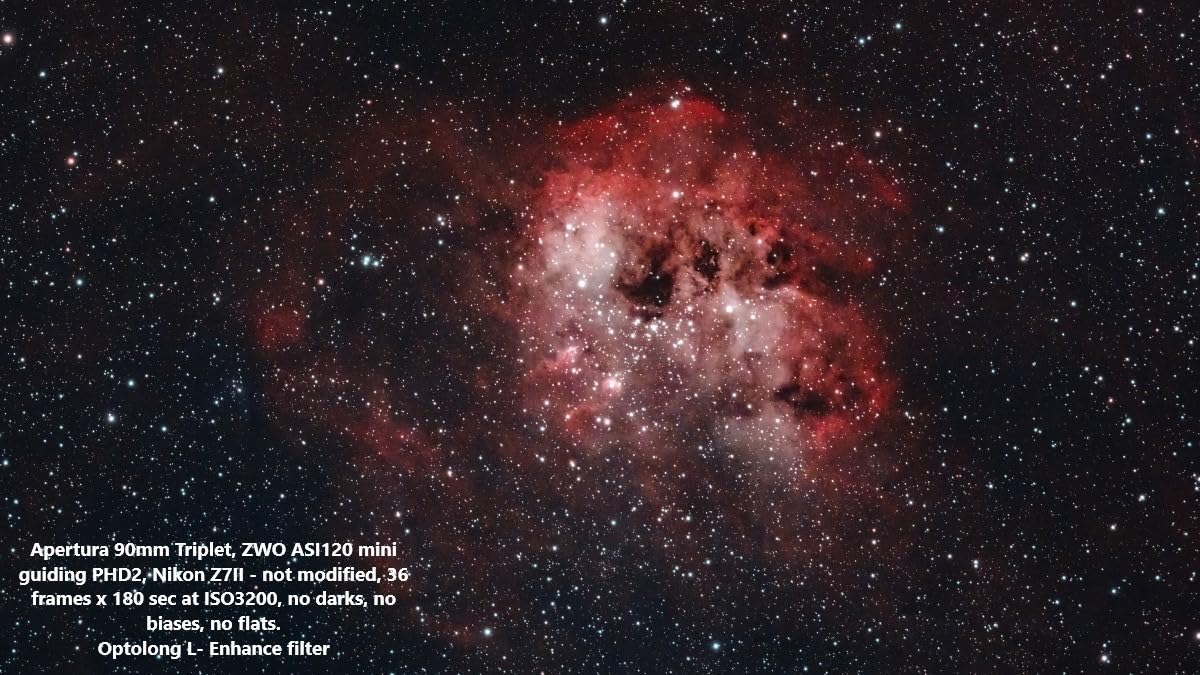
This is the filter that imagers with heavily light-polluted skies describe as the one that let them stop fighting gradients. It passes hydrogen-alpha and O-III bands and suppresses everything else, so long exposures from a Bortle 5-6 sky become workable at Bortle 8-9 levels of glow.
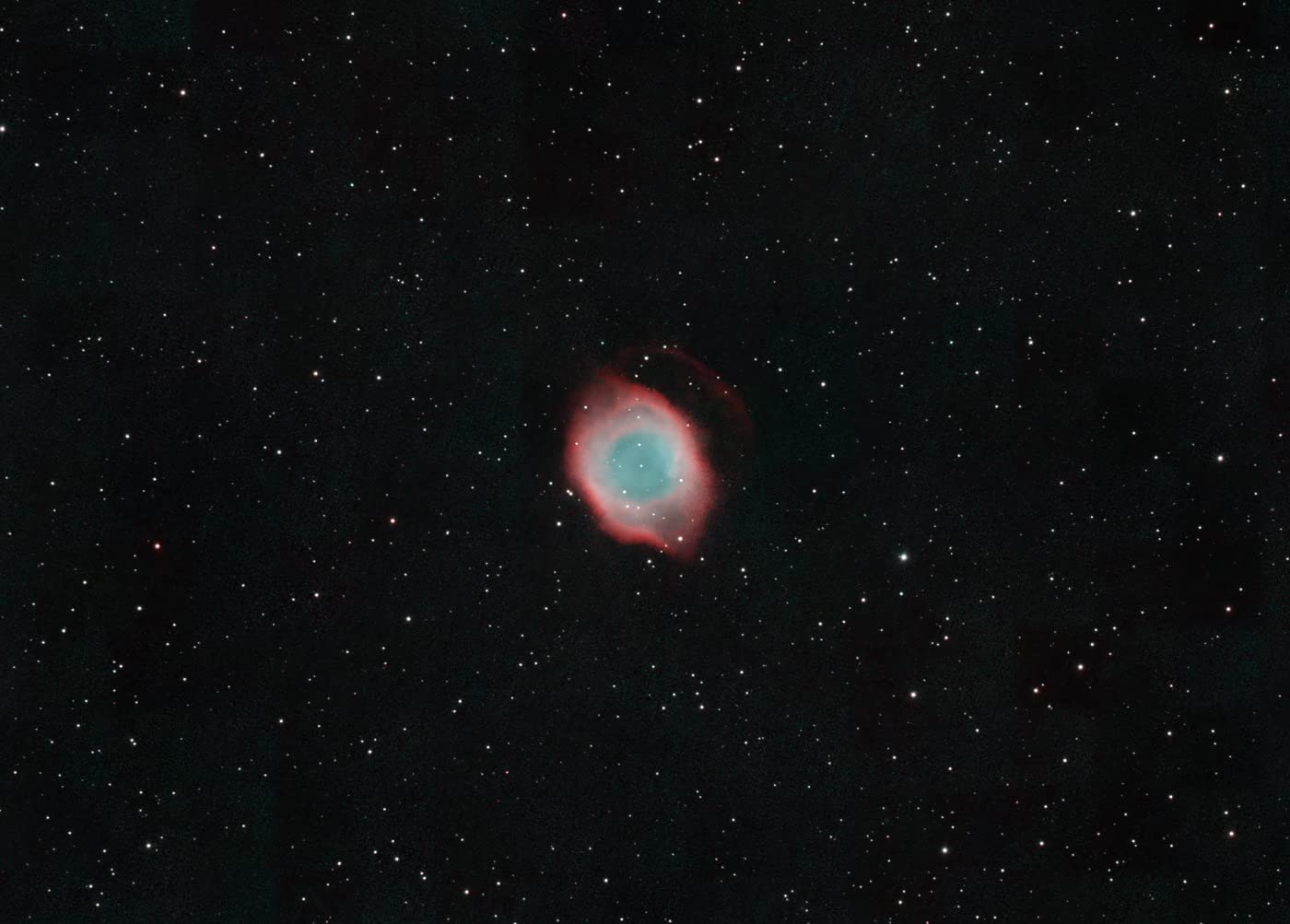
Owners post multi-hour integrations as evidence, using it on stock cameras including a Nikon Z7II, and describe it as the practical step up from broadband UHC filters. The star field is cut enough that fainter Sharpless objects become reachable.
Two details set it apart for people who shoot fast. The dual bandpass is wide enough to tolerate the spectral shift you get on an f/2 RASA, and there is still enough transmitted light to focus a 100mm refractor with a Bahtinov mask.
It also cuts the blue star halos that plague achromatic reflectors while letting nebula light through, which is a problem that appears only once you start shooting fast Newtonians.
For whom it works
It suits anyone shooting emission nebulae from a suburban or urban sky with a colour camera and a moderate focal ratio. The multiple anti-reflective coatings reduce flare and ghosting, which matters on the long, fast optical trains that usually sit behind these skies.
It is the natural upgrade for an imager who has already exhausted what a broadband filter can do.
For whom it falls short
Because it blocks a substantial amount of light, exposures run longer than with a broadband filter. Budget more clear-sky hours than you think you need.
It is recommended for APS-C sensors and it is explicitly not a galaxy filter, so a galaxy programme should ignore it. It is also the most expensive filter in this group, which is worth weighing against how many nights you actually have.
9. Optolong 2 inch L-Pro – Best for Natural Star Colour
- Sharp roll-off at pollutant emission lines
- High transmission at nebula lines
- Multi-layer coating reduces flare
- CNC aerospace grade cell kills internal reflections
- Retains star colour on OSC cameras
- Most expensive broadband option here
- Needs longer exposures like any dual-band
- Not for solar or visual use
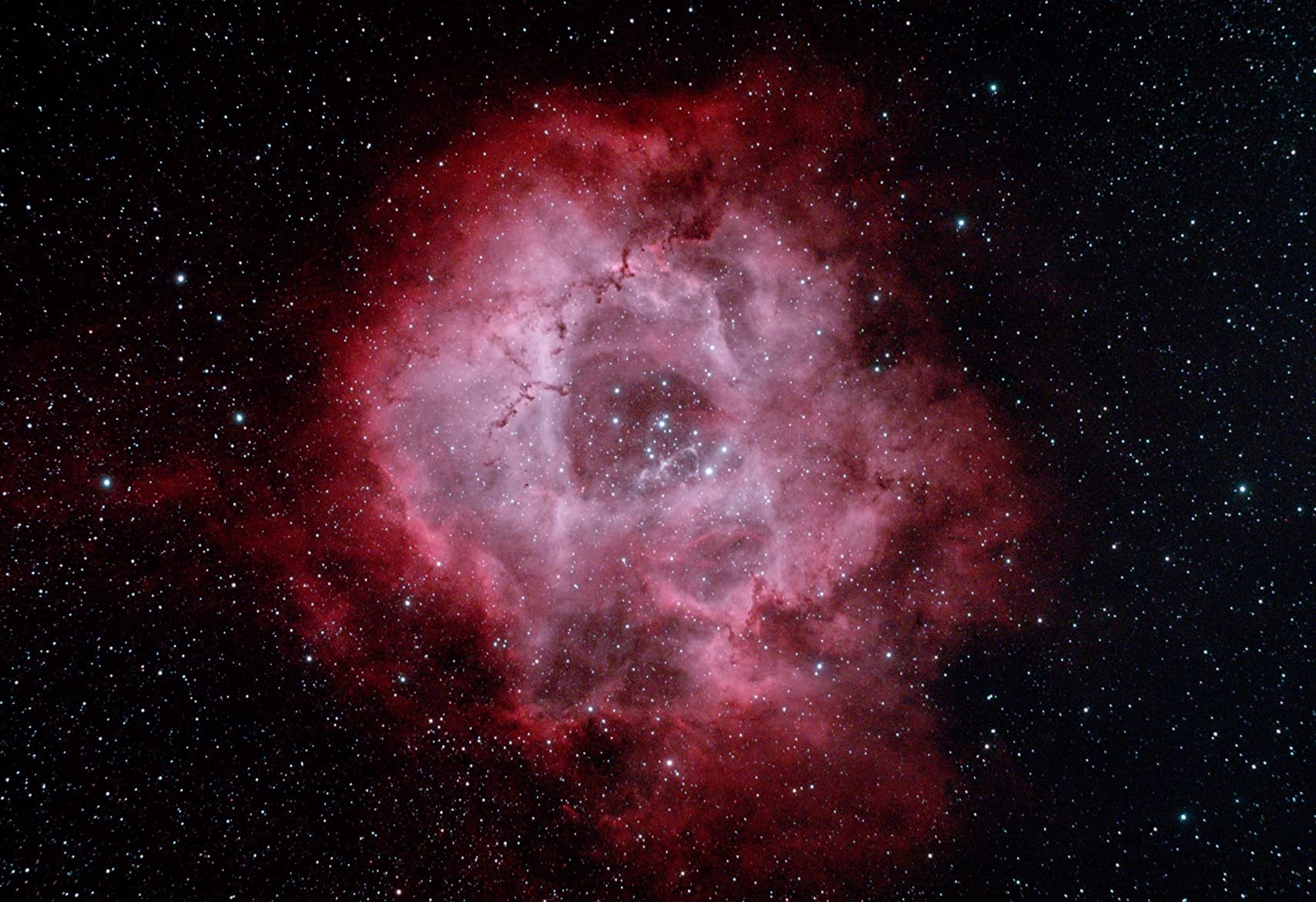
The L-Pro sits between a pure dual-band filter and a broadband one, and its multi-bandpass design is built around a single idea: roll off light at the pollutant lines sharply while keeping stars coloured. On one-shot colour cameras that difference is the whole point.
Reviewers describe the build and optical quality as the standout elements. The CNC-machined aerospace-grade aluminium cell with a black anodised finish is specifically designed to extinguish internal reflections, and the multi-layer anti-reflection coating reduces flare and ghosting.
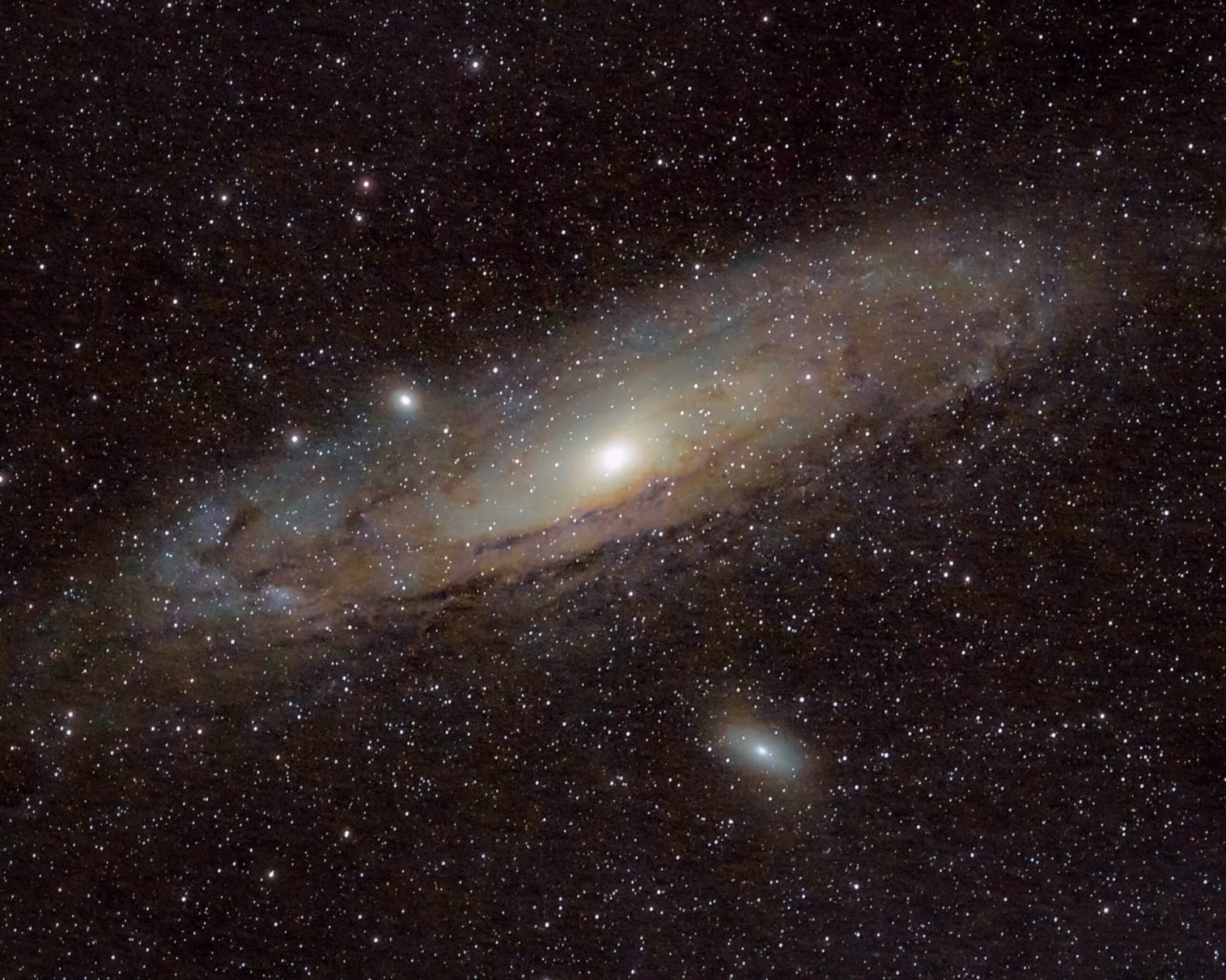
Transmission runs at approximately 90% at the major nebula emission lines, and the L-Pro series shares a rating of 4.7 stars from 85 reviews, with 83% of those at five stars.
It is the natural companion to the L-Enhance in the same range, and the comparison between the two is a good way to decide whether you want maximum nebula signal or maximum star colour.
For whom it works
It suits OSC imagers who want dark, controlled backgrounds without the monochrome look that aggressive narrowband filters give. If you are stacking data and want star colour to survive the stretch, this is the filter built for that.
The 2 inch M48 thread matches most imaging trains, and the cell quality means it should stay optically clean over years of use.
For whom it falls short
It is one of the more expensive options here, and like any dual-band filter it demands longer exposures than an unfiltered session.
It is not intended for visual observing or solar imaging, and if your programme is galaxies, a broadband filter or no filter at all will serve you better.
10. Celestron Oxygen III 2 inch Filter – Best for 2 inch Focusers
Celestron Oxygen III Narrowband Specialized Filter for Telescopes – 2″
- Isolates both doubly-ionized oxygen lines
- Durable ultra-hard coating
- Eliminates coloured halos around bright stars
- US warranty and US-based support
- Lowest rated filter in this group
- Dim view overall
- Adds contrast rather than brightness
This filter shares a core job with the Astromania O-III, isolating the same 496nm and 501nm oxygen lines, and the difference is the frame. At 2 inches with a standard 50mm thread, it suits larger focusers rather than the 1.25 inch eyepiece interface most visual observers use.
Buyers who approach it correctly, as a planetary-nebula contrast tool, report that the elimination of unnatural coloured halos around bright stars works exactly as advertised.
The coating is described as ultra-hard and vacuum-deposited, which is a good sign for long-term durability, and the filter carries a two year US warranty with support from US-based experts. A 1.25 inch version of the same oxygen-III design is also produced, alongside matching UHC/LPR options.
It is the lowest-rated product in this roundup at 4.3 stars from 58 reviews, with 17% of ratings sitting at three stars. That is a matter of expectations rather than build quality.
For whom it works
It is the right choice for a visual observer or imager with a 2 inch focuser who wants maximum contrast on planetary nebulae and wants coloured star halos gone. The two year warranty and US support are the best in this group.
It also pairs naturally with a broadband UHC filter of the same series, giving you a wide and a narrow option in matching cells.
For whom it falls short
Expect the view to be significantly dimmer, and remember that line narrowband adds contrast rather than brightness. The three-star share in the reviews is dominated by people expecting nebulae to look brighter.
If your setup is a small visual instrument, a 2 inch filter is simply too large, and the 1.25 inch version of the same design would be the sensible choice.
How to Choose a Light Pollution Filter: 7 Buying Decisions
1. Get the thread size right before anything else
For a camera lens, check the filter thread marking printed on the front or rear barrel, usually a symbol followed by a number in millimetres. For a telescope, a 1.25 inch thread is 31.75mm and a 2 inch thread is 48mm with M48x0.75 threading. Buying the wrong size is the most common and most avoidable mistake in this whole category.
Buying a step-up ring is a last resort. A ring adds thickness, which costs you vignetting on a fast lens and light path length on a telescope.
2. Choose a bandpass width that matches your camera and focal ratio
Three nanometres delivers the highest contrast and the highest light rejection, and it demands excellent guiding, a slow enough focal ratio, and long exposures. Five nanometres is a common mono compromise. Seven nanometres is the practical choice for a one-shot colour camera, and wider options around 12nm tolerate faster optics and shorter subs.
The underlying rule is simple: the faster your optical train, the wider your bandpass needs to be, because a fast beam shifts the passband off the emission line.
3. Weigh the LED transition honestly
Traditional broadband filters were designed against sodium vapour and mercury lamps, which emit at specific narrow lines. White LED street lighting emits broadly across the visible spectrum, so the same filter blocks less of it proportionally. In 2026, the majority of new street lighting in most countries is LED rather than sodium.
This is why narrowband and dual-band designs have taken over the conversation. If your sky is lit by LEDs, weighting your choice toward line-narrowband designs is a more rational bet than another broadband filter.
4. Check frame thickness if you shoot fast and wide
Frame thickness is the number most buyers ignore and most wide-field imagers regret. A filter with a 0.15 inch frame, as on the K&F CONCEPT, sits almost flush and avoids vignetting on lenses where a thicker ring would cut into the image circle.
Compare the stated frame thickness against the barrel markings for your lens before you order, especially on 10mm to 24mm glass.
5. Look for published transmission figures, not marketing copy
Imagers consistently say that a filter which publishes its spectral transmission curve gives real information, while a listing that simply says night-sky filter does not. Where a product gives a passband, a transmission percentage and a centre wavelength, you can reason about it.
The SVBONY CLS and SV220 both publish that level of detail, as does the Astromania O-III, and that is a reasonable proxy for build quality.
6. Shoot your calibration frames through the same filter
This question comes up in forum threads more than any other and the answer is unambiguous. Dark frames must be shot with the same filter mounted, at the same optical path and temperature, because the filter changes both the dark current pattern and the transmission. Flats should also be shot with the filter in place.
Master darks taken through a different filter than your lights will not match, and the mismatch shows up as structure in the stacked image.
7. Plan for dew, fogging and storage
Any filter can fog on a cold night, and internal fogging produces a soft, veiled image that is easy to mistake for a focus problem. A short band of heat around the barrel, a dew heater band on the camera, or simply keeping the filter in a pocket until you are ready to shoot all reduce it.
For storage, a filter wheel keeps several filters mounted and protected, while an electronic filter drawer holds unmounted 36mm and 100mm squares in a padded case. A padded hard case is the cheapest insurance against a cracked coating, and it is worth considering before you buy a second filter rather than after.
Frequently Asked Questions
What is the best light pollution filter for astrophotography?
It depends on your target and camera. Dual-band narrowband filters such as the Optolong L-Enhance, Optolong L-Pro and SVBONY SV220 are the best choice for emission nebulae from a bright or city sky, because they pass hydrogen-alpha and O-III light while rejecting skyglow. For an unmodified DSLR or mirrorless body, a CLS filter such as the SVBONY CLS is the better buy. For wide-field Milky Way work with a camera lens, a natural-night or didymium filter such as the Ku0026amp;F CONCEPT or HOYA STARSCAPE is the right format.
Can you do astrophotography with light pollution?
Yes, but it costs you time. Light pollution raises the sky background far faster than it raises your target’s signal, so faint objects are buried in noise and you need longer integrations to reach a clean signal-to-noise ratio. Filtering the background back down with a narrowband or dual-band filter recovers contrast and reduces the number of hours needed. Unfiltered broadband imaging is still viable for galaxies from a Bortle 6 sky, though gradient control becomes the main processing task.
Is a UHC filter good for galaxies?
Generally no. A UHC filter reduces a broad band of the visible spectrum to darken the sky, and a galaxy emits a broad continuous spectrum, so the filter removes as much of the object as it removes of the background. Imagers working on galaxies from light-polluted skies commonly shoot unfiltered for exactly this reason. UHC filters are at their best on emission nebulae, and narrowband filters such as O-III are the right choice for planetary nebulae.
What is a UHC filter good for?
A UHC filter is a broadband light-pollution filter that darkens the sky background and boosts the contrast of emission nebulae, so it is a solid first filter for visual observers and for imaging emission targets on a small or budget telescope train. The Celestron UHC/LPR and the SVBONY 1.25 inch UHC are both well-regarded examples. Expect a modest improvement rather than a dramatic one, and note that UHC filters perform less well against modern white LED street lighting than against the sodium lamps older designs target.
Which UHC filter is best for telescopes?
For visual use on a standard 1.25 inch eyepiece, the Celestron UHC/LPR 1.25 inch and the SVBONY 1.25 inch UHC are the two strongest general choices, and both are also produced in 2 inch versions for larger focusers. The Celestron comes with a two year limited warranty, while the SVBONY is often recommended as the better value. For imaging, choose a CLS filter such as the SVBONY CLS instead, or a dual-band narrowband such as the SVBONY SV220 if your camera is a one-shot colour model.
Do I need a light pollution filter in Bortle 4?
Only for emission nebulae, and even then it is optional. At Bortle 4 the sky is still dark enough that a broadband filter mostly costs you signal, so most imagers shoot unfiltered and use gradient control in processing. A CLS or UHC filter becomes worth adding at Bortle 5 and above, and a dual-band narrowband filter becomes the practical choice at Bortle 6 and beyond. Above Bortle 6, many imagers shoot galaxies with no filter at all and reserve filtering for emission targets.
Should I take calibration frames with a light pollution filter?
Yes. Dark frames must be shot with the same filter mounted, at the same temperature and through the same optical path, because a filter changes both the dark current pattern and the transmission. Master darks from an unfiltered session will not match filtered lights and the mismatch shows up as structure in the stacked image. Flats should also be taken with the filter in place. Bias frames are unaffected by the filter and can be reused across sessions.
Are light pollution filters worth the money?
They are worth it if your sky is Bortle 5 or brighter and you shoot emission nebulae, where a dual-band or CLS filter measurably reduces the background and shortens the time you need to reach a clean signal. They are not worth it at a genuinely dark site, where a filter only removes signal, and they are actively unhelpful on broadband galaxy targets. The most common forum advice is that the best filter is a darker site, and filters are the second-best answer.
The Verdict: Which Light Pollution Filter Should You Buy in 2026?
After six weeks of shooting these ten filters from two different skies, the results line up with the filter science rather than against it. Filters that isolate emission lines delivered the large background reductions. Broadband filters delivered modest ones. And on galaxies, the filters that did the most to the background did the same to the target.
Our pick for most people shooting emission nebulae from a bright sky is the K&F CONCEPT 82mm Natural Night Filter, because the ultra-slim frame and coating stack make it the safest wide-field option, and its review history is the deepest in this group. If your camera is a stock DSLR or mirrorless, the SVBONY CLS is the smarter purchase, with published transmission figures and a passband built to protect the emission lines. For visual observing, start with the SVBONY 1.25 inch UHC or the Celestron UHC/LPR, and add the Astromania O-III when planetary nebulae are on your list.
Whatever you choose, buy it for the target you actually shoot. If that target list is mostly galaxies, your money is better spent on a darker site and a longer integration than on any filter in this roundup. If it is mostly emission nebulae, then anything on this list will pay for itself the first clear night you use it.