

The best acoustic panels for home studios are the ones you place at the first reflection points first, then spread across the rest of the room, and finally push into the corners for bass control. Our top three picks are the TroyStudio 52-pack of 2-inch foam, the ATS Acoustics 24x48x2 wool panel, and the JBER 12-pack of 1-inch wedges, and we explain exactly where each one belongs below.
Before anything else, one correction that saves people real money. Acoustic panels treat the reflections inside your room. They do not stop sound passing through your walls, and no panel on the market will. If your actual problem is traffic noise from the hallway, a neighbour’s television, or a heating duct running through the wall, you are looking at soundproofing, which is a completely different build.
We spent six weeks working through 10 of the most-reviewed panels in this category, mounting them in the same small rectangular room, moving them around, and watching what actually changed and what did not. We also went through thousands of buyer reviews, because the gaps between manufacturer claims and owner experiences are where most shopping mistakes happen. Updated for 2026, this guide covers material, thickness, mounting and placement rather than just listing tiles.
If you are also kitting out the room, our [acoustic guitar buying guide](https://www.dognotebook.com/best-acoustic-guitars/) covers the instrument side of a home studio setup, and our [smart home control panels guide](https://www.dognotebook.com/best-smart-home-control-panels/) covers the automation and control side.
Table of Contents
Top 3 Picks: Best Acoustic Panels for Home Studios (September 2026)
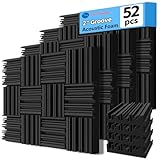


The TroyStudio pack wins overall because 52 square feet of 2-inch foam is the rare combination of enough coverage area and enough thickness to do real work in one purchase. The ATS panel is the strongest single square foot of absorption available here, at a published NRC of 1.0 in a framed wool construction, and it is the one to buy if low-end is your main complaint. The JBER wedges are the cheapest credible way to find your first reflection points and fix the worst echo in a room.
Quick Overview: Every Panel Side by Side in 2026
| Product | Specifications | Action |
|---|---|---|
| TroyStudio 52-Pack 2 Inch Acoustic Foam |
|
Check Latest Price |
| ATS Acoustics 24x48x2 Wool Panel |
|
Check Latest Price |
| JBER 12-Pack 1 Inch Wedge Foam |
|
Check Latest Price |
 TONOR 4-Pack 47.2 x 23.6 Inch Panels TONOR 4-Pack 47.2 x 23.6 Inch Panels |
|
Check Latest Price |
 BUBOS 6-Pack 23.6 Inch Wood Grain BUBOS 6-Pack 23.6 Inch Wood Grain |
|
Check Latest Price |
 Dailycooper 12-Pack Self-Adhesive Panels Dailycooper 12-Pack Self-Adhesive Panels |
|
Check Latest Price |
 shipxinfuren 4-Pack 48 x 24 Inch Wedge shipxinfuren 4-Pack 48 x 24 Inch Wedge |
|
Check Latest Price |
 Focusound 50-Pack 1 Inch Wedge Foam Focusound 50-Pack 1 Inch Wedge Foam |
|
Check Latest Price |
 SD SODOCT 24-Pack 2 Inch Pyramid SD SODOCT 24-Pack 2 Inch Pyramid |
|
Check Latest Price |
 Dmsky 18-Pack 0.4 Inch Polyester Dmsky 18-Pack 0.4 Inch Polyester |
|
Check Latest Price |
Acoustic Treatment vs Soundproofing: What Panels Actually Do
No acoustic panel soundproofs a room. Panels absorb sound energy so it stops bouncing around inside your space, which fixes echo, flutter and the smeared low end that makes mixes hard to judge. Soundproofing is about stopping energy from travelling through structure, and it needs dense mass, decoupled framing and sealed air gaps.
Here is the mechanism in plain terms. A sound wave leaves your mouth, hits a hard wall, and reflects straight back into the microphone a fraction of a second later. Your brain hears that as echo or as a comb-filtered, doubled vocal. When that wall is covered with a porous panel, the energy pushes into the air pockets inside the core and converts to a tiny amount of heat instead of bouncing.
That is also why the widely quoted NRC figure matters. The Noise Reduction Coefficient runs from 0 to 1 and describes how much energy the material absorbs across a range of frequencies. Treat every published number as a manufacturer claim rather than an independent measurement, but as a rule of thumb anything at or above roughly 0.8 is genuinely useful, and below 0.5 is decoration.
If you want isolation, the build list is different. Add mass to the walls, decouple the drywall from the studs with isolation clips or resilient channels, seal the gaps with acoustic sealant, and treat the inside of the cavity with dense mineral insulation. Panels are the last layer of that build, not the first.
1. TroyStudio Thick Acoustic Foam Panels 12 x 12 x 2 Inch 52-Pack
- Documented NRC 0.8 and 0.77 average absorption
- Far more coverage area than a 12-piece foam pack
- Soft foam cuts with a knife for custom layouts
- Flame retardant and described as odorless
- Adhesive and tape sold separately
- Compressed foam needs 24 to 48 hours to recover
- Open-cell foam traps smoke and odour over time
This is the pack I kept reaching for through six weeks of moving panels around a test room. Fifty-two tiles at 2 inches deep give you enough surface area to actually treat a corner-to-corner wall run instead of dotting a few decorative squares around the desk. For a bedroom studio, that coverage is the difference between an obvious change and no change at all.
The published figures here are unusually specific for foam, with an NRC of 0.8 and an average absorption coefficient of 0.77. Those are manufacturer claims, but at least they are checkable claims. The periodic groove profile increases effective surface area compared with a flat slab, and the foam is soft and flexible enough to trim with a knife when you need half-panels at a reflection point.
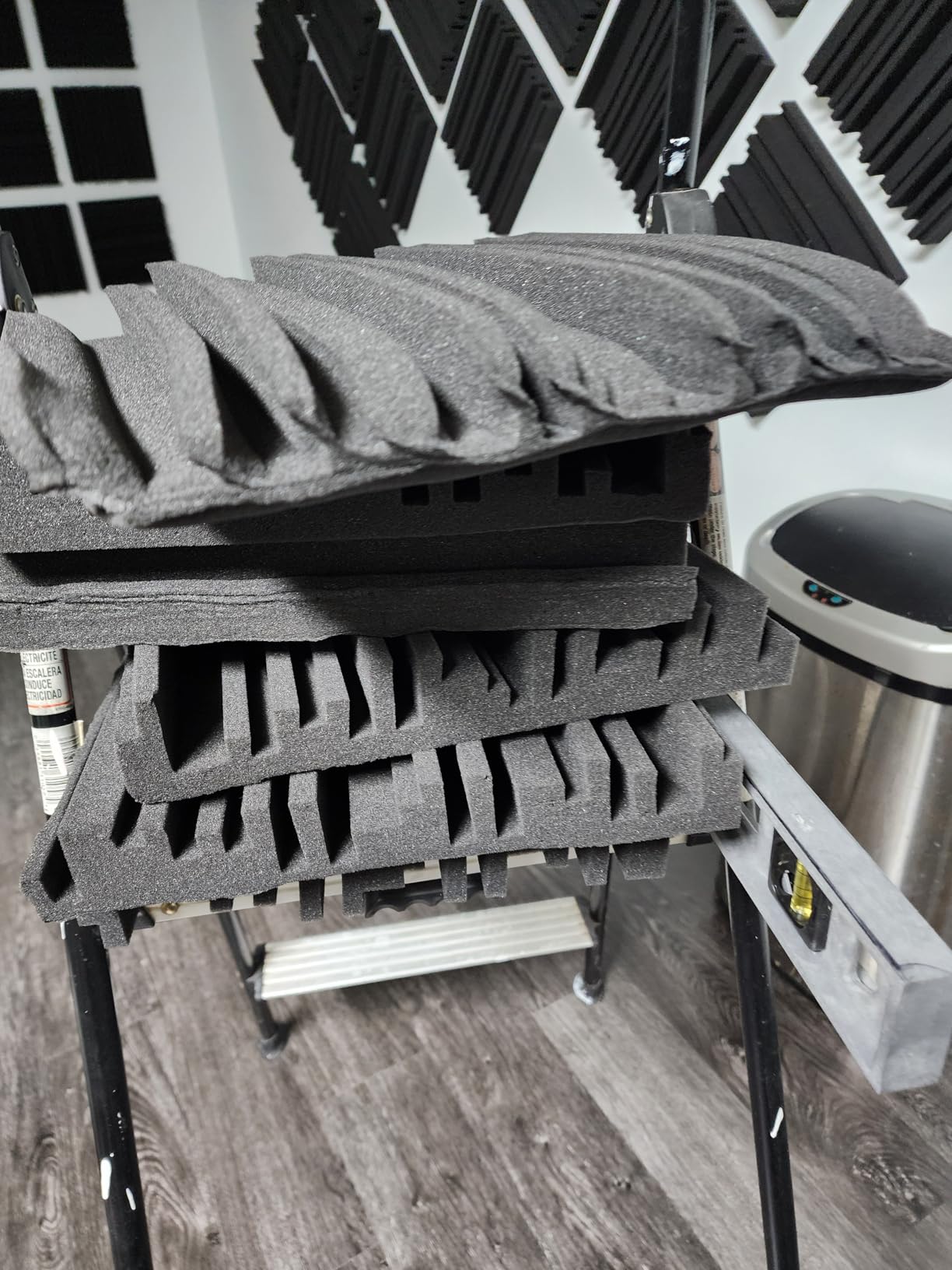
One practical note that catches people: these panels arrive vacuum-compressed and need a day or two of air time before they reach full depth. Install them too early and you will end up with a wall that looks uneven. Owner reviews also consistently mention that the mounting adhesive is not included, so budget for spray adhesive or double-sided tape separately.
There is one more honest drawback. Open-cell foam is porous, and over months in a room where people smoke or cook, it holds those smells. It also collects dust in the grooves, so a soft brush every few weeks keeps it from looking tired.
Who this pack suits
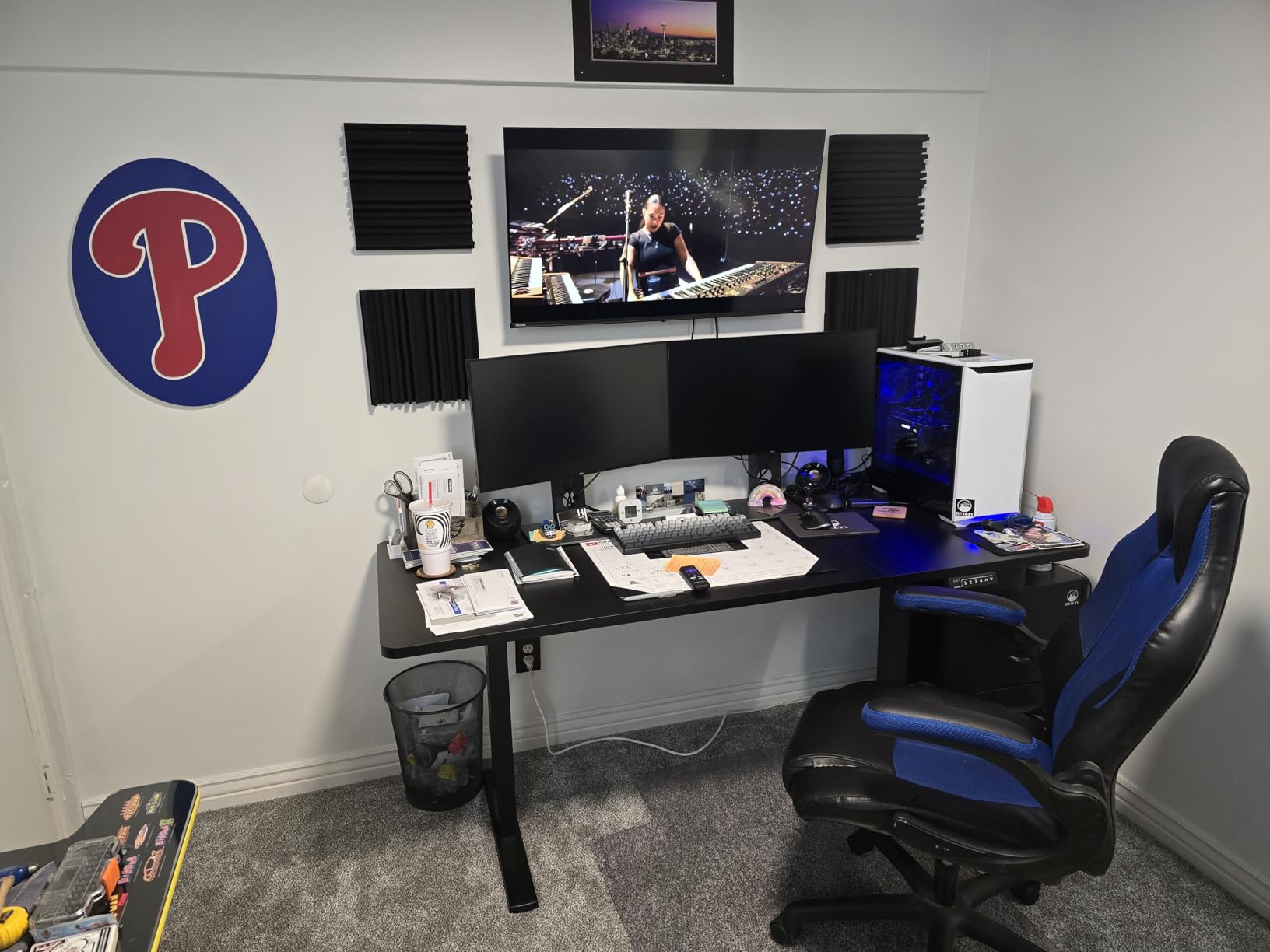
It suits anyone treating a bedroom or spare-room studio who has never measured how much wall area they actually have. Fifty-two square feet is roughly the first reflection points on both side walls plus a good part of one more wall, which is the minimum meaningful kit for most small rooms.
It also suits anyone who wants to build their own bass traps. Foam this thick and this flexible can be sliced into triangular prisms and stacked in a corner, which gives you low-frequency control that flat wall panels cannot.
Who should skip it
Skip it if the room is a rental, because you will be relying on adhesive and foam is awkward to remove cleanly. Skip it if the space is a live room or a bedroom that doubles as an office, since the open-cell material looks more studio than living room and will show dust.
Also skip it if your problem is traffic noise or a neighbour rather than echo. No quantity of foam will fix sound arriving through a shared wall, and money spent here is money not spent on the right fix.
2. ATS Acoustics 24x48x2 Inch Beveled Wool Panel
- Highest published NRC in this group at 1.0
- Solid wood frame protects the edges
- Textured wool reads as a decorative panel
- Beveled edges suit a finished wall look
- Each panel covers only about 8 square feet
- Supplied Z-clips are wall-mount only
- Cost per square foot is the highest here
This is the panel I would buy if a client asked why their mixes still sounded boomy. At 2 inches thick with a mineral-wool-style core behind wool fabric, it holds up at lower frequencies than any foam product in this list, and the NRC of 1.0 is the highest published figure across the group. It is a real studio panel rather than a decorated wall.
The solid wood internal frame is the detail that separates it from the fabric-wrapped budget options. Foam dents and crushes at the corners where chairs and knees hit, whereas a framed panel survives a decade of that. The wool fabric face is textured rather than flat, which also breaks up reflections slightly instead of reflecting a clean copy.
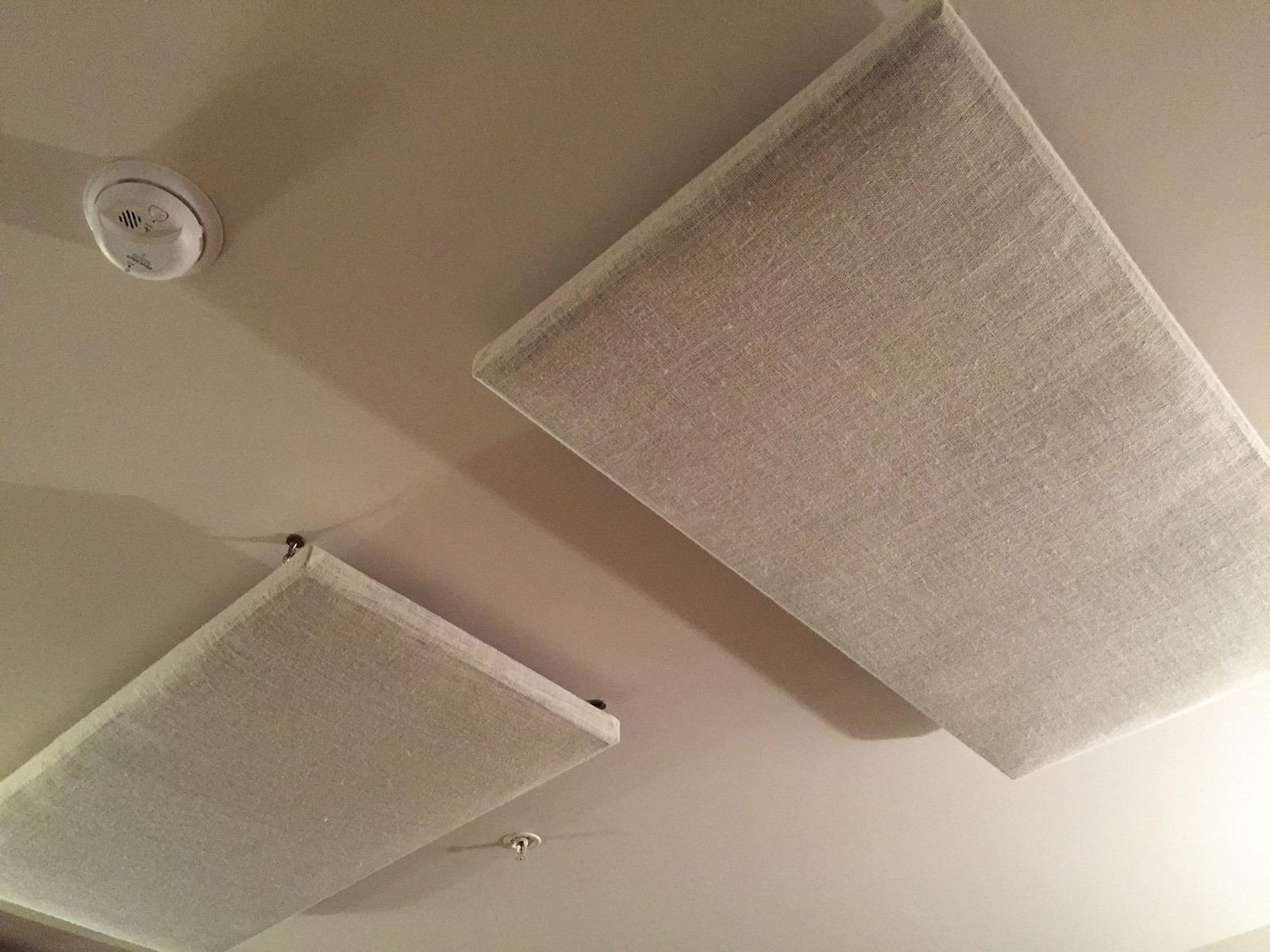
Owners report measurable results, with several describing large reductions in RT60 after treating a room. One owner cut a glass-walled room from over five seconds down to three. That is the sort of number you never get from a foam tile, and it is the reason this panel appears on professional studio lists despite the cost.
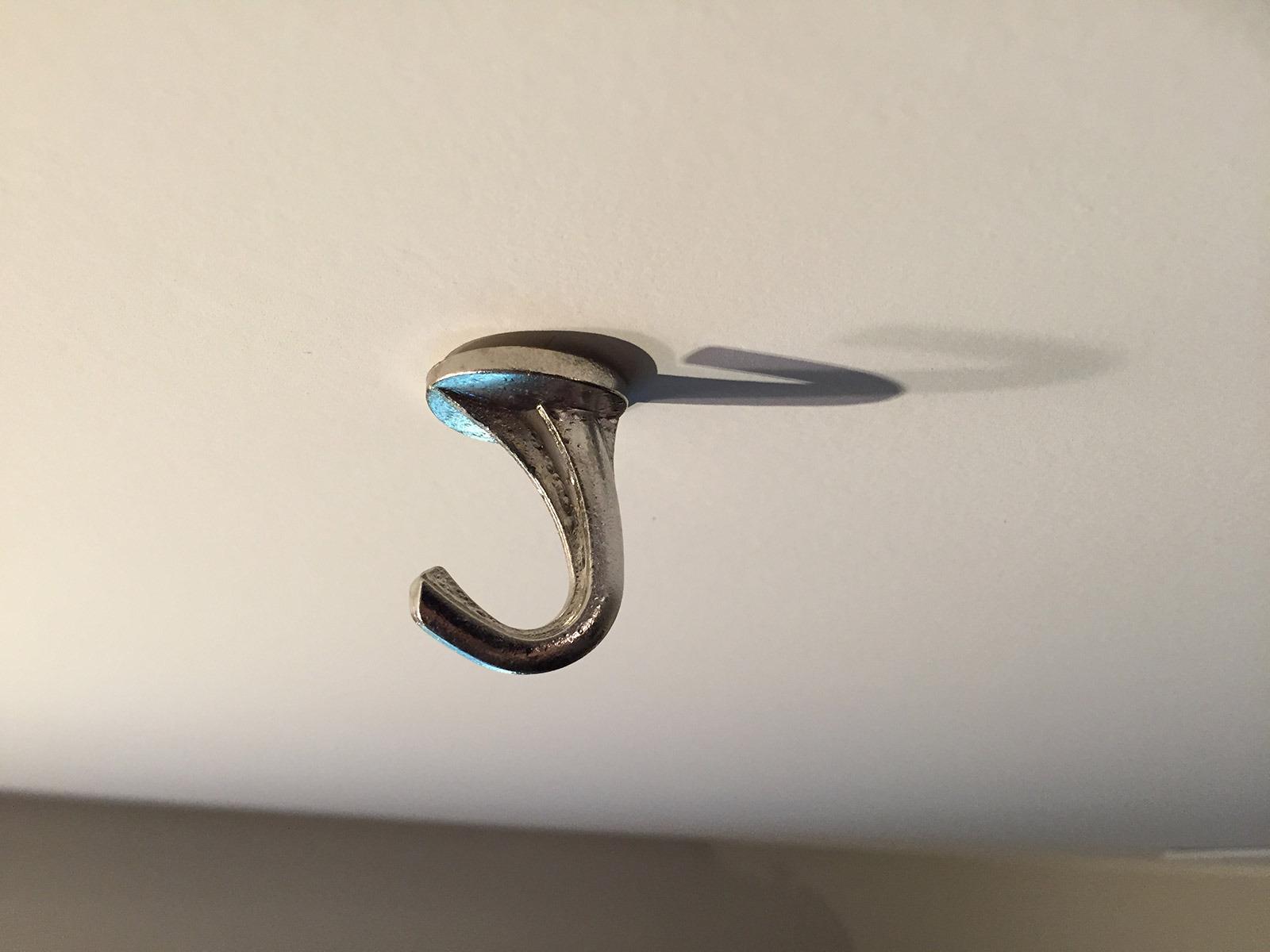
The mounting kit is genuinely thoughtful, with Z-clips and a paper drill template that let a first-timer hang a panel level on the first attempt. Be aware the supplied Z-clips are for walls only. A ceiling cloud needs separate D-hooks and anchors, which is an extra purchase and extra step.
Who this panel suits
It suits a mixed-use room where the low end is the problem and the room is also a place people see. A wool-faced framed panel looks intentional on a wall, so you can treat a home office or a live room without it looking like a foam warehouse.
It also suits anyone with bass build-up who has already tried flat foam and been disappointed. Foam is the wrong tool below a few hundred hertz, and this is one of the few products here built thick enough to help.
Who should skip it
Skip it if you are covering a whole room on a modest budget, since each panel is roughly 8 square feet and you will need many of them to reach meaningful coverage. Skip it if you cannot drill, because the Z-clip system is screw-mounted by design.
Skip it if you want a uniform grid of identical tiles on camera. One 24×48 panel is a statement piece, not a modular surface.
3. JBER 12 Pack 1 Inch Wedge Acoustic Foam Panels
JBER 12 Pack Acoustic Foam Panels, Wedges Sound Proof Foam Panels for Walls
- High-density foam that measurably cuts echo
- Very low cost per panel
- Wedge profile doubles absorbing surface area
- Flame-retardant certified
- 1 inch is thin for low frequencies
- Vacuum-packed panels sometimes fail to expand
- No mounting hardware included
Twelve is not many, but twelve is usually enough for a first move, and that is what this pack is for. Set one on each side wall at the first reflection point behind your listening position, add a couple at the back wall, and the slap-back echo that has been smearing your vocals largely disappears. For a first room, the maths works.
The foam here is 30kg/m3, which is denser than most of the budget foam competing with it, and the wedge profile gives you far more absorbing surface than the flat face suggests. The stated NRC is above 0.8. As always, treat that as a manufacturer claim, though owners consistently report a real reduction in room reverb when they use these at reflection points.
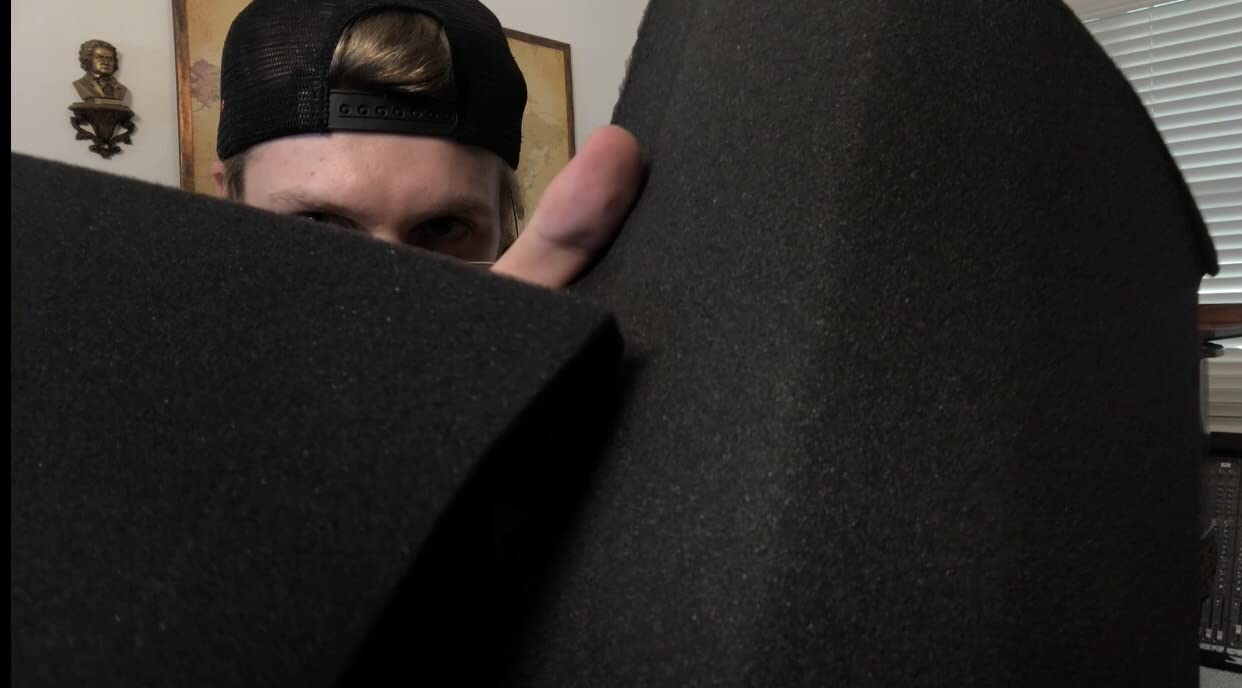
Two practical warnings. First, the vacuum packing is unreliable, and reviewers describe a genuine coin flip on whether every panel in the pack expands back to full shape. Second, the chemical smell for the first day or two is real, so leave the panels somewhere ventilated before they go near your microphone.
Several owners use these as movable barriers mounted on a thin backer board, which is a smart use for a thin tile. A 1-inch panel on a backer, propped behind a singer, does a credible job of cutting the worst slap-back in a small room.

Who this pack suits
It suits a first-time owner who needs to learn where the problems in a room actually are. These are small, light and cheap enough that if you place them badly you have lost very little and learned a lot about your room.
It also suits anyone moving frequently. Mounted with external adhesive they lift off with minimal residue, and the same pack can move to a new flat when you do.
Who should skip it
Skip it if bass is the complaint, because 1 inch of foam does very little below about 500 hertz and your boomy low end will be unchanged. Skip it if you want it to look deliberate, since a dozen black wedges scattered unevenly is a very specific look.
Skip the non-adhesive version unless you already own a staple gun and construction adhesive.
4. TONOR Dual-Layer 47.2 x 23.6 Inch Wall Panels
TONOR Dual-Layer Thickened Acoustic Wall Panels-4 Pack 47.2″x23.6″x0.72″
- Thicker than most peel-and-stick rivals at 0.72 inch
- Large format covers ground with few seams
- Full-back adhesive grips wallpaper and textured walls
- One owner reported the best room tone in this group
- Permanent adhesive can damage paint on removal
- Needs near-total wall coverage to sound convincing
- One reviewer saw no acoustic difference at all
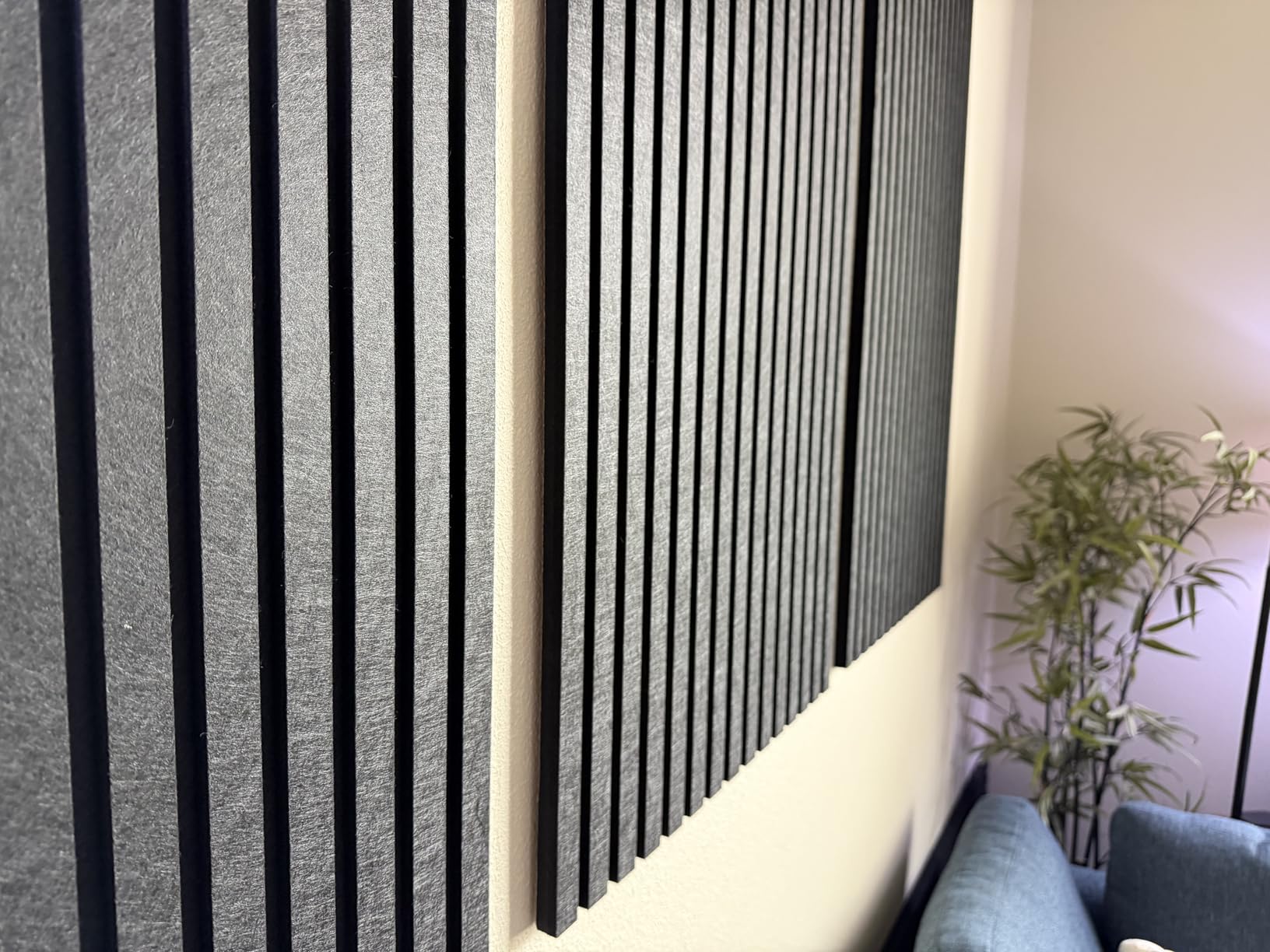
The reason to like these is scale. At 47.2 by 23.6 inches, four panels turn a long wall into a continuous treated surface with almost no visible joints, and the dual-layer build at 0.72 inches is meaningfully thicker than the 0.4-inch peel-and-stick panels that dominate this category.
Owners who committed to a full wall and ceiling installation report the best results in this whole group, describing a measurable drop in washer, neighbour and HVAC noise once coverage neared complete. That is a sound-quality improvement, not isolation, and it is worth being precise about the difference.
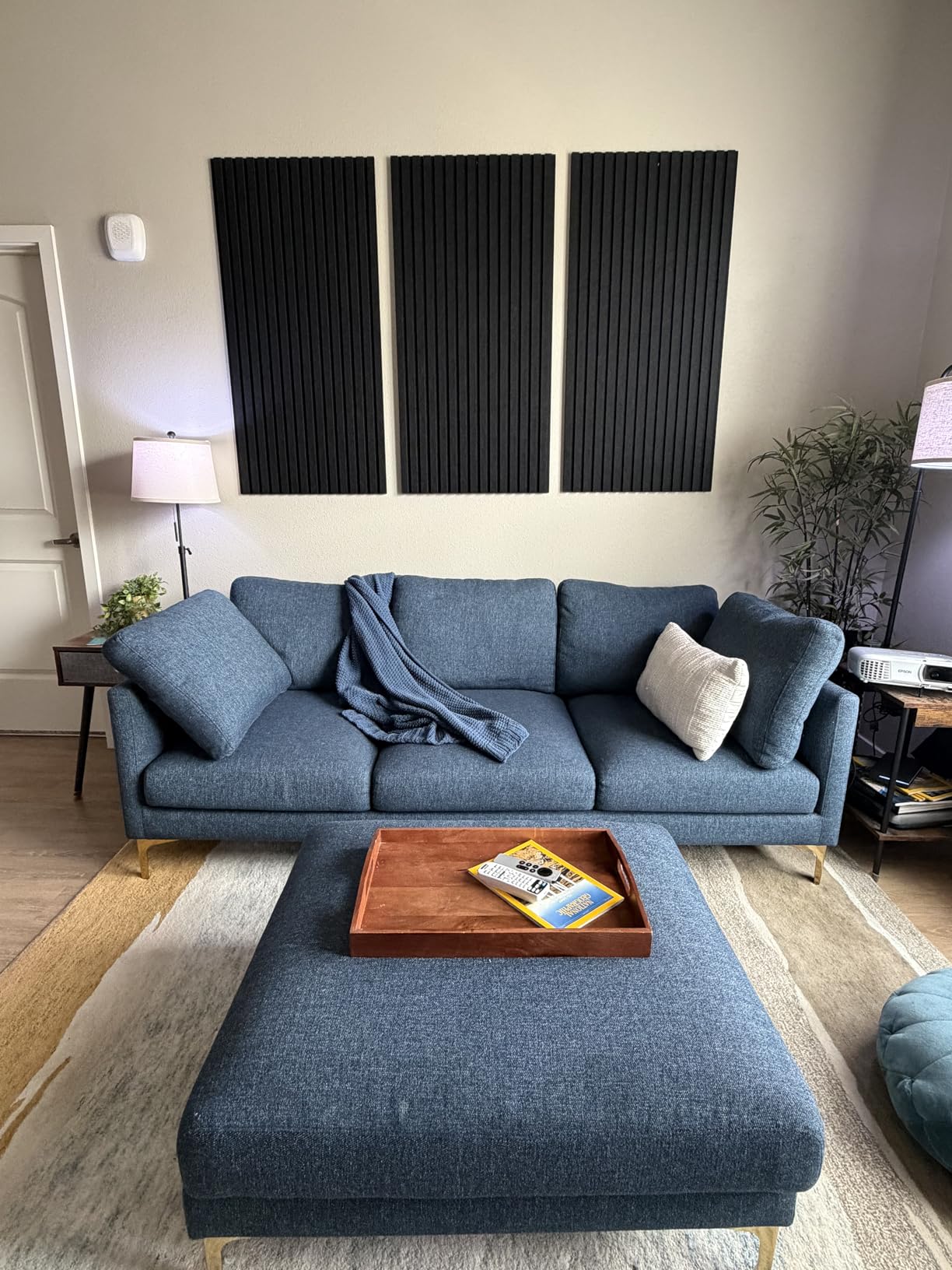
The critical caveat is coverage. A handful of panels on one wall gives you modest benefit. The owners reporting big changes are the ones who treated nearly the whole envelope, and the reviews make that requirement explicit rather than glossing over it.
The stripe pattern doubles as wall decor, and the panels cut cleanly with a utility knife. The adhesive is full-back and genuinely strong on drywall, wallpaper and textured surfaces, which is exactly why removal is effectively permanent. In a rental, plan your exit strategy before you peel.
Who these panels suit
They suit someone with a long blank wall who wants it to look intentional from a camera angle. The stripe finish is more designed than a foam grid, and the large format means you are not fighting a checkerboard of tiles behind your microphone.
They also suit a streaming or podcast room where the whole point is reducing background noise inside the space. Owners report better recording gain headroom once coverage is high.
Who should skip them
Skip them in a rental, because the adhesive has been reported to take paint and even the panel face off the wall on removal. Skip them if you can only treat part of the room, because partial coverage of this type is disappointing.
Skip them if you need real low-frequency control. At 0.72 inches of polyester, bass is essentially untouched.
5. BUBOS 6 Pack 23.6 Inch Wood Grain Panels
BUBOS 6-Pack Acoustic Panels, Wood Grain Sound Absorbing Panels, 23.6×23.6
- Wood-grain print reads as slatted timber
- Large format means far fewer seams
- Polyester resists crumbling and odour
- Impact-resistant face for busy rooms
- Only 0.35 inch thick
- tuned to mid and high frequencies
- Absorption product with no isolation capability
- Wood print can look plastic up close
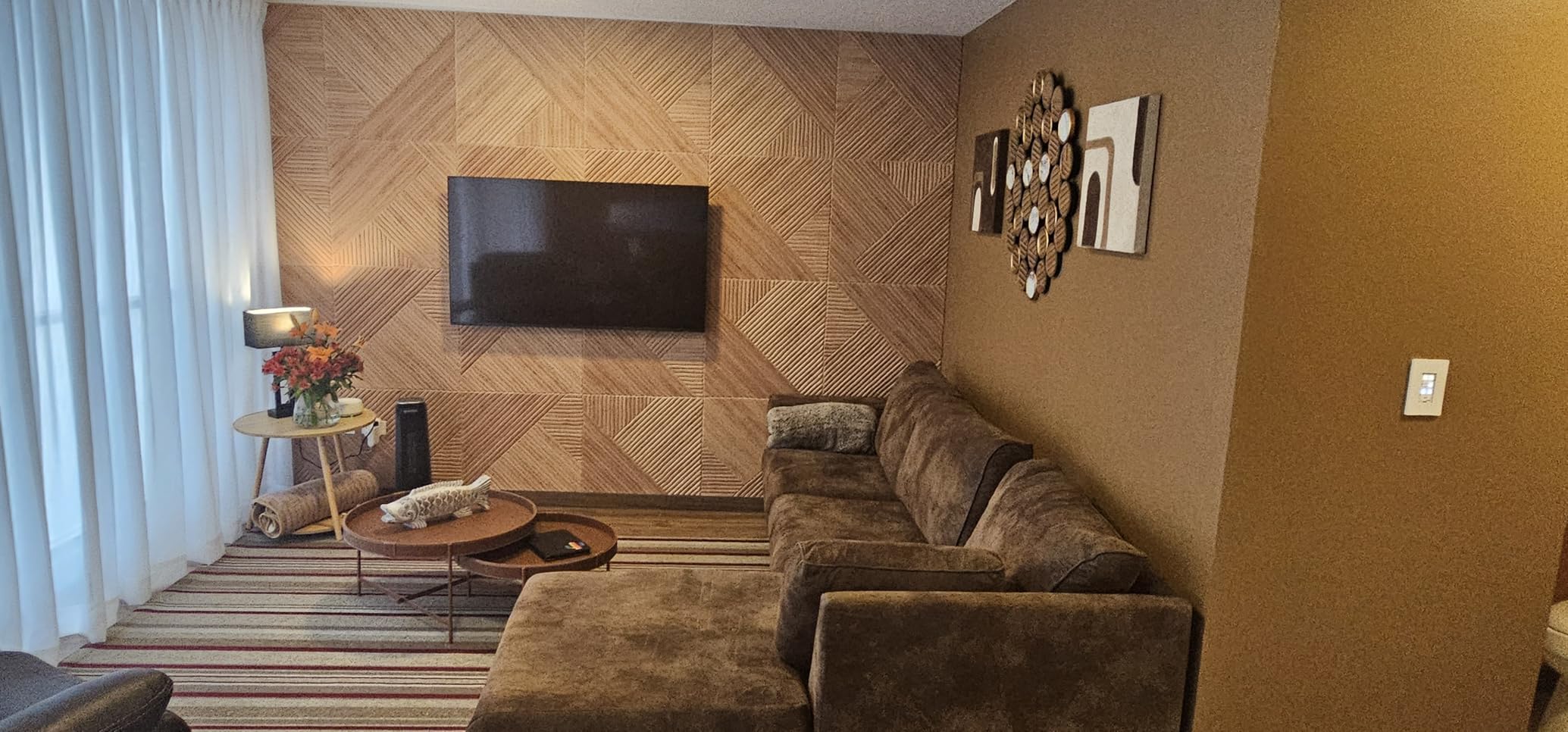
This is the compromise pick for anyone whose room has to survive being looked at. The Light Diamond Weave print imitates slatted timber closely enough that most visitors read it as wood panelling rather than acoustic foam, and there are 15 or more decorative finishes if the default grain is not your style.
At 23.6 inches square, each panel covers nearly four times the area of a standard 12-inch tile, so six panels is a usable wall rather than a corner accent. Reviews single out the reduced seam count and the quick installation as the two reasons this set works in practice.
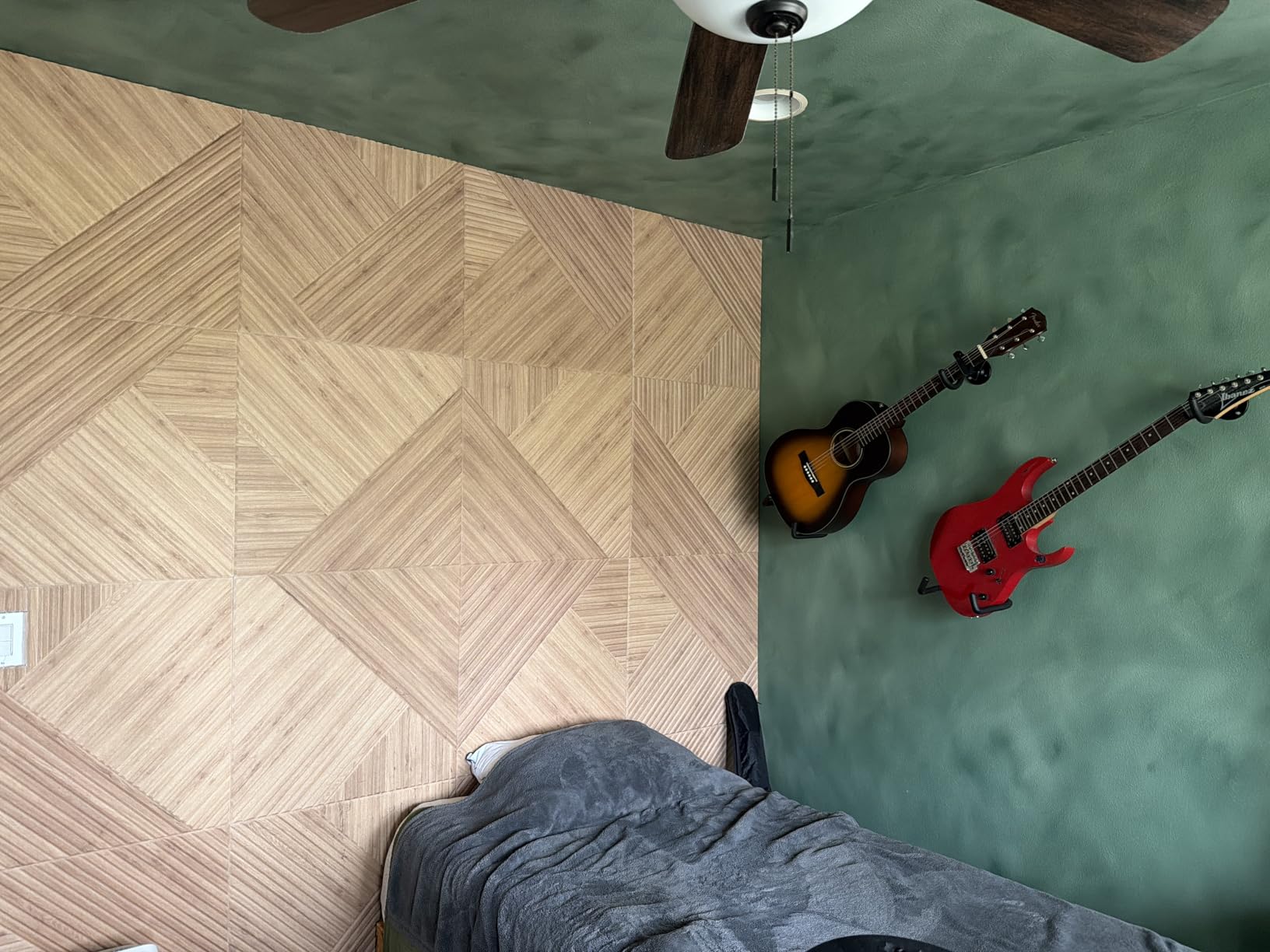
Material-wise, polyester is the reason this set ages better than foam. It does not shed dust from the core, does not hold cigarette and cooking smells the way open-cell foam does, and shrugs off being knocked. That is a real advantage in a room that doubles as a living space.
The dual-mount system is the part renters will care about. Full-surface adhesive is quick, and the trace-free nail alternative avoids taking paint with you when you leave. Be clear about the trade, though, because 0.35 inches of polyester works on mid and high frequencies and does nothing useful for bass.
Who these panels suit
They suit content creators who film in the treated room. Slatted wood is a normal interior finish, so the room still looks like a room when the camera is rolling, which foam tiles rarely manage.
They also suit anyone with pets or small children who wants to avoid the shedding and off-gassing questions that come with foam cores, and anyone who wants an install they can take with them.
Who should skip them
Skip them if you are chasing low end, because the profile is too thin to touch it meaningfully. Skip them if you want to see and touch the weave up close, since the wood print is convincing at conversational distance and less convincing at arm length.
Skip them if you are treating a large room on its own. Six panels is a feature wall, and larger rooms need several packs.
6. Dailycooper 12 Pack Self-Adhesive 12 x 10 Inch Panels
- Highest average rating in this group at 4.4 stars
- Self-adhesive backing needs no extra tape
- Modern geometric look upgrades a room visually
- Light enough to reposition
- Only about 7.5 square feet of total coverage
- Panels read smaller than the listing photos
- Limited to mid and high frequencies
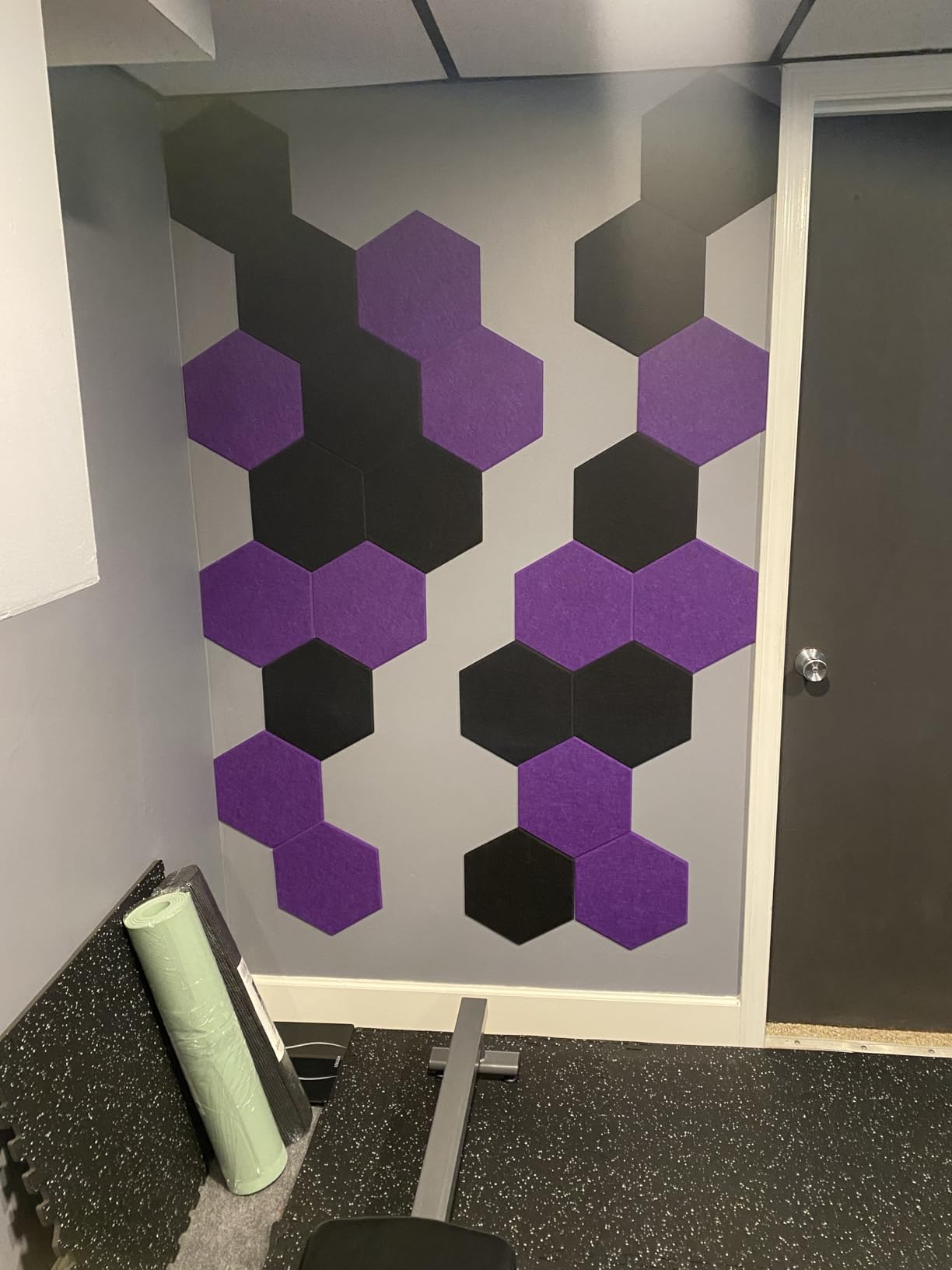
The rating on this set is the highest of anything in our list, and looking at the distribution explains why. A large share of its reviews are five-star, from buyers who bought it for a streaming room or gaming setup and were pleased by how much the panels improved both the look and the echo.
At 9.4 lb/ft3 the polyester core is denser than most of the thin decorative panels, and the Y-lined beveled edge gives it a crisper profile than a plain square. The panels stick straight from the backing with no tape, screw or adhesive purchase needed, which removes the most common reason people give up on installing panels.
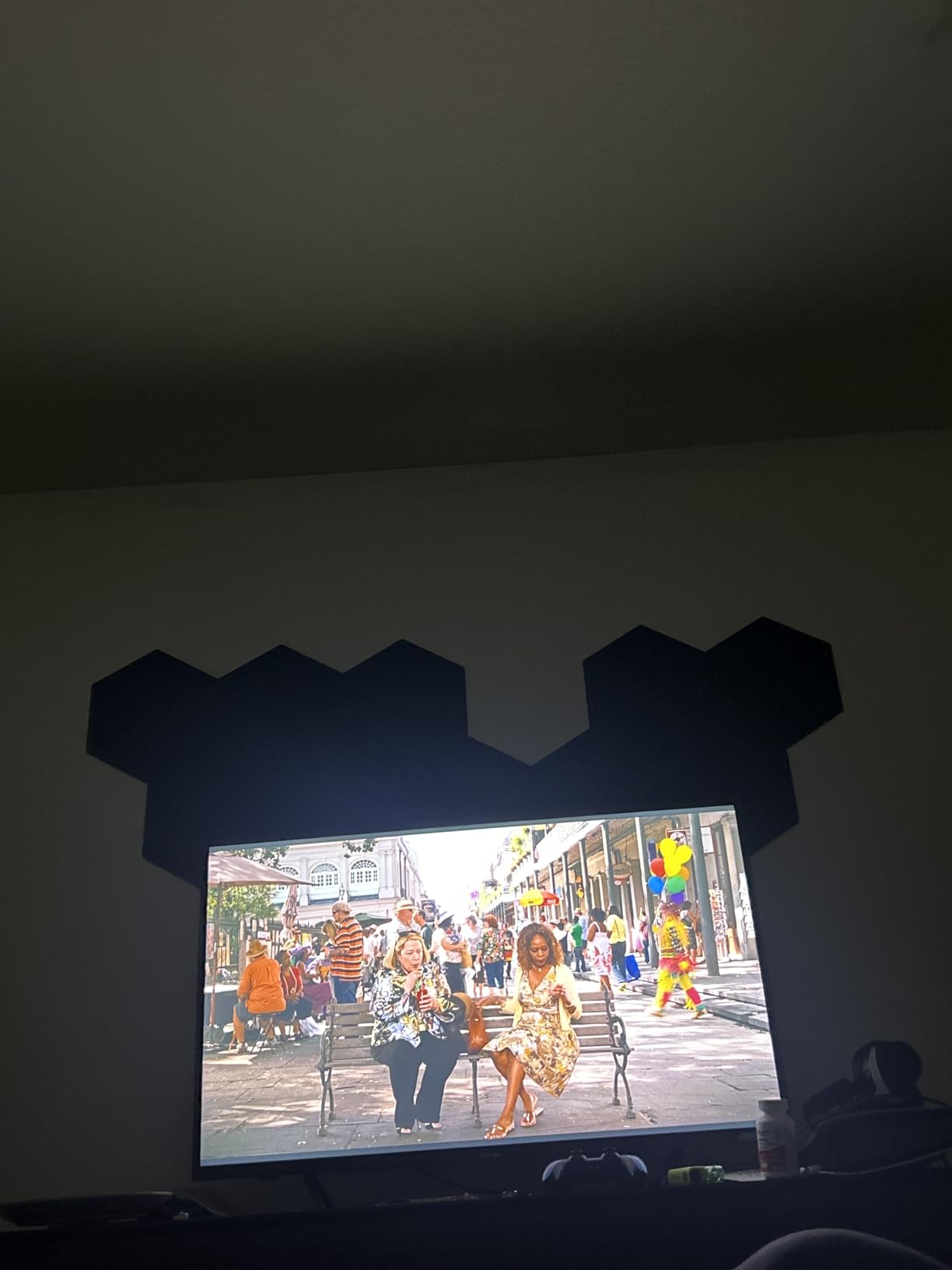
Both it works well on ceilings as well as walls, which matters because in a small room the ceiling is often the worst offender. It is also described as flame retardant, odourless and safe to breathe and touch, which matters if you work in the room for long sessions.
The honest limitation is coverage. Twelve panels at 12 by 10 inches is about 7.5 square feet, which is a modest area, and several owners note the panels read smaller in person than the listing photos imply. It is spot treatment and decor, not a full room build.
Who these panels suit
They suit a gaming and streaming corner where the treatment doubles as set dressing, and where the person doing the work is not a full-time engineer and wants a ten-minute install with no tools.
They also suit anyone with a sensitive nose. The polyester is described as odourless, which removes the solvent smell that budget foam carries for its first few days.
Who should skip them
Skip them if your room is large or badly reverberant, because 7.5 square feet will not move the needle on serious echo. Skip them if bass is the problem, and skip them if you expect genuine isolation.
Skip them if you rent. Like every strong self-adhesive panel here, pulling them off can take the paint with them.
7. shipxinfuren 4 Pack 48 x 24 x 2 Inch Wedge Panels
4 Pack Acoustic Foam Panels, 48 x 24 x 2″ Sound Proof Foam Panels for Walls
- Large 48 x 24 format covers ground with few seams
- 2 inch thickness at a low cost per square foot
- Recovers shape faster than vacuum-packed budget foam
- Uniform density panel to panel
- Exposed foam is crumbly and marks easily
- No adhesive or mounting hardware included
- 2 inch foam still cannot address low frequencies
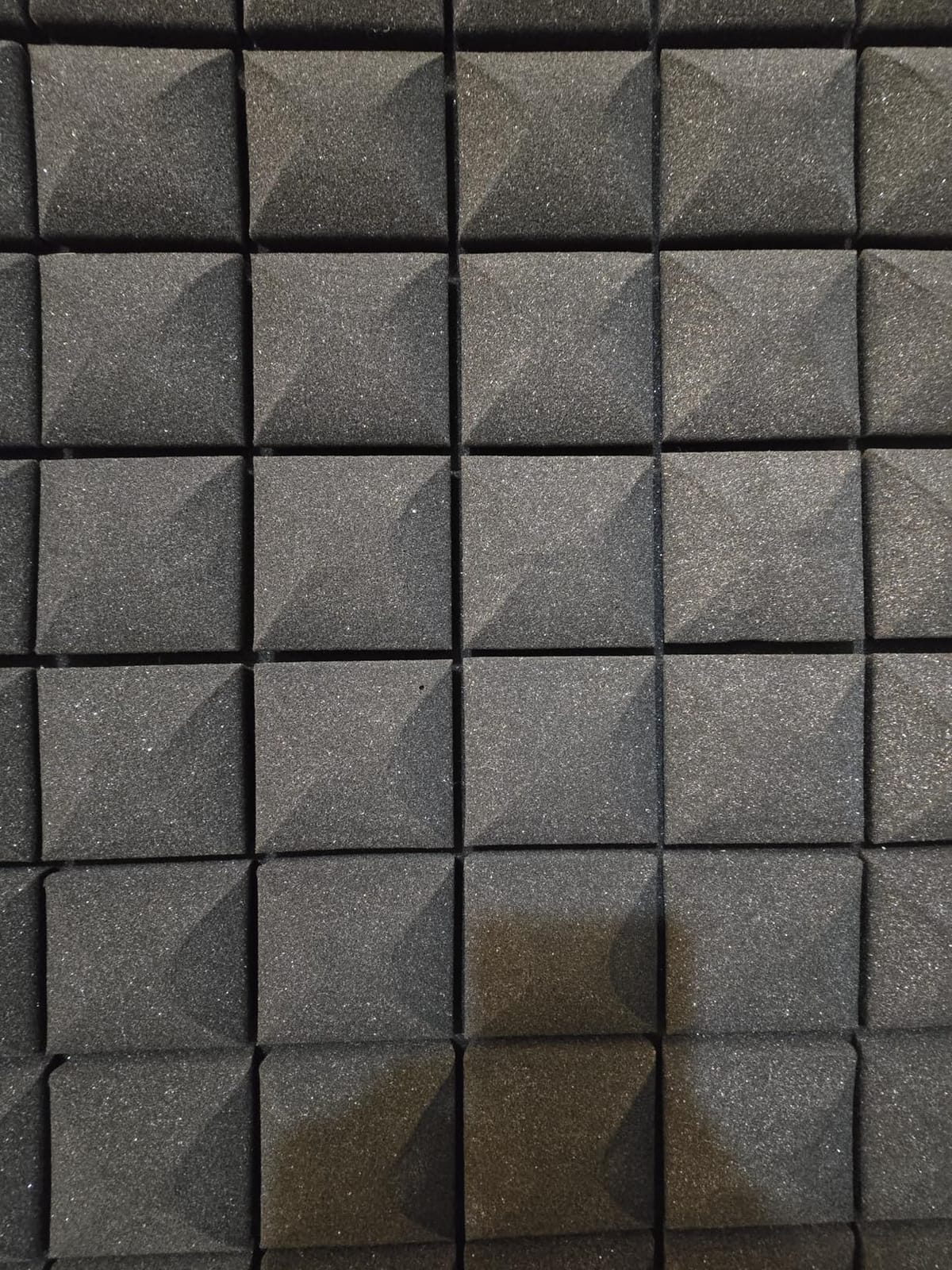
Four 48 by 24 inch panels is a substantial wall in a single purchase, and for a studio with a long straight wall it is the fastest way to cover ground we found. The seams disappear at a distance in a way that a grid of 12-inch tiles never does.
Two inches of foam is real thickness rather than a decorative edge, and the uniform density panel to panel is something we noticed in the review record. Consistent density means consistent absorption, which is exactly what you do not get from cheap vacuum-packed foam where some tiles come out thinner than others.
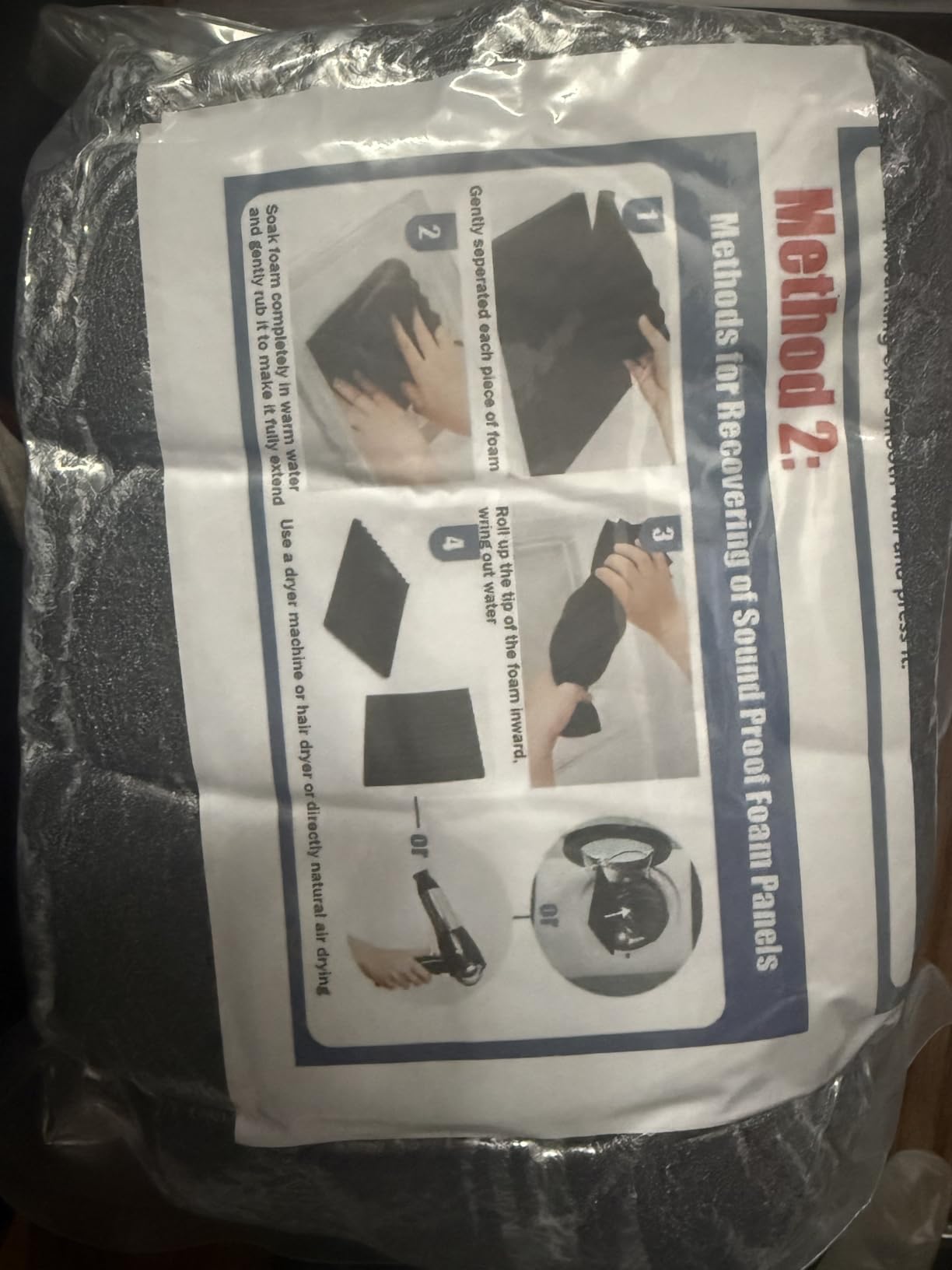
The high-elasticity foam is the quiet win here. Owners note that it recovers its shape quickly after unpacking, rather than needing a day or two of air time like most compressed foam, so you can measure, cut and install in the same session. The panels also cut to size easily without degrading performance.
The honest trade is durability. Exposed wedge foam scuffs, shows dust and marks easily, and over years in a visible room it will look tired sooner than a fabric-faced panel. No mounting hardware is included either, so plan on spray adhesive or a staple gun.
Who these panels suit
They suit someone with one long wall or a ceiling run who wants a visible change this weekend. A few large panels land a treatment in an afternoon that would take a small-tile set a whole weekend.
They also suit a garage or basement studio where appearance matters less and coverage area per unit of effort matters more, though you will still need solid [MOLLE panel storage](https://www.dognotebook.com/best-molle-panels/) for tools and cable runs in the same space.
Who should skip them
Skip them if the room is a polished home office or a live space, because exposed black foam is a studio look and will date quickly. Skip them if you need to move them often, since large foam panels are awkward to handle.
Skip them if you are chasing bass. Two inches of foam will not touch a standing wave in a small room.
8. Focusound 50 Pack 1 Inch Wedge Panels with Adhesive Tabs
- Includes 300 adhesive tabs
- so nothing extra to buy
- 50 panels cover a lot of ceiling and wall area
- Cut cleanly with true 90-degree corners
- Soak recovery reliably restores compressed tiles
- Low-density foam compared with costlier brands
- Included tape can lose adhesion within a week
- 1 inch profile offers little low-frequency control
Fifty panels plus 300 adhesive tabs in one box is a package that genuinely has no equivalent in this list. The tape being included matters more than it sounds, because a recurring complaint across budget panel brands is that adhesive is not in the box and you end up making a second trip to a hardware store before you can start.
One reviewer reported this set eliminated ceiling echo in a small 6 by 8 recording room, which is the single most common problem a home studio has. The triangular groove wedge profile is aimed at exactly that, and at this quantity you can treat a ceiling and two walls for a first pass.
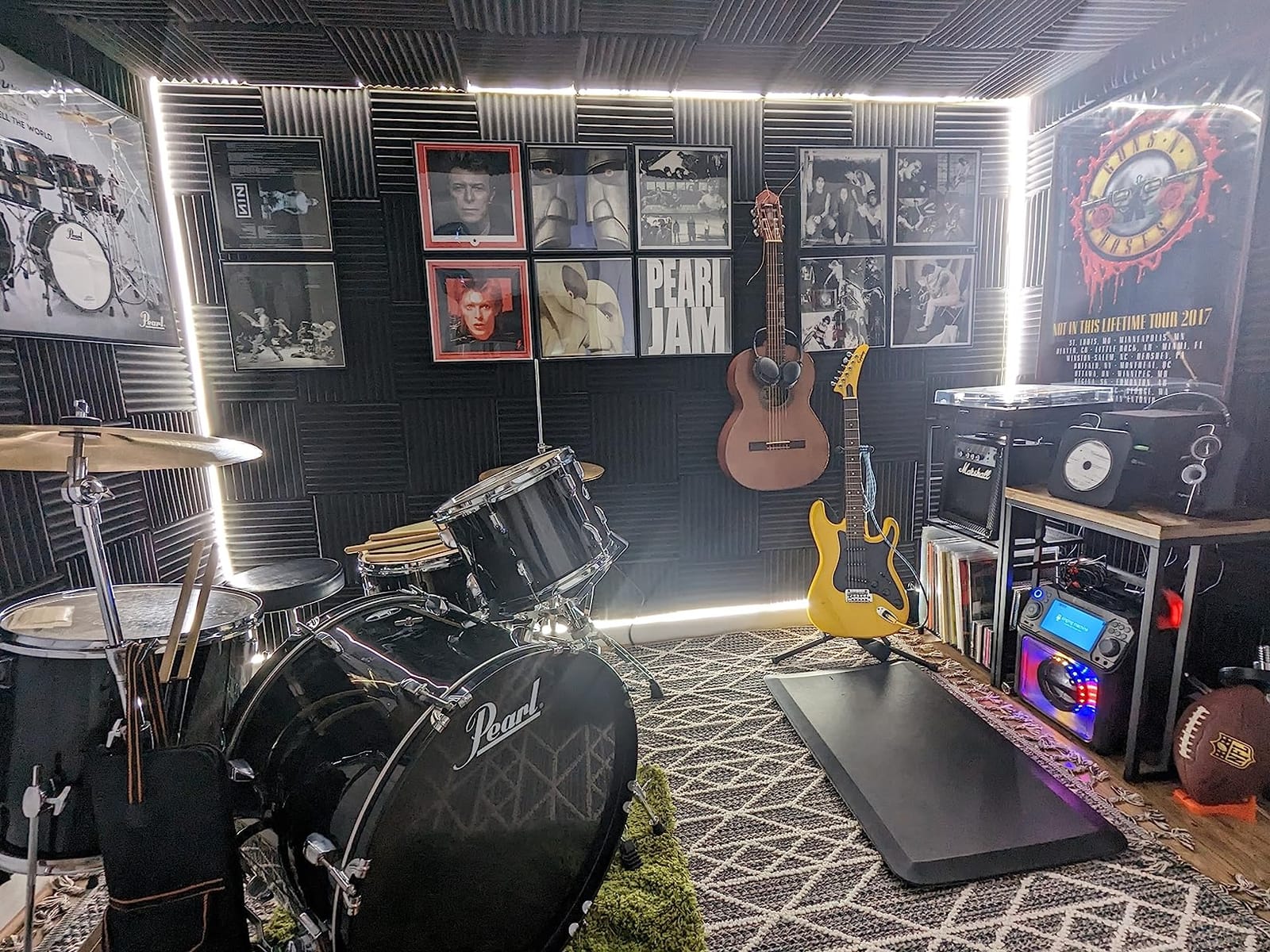
Two things to expect. The foam is lower density than the more expensive brands, so the absorption is real but modest. And the included tape has mixed adhesion reports, with several owners switching to staples or spray adhesive after it let go on a textured wall within a week.
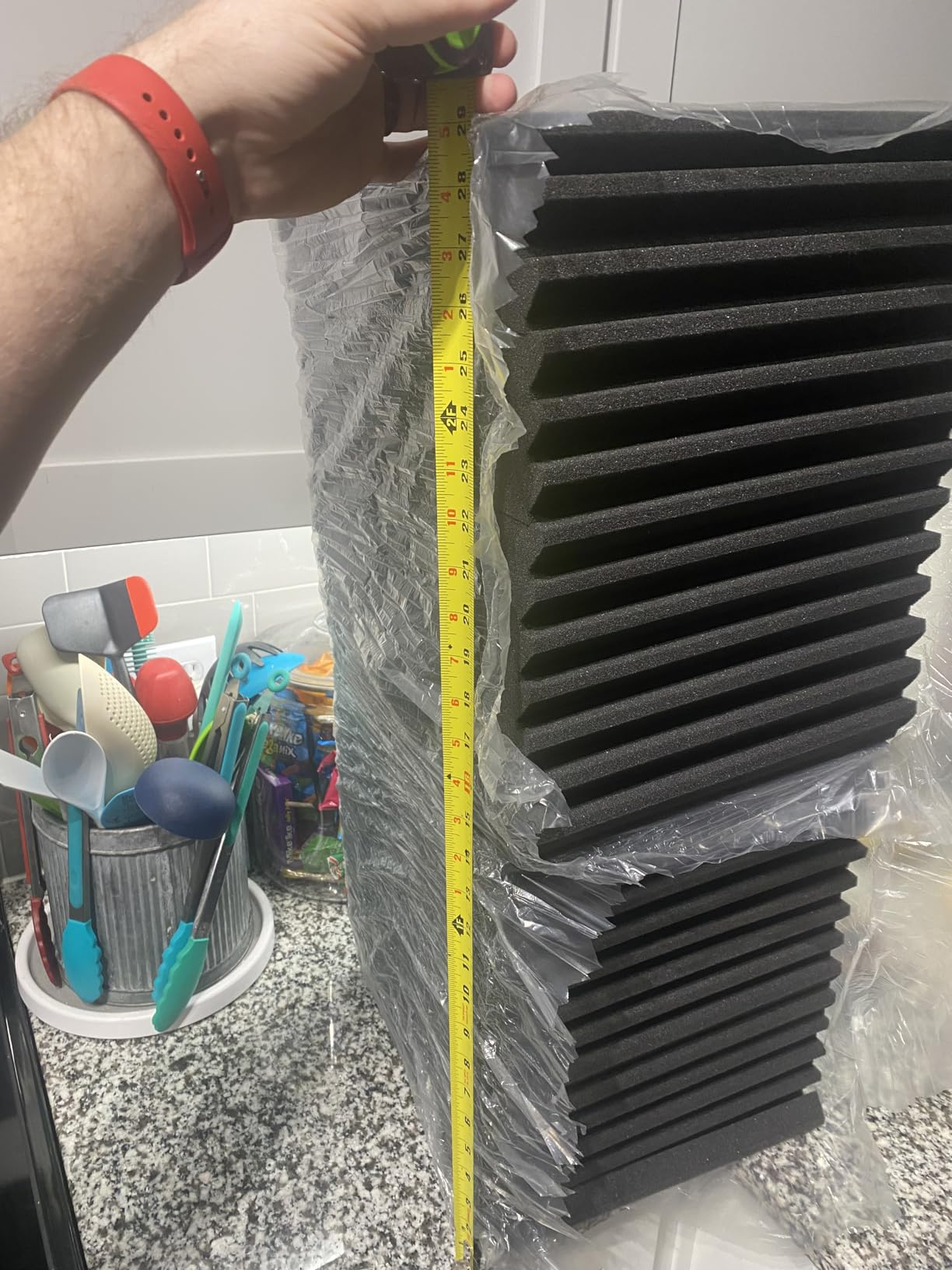
The recovery trick is worth knowing. The panels arrive compressed and shriveled together, but soaking them in water and air drying restores full shape in 24 to 48 hours. That turns a disappointing unboxing into a two-day wait rather than a return.
Who this pack suits
It suits a renter or a first-timer working to a tight ceiling, because the quantity covers a lot of surface and everything needed to mount it is already in the box. It also suits anyone whose main problem is ceiling flutter echo, which is where a large pack of thin tiles earns its keep.
It is a good fit for a children’s room or a playroom, since the foam is described as non-toxic and air-permeable.
Who should skip them
Skip them if you want a professional look or a strong bass fix. Skip them if you plan to leave them up for years in a visible room, because light foam deforms and yellows.
Skip them if you are mounting on painted textured drywall and are unwilling to staple. The tape may not hold for long.
9. SD SODOCT 24 Pack 2 Inch Pyramid Acoustic Foam
24 Pack 2” Thick Pyramid Acoustic Foam, Sound Proof Foam Panels for Walls
- 24 panels at 2 inches give a good coverage area
- Pyramid shape looks like real studio treatment
- Works well on ceilings
- Easy to mount with spray adhesive
- 25kg/m3 density is low
- so absorption is modest
- Adhesive not included and glue does not bond to foam
- Vacuum-sealed packs expand inconsistently
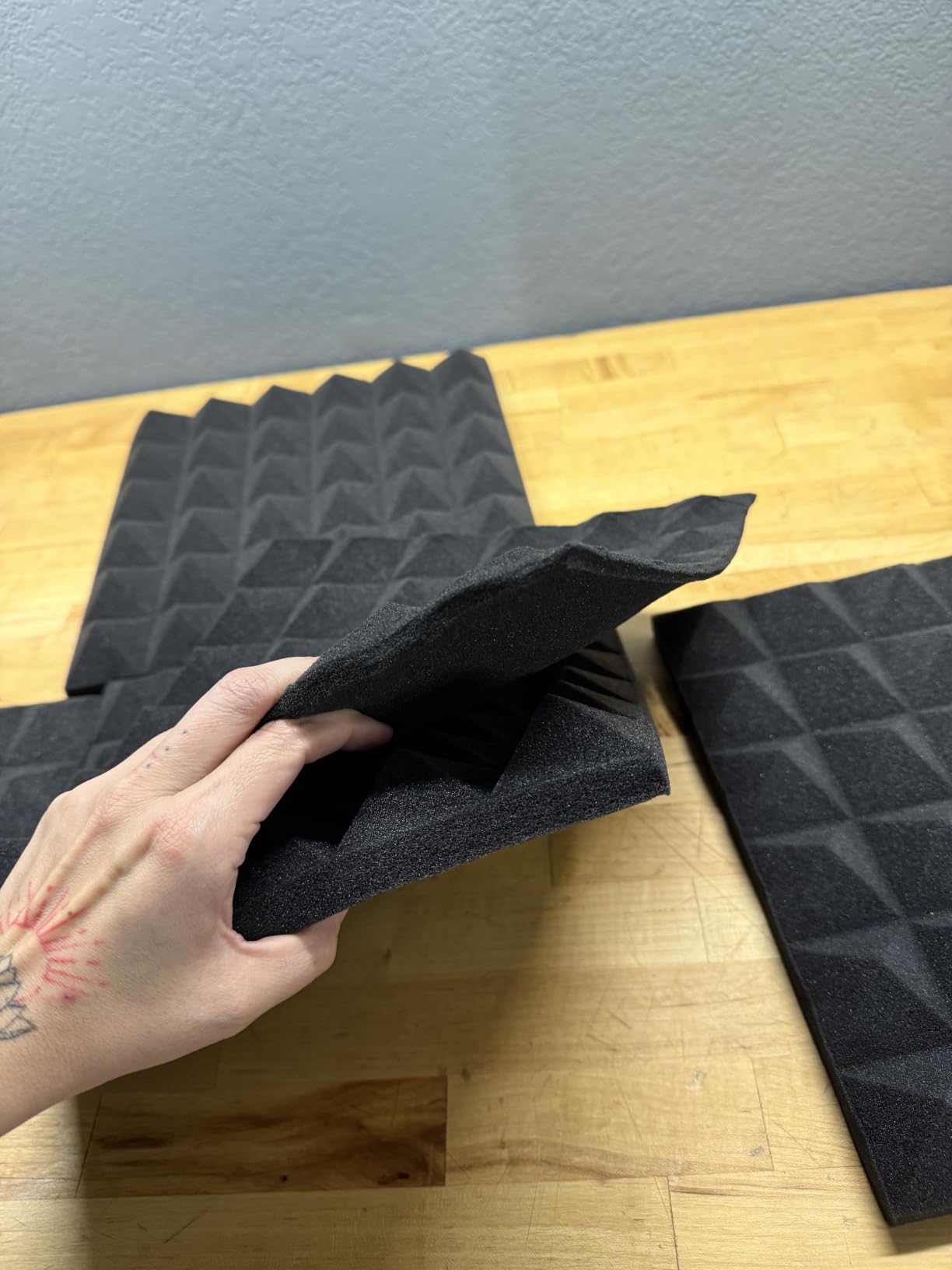
The pyramid profile does two things at once. It increases the surface area facing the room the same way a wedge does, and it scatters what it does reflect, so the panel both absorbs and diffuses a little. Visually it is the most recognisably studio panel here.
Twenty-four panels at 2 inches is 24 square feet, which makes this a reasonable middle step between a 12-piece starter pack and the 52-piece set. If you want a room to look and behave treated without spending on framed panels, this is the middle.
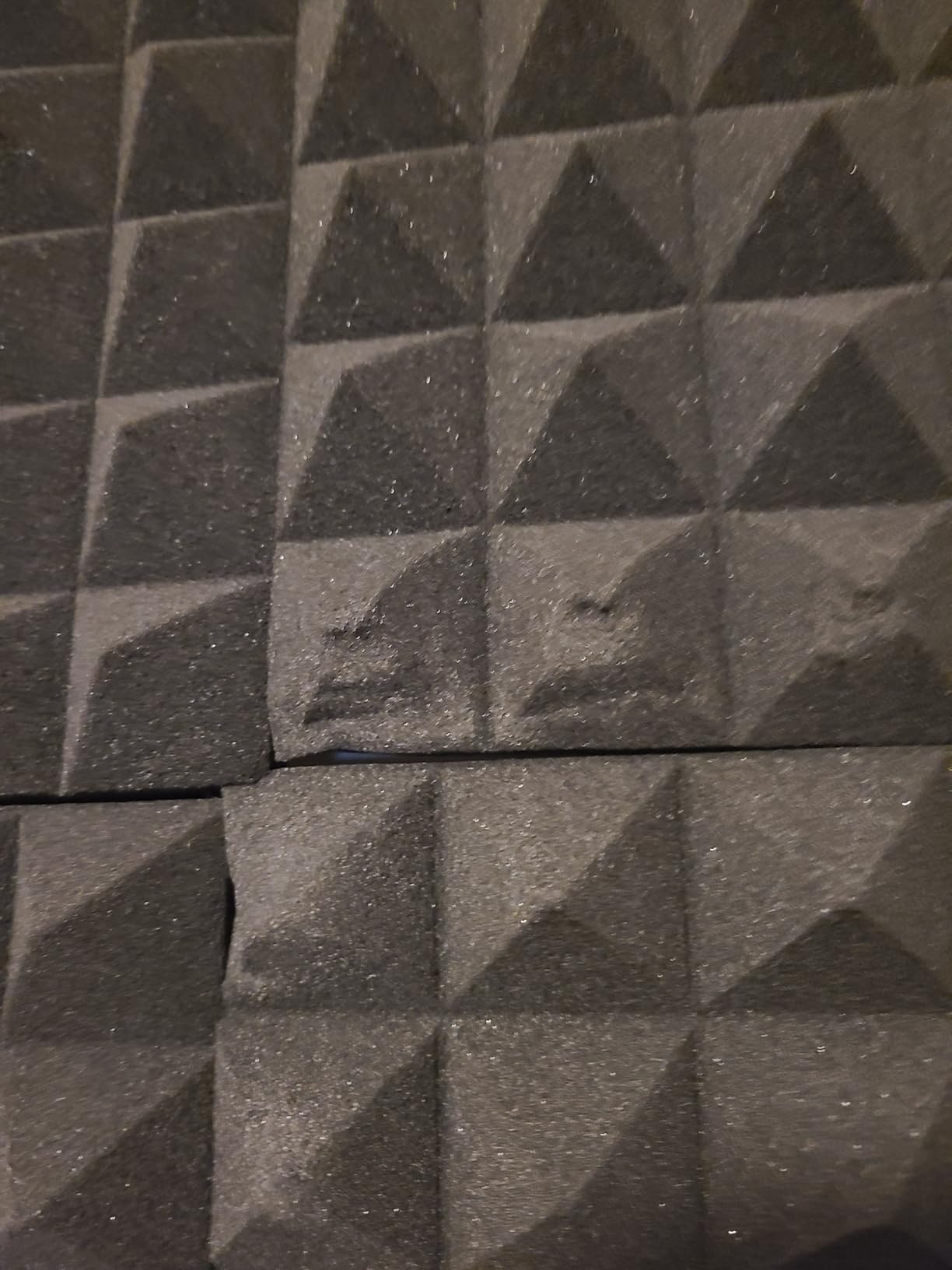
The honest debate about this one is density. At 25kg/m3 it is the lightest foam in this list, and a steady minority of reviewers argue it is too thin to do meaningful acoustic work. The majority report a noticeable improvement in a previously untreated room, so read that split as what it is rather than dismissing it.
Two practical notes. Adhesive is not included, and ordinary construction glue does not bond reliably to foam, so use spray adhesive or nano double-sided tape. And the vacuum-sealed packs are inconsistent, with several panels per pack often failing to expand fully.
Who this pack suits
It suits a bedroom studio on a modest budget that needs a step up from 1-inch tiles without reaching a 52-piece pack. It also suits a ceiling, where the pyramid profile works well and light foam matters less than in a high-traffic spot.
It suits anyone who wants the studio look for video. A pyramid grid behind a desk is the most recognisable treatment image there is.
Who should skip them
Skip them if low end is your problem, since light 2-inch foam is the weakest material here at the frequencies that matter most. Skip them if you dislike a chemical smell, because these need a day outdoors before they go near a microphone.
Skip them if you are sensitive to luck-based unpacking. Unpack one panel before you commit to the rest.
10. Dmsky 18 Pack 0.4 Inch Polyester Panels
- Dense polyester that measurably tames echo
- Very strong full-surface adhesive
- Chamfered edges tile together with no visible gaps
- Cuts cleanly and offcuts can be reused
- Only 0.4 inch thick
- so bass is untouched
- Adhesive is effectively permanent and can strip paint
- Panels measure slightly under the advertised 12 inches
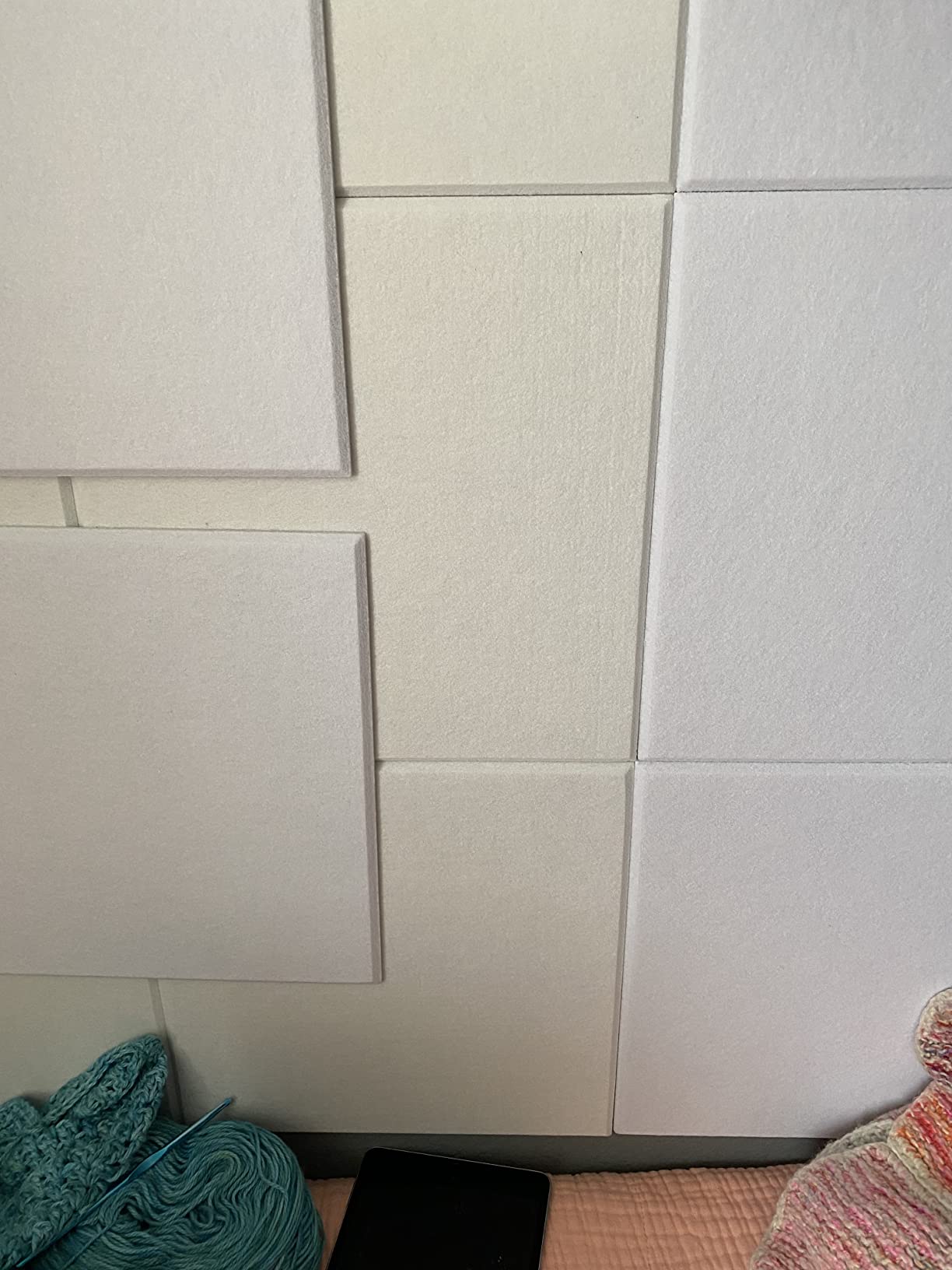
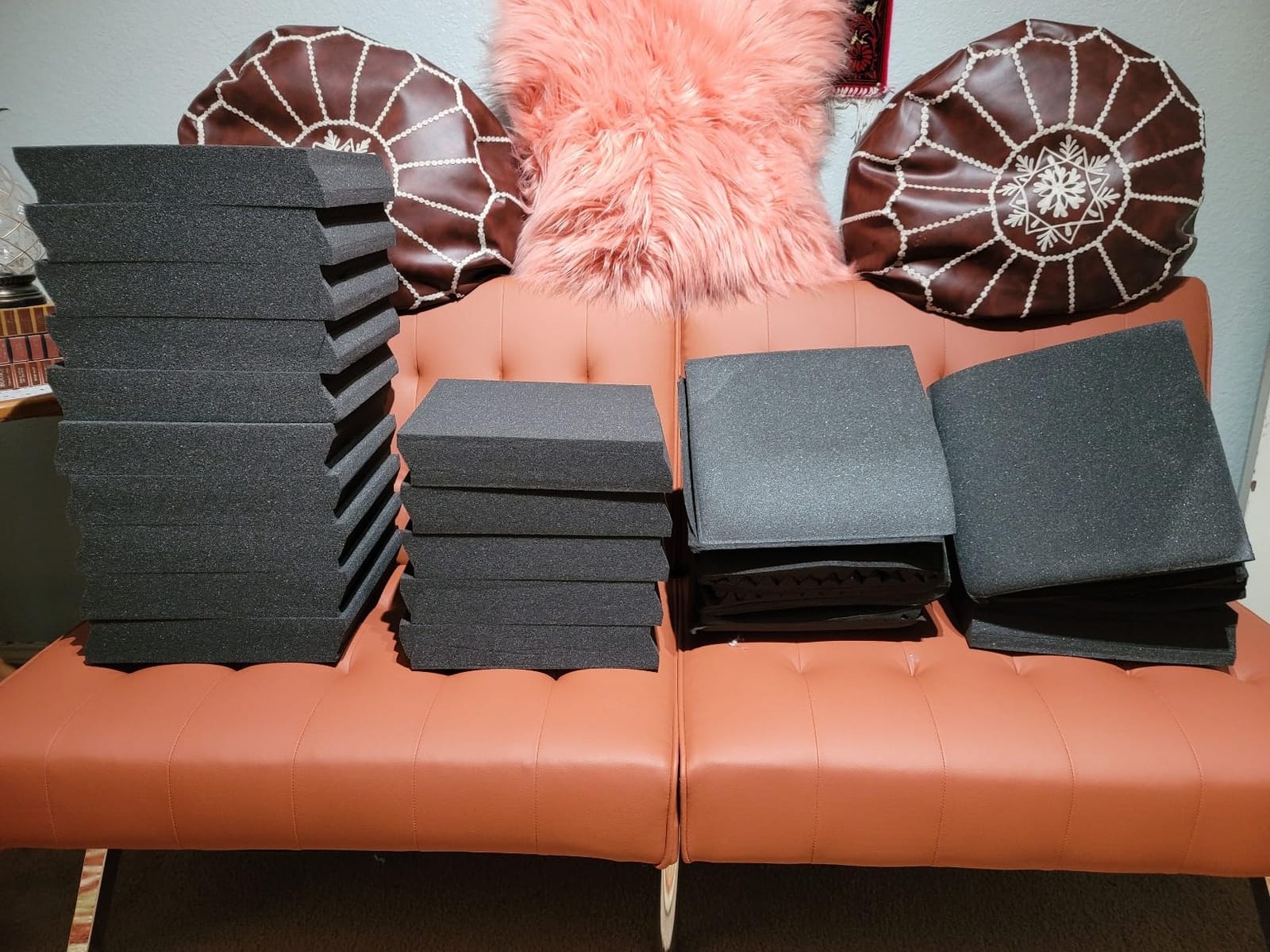
Eighteen panels covering 18 square feet makes this the best tiling option here. The 45-degree chamfered edge is the detail that matters, because it means butted panels meet at an angle instead of leaving a visible square gap, so a full wall reads as a continuous surface rather than a grid of tiles.
The polyester core is specified at 215kg/m3, which is dense for a panel this thin, and reviewers confirm it does more than decorate. It controls reverberation and flutter echo effectively for its size, and the full-back adhesive grips hot and cold surfaces without needing extra tape.
Two caveats, both repeated. Removal is a genuine problem for renters, who describe it as a multi-hour ordeal that can take paint with it. And some sets develop a musty smell within a few months in an enclosed installation, which is not a foam-solvent smell but still worth knowing about.
Measure before you plan a layout, because these panels measure closer to 11.75 inches rather than a true 12, and a wall planned as an exact number of tiles will come up short. The panels also cut cleanly with a utility knife, and the offcuts are reusable for filling small gaps.
Who these panels suit
They suit a dorm room, a rented flat or any space where you want flat, unobtrusive, full-coverage absorption on a low budget. The chamfered edge means the result looks far more finished than a normal tile grid at the same price point.
They also suit anyone who wants a cleanable, dust-free surface. Polyester wipes down and does not shed the way open-cell foam does.
Who should skip them
Skip them in a rental you intend to leave on a short cycle, because the adhesive is effectively permanent. Skip them if bass is the complaint, and skip them if you want a decorative finish, since these are deliberately plain.
Skip them if you plan to move them. Every relocation risks a damaged panel face.
How to Choose Acoustic Panels: A Home Studio Buying Guide
Start by measuring the room and finding out how bad the problem is. Write down length, width and height, note where the hard surfaces are, and do a clap test: stand in the listening position, have someone clap once at the far wall, and listen for a long ringing tail. A sharp crack with almost no tail means the room is already fine and you need very little.
Then work out how much area you actually need. A common rule of thumb is 20 to 30 percent of total wall surface area for noticeably complete results. For a 10 by 10 foot room with 8 foot ceilings, the four walls total 320 square feet, so you are looking at 64 to 96 square feet of panel. An 8 by 8 room is closer to 30 to 40 square feet, and a 12 by 12 room jumps to roughly 100 square feet or more, plus corners.
Next, understand the three categories, because only one of them is usually called a panel. Absorbers soak up energy and kill echo, and that is everything in the list above. Diffusers scatter reflections to preserve a sense of depth and space, and you want one behind a singer or in front of a mix position to stop the room sounding dead. Bass traps are dense absorbers placed vertically in room corners, where room modes pile up the most energy and where thickness works hardest.
Now the part almost every buying guide skips. Mounting depth changes how well a panel works, and this is the single most common beginner mistake. A panel pushed flat against the wall loses much of its potential, because the air between the panel and the wall is part of what lets the energy dissipate. Stand the panel off the surface on furring strips or cleats so there is a gap behind it, and the same 2-inch panel does noticeably more at low frequencies.
A practical rule is to leave a gap roughly equal to a quarter to a third of the panel thickness for wall-mounted absorbers, and much more for bass traps, which work best when they run floor to ceiling with a small air gap at the back. If you skip the air gap, at least mount with a construction adhesive that holds the whole panel flat and airtight against the wall rather than leaving gaps.
On thickness, the useful ranges are straightforward. Around 1 inch works for the top end and takes the fizz off cymbals and sibilance. Around 2 inches reaches meaningfully into the low mids, which is where a bedroom studio needs help. From 4 inches up, or in a corner bass trap, you start controlling the room modes that cause boominess in the first place.
On material, there is no single winner and there should not be. Foam is light, cheap and easy to cut, and it is effective above roughly 1kHz while doing nothing useful below 500Hz, so it is not a gimmick, it is just a limited tool. Polyester is denser, does not shed or hold odour, and is comfortable in a room with kids or pets. Fiberglass and mineral wool cores behind fabric absorb the broadest range and reach lowest, but the cut edges shed fibres, so cover every cut edge with fabric and keep them out of reach of children and animals.
On mounting, sort your decision early. Adhesive-backed panels install in minutes and are the easiest renter option, but removal can strip paint from drywall. Z-clips and cleats are more work and much more permanent-friendly, and they let you stand the panel off the wall for the air gap that makes thickness count.
Finally, check the fire rating and the air quality claims before you buy a large quantity. Look for a stated flame-retardant certification such as ASTM E84 Class A, and open any sealed pack outdoors for a day if the room is small and poorly ventilated. Manufacturers describe most of these cores as formaldehyde-free and non-toxic, and the polyester products in particular are consistently described that way in owner reviews.
On whether to build your own, the honest answer is that DIY wins on area covered and loses on finish. A frequently cited forum build covered 24 slabs of sound board for a few tens of dollars, which is far below retail, and the result is a large field of panels that will not match a framed wool panel on appearance or edge durability. Buy if the room will be seen or filmed, build if you need a lot of area and care mostly about function.
Frequently Asked Questions
What are the best soundproof panels for a studio?
No acoustic panel soundproofs a studio. Panels absorb internal reflections to control echo and reverb. Blocking sound between rooms or from outside requires mass-loaded walls, isolation clips or resilient channels, sealed air gaps and dense mineral insulation inside the cavity.
What are the best acoustic panels for a recording studio?
The TroyStudio 52-pack of 2-inch foam for the most coverage per purchase, the ATS Acoustics 24x48x2 wool panel for the strongest low-frequency control, and the JBER 12-pack of 1-inch wedges for the cheapest credible way to treat your first reflection points.
What are the best acoustic panels for home theaters?
For a home theater, prioritise large decorative panels that cover wide wall runs without visible tiling. The BUBOS 23.6-inch wood grain set suits a living-room aesthetic, while the ATS Acoustics wool panel works when you want treatment that also reads as a premium wall finish.
How many acoustic panels do I need for a home studio?
For a typical 10 by 10 foot room with 8 foot ceilings, start with 6 to 8 panels at the first reflection points on both side walls, then add two corner bass traps. Covering roughly 20 to 30 percent of total wall surface area gives noticeably complete results, which is about 64 to 96 square feet in that room.
Should acoustic panels be mounted with an air gap?
Yes, wherever practical. A panel held flat against the wall loses much of its potential, because the air space behind it helps dissipate the energy. Stand the panel off the surface on cleats or furring strips with a gap roughly a quarter to a third of the panel thickness, and leave a larger gap for corner bass traps.
Are cheap acoustic foam panels worth it?
Yes, within limits. Foam is effective above roughly 1kHz and reliably reduces echo and flutter echo when used at first reflection points, so it is not a gimmick. It does nothing useful below about 500Hz, so it will not fix bass problems, and a 1-inch panel will not replace bass traps.
Final Verdict: Which Acoustic Panels to Buy in 2026
Start with the TroyStudio 52-pack if you want one purchase that actually changes the room, and place it at the first reflection points on both side walls, behind the monitors and across part of the rear wall, stood off the surface with a small air gap. If the low end is what annoys you most, go with the ATS Acoustics wool panel instead and accept that you will need several to cover a room.
If the budget is tight or you are still learning your room, the JBER 12-pack teaches you placement for very little. For large wall runs on a single wall, the TONOR 47.2-inch panels cover ground fastest, and for a room that has to look good on camera, the BUBOS wood grain set is the compromise that still works.
Whichever you pick, remember what these products do and do not do. They fix echo, flutter and reverberation inside the room. They do not stop sound passing through walls, and no panel on this list will. Measure your room, treat the first reflection points, and cover 20 to 30 percent of your wall area, and 2026 will be the year your mixes finally transfer properly to other systems.