
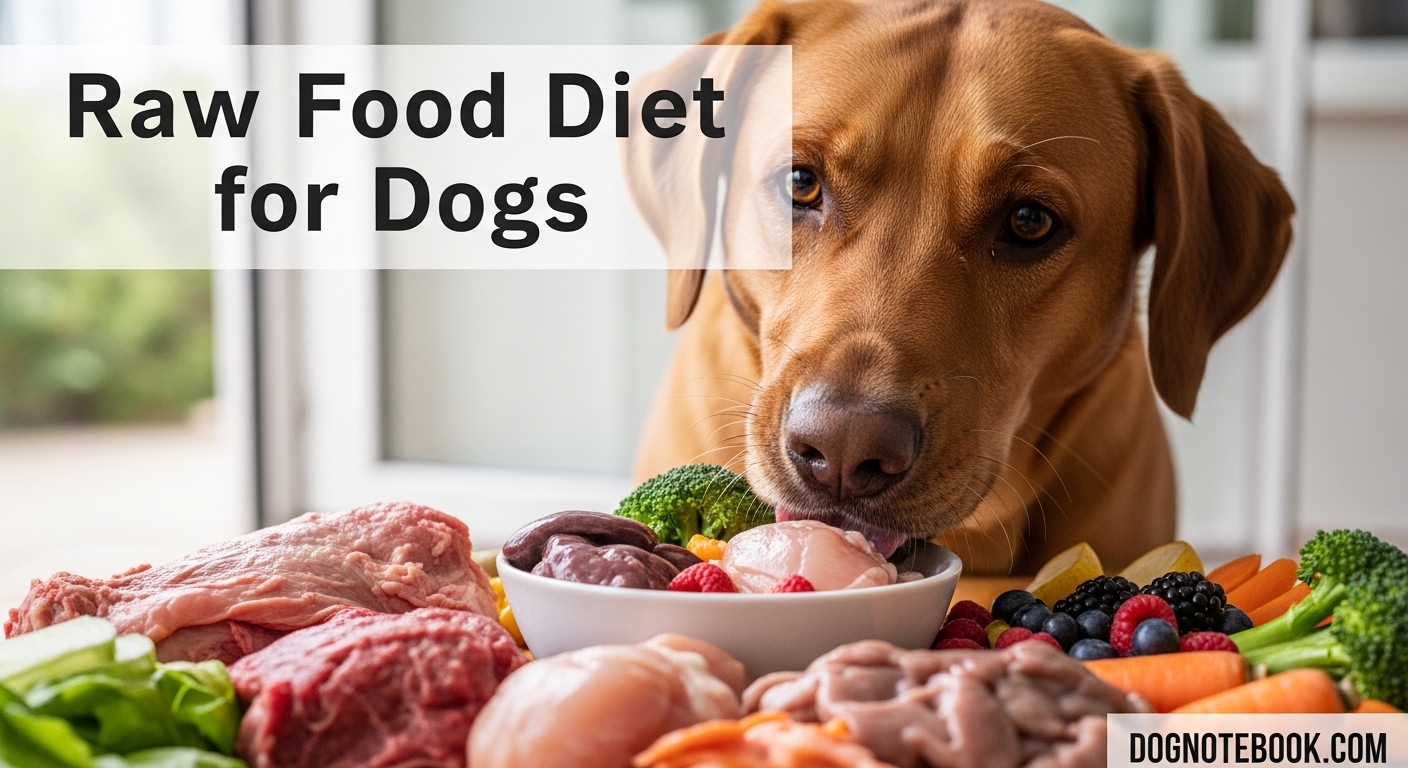
Switching your dog to a raw food diet is one of the most debated topics in pet nutrition. Advocates swear by shinier coats and boundless energy, while veterinarians warn about bacterial contamination and nutritional gaps. I have spent months digging through research papers, forum discussions, and veterinary guidelines to put together this honest look at the raw food diet for dogs pros and cons.
Our team looked at studies from PubMed, Tufts University, and Cornell to separate facts from hype. We also read through hundreds of real owner experiences on Reddit forums like r/rawfeeding and r/dogs to understand what actually happens when you make the switch. What we found is that the truth sits somewhere in the middle of both extremes.
Raw feeding is not a magic cure-all, but it is also not the dangerous fad some make it out to be. It can work well for certain dogs when done carefully, and it can cause real harm when done poorly. This guide walks you through everything you need to know before making that decision for your own dog.
Whether you are a seasoned raw feeder looking for validation or a curious kibble feeder weighing your options, you will find straight answers here. We will cover the science, the risks, the benefits, and the practical realities of feeding raw.
Table of Contents
What Is a Raw Food Diet for Dogs?
A raw food diet for dogs is exactly what it sounds like: feeding your dog uncooked ingredients instead of processed kibble or canned food. The idea is to mimic what dogs would eat in the wild, before humans started manufacturing pet food in factories.
The concept took off in 1993 when Australian veterinarian Ian Billinghurst published a book promoting what he called the BARF diet. BARF originally stood for “Bones and Raw Food,” though it was later rebranded as “Biologically Appropriate Raw Food.” The approach gained a passionate following among dog owners who believed commercial pet food was causing health problems in their pets.
In scientific literature, you will often see the term RMBD, which stands for Raw Meat-Based Diet. This is the broader academic term that covers all forms of raw feeding, whether homemade or commercially prepared.
So what actually goes into a raw food diet for dogs? The typical components include muscle meat (like chicken thighs, beef, or turkey), organ meats (liver, kidney, heart), raw meaty bones, some vegetables and fruits, and occasionally raw eggs or dairy. The exact mix varies depending on which approach you follow.
One popular guideline is the 80/10/10 ratio: roughly 80% muscle meat, 10% organ meat, and 10% raw bone. Some feeders follow the 90/10 rule for dogs, which suggests that 90% of the diet should come from animal-based protein sources while the remaining 10% can include plant matter and supplements.
There are two main ways to feed raw. You can prepare homemade meals from scratch using ingredients from the grocery store or butcher, or you can buy commercially prepared raw food that comes frozen or freeze-dried. Commercial raw diets are generally safer from a nutritional standpoint because they are formulated to meet AAFCO standards, but they cost more than doing it yourself.
Raw Food Diet for Dogs: Pros and Benefits
Raw feeding advocates report a wide range of benefits, and some of them are backed by limited scientific evidence. Here are the most commonly cited pros of switching to a raw food diet.
Shinier Coat and Healthier Skin
This is the benefit owners notice fastest. Many dog owners on forums report seeing a shinier coat within just two to three weeks of switching to raw. The high fat content in raw meat, especially the omega-3 and omega-6 fatty acids, supports skin and coat health. Dogs with dry, flaky skin or dull coats often show visible improvement on a raw diet.
Cleaner Teeth and Better Dental Health
Chewing raw meaty bones helps scrape plaque off teeth naturally. Many raw feeders report that their dogs have dramatically cleaner teeth and less bad breath compared to when they ate kibble. This is one of the more consistently reported benefits across owner testimonials and veterinary observations.
Higher Energy Levels
Working dogs, sled dogs, and racing greyhounds have been fed raw diets for decades with good results. Owners frequently report that their dogs seem more energetic and alert after switching from commercial food. The high protein content and absence of fillers may contribute to this effect.
Better Weight Management
Raw diets tend to be higher in protein and lower in carbohydrates than kibble. This makes it easier to manage your dog’s weight, especially for breeds prone to obesity. You have direct control over portion sizes and ingredient quality, which helps with weight control.
Smaller, Firmer Stools
This might not be the most glamorous benefit, but it matters to dog owners. Because raw food is more digestible and contains fewer fillers, dogs produce smaller, firmer stools. Many owners on r/rawfeeding mention this as one of the first changes they notice after switching.
Relief for Dogs With Food Allergies
Dogs with food sensitivities or allergies sometimes respond well to raw diets. When you control every ingredient, you can eliminate specific triggers that cause itching, ear infections, or gastrointestinal upset. Some owners of dogs with chronic digestive issues report that their dogs tolerate raw food far better than any commercial kibble they tried.
Fewer Artificial Additives
A properly prepared raw diet contains no artificial preservatives, colors, or flavor enhancers. For owners concerned about the long-term effects of these additives on their dogs, raw feeding offers a more natural alternative.
Raw Food Diet for Dogs: Cons and Risks
The risks of raw feeding are real and well-documented. The FDA, CDC, and most major veterinary organizations have issued warnings about raw pet diets. Here are the most significant drawbacks you need to consider.
Bacterial Contamination
This is the biggest concern raised by veterinarians and food safety experts. Raw meat can harbor pathogenic bacteria including Salmonella, Listeria, and E. coli. A study published in the Journal of the American Veterinary Medical Association found that raw pet food products were significantly more likely to contain harmful bacteria than cooked commercial diets.
These bacteria do not just affect your dog. They can spread to humans through saliva, feces, and contaminated surfaces. Families with young children, elderly members, or anyone with a weakened immune system face heightened risks. Forum discussions reveal that many owners worry about this, especially when their dog licks faces or shares furniture after eating raw meat.
Nutritional Imbalances and Deficiencies
Getting the nutritional balance right is harder than most people think. Homemade raw diets frequently fail to meet established nutritional standards. Common deficiencies include calcium, phosphorous, zinc, and vitamin E. Excess vitamin A from too much liver can cause toxicity over time.
The calcium to phosphorous ratio is particularly critical. Puppies fed an improperly balanced raw diet can develop serious bone deformities that are sometimes irreversible. Even adult dogs can suffer from long-term health problems if the diet is not properly formulated.
Bone Hazards
Raw bones are a core component of many raw diets, but they carry real physical dangers. Dogs can break teeth on hard bones, and fractured teeth are painful and expensive to treat. Bones can also cause choking, intestinal blockages, or internal punctures. These are not theoretical risks. They are documented in veterinary practice regularly.
Significant Time and Cost Commitment
Preparing a balanced raw diet takes time. You need to source quality ingredients, prepare meals in batches, and store everything safely. Forum users consistently cite the time required for preparation and storage as a major drawback.
The cost is also substantially higher than kibble. Most raw feeders report spending $2.50 to $5 per day per dog, compared to roughly $1 per day for quality kibble. For multi-dog households or large breeds, this adds up fast.
Risk to Immunocompromised Dogs
Raw diets are specifically contraindicated for dogs with weakened immune systems. This includes dogs undergoing chemotherapy, dogs on immunosuppressive medications, and dogs with conditions like cancer. The bacterial exposure that a healthy dog might handle without issue can be dangerous or even fatal for these animals.
Puppies and Senior Dogs Need Extra Caution
Puppies have specific nutritional requirements for growth that are difficult to meet with a homemade raw diet. The calcium and phosphorous balance must be precise, and getting it wrong can cause permanent skeletal damage. Senior dogs may also struggle with raw diets if they have dental issues or decreased digestive efficiency.
Lack of Regulation
The raw pet food industry is less regulated than conventional pet food. Even commercially prepared raw diets have been subject to recalls due to bacterial contamination. Without AAFCO certification on many products, it can be difficult to know whether a commercial raw food actually meets your dog’s nutritional needs.
What Do Veterinarians Say About Raw Feeding?
The veterinary community is largely cautious about raw diets, and their concerns are rooted in evidence. The American Veterinary Medical Association has taken a formal stance recommending against feeding raw or undercooked animal-source protein to cats and dogs. Their position is based on the documented risks of bacterial contamination and nutritional deficiencies.
Researchers at Tufts University and Cornell have published findings highlighting the dangers of improperly balanced raw diets. A frequently cited study from the Journal of the American Veterinary Medical Association examined 200 raw diet recipes found online and found that 95% of them had at least one nutritional deficiency. That is a staggering number, and it underscores why veterinary nutritionists emphasize professional guidance.
That said, not all veterinarians are uniformly opposed. Some practitioners acknowledge that raw diets can be effective in managing specific medical problems, particularly gastrointestinal dysfunction and food sensitivities. One veterinarian published in PMC documented positive outcomes using raw diets for dogs with chronic digestive issues that did not respond to conventional food trials.
The key difference is supervision. Veterinarians who support limited raw feeding almost always insist on working with a board-certified veterinary nutritionist to formulate the diet. They also recommend regular blood work to monitor nutritional status over time.
If you are considering raw feeding, the best first step is scheduling a consultation with a veterinary nutritionist. They can help you understand whether it makes sense for your specific dog and how to do it safely if you decide to proceed.
How to Safely Transition Your Dog to a Raw Food Diet
If you decide raw feeding is right for your dog, the transition needs to happen gradually. Abrupt dietary changes almost always cause gastrointestinal upset, regardless of what food you are switching to.
Start by replacing 25% of your dog’s current food with raw food for the first three to five days. Watch for any signs of digestive upset like loose stools or vomiting. If your dog handles it well, move to a 50/50 split for another three to five days, then 75% raw, and finally 100% raw over a period of two to three weeks.
Safe food handling is non-negotiable. Treat raw dog food with the same caution you would use when preparing raw meat for your own family. Wash your hands thoroughly after handling, clean all surfaces and bowls with hot soapy water, and store raw food in sealed containers in the refrigerator or freezer.
Keep raw feeding supplies separate from your kitchen utensils. Use dedicated cutting boards, containers, and feeding bowls. This reduces the risk of cross-contamination to your family.
Know when raw feeding is not appropriate. Dogs with cancer, dogs undergoing chemotherapy, dogs on immunosuppressive therapy, and puppies under close veterinary supervision for growth should generally avoid raw diets. Senior dogs with dental problems may need ground raw options rather than whole bones.
Raw Food Diet vs Kibble: Quick Comparison
Here is how raw diets stack up against traditional kibble across the factors that matter most to dog owners.
Ingredients: Raw diets use whole, unprocessed foods. Kibble relies on rendered meals, grains, and synthetic vitamins. Raw wins on ingredient quality, but kibble wins on consistency and convenience.
Nutritional balance: Commercial kibble is formulated to meet AAFCO standards in every serving. Homemade raw diets frequently fall short. Commercial raw products are better, but still carry some bacterial risk.
Cost: Quality kibble costs roughly $1 per day for a medium dog. Raw feeding typically runs $2.50 to $5 per day. That is two to five times more expensive.
Convenience: Kibble is shelf-stable and easy to portion. Raw food requires freezer space, thawing time, and careful handling. Kibble wins hands down on convenience.
Dental health: Raw bones can help clean teeth, but they carry fracture and choking risks. Kibble does not clean teeth as effectively as raw bones, but dental-specific kibble and regular brushing are safer alternatives.
Food safety: Kibble has been linked to occasional recalls, but raw food has significantly higher rates of bacterial contamination. For households with vulnerable family members, this is a meaningful difference.
FAQ
What are the disadvantages of raw dog food?
The main disadvantages of raw dog food include bacterial contamination risks (Salmonella, Listeria, E. coli), potential nutritional imbalances from improperly formulated diets, bone hazards that can cause broken teeth or internal injuries, higher cost compared to kibble, and the time required for preparation and safe food handling. Raw diets also pose risks to humans in the household through cross-contamination.
Do vets recommend raw diets for dogs?
Most veterinary organizations, including the AVMA, do not recommend raw diets due to bacterial contamination risks and the high prevalence of nutritional deficiencies in homemade recipes. However, some veterinarians acknowledge that raw diets can benefit dogs with specific health conditions like food allergies or chronic gastrointestinal issues, provided the diet is formulated by a board-certified veterinary nutritionist.
What is the 90/10 rule for dogs?
The 90/10 rule suggests that 90% of a dog’s raw diet should come from animal-based protein sources like muscle meat, organ meats, and raw bones, while the remaining 10% can include plant-based ingredients like vegetables, fruits, and supplements. This ratio helps ensure the diet stays close to what dogs would naturally eat in the wild.
Can puppies eat a raw food diet?
Puppies can eat raw food, but it requires extreme caution and veterinary supervision. Growing puppies need precise calcium-to-phosphorous ratios for proper bone development, and getting this wrong can cause permanent skeletal deformities. If you want to feed a puppy raw, work directly with a veterinary nutritionist rather than following online recipes.
How much does raw dog food cost compared to kibble?
Raw dog food typically costs $2.50 to $5 per day for a medium-sized dog, while quality kibble costs around $1 per day. This means raw feeding can cost two to five times more than conventional dog food, depending on the ingredients you choose and whether you prepare it yourself or buy commercial raw products.
Making the Right Choice for Your Dog
Deciding whether a raw food diet for dogs is right for your pet comes down to weighing the pros and cons honestly. The potential benefits are real: shinier coats, cleaner teeth, higher energy, and relief for some dogs with food sensitivities. The risks are equally real: bacterial contamination, nutritional deficiencies, bone injuries, and significantly higher costs.
If you decide to try raw feeding, start by talking to your veterinarian. Better yet, consult a board-certified veterinary nutritionist who can help you formulate a diet that meets your dog’s specific needs. Consider starting with a commercially prepared raw diet rather than homemade, as these products are more likely to be nutritionally complete.
Take the transition slowly over two to three weeks. Practice strict food safety. Monitor your dog’s health closely with regular vet checkups and blood work. And if anything seems off, whether it is digestive upset, lethargy, or changes in stool quality, reach out to your vet right away.
There is no one-size-fits-all answer when it comes to feeding your dog. What matters most is making an informed decision based on facts, not just trends. Your dog depends on you to get this right.