
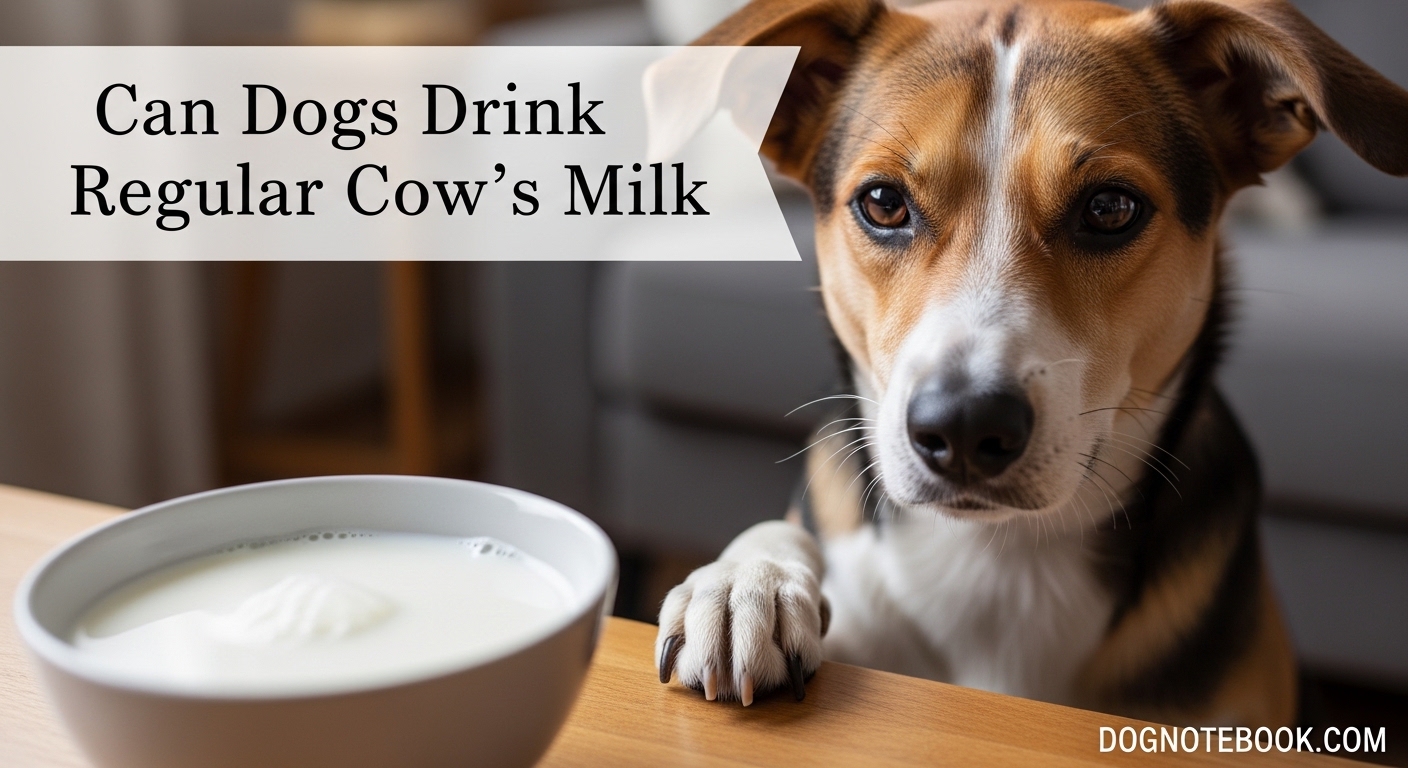
Yes, dogs can drink regular cow’s milk in very small amounts, but it is not recommended as a regular part of their diet. While milk is not toxic to dogs, most adult dogs are lactose intolerant to some degree, meaning their bodies cannot properly digest the natural sugars found in milk. A few tablespoons as an occasional treat may be fine for a dog that tolerates dairy well, but giving your dog a full bowl of milk is a recipe for stomach trouble.
If you have ever wondered whether you can share your morning cereal milk with your pup, you are asking the right question. Many dog owners have been there — your dog stares at you with those hopeful eyes while you pour a glass of milk, and you think about whether a little sip would be okay. The short answer is that it depends on your individual dog, their digestive sensitivity, and how much you offer.
In this guide, we will walk through everything you need to know about whether dogs can drink regular cow’s milk. We will cover the science behind lactose intolerance, the symptoms to watch for, safe quantities, health risks, and better alternatives you can offer your dog instead.
Table of Contents
Why Most Dogs Struggle With Cow’s Milk (Lactose Intolerance Explained)
Lactose intolerance in dogs comes down to one important enzyme: lactase. When puppies are nursing, their bodies produce plenty of lactase to break down lactose, the sugar found in their mother’s milk. Once a puppy is weaned and transitions to solid food, lactase production drops off significantly. This is completely normal — it happens in humans too.
Without enough lactase enzyme in their digestive system, undigested lactose passes into the large intestine. There, bacteria ferment the sugar, producing gas, drawing in water, and causing the uncomfortable symptoms associated with lactose intolerance. The more lactose that reaches the large intestine, the worse the symptoms get.
Cow’s milk contains a higher concentration of lactose than dog’s milk — roughly 5 percent lactose compared to about 3 percent in canine milk. That means cow’s milk hits a dog’s digestive system harder than what nature intended them to process. This is why even dogs that produced adequate lactase as puppies can struggle with cow’s milk as adults.
Studies suggest that the majority of adult dogs have some degree of lactose intolerance. The severity varies widely from dog to dog. Some may experience mild gas after a small amount, while others develop significant diarrhea from just a few licks. Age also plays a role — older dogs tend to produce even less lactase, making dairy progressively harder to handle.
Signs Your Dog May Be Lactose Intolerant
If your dog has consumed milk or another dairy product, watch for these common symptoms of lactose intolerance. Most signs appear within a few hours, though some dog owners on forums report delayed reactions showing up the next day.
- Diarrhea or loose stools — This is the most common and noticeable sign. The undigested lactose draws water into the intestines, resulting in runny stool.
- Excessive gas — Bacterial fermentation of lactose produces significant gas. If your dog suddenly has terrible flatulence after drinking milk, lactose is likely the culprit.
- Vomiting — Some dogs will throw up milk shortly after drinking it, especially if they consumed a larger amount.
- Bloating and abdominal discomfort — Your dog may appear restless, pace around, or adopt a hunched posture indicating stomach pain.
- Decreased appetite — A dog with an upset stomach from dairy may refuse their next meal.
Many dog owners on forums like Reddit’s r/dogs share stories of their pets experiencing bad gas and loose stools after getting into a bowl of cereal milk. One common theme: the reaction often surprises owners who assumed milk was a natural, healthy treat. If you notice any of these signs after your dog consumes dairy, it is a good indication that their lactase levels are low.
Milk Allergy vs. Lactose Intolerance: What is the Difference?
This is a distinction that confuses many dog owners, and most online resources do not explain it clearly. Lactose intolerance and milk allergy are two completely different conditions, and understanding the difference matters for your dog’s health.
Lactose intolerance is a digestive issue. It occurs when your dog lacks sufficient lactase enzyme to break down lactose, the sugar in milk. The symptoms are gastrointestinal — gas, bloating, diarrhea, and stomach discomfort. The onset is usually within a few hours of consuming dairy.
A milk allergy, on the other hand, is an immune system response. It happens when your dog’s immune system reacts to proteins in milk, primarily casein and whey. Allergic reactions can cause skin irritation, itching, hives, swelling, and even respiratory issues in severe cases. Allergic symptoms are not limited to the digestive tract and can appear even with tiny amounts of milk protein.
Why does this matter? Because a dog with a milk allergy cannot safely consume any amount of dairy, even lactose-free products. Lactose-free milk still contains milk proteins that would trigger an allergic response. Meanwhile, a lactose-intolerant dog might tolerate lactose-free milk perfectly well. If your dog shows skin symptoms along with digestive upset after consuming dairy, talk to your veterinarian about the possibility of a true milk allergy rather than simple lactose intolerance.
How Much Milk Can a Dog Drink Safely?
The American Kennel Club recommends keeping milk servings to a few tablespoons at most, and only on an occasional basis. Think of it this way: milk should never replace water as your dog’s primary beverage. It is a treat, not a staple.
For a small dog under 20 pounds, even one or two tablespoons may be enough to trigger symptoms if they are sensitive. Medium to large dogs may handle up to a few tablespoons without issue, assuming they have some lactase production. But every dog is different, and there is no reliable way to predict tolerance without testing.
If you want to find out whether your dog can handle milk, test carefully. Start with just a teaspoon mixed into their regular food. Wait 24 hours and monitor for any symptoms. If everything is normal, you can try a slightly larger amount next time. Never offer a full bowl of milk as a first test — that is almost guaranteed to cause problems.
Daily milk consumption is not recommended for any dog, regardless of tolerance. Even dogs that handle lactose well are getting extra calories, fat, and sugar they do not need. Over time, regular milk in a dog’s diet can contribute to weight gain and other health problems. Save it for an occasional reward, not a daily ritual.
Health Risks Beyond Stomach Upset
Diarrhea and gas are the immediate consequences of giving your dog too much milk, but there are longer-term health risks that many owners overlook. Cow’s milk is high in fat and natural sugars, both of which can cause problems for dogs when consumed regularly.
The high fat content in whole milk is a particular concern. Dogs that consume high-fat foods on a regular basis are at increased risk for pancreatitis, a painful and potentially dangerous inflammation of the pancreas. Pancreatitis can land your dog in the veterinary hospital and, in severe cases, can be life-threatening. If your dog has a history of pancreatitis or is prone to the condition, dairy products of any kind should be avoided entirely.
Obesity is another real concern. A single cup of whole milk contains about 150 calories and 8 grams of fat. For a 30-pound dog that should be eating around 700 calories per day, that cup of milk represents over 20 percent of their daily caloric intake. Those extra calories add up fast, especially since milk does not provide the balanced nutrition your dog gets from their regular food.
The natural sugars in milk also deserve attention. While lactose is a natural sugar, it still contributes to your dog’s overall sugar intake. Dogs do not need added sugars in any form, and excessive sugar consumption can contribute to dental problems, metabolic issues, and weight gain over time.
Can Puppies Drink Cow’s Milk?
This is one of the most important points in this entire guide: puppies should never be given cow’s milk. While puppies produce more lactase than adult dogs, cow’s milk is nutritionally inappropriate for growing puppies in several ways.
Cow’s milk has a different protein, fat, and calorie profile than a mother dog’s milk. It lacks the precise balance of nutrients that puppies need for healthy growth and development. Feeding cow’s milk to a puppy can lead to nutritional deficiencies, digestive upset, and inadequate weight gain during a critical growth period.
If you are caring for a puppy that has been separated from its mother too early, use a commercially formulated puppy milk replacer instead. These products are designed to match the nutritional profile of canine milk and are available at most pet stores and veterinary clinics. Never substitute cow’s milk, goat’s milk, or human infant formula for proper puppy milk replacer.
During the weaning process, puppies naturally begin producing less lactase as they transition to solid food. This is the beginning of their lactose intolerance journey — it is a normal biological process, not a defect. By the time a puppy is fully weaned at around 7 to 8 weeks of age, their lactase production has already started declining.
Safe Milk Alternatives and Dairy Options for Dogs
If you want to treat your dog with something milky, there are several safer options that many dogs tolerate better than regular cow’s milk. Here is a breakdown of the most popular alternatives.
Goat’s Milk
Goat’s milk is often better tolerated by dogs than cow’s milk. It contains slightly less lactose, and the fat molecules in goat’s milk are smaller, making them easier to digest. Many dog owners on forums report that their dogs handle goat’s milk without any issues that cow’s milk would trigger. You can find raw or pasteurized goat’s milk at most grocery stores, and some pet stores sell it specifically for dogs.
Lactose-Free Milk
Lactose-free cow’s milk has had the lactose already broken down, so it bypasses the lactase deficiency problem entirely. Some brands, like MilkOPet, are made specifically for dogs. Regular lactose-free milk from the grocery store works too, but check the label for added sweeteners or flavorings — you want plain, unsweetened lactose-free milk with no added sugar or xylitol, which is toxic to dogs.
Plain Yogurt
Yogurt is one of the most widely tolerated dairy products for dogs. The fermentation process that turns milk into yogurt reduces the lactose content significantly, and the probiotics in yogurt can actually benefit your dog’s gut health. Many forum users note that their dogs handle yogurt well even when plain milk causes problems. Stick to plain, unsweetened yogurt — no fruit flavors, no added sugar, and absolutely no xylitol.
Cheese
Hard cheeses like cheddar and Swiss contain very little lactose because most of it is removed during the cheese-making process. Small amounts of cheese can be a reasonable treat for many dogs. Cottage cheese is another option that some dogs tolerate well. Keep portions small — cheese is high in fat and calories, so a few small cubes is plenty.
Plant-Based Milks
Unsweetened almond milk, oat milk, and coconut milk are generally safe for dogs in small amounts, but they offer little nutritional value. Always check labels for xylitol, added sugars, and artificial sweeteners before sharing any plant-based milk with your dog. Avoid macadamia milk entirely, as macadamia nuts are toxic to dogs.
What to Do If Your Dog Drinks Too Much Milk
Accidents happen. Maybe your dog got into your cereal bowl when you were not looking, or helped themselves to a glass of milk left on a low table. Here is what to do.
First, do not panic. Milk is not toxic to dogs, so this is not a poisoning emergency. The worst-case scenario is gastrointestinal upset, which is unpleasant but usually manageable at home.
Make sure your dog has access to plenty of fresh water. Diarrhea caused by lactose intolerance can lead to dehydration, so keeping water available is important. You may also want to hold off on their next regular meal or offer a bland diet (plain boiled chicken and rice) for a day to give their digestive system time to settle.
Monitor your dog closely for 12 to 24 hours. Most lactose intolerance symptoms resolve on their own within this window. However, contact your veterinarian if you notice any of the following:
- Severe or bloody diarrhea that lasts more than 24 hours
- Repeated vomiting that prevents your dog from keeping water down
- Signs of dehydration — dry gums, sunken eyes, lethargy, or skin that does not snap back when pinched
- Abdominal pain — your dog cries out when their belly is touched, assumes a prayer position (front end down, rear end up), or refuses to lie down comfortably
- Lethargy or weakness that seems excessive compared to normal behavior
These signs could indicate something more serious than simple lactose intolerance, including pancreatitis, which requires veterinary treatment. When in doubt, call your vet. It is always better to make a phone call that turns out to be unnecessary than to wait on a situation that turns out to be serious.
FAQ
What kind of milk can a dog drink?
Dogs can safely drink small amounts of goat’s milk, lactose-free milk, or milk specifically formulated for dogs (such as MilkOPet). Plain yogurt and hard cheeses are also well-tolerated by many dogs. Avoid giving dogs regular cow’s milk, chocolate milk, or any milk containing xylitol or added sweeteners.
How do you tell if a dog is lactose intolerant?
The most common signs of lactose intolerance in dogs include diarrhea, excessive gas, vomiting, bloating, and abdominal discomfort occurring within a few hours of consuming dairy. Some dogs show delayed symptoms the next day. If your dog consistently experiences these symptoms after eating dairy products, they are likely lactose intolerant.
Can dogs eat ice cream?
Most ice cream is not safe for dogs. It contains high levels of sugar, lactose, and often ingredients like chocolate, xylitol, macadamia nuts, or raisins that are toxic to dogs. Even plain vanilla ice cream can cause stomach upset in lactose-intolerant dogs. Look for dog-specific frozen treats or make your own by freezing plain yogurt in an ice cube tray.
Is it okay to give dogs lactose-free milk every day?
No, even lactose-free milk should only be given as an occasional treat. While the lactose has been removed, the milk still contains fat, calories, and natural proteins that your dog does not need on a daily basis. Daily consumption can contribute to weight gain and does not provide balanced nutrition. Fresh water should always be your dog’s primary beverage.
Can dogs drink milk mixed with water?
Diluting milk with water does reduce the lactose concentration per serving, but it does not eliminate the problem. If your dog is lactose intolerant, they may still experience symptoms from milk mixed with water. If you want to try this, start with a very small ratio of milk to water (such as one part milk to four parts water) and monitor your dog’s reaction over 24 hours.
The Bottom Line on Dogs and Cow’s Milk
Can dogs drink regular cow’s milk? Technically yes, but for most dogs, it is not a good idea. The majority of adult dogs are lactose intolerant to some degree, and even dogs that tolerate small amounts can experience problems if given too much. A few tablespoons as an occasional reward will probably be fine for a tolerant dog, but milk should never be a regular part of your dog’s diet.
If you want to treat your dog, goat’s milk, plain yogurt, and small amounts of hard cheese are safer options that many dogs enjoy without issue. Always watch for symptoms after introducing any new food, and when in doubt, ask your veterinarian. Fresh, clean water remains the best and only drink your dog truly needs.