
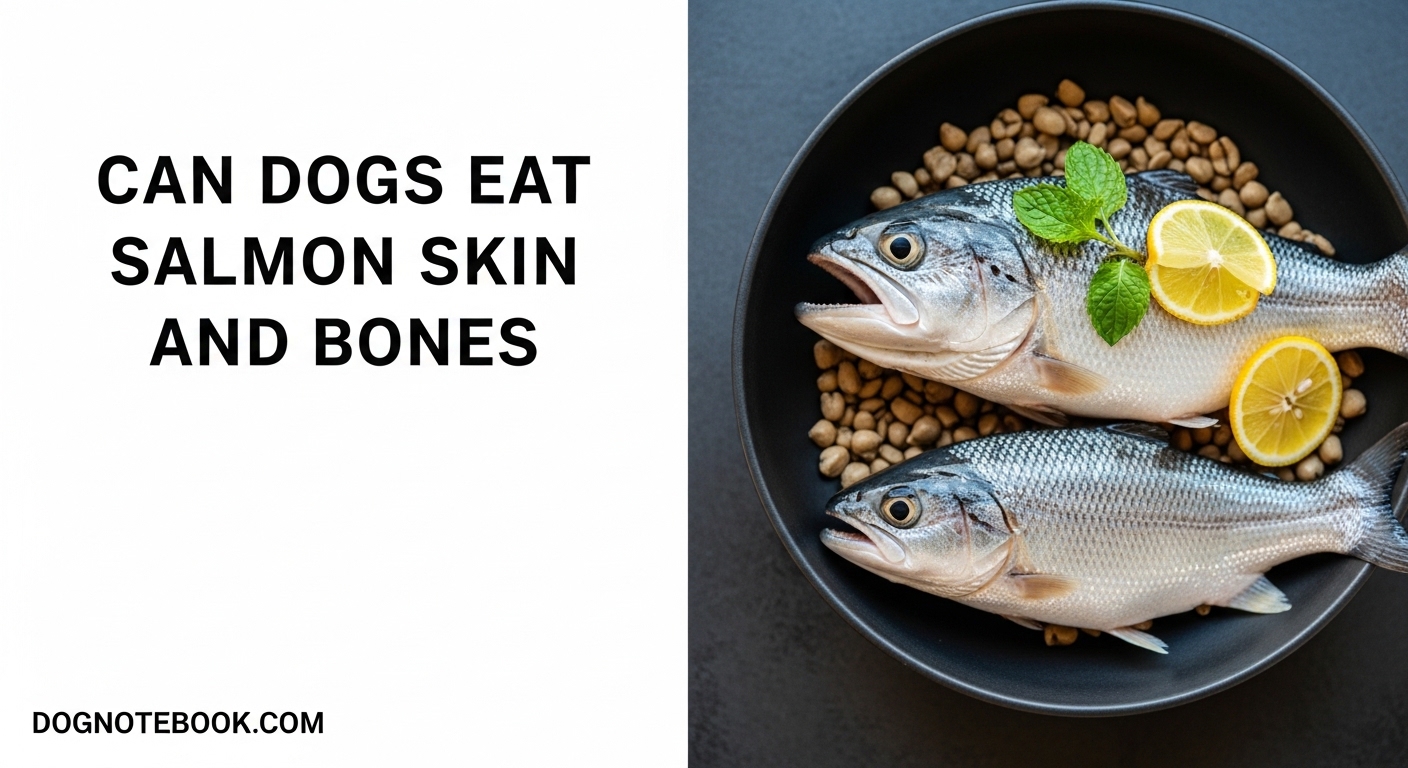
If you are wondering whether dogs can eat salmon skin and bones, here is the short answer: cooked, unseasoned salmon skin is safe for dogs in moderation, but salmon bones should never be given to your dog under any circumstances. Fish bones splinter easily and can cause choking, internal punctures, or serious blockages that require emergency surgery.
Salmon itself is a fantastic source of protein and omega-3 fatty acids for dogs. The skin carries many of those same nutrients. But the way you prepare it makes all the difference between a healthy treat and a trip to the vet. I have spent years researching canine nutrition and consulting with veterinarians to break down exactly what is safe, what is dangerous, and how to serve salmon properly.
In this guide, we will cover the safety of salmon skin and bones for dogs, the real risks of raw salmon, step-by-step preparation instructions, portion guidelines by dog size, and the warning signs of salmon poisoning disease every owner should know.
Table of Contents
Can Dogs Eat Salmon Skin?
Yes, dogs can eat salmon skin as long as it is thoroughly cooked, completely free of bones, and served without any seasonings, salt, butter, or oil. Cooked salmon skin provides a concentrated source of omega-3 fatty acids, protein, and vitamins that can benefit your dog’s coat, skin, and immune system.
The omega-3 content in salmon skin is actually higher than in the flesh itself. These healthy fats support joint health, reduce inflammation, and can help keep your dog’s coat looking shiny and full. Salmon skin also contains vitamin B12, selenium, and quality protein that contribute to overall wellness.
However, raw salmon skin is a different story entirely. Raw salmon from Pacific waters can carry a parasite called Nanophyetus salmincola, which hosts a bacteria called Neorickettsia helminthoeca. This bacteria causes salmon poisoning disease, which can be fatal to dogs if left untreated. Cooking the salmon kills both the parasite and the bacteria, making the skin safe to eat.
I have seen dog owners on forums share stories of feeding their dogs small amounts of cooked, plain salmon skin as a high-value treat during training sessions. The key is keeping portions small and making sure the skin is fully cooked through with no pink remaining.
Can Dogs Eat Salmon Bones?
No. Dogs should never eat salmon bones, whether raw or cooked. This is one area where there is zero room for debate among veterinarians and canine nutrition experts.
Salmon bones are thin, brittle, and prone to splintering. When a dog chews on them, the bones can break into sharp fragments that puncture the throat, esophagus, stomach lining, or intestines. Even bones that seem soft or small enough to swallow whole can cause a gastrointestinal obstruction that requires emergency surgery to resolve.
One dog owner shared on Reddit that their pup needed emergency surgery after swallowing salmon bones that blocked the intestines. The recovery was long, stressful, and expensive. Situations like this are entirely preventable by simply removing every bone before offering salmon to your dog.
Cooking bones does not make them safer. In fact, cooking makes bones more brittle and more likely to splinter into sharp shards. This applies to all fish bones, not just salmon. Always run your fingers through cooked salmon fillets to find and remove any pin bones before serving any portion to your dog.
What to Do If Your Dog Eats Salmon Bones
If your dog swallowed salmon bones, call your veterinarian or an emergency animal hospital immediately. Do not wait for symptoms to appear. Your vet may instruct you to monitor your dog closely or bring them in for an examination depending on the amount and size of bones consumed.
Watch for these warning signs over the next 24 to 72 hours: gagging, excessive drooling, difficulty swallowing, vomiting, loss of appetite, abdominal pain, lethargy, or bloody stool. Any of these symptoms warrant an immediate veterinary visit.
Raw vs Cooked Salmon for Dogs
Cooked salmon is safe and healthy for dogs. Raw salmon is not. The difference comes down to parasites and bacteria that cooking eliminates.
Raw salmon, particularly from Pacific coastal waters, can carry a flatworm parasite that transmits salmon poisoning disease to canines. This condition affects dogs, coyotes, and wolves but does not affect cats or humans. Without treatment, salmon poisoning disease has a mortality rate of up to 90 percent in dogs.
Cooking salmon to an internal temperature of 145 degrees Fahrenheit kills the parasite and the bacteria it carries. Baking, grilling, or poaching salmon without any seasonings are all safe cooking methods for dogs. The fish should be fully cooked with no translucent or pink center remaining.
Fresh vs Frozen Salmon for Dogs
This is an area most guides skip, but it matters. Freezing raw salmon at minus 4 degrees Fahrenheit for at least seven days kills the parasites responsible for salmon poisoning disease. This is why some raw-diet advocates argue that properly frozen salmon is safer than fresh raw salmon.
That said, I still recommend cooking salmon before feeding it to your dog. Freezing reduces parasite risk but does not eliminate all bacteria. Cooking addresses both threats completely. If you buy frozen salmon from the grocery store, thaw it in the refrigerator and cook it fully before serving.
How to Safely Prepare Salmon for Dogs
Preparing salmon for your dog is straightforward, but you need to follow each step carefully. Here is the process I recommend based on veterinary guidance and personal experience.
Step 1: Choose boneless salmon fillets. Start with skin-on, boneless fillets if possible. If your fillets contain pin bones, use fish tweezers or clean needle-nose pliers to remove every single bone. Run your fingers along the flesh slowly to feel for any bones you might have missed.
Step 2: Cook plain without seasonings. Bake the salmon at 375 degrees Fahrenheit for 15 to 20 minutes, or poach it in plain water. Do not use oil, butter, salt, garlic, onion, lemon, or any spices. Garlic and onion are toxic to dogs, and excess salt can cause sodium ion poisoning.
Step 3: Check for doneness. The salmon should be completely opaque and flake easily with a fork. No translucent or jelly-like areas should remain. If you have a food thermometer, verify the internal temperature reaches 145 degrees Fahrenheit.
Step 4: Let it cool completely. Hot salmon can burn your dog’s mouth and throat. Allow the fish to cool to room temperature before serving.
Step 5: Cut into bite-sized pieces. Chop the salmon, including the skin, into small pieces appropriate for your dog’s size. For small dogs, pieces should be no larger than a pea. For larger dogs, dime-sized pieces work well.
You can serve prepared salmon as a treat, mix it into your dog’s regular food as a topper, or use it as a high-value reward during training sessions. Just remember to account for the extra calories and reduce your dog’s regular food portion slightly on days you offer salmon.
What About Smoked Salmon?
Dogs should not eat smoked salmon. The smoking process does not cook the fish to a temperature that kills parasites, and smoked salmon typically contains high levels of salt and sometimes preservatives that are harmful to dogs. The salt content alone can cause excessive thirst, urination, and in severe cases, sodium ion poisoning.
What About Canned Salmon?
Canned salmon is safe for dogs as long as it is packed in water with no added salt, and you remove all visible bones. Most canned salmon contains soft cooked bones, which some sources say are safe because they soften during the canning process. However, I recommend removing them to be cautious, especially for small dogs or dogs with digestive sensitivities.
How Much Salmon Can Dogs Eat?
Salmon should be an occasional treat, not a daily meal replacement. Veterinarians generally recommend limiting treats and extras to no more than 10 percent of your dog’s daily caloric intake. Here are general portion guidelines based on dog size.
Small dogs (under 20 pounds): One to two teaspoons of cooked salmon per serving, no more than once or twice per week.
Medium dogs (20 to 60 pounds): One to two tablespoons of cooked salmon per serving, no more than twice per week.
Large dogs (60+ pounds): Two to three tablespoons of cooked salmon per serving, no more than twice per week.
These are starting guidelines. If your dog has never eaten salmon before, start with a very small amount and watch for any signs of digestive upset or allergic reaction over the next 24 hours. Some dogs are allergic to fish, and introducing any new food too quickly can cause diarrhea or vomiting.
Signs of Salmon Poisoning Disease in Dogs
Salmon poisoning disease is a serious and potentially fatal condition that every dog owner should be able to recognize. It is caused by a bacteria carried by a parasite found in raw or undercooked salmon, trout, steelhead, and other fish from Pacific coastal waterways.
Symptoms typically appear within 6 to 10 days after a dog eats infected raw fish. The early signs often look like a routine stomach bug, which makes this disease easy to miss in the critical early window.
Early symptoms to watch for:
- Vomiting, often persistent and worsening
- Lack of appetite or complete refusal to eat
- Lethargy and unusual tiredness
- Low-grade fever that progressively rises
Progressing symptoms that require emergency care:
- High fever (above 104 degrees Fahrenheit)
- Severe, bloody diarrhea
- Swollen lymph nodes, especially under the jaw
- Significant weight loss over a short period
- Dehydration and weakness
If you suspect your dog has eaten raw salmon and is showing any of these symptoms, take them to a veterinarian immediately. Salmon poisoning disease is treatable with antibiotics and supportive care when caught early, but the mortality rate climbs rapidly without treatment. Be sure to tell your vet about any possible exposure to raw fish, as this information helps them diagnose and treat your dog faster.
One Reddit user from Oregon shared that their sister’s dog contracted salmon poisoning after eating raw fish guts found on a hiking trail near a river. The dog became seriously ill within a week but recovered after receiving prompt veterinary treatment. This is a real risk, particularly for dogs living in or visiting the Pacific Northwest.
FAQ
Why can’t dogs eat raw salmon skin?
Raw salmon skin can carry a parasite called Nanophyetus salmincola, which hosts bacteria that cause salmon poisoning disease. This condition can be fatal to dogs if left untreated. Cooking salmon to 145 degrees Fahrenheit kills the parasite and bacteria, making the skin safe to eat. Always cook salmon thoroughly before offering it to your dog.
How much salmon skin can dogs eat safely?
Small dogs under 20 pounds can have one to two teaspoons of cooked salmon skin per serving. Medium dogs between 20 and 60 pounds can have one to two tablespoons. Large dogs over 60 pounds can have two to three tablespoons. Serve no more than once or twice per week, and always make sure the skin is thoroughly cooked and free of bones and seasonings.
How do I prepare salmon skin for my dog?
Start with a boneless salmon fillet with the skin on. Bake it at 375 degrees Fahrenheit for 15 to 20 minutes with no oil, butter, salt, garlic, or seasonings. Let it cool completely, then cut the skin into small, bite-sized pieces. Verify the internal temperature reached 145 degrees Fahrenheit and that no pink or translucent areas remain before serving.
Why do people say to avoid salmon skin for dogs?
People recommend avoiding salmon skin for dogs primarily because of the risk of salmon poisoning disease from raw or undercooked skin, the danger of hidden bones causing choking or internal injury, and the high fat content that can trigger pancreatitis in some dogs if overfed. These risks are real but manageable when salmon skin is properly cooked, deboned, and served in small portions.
Can dogs eat smoked salmon?
No, dogs should not eat smoked salmon. The smoking process does not cook the fish thoroughly enough to kill parasites, and smoked salmon is typically very high in salt and may contain preservatives or seasonings that are harmful to dogs. High salt intake can cause sodium ion poisoning, excessive thirst, and kidney strain.
What should I do if my dog ate salmon bones?
Contact your veterinarian or an emergency animal hospital right away. Do not induce vomiting unless your vet specifically instructs you to, as bones can cause more damage coming back up. Watch your dog closely for gagging, drooling, vomiting, loss of appetite, abdominal pain, lethargy, or bloody stool over the next 24 to 72 hours. Seek immediate care if any of these symptoms appear.
When it comes to whether dogs can eat salmon skin and bones, the answer comes down to two very different outcomes. Cooked, plain, boneless salmon skin is a safe and nutritious occasional treat that provides omega-3 fatty acids, protein, and vitamins. Salmon bones, on the other hand, should never be given to any dog under any circumstances because of the serious risk of choking, internal punctures, and intestinal blockages.
Always cook salmon fully to an internal temperature of 145 degrees Fahrenheit before offering it to your dog. Remove every bone, skip all seasonings, and keep portions small relative to your dog’s size. If you follow those rules, salmon can be a healthy addition to your dog’s diet. When in doubt about any new food, check with your veterinarian first.