
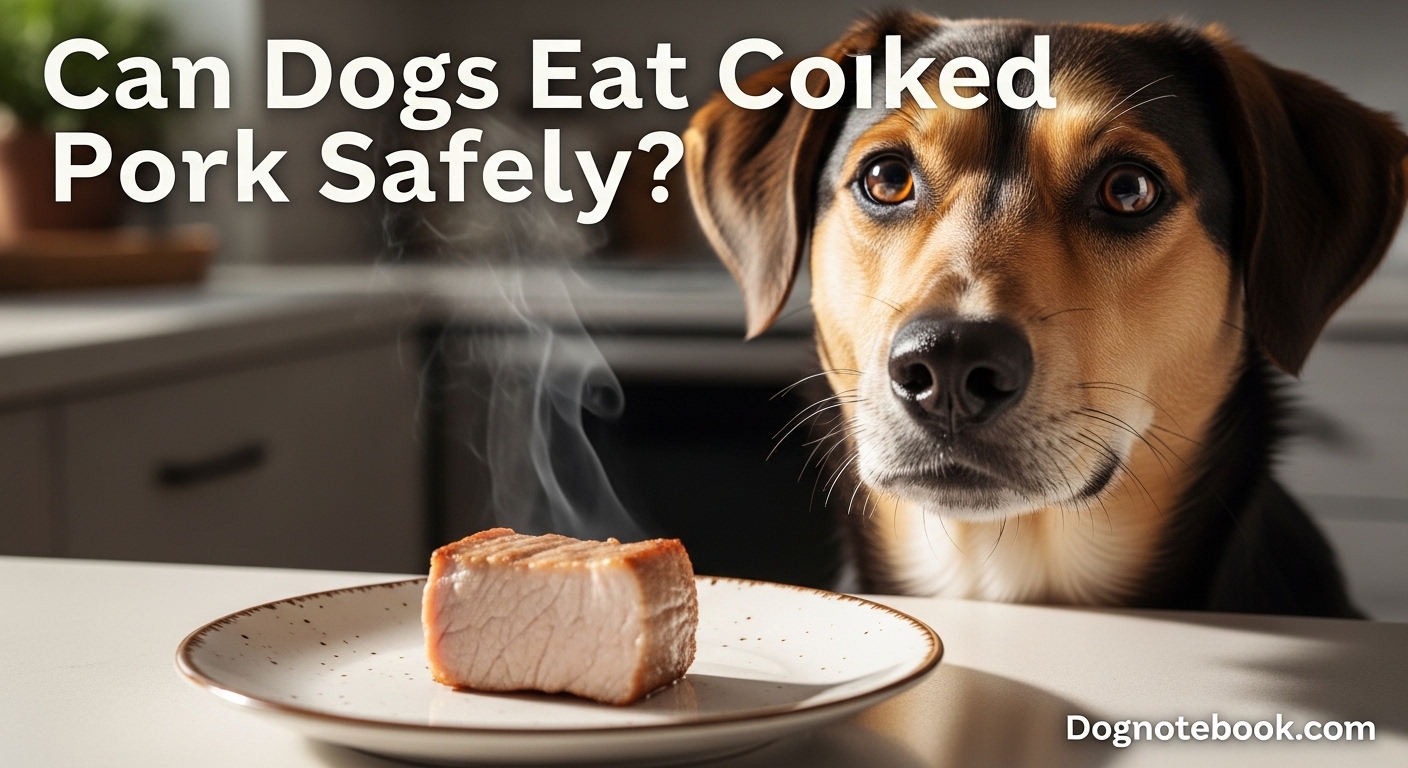
Yes, dogs can eat cooked pork safely — but only when it is plain, unseasoned, fully cooked, and served without bones. If you have ever wondered whether you can share a piece of your pork dinner with your dog, the answer depends entirely on how that pork was prepared.
I have spent years researching canine nutrition, and the confusion around pork is one of the most common questions I hear from dog owners. Some people were told pork is always dangerous, while others grew up feeding their dogs table scraps without a second thought. The truth sits somewhere in the middle, and understanding the details matters for your dog’s health.
Here is what you need to know before feeding cooked pork to your dog:
- Pork must be fully cooked to an internal temperature of at least 145°F (160°F for ground pork)
- All seasonings, sauces, and marinades must be removed — garlic and onion are toxic to dogs
- Only lean cuts like pork tenderloin or pork loin are appropriate
- Pork should be an occasional treat, not a dietary staple
- Never feed pork bones, whether raw or cooked
Table of Contents
When Is Cooked Pork Safe for Dogs?
Cooked pork is safe for dogs when it is prepared plain — no salt, no pepper, no garlic powder, no barbecue sauce, and no marinades of any kind. The pork should be baked, boiled, or grilled without any added fats or oils, and it must reach a safe internal temperature to kill harmful parasites and bacteria.
The safest cuts for dogs are pork tenderloin and pork loin. These are the leanest options, with significantly less fat than pork belly, shoulder, or rib cuts. Fat is one of the biggest concerns with feeding pork to dogs because high-fat intake can trigger pancreatitis, a painful and potentially serious condition.
Think of it this way: the pork you share with your dog should look boring. If it looks like something you would enjoy eating, it probably has too much seasoning or fat for your dog.
Nutritional Benefits of Pork for Dogs
Pork is a high-quality, complete protein that contains all the essential amino acids your dog needs. It is also a good source of several important nutrients:
- Vitamin B6 — supports brain function and immune health
- Vitamin B12 — essential for nervous system function and red blood cell production
- Zinc — important for skin, coat, and immune system health
- Potassium — helps maintain healthy muscle and nerve function
- Phosphorus — supports strong bones and teeth
These nutrients make pork a solid occasional protein choice. Some commercial dog foods even use pork as a primary ingredient because it is considered a novel protein, meaning dogs with allergies to chicken or beef may tolerate pork well. That said, pork treats should complement your dog’s regular diet, not replace balanced dog food.
Dangers of Raw Pork for Dogs
Raw pork poses serious health risks to dogs. The primary concern is Trichinella spiralis, a parasite that lives in raw or undercooked pork muscle tissue. When a dog eats infected raw pork, the parasite larvae can develop into adult worms in the intestines and then migrate to muscle tissue, causing a condition called trichinosis.
Beyond trichinella, raw pork can also carry Salmonella and Yersinia bacteria. These bacteria cause gastrointestinal illness in dogs, leading to vomiting, diarrhea, lethargy, and fever. While some raw feeding advocates argue that freezing raw pork for extended periods kills trichinella, the USDA and veterinary community do not consider home freezing a reliable method for eliminating all pathogens.
Symptoms of trichinosis in dogs include muscle pain, weakness, fever, swelling around the eyes, and gastrointestinal upset. If your dog accidentally ate raw pork, contact your veterinarian. Most dogs recover with treatment, but early intervention makes a significant difference.
Why Pork Bones Are Dangerous
Pork bones — whether raw or cooked — are never safe for dogs. Cooked bones become brittle and can splinter into sharp fragments that puncture your dog’s mouth, throat, esophagus, stomach, or intestines. Raw bones are slightly less likely to splinter but still pose a choking hazard and can cause dental fractures, intestinal blockages, and bacterial infections.
Ham bones, pork rib bones, and pork chop bones are the most common culprits that dog owners accidentally leave within reach. If your dog gets hold of a pork bone, watch closely for signs of distress: excessive drooling, pawing at the mouth, vomiting, difficulty swallowing, or lethargy. These symptoms warrant an immediate trip to the vet.
Instead of real bones, consider veterinary-approved dental chews or puzzle toys stuffed with small pieces of plain cooked pork as a safer alternative.
Seasonings and Ingredients That Are Toxic to Dogs
The biggest hidden danger in feeding your dog cooked pork is not the pork itself — it is what was added during cooking. Many common seasonings and ingredients are toxic to dogs:
- Garlic and onion (powder, fresh, or cooked) — damage red blood cells, leading to hemolytic anemia. Even small amounts over time can cause problems.
- Excessive salt — can cause sodium ion poisoning, leading to vomiting, diarrhea, tremors, and seizures.
- Nutmeg — contains myristicin, which is toxic to dogs and can cause seizures and central nervous system damage.
- Barbecue sauce, teriyaki, and marinades — typically contain garlic, onion, sugar, and high sodium levels.
- Artificial sweeteners (xylitol) — extremely toxic to dogs, causing rapid insulin release and life-threatening hypoglycemia.
This is why the holiday ham or the leftover ribs from your barbecue are not safe for your dog. Even if you scrape off the visible sauce, the seasoning has soaked into the meat. When sharing pork with your dog, cook a separate, plain portion.
Processed Pork: Bacon, Ham, and Sausage
Bacon, ham, sausage, pepperoni, and hot dogs are all processed pork products that should never be fed to dogs. These products are loaded with sodium, nitrates, preservatives, and fat — all of which are harmful to dogs even in small quantities.
The high salt content in ham is particularly dangerous. According to the AKC, excessive salt intake can cause bloat, a life-threatening condition where the stomach fills with gas and twists. The World Health Organization has also classified processed meats as Group 1 carcinogens, which is worth considering when deciding what to feed your pet.
The fat content in bacon and sausage is another major concern. A single strip of bacon contains enough fat to trigger gastrointestinal upset or even pancreatitis in smaller dogs. Save these items for your own plate and offer your dog plain, lean cooked pork instead.
Pancreatitis and Fat Content Risks
Pancreatitis is an inflammation of the pancreas that can be triggered by a single high-fat meal. Pork is generally fattier than chicken or turkey, and certain cuts like pork belly and pork shoulder contain enough fat to cause problems in sensitive dogs.
Symptoms of pancreatitis include repeated vomiting, abdominal pain (your dog may adopt a “praying position” with front legs down and rear end up), loss of appetite, diarrhea, and lethargy. Pancreatitis can range from mild to life-threatening, and veterinary care is always required.
To minimize the risk, stick to lean cuts like pork tenderloin, trim all visible fat before cooking, and keep portions small. Dogs with a history of pancreatitis or gastrointestinal sensitivity should avoid pork entirely unless your veterinarian approves it.
How to Safely Cook Pork for Your Dog
If you want to prepare pork specifically for your dog, here is the step-by-step process I recommend:
Step 1: Choose a lean cut. Pork tenderloin is your best option. It is one of the leanest cuts available and has a mild flavor most dogs enjoy.
Step 2: Trim all visible fat. Remove any white fat from the outside of the meat before cooking. This reduces the fat content significantly and lowers the pancreatitis risk.
Step 3: Cook plain. Bake at 350°F, boil, or grill without any oil, butter, salt, pepper, or seasoning. The meat should go into the oven or pot completely bare.
Step 4: Reach safe temperatures. Cook whole cuts like tenderloin or chops to an internal temperature of 145°F as measured with a food thermometer. Ground pork must reach 160°F. These are the USDA-recommended minimum temperatures that kill trichinella parasites and harmful bacteria.
Step 5: Let it rest, then cut into small pieces. Let the pork rest for three minutes after removing from heat, then cut into bite-sized pieces appropriate for your dog’s size. Remove any gristle or remaining fat.
Step 6: Serve at room temperature. Let the pork cool before serving. Small pieces can also be stuffed into a KONG toy and frozen for a longer-lasting treat.
How Much Pork Can Dogs Eat?
Pork should be treated as an occasional treat, not a regular meal. Veterinarians generally recommend that treats make up no more than 10% of your dog’s daily caloric intake. For pork specifically, here are rough serving guidelines based on dog size:
- Small dogs (under 20 lbs): 1 to 2 small bites (about 1 tablespoon)
- Medium dogs (20 to 60 lbs): 2 to 3 tablespoons
- Large dogs (60+ lbs): 3 to 4 tablespoons
These are occasional portions — think once or twice a week at most, not every day. If your dog has never had pork before, start with a very small amount and watch for any signs of digestive upset over the next 24 hours. Every dog tolerates new foods differently, and what works for one may not work for another.
FAQ
Is cooked pork ok for dogs to eat?
Yes, plain cooked pork is safe for dogs when it is fully cooked, unseasoned, and served without bones. The pork should be lean (tenderloin or loin), cooked to at least 145°F internal temperature, and free of all garlic, onion, salt, sauces, and marinades. Serve it in small amounts as an occasional treat.
Why can’t dogs have cooked pork?
Dogs can have plain cooked pork, but they should not eat pork that has been seasoned, prepared with garlic or onion, cooked with heavy fats or oils, or served with bones. The issue is not the pork itself — it is the way most people prepare it. Seasonings like garlic and onion powder are toxic to dogs, and high-fat cuts can cause pancreatitis.
What happens if a dog eats pork?
If the pork was plain and fully cooked, most dogs will be fine and may experience no symptoms at all. If the pork was seasoned, raw, or contained bones, watch for vomiting, diarrhea, lethargy, abdominal pain, excessive drooling, or difficulty breathing. Contact your veterinarian if your dog ate seasoned pork, raw pork, or pork bones, or if any symptoms develop.
Can dogs eat pork chops?
Yes, dogs can eat pork chops if the meat is fully cooked to 145°F, completely plain with no seasoning, and all bones are removed before serving. Trim away visible fat and cut the meat into small, bite-sized pieces. Never give your dog the pork chop bone, as cooked bones splinter easily and can cause serious internal injuries.
What is the one meat to never feed a dog?
There is no single meat that applies to every dog, but most veterinarians agree that processed meats like bacon, ham, and sausage should never be fed to dogs due to high sodium, fat, nitrates, and toxic seasonings. Additionally, any raw or undercooked meat carries bacterial and parasite risks. Always cook meat thoroughly before sharing with your dog.
How much pork can a dog eat?
Pork should make up no more than 10% of your dog’s daily calories as a treat. For small dogs under 20 lbs, limit it to about 1 tablespoon. Medium dogs (20-60 lbs) can have 2-3 tablespoons, and large dogs over 60 lbs can have 3-4 tablespoons. Feed pork no more than once or twice per week.
Final Thoughts on Whether Dogs Can Eat Cooked Pork Safely
The short answer to whether dogs can eat cooked pork safely is yes — with clear conditions. The pork must be plain, fully cooked to USDA-recommended temperatures, lean, boneless, and served in small amounts. Avoid raw pork, pork bones, processed pork products like bacon and ham, and any pork cooked with garlic, onion, or other seasonings.
When in doubt, cook a separate plain portion for your dog rather than sharing from your own plate. And if your dog has existing health conditions, especially pancreatitis or food sensitivities, talk to your veterinarian before adding pork to their diet. Every dog is different, and your vet knows your dog’s health history best.