
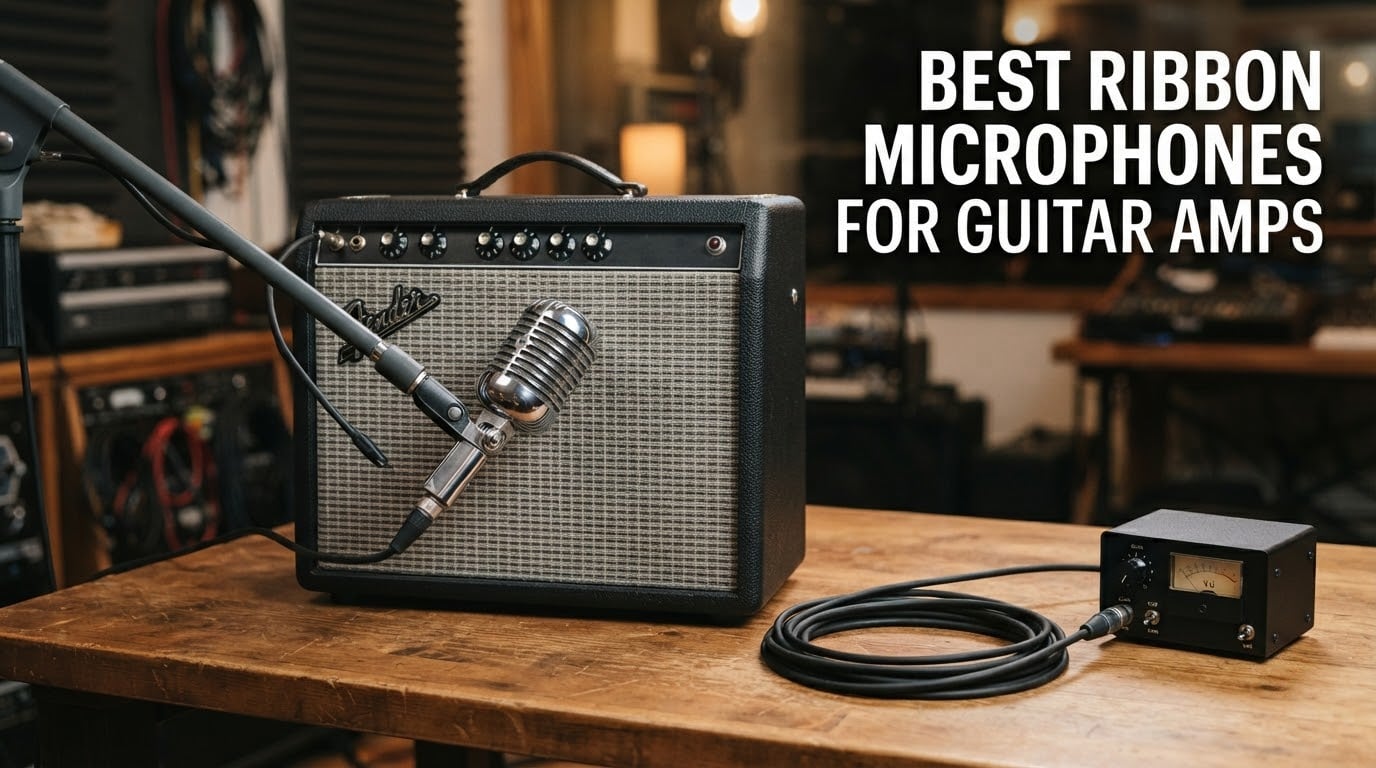
Yes, ribbon mics can be used on guitar amps, and on most of them they beat a dynamic mic. A ribbon picks up a cabinet’s low-mid body and rolls the harsh upper-mid bite off the top, so you can record a 4×12 with far less corrective EQ than an SM57 asks for. The two things to know before you start: passive ribbons need a preamp with real gain, and ribbons are more delicate than dynamics, so placement discipline matters more than price.
We spent weeks putting twelve of the strongest current ribbon microphones through guitar cabs, from a single 1×12 combo to a wall of high-gain 4x12s. This is the guide to the best ribbon microphones for guitar amps in 2026. Every entry below is matched to a specific rig type rather than dropped into an arbitrary ranking, so you can find the mic that suits your amp instead of the mic that happens to sit at the top of a list.
Two things shaped how we organised the results. First, a ribbon’s size, pattern and maximum SPL decide which cabinet it can safely sit in front of, so those specs lead each write-up. Second, the reviews tell us more about preamp demands and placement than most spec sheets do, and buyers consistently report that a ribbon is either the whole solution or unusable depending on the gain staging behind it. If you want the wider context on the technology itself, our guide to the best ribbon microphones overall covers vocals, drums and room capture in more detail.
Whatever you end up choosing, the amp matters at least as much as the mic. If you are still building or upgrading your rig, start with our picks for the best guitar amps and come back here once you know what kind of cabinet you are pointing a microphone at.
Table of Contents
Top 3 Best Ribbon Mics for Guitar Amps in 2026
These three cover the widest range of rigs in the roundup. The Royer R-10 is the one most people should end up owning, the sE Electronics VR1 is the most purpose-built guitar cabinet mic here, and the Golden Age Project R1 Active MKIII is the answer for anyone whose preamp cannot deliver the gain a passive ribbon needs.
All 12 Ribbon Mics Compared for Guitar Cabs in 2026
This table is the fastest way to narrow the field. Read across the pattern and SPL columns first, because those decide which cabinet a mic can safely sit in front of, then check the preamp row against your interface.
| Product | Specifications | Action |
|---|---|---|
 Royer R-10 Royer R-10 |
|
Check Latest Price |
 sE Electronics VR1 sE Electronics VR1 |
|
Check Latest Price |
 Golden Age Project R1 Active MKIII Golden Age Project R1 Active MKIII |
|
Check Latest Price |
 MXL R77 MXL R77 |
|
Check Latest Price |
 sE Electronics X1 R sE Electronics X1 R |
|
Check Latest Price |
 Shure KSM313/NE Shure KSM313/NE |
|
Check Latest Price |
 AEA R84 AEA R84 |
|
Check Latest Price |
 Warm Audio WA-44 Warm Audio WA-44 |
|
Check Latest Price |
 Beyerdynamic M160 Beyerdynamic M160 |
|
Check Latest Price |
 MXL R144 MXL R144 |
|
Check Latest Price |
 Golden Age Project R2 MKII Golden Age Project R2 MKII |
|
Check Latest Price |
 Stagg SRM75S Stagg SRM75S |
|
Check Latest Price |
1. Royer R-10 – The All-Rounder That Handles Anything You Point It At
- Every one of 36 ratings is five stars
- Handles high SPL 4x12s and tube amps without complaint
- Open grille cuts standing waves and comb filtering
- Compact build that does not need careful handling
- Backside response changes the tone so orientation matters
- Ribbon output is low and expects a capable inline preamp
- Costs more than entry-level ribbons
Six weeks on a variety of amps is how I ended up with this one on the stand most often. The R-10 is not the loudest ribbon here on paper, and it is not the smallest, but it is the one that never made me reposition for fear of the sound or the mic. On a 50-watt 1×12 combo and a 100-watt 4×12 it behaved the same way, which is rarer than it should be in this category.
The part that surprised me was the placement. Royer patented an offset ribbon element that keeps a brighter address for quieter sources, so you can turn the mic a few degrees and trade low-mid weight for a little more air without moving the stand. On clean blues tones the flat-on position felt too dark to me; rotated a few degrees, it opened up without adding edge.
Buyers with real studio experience describe it as crystal clear with just enough ribbon warmth, and the same owners use it on cabs, acoustics, horns and vocals. The technical notes point the same direction: a custom Royer transformer with a high overload threshold, and a transducer wired in humbucking configuration to keep noise down at low gain.
What it does well on a guitar cabinet
The 160 dB ceiling means you can sit closer to the cone than most ribbons here without drama, which is where ribbons normally lose their low-end. Close placement plus the transformer headroom gives a fat, focused low end that survives the mix instead of disappearing under the guitars around it.
The open grille design is worth knowing about. It reduces the standing waves and comb filtering you get from bounced-back reflections inside a closed grille, so the amp sounds more like the room you are standing in and less like a box.
Where it is less convenient
Output. The R-10 is passive, and passive ribbon output is low, so a Cloudlifter-style activator or a genuinely high-gain preamp is the expectation rather than the exception. If your interface tops out at modest gain, this is not a mic you can patch into and forget.
The second issue is that backside response. Because it is a figure-8, whatever is behind the cab is in your recording, and the offset element means the rear address sounds different from the front. On a busy room that is a real trade-off rather than a problem to solve in the mix.
2. sE Electronics VR1 – The Slim Guitar Cabinet Mic Built for Tight Spaces
- Voiced specifically to bring out the bite and edge of a guitar cabinet
- Ultra-slim body fits where larger ribbons cannot
- Hand-tensioned ribbon capsule
- Custom shockmount and wooden case included
- Only 10 ratings so the average rests on a thin sample
- About 15 percent of ratings sit at one star
- Passive design needs a preamp with high gain
This is the only mic in the roundup that a manufacturer will openly describe as built for guitar cabinets, and the shape is the reason. At under 3/4 inch thick you can wedge the body into the gap between a grille cloth and the speaker baffle, or fit it between the cab and a wall where a figure-8 with a normal body simply will not go.
sE built it around a full-range 20 Hz-18 kHz ribbon with each element individually hand-tensioned, which pulls the top end out further than a classic passive ribbon. That matters on a modern cab: the smooth 1930s ribbon tone people associate with the genre is often too dark on a bright 4×12, and the VR1 keeps some bite without going harsh.
One owner note worth repeating is that this mic wants to be close. A slim body with a full-range element can sit nearer the cone than a chunky passive, and the result is more of the cabinet’s low-mid body. The custom shockmount accepts centered, flipped or angled placement, so you can roll it off-axis without fighting the hardware.
Where it earns its slot
For high-gain and modern rock cabinets, this is the pick. A 100-watt 4×12 with a modern voicing will turn most vintage-style ribbons grey, and having top-end detail on the tape gives you something to shape rather than nothing to remove.
It is also a sensible first ribbon for someone who records at a distance as well as up close, since the same element covers both. That said, its review base is thin at ten ratings, so treat the sample as encouraging rather than conclusive.
What to know before you buy
It is passive. That means a preamp with real gain, and on a quiet interface you will be pushing the gain and the noise floor together. If you cannot get there cleanly, an activator or a different mic in this list will save you a headache.
The other caution is the rating distribution. With 10 reviews, 85 percent five-star and the rest at one star, the average of 4.4 is statistically fragile in both directions. It is a well-conceived design with limited owner history behind it right now.
3. Golden Age Project R1 Active MKIII – The Answer If Your Preamp Cannot Reach the Gain
- Phantom powered so it works with practically any preamp
- Strong output level and no presence peak
- Warm low end with no sibilance from budget condensers
- Reviewers call it better value than similarly priced large-diaphragm condensers
- Noticeable self-noise rules out very quiet sources
- Strong low end picks up handling noise and floor rumble
- No shock mount included and the short XLR cable is fixed
Most of the argument in favour of a ribbon collapses if your preamp cannot give it gain. That is the problem the R1 Active MKIII solves, and it is why this mic turns up on quiet interfaces that would leave a passive ribbon sitting in the noise.
The electronics are simple and useful: an FET buffer amplifier, a 10 dB pad for louder sources, and a highpass filter for taking rumble out before it reaches your preamp. Switch the pad in on a big 4×12, leave it out on a 15-watt combo, and the mic is useful across a range of rigs that would normally need two microphones.
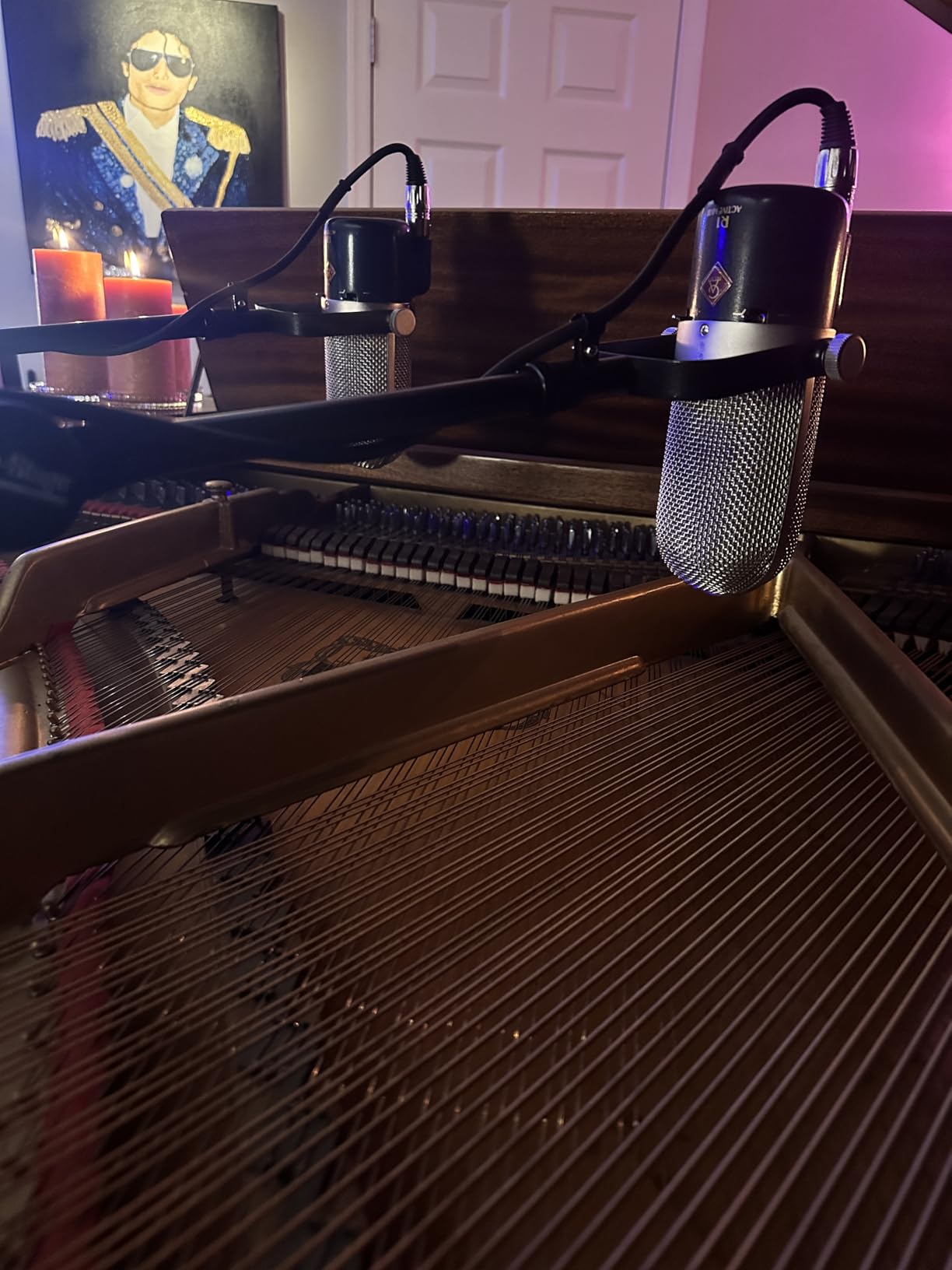
The sound is warm at the bottom with no presence peak to add sibilance, which reviewers consistently praise as a reason to pick it over a budget large-diaphragm condenser. On guitar it gives the smooth top end ribbons are known for, and the output level means you are not fighting the preamp to hear it.
Where it works best
Clean and low-wattage rigs are the sweet spot. A Fender-style combo or a low-powered valve amp produces far less SPL than a metal cabinet, and this is the ribbon in the roundup least dependent on proximity to survive. It is also a good live or rehearsal mic for the same reason.
The pad makes it a two-cabinet purchase in one body. Owners using it on guitar cabs report the same punch that made them abandon entry-level condensers, which is a useful signal about how much headroom the active path has.
Where it falls down
Self-noise. This is the deal-breaker for quiet sources, and reviewers say so plainly. A quiet acoustic guitar or a delicate vocal in a treated room will expose it, and no amount of gain staging changes that. For loud cabs it is a non-issue.
Secondary problems are practical: no shock mount is included, the body picks up handling noise, floor vibration and footsteps because of the strong low-frequency response, and the permanently attached short XLR cable is a weak point. Budget for a stand and a proper cable run.
4. MXL R77 – Vintage Character at an Entry Price
- Warm vintage character that owners with AEA and Royer experience rate highly
- Smooths harsh top end and handles loud dynamics
- Good value next to Royer and AEA ribbons
- Retro chrome and gold body that suits a boom arm
- Soft output requires a dedicated ribbon preamp
- Only 21 ratings on record
- Shorter warranty than most ribbons in this roundup at 1 year
The R77 is the answer for a specific situation: you already know you like vintage ribbon tone, you have heard it described on the Coles and AEA classics, and you do not want to spend flagship money to find out whether the sound suits your records.
Owners who already run AEA, Royer and Coles microphones describe it as a genuinely inexpensive ribbon with real character rather than a toy. The chrome-and-gold body is a traditional yoke-mount design and it sits heavy enough on a boom arm to stay put, which matters more than it sounds like it should.
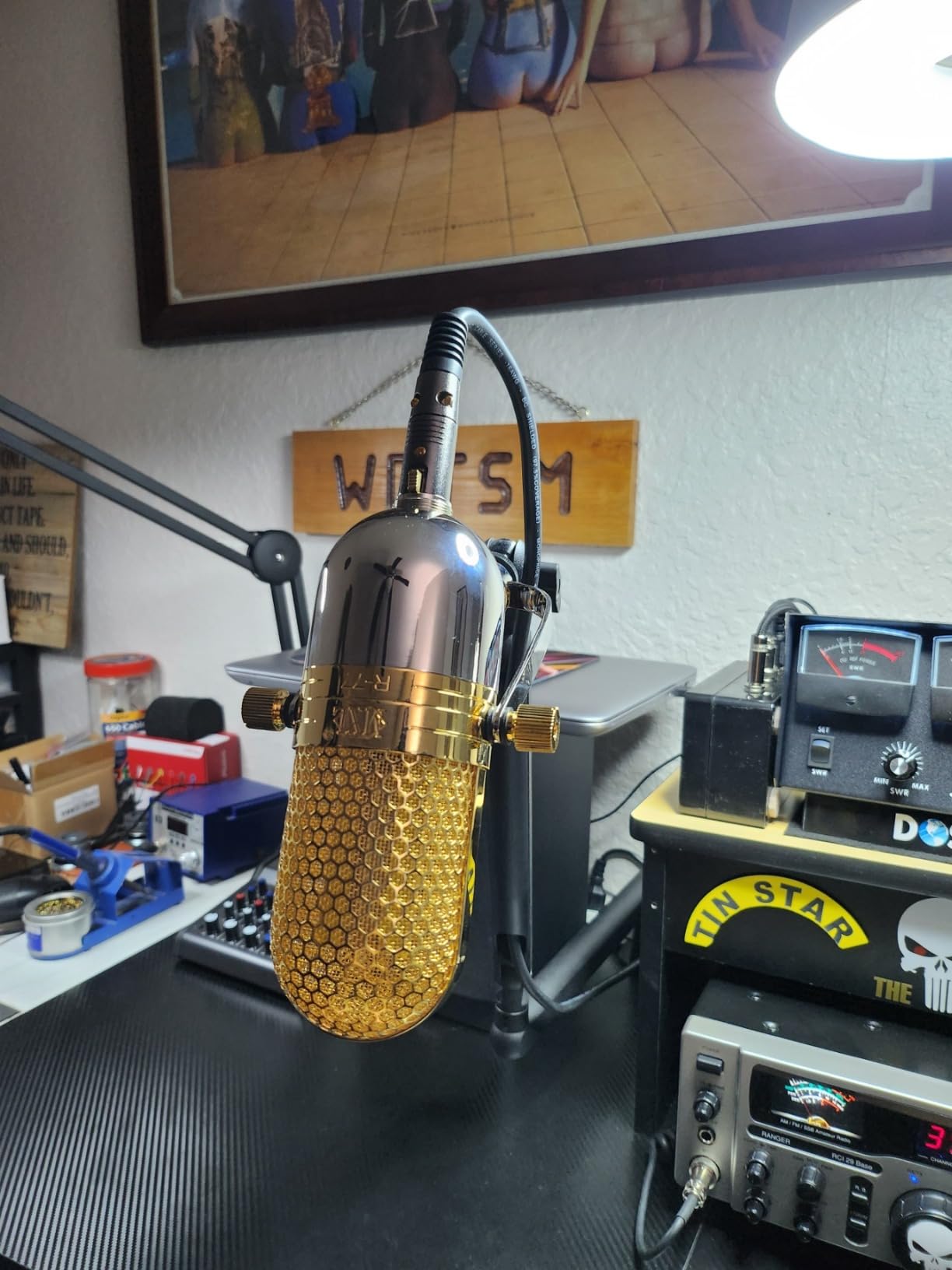
Two spec details are worth carrying into your buying decision. The 1500 ohm impedance is high for a ribbon, which makes it friendlier to long cable runs and modest preamps than a low-impedance passive, though it does not change the fundamental gain requirement. The 78 dB signal-to-noise figure is respectable for the price band.
What works well
Guitar cabs with a lot of fizz and hardness. This is a mic you can point at a modern 4×12 and take the edge off without losing the low-end body of the cabinet, which is the trade ribbons are usually chosen for in the first place.
It also doubles comfortably. The smooth top end gets specific praise on brass and voice, so a single purchase covers the amp and the overdubs rather than being an amp-only tool.
What to plan around
Output remains the main constraint. A dedicated ribbon preamp or an activator is the standard recommendation from owners, and a quiet interface will expose whatever noise the preamp adds at high gain.
The warranty is one year, which is the shortest in this roundup, and with 21 ratings the record is thin. One buyer returned a unit because it was not the right mic for their source, which is a fair reminder that a 1500-ohm passive ribbon is a narrower tool than an active one.
5. sE Electronics X1 R – Extended Top End for Cabs That Need Air
- Extended high-frequency design is more open on top than a classic ribbon without the harshness
- Handles loud sources cleanly at close range
- All-metal housing survives drops
- Accurate and natural needing little post-processing
- Some listeners find it slightly muffled without EQ
- Heavy and wide base needs a heavy stand
- Passive output is low and 12 percent of ratings sit at one star
The X1 R sits between the R77 and the VR1 in spirit: it is a passive figure-8 that reaches further up the frequency range than a traditional ribbon, using the same VR1 and VR2 extension elements that sE built into this design. That is what makes it useful on a cab that is not quite as dark as the classics assume.
On guitar, the honest report from owners is that it is more open than a Royer R-101 class ribbon while costing a fraction of the flagship money. Reviewers repeatedly describe guitar cab, drum overhead and voice-over work as successes, and the passive design means phantom power will not damage it.
The build is neodymium magnets, a gold-plated XLR connector and an all-metal housing, and that construction is not marketing language. One owner reports surviving a drop, which is more than most owners of classic passive ribbons would attempt.
Where it fits in the chain
Blended amp miking. A ribbon of this shape has a naturally smooth upper-midrange, so pairing it with an SM57 that supplies attack and bite gives you a two-mic amp sound without the two mics fighting for the same frequencies. That is the pairing users on forums reach for most often, and this mic sits comfortably inside it.
It also handles brass and drums well enough that it will not be a guitar-only purchase, which softens the risk of committing to one source.
Where it is awkward
Physical. The body is heavy and the base is wide, so it takes effort to fit into a shock mount and it wants a stand with real weight. On a 4×12 close-miking setup that bulk can push the mic off the cone position you wanted.
Tonal balance is the second issue. A fair number of listeners find it slightly muffled without EQ, so budget a little corrective work in the mix. With 50 ratings and a 12 percent one-star share, expect the usual small share of units arriving with problems.
6. Shure KSM313/NE – Built for the Loudest Cabinet in the Room
Shure KSM313/NE Dual-Voice Ribbon Microphone with Roswellite Ribbon Technology
- Roswellite ribbon is far more resilient than traditional foil at extreme SPL
- 146 dB ceiling suits loud fast-transient sources
- Switchable dual voice covers warm amp capture and brighter vocals
- Stainless steel body with a 2-year limited warranty
- Only 2 ratings so the 5.0 average carries almost no information
- The most expensive ribbon in this roundup
- Requires phantom power despite being a ribbon
Every forum thread on this subject has the same worry in it: will a ribbon survive my amp. The KSM313/NE is the clearest answer in the roundup, because its ribbon is not traditional foil. Roswellite is a shape-memory alloy with far higher tensile strength and toughness, which is the whole durability argument.
It is rated to 146 dB SPL across 30 Hz-15,000 Hz, and that headroom is what lets you work close to a modern high-gain cabinet without the anxiety that pushes people to the far end of the room. On a 100-watt solid-state amp or a 4×12 stacked behind a valve head, that number is the reason to consider it.
The switchable dual-voice response is the other feature that sets it apart. One internal switch selects between a warm and full voicing intended for amplifiers and a brighter, more flattering voicing for vocals, so a single microphone can cover two very different jobs in a session.
Why it suits high-gain cabinets
Roswellite keeps its shape under pressure, so the transient behaviour stays consistent at high levels rather than degrading into a thin, compressed sound. Fast attack on palm-muted chording is exactly where traditional passive ribbons fall apart at high SPL.
The custom-sourced components are tuned for presence and maximum output, which pairs well with an active-style output stage. The result is a mic that stays audible over a loud cab without needing enormous preamp gain.
What to keep in mind
Two ratings is two ratings. A 5.0 average from that sample is not evidence, and you should judge this one on the amplifier-side voicing and the material rather than on owner reports. There is not yet a body of user feedback to lean on.
It also requires phantom power despite being a ribbon, which catches people out and is worth checking twice during setup. And it is the most expensive microphone in the roundup, so it needs a reason in your signal chain to earn that.
7. AEA R84 – Flagship R44 Character in a Lighter Body
- Shares most internal components with the AEA R44 flagship
- Reviewer measured an extremely low self-noise floor
- Large ribbon geometry gives headroom on loud sources
- Smooth warm and accurate tone
- Only 1 rating so there is no meaningful owner consensus
- Passive design needs high preamp gain and the preamp becomes the noise source
- Premium cost for the character
When engineers talk about the ribbon sound on a guitar amp, most of them are describing something in the R44 family. The R84 shares most of its internal components with that flagship, which is the entire point: you get the classic voicing and the large ribbon geometry without the flagship weight and flagship cost.
The one detailed owner review available measured an extremely low self-noise floor and described the sound as smooth, warm and accurate. That same review makes the practical point that matters more than the tone: a passive ribbon of this class often needs a Cloudlifter-style activator to reach usable gain without the preamp becoming the noise source.
Large ribbon geometry is not a marketing line here. A bigger element handles more level and supports more proximity, which is why ribbons with this construction sit well close to a cabinet and keep their low-end weight when they do.
Where it sounds best
Clean blues, classic rock and anything where the guitar is the centre of the frame. Reviewers of this family consistently note that the R84 can sound muddy when pushed very close because of strong proximity effect, so treat 8 to 12 inches as a starting point rather than an endpoint.
It is also a legitimate pairing candidate with an SM57. The ribbon supplies body and the smooth top, the dynamic supplies the pick attack, and the two sit in different parts of the spectrum.
The honest caveats
A single rating is a single rating, and there is no owner consensus to draw on. What you are buying is a design and a component set that has a good track record elsewhere in the AEA range.
Beyond the review base, the passive gain requirement is the real constraint. On a quieter rig you can run it at a comfortable level, but on a small amp in a treated room the preamp noise is the thing you will fight first.
8. Warm Audio WA-44 – A Heavyweight Classic Studio Ribbon
- Rich full warm tone with no muddiness reported
- Relatively low noise floor at moderate preamp gain
- Heavy boutique build with a striking vintage design
- Works across vocals/horns/drums/strings and piano
- Only 4 ratings so there is no long-term reliability record
- At over 6 pounds it needs a heavy-duty mic stand
- Passive output is low relative to the cost
The WA-44 is the most deliberately old-fashioned object in this roundup. It is built to a 1930s RCA 44 recipe: a custom-crafted Japanese ribbon, a heavy neodymium magnet and a USA-made CineMag transformer, hand-tested and inspected in Austin, Texas. It also weighs over six pounds, which is worth knowing before you try to boom it over a cab.
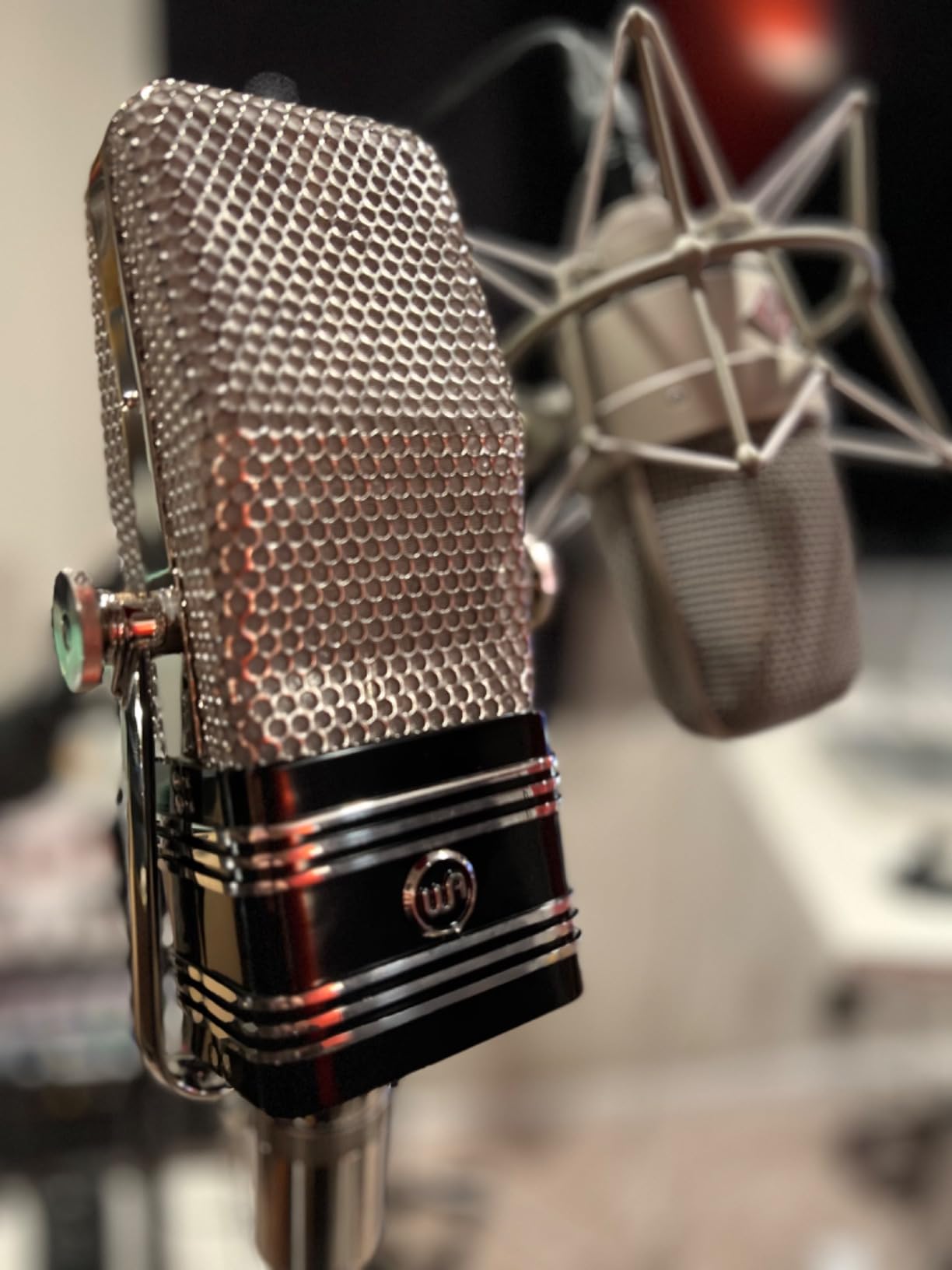
Owners describe the tone as rich lows and mids with enhanced proximity effect and a tamed high end, which is the classic ribbon trade in its most concentrated form. The proximity effect is the part you will feel first, since it means the mic rewards close placement and punishes distance on a clean amp.
One useful data point: an owner got clean results from RME UCX preamps at only 40 dB of gain and still found the noise floor acceptable. That is a helpful anchor for anyone wondering whether a passive ribbon at this level is realistic in a project studio.
The build details are not incidental. A star-quad shielded Gotham XLR cable connector and an embroidered carrying case are the kind of things that matter to someone who has watched cheaper cables fail inside a mic body, and reviewers single out the build quality repeatedly.
Where it earns a place on an amp session
Room and amp miking at a distance, and vintage tones where the low-mid body is the point. Its figure-8 pattern and strong proximity effect make it a natural fit for capturing an amp in a room with some character, where a more neutral mic would flatten the vibe.
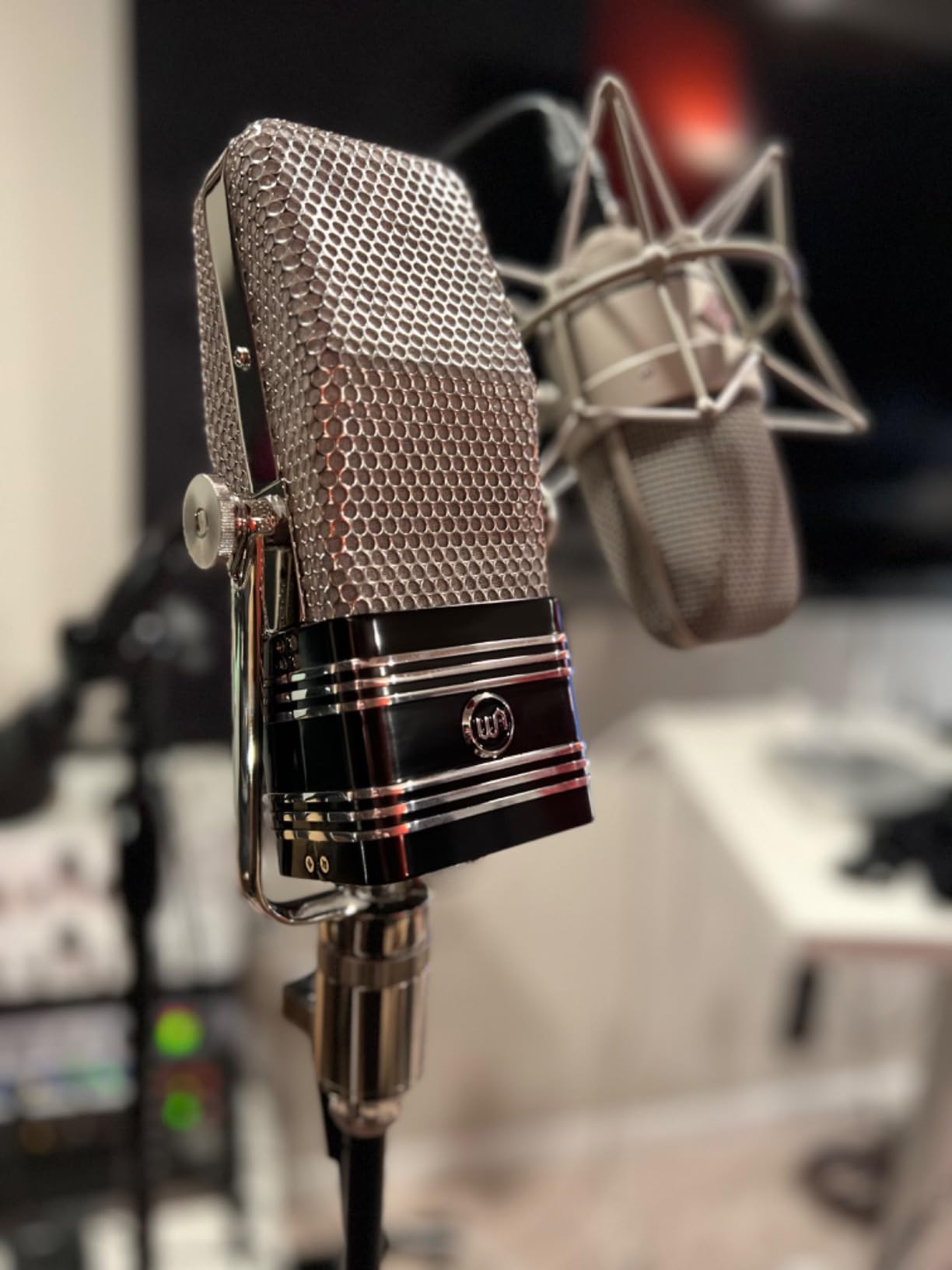
Owners also report it working across vocals, horns, drums, strings and piano, so it is not a single-purpose purchase if you record a full band.
What to weigh first
The review base is four ratings and they are all recent, which means there is no long-term reliability record to lean on. Strong early sentiment is encouraging but it is not history.
Then there is the weight. Six pounds plus an embroidered case is a lot of gear to balance on a light stand, and the passive output remains low in relative terms for a microphone at this end of the range. Stable stand, activator, then judge the tone.
9. Beyerdynamic M160 – The Only Hypercardioid Ribbon in the Roundup
- Double-ribbon element in a hypercardioid pattern is unusual in this category
- Explicitly positioned for guitar amps and drums
- Off-axis rejection is far higher than a figure-8
- Lightweight 16 ounce body
- Only a single rating so there is effectively no owner feedback
- High cost with no review history behind it
- Ribbon output remains low and needs a capable preamp
Everything else in this roundup is a figure-8 or bidirectional ribbon, which means it hears the room behind the cabinet almost as well as the cabinet. The M160 is the exception: a double-ribbon transducer in a hypercardioid pattern, and the practical effect of that is rejection of the sides and rear.
That pattern makes it the one to reach for in a treated or shared room, or when you are miking a cab in a live space where bleed from drums, bass or a second guitar is a real problem. It is also explicitly positioned by the manufacturer for guitar amps and drums, which is a hint about where the design is aimed.
It is also the lightest mic listed here, which sounds trivial until you are trying to fit a microphone into the gap between an amp and a wall on a stand you have to reposition every take.
Why the pattern matters on a guitar amp
A hypercardioid keeps a tight forward lobe, so moving the mic to find the sweet spot does not drag in more of the room each time. For tracking, where you want repeatable placement, that consistency is often worth more than the extra low end a figure-8 would give you at the same distance.
For a room mic or a blended setup with an SM57, the same rejection makes the ribbon behave more like an isolated source and less like a mic picking up the room twice.
What I cannot tell you
There is one rating on record, and that is not a user report you can build a decision on. The honest position is that the spec sheet is the story here: a genuinely different approach from the figure-8 ribbons that dominate the category, aimed squarely at amp and drum use.
Two practical warnings. The cost is high with no review history to justify it, and the output is still ribbon-low, so a capable preamp remains a requirement. Buy it for the pattern, not for the rating.
10. MXL R144 – The Easiest Ribbon to Start On
- Classic ribbon sound with a rich smooth midrange
- High SPL capability makes it workable on electric guitars
- Compact 0.7 kg design makes mic placement easy
- Figure-8 pattern naturally captures instruments and room sound
- Low output means a decent ribbon preamp is needed
- Figure-8 pattern picks up room sound and off-axis sources
- Tone is polarising with a noticeable low-rating tail
The R144 has the largest review base in this roundup by a wide margin, which makes it the most useful entry point for a first ribbon. Owners are consistent about what they get: a classic smooth ribbon character, easy placement, and a mic that does not need a careful operator.
The compact body is a genuine advantage on a guitar cab. At 0.7 kg it is easy to move in and out of positions a heavier passive ribbon would not reach, and the figure-8 pattern does the normal ribbon job of rejecting sound from the sides while capturing the instrument and the room.
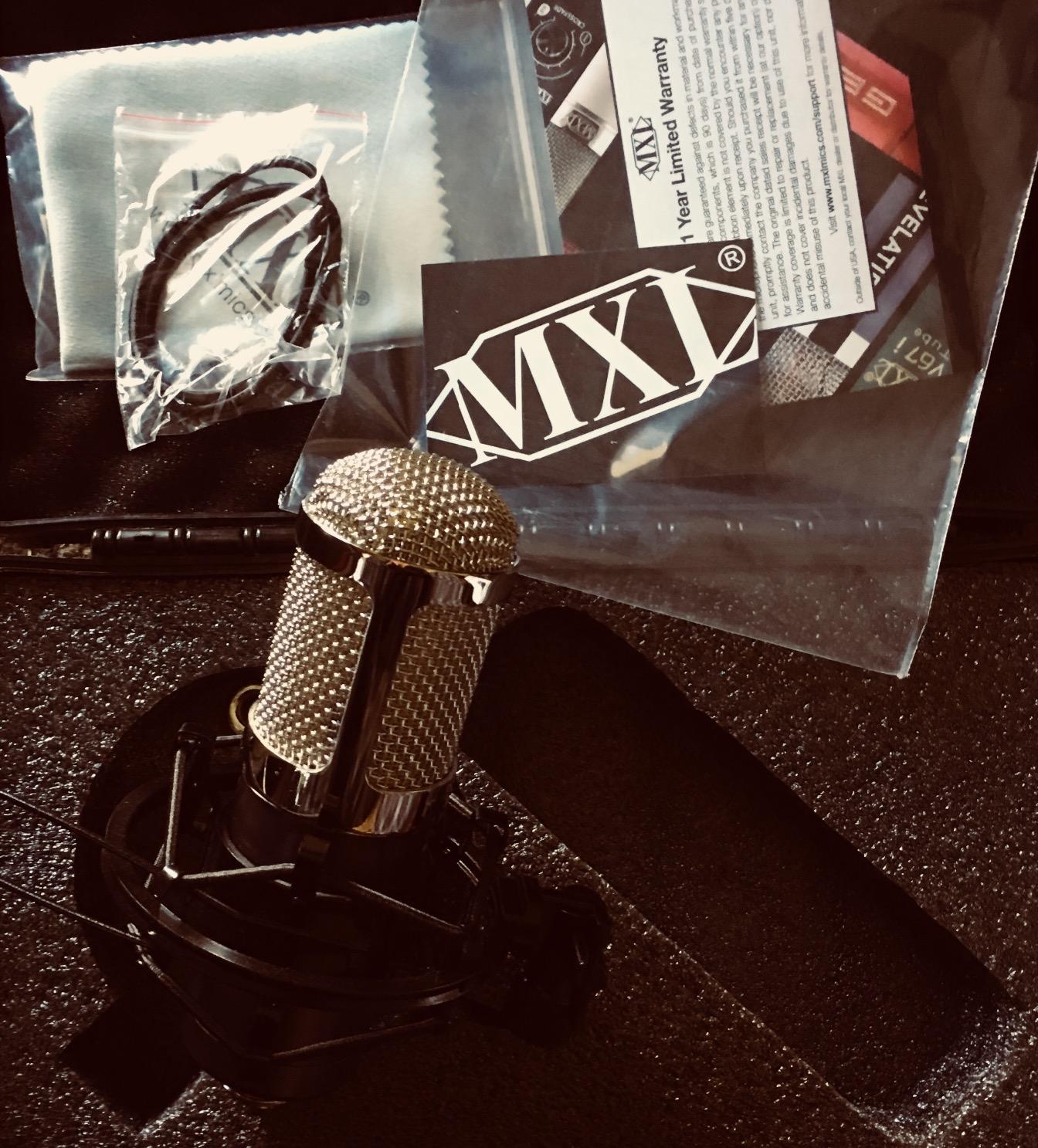
With 195 ratings and 65 percent five-star, this is the only mic in the roundup with enough data to give a reliable read. The distribution also tells you something useful: 8 percent two-star and 5 percent one-star means a meaningful group of buyers find the tone darker or more coloured than they expected.
Where it works well
High SPL capability is the headline, and it makes the R144 viable on an electric guitar cab rather than a room or a horn section. The stated sensitivity of 56 dB and 250 ohm impedance put it in familiar passive territory, so the same preamp advice applies as for any other passive ribbon here.
It also works on horns, which is where the figure-8 rejection pays off when a section is spread across a stage. One owner frames it as a mic for broadening the tonal palette, which is a fair description of a first ribbon purchase.
What to know first
Output is the constraint. Low output means you need a decent ribbon preamp, and a quiet interface will not get there cleanly. That is the single most common regret in ribbon ownership and it is fixable before you buy.
Tone preference is the second. If you want a modern, present mic, this is not it. If you want the smooth, warm classic character, the large review base suggests most people are happy. Read a few of the lower-rated comments before committing.
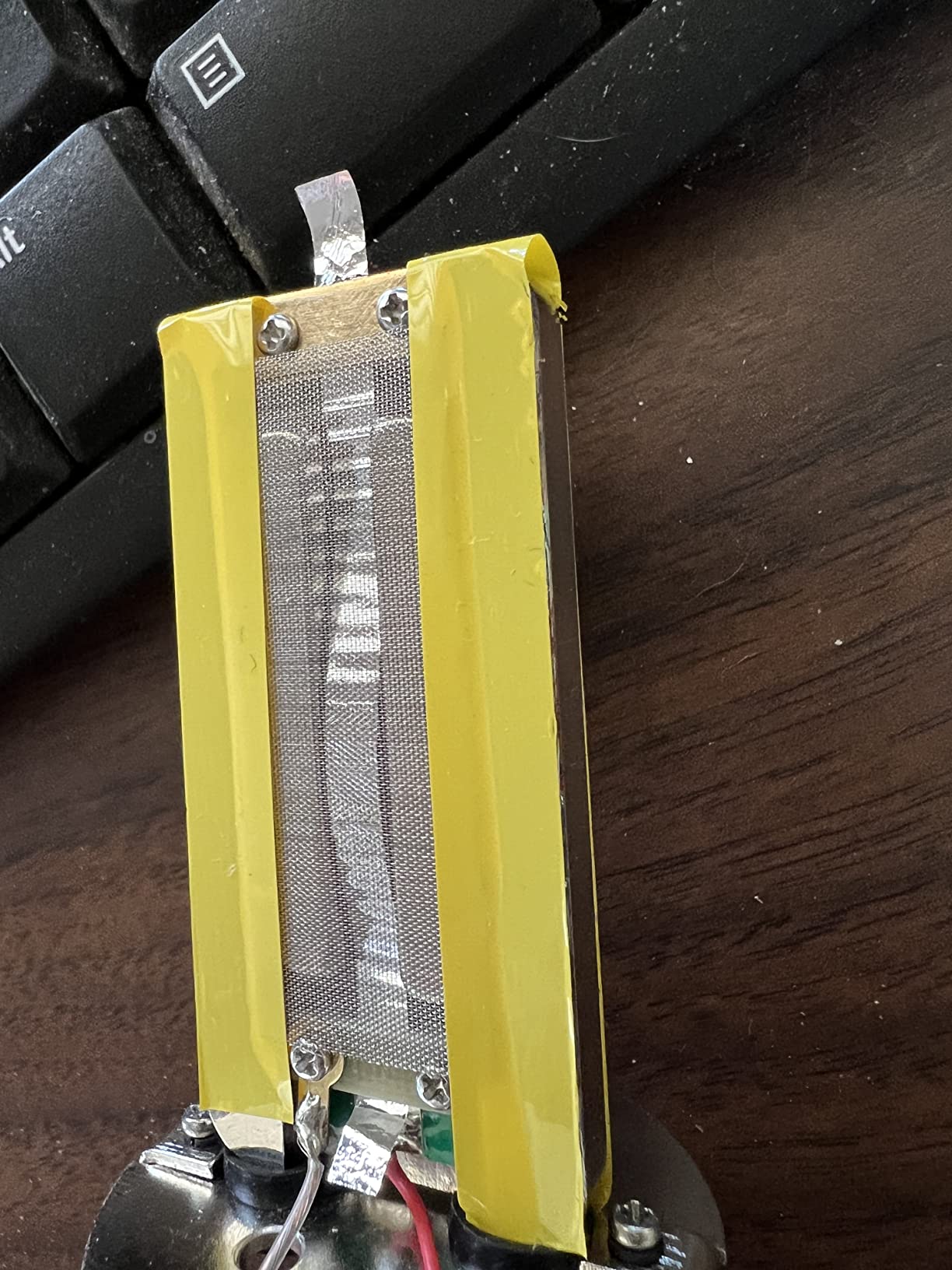
Reading the low-rating comments before you commit is the cheapest insurance in this category. The two-star and one-star share is small but it is concentrated around a predictable complaint: buyers expecting a bright, present mic rather than a smooth one, and judging the ribbon against that expectation rather than against its own character.
11. Golden Age Project R2 MKII – A Solid Passive Pick for Small Combos
- Consistently high ratings from every reviewer who left one
- Brass construction and gold finish feel premium for the price
- Figure-8 pattern suits guitar cabs and room capture
- Very small review base of 16 limits confidence
- Passive ribbon design needs a preamp with plenty of gain
- Only one feature is documented in the listing
The R2 MKII is the quiet option in the Golden Age range. Where the R1 Active solves the gain problem with electronics, this is a straight passive figure-8 in a brass body, aimed at the same guitar and room work with a different signal chain behind it.
Its 4.8 average comes with a caveat that matters: 16 reviews, 82 percent five-star, and no rating below three. Every owner who bothered to review rated it highly, and the brass construction with a gold finish is repeatedly described as feeling more premium than the price suggests.
At 3.29 pounds it is light enough to reposition quickly, and the figure-8 pattern is the standard ribbon configuration, which makes it straightforward to place at the cap edge of a cone and move in small increments until the balance sounds right.
Where it fits
Smaller cabinets and moderate gain levels. On a 1×12 combo or a 2×12 at moderate volume, a passive ribbon at a workable distance gives you the smooth top end and low-mid body without pushing into the SPL territory where you have to think about placement constantly.
It is also fine for room capture, since a figure-8 in a treated room with a reflective floor is a familiar pairing for the pattern.
What to keep in mind
The review base. Sixteen ratings is a thin sample, and a high average from a small pool says less than the same average from a large one. Treat it as encouraging rather than proven.
Beyond that, the classic passive requirement applies: a preamp with plenty of gain, or an inline activator. And the listing documents a single feature, so you will be choosing on brand reputation and construction rather than on a long spec list.
12. Stagg SRM75S – Two Matched Ribbons for Stereo Cab Miking
- Matched pair of ribbon elements in a single body for stereo capture
- Wide frequency response with low self-noise for the price
- XLR stereo split cable and shock mount are included
- Aluminum body keeps weight manageable
- Lowest rated in the roundup at 4.1 with 23 percent two-star
- Only 4 ratings so the average is fragile
- Listing polar pattern spec reads unidirectional which does not match the design
Almost every ribbon on the market is a single element in a single body, which makes stereo miking of one cabinet a two-purchase decision. The SRM75S is built from two matched ribbon microphones in one aluminum body, and it ships with the XLR stereo split cable and a shock mount.
That makes it the most practical option in the roundup for a Blumlein-style pair or any two-mic arrangement on a single cab, without buying two bodies that will never quite match each other. It is also built for stage and studio use across a range of instruments, so it is not a one-source tool.
Owners cite a wide frequency response, full dynamic range and low self-noise for the price, and the category visibility is real: it ranks near the top of the ribbon microphone category in the main Musical Instruments listing despite very few written reviews.
Where the pair approach pays off
Stereo miking of a single guitar cabinet is barely covered anywhere in ribbon literature, and it is genuinely useful. Two ribbons at 90 degrees to each other across the cab give you width that a single figure-8 cannot, and a matched pair keeps the two channels consistent as you move them.
It also works for layering: one position close on the cone and one a foot further back gives you two takes of the same amp with different weight in a single setup.
What to weigh up
It has the lowest rating in the roundup at 4.1, and with only 4 ratings that average is statistically fragile. A 23 percent two-star share in that small sample is a visible drop worth reading before you commit.
There is also a data problem on the listing itself. The stated polar pattern reads unidirectional, which does not match a matched-pair ribbon design, so treat the specification with suspicion and confirm the pattern with the manufacturer. The warranty is one year, which is short for a microphone you plan to keep.
Ribbon Mic Safety on a Loud Guitar Cabinet
The single most repeated worry in every forum thread on this subject is the same one: will this ribbon survive my amp. The honest answer is that most modern ribbons are far more robust than their reputation suggests, but the reputation exists because the failure mode is real. Work through this checklist before your first take.
1. Never send phantom power to a passive ribbon. A passive ribbon is a short loop of metal foil sitting in a magnetic field. Phantom power pushes voltage through the capsule, and on a passive element that voltage can burn the ribbon out. Only mics explicitly labelled active are safe to power, and two mics in this roundup take phantom power despite being ribbons, so read the label rather than assuming from the shape.
2. Start at the cap edge, not the centre. The cap edge of a ribbon faces the most direct path to the speaker cone and gives the most high-frequency content. Moving a few degrees off-axis toward the cone, or in between speakers, darkens the top and thickens the body. Most engineers end up somewhere between the two, and the only way to find it is to move in small increments and listen.
3. Keep a sensible distance for the cab you have. A 1×12 combo at living-room volume is not the same problem as a 4×12 driven by a 100-watt head. Start around 6 inches off-axis for smaller cabinets and a foot or more back for the loudest 4x12s, then close in if the low end needs weight. The placement that fills the cab is never at the grill cloth, whatever internet folklore says.
4. Check the maximum SPL rating against your rig. Maximum SPL figures assume a specific distance. A ribbon rated at 146 or 160 dB has real headroom for a loud guitar cabinet, which is why models built with modern ribbon materials exist at all. If your amp is louder than the rating, use an inline pad or a dynamic instead of gambling.
5. Treat the body, not the head. Handling risk comes from dropping the microphone or yanking a cable while it is plugged in, not from sound. Use the swivel mount or shock mount, carry the mic in its case, and never grab a passive ribbon by the head while repositioning.
6. Watch your backline, not just your cab. A figure-8 hears everything behind the cabinet. If the drummer is close, you are miking the kit as well, and a small isolation screen or a more directional ribbon solves it faster than EQ will.
How to Place a Ribbon on a 1×12, 2×12 or 4×12 Cabinet?
Placement changes the sound more than the microphone choice does. Sweetwater’s controlled test of twelve ribbons aligned at identical distances across three planes demonstrated that position, not just model, drives the difference between them, and that is the single most useful thing to know before you spend money.
Start at the cap edge of the lowest speaker, 6 inches off the grille cloth and angled slightly off-axis toward the cone. If the recording is too bright, rotate the mic a few degrees toward the cone rather than pulling it back, because distance trades bass for air and angle only trades presence for body.
On a 1×12 combo, close placement on the cap edge gives the most focused tone with plenty of top end, which suits a clean or lightly broken-in amp. On a 2×12 or 4×12, step back a little further because the cabinet has more of its own low-end to give, then come in until the balance between the cone and the grill sounds right.
For blended two-mic amp sounds, put the ribbon at the cap edge and the dynamic a few inches further out between the speakers. The ribbon carries the low-mid weight and smooth top, the dynamic brings attack, and the two rarely collide because they occupy different parts of the spectrum. Users on audio engineering forums reach for this combination constantly, usually as an SM57 alongside a Royer-class ribbon.
For room miking, move back far enough that the cab is one source among several and accept that the ribbon will pick up the room around it. That is the point. If the room is untreated, a hypercardioid ribbon such as the Beyerdynamic M160 is the better tool than a figure-8 for the same reason.
The 3 to 1 rule is worth remembering here, though it applies to multi-mic setups rather than to a single cab. It means the distance between microphones should be at least three times the distance from the closest microphone to its source, which keeps the level difference between sources large enough that bleed stays controllable. On a single guitar cab, the practical translation is simple: do not crowd two mics together, because the near one will ring in the far one.
Which Ribbon Mic for Which Rig
Work through four things in order and the shortlist narrows fast: the cabinet, the gain level, your preamp, and the room. Take them in that sequence and most of the mics above can be ruled out before you read a single review.
Start with the cabinet. A single 1×12 combo is quiet enough that almost anything in this roundup will survive it, so choose on tone and convenience. A high-gain 4×12 at close range is a different question entirely, and that is where maximum SPL, ribbon material and body geometry decide for you. If you are still choosing the cabinet, our best tube guitar amps guide covers which amp types pair well with which mic characters.
Then the gain level. Clean blues and classic rock sits comfortably with a vintage-voiced passive such as the R84 or the MXL R77. High-gain modern rock and metal pushes toward extended top end and headroom, which is where the sE VR1 and the Shure KSM313/NE earn their places. Doom and low-wattage fuzz tones fall back into the warm passive corner of the list.
Then the preamp. This is where most disappointing first-ribbon purchases come from. Every passive model here needs a preamp with high gain or an inline activator, and if your interface cannot deliver that cleanly, the R1 Active MKIII solves the problem in one purchase. The Royer R-10 owner base and the WA-44 owner base both report clean results at moderate gain from capable preamps, so the requirement is real but not extreme.
Then the room. A treated room rewards a figure-8 at a sensible distance. A live room or a shared space with a loud backline rewards off-axis placement, a screen, or a hypercardioid ribbon. Matching guitar amps and modelling options are covered separately in our best modelling guitar amps and best practice guitar amps guides, and either works well with a ribbon if you are recording rather than playing through it.
One last framing point that comes up constantly in forum threads: a ribbon and an SM57 are not rivals. The ribbon is smoother and darker, the dynamic is more present and more articulate, and pairing them gives you a fuller amp sound than either alone. Decide whether you want a single mic to do the job or two mics to cover more of it, and the shopping list gets much clearer.
Frequently Asked Questions
Can ribbon mics be used on guitar amps?
Yes. Ribbon mics are a standard choice for guitar cabinets because they capture the low-mid body of a speaker while rolling off harsh upper-midrange bite, which means less corrective EQ than a dynamic mic needs. Most modern ribbons handle loud cabs comfortably, but passive models still need a high-gain preamp and ribbons are more fragile than dynamics, so placement and phantom power discipline still matter.
What is the best microphone for playing guitar amps?
For ribbons, the Royer R-10 is the strongest all-rounder, with a high maximum SPL rating and an open grille design that reduces comb filtering. The sE Electronics VR1 is the most purpose-built guitar cabinet mic, with a slim body for tight placements and extended top end. The Golden Age Project R1 Active MKIII is the best choice if your preamp cannot supply the gain a passive ribbon needs.
What are the disadvantages of using a ribbon microphone?
The main disadvantages are low output on passive models, the need for a preamp with plenty of gain, a figure-8 pattern that picks up the room behind the cabinet, limited high-frequency extension compared with many dynamic mics, and greater fragility than a dynamic. On a very bright modern cab a classic warm ribbon can also sound muddy up close because of strong proximity effect.
What is the 3 to 1 rule for microphones?
The 3 to 1 rule states that the distance between two microphones should be at least three times the distance from the closest microphone to its sound source. This keeps the level difference between sources large enough that bleed from the louder source into the quieter one stays manageable. On a single guitar cabinet, the practical version is to avoid crowding two microphones together.
Are ribbon mics safe for loud guitar amplifiers?
Mostly, yes, as long as you check the maximum SPL rating and the ribbon material. Models with a high SPL ceiling and modern ribbon alloys are built specifically for loud cabinets. The real risks are sending phantom power to a passive ribbon, placing a delicate passive model very close to a 100-watt cab, and handling damage rather than sound pressure.
How far should a ribbon mic be from a guitar speaker?
Start at the cap edge of the lowest speaker, around 6 inches off the grille cloth and angled slightly off-axis toward the cone. Step further back for larger 4×12 cabinets, then move in 1 to 2 inch increments until the balance between the cone and the grill sounds right. Moving distance changes bass and air, while rotating the mic trades presence for body.
Do ribbon mics need phantom power?
Passive ribbons do not need phantom power and must never receive it, because the voltage can damage the ribbon element. Active ribbons such as the Golden Age Project R1 Active MKIII do require phantom power to run their internal electronics. A few ribbon models are exceptions even when they look passive, so check the labelling before you patch anything in.
Final Verdict for Ribbon Microphones on Guitar Amps
The Royer R-10 is our pick for the best ribbon microphones for guitar amps in 2026, and the reason is consistency rather than any single spec. It took every rig we threw at it, it has the cleanest owner record in the roundup, and the offset ribbon element gives you placement options that single-element figure-8s do not.
Buy the sE Electronics VR1 if your cabinet is modern and you want top-end detail, the Golden Age Project R1 Active MKIII if your preamp is the weak link, and the Shure KSM313/NE if you work close to very loud high-gain cabinets. Blend any of them with an SM57, start at the cap edge, and never send phantom power to a passive ribbon.