
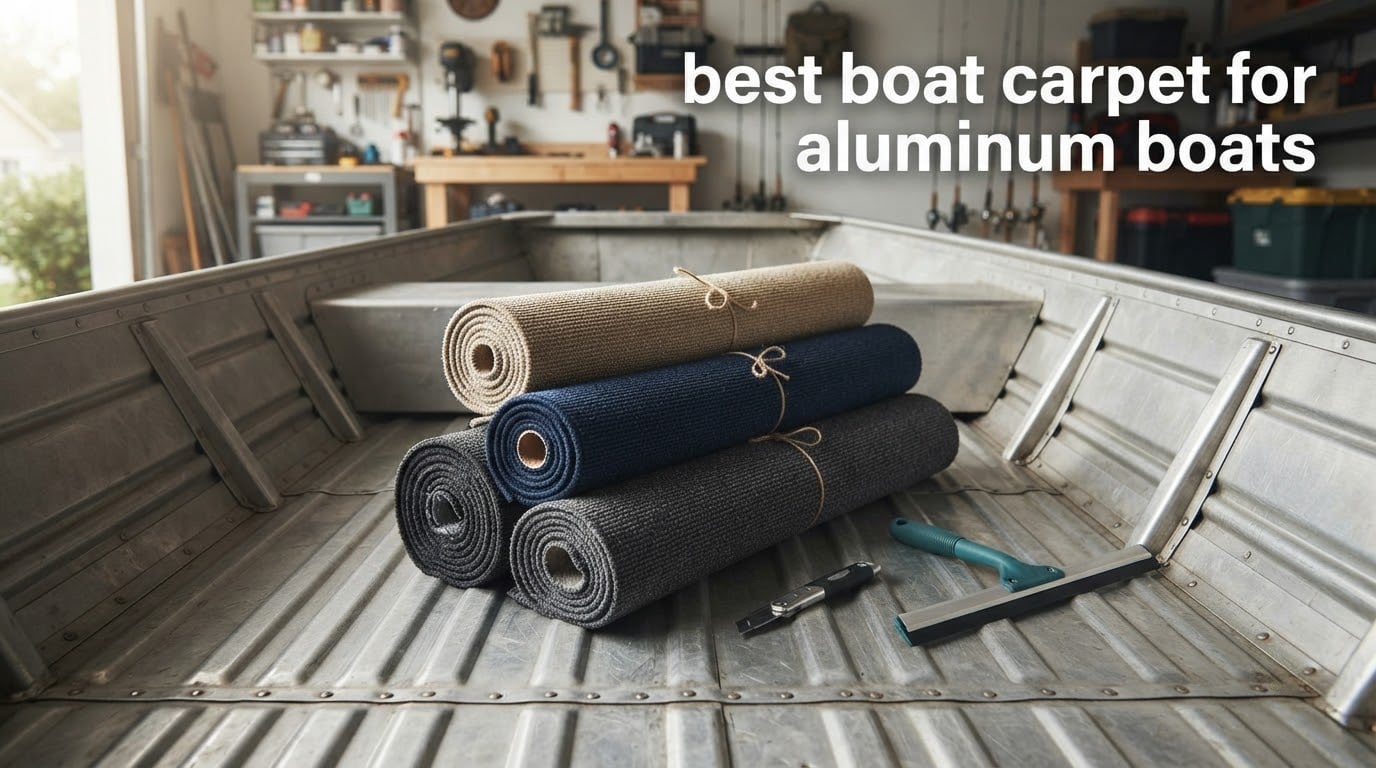
Marine carpet is a synthetic, UV-stabilized boat carpet with a waterproof rubber, vinyl or TPR backing, sold by the roll in 6 ft and 8.5 ft widths and graded by pile weight (16, 20 or 24 ounces per square yard) so it can be cut and glued to a deck. For most aluminum jon and utility hulls, the best boat carpet for aluminum boats is a 20 oz cut-pile roll with a waterproof rubber or TPR backing, and for high-wear bass decks you can step up to 24 oz or heavier as long as your hatch lids still close.
Aluminum floors are unforgiving. Bare metal corrodes, flexes under load and shows every rivet and oxidation spot, so the flooring you bond to it has to do more than look tidy. A waterproof backing isolates the metal from standing water and fish residue, a textured pile gives grip when the deck is wet, and enough pile weight keeps the carpet from crushing flat after a season of boots and sand.
We spent several weeks going through the specs, ratings and owner feedback on ten marine carpet rolls, then sorted them by the things that actually matter on an aluminum hull: backing type, pile weight, roll width and how forgiving the material is to cut around an irregular deck. This guide also covers pile weight math, the glue removal step nobody mentions until it fails, and how carpet compares to EVA foam on the same hull.
If you are outfitting the rest of your rig this season, our picks for aluminum floating docks and folding aluminum ramps cover the launch side of the same project.
Table of Contents
Top 3 Picks for Aluminum Boat Carpet (October 2026)

Grefinity 6 x 18 ft Marine Carpet
- 0.2 in thick cut pile
- Waterproof TPE backing
- Glue-down
- 6 x 18 ft roll
Happybuy Black Marine Carpet
- 0.18 in low pile
- Ribbed non-slip surface
- Rubber backing
- 108 sq ft roll
The three above cover the three real use cases. The Grefinity roll is the softest of the three to stand on for a full day and still rinses clean, the Marine Carpeting roll is the factory-grade weight bass boats were built around, and the Happybuy roll is the one most people end up buying because of the volume of owner feedback behind it.
Best Boat Carpet for Aluminum Boats at a Glance
| Product | Specifications | Action |
|---|---|---|
| Grefinity Marine Carpet 6 x 18 ft Dark Gray |
|
Check Latest Price |
| Happybuy Black Marine Carpet 6 x 18 ft |
|
Check Latest Price |
| Marine Carpeting 20 oz DIY Boat Carpet 8 ft Wide |
|
Check Latest Price |
 Bascar 32 oz Pontoon Carpet 8.5 ft Wide Bascar 32 oz Pontoon Carpet 8.5 ft Wide |
|
Check Latest Price |
 AEHISDHIE Self-Adhesive Marine Carpet 2.2 x 20 ft AEHISDHIE Self-Adhesive Marine Carpet 2.2 x 20 ft |
|
Check Latest Price |
 Marine Outdoor Bass/Pontoon Carpet 16 oz 6 x 16 ft Marine Outdoor Bass/Pontoon Carpet 16 oz 6 x 16 ft |
|
Check Latest Price |
 Bascar 20 oz Bass Boat Carpet 8 ft 6 in Wide Bascar 20 oz Bass Boat Carpet 8 ft 6 in Wide |
|
Check Latest Price |
 VEVOR Marine Carpet 6 x 36 ft Charcoal Black VEVOR Marine Carpet 6 x 36 ft Charcoal Black |
|
Check Latest Price |
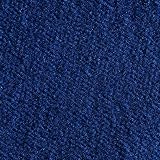 Aqua Turf Royal Blue 72 in Sold by the Yard Aqua Turf Royal Blue 72 in Sold by the Yard |
|
Check Latest Price |
 Marine Flooring Plus 20 oz Carpet 8.5 ft Midnight Star Marine Flooring Plus 20 oz Carpet 8.5 ft Midnight Star |
|
Check Latest Price |
Pile weight and roll width are the two specs that decide how a carpet behaves on an aluminum deck, so the table leads with them. Wide rolls cut down on seams, and seams on an aluminum floor are where water finds a way under the carpet.
1. Grefinity Marine Carpet 6 x 18 ft – Soft Cut-Pile All-Rounder for Aluminum Decks
Grefinity Marine Carpet, 6 FT x 18 FT Dark Gray Indoor Outdoor Carpet
- Soft high-density cut pile comfortable on bare feet
- Waterproof TPE backing keeps moisture off bare aluminum
- Trims cleanly to irregular deck shapes with a utility knife
- Vacuum
- sweep or carpet-cleaner friendly
- 0.2 in total thickness is bulkier under a tight hatch lid
- Glue-down install means no repositioning once it bonds
This is the roll we keep coming back to for a utility hull where somebody stands all day. At 0.2 in total thickness with a 0.2 in pile height, it is the thickest stated material in this group, and that cushion is the whole point when you are moving between the bow and the transom for eight hours.
The backing is thermoplastic elastomer rather than the harder rubber or TPR used elsewhere in the lineup, and owners single out the grip as the reason it stays put. On aluminum that matters twice: it resists sliding when the deck is wet, and it is gentle enough that it will not scratch the deck surface while you are positioning it.
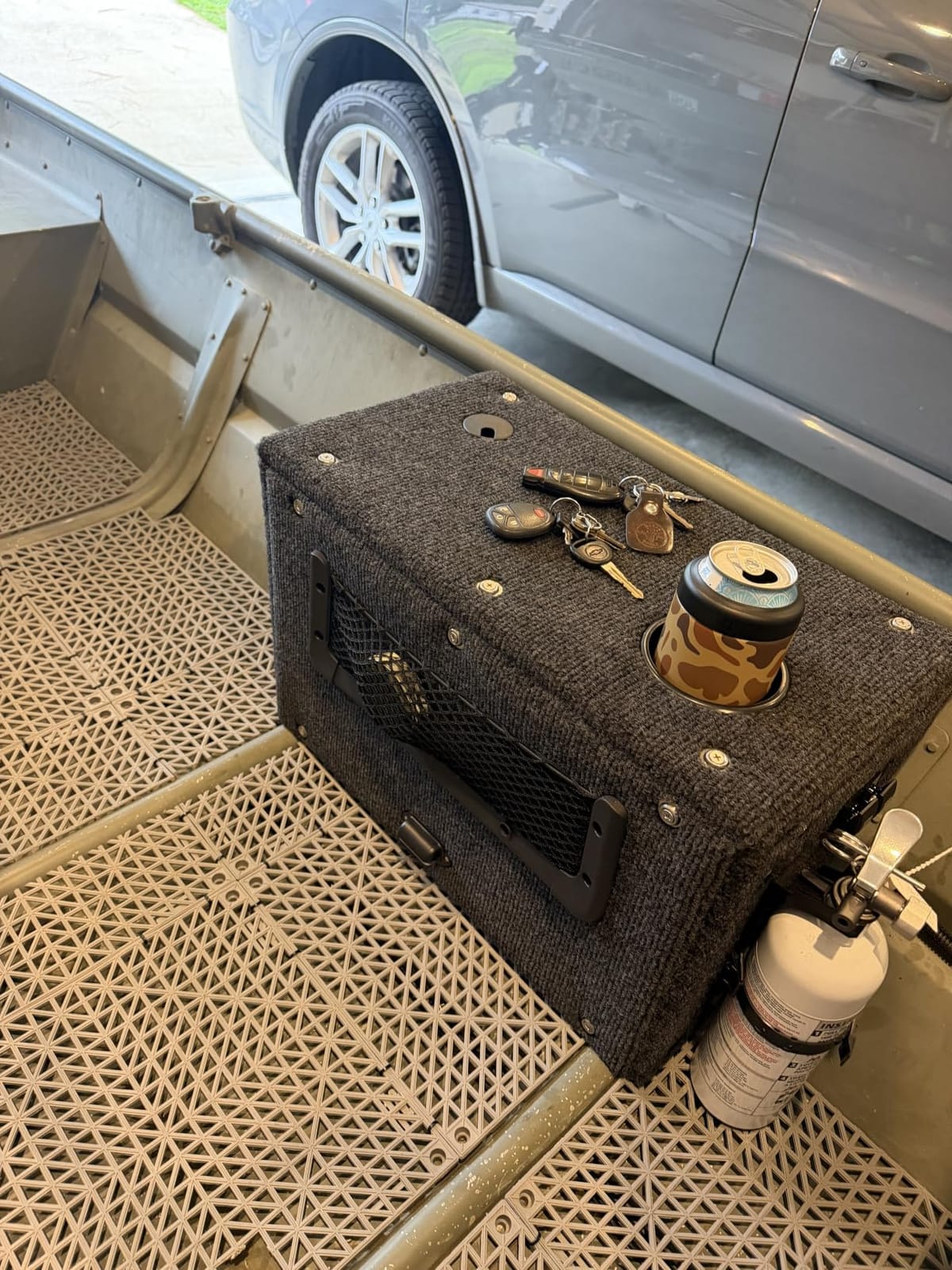
Cutting it is straightforward. The 6 ft by 18 ft roll gives you 108 sq ft, which covers most jon boat floors in a single piece with no seam across the walking area, and the material trims with a utility knife without fraying.
The one tradeoff is thickness. If your boat has a low-profile hatch lid with tight clearance, 0.2 in of added pile depth is the difference between a lid that closes easily and one you have to trim. Check the lid before you order, not after.
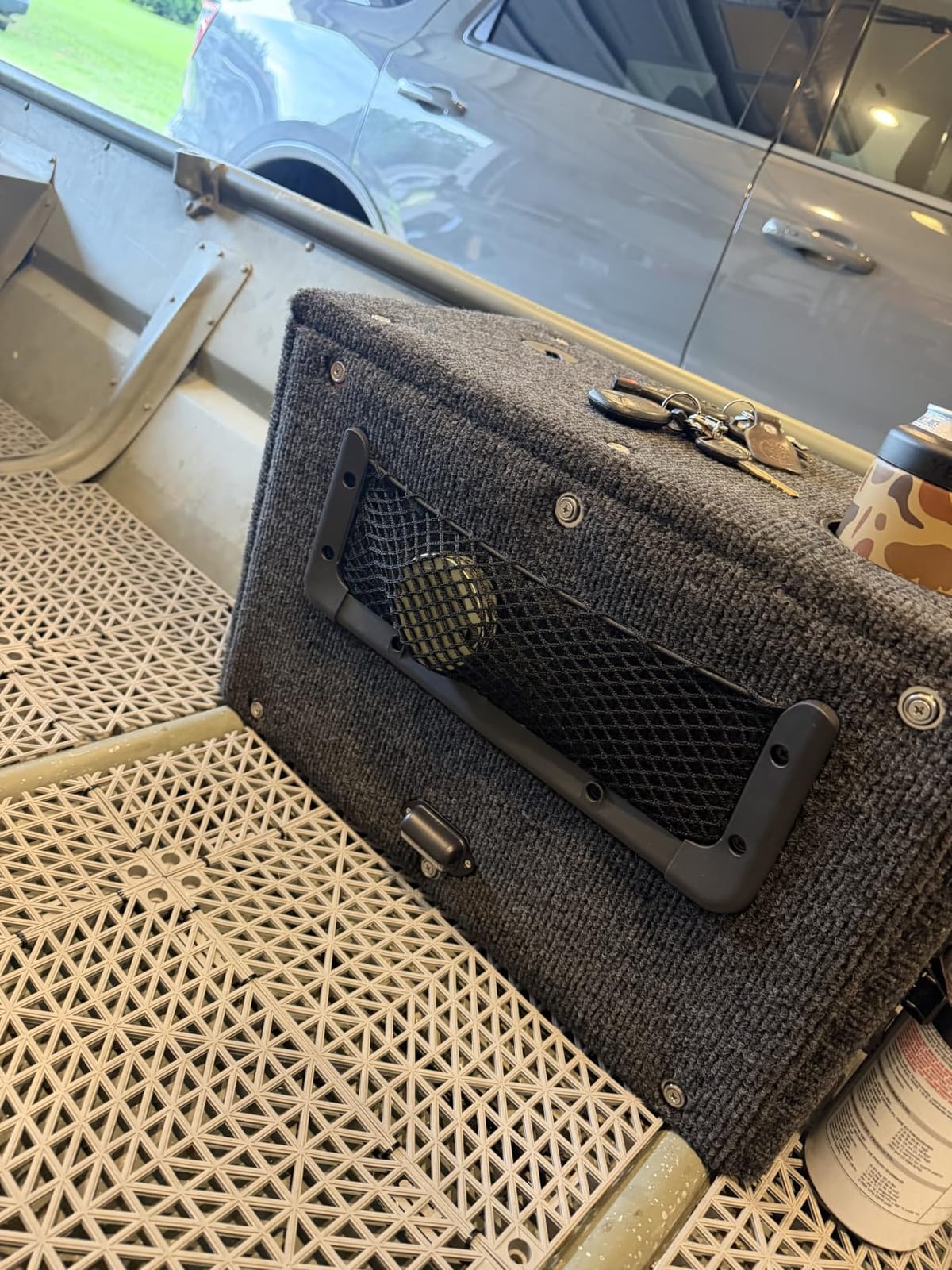
How it holds up on bare aluminum
The waterproof TPE backing is the feature that matters most on this hull type. It stops the carpet from holding water against the metal, which is the mechanism behind most of the corrosion complaints we see in aluminum flooring discussions. It also means a wet deck can be rinsed with a hose and dried without any special treatment.
Owners report the pile holds its shape after repeated wetting and drying, and the material takes standard carpet cleaners. That combination is why this is our pick for a boat that lives on the trailer rather than in a garage.
Where it falls short
The thickness that makes it comfortable is also what can foul a tight deck lid. Owners of low-clearance hatches report testing the fit with a sample piece before committing to a full floor.
It is also a glue-down product with no repositioning window. Once contact cement grabs, you are committed, so dry-fit every panel before you roll adhesive onto anything.
2. Happybuy Black Marine Carpet 6 x 18 ft – Most Reviewed Low-Pile Roll
- Ribbed low pile adds grip without bulk underfoot
- Rubber waterproof backing protects the deck from corrosion
- 108 sq ft roll covers most decks in one piece
- Thin 4.6 mm profile cuts easily with scissors or a knife
- Roll can arrive with creases that need time to flatten
- Polyester pile reads slightly different shade to shade under different lighting
With more than four thousand reviews on record, this is the most thoroughly owner-tested carpet in the lineup. That matters in a category where most listings have a few dozen reviews, because the failure modes people report here are consistent enough to plan around.
The spec that makes it work on aluminum is the ribbed surface texture over a soft rubber backing. Ribbing adds friction in the wet without adding thickness, and the soft backing will not scratch the deck. The 0.18 in total thickness and 0.17 in pile height keep it low profile enough for most hatch lids.
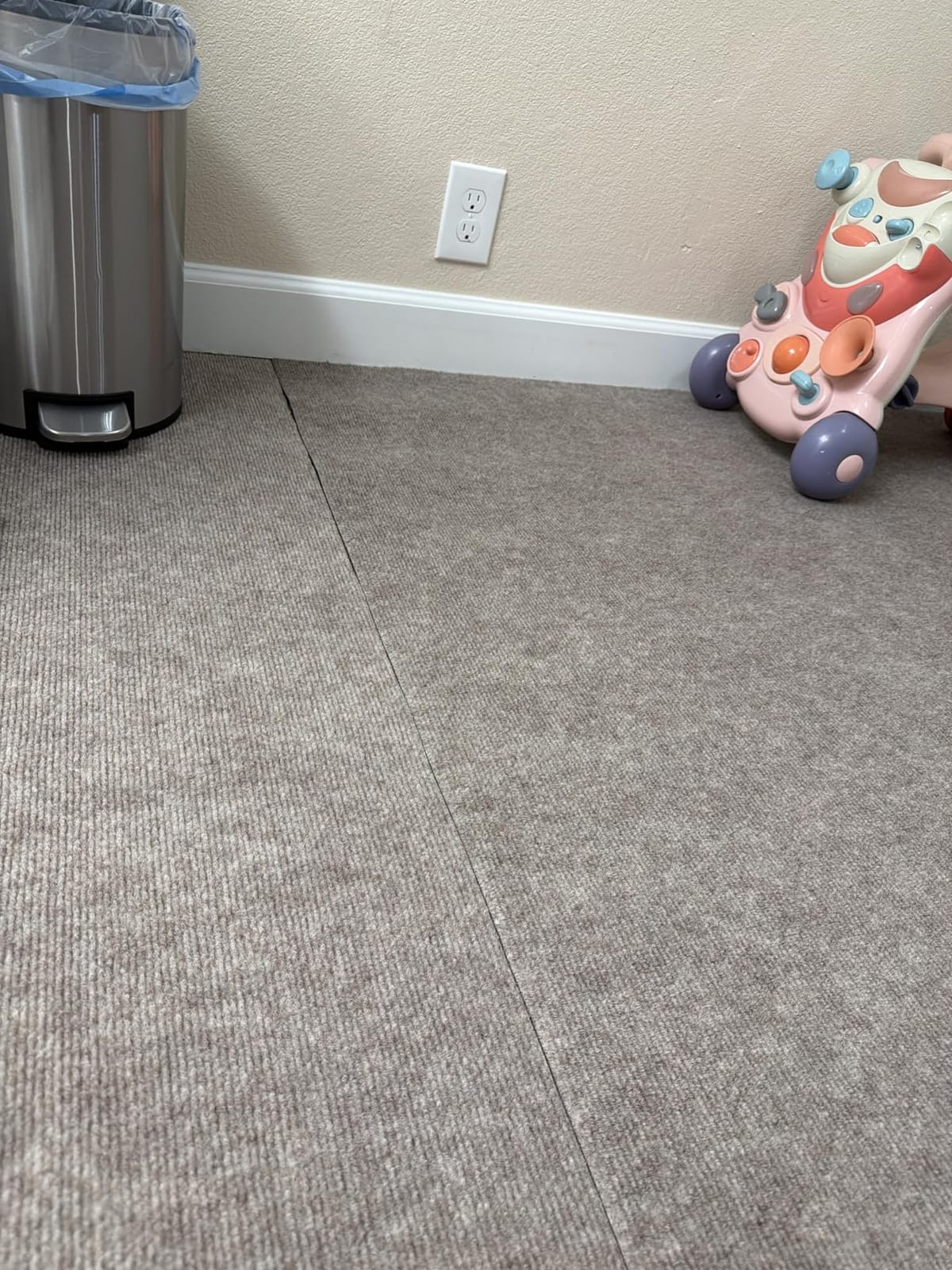
At 6 ft by 18 ft you get 108 sq ft, which is one of the reasons it comes up so often for jon boats. A single piece means no seam to fail, and no water line where the backing can creep.
One practical note from owner feedback: the roll can arrive with temporary creases from the roll itself. Owners report laying it out in the sun or walking on it for a day or two before gluing, which settles the material and gives you a truer cut line.
Cut pile versus loop pile on an angling deck
This is a cut-pile roll, which is the other half of the answer to the loop pile debate that runs through the boat building forums. Loop pile is easier to vacuum but catches barbed hooks and snagged line; cut pile gives up that snag risk and gives back a surface that rinses clean after a wet morning.
For an aluminum boat that flexes, cut pile also recovers better after being compressed. Owners working long days report that the ribbed low pile still looks presentable at the end of a season, where flatter loop styles tend to show wear paths.
Choosing the color
Black is the most common choice and it hides a lot, but it is also the color that absorbs the most heat on a still, hot day and the one that shows every speck of dried mud. Owners on tinboats.net repeatedly steer lighter owners toward grey or tan for exactly that reason, while others pick charcoal specifically to mask UV fading over time.
Neither is wrong. Decide based on where you store the boat and how often you rinse it down, not on looks alone.
3. Marine Carpeting 20 oz Do-It-Yourself 8 ft Wide – Factory-Heavy Bass Deck Weight
20 oz. Do-It-Yourself Boat Carpet – 8′ Wide x Various Lengths (Choose Your Color & Length) (Medium Gray, 8′ x 20′)
- 20 oz cut pile gives a thick premium finished deck
- 8 ft width means fewer seams across a wide deck
- Includes a carpet knife and spare blades
- Stabilized polypropylene is durable and stain resistant
- Roll arrives folded so a center crease needs to settle
- Cuts are not always perfectly square so measure twice
- Instructions lean toward bass boats rather than pontoons
Twenty ounces per square yard is the weight most bass boats were factory-built with, and that is why this roll keeps showing up in restoration threads. If your boat originally had 20 oz carpet, matching that weight is the safest choice for hatch clearance and for the finished look.
The 8 ft width is a real advantage on an aluminum hull with a wide floor. Fewer seams means fewer places for water to work its way under the edge, and seams on an aluminum deck are genuinely difficult to hide.
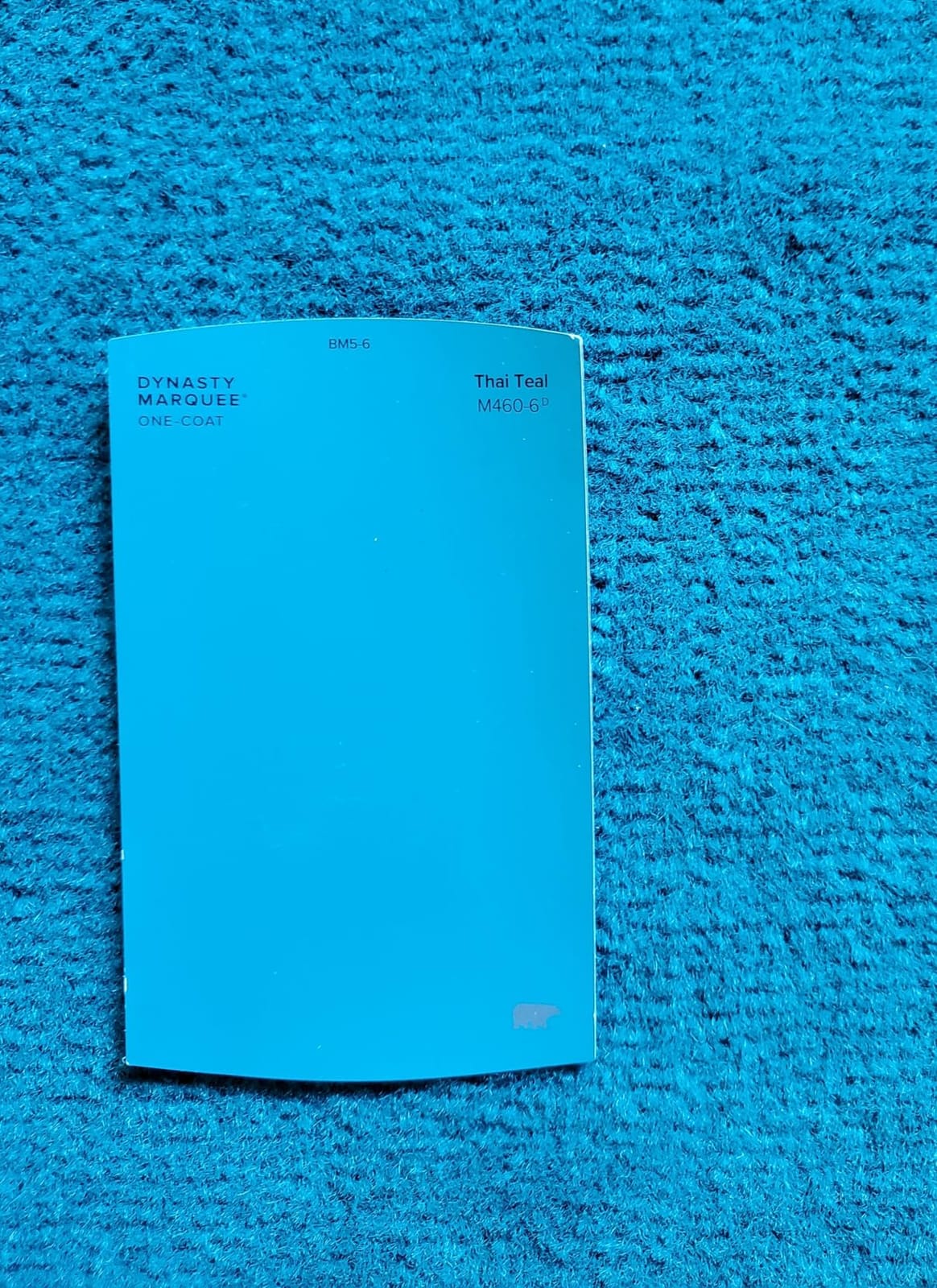
The material is stabilized polypropylene with a PVC backing, glue-down installation, and the kit includes an installation manual plus a carpet knife and spare blades. That tooling detail is minor until you are trimming a radius around a console base with a dull blade.
Owners restoring older boats note that the color options are broad enough to get close to a factory-correct match, which matters more for a cosmetic re-carpet than the pile weight does.
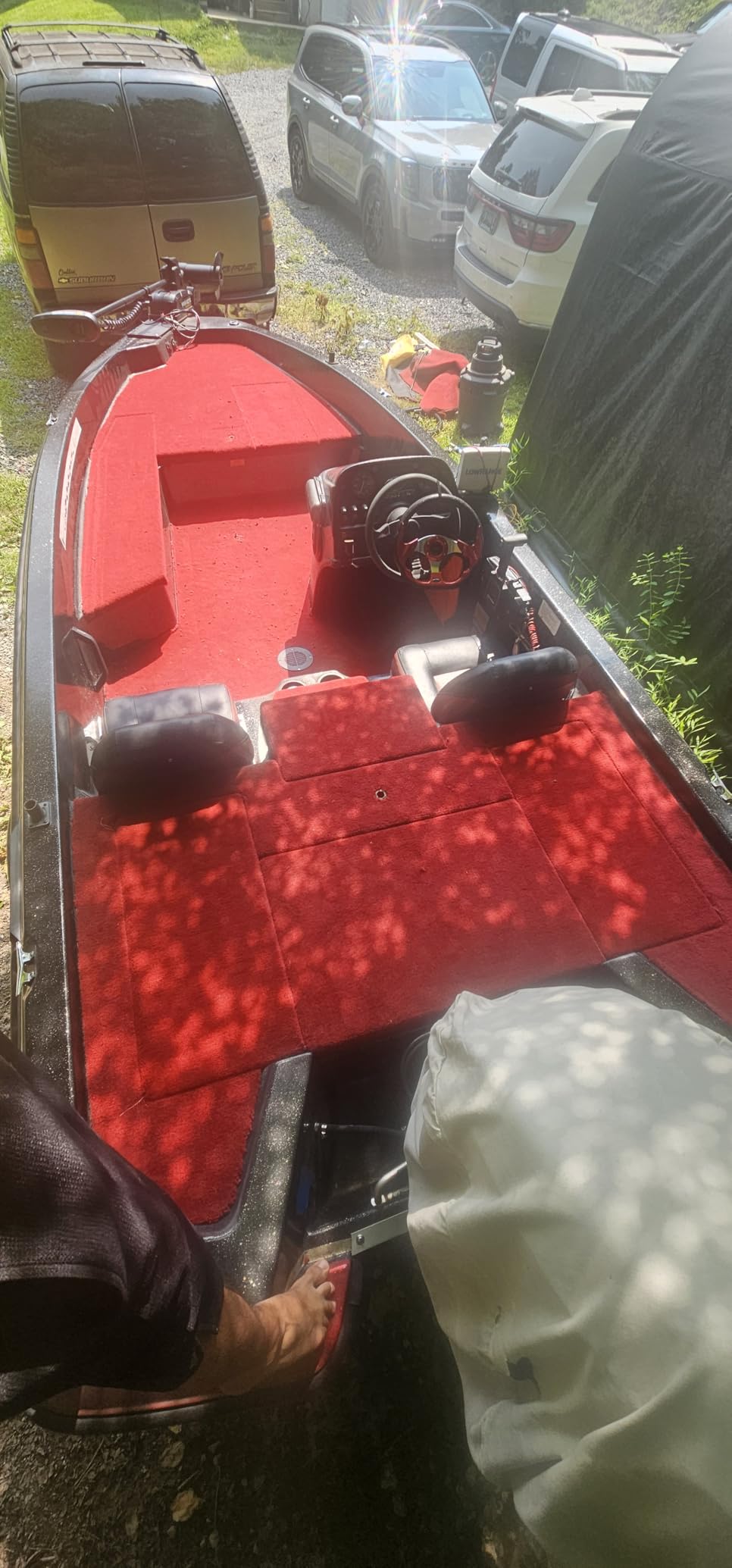
Watch the fold, not the glue
This roll arrives folded in half rather than wound on a core, so a center crease is normal. Owners report laying it out in full sun or walking it flat for a day or two to settle the crease before cutting, and a minority still report a stubborn fold that reappears under adhesive.
Plan your panel cuts around the fold line where you can. If you can orient the crease to land under a console foot or a hatch frame, the residual mark stops mattering.
What to check before ordering
Measure your deck twice, because cuts are not always perfectly square on arrival and a short panel on an aluminum floor leaves a visible bare line at the gunwale. Requesting a color sample first is also worth the wait if the deck is visible at a boat show.
Check your hatch clearance against 20 oz. If your lids closed on the original 20 oz carpet, they will close on this. If they have sagged over the years, measure before you commit to the full floor.
4. Bascar 32 oz Pontoon Carpet 8.5 ft Wide – Heaviest Pile in the Lineup
32 oz. Pontoon Boat Carpet – 8.5′ Wide x Various Lengths (Choose Your Color!) (Granite, 8.5′ x 20′)
- Heaviest pile in the lineup at 32 oz for a dense cushioned feel
- 8.5 ft width covers most pontoon decks with few seams
- Rubber backing holds up to wet sunny use
- Owner satisfaction rated at 4.6 stars
- No returns accepted for color discrepancies so sample first
- Heaviest pile needs careful clearance checks under hatches
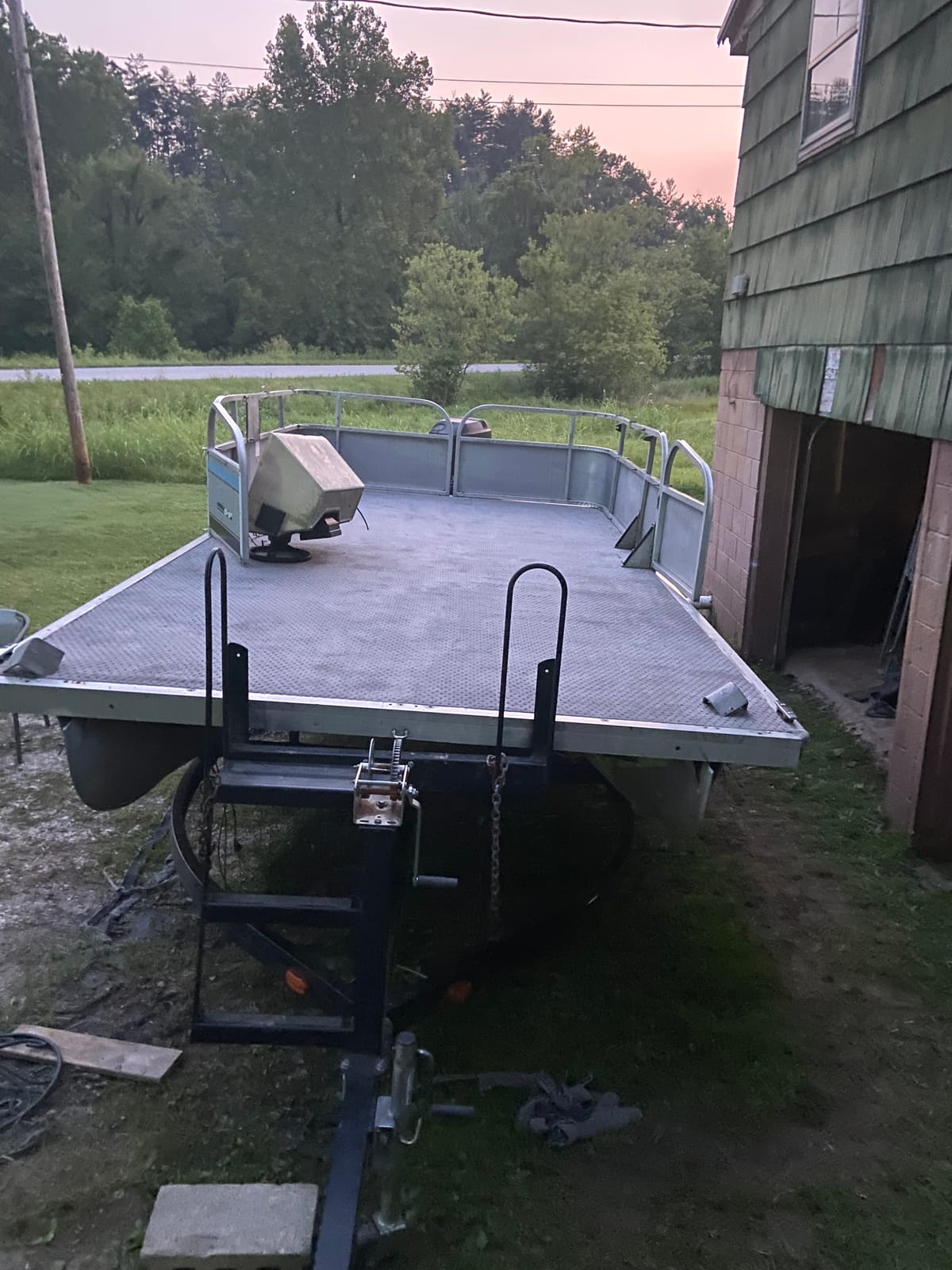
This is the heaviest carpet in the lineup at 32 oz per square yard, and it is aimed squarely at pontoon decks where the floor spans a wide open area and people move across it all day. At that pile weight the deck reads as cushioned rather than merely covered.
The backing is rubber, which gives both grip and water resistance, and the 8.5 ft width is wide enough that most pontoon decks can be done in one or two panels. On an aluminum deck that means fewer seams, and seams are where the water eventually wins.
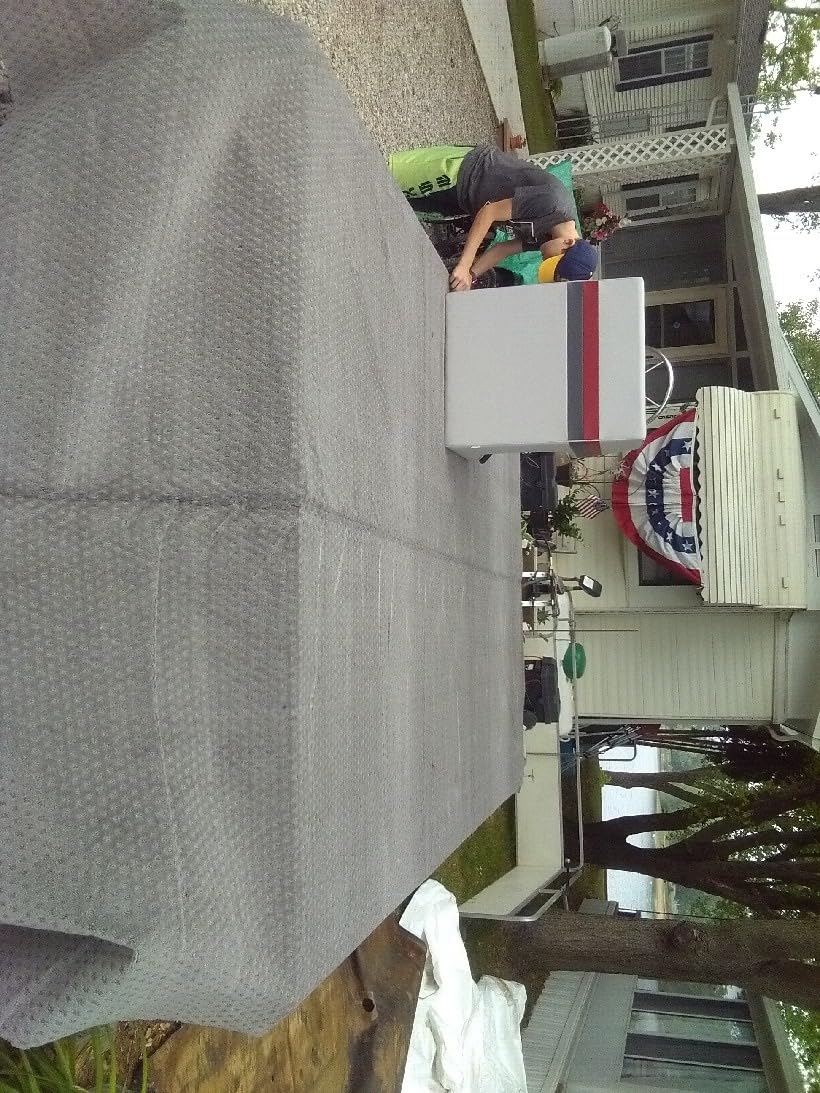
Owner feedback rates this one highly across the board, with the heavy pile and the width cited as the reasons the finished deck looks finished. Several owners use it on walkways and helm pads rather than covering the whole deck.
The pile is stabilized polypropylene and the whole thing is a glue-down product. The kit includes an installation manual and free technical advice from the manufacturer, which is useful if you are working around a rail or a seat pedestal you have never fitted carpet around before.
When 32 oz is the right call
Go heavy when the deck is large, exposed and walked constantly. Pontoon walkways, duck boat floors after a season in the mud and bass decks that see boots and tackle boxes all benefit from a pile that resists crushing flat.
It is also the safer choice for an aluminum hull that flexes under load, because a dense stabilized pile springs back instead of staying compressed where the floor works.
Where it is the wrong choice
Heavy pile eats clearance. If your boat has low hatches, storage lids or a sliding door that runs over the deck surface, 32 oz is the weight most likely to cause a fit problem. Test with a cut sample before ordering a full roll.
Color discrepancies are not returnable on this one, so ask for a sample first if the color has to match existing upholstery.
5. AEHISDHIE Self-Adhesive Marine Carpet 2.2 x 20 ft – Fastest Install Without Glue
- Peel-and-stick backing removes the glue step entirely
- Thin profile cuts cleanly and molds to curved surfaces
- Adhesive grips well on smooth surfaces such as fiberglass
- Useful for non-boat projects like RV treads and dock steps
- Very thin at roughly an eighth inch so it is not a plush deck carpet
- Backing paper tears at shipping folds and leaves pieces to pick off
- Adhesive can let go after a season of use
This is the option to reach for when you are carpeting a small craft and want the job done in an afternoon. The backing is self-adhesive, so you cut the shape, peel the liner and press it down. No contact cement, no repositioning window to panic about.
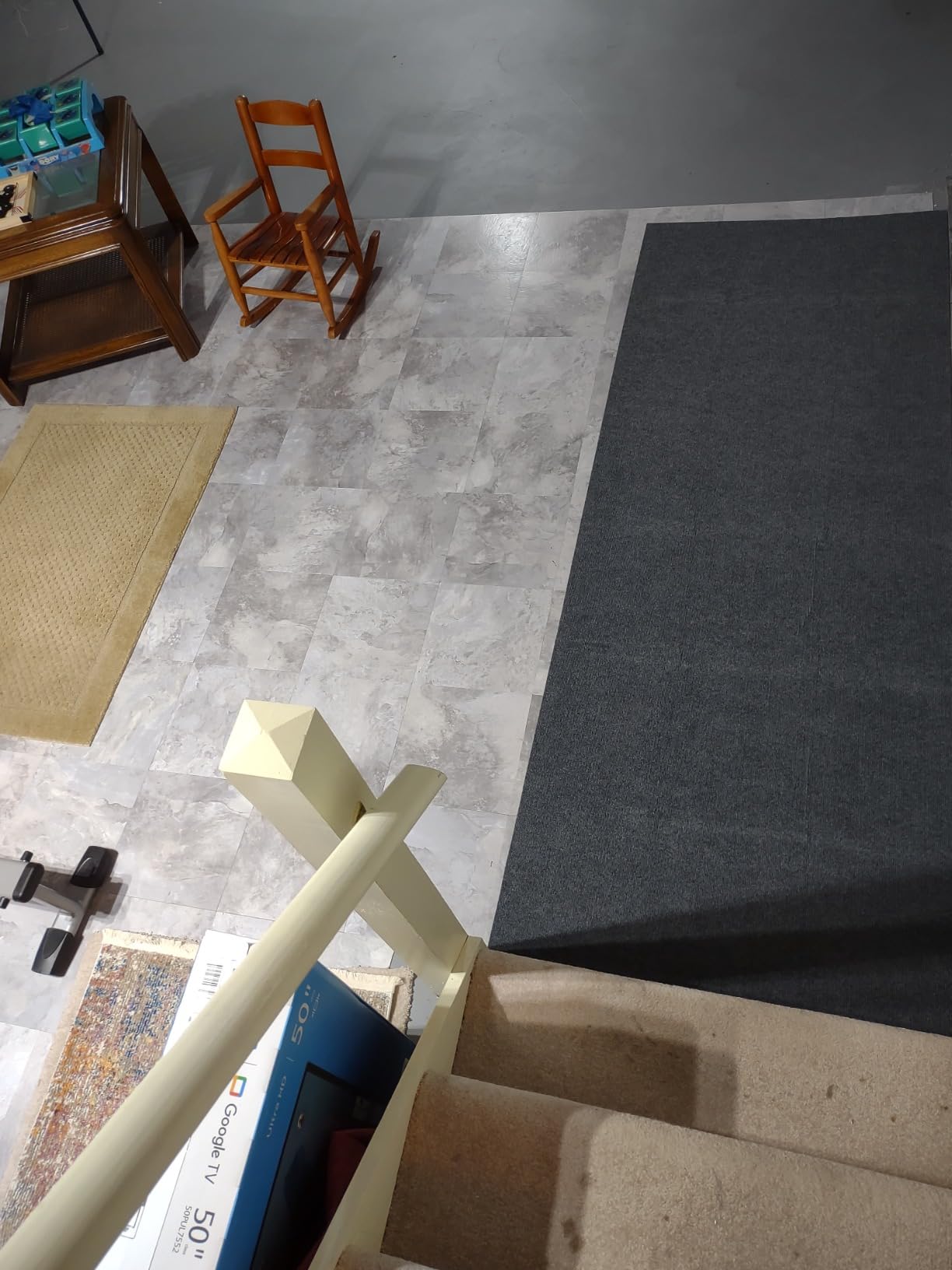
The thin 0.13 in profile is what makes it work for curved surfaces. Owners use it on canoe and small jon hulls where a stiff thick roll would not conform, and it cuts cleanly with scissors or a utility knife.
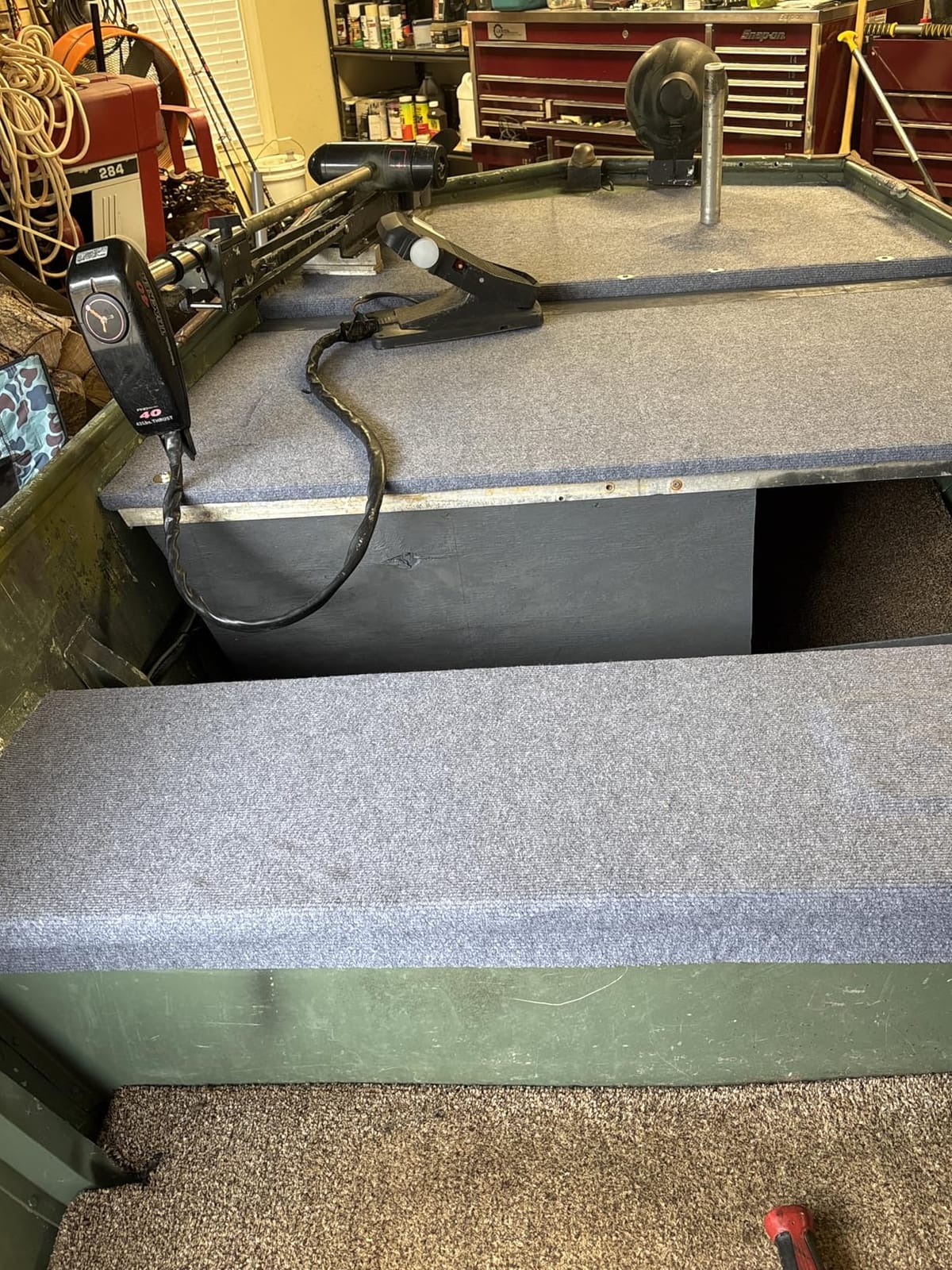
The 2.2 ft by 20 ft roll gives you 44 sq ft, which suits a small utility boat floor or a set of runners. It also has a wider use beyond boats, which owners mention for RV treads, garage mats and pool surrounds.
The honest caveat is that this is a light-duty material. It is not a plush deck carpet, and the adhesive is the weak point on a hull that flexes. Owners report the grip is strong on smooth fiberglass and weaker over time on an aluminum floor that moves.
Best use on an aluminum hull
Treat it as a temporary or partial solution rather than a permanent full-boat floor. It does well on a small boat, on a cockpit section, or on a runner strip where you want grip without the adhesive hassle of a full glue-down job.
If your aluminum floor is smooth and relatively flat, the bond is better. Over rivet lines and panel seams, expect the edges to lift sooner than they would with a glued carpet.
What to watch for
The backing paper tends to tear at the creases formed while the roll is rolled up, so expect to pick small pieces off the adhesive before you lay anything. That is a five-minute job, not a dealbreaker, but plan for it.
More important: adhesive that has bonded is very hard to unstick. Lay a full test piece in a corner first and try to peel it a week later. If it will not come off cleanly, you do not want to find that out across your whole floor.
6. Marine Outdoor 16 oz Bass/Pontoon Carpet 6 x 16 ft – Lightest Pile for Tight Clearance
Marine Outdoor Bass/Pontoon Boat Carpet/16 oz (Marine, 6’x16′)
- Lowest pile weight here which keeps hatch clearance simple
- Cuts without fraying using good quality shears
- Vivid marine blue that suits an open deck
- Glues down cleanly for a smooth finished surface
- Lightest pile can feel thin underfoot for long days
- Not suitable for snap-in carpet systems
Sixteen ounces is the weight to reach for when your boat will not tolerate anything thicker. Low deck lids, sliding hatches and tight-clearance storage compartments rule out the heavier rolls, and this one was made for glue-down application on a low-pile surface.
The pile is marine grade polypropylene with a rubber backing, and it is made in the USA. At 6 ft by 16 ft you get 96 sq ft, which covers a mid-size floor with a little waste at the edges.
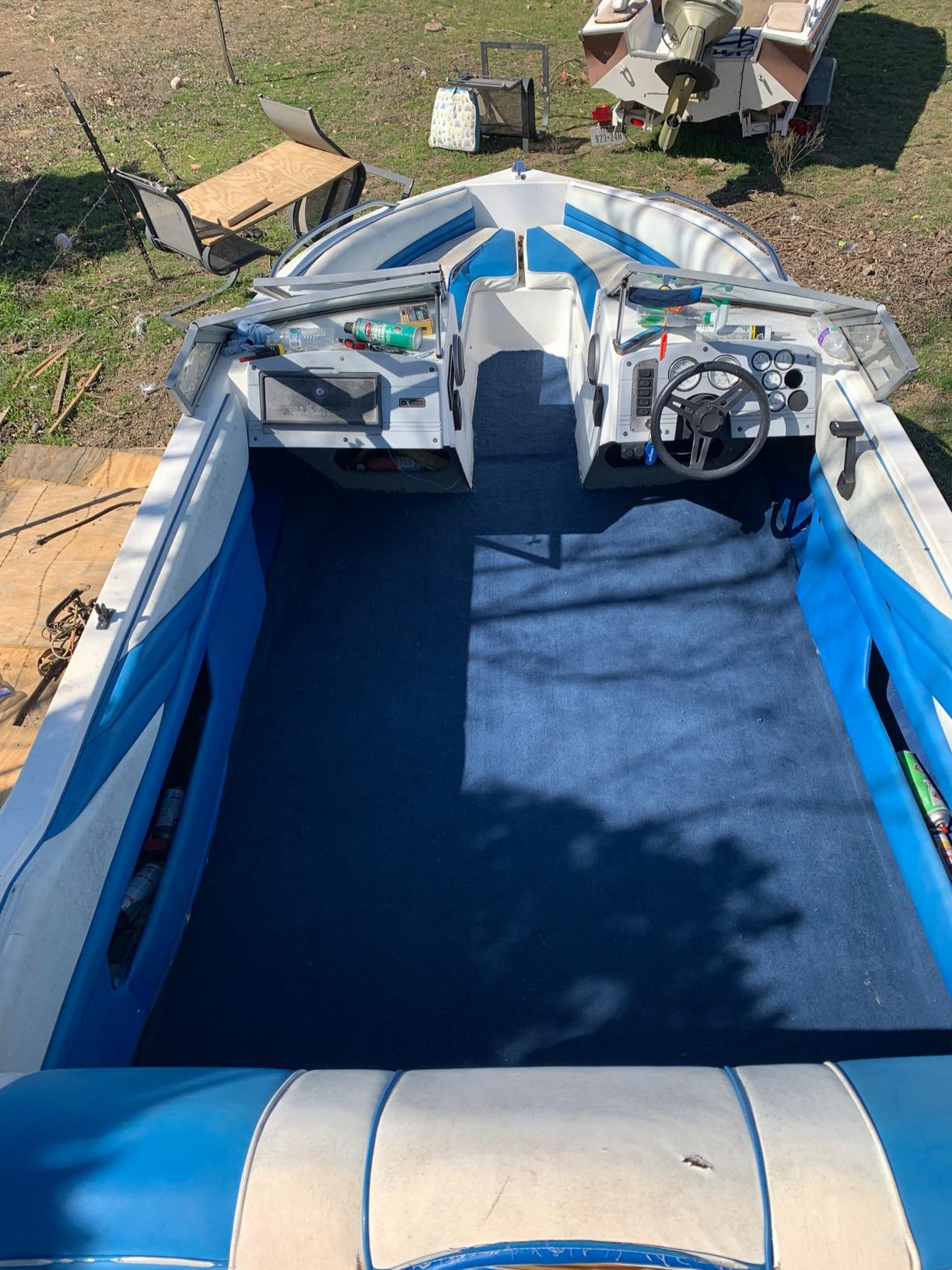
The blue is vivid and reads as newer longer than a neutral grey in full sun, which is a real advantage on a boat that sits on a trailer in open weather. Several owners note that the color suits an open deck and hides the waterline better than expected.
It cuts cleanly with good shears and does not ravel, which matters when you are trimming around a console or a seat bracket on bare metal where a frayed edge is obvious.
Who should buy the lightest pile
Owners with clearance-limited hatches, owners restoring a boat to its original light carpet specification, and anyone using the carpet as a covering over an existing floor rather than as the sole surface. On a low-pile covering job the thinness is a feature.
Owners also report it works as a low-profile option over existing carpet in a layered repair, which is a useful trick for a single worn panel rather than a whole-boat job.
What you give up
Underfoot comfort is the trade. On a hull where somebody stands for ten hours, a 16 oz pile compresses faster and feels thinner over time. It also runs hotter in full sun than a heavier or lighter-colored option.
It is a glue-down product only. If your boat uses a snap-in carpet system, this is not the material.
7. Bascar 20 oz Bass Boat Carpet 8 ft 6 in Wide – Extra-Wide Roll for Big Decks
8’6″ Ft Wide 20 oz. Bass Boat/Marine Do-It-Yourself All Purpose Boat Carpet (Medium Gray, 8’6″ x 27 Ft)
- Extra wide roll minimizes seams across a large deck
- 20 oz pile gives good coverage and durability
- Backed by a one year manufacturer warranty
- Many marine colors in multiple roll lengths
- Long roll length means a large commitment per job
- Smaller review base means less long-term data
An eight foot six inch roll is the widest format here, and width is the quiet hero on a large aluminum deck. Every seam is a place where the backing can creep and where water can find an edge, so eliminating one is worth more than it sounds.
The pile is 20 oz marine cut pile in stabilized polypropylene, glue-down application, and the kit includes an installation manual with a one year manufacturer warranty behind it. That warranty is short compared with the three year option later in this list, so it is worth weighing.
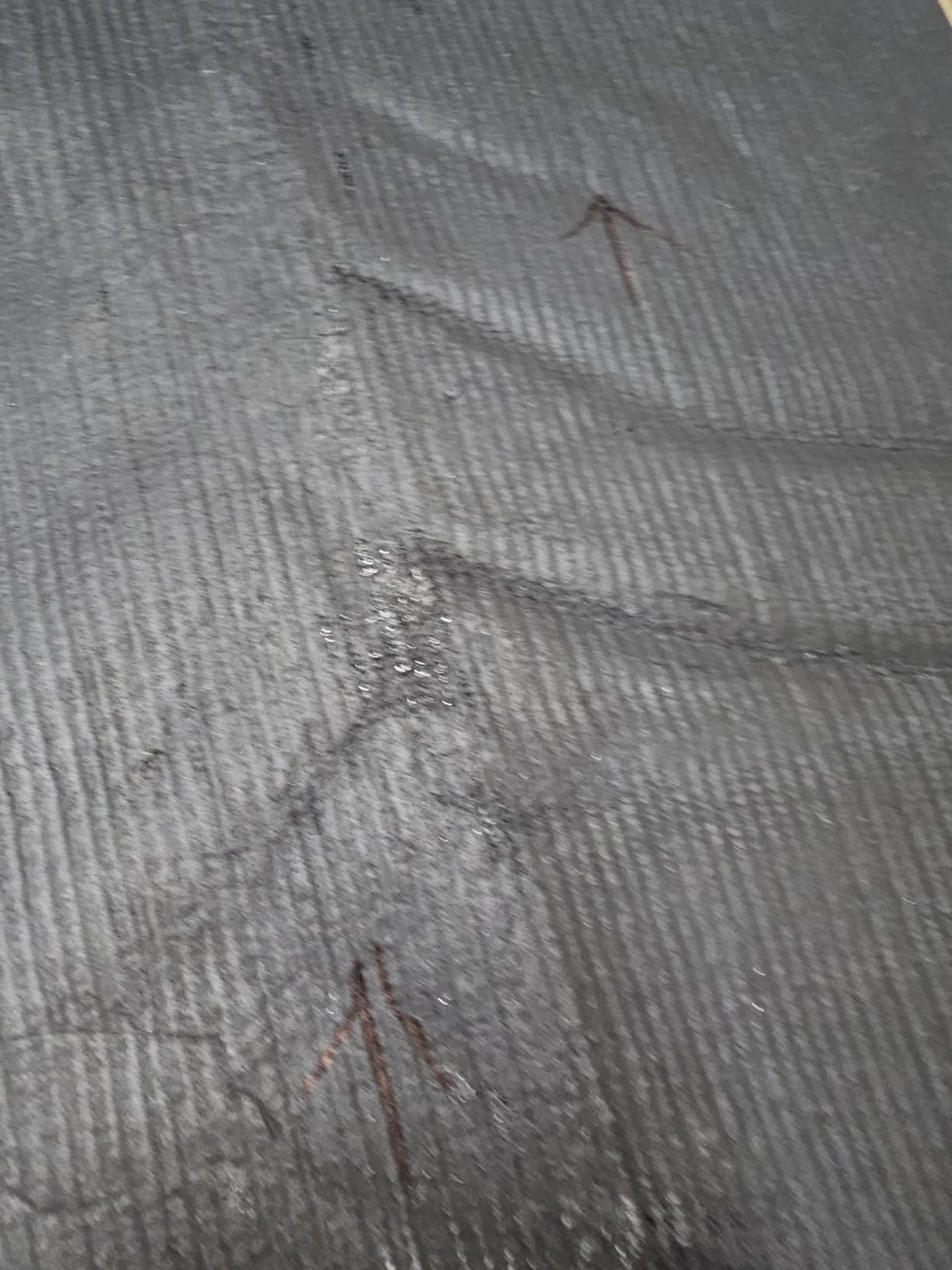
At 8 ft 6 in by 27 ft this version covers 306 sq ft, which is sized for a large bass or general-purpose deck rather than a small jon floor. If you order a shorter length you can still get the same width.
The 20 oz weight is the factory-typical bass deck figure, so this is a safe match if you are restoring to original specification and your hatches closed on 20 oz when the boat was new.
Where the extra width pays off
On a wide floor, an eight foot six inch roll can cover the walking area in a single cut. That means no center seam running the length of the deck, which is where wear concentrates and where the adhesive line is hardest to hide.
It also helps on hulls with a non-standard shape. A narrower roll forces you to piece together an irregular perimeter, and every one of those pieced edges is a stress point on a floor that flexes.
What to consider first
The 27 ft length is a big commitment. If your deck is a modest jon floor, you will end up with a large amount of unused material. Order the length that matches your floor with a foot of extra on each edge rather than defaulting to the biggest roll.
The review base is smaller than most of this list, so treat the rating as encouraging rather than settled. Ask for a color sample if matching matters.
8. VEVOR Marine Carpet 6 x 36 ft – Longest Roll for Fewer Seams
- Longest roll here so a large boat needs few or no seams
- Waterproof TPR backing blocks water penetration
- Soft backing will not scratch the deck surface
- Cuts cleanly with no fuzz and holds its shape
- Charcoal black shows dirt and debris readily
- Heaviest roll weight in the group makes handling harder
Thirty-six feet of roll is the length that most completely removes the seam problem on a single hull. At 6 ft wide that is 216 sq ft, which covers a large boat floor in one continuous piece with nothing to hide at the centerline.
The backing is waterproof thermoplastic rubber over a polyester pile, 0.18 in thick with a 0.17 in ribbed surface for traction. The ribbed texture is what gives you grip in the wet without adding bulk under a hatch lid.
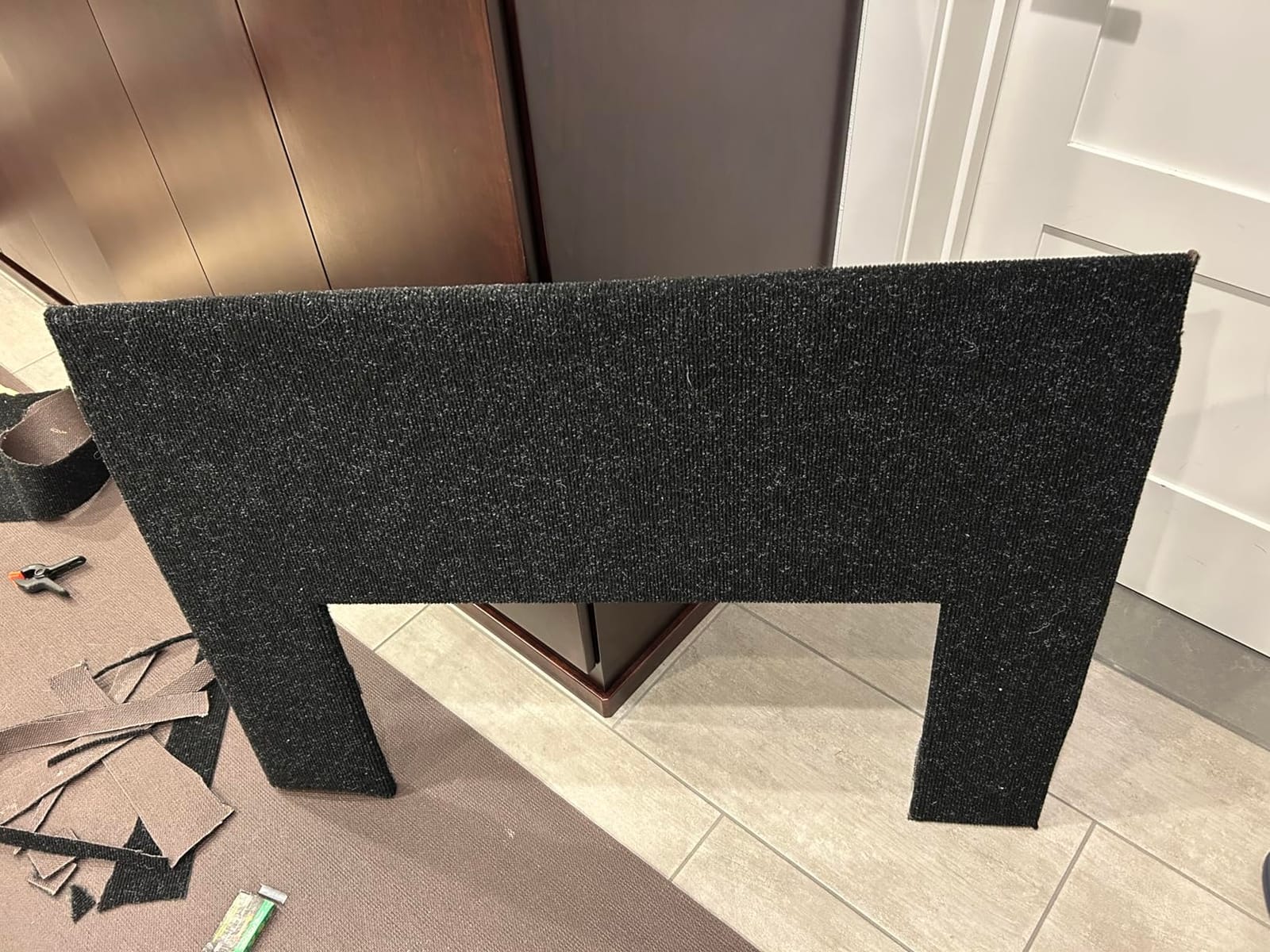
The soft backing is a specific selling point on aluminum because it will not scratch the deck while you position a large panel. With a roll this long you are handling a lot of material at once, and that matters more than it sounds.
Owners also note the vapor-proof construction resists deforming over time, which is the failure mode that turns a flat floor into a wavy one after a season of wet and dry cycling.
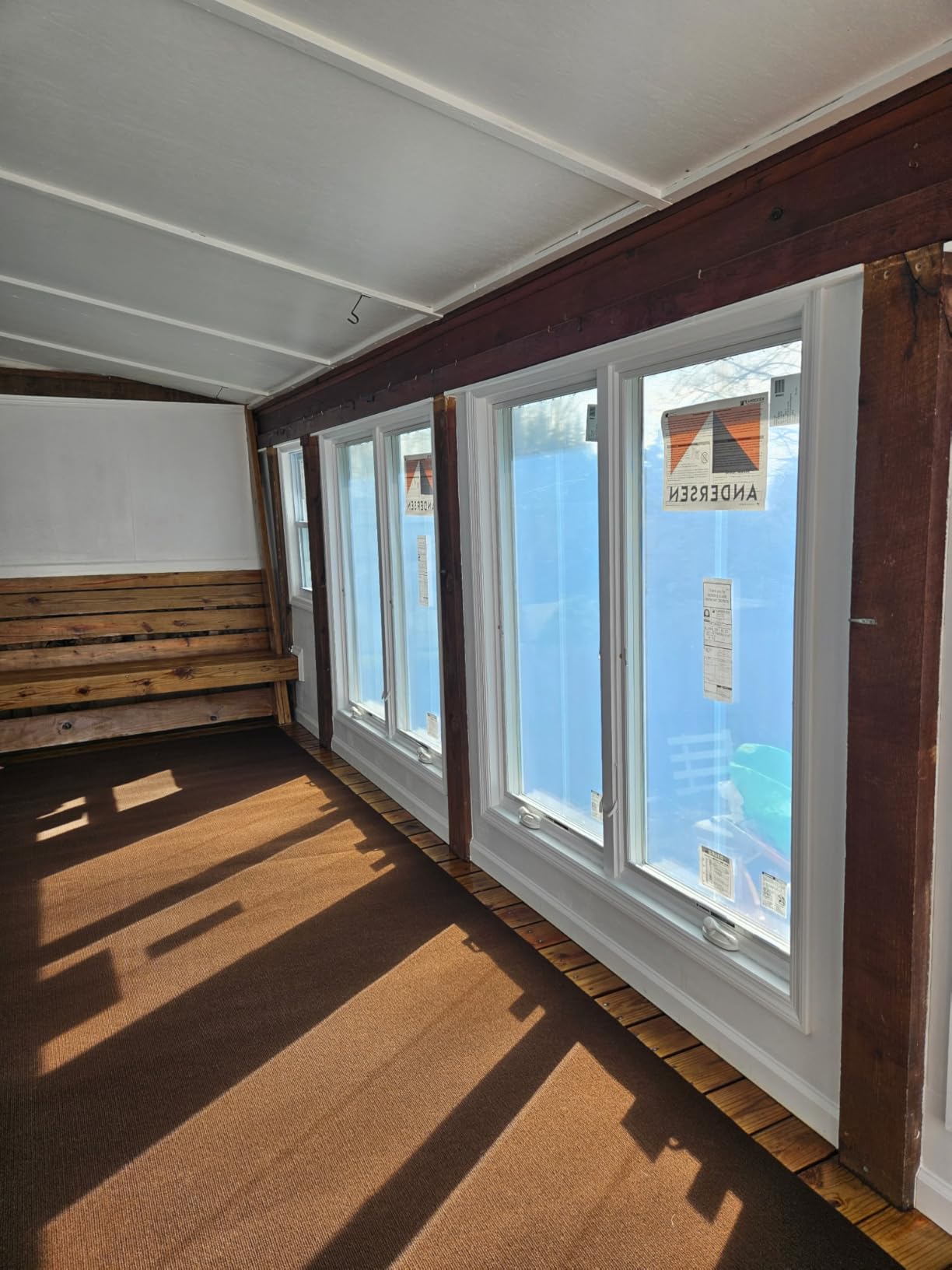
What a long roll actually saves you
One continuous panel means one continuous adhesive bed. You avoid the seam tape line, avoid the mismatched pile direction where two rolls meet, and avoid the weak edge that tends to curl first.
It also means fewer cuts, which on an aluminum floor means fewer exposed raw edges of backing that could let water migrate under the carpet.
The handling tradeoff
This is a heavy roll to move around, so plan your work area before you start. Laying a large panel onto an aluminum floor that is not supported underneath will flex the hull, and flexing under a heavy roll is how you get a crease that never fully flattens.
On color, charcoal hides a working boat well but shows dried mud and debris. On a boat that lives outside, that is a maintenance decision more than a style one.
9. Bry-Tech Aqua Turf Royal Blue 72 in – Sold by the Yard, Dries Fastest
Aqua Turf Outdoor Carpet Royal Blue 72″ Wide by The Yard Marine Auto RV
- Sold by the yard so you buy only the length you need
- Dries fast and drains well after rain or a washdown
- One owner reports 5.5 years in a boat still looking good
- Rubber backing grips well and glues to angled surfaces
- Raw edges fray and need trimming before install
- Chemical odor on arrival that needs a few days of airing
- Dense material is harder to cut than polyester marine carpet
This one is different from the rest in a way that matters on aluminum: the pile is vinyl and olefin rather than polyester, and it is built around draining rather than absorbing. Low water retention means a soaked deck dries out instead of staying damp under the carpet.
That property is why it shows up in duck hunting discussions on duckhuntingchat.com, where owners report gluing marine carpet to an aluminum floor, accepting a season of mud, and cleaning up afterwards. Fast drying is what makes that cleanup possible.
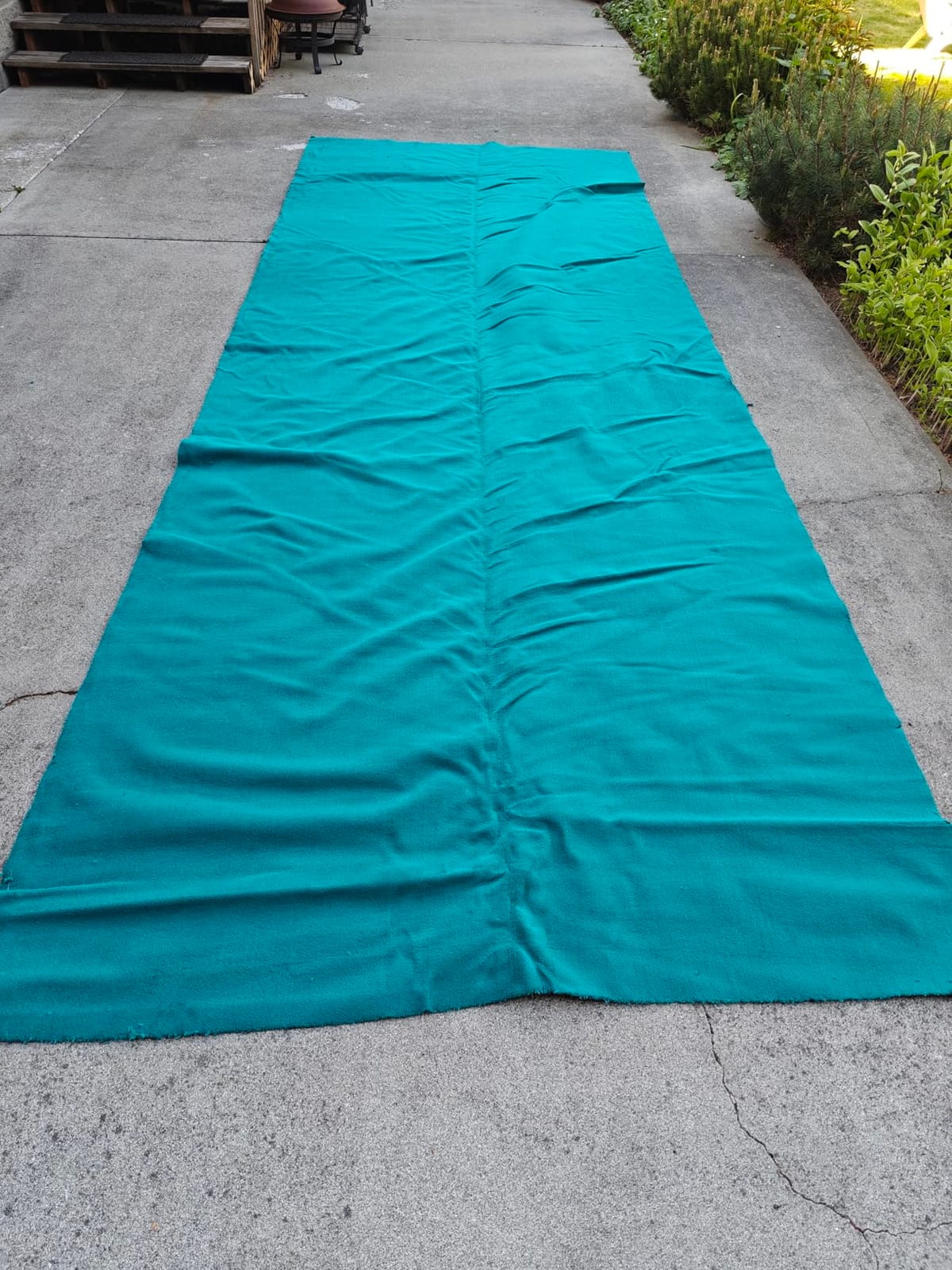
Selling by the yard at 72 in wide means you can buy exactly the length your floor needs. That is unusually convenient on a small aluminum boat where a full roll leaves a lot of unusable material, and it is also offered in a 96 in width for larger decks.
The rubber backing grips well and owners report it glues down to vertical or angled surfaces, which expands where you can use it: not just the floor pan, but risers and side panels on a jon hull.
Why drying speed matters more than usual
Water trapped under bonded carpet on aluminum is the slow failure that owners regret years later. The metal stays damp in the dark, the backing holds it there, and corrosion shows up as pitting rather than as an obvious stain.
A pile that drains and dries fast shortens that window considerably. It is a quiet advantage, but on the substrate in question it may be the most important spec on the sheet.
What to handle before install
Edges are unfinished raw carpet, not bound. Trim or finish them before installation or they will fray under foot traffic. Plan a little extra length for that.
The material is dense and harder to cut than a polyester marine carpet, and there is a chemical odor on arrival that owners report clearing after several days of airing outdoors. Do the cutting before you bond anything.
10. Marine Flooring Plus 20 oz 8.5 ft Wide Midnight Star – Arrives Rolled, Three-Year Warranty
20 oz. Marine Boat Carpet – 8.5 ft Wide – You Choose The Length/Color (Midnight Star, 8.5 x 15)
- Arrives rolled rather than folded which cuts install-time creases
- 20 oz pile reads close to original factory carpet thickness
- Colors match older boats for factory-correct restorations
- Three year manufacturer warranty
- Good durability in outdoor use
- No returns accepted for color discrepancies
- Not quite as thick as some original factory carpet
The detail that separates this roll from most of the 20 oz options is how it arrives. It is wound on a roll rather than folded in half, which means you are not fighting a center crease on install day. For a first full re-carpet that difference saves real time.
The pile is stabilized olefin and polypropylene at 20 oz in an 8 ft 6 in wide roll, glue-down application, with a three year manufacturer warranty behind it. That is the longest warranty in this lineup.
Owners restoring older boats say the color and texture read close to original factory carpet, and several specifically single out the rolled packaging as a practical improvement. At 8.5 ft by 15 ft this version covers 127.5 sq ft, which fits a medium deck with room at the edges for overlap.
Midnight Star is a dark colorway that suits a lot of older interiors without looking mismatched against existing upholstery, which is often the deciding factor on a restoration.
Why restoration is the sweet spot
When you are matching a boat to how it looked new, thickness matters as much as color. A pile that is noticeably thinner than the original reads as an upgrade that went the wrong way, and a mismatched shade stands out more than either.
Sample the color if the deck is visible. Color discrepancies are not returnable on this product, and a wrong guess means a second full roll.
Where it falls behind heavier options
At 20 oz it is not as thick as the heaviest carpet in this list, and owners note it can read slightly thin next to original factory carpet from some eras. If your boat had a heavier original and the hatches had clearance, stepping up is the better move.
The warranty period is the strength here, but it is a manufacturer warranty on the material rather than a service guarantee on your install. Preparation still decides whether the bond holds.
Why Aluminum Hulls Need Marine-Grade Carpet?
Aluminum is the right hull material for boats because it is light and it does not rot. It also corrodes, oxidizes and flexes in ways fiberglass does not, and those three properties decide what flooring you can bond to it.
Corrosion is the big one. Bare aluminum sitting under a wet, impermeable carpet has no way to dry, and that is the exact condition that produces pitting and chalking. A waterproof rubber, TPR or TPE backing is what breaks that cycle, which is why every roll in this roundup has one.
Oxidation is the reason so many carpet jobs fail on aluminum. An oxidized or chalky floor will not hold adhesive no matter which brand you use, and the failure looks like a glue problem when it is really a preparation problem.
Flex matters for a different reason. An aluminum floor moves under load, and a loosely fitted carpet will work loose at the corners where the panel flexes most. Cut to fit with a little overlap at the perimeter and glue the edges down properly.
Rivet lines and fastener lines show through thin carpet and catch bare feet. A denser pile hides them better, which is one more argument for moving up a weight class on a boat you work from rather than sit in.
Pile Weight Explained: 16 oz vs 20 oz vs 24 oz and Up
Pile weight is the number of ounces of fiber per square yard, and it is the single spec that predicts how a carpet feels and how long it lasts. It also predicts whether your hatch lids will close, so measure clearance before you order.
Sixteen ounces is the light end. It fits the tightest clearances and is the right choice for low lids, for covering an existing floor, or for a boat nobody stands on for hours. It compresses fastest and feels thinnest underfoot, and it runs hotter in full sun because there is less fiber to insulate.
Twenty ounces is the factory-typical bass deck weight. It is the safest default for a jon or utility hull because most decks were built around it, so lids and hatches still close. It gives good comfort for a full day on your feet without being so thick that it fights a tight compartment.
Twenty-four ounces and above is where you get the near-indestructible feel, and it is the right call on a bass deck, a pontoon walkway or a duck boat floor that takes constant abuse. The cost is clearance.
Here is the rule owners on the tackleunderground.com forums arrive at after the fact: if your deck lids stopped closing after you installed a heavier carpet, the fix is trimming the pile around the lid frame, not buying a thinner carpet everywhere. Sample the corner nearest the hatch before committing to a full roll.
One more practical variable is pile height versus total thickness. A low-pile carpet with a thick backing still fits a tight lid better than a tall-pile carpet with a thin backing, which is why the 0.13 in self-adhesive roll can work where a 0.2 in plush roll will not.
Carpet vs EVA Foam, SeaDek and Hydroturf on Aluminum
Carpet is not the only option and on some aluminum hulls it is not the best one. The short version: carpet wins on comfort, quietness, cost per square foot and the ability to cover an irregular deck. Foam-backed products win on cleanup, on a soft surface that does not hold water, and on a no-glue install.
EVA foam and SeaDek are the two most common alternatives. They are cushioned, they clean with a hose, and the textured surface stays grippy when wet. Against that, they are more expensive per square foot, heavier, harder to cut cleanly on a curved aluminum panel, and they show wear and scuffing once the surface cells wear down.
On a jon or utility hull, EVA and SeaDek make the most sense when the floor takes a lot of wet and mud and you want to hose it off. They make less sense on a long day of standing, because foam compresses underfoot in a way dense marine carpet does not.
Hydroturf is the one alternative that boat builders single out for aluminum specifically. Owners on crappie.com describe it as soft, light, durable, and not prone to holding water, and its sticky backing removes the glue step entirely. The tradeoff is that it is a thinner, more specialized product than a general marine carpet roll and it is priced differently.
Marine vinyl is the fourth option. It is completely waterproof and easy to hose down, but it is hard, cold under bare feet in a cold boat, slippery when wet unless textured, and it will not hide rivet lines or soften engine noise.
For most aluminum jon and utility hulls we come back to the same answer: marine carpet for the floor pan, and a foam-backed or turf product if the boat spends more time in mud than on the water.
How to Carpet an Aluminum Boat, Step by Step
The install is where most aluminum carpet jobs are won or lost, and almost every failure traces back to the first step. Work through these in order and do not skip ahead because the floor looks clean.
1. Strip the old carpet and adhesive completely. Do not glue over old glue. Aircraft stripper is what owners on tinboats.net reach for, and any residue left behind will stop the new bond.
2. Degrease the bare aluminum. Fish slime, fuel residue and salt all prevent adhesion. Wash with a marine-safe detergent and wipe down with a clean rag.
3. Remove wax, polish and any sealer. This step is skipped constantly and it is the reason a floor that felt clean still will not bond. Henry’s Premium Outdoor Carpet Adhesive, which owners on forums recommend, states on the label that all foreign material including sealers must be removed.
4. Check for loose or chalking paint and treat oxidation. Abrade chalky spots lightly and wipe the dust off with a solvent before anything else goes down.
5. Prime exposed bare metal where the floor has been sanded or worn through to bright aluminum, using a metal-compatible primer.
6. Dry-fit every panel before you apply adhesive. Lay the cut panels in place and walk on them. This is the only chance to reposition.
7. Apply adhesive in thin, even coats with a short-nap roller. Contact cement grabs instantly with no repositioning window, so mistakes are permanent.
8. Lay the panel onto the carpet rather than the carpet onto the panel. Owners on tinboats.net describe flipping the carpet face down on a flat floor, setting the aluminum panel on top, and rolling the whole assembly over. It removes wrinkles that start at the center of a large panel.
9. Mitre the corners and lap the edges rather butting two raw backing edges together, which will lift.
10. Roll the edges firmly with a roller to press out air, then leave the boat closed up for the adhesive cure time the product specifies before anyone walks on it.
On adhesive choice: a waterproof urethane carpet adhesive gives you an open time window and a stronger final bond, while contact cement bonds fast but leaves zero room for error. For a first full floor on an aluminum hull we prefer the urethane adhesive because of that repositioning window.
To be clear about 3M 5200: it is a silicone adhesive and sealant. It is not a carpet adhesive and it will not hold a bonded marine carpet to aluminum. Using it as a flooring adhesive is a mistake we see asked about often enough to address directly here.
If the boat also needs hardware work before the floor goes down, our picks for aluminum pipe wrenches cover the ratchet and fitting side of the job.
Removing Old Carpet Glue From an Aluminum Floor
Old adhesive on aluminum is stubborn, and it is the most common reason a new carpet peels up within a season. The removal is unpleasant work but it is not complicated, and skipping it is the failure that costs you a second roll.
1. Pull up as much carpet as you can by hand, working slowly so you do not gouge the aluminum.
2. Apply aircraft stripper or a dedicated adhesive remover and let it sit. Do not scrape thick glue off dry aluminum with a putty knife, because you will take the surface with it.
3. Scrape the softened residue with a plastic scraper, not metal. Aluminum dents and scratches permanently under a steel blade.
4. Degrease the floor after stripping, because stripper residue is itself a bond breaker.
5. Wipe with a solvent and let the floor dry fully. Test for gloss in an inconspicuous corner; if the surface still looks freshly wiped and slightly slick, there is residue left.
6. Only then check for oxidation and treat it. A floor that came up cleanly is now bare metal, which means it can chalk, which means it needs abrasion and primer before new carpet.
Budget real time for this. On a full jon boat floor it is the longest part of the job, and it is the part that decides whether the next five years go well.
How Much Carpet and Glue Your Aluminum Boat Needs
Most owners underestimate this step and end up with a short panel that leaves bare aluminum at the gunwale. Measure the floor length and beam at several points, because an aluminum floor is rarely a clean rectangle.
Measure the floor pan, then measure each riser and side panel separately. A 12 by 16 foot floor is 192 sq ft before you add a single side panel, and it is common to need 15 to 25 percent over that for cuts, laps and mistakes.
For the roll: a 6 ft wide roll covers a floor up to 6 ft across without a seam. If your beam exceeds that, either accept one lengthwise seam down the center or move to an 8.5 ft wide roll and pay for the extra width.
For adhesive, follow the coverage listed on your specific product rather than a generic rule, because coverage varies with the backing. On a smooth aluminum floor the roller coats thinner than on a textured fiberglass pan.
Two rules that save material. Buy the length that matches your floor plus a generous overlap at the perimeter, because a carpet edge that stops short of the gunwale looks unfinished on bare metal. And buy a small extra yard if you can, because patch replacement later is far easier with matching material on hand.
Frequently Asked Questions
What is the best flooring for an aluminum boat?
Marine carpet is the best general choice for an aluminum hull because it adds grip, cuts to an irregular deck, damps noise and is far cheaper per square foot than foam-backed flooring. Pick a 20 oz cut-pile roll with a waterproof rubber, TPR or TPE backing for most jon and utility hulls. Choose EVA foam, SeaDek or turf-style material instead when the boat takes constant mud and you want to hose it off without any glue work.
What is the best adhesive for gluing marine carpet to aluminum?
A waterproof urethane carpet adhesive is the safer choice on aluminum because it gives you an open time window to reposition panels before the bond sets. Contact cement grabs instantly and leaves no room for error, which makes it better for small sections than a full floor. Whichever you use, the floor must be stripped of old glue, degreased and stripped of wax, polish and sealer first, because adhesive failure on aluminum is almost always a preparation failure.
Can I use 3M 5200 on an aluminum boat?
No. 3M 5200 is a silicone adhesive and sealant, not a carpet adhesive. It will not create a lasting mechanical bond to a marine carpet backing and it will not hold an edge down under foot traffic. Use it for sealing hardware and joints, not for bonding carpet to a deck.
What is the best way to remove old carpet glue from an aluminum boat?
Pull up what you can by hand, apply aircraft stripper or a dedicated adhesive remover, let it soften, then scrape with a plastic scraper rather than metal so you do not gouge the aluminum. Degrease and solvent-wipe the floor afterwards, then let it dry fully. A bare floor that has come up cleanly will need oxidation treatment and a primer before new carpet will bond to it.
What is the difference between 16 oz and 20 oz boat carpet?
Sixteen ounces is the light end: it fits the tightest hatch clearances, costs less and is right for covering an existing floor, but it feels thin and compresses fastest. Twenty ounces is the factory-typical bass deck weight, giving a full day of underfoot comfort while still letting most lids close. Step up to 24 oz or heavier for a high-wear deck, and test a cut sample at the hatch corner first.
What is a good waterproof carpet for a boat?
Any marine carpet with a waterproof rubber, thermoplastic rubber or thermoplastic elastomer backing will do. The backing is the part that matters on aluminum, because it stops the carpet from holding water against the metal and causing corrosion. Look for a stated pile weight of 16 oz or more, a UV stabilized synthetic pile, and a low-pile profile if your hatch lids have tight clearance.
The Best Boat Carpet for Aluminum Boats
For most aluminum jon and utility hulls, the best boat carpet for aluminum boats is the Grefinity 6 by 18 ft roll. It carries a waterproof TPE backing, a 0.2 in cut pile that stays comfortable across a full day on your feet, and enough owner feedback behind it to trust the install.
Match the pile weight to the job instead of buying one roll for everything. A 16 oz low-pile roll keeps tight hatches closing. A 20 oz roll is the safe default for a bass or utility deck. A 32 oz roll is right for a pontoon walkway or a duck boat floor that takes constant mud, as long as you measure your hatch clearance first.
Match the width to the boat. Six foot rolls leave a seam on anything wider than 6 ft, and an 8 ft 6 in roll removes it. The VEVOR 36 ft roll and the Aqua Turf by-the-yard option both exist for hulls where seams or leftover material are the real problem.
And do the preparation properly. Strip every trace of old glue, degrease, remove wax and sealer, treat oxidation and prime bare metal before anything goes down. On an aluminum hull that is the part that decides whether the carpet is still down in five years.