
Most aluminum boat owners buy a replacement propeller the same way they buy a new life jacket: they order whatever fits the price bracket, bolt it on, and hope. That works right up until the boat stops planing with two people and a cooler aboard, the motor is turning 6500 RPM while the boat crawls, or a prop nut backs off in a channel and puts a bent blade into the trailer ramp.
The good news is that a propeller is the cheapest performance part on the whole boat. Swap the wrong aluminum prop for the right aluminum prop and most owners report a real change in how the hull behaves, usually within the first hour on the water. The bad news is that the sizing logic is not printed anywhere on the boat, which is exactly why we put this roundup together.
We compared the ten best boat props for aluminum boats currently on the market, from Mercury OEM castings to budget aluminum replacements, and worked through the fitment data each one publishes. This guide covers what the numbers stamped on your prop actually mean, how to pick pitch and diameter for a jon boat, pontoon, or center console hull, and where aluminum beats stainless and where it does not. Updated for 2026.
Table of Contents
Top 3 Picks for Aluminum Boats (October 2026)
The Quicksilver Black Diamond is the safest single choice because it is a genuine Mercury-family casting with the widest size range of anything we looked at. The VIF 10 3/8 x 13 is the value pick for smaller Mercury and MerCruiser rigs, and the Qiclear 14 1/2 x 19 is the one to buy if your boat runs a big four-stroke and you want the hub kit in the box.

Quicksilver Black Diamond
- 12.75 in dia x 21 in pitch RH
- 3-blade cast aluminum
- Covers 40-60hp CT and 75-125hp Mercury
- 40 size variants in the family

VIF 10 3/8 x 13
- 10 3/8 in x 13 pitch
- 13 spline
- Mercury 30-70hp fit
- Right-hand rotation 3-blade

Qiclear 14 1/2 x 19
- 14 1/2 in x 19 pitch 3-blade
- 135-300hp 15 spline
- Vacuum-cast aluminum
- Flo-Torq II hub kit included
All 10 Aluminum Boat Props at a Glance
Every propeller below is aluminum alloy and every one of them is right-hand rotation unless the listing says otherwise. Blade count, diameter, pitch, spline count and engine coverage are the five numbers that decide whether a prop fits your aluminum hull.
| Product | Specifications | Action |
|---|---|---|
| Quicksilver Black Diamond 3-Blade |
|
Check Latest Price |
| VIF 10 3/8 x 13 Mercury |
|
Check Latest Price |
| Qiclear 14 1/2 x 19 Flo-Torq |
|
Check Latest Price |
 Qiclear 13 1/4 x 17 Yamaha Qiclear 13 1/4 x 17 Yamaha |
|
Check Latest Price |
 VIF Alpha One Multi-Size VIF Alpha One Multi-Size |
|
Check Latest Price |
 JSPROP 10.1 x 13 Evinrude JSPROP 10.1 x 13 Evinrude |
|
Check Latest Price |
 YOUNG PROPS 14.5 x 19 YOUNG PROPS 14.5 x 19 |
|
Check Latest Price |
 VIF 10 3/8 x 13 10 Spline VIF 10 3/8 x 13 10 Spline |
|
Check Latest Price |
 VEVOR 13 x 19 Mercury VEVOR 13 x 19 Mercury |
|
Check Latest Price |
 Mercury Black Max 10.5 x 13 Mercury Black Max 10.5 x 13 |
|
Check Latest Price |
An aluminum boat prop is a cast or forged aluminum alloy propeller sized for the hull and engine it drives
An aluminum boat prop is a propeller built mainly from cast or forged aluminum alloy, sized in diameter and pitch to match a specific hull and engine. Hull material and prop material are independent choices, and plenty of aluminum-hulled boats run stainless steel props for efficiency. The prop material determines how the blade handles impacts and corrosion, not how the boat floats.
Every prop size is stamped as diameter x pitch in inches, such as 13 1/4 x 19. Diameter is how much water the blade sweeps per revolution and it drives low-speed thrust, while pitch is how much load the blade puts on the water, and pitch is what decides where your engine’s RPM lands at wide open throttle.
Get it wrong in either direction and you pay for it. A prop that is too tall lugs the engine below its recommended RPM band, and a prop that is too short pushes it past the band and adds stress to the lower unit. Both cases cost speed and fuel, and the lugging case costs you the ability to get on plane at all.
1. Quicksilver Black Diamond 3-Blade 12.75 x 21 RH — The All-Round OEM Replacement
Quicksilver Black Diamond 3-Blade Aluminum Propeller, 12.7 dia x 21 pitch, Right Hand
- Exact OEM replacement for Mercury and MerCruiser engines
- Noticeable RPM gain on pontoon and bay hulls
- Easy install with factory dimensions
- 40 size variants in the same family
- Bolt kit and marine grease sold separately
- Some hub versions lack locking-washer notches
- Many size variants create ordering confusion
This is the prop we reach for first on a Mercury-family aluminum boat. It carries a 4.7 average across more than 1300 ratings, and the reason is simple: it is a real Quicksilver casting, not a generic copy, so the blade geometry matches what the engine was calibrated against. It weighs 6.4 pounds and ships in a 12.75 inch diameter by 21 inch pitch right-hand rotation configuration.
Owners running 40-60hp Command Thrust and 75-125hp Mercury engines report the biggest change when they move from a tired original prop to this one. Several describe putting a 20 foot pontoon with a 90hp Command Thrust back into a healthy 5000-6000 RPM range, which is the band where a loaded aluminum hull actually wants to sit.
The stated coverage is 40-60hp Command Thrust and 75-125hp Mercury engines, and the part number for this configuration is QA2040X. The family spans 40 variants from 8.9 x 7.5 up to 16 x 14, which matters because it means you can move up or down a size without changing hub type. That is the whole trick to a quick tune.
The black finish is standard Quicksilver coating rather than a specialty anti-corrosion layer. For freshwater lakes and rivers that is entirely adequate. For a boat that lives on brackish bay water, rinse it with fresh water after every trip and the finish will hold up far longer than most owners expect.
Yes, it suits mid-size Mercury-powered aluminum hulls
For a 16-20 foot aluminum pontoon, a small bay boat, or a jon boat on a 90hp Command Thrust, this is the right family of prop to be shopping. The dimensions match the factory units, so the boat returns to the handling the manufacturer tuned it for, including reverse thrust and hole-shot grip with passengers aboard.
No, it is not the answer for big four-strokes or small kickers
The horsepower ceiling is real. Above 125hp you want a 14 to 15 inch diameter prop from a different family, and below 40hp the 12.75 inch diameter is oversized for a 15hp kicker. A few buyers also report missing locking-washer notches on older two-stroke hub versions, so check the hub grid before you order.
2. VIF 10 3/8 x 13 for Mercury 30-70HP — Best Value Replacement
- Diameter and pitch match OEM reference 48-73136A45
- Direct budget substitute for a dealer prop
- Manageable 3.3 lb weight class
- One-year warranty
- Not rated for the top horsepower in its family
- Hub kit contents not itemized in the listing
This one covers the most common small-outboard prop in North America. It is a 10 3/8 inch diameter by 13 inch pitch right-hand rotation three-blade aluminum prop built to reference OEM part 48-73136A45, the unit used on Mercury and MerCruiser outboards from roughly 30 to 70hp with a 13 spline tooth hub.
Ratings sit at 4.6 across close to 900 reviews, and the complaint pattern is remarkably consistent: owners like the exact dimension match and the savings against dealer pricing, and they ask buyers to verify fitment before ordering. That is not a flaw in the prop, it is a flaw in how prop listings get written.
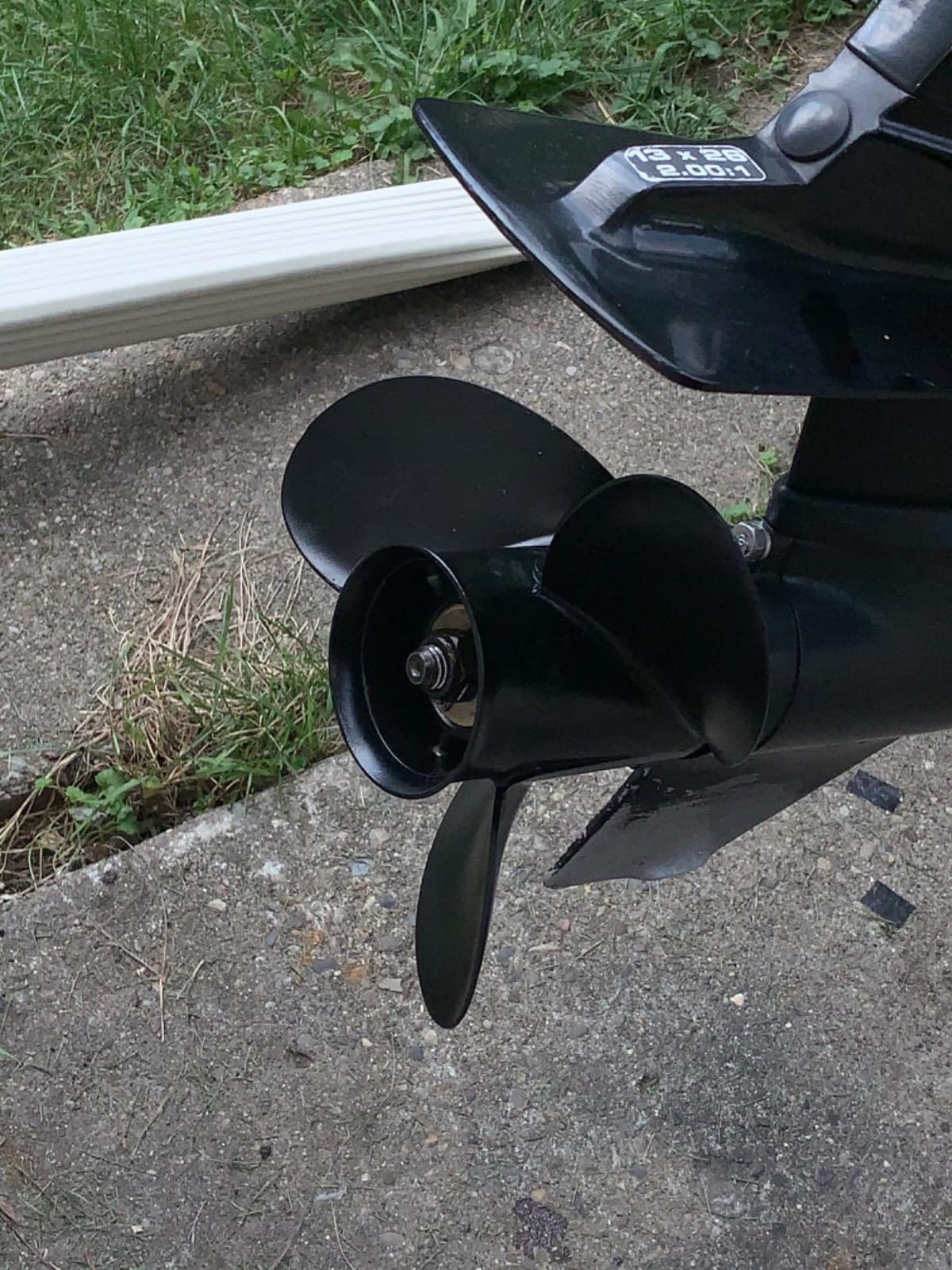
At 3.3 pounds and packaged at 13 x 13 x 10 inches, it is a light propeller that a single person can handle on a trailer tilter without any drama. The black painted finish is functional rather than decorative, and the one-year warranty from VIF Jason Marine covers the basics.
If your aluminum boat lost its prop to a rock, a spool of monofilament, or a barnacle-encrusted trailer winch strap, this is the part most owners end up matching on the transom tag. Write the gearcase code down before you order, not after.
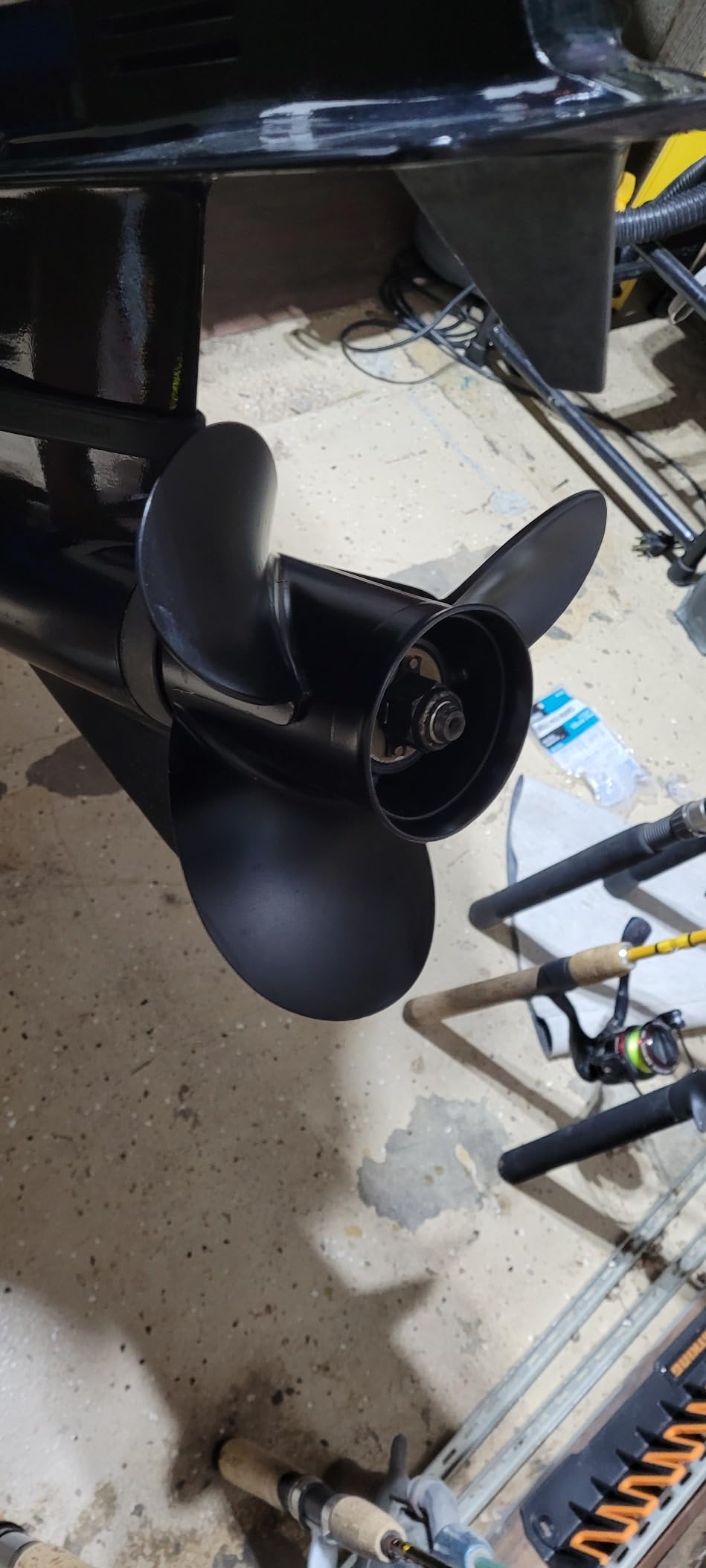
Yes, it fits small aluminum jon boats and skiffs on midrange outboards
This is the correct prop family for 14-17 foot aluminum jon boats, flat-bottom skiffs and small center consoles running a 40 to 70hp four-stroke. The smaller diameter suits a lightly loaded hull, and the 13 pitch keeps revs in a sensible place under load.
No, it is not the choice when your hull is heavy or your engine is bigger
Add a second stringer, foam flotation and a full battery bank and this prop will feel undersized. For heavily loaded aluminum pontoons and duck boats, step up a diameter rather than forcing a taller pitch, or you will lug the engine. The listing also leaves hub kit contents vague, so confirm the hub, thrust washer and nut are included.
3. Qiclear 14 1/2 x 19 with Flo-Torq II Hub — Best for Big Four-Strokes
Qiclear 14 1/2 x 19 48-832830A45 Boat Propeller for Mercruiser Alpha One
- Full Flo-Torq II hub kit included for a complete install
- Heat-treated blades resist bending and breakage
- Matches OEM part 48-832830A45
- One-year warranty and responsive support
- One-star share runs higher than the strongest props here
- Vacuum casting can leave visible surface marks
If your aluminum boat runs a 150 to 250hp four-stroke, this is the size class the hull was designed around. The prop is 14 1/2 inch diameter by 19 inch pitch, three blades, right-hand rotation, 15 spline tooth, made for outboards from 135hp to 300hp.
It is vacuum-cast aluminum with a five-layer surface treatment and heat-treated paddle blades. Owners on forum threads consistently name the included 835257Q1 Flo-Torq II hub kit as the reason installation was straightforward, because the forward thrust washer, drive sleeve, aft adaptor, tab washer and propeller nut all arrive in the box.
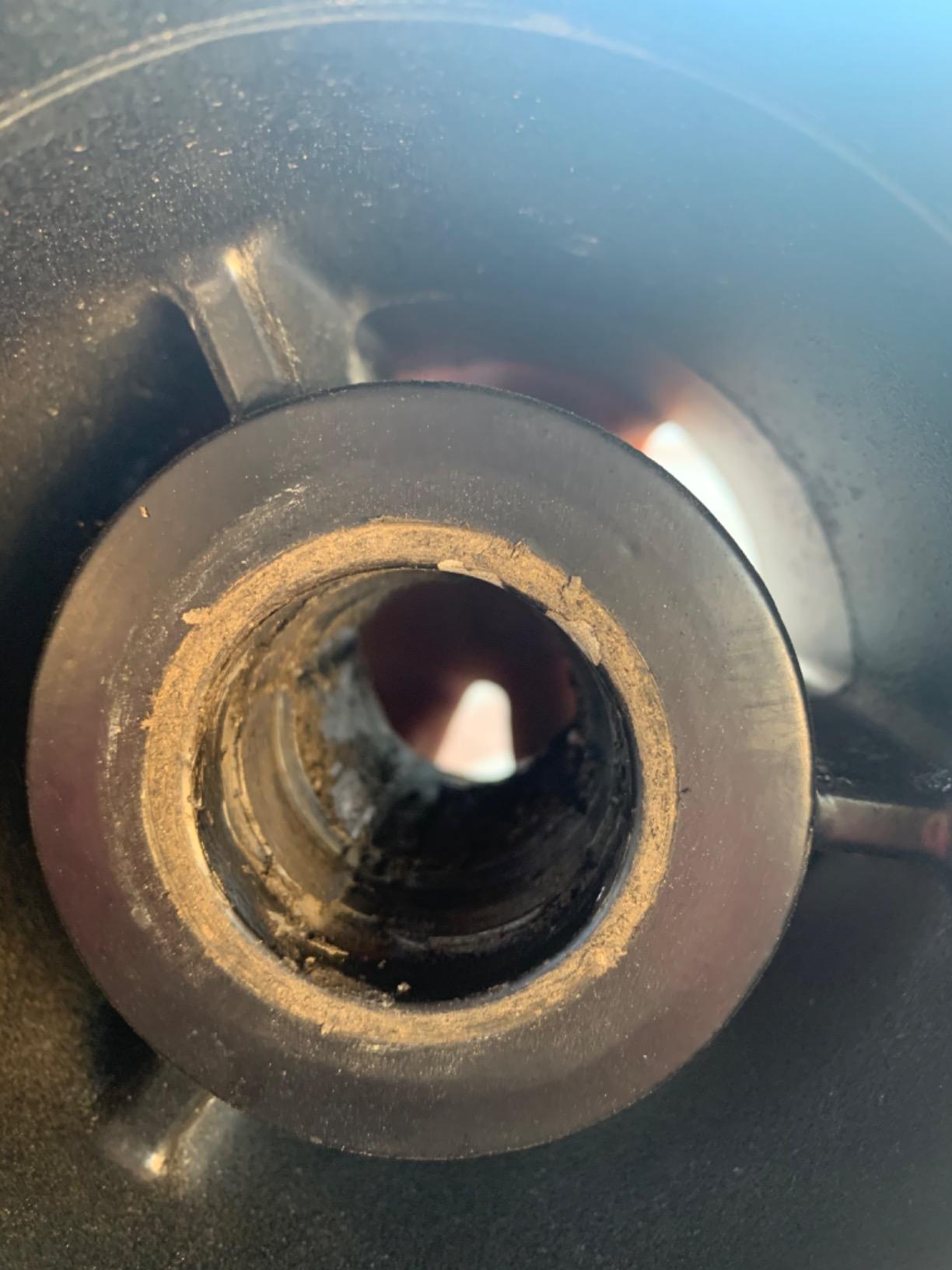
That 14.5 x 19 combination is the number that shows up again and again when owners talk about a 150hp engine on a 22 foot bay boat. It is the factory answer for that hull weight, and matching it removes the guesswork from the equation entirely.
A 4.5 average over 583 ratings reflects a well-liked prop with a small cosmetic detractor group. Vacuum casting does occasionally leave visible marks on the blade surface. They do not affect performance, but if you are the type who inspects paint work before the first launch, look before you accept it.
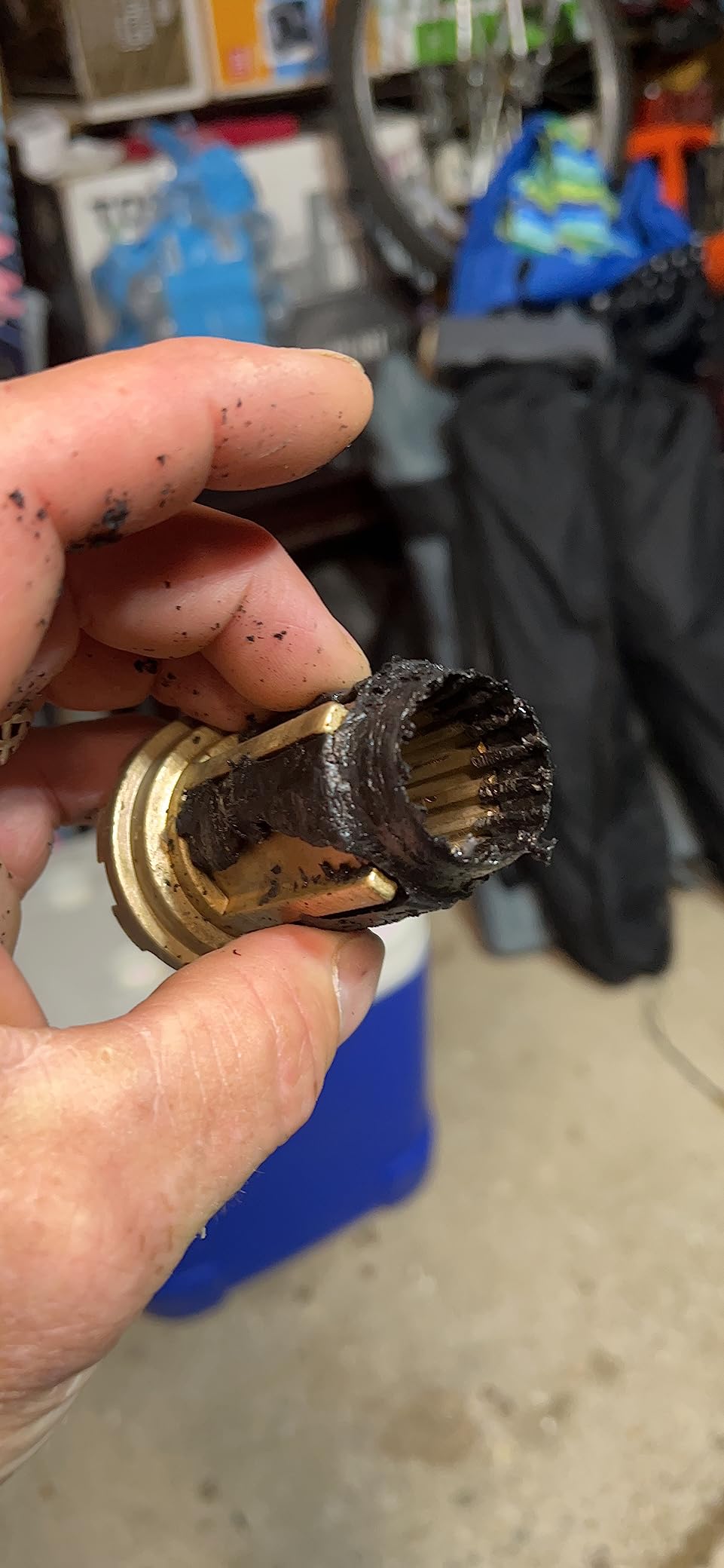
Yes, it is right for 20-24 foot bay boats and large jon hulls
The diameter and pitch pairing handles the load of a full fuel tank, two outboard batteries and a couple of passengers without dropping out of plane. The elastomer-inserted hub also absorbs the shock loads that come with hitting a submerged branch in a marsh or a sandbar in a river.
No, it will lug a small aluminum hull or a low-horsepower engine
On a 15hp kicker or a light 16 foot flat-bottom, this prop simply will not turn fast enough. Lugging below the recommended RPM band stresses the lower unit and pushes exhaust into the leg. If your wide-open-throttle reading sits well under the engine’s rated maximum, you need less pitch, not more.
4. Qiclear 13 1/4 x 17 for Yamaha 60-115HP — Best for Yamaha Engines
Qiclear 13 1/4 x 17-K | 6E5-45945-01-EL OEM Upgrade Aluminum Outboard Moto Boat Propeller fit Yamaha Engines 60-115 HP, 15 Spline Tooth
- Exact OEM match for the common Yamaha 13.25 x 17
- Durable vacuum-cast aluminum with heat-treated blades
- Drop-in fit on 4-1/4 in gearcase Yamaha motors
- Two-year warranty
- Lowest average rating in this group at 4.3
- Seven percent of reviews are one star
- Hub hardware not itemized in the listing
Cross-brand fitment is the single most common prop mistake owners make, and this one removes it for Yamaha rigs. It is a 13 1/4 inch diameter by 17 inch pitch prop matching OEM part number 6E5-45945-01-EL, built for Yamaha 60-115hp outboards with a 15 spline tooth on a 4-1/4 inch gearcase.
Vacuum-cast aluminum with heat-treated paddle blades means it handles a shallow strike better than a thin stamped plate, which matters on the shallow lakes and marshes where aluminum hulls spend a lot of their time. The listing advertises a two-year warranty, with 18 months stated in the specifications.
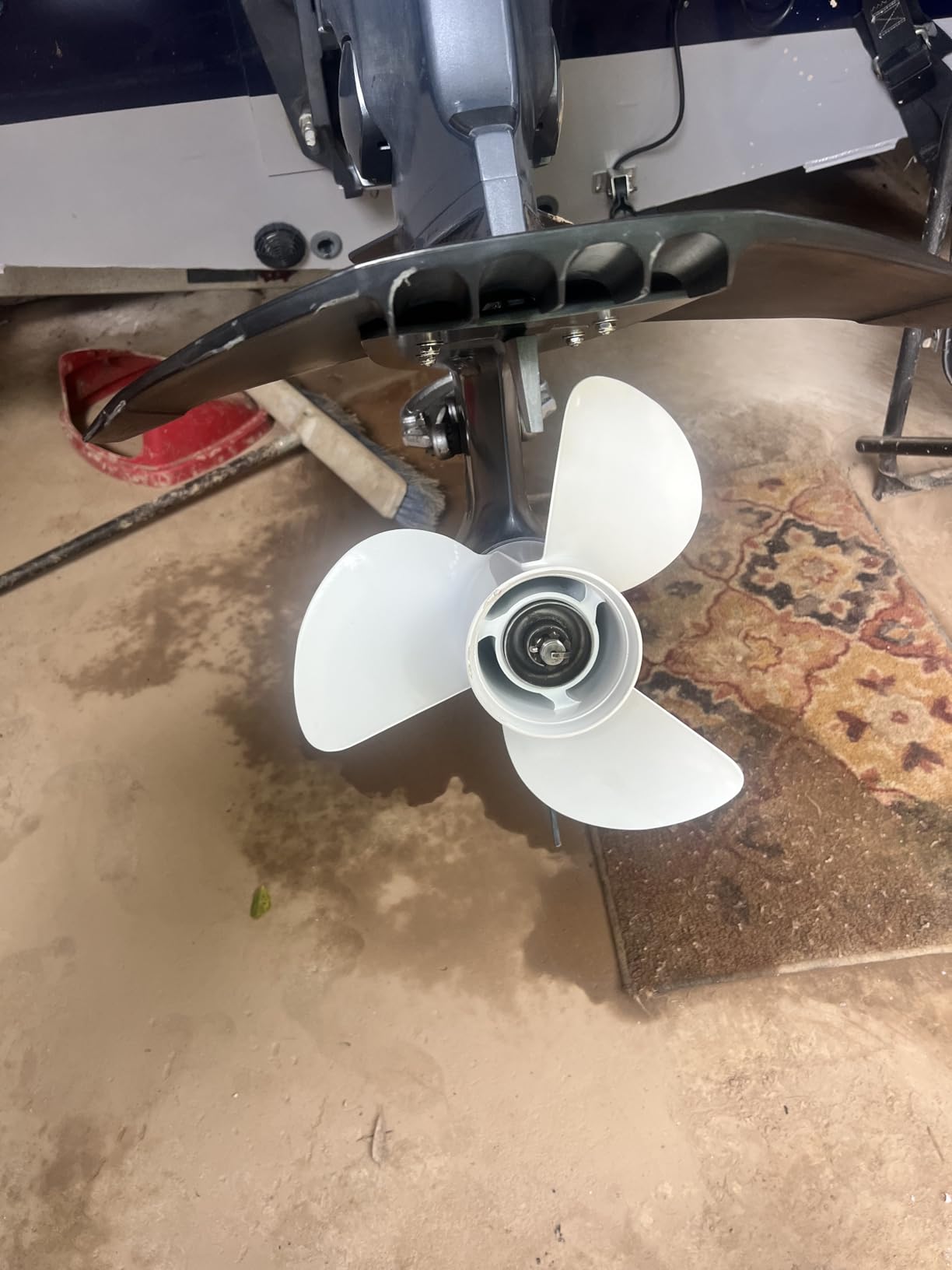
This is the lowest-rated prop in our group at 4.3 across 304 ratings, and the gap shows up as a wider spread of middle ratings. About 7% of reviews are one star and roughly 9% sit at three stars, tied to fit questions and finish rather than to the blade design itself.
The practical takeaway is that the casting is fine and the listing communication is thin. Confirm the hub contents and confirm your gearcase before ordering, and the fit complaints largely disappear.
Yes, it suits 16-19 foot aluminum boats on midrange Yamaha four-strokes
The 13.25 x 17 pairing is one of the most common factory fits in the industry, so it drops into the original setup without any change in handling. On a moderately loaded aluminum bass or general purpose hull, it delivers predictable midrange acceleration and a cruise RPM that stays inside the band.
No, it is not the pick for a Yamaha over 115hp or a heavily loaded pontoon
A fully loaded pontoon or a 22 foot bay with three people and gear needs more blade area than a 13.25 inch three-blade provides. Above 115hp, step up to a 14 or 15 inch diameter instead. And if your boat has taken on a year of gear and now refuses to plane, this is likely the prop that shipped with it.
5. VIF Alpha One Multi-Size Prop — Best Range of Sizes in One Listing
VIF 14 1/4×21 Boat Propeller 48-832832A45 for Mercruiser Alpha One 14.25×21
- Breadth of sizes with 3-blade and 4-blade in one listing
- Covers 90CT outboards through 400HP sterndrives
- 15 spline right-hand rotation matching OEM references
- One-year warranty and bilingual support
- Many variants mean buyers must confirm what ships
- Cast aluminum not as impact-hardened as forged OEM
One listing here covers five diameters and pitches: 14.5 x 19 (48-832830A45), 14.25 x 21 (48-832832A45), 15.25 x 15 (48-78116A45), 14 x 17 (48-8M0084494) and 14 x 19 (48-8M0084495). Fit runs from 90CT outboards up to 400HP Mercruiser Alpha One sterndrives.
Both three-blade and four-blade configurations are offered in the family, all 15 spline tooth and right-hand rotation. That matters for pontoon owners who have outgrown a three-blade and want more blade area without changing hub type.
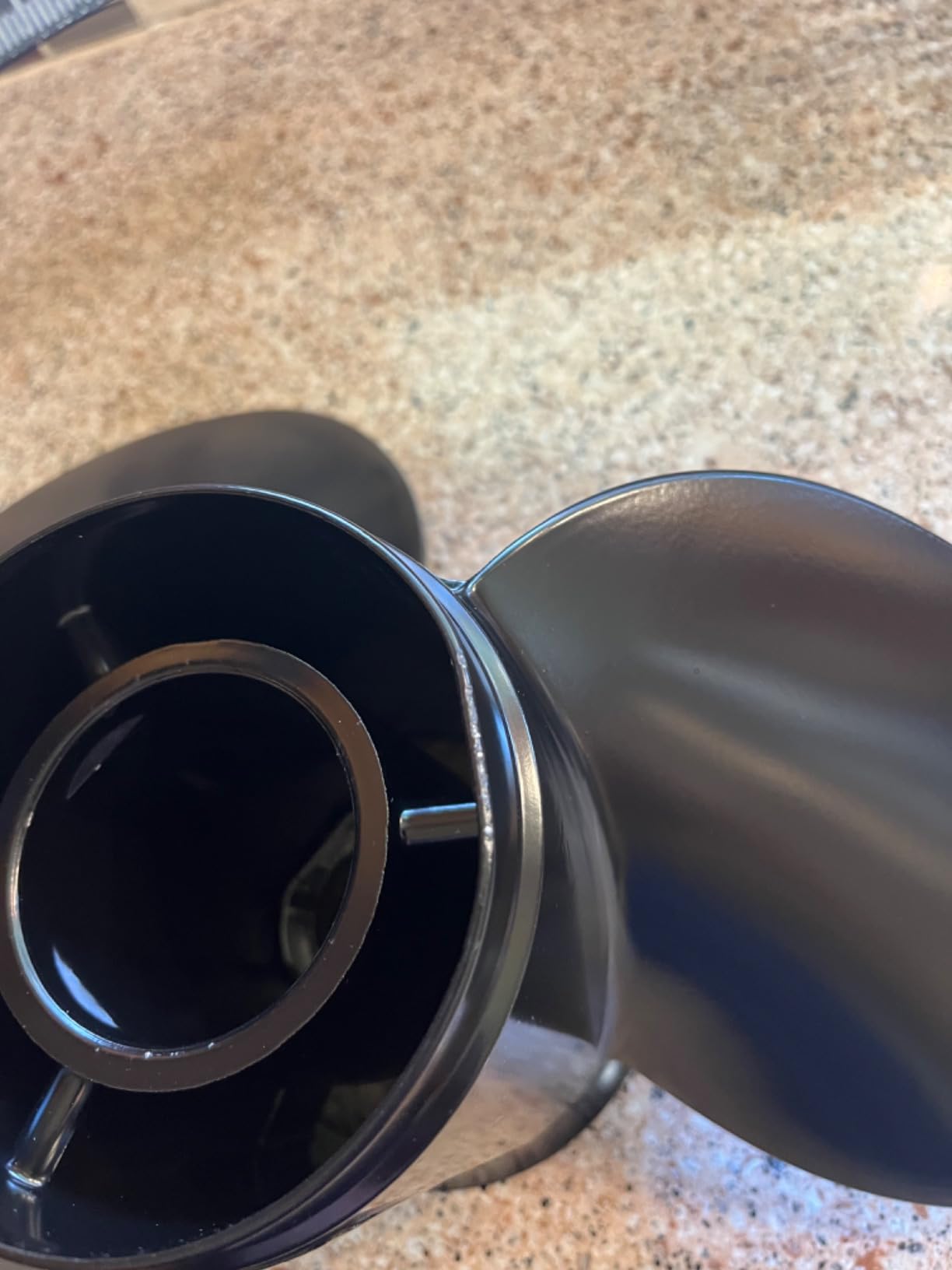
At 4.5 across 225 ratings, the reviews treat this as a convenient one-stop shop rather than a single specific part. The recurring instruction is to confirm which diameter, pitch and blade count actually arrives in the box, because the variant selection is wide.
Fitted units install easily and hold up well in service. Local service is offered with bilingual English and Spanish support, which is useful if you would rather have a phone call than a return shipment when the size is wrong.
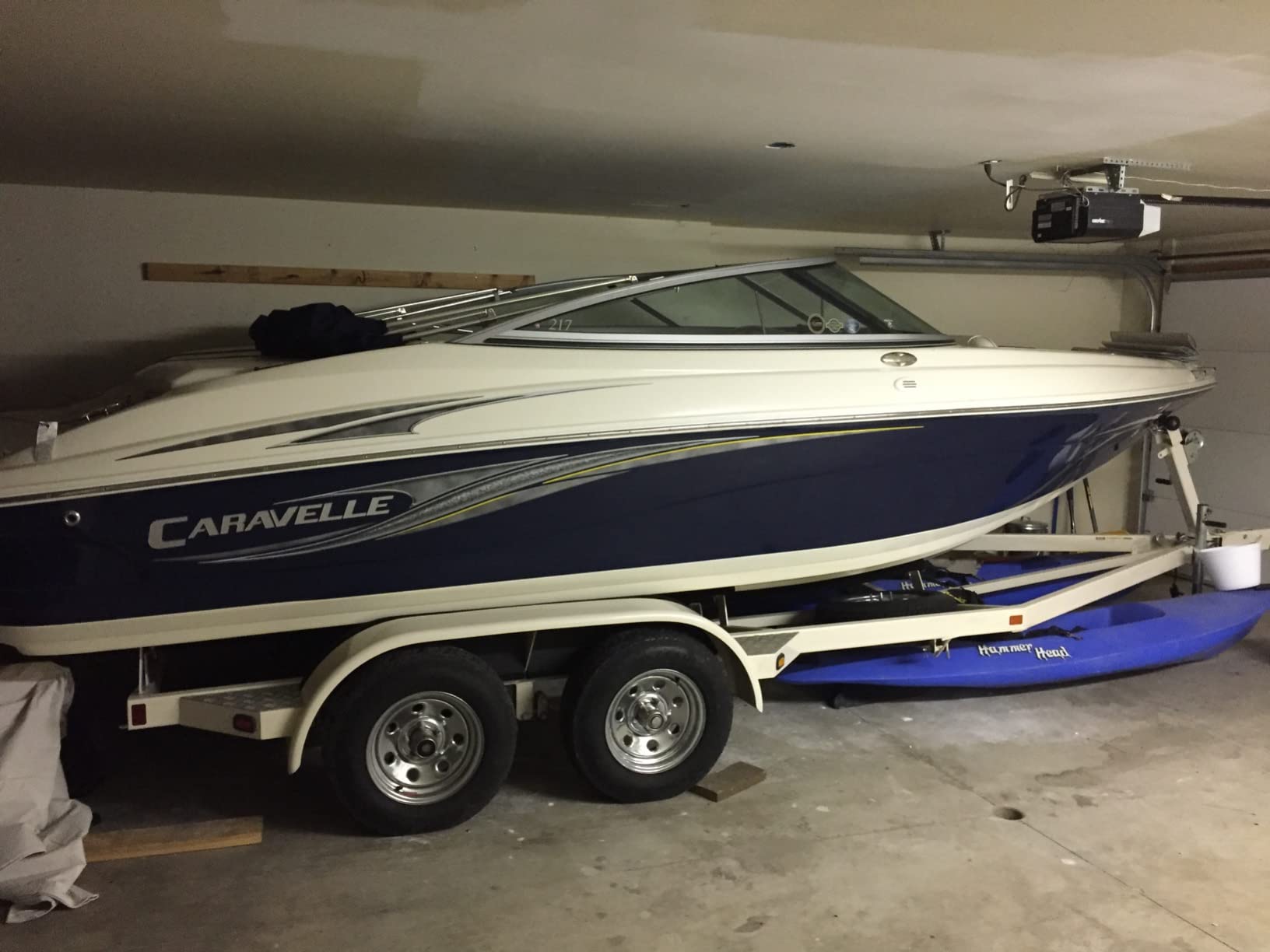
Yes, it works for Alpha One sterndrives and big outboard pontoon setups
If you own a 20-24 foot tri-toon with a 200 to 300hp drive, the four-blade options in this family add the blade area that heavy flotation demands. The 15 spline hub matches OEM references, so the hub system carries over from what came with the boat.
No, it is not right for a small kicker or a shallow-water-only hull
The whole catalog here is too large for a 9.9hp outboard or a punt-style duck boat. The other concern is impact behavior in very shallow water, where cast aluminum is more likely to crease than a forged or OEM prop. That is a fair trade for the size range you get on bigger hulls.
6. JSPROP 10.1 x 13 for Johnson Evinrude 15-35HP — Best for Small Jon Boats
- Low-cost genuine replacement for the small outboard class
- Real blade cupping improves bite and acceleration
- Holds up through a full duck season on aluminum
- One size change can fix over-revving
- Visible casting marks on the blades
- Rubber insert tone differs slightly from OEM
- May take two sizes to find the right pitch
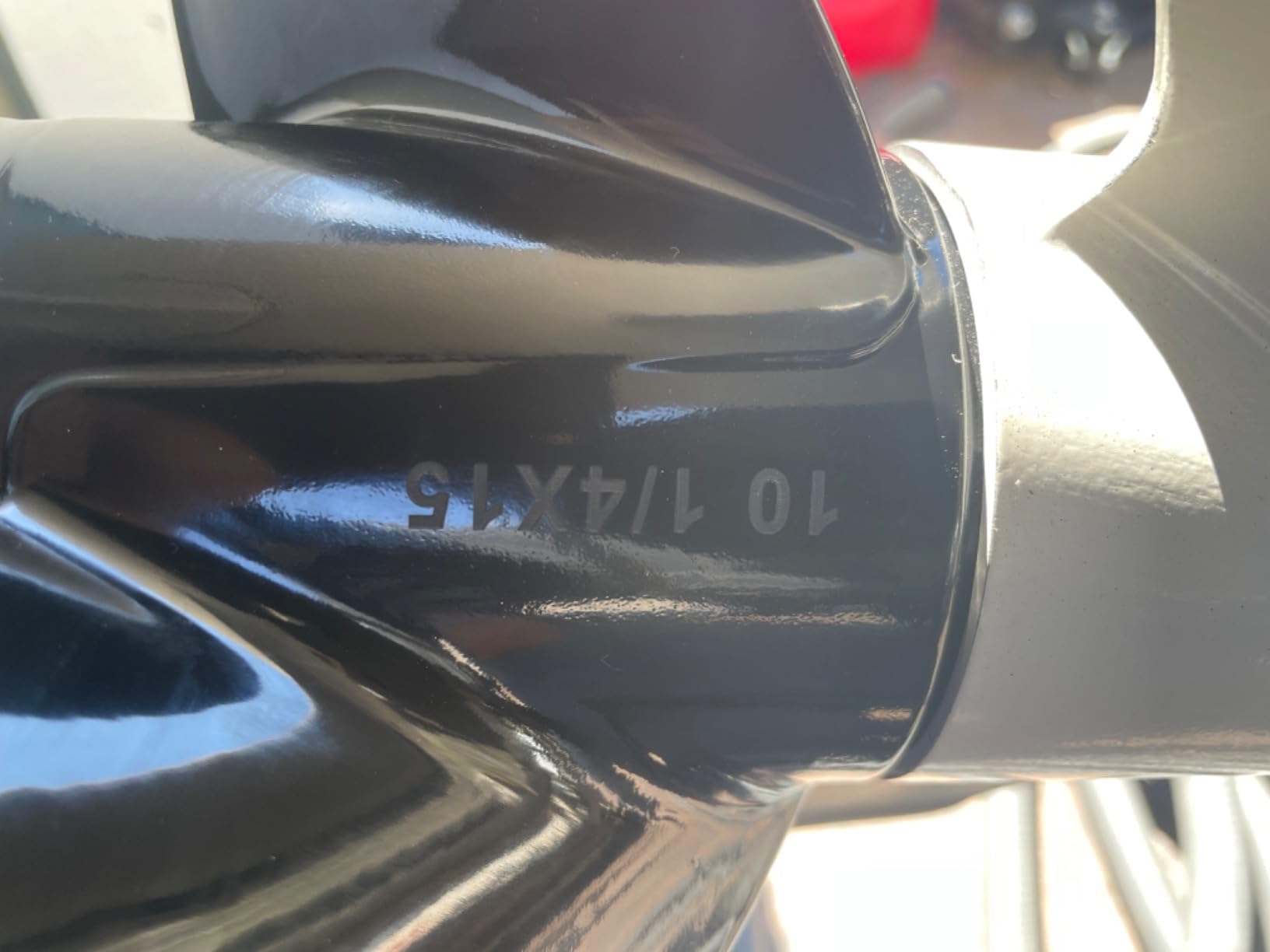
Older Johnson and Evinrude outboards have fewer modern props available in their hub family, and this fills a real gap. It is a 10.1 inch diameter by 13 inch pitch three-blade aluminum prop with a 14 spline tooth and right-hand rotation, matching reference number 778863 for 15-35hp engines.
The blade cupping is genuine, and owners who know what it does notice it. Cupping angles the blade face to bite harder out of the hole, which is exactly what a shallow, weedy duck boat needs when you are pushing through a marsh edge at idle.
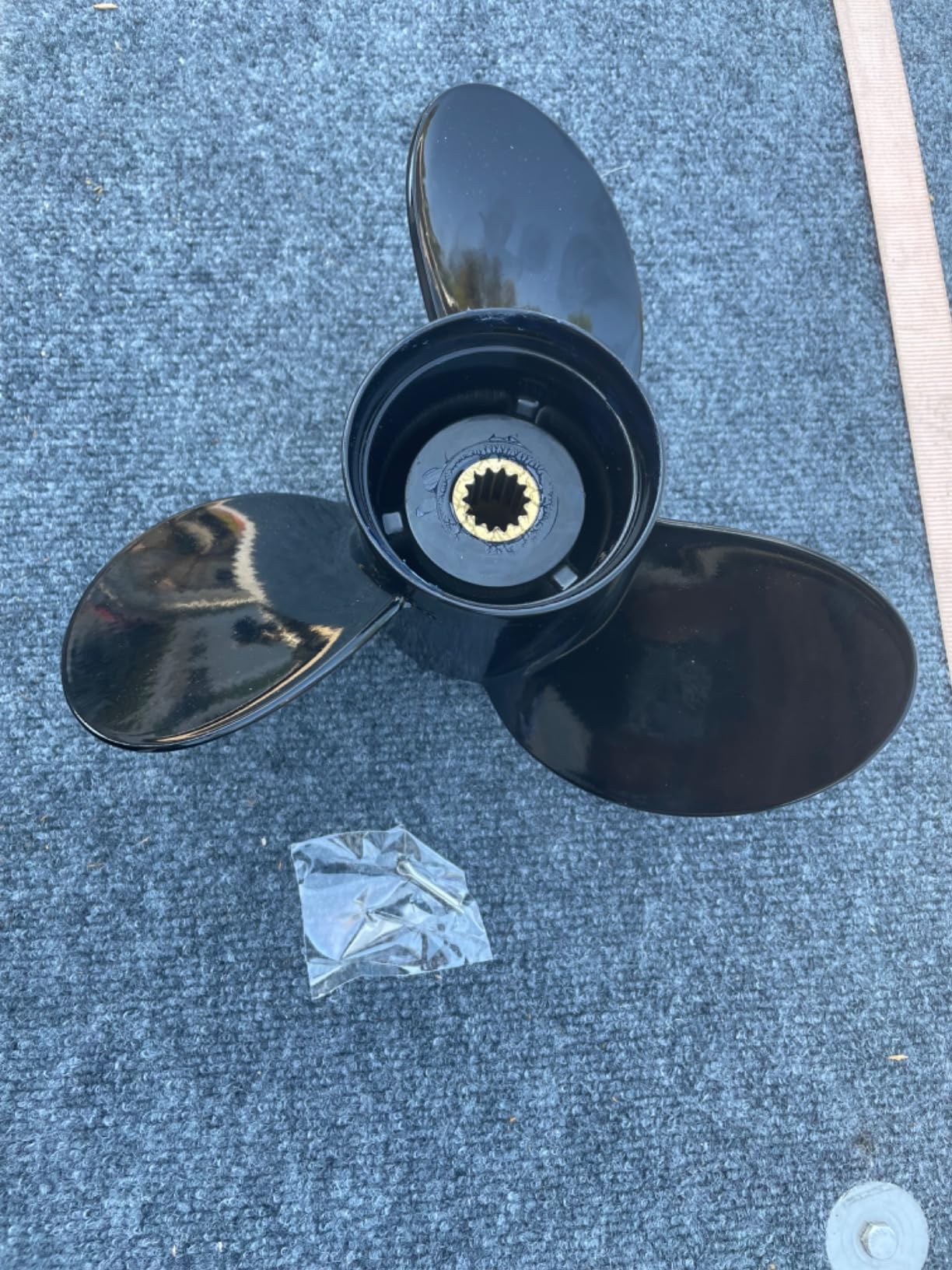
The aluminum alloy carries a patented anti-corrosion coating, and the pressed-in hub design makes installation straightforward with basic tools. A one-year warranty is included. Owners report it lasting a full duck season on aluminum hulls, which is the abuse case that destroys cheaper props.
The main caution is pitch selection. Because it is the lowest horsepower class here, getting the pitch wrong shows up immediately as over-revving and a boat that plows instead of planes. Several owners note it took two sizes to land on the correct pitch for their hull.
Yes, it suits 12-16 foot aluminum jon boats and duck boats on small outboards
This is the right class of prop for a flat-bottom aluminum hull that spends its life in three feet of water with a trolling motor on the front. The diameter clears the transom easily and the cupped blades give you the grip to move mud and vegetation at low RPM.
No, it will not suit anything that runs past about 35hp
Past 35hp the blades will start loading up and you lose the light, responsive feel that makes small outboards fun to run. Cosmetic casting marks are common on these blades, and the rubber insert tone reads slightly lighter than an OEM prop. Neither issue affects function.
7. YOUNG PROPS 14.5 x 19 for Mercury 135-300HP — Best Complete Hardware Kit
YOUNG PROPS 14.5×19 Boat Propeller for Mercury 135-300HP 15 Spline RH
- Complete hub hardware turns the install into one quick job
- About five minutes to fit with no vibration
- Matches the genuine part functionally
- 12-month replacement for blade fracture
- Prop nut locking mechanism described as less robust than OEM
- One order arrived without the nut in the kit
- Marine grease not included
This is the same size class as the Qiclear 14.5 x 19 but with a different hub kit and a different warranty story. It is 14.5 inch diameter by 19 inch pitch, three blades, 15 tooth, right-hand rotation, built to OEM part number 48-832830A45 for Mercury and MerCruiser sterndrives and Alpha and Bravo One outboards from 135 to 300hp, two-stroke and four-stroke alike.
Owners consistently describe it as a clean five-minute swap with no vibration afterward. The interchangeable hub kit ships with the forward thrust washer, drive sleeve, aft adaptor, tab washer and propeller nut, so nothing else needs sourcing before the boat goes back in the water.
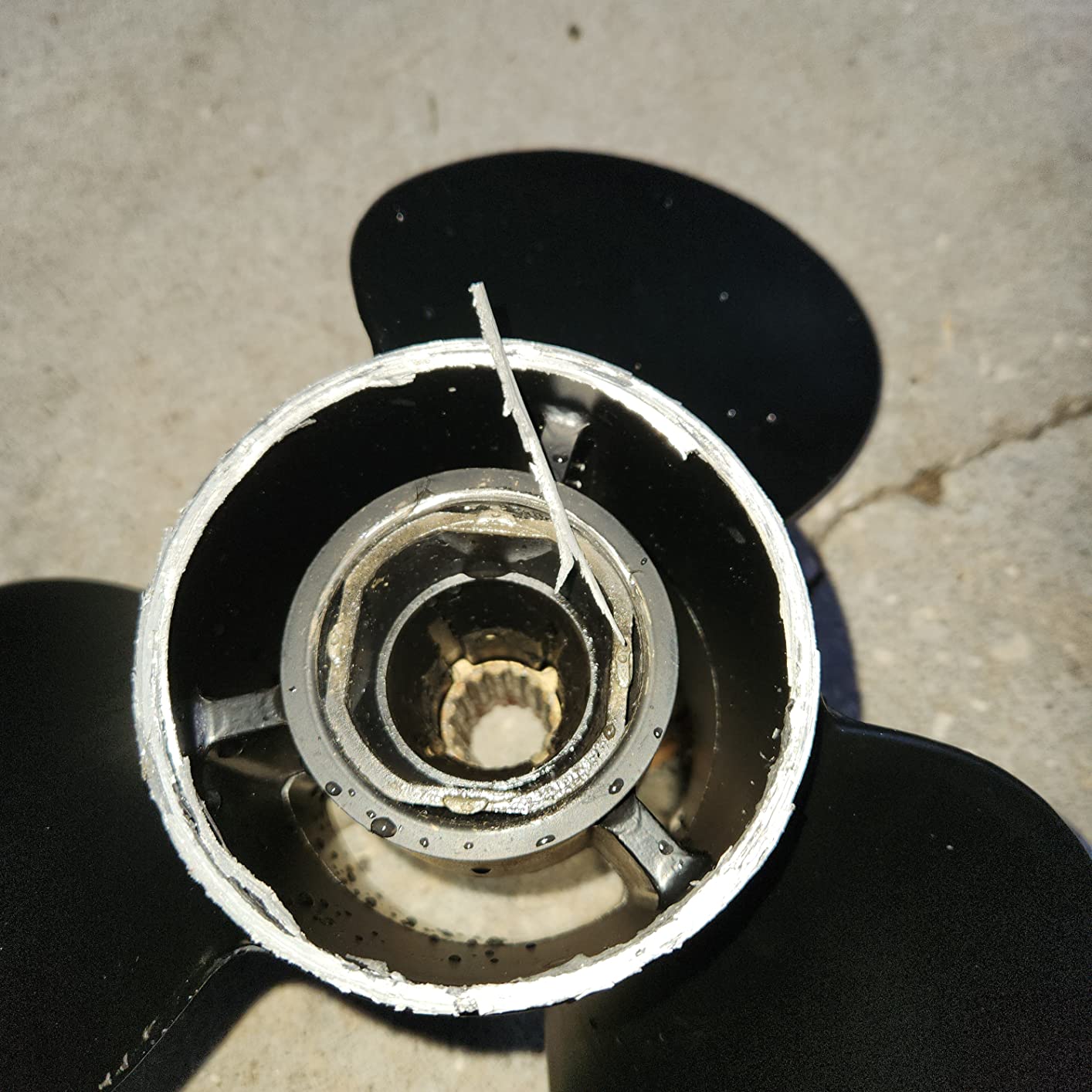
At 4.6 across 190 ratings, the reservations are narrow and specific: the propeller nut locking mechanism is described as slightly less robust than the OEM part, one order arrived without the nut in the hardware kit, and marine grease is not supplied.
That is why we keep a tube of marine grease in the trailer tool bag regardless of what prop you buy. It costs almost nothing and it is the single most common reason a prop nut backs off after a few hours on the water.
Yes, it fits large aluminum bay boats and heavy pontoon hulls
At 135-300hp coverage this is the size of engine that actually needs a 14.5 inch diameter to move a loaded hull. It suits 21-25 foot bay boats, big tri-toons and center consoles that spend their weekends offshore rather than on a lake.
No, it is too much prop for anything under 100hp
A smaller engine will lug badly with a 19 pitch, especially on a lightly loaded aluminum hull. Verify the nut is present in the kit before installation, and keep an eye on the nut torque after the first long trip.
8. VIF 10 3/8 x 13 10 Spline for Mercury 9.9-25HP — Best for Small Two-Strokes
VIF 10 3/8 x 13 10 Spline Boat Propeller 48-19640A40 for Mercury 9.9-25hp
- Exact OEM-equivalent fit for 1987-1995 Mercury 25HP and 15HP
- Highest-rated small-engine prop at 4.7 stars
- Hub kit arrives pre-installed
- Finish and paint hold up well
- Paint wears with regular use which owners consider normal
- Not compatible with EFI-equipped engines
- Verify diameter and pitch before ordering
This one covers the small two-stroke end of the range, and it does so cleanly. It is a 10 3/8 inch diameter by 13 inch pitch three-blade right-hand rotation prop with a 10 spline tooth, built for Mercury and Mariner 9.9, 15, 18, 20 and 25hp two-stroke outboards on a 3 inch gearcase.
The 4.7 rating across 186 reviews is the highest among the small-engine props we tested, and it reflects a simple pattern: owners on 1987-1995 15hp and 25hp two-strokes report the prop fits their specific year and horsepower exactly. OEM reference part number is 48-19640A40.
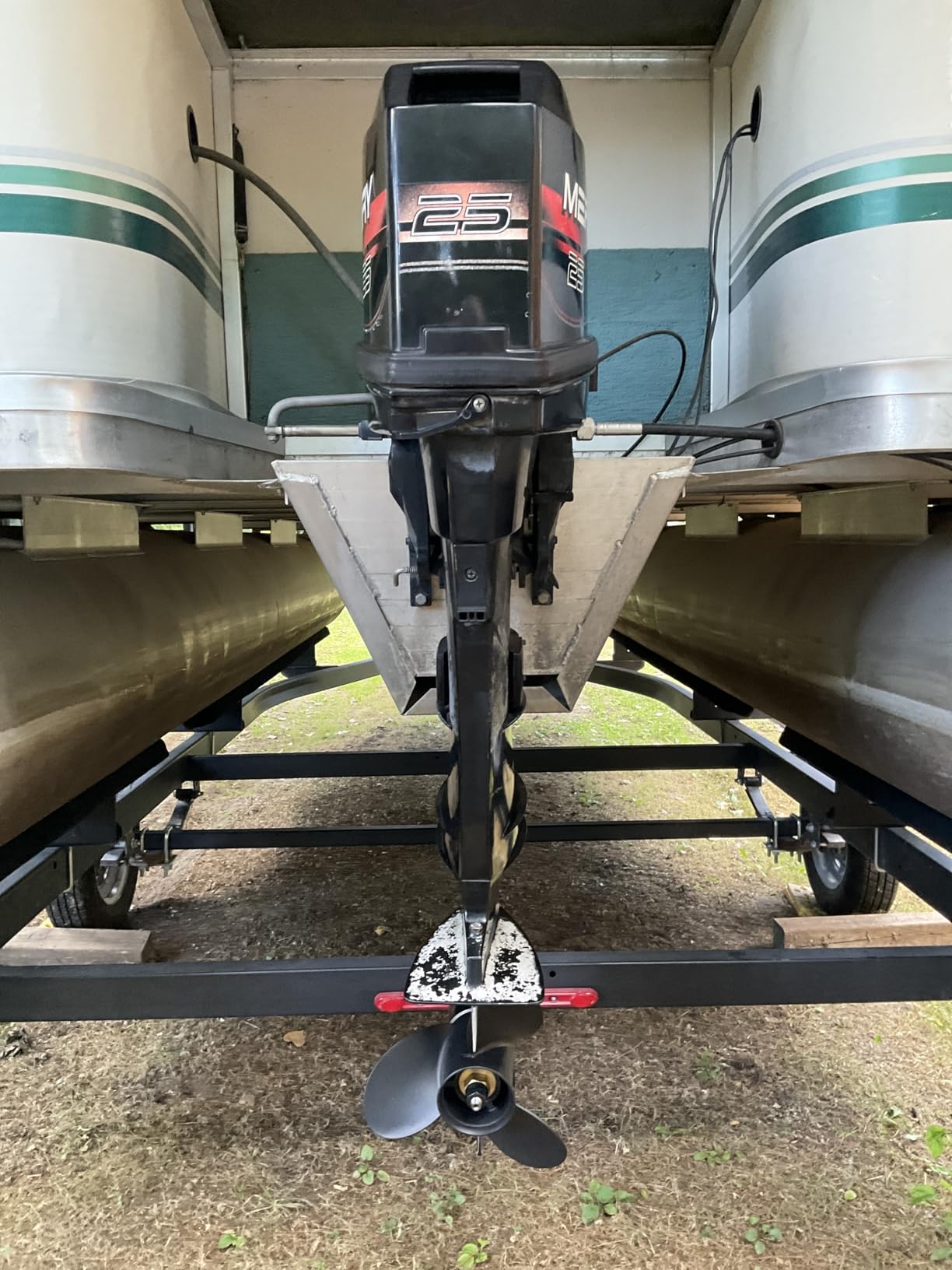
The hub kit arrives pre-installed, which removes the most common install error on small engines. Package weight is 3.7 pounds, light enough to handle on a small aluminum jon boat with a pair of engine hoist arms and no lift point.
Two limitations are worth reading twice. This prop is not for EFI-equipped engines, and the paint does wear with regular use, which most owners describe as normal rather than a defect. Confirm your diameter and pitch before ordering, because the listing covers several variants.
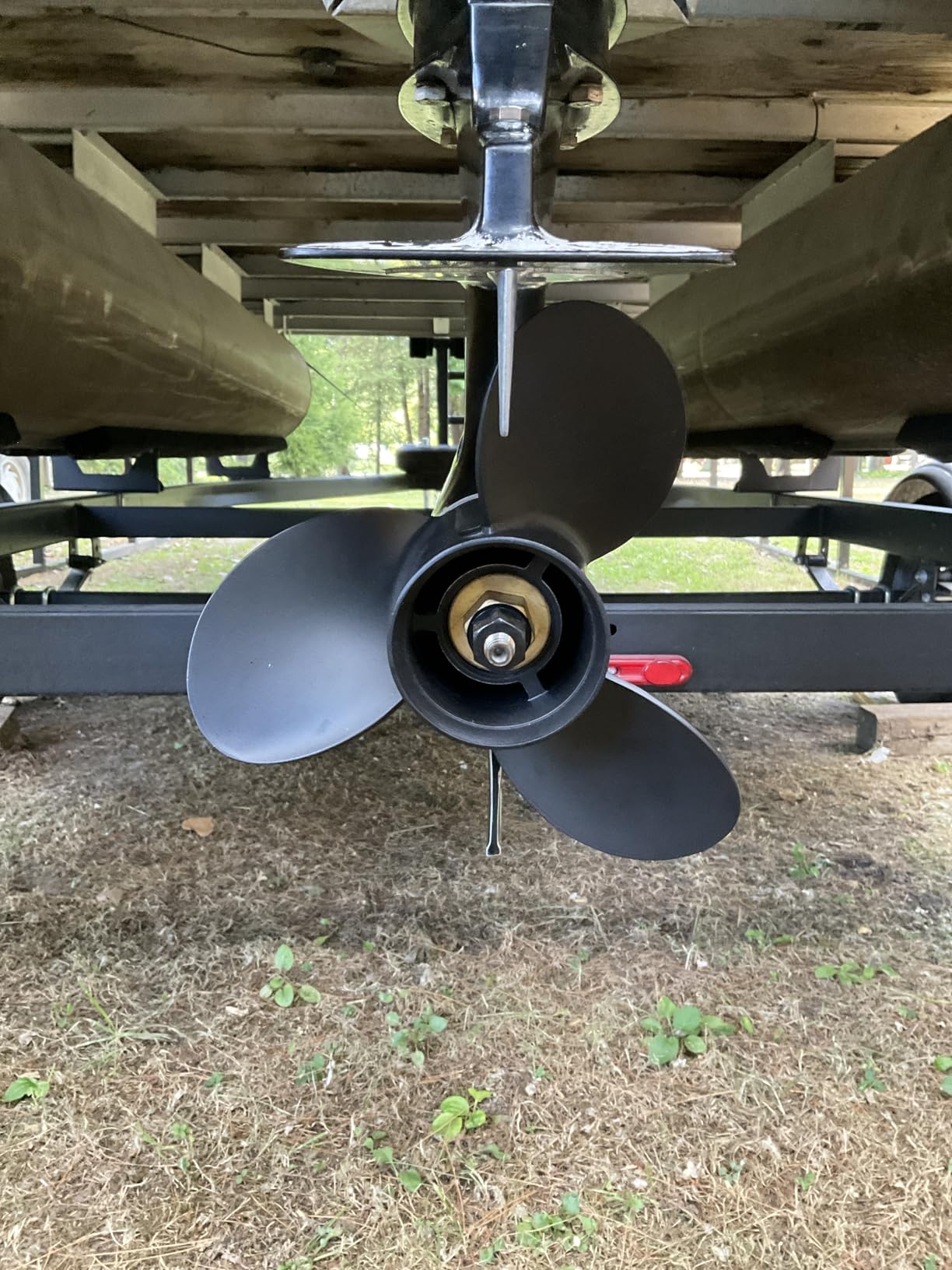
Yes, it suits small aluminum fishing boats and tender platforms
A 10.1 to 10.375 inch diameter three-blade is the standard fit for 12-16 foot aluminum boats on a 15 to 25hp two-stroke. It planes a light hull cleanly and the hub system is a proven 10 spline that any marine shop will have parts for.
No, it does not apply to EFI engines or modern four-strokes above 30hp
The EFI exclusion is not a preference, it is a physical mismatch. If your engine is a newer four-stroke in the 40hp range or above, you need a different hub family entirely, and the 10 spline will not enter the hub bore.
9. VEVOR 13 x 19 for Mercury 40-140HP — Most Versatile with a Rubber Hub
- Lightweight build improves response over a worn prop
- Internal rubber hub noticeably cuts vibration and noise
- Complete hub kit plus user manual in the box
- Build quality exceeds expectations
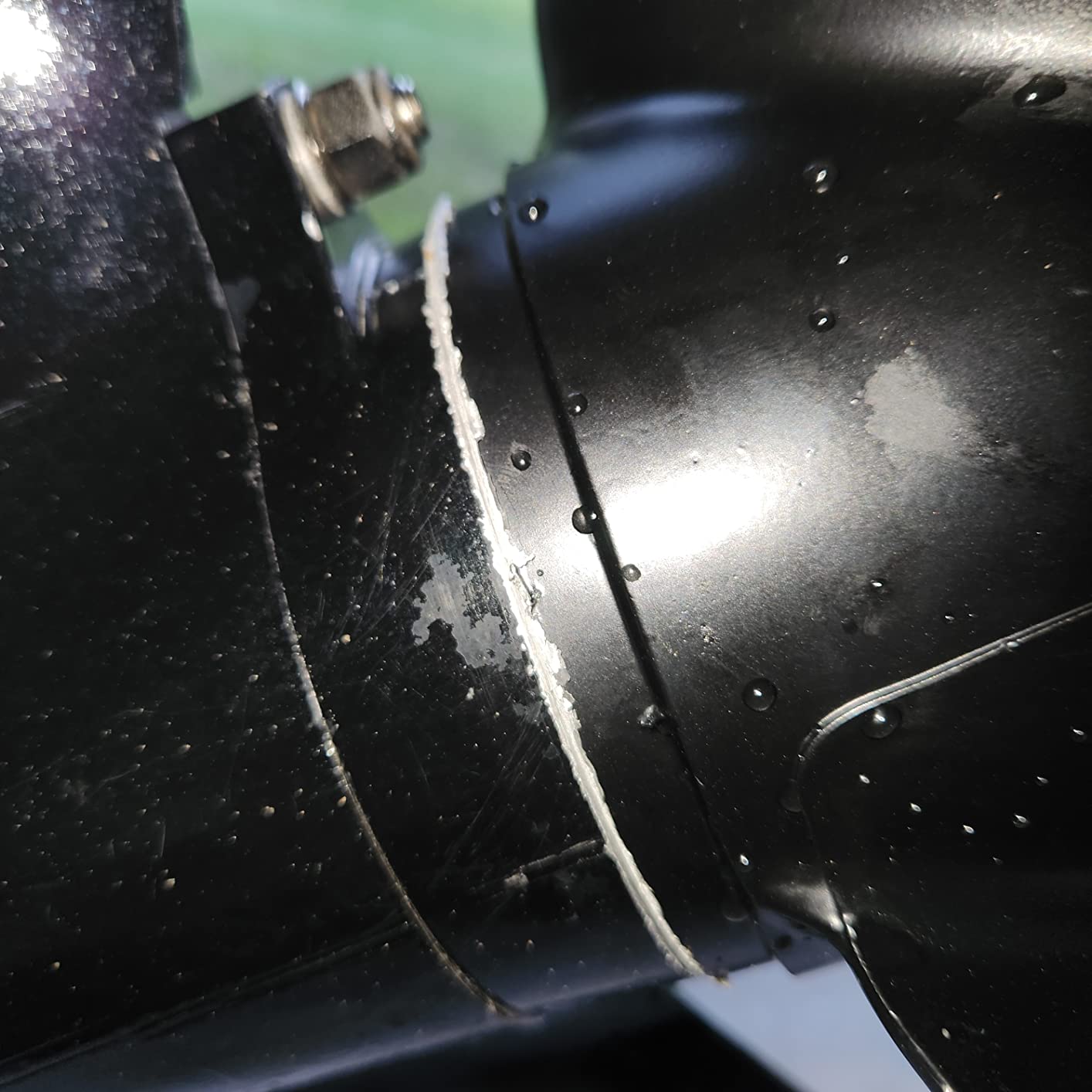
- One review reports a cracked interior after a rock strike
- Packaging is inconsistent and units arrive dented
- Nine percent one-star share is the highest in this group
The VEVOR is the interesting option in this lineup because of what sits inside it. It is a 13 inch diameter by 19 inch pitch three-blade aluminum prop with a 15 spline tooth and right-hand rotation, for Mercury 40-140hp outboards on a 4-1/4 inch gearcase, and it uses an internal rubber hub to absorb shock loads rather than a metal sleeve.
That rubber hub is the story here. Owners on shallow mud flats and grass banks report noticeably less vibration and noise than a plain cast prop, because the elastomer cushions the transition between the gearcase and the blade on every impact cycle. The aluminum alloy is described as corrosion resistant for both fresh and salt water use.
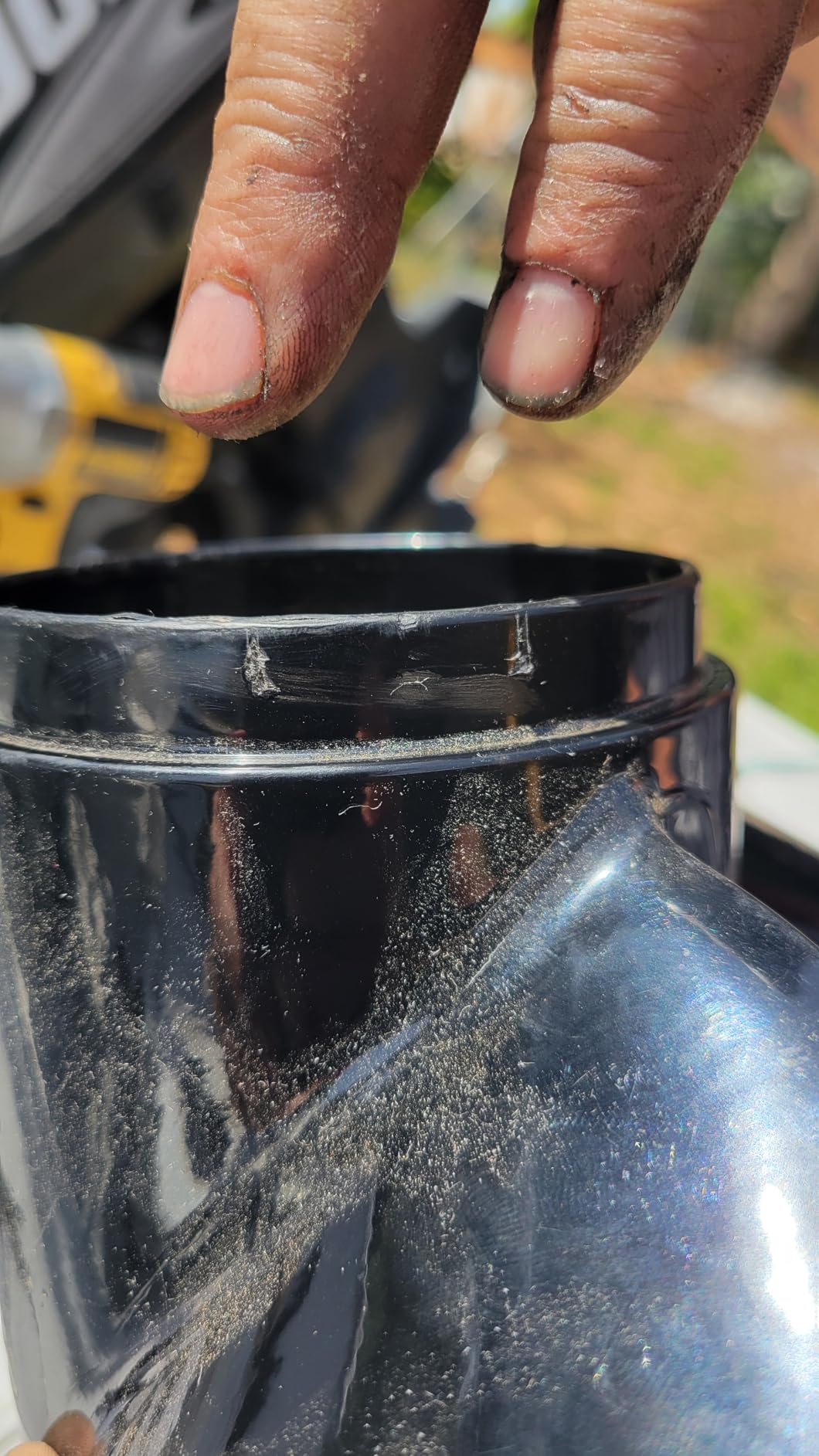
The M21 interchangeable hub kit and a user manual are both in the box, which makes this the most approachable first-install prop in the roundup. Owners also report that the lightweight 5.6 pound build feels noticeably more responsive than a worn OEM prop of the same size.
At 4.4 across 137 ratings, the negatives concentrate on impact durability and packaging rather than fit or function. One review describes the prop interior cracking after hitting a rock at a shallow ramp, and the one-star share sits at 9%. If you work in rock country, know that going in.
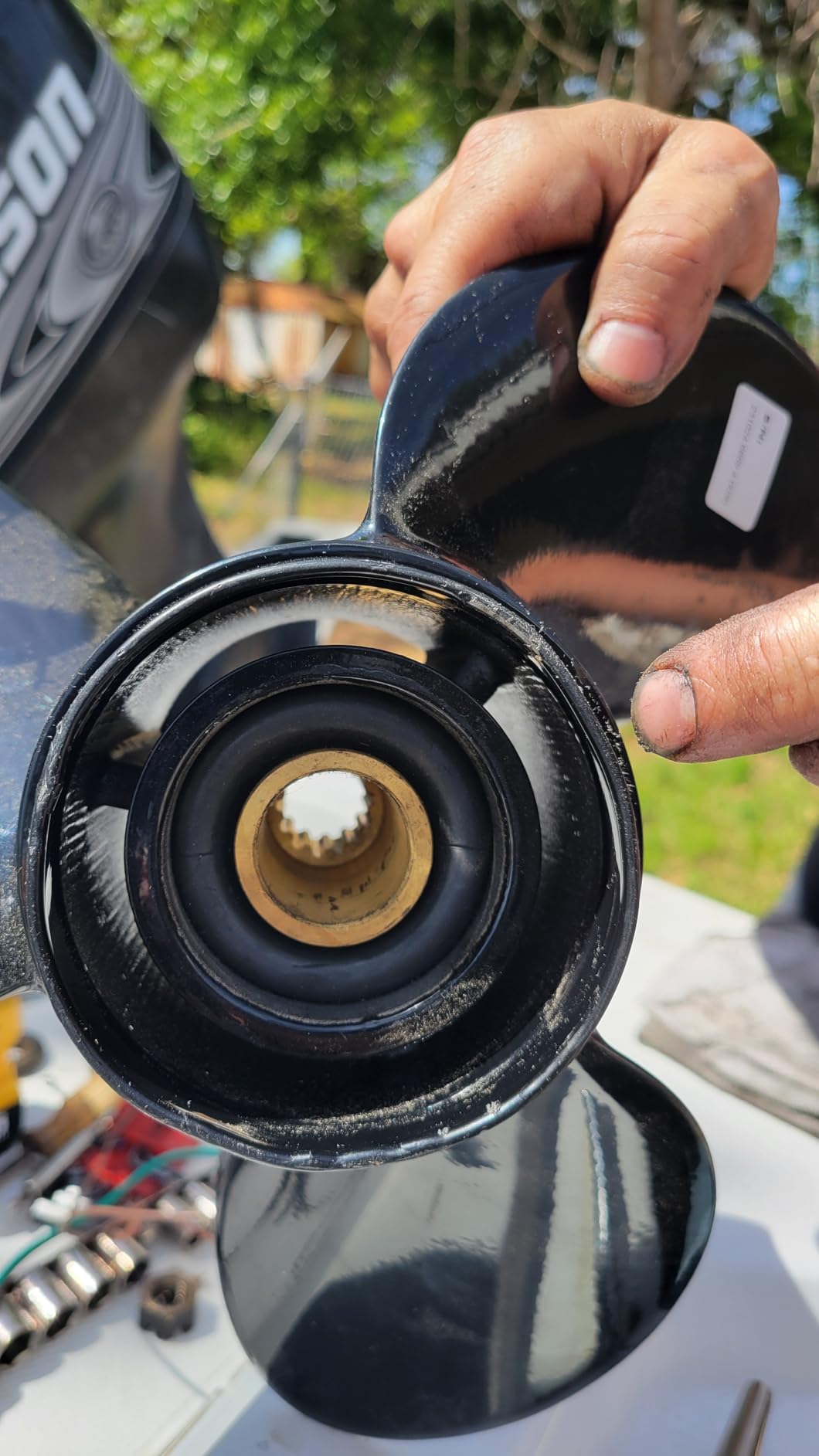
Yes, it works for midrange aluminum skiffs and freshwater pontoons
The 13 x 19 pairing suits 40-140hp outboards on aluminum hulls that spend time on soft bottoms and grass, where the rubber hub’s damping pays for itself. The complete hardware kit also means first-time installers are not hunting for a thrust washer at the dock.
No, it is not for rocky launches or heavy offshore running
Aluminum alloy of this class will crease or crack where a forged OEM prop would bend and survive. Packaging quality is also inconsistent enough that you should inspect the unit at the ramp rather than assume it arrived undamaged.
10. Mercury Black Max 10.5 x 13 — Best Genuine OEM Replacement
Mercury Black Max 3-Blade Aluminum Propeller, 10.5″ Diameter x 13″ Pitch, Right Hand Rotation
- Highest average rating in the roundup at 4.8 stars
- Genuine OEM part that fits exactly as specified
- Mercalloy alloy is tougher yet stays ductile
- Flo-Torq Reflex kit protects the drivetrain
- One percent one-star share across 130-plus reviews
- Most expensive option in this group
- Restricted to specific low and mid horsepower Mercury applications
When you want the exact casting the engine was engineered against, this is it. The Black Max is a 10.5 inch diameter by 13 inch pitch right-hand rotation three-blade aluminum prop, part number 48-816704A45, fitting Mercury and Mariner 25-30hp FourStroke BigFoot and Command Thrust, 30hp TwoStroke, 30hp FourStroke from 2005 and earlier, and 40-60hp FourStroke outboards.
The blade material is patented Mercalloy aluminum alloy, which is engineered to be strong while staying ductile enough to absorb minor impacts. That combination is the reason an aluminum prop can take a knock and bend instead of snapping, and it is the single biggest reason to favor a genuine casting over a generic plate on shallow-water aluminum boats.
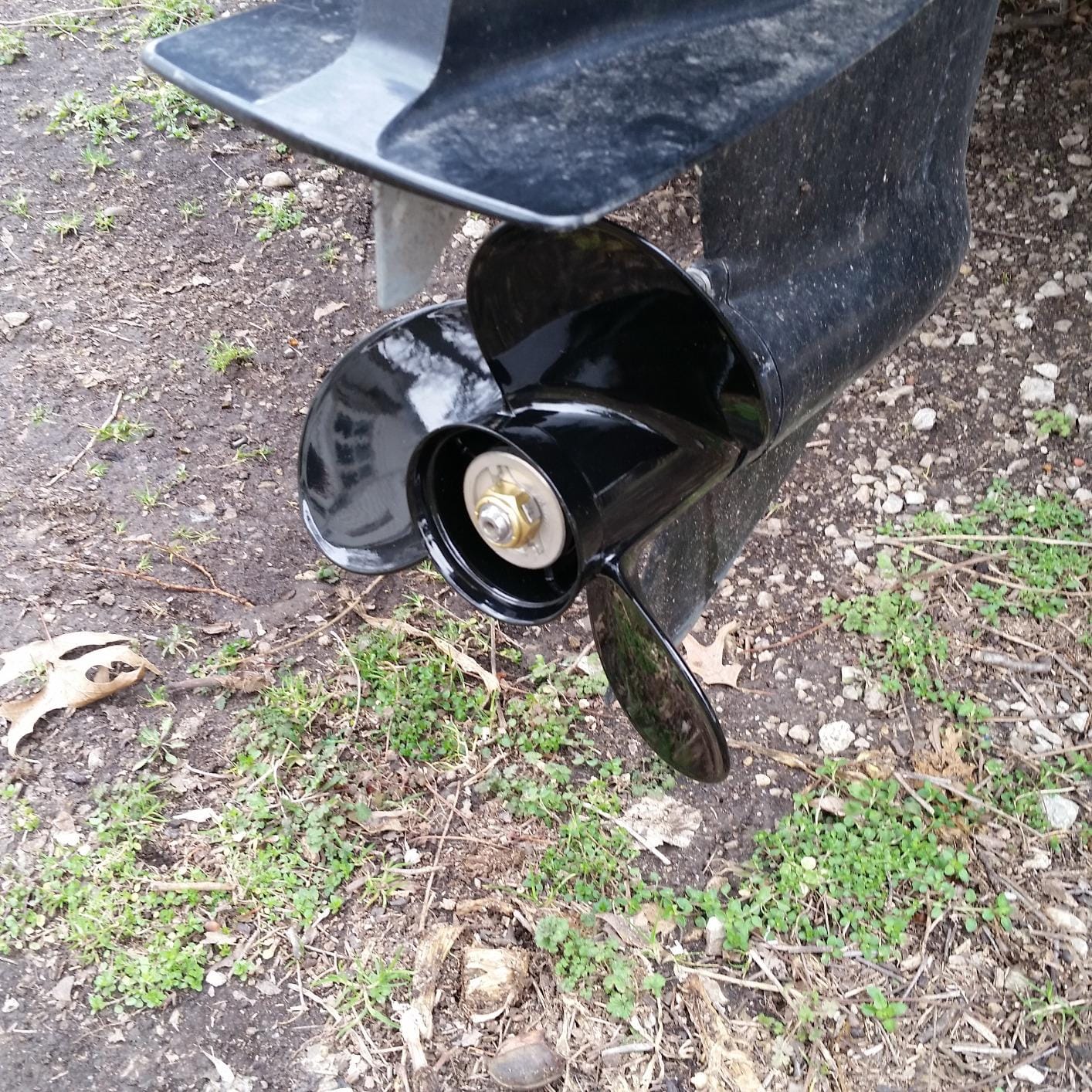
It ships with the Flo-Torq Reflex hub kit 835257K12, so the elastomer insert protects the drivetrain from the shock of an impact. The Phantom Black glossy enamel finish resists corrosion and has held up well on owners who rinse it after salt water use.
The 4.8 average across 131 ratings is the highest in our group, with only a 1% one-star share. Review count is the smallest here, and that is the trade: this is the most expensive option on the list and it only fits specific Mercury and Mariner low-to-mid horsepower applications.
Yes, it suits 14-18 foot aluminum boats on 25 to 60hp Mercury power
Small aluminum jon boats, flats skiffs and pontoon tenders in this power class get the benefit of a blade alloy designed with impact tolerance in mind. The included hub kit means the drivetrain sees damped shock instead of a direct hit through the gearcase.
No, it is not the right call for a heavier hull or a different engine brand
On a loaded 20 foot aluminum pontoon this prop will feel under-pitched, and on a Yamaha or Evinrude lower unit it will not fit the hub at all. The 10.5 inch diameter is also too small to push a 200hp hull up onto plane properly.
Aluminum wins for shallow water and repairability on aluminum hulls
For most aluminum boat owners, aluminum is the right prop material. It absorbs impact by deforming rather than snapping, which matters when the boat lives in a shallow marsh, a rocky river or a sandbar launch. It is also the easier material to straighten in a shop and the cheaper material to replace after a bad strike.
Stainless steel props are stiffer and can be built with thinner blades for the same strength, which lets a manufacturer put more blade area into a given diameter. That translates to better efficiency and more top speed on a hull that runs in open water. Mercury quotes stainless as having roughly five times the stress tolerance of aluminum, which is why the blades can be thinner.
How much speed will a stainless prop add? Owners on the big boating forums repeatedly report that the real gain lands in the midrange, often three to five MPH, plus a hole-shot improvement and around 0.8 GPH less fuel at cruise. The top-end gain is smaller than marketing suggests once hull condition and load are accounted for. The most repeated practice in those threads is running stainless as the daily prop and carrying an aluminum spare on the trailer.
The forum pattern is worth taking seriously. Buying a stainless prop for a shallow-water duck boat or a rocky river jon hull means buying a prop you will eventually replace anyway, because the first strike ends the casting. Our judgment: stainless for open water and offshore, aluminum everywhere else. Note that hull material and prop material are separate decisions, and an aluminum hull is perfectly happy running stainless.
Read prop stampings as diameter x pitch in inches, then match rotation
Take the part off the lower unit and look at the stamping on the hub or blade. It reads diameter x pitch, in inches, followed by the rotation letter. A mark of 13 1/4 x 19 RH means 13.25 inches of diameter, 19 inches of pitch, right-hand rotation.
Diameter is the physical circle the blade sweeps. Bigger diameter moves more water per revolution, which means more thrust at low speed and a smoother ride, but it takes more power to turn. Pitch is how far the blade would advance through an incompressible fluid in one revolution, and it sets how hard the water pushes back on the engine.
Rotation is the last letter, and getting it wrong is one of the classic prop mistakes. RH means right-hand rotation, seen from the stern looking forward at the engine. LH means left-hand rotation, and a twin-engine boat with counter-rotation typically pairs one of each.
Finally, match the hub. The spline count is written on the transom tag along with the engine model, year and gearcase code. A prop with the wrong spline count looks right, sits right, and will not go on.
Pick diameter for hull weight and pitch for RPM, not for speed
Diameter and pitch are not interchangeable. Diameter answers how much water the prop needs to move to get the hull up on plane, and pitch answers how hard it grabs that water, which sets the engine’s wide-open-throttle RPM. Get diameter wrong and no pitch setting will save the boat. Get pitch wrong and you change the engine’s RPM without changing the boat.
The most useful rule of thumb is that one inch of pitch moves RPM by roughly 150 to 200 in the opposite direction. Two inches of pitch change is about 400 RPM. That means moving from a 3-blade to a 4-blade normally costs 1 to 2 inches of pitch, because the extra blade area adds load and drops RPM if you keep the same pitch.
So is a 17 or 19 pitch better? Neither, on its own. A 19 pitch on a lightly loaded aluminum skiff leaves RPM sitting well under the recommended band and the hull plowing. A 17 pitch on a fully loaded pontoon with three passengers pushes RPM toward the top of the band and reduces top speed. The same logic answers whether a 10 pitch is better than an 11: a 10 pitch turns faster and accelerates harder, an 11 pitch holds cruise with fewer RPM.
Two numbers let you check your work on the water. Theoretical speed in MPH is pitch x RPM divided by 336. Slip percentage is 1 minus measured GPS speed over theoretical speed, multiplied by 100. A loaded planing hull at wide open throttle should sit in the 10 to 25 percent slip range; much higher and the prop is the wrong size, much lower and you have left performance on the water.
A 4-blade adds blade area and grip but costs about 1 to 2 inches of pitch
Neither blade count is faster. A 4-blade gives more blade area, more thrust in the hole, better handling under load and better reverse grip, while a 3-blade generally carries a little more top speed and costs less to build. On aluminum hulls, the deciding factor is usually how heavy the boat is when loaded.
Foam-filled flotation, livewells, battery banks and three or four passengers push a hull into the range where a 3-blade cannot generate enough thrust to plane cleanly. That is where a 4-blade earns its place. The trade is acceleration at cruise and a small top-speed loss, plus the rule that you must drop pitch to stay in the RPM band.
For a lightly loaded jon boat or a shallow skiff running a 40 to 90hp outboard, a 4-blade is usually overkill. It adds weight, adds drag in the water and costs you the crisp response a three-blade gives you. Save the four-blade for the pontoon and the big bay boat.
Spline count and hub system decide whether a prop physically fits
The hub system is the part of the prop that mates with the gearcase, and it is the number one reason a correctly sized prop will not install. Common systems include the splined bore, the pressed-in sleeve hub, and the Flo-Torq elastomer insert used across Mercury and MerCruiser applications.
Flo-Torq hubs, in versions including Reflex and II, use a rubber insert between the drive sleeve and the blade hub. The elastomer absorbs shock loads, protects the gearcase and noticeably reduces vibration, which is why three of the props in our roundup include a hub kit of this type.
Read the spline count off the transom tag before you order. Typical counts in this group are 10 spline for 9.9-25hp Mercury and Mariner, 13 spline for 30-70hp, and 15 spline for the 60-300hp class. Cross-brand fitting is the recurring hazard on the forums, and the fix is simple: never assume a Yamaha prop fits a Mercury lower unit, or the reverse.
A practical note for trailer boaters. If you plan to carry tools on the trailer anyway, our guides to aluminum pipe wrenches and folding aluminum ramps cover the two tools most often missing when a prop change happens away from the dock.
Match diameter to hull weight and horsepower, not to the boat length alone
Boat length is a weak guide because hull weight varies more than length does. The reliable signals are engine horsepower, the gearcase code on the transom tag, and the propeller the boat shipped with. Read the factory prop size, compare it to what the boat weighs with gear aboard, and move one step at a time.
For 15-35hp outboards on 12-16 foot aluminum jon boats and duck boats, a prop in the 9 to 10.5 inch diameter range with pitch in the low teens is the right neighborhood. For 40-115hp on 16-20 foot skiffs and pontoons, 12.5 to 13.5 inch diameter with pitch in the 17 to 21 range is the common factory territory.
For 135-300hp on 20-25 foot bay boats, center consoles and large pontoons, 14 to 15.5 inch diameter with pitch in the 15 to 23 range covers most hulls, and a four-blade becomes worth testing once passengers and fuel push the load past 2000 pounds. Always confirm the diameter clears your transom before you buy a bigger prop.
One more case deserves its own paragraph: trolling motor and shallow-water aluminum rigs. On a jon boat that never exceeds walking depth, you want a prop that will not be damaged by a sandbar strike and that has enough blade area to move through vegetation at low RPM. That combination points at moderate diameter, lower pitch, and aluminum rather than stainless.
Installation is four steps and the torque matters more than the wrench
Start by photographing the thrust washer and spacer stack before you remove anything. That single photo makes reinstallation exact, and the order matters because the forward thrust washer takes the prop thrust while the aft adaptor absorbs the reaction torque.
Next, clean the prop shaft threads with a rag and a little solvent, then apply a thin coat of marine grease. Skipping the grease is the most common cause of a prop nut backing off on the first long trip, and it is why the hub kits here mostly ship without grease.
Install the thrust washer and spacer in the order your manual specifies, slide the prop on, and torque the prop nut to the manufacturer’s figure while holding the prop stationary. The propeller nut is left-hand thread, which is why it turns the opposite way from everything else you have ever bolted to a boat.
Finally, do a low-speed first run before you try wide open throttle. Watch for vibration at cruise, listen for a knock at idle, and check the nut again after ten minutes at cruise speed. If you are moving a prop in the field, our aluminum hardware guide covers the tool choices for working around a trailered boat.
Rinse aluminum props in fresh water and let them dry before storage
Saltwater is the enemy of aluminum props, and the fix is boring and cheap. Rinse the prop and the lower unit with fresh water at the dock immediately after running in salt or brackish water, then let them air dry completely before the boat goes on the trailer.
For longer storage, a light coat of the prop’s own protective finish or a corrosion inhibitor on the blade surfaces slows pitting in the humid months. Do not leave the prop in a saltwater-damp trailer garage all winter and expect the finish to survive.
Freshwater-only use is far less demanding. Wash mud and aquatic growth off the blades a few times a season, because algae and barnacle film add drag and unbalance the prop, and an unbalanced prop is a vibration source that gets blamed on the lower unit.
Signs of a genuine prop problem rather than a lower-unit problem include vibration that changes when you change pitch, wobble visible at the hub, and a shudder that appears only at one specific RPM. Those point at the prop. A grind that continues with the prop removed points at the gearcase.
Straighten aluminum blades, replace stainless blades
For aluminum, a straightening and dynamic balancing service in a repair shop is usually worth it. Aluminum is ductile by design, so a bent blade can be pressed back and rebalanced, and owners on the forums describe that as routine for shallow-water damage.
For stainless, replacement is usually the answer. Stainless blades are work-hardened and stiffer, so a bend is more likely to be a crack than a recoverable curve, and a prop that has taken a hard hit on rock is no longer trustworthy under load.
On the other side of that calculation, aluminum props lose their leading edge with light repeated bottom contact. A prop that has been sanded through a season of mud flats will look fine and perform worse every week. When in doubt, compare the measured WOT RPM against what the hull used to run, because a worn prop reads as a slightly taller prop.
And keep a spare. The single most repeated practice across every boating forum we looked at is carrying a second aluminum prop on the trailer in a small tray, sized one step off the daily prop. Losing propulsion in a channel or a narrow river is the moment everyone remembers that prop they meant to buy.
Frequently Asked Questions
Is a 3-blade or 4-blade prop faster?
Neither is inherently faster. A 4-blade adds blade area for stronger thrust, better handling under load and more reverse grip, while a 3-blade usually carries slightly more top speed. Because the extra blade adds load, switching from 3 to 4 blades normally requires dropping 1 to 2 inches of pitch to keep the engine inside its wide-open-throttle RPM band.
Is a 17 or 19 pitch prop better?
It depends on hull weight and engine RPM, not on the number itself. A 19 pitch on a lightly loaded aluminum skiff leaves the engine lugging below the recommended band and the hull plowing. A 17 pitch on a fully loaded pontoon pushes RPM toward the top of the band and costs top speed. Check your wide-open-throttle reading against the engine specification before choosing.
What is the most efficient boat propeller?
Efficiency comes from matching diameter and pitch to the hull and holding 10 to 25 percent slip at wide open throttle, not from the material alone. A prop that lugs or over-revs burns fuel and loses speed no matter what it is made of. Check slip with the formula 1 minus GPS speed over theoretical speed, where theoretical speed is pitch x RPM divided by 336.
Is a stainless or aluminum prop better?
Aluminum is better for shallow water, rocky launches and boats that take strikes, because it deforms instead of snapping and can be straightened. Stainless is better for open water and offshore running, because stiffer blades allow thinner sections and more blade area for the same diameter, which improves efficiency and top speed. Many owners run stainless daily and carry an aluminum spare.
What size pitch prop do I need?
Start with the propeller the boat shipped with, then read the transom tag for the gearcase code and spline count. Add roughly 150 to 200 RPM of change per inch of pitch in the opposite direction, so a taller pitch lowers RPM. If the hull refuses to plane under load, add diameter rather than pitch. Verify the size clears your transom before ordering.
How much speed will a stainless prop add?
Owners typically report the largest gains in the midrange rather than at top end, often around three to five MPH, along with better hole shot and roughly 0.8 GPH less fuel at cruise. Top-end gains are smaller than marketing suggests once hull condition and load are counted. If you switch material, re-check wide-open-throttle RPM because a stiffer prop changes the load.
Is a 10 pitch prop better than an 11 pitch prop?
A 10 pitch turns faster at wide open throttle and gives stronger acceleration and hole shot. An 11 pitch holds cruise speed at fewer RPM and can be better on a loaded hull that struggles to plane. On most aluminum boats the answer follows the slip reading: too much slip on a 10 pitch means you need more pitch, and an 11 pitch lugging means you need less.
The best boat props for aluminum boats start with the size on your transom tag
If you want one recommendation from this roundup, the Quicksilver Black Diamond is the safest choice for a Mercury-family aluminum hull, because it is a genuine casting with the widest size range in the group. On a Yamaha rig, the Qiclear 13 1/4 x 17 matches the factory part number exactly. On older Johnson and Evinrude outboards, the JSPROP 10.1 x 13 fills a hole most catalogs leave open.
Whichever one you choose, verify three things before you order: the gearcase code and spline count on your transom tag, the rotation direction, and whether the hub kit and hardware come in the box. Then measure your wide-open-throttle RPM before and after, and keep one change at a time so you know what actually moved the numbers.
That process works in 2026 exactly as it has every season: read the stamping, match the hub, change one size, and take the boat back out. Most aluminum boat owners find their best performance in the first afternoon of trying.