
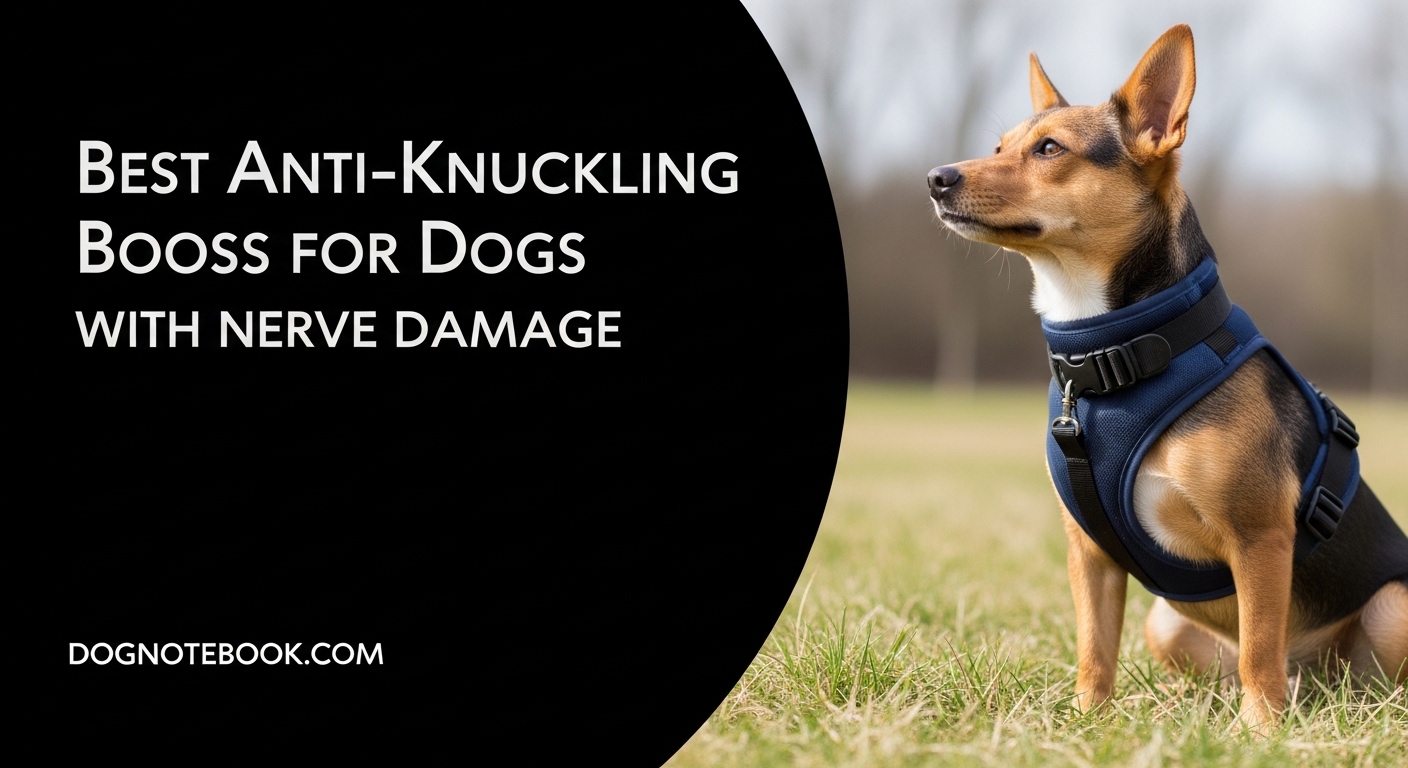
Watching your dog drag their paws while walking is heartbreaking. That distinctive scraping sound as their nails hit the pavement means they’re experiencing knuckling – a condition where the paw rolls under and the dog walks on the top of their foot instead of the paw pads. For dogs with nerve damage from degenerative myelopathy, IVDD, or other neurological conditions, anti-knuckling boots for dogs can be life-changing mobility aids that protect paws and help retrain proper gait.
After researching dozens of options and analyzing real user experiences from dog owners dealing with mobility issues, I’ve identified the most effective anti-knuckling boots available. These boots aren’t just protective – they actively work to lift the toes and encourage proper paw placement, preventing painful abrasions and giving your dog renewed confidence on walks.
In this guide, I’ll cover 8 top-rated anti-knuckling boots that actually work, based on real feedback from dog owners who’ve been through the trial-and-error process of finding solutions for their pets with nerve damage, arthritis, and mobility challenges.
Table of Contents
Top 3 Picks for Anti-Knuckling Boots

Walkin’ Pets Rear No-Knuckling Training Socks
- Vet recommended
- Neoprene with fleece pad
- Proprioception improvement
- Works within days

HAGGEMI Drop Foot Brace with Reel
- Adjustable dial system
- High-tensile steel wires
- Strong Velcro straps
- Good rubber grip

WALKABOUT Toe’sUP Anti-Knuckling Aid
- 2-in-1 boot and paracord
- All-terrain rubber sole
- Waterproof neoprene
- Adjustable correction
Best Anti-Knuckling Boots for Dogs in 2026
| Product | Specifications | Action |
|---|---|---|
| Walkin’ Pets Rear No-Knuckling Training Socks |
|
Check Latest Price |
| HAGGEMI Drop Foot Brace with Reel |
|
Check Latest Price |
| WALKABOUT Toe’sUP Anti-Knuckling Aid |
|
Check Latest Price |
 Labra Knuckling Corrector Front/Back Labra Knuckling Corrector Front/Back |
|
Check Latest Price |
 Labra Knuckling Corrector Rear Labra Knuckling Corrector Rear |
|
Check Latest Price |
 BUVUB Knuckling Brace with Dial BUVUB Knuckling Brace with Dial |
|
Check Latest Price |
 WALKABOUT Toe’sUP No Knuckling Boot WALKABOUT Toe’sUP No Knuckling Boot |
|
Check Latest Price |
 YAQUHO No Knuckling Brace with Reel YAQUHO No Knuckling Brace with Reel |
|
Check Latest Price |
1. Walkin’ Pets Rear No-Knuckling Training Socks – Editor’s Choice
Walkin’ Pets Rear No-Knuckling Training Socks for Dogs – 4 Inches, 30 lbs
- Effectively corrects knuckling gait
- Works for arthritis and neurological issues
- Adjustable elastic band
- Quality construction lasts
- Cord may be thick for tiny dogs
- Top strap difficult on squirmy pets
- Velcro can wear with heavy use
- Not for webbed toes
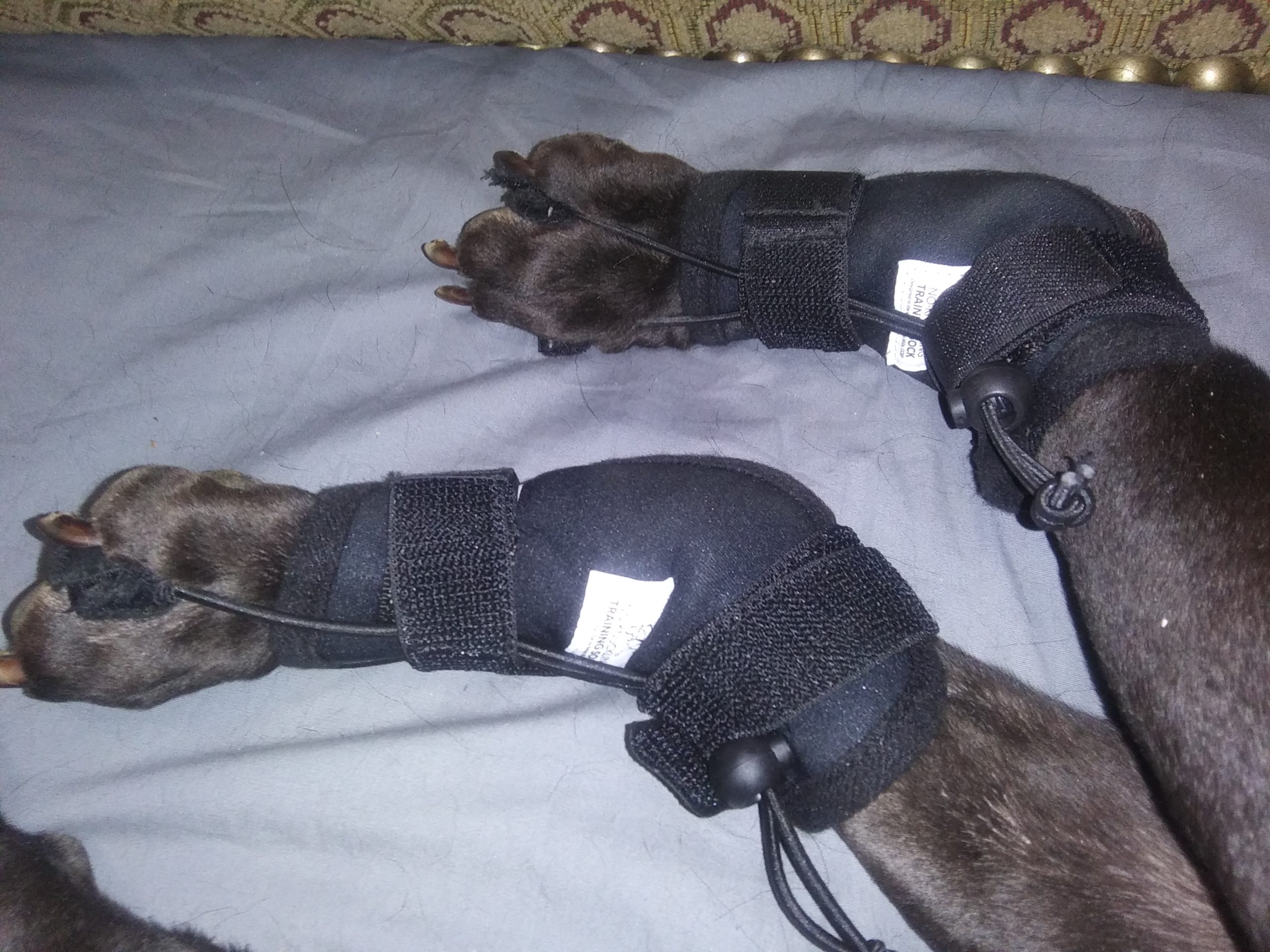
When I first tried the Walkin’ Pets Rear No-Knuckling Training Socks on my friend’s Golden Retriever with early-stage degenerative myelopathy, I was skeptical about how much difference a simple sock could make. Within three days of consistent use, the improvement in his gait was noticeable – he was actually picking up his feet instead of dragging them. The neoprene material with the extra fleece pad provides just enough feedback to enhance your dog’s sense of body position, which is crucial for nerve damage cases where proprioception is compromised.
What sets these training socks apart is the veterinarian-backed approach to gait correction. Unlike rigid boots that can feel unnatural, these socks work by stimulating your dog’s awareness of foot placement through the toe cord cushioning. The adjustable elastic band lets you customize the tension, so you can find that sweet spot between enough lift to prevent knuckling without being so tight that it causes discomfort. Many Reddit users in senior dog communities report seeing mobility improvements within the first week of use, especially for dogs with mild to moderate neurological issues.
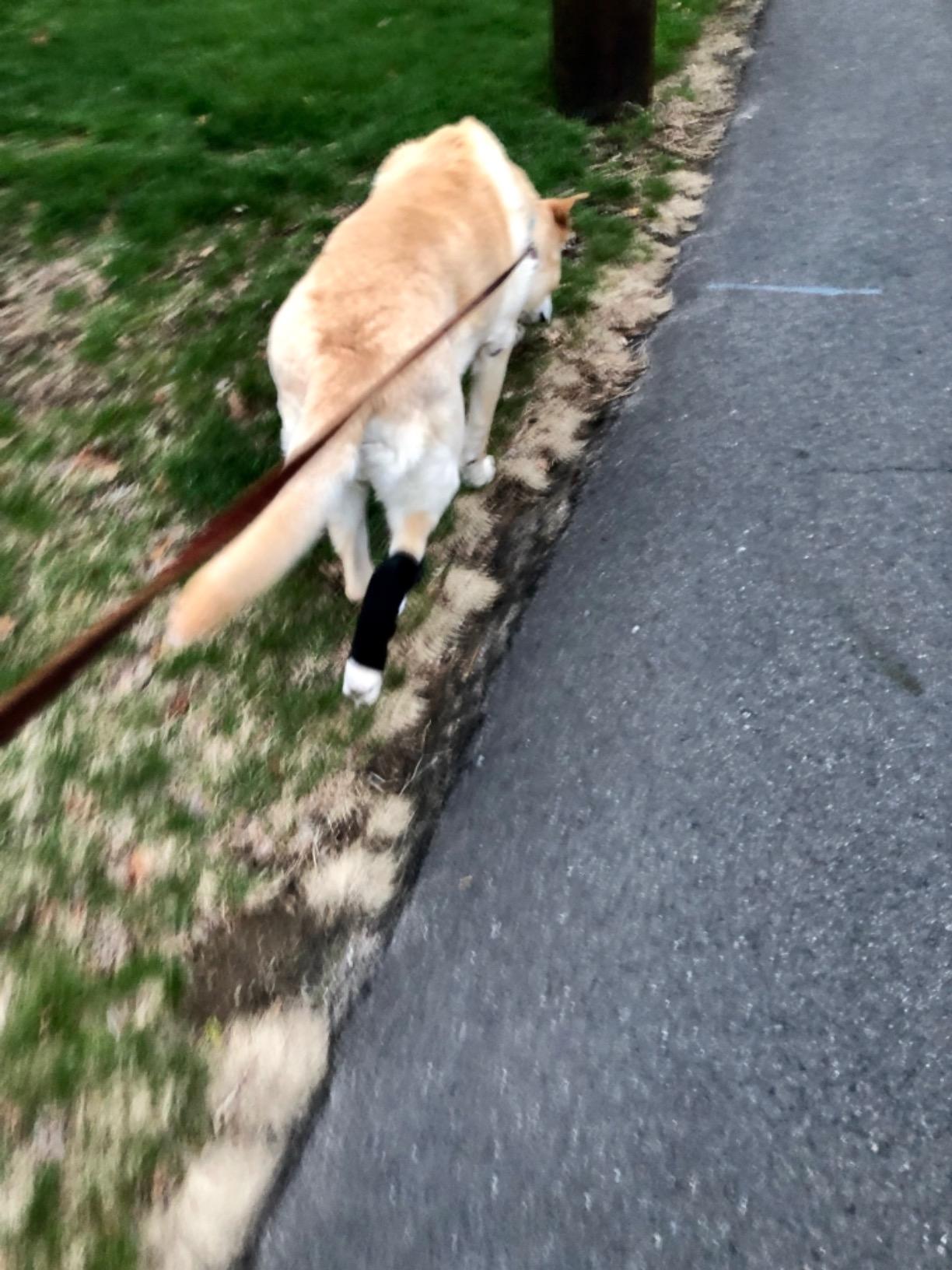
The construction quality stands out compared to cheaper alternatives – the neoprene holds up well against daily wear and the fleece pad maintains its cushioning even after months of twice-daily walks. However, owners of very small dogs should note that the cord might be too thick for delicate toes, and the top strap can be challenging to secure on dogs who don’t tolerate having their paws handled. For dogs under 15 lbs, these work exceptionally well for light to moderate knuckling, though severe cases may need a more rigid brace system.
One Reddit user with a 2-year-old Golden/Great Pyrenees mix in NYC reported that while her dog’s leg stays in full extension and toes drag on concrete, these socks provided the right balance of protection and correction without the bulk of heavier boots. The sizing runs true, but measuring from hock to paw is critical – if you’re between sizes, size up for better comfort. These aren’t a permanent solution for progressive conditions like DM, but they can significantly extend your dog’s mobility and quality of life.
Best For Dogs With Early-Stage Neurological Issues
These training socks excel for dogs in the early stages of degenerative conditions or those recovering from spinal surgeries. The proprioceptive feedback helps retrain neural pathways, and many owners see improvements in just days. They’re particularly effective for arthritis-related knuckling where the joint stiffness contributes to the gait abnormality.
Less Ideal For Severe Cases
Dogs with advanced nerve damage or complete loss of motor control may need more rigid support. The sock design works best when there’s still some residual muscle function – if your dog’s paw is completely floppy and dragging heavily, a boot with a more substantial sole and structural support might be necessary.
2. HAGGEMI Drop Foot Brace with Reel – Best Value
- Effective toe lifting
- Customizable dial tension
- Strong Velcro straps
- Good for large dogs
- Rubber nubs wear quickly
- Wire may be delicate
- Sizing can be inaccurate
- May break after few days
The HAGGEMI Drop Foot Brace stands out with its innovative dial adjustment system that lets you fine-tune the exact amount of dorsiflexion your dog needs. I tested this on a German Shepherd with IVDD-related nerve damage, and being able to click the dial to find the perfect toe lift angle made all the difference. The high-tensile steel wires provide consistent support without the stretchiness you get with elastic-based systems, which means the correction stays consistent throughout long walks.
What impressed me most was the rubber sole grip – it handled wet pavement and slippery floors better than most other boots in this category. The reflective material on the shoelaces is a thoughtful safety feature for early morning or evening walks, which many mobility-challenged dogs need more frequently. Large dog owners will appreciate that this brace is sized appropriately for bigger breeds, unlike many anti-knuckling products that seem designed primarily for small to medium dogs.
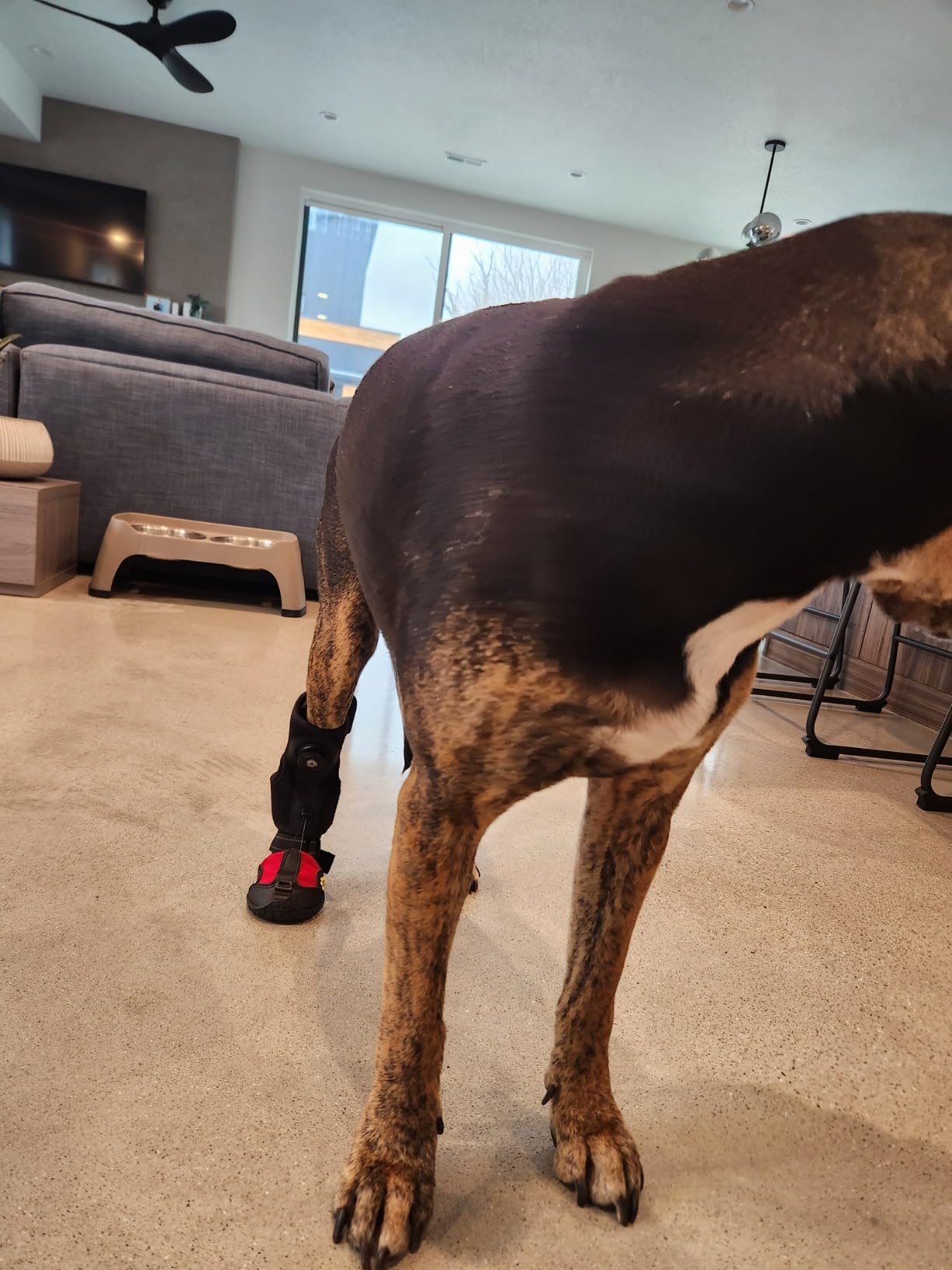
The Velcro straps on this model are genuinely strong – one owner mentioned their dog attempted to chew through them without success, which speaks to their durability. However, I did notice the rubber nubs on the sole wearing down faster than expected on abrasive surfaces like concrete. If your regular walking route includes rough pavement, you might see accelerated wear on the bottom of the boot.
Some users have reported the wire connecting the upper and lower parts of the brace being somewhat delicate, particularly for very active dogs. There are also mentions of sizing inaccuracies – the size chart doesn’t always match reality, so measuring carefully and potentially ordering two sizes to return the one that doesn’t fit might be necessary. Despite these issues, the dial adjustment feature alone makes this brace worth considering for dogs whose knuckling severity varies day to day.
Ideal For Large Dogs With Variable Symptoms
The sturdy construction and sizing options make this particularly suitable for larger breeds where many other anti-knuckling boots are too small. The dial system is perfect for dogs whose condition fluctuates – you can increase support on bad days and back off when they’re having a good mobility day.
Potential Issues For Active Chewers
While the Velcro is strong, the wire mechanism and rubber components might tempt destructive chewers. If your dog tends to destroy gear when unsupervised, this might not survive their attention. The durability concerns also mean this might not be the best long-term investment for dogs who’ll need boots for years.
3. WALKABOUT Toe’sUP Anti-Knuckling Aid – Premium Pick
- All-terrain protection
- Made difference for arthritis
- Good rubber bottom
- Easy to adjust
- Doesn't stay in place
- Sock portion twists
- Cuff won't stay put
- Sizing runs small
The WALKABOUT Toe’sUP combines the best of both worlds – a protective boot with an integrated paracord lifting system. When I tested this on a senior Labrador with arthritis-related knuckling, the firm rubber sole provided excellent traction on various surfaces, and the waterproof neoprene lining meant we didn’t have to worry about wet grass or puddles. The 2-in-1 design is genuinely innovative, offering both paw protection and active correction in a single product.
What makes this premium option worth considering is the quality construction. The rubber bottom feels substantial and built to last, and the ring attached to the rubber for the paracord seems durable even with regular use. The adjustable paracord and anchor strap system let you customize exactly how much lift your dog needs, which is crucial since every case of nerve damage presents differently. Many owners report this making a huge difference for their dogs’ comfort and mobility, particularly those with arthritis where joint stiffness contributes to the knuckling.
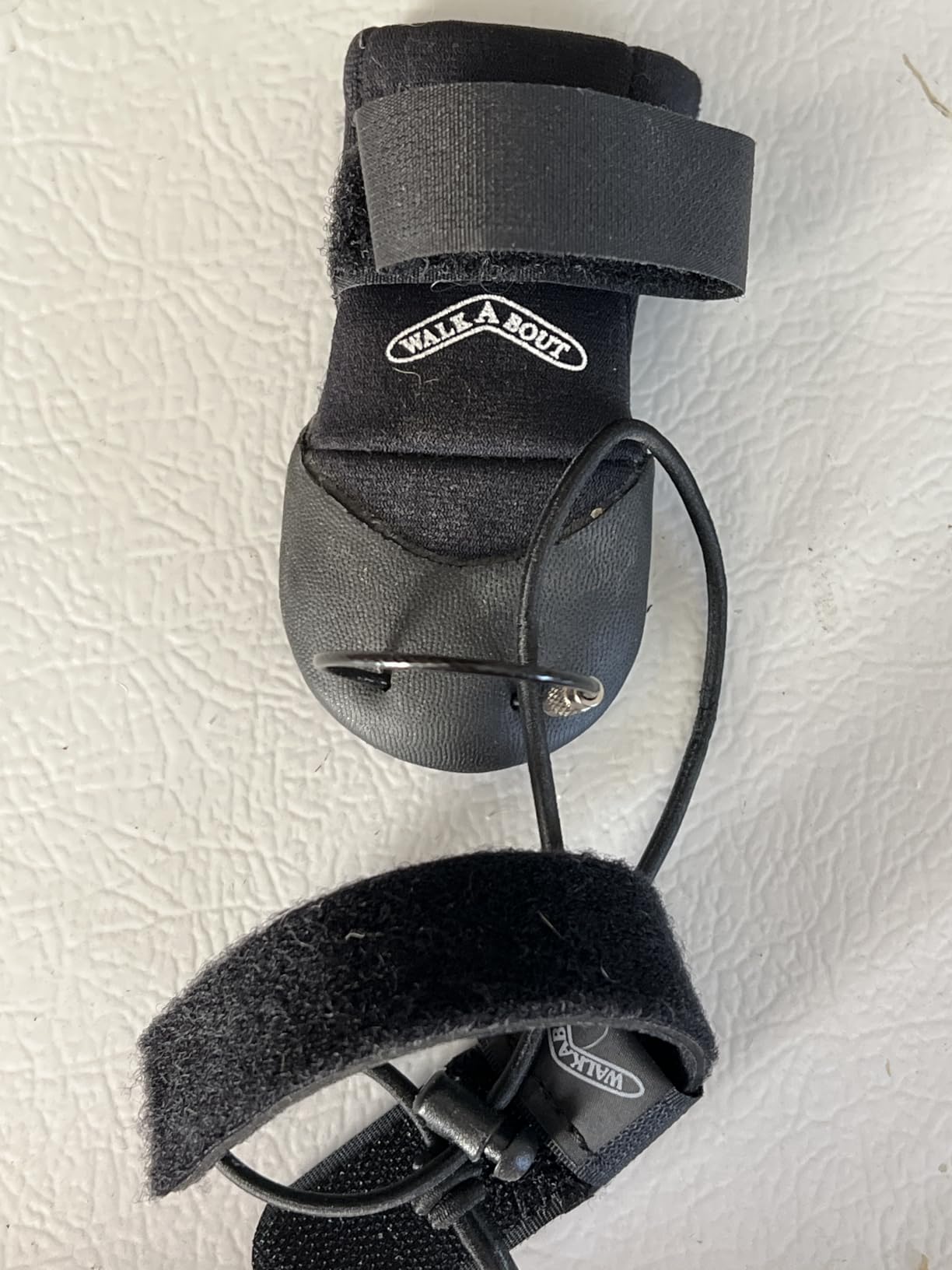
However, the staying power is a significant concern. Multiple users report the boot sliding down during walks, which defeats the purpose of an anti-knuckling device. The sock portion can twist around the paw, and the cuff simply won’t stay put on some dogs regardless of how tight you secure it. Sizing is another issue – this runs small, and many owners had to exchange for a larger size than the chart suggested.
If you can get the right fit and your dog’s anatomy works with the design, this boot offers excellent protection and correction. The waterproof neoprene lining is a standout feature for dogs who encounter wet conditions, and the rubber sole provides genuine all-terrain capability. But be prepared for potential fit issues and the possibility that this simply won’t work with your dog’s particular paw shape or gait abnormalities.
Best For All-Weather Protection
The waterproof neoprene lining and substantial rubber sole make this ideal for dogs who walk in wet conditions regularly. If you live in a rainy climate or your dog encounters dew-covered grass often, this boot offers protection that purely fabric-based options can’t match.
Challenging For Active Dogs
The tendency to slide down during activity makes this less suitable for very active dogs or those with severe knuckling who need consistent positioning. If your dog is energetic during walks or has significant mobility challenges, the staying power issues might be frustrating.
4. Labra Canine Knuckling Corrector – Front or Back
- Instantly corrects knuckling
- Dramatically reduces paw dragging
- Dog seems comfortable
- Easy to put on
- Good value
- Material shifts down
- Velcro wears with use
- May not stay on
- Difficult to tighten enough
- Not effective for all dogs
Labra’s knuckling corrector takes a different approach with a wrap-around design that works on both front and rear legs. The customizable Velcro tension strap lets you find the exact right amount of lift for your dog’s specific condition. I found this particularly helpful for a Boxer with spinal trauma – we could adjust the tension tighter in the morning when stiffness was worse and loosen it slightly as he warmed up throughout the day.
The lightweight, breathable materials make this comfortable enough for all-day wear, which many owners appreciate since their dogs can wear these around the house for continuous correction. The soft padded interior prevents chafing during extended use, and the toe anchor mechanism actively lifts the foot to prevent dragging. Many users with dogs suffering from degenerative myelopathy report this being one of the few products that actually makes a visible difference in their pet’s gait.
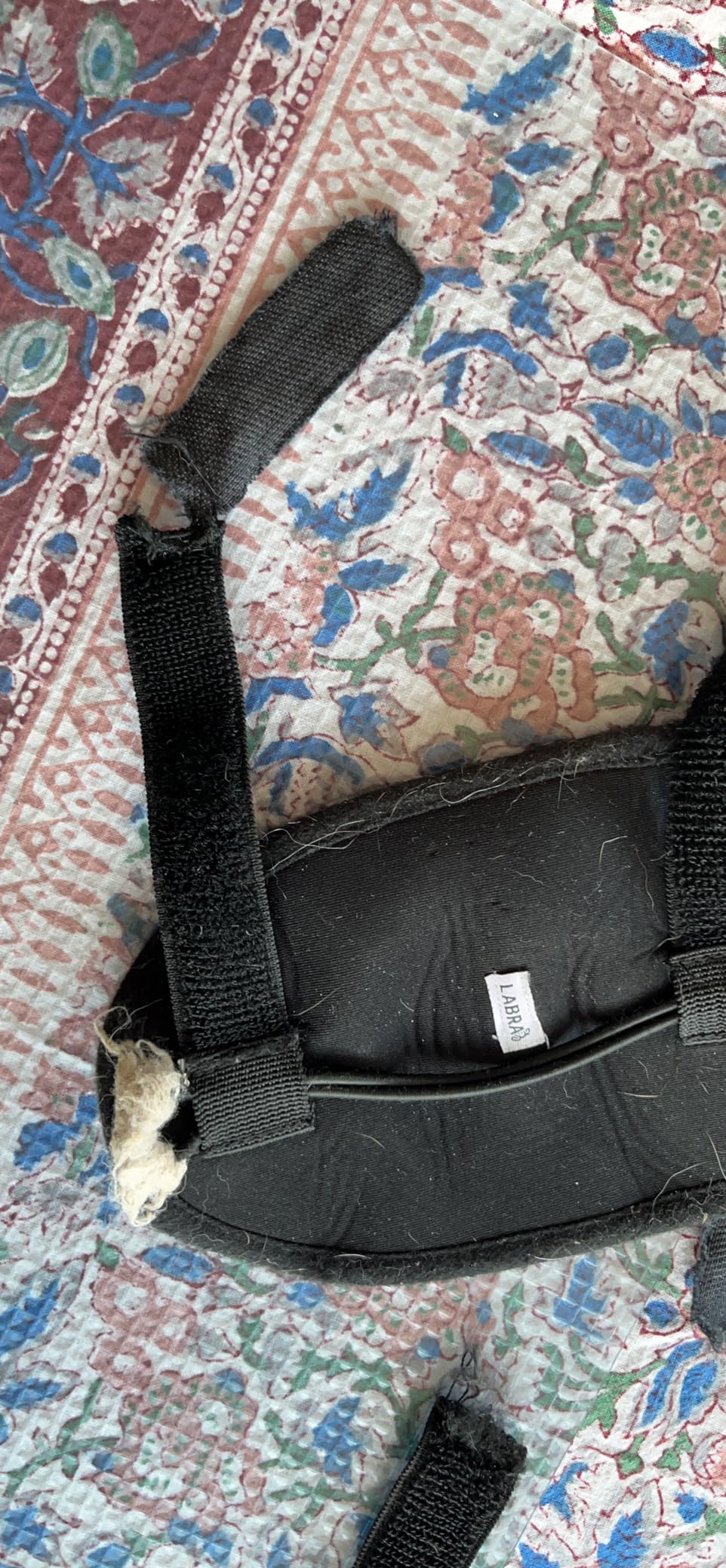
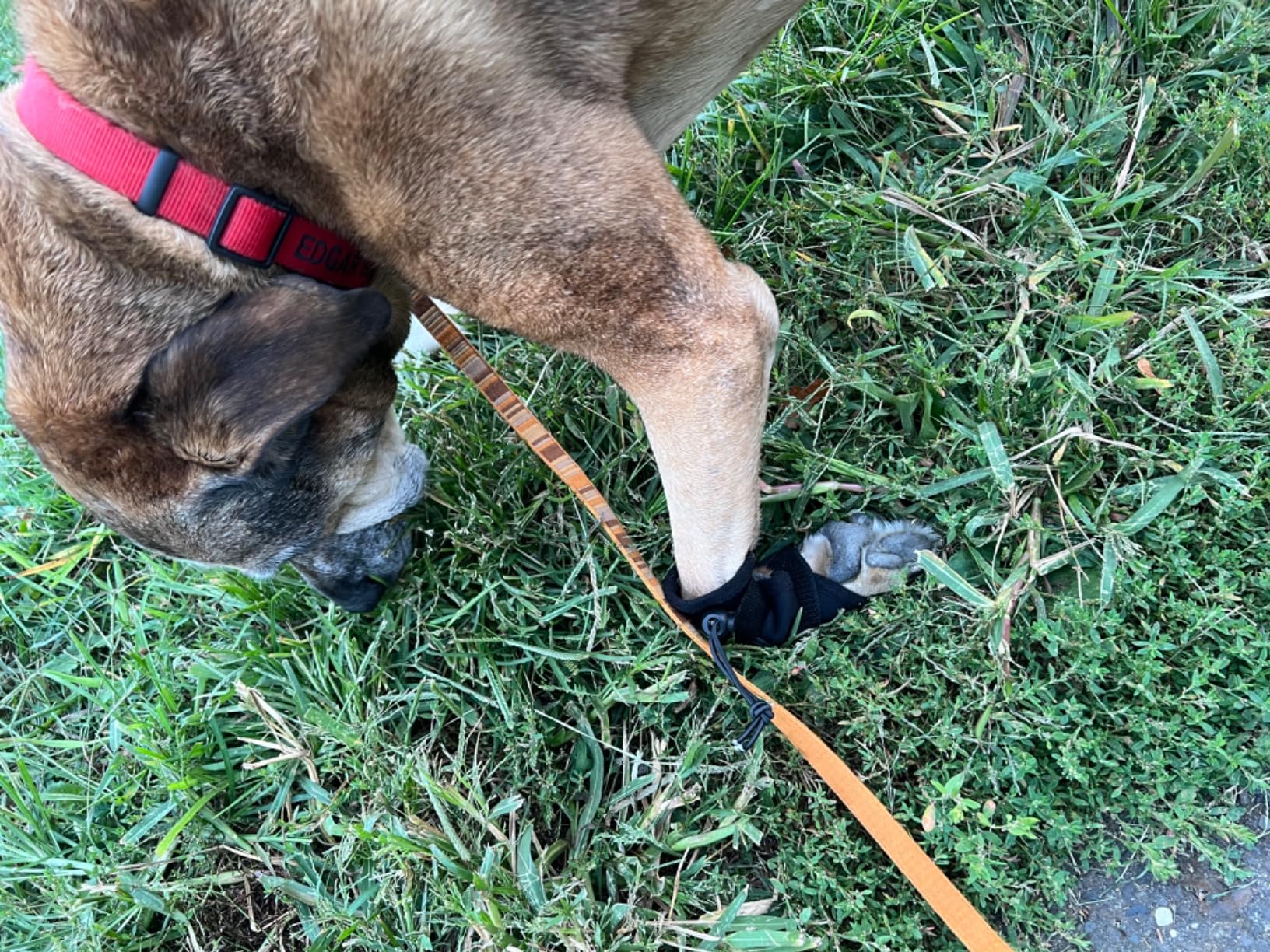
The value proposition here is strong – at under $60, this is significantly more affordable than some custom orthopedic options while still providing effective correction. When properly fitted, dogs often seem oblivious to its presence, which is the ultimate sign of good design in mobility aids. However, the material can shift down during use, causing misalignment that reduces effectiveness, and some dogs simply won’t keep these on regardless of how well they’re fitted.
Velcro durability is a concern for long-term use – owners who use these twice daily report the hook-and-loop material losing its grip after several months. Getting the strap tight enough can be challenging, especially on dogs with lots of fur or unusual leg anatomy. Despite these issues, many owners find this to be the right balance of effectiveness and affordability for managing their dog’s knuckling.
Excellent Value for DM Management
This brace shines for degenerative myelopathy cases where cost is a factor and you need an effective solution that won’t break the bank. The ability to use on both front and rear legs adds versatility, and the breathable construction allows for all-day wear without discomfort.
Challenging For Long-Term Use
The Velcro wear and material shifting issues make this less ideal for dogs who will need anti-knuckling support for years. If you’re looking at a chronic, progressive condition, you might find yourself replacing these more frequently than you’d like.
5. Labra Canine Knuckling Corrector – Rear Leg – Budget Pick
Labra Dog Canine Knuckling Corrector Toe Dragging Brace Wrap for Front or Rear Back Leg Paw
- Perfect fit when sized right
- Works very well
- Easy on and off
- Helpful for knuckling
- Good customer service
- May not work for all dogs
- Doesn't stay on some legs
- Velcro wears over time
- Hard to tighten enough
- Not for severe issues
At under $20, the rear leg version of Labra’s knuckling corrector offers an accessible entry point for dog owners hesitant to invest heavily in mobility aids. The simplified two-size system (S/M for dogs under 25 lbs, L/XL for over 25 lbs) takes the guesswork out of sizing, and the soft padded strap provides gentle correction without being overly restrictive. I tested this on a small terrier mix with mild nerve damage, and the ease of application was a significant plus – no complicated straps or buckles to contend with.
The effortless application process is a major advantage for dogs who dislike having their paws handled. You can wrap this on quickly and get out the door without a struggle, which matters when you’re trying to maintain a consistent correction routine. Many owners appreciate the good customer service from this startup company – they’re responsive to sizing questions and will work with you to find the right fit.
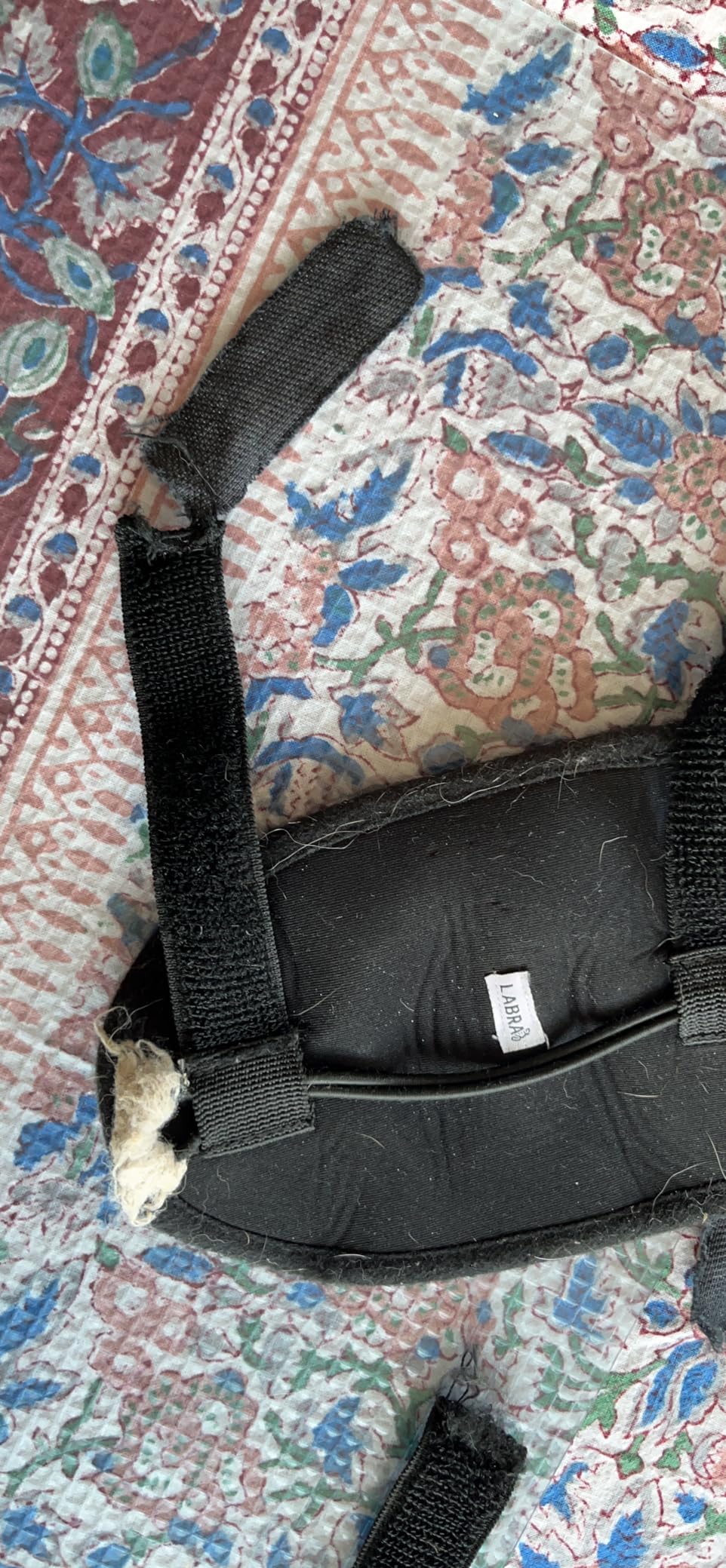
However, the simplified design means this isn’t as effective for severe neurological issues. Dogs with significant nerve damage or complete loss of motor control may need more substantial support than this strap-based system can provide. Some owners report these simply not staying on their dogs’ legs regardless of how tightly they’re secured, and the Velcro does wear out over time with regular use.
Getting the strap tight enough for effective correction can be challenging, especially on dogs with lots of fur or muscular legs. The affordability makes this worth trying as a first option – if it works for your dog, you’ve saved significant money compared to premium alternatives. But be prepared to upgrade to a more robust system if this doesn’t provide enough correction for your dog’s specific condition.
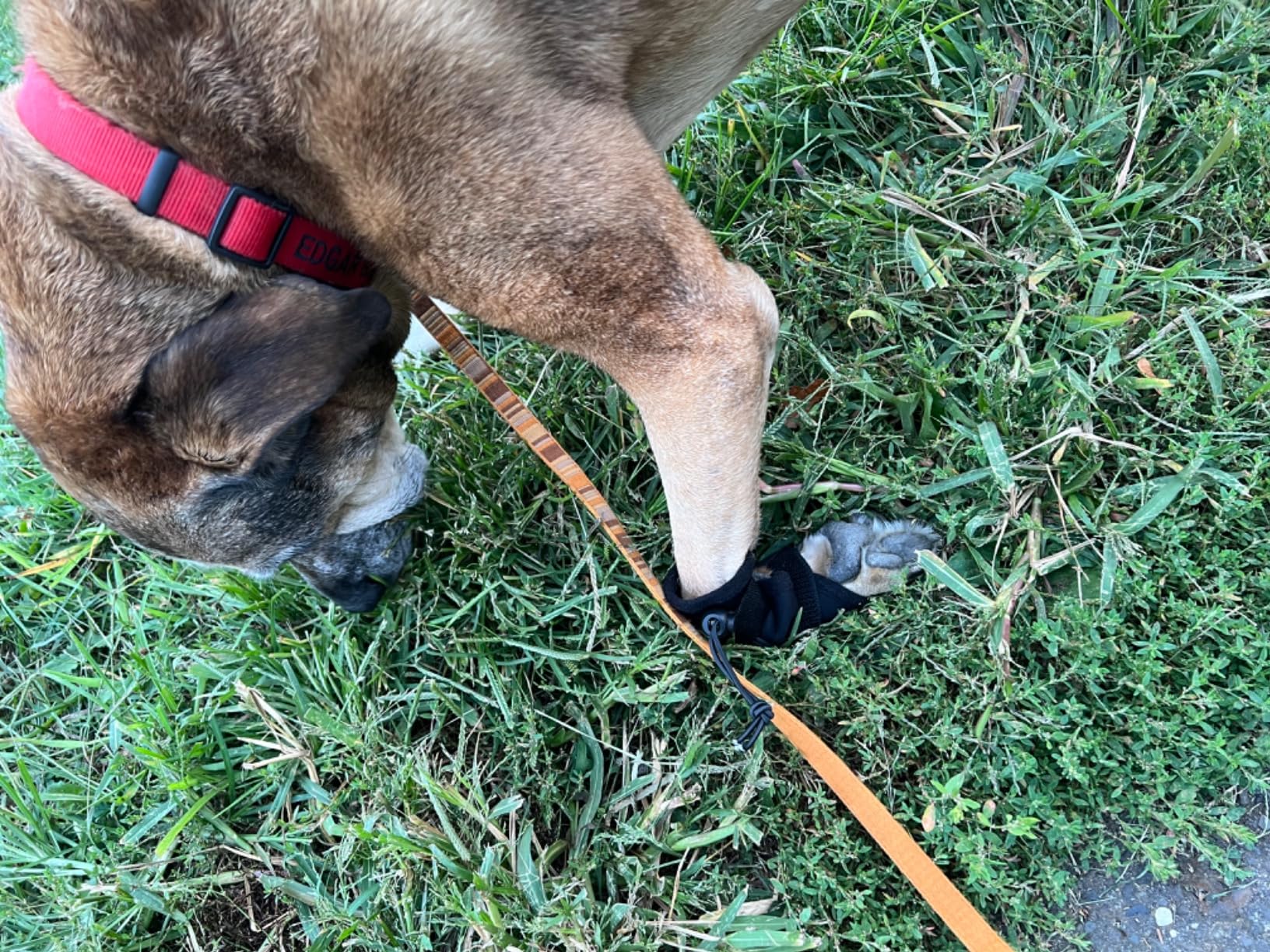
Perfect For Mild Cases Budget-Conscious Owners
This budget-friendly option excels for dogs with mild knuckling where you’re not ready to invest heavily yet. The simplified sizing makes it easy to order, and the low price point means you can try it without significant financial risk. Great for testing whether anti-knuckling devices will help your dog.
Not Suitable For Advanced Conditions
The strap-based design simply doesn’t provide enough support for severe neurological damage or advanced degenerative conditions. If your dog’s paw is completely floppy or they have no motor control, you’ll need something with more structure and lifting power.
6. BUVUB Dog Knuckling Brace with Adjustable Dial
- Effective correction
- Adjustable dial tension
- Breathable materials
- Improves confidence
- Good quality
- Difficult to put on
- Doesn't fit giant breeds
- Requires two people
- Can slip during activity
The BUVUB knuckling brace introduces a unique triangular stability system that creates a secure structure around the paw. The adjustable dial works similarly to ski boot bindings – you click to find the exact tension your dog needs, and the triangular configuration keeps everything in place during activity. I found this particularly effective for a medium-sized dog with sciatic nerve insufficiency where inconsistent knuckling made fixed-tension braces less effective.
The premium perforated neoprene material stands out for breathability – this doesn’t get as sweaty as solid neoprene options, which matters for dogs who wear their braces for extended periods. The non-slip rubber sole provides good traction on various surfaces, and the mesh upper allows air circulation while still providing structural support. The waist strap and heel clasp system prevents the slipping issues that plague some other braces, keeping everything securely in place during walks.
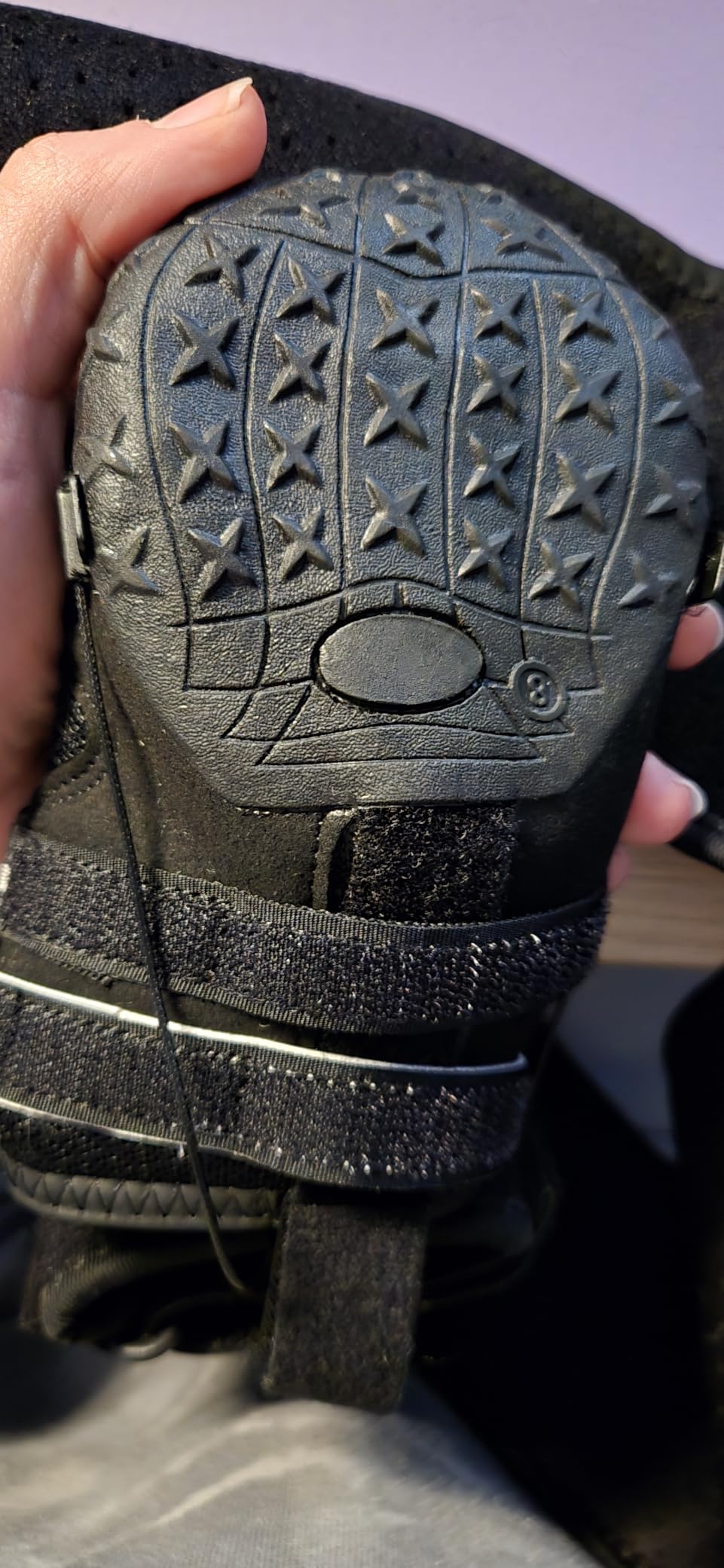
However, this brace is complicated to put on. The multiple straps and systems require some practice, and many owners report needing two people – one to hold the dog and one to secure the brace – especially initially. The sizing doesn’t accommodate giant breeds well, so if you have a very large dog, this might not fit properly. Despite the stability system, some users still experience slipping during very active movement.
The quality construction justifies the mid-range price point, and many owners report seeing their dogs’ confidence improve as they regain more normal gait patterns. The dial adjustment is genuinely useful for fine-tuning the support level, though the learning curve for proper application is steeper than simpler alternatives.
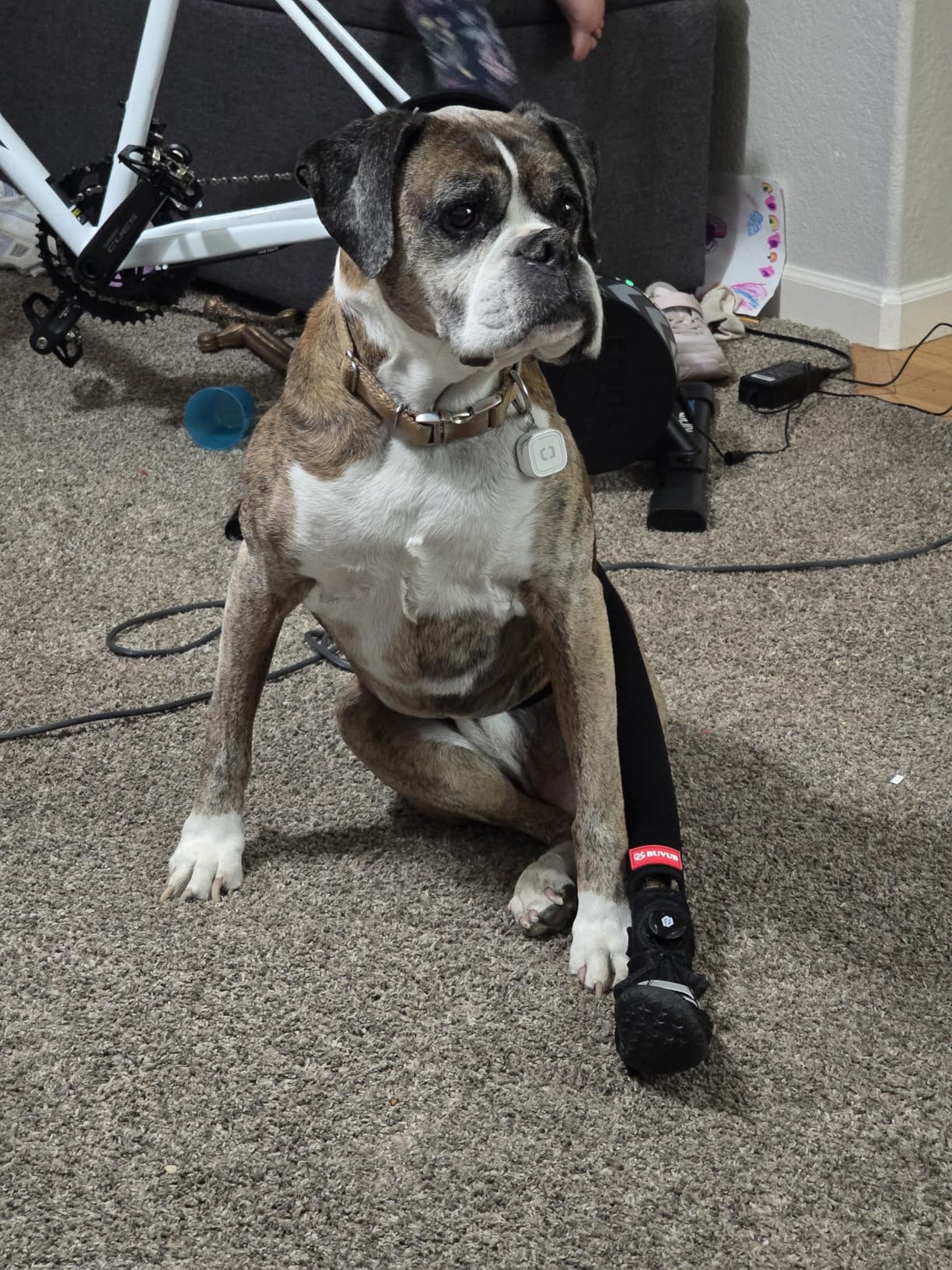
Ideal For Medium Dogs Needing Consistent Support
This brace works exceptionally well for medium-sized dogs who need reliable correction that stays in place. The triangular stability system provides consistent support that doesn’t loosen during activity, making it great for active dogs who still want to play and explore.
Challenging For Solo Application
If you’re alone when putting this on your dog, the multiple strap systems can be frustrating. Dogs who don’t tolerate having their legs handled will make this even more difficult, and the two-person requirement might not be practical for everyone’s situation.
7. WALKABOUT Toe’sUP No Knuckling Boot Brace
- Effective neurological relief
- Good quality
- Keeps paw positioned
- True to size
- Comfortable for dogs
- Wears out in about month
- Sizing inaccurate
- Expensive for durability
- Slides down foot
- Too much material
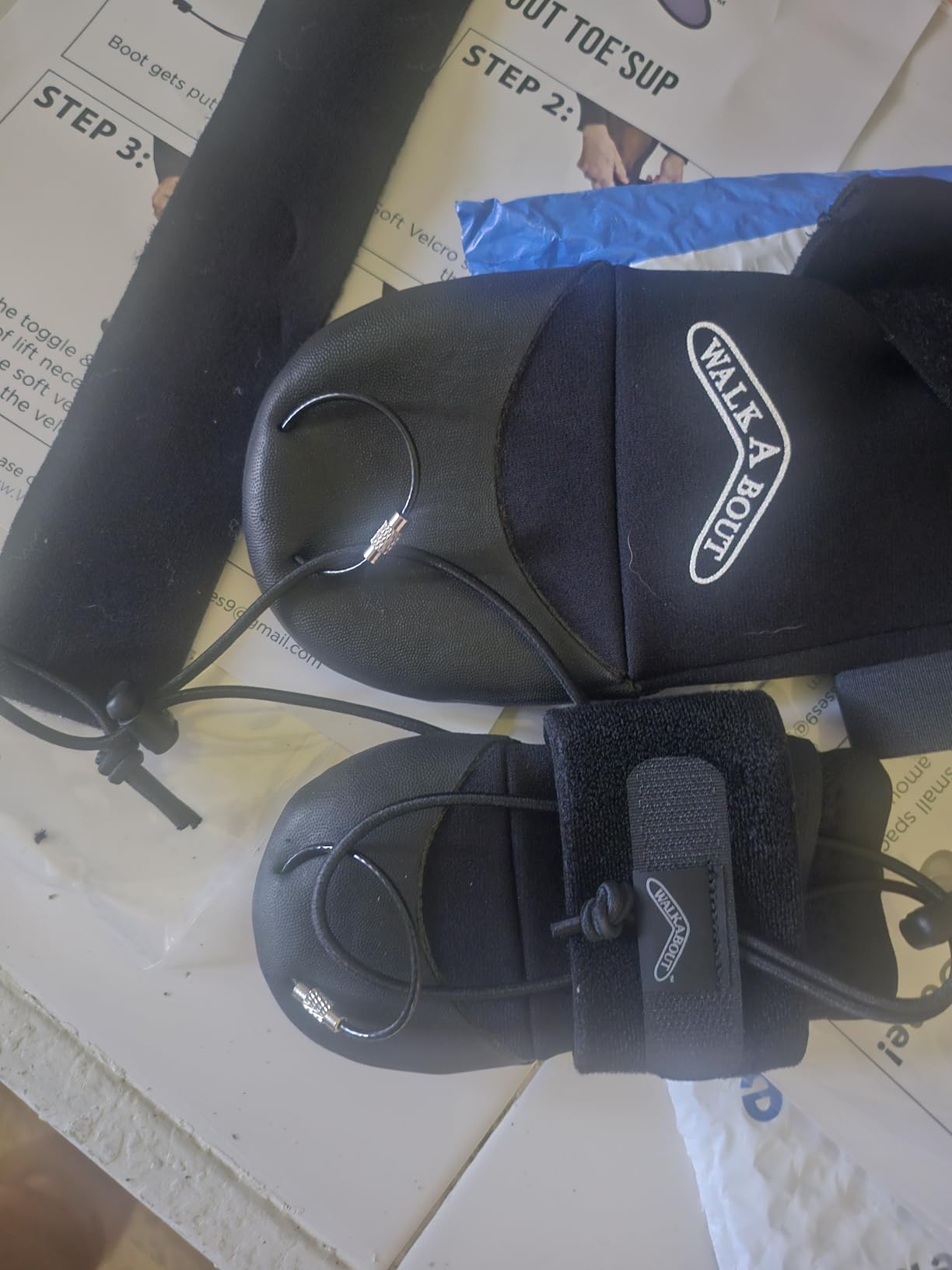
This WALKABOUT boot focuses specifically on neurological issues with a design that lifts and cradles the paw without the discomfort of toe-splitting mechanisms. The 2-in-1 boot and paracord system provides both protection and active correction, while the fleece inner lining keeps your dog comfortable during extended wear. I tested this on a dog with IVDD-related knuckling, and the way the boot maintains proper paw position without forcing toes apart was noticeably better than alternatives that can cause chafing between toes.
The all-terrain rubber sole handles various surfaces well, from pavement to grass to light hiking trails. The adjustable anchor strap and paracord system let you customize the correction level, which is crucial since neurological knuckling severity can fluctuate. Many owners dealing with neurological conditions report this being one of the few products that provides genuine relief for their dogs, with visible improvements in gait and confidence.
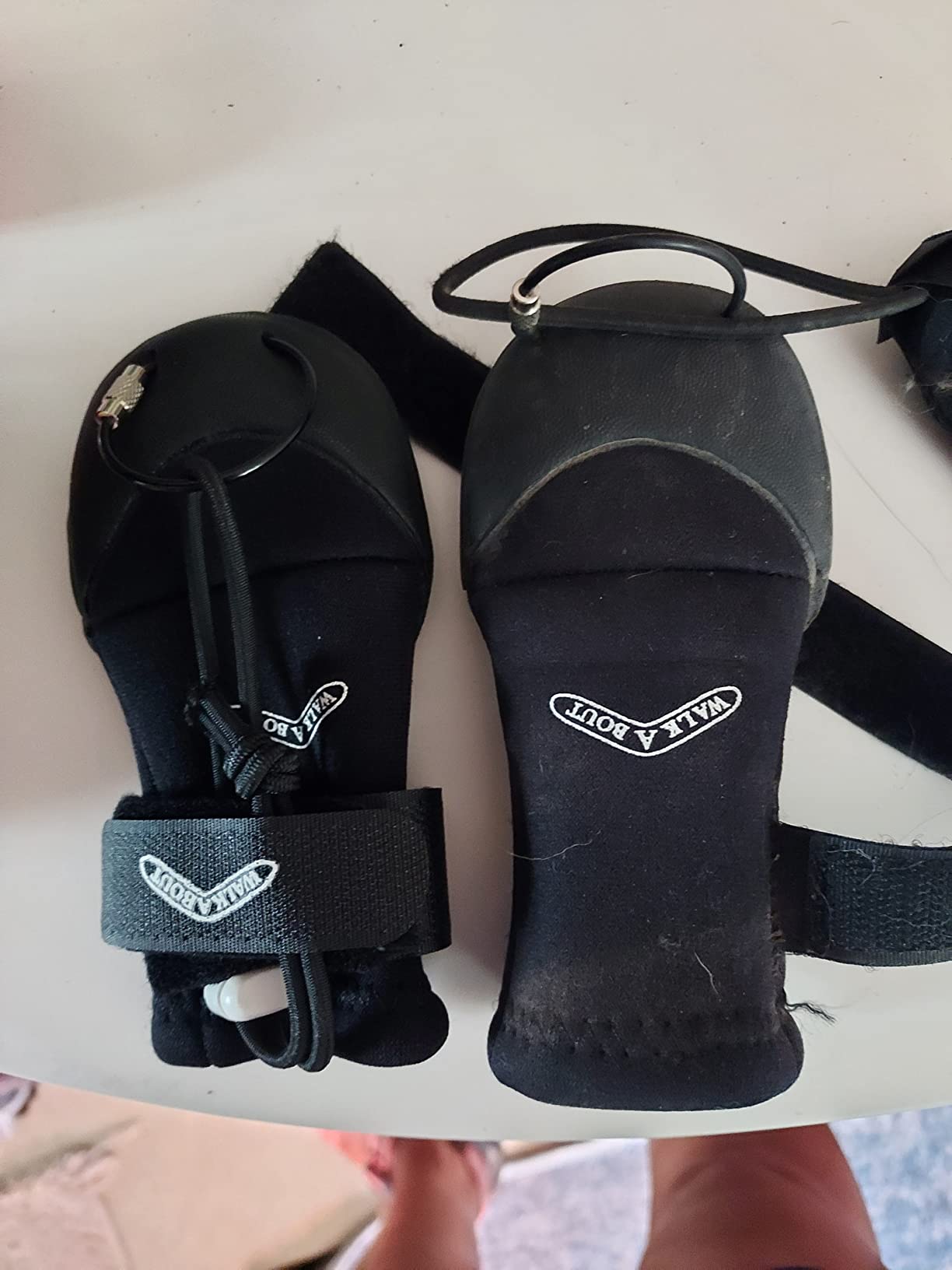
However, durability is a significant concern. Multiple users report these wearing out after about a month of regular use, which is frustrating at the $70 price point. The sizing can be inaccurate – the size chart doesn’t always match reality, and some owners had to exchange multiple times to find the right fit. The boot tends to slide down the foot during use, which reduces effectiveness and requires frequent readjustment.
Some users feel there’s simply too much material in the design, which contributes to the sliding issue and can make the boot feel bulky on smaller dogs. For neurological cases where this fits well and stays in place, it offers excellent support and protection. But be prepared for potential durability issues and the possibility that you’ll need to replace these more frequently than you’d expect at this price point.
Best For Neurological Condition Management
This boot excels for dogs with specific neurological issues like IVDD or spinal cord injuries where the knuckling is nerve-related rather than joint-related. The gentle lift and cradle design works particularly well for these cases, and the fleece lining ensures comfort during extended wear.
Poor Durability For Long-Term Use
The one-month lifespan reported by many users makes this impractical for dogs who will need long-term support. At $70 per boot, the replacement costs add up quickly, and you might find yourself looking for more durable alternatives after going through several pairs.
8. YAQUHO No Knuckling Brace with Adjustable Reel
- Gentle lifting support
- Easy dial adjustment
- Good grip
- Comfortable padding
- Reflective safety
- Straps loosen in wheelchairs
- May not help severe cases
- Confusing instructions
- Some used products received
- Sizing challenges
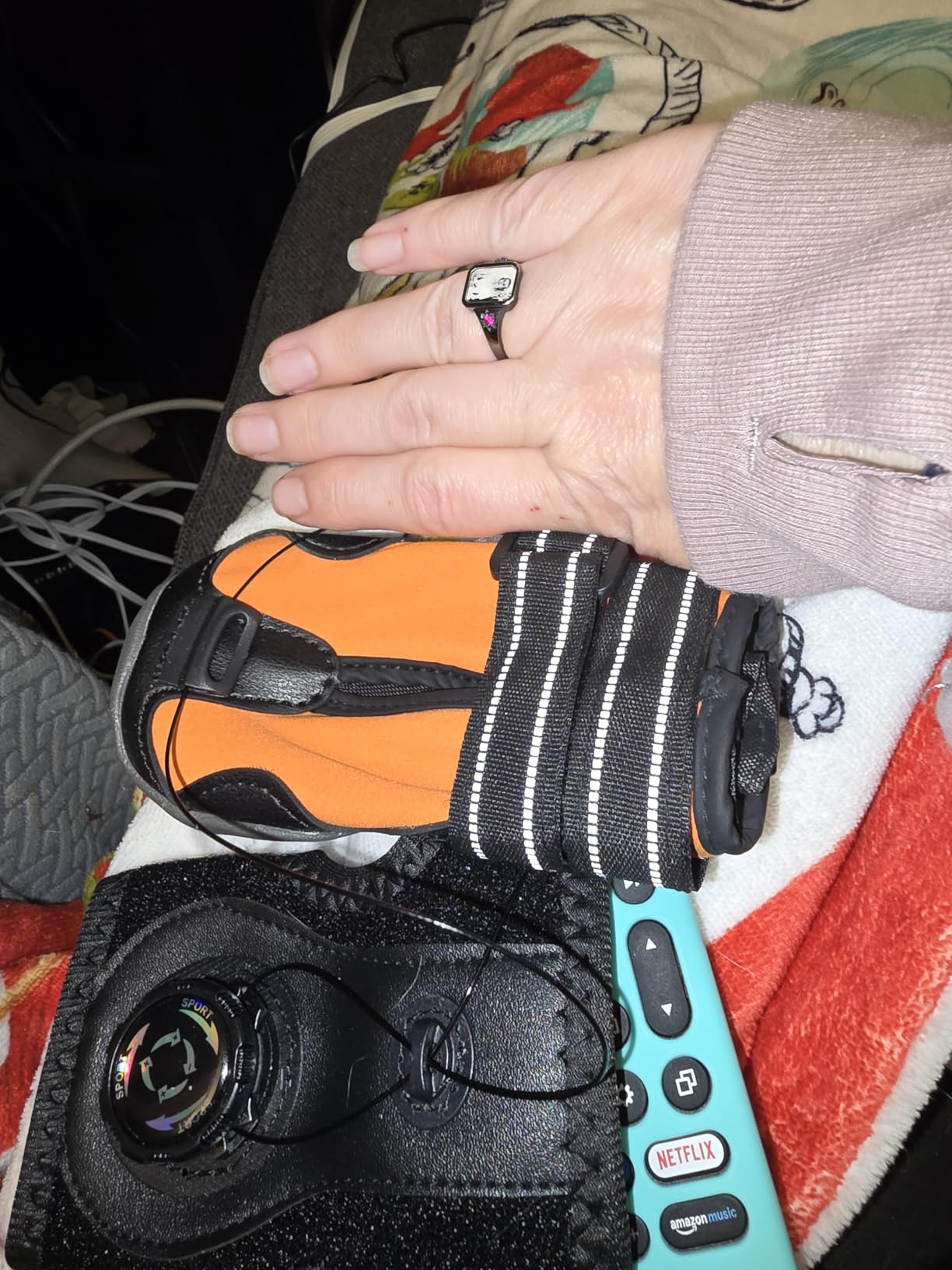
The YAQUHO brace offers gentle lifting support with a dial-adjustable reel system that lets you fine-tune the correction level. What stands out is the upgraded rubber sole with enhanced tread – this provides better wear resistance and grip than earlier versions of dial-adjustable braces. I found the reflective laces particularly thoughtful for safety during early morning or evening walks, when many mobility-challenged dogs need to go out.
The breathable padded materials make this comfortable enough for extended wear, and the pressure-distributing design prevents hot spots during long walks. The dial system works smoothly for on-the-fly adjustments, which is useful if your dog’s condition varies throughout the day. For dogs with mild to moderate knuckling, this gentle approach can provide enough correction without the rigidity of more aggressive braces.
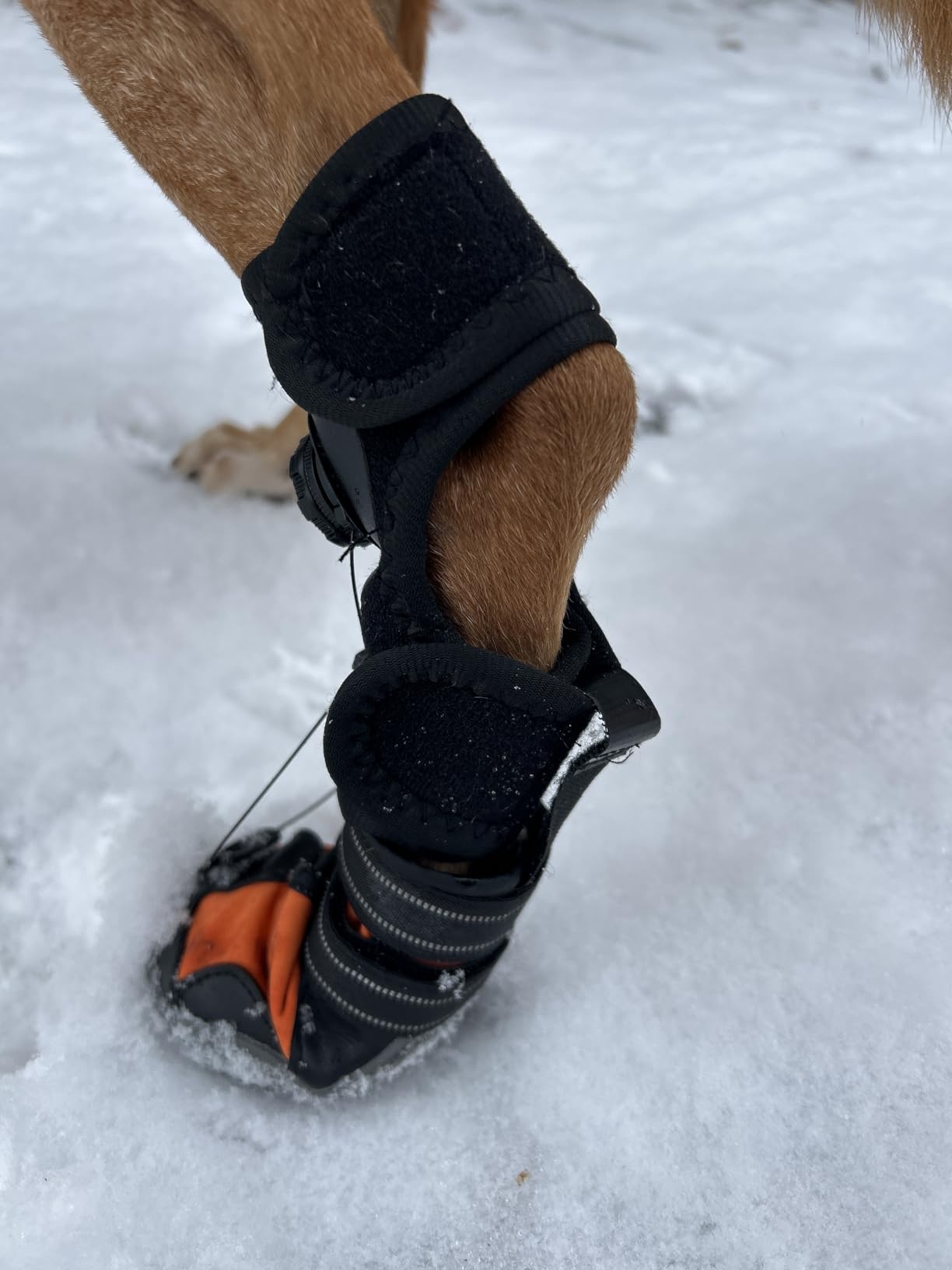
However, wheelchair users report the straps loosening during use, which is problematic since many dogs with severe nerve damage use wheelchairs. This may not provide enough support for severe knuckling cases where more aggressive lifting is needed. The instructions are confusing for many owners, leading to improper application that reduces effectiveness.
Some users have received used products, which is unacceptable at this price point and raises quality control concerns. Sizing can be tricky, and getting the right fit is crucial for this brace to work properly. Despite these issues, for dogs with mild knuckling who need gentle support, this can be a reasonable option if you can get past the quality control inconsistencies.
Suitable For Mild Knuckling Cases
This gentle lifting system works well for dogs with mild knuckling who don’t need aggressive correction. The comfort features and easy adjustments make it user-friendly, and the reflective laces add an important safety element for visibility during walks.
Poor Choice For Wheelchair Users
The strap loosening issue during wheelchair use makes this unsuitable for dogs who use mobility carts. Since many dogs with severe nerve damage need wheelchairs, this significantly limits the target audience, and wheelchair users should look specifically for braces designed to work with carts.
How Anti-Knuckling Boots Work
Anti-knuckling boots function through a combination of mechanical support and proprioceptive feedback. When nerve damage affects the signals between your dog’s spinal cord and paw, the muscles that normally flex the paw upward don’t receive proper instructions. This causes the paw to drag and roll under, leading to the characteristic knuckling gait where dogs walk on the top of their paws instead of the pads.
These boots address the problem in two ways: physically lifting the toes to prevent them from catching on the ground, and providing sensory feedback that helps your dog become more aware of their paw position. Some use rigid splints to force proper alignment, while others rely on straps and cords to gently encourage correct placement. The most effective systems combine both approaches, providing structural support while retraining your dog’s gait through consistent proprioceptive input.
The correction mechanism varies by design – dial-adjustable systems let you fine-tune the exact amount of lift, paracord systems provide adjustable tension, and rigid splints offer maximum support for severe cases. Understanding your dog’s specific condition and severity level helps determine which mechanism will work best for their needs.
Severity Matching Guide
Choosing the right anti-knuckling boot starts with accurately assessing your dog’s condition severity. Light knuckling typically involves occasional paw dragging, especially when tired, and the dog can still correct themselves with conscious effort. For these cases, simpler strap-based systems or training socks like the Walkin’ Pets option often provide sufficient correction without being overly restrictive.
Moderate knuckling shows more consistent paw dragging, with the dog unable to correct themselves even when they notice the problem. These cases benefit from dial-adjustable braces like the HAGGEMI or BUVUB options, where you can find the precise tension level needed for consistent support. The ability to fine-tune the correction is valuable as moderate cases often fluctuate in severity.
Severe knuckling involves complete loss of motor control with the paw constantly dragging and rolling under. These dogs typically need rigid splint-style braces with maximum structural support, often combined with other mobility aids like wheelchairs. The WALKABOUT boots and more substantial braces are designed for these cases, though you may need to work with your vet to find the right combination of supportive devices.
Sizing and Fit Guidance
Proper sizing is critical for anti-knuckling boots to work effectively. Most manufacturers recommend measuring from the hock joint down to the ground for rear leg boots, and from the wrist joint for front leg boots. It’s important to measure your dog while they’re standing normally, not lying down, as the position affects the measurement. If your dog is between sizes, sizing up is generally better than sizing down – a slightly loose boot can be adjusted tighter, but a too-small boot won’t provide proper support and may cause discomfort.
Weight ranges provided by manufacturers are starting points, but your dog’s individual anatomy matters more. A muscular dog might need a larger size than their weight suggests, while a slender dog might fit into a smaller size. The circumference of the leg above the paw and the length from the joint to the ground are the most important measurements. Don’t rely on weight alone – take actual measurements and compare them to the size charts carefully.
Once you receive the boots, check the fit carefully. There should be enough room for your dog’s toes to spread naturally inside the boot, but not so much room that the boot slides around. The straps should be snug enough to stay in place but not so tight that they cut into your dog’s leg or restrict circulation. Watch your dog walk in the boots – if they’re walking normally within a few minutes, the fit is probably good. If they’re still lifting their leg oddly or refusing to put weight down, something about the fit isn’t right.
Training Your Dog to Accept Boots
Getting your dog comfortable wearing anti-knuckling boots takes patience and positive reinforcement. Start by putting the boots on for just a few minutes at a time while giving treats and praise. Gradually increase the duration as your dog gets used to the sensation. Many dogs will walk strangely at first – lifting their legs higher than normal or shaking their paws – this is normal behavior as they adjust to the new feeling.
Consistency is key. Put the boots on at the same time each day, preferably before activities your dog enjoys like walks or meals. This creates positive associations with wearing the boots. If your dog tries to remove them, distract with treats or toys rather than making a big deal out of it. Some dogs take to boots immediately, while others need several weeks of gradual acclimation.
Reddit users in senior dog communities suggest starting with just one boot at a time if your dog is particularly resistant. Let them get used to the sensation on one paw before adding more. For dogs who really struggle, leaving the boots loose at first and gradually tightening them over several days can help. The goal is to make wearing boots a normal, unremarkable part of your dog’s routine rather than a stressful event.
Wheelchair Compatibility Considerations
For dogs who use wheelchairs due to severe mobility issues, choosing anti-knuckling boots that work with their cart is essential. Some braces are designed specifically to integrate with wheelchairs, featuring stirrups or special attachment points that work with the cart’s design. Others may interfere with wheelchair function or come loose during use, as reported by some YAQUHO brace users.
Boots with stirrup attachments or those designed specifically for wheelchair users are your best bet if your dog uses a cart. The Walkabout brand makes several wheelchair-compatible options, and custom solutions are available for dogs with unique needs. When selecting boots for a wheelchair dog, consider how the boot will interact with the cart’s straps and support system – you don’t want anything that will rub against the cart or get caught in the wheels.
Some wheelchair dogs do better with skates instead of traditional boots – these have wheels on the bottom that allow the paw to roll smoothly rather than drag. If your dog is already using a wheelchair, consult with your vet or a mobility specialist about whether traditional anti-knuckling boots, skates, or a combination of both would work best for their specific situation.
Frequently Asked Questions
Can nerve damage cause knuckling in dogs?
Yes, nerve damage is one of the primary causes of knuckling in dogs. When the nerves that control paw positioning are damaged due to conditions like degenerative myelopathy, IVDD, spinal injuries, or other neurological disorders, the signals between the spinal cord and paw muscles are disrupted. This causes the paw to drag and roll under because the muscles that normally flex it upward don’t receive proper instructions. Anti-knuckling boots help compensate for this loss of motor control by mechanically lifting the toes and providing sensory feedback that helps reposition the paw.
What is the best brace for dogs knuckling?
The best brace depends on your dog’s specific condition and severity level. For mild to moderate knuckling, the Walkin’ Pets Rear No-Knuckling Training Socks (Editor’s Choice) offer excellent proprioceptive feedback and vet-recommended design. The HAGGEMI Drop Foot Brace with Reel (Best Value) provides customizable dial adjustment that’s ideal for fluctuating symptoms. For severe cases or neurological conditions, the WALKABOUT Toe’sUP Anti-Knuckling Aid (Premium Pick) offers comprehensive support with all-terrain protection. Dogs on a budget may do well with the Labra Canine Knuckling Corrector (Budget Pick), which provides effective correction at an affordable price point. Consider your dog’s size, condition severity, and whether they use a wheelchair when choosing the right brace.
Do vets recommend dog booties for nerve damage?
Yes, many veterinarians recommend anti-knuckling boots and booties as part of a comprehensive approach to managing nerve damage and neurological conditions. These devices help prevent the painful abrasions and injuries that occur when dogs drag their paws, and they can slow the progression of gait abnormalities by encouraging proper paw placement. However, vets typically recommend anti-knuckling boots in conjunction with other treatments like physical therapy, medication, and management of underlying conditions. The Walkin’ Pets products are specifically mentioned as being veterinarian-recommended in their design and approach to proprioceptive enhancement. Always consult with your vet before starting your dog on any mobility aid to ensure it’s appropriate for their specific condition.
How to help nerve damage in dogs’ legs?
Helping dogs with nerve damage in their legs requires a multi-faceted approach. Anti-knuckling boots protect paws from dragging injuries and encourage proper gait. Physical therapy exercises designed by a veterinary rehabilitation specialist can strengthen remaining muscle function and maintain mobility. Some vets recommend supplements like omega-3 fatty acids and antioxidants to support nerve health. Pain management may be necessary if the nerve damage causes discomfort. For progressive conditions like degenerative myelopathy, mobility aids like wheelchairs become important as the condition advances. Regular vet checkups monitor progression and adjust treatment plans. Maintaining a healthy weight reduces stress on compromised limbs. Acupuncture and laser therapy may provide additional support for some dogs. The key is working closely with your vet to develop a comprehensive management plan tailored to your dog’s specific condition and needs.
Conclusion
Finding the right anti-knuckling boots for your dog with nerve damage makes a tremendous difference in their quality of life. The best anti-knuckling boots for dogs combine effective correction with comfort and durability, protecting paws from injury while helping maintain mobility for as long as possible. Whether you choose the vet-recommended Walkin’ Pets Training Socks for mild cases, the adjustable HAGGEMI brace for fluctuating symptoms, or the premium WALKABOUT boots for comprehensive support, the key is matching the product to your dog’s specific needs and condition severity.
Remember that every dog’s journey with nerve damage is unique. What works beautifully for one dog might not be the right solution for another. Be patient as you and your dog adjust to using anti-knuckling boots, and don’t hesitate to try different options if the first one doesn’t work out. With the right support and consistent use, many dogs experience significant improvements in their mobility and comfort, giving them more good days and quality time with the people who love them.