
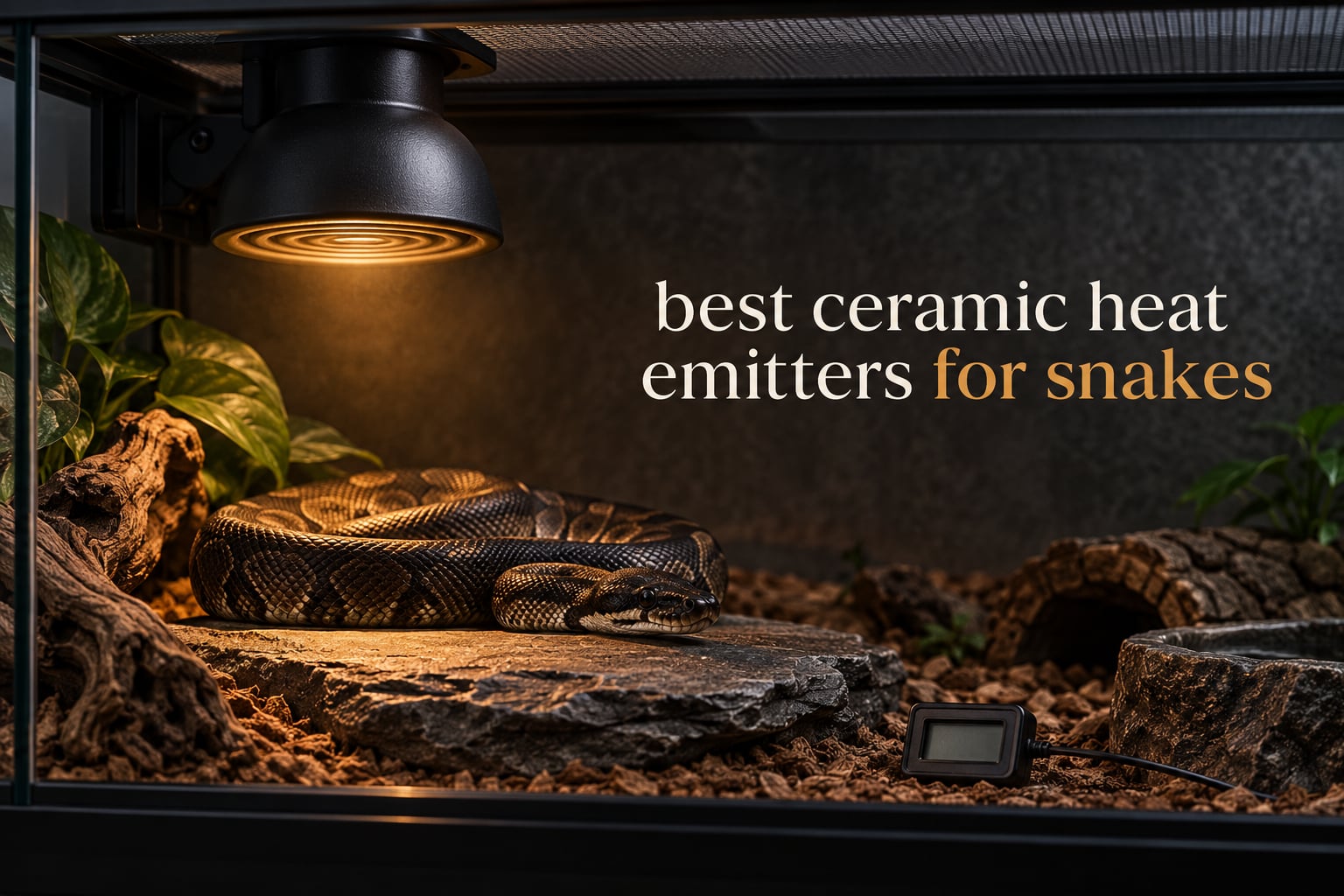
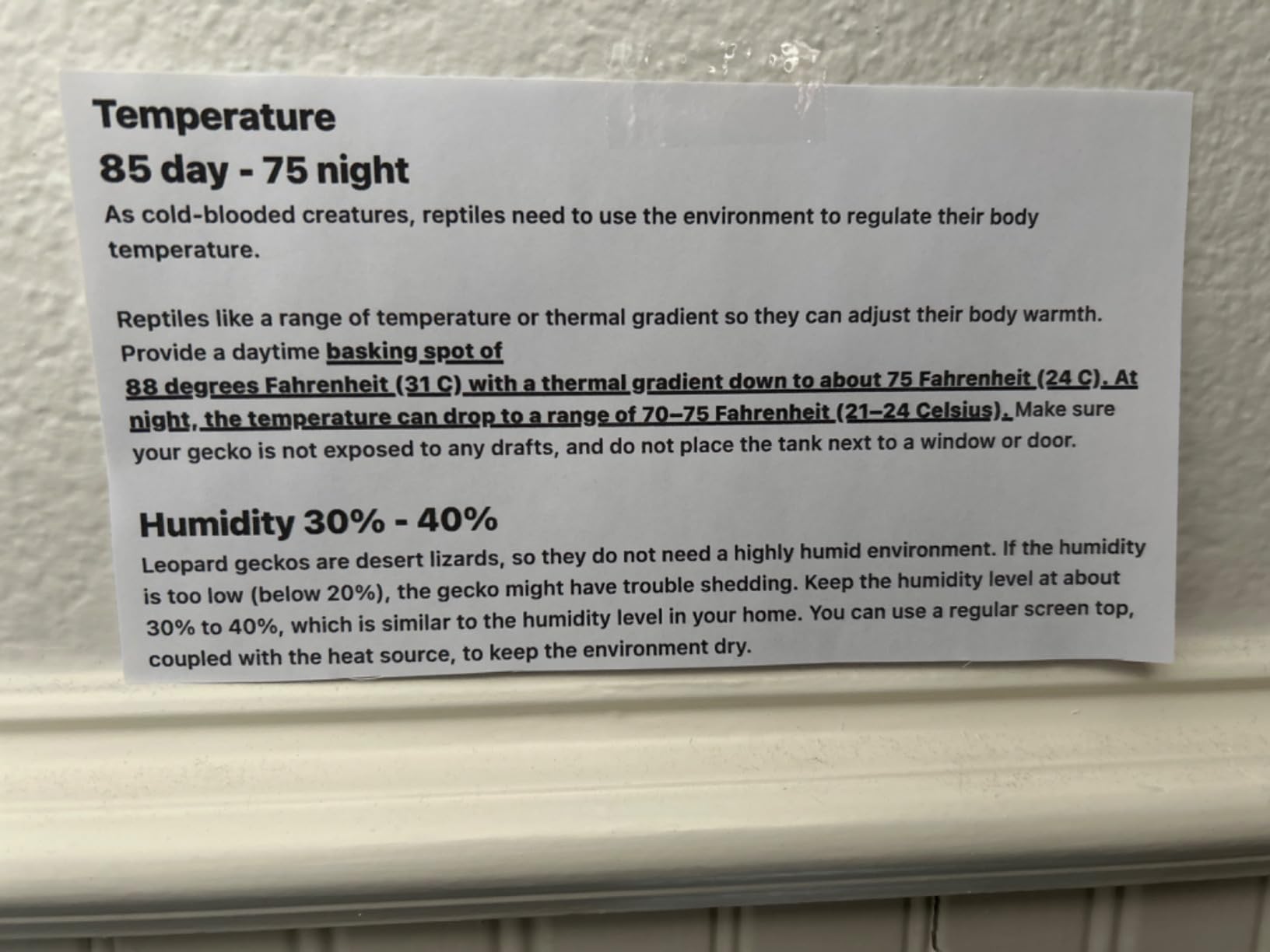
A ceramic heat emitter is a light-free infrared heating bulb that warms a snake enclosure without producing any visible glow. That single fact is why keepers buy them: a snake gets steady radiated heat at night while its day/night cycle stays completely dark. What a CHE is not is a basking lamp. It emits far-infrared (IR-C) energy rather than the near-infrared (IR-A) a halogen or deep heat projector produces, so it belongs on the warm side of the enclosure and inside a dome, not over a basking perch.
Snakes are ectotherms. They cannot make their own body heat, so every degree in the enclosure is heat the keeper supplied. A ceramic heat emitter for snakes gives you that heat in the one place a normal bulb fails: after the day lamp goes off. Forum keepers on r/snakes and ball-pythons.net describe it simply as the fix for overnight temperature drop in a cold room or a basement setup, and long-term owners commonly report the same bulb still running years later under a thermostat.
Our team compared 10 ceramic heat emitters for snakes across wattage, base type, ceramic body, element construction, rated life, warranty length and the shape of the buyer complaints in the reviews. We picked for the criteria that actually decide whether a setup works: no light output, a porcelain-socket-compatible E26 base, enough clearance, and a thermostat pairing that will not cycle the element. Every pick below runs on 110-120V, and every one of them is a supplemental or ambient source rather than a substitute for a daytime basking lamp.
Table of Contents
Top 3 Best Ceramic Heat Emitters for Snakes (October 2026)
Three products stand out. The OMAYKEY 100W leads on review volume and included thermometer, the LUCKY HERP 100W leads on rating, and REPTI ZOO wins on certification and humid-terrarium ceramic claims.

OMAYKEY 100W 2-Pack
- No light emitted
- E26 base
- Includes digital thermometer
- 15000 hour rated life

LUCKY HERP 100W 2-Pack
- 4.7 stars
- Thick ceramic shell
- Reaches heat in about 4 minutes
- E26 base

REPTI ZOO 100W 2-Pack
- CE and RoHS compliant
- Crack-resistant ceramic
- 10000 hour rated life
- 90-day warranty
Ceramic Heat Emitters for Snakes in 2026
The table below covers all 10 emitters we reviewed. Every one emits no visible light and screws into a porcelain or ceramic E26 fixture.
| Product | Specifications | Action |
|---|---|---|
| OMAYKEY 100W Ceramic Heat Lamps 2-Pack |
|
Check Latest Price |
 OMAYKEY 75W Ceramic Heat Emitter 2-Pack OMAYKEY 75W Ceramic Heat Emitter 2-Pack |
|
Check Latest Price |
 Aiicioo 60W Ceramic Heat Emitter Aiicioo 60W Ceramic Heat Emitter |
|
Check Latest Price |
| LUCKY HERP 100W Ceramic Heat Emitter 2-Pack |
|
Check Latest Price |
 HealSmart 100W Ceramic Heat Emitter 2-Pack HealSmart 100W Ceramic Heat Emitter 2-Pack |
|
Check Latest Price |
 DOMICA 150W Ceramic Heat Bulb 2-Pack DOMICA 150W Ceramic Heat Bulb 2-Pack |
|
Check Latest Price |
| REPTI ZOO 100W Ceramic Heat Emitter 2-Pack |
|
Check Latest Price |
 Briignite 100W Ceramic Heat Emitter 2-Pack Briignite 100W Ceramic Heat Emitter 2-Pack |
|
Check Latest Price |
 Simple Deluxe 75W Ceramic Heat Emitter 2-Pack Simple Deluxe 75W Ceramic Heat Emitter 2-Pack |
|
Check Latest Price |
 Fluker’s 100W Ceramic Heat Emitter Fluker’s 100W Ceramic Heat Emitter |
|
Check Latest Price |
How We Picked and What We Looked For
Ten emitters is not a lot of variation, so the scoring had to be about the details. We weighted four things heavily: confirmed no-light output, wattage-to-enclosure fit, ceramic body quality, and how the reviews describe long-term behaviour.
Every product here claims zero light emission, and every review set backs that up, so we moved on to what actually differs. Element material matters: several listings specify nickel-chromium resistance wire bonded inside high-purity pottery clay, and that anti-crack construction is what survives a tropical enclosure at steady high humidity. The same clay basics show up in our guides to ceramic cookware sets, which is a useful side reference for how these bodies are built.
We also read the negative reviews carefully, because that is where husbandry advice hides. Multiple owners mention the same recurring issues: heat output fading after several months, bulbs arriving cracked, plastic socket fixtures melting, and no visible glow to warn you that the element is hot. Those complaints shaped the safety and thermostat sections below.
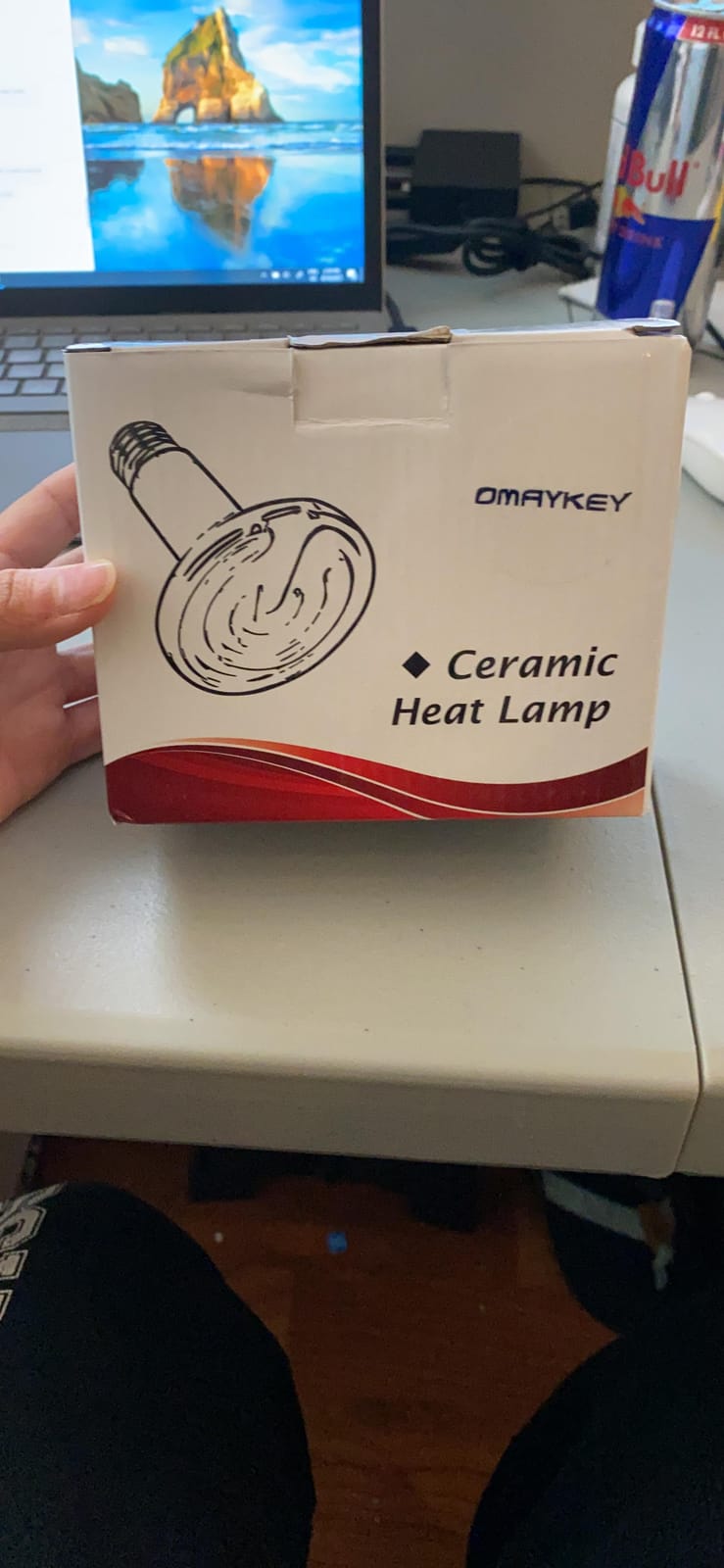
1. OMAYKEY 100W Ceramic Heat Lamps 2-Pack – Best All-Rounder With a Free Thermometer
OMAYKEY 2-Pack 100W Ceramic Heat Lamps with 1-pcs Digital-Thermometer
- True zero-light infrared output
- Digital thermometer included in the box
- ETL Listed on AC 90-120V
- Fits standard E26 and E27 porcelain sockets
- Cannot serve as a daytime basking source
- 100W runs modest in larger enclosures
- Included thermometer is finicky for some owners
- Occasional cracked bulbs on arrival
This is the emitter I would hand a first-time ball python keeper. It is a 100W solid ceramic element rated for 15000 hours of operating life, and it emits no light at all, which is the whole point. The review volume is the highest in this roundup by a wide margin, and at more than 4000 reviews the pattern is consistent: people buy it to replace red bulbs.
You get two emitters plus a digital thermometer in the box, which is genuinely useful on day one because the thermometer is the only thing telling you whether your thermostat probe is in the right place. The element is a solid ceramic reflector shape measuring 3.15 inch across by 4.13 inch tall, running on 120V with a standard E26 base.
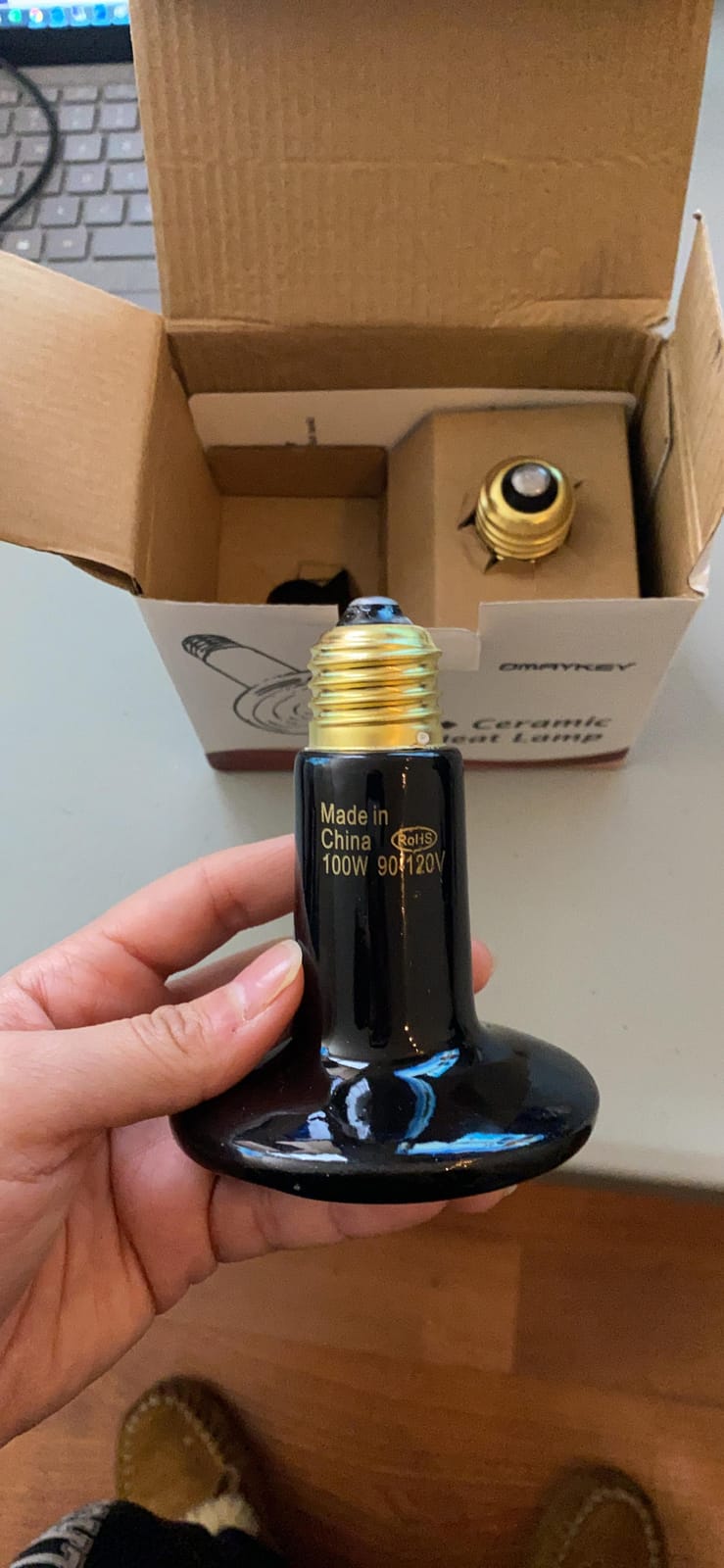
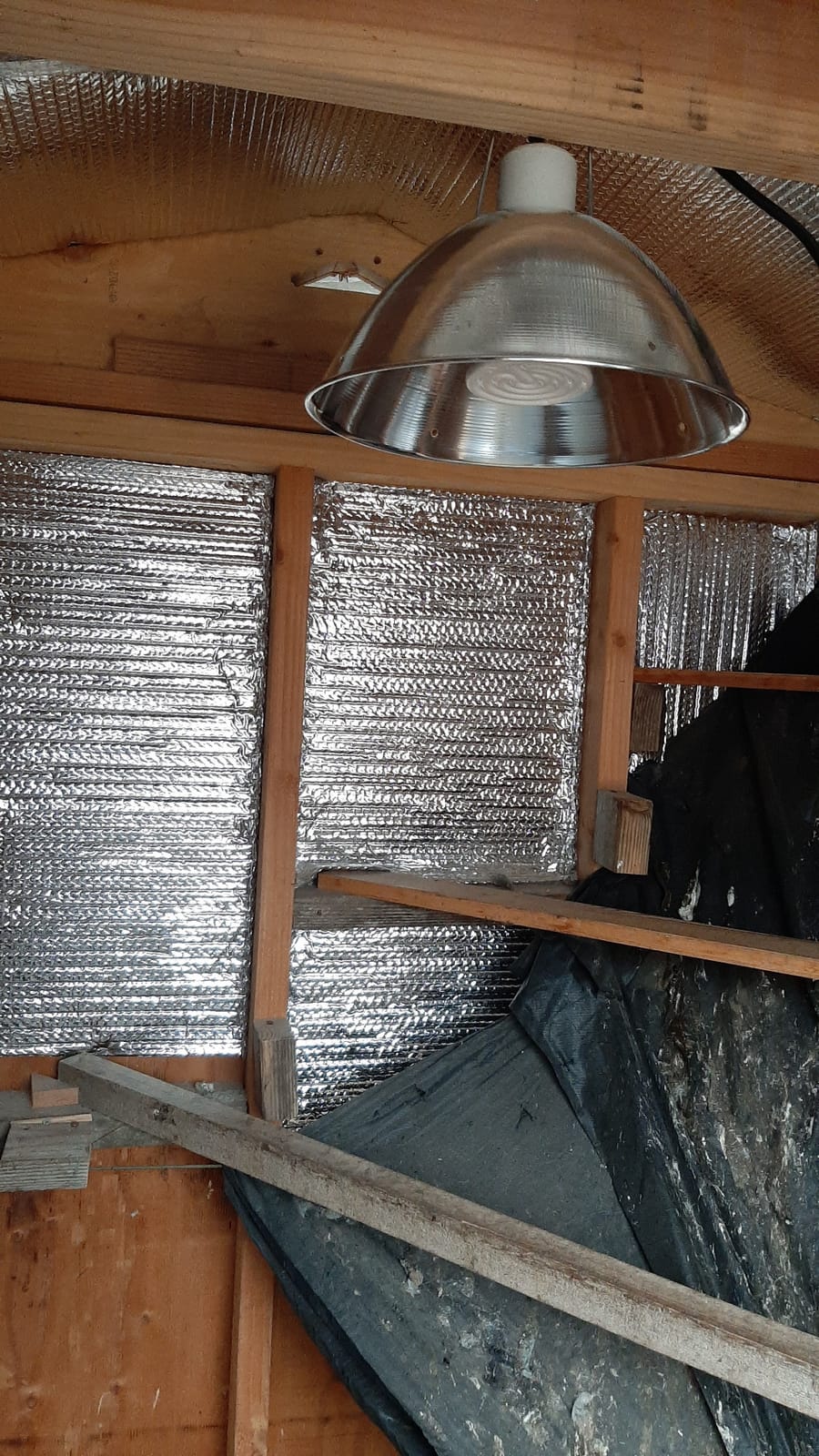
One owner review that stands out describes swapping out red light bulbs for these and watching their snake settle at night, which matches what the no-light design is meant to do. Another owner put the same element to work in a chicken coop, which tells you how versatile it is outside reptile keeping.
Good fit for: a 4x2x2 enclosure on a pulse-proportional thermostat
100W is the consensus wattage for a standard 4x2x2 PVC enclosure, and forum consensus on wattage sits in the 80W-150W band with 100W cited most often. Pair it with a pulse-proportional thermostat rather than a cheap on/off unit, because on/off cycling shortens element life and makes the output hunt.
Watch out for: a plastic socket fixture
The listing is explicit that this needs a porcelain or ceramic socket because plastic may melt. The element surface gets hot enough that the manufacturer advises waiting an hour before touching it. Never mount this in a fixture that came with a plastic socket, and never run it without a thermostat and a high-temperature cutoff.
2. LUCKY HERP 100W Ceramic Heat Emitter 2-Pack – Highest Rated in the Roundup
- Highest average rating in the group
- Reaches rated temperature in about 4 minutes
- Thick ceramic shell feels durable
- Available in 50W 75W 100W and 150W
- Costs more than generic 2-packs
- Some owners report output dropping around five months
- Rare early failures despite fast seller response
- Must stay more than 30cm from the animal
This is the strongest rating in the group at 4.7 stars with 1166 reviews, and 83 percent of those reviews are five-star, the highest share here. The shell is described as a thick special ceramic rather than ordinary heat-lamp clay, and owners consistently mention that it feels sturdier in the hand.
The heat-up claim is the useful part. The listing states a noticeable temperature rise within about 10 seconds and rated temperature in about 4 minutes, which matters for a thermostat doing probe checks and for anyone in a cold basement. Dimensions are 3.93 by 3 by 3 inches at 11.64 ounces, on a standard E26 base at 120V.
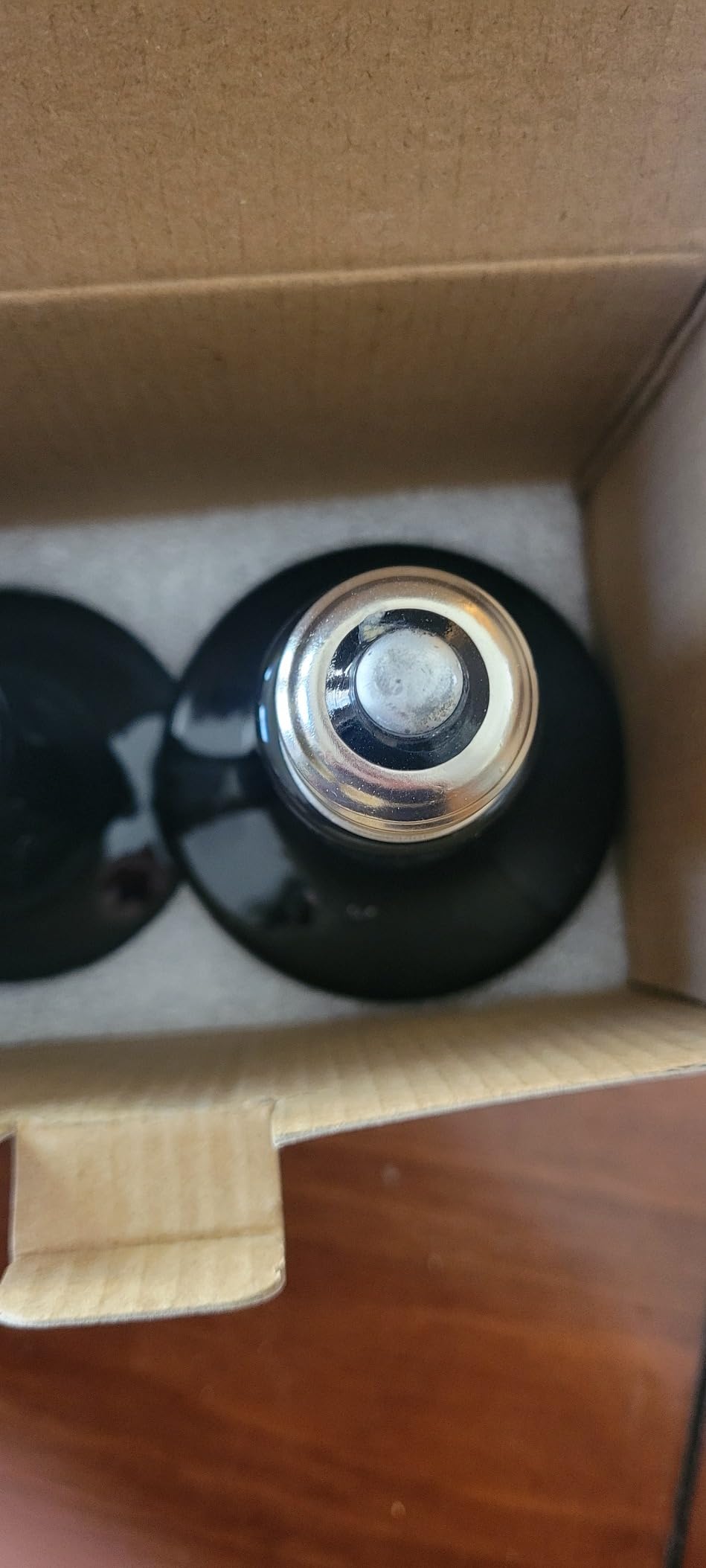
Several owners report emitters still working after two years of continuous thermostat-controlled use. The line also comes in 50W, 75W, 100W and 150W, so if you later move to a bigger enclosure you stay with one brand and one ceramic body style.
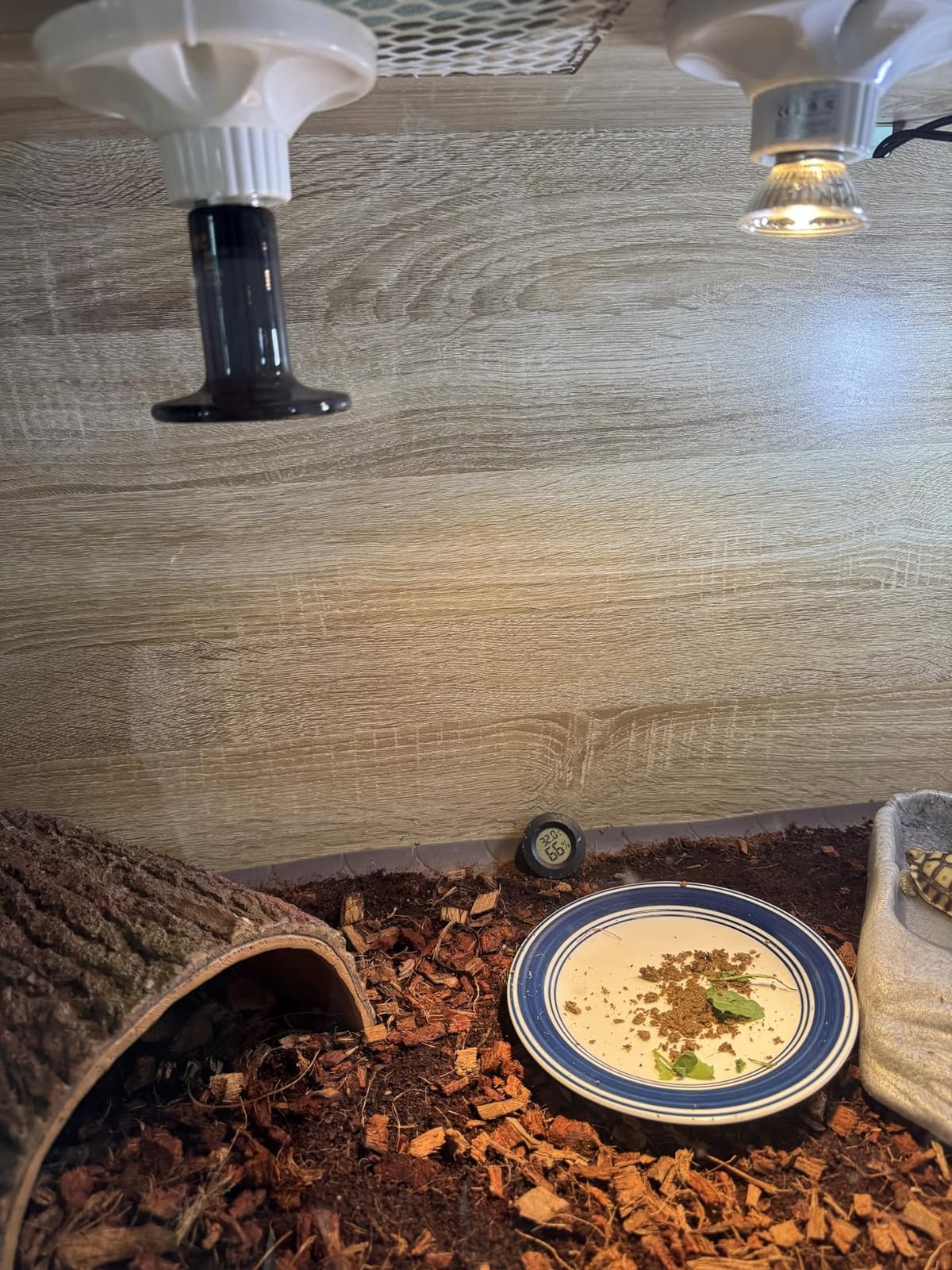
Good fit for: keepers who want one brand across several enclosures
Because the wattage range is broad, this is the easiest line to standardise on. For a juvenile corn snake or a kingsnake in a 20 gallon long, drop to 50W or 75W. For a boa or a larger adult, stay at 100W or step up. Same ceramic, same base, same thermostat behaviour.
Watch out for: gradual output decline and clearance
A few buyers describe heat output dropping after around five months of use, and one buyer had both bulbs fail almost immediately, though the seller resolved it quickly. The listing also instructs you to keep more than 30cm of clearance from the reptile, which is the single most common cause of an over-wattaged setup.
3. HealSmart 100W Ceramic Heat Emitter 2-Pack – Best Black Ceramic for Light-Sensitive Snakes
- Black body gives a completely dark enclosure
- 4.7 stars with 81 percent five-star ratings
- Crack and moisture resistant clay
- Backed by a 1-year manufacturer warranty
- Output can fade after about six months
- Runs extremely hot and needs clearance
- One report of both bulbs broken on arrival
- Supplemental heat only
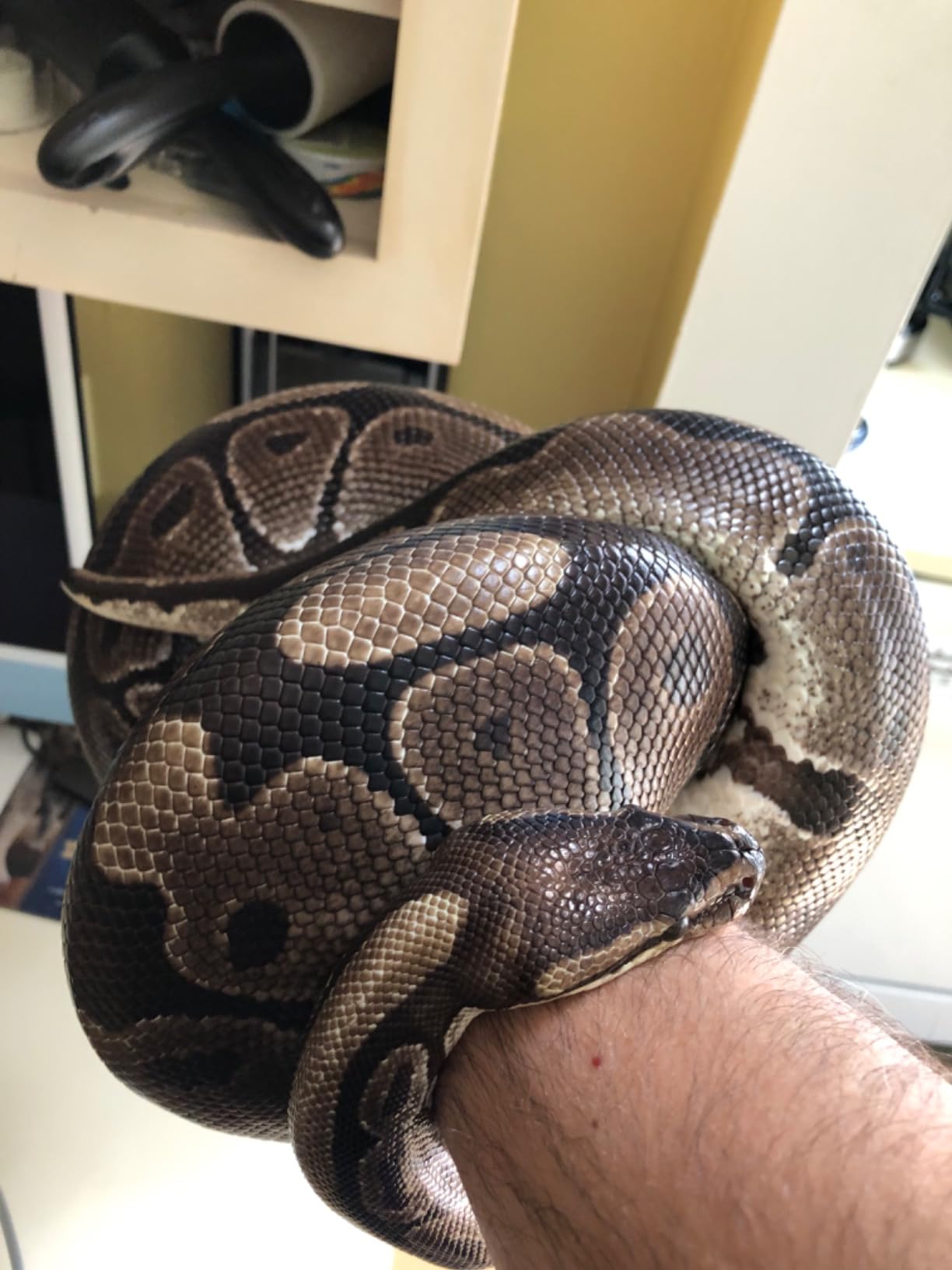
Colour is not a cosmetic preference here, and this is the pick where it matters. The body is black ceramic, which produces no red glow whatsoever, unlike some cheaper white-bodied units that leak a faint warm colour. Owners upgrading from red bulbs report improved night behaviour in ball pythons.
The element is a nickel-chromium alloy resistance wire inside high-purity pottery clay, described as crack-prevention and moisture resistant, which is exactly what a tropical enclosure at steady humidity needs. Rated life is 10000 hours, each bulb is 85mm across by 100mm long, and the pack carries a 1-year manufacturer warranty.
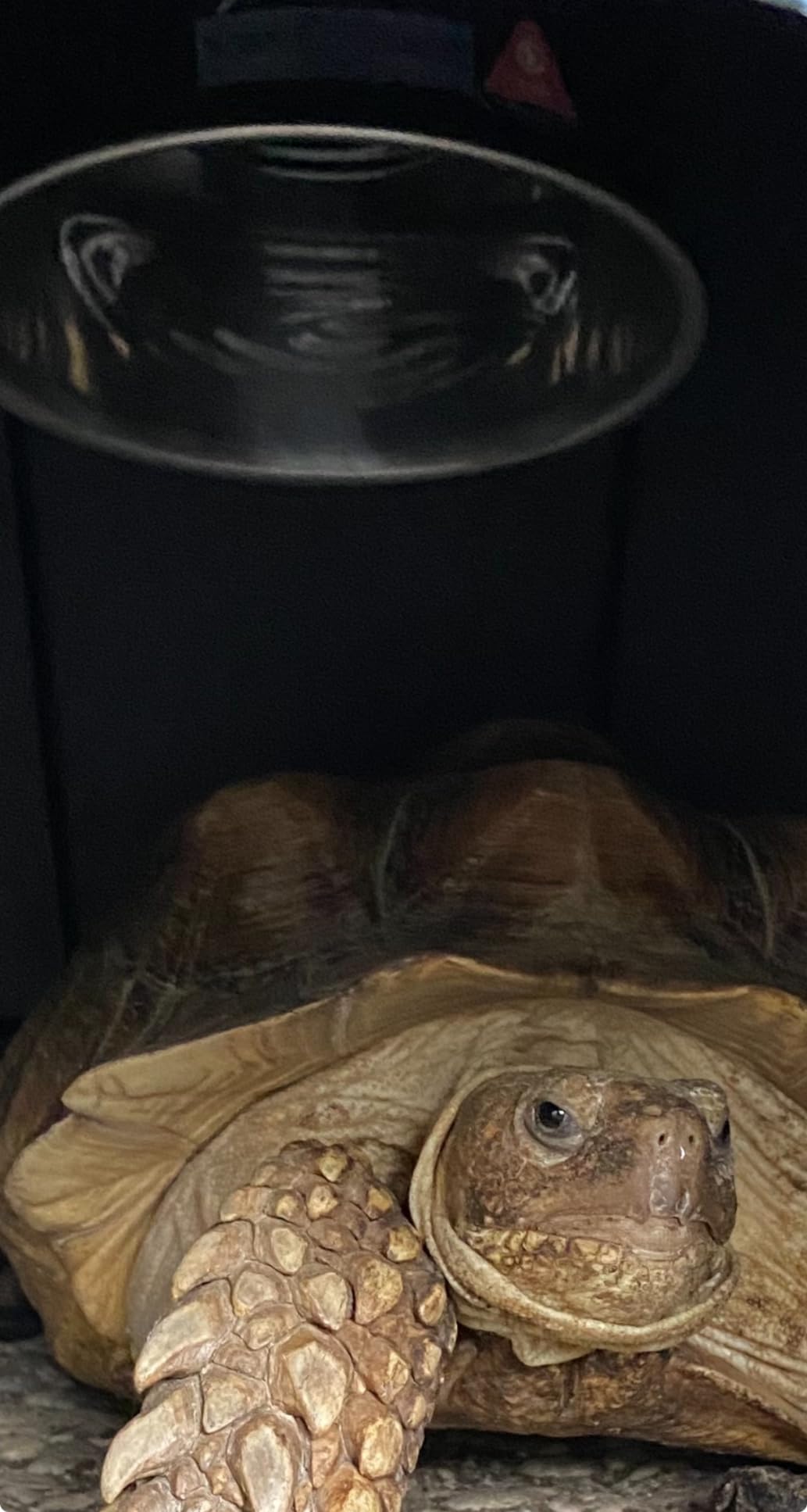
One owner reported still getting correct heat after two full winters, which is the kind of report you want from an ambient heat source that runs overnight. The listing also has a clear threaded heating part on the bulb head to speed temperature rise, useful when the room itself is cold.
Good fit for: ball pythons and any strictly nocturnal species
Ball pythons are the species most often quoted in the reviews here, and the totally dark output is the reason. If your snake is light-sensitive and reacts to any ambient glow, a black ceramic body removes a stimulus that a red bulb never did. It also suits greenhouse-style setups where you want zero visual disturbance.
Watch out for: it will not be your daytime heat
Do not run this as your only heat source. A 100W ceramic heat emitter in a dome over the warm side is a nighttime and ambient source, and your day cycle still needs a halogen basking lamp for diurnal basking behaviour. Also budget for a possible six-month output drop and lower the fixture rather than replacing the bulb straight away.
4. REPTI ZOO 100W Ceramic Heat Emitter 2-Pack – Best Certified Option for Humid Vivariums
- Recognisable specialist reptile brand
- CE-certified and RoHS-compliant
- High-purity crack-resistant ceramic
- Claimed 10000 hour rated lifespan
- Higher cost per bulb than generic packs
- 90-day warranty is the shortest here
- No visible on indicator when running
- Only three pack configurations
Among a list dominated by generic marketplace brands, one recognised specialist herp manufacturer stands out. REPTI ZOO builds this emitter for continuous 24-hour duty and states a 10,000 hour rated lifespan, claiming it outlasts a traditional heat lamp by roughly three times. The certification on record is CE plus RoHS compliance.
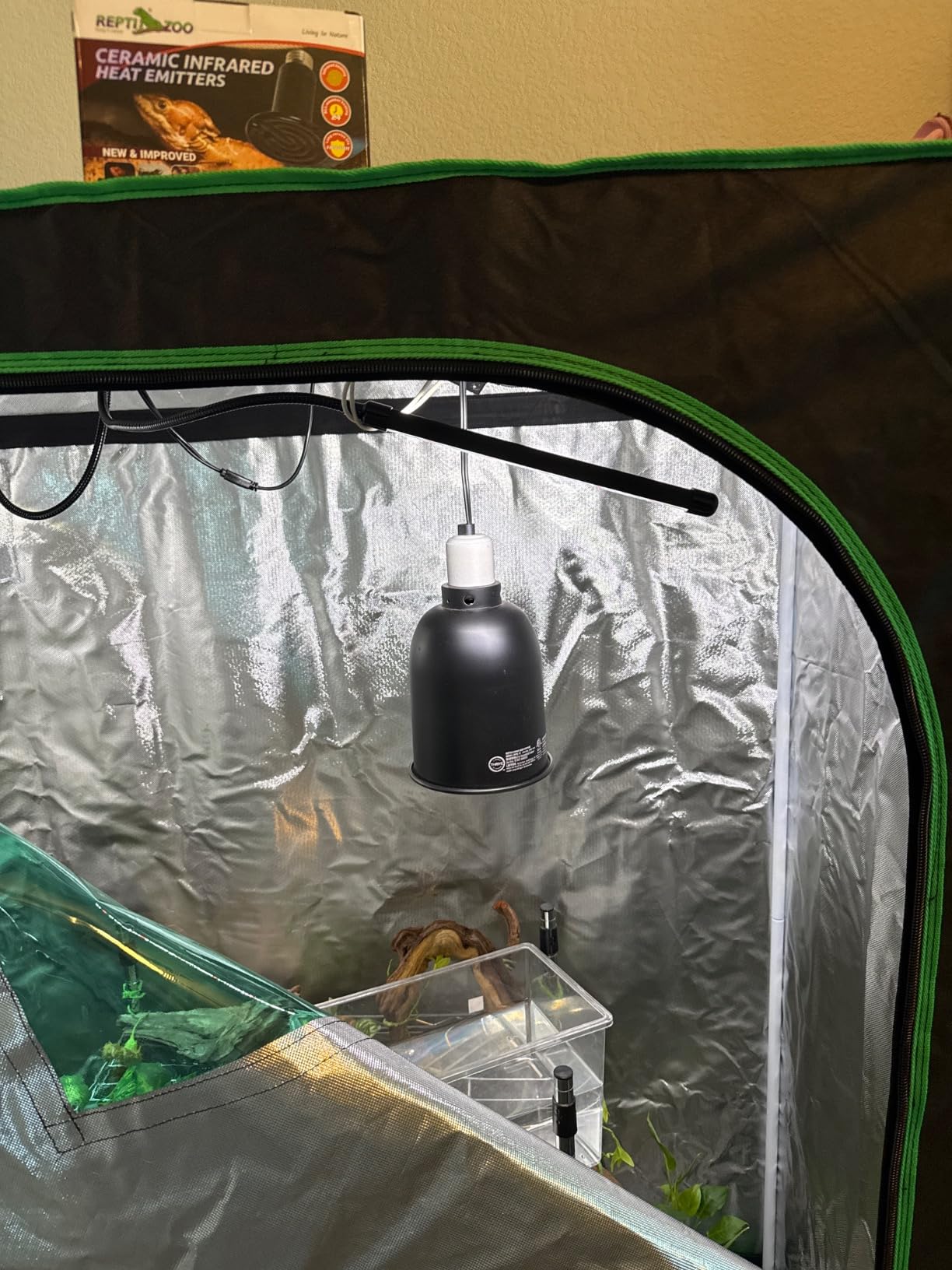
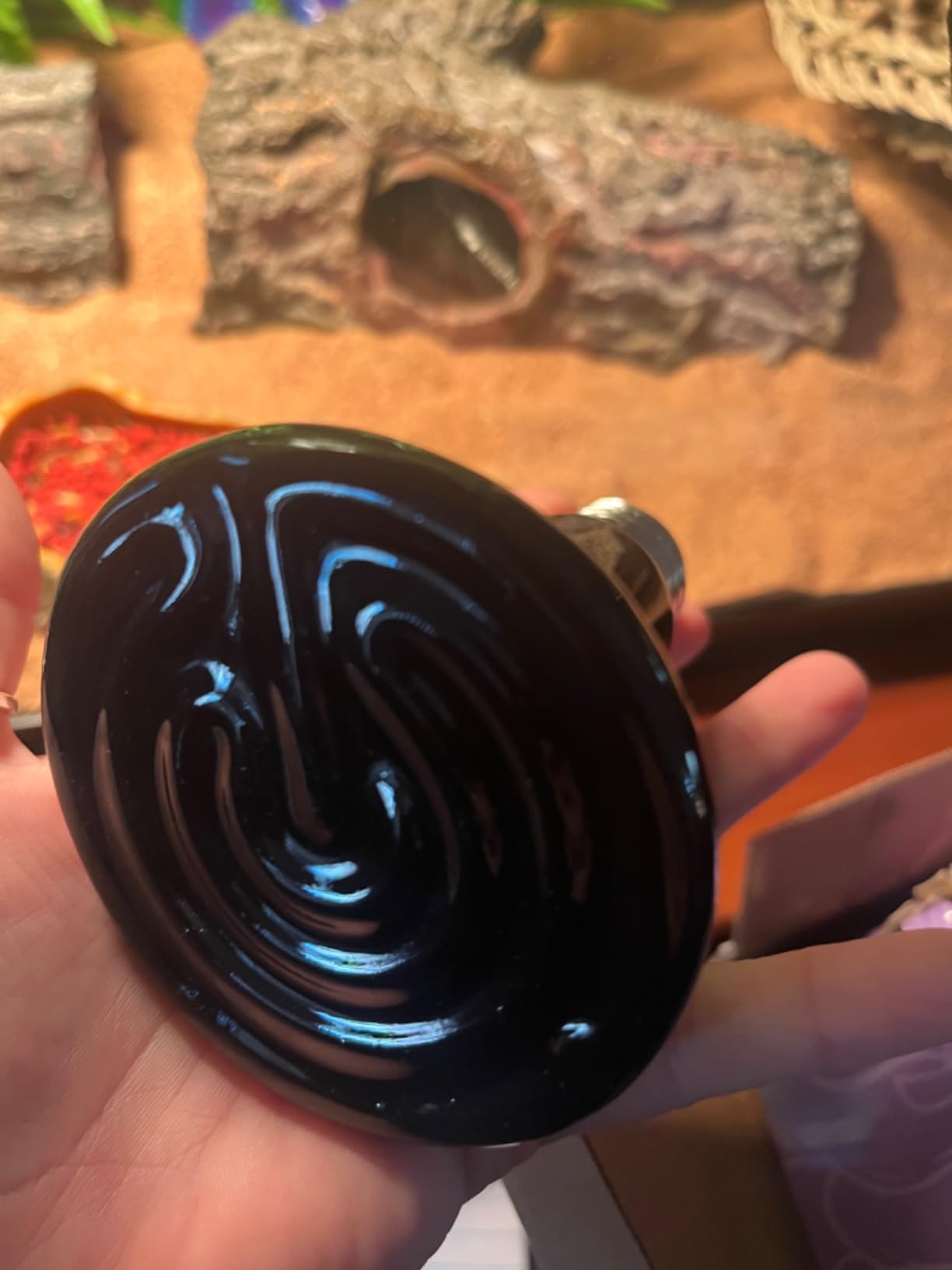
Each bulb is a G40 shape in black ceramic at 2.9 inch wide by 3.9 inch tall on a standard E26 base at 110V. The ceramic is described as high-purity and crack resistant, safe in high-humidity glass terrariums, which is the specification I look for when humidity sits high for tropical boas.
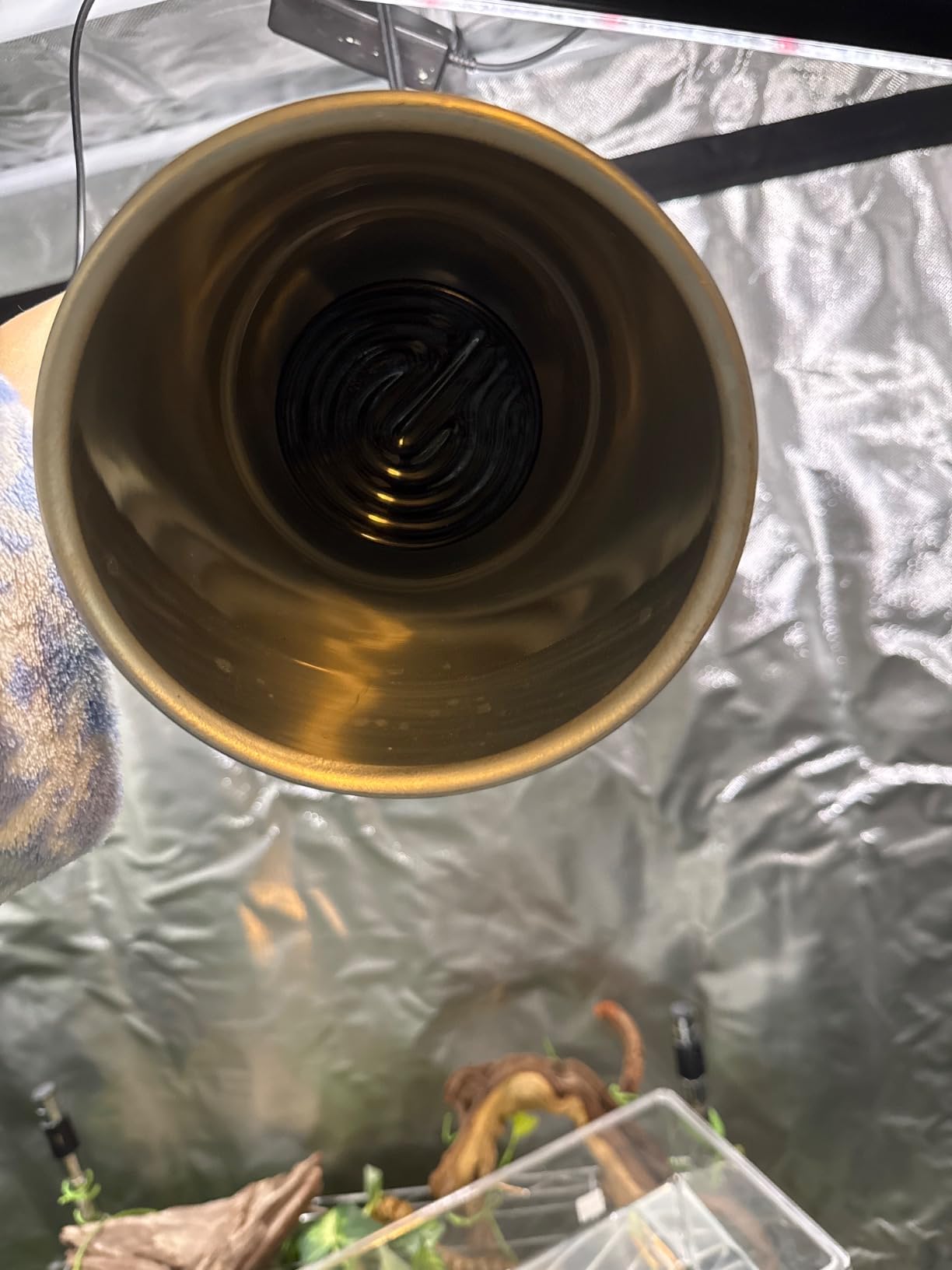
The pack is 100W at 60W and 150W variants, so it covers small and large tanks under one brand name. Reviewers describe quiet, consistent output and confidence in the ceramic holding up in humid setups, which matches the product claims rather than contradicting them.
Good fit for: tropical and humid snake enclosures
For a boa constrictor, a green tree python or any high-humidity vivarium, ceramic body quality is the deciding factor and this one is specified clearly. Rated at 4.6 stars across 510 reviews with 82 percent five-star ratings, the reputation is steady rather than flashy, which is what you want from an element that runs every night.
Watch out for: the short warranty window
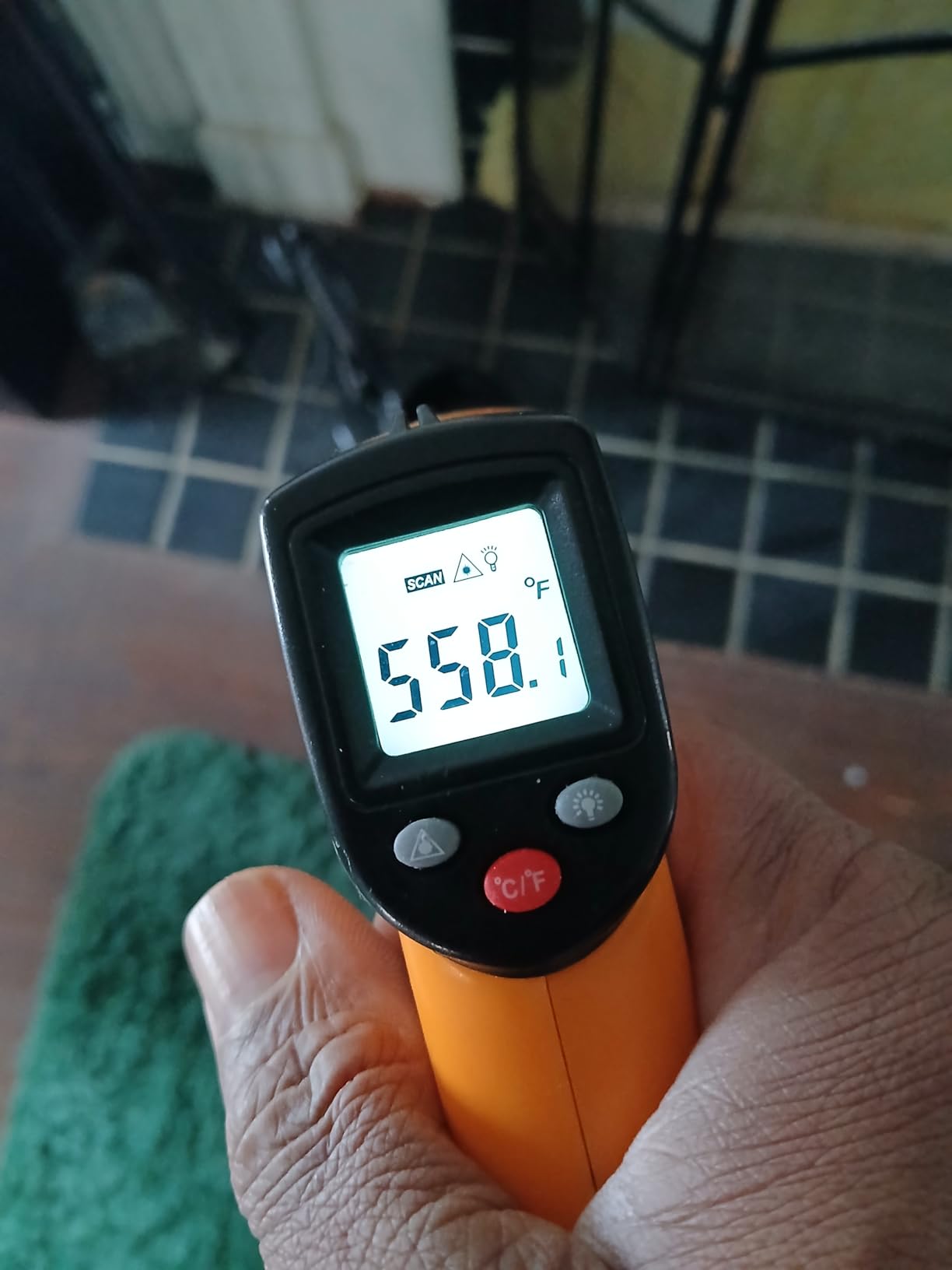
Ninety days is the shortest warranty in this roundup, so register the pack and keep the receipt. Some owners also want an on-indicator, and there is none, which means an IR temperature gun or a probe thermometer is the only way to confirm the emitter is energised. Cost per bulb runs higher than the generic 2-packs.
5. Fluker’s 100W Ceramic Heat Emitter – Best for a Long-Term Single-Bulb Setup
Fluker’s Ceramic Heat Emitter, Natural Infrared Heating Bulb for Reptiles, 100 Watt
- Listing history stretching back to 2001
- Large circular emitter widens the warm area
- Teflon-free ceramic construction
- Works well under a thermostat
- Most expensive per bulb here
- Sold as a single bulb
- One owner found output low for the wattage
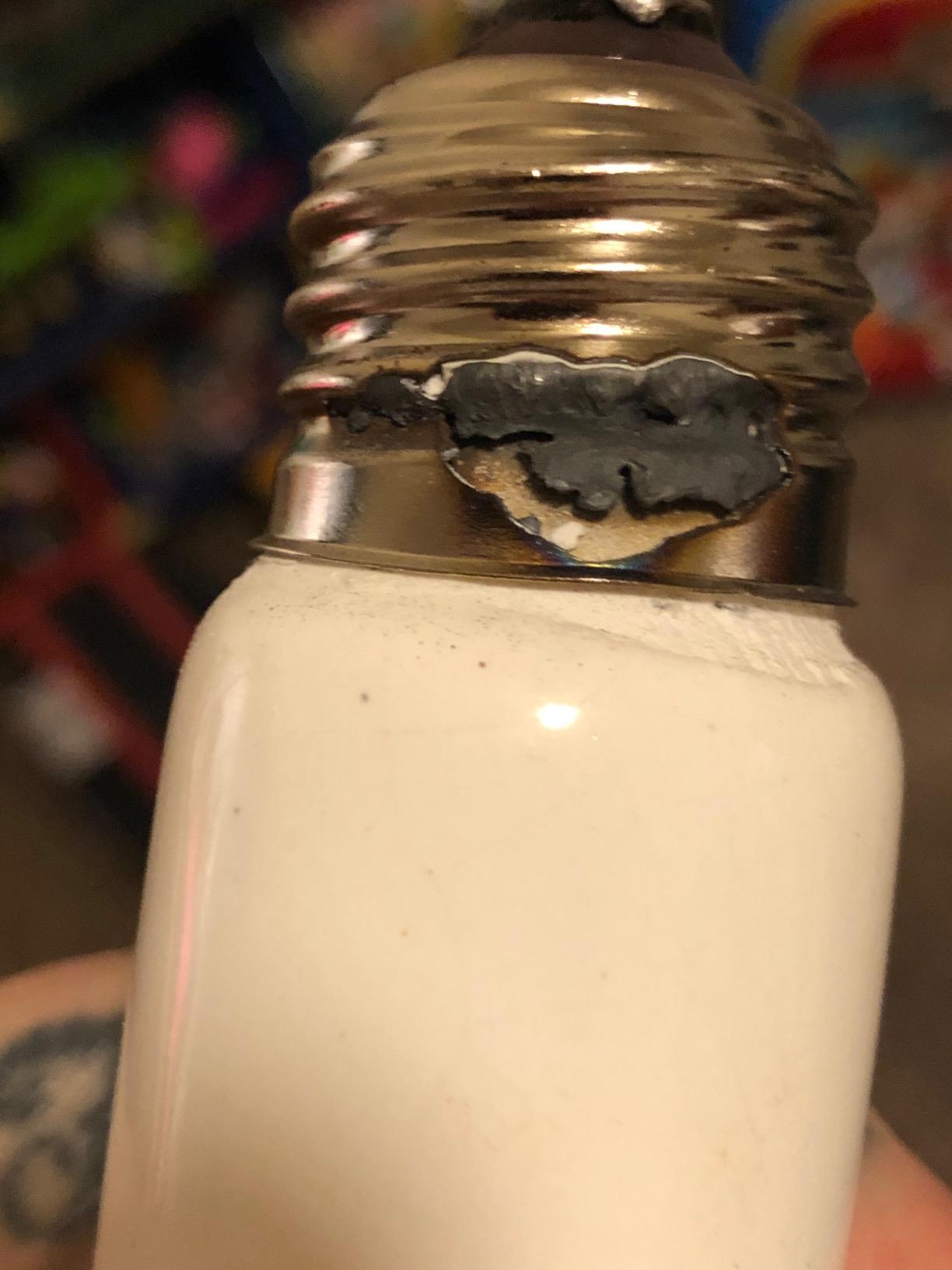
- End-of-life bulbs can fuse at the socket
Fluker’s is the oldest listing in this group, with the product first available in 2001, and that longevity shows up in the reviews. Owners describe running the same 100W bulb for a year or more on a thermostat, with one reviewer still using theirs into 2022. That is the strongest ownership track record among the ten.
The design detail worth knowing is the large circular emitter face, which spreads heat over a wider area than a conical bulb. That gives you a broader warm zone on the enclosure floor rather than one tight hot spot, which many keepers prefer for a snake that moves around its basking area.
It is Teflon-free, and bird keepers in the reviews single it out for that reason. No light is emitted, so a normal day/night cycle is preserved for nocturnal species. It is listed as compatible with the Fluker’s Repta-Clamp Lamp with Switch, and the pack contains a single 100W bulb.
Good fit for: keepers who want one trusted bulb, not a multipack
If you keep one snake in one enclosure, a single high-quality bulb with a long service history makes more sense than four cheap ones you will never use. The wide emitter face is also the better choice if your enclosure has a long warm-side floor rather than a small raised perch.
Watch out for: heat output that feels modest
One reviewer found the heat output slightly low for 100W, which is a common report for large circular emitters. Check your fixture pairing before buying, since this is designed around a clamp lamp. End-of-life bulbs can melt or crack at the socket and damage the fixture, so replace on a schedule rather than waiting for failure.
6. DOMICA 150W Ceramic Heat Bulb 2-Pack – Best for Large Enclosures and Cold Rooms
- Highest wattage available in this roundup
- High-density ceramic rated to 500F
- Rapid heat-up in cold rooms
- Compact body fits most enclosures
- Requires a fixture rated for 150W or higher
- Extremely hot and invisible when on
- One buyer reported a burn
- Some early failures reported
This is the highest wattage option here at 150W, and it exists because some enclosures genuinely need it. A 4x4x2, a large PVC cage or a setup in a cold basement will struggle to move air temperature with a 75W bulb. The ceramic is high-density and specified to withstand up to 500F without warping.
Dimensions are compact at 3 by 3 by 4.3 inches, on an E26 base at 110V. The listing notes a max temperature tolerance up to 500 degrees F and a rapid heat-up compared with incandescent bulbs in low-temperature environments, with consistent distribution rather than a harsh spot.
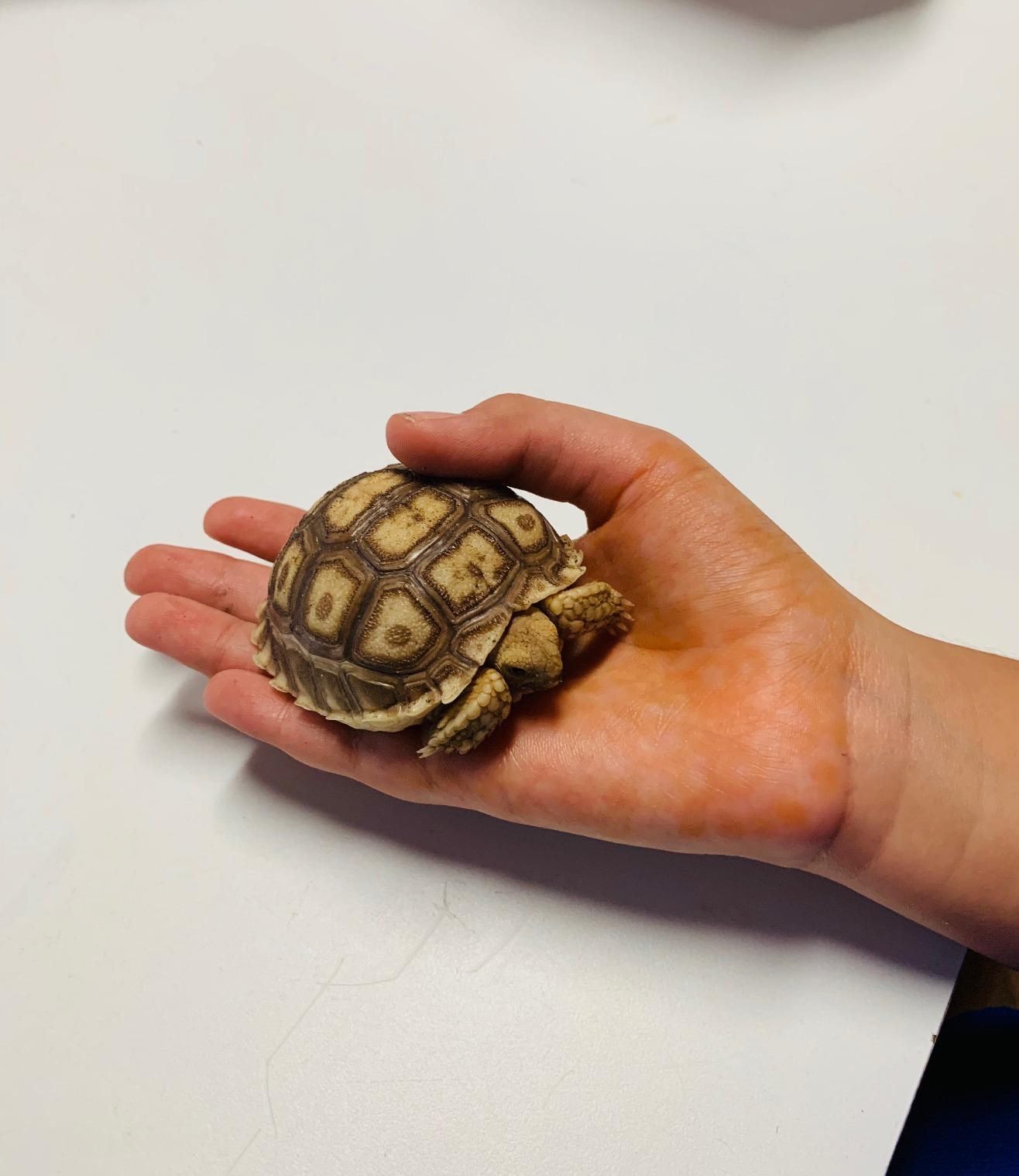
Owners use these for more than snakes. Reviews mention tortoises, bearded dragons, chicks, and one buyer keeping pipes from freezing. The range also covers 50W, 75W and 100W in the same listing, so you can step down if you move to a smaller tank.
Good fit for: a big enclosure or a genuinely cold room
150W is only the right answer when the enclosure is large or the ambient room temperature is low. If your setup is a standard 4x2x2 in a heated room, this will cook the warm side and you will spend your time dialling the thermostat back. Buyers using it for reptiles consistently mounted it higher and relied on distance to control temperature.
Watch out for: burn risk with no visual warning
One reviewer reported a burn scar, and the complaint that appears most often is exactly that you cannot tell it is on. There is no glow at all. Keep it well clear of the animal and of any flammable material, fit a guard, use a fixture rated for the load, and always pair it with a thermostat and a high-temperature cutoff.
7. OMAYKEY 75W Ceramic Heat Emitter 2-Pack – Best Value Two-Pack for Smaller Tanks
- Two emitters at a low per-bulb cost
- ETL Listed on AC 90-120V
- Zero light output preserves rest behaviour
- Simple drop-in screw fit
- 75W has a modest heat footprint
- Must use a porcelain or ceramic socket
- No thermometer or thermostat included
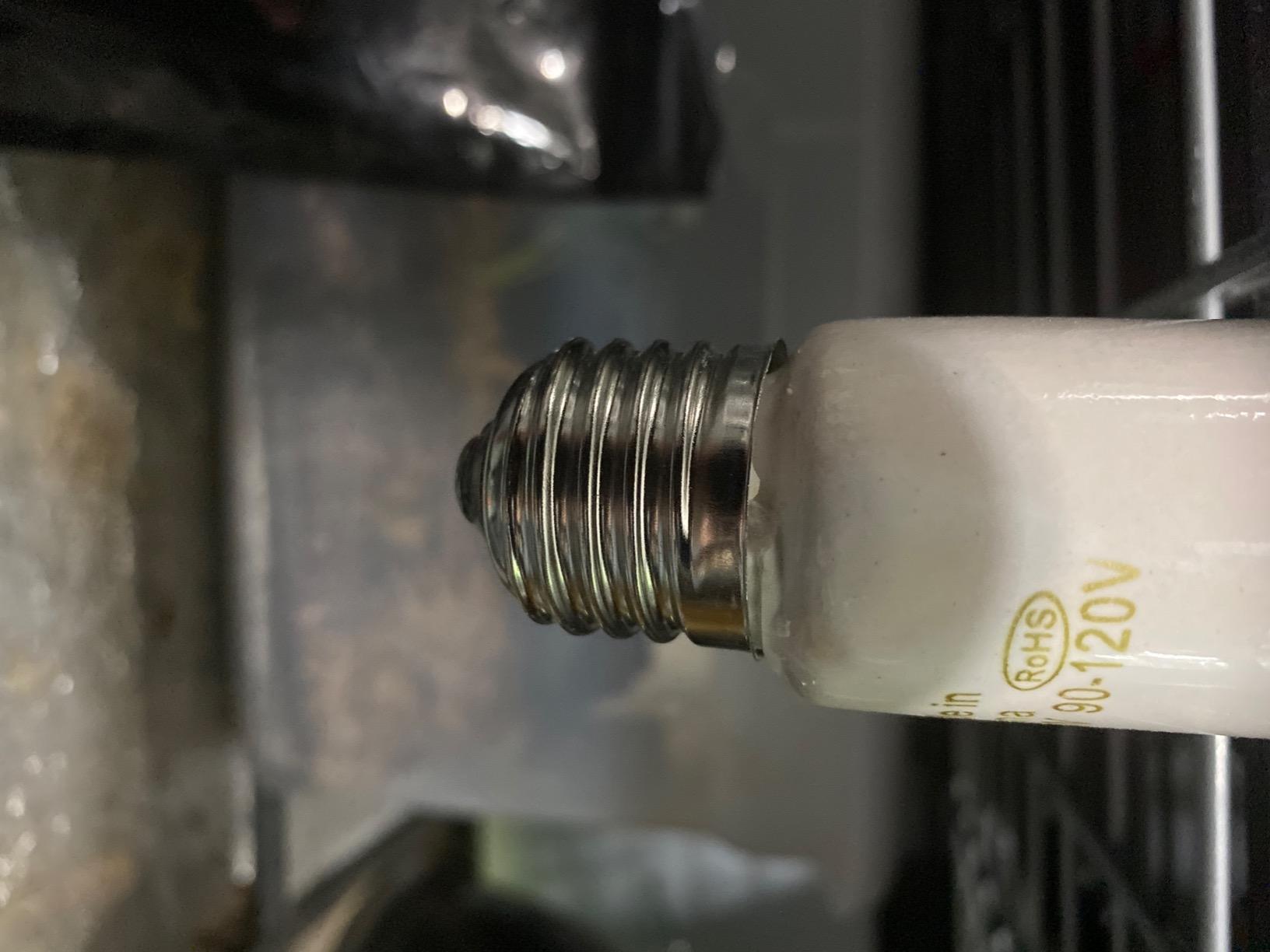
When you want two emitters without paying for premium branding, this is the one. It is a 75W white ceramic element at 15000 hours rated life, ETL Listed on AC 90-120V, and it screws straight into a standard E26 or E27 porcelain socket. The 2.95 inch by 3.94 inch size fits most dome fixtures.
More than 3400 reviews average 4.4 stars with 72 percent five-star. Buyers point at the silent no-light infrared heat, the easy screw-in fit and the low cost of a 2-pack. For a small corn snake enclosure or a quarantine tank, two bulbs means you always have a spare on hand.
The 3000K colour temperature and 95 colour rendering index listed in the specifications apply to the ceramic body finish, not to output. There is no light emitted, so those figures do not affect your enclosure in any way.
Good fit for: small enclosures and backup bulbs
75W suits a 10 to 20 gallon long, a juvenile corn snake, or a quarantine and hospital enclosure where you want a spare. Because it is white ceramic, check whether it produces any faint residual glow in a dark room before committing for a strictly nocturnal species that is light-sensitive.
Watch out for: modest heat in a big tank
Criticism centres on wattage being modest for larger enclosures. A 75W emitter simply will not bring a 4x4x2 up to temperature without sitting dangerously close to the animal. No thermometer or thermostat is included in the pack, so budget for both separately.
8. Aiicioo 60W Ceramic Heat Emitter – Best for Small Enclosures and Brooders
- Single-unit purchase with no bundle required
- High-purity pottery clay resists cracking
- Highest five-star share among the multi-packs at 76 percent
- Heats up fast in cold rooms
- 60W is the lowest wattage here
- Bulb needs a full hour to cool before handling
- On and off cycling shortens element life
The Aiicioo is the lowest wattage in this roundup at 60W, and for a small enclosure that is exactly the point. It is a single white ceramic bulb, 2.95 by 3.94 by 2.95 inches at 4.8 ounces, on AC 110-120V with a manufacturer rated life of up to 10,000 hours.
The clay specification is the detail I care about here: high-purity pottery clay for anti-crack performance in high-humidity terrariums. Buyers also mention that it raises ambient air temperature as well as surface temperature and heats quickly in cold environments, which is useful when a room drops overnight.
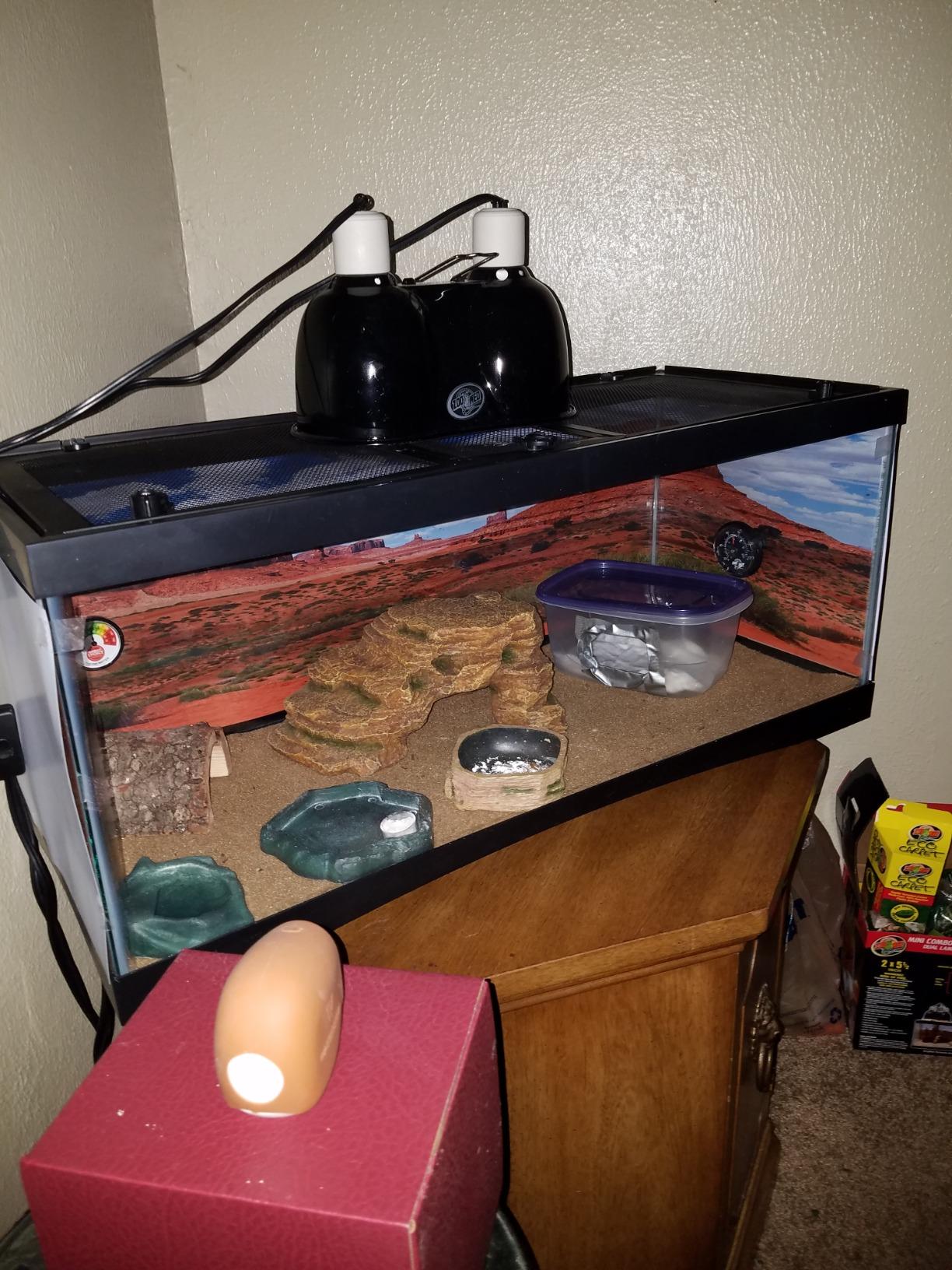
Over 3300 reviews average 4.5 stars with 76 percent five-star, the highest five-star share among the packs in this roundup. Buyers highlight the no-light infrared output, the humid-terrarium crack resistance and the low single-bulb cost without needing a bundle.
Good fit for: quarantine tanks, juveniles and poultry brooders
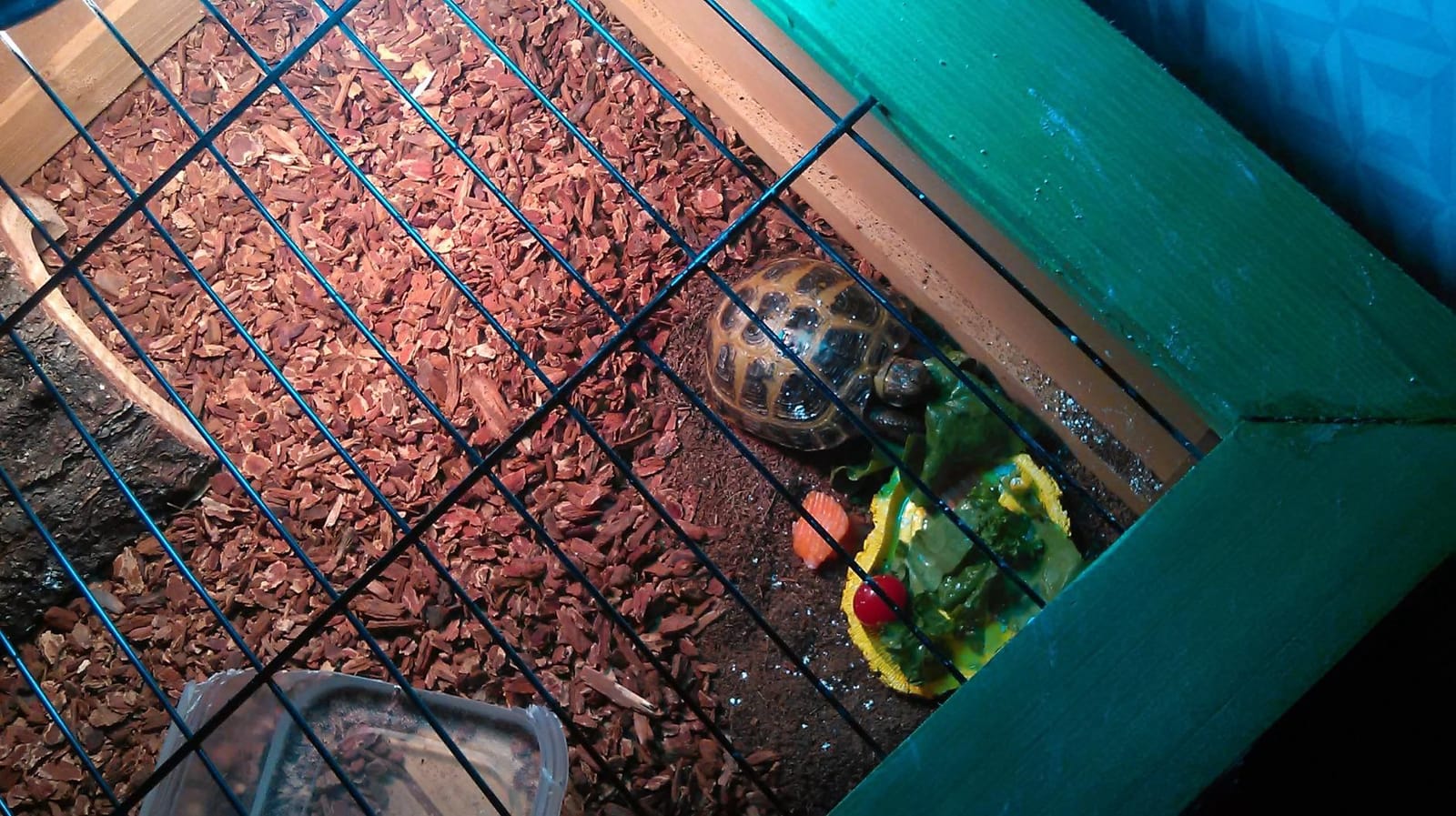
60W covers small arboreal and juvenile enclosures, a hospital or quarantine setup, and it is also listed for chicken coops and brooders. If you keep a young corn snake or a small colubrid, this is gentle enough that you do not need to hang the fixture high and fight the heat loss.
Watch out for: it is not a room heater
The listing warns to wait at least an hour for the bulb to cool before touching and not to rapidly cycle the lamp on and off, which is exactly what a cheap on/off thermostat will do. Use a dimming or pulse-proportional thermostat, or an on/off thermostat with a wide differential, to protect element life.
9. Simple Deluxe 75W Ceramic Heat Emitter 2-Pack – Budget Pick for Value Keepers
- Entry-level cost versus pet shop pricing
- Black body with no glow
- Ni-Cr wire in crack and moisture resistant clay
- 1-year manufacturer warranty
- Many wattage and diameter options
- 75W raises temperature only a few degrees
- Occasional bulbs broken on arrival
- Cannot be a daytime basking light
This is the budget entry in the roundup, and owners consistently justify it against pet shop pricing rather than against the premium brands. Reviewers report long service life and durability for tortoises, boas and leopard geckos, which is a good record for the money.
The body is black ceramic at 75mm diameter by 100mm length with a Ni-Cr alloy resistance wire in high-purity ceramic that is described as crack-resistant, moisture-proof and heat-resistant. Rated 120V on a standard E26 base, and it carries a 1-year manufacturer warranty.
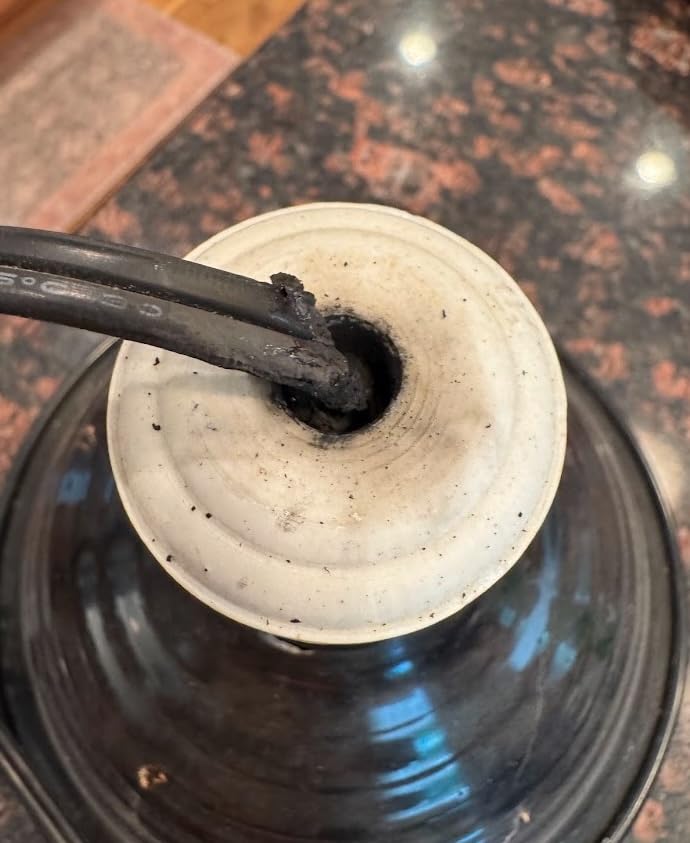
One owner notes it runs less aggressively hot than infrared bulbs of similar wattage, which is a reasonable observation for a gentler ambient source. The listing includes 100W and 150W versions in two diameters, so you can move up without changing brands.
Good fit for: a first enclosure on a budget
If you are setting up one tank for a corn snake or a juvenile colubrid, this gets you a no-light heat source with a two-year-equivalent stock of spares and a warranty longer than some premium options. It screws into standard E26 dome lamps with no wiring.
Watch out for: limited heat contribution
The recurring complaint is that 75W raises enclosure temperature only a few degrees, so it needs to sit closer or be paired with a higher-wattage element. One review also reported enamel melting, though that traced back to a faulty dimmer switch rather than the bulb. Never leave it as your daytime basking source.
10. Briignite 100W Ceramic Heat Emitter 2-Pack – Thickest Ceramic Wall in the Group
Briignite Ceramic Heat Emitter for Reptiles, 2 Pack 100W Heat Lamp Bulb
- Thicker ceramic wall holds and releases heat better
- No light output for light-sensitive animals
- NiCrAl high-resistance alloy wire
- 10000 hour rated lifespan
- Two emitters per pack
- Listing is from a generic seller handle
- No dimensions published for clearance checks
- No warranty information given
- Bulb surface runs hot
The technical claim here is the wall thickness and the element alloy. Briignite uses a thicker ceramic wall to improve heat retention and speed temperature rise, with a NiCrAl high-resistance alloy wire as the resistive element, rated for up to 10,000 hours of life.
Buyers describe fast, even, sun-like warmth with no light output, which suits reptiles, birds, chicks and small mammals. Around 390 reviews average 4.5 stars with 77 percent five-star. The 100W rating sits in the band forum keepers cite most for a standard 4x2x2.
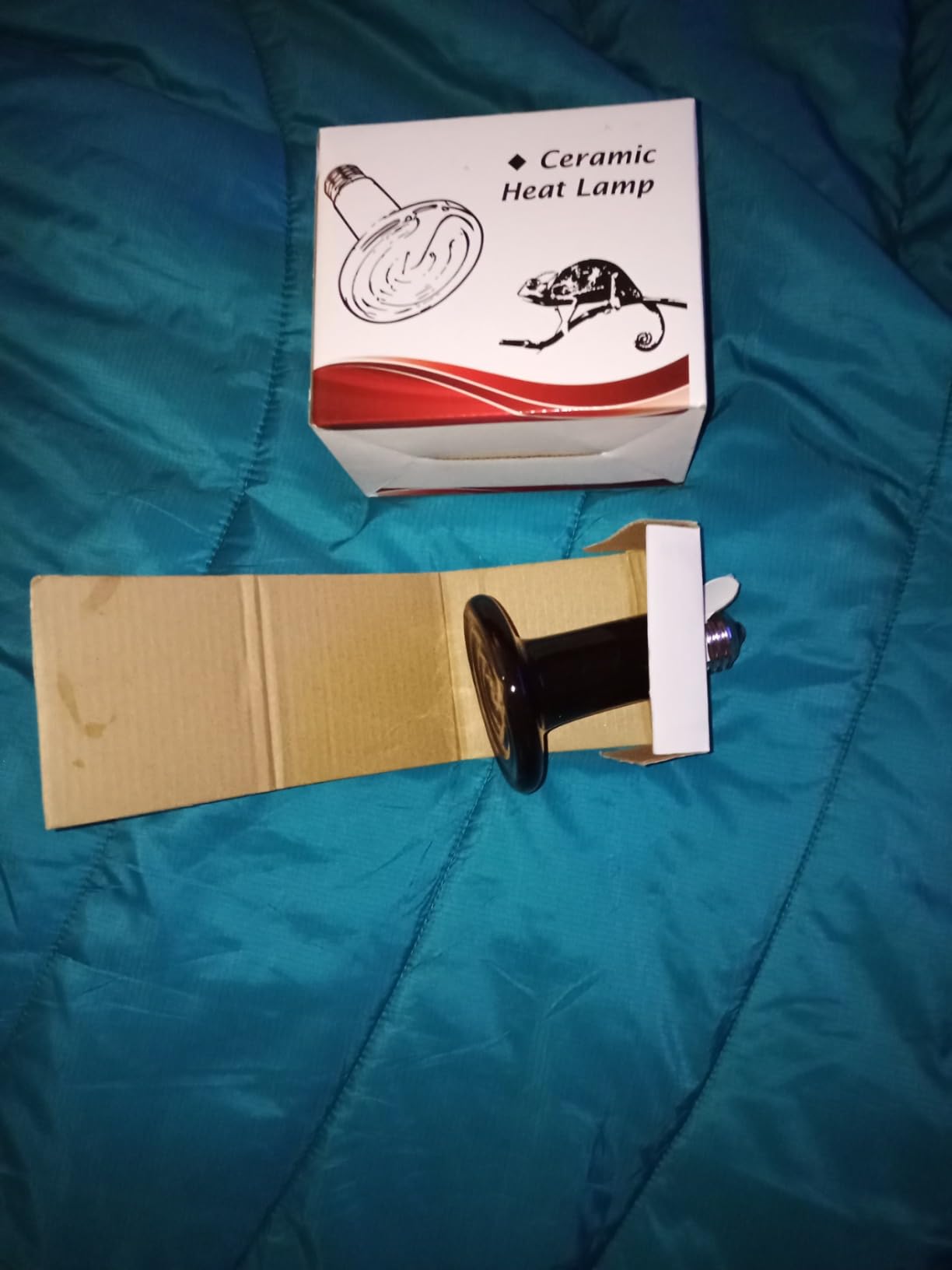
The black ceramic body is a plus for nocturnal species because it gives a completely dark enclosure with no red glow at all. Thermostat pairing matters more here than anywhere else in the roundup, since the thicker wall is designed to hold and release heat steadily under control.
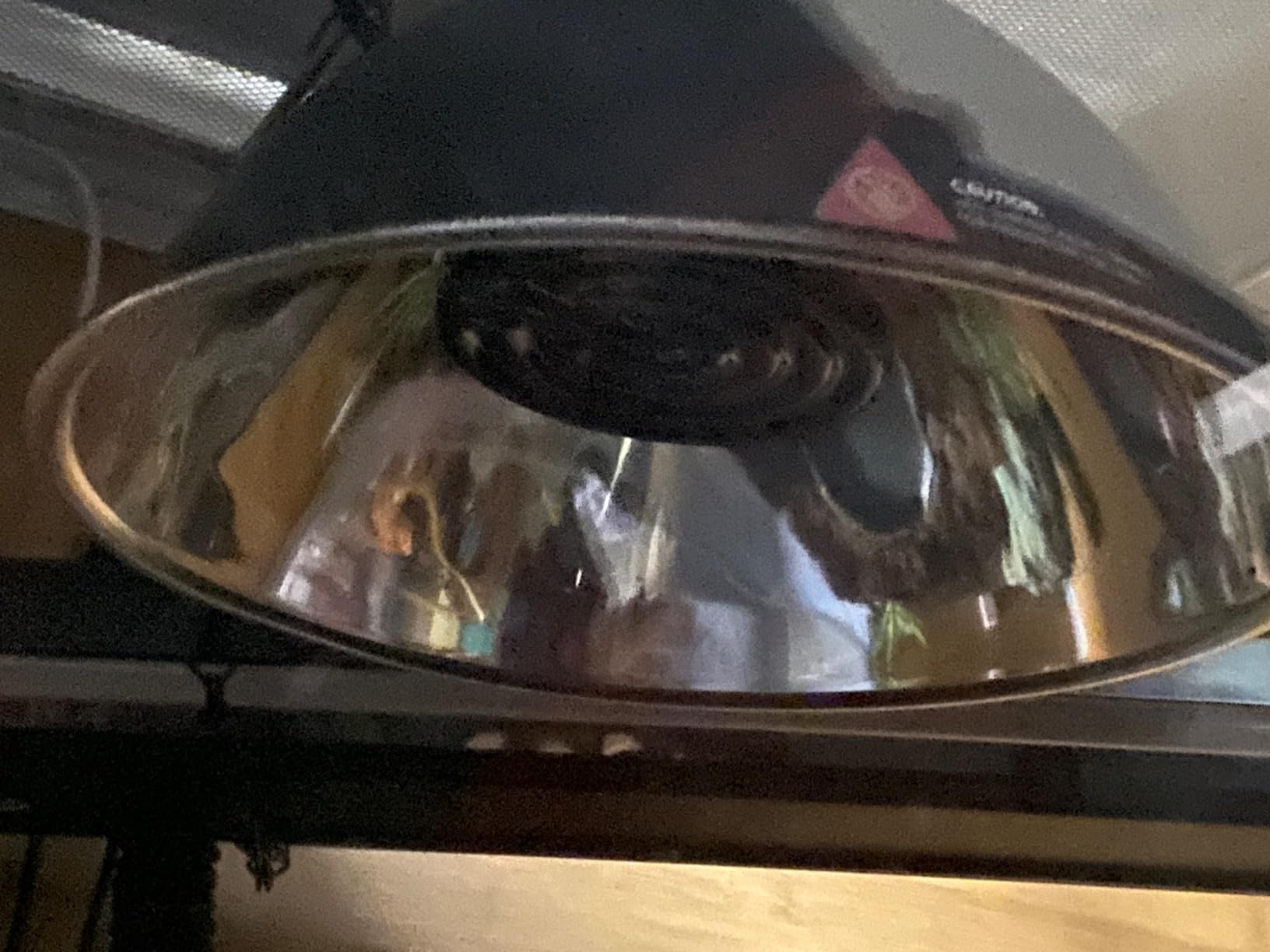
Good fit for: keepers who want a thick ceramic body and thick-wall heat retention
If you have had cracking problems with thinner emitters in a humid enclosure, the wall thickness is the reason to consider this one. The even, sun-like output also suits a snake that spreads itself out over the warm side rather than sitting under a tight hotspot.
Watch out for: thin listing detail
There is no dimension data in the specification block, which makes fixture clearance harder to confirm before you buy, and no warranty information is published at all. Measure your dome clearance first and ask the seller. As always, this needs a porcelain or ceramic socket rated for the load.
How to Choose a Ceramic Heat Emitter for a Snake Enclosure?
Match wattage to enclosure size, then verify with a temperature gun
Wattage is a starting point, not a guarantee, because mounting distance changes delivered temperature more than the wattage number does. Use this as the shortlist: a 10 gallon or 15 gallon enclosure takes 25W to 40W, a 20 gallon long takes 40W to 60W, a standard 4x2x2 takes 80W to 100W, and a 4x4x2 or larger enclosure takes 100W to 150W. After mounting, measure the warm-side surface with an IR temperature gun and adjust height until you hit your species target.
Know your species target temperatures
Ball pythons and corn snakes sit at roughly 88-92F on the warm side with cooler ambient air behind them. Boas and most colubrid kingsnakes and milk snakes sit in a similar band, while tropical arboreal species such as green tree pythons need higher ambient and higher humidity alongside it. A CHE delivers radiant surface heat and warms the air near it, which is why the probe position on the warm side matters more than the bulb rating.
Understand the infrared difference before you buy
IR-A is near-infrared, produced by halogen basking lamps and deep heat projectors, and it penetrates tissue more deeply. IR-B is mid-infrared. IR-C is far-infrared, and a ceramic heat emitter sits here: it warms the surface and the air without the deep-penetration claim. That is why a CHE is a night and ambient source and a halogen is the daytime basking source. A minority of tortoise keepers argue IR-C is the safer deep heat, and it is fair to present that, but the mainstream husbandry position still pairs a CHE with a daytime basking lamp.
Choose the thermostat before you choose the bulb
Pulse-proportional thermostats, such as the Inkbird units most often recommended on forums, switch the emitter on and off rapidly at varying rates and hold temperature far more tightly. Dimming thermostats reduce power to the element instead of cutting it, which some owners prefer because it is gentler on the element. A basic on/off thermostat with a narrow differential will hunt and click, which shortens element life. Pair any of the ten emitters above with a thermostat that has a high-temperature cutoff.
Never use a plastic socket
This is the one rule with no exceptions. Every one of these elements needs a porcelain or ceramic rated socket, and a plastic socket can melt. Add a guard, keep clearance between the element and any flammable material, and never let a dome rest against a wooden stand.
Consider a two-zone setup for larger snakes
Many boa keepers run a thermostated under-tank heater for daytime floor heat plus a 100W ceramic heat emitter in a dome for the warm side and overnight warmth, which is the most common real-world configuration for a 20 gallon long. If you go that route, run each heat source on its own thermostat so one failure cannot take the whole enclosure up in temperature.
Add a thermometer you can trust
Cheap analog stick-on gauges are not good enough for a light-free emitter because you cannot see whether it is on. Use a digital probe thermometer with a remote display, position the probe on the warm side away from direct contact with the emitter, and cross-check with an IR gun. If you also want the ceramics background, our roundups on ceramic table lamps and ceramic dog bowls cover the same clay-and-heat material science from a different angle.
Frequently Asked Questions
Are ceramic heaters good for snakes?
Yes, as a light-free ambient or overnight heat source. A ceramic heat emitter raises the surface temperature and the air near it without emitting any visible light, so your snake’s day/night cycle stays intact. Pair it with a thermostat and a high-temperature cutoff, and treat it as a supplement to, not a replacement for, a daytime basking lamp.
Can I use a ceramic heat emitter instead of a basking bulb?
Only for night and ambient heat. A ceramic heat emitter produces far-infrared (IR-C) energy rather than the near-infrared (IR-A) of a halogen basking lamp, so it cannot deliver a proper daytime basking surface. Use a halogen basking lamp by day and a ceramic heat emitter overnight or alongside an under-tank heater.
What are the disadvantages of using a ceramic heat emitter?
The main drawbacks are that it gives no visual warning that it is hot, it lowers humidity in the enclosure, it needs a porcelain or ceramic socket, and on/off cycling shortens element life. Emitters also run very hot at the surface, so clearance and a guard matter, and output can fade after several months of use.
What is the best heat source for a ball python?
The usual setup is a halogen basking lamp for daytime heat plus a thermostated under-tank heater or a ceramic heat emitter for overnight ambient warmth, targeting roughly 88-92F on the warm side with cooler air behind it. A ceramic heat emitter works well here because it delivers no light at night.
What is a deep heat projector for reptiles?
A deep heat projector is an infrared heating element with a solid silicon or ceramic face that produces no visible light and mixes IR-B with some IR-A, sitting between a halogen lamp and a ceramic heat emitter. It is often sold as an upgrade, but measured research does not fully support the marketing claim that it outperforms a plain halogen for core warming.
How far above the enclosure should a ceramic heat emitter be?
Mounting distance controls delivered temperature more than wattage does. Start high enough that the animal cannot touch the element, following the manufacturer’s clearance guidance, then lower the fixture gradually while checking the warm-side surface with an IR temperature gun until you reach your species target.
Should a ceramic heat emitter be black or white?
Black ceramic is preferable for strictly nocturnal or light-sensitive species because it produces no faint glow at all, while white ceramic can leak a very slight warmth you might notice in a dark room. Both emit no light as a design principle, so either works for most setups.
How long does a ceramic heat emitter last?
Manufacturer ratings in this roundup run from 10,000 to 15,000 hours, and long-term owners on husbandry forums report bulbs lasting several years under a thermostat. Output typically fades gradually before failure, so check warm-side temperature periodically and lower or raise the fixture rather than replacing immediately.
Conclusion
The OMAYKEY 100W 2-pack is our pick for the best ceramic heat emitters for snakes in 2026 because it combines a 15000 hour rated element, a confirmed zero-light output, ETL listing and an included thermometer at a review volume that gives you a very clear picture of how it behaves. For the highest-rated option, the LUCKY HERP 100W pair holds a 4.7 star average and warms quickly. For humid tropical vivariums, the REPTI ZOO pair is the one with the clearest ceramic and certification claims.
Whichever you choose, pair it with a pulse-proportional thermostat and a high-temperature cutoff, use a porcelain or ceramic socket, verify the warm side with an IR temperature gun, and keep a daytime basking lamp for the hours when your snake is awake and basking. Those four steps matter more than the brand on the box.