

Quick answer: the best halogen basking bulbs for bearded dragons are the ones that put radiant heat into a tight, bright spot you can measure with an infrared thermometer. For most adult setups we start at 100W and drop to 75W once the basking surface reads 100-110F. Our top pick is the LUCKY HERP 100W two-pack, with the Zoo Med Repti Tuff splashproof halogen as the pick for bioactive enclosures.
That said, only two of the eight bulbs we looked at in 2026 are true halogen lamps. The rest are UVA incandescent basking bulbs that get sold in the same aisle, under similar names, and behave noticeably differently. This guide covers all eight and tells you which is which, because picking the wrong one is the single most common reason a basking spot sits at 95F when the keeper expected 105F.
We spent weeks comparing specs, review patterns, and measured-temperature reports from keepers across r/BeardedDragons, r/BeardedDragonCare, and the beardeddragon.org enclosure forums. Every bulb below is listed with its real wattage, base type, beam, lumen figure, and rated service life so you can match it to your enclosure instead of guessing.
Two things to keep in mind before you read further. First, a halogen basking bulb produces no UVB at all, so it is only half the lighting picture. Second, wattage is not a temperature setting. You size the bulb roughly, then you measure and adjust the mounting height until the surface reads right.
Table of Contents
Top 3 Best Halogen Basking Bulbs for Bearded Dragons (October 2026)

LUCKY HERP 100W UVA Basking 2-Pack
- 1650 lumens daylight
- 2000 hour rated life
- E26 ceramic fixture fit

Zoo Med Repti Tuff Splashproof Halogen 75W
- True halogen lamp
- Splashproof glass
- Up to 2500 hour life

ReptiKing 100W Intense Basking Spot 2-Pack
- 35% denser beam
- 1600 lumens
- 2000 hour rated life
All 8 Bulbs at a Glance (October 2026)
| Product | Specifications | Action |
|---|---|---|
| LUCKY HERP 100W UVA Basking 2-Pack |
|
Check Latest Price |
| Zoo Med Repti Tuff Splashproof Halogen 75W |
|
Check Latest Price |
| ReptiKing 100W Intense Basking Spot 2-Pack |
|
Check Latest Price |
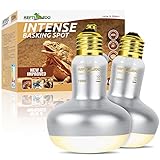 REPTI ZOO 100W Intense Basking Spot 2-Pack REPTI ZOO 100W Intense Basking Spot 2-Pack |
|
Check Latest Price |
 MCLANZOO 75W UVA Basking Light 2-Pack MCLANZOO 75W UVA Basking Light 2-Pack |
|
Check Latest Price |
 Zoo Med Repti Basking Spot 100W 3-Pack Zoo Med Repti Basking Spot 100W 3-Pack |
|
Check Latest Price |
 Exo Terra Sun Glo Halogen Basking Spot Exo Terra Sun Glo Halogen Basking Spot |
|
Check Latest Price |
 CALPALMY 100W R80 UVA Daylight 4-Pack CALPALMY 100W R80 UVA Daylight 4-Pack |
|
Check Latest Price |
Why Halogen Is the Right Basking Bulb for Bearded Dragons
Halogen works because of where its energy lands, not because it is hotter on the label. A halogen lamp runs its tungsten filament at a higher temperature than a standard incandescent and seals it in a small dose of halogen gas, so evaporated tungsten redeposits onto the filament instead of thinning it. That is also why halogen lamps last longer than plain incandescents.
The practical payoff is the spectrum. A large share of the emitted energy falls in the IR-A band, near-infrared wavelengths roughly between 700 and 1400 nanometres. Those wavelengths pass through skin and warm tissue directly rather than heating the air first. A bearded dragon lying on a halogen-lit rock warms its core body temperature even while the surrounding air stays in the mid 80s.
The bright white visible output is the second reason. Bearded dragons are diurnal. They expect a bright sun overhead, and that light is the stimulus that triggers basking behaviour in the first place. A dim or yellow bulb can generate heat without triggering the behaviour you are trying to produce, which is why several keepers report their dragons ignoring an underpowered spot.
What halogen cannot do is UVB. UVB is a separate wavelength band that the glass envelope blocks, so no halogen basking bulb on this list contributes to vitamin D3 synthesis. If you take one thing from this guide, take this: pair your halogen basking bulb with a linear T5 HO UVB tube. Our guide to the broader category of reptile heat lamp picks covers the rest of the setup.
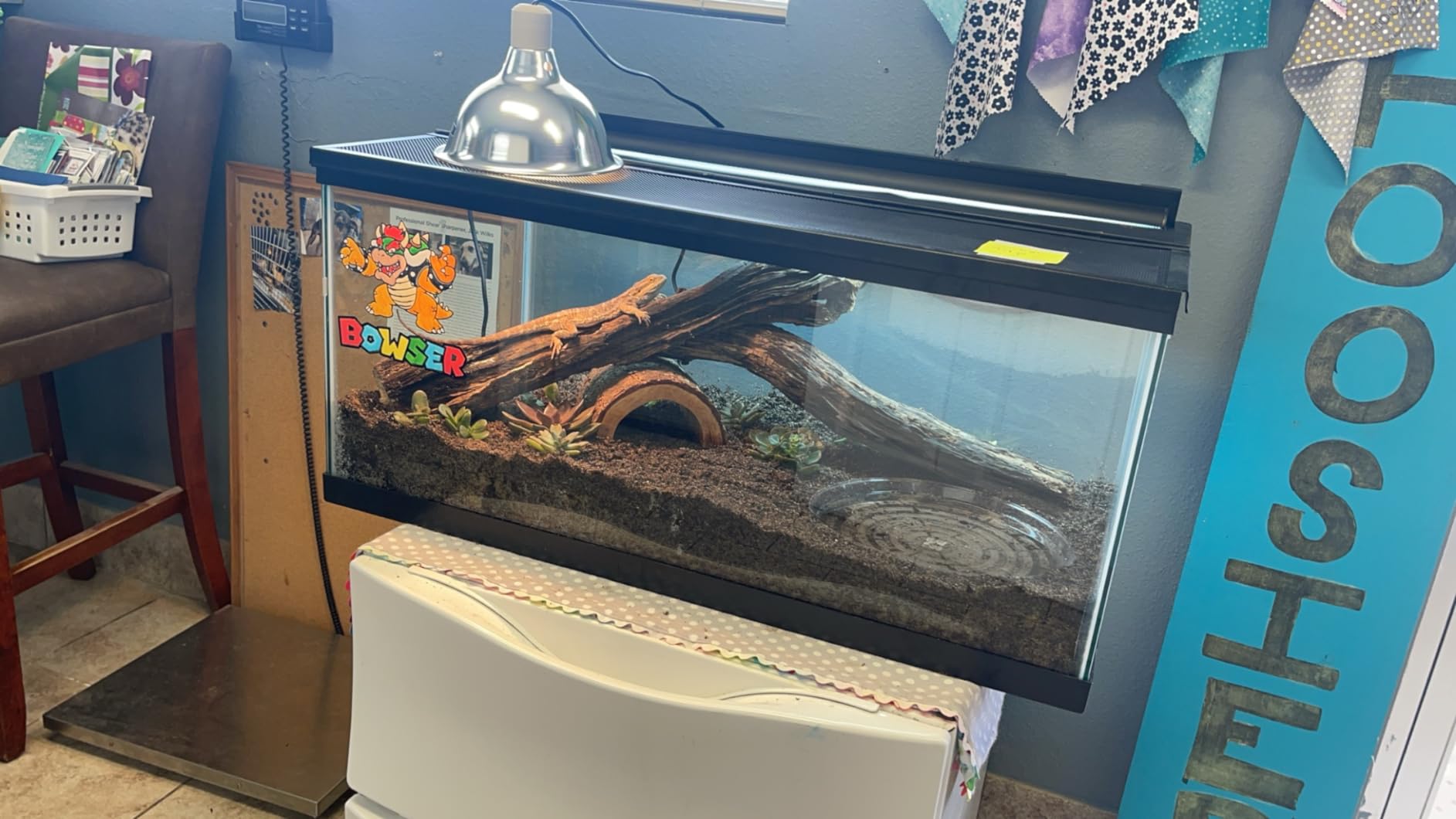
One more practical note on halogens specifically: they run hot enough that they belong in a ceramic socket with a deep reflector dome, mounted on a lamp stand or bracket with a safety chain. They are not meant to sit in a plastic socket or a shallow dome, and you should always handle the glass with dry hands.
Halogen vs. Every Other Heat Source
Halogen wins the daytime basking category for one reason: it is the only common option that delivers strong IR-A radiant heat and bright visible light at the same time. Everything else is a trade.
Incandescent basking spot bulbs (including six of the eight in this guide) run cooler and dimmer than halogen and push more of their energy into visible light than radiant heat. They work fine for juvenile setups and mid-size enclosures. Several of the ones we picked put out between 450 and 1650 lumens at 75W to 100W, which you can compare directly against the enclosure size.
Ceramic heat emitters produce long-wave infrared heat with no visible light at all. They are excellent as overnight or ambient heat and useless as a primary daytime basking source, because a dragon will not bask against darkness.
Deep heat projectors work on the same principle as halogens, sending infrared into the enclosure with no visible glow, but they cost more, need a dimming thermostat, and provide no light stimulus. They also warm the animal’s whole body rather than creating a defined hot surface.
Mercury vapour bulbs combine heat, light, and UVB in one lamp, which sounds convenient and creates problems. You cannot dim one without losing the UVB output, the colour is often harsh, and the bulbs are bulky. Our view is that splitting the job into a halogen basking bulb plus a T5 HO UVB tube gives you far more control.
LED and coil (CFL) bulbs produce light with almost no radiant heat. They are not basking bulbs no matter how the packaging is worded. An under-tank heat mat warms the belly from below with no light and no basking behaviour, so it works as a secondary heat source and not as your primary one.
What Wattage Halogen Bulb Do You Need?
Start with the table below, then verify. The right wattage depends on your enclosure, how high your basking platform sits, how much glass or screen is in the way, and how cold the room is. Mounting height matters more than the number on the box.
Quick sizing guide:
20 gallon juvenile setup: 50W to 75W, mounted close to the platform.
40 gallon breeder, adult minimum: 75W, or 100W if the platform is high or the room is cool.
4x2x2, 120 gallon standard adult: 100W is the most common starting point.
Tall enclosure or high platform, 5ft and up: 100W to 150W, mounted further back so the spot is wider.
Cold room or basement: step up one wattage tier from the table value.
Keepers on r/BeardedDragons repeatedly report starting with a 100W halogen flood and then finding a 75W bulb was sufficient once they measured properly with an infrared gun. That is the normal outcome, not a downgrade. Start high, measure, and lower the wattage or raise the lamp.
One Facebook group keeper reported a 150W bulb that was not reaching target temperature in a tall enclosure and was considering adding a ceramic heat emitter to compensate. That is the wrong fix. Adding a second heat source to solve a distance problem creates two overlapping hot zones and a confusing gradient. Move the lamp first, measure again, then decide.
Enclosure choice constrains this decision too, so if you are still choosing, our notes on bearded dragon enclosures are worth reading before you settle on a wattage.
Target Basking Temperatures and How to Measure Them
Adult bearded dragons want a basking surface between 100F and 110F. Juveniles generally sit in a slightly higher band, around 105F to 115F, because they are smaller and lose heat faster. Many experienced keepers flag 95F to 105F as the conservative veterinary band.
Above roughly 115F you are risking burns on the belly and feet. Below about 98F the dragon spends more time than it should trying to warm up, and digestion suffers over time.
The rest of the gradient matters just as much. Aim for a warm side around 85F to 90F, a cool side around 75F to 85F, and let the temperature drop to roughly 65F to 70F at night. Turning the basking bulb off overnight is not optional for a healthy photoperiod.
Measure the surface, not the air. An infrared thermometer gun reads the radiant temperature of whatever surface you point it at, which is exactly the number that matters. Point it at the rock or platform where the dragon actually sits. Point it at the air and you will read a number 15 to 20 degrees lower than what the animal experiences.
Never measure through glass. Glass does not transmit infrared properly, so a reading taken through the front pane of the enclosure is meaningless. The same goes for measuring from directly beneath a dome at close range, where you will catch the hot centre rather than the usable basking surface.
Check the spot at three points: the centre of the hot zone, the edge where the dragon transitions off the platform, and the cool side. If the centre reads 115F and the edge reads 95F, your gradient is too steep and your wattage is probably too high or your lamp is too close.
A stable platform helps enormously, and the right surface shape changes how the heat lands. Our picks in basking docks illustrate how much a flat, wide surface flattens the hot spot compared with a narrow rock.
The 8 Best Halogen Basking Bulbs for Bearded Dragons
The eight bulbs below are ordered by what we would actually put in an enclosure, not by star rating. The first one is our choice for the most setups. The second is the best true halogen lamp for a bioactive or splash-prone enclosure. The rest cover smaller enclosures, multi-fixture rooms, and budget constraints.
1. LUCKY HERP 100W UVA Daylight Basking Bulbs Review
LUCKY HERP Reptile Heat Lamp Bulbs 100W, UVA Daylight Basking Bulbs 2 Pack
- 1650 lumens of daylight output for the wattage
- Quiet flicker-free operation in standard E26 ceramic domes
- Premium glass and filament rated for 2000 hours
- Highest review volume among the bright budget options
- Standard glass incandescent so it needs a ceramic socket and a safe mounting distance
- 2000 hour rating means replacing roughly twice a year on a 10-12 hour schedule
Our team compared eight basking bulbs across 1005 to 2267 reviews each, and this is the one we ended up recommending to the most people. It is a 100W R80 reflector on a standard E26 base, and it puts out 1650 lumens, which is far brighter than most competitors at the same wattage.
The brightness matters more than it sounds. A dim basking bulb produces heat the dragon tolerates but light it does not respond to. With 1650 lumens you get a visible hot spot the animal will actually choose to sit under, which is the behaviour you are paying for.
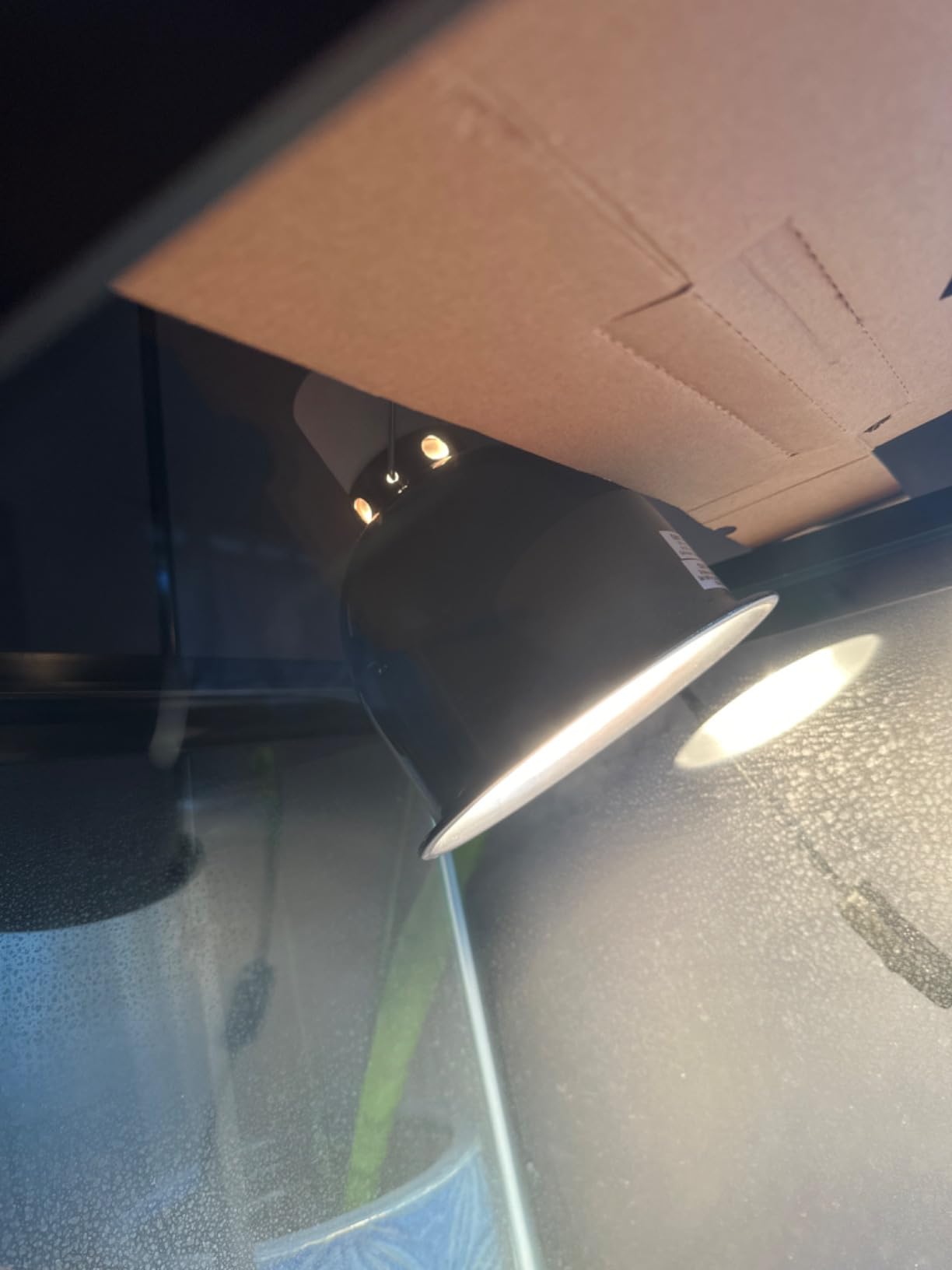
Installation is straightforward. It fits standard E26 ceramic dome fixtures at 120V and operates quietly and flicker-free, which sounds minor until you have a 100W lamp buzzing next to a sleeping dragon. The bulb is 3.1 inches in diameter by 4.3 inches tall, so check your dome depth before you screw it in.
The rated service life is 2000 hours. On a 10 to 12 hour daily photoperiod that works out to roughly two replacements a year, which is a fair trade for the brightness and the near-1800 reviews backing it.
Why this one suits most setups
It hits the sweet spot between output and price without asking you to run a separate dimmer, and the light output is high enough to trigger basking behaviour in a 4x2x2 without any adjustment.
Two bulbs in the pack means you always have a spare, which matters because the most common forum emergency is a bulb dying on a weekend with no way to get a replacement until Monday.
Where it falls short
This is a glass incandescent reflector, not a halogen lamp. It radiates less deeply than a true halogen for the same wattage, so in a cold room or a tall enclosure you may need to mount it lower or step up to a bigger wattage.
The 2000 hour rating is not generous. If you hate changing bulbs, look at the Zoo Med Repti Tuff halogen below, which is rated up to 2500 hours.
2. Zoo Med Repti Tuff Splashproof Halogen 75W Review
Zoo Med (2 Pack) Repti Tuff Splashproof Halogen Lamps 75 Watts
- One of only two true halogen lamps in this guide
- Splashproof glass rated for water-based terrariums
- Longest rated life here at up to 2500 hours
- Richer looking animal colours
- 75W can fall short in a large adult enclosure
- No published beam angle or lumen figure so hot spot size needs measuring
This is a genuine halogen lamp, not a daylight incandescent wearing a similar name, and the splashproof glass is the reason it exists. If you run a bioactive setup with a mister, or keep aquatic species alongside your dragons, this is the bulb built for that environment.
The 4.6 rating across 580 reviews is the highest average in our group, and reviewers single out durability and colour rendering. Halogen’s neodymium-style glass and filament design produce a whiter output that makes scales and patterning look noticeably richer under daylight conditions.
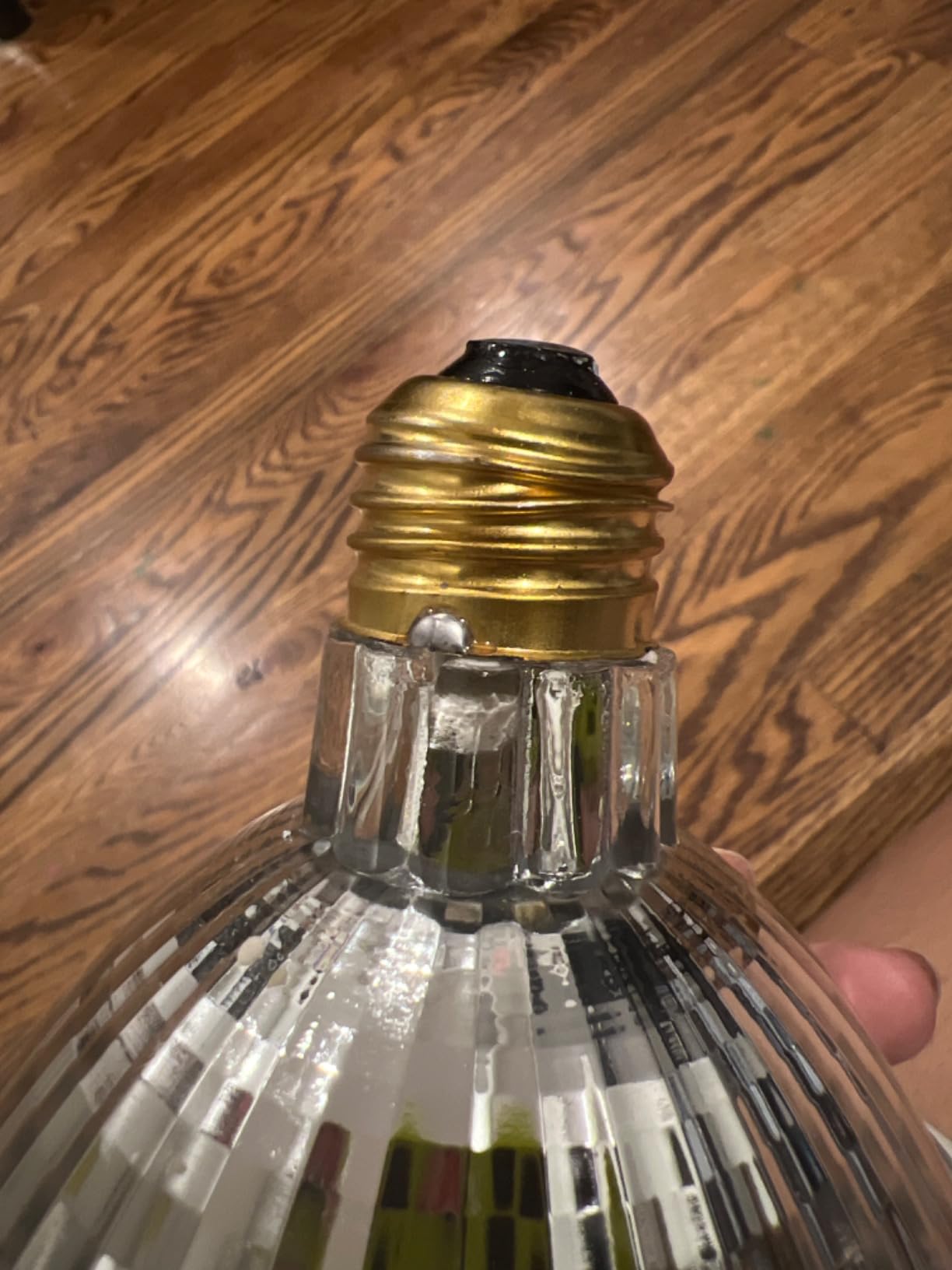
The rated life of up to 2500 hours is the best figure on this list. A top commenter on r/BeardedDragons, describing both Exo Terra and Arcadia halogen lamps, put real-world life at roughly 9 to 12 months, which lines up closely with the manufacturer rating here.
The bulb is small, at 4 by 3 by 3 inches and 4 ounces, and it ships as a two-pack. It carries a 3-month manufacturer warranty, the shortest warranty among the products we cover that state one at all.
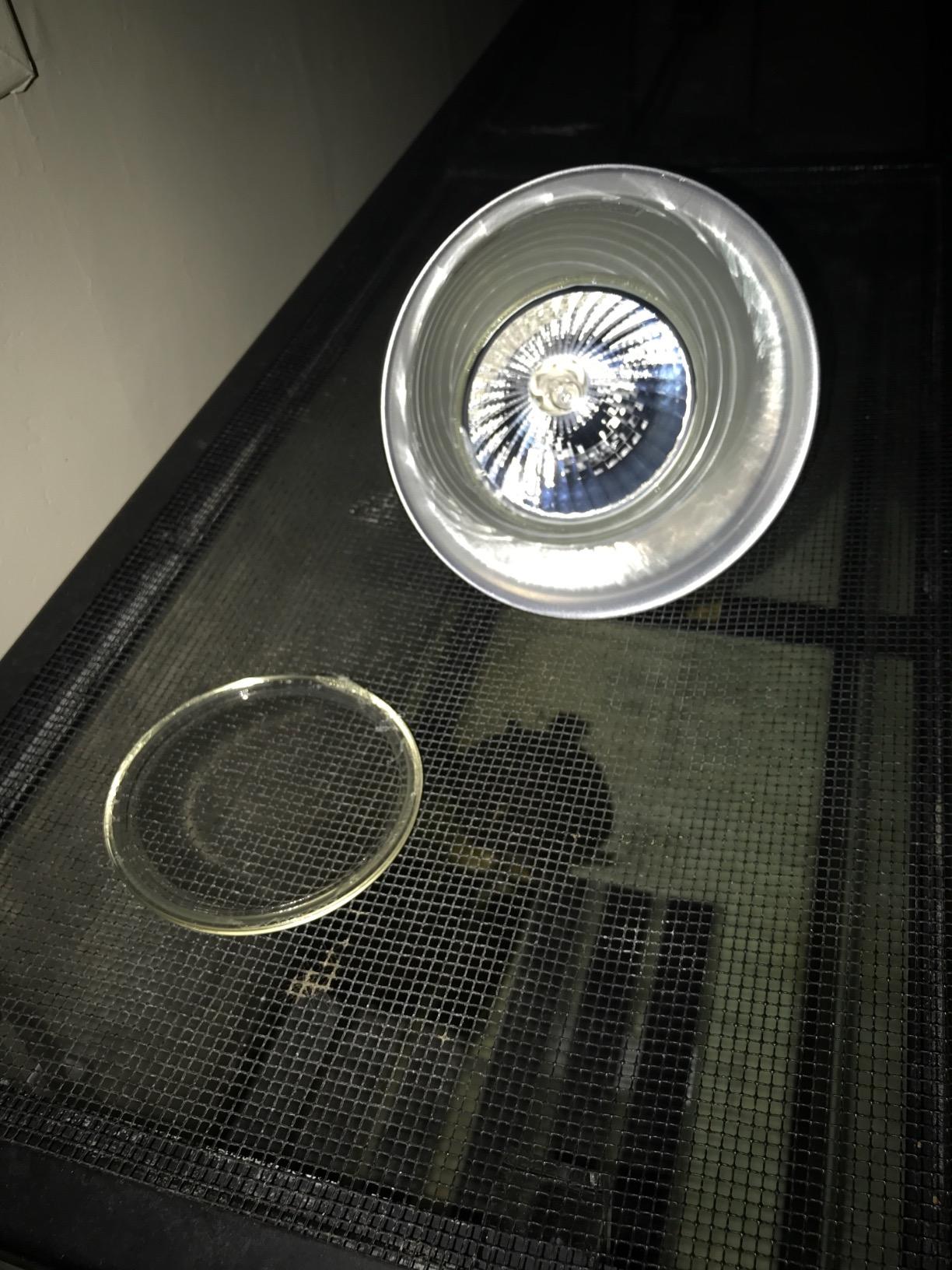
Why keepers with misted setups pick it
Standard reflector bulbs fail fast when they get splashed. The splashproof glass here is the difference between a bulb that lasts a year and one that corrodes at the socket in a few months.
As a true halogen it also puts more radiant heat into the same wattage than an incandescent, so you get a hotter surface without stepping up the wattage.
Where it falls short
At 75W it is the smaller option, and several reviewers note that it under-powers a large adult enclosure. In a 4x2x2 in a cool room, plan on mounting it closer or choosing a higher wattage from another brand.
The listing does not publish a beam angle or lumen figure, so you will need to measure the hot spot yourself to know how wide it is.
3. ReptiKing 100W Intense Basking Spot Review
- Narrow dense beam creates a clear hot and cold zone split
- 1600 lumens of daylight output at 100W
- Works in standard E26 domes on 120V 60Hz
- Ships as a two pack
- 90 day manufacturer warranty is shorter than most
- Packaging lists one item while the pack holds two
If you want one bulb that makes the gradient obvious, this is the one. The manufacturer specifies a 35 percent increase in beam density, which concentrates heat into a defined spot instead of washing it across the whole enclosure.
That narrow beam is the feature and the limitation. It gives you a proper hot side and a cool side, which is exactly what a bearded dragon needs to thermoregulate, but it also means the useful basking area is small. Make sure the platform you use is no larger than the spot itself.
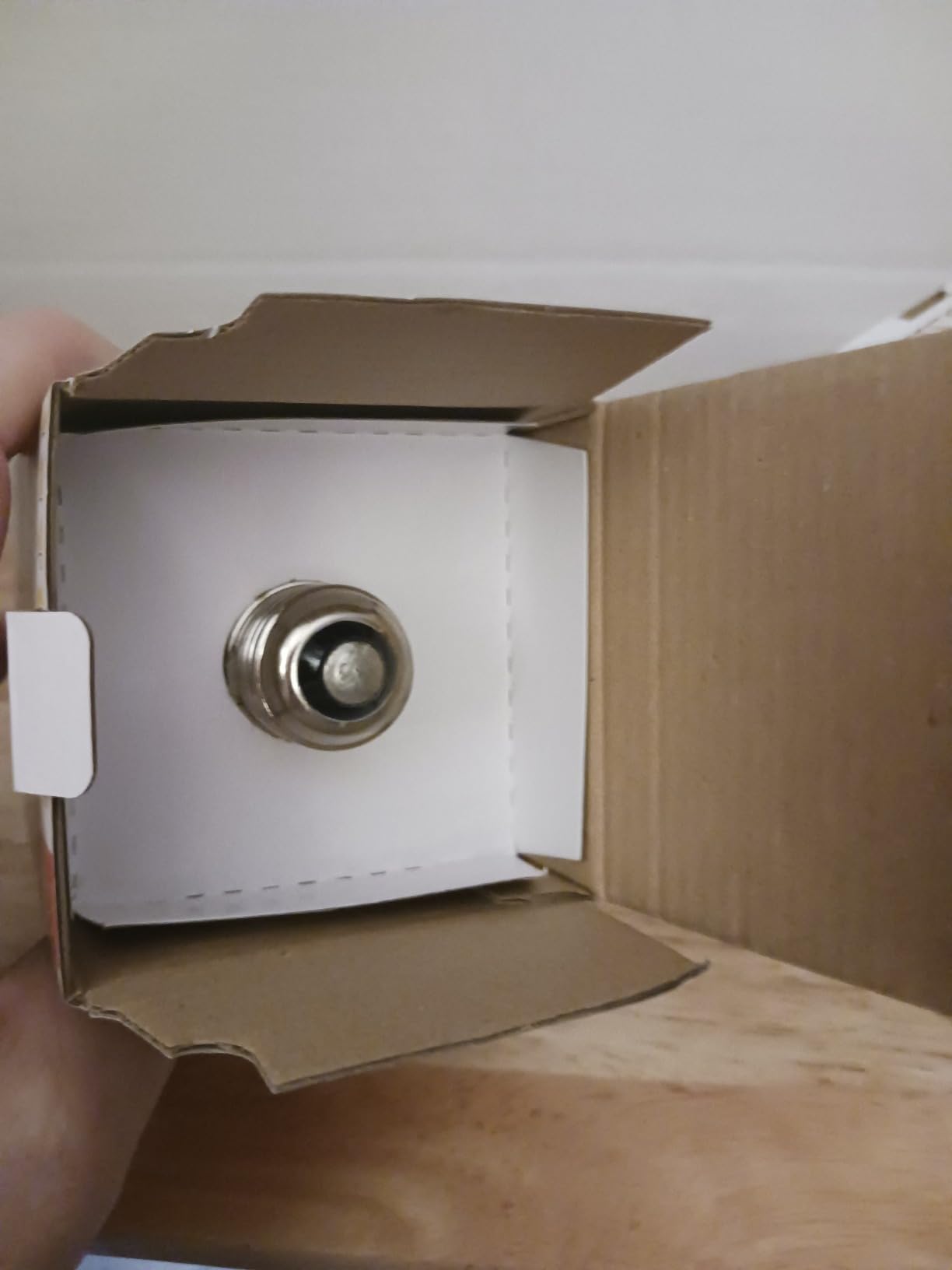
Output is 1600 lumens at 100W, which puts it right alongside the LUCKY HERP as one of the brighter options in this group. Rated service life is 2000 hours and the interface is a US standard E26 at 120V and 60Hz, so it drops into the same ceramic dome.
Reviewers rate it highly, with a 77 percent five-star share in the review data, and the negatives that exist are about packaging rather than performance. The listed warranty is 90 days.
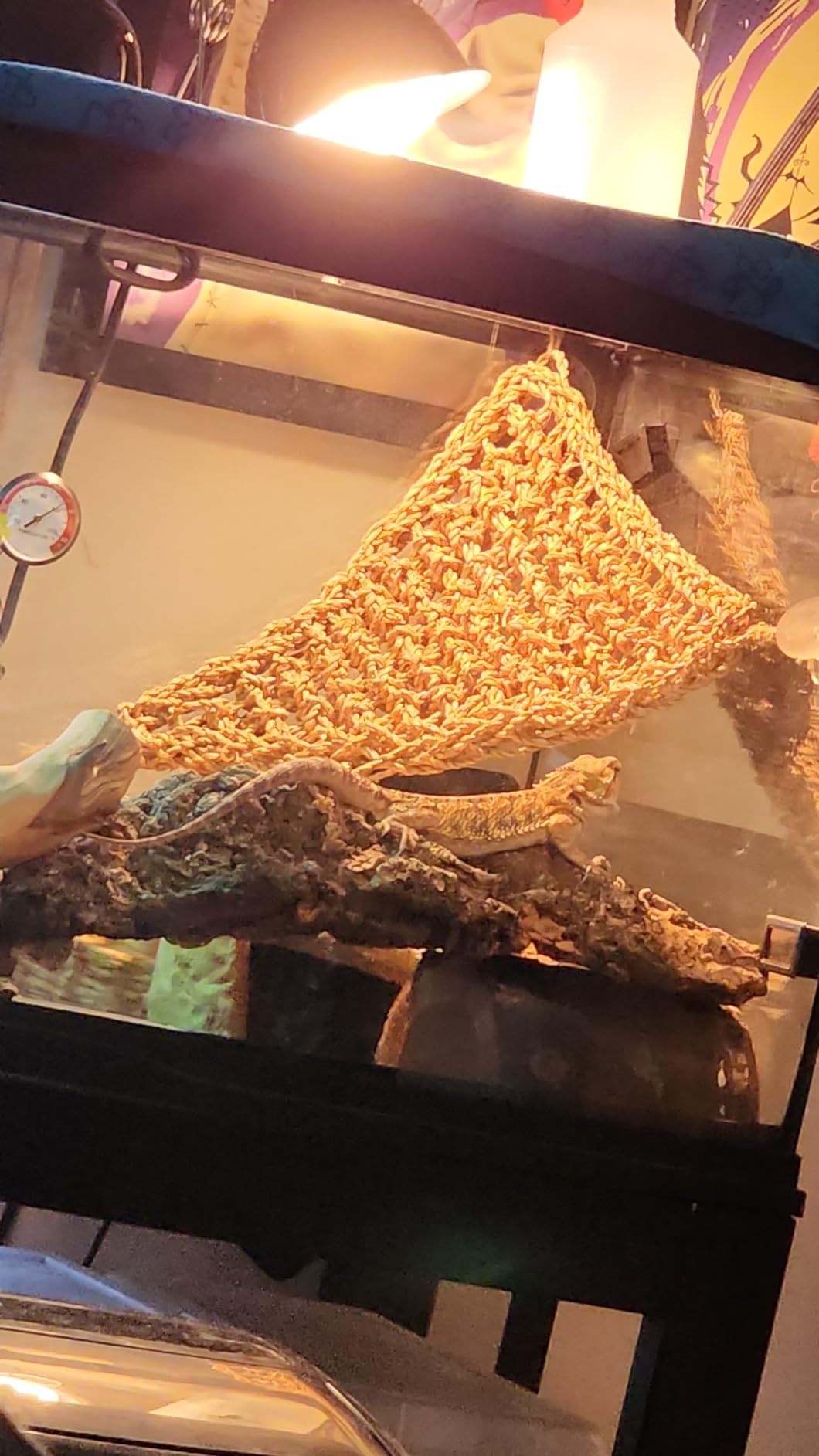
Why it works for gradient-focused keepers
A clearly defined hot zone makes it easier to keep the cool side cool. You can measure two numbers instead of five and know whether the gradient is holding.
It is also versatile across species, since the same tight spot suits desert lizards, turtles, and brooders if you ever need one bulb for more than the dragons.
Where it falls short
The concentrated beam means you must check the hot spot diameter against your platform, or you will end up with a rock that is half in the light and half out of it.
The listing discrepancy between the stated item count and the pack contents trips people up. Count the bulbs when they arrive rather than assuming.
4. REPTI ZOO 100W Intense Basking Spot Review
REPTI ZOO 2 Pack Heat Lamp 100W, Intense Basking Spot Simulated Natural Sunlight Heating Lamp Bulb, Heat Emitter UVA Heat Lamp Bulb for Reptile Chickens Pet Brooder
- Flat-bottom reflector focuses 35 percent more light and heat
- Longest rated service life here at 2000-3000 hours
- Quiet with no buzzing or flicker
- Four-stage quality inspection including an aging test
- 100 lumens is dim for a 100W spot in a larger enclosure
- Still draws significant power as an incandescent
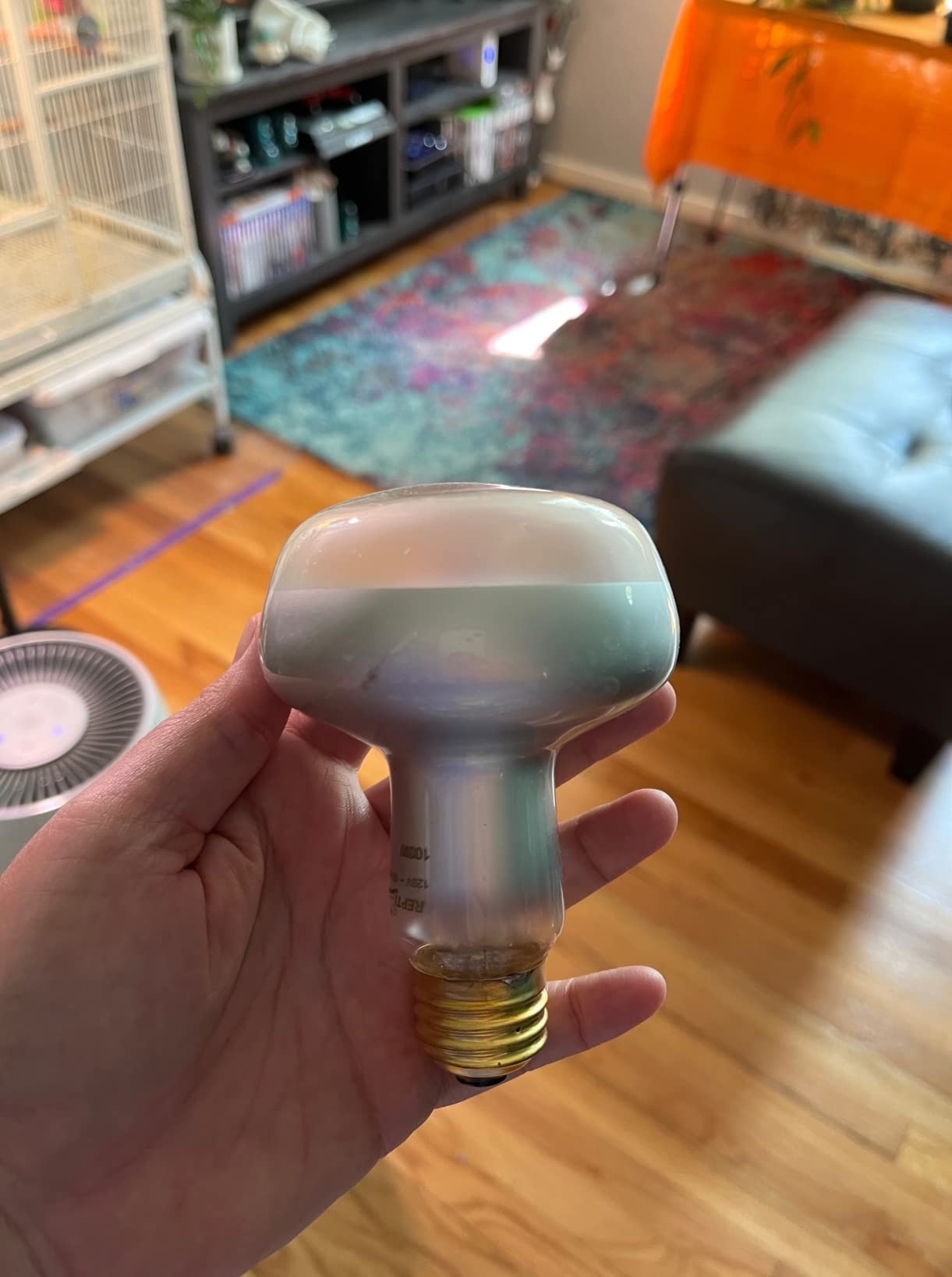
This one wins on build engineering rather than brightness. The manufacturer describes an upgraded vacuum aluminizing process that raises efficiency by 35 percent, and a flat-bottom reflector that focuses 35 percent more light and heat into a tighter beam than other reflector shapes.
The rated service life of 2000 to 3000 hours is the longest specification anywhere in this roundup. At a 10 to 12 hour photoperiod that stretches the replacement cycle well beyond what most of the other bulbs here promise.
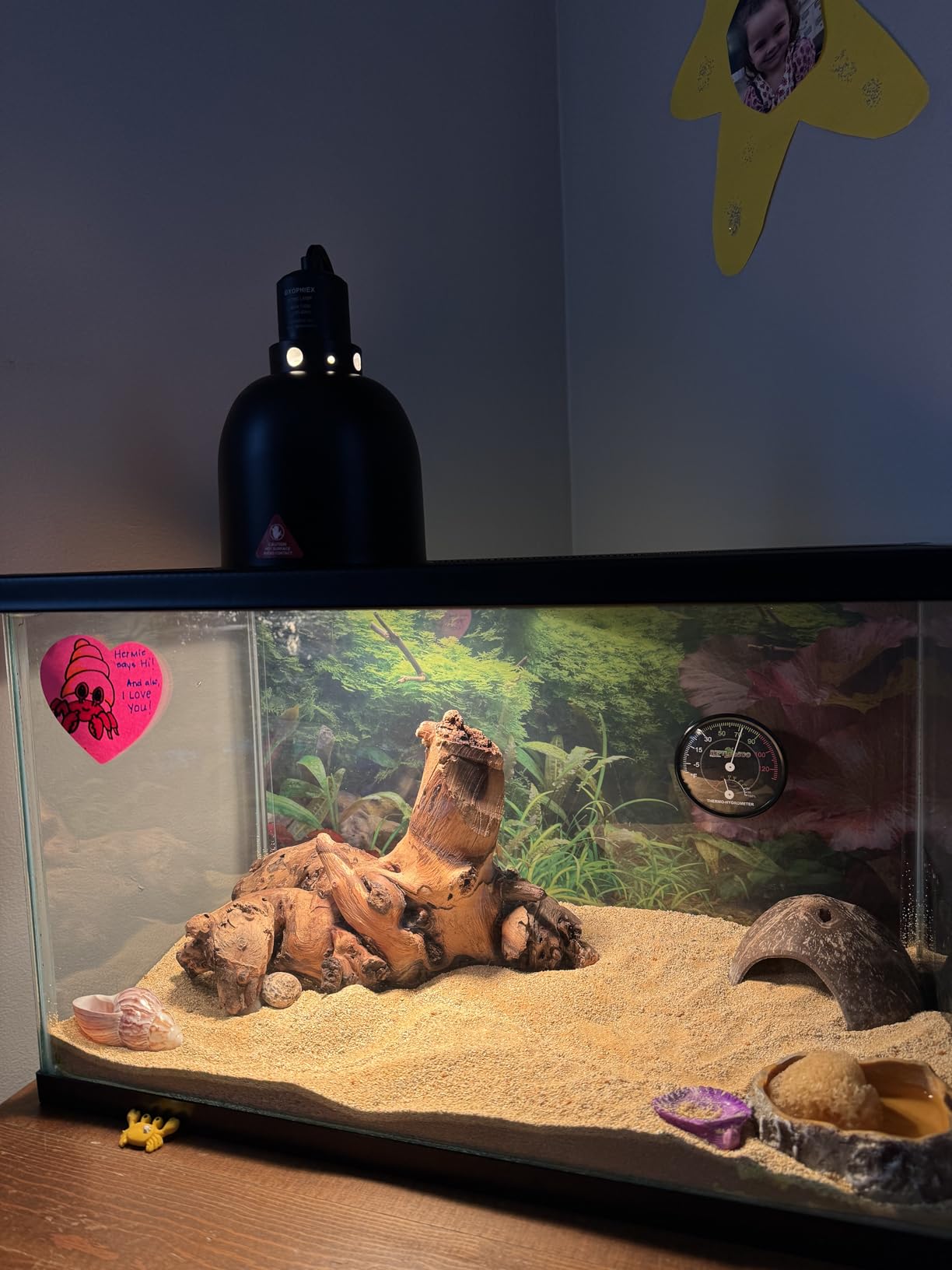
The one significant tradeoff is brightness, and it is worth being honest about. This bulb is rated at 100 lumens. Compare that with 1600 lumens from the ReptiKing or 1650 from the LUCKY HERP at the same wattage, and the difference in how much visible light reaches your dragon is dramatic.
Physically it is an E26 base bulb with an E25 shape, 3.2 inches wide by 4.8 inches tall, running on 110 volts. It carries a 1-year manufacturer warranty and a free replacement offer within 3 months.
Why it suits a multi-dragon room
The long rated life means fewer scheduled bulb changes across several enclosures, and the two-pack format makes rotating bulbs between fixtures straightforward.
It is also rated for brooder use alongside reptiles, so a single bulb type covers more of your setup than the others here.
Where it falls short
At 100 lumens the visible output is well below the rest of this group, so you may find your dragon warming itself without fully engaging with the basking behaviour you want to see.
It is still an incandescent behind that reflector, so the power draw for the light produced is high.
5. MCLANZOO 75W UVA Basking Light Review
MCLANZOO Reptile Heat Lamp 75W 2 Pack,UVA Basking Light Bulbs,Natural Daylight Terrarium Heat Lamps for Bearded Dragon Accessories,Turtle,Tortoise,Lizard,Snake,Gecko,Chicken with Temperature Strips
- Largest review volume of any bulb here at over 2200 reviews
- Includes a stick-on thermometer to start building the gradient
- Thickened explosion-proof glass and filament
- Quick warm-up across many reptile species
- 450 lumens is dim for a daytime source in a large enclosure
- 75W is low for a full-size adult bearded dragon
This is the bulb we would hand a first-time keeper with a 20 gallon juvenile enclosure. At 75W and 450 lumens it produces a usable warm gradient in a small space without any risk of cooking a young dragon.
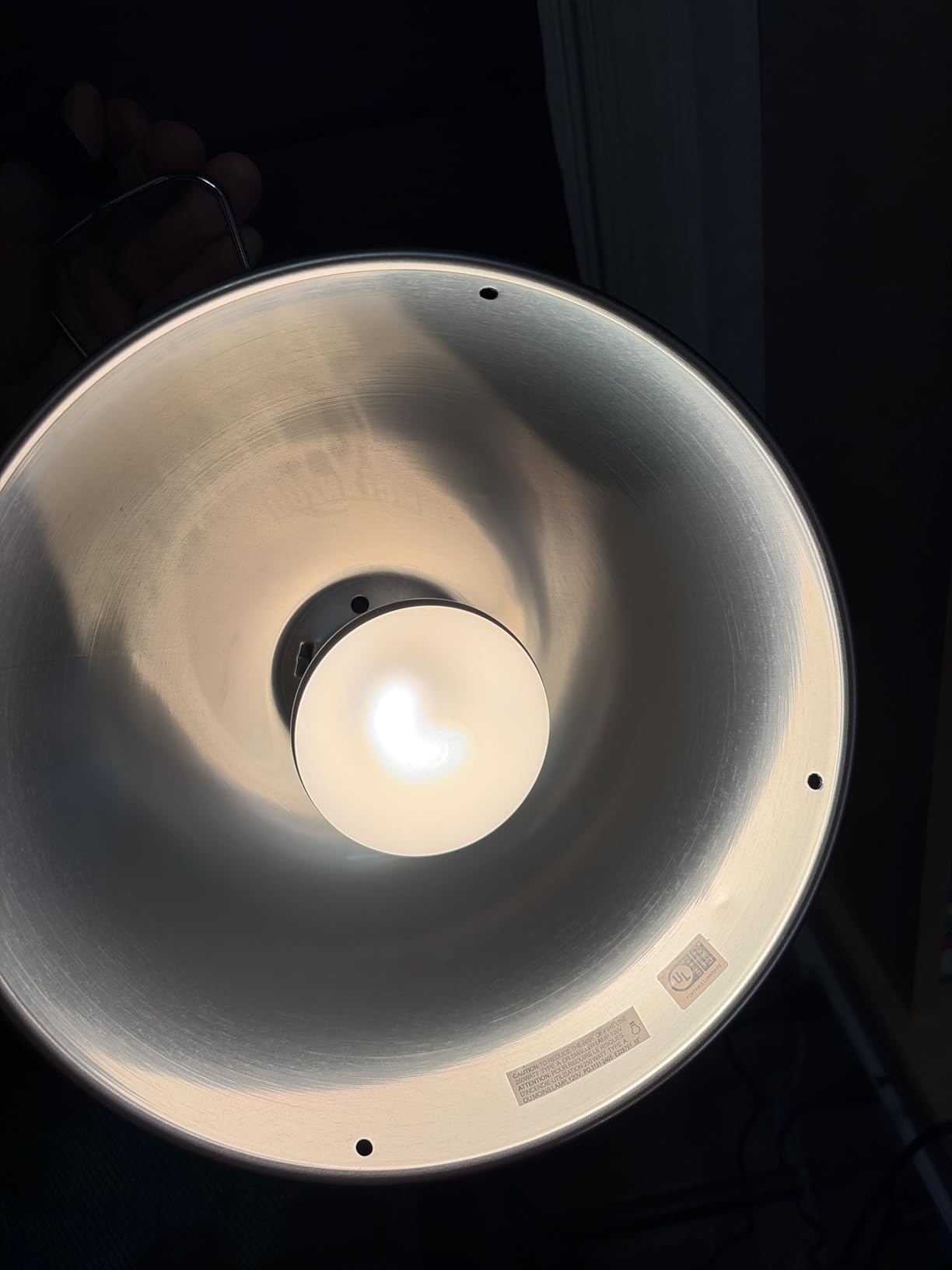
The pack includes a stick-on digital thermometer along with the two lamps. It is not a substitute for an infrared gun, but it gives you a cheap second reading at the cool end of the gradient while you work out where the hot spot actually falls.
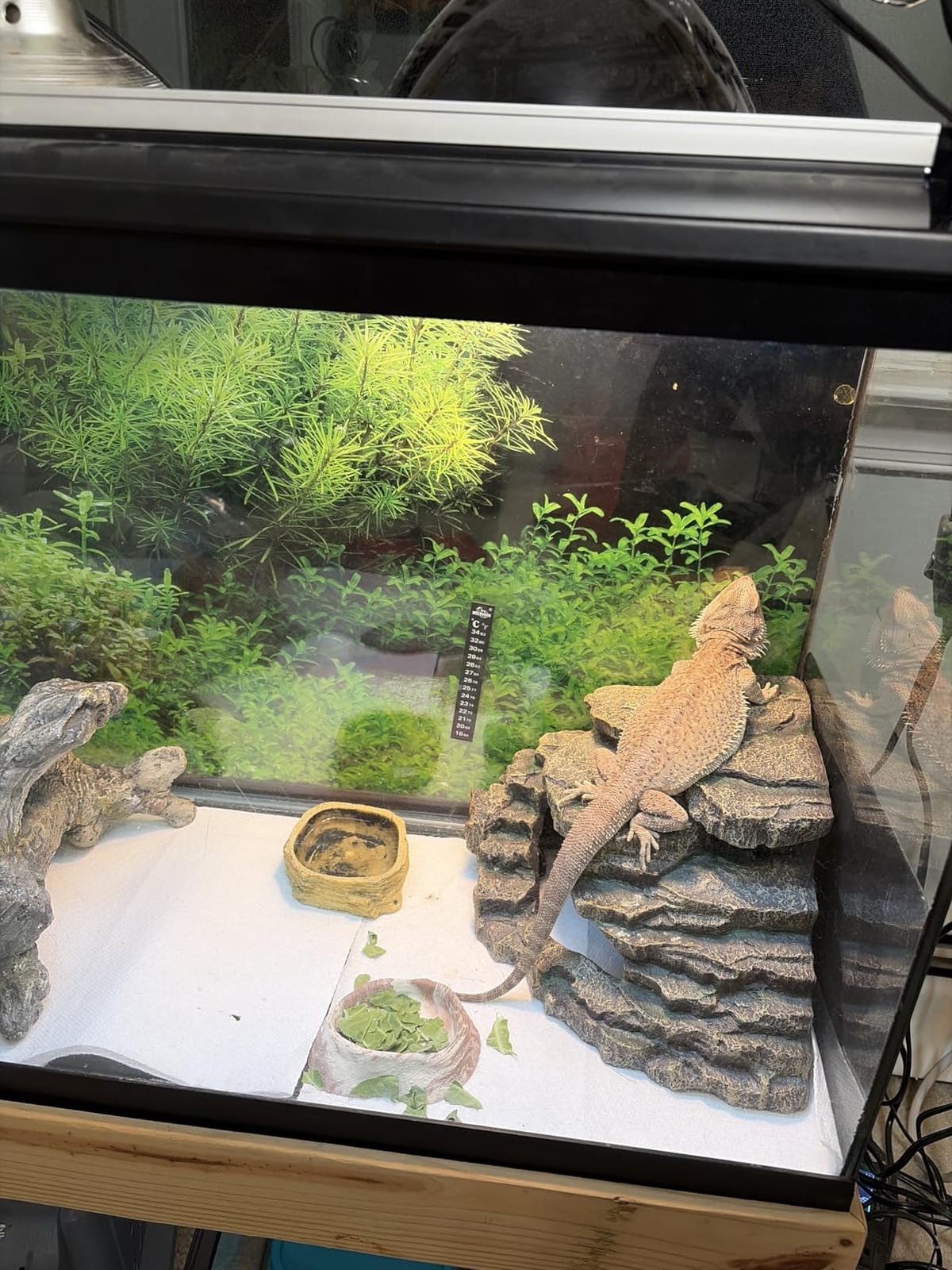
The glass is thickened and described as explosion-proof, which is worth noting for anyone whose dragon climbs or bumps fixtures. The lamp is rated at 2000 hours and comes with a 30-day free replacement warranty.
With more than 2200 reviews and a 4.4 average, the feedback is unusually consistent. Owners confirm reliable heat, UVA benefit, and durability, and the criticisms concentrate on brightness and wattage rather than failures.
Why it suits a young or small dragon
A juvenile cannot move out of a hot spot quickly, so a lower wattage with a moderate beam is the safer starting point while they grow.
The included thermometer means a new keeper can start monitoring the gradient on day one instead of waiting to buy a gun.
Where it falls short
Both listed drawbacks point the same way, which is brightness and wattage. 450 lumens is dim, and 75W will not carry a full-size adult in a 4x2x2.
Plan to move up in wattage within a year or so, and treat this as a growth-stage bulb rather than a permanent fixture.
6. Zoo Med Repti Basking Spot 100W 3-Pack Review
Zoo Med Repti Basking Spot Lamp Replacement Bulb 100 Watts Pack of 3
- Double reflector technology focuses 35 percent more heat and light
- Three-pack spreads a replacement cycle across multiple fixtures
- UVA output supports normal reptile behaviour
- About one in ten reviewers rates it one star citing early burnout
- Runs hot enough to require a ceramic socket
- Yellower 3000K output than newer daylight bulbs
The double reflector design is what separates this from a standard reflector. It focuses 35 percent more heat and light into a tight beam than a conventional shape, which produces a small, intense basking site rather than a broad wash.
The pack of three is the practical argument. If you run more than one enclosure, or you simply dislike storing spare bulbs, three units at once removes the recurring small errand of remembering to reorder.
The colour temperature is listed at 3000 Kelvin, which reads noticeably warmer and yellower than the newer daylight-bulb options in this roundup. The specification sheet recommends a 10 to 12 hour daily schedule, which lines up with a normal bearded dragon photoperiod.
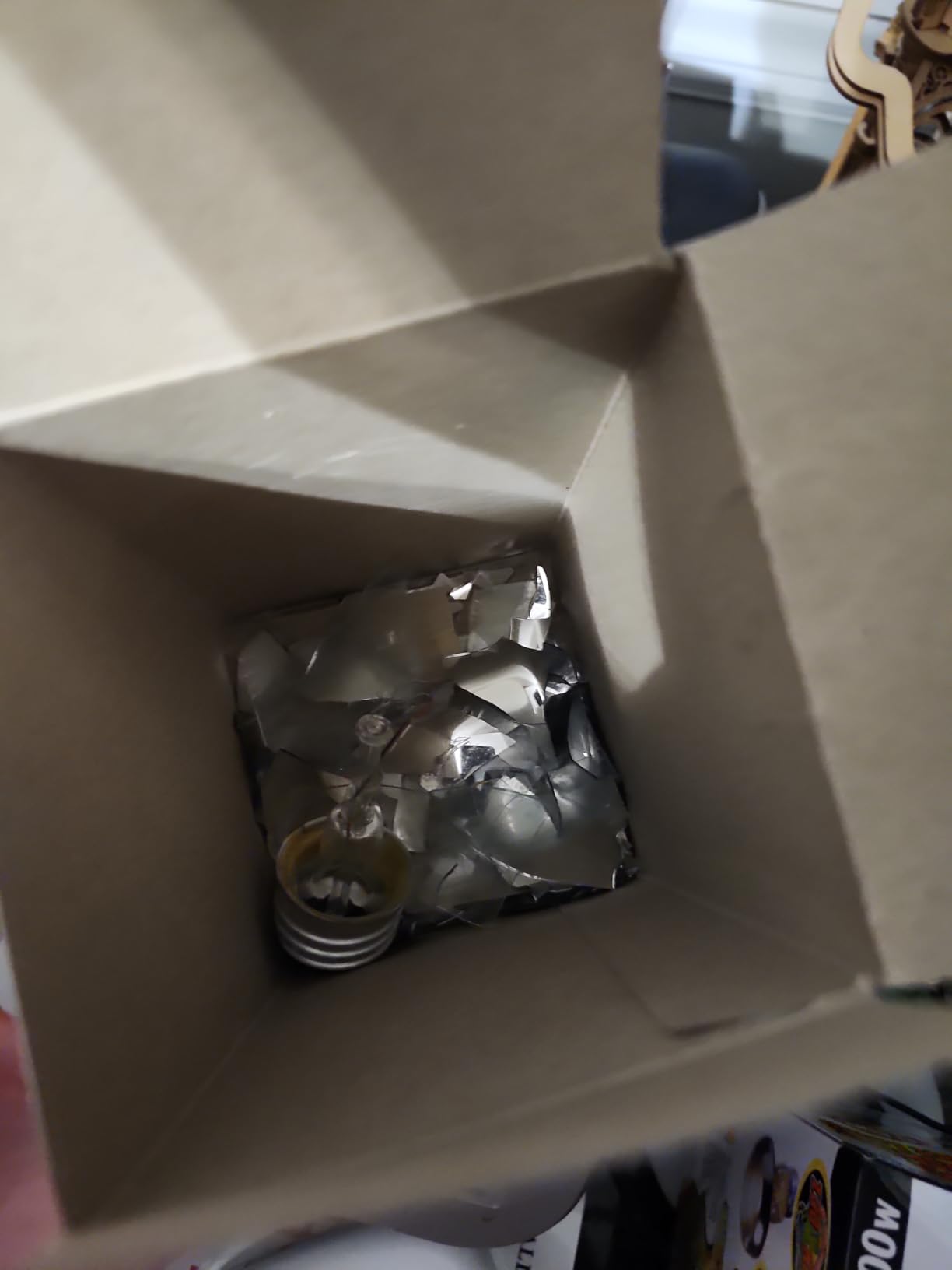
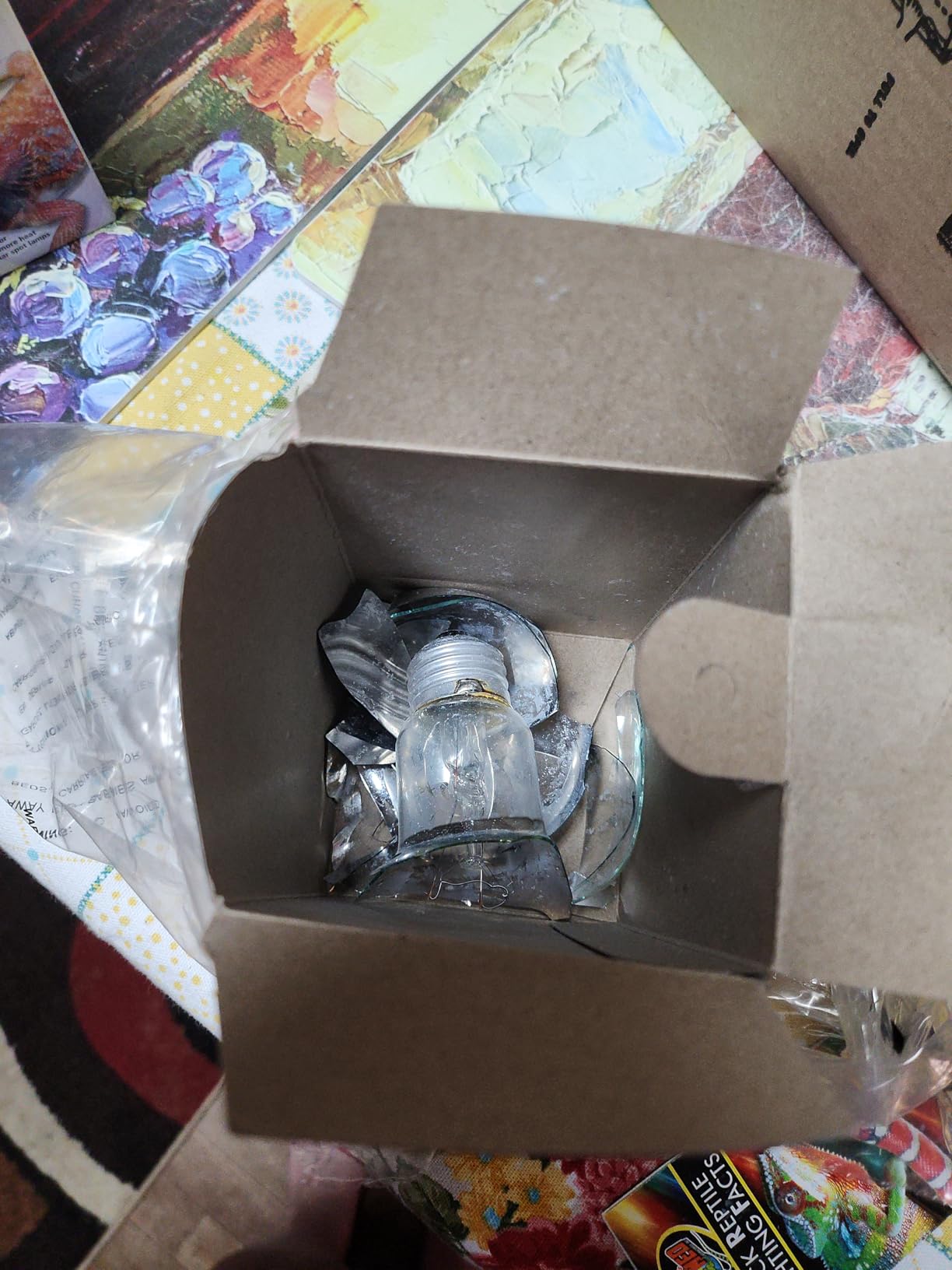
This is the one product here where we would flag a real reliability pattern. Around one in ten reviewers rates it one star with early burnout reports, which is why the 4.2 average sits below the rest of the group despite a large 752-review base.
Why multi-fixture keepers like it
Three bulbs let you rotate a fresh one in every few months rather than running a single bulb to failure, which keeps the basking temperature stable without recalibrating each time.
The tight beam suits a narrow platform or a single-piece basking slab where you want a defined hot zone.
Where it falls short
The early burnout reports are real enough that you should keep the spare habit, and buying three at once partly insulates you from that risk.
It needs a proper ceramic socket because of how hot it runs, and the 3000K cast will look visibly amber next to a daylight halogen.
7. Exo Terra Sun Glo Halogen Basking Spot Review
- Full-spectrum daylight output that encourages natural basking behaviour
- Enhanced infrared for strong heat penetration
- Neodymium coating enriches reptile colour rendition
- Long-standing brand used across hobbyist collections
- Reviewers report shortened lifespans of only a few months
- Thin glass envelope is fragile and some have broken
- Oversized for small gecko style terrariums
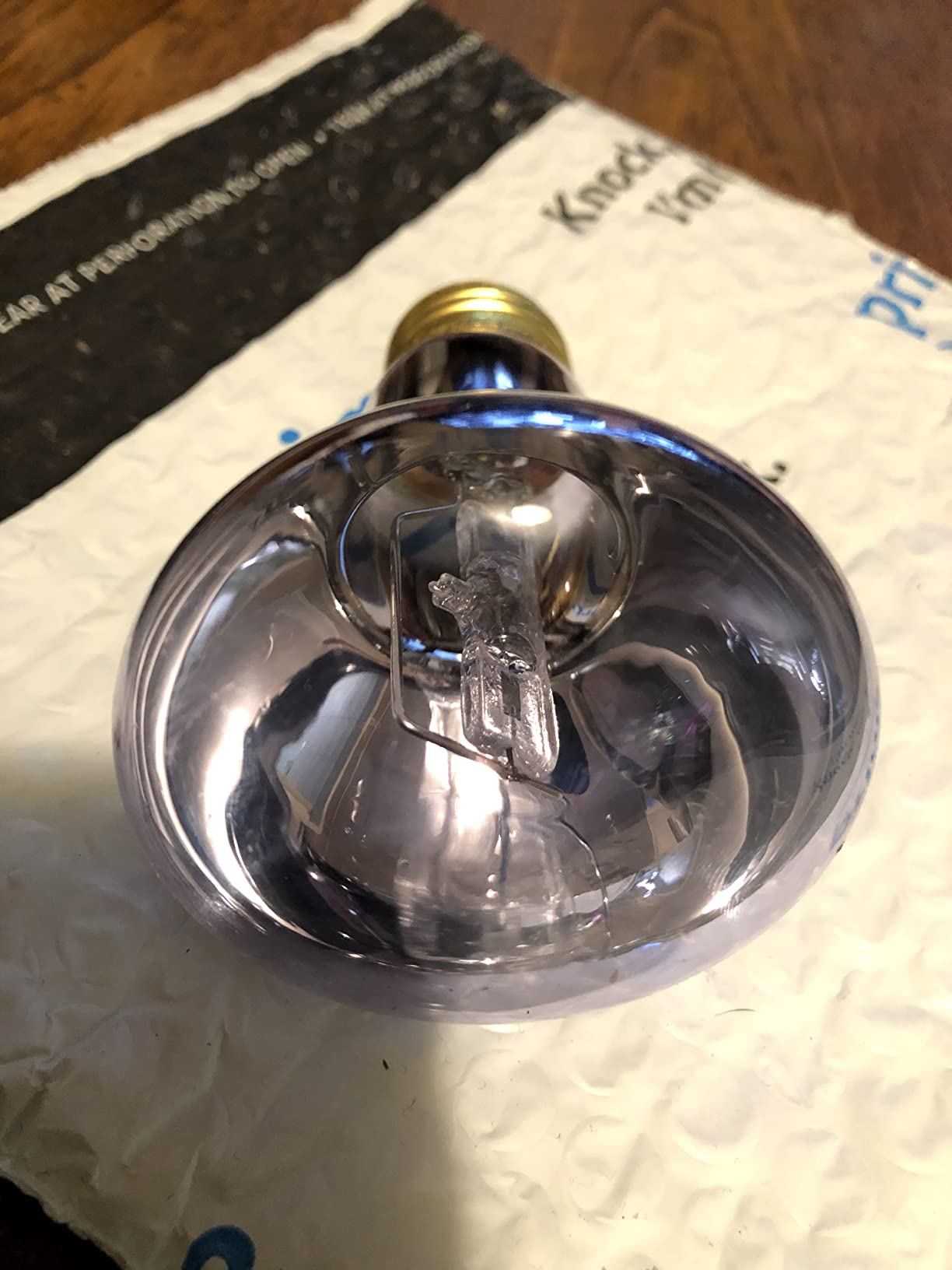
The second true halogen in this guide, and the one with the most going for it on paper. The specification lists full-spectrum halogen daylight, enhanced infrared for heat penetration, a neodymium glass coating for saturated colour, and UVA emission tied to breeding and physiological health.
It is also one of the longest-running listings in the category, dated to 2007, which tells you something about how established it is. Reviewers consistently praise the heat output for the wattage and the quality of the daylight colour.
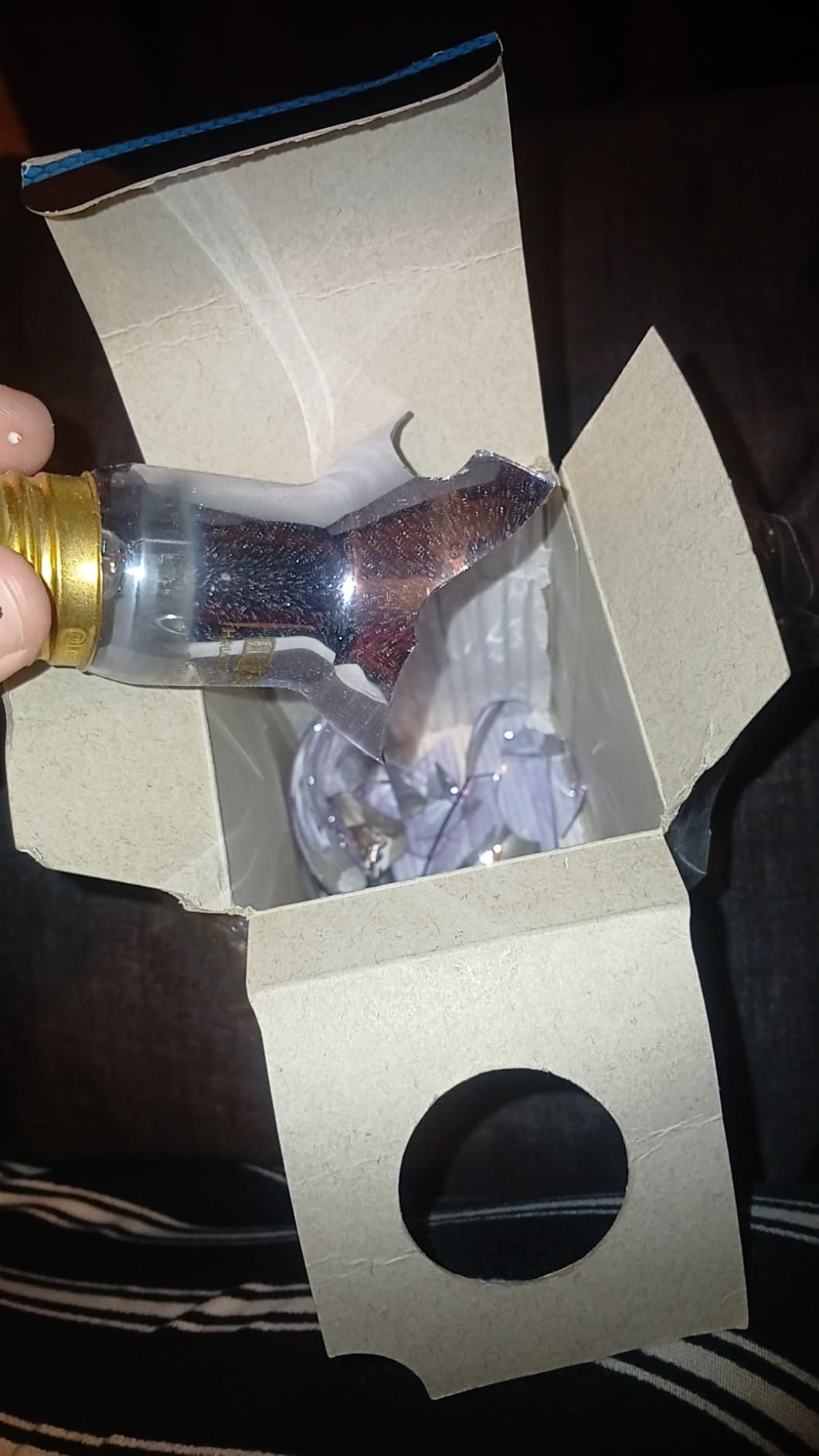
The ratings tell a split story, and it is worth reading before you buy. At 4.0 across 149 reviews, a meaningful minority report premature burnout or glass breakage, with several moving to cheaper two-packs or splashproof alternatives instead.
The physical size is 2.5 by 2.5 by 4 inches at 1.76 ounces. Reviewers note that it is oversized for smaller gecko terrariums, so check your dome and your enclosure before committing.
Why daylight quality matters here
Full-spectrum daylight with UVA is the closest any single basking bulb gets to what a bearded dragon experiences outdoors, and keepers consistently report better engagement with the basking spot.
The neodymium coating makes colours read more saturated, which matters if you are breeding or simply want your dragon to look its best under daylight.
Where it falls short
The durability complaints are the main issue. Buyers report lifespans of only a few months, and the thin glass envelope has shattered for some owners from its own heat.
It is the lowest rated product in this group on both star rating and review count, so treat it as a specialist choice rather than a set-and-forget one.
8. CALPALMY 100W R80 UVA Daylight 4-Pack Review
- Four pack means a spare is always on hand
- 80 degree beam spreads heat into a usable gradient
- Standard 120V E26 R80 reflector at 80mm by 110mm
- Manufacturer states a 30cm minimum mounting distance
- Non-dimmable so it will buzz and fail early on a dimmer
- Long reflector body requires a 30cm minimum distance
- Lowest review volume and rating in this group
This is the pick for anyone running four fixtures or who has been caught out by a dead bulb more than once. A four-pack means the spare is already on the shelf, which addresses the single most common emergency described on reptile forums.
The 80 degree beam angle is wider than most of the narrow spot bulbs here, which spreads heat across a broader area. That is useful for building a gradient across a longer platform, and it reduces the risk of a small searing point on a large slab.
The physical dimensions are 80mm in diameter by 110mm in length, on a standard 120V E26 screw base, which is a common reflector format and fits most ceramic dome fixtures.
There is one hard limitation you need to plan around. This bulb is explicitly non-dimmable, and the manufacturer states that it will buzz, flicker, and fail early if used with a dimmer, thermostat, or rheostat. If your plan involves a dimming thermostat, cross this one off your list.
Why the wide beam helps larger platforms
An 80 degree spread covers more of a long basking slab than a tight spot bulb would, so fewer animals end up half-sitting in the heat.
The extra bulbs double as a rotation stock, so you can change one at a time instead of rebuilding the whole set at once.
Where it falls short
Non-dimmability is the dealbreaker for anyone who wants thermostat control, since a dimming thermostat would destroy the bulb.
The long reflector body forces a 30cm minimum distance from your animal, which in a shallow enclosure can push the spot beyond useful reach.
Fixtures, Dimmers, and Thermostats
Fixture choice determines whether your bulb lasts or whether it shatters. Every bulb on this list needs a ceramic socket rated for the wattage, a deep reflector dome rather than a shallow dish, and a mounting method that cannot slip.
Clamp lamps are the most common failure we hear about. A clamp that creeps down the side of an enclosure eventually lets the bulb drop in. If you use one, re-tighten it, check it weekly, and add a safety chain or a second clamp so the lamp cannot fall even if the first fitting lets go.
A lamp stand or a bracket mounted through the top of the enclosure is steadier. Whichever you use, keep the fixture physically out of reach of a climbing dragon, and never handle the bulb with damp or oily fingers. Skin oils on hot halogen glass are a leading cause of early blackening and failure.
For control, a dimming thermostat beats an on/off thermostat for halogens because it reduces output rather than cycling the full wattage. Set the probe at the basking surface, not in the air, and remember that a probe reading the rock is the only reading that matches what the animal feels.
Several bulbs here are explicitly non-dimmable, including the CALPALMY, and running those on a dimmer or rheostat causes buzzing, flickering, and early failure. Match your control method to the bulb, not the other way around.
Whatever fixture you choose, check it against your enclosure dimensions first. Our reptile enclosures for bearded dragons guide covers the sizes that pair well with each of these setups.
Two Bulbs vs One Bulb in Large Enclosures
This comes up constantly, and the answer is that two bulbs are useful if they split the basking zone, and harmful if they stack heat on the same spot. Two 100W lamps aimed at one platform will overshoot the target temperature and put you well past the 115F ceiling.
The useful version of a two-bulb setup places each lamp over a different section of the enclosure, giving a long hot zone at one end and a cooler one at the other. That approach only makes sense in an enclosure long enough to hold two distinct platforms, which is why we treat it as a large-enclosure option.
If your enclosure is not long enough to split, one bulb is the correct answer. If you find yourself adding a second lamp because the first is not reaching temperature, the fix is mounting height or wattage, not more heat.
Run both bulbs on the same photoperiod, on one timer. Mismatched timers produce two hot and cool cycles a day, which is disorienting and does not match any natural pattern.
Why Low Star Ratings on Reptile Bulbs Do Not Reflect Heat Output
Exo Terra halogen SKUs commonly show ratings in the low 3s and Arcadia halogen lamps sit near 4 on marketplace listings, which tells keepers nothing useful about how well they heat an enclosure. Those ratings track packaging, delivery, and seller service far more than they track radiant output.
The same pattern shows up in the review language. Positive reviews talk about brightness, colour, and how quickly the rock heats up. Negative reviews talk about crushed boxes, cracked glass in transit, and late delivery. Those are logistics complaints, not performance ones.
This is also why we did not rank this list by star rating. Two bulbs with strong measured reputations sit below a 4.4 simply because more of their buyers had a shipping problem. Read the reviews that mention temperature, and ignore the ones that mention the box.
Manufacturer ratings carry the opposite bias. They describe what the bulb is designed to do, not what it did in your particular enclosure at your particular mounting height. Trust the spec sheet for features and the temperature gun for results.
Bulb Lifespan, Replacement, and Output Drift
Rated service life across this group runs from 2000 to 3000 hours for the incandescents and up to 2500 hours for the halogen. On a 10 to 12 hour photoperiod, expect roughly one to two changes a year for most of them.
Real-world numbers land close. The commenter on r/BeardedDragons who has used both Exo Terra and Arcadia halogen lamps describes them as lasting about 9 to 12 months, and calls them equivalent in performance.
Output drifts before a bulb visibly fails. It gets dimmer, the hot spot shrinks, and the rock takes longer to reach temperature, all while the filament still looks fine. That is the usual explanation for a basking temperature that keeps dropping without anything visibly breaking.
Two habits fix most of this. Keep one spare bulb on hand at all times, and re-measure your basking surface temperature once a month rather than trusting the setup you built months ago.
Bulbs and Heat Sources to Avoid
Red and blue night bulbs. They produce visible light all night, which suppresses the natural dark period a bearded dragon needs. Reptiles are more sensitive to low-level light than most keepers assume. Many keepers report that switching to a dimmable ceramic heat emitter for overnight heat improved activity and sleep almost immediately.
LED and coil (CFL) bulbs sold as basking lights. These produce visible light with almost no radiant heat. A quick check: if the listing does not mention infrared output, assume there is none.
Purple and pink reptile bulbs. The same problem as night bulbs, delivered in daylight-spectrum packaging. They are designed to be visible, which defeats the purpose of a dark night.
Heat rocks and heat stones. Any rock that heats up by electricity or that is sold as “thermostatic” can burn an animal that settles against it, because the animal cannot move away from a heated object while asleep.
Under-tank heat mats as a primary source. They warm from below with no basking behaviour attached. They work as supplemental ambient heat in a large enclosure, but they cannot replace a halogen basking bulb.
What to use instead for overnight heat is a ceramic heat emitter on a dimming thermostat with no visible bulb, controlled by a probe placed among the hides rather than at the basking surface.
Common Basking Setup Mistakes
Measuring air instead of surface. This is the first thing to check when a basking spot feels cool. An infrared gun aimed at the rock gives you the number that matters. Readings taken from the air or through glass run well below what the dragon experiences.
Assuming wattage equals temperature. A 100W bulb in a tall enclosure and a 100W bulb mounted low can differ enormously. Wattage sets the ceiling of what you can achieve; mounting distance decides the actual result.
Leaving no gradient. A dragon needs somewhere to move to when it is warm. If the whole enclosure is one temperature, it has no way to thermoregulate, and an all-over heat source can push it past the safe surface maximum without any cool refuge.
Running the basking bulb overnight. It destroys the day and night cycle. Turn it off with the rest of the lighting on a single timer, and supply overnight heat with a separate non-light source if needed.
Handling the bulb with wet or oily fingers. Oils baked onto hot halogen glass shorten lifespan and cause early blackening. Always handle it with clean, dry hands.
Failing to check a clamp fitting. Clamp lamps creep. Add a safety chain, re-check weekly, and keep the lamp out of reach of a climbing dragon.
Where to Buy Halogen Basking Bulbs
Reptile brands and larger packs are easiest to find through specialty pet retailers and online pet suppliers, while the reptile-branded halogens themselves are more commonly an online purchase than a walk-in purchase.
Hardware stores and home improvement stores stock the plain household PAR38 reflector lamps that many keepers use successfully as basking bulbs, and they are the fastest option when a bulb fails on a weekend.
The most common forum scenario is exactly that, a bulb dying at an inconvenient time. Having one spare on the shelf, whether a household reflector or a reptile-branded halogen, removes the panic entirely.
Frequently Asked Questions
Are halogen lights good for bearded dragons?
Yes. A halogen basking bulb produces strong infrared-A radiant heat (roughly 700-1400nm) plus bright white visible light, which is the combination a diurnal species like a bearded dragon needs to trigger basking behaviour and raise core body temperature. No other common daytime heat source delivers both. It produces no UVB, so it must be paired with a separate T5 HO UVB tube.
What basking bulb does a bearded dragon need?
A halogen flood or a bright UVA basking spot on a standard E26 base, mounted in a ceramic socket deep dome, positioned 6 to 18 inches above a flat basking platform. The surface should measure 100-110F for adults and 105-115F for juveniles. Measure with an infrared thermometer gun pointed at the surface, never through glass.
Is a 75 watt basking bulb good for bearded dragons?
For a 20 gallon juvenile enclosure or a 40 gallon breeder, 75W is usually the right starting wattage. For a 4x2x2 adult enclosure you will generally want 100W, mounted lower, and a step up to 150W only in a tall enclosure or a cold room. Start higher than you think you need and measure, because raising the lamp lowers the temperature.
Is 100W basking light good for bearded dragons?
Yes. 100W is the most common starting point for a 4x2x2 adult enclosure and for taller custom setups. Keepers on r/BeardedDragons report that 75W is often enough once the surface is actually measured with an infrared gun, so treat 100W as the ceiling of your range rather than a fixed requirement.
Is a 150 watt bulb too hot for a bearded dragon?
It can be, and the fixture distance is what decides it. A 150W bulb in a shallow enclosure mounted low will overshoot the 115F safe surface maximum. In a tall enclosure or a cold room it is appropriate. Always measure at the surface, keep the centre under 115F, and never assume a hotter bulb is a better bulb.
Is 2 basking bulbs too much for a beardie?
Two bulbs are useful if each sits over a separate section of the enclosure, creating two distinct basking zones. They are harmful if both point at the same platform, because the combined surface temperature will overshoot the target. If your enclosure is not long enough to split the zone, one bulb is the correct answer.
Is UVB and basking light the same thing?
No, they are separate wavelengths and separate lamps. A basking bulb provides visible light and infrared-A heat and produces no UVB. UVB comes from a linear T5 HO tube and is needed for vitamin D3 synthesis and calcium metabolism. Bearded dragons need both, mounted so the animal can reach both at the same time.
Can I use a regular hardware store bulb for my bearded dragon?
Yes, a standard household reflector or PAR38 halogen works as a basking bulb and many keepers use one. It must be mounted in a ceramic socket deep dome with a safety chain, kept at a safe distance from the animal, and aimed at a surface you have measured to 100-110F. It still produces no UVB.
The Bottom Line for Your Bearded Dragon Basking Spot
For most adult setups in 2026, the LUCKY HERP 100W two-pack is the bulb we would start with. At 1650 lumens it produces enough visible light to trigger basking behaviour, it fits standard E26 ceramic domes, and the near-1800 reviews behind it make it the most predictable option in this group.
If your setup is bioactive, misted, or shared with aquatic species, the Zoo Med Repti Tuff 75W splashproof halogen is the better call, and it is one of only two genuine halogen lamps we covered. The Exo Terra Sun Glo is the other, and it is worth a look if you prioritise full-spectrum daylight and UVA over the higher review volume.
Everything else here is a bright UVA incandescent reflector, and they are perfectly workable bulbs. Just size them honestly, keep the mounting distance conservative, and treat the wattage as a starting point rather than a setting.
Whichever you choose, mount it in a ceramic socket deep dome on a stand or bracket with a safety chain, pair it with a T5 HO UVB tube, measure the surface with an infrared gun until it reads 100-110F, and switch it off at night. Keep a spare bulb on the shelf, because the one you need most is the one that failed.
This guide covers husbandry equipment and general care conventions. It is not veterinary advice. If your dragon is lethargic, refusing food, or showing signs of burns or bone problems, speak to a reptile-experienced veterinarian.