
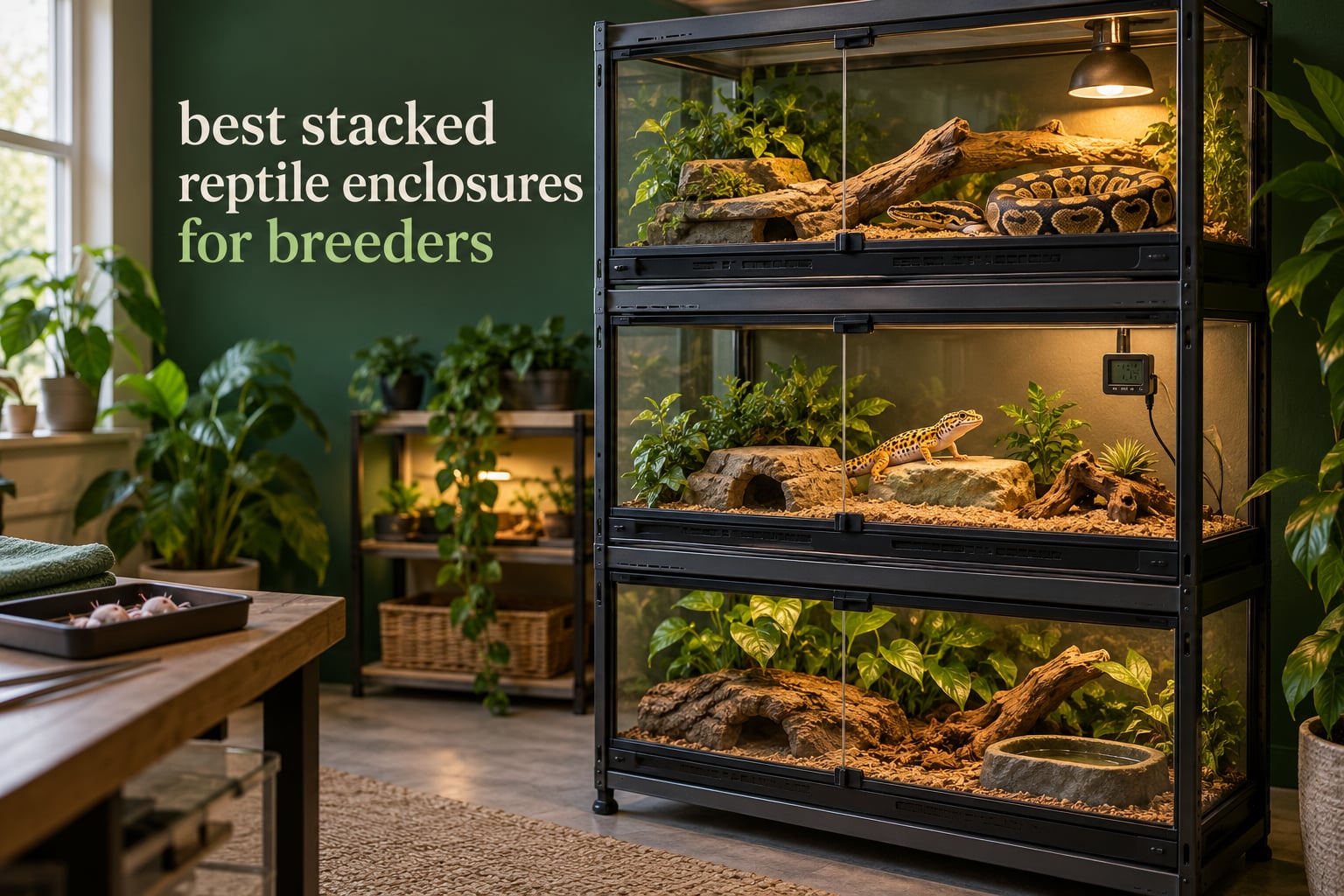
Most reptile keepers hit the same wall at the same moment. One enclosure becomes three, then six, and suddenly the floor is gone. If you have been reading up on the best stacked reptile enclosures for breeders, you already know the pitch: the same footprint, several independent habitats, and one wall of your reptile room doing the work of a whole room’s worth of tanks.
I have spent the last few months working through the current crop of stackable reptile enclosures, comparing build quality, door security, ventilation, and how each one behaves once it is actually carrying the weight of another habitat above it. Most marketing pages never get to that last part. Almost nobody explains load path, levelling, thermal drift up the stack, or how a stack fails. That is the part that decides whether a unit is useful to a breeder or just expensive shelving.
This roundup covers eight enclosures that are sold today and stack in some form, from six-tier drawer racks for gecko breeders through to 240 gallon PVC builds for adult colonies. I also added a step-by-step stacking procedure and a buying guide covering the material, lock, and ventilation decisions that actually matter once you have animals on the other side of the door.
If you are still working out the basics of enclosure size and species requirements, start with our reptile enclosure roundup and the bearded dragon enclosure guide before you commit to a multi-tier build.
Quick definitions, because the vocabulary matters: a stackable enclosure is a habitat built to bear the weight of another habitat above it. A rack system is the finished assembly, usually a base plus tiers plus a top cap. A spacer kit or stacker is the hardware that keeps tiers level and locked together, and some brands only sell it separately. A bioactive-ready enclosure has sealed seams and floor clearance that tolerates a drainage layer and a live soil substrate.
Table of Contents
Top 3 Picks for the Best Stacked Reptile Enclosures for Breeders (October 2026)

Phailozoo 120 Gallon Tank
- Metal frame and tempered glass doors
- True 4x2x2 interior
- Stacks with V2 Stackers

CAVACHEW Double Stack Glass
- Two 34 gallon decks in one frame
- Glass lock included
- Knock-down for cleaning

ToxiRium 76 Gallon PVC
- PVC panels hold heat and humidity
- Spacers included for stacking
- Top support bars for fixtures
The Phailozoo takes the top slot because it is the only enclosure here built around a metal bolt-and-frame chassis rather than glued panels, and it holds a 4.6 star average across 758 ratings with tempered glass sliding fronts. The CAVACHEW double deck is the most direct way to double a footprint, and it ships with a glass lock, which several competitors do not. The ToxiRium 76 gallon PVC build is the strongest insulating option with spacers in the box.
All 8 Stacked Reptile Enclosures Side by Side in 2026
| Product | Specifications | Action |
|---|---|---|
| Phailozoo 120 Gallon Stackable 4x2x2 |
|
Check Latest Price |
| CAVACHEW Double Stacked Glass Terrarium |
|
Check Latest Price |
| ToxiRium 76 Gallon PVC Stackable Vivarium |
|
Check Latest Price |
 New Age Pet ECOFLEX Two Enclosure Set New Age Pet ECOFLEX Two Enclosure Set |
|
Check Latest Price |
 ToxiRium 8 Ft 240 Gallon PVC Terrarium ToxiRium 8 Ft 240 Gallon PVC Terrarium |
|
Check Latest Price |
 ToxiRium 120 Gallon Two-Pack PVC ToxiRium 120 Gallon Two-Pack PVC |
|
Check Latest Price |
 maiyuolg 13x10x8 Six-Level Rack maiyuolg 13x10x8 Six-Level Rack |
|
Check Latest Price |
 maiyuolg ABS Breeding Box 4-Pack maiyuolg ABS Breeding Box 4-Pack |
|
Check Latest Price |
1. Phailozoo 120 Gallon Reptile Tank – the best stackable 4x2x2 for breeders
- Sturdy metal bolt and frame construction
- Tempered glass fronts resist clawing
- Easy front access for feeding and cleaning
- Mesh top with light blockage kept low
- Stacks with V2 Stackers and spacer cabinets
- Sliding doors have no integrated lock
- Side panels and base strip are plexiglass and show wear
- Not watertight without extra silicone sealing
The Phailozoo 120 gallon is the enclosure I kept coming back to while I was building this roundup, because the metal frame is the difference between a habitat and a piece of furniture. Most enclosures in this price range are glued plastic panels. This one bolts together, and that is why it is the one I would put weight on.
Dimensions are 48.03 by 24.02 by 24.02 inches with true interior space, and it weighs 44 pounds. That weight is manageable for a single person to set on a stacker, which matters more than it sounds when you are three tiers up in a reptile room doing it alone. Owners consistently report build quality above what they expected at this tier, and several describe it as the best enclosure they own compared with the glass tanks they moved away from.
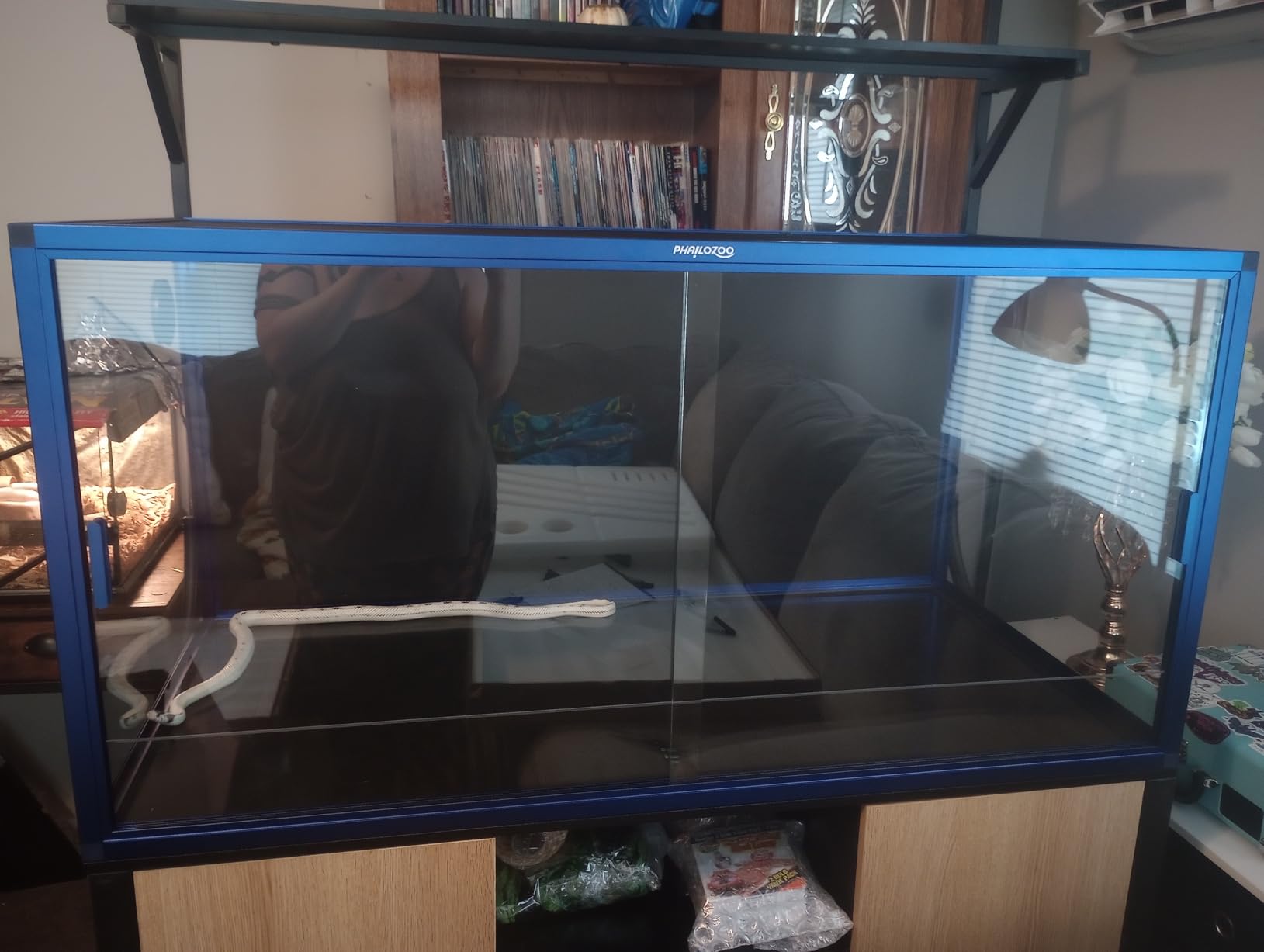
The doors are sliding tempered glass with handles, and they are what earned this unit its reputation. Clawing from a bearded dragon over a long period does what it does to acrylic, and tempered glass shrugs it off. Front-opening access also means you can feed, spot clean, and move an animal without lifting a top panel, which on a stacked build is the difference between a two-minute job and a fifteen-minute job.
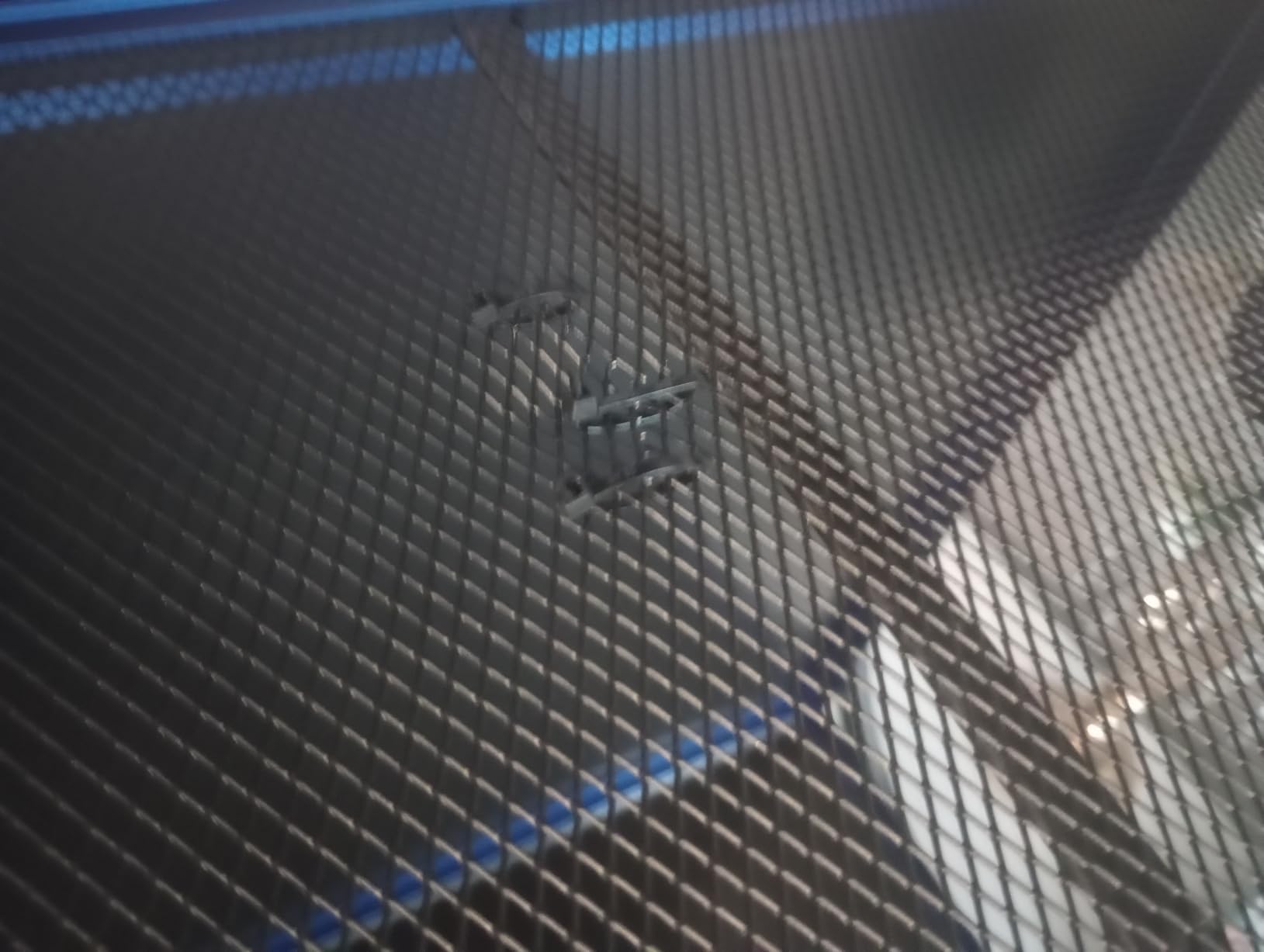
Construction mixes PVC sides and back with metal framing, a plexiglass side panel treatment, a substrate barrier strip along the front base, and a metal mesh top screen. The mesh is worth a look: with the screen at only 28 percent blockage, both UVB and basking lamps get through, and the airflow is genuinely good for an enclosure of this volume. The whole thing comes in five reptile-inspired colourways, and it stacks with the brand’s V2 Stackers and spacer cabinet kits, which is the piece most breeders forget to plan for.
The two limitations are real. The sliding doors have no integrated locking mechanism, so snake keepers need to add their own locks on day one rather than after the first escape scare. And the enclosure is not watertight out of the box, so a bioactive setup needs the seams silicone sealed before any water hits the base.
Who this stacked enclosure works for
This is the one I recommend for a breeder who is running a mixed room: juveniles up top, adult snakes or a pair of bearded dragons below. The 44 pound weight and the bolt-together frame mean it can genuinely carry a second habitat above it on a proper stacker, which is more than I can say for most glass builds at this size.
It also suits anyone with a species that needs a long ground-level basking surface, since the 4 foot floor is genuinely usable rather than a nominal measurement. If your animals are juveniles, the snug-fit construction leaves no gap escapes at the corners.
Where it falls short
It is not the right choice for a tropical bioactive setup without extra work, because the seams are not sealed and the mesh top will not hold high humidity on its own. Adding your own door locks and silicone is a weekend of work, not a five-minute job.
Anyone planning three tiers of glass should think hard about the total load before buying three of these. The build is solid, but the floor, the stand, and your own lifting all become the limiting factor long before the enclosure does.
2. CAVACHEW Double Stacked Glass Terrarium – best floor-space saver
- Two 34 gallon decks in one footprint
- Full glass visibility on all sides
- Glass lock included for door security
- Tools included for assembly and disassembly
- Can be split into two separate tanks
- Sliding doors rattle in the bottom track
- Loose substrate collects in the door track
- Some doors and locks need adjustment after assembly
The CAVACHEW double stack is the most direct way I found to turn one footprint into two habitats, and it is the pick for a first breeding room on a tight budget. The frame measures 24 by 18 by 44 inches and holds two 34 gallon decks, so you can run it as a single 68 gallon habitat or split the decks apart later if you need two independent zones.
Everything is tempered glass, including the top wire screen panel, which gives you full all-round visibility. For a display tier above a breeding pair, that sightline is genuinely appealing, and reviewers like how straightforward the knock-down assembly is, with labelled panels and included tools. Because the unit breaks down completely, cleaning and quarantine workflows are easier than on a fixed-frame build.
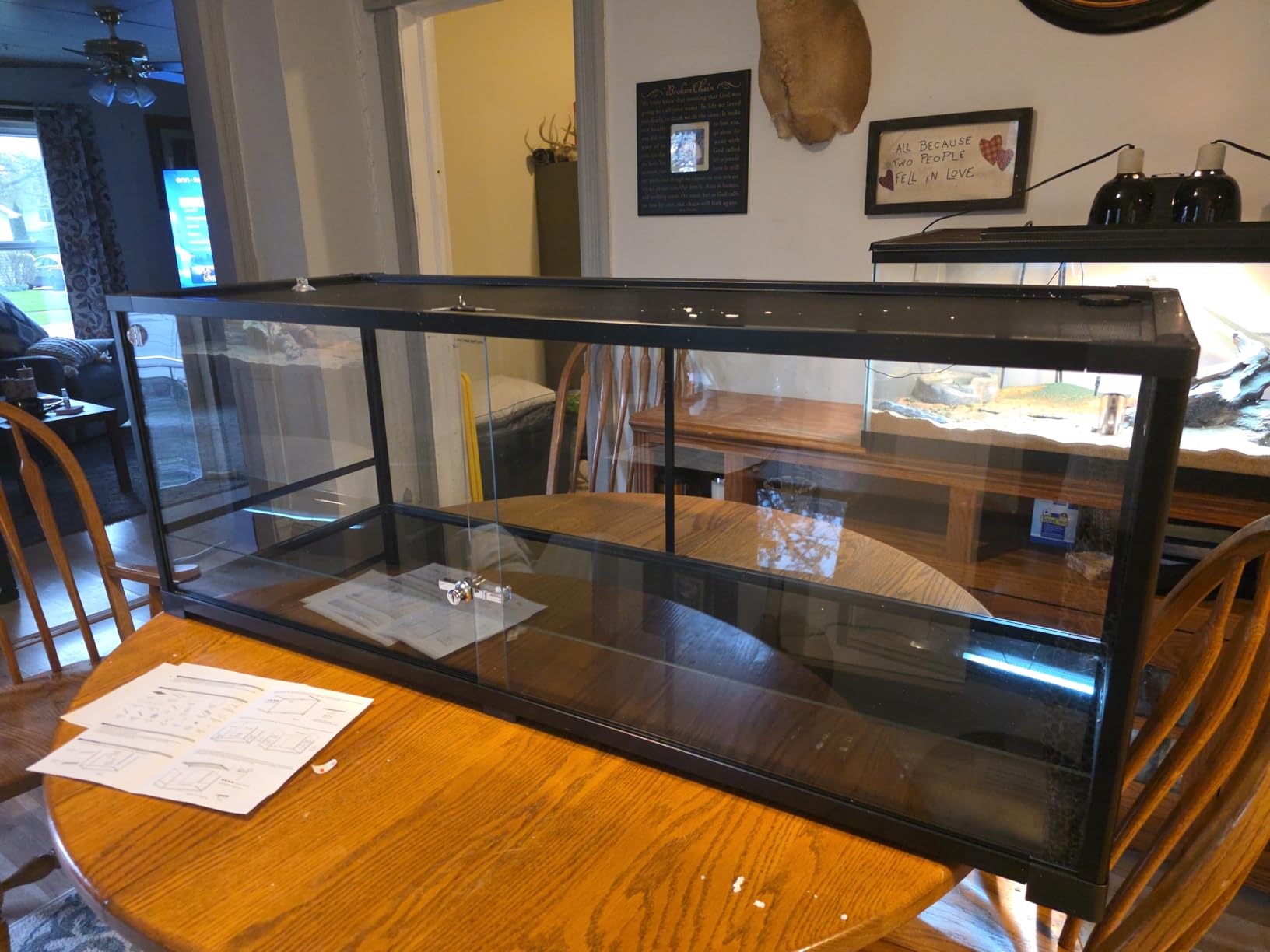
What separates it from cheaper glass stacks is the included glass lock. Door security shows up repeatedly in breeder deal-breakers, and a lock that ships in the box removes one failure point. The rotating cable pass fixings also mean a heat mat and lighting cables can be routed without zip ties to the frame, which is one of the most common complaints about budget terrariums.
The downsides are all in the door track. Sliding doors can rattle, and loose substrate falls into the bottom track and has to be cleaned out regularly or the doors will not seat properly. Some owners reported fit issues on the doors and found the glass lock fiddly to install, so budget a few minutes of adjustment during setup rather than assuming it is plug and play.
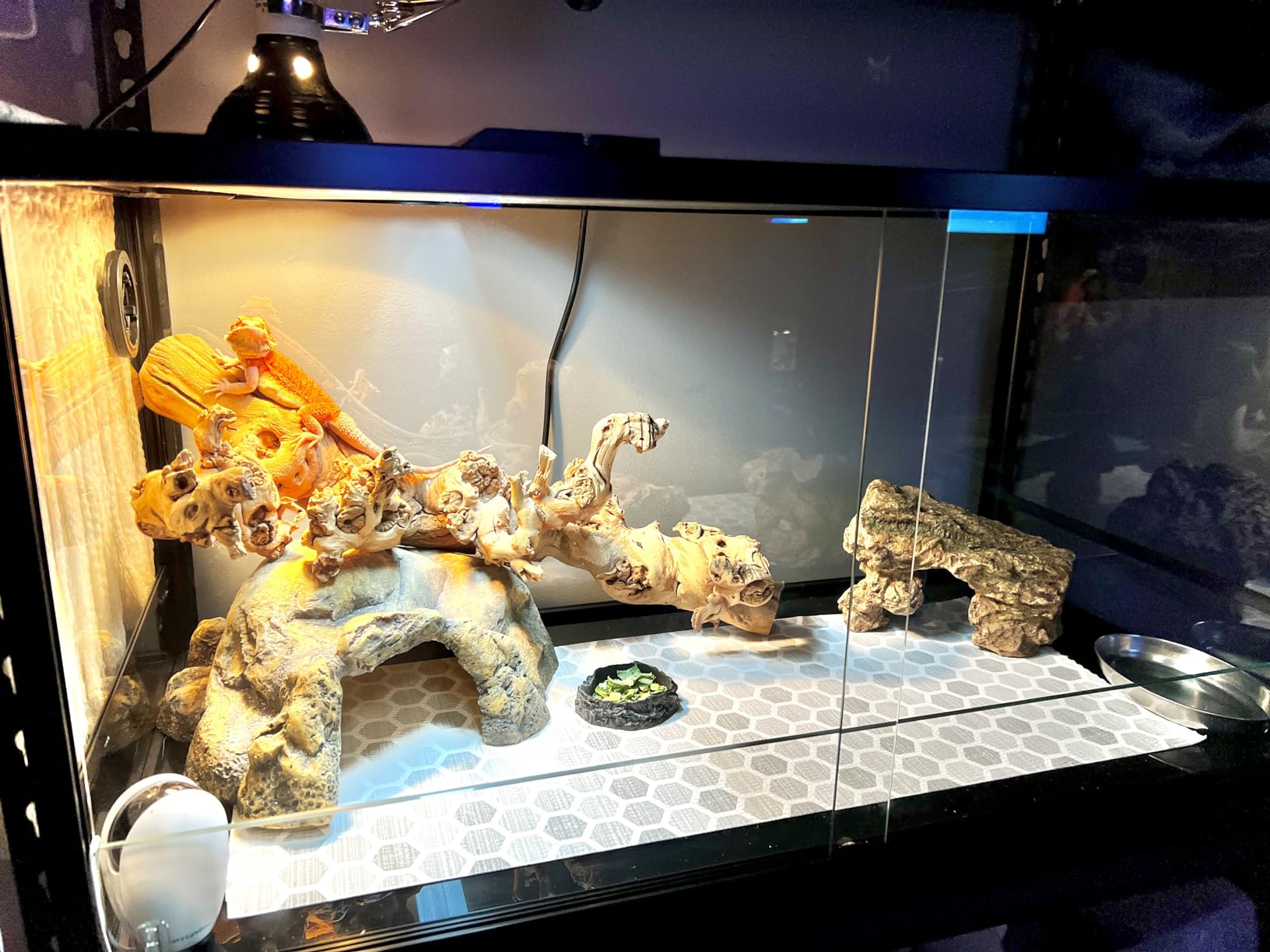
Who this stacked enclosure works for
I recommend this for a beginner who needs two habitats now and might need two separate ones later. The split-deck option means you can start with one 68 gallon setup and reconfigure when a pair needs separating, which is a flexibility you rarely get at this price.
It also suits a reptile room where floor space is genuinely the constraint, such as a converted closet or a spare bedroom shared with other enclosures. At 54 pounds for the pair, it is heavy but still movable by one person with the panels out.
Where it falls short
At 24 by 18 inches per deck, this is not a 4x2x2 footprint, so adult bearded dragons and most adult boas are out. The vertical space is useful for arboreal species such as crested geckos rather than for long ground-level basking.
It is also all glass with a wire top, so humidity control is an ongoing task. Expect to mist and to monitor more often than you would in a PVC build, which is the trade for the visibility and the price.
3. ToxiRium 76 Gallon PVC Stackable Vivarium – best insulated breeding tier
- PVC holds heat and humidity far better than glass
- Light enough to reorganize as a collection grows
- Support bars rated for heavy decor and fixtures
- Spacers included for multi-tier rooms
- Sliding doors with locks
- Panels are not watertight
- Best suited to desert-style habitats
- Assembly has a learning curve
The ToxiRium 76 gallon PVC build is the enclosure I would put at the bottom of a tall stack, because PVC loses far less heat than glass and that changes your running costs over a season. At 44 by 20 by 20 inches and 39 pounds, it is the lightest large unit here, which makes assembling a three-tier rack realistic in one session rather than over a weekend.
The panels are PVC with support bars across the top screen. Those bars do two jobs: they keep a dome or linear fixture secure, and the bottom panel is rated for decorations up to 105 pounds, so you can build a proper desert branch structure instead of a light twig arrangement. The metal mesh top still lets basking light and UVB through without a fight.
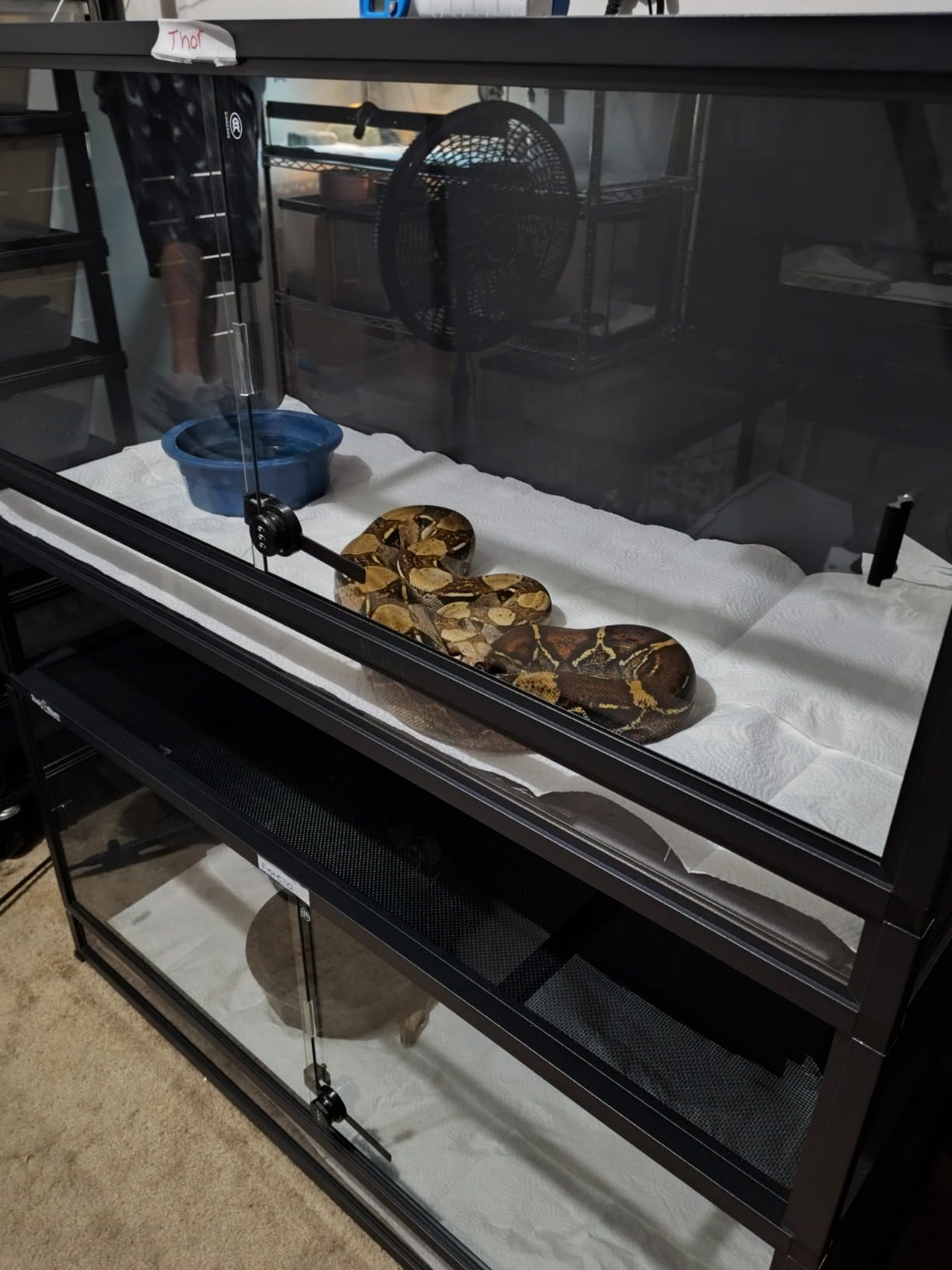
It is sold as a two-piece set with locks and stacking spacers in the box, which removes the single most common complaint about stackable systems, where the proprietary spacer hardware costs extra and is easy to forget. Sliding front doors with included locks mean you do not have to run a snake operation on unlocked glass from day one.
The honest trade-off is humidity. PVC panels are not watertight, so this enclosure leans toward desert-style habitats where you want the opposite of moisture retention. Buyers who tried to push tropical species into it report needing careful sealing. The 4.2 rating across 89 reviews reflects that, along with an assembly learning curve that takes most people a couple of tries.
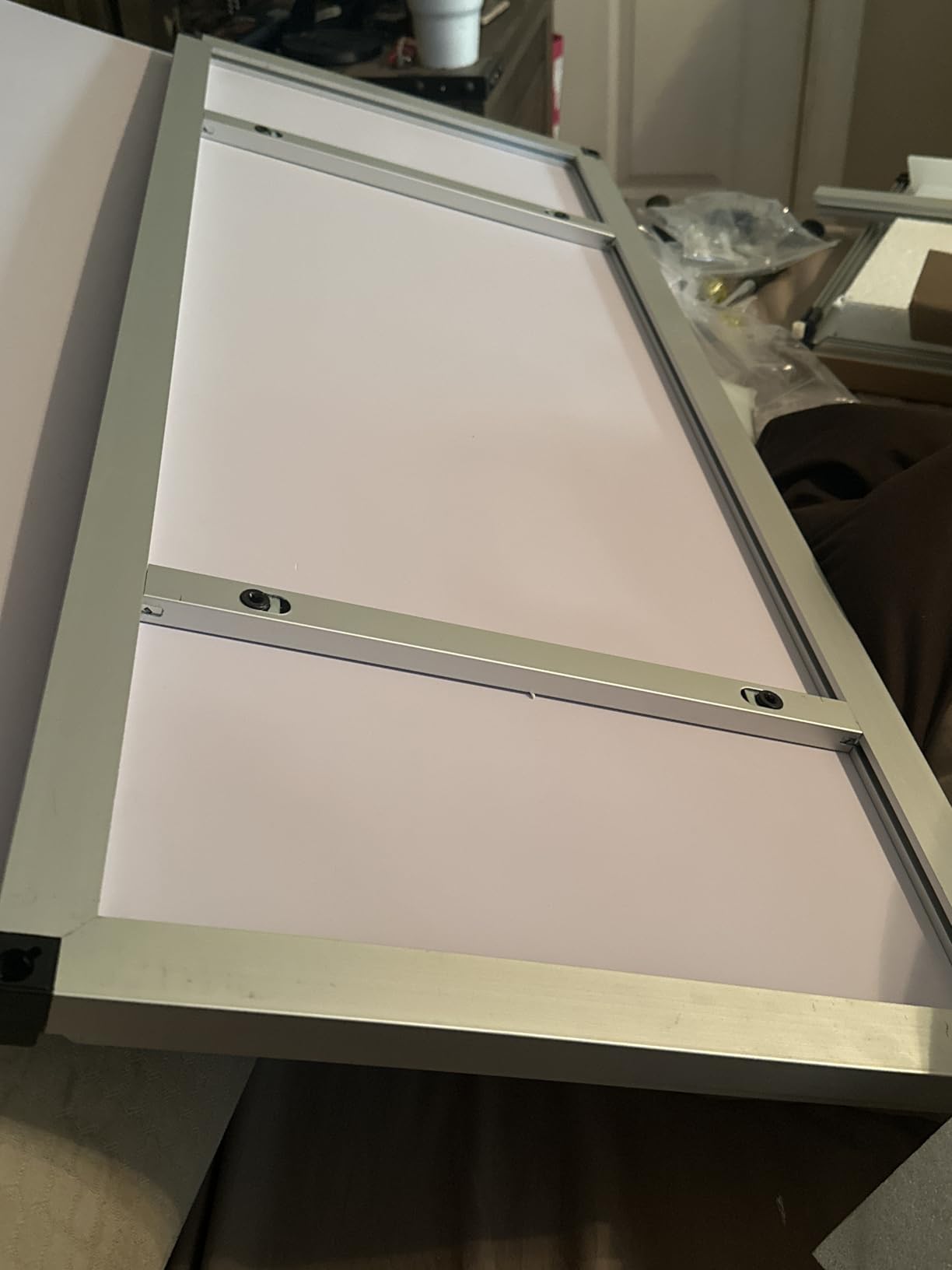
Who this stacked enclosure works for
This suits a breeder running leopard geckos, uromastyx, hognose snakes, or juvenile pythons where heat retention matters more than ambient moisture. The included spacers make it the least fiddly option here for anyone building a genuine three-tier rack in a breeding room.
I also like it for a first-time multi-animal keeper who plans to grow. At 39 pounds, moving the stack up a tier as the collection grows is a one-person job, which is not true of the heavier builds further down this list.
Where it falls short
If your animals need sustained high humidity, this is the wrong material. Seal every seam before you introduce moisture, and expect to keep a substrate that does not saturate.
The 44 by 20 inch footprint is narrower than a standard 4x2x2, so an adult ball python or a bearded dragon will feel the difference in ground-level run. Plan your species match before you order a rack of these.
4. New Age Pet ECOFLEX Two Enclosure Set – best for large adult reptiles
New Age Pet ECOFLEX Two Large Reptile Enclosures with Matching Stacker Combo Set in Maple
- Composite will not warp
- crack or splinter
- Matching stacker holds both enclosures
- Roomy enough for bearded dragons and pythons
- Removable panels simplify cleaning
- Built-in ventilation
- Very heavy and needs two people to move
- Composite is harder to modify than PVC or glass
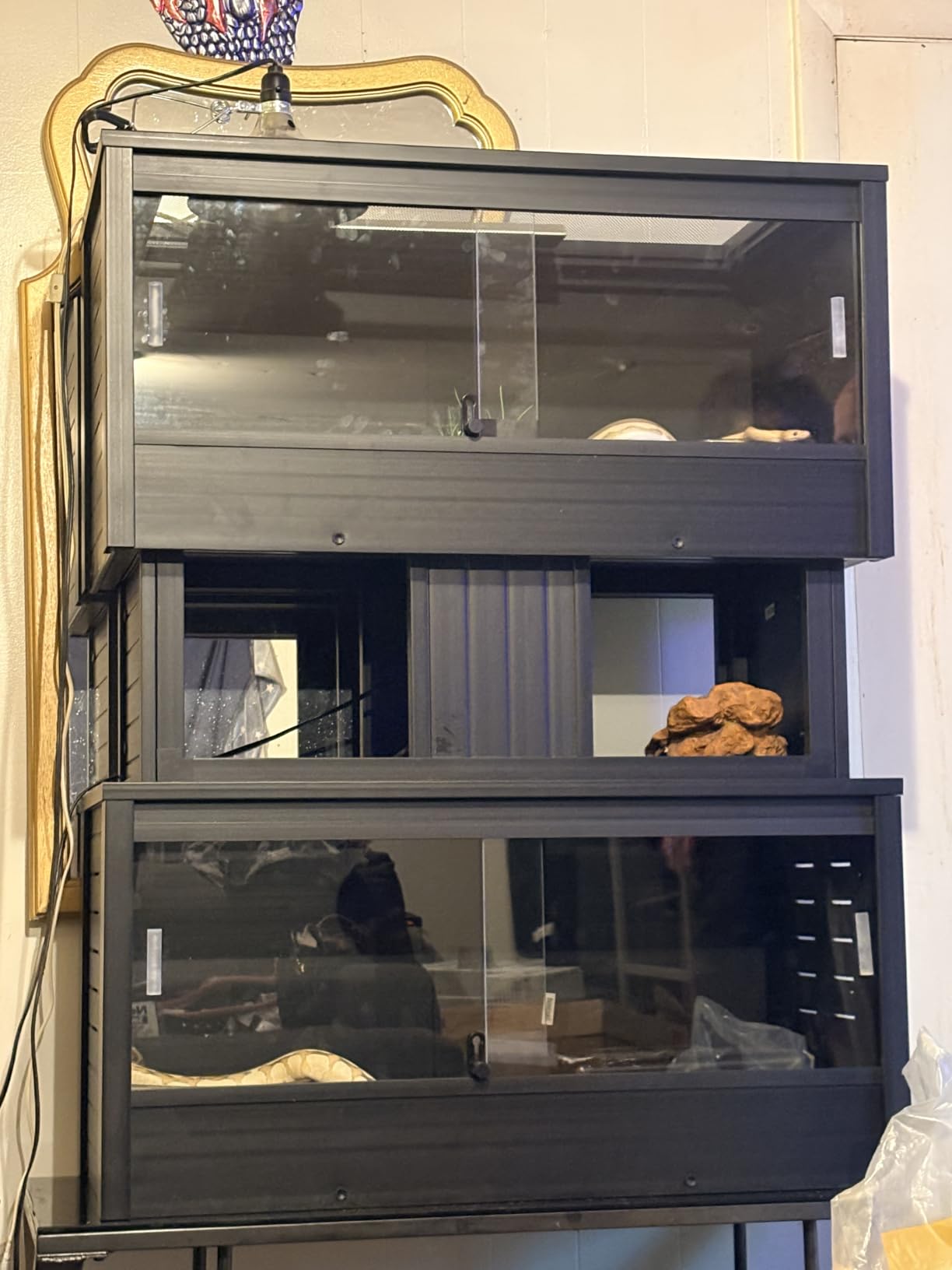
The New Age Pet ECOFLEX set is the sturdiest build in this roundup, and the reason is material rather than design. ECOFLEX is a recycled wood-polymer composite that will not warp, crack, or splinter the way MDF and melamine cabinets swell at the seams in a humid reptile room. For an adult collection sitting in that kind of environment, that is the whole argument.
You get two large enclosures plus a matching stacker in one package, with the assembled set measuring 48.4 by 24.5 by 57.3 inches. The removable panels are a quiet but important feature: they let you clean or quarantine one animal without dismantling the stack, which is a real time saver in a breeding season.
The enclosures are spacious enough for bearded dragons, pythons, or iguanas, and the built-in ventilation keeps airflow steady without extra modification. Owners highlight the matching stacker for keeping the setup organised and for holding both enclosures in a defined footprint.
The weight is the catch. At 112.82 pounds for the set, moving it takes two people, and you should plan the location before it arrives rather than after. The 4.1 rating across 39 reviews is the lowest average in this lineup, and feedback also notes that the composite is not as easy to modify as a PVC or glass build, so plan cable ports and vent changes before assembly.
Who this stacked enclosure works for
This is the pick for a keeper already running adult large reptiles who wants permanence. If your animals are full grown and the stack will stay put for years, the composite’s resistance to humidity damage is worth the extra kilograms.
It also suits anyone in a humid room who has watched melamine or MDF enclosures swell and fail. That failure mode is rarely covered in roundups, and it is one of the most common reasons breeders replace equipment early.
Where it falls short
If you plan to expand upward later, this is a heavy option for a stack. Each added enclosure compounds a load you have to level and support, and you need a second person for every move.
It is also a poor choice if you enjoy customising interiors, adding heat rocks, or cutting access ports. Owners point out that the composite resists modification, so build the layout you want before the first animal goes in.
5. ToxiRium 8 Ft 240 Gallon PVC Enclosure – best for large mixed colonies
- Extra-long 8 foot basking and feeding surface
- Non-reflective PVC reduces glare and stress
- Lockable twin sliding glass doors
- Side vents plus mesh top screen
- Lightweight for its size
- Not watertight and desert-oriented
- Very long span needs a level weight-rated stand
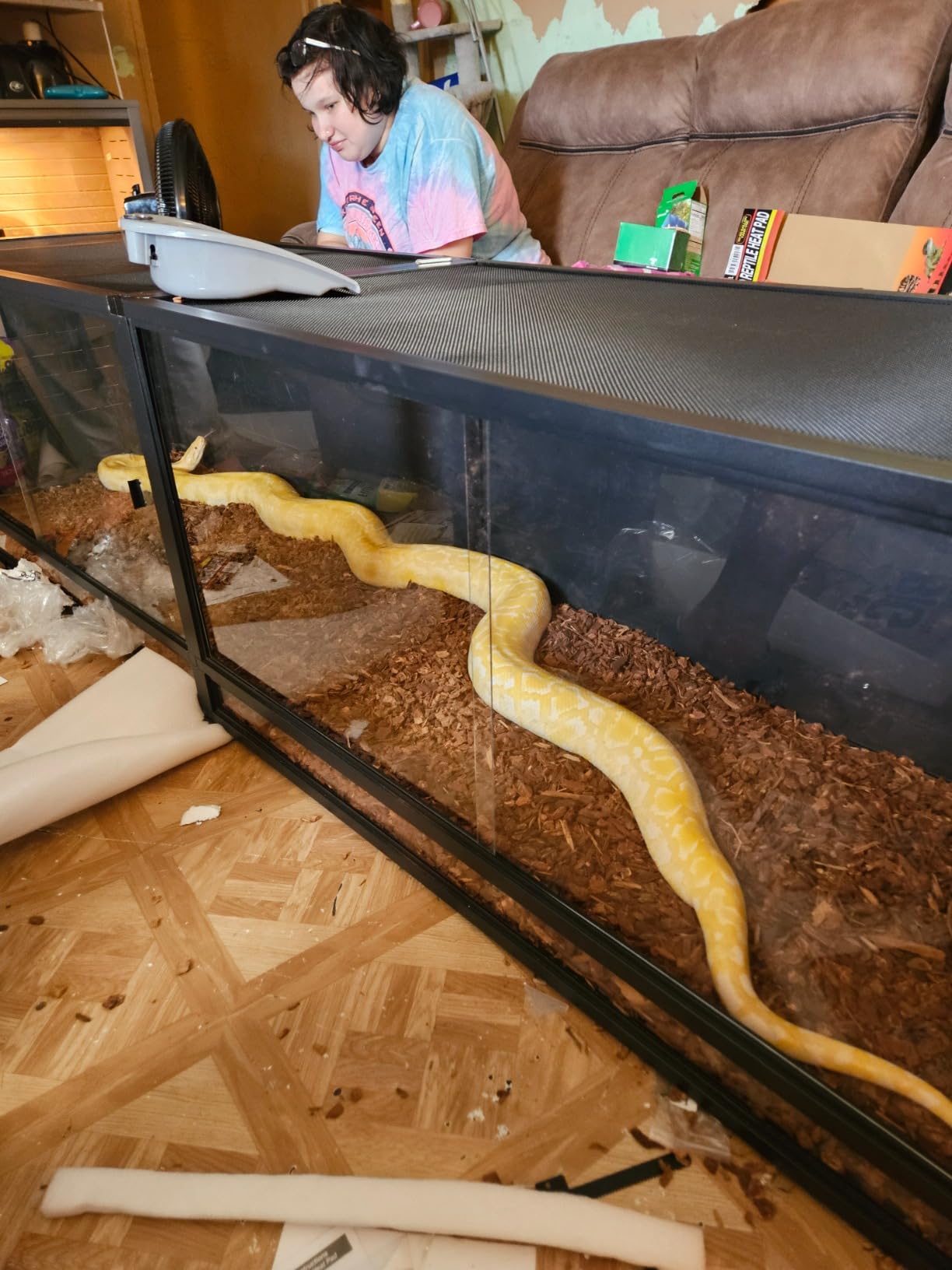
The ToxiRium 8 foot enclosure is the largest footprint here at 96 by 24 by 24 inches, a 240 gallon equivalent, and it is the right shape for animals that need to move laterally rather than climb. An 8 foot ground plane is hard to overstate for a group of juveniles that will all try to use the same basking spot.
What I appreciated most is the non-reflective PVC. Standard PVC and glass both throw reflections that can make an animal hesitate at the front of the enclosure, and a shy species simply takes longer to feed. Reducing that glare matters more in a group setting, where the bravest animal can mask how nervous the rest are.
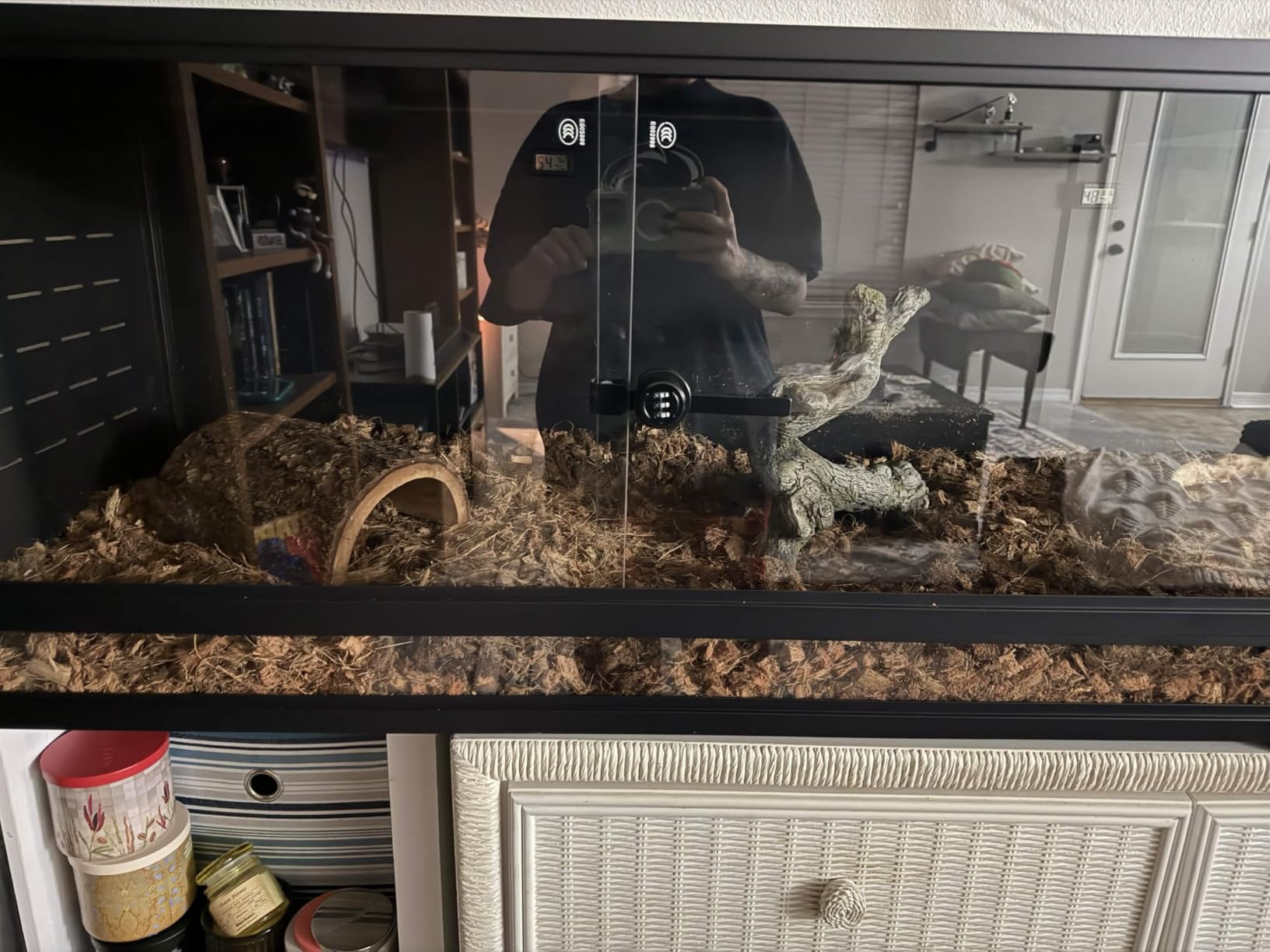
The doors are twin tempered glass sliding panels with a lock, which is the requirement I treat as non-negotiable for anything holding snakes. Ventilation comes from the side vents plus the mesh top, and the frame accepts a heating mat beneath the bottom panel for reptiles that prefer belly heat. At 50 pounds, it is still light for its volume.
The structural caution is real. A 96 inch span needs a level, weight-rated stand, and that is a bigger constraint than the enclosure itself. The enclosure is also not watertight, so it is built for desert-style setups. With 26 ratings, this is one of the thinner-reviewed builds here, so plan to check fit and finish on arrival.
Who this stacked enclosure works for
I recommend this for juvenile groups of a single species where the goal is a shared basking surface, or for a large adult that needs length rather than height. Lockable doors and side vents make it workable for a breeding room with mixed ages.
It also suits anyone who wants enclosure volume without glass weight. Buyers note it disassembles far more easily than an all-glass build of the same size, which matters when you need to get it through a doorway.
Where it falls short
The stand is the real cost here. A level, weight-rated base for a 96 inch span is not a weekend shelf project, and an uneven base is how a large enclosure ends up on the floor.
At a 4.0 average across 26 ratings, this is the least-proven option in the lineup. If you are committing serious money, the thinner review history is worth weighing against the footprint advantage.
6. ToxiRium 120 Gallon Two-Pack PVC – best starter set for a new breeding room
- Two full 120 gallon enclosures in one package
- Combination lock adds escape security
- Assembles in 15-30 minutes
- Stack and expand horizontally as you grow
- Instructions assume a single enclosure
- Some PVC corners arrived crumpled
- Very small reviewer base
The ToxiRium two-pack gives you two 48 by 24 by 24 inch PVC enclosures, a true 4x2x2 footprint each, which is the most efficient starting configuration I found. Run them stacked, side by side, or as one stack plus one free-standing display tank, and you have covered a pair, a grow-out group, and quarantine in a single purchase.
The combination lock on the sliding glass doors is the detail that separates this from the Phailozoo, which ships without one. For a breeder with strong juvenile snakes, a keyed lock is a straightforward way to close an entire category of risk, and owners repeatedly single it out as the reason they feel comfortable running snakes in the set.
Assembly is quoted at 15 to 30 minutes per enclosure with simple tools, and the whole pair weighs 50 pounds, so a single person can install them. The modular design is genuinely expandable: the units stack vertically and extend horizontally, which is how a small operation grows without moving to a bigger room.
The weak point is documentation. Instructions are written for a single enclosure, which is confusing when you are stacking, and the most repeated advice from owners is to follow a setup video and skip the feet screws on one unit. Some reviewers also reported PVC corners arriving crumpled, so inspect the panels before you build.
Who this stacked enclosure works for
This is my pick for someone starting a first breeding room on a mixed budget. Two locked 4x2x2 PVC enclosures cover more use cases per purchase than any other single item in this roundup, and the modular layout means you are not locked into one arrangement.
It also suits breeders pairing a working enclosure with a quarantine unit, since escape-proofing both matters and locking doors on only one of them is a false economy.
Where it falls short
With a 4.6 rating across just 5 reviews, the rating tells you almost nothing about long-term durability. The enclosure is recent, and a strong early average on a small base is not evidence of a five-year service life.
It is also not watertight, so tropical and rainforest setups need sealed seams. And at 4.6 with 5 ratings, this is the one on this list where I would ask the manufacturer directly about panel thickness and warranty before committing to a full room of them.
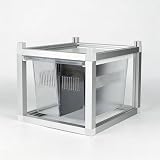
7. maiyuolg 13x10x8 Six-Level Rack – best for gecko and small breeding programs
13x10x8 Stackable Reptile Rack, 6-Level, Removable Divider, Ventilated
- Grows from one unit to six levels
- Sliding bins reduce disturbance during checks
- Removable divider splits a bin for two animals
- Vented lids keep airflow steady
- Compact footprint
- Bin size suits geckos and juveniles not large adults
- Limited owner feedback so far
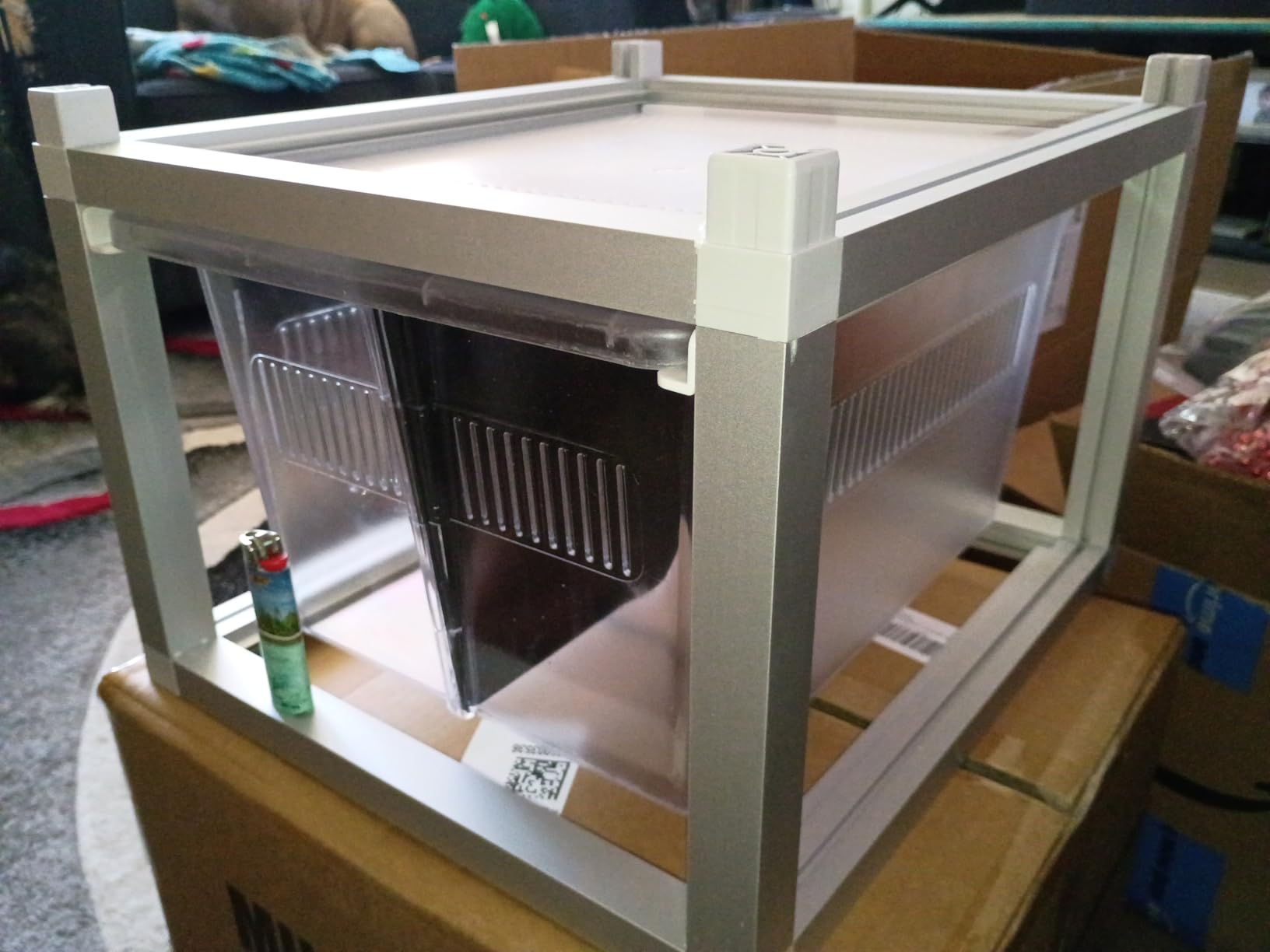
The maiyuolg rack is the only true drawer-style unit in this roundup, and for gecko breeding that changes the workflow completely. Instead of opening a front door and reaching in, you slide a bin out at eye level, which is faster, quieter, and far less likely to startle a skittish animal. At 4.4 pounds, the base unit is also the easiest thing here to move when you reorganise.
Each 13x10x8 inch PE bin includes a removable divider, so one bin can house two smaller animals or a single larger adult once the divider comes out. That single feature is what makes it a breeding tool rather than a storage unit, and it is the reason juvenile leopard and crested gecko programs work well with this layout.
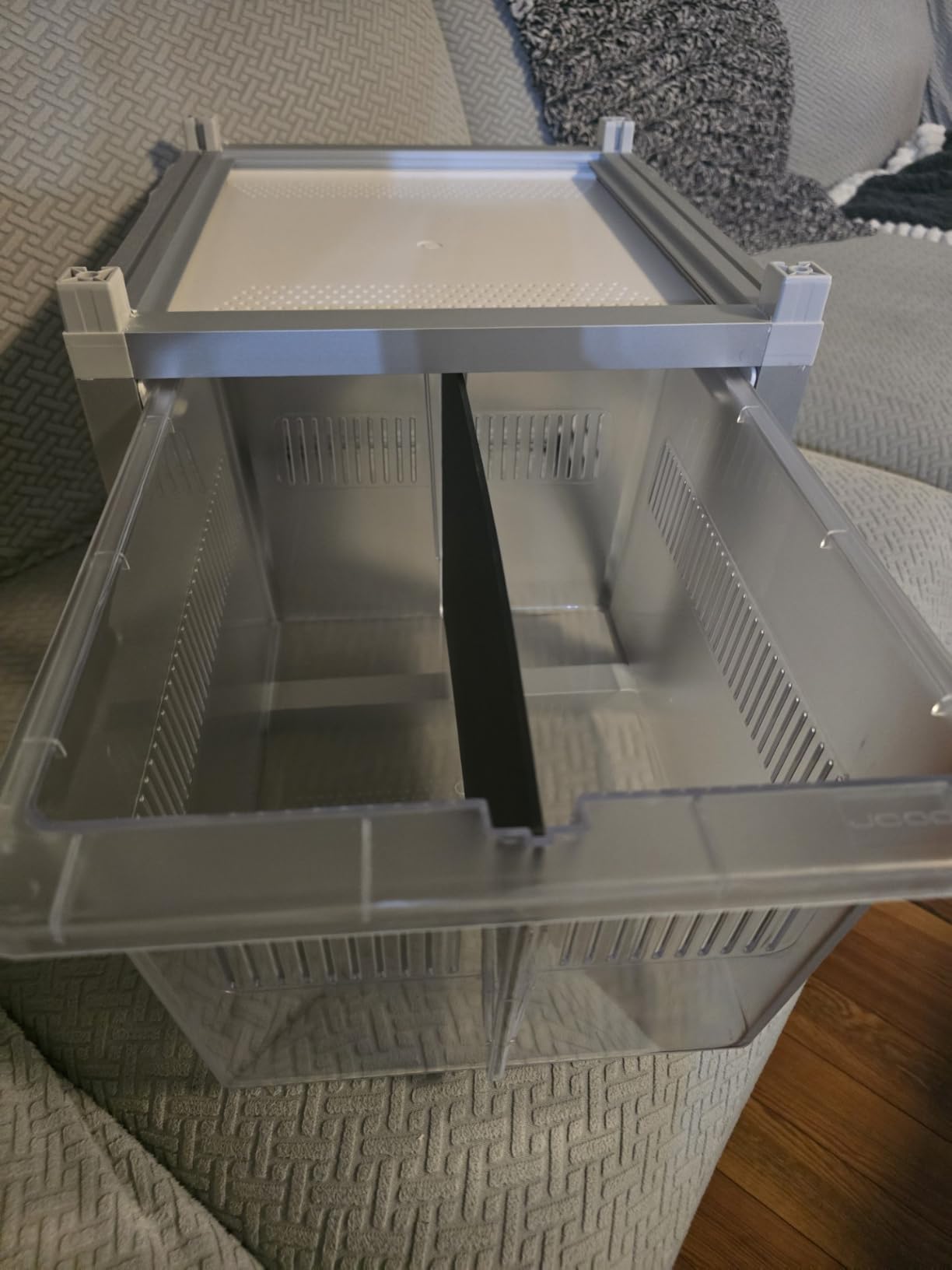
The rack is modular: a base unit plus add-on units, stackable to six levels. Vented plastic lids keep airflow and humidity balance reasonable, and the frame keeps stacked tiers aligned. For keepers who accumulate animals, the storage and logistics problem that comes with dozens of small enclosures is a real, daily annoyance, and a vertical rack solves most of it.
Be realistic about scale. The bin footprint is built for geckos, hatchlings, and small juveniles, not adult large species. Owner feedback is also still thin at 11 ratings, so treat the design as promising rather than proven over years of use.
Who this stacked enclosure works for
Leopard gecko and crested gecko breeders running dozens of juveniles will get more out of this than from any large format enclosure. Sliding access, dividers, and six levels of capacity is exactly the matching problem set.
It is also one of the most economical routes into vertical capacity here, which matters for a hobbyist who wants a bigger program without a facility-sized purchase. If you are new and building a foundation collection, start here and add larger enclosures as species graduate up.
Where it falls short
It is not an adult habitat for anything large, and the PE construction will not hold sustained high humidity for tropical species over long periods. Vent holes are the trade for a lightweight stackable design.
Escape security is another limit. Vented lids without a lock are fine for geckos of most sizes, but they are not a solution for snakes or for any animal known to push at seams.
8. maiyuolg ABS Breeding Box 4-Pack – best for hatchlings and juveniles
- ABS resists impact far better than thin plastic
- Snap-lock buckles keep lids secure
- Top and side ventilation when stacked
- 400 non-woven pads absorb moisture well
- Fixing clips reduce pad ingestion risk
- Dimensions suit young animals not adults
- Small reviewer base
The ABS breeding box is the smallest enclosure here and fills a gap that most breeders discover only after their first season. Hatchlings do not need a 4x2x2; they need a small, secure, well-ventilated box that is easy to check constantly, and that is exactly what this 8.7 by 4.3 by 3.9 inch box does.
Upgraded ABS is the reason this sits above cheap plastic tubs. Hatchling boxes get dropped, stacked, rinsed, and dropped again, and thin polypropylene cracks at the corners after a few seasons. The snap-lock buckle lids are the other upgrade that matters, because a hatchling that pushes its way under a friction lid is a problem you do not want in a breeding room.
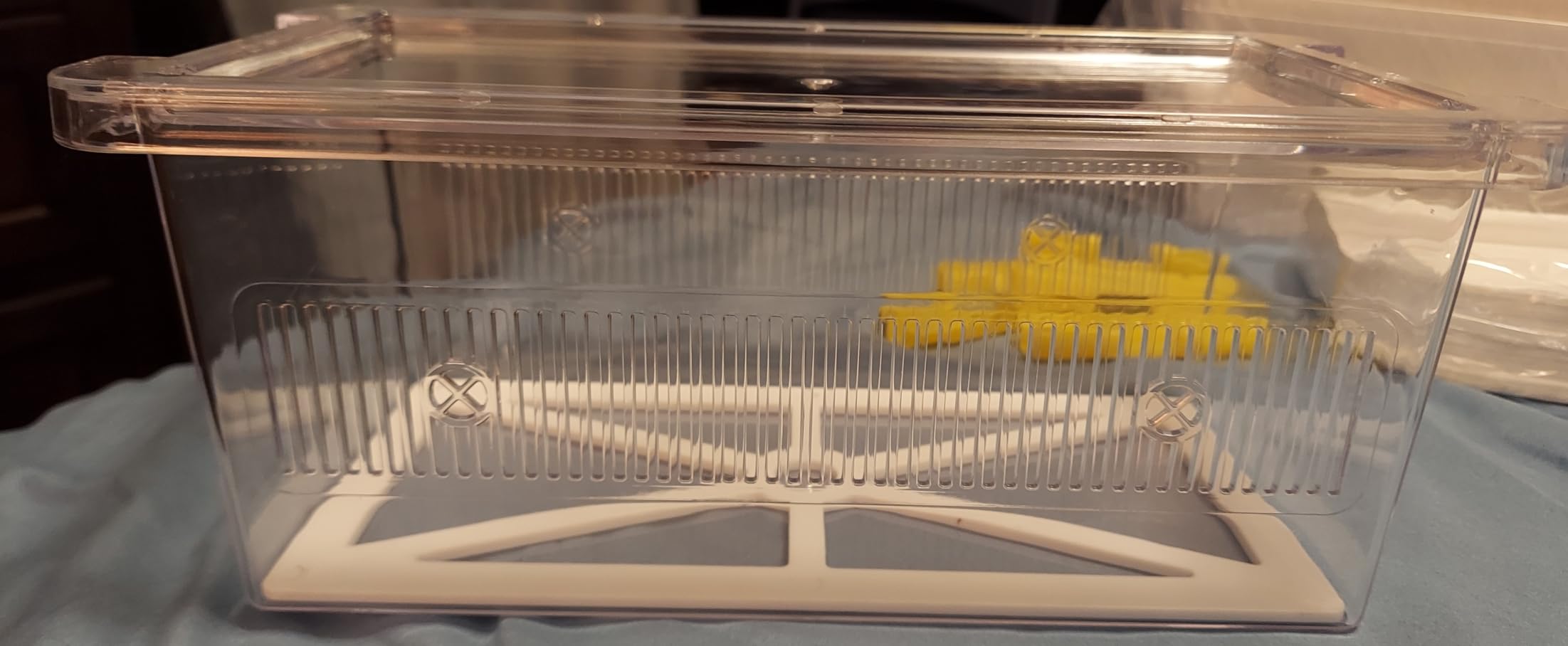
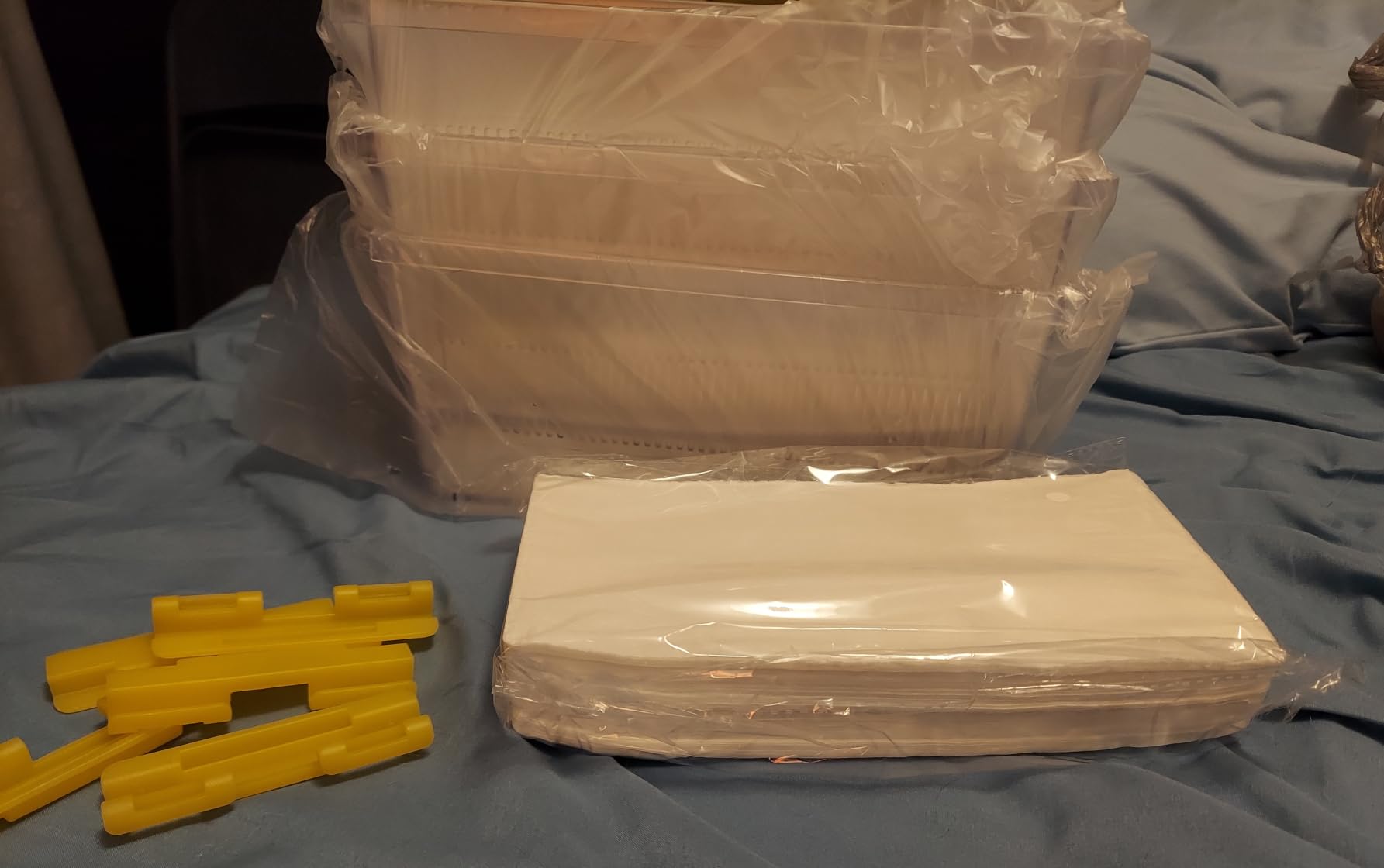
The four-pack includes 400 non-woven substrate pads, roughly 100 per box, with fixing clips to hold them in place. Non-woven fabric absorbs moisture noticeably better than paper liners, which means less substrate thrown out during cleaning and less humidity spike when you swap a box. Ventilation holes on the top and sides keep airflow reasonable when the boxes are stacked.
This is a small-review-base product at 7 ratings, and the size is clearly aimed at hatchling snakes, geckos, lizards, and invertebrates during early growth. Buy it as a finishing stage in your setup, not as a primary enclosure.
Who this stacked enclosure works for
Breeders with a steady pipeline of eggs and clutches will use these constantly, since egg-tray and hatchling management is where a colony multiplies fastest. The included pad supply removes a recurring consumable cost for the first few seasons.
It is also the right companion purchase for the six-level gecko rack. Small juveniles that outgrow a divider get moved into these boxes while they acclimate, and the stack stays tidy.
Where it falls short
These are hatchling dimensions. Anything approaching adult size needs a real enclosure, and moving animals up sooner than necessary is where stress and growth problems come from.
At 4.5 stars across 7 ratings, there is very little long-term evidence. With four boxes and clips per set, the practical scale is also small, so most breeders buy several sets rather than one.
How to Stack Reptile Enclosures Safely?
Stacking enclosures is not complicated, but almost every stack failure I have seen traces back to skipping one of these steps. The load path matters more than the enclosures themselves, because the bottom of the stack carries everything above it.
Confirm the stack rating. Use the manufacturer’s stacker or spacer kit, and do not stack a unit that is not sold for stacking on anything that is not a rated base. A spacer kit keeps tiers level and locked, which is exactly what ad-hoc stacking does not do.
Level the base first. A stack is only as level as the surface it starts on. Use a spirit level on the stand in two directions, and shim before you assemble rather than after.
Build bottom-up. Place the heaviest, largest enclosure on the floor tier and add weight as you go up. An inverted load is far more likely to tip than a correctly loaded one.
Anchor if the wall is close. A restrained frame stops a top tier swinging during a door open. Most rattles and near-tips in practice start from lateral movement, not from raw vertical load.
Leave handling clearance above the top tier. A stack that fills the wall to the ceiling leaves nowhere to set a light fixture or lift out an animal. Plan the height, not just the tier count.
Route cables before the tiers go on. Use the cable ports and grommets, run fixtures down the back, and leave a service loop. Replacing a probe means unbolting a tier otherwise.
Give every tier its own thermostat. Heat rises. The top tier of a stack runs warmer than the one beneath it, and a single controller for the whole column will cook whatever is on top.
Thermal drift is the part breeders mention least and notice most. Once a stack runs, check the top tier independently with your own thermometer rather than assuming it matches the bottom, and if it is running high, the fix is more air movement at the top tier rather than a lower set point on the tier below.
Cleaning is the other routine that stacks make harder. Plan a workflow before the animals arrive: pull one bin or one tier at a time, keep the removal order from clean to dirty, and never carry a wet enclosure back into a stack where the runoff can reach the tier below. The units with removable panels or knock-down frames, like the CAVACHEW and the New Age Pet set, make this dramatically easier, and that is a maintenance advantage worth weighing before you buy.
One last point on load. A stack does not fail dramatically. What happens is a door sags over months, a track stops seating cleanly, and a panel bows where the weight sits. Any of those signs mean the stack is overloaded or unleveled, and the fix is to reduce the tier count or add a proper stand rather than to keep tightening things.
What to Check Before You Buy a Stackable Breeder Enclosure
Material is the first decision, and it changes everything downstream. Glass is heavy, scratches, and loses humidity quickly, but it is transparent, inert, and the easiest to find. PVC retains heat and humidity and weighs far less, which is why most breeder builds lean toward it, but panels are not watertight and can warp if the sheet is thin. HDPE and ABS are light and impact resistant, which makes them good for smaller and younger animals. Acrylic sits in between and scratches faster than glass.
For our money, PVC wins for a breeding room and glass wins for a display or quarantine room, because you can see and treat an animal better in glass. Cheap melamine and MDF cabinets are the option to avoid in a humid space, since the seams swell and the panels bow.
Panel thickness is the number to ask about. Import enclosures built on thinner sheet are more likely to warp, delaminate, and sag at the doors over a few seasons, and that failure mode appears in breeder complaints over and over. Ask what the sheet thickness is in millimetres and whether there is a written warranty, because a 30 to 90 day warranty tells you how the maker expects the product to perform.
Door security is not a nice-to-have. A locking latch or included lock should be a checkbox, not a compromise, and strong juvenile snakes find door gaps and cable holes faster than most keepers expect. If a unit has no lock, add one before the animal arrives rather than after. Our whelping box guide covers the same principle at the small end of the scale.
Ventilation and humidity are in tension, and the honest version of this is that there is no perfect panel. Side vents plus a mesh top give strong airflow and excellent lamp penetration, but a tropical species may need the top covered to hold humidity. Solid sides hold humidity and block UVB, so a high UVB species needs a genuine open top or a lighting fixture mounted above a screened section. Decide which problem is bigger for your species before you buy.
Sizing should follow the animal, not the tier. A 4x2x2 footprint suits an adult bearded dragon and most adult ball pythons, and a double-deck 24 by 18 inch format suits arboreal species that use height. Drawer-format bins suit geckos, hatchlings, and small juveniles. For lower-cost single enclosures rather than stacks, our budget large enclosure guide is a useful comparison point.
Finally, think about the workflow rather than the specification. How will you clean each tier without cross-contaminating the ones below? Can you pull a single enclosure out for quarantine? Are the panels removable for a deep clean, or are you stuck with a fixed frame? Breeders who skip this end up with a beautiful stack they cannot use during a health check.
Sizing by species is the last practical step. An adult bearded dragon wants a 4x2x2 ground footprint, and so does most of an adult ball python’s length requirement. Leopard gecko adults do well in a 2×2 arrangement with a solid, secure lid. Corn snakes and most boas want length over height, which is where a longer 8 foot format pays off. Arboreal crested geckos care far more about vertical space and ventilation than about floor area. Hognose snakes and uromastyx want dry, well-ventilated desert-style setups, which is exactly where PVC panels and open mesh tops suit them.
There is also a defensibility argument to stacking that goes beyond space. A stackable system forces you to size every tier independently and give every tier its own thermostat, which means you cannot accidentally run four animals off one probe. A row of tanks on a shelf, by contrast, is exactly how setups end up with one heating zone and a corner that nobody checks. If you are breeding rather than simply keeping, the rack format forces the discipline you want.
Frequently Asked Questions
How do I stack reptile enclosures safely?
Use the manufacturer’s stacker or spacer kit on a level, weight-rated base, build bottom-up with the heaviest enclosure on the lowest tier, anchor the frame if it sits near a wall, and fit a separate thermostat for every tier. Leave clearance above the top tier so you can reach a light fixture and lift out an animal without dismantling the stack.
Can you stack regular glass reptile tanks?
Only if the manufacturer rates them for it. Standard glass terrariums are rarely built to carry another tank on top, and glass slides and racks under load. Stackable reptile enclosures use reinforced frames, flat panel construction, or a dedicated stacker frame for exactly this purpose, which is why buying a stackable reptile cage rather than a standard tank matters.
Do stacked reptile enclosures get too hot at the top?
They can. Heat rises through a column of enclosures, so the top tier usually runs warmer than the tier below it, and a single controller for the whole stack will overheat whatever is on top. Measure each tier independently with your own thermometer, give every tier its own thermostat, and improve airflow at the top tier rather than lowering the set point below it.
What is the best brand of reptile enclosures?
For stacked breeding setups, the strongest options in 2026 are the Phailozoo 120 gallon with its metal bolt-together frame and tempered glass sliding doors, ToxiRium for its range of PVC stackable sizes, and New Age Pet for rigid composite builds that resist humidity. If you want a brand name only, Phailozoo has the deepest review history here, and New Age Pet is the one for large adult reptiles.
What is the best PVC enclosure for a ball python?
Look for a true 4x2x2 interior with lockable sliding glass doors, a mesh top for lamp penetration, and enough weight to support a stack above it. The ToxiRium 120 gallon two-pack meets that brief with a keyed combination lock on each door, and the 240 gallon 8 foot model suits a pair that needs more ground-level run.
How many reptiles can I keep in a stacked enclosure?
One per tier. The point of a rack system is that each tier is an independent habitat with its own doors, ventilation, and thermostat, so a three-tier stack houses three animals rather than three animals per tier. Size each tier to the adult dimensions of the species, and remember that stacked clearance above the top tier still has to leave room for feeding and handling.
Conclusion: The Best Stacked Reptile Enclosures for Breeders in 2026
After working through all eight, the Phailozoo 120 gallon is the best stacked reptile enclosure for breeders overall, because a metal bolt-together frame and tempered glass sliding doors are things you cannot retrofit later and the only deeply proven track record in this group. The CAVACHEW double deck wins on value if floor space is your binding constraint, and the ToxiRium 76 gallon PVC set wins on insulation and included stacking hardware.
For large adult reptiles, the New Age Pet ECOFLEX pair resists humidity damage better than anything else here. For gecko breeding programs, the maiyuolg six-level rack with sliding bins and dividers is the workflow tool, and the ABS breeding boxes handle the hatchling stage that follows.
Whichever you choose, buy the stacker or spacer kit in the same order, give every tier its own thermostat, and check the top tier temperature independently. Those three steps decide whether the stack works, and they matter more than any specification on the box.