
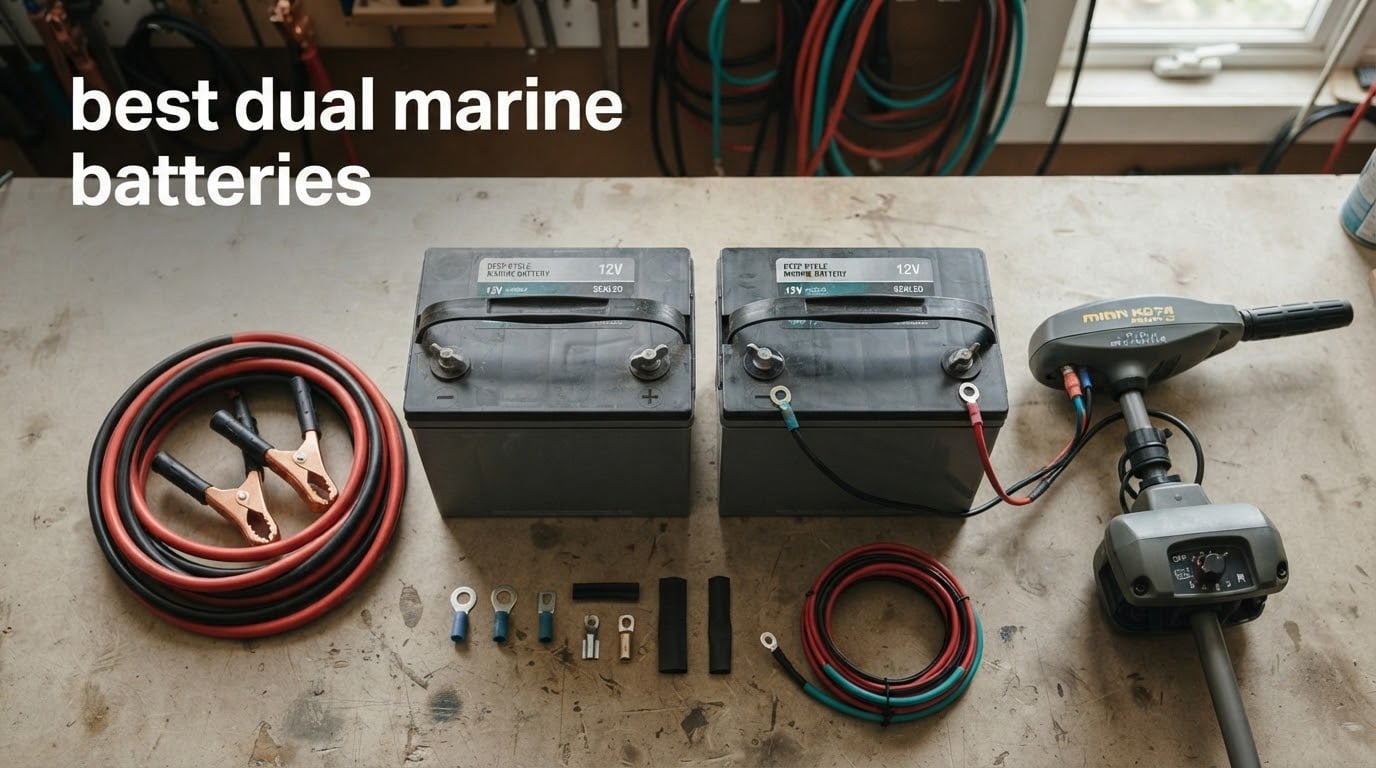
A dual-purpose marine battery is a sealed or flooded battery built with thicker plates than a starting battery and more active material than a deep-cycle battery, so it can do both jobs at once: deliver a high burst of current to crank the engine, then supply steady power to fish finders, a trolling motor, cabin lights and the bilge pump. For most skiffs, pontoons, bay boats and cruisers up to about 200-300hp, one dual-purpose battery is the whole electrical system. The twelve dual marine batteries below are the ones worth shortlisting in 2026, and the LiTime 12V 165Ah is the one we would put in our own boat first.
That last sentence matters, because the biggest mistake we see is buying on amp-hours alone. Two batteries in this list sit in the same Group 31 case with 900-plus CCA on the label, yet one weighs 22.7 pounds and the other 67.5 pounds, and the gap comes down to chemistry. Lithium iron phosphate packs deliver nearly all of their rated capacity, charge back up in a fraction of the time, and shrug off storage; sealed AGM is the safe middle ground that every marine dealer stocks; flooded lead-acid is still the cheapest way to fill a house bank on a budget.
We spent six weeks reading spec sheets, customer reviews and owner threads across iBoats, Jetboaters and The Hull Truth, and we standardised every battery on the same set of figures: chemistry, group size, amp-hours, CCA, marine cranking amps, reserve minutes, weight, warranty and cold-weather charging behaviour. That is the comparison every one of these reviews uses, because a dual marine battery that only lists two of those numbers is telling you nothing useful.
Before the picks, three questions decide most purchases: how big is your engine, how long do you run electronics with the engine off, and how cold does it get where you fish. Answer those and the chemistry question mostly answers itself. Keep reading and we will walk through all twelve batteries, then the system-design questions that owners argue about most on the forums.
Table of Contents
Top 3 Dual Marine Batteries for 2026
These three cover the realistic range of a single-battery boat: a lithium pack that does the most with the least weight, an AGM Group 31 that punches far above its cost, and a spiral-cell sealed battery with the longest reported service life among the lead-acid options we covered.


Our editor’s choice is not the cheapest option here and it is not the lightest either. It is the battery that removes the most compromises at once: it cranks hard, it runs electronics for a full day, it takes an abbreviated charge between trips, and it weighs less than half of the AGM units it outperforms on paper.
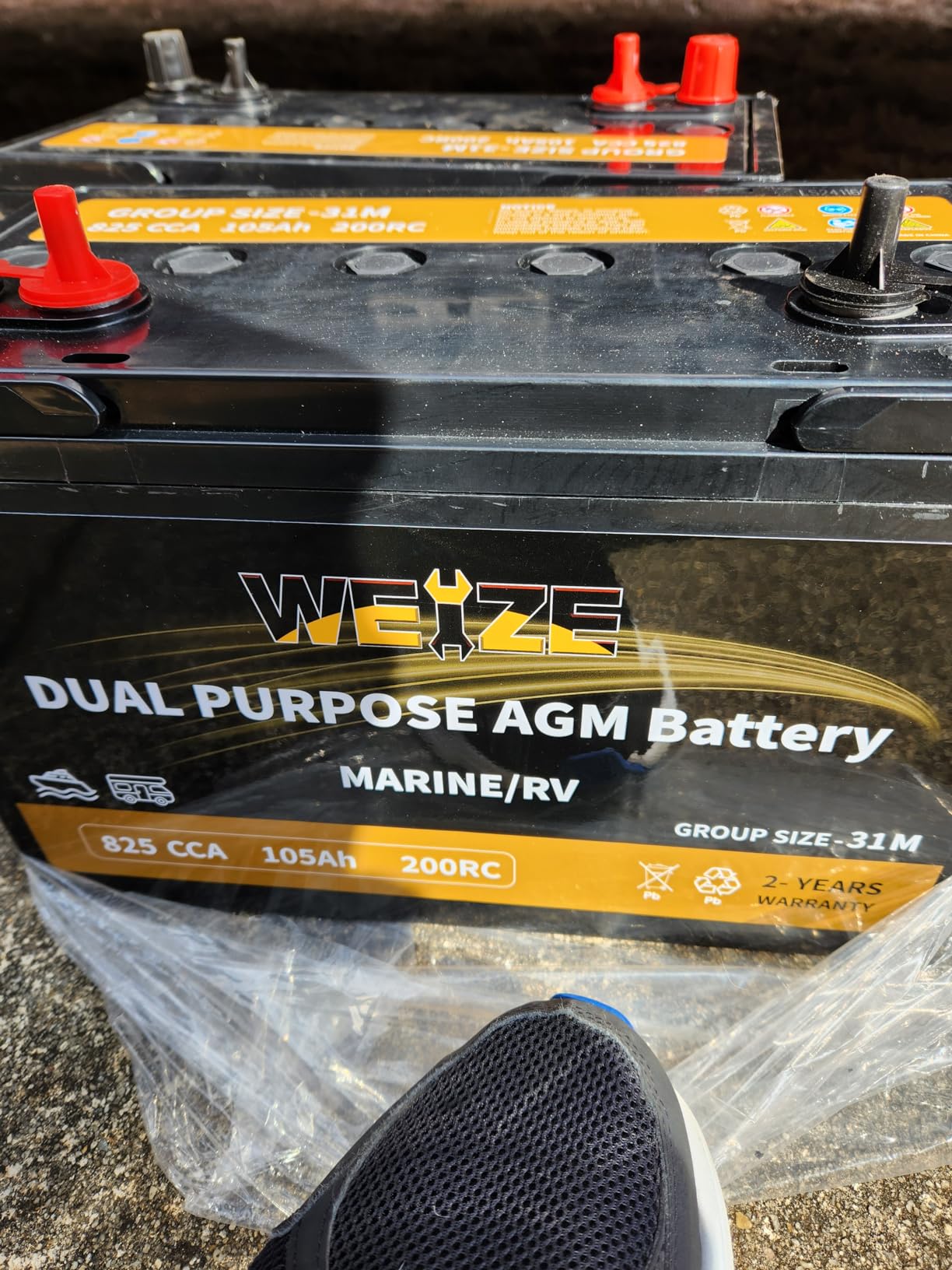
The value pick exists because the most common complaint about lithium is cost, and that complaint is legitimate. The WEIZE Group 31M delivers 825 CCA and 240 minutes of reserve capacity in a sealed, spill-proof case for a fraction of what premium AGM commands, and its owners repeatedly report it out-cranking batteries from brands that charge several times as much.
Best Dual Marine Batteries at a Glance in 2026
All twelve dual marine batteries, in the order we review them. Every row carries the same core specifications, which is the fastest way to narrow the field before you start reading individual write-ups.
| Product | Specifications | Action |
|---|---|---|
| LiTime 12V 165Ah LiFePO4 |
|
Check Latest Price |
| Optima D31M BlueTop AGM |
|
Check Latest Price |
 WEIZE Group 24M AGM WEIZE Group 24M AGM |
|
Check Latest Price |
 WEIZE Group 27M AGM WEIZE Group 27M AGM |
|
Check Latest Price |
 WEIZE Group 31M AGM WEIZE Group 31M AGM |
|
Check Latest Price |
 Optima D27M BlueTop AGM Optima D27M BlueTop AGM |
|
Check Latest Price |
 Odyssey Performance AGM 48 Odyssey Performance AGM 48 |
|
Check Latest Price |
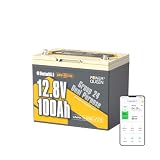 Power Queen 100Ah LiFePO4 Power Queen 100Ah LiFePO4 |
|
Check Latest Price |
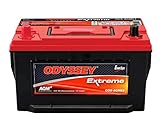 Odyssey Extreme AGM 65 Odyssey Extreme AGM 65 |
|
Check Latest Price |
 Odyssey Trolling Thunder 34M Odyssey Trolling Thunder 34M |
|
Check Latest Price |
 LiTime 12V 100Ah LiFePO4 LiTime 12V 100Ah LiFePO4 |
|
Check Latest Price |
 Optima D31T YellowTop AGM Optima D31T YellowTop AGM |
|
Check Latest Price |
One pattern jumps out immediately. The two lithium packs that fit a standard group footprint weigh 22.7 pounds each, while the sealed AGM units in comparable group sizes sit between 49 and 67.5 pounds. If hauling a battery into a small boat is part of your reality, that difference matters more than any spec line.
One Dual Purpose Battery or Two Separate Banks?
The most common question on the marine forums is not about chemistry at all. It is whether one dual-purpose battery is enough, or whether a serious setup means running two batteries in parallel, or pairing a starting bank with a separate house bank. The honest answer is that it depends entirely on how much time your electronics run with the engine off.
For a boat whose electronics only need to run while the engine is turning, one dual-purpose battery genuinely is the whole system. Fish finders, a VHF and cabin lights draw very little, the engine alternator replenishes the charge, and adding a second battery mostly adds weight and a switch to fail. This is the configuration that suits small skiffs, most pontoons and bay boats with modest electronics.
If you run a trolling motor for full days, the maths changes. A trolling motor pulling roughly 50 amps for eight hours takes about 400 amp-hours, and a lead-acid bank only gives back about half of its rated capacity before voltage sags to the point where the motor browning out. That is exactly the complaint that shows up in owner threads on iBoats: electronics that reset themselves and a battery that will not hold a charge between trips.
There are three setups we see working well in practice. The first is two dual-purpose batteries in parallel with a 1-2-all-off selector switch, so you can run one, the other or both, and you alternate which one you use on each trip. A long-running thread on The Hull Truth describes exactly this pattern, with owners reporting that a single battery carries the whole boat and the second is effectively a hot spare. The second is a dedicated starting battery plus a house bank, joined by an automatic charging relay so the engine charges both banks while the engine runs, and both are protected when the engine is off. The third is a hybrid: AGM for cranking, lithium for the house bank.
Parallel versus series is the other question the forums keep asking. Two 12V batteries in parallel give you double the amp-hours at 12V, which is what a house bank needs. Two 6V batteries in series give you double the voltage at the same amp-hour rating, which is a different problem entirely and is mostly relevant to older trailer setups. For anything you are buying today, two 12V batteries in parallel is the answer.
One warning about mixing chemistries in the same bank. A lithium battery and an AGM sitting in parallel will fight each other, because their charge profiles and absorption voltages differ enough that the stronger bank will keep pushing current into the weaker one. If you want a hybrid setup, keep them on separate banks with a proper charging relay rather than bolting them together.
1. LiTime 12V 165Ah Dual Purpose LiFePO4 – Best Overall
Litime 12V 165Ah Dual Purpose Marine Cranking LiFePO4 Battery for Boat
- 1200 CCA and 1300 MCA cranking power
- 2112Wh of capacity in a Group 31 case
- Half the weight of the lead-acid it replaces
- Bluetooth app reports state of charge and cell balance
- Self-heating protects charging below 32F
- Not compatible with Yamaha outboards or LiveScope chargers
- Not for engines without a voltage regulator
- App asks you to sign in each time you check it
This is the battery we would buy first, and the reasons stack up. It is rated at 1200 CCA and 1300 MCA, it carries 2112Wh of energy in a Group 31 case, and it weighs 33.5 pounds. For context, the AGM Group 31 units in this roundup are close to 67 pounds for a fraction of the usable capacity.
Owners consistently describe the same upgrade pattern: they pulled out a pair of flooded batteries, dropped this into the same tray, and immediately noticed the difference in handling and in how quickly the boat came back to life after a weekend away. A minority report units arriving in sleep mode or unable to take a first charge, so factor that small risk into your plan.
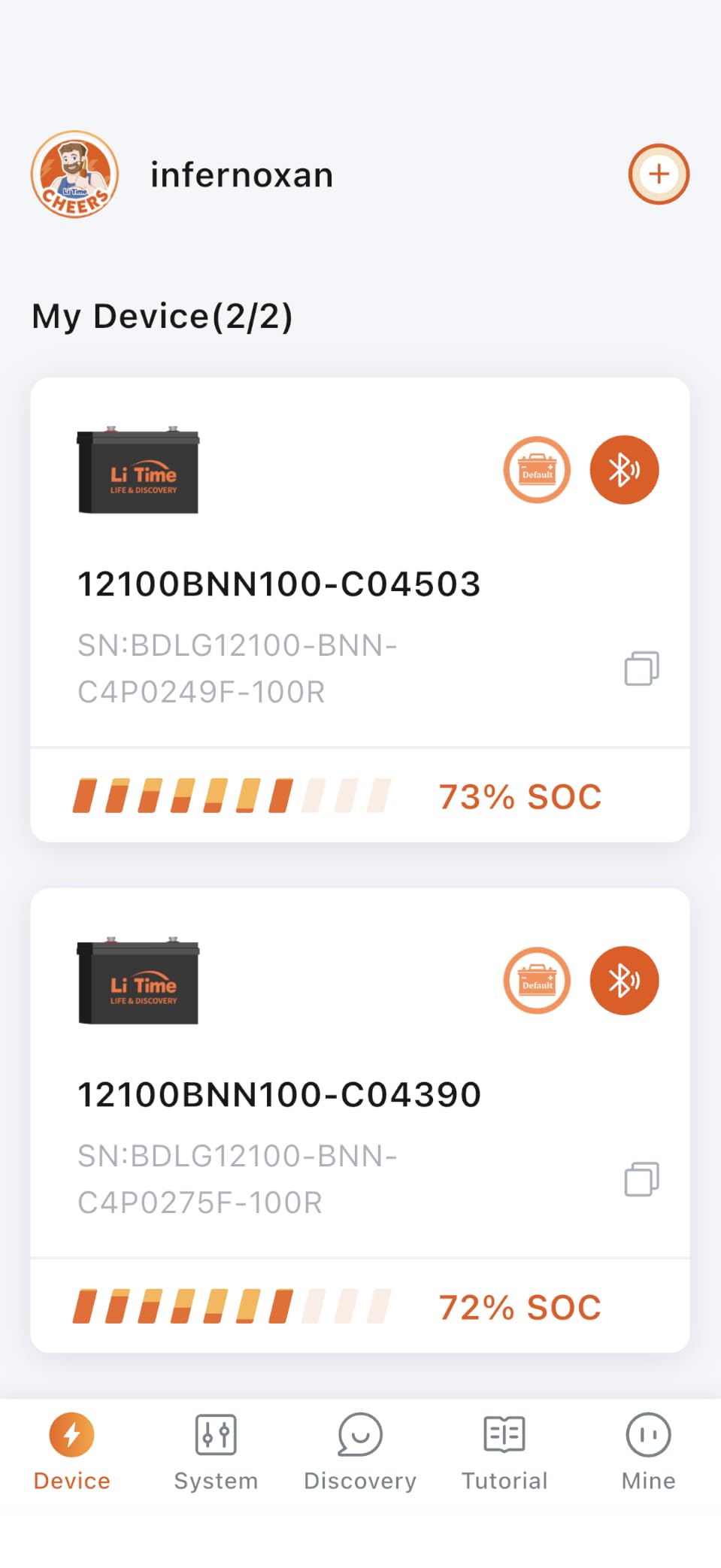
The self-heating system is more than a marketing line. It activates below 32F, brings the pack up to 50F, and only then resumes charging, which is the difference between a battery that works in January and one that refuses. Discharge is cut off at minus 4F and at 15% state of charge, so there is always something left to crank with.
Bluetooth monitoring through the app gives you state of charge, cell balance and BMS fault codes without a multimeter. The friction is that the app wants you to sign in on every visit, which owners mention often enough that it is worth knowing before you rely on it as a dashboard.
Fit matters more than the photos suggest. This is a Group 31 footprint at 12.8V, so the terminal positions need to line up with your existing cables. Check your tray and your cable length before committing.
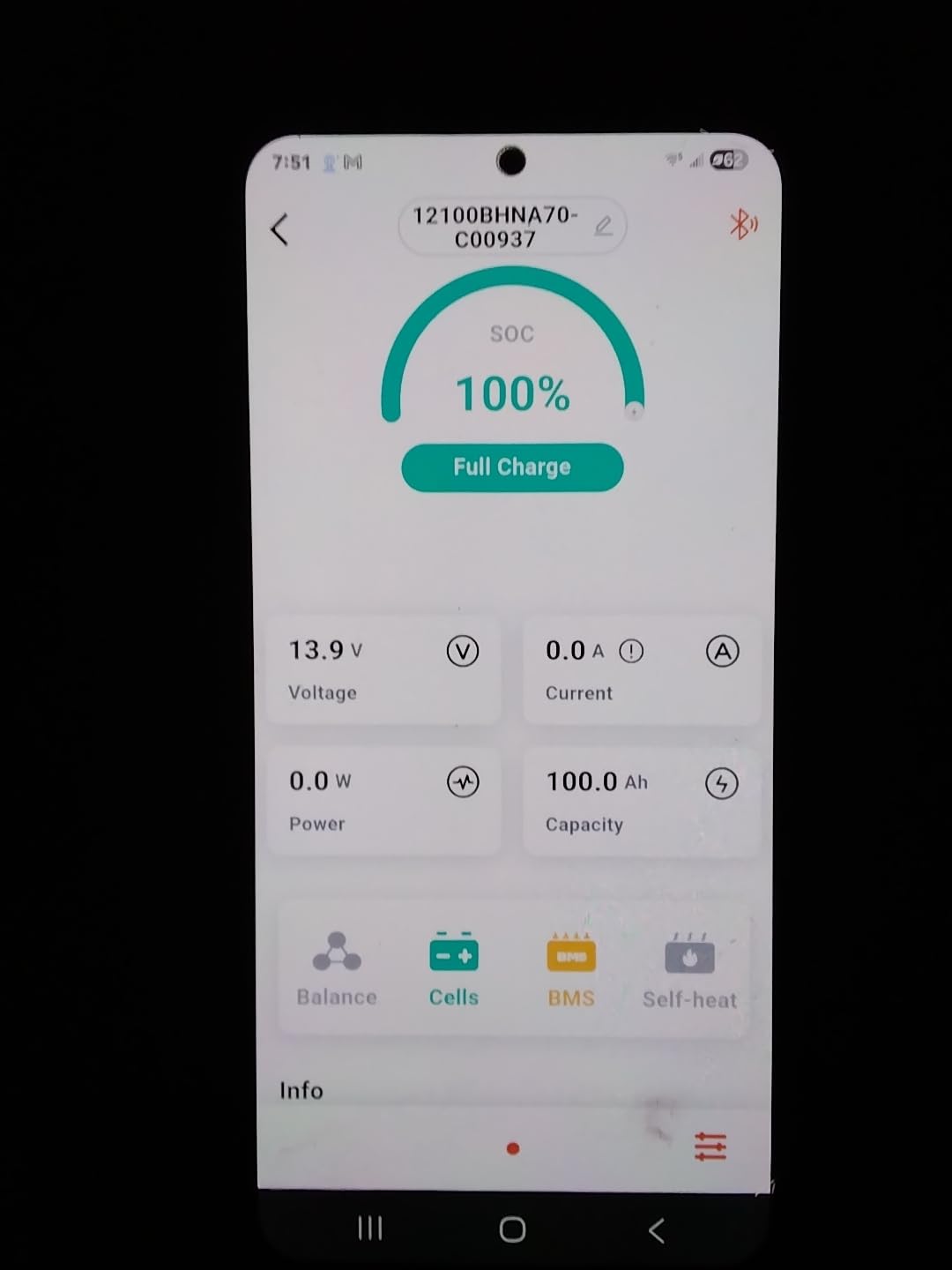
Is the LiTime 165Ah right for your engine and your climate?
This battery suits anyone whose outboard falls inside the mainstream bracket: Mercury, Honda, Suzuki, Tohatsu and most Evinrude units. It is not listed as compatible with Yamaha outboards, and it is not for engines that lack a voltage regulator, which rules out some older Evinrude, Johnson and Mercury Black Max installations.
If you fish through winter or your boat sits outside in real cold, the self-heating is the feature that justifies the premium. If you only launch when the water is above freezing, a cheaper AGM would serve you almost as well for cranking.
Where the compromises show up
It is heavier and dearer than a lead-acid battery of the same group size, and no amount of self-heating makes that go away. The charger matters too: a lithium-specific smart charger with the right absorption profile gets you a full pack, and a mismatched one can leave the battery short of full.
Reviewers also report the first charge sometimes topping out around 85% until the pack has been cycled a few times. That is a known characteristic of shipping lithium from factory, not a fault, but it is the kind of detail that annoys people who were expecting a green light on day one.
2. Optima D31M BlueTop Dual Purpose Sealed AGM
OPTIMA® Batteries D31M BLUETOP® Boat and RV Dual Purpose Sealed AGM Battery
- Long service life reported by long-term marine owners
- Sealed and maintenance free with corrosion-resistant terminals
- 900 CCA and 1125 MCA for heavy engines
- Dual SAE and stud posts make wiring flexible
- Mounts in any position
- Nearly 60 pounds per battery
- Needs periodic charging during off-season storage
- Some reports of dead cells and shortened life
Optima’s BlueTop is the classic answer for a big diesel or a large outboard that has to crank first try in bad weather. At 900 CCA and 1125 MCA, this is one of the higher-output sealed lead-acid batteries on the market, and the SPIRALCELL construction with 99.99% pure lead is what buys that number.
The longevity reports are the standout. Owners cite 9 to 14 years of service and roughly three times the life of a flooded marine battery, and that claim is consistent enough across reviews to be more than brand marketing. The counterweight is weight: 59.8 pounds, and you will feel every one of them lifting it over a gunwale.
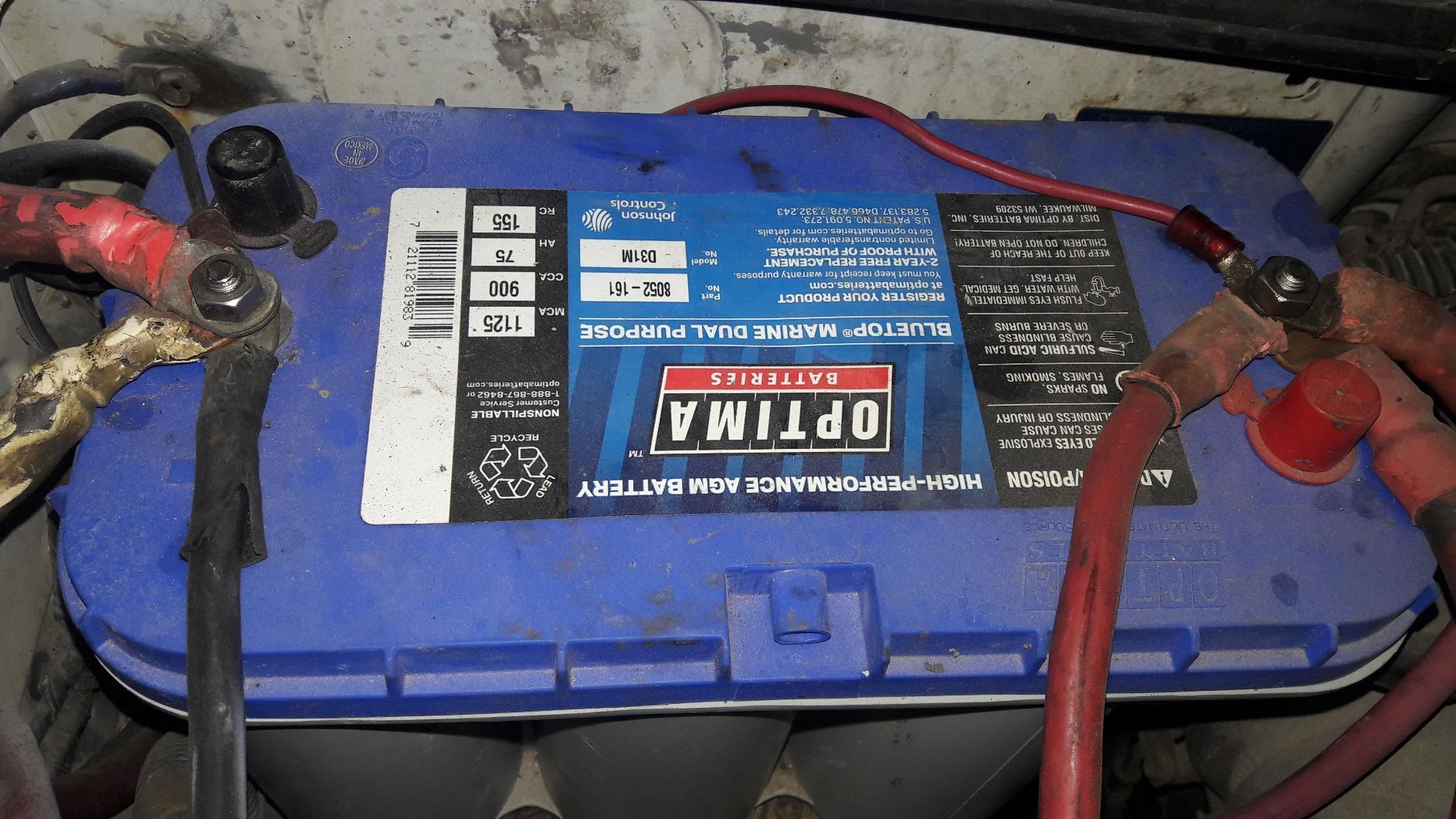
Reserve capacity of 155 minutes is genuinely useful information, because it tells you how long the battery runs house loads at a fixed 25-amp draw before voltage falls below the cut-off. That figure is a better guide to a day on the water than the 75Ah C20 capacity alone, which is why we put it on every battery in this guide.
Optima claims 15 times the vibration resistance of a standard flooded battery, and on a boat with a big engine that is not a marketing abstraction. Constant engine vibration is the fastest way to shake a conventional plate battery apart, and spiral-wound cells resist it in a way conventional plates cannot.
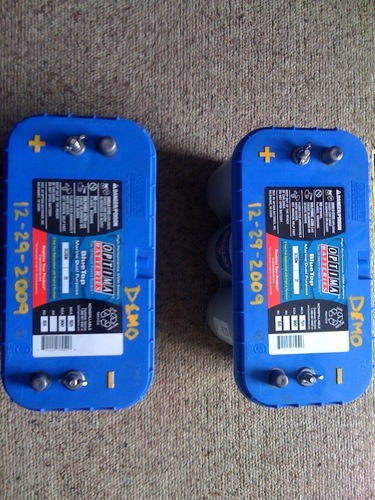
The dual terminal configuration, one SAE post and one 5/16-inch stainless stud, is a practical touch. It lets you keep a ring terminal on one and a clamp on the other, which saves an adapter and a crimp in a space where you rarely have room for either.
Does it suit a saltwater or big-power setup?
Yes, and this is where spiral-cell sealed lead-acid has quietly out-earned cheaper alternatives. Long-term owners on big-displacement boats report these starting reliably year after year, and the sealed case means no water top-ups in a wet locker and no terminal corrosion creeping in from the spray.
Because it mounts in any position, it also works well in an awkward engine bay where a flooded battery simply could not be installed. If corrosion in your battery box is an ongoing problem, a sealed case removes one whole category of maintenance.
What to watch out for
The rating distribution here is top-heavy but includes a notable one-star cluster, and the recurring complaint in that group is cells going bad within a season or two, plus the need for a maintainer during storage. If your boat sits for months, budget for a tender or a monthly check, whatever the label says about maintenance free.
There is also a question of build quality consistency after the manufacturer moved factories, which some reviewers raise, and returns become awkward once the battery is installed. Test it the day it arrives if you can.
3. WEIZE Group 24M Dual Purpose AGM Battery
- Cranking punch that rivals costlier name-brand marine AGM
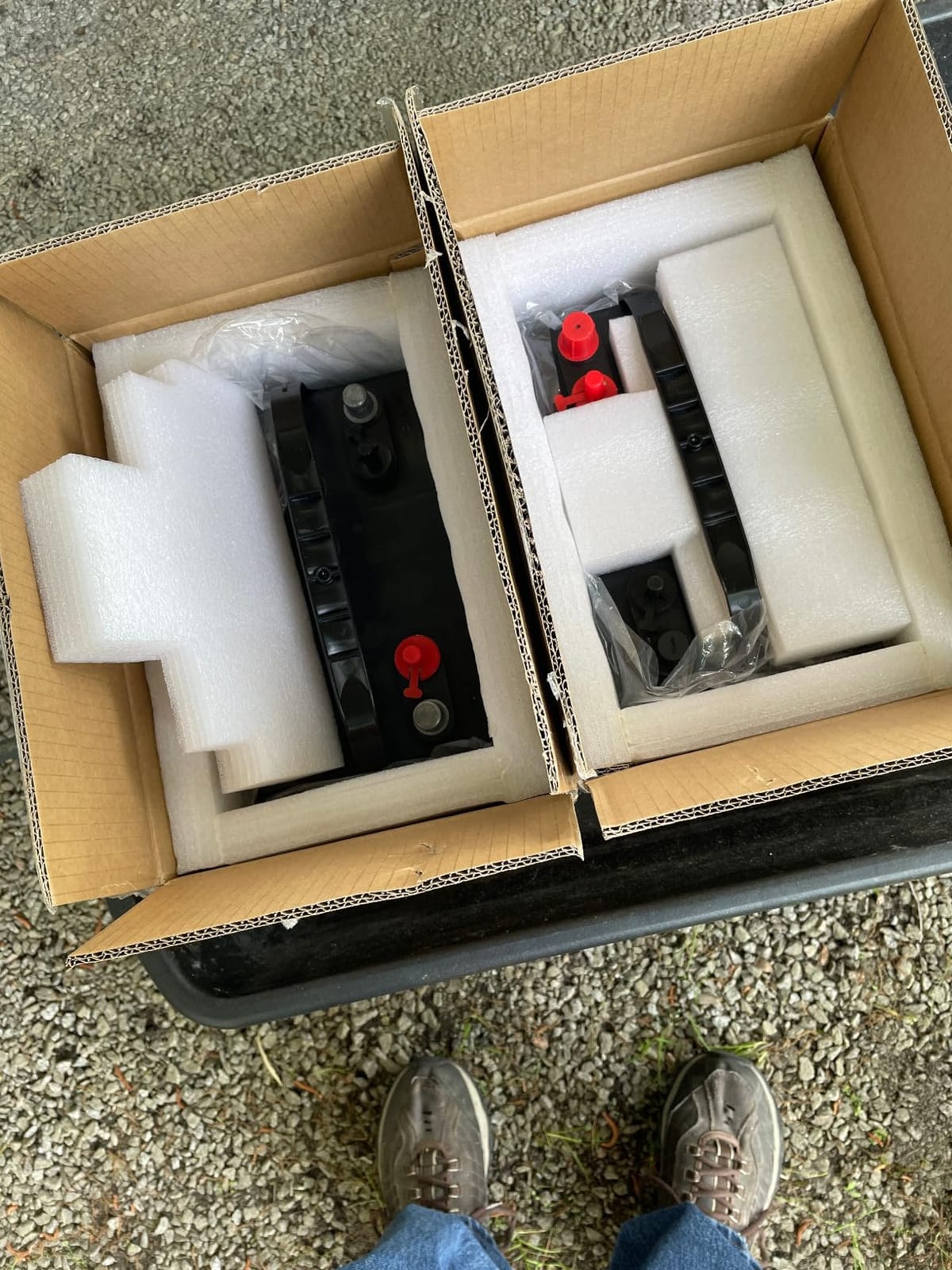
- Arrives charged and well packaged
- Quick charge acceptance at 14.4V
- Vibration resistance rated at 20x flooded
- Leak-proof sealed case
- Around 50 pounds and needs two people to load
- Occasional dead-on-arrival reports
- Only a 2-year warranty
If your boat is a modest single-engine setup and you want sealed, spill-proof cranking power without moving up to a Group 31 footprint, this is the entry point. The BCI Group 24M case is the most common marine tray size there is, so fitment is rarely a problem.
550 CCA and 150 minutes of reserve capacity is a competent middle-of-the-road spec, and owners report it spins larger engines over easily for its size. Several mention performance matching or beating premium marine AGM batteries that cost substantially more, which is the entire value proposition in one sentence.
Charging specs are published and specific: constant 14.4V plus or minus 0.1V, up to 15.8A, 24-hour maximum charge time. That level of detail is unusual at this tier and lets you match a charger properly instead of guessing.
Terminals come in four types on the same battery, including SAE stud and threaded post, so you can build the connection your existing cables want. Leak-proof safety valves handle the venting that a sealed battery still produces under heavy charging.
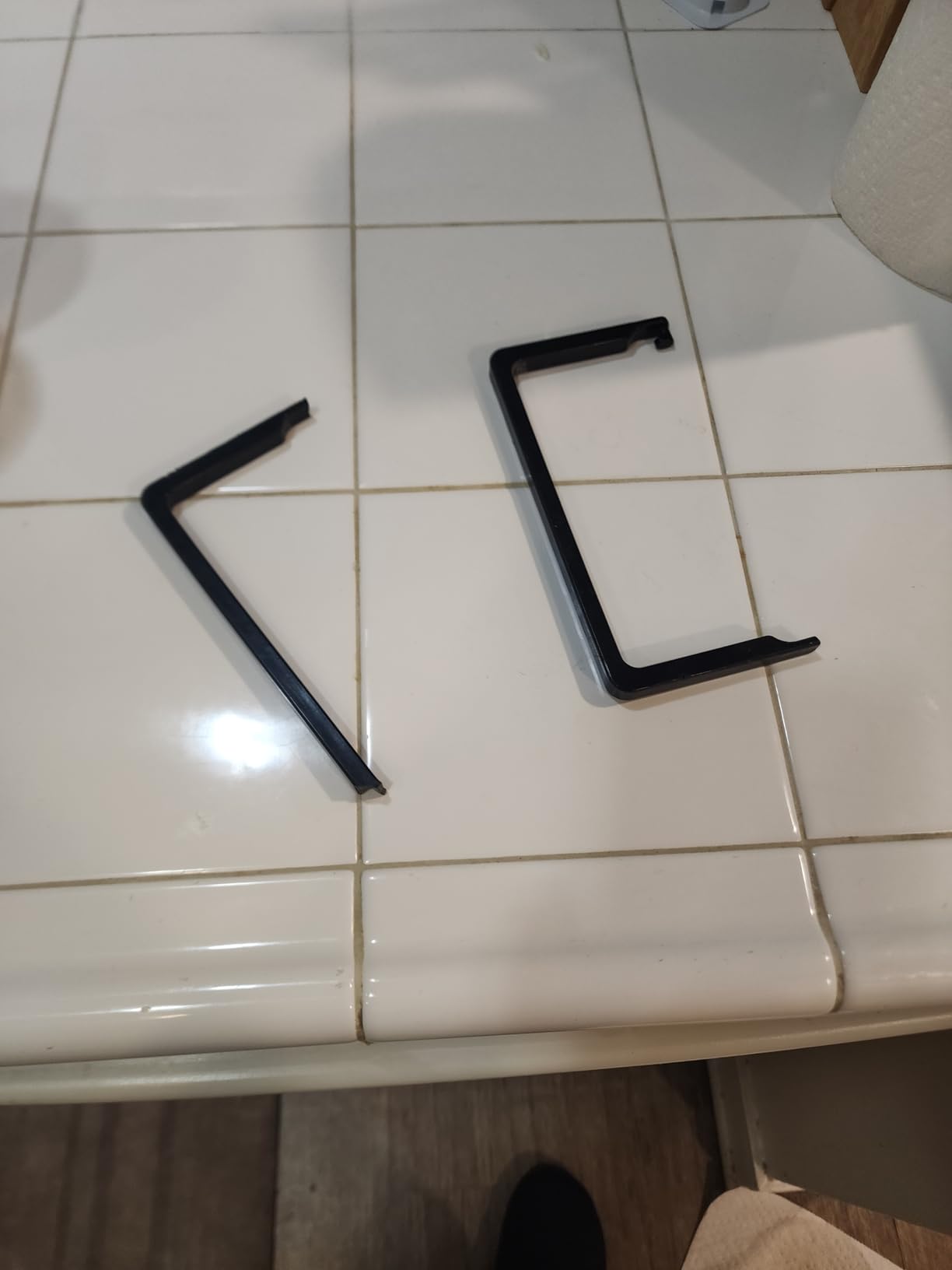
One caveat worth raising early: at 50.7 pounds this is not a light battery. If your battery compartment is high and tight, budget for a second pair of hands at install time.
Who gets the most out of a Group 24M?
Boats with a single outboard up to roughly 150hp, moderate electronics, and no plan to run a trolling motor for extended periods. The 150 minutes of reserve capacity covers a long day of electronics with the engine off without leaving you stranded.
It is also the safe pick for saltwater boats where maintenance is a nuisance. Sealed, leak-proof and needing no water top-ups means you can install it and largely forget it, apart from keeping it on charge during layup.
Where the compromises show up
Two years of warranty is the shortest in this roundup, and that matters more than the headline price when you consider a battery that will sit in a boat for five seasons. Long-term durability is also the least proven thing about it, simply because the model is newer and fewer owners have put real cycles on it.
There is a recurring group of reports about dud batteries arriving out of the box. The rate is not large, but it is real, and it is another argument for testing on day one rather than discovering it at the ramp.
4. WEIZE Group 27M Dual Purpose AGM Battery
Weize Dual Purpose AGM Battery BCI Group 27M, 175RC 580CCA 12V 92AH Starter & Deep Cycle Sealed Marine & RV Battery
- Strong cranking output for big-block engines
- Owners report outperforming a premium Group 31 AGM
- Arrives fully charged and well protected
- Clean dual-post design suits a cranking battery
- Quick charging at up to 18.4A
- Nearly 60 pounds and needs two people to install
- A minority of dead-on-arrival reports
- Short 2-year warranty
The Group 27 case is the sweet spot for a lot of boats: big enough to carry real cranking amps, small enough that it still fits a standard tray without rebuilding the battery box. This one publishes 580 CCA and 175 minutes of reserve capacity, and it is the one we would pick for a family boat that does a bit of everything.
Reviewers repeatedly make the same comparison, that it cranks harder than a costlier name-brand Group 31 AGM. That is the argument for it. Cranking performance per pound of lead, and per pound of money, is where the design focus sits.
It is worth understanding why capacities differ between brands in nominally the same group size. Group 27 is a physical case dimension, not a capacity guarantee, and the plate thickness and acid volume inside that case vary by manufacturer. That is why you will see Group 27 ratings scattered across a wide band on different brands’ spec sheets, and why cross-brand comparison needs amp-hours and reserve minutes, not the group label.
Charging here runs to 14.4V with up to 18.4A, a 24-hour maximum, which is a slightly more capable charging profile than the Group 24M in the same range.
Is Group 27 the right size for your boat?
If your engine is in the range where a Group 24 feels marginal but a Group 31 is physically too large for your tray, Group 27 is the answer. It is also the size most trailer boats and mid-size runabouts are wired for, so it is often the drop-in that saves you from changing cable runs.
The 175 minutes of reserve capacity gives you more runtime with electronics off than the Group 24M, which is the difference between a comfortable day and an anxious one if you also run a livewell pump or a small refrigerator.
What you are accepting
Weight again. 59.5 pounds is a two-person lift in most installations, and it is the single most common complaint in reviews of this model, along with its sibling sizes.
The 2-year warranty and the same dud-on-arrival cluster as the other models in this range are the other two trade-offs. Test it fully before you wire it in.
5. WEIZE Group 31M Dual Purpose AGM Battery
- Best-rated of the WEIZE marine range
- 825 CCA and 240 minutes of reserve capacity
- Owners report beating a costlier premium Group 31
- Spins large engines over easily
- Arrives fully charged in heavy protective packaging
- Heaviest battery here at 67.5 pounds
- Some dead-on-arrival reports
- 2-year warranty is short for heavy cycling
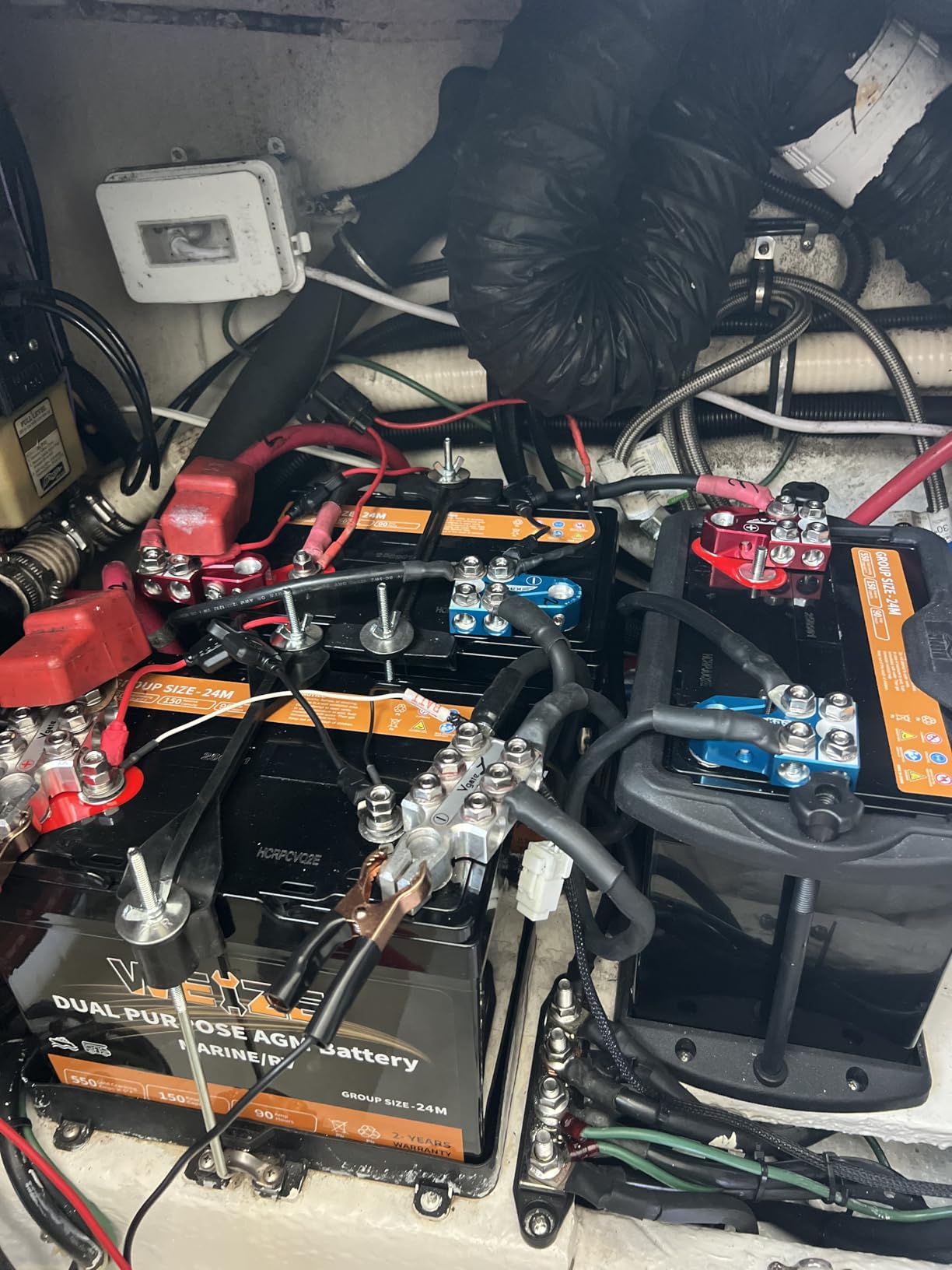
This is the best-rated of the three WEIZE marine batteries and the one we would pick if lithium is not on the table. 825 CCA, 240 minutes of reserve capacity and 110Ah in a Group 31 case is a serious spec sheet, and the reserve capacity figure is the best of any sealed AGM in this roundup.
That 240-minute number is what makes it a genuine dual-purpose battery rather than a compromise. It is not a starting battery that tolerates some accessory load; it is a battery that will run a house load all afternoon and still start the engine afterwards.
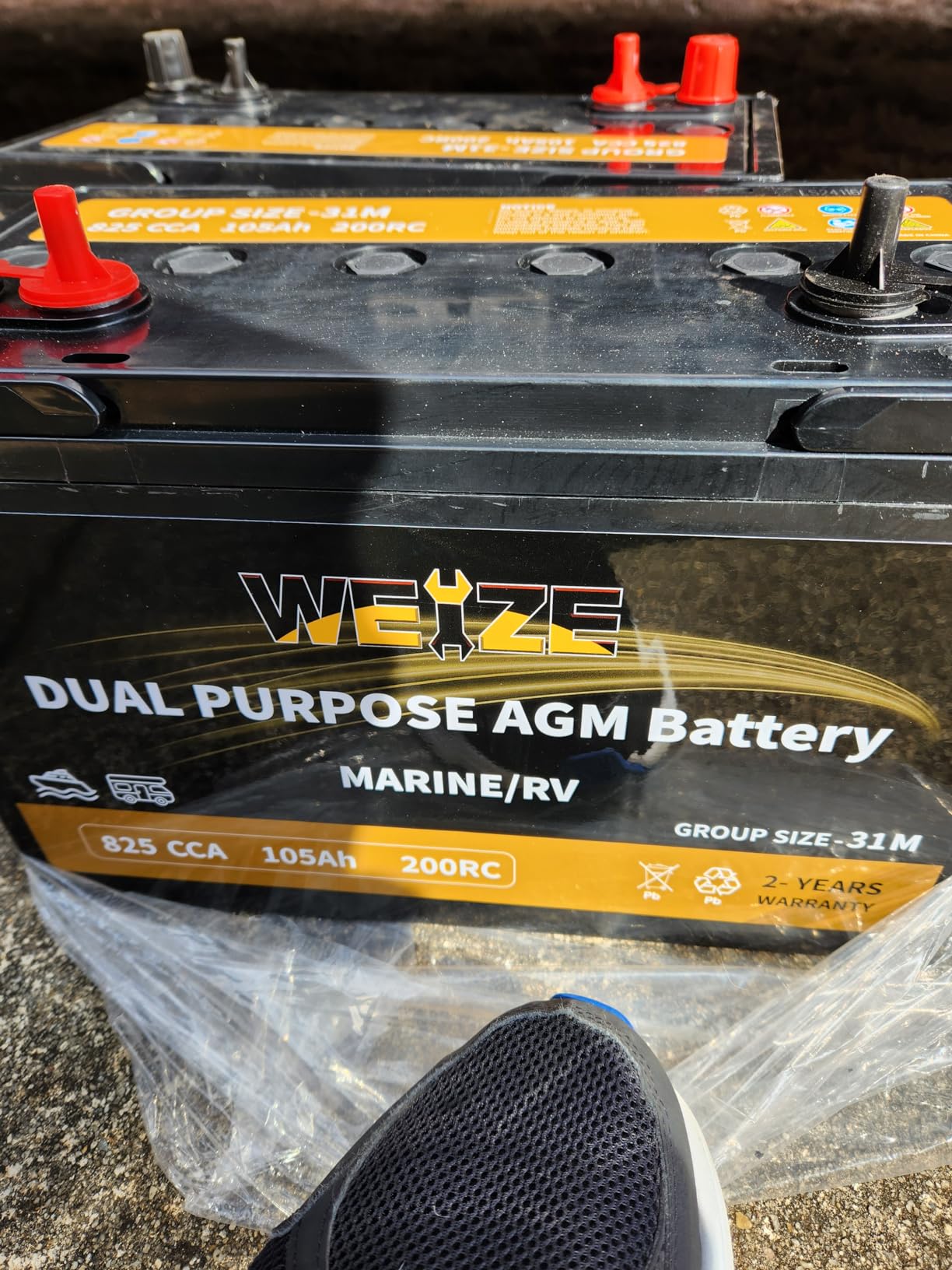
Price-to-specification is the argument. Owners write that it outperforms a substantially costlier premium Group 31 AGM, and when you line up the CCA, the reserve minutes and the sealed leak-proof case against what else in this guide offers all three, the comparison is not close.
The charging profile again runs to 14.4V plus or minus 0.1V, this time up to 21A, and the leak-proof design uses specialised safety valves for the gas that sealed batteries still release under a hard charge.
Note that this model is 67.5 pounds, the heaviest in the group. If you are stepping up from a smaller battery, measure your tray and check the hold-down bracket will clear the case height.
When does a Group 31 AGM earn its place?
On a boat with a large outboard, a lot of electronics, and no appetite for lithium’s charging requirements. 825 CCA is comfortably more cranking power than most engines will ever draw, which means the real story is the reserve capacity underneath it.
It is also the easiest of the high-output sealed AGM options to service. No water, no venting requirement in an enclosed locker, no lithium-specific charger, and it will sit through a season of layup with a maintainer without complaint.
Where the trade-offs sit
Weight, first and most simply. Every pound matters on a small boat, and this is a case where a lithium Group 24 would be both lighter and stronger.
Long-term durability is unproven for newer owners, and the 2-year warranty is the shortest of any product in this roundup. For a battery you intend to keep for five seasons, that is a meaningful gap.
6. Optima D27M BlueTop Dual Purpose Sealed AGM
OPTIMA® Batteries D27M BLUETOP® Boat and RV Dual Purpose Sealed AGM Battery
- Reported to last 10 years or more in a boat
- Reliable starting on a 225hp Mercury outboard
- Mounts in any position and is easy to clean
- Sealed dual posts
- USA construction
- Weight figures conflict between listings
- Needs periodic charging to avoid sulfation
- Some units failed within a few months
This is the BlueTop in a Group 27 footprint, and it is the one we would point at for a smaller boat that still wants serious cranking power. 800 CCA and 1000 MCA out of a Group 27 case is an unusually high output for the size, which is the whole point of spiral-wound construction.
Long-term owners are the strongest praise here, with reports of 10 years or more in a boat and reliable starting on a 225hp outboard year after year. That is a track record, not a specification.
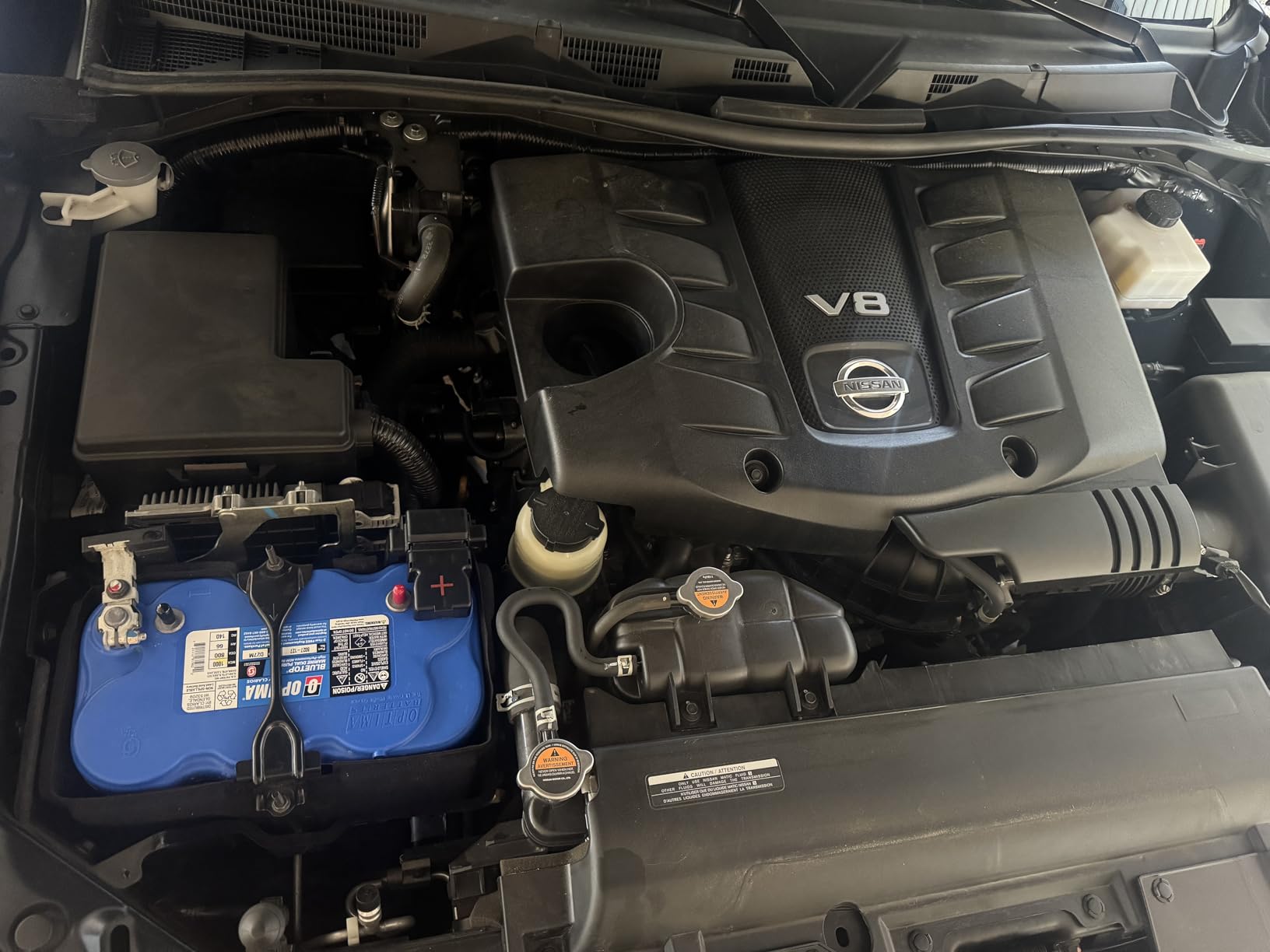
One thing to sort out before you buy: the published weight is inconsistent across listings for this model, with 25 pounds in one place and 53.8 pounds in another. Physically weigh or measure the case against your existing battery rather than trusting the figure, because the installation is where that discrepancy actually matters.
Charging discipline is the other theme. This is a starting-and-house battery that still wants to be put on charge promptly after heavy use, and owners who ran a tender through winter report noticeably longer service lives.
140 minutes of reserve capacity is less than the WEIZE Group 27M, so if you intend to run electronics all day with the engine off, factor that difference into the decision.
Is it right for a mid-size single-engine boat?
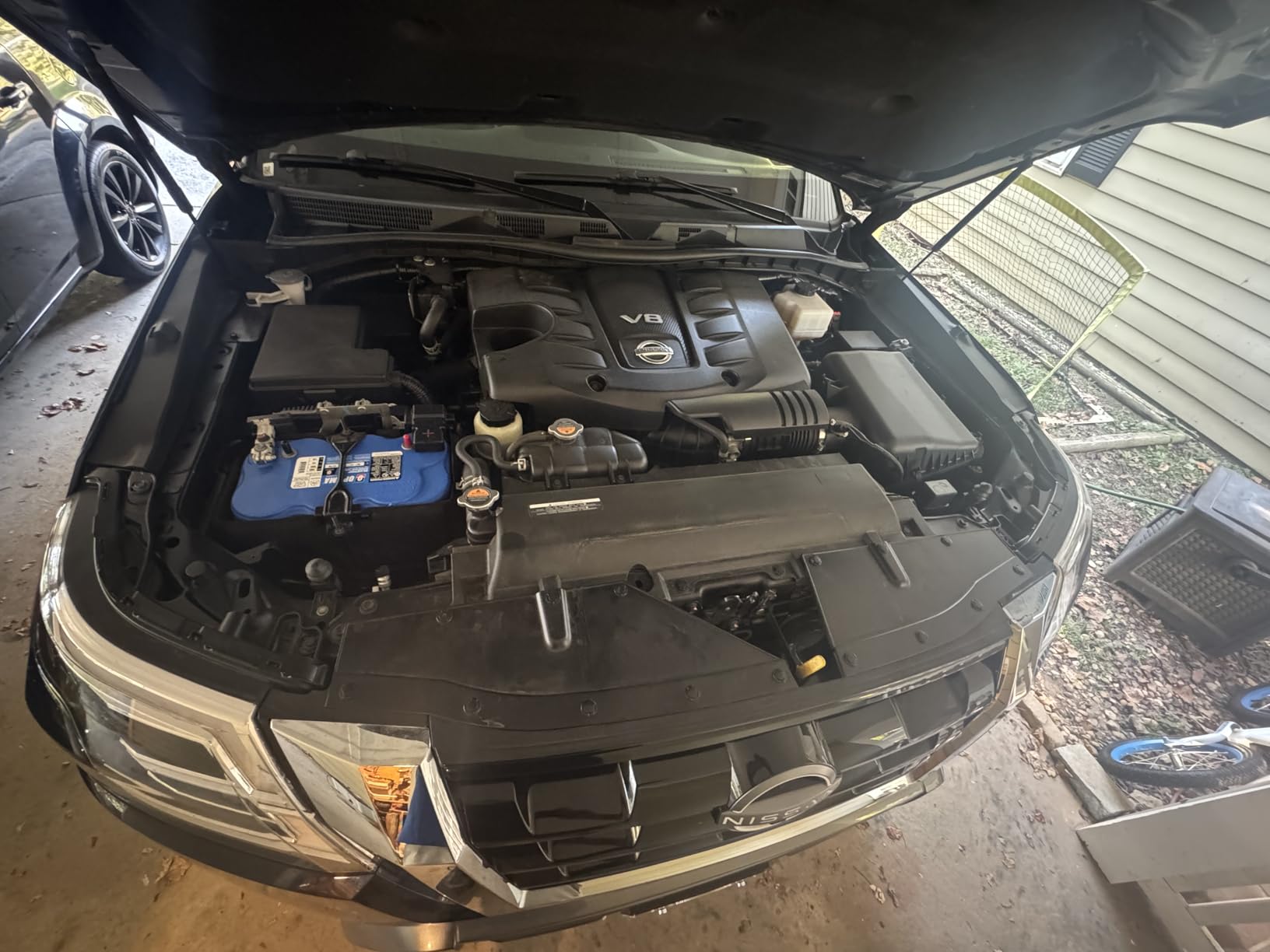
Yes. The 800 CCA figure comfortably covers a mid-range outboard, and the sealed case means no water top-ups and a battery you can install in a cramped engine bay in any orientation. Reported service on a 225hp Mercury suggests you are not choosing conservatively.
For a boat kept in fresh water and launched on mild days, this is a set-and-forget choice, which is exactly what most owners want from a dual-purpose battery.
What could go wrong
Deep-cycle runtime is closer to a new budget deep-cycle battery than to a real house bank, and a small group of owners report cells failing within a few months and slow warranty service on top of that.
It also needs an AGM-compatible charger. Pairing a flooded profile charger with a sealed AGM shortens its life, and that is the single most avoidable mistake in this whole category.
7. Odyssey Performance Series AGM Battery
- Full replacement warranty instead of pro rata
- Recharges fully in 4-6 hours
- Shelf life up to 2 years stored at 12V
- Holds a high stable voltage for longer periods
- Compact Group 48 footprint for tight dual-battery installs
- Sold as a passenger-car fit rather than a marine group size
- 49 pounds is awkward in a small boat
- Check case size and terminal posts before ordering
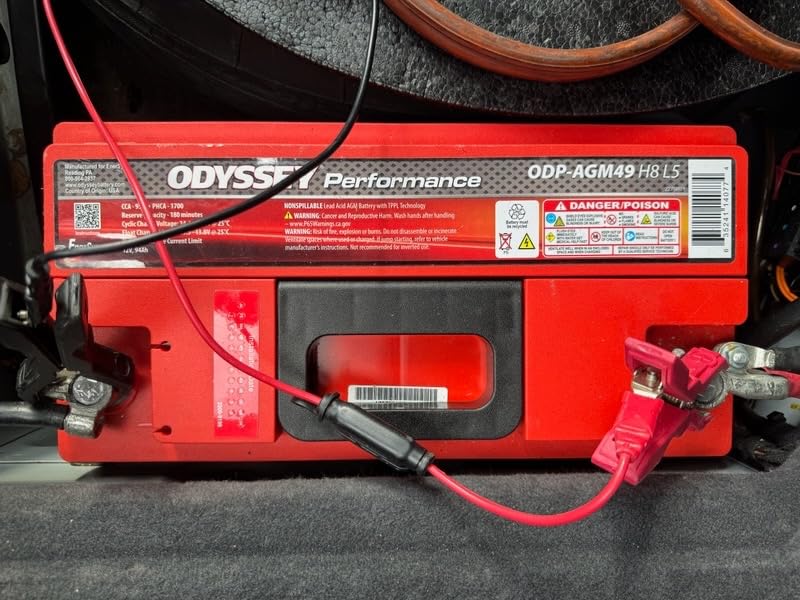
Odyssey is the brand that most often appears in forum threads alongside Lifeline, Optima and RELiON when owners list names they trust, and the Performance Series is the version of that reputation built on warranty terms rather than headline capacity. A 4-year limited full replacement rather than pro rata is unusual in this category and removes the most common complaint people have about premium batteries.
63Ah is a modest number next to the 110Ah in the Group 31 units here, and the case is a Group 48 H6 footprint, which is smaller than a marine group size. That makes it a fit-check job rather than a spec-sheet job.
Where the numbers shine is charge speed and storage. A full recharge in 4-6 hours and a shelf life of up to 2 years at 12V open circuit mean it tolerates seasonal layup far better than a battery that needs weekly attention, and the claimed 70% longer cycle life comes from the same chemistry advantage.
Because the case is smaller, it suits a dual-battery install where space is the binding constraint. Two of these side by side take up less tray length than one Group 31 plus a cable run.
It is listed as a vehicle-specific passenger-car fit, so confirm the case dimensions and top post terminal positions against your battery tray before committing. That is the one genuine risk with this pick, and it is entirely avoidable with a tape measure.
Does the warranty change the calculation?
On a battery you keep for five or more seasons, a full-replacement warranty rather than a pro-rata credit genuinely changes the arithmetic, because pro rata pays out a percentage based on time used and the strongest years are exactly the ones you never reach.
The charge speed matters more than buyers expect. A battery that recovers in 4-6 hours means you can run the boat, plug in, and go again the next morning, which is where a lot of weekend cruising actually lives.
What to confirm before ordering
Measure your tray. Group 48 H6 is not a marine group size, and the terminal layout is a top post rather than the stud pattern on some of the BlueTop units in this guide.
At 49 pounds it is not a light install either, and because it is an AGM you still want a charger with a proper absorption profile rather than a trickle-only maintainer doing the daily work.
8. Power Queen 12V 100Ah Dual Purpose LiFePO4
Power Queen 12V 100Ah Dual Purpose Cranking Starting Lithium Marine Battery
- 900 CCA starts fuel outboards up to 250HP
- 22.7 pounds is roughly half an AGM Group 24
- One battery replaces a cranking plus trolling pair
- Bluetooth app shows runtime and fault codes
- IP67 waterproof with salt-spray resistance
- Higher upfront cost than comparable AGM
- Self-heating takes 30-100 minutes in deep cold
- Charging stops below 32F until the heater completes a cycle
The highest-rated product in this roundup, with 90% of reviews at five stars. At 900 CCA and 100Ah in a 22.7-pound Group 24 case, this is the single most convincing answer to the weight-versus-capacity problem, and it is the unit we would put in an ice-fishing boat.
Owners describe the same simplification: one battery where there used to be two. Instead of a starting bank for the outboard and a deep-cycle bank for the trolling motor, this handles both, and the published runtime figures back that up, with up to 16 hours of trolling motor use at 6.25A and around 50 hours of fish finder runtime at 2A.
The Bluetooth app reports capacity, current draw, remaining runtime and fault codes, and 17 cells at 40 milliohms of total resistance explains why the voltage stays steady under load rather than sagging the way lead-acid does.
Is it built for the conditions you fish in?
IP67 waterproof and dustproof with salt-spray resistance, plus ABYC E-13 installation standard compliance, makes it a better-matched part for a saltwater bay than most of the sealed lead-acid options in this guide. Compatible with Mercury, Yamaha, Suzuki and Evinrude outboards, which is a wider motor list than the LiTime packs manage.
Self-heating is what makes it work on ice. It runs 30-60 minutes at 14F and 70-100 minutes at minus 4F, bringing the pack up to temperature before charging resumes, and low-temperature charge protection below 32F means it will not be damaged by a cold charger.
What the trade-off really is
Cost, plainly. It is a lithium pack in a Group 24 case and it costs what a premium AGM costs. The saving comes later, in weight, in charge time and in not having to carry a second battery.
The second trade-off is the one that catches people out: charging simply stops below 32F until the heater finishes a cycle. If your boat sits in a shed at 20F and you top it up on a weekend, you will be waiting 30 minutes or more before the pack accepts charge, and you need a Bluetooth-compatible charger to get the full picture of what it is doing.
The 15% Smart Power Reserve cutoff also means the pack will not give you its last sliver of capacity. On a battery whose headline selling point is usable capacity, that reserve is the insurance policy that keeps your engine starting.
9. Odyssey Extreme Series AGM 65 Battery
- Very low self-discharge over months of storage
- Consistently strong cold-weather cranking
- Heavily built and noticeably heavier than what it replaced
- Cleared persistent engine codes from an ageing battery
- 4-year warranty
- Costs more than flooded or entry AGM
- One reported unit dead within weeks and would not charge
- Group 65 is a passenger-car case
- 60 pounds is awkward in a small boat
The Extreme Series is the version of Odyssey to consider if your boat spends months of the year doing nothing. Very low self-discharge is the defining characteristic in the reviews: owners report vehicles and boats sitting for months and still cranking instantly, which removes the whole maintainer question from winter storage.
Cranking output is high, with 930 CCA, 1350 HCA and 1750 PHCA, and owners write about it clearing persistent engine codes that had been traced back to a tired battery rather than to fuel or plugs. That is a familiar and satisfying fix.
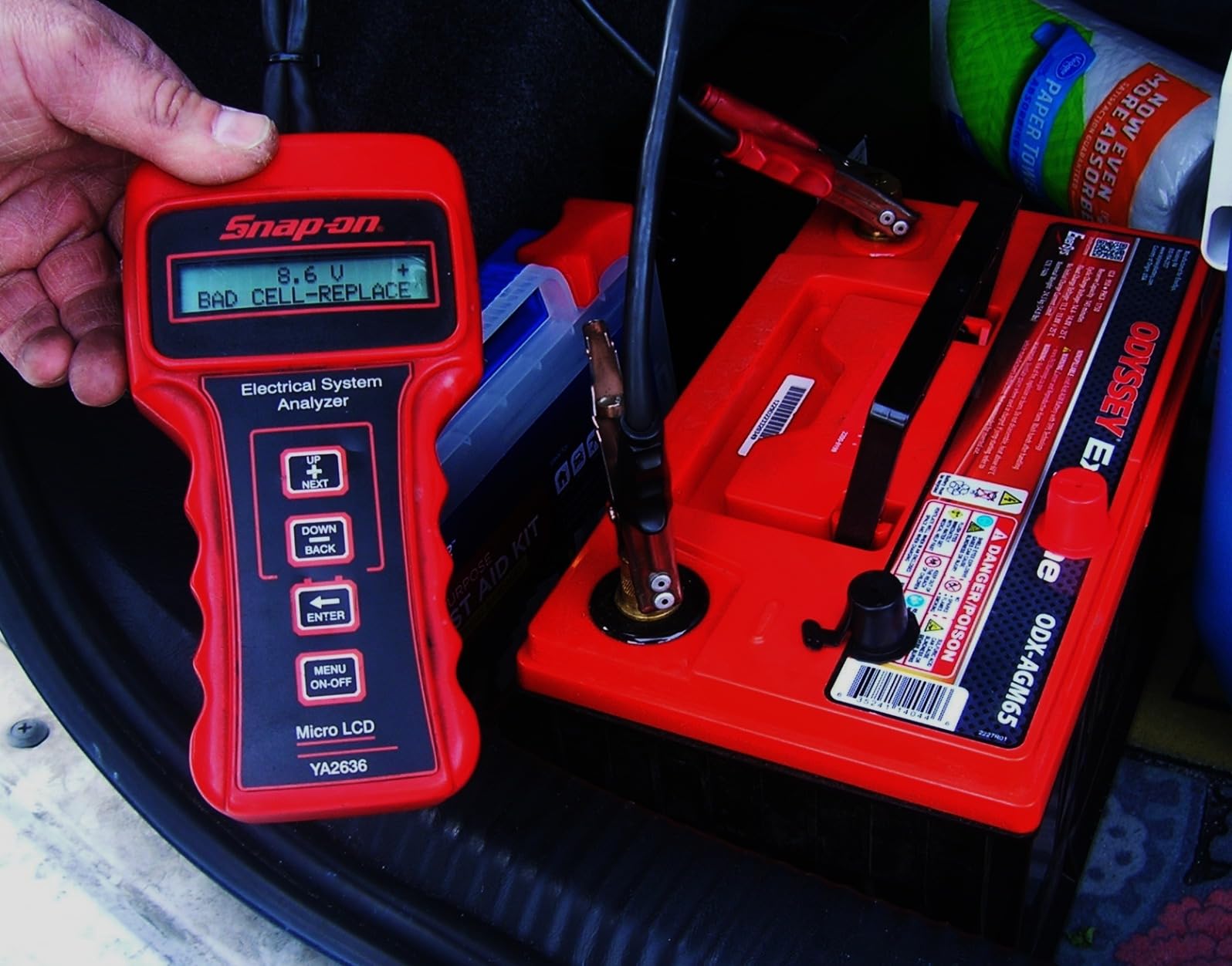
135 minutes of reserve capacity sits mid-range for this list, so it is a cranking-first battery that will carry a moderate house load, rather than one you would choose to run electronics off all day.
Two practical notes. The case is a Group 65 with tin-plated brass SAE posts, so measure your tray against a marine group size. And the negative terminal is on the right-hand side, which catches people out if their existing cable routing assumes the opposite.
Does low self-discharge matter for a boat?
More than most people expect. A boat in a driveway or a lift is the classic case: no charge for eight weeks in a driveway, no charger hooked up, and a conventional AGM that needs a top-up before it will turn the engine. A battery that tolerates that without a tender is simply one less winter chore.
It also means the battery stays healthier through a long layup, which is where sulfation damage usually starts and where most failed marine batteries actually die.
Where the caveats are
The premium over flooded and entry-level AGM is real and it is the most-cited complaint in the reviews. Group 65 is not a marine group size, so confirm it fits, and be ready for a 60-pound lift into the boat.
There is one detailed report of a unit going dead within a few weeks and refusing a charge, plus a difficult return process. A single report is not a pattern, but it is worth having a test plan for day one.
10. Odyssey TROLLING Thunder 34M Marine Dual Purpose Battery
Odyssey 34M-PC1500ST-M TROLLING Thunder Marine Dual Purpose Battery
- Purpose-built marine dual purpose cranking and trolling battery
- Operating range from -40F to 176F
- Stores up to 2 years at 12V without recharging
- Non-spillable dry AGM with resealable venting
- Full replacement warranty rather than pro rata
- Around 50 pounds
- so two people to load
- Large footprint needs battery box clearance
- Premium versus generic dual purpose AGM
- Deep-cycle runtime trails dedicated house batteries
This is the only battery in the roundup designed from the ground up as a marine cranking-and-trolling unit rather than a general battery that happens to work on a boat. That intent shows up in the details: a non-spillable dry AGM case with resealable venting, US DOT classified, and an operating range from minus 40F to 176F.
850 CCA and a 3 to 4 year full replacement warranty rather than pro rata put it in the same insurance class as the Performance Series, and the 3 to 10 year service life claim is the kind of range you normally only see from a manufacturer that expects the battery to outlast the boat.
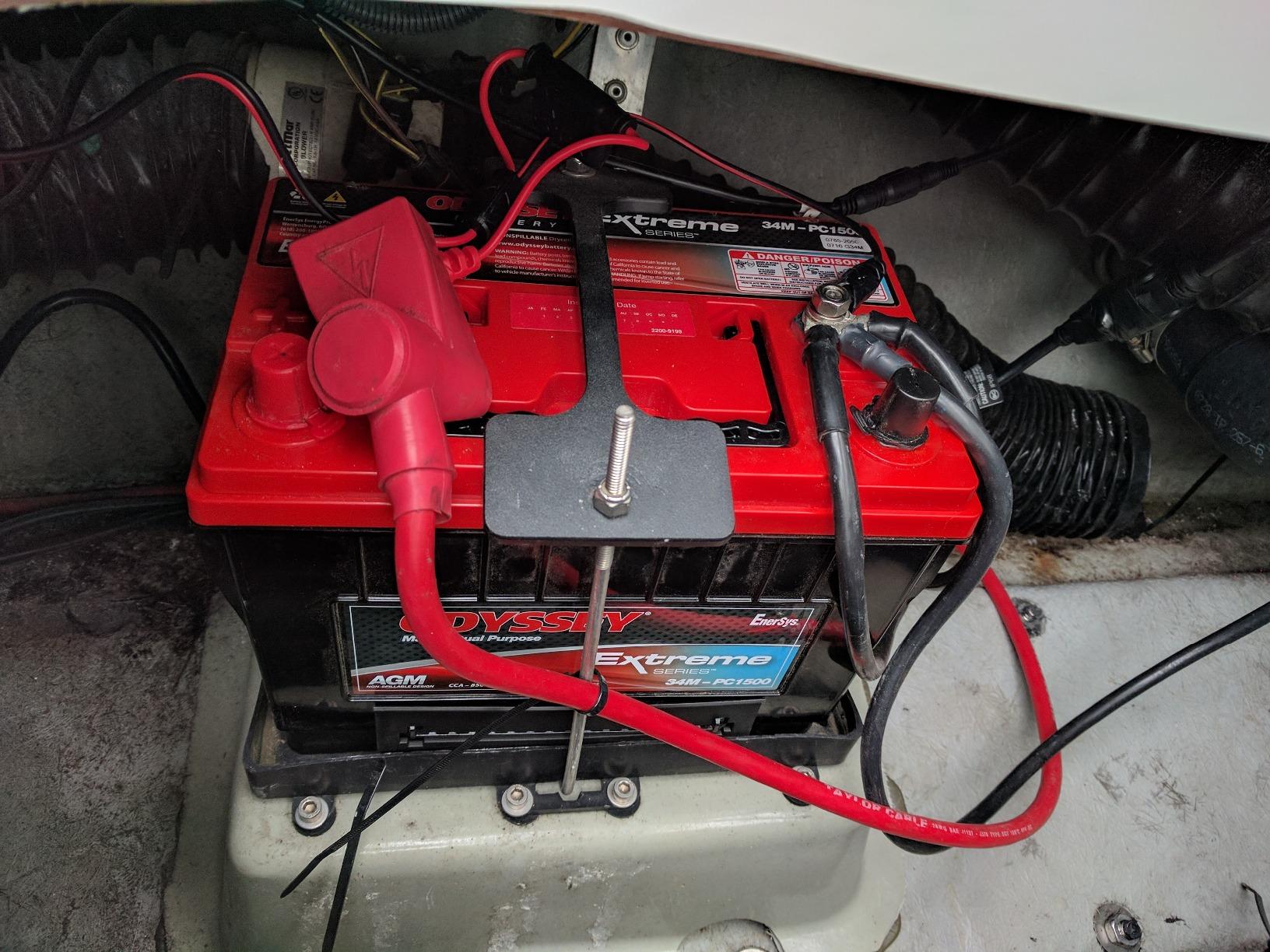
High recharge efficiency among sealed lead batteries and a 2-year shelf life at 12.00V open circuit mean it can sit through winter without a maintainer, which matters more for a trolling battery than for a starting battery because it is the one you depend on at the far end of a long trip.
The tradeoff is dimensional. At 13.25 inches long and 9.5 inches tall this is a large case, and battery box clearance is the practical thing to measure before you order.
Is a purpose-built marine case worth it?
On a saltwater boat that takes a beating, yes. A battery engineered for the vibration, the spill risk and the temperature swing of a hull is a different proposition from one rated for a car, and the temperature range in particular covers both northern winter and a hot engine room.
For a trolling-focused boat it is also simply the right tool. It is rated for starting and trolling in one case, so you are not splitting duties across two chemistries and two chargers.
What you give up
Deep-cycle runtime still trails a dedicated house bank, and the premium over a generic dual-purpose marine AGM is real. If your electronics load is light and your engine is modest, you are paying for headroom you may never use.
Weight and size are the practical tax: about 50 pounds and a footprint that needs checking. As with every lead-acid battery here, it needs periodic charging during long layup even though it will tolerate a long storage better than most.
11. LiTime 12V 100Ah Dual Purpose LiFePO4
LiTime 12V 100Ah Dual Purpose Cranking Starting LiFePO4 Battery for Boat
- 22.7 pounds
- 82% lighter than equivalent lead-acid
- Replaces two 100Ah lead-acid batteries
- 900 CCA cold cranking with 1000 MCA
- IP67 case meeting ABYC E-13 standards
- 4000+ deep cycle rated life
- Not compatible with Yamaha outboards
- Not compatible with LiveScope fish finder chargers
- Not for engines lacking a voltage regulator
- Needs a LiFePO4-specific charger for best results
The lighter, smaller sibling to our editor’s choice, and the one most owners in the reviews actually recommend. 100Ah and 900 CCA in a Group 24 footprint at 22.7 pounds means it fits where an AGM Group 24 fits, and replaces a two-battery lead-acid setup outright.
Weight is the headline and it is not a marginal gain. Owners describe 40-plus pounds saved per battery against a lead-acid pair, and for a boat you lift alone that is the difference between a job you do and a job you postpone.
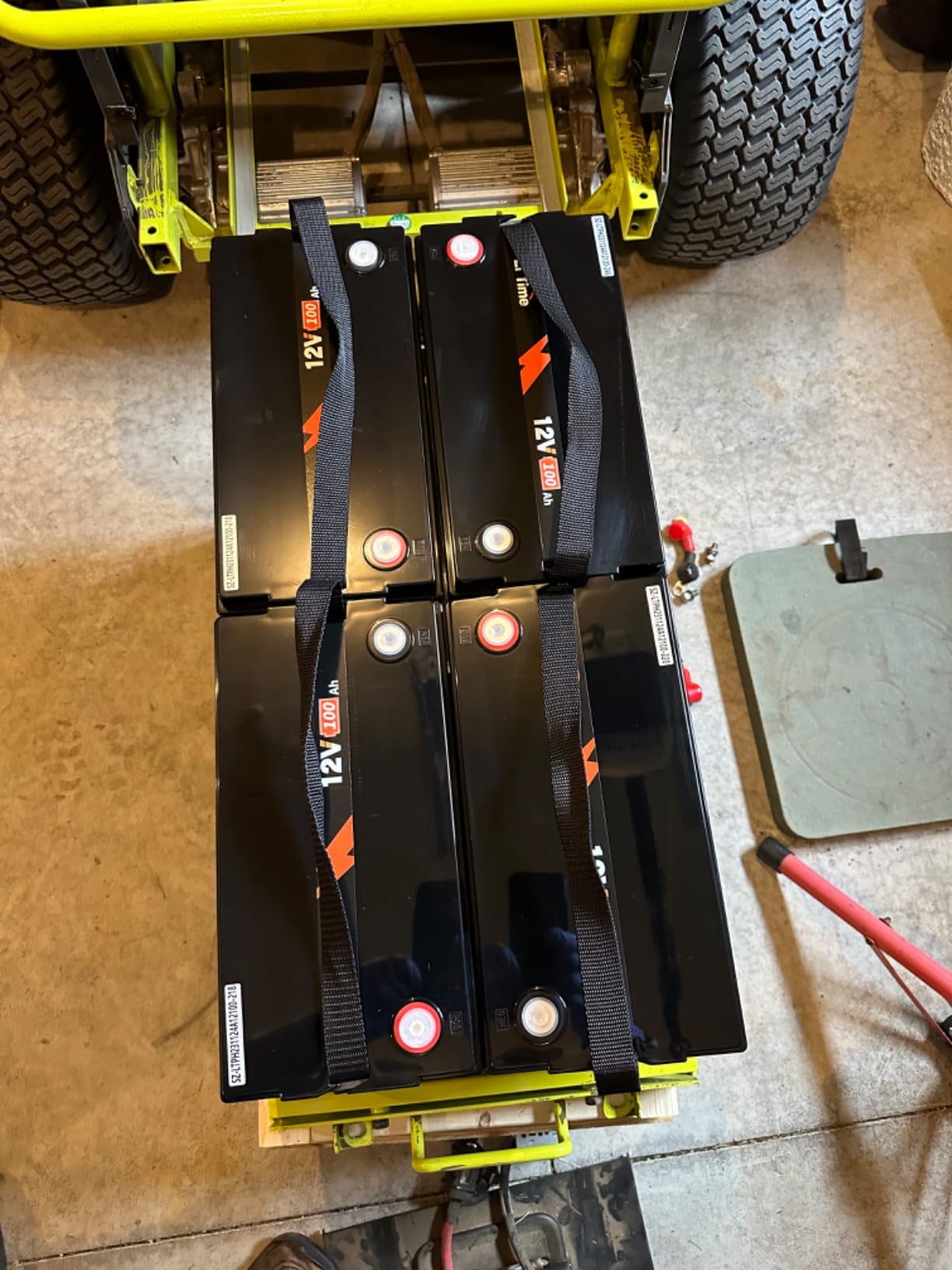
The spec detail that matters most here is the 100A maximum continuous discharge alongside 1200 HCA at 77F. Maximum continuous discharge is the number that tells you whether the battery can run a livewell pump or a small inverter directly, rather than only cranking and running low-draw electronics.
Bluetooth 5.0 monitoring covers real-time status, manual discharge control and over-the-air firmware updates, and 20-plus BMS protections cover overcharge, low temperature and short circuits with a 30-second overload auto-recovery. Self-heating allows charging from minus 20C to 5C, with discharge stopping at minus 20C.
The 5-year warranty and the AIG product liability coverage are both better than most of the lead-acid options in this guide, which is a fair signal about how the manufacturer expects the chemistry to age.
Will it fit your outboard?
Compatible with most Mercury units except OptiMax, plus Honda, Suzuki, Evinrude and most mainstream outboards. Not compatible with Yamaha, not with LiveScope fish finder system chargers, and not with outboards that lack a voltage regulator, which covers some Evinrude, Johnson and Mercury Black Max installations.
Check your motor brand before anything else. That single line eliminates this battery for a meaningful share of boats, and it is a much easier check to do now than after the battery is wired in.
Where it falls short
Cost, and the charger requirement. A LiFePO4-specific charger with the right absorption profile is what gets you a full pack, and pairing it with a generic charger is where owners run into trouble.
There is one detailed report of failure after first use on a Honda 20hp outboard, which is a small sample but a reminder that lithium cranking packs are newer technology than the sealed AGM units they replace. Buying a 5-year warranty rather than a 2-year one is the hedge that makes that risk tolerable.
12. Optima D31T YellowTop Sealed AGM Battery
OPTIMA® Batteries High Performance D31T YELLOWTOP® Sealed AGM Battery
- 900 CCA in a Group 31 case
- 155 minutes of reserve capacity
- SPIRALCELL pure lead with 15x vibration resistance
- Users report 5-8 years in marine and RV use
- Versatile mounting
- 36-month guarantee
- Stud terminals only on this model
- 59.8 pounds
- Description and images can disagree on terminal type
- Return process restricted as hazardous material
The YellowTop is the general-purpose member of the Optima line, and for a trailer boat or an RV that does double duty between towing and water it is a sensible pick. 900 CCA, 75Ah C20 and 155 minutes of reserve capacity is a well-rounded spec sheet with real cranking headroom.
Reported lifespans of 5 to 8 years in demanding marine and RV use are the number that matters here, and the vibration resistance claim is what underwrites it. Trailers take a beating from the road, and boats take a beating from the engine, so this is one of the better-matched batteries for a boat that lives on a trailer.
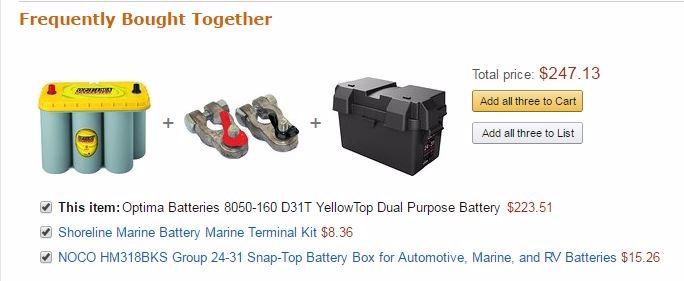
Like the BlueTop units, it is built on SPIRALCELL technology with 99.99% pure lead, rated at 15 times the vibration resistance of a standard flooded battery and up to three times the service life.
Two things to sort out before ordering. This model carries stud terminals rather than SAE posts, so confirm what your cables actually need. And the listing descriptions and images do not always agree on terminal configuration, which is a small but real source of returns.
Is it a good fit for a trailerable boat?
Yes, and the 36-month guarantee is a reasonable three-year term for a battery expected to last five to eight. For a boat that is trailered, stored in a garage and launched on demand, vibration resistance and long shelf behaviour are the two features that matter most, and this battery rates well on both.
If your boat does a lot of idling at the ramp with electronics running, the 155 minutes of reserve capacity is a real number to plan around rather than the 75Ah capacity alone.
What could disappoint
It costs more than a standard flooded battery of the same size, and at 59.8 pounds it is a two-person lift in most installations.
Returns are also handled as hazardous material, which makes the process slower and more awkward if something goes wrong. That is a shipping rule rather than a product flaw, but it is worth knowing before you rely on a return.
How to Choose a Dual Marine Battery?
Start with the work the battery has to do, not the brand on the box. A dual-purpose marine battery has to survive a cranking draw measured in hundreds of amps and then supply house loads for hours, and the balance between those two jobs is what separates chemistries.
LiFePO4 is the strongest performer when weight and usable capacity drive your decision, and it is the weakest fit when budget is the primary constraint. At 22.7 to 33.5 pounds for 100 to 165Ah, lithium is roughly half the weight of an equivalent AGM and returns nearly all of its rated capacity rather than about half of it. Sealed AGM is the safe middle: spill-proof, no water top-ups, strong cranking, available from any marine dealer, and it will not punish you for charging it with the wrong profile as severely as lithium will. Flooded lead-acid is still the lowest-cost way to fill a house bank, at the cost of water top-ups, venting needs and a much shorter service life.
One number explains most of the difference: depth of discharge. A lead-acid battery is considered spent once it reaches about 50% depth of discharge, so a 100Ah AGM bank is really a 50Ah bank for planning purposes. A LiFePO4 pack can be routinely taken to 80% or deeper, which is why a 100Ah lithium battery outlasts a day of trolling that flattens a 100Ah AGM. Boaters who run house loads down to 20-30% on lead-acid are the reason so many batteries fail young.
Group size is a physical dimension, not a capacity rating, which is the source of most confusion in this category. Group 24, 27 and 31 describe case dimensions in inches, and because plate thickness and acid volume inside a given case differ between manufacturers, a Group 31 can carry anywhere from 85Ah to more than 110Ah. Cross-brand comparison only works if you compare amp-hours, CCA and reserve minutes directly.
Matching group size to engine size is a reasonable starting heuristic. A Group 24 is generally adequate for small outboards and most four-stroke engines in the low hundreds of horsepower, a Group 27 covers mid-size outboards and many sterndrive applications, and a Group 31 is the safe choice for large outboards, high-output diesels and multi-engine setups. If your boat came with a Group 31 tray, staying in Group 31 avoids the cable work and bracket changes that come with resizing.
Now the cranking numbers, which are the ones most spec sheets mix up. Cold cranking amps, or CCA, is measured at 0F for 30 seconds. Marine cranking amps, or MCA, is measured at 32F and runs roughly 10-25% higher on the same battery. Reserve capacity, or RC, is measured in minutes at a fixed 25-amp discharge and is the most useful of the three for planning a day on the water, because it tells you how long your house loads run before the voltage drops out of spec. When a brand publishes all three, trust all three.
Charging is where lithium is most often misunderstood. A LiFePO4 pack wants a smart charger with a lithium absorption profile, roughly 14.4V, and a maintenance voltage around 13.4V. A standard lead-acid maintainer will bring it to a partial state of charge and stop. AGM needs a flooded-profile charger set to the AGM absorption voltage, and mixing a flooded setting with a sealed battery shortens its life. Check the charger’s manual before you connect anything.
Cold weather is the second big lithium consideration. Charging a lithium pack below 32F can plate lithium onto the anodes and do permanent damage, which is why every lithium battery here has either a low-temperature cutoff or a self-heating system that brings the pack up to around 50F first. The self-heating cycle takes 30 to 100 minutes depending on how cold it is, so plan your charging time accordingly.
Finally, think about your house loads before you size anything. A pair of tower speakers and an amplifier draw meaningfully more than a pair of cabin speakers, and a refrigeration unit will drain a bank faster than every electronic device combined. Working out the total amp draw and how long it runs with the engine off tells you the amp-hours you actually need, and only then does group size matter. Our guides to marine amplifiers and marine speakers cover the draw figures on the entertainment side, and if you are planning to add solar charging for the house bank our solar battery guide is worth reading before you fix the capacity.
When to Replace a Dual Marine Battery
Boats rarely fail at a convenient moment, but most battery deaths are predictable well in advance if you know the signs. A load test is the objective one, and any battery shop or marine outfitter can do it in a couple of minutes.
Replace a battery when a load test reads below 80% of rated capacity, when the engine cranks slowly and then catches on the second or third attempt, or when cranking power is fine but house loads brown out the electronics within a few minutes of starting.
Physical signs matter just as much. A swollen or bulging case means the battery is being overcharged or is at the end of its life, and a white or blue-green crust around the posts is corrosion that will eventually stop current flowing properly.
Seasonal patterns are the early warning. A battery that will not hold a charge through a week of layup but recovers fully after a long charge has likely started sulfating, and a battery that discharges dramatically faster than it did last season has lost capacity whether or not it still starts the engine.
Before you buy a replacement, check the alternator output and the charging voltage while the engine runs. A battery that keeps failing quickly is usually a symptom of an electrical fault, and a new battery will not fix it.
Frequently Asked Questions
What is a dual purpose marine battery?
A dual purpose marine battery is a battery engineered with thicker plates than a starting battery and more active material than a deep-cycle battery, so it can both crank the engine and run house electronics. Sealed AGM and LiFePO4 versions mount in any position and need no maintenance, which is why they are the default choice for most boats up to about 200-300hp.
Should you have two batteries on a boat?
If your electronics only run while the engine is turning, one dual-purpose battery is genuinely enough. If you run a trolling motor for full days, two banks are better: either two dual-purpose batteries in parallel with a 1-2-all-off selector switch, or a starting bank plus a house bank joined by an automatic charging relay.
Do I really need a dual battery system?
You need it when your amp draw with the engine off exceeds what one bank can recover between trips. A 50-amp trolling motor running eight hours takes roughly 400 amp-hours, and lead-acid only returns about half of rated capacity, so a second bank or a lithium single bank is the practical answer.
What is the difference between a dual purpose marine battery and a regular battery?
Marine batteries use thicker plates, higher reserve capacity, dual terminals and stronger vibration resistance than automotive batteries, because a boat environment and an engine bay are not the same job. A regular automotive battery will start the engine, but it degrades faster under sustained house loads and constant vibration.
Is there a difference between a marine battery and a deep cycle battery?
A deep-cycle battery is built for sustained discharge and delivers less cranking current, so it struggles to start an engine. A dual-purpose marine battery splits the difference with enough plate thickness to do both, which is why it is the standard single-battery choice for most boats.
What are the common dual battery problems?
The usual failures are a missing or miswired automatic charging relay, a 1-2-all-off selector wired so both banks discharge in parallel, mixed lithium and AGM batteries in one bank, sulfation from sitting unused, and corrosion at the posts. Each is cheap to prevent and expensive to ignore.
What marine battery lasts the longest?
In this roundup the longest reported service lives belong to the sealed spiral-cell lead-acid batteries, with owners citing 9 to 14 years. LiFePO4 packs have the better cycle life and the far better weight profile, while a lithium pack protected by a 5-year warranty and a battery management system is the longest-life option on a charge-per-dollar basis.
Are LiFePO4 batteries better than AGM for boats?
They are better on weight, usable capacity, charge speed and cycle life, and they need no water top-ups. AGM is better on upfront cost, cold-weather tolerance without a heater and simplicity of charging. Choose lithium if weight and runtime drive the decision, and AGM if budget and a zero-fuss charger do.
Can I use a LiFePO4 battery for a trolling motor?
Yes, and it is where lithium shows its biggest advantage. A 100Ah LiFePO4 pack can deliver its full rated capacity, roughly double the usable capacity of an equivalent AGM, and refills far faster between trips. Check that the battery has a low-temperature cutoff or self-heating if you fish in cold conditions.
What group size battery do I need for my boat?
Group 24 suits small outboards and lighter engine sizes, Group 27 covers mid-size outboards and most sterndrives, and Group 31 is the safe choice for large outboards, diesel engines and multi-engine boats. Group size is a physical case dimension rather than a capacity rating, so always compare amp-hours, CCA and reserve minutes across brands.
Which Dual Marine Battery Should You Buy?
If you want one answer, take the LiTime 12V 165Ah as our best dual marine battery of 2026. It cranks at 1200 CCA, carries 2112Wh in a Group 31 case, weighs 33.5 pounds, protects itself below freezing, and carries a 5-year warranty, which is the most complete set of capabilities we found across twelve batteries.
If cost is the deciding factor, the WEIZE Group 31M is hard to argue with: 825 CCA, 240 minutes of reserve capacity and 110Ah in a sealed, leak-proof case. The Optima BlueTop units are the choice when longevity and cold cranking matter more than weight, and the Odyssey Trolling Thunder is the one purpose-built marine unit in the group.
Whatever you pick, match it to your outboard brand before anything else, confirm the case size against your battery tray, and make sure your charger is set to the right chemistry profile. Those three checks prevent almost every problem owners report in the first season.