
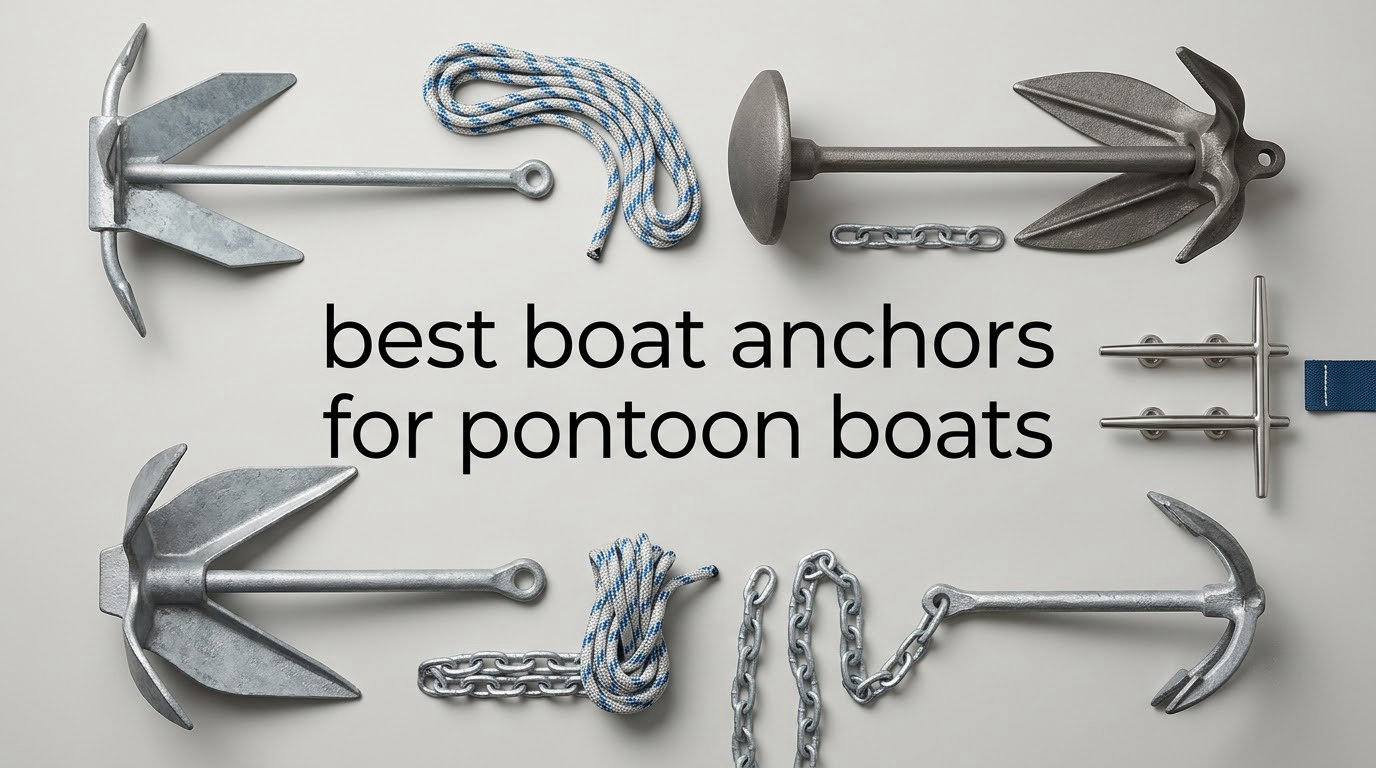
The best boat anchors for pontoon boats are fluke-style anchors in the 8 to 20 lb range, sized to your deck length, with a short length of galvanized chain between the anchor and the rope. A weighted fluke buries itself on the throw, digs into sand or mud, and stays put on a lake that is throwing your boat around more than you expected.
That is the short answer. The longer answer is that a pontoon is a hard boat to hold. The tube deck catches wind like a wall and pushes the whole boat broadside, so a deck-length pontoon often needs more anchor than a V-hull of the same size, and a tritoon needs more still. We put together this list of the best boat anchors we could find across every type a pontoon owner actually needs: general-purpose flukes, weighted river and mushroom styles for soft bottoms, screw-style sand anchors for shallow bars, and complete kits that ship the rode with the anchor.
Every pick below was judged on the same four things: how well it sets from a throw, how it behaves across sand, mud and grass, whether you can get it back up, and whether the hardware that comes with it actually works. We also mapped each one against the bottom type it suits, because an anchor designed for one bottom is close to dead weight on another. For the gear that pairs with any of these, our pontoon boat cover picks and pontoon lift guide cover the rest of the on-water setup.
Table of Contents
What Is a Pontoon Boat Anchor?
A pontoon boat anchor is a weighted device, usually galvanized steel, vinyl-coated cast iron or marine-grade aluminum, that you drop on an anchor rode to hold the boat against wind, current and drift. Most are fluke or box shapes that fold flat for stowage, and a few are screw-style poles you twist into a sandbar.
Five terms decide which one you want. The shank is the arm that connects the flukes to your rode. The flukes are the digging surfaces. Holding power is the horizontal pull the anchor resists once it has set. The anchor rode is the rope, chain or both that connects the anchor to the boat. Scope is the ratio of rode length to water depth, and 3 to 5 times the depth is the working range. A retrieval problem is what happens when the anchor buries in soft silt and will not come back up.
Top 3 Boat Anchors for Pontoon Boats (October 2026)

Seachoice Deluxe Anchor
- Hot-dipped galvanized steel
- Boats 25-30 ft
- Wide self-setting flukes

Attwood 8 lb Mushroom Anchor
- PVC coated cast iron
- Mud silt and weed cup
- Highest rated in the group
The Seachoice Deluxe takes the overall slot because it combines a 4.6 rating across 2,938 reviews with a manufacturer size range that reaches 30 ft. The Attwood mushroom scores higher on stars but is an 8 lb anchor, which is not a full-size pontoon anchor. The Seachoice Utility earns the value slot and the most owner feedback in the group at 4,447 reviews.
Boat Anchors for Pontoon Boats at a Glance in 2026
| Product | Specifications | Action |
|---|---|---|
| Seachoice Deluxe Anchor |
|
Check Latest Price |
| Seachoice Utility Anchor |
|
Check Latest Price |
| Attwood 8 lb Mushroom Anchor |
|
Check Latest Price |
 Seachoice River Anchor 30 lb Seachoice River Anchor 30 lb |
|
Check Latest Price |
 SandShark Supersport 3.0 SandShark Supersport 3.0 |
|
Check Latest Price |
 Better Boat Anchor Kit Better Boat Anchor Kit |
|
Check Latest Price |
 SeaSense Navy Anchor 20 lb SeaSense Navy Anchor 20 lb |
|
Check Latest Price |
 Young Marine Fluke Kit Young Marine Fluke Kit |
|
Check Latest Price |
 WAVESRX TriAnchor WAVESRX TriAnchor |
|
Check Latest Price |
 MARINE SYSTEM Fluke Kit MARINE SYSTEM Fluke Kit |
|
Check Latest Price |
 VEVOR River Anchor 30 lb VEVOR River Anchor 30 lb |
|
Check Latest Price |
 SandShark Premium Fluke SandShark Premium Fluke |
|
Check Latest Price |
1. Seachoice Deluxe Anchor: The Best Boat Anchor for Most Pontoons
- Self-buries on the throw without backing up
- Wide flukes dig through sand mud and current
- Hot-dipped galvanizing resists corrosion
- Manageable weight for hand retrieval
- Needs adequate chain and scope or it drags
- Genuinely hard to free once set in soft bottom
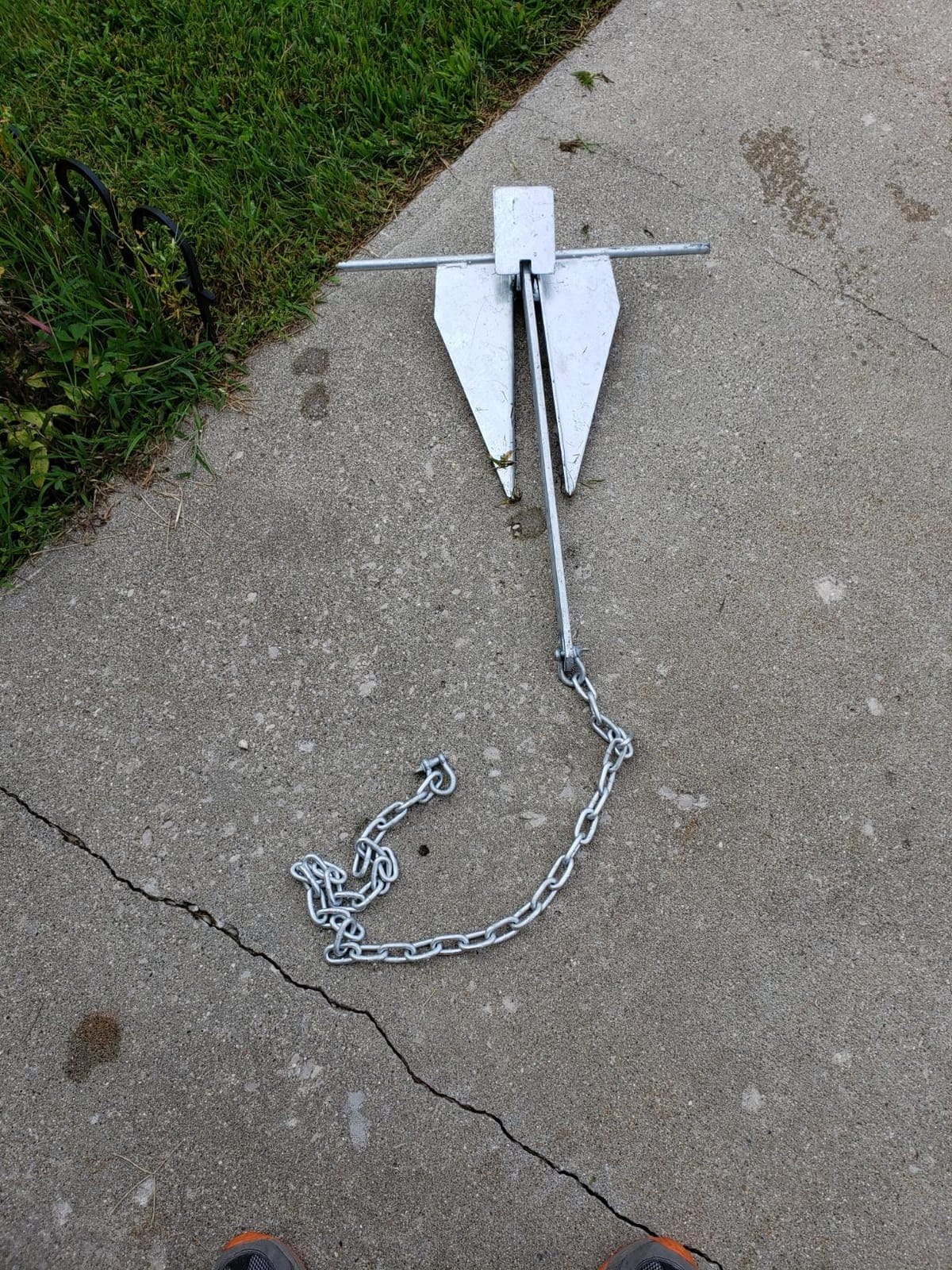
This is the anchor we kept coming back to. The flukes are 14-1/16 inch across with a stock width of 24-7/16 inch, which is a genuinely large surface for a deck boat, and the manufacturer rates it for boats 25 to 30 ft. Owners report it burying itself on the throw instead of needing a backing-up motion, which is the single most important behavior when you are standing in a boat throwing an anchor by hand.
The hot-dipped galvanizing is the other reason it has held up over years rather than seasons. Reviewers running deep-V hulls in strong river current with about 8 ft of chain report solid holding, and pontoon owners on lakes mention holding through ferry wake and gusty afternoon wind. That matches what we would expect from a fluke of this size with adequate scope out.
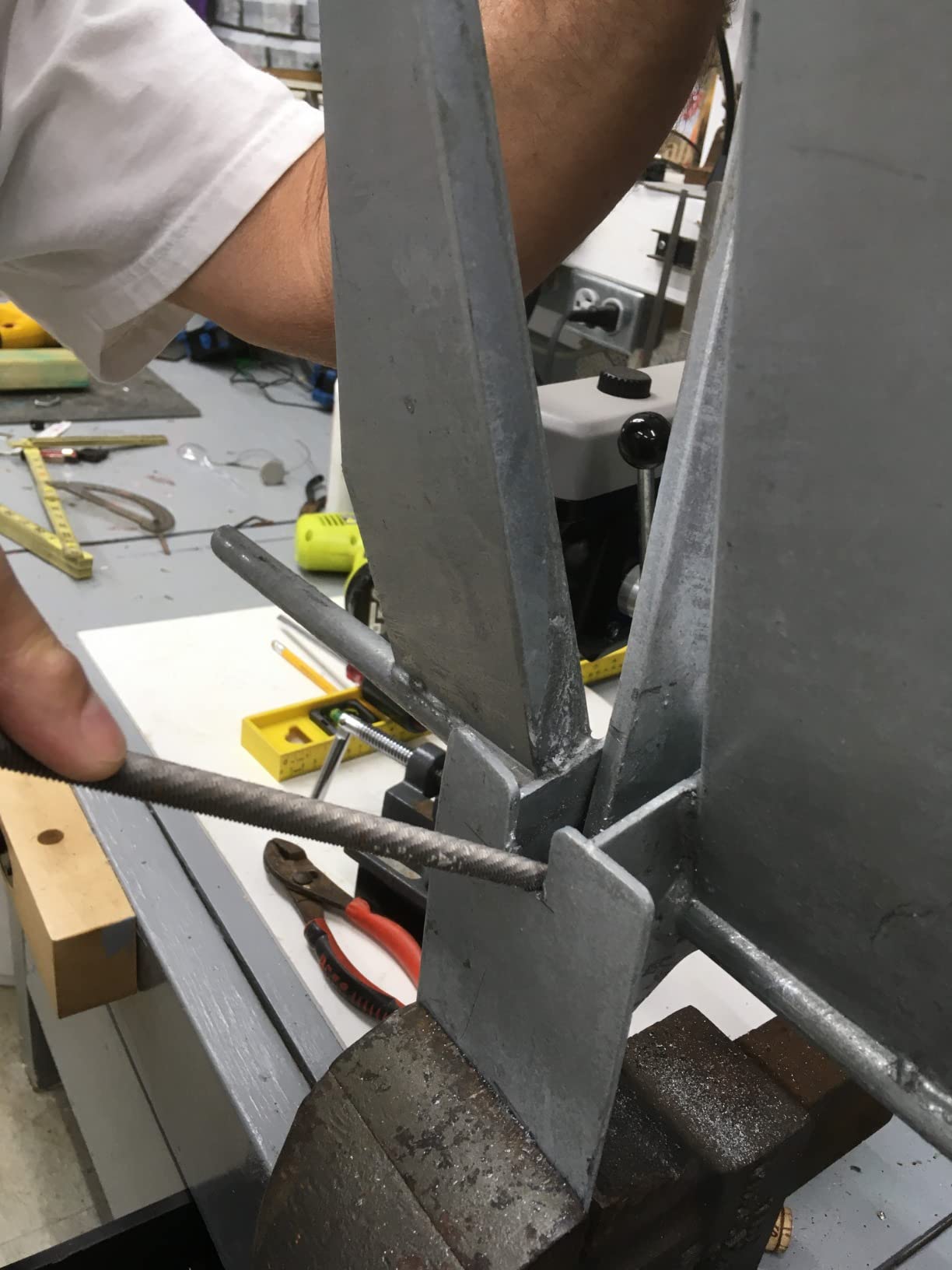
The honest drawback is retrieval. Owners who have buried it in soft silt describe a stubborn fight, and a couple note that the heavier sizing in the range is more anchor than a 22 ft tri-toon needs. Both are the flip side of a strong hold. If you mind your vinyl decking, note that bare galvanized steel can scuff, so a rubber snubber on the fluke tip is a cheap add-on.
How it performs on mud, sand and grass
Sand and mud are its strongest grounds. The wide flukes generate holding power quickly, and a short chain section on the rode keeps the shank angled so the flukes stay buried instead of tipping up. On grass and light weed, the same wide face works, though you will pull up a raft of vegetation with it. On rock, it holds but does not grip the way a navy pattern does.
Who should buy it and who should not
Buy it if you run 20 to 30 ft pontoons or tritoons, anchor overnight, and want one anchor that covers most bottoms. Skip it if you fish very shallow water and need to reposition often, or if you want a grab-and-go anchor you can throw with one arm. Our broader boat anchor roundup covers lighter setups.
2. Seachoice Utility Anchor with Slip Ring Shank: Best Value Fluke
- Slip ring shank lets a stuck anchor break free
- Sinks fast yet stays recoverable
- Compact enough for onboard storage
- Holds a deep-V hull in river current
- Short flukes fail fast in weeded bottoms
- Does not reliably self-set from a throw
- Rated only for boats 15-19 feet
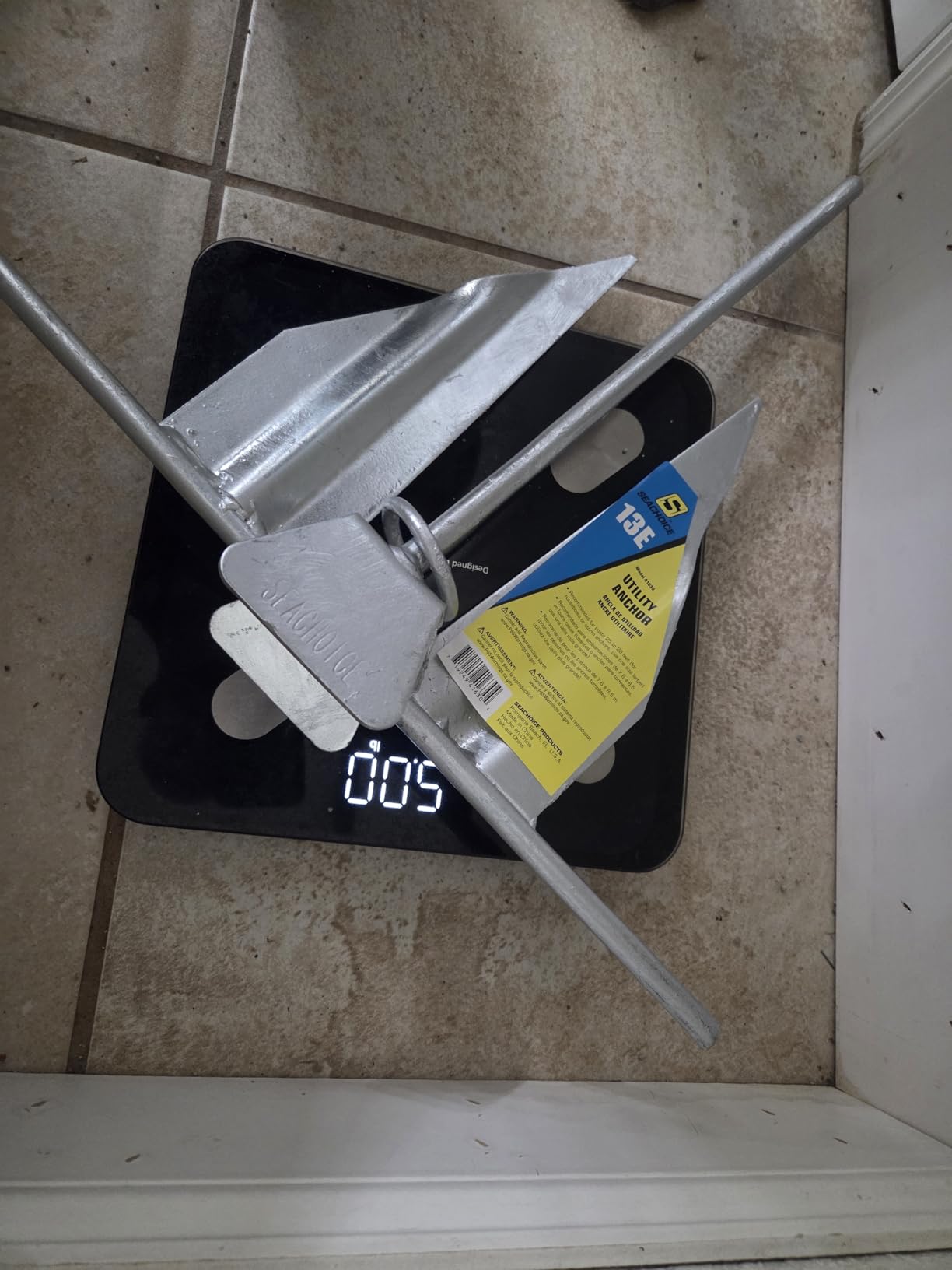
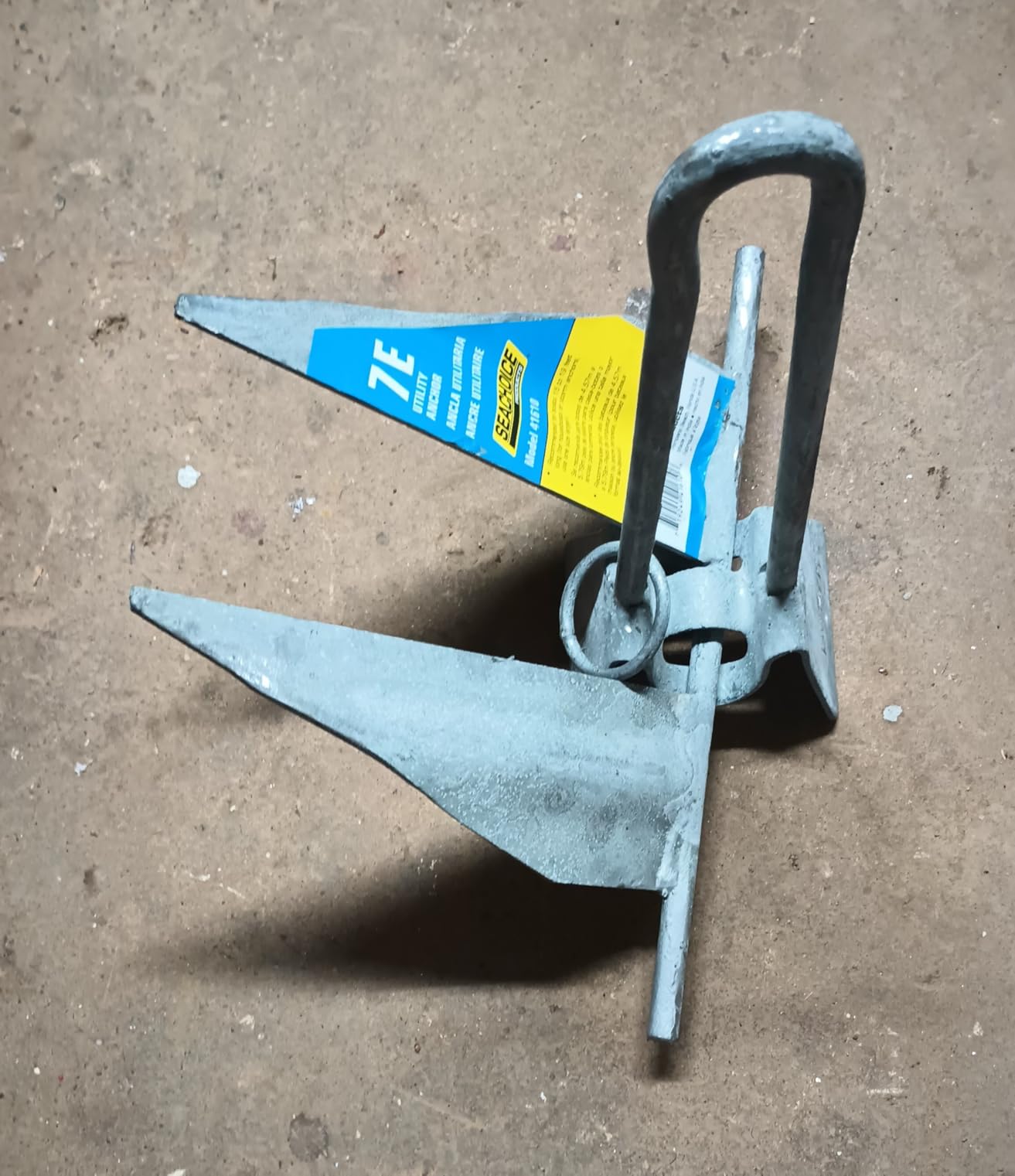
With 4,447 reviews behind it, this is the most thoroughly owner-tested anchor in the group, and the slip ring on the shank is the feature that separates it from every other utility fluke. Owners say a stuck anchor can be freed by pulling on the ring and the shank straightens and releases rather than staying pinned. On a pontoon, that matters more than raw holding power, because the alternative is a swim beside the boat in two feet of water.
The trade is size. At 3.3 lb with a fluke length of 9-1/16 inch, the manufacturer recommends boats 15 to 19 ft. That covers a 16 to 18 ft pontoon comfortably. Push it onto a 24 ft tri-toon in a blow and you will feel it move, which is why we rated the Deluxe above it.
Reviewers also flag that it does not self-set reliably the way a Danforth-style fluke does, so you should be ready to give it a pull or let out scope until it bites. Weed is its other weak point: the short flukes foul in thick vegetation and stop cutting. On mud, silt and sand, though, it is reported as dependable and easy to raise again with a few tugs.
Why the slip ring matters more than weight
On a hard-bottomed lake where the anchor wedges under a ledge or into a crack, holding power is worthless if you cannot recover the anchor. The slip ring trades a small amount of theoretical grip for a much better chance of getting the anchor back. Owners chasing a stuck anchor in current care about that trade immediately, and it is the reason this anchor pulls 4,447 reviews.
Where it fits in your setup
It suits smaller pontoons, bow riders, and any boat where stowage space is tight, since it is compact enough for a typical onboard locker. It also works well as a stern anchor paired with a heavier bow anchor on a tritoon, a setup owners on pontoon forums describe for keeping rope away from a swimming area. For rock-heavy water, look at the navy pattern further down instead.
3. Attwood 8 lb Mushroom Anchor: Top Rated for Mud and Weed
- Highest rating in the group at 4.7 stars
- Strong in mud silt and weedy bottoms
- PVC coating protects hull and deck
- Oversized eye simplifies rope and chain tie-off
- At 8 lb it is sized for canoes and kayaks
- Soft silt can bury the cup beyond easy recovery
At 4.7 stars from 1,117 ratings, this is the highest-rated anchor in our group, and roughly 84% of those ratings are five stars. The reason is a wide-area mushroom cup that spreads the load across soft ground, plus a heavy-duty black PVC coating that keeps rust off and protects the vinyl deck and seats when the anchor is lifted aboard. For a coated anchor on a pontoon, that second point is worth as much as the first.
The honest limitation is weight. At 8 lb this is sized for kayaks, canoes and lightweight fishing boats, and the same manufacturer sizing is why we do not hand it the overall slot. On a 20 ft pontoon in calm water it works. On exposed water in a rising wind, a wide flat cup has less to bite into than a fluke with a defined angle.
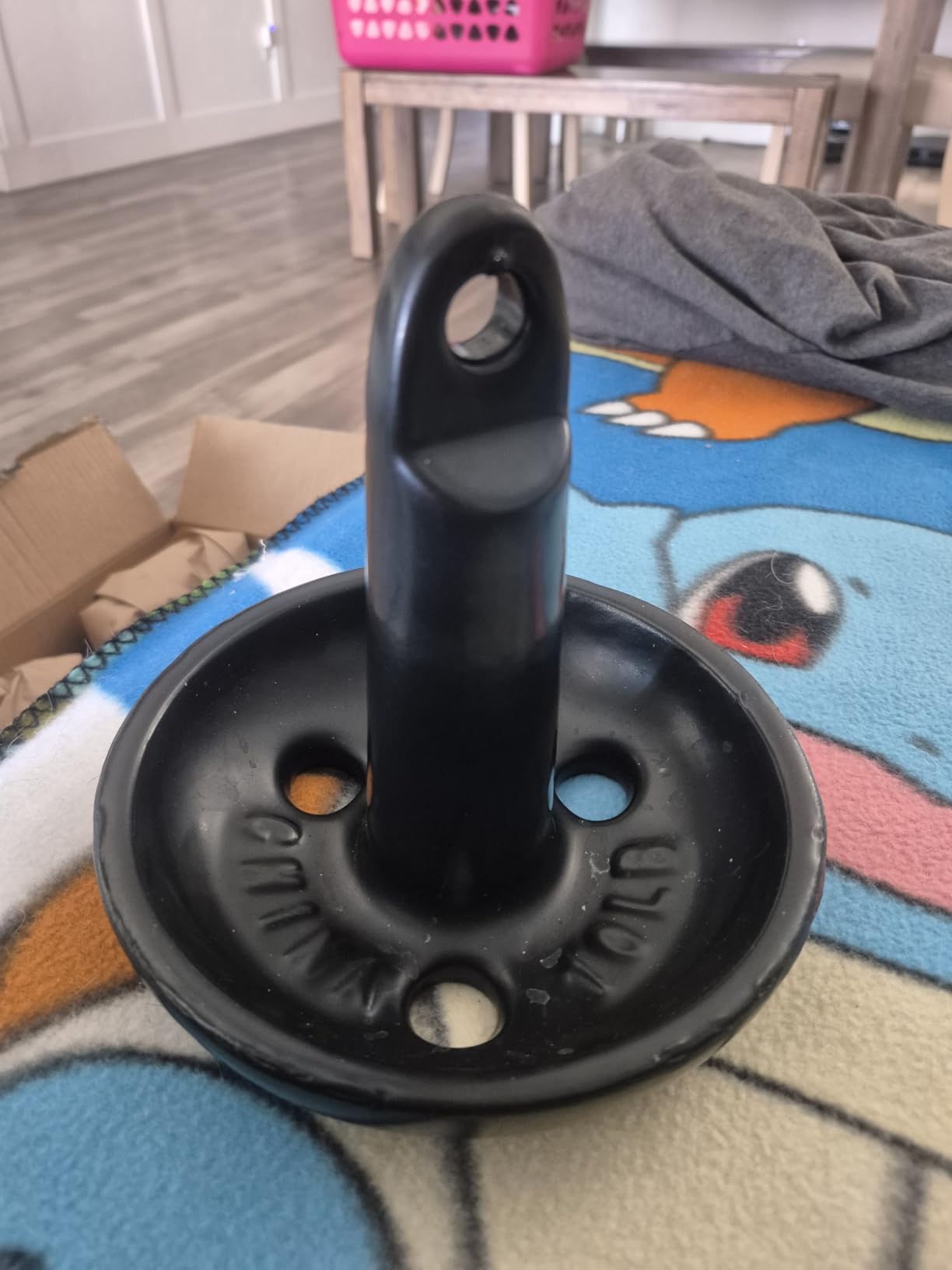
The cast iron body is forged gray iron rated for both fresh and salt water, and the oversized steel connection eye takes a rope leader or a chain leader without fiddly splicing. That makes it a good match for a mud lake, a weedy creek or a river cove, where a mushroom shape simply outperforms a fluke.
Mushroom versus fluke on soft bottoms
A mushroom works by surface area. It sinks, settles, and resists being dragged because the cup has to lift the full mass of the anchor through the silt. A fluke works by angle, digging a blade into the bottom. In soft mud and loose silt, the mushroom usually wins. In sand and on rock, the fluke wins. That single sentence decides most anchor choices on a pontoon lake.
Who it suits and who it does not
Buy it for a smaller pontoon on a mud or weed lake, or as a secondary anchor. Skip it if you run a tritoon in open wind, or if you dislike the recovery problem that comes with any mushroom: silt closes over the cup and you may end up clearing it by hand from the swim platform. If you want the same coating logic at pontoon weight, the 30 lb river anchor in this list is the closer fit.
4. Seachoice River Anchor 30 lb: Best for Big Tritoons
- Holds mid-size pontoons and bow riders
- Dependable mass for heavier boats
- Smooth cast edges
- PVC coating slows surface rust
- Vinyl coating can crack and peel over time
- Weak hold in loose silt and sand
- Connection screw loosens over time
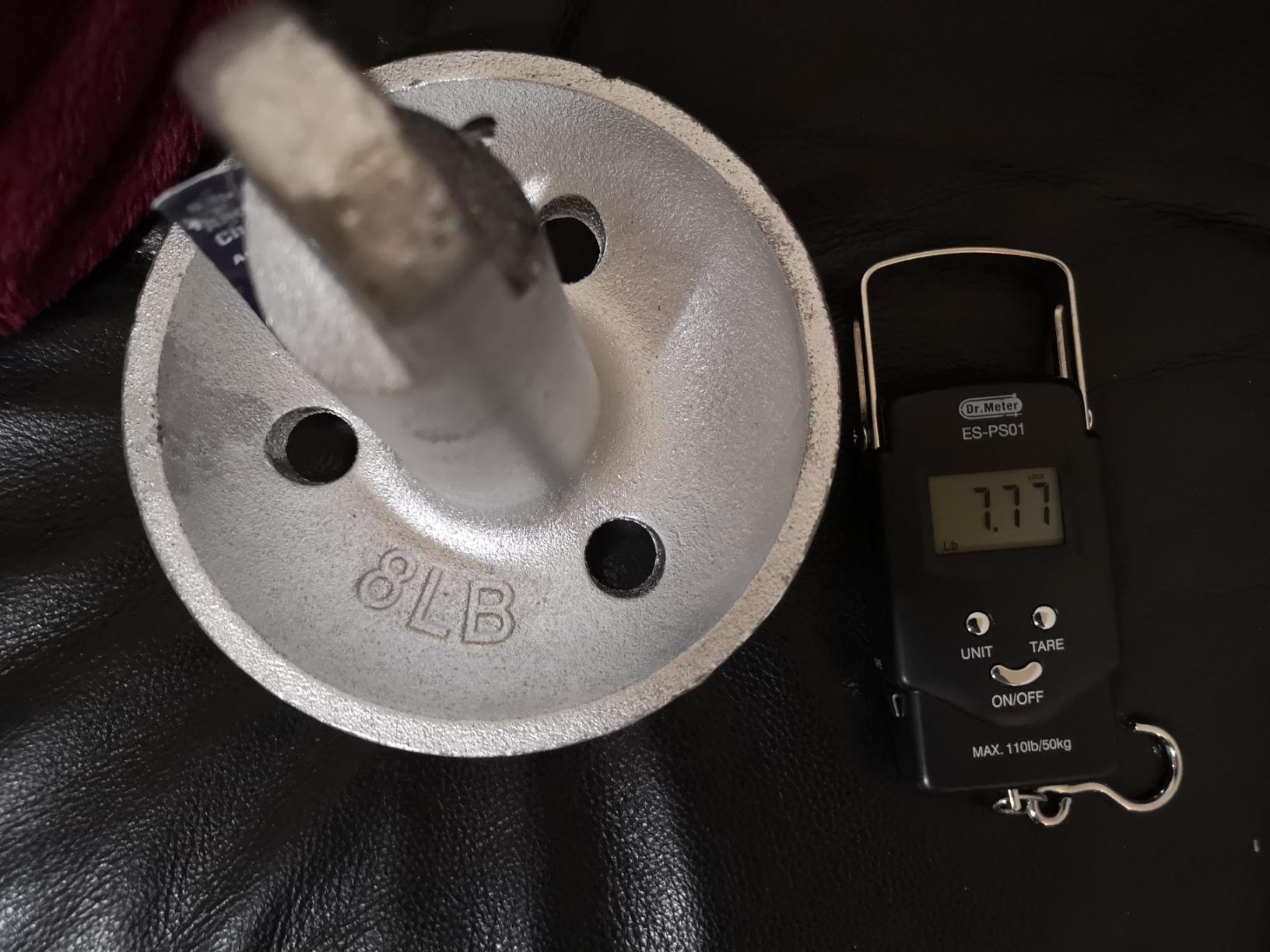
When your pontoon is long and your water is exposed, weight starts to matter more than shape. This 30 lb cast iron anchor, finished in black vinyl, is the heaviest conventional anchor in the group, and owners report it holding mid-size pontoons and bow riders in coves and on rivers. It also comes in 12, 15 and 20 lb versions, so the same style covers a smaller deck boat.
It ships with a galvanized anchor shackle and a large rope eye, which is a nice touch because the eye is the part that usually lets you down. A large eye takes a shackle or a spliced line without a jury-rigged knot that can slip under load.
The trade-offs are all about the coating and the bottom. Owners report the vinyl coating cracking and peeling after seasons of use, which eventually exposes the iron. In very loose silt and sand the shape grips poorly, letting the boat drift with current or wake. And a few owners want more than 30 lb for a 22 ft pontoon in moderate wind, which tells you the sizing chart matters more than the brand.
When mass beats geometry
A heavy anchor in a soft bottom still has to be heavy enough that the boat cannot simply pull it through. That is where a 30 lb mushroom-style river anchor earns its place on a large tritoon with a high tube deck in the wind. The flip side is honest: if you anchor mostly on a firm sand or rock lake, this much weight buys you very little, and you will regret hauling it aboard.
Maintenance and mounting notes
Rinse the coating with fresh water after every trip in brackish or salt water, and check the connection screw periodically, since owners report it backing out and needing tightening. Mount it at the bow, centered, so the boat tracks rather than yaws, and consider a bow eye or cam rather than a deck cleat. If you also carry a lighter fluke, the two together cover sand and mud with a margin.
5. SandShark Supersport 3.0: Best for Sandbars and Shallow Water
- Screw design creates real mechanical holding in sand
- One person can set it in under 30 seconds
- Collapses to 29 inch for storage
- Marine-grade aluminum and nylon resist corrosion
- Only effective in sand and soft bottom
- Requires manual twisting on every set
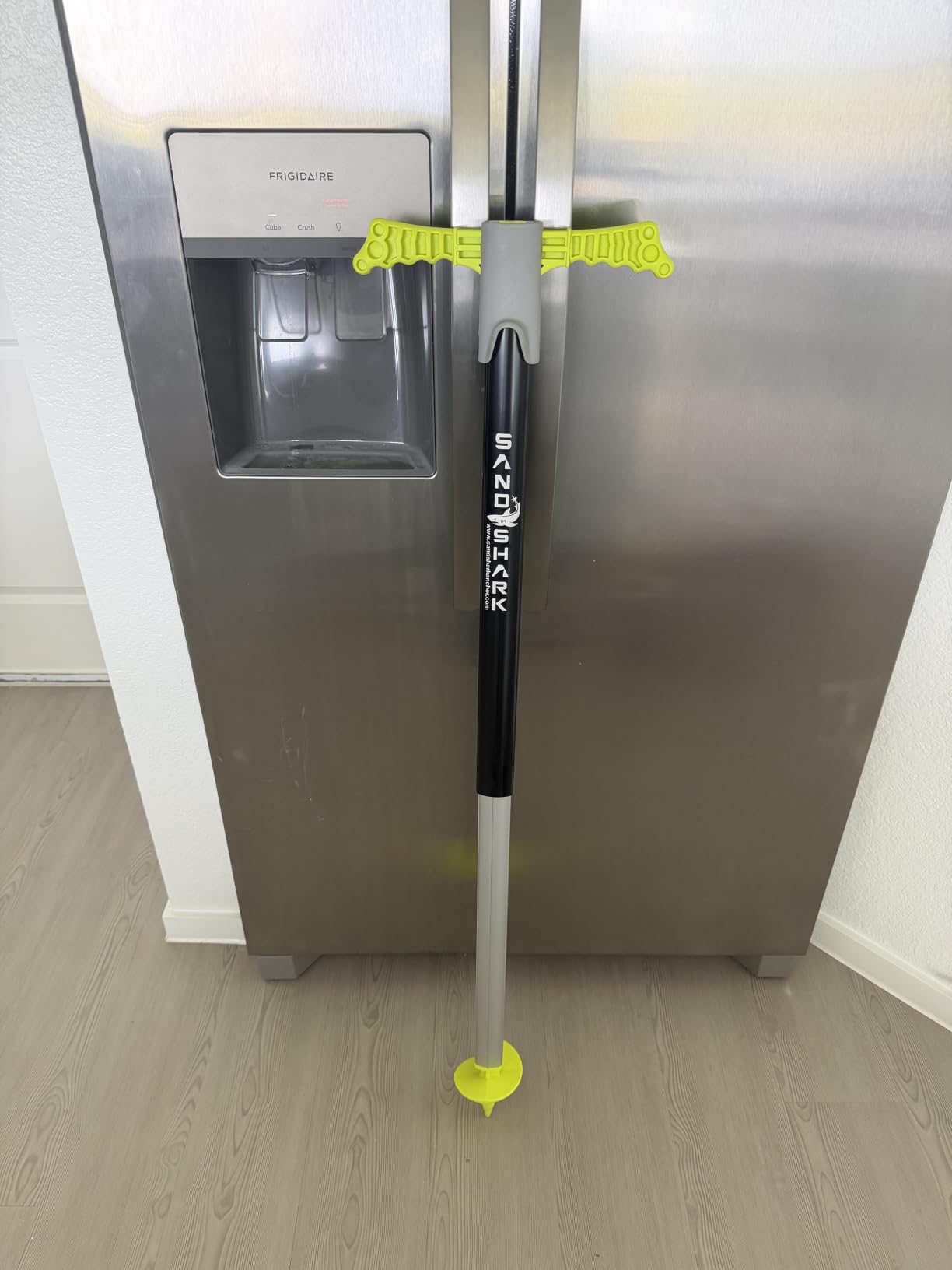
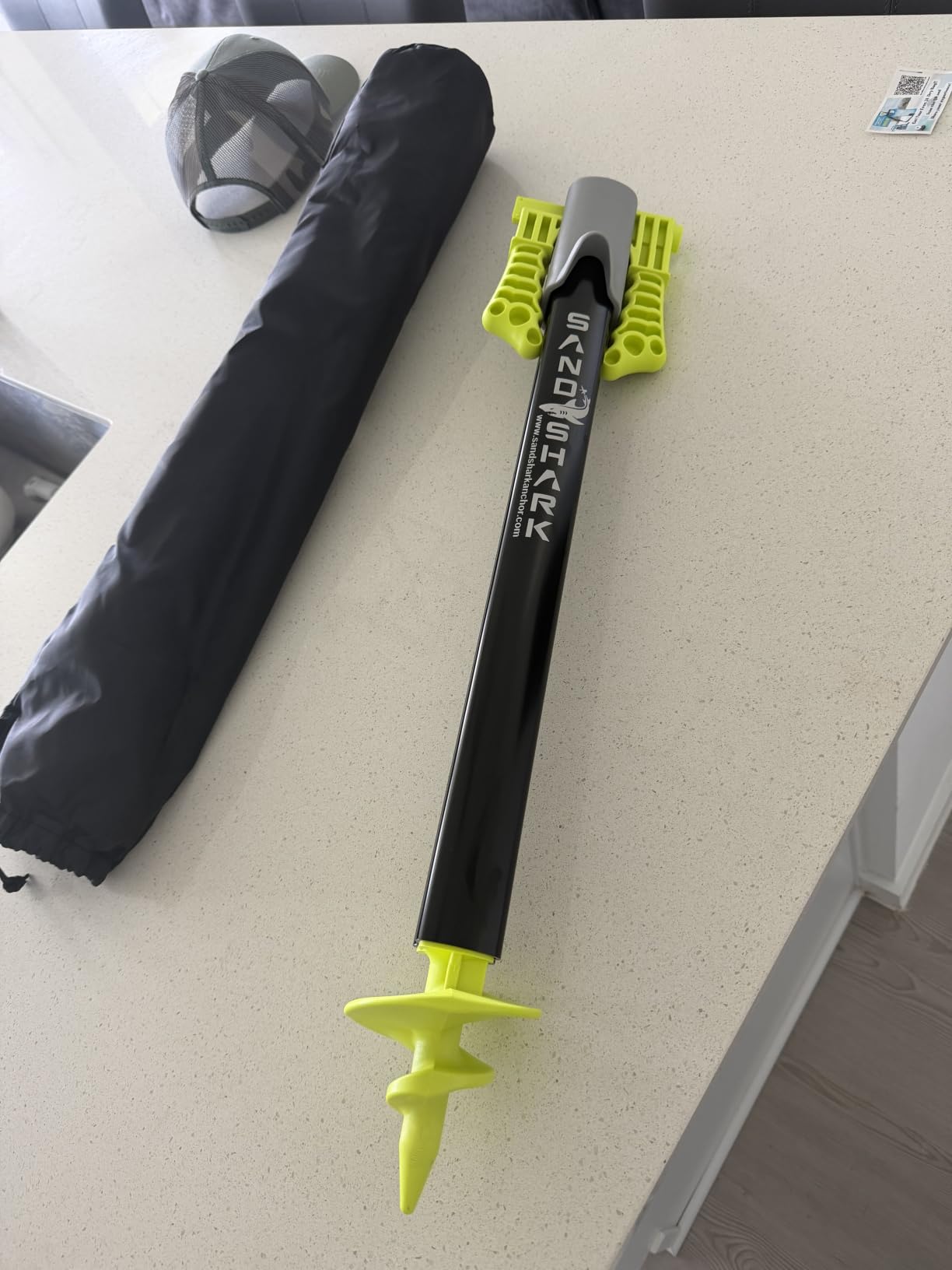
This is a different idea entirely. Instead of relying on weight, the SandShark Supersport 3.0 is a screw that you twist 12 to 18 inches into the sand, creating mechanical holding in a hard bottom no flat anchor can use. At about 5 lb, one person can walk it into the water and set it in under half a minute, which matters when you are standing in shin-deep water at a sandbar with gear in your other hand.
The telescoping shaft adjusts from 29 to 48 inch to match depth, and it collapses to 29 inch for stowage, so it lives in a locker without eating the space. The manufacturer rates it for boats up to 24 ft, which covers most pontoons, and a 2 year manufacturer warranty backs it up.
Be clear-eyed about the limits. A screw anchor is a sand device. It will not work in mud, rock or weed, and the manual twisting means you cannot set it from a seated position or from a moving boat. For a sandbar trip or a swim stop over a bar, nothing else in this list holds as cleanly with so little effort.
Why a screw anchor beats a fluke on a bar
A fluke on a firm sandbar slides until it finds an edge. A screw converts the twist of your arms into downward force, so the holding comes from the threads rather than from the boat’s weight. That is why sandbar anglers on pontoon forums keep coming back to pole-style anchors even with a full rack of conventional gear on board.
Who should carry one
Carry it if you fish bars, beach in shallows, or want a swim stop that will not drift. Pair it with a fluke if you also visit mud lakes, because the fluke covers what the screw cannot. Be aware the marine-grade aluminum and nylon parts are built for salt or fresh water, but the shaft still needs a rinse after sand use so grit does not grind the threads.
6. Better Boat Anchor Kit with Rope and Chain: Best Complete Galvanized Kit
8.5lb Boat Anchor Kit with 75ft Rope and 6ft Chain, Heavy Duty Fluke Anchor
- Chain rope thimble and shackles included
- Sets into sand and mud on the first try
- Hot-dip galvanizing resists rust for years
- Pre-drilled recovery hole can save a buried anchor
- The 8.5 lb size is a step down from the heavier boats some owners use it on
- 75 ft of rope limits scope on deep water
Most people who buy an anchor also have to buy a rode, and that is where a kit earns its keep. This one bundles an 8.5 lb hot-dipped galvanized fluke rated for 15 to 24 ft boats with 6 ft of 1/4 inch galvanized chain, 75 ft of 3/8 inch nylon rope with a stainless thimble, and two bow shackles. Nothing else to source, nothing to size wrong.
Reviewers call out the galvanizing specifically. It uses the same hot-dip process used on bridge cable rather than thin zinc plating, and owners report it resisting rust in fresh and salt water over years. The fluke itself sets into sand and mud on the first try and holds boats up to 24 ft through tide, wind and current.
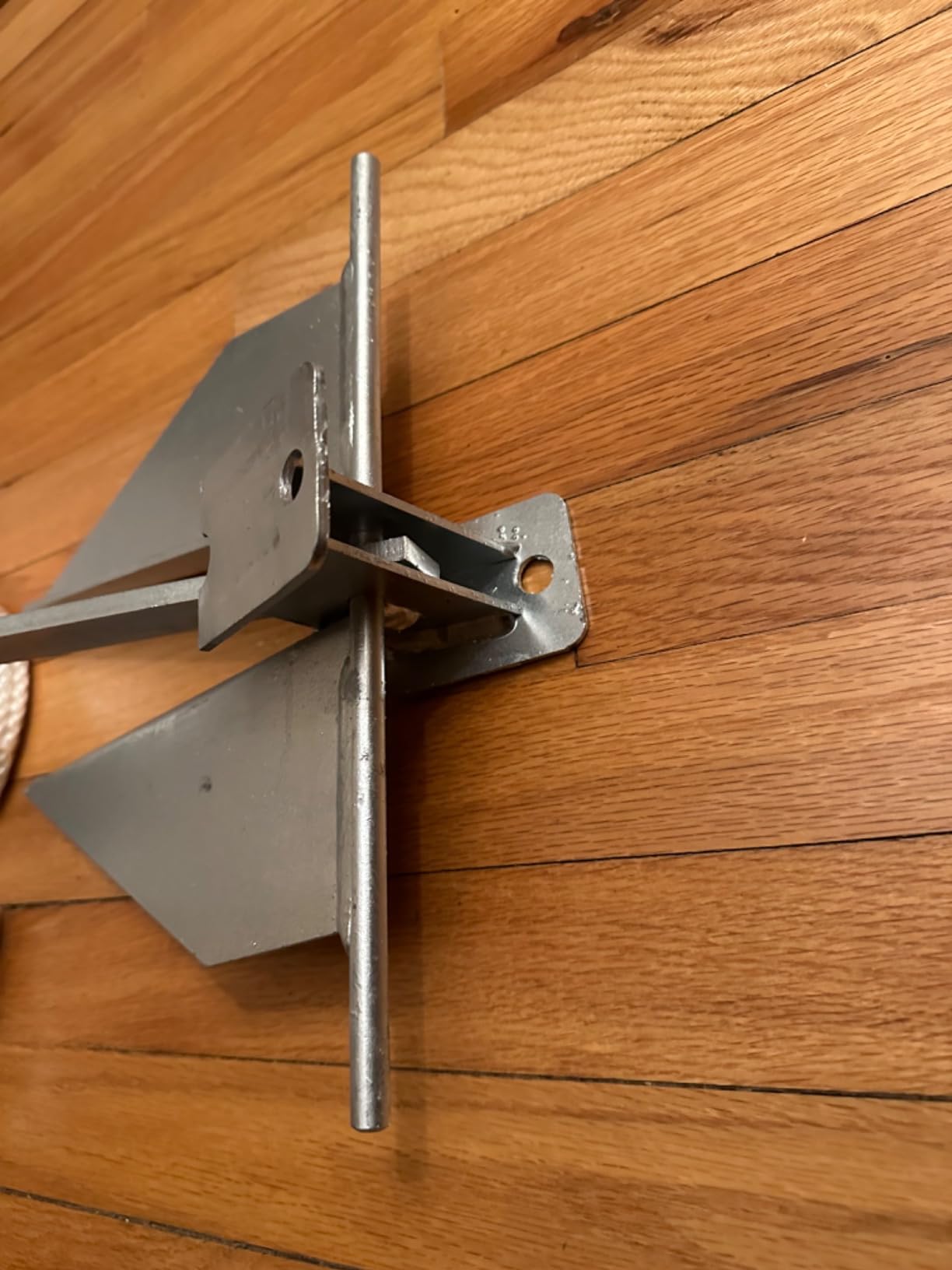
The detail we liked most is the pre-drilled recovery hole in the crown. You can rig a retrieval line through it and pull the anchor free from the opposite direction instead of cutting your rope and losing the anchor. That single feature answers the retrieval anxiety that forum owners describe more than any other complaint about anchors.
Checking the numbers before you buy
Two numbers deserve attention. The 75 ft of nylon rope sets your maximum scope: at 5 to 1, that covers roughly 15 ft of water, which is fine for lakes and rivers but shallow for a deep reservoir. And the listed 8.5 lb size is a step down from the heavier boats some owners fit it to, so match it to a boat up to 24 ft rather than a 30 ft tritoon. Heavier sizes in the same style are listed at 13 lb and 5 lb.
Who this kit suits
It suits first-time owners and anyone replacing a rope-and-chain setup who wants one purchase instead of three. It also works as a stern anchor on a tritoon, where a compact fluke keeps the rode clear of the swim area. Keep the chain on the anchor end of the rode, not the boat end, so the flukes stay flat.
7. SeaSense Navy Anchor 20 lb: Best for Rocky Bottoms
- Grips rock where lighter anchors slide
- Re-sets itself when the wind shifts
- Vinyl coating helps prevent rust
- Heavy solid upgrade from a stock anchor
- At 20 lb it is heavy to raise by hand
- One buyer received a damaged anchor with a chipped coating
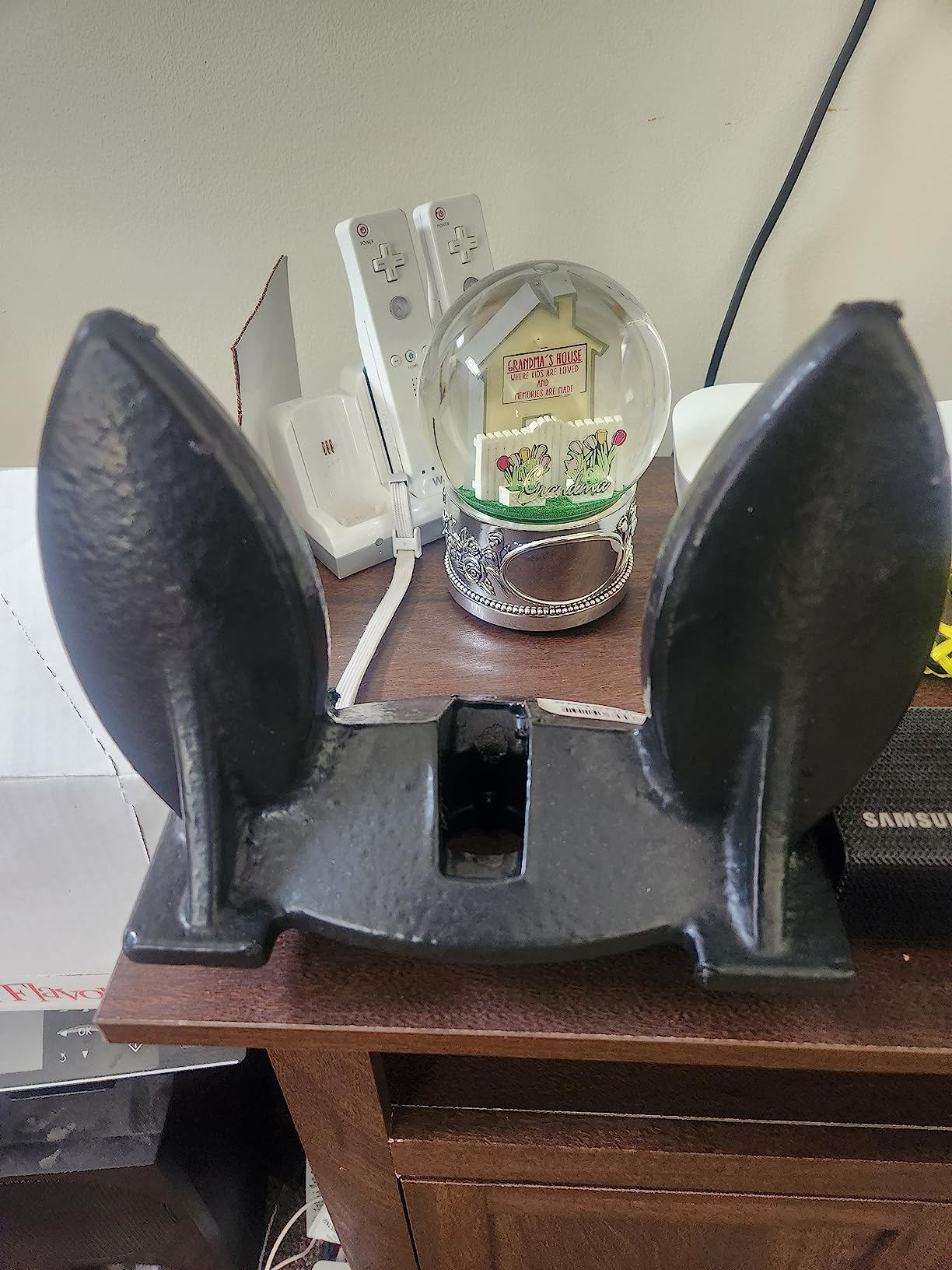
The navy pattern is the old answer to hard bottoms, and it is still the right one. Owners report this 20 lb vinyl-coated anchor gripping rock and hard bottoms where lighter anchors slide, holding an 18 to 24 ft boat or pontoon in wind up to 40 mph, and re-setting itself when the wind shifts instead of lying on its side. That self-resetting behavior is the property you want on a rocky lake with a fetch.
It is a long-running listing with a 4.6 average across 428 reviews, and reviewers frequently describe it as a drop-in upgrade over a cheap stock anchor that came with the boat. The vinyl coating keeps rust off and, usefully on a pontoon, keeps the anchor from marking your deck or seats.
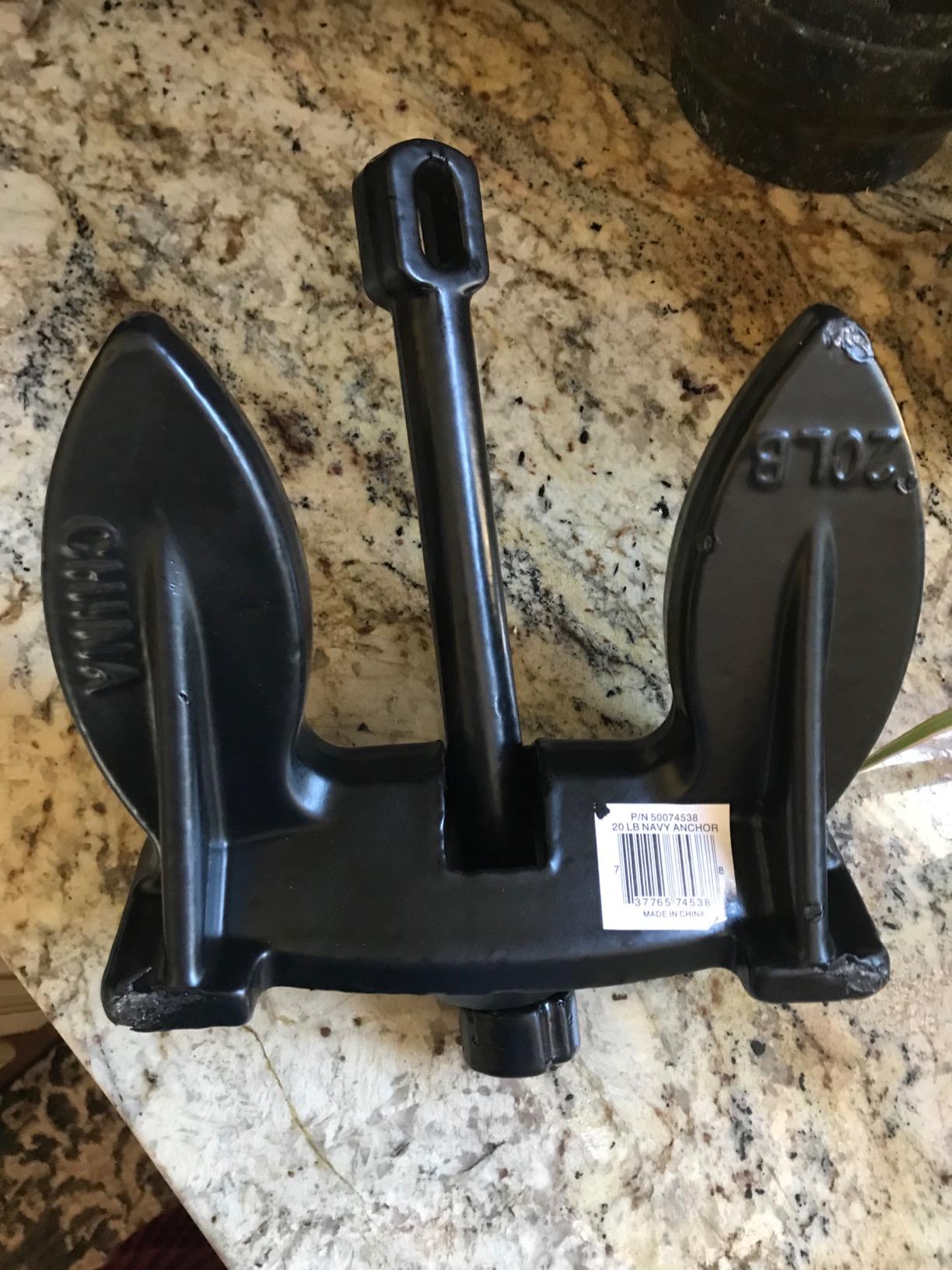
Two drawbacks are worth planning around. Twenty pounds is genuinely heavy to raise by hand from a swim platform, so a winch or a good body-height lift matters. And one buyer reported receiving an anchor with a broken rope connection and a chipped coating, most likely from packaging, which the manufacturer resolved with a fast replacement. Inspect the eye and the coating the day it arrives.
Why navy anchors self-reset
A navy anchor has a pointed crown and two curved arms. When a wind shift rolls the boat, the crown catches the bottom and the anchor rotates back into a biting position rather than staying flat. On rock and gravel, where a wide fluke tends to skate, that crown and arm geometry is what keeps the boat from drifting away from its own anchor.
Best lake conditions for it
It is built for rocky, gravelly and hard-bottom lakes, including wind-exposed water. It is not the right pick for a soft mud lake, where a 20 lb navy will sit on top and let the boat move. If your lake is rock, this is the anchor to buy; if it is mud or weed, go back to the fluke or mushroom.
8. Young Marine Galvanized Fluke Anchor Kit: Best for River Current
Young Marine Portable Galvanized Fluke Style Anchor Kit Includes Galvanized Fluke Anchor, Rope, Shackles, Chain 8LB 10LB (8 LB)
- Catches quickly in murky lake bottoms
- Full kit includes rope chain and shackles
- 8
- 10 and 13 lb sizes for larger boats
- Strong value against shop pricing
- Bare chain can scuff a hull or decals
- Wider than some bow anchor lockers
- Heavier than some buyers expected
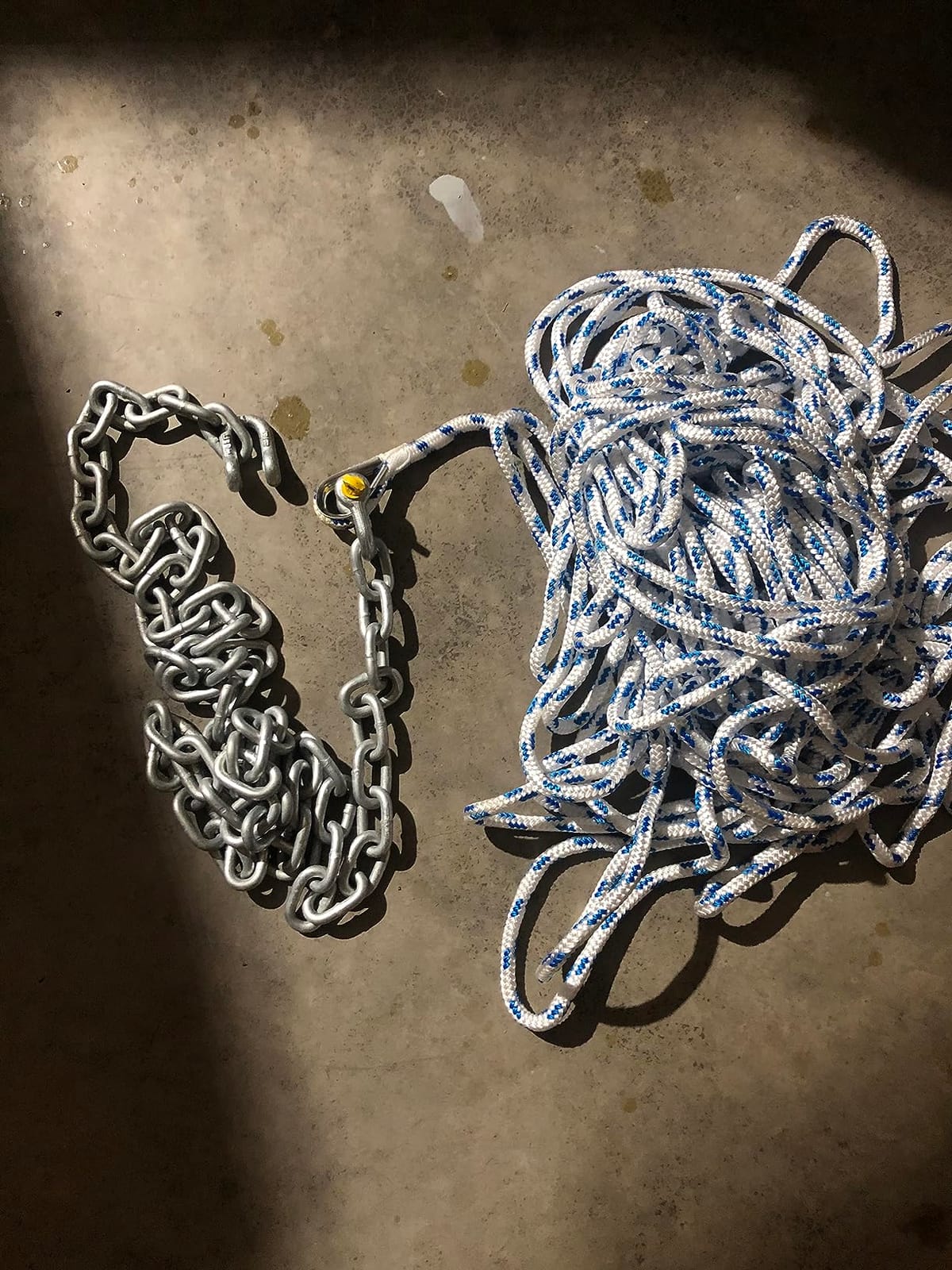
Rivers are the hardest anchoring environment a pontoon faces, because current never stops and the bottom is usually a shifting mix of gravel, silt and rock. This kit is built for that. Reviewers report it catching quickly in murky lake bottoms and never letting a boat drag, and the manufacturer lists it as suited to river and current fishing.
The package is complete: a hot-dipped galvanized fluke, 3/8 inch by 75 ft of nylon rope with a marine-grade stainless thimble, 6.5 ft of 1/4 inch hot-dip galvanized chain, and two 1/4 inch galvanized shackles. Sizes run 8 lb for 12 to 22 ft boats, 10 lb for 16 to 26 ft, and 13 lb for 20 to 32 ft, with a 1 year warranty.
At 4.7 stars from 380 ratings, with roughly 84% five stars, the ratings justify the reputation. Owners also hold sandbars with it and use it as a stern anchor on larger craft, which is exactly the dual-anchor role we come back to for tritoons.
Sizing across the three models
The size ladder is the reason to consider this kit over a single-weight version. An 18 ft pontoon is well served by the 8 lb model, a 22 ft tri-toon wants the 10 lb, and a 28 to 30 ft boat wants the 13 lb. The 19.75 by 14.5 by 4.5 inch anchor is the same across the line, so only the mass changes as you move up.
What to watch before you rig it
The chain is bare galvanized, not rubber coated, so it can scuff a hull or decal as it comes up. The anchor is also wider than some bow anchor lockers, so measure your locker before committing. And it draws a complaint from buyers who expected something lighter for a small boat, which is fair, since even the 8 lb version is a real anchor rather than a dinghy weight.
9. WAVESRX TriAnchor: Best for Compact Stowage
- Sets instantly and resets when wind shifts
- Folds flat into a compact storage box
- Works in sand mud clay coral and rock
- 316 stainless resists salt and fresh water
- The 12 lb version is the heaviest and priciest
- Rope and chain are sold separately
Storage is the quiet problem on a pontoon, because deck lockers are full of fenders, lines and tow ropes. This anchor folds flat into a box measuring 16.3 by 12.7 by 7.5 inch, with the assembled anchor at 14.1 by 10.24 by 10.16 inch, so it disappears into a seat locker or a jet ski compartment. Owners buy it for exactly that reason.
It is a patented design, backed by a 3 year replacement warranty, made from marine-grade 316 stainless steel. Reviewers highlight two behaviors: it sets instantly, and it resets automatically when wind or current changes. On a boat that swings broadside against a tube deck, an anchor that re-bites after each gust is worth a lot.
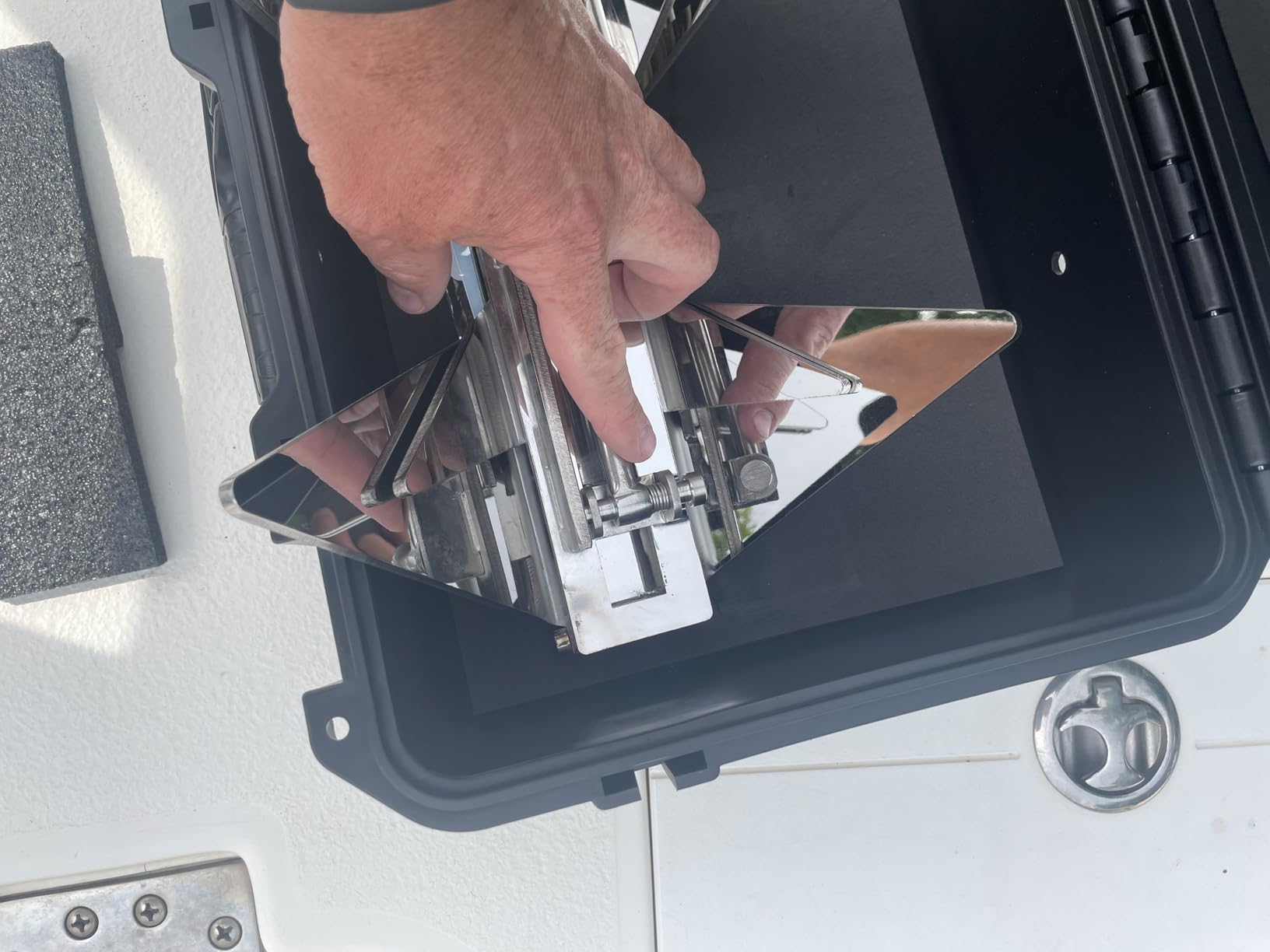
It is offered in 5, 7 and 12 lb, and owners report holding across sand, mud, clay, coral and rocky bottoms. Note two things. The 12 lb version is the heaviest and most expensive in the range. And the package is anchor only, so you still need a rope and chain, which is where the kits in this list pull ahead on value.
Where folding stainless wins
Stainless steel has no coating to chip, which removes the main maintenance worry of vinyl and PVC anchors. It also weighs more than aluminum of the same size, so at 12 lb you get real mass in a package that still folds flat. If your boat has no room for a full-size fluke in a locker, this is the compact answer.
Who should pass on it
Pass if you want one purchase that includes the rode, or if you need a soft-bottom specialist, since a hard stainless shank and compact fluke profile are not the first choice in deep silt. Pass also if you fish a shallow bar often, where a screw-style pole holds better than any folding fluke.
10. MARINE SYSTEM Fluke Anchor Kit: Best Complete Fluke Package
MARINE SYSTEM Fluke Anchor Kit with Chain and Anchor Rope Set for Boats, Pontoon, Deck, Fishing, and Sail (8 lb)
- Complete ready-to-rig package
- Hot-dip galvanizing on anchor chain and shackles
- Matched to 12-22 ft pontoon and deck boats
- Listed breaking strength of only 10 lb
- Kit sizes top out at 13 lb for 20-32 ft boats
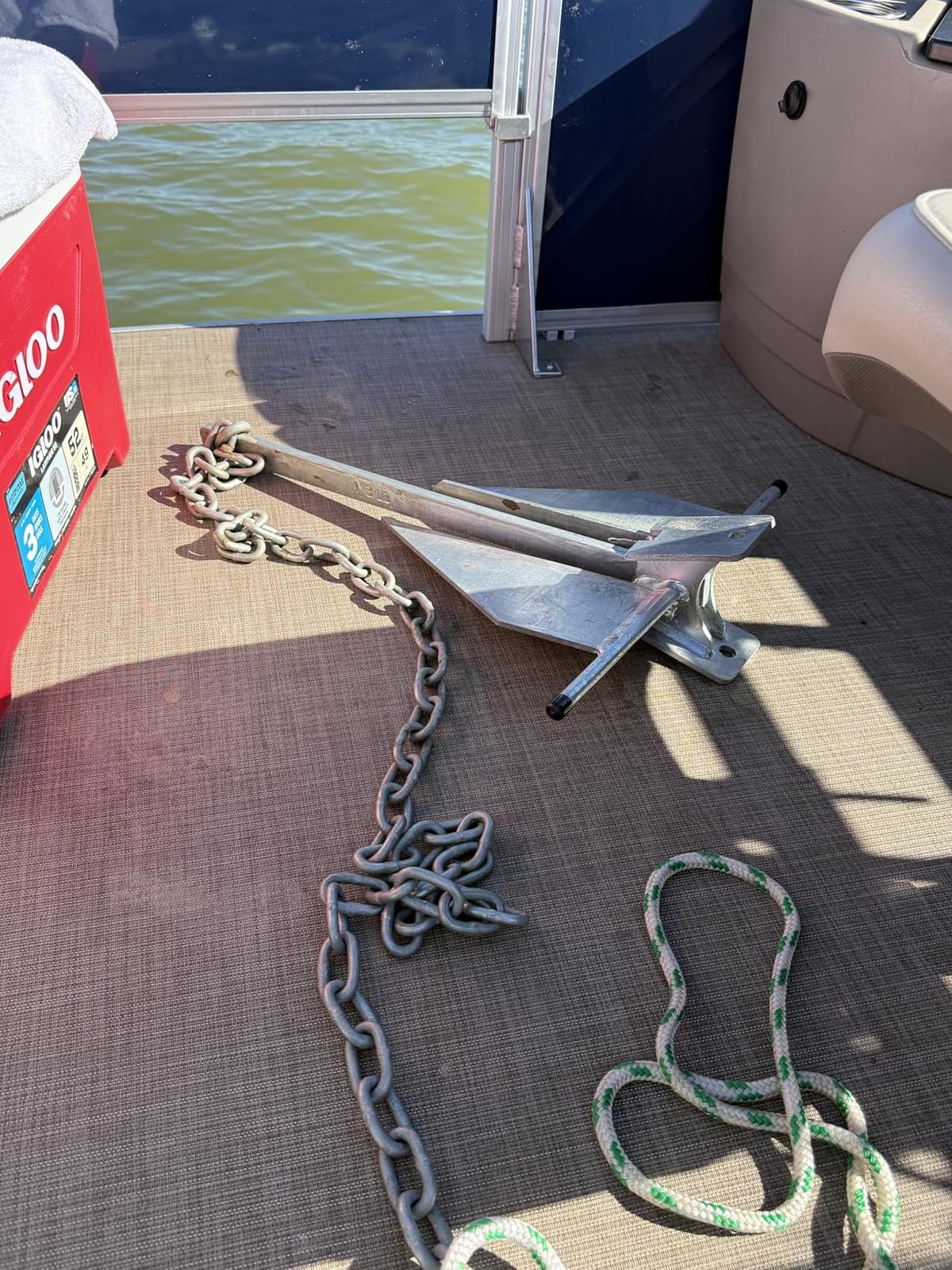
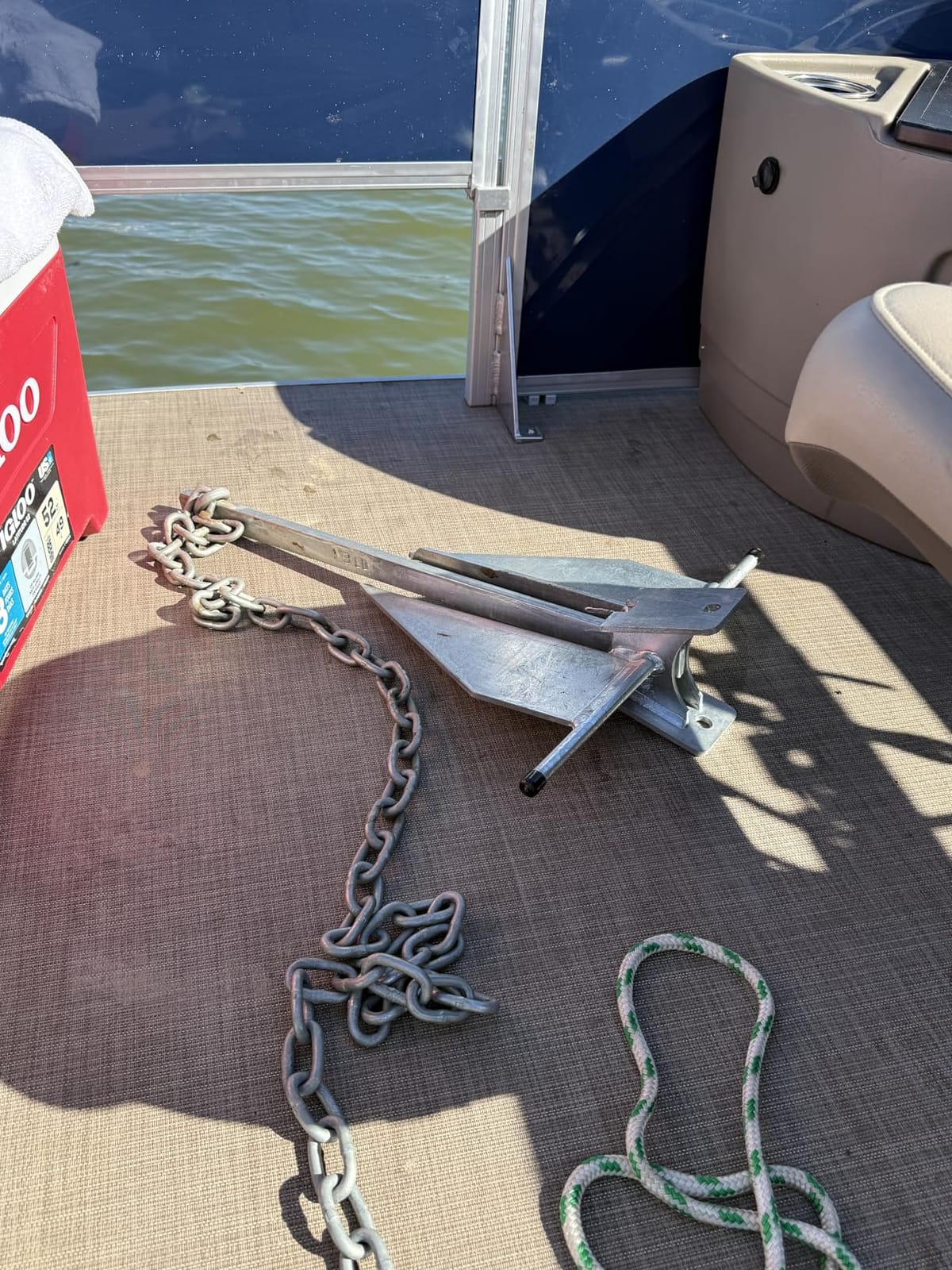
This kit is close to a twin of the Young Marine package, and the ratings are close too: 4.7 stars from 314 ratings with about 84% five stars. You get an 8 lb hot-dipped galvanized fluke at 19.75 by 14.5 by 4.5 inch, 3/8 inch by 75 ft of nylon rope with a marine-grade stainless thimble, 6.5 ft of 1/4 inch hot-dip chain, and two 5/16 inch shackles. A 1 year warranty comes with it.
Reviewers focus on the completeness of the package and the quality of the galvanizing, which is applied to the anchor, chain and shackles rather than just the head. For a pontoon owner building a first rode, having the thimble and shackles already matched saves the two fittings that are most often mismatched.
Read the breaking strength figure carefully
The listing states a breaking strength of 10 pounds, which sits oddly beside an 8 lb anchor. Treat that as a specification to confirm with the manufacturer rather than a promise, and rely on the rope diameter, the thimble and the chain grade for your load path. If you need a heavier line for a big tritoon in current, the 20 lb naval pattern or the 30 lb river anchor carry more margin.
How it compares with the other complete kits
Against the Better Boat kit, the differences are small: similar fluke size, similar rope and chain, both hot-dipped. Choose between them on the shackle size and the size ladder you need, since this one lists 8, 10 and 13 lb versions for 12-22, 16-26 and 20-32 ft boats. Either one removes the guesswork from a first rig.
Watch the stowage math before committing. The same anchor and chain pack into a locker, but the 75 ft of rope is bulky when coiled wet, and pontoons with a full forward locker sometimes end up carrying the line loose. If your locker is tight, our pontoon boarding and access guide covers the layout thinking.
11. VEVOR River Anchor 30 lb: Best Three-Claw Grip
- Three claws and a tail fin grip as current drags
- Works on muddy grassy and thick weed bottoms
- Large eye takes a shackle or heavy rope
- Finish looks far costlier than the price
- Shank can jam in some automatic winch collars
- 30 lb is hard to raise without a winch
- Not intended for strong current or obstructions
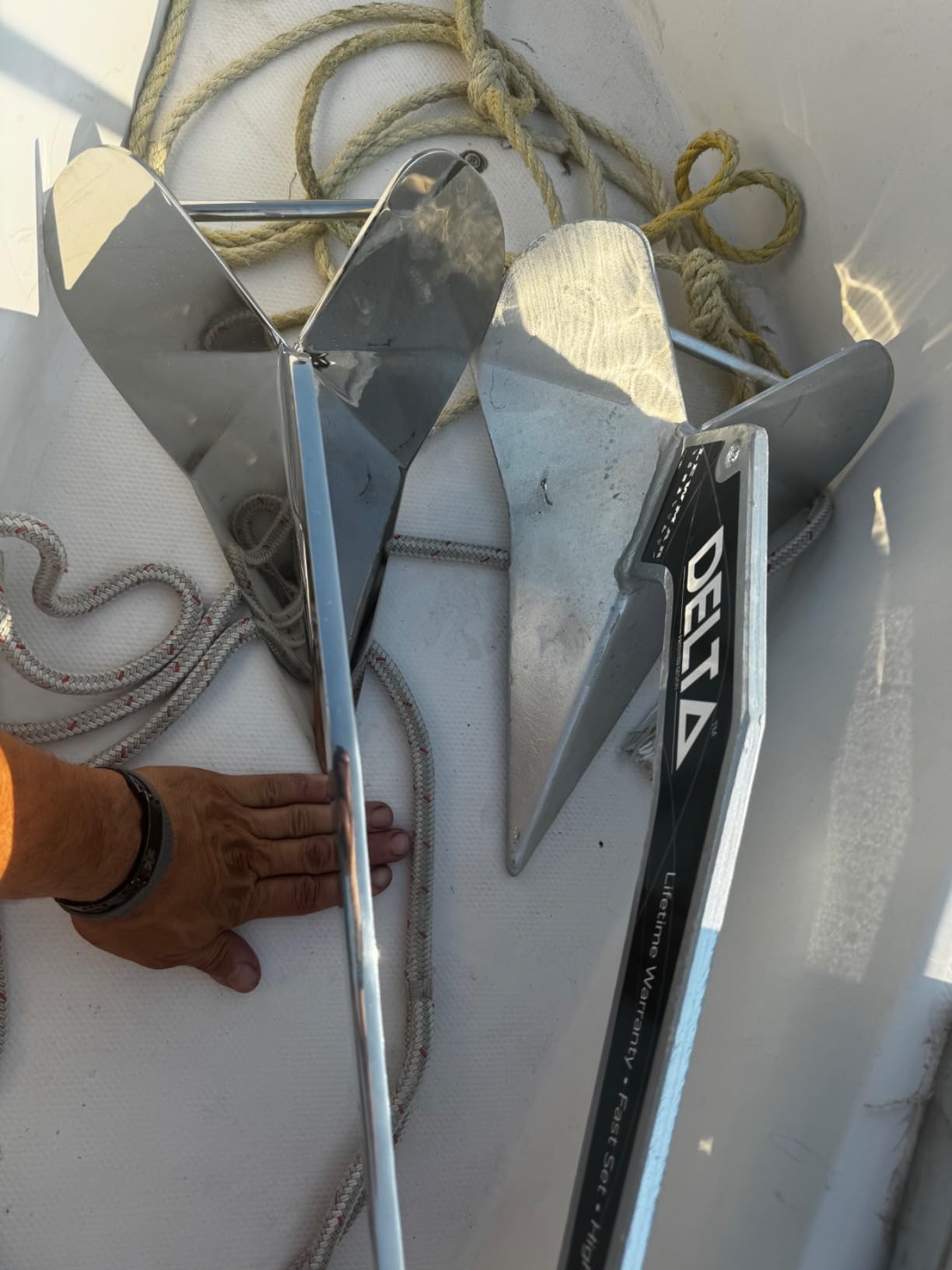
This is the most distinctive geometry in the group. Instead of two flukes, it pairs a three-claw head with a mushroom-shaped tail fin, so as current drags the anchor, the claws catch and the tail resists. Owners report it holding a 19 ft boat in weedy lake bottoms and working as a stern anchor at ocean beaches, and 4.7 stars from 251 ratings backs up the finish quality they mention.
At 30 lb of cast iron under black PVC vinyl, it is rated for vessels up to 30 ft, covering most pontoons and tritoons, plus bass boats, jon boats, canoes and kayaks. The large eye hole takes a bow shackle or a robust rope without a complicated connector.
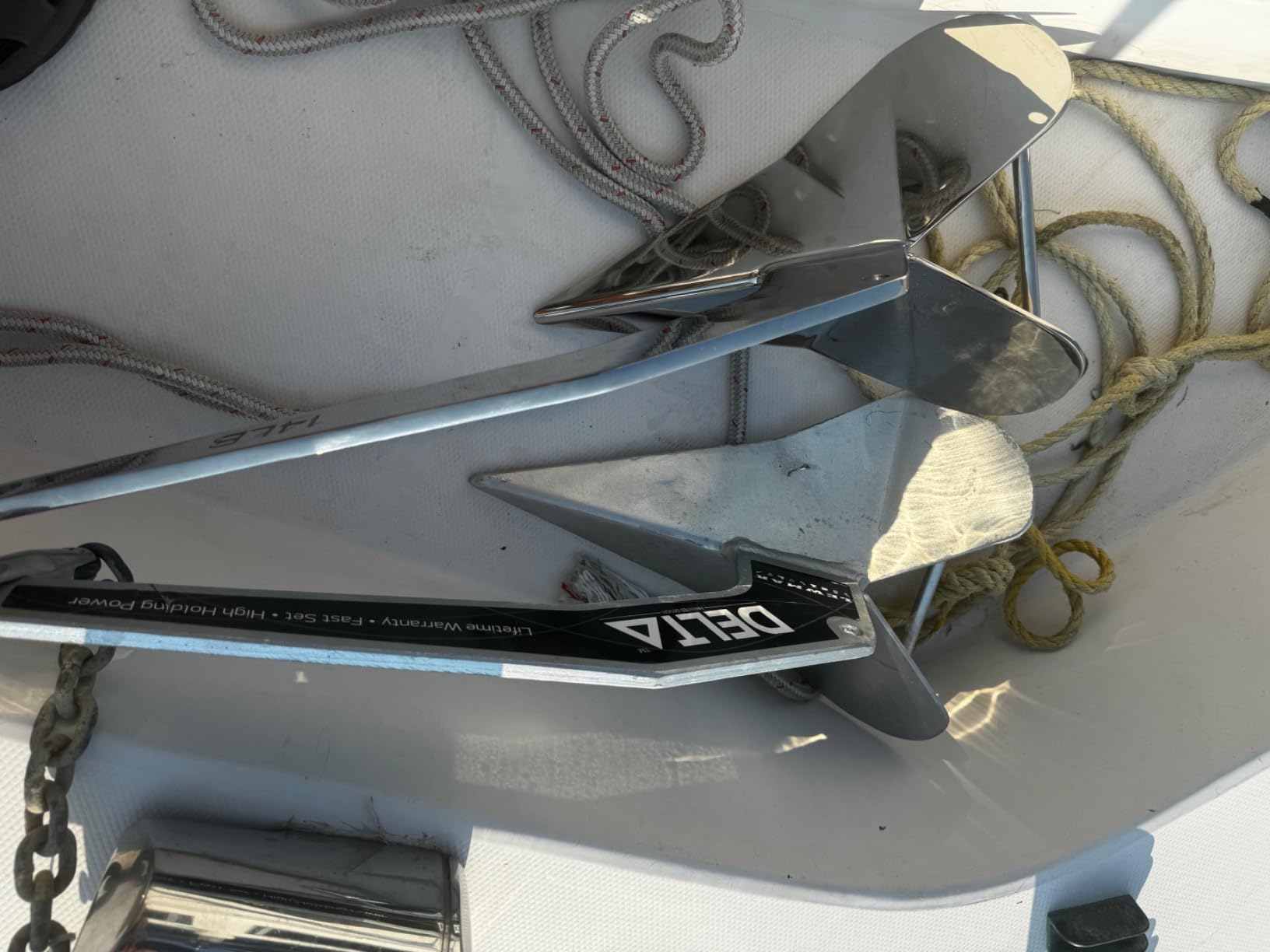
Owners also report it pairing well with an automatic winch such as a Minn Kota Deckmate 40, though several flag that the shank is slightly too large for some winch collars and can jam as it is lifted to horizontal. If you already have a winch, check the collar diameter first. And the manufacturer is direct about the limits: protected inland waters only, not strong current or areas with underwater obstructions.
What three claws actually do
Two flukes work by digging into a flat surface. A three-claw head works by snagging, and the tail fin adds drag underneath. On thick weed, grass and soft mud where a fluke skates over the surface, the claws find something to catch on. That makes it a sensible second anchor for a tritoon that works weedy water and heavier water.
Handling and care
Thirty pounds is a two-hand lift at best, and owners say it is difficult to raise without a winch. The PVC coating is what keeps the cast iron from rusting and from marking your deck, so rinse it after salt or brackish water and check that the coating has not cracked. On a freshwater lake with weeds, it is one of the few anchors here that will not just glide over the bottom.
12. SandShark Premium Fluke Anchor: Best Retractable Fluke
- 5 lb yet holds sandbars and gummy mud
- Serrated edges set quickly
- Retractable shaft fits an anchor locker
- Anodized aluminum resists corrosion
- Sliding shaft needs mud cleared or it drags
- Sharp edges can cut hands and mark a locker
- Small cross-rod screw strips easily
Five pounds is the number that makes this interesting. Owners report it holding firm on sandbars and in gummy mud even in 20 knot wind, because the serrated edges dig into the seabed rather than relying on mass. The manufacturer rates it for 16 to 30 ft boats, so a single light anchor covers a wide range of pontoons.
Storage is the design story. You retract the shaft and lock the fins, taking it from 24 by 16 by 4 inch extended down to 16 by 16 by 4 inch, which fits an anchor locker without a lump of solid steel taking up the bay. The aircraft-grade aluminum alloy is anodized, so it resists corrosion and does not stain a hull.
There is a maintenance thread in the reviews worth reading. One owner found the roll pin loose after a year and flagged it as a safety concern, others note the sliding shaft must be cleared of mud and debris or the anchor will drag, and a few mention that the serrated assembly takes care to line up while the small cross-rod screw strips easily. Treat those as a short pre-launch check rather than a deal breaker.
Aluminum versus steel in a pontoon locker
Aluminum is roughly a third lighter than steel of the same design, which is why a 5 lb aluminum fluke can be rated for boats twice the size a 5 lb steel anchor would serve. It also will not rust, so it stores damp without consequence. The cost is a sharper edge and a lower absolute mass, which is why owners still pair it with a heavier anchor for overnight trips in wind.
Where it beats the screw anchor
Both SandShark options are strong on sand, but they solve different problems. The Supersport 3.0 screws into the bar and holds hardest. This fluke can be thrown or lowered from the bow, works in gummy mud as well as sand, and covers 16 to 30 ft boats. If you fish bars and mud in the same season, this is the one to carry.
How Much Anchor Weight Does a Pontoon Boat Need?
Size to deck length first, then add for exposure. A pontoon’s tube deck presents a tall, flat surface to the wind, which is why owners report their boats swinging and dragging in conditions where a V-hull of the same length sits still. That wind load, not the boat’s displacement, sets your anchor requirement.
Here is the sizing we use as a starting point.
16 to 19 ft pontoons: a 7 to 10 lb fluke is the working range, with 3 to 5 times the depth out in scope.
20 to 24 ft pontoons: 8.5 to 13 lb flukes, or a 15 to 20 lb weighted style on soft bottoms.
25 to 30 ft tritoons: 20 lb and up, with a bow anchor plus a stern anchor if you overnight or fish exposed water.
Shallow sand or bar anchoring: a 5 lb screw or retractable fluke is enough, because the bottom does the work.
Judges and the wider boating world tend to quote holding power figures of roughly 90 lb for a 20 ft boat and 125 lb for a 25 ft boat. Treat those as targets for the whole system, anchor plus rode, rather than a number to match with the anchor alone.
Which Anchor Type Matches Which Bottom?
Bottom type decides more than brand. Identify your lake’s bottom before you buy, because an anchor shaped for sand is close to useless in thick mud.
Sand: flukes, box styles and screw poles all work. Serrated edges and a screw give the cleanest hold.
Mud and silt: mushroom and river styles with wide cups. A fluke can ride over soft silt rather than bite.
Rock and gravel: navy and claw patterns with a pointed crown, which re-sets when the wind shifts.
Grass and weeds: plow or three-claw designs. Steep angles snag vegetation instead of sliding over it.
Mixed and unknown: a wide fluke, ideally 10 lb or more, covers more ground than any single-purpose design.
Also match to water depth. Under about 5 ft, a heavy anchor sinks onto the bottom with no room to bury, and a lighter screw-style pole holds better. In deep water, weight and scope matter more than geometry.
Anchor Rode Guide: Rope, Chain, or Both
The anchor is half the system. The rode decides whether it sets. Three options cover almost every pontoon.
Nylon rope only: light, easy to handle, elastic enough to absorb a surge. It stretches in the wind and works well in freshwater on sand and mud.
Chain only: strong and abrasion resistant, and it lays the anchor flat so the flukes bite. Heavy, hard to handle, and it can scuff a hull as it comes up.
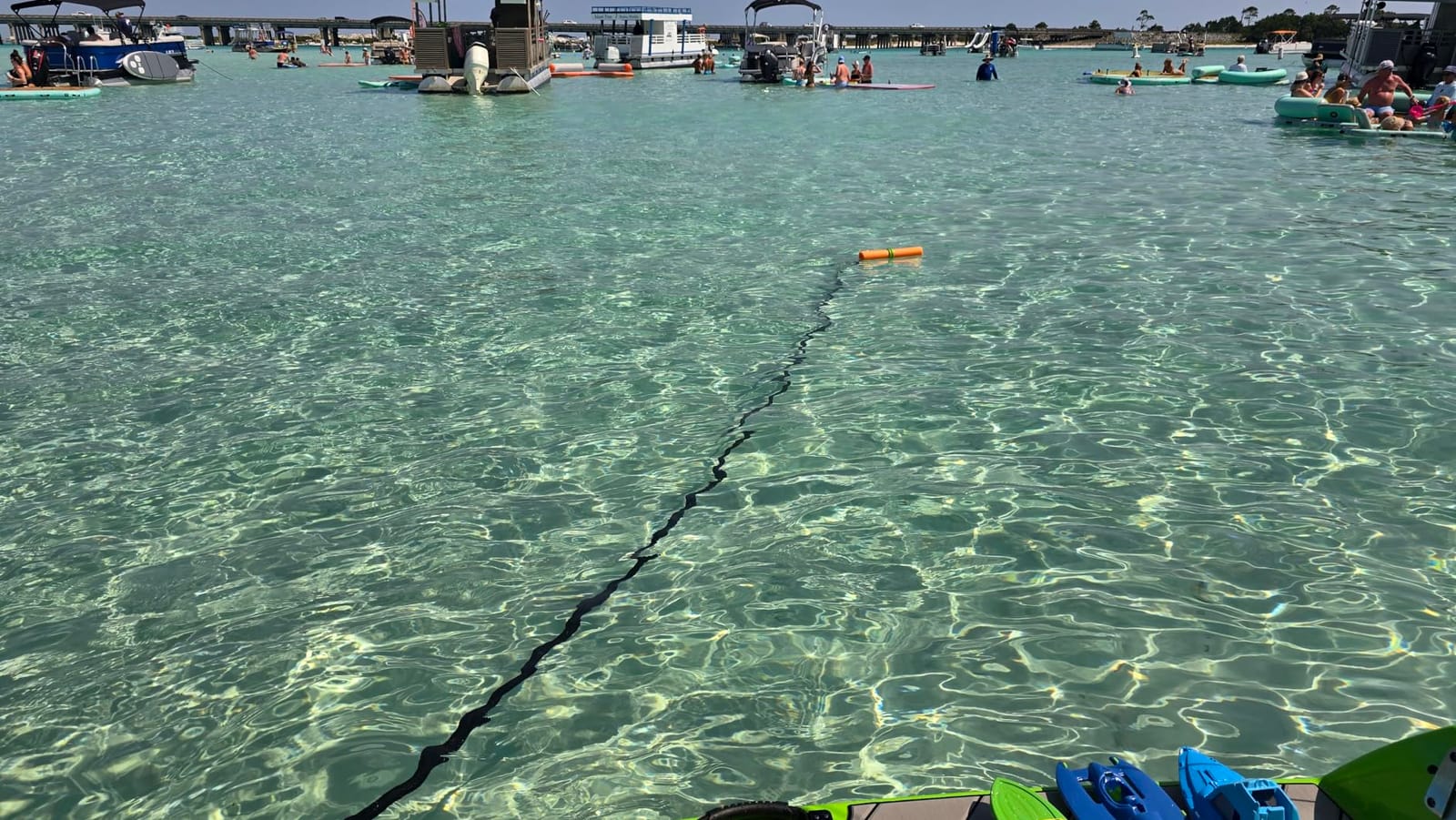
Combination: a short chain section at the anchor end with nylon above, which is the arrangement most owners in pontoon forums recommend. The chain keeps the flukes buried and the nylon keeps the line manageable.
For scope, pay out 3 to 5 times the water depth. As a rope sizing rule, roughly 1/8 inch of line per 9 ft of boat length covers most pontoons, so a 22 ft boat wants 3/8 inch nylon, which is exactly what the kits in this list ship. Put 4 to 6 ft of chain between the anchor and the rope. That short section is the most commonly cited upgrade in owner discussions, and it fixes the complaint of flukes that tip up instead of digging in.
Where to Mount an Anchor on a Pontoon
Owners ask this constantly and most get it wrong, which is why so many pontoons drag anchor. Center the mounting point on the bow, directly on the centerline, so the boat tracks straight instead of yawing around its anchor.
Four fittings work. A bow eye is a welded pad eye and is the strongest option. A cam or clip lets the rode release away from the boat if something severe happens, which owners on fly-fishing forums recommend instead of tying. A deck cleat works for light anchors but is the wrong choice for a heavy one, since a cleat is a tie-off point, not a load-bearing mount. An anchor roller is worth adding if you plan to use a winch.
Two rules apply regardless of fitting. Center the anchor on the bow so the boat holds a heading, and keep a 4 to 6 ft chain section on the anchor end. For tritoons and any boat you anchor overnight, add a stern anchor, which is the setup a 22 ft tritoon owner on r/Pontoons describes, with a pole or light anchor forward and a fluke off the stern, keeping rope out of the swimming area.
How to Properly Anchor a Pontoon Boat
Check the weather and pick a bottom. Face the anchor into the expected wind and current, and confirm the depth so you know how much rode to plan.
Clear the anchor and rode. Coil the rope, check the shackle and the slip ring, and confirm the 4 to 6 ft chain section is on the anchor end.
Approach at a slow idle. Do not throw from a standstill, and do not throw from a drifting boat. A steady approach lets the anchor enter the bottom cleanly.
Throw it bow first. Let the chain go before the rope, so the chain lands near the anchor and pulls the shank flat.
Pay out 3 to 5 times the depth. A drifting boat drags the anchor, and a short scope is the most common reason a pontoon loses its holding.
Let it set, then test. Give the line a slow hand-over-hand pull, then reverse briefly if it does not bite. Once it holds, back down a few feet so the flukes are buried.
Watch for swing. If the boat is yawing, the anchor is off center or the scope is short. Add scope before you add weight.
Retrieval is the reverse: pull hard and straight with the wind behind you, and use a retrieval line through a recovery hole or slip ring if the anchor will not break free. Weed and silt are what trap anchors, and that is the main argument for matching the anchor to the bottom in the first place.
Frequently Asked Questions
How to properly anchor a pontoon boat?
Face the anchor into the wind and current, clear the rode with 4 to 6 ft of chain on the anchor end, approach at a slow idle, throw bow first, then pay out 3 to 5 times the water depth. Let the anchor set, back it down a few feet to bury the flukes, and confirm the mounting point is centered on the bow so the boat tracks instead of yawing.
What is the best electric anchor for a pontoon boat?
None of the anchors we tested are powered, and we would not recommend a powered unit on a typical pontoon deck. Electric shallow-water anchors need a bow roller, a mounting collar and a battery, which most pontoons do not have. The practical substitute is a screw-style sand anchor such as the SandShark Supersport 3.0, which sets in under 30 seconds and holds boats up to 24 ft in sand, with a two year manufacturer warranty.
What is the best brand of boat anchor?
For general pontoon use, SEACHOICE covers the range best, with a 4.6 rated deluxe model rated for 25 to 30 ft boats and a utility model with a slip ring shank for 15 to 19 ft boats. Young Marine and MARINE SYSTEM are the better choices if you want the rope, chain and shackles in one kit. SandShark leads on shallow sand and retractable flukes, and SeaSense covers rocky bottoms.
What is the easiest type of anchor to use on a boat?
A fluke or box anchor is the easiest for most people. It self-buries when it lands, needs no adjustment, folds flat for storage, and comes back up in one straight pull. A screw-style pole is easiest of all in shallow sand, where a 5 lb unit can be set by one person in under 30 seconds, but it only works in sand and has to be twisted in by hand every time.
How heavy should a pontoon anchor be?
A 16 to 19 ft pontoon usually runs a 7 to 10 lb fluke. A 20 to 24 ft boat wants 8.5 to 13 lb, or a 15 to 20 lb weighted style on soft bottoms. A 25 to 30 ft tritoon wants 20 lb and up, and often a second anchor off the stern. Add scope before you add weight, and remember a high tube deck catches far more wind than a V-hull of the same length.
Why not anchor a pontoon from the stern?
Because a stern anchor lets the bow swing. A pontoon’s high tube deck acts as a sail, and the bow catches the wind and pushes the boat off the anchor, so the boat ends up broadside with the rode pulling sideways. Many tritoon owners run a light anchor or pole on the bow and a fluke off the stern as a second anchor instead, which keeps the bow tracking and the rope clear of the swimming area.
The Best Boat Anchor for Your Pontoon in 2026
The best boat anchors for pontoon boats come down to bottom type and boat length, not brand. For most owners on a mixed lake, the Seachoice Deluxe is the one to beat, with wide flukes that self-bury and hot-dipped galvanizing that lasts. On mud and weed, the Attwood mushroom cup earns its rating; on rock, the SeaSense navy re-sets itself when the wind shifts; on sandbars, the SandShark options cover both the screw and the retractable fluke approach.
Two decisions matter more than the anchor itself. Match the anchor to the bottom you actually fish, and give it 3 to 5 times the depth in rode with 4 to 6 ft of chain on the anchor end. Get those right and almost any of these twelve will hold your pontoon. Get them wrong and even the best anchor in the world will drag across the bottom while you watch it go.