
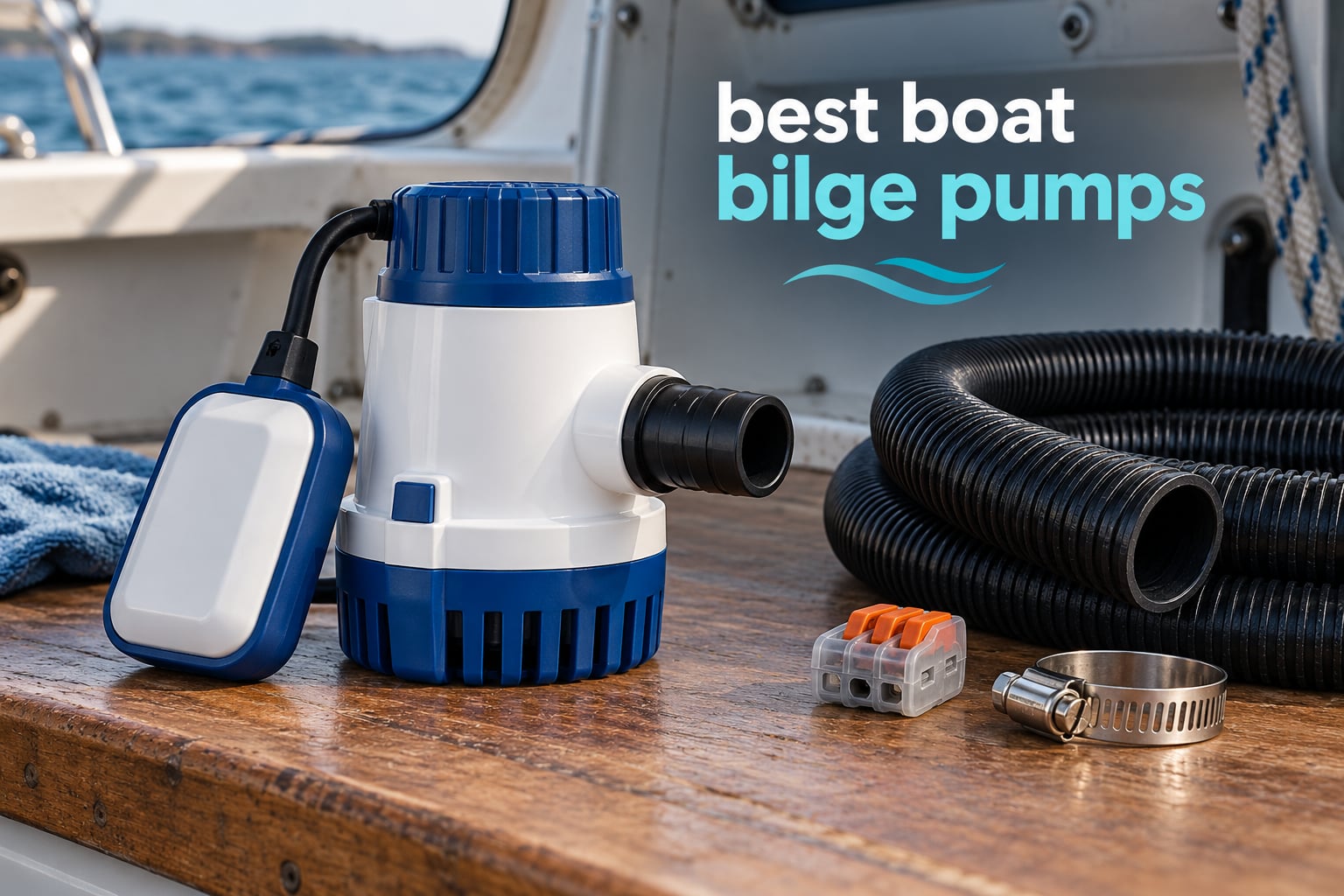
Water in the bilge is the quietest way a boat can start to sink. A hull takes on a slow leak from a loose hose clamp, a cracked thru-hull fitting, or a weeping deck seal, and if the pump that should clear it cannot keep up, the problem becomes a stability problem you cannot solve with a bucket. Choosing among the best boat bilge pumps available in 2026 matters more than most owners expect, because a bilge pump is a safety system rather than a convenience item.
We spent weeks working through nine of the most-reviewed and best-selling pumps in the category, comparing flow rates, float switch design, discharge sizing, mounting footprint, and the failure patterns that owners actually report. What follows is a roundup built around the questions that come up on every boating forum: which brands last, how big a pump your hull needs, and whether one pump is enough or whether you should be running two.
A bilge pump is a 12V DC electric pump that sits in the lowest point of the boat and moves accumulated water out through a discharge through the hull. An automatic unit switches on when a float switch rises to a set water level and stops when the water falls back. A non-automatic unit runs only when you operate a panel switch or when you add a float switch yourself. That single distinction, plus the flow rate in gallons per hour, decides almost everything about which pump belongs in your boat.
If you are outfitting a new boat, you will probably also want our picks for the [best boat ladders](https://www.dognotebook.com/best-boat-ladders/), and if the bilge is a secondary concern next to comfort and electrical load, our [boat generator](https://www.dognotebook.com/best-boat-generators/) guide covers that side of the build. Everything below focuses on the pump itself.
Table of Contents
Who Makes the Most Reliable Bilge Pumps?
Rule and Johnson are the two most-endorsed brands in owner discussions, and that consensus comes from years of installed service rather than spec sheets. On thehulltruth, a long-running thread titled “Best CHEAP bilge pump that REALLY WORKS” carries the line that has become shorthand for the whole topic: a single bilge pump will fail, and testing every pump on a regular schedule is the price of owning one. Owners there report being happy with Rule pumps precisely because they test all three of them routinely.
The Rule name also shows up in automatic-pump discussion on downeastboatforum, where the “smart” Rule pumps are favoured for cycling roughly every two and a half minutes and holding water lower in the bilge than a typical float switch pump would. Johnson draws its endorsement from a different angle. On canalworld, Johnson cartridge pumps are called good, and the same discussion pairs them with ribbed pond hose for narrowboat installs because it flexes better and outlasts standard hose.
The common thread across both brands is serviceability. Rule pumps are widely replaced as direct drop-ins for earlier models of the same number, and Johnson publishes multi-year spare part availability. Those two traits matter more to long-term owners than a headline flow figure, because the pump that fails at 2am is the one you can fix before the water reaches the battery.
Quick Picks: Best Boat Bilge Pumps at a Glance in 2026
All nine pumps below appear in the comparison table, followed by a full review of each one. Capacities span 500 GPH to 2200 GPH, and four of the nine are automatic units with the float switch built in.
| Product | Specifications | Action |
|---|---|---|
 MAXZONE 1100 GPH Automatic Bilge Pump MAXZONE 1100 GPH Automatic Bilge Pump |
|
Check Latest Price |
 Dontmiss 750 GPH Automatic Submersible Pump Dontmiss 750 GPH Automatic Submersible Pump |
|
Check Latest Price |
 creatorele 1500 GPH Bilge Pump Kit creatorele 1500 GPH Bilge Pump Kit |
|
Check Latest Price |
 SEAFLO 06 Series 750 GPH Automatic Pump SEAFLO 06 Series 750 GPH Automatic Pump |
|
Check Latest Price |
 Shoreline Marine 800 GPH Bilge Pump Shoreline Marine 800 GPH Bilge Pump |
|
Check Latest Price |
 Rule 02 1500 GPH Submersible Pump Rule 02 1500 GPH Submersible Pump |
|
Check Latest Price |
 Rule 25DA 500 GPH Non-Automatic Pump Rule 25DA 500 GPH Non-Automatic Pump |
|
Check Latest Price |
 Rule 10-6UL 2000 GPH Heavy-Duty Pump Rule 10-6UL 2000 GPH Heavy-Duty Pump |
|
Check Latest Price |
 Johnson Pump 22004 2200 GPH Bilge Pump Johnson Pump 22004 2200 GPH Bilge Pump |
|
Check Latest Price |
Top 3 Picks for Best Boat Bilge Pumps
1. MAXZONE 1100 GPH Automatic Bilge Pump: Best Overall
Automatic Submersible Boat Bilge Water Pump 12v 1100gph Auto with Float Switch, 1-1/8″ Outlet, Compact Marine Boat Yacht
- Built-in float switch removes the separate switch and extra wiring
- Electronic reed sensor gives fully automatic operation
- Compact 81mm width suits tight bilges
- 4.5 stars across 4137 reviews
- Draws no power until water activates the internal float
- Needs a separate 12V 8A power adapter
- 1-1/8 inch outlet does not match common 3/4 inch bilge hose
- 1100 GPH and 3.0m head trail the heavy-duty models
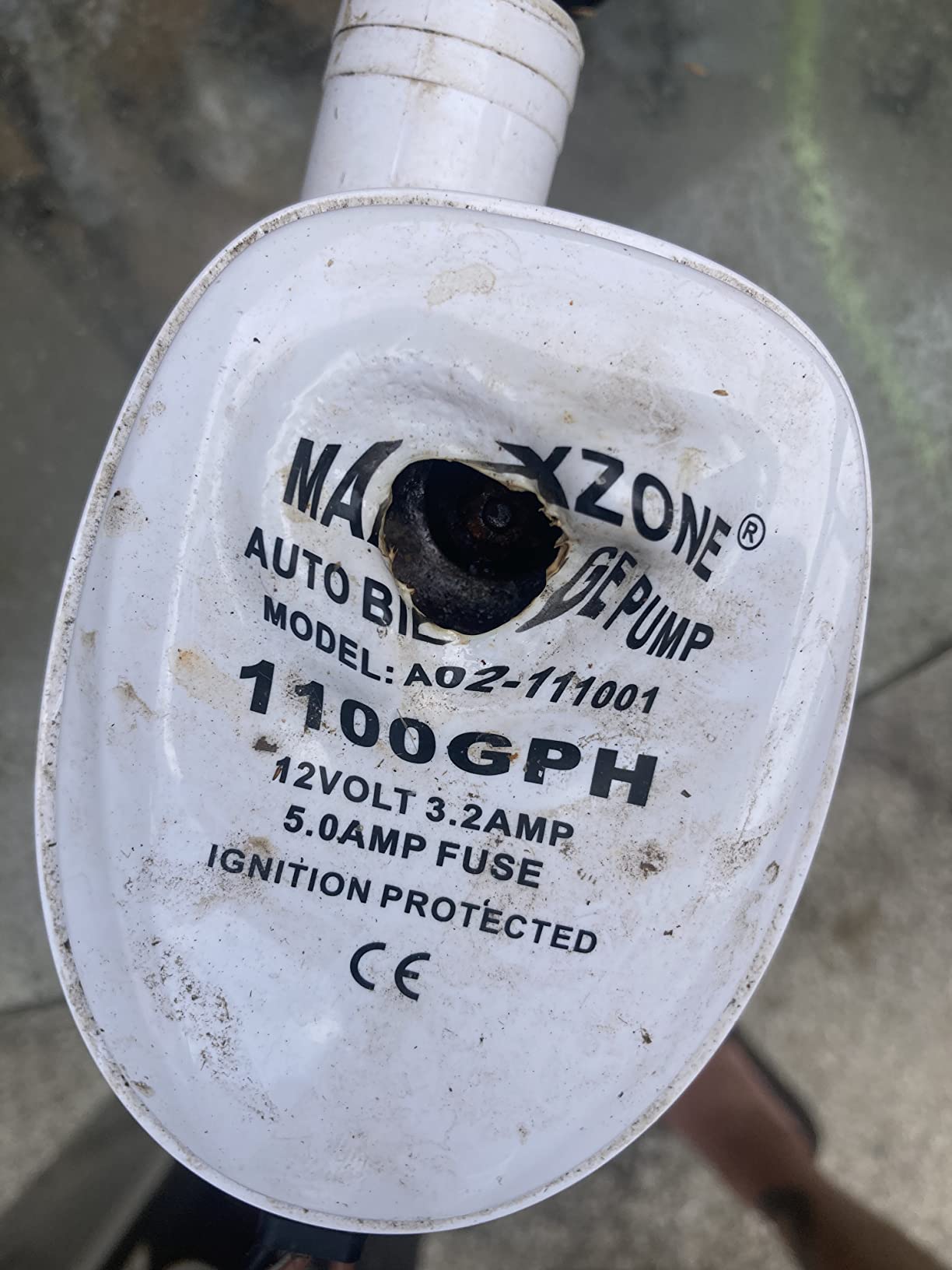
This is the pump we would put in a mid-size boat that needs automatic protection and nothing else. It moves 1100 GPH at 12V, draws 3.8 amps, and lifts to a head of 3.0 meters, which is enough reach for a discharge line that rises through a shallow bilge and exits a hull above the waterline.
The design decision that separates it from most competitors is the integrated float switch. Instead of hanging a separate float switch in the water, the switch is built into the pump body and driven by an electronic reed sensor. That removes a component, removes a wiring joint, and means the pump draws nothing at all until water actually rises. For anyone who has traced a failed float switch on a boat, that is a meaningful reduction in failure surface.
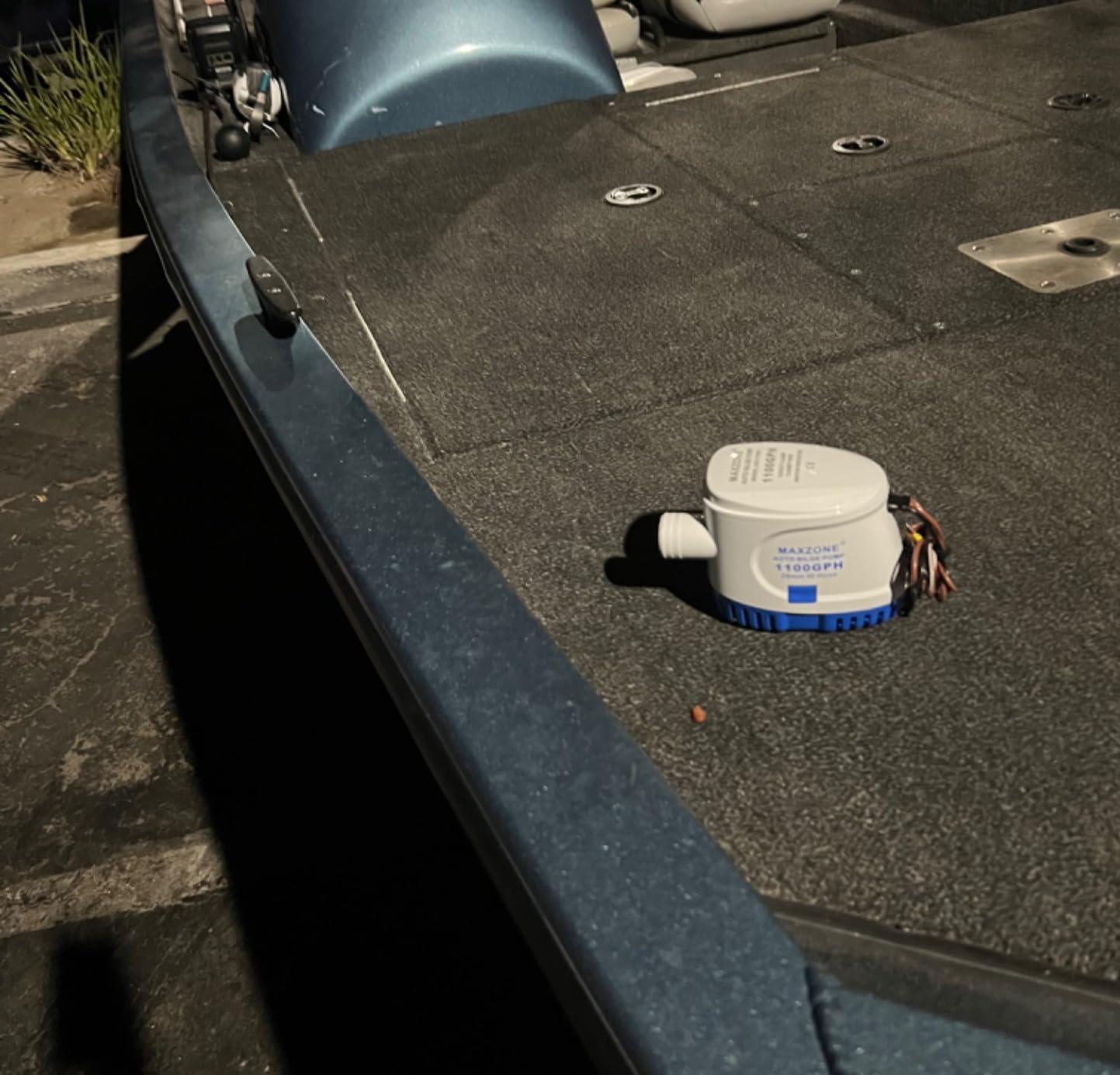
The body measures 5.71 inches long by 2.95 inches wide by 3.94 inches high, so it clears most inboard bilge spaces and most under-floorboard installs. A 1 metre wire lead is included, and a 1-1/8 inch outlet barb accepts the common bilge hose sizes.
Across more than 4000 ratings the pump holds a 4.5-star average, with 73 percent of scores at five stars. Owners consistently name the all-in-one switch arrangement as the reason they bought it and would buy it again. For a 16 to 24 foot boat with a modest leak history, that combination of capacity and simplicity is the strongest single package here.
What to check before you buy
Two things catch people out. The power adapter is not included, and the pump needs a 12V 8A supply, so budget for that alongside the hose. The 1-1/8 inch outlet is larger than the 3/4 inch bilge hose most owners already have on board, so check your existing discharge line before committing.
If your bilge sits below the pump outlet, you will also need an elbow. That is a two-minute job but it is a part you do not want to discover is missing at the dock.
Where it falls short
Flow rate is the limit. 1100 GPH and a 3.0 metre head will clear a small-to-medium bilge comfortably, but it is not the pump for a large cruiser taking heavy rain on a mooring overnight, and it will not move water fast enough to counter a serious ingress.
Owners of larger boats should read this as the primary pump with a backup rather than a single point of failure. It is also worth noting that a reed-sensor switch has no mechanical float to adjust, which is a benefit in tight spaces and a limit if you want to change the trigger height later.
2. Dontmiss 750 GPH Automatic Submersible Pump: Best Value
- Snap-off strainer and base pop off quickly for debris cleaning
- Compact all-in-one unit fits tight bilges
- Two-wire hookup with automatic or manual wiring modes
- 3-blade high-efficiency impeller
- Handles repeated cycling on leaky boats for around two years
- Float switch sticks on if mounted more than a few degrees off level
- Some units report the float switch not working while manual operation is fine
- Needs an inline 6A fuse that is not included
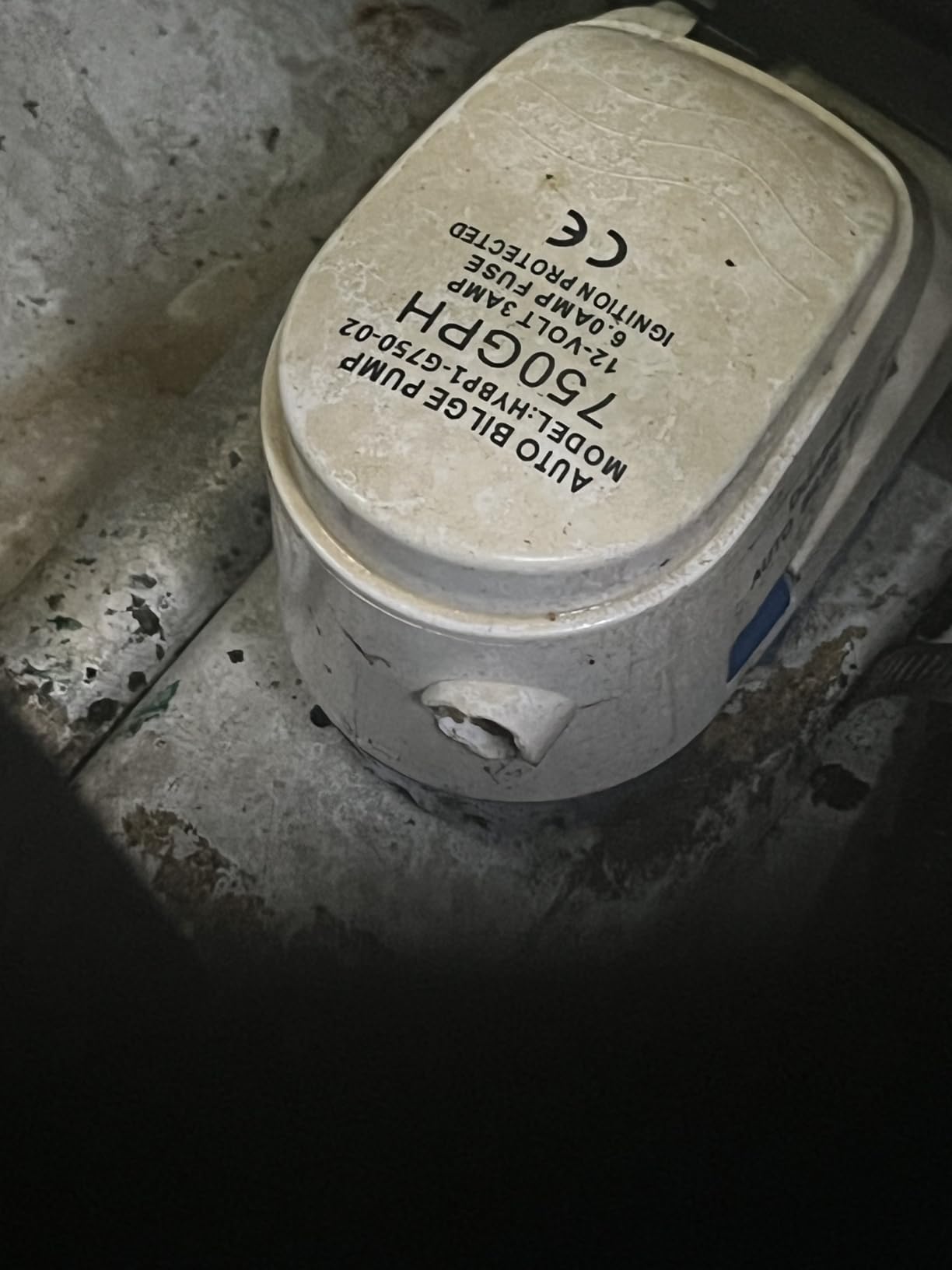
The Dontmiss 750 is the cheapest way to get a complete automatic pump into a small boat, and the spec sheet holds up better than the price would suggest. It delivers 750 GPH at 12V with a maximum draw of 3 amps and a 3.0 metre head, driven by a 3-blade high-efficiency impeller.
The strainer and base are designed to snap off as a single assembly. On a pump that lives in a bilge full of leaves and fishing line, that is the feature that decides whether a clog is a five-minute fix or a stripped-screw job in a wet locker. Owners who use it for ponds and pools as well as boats report the same benefit.
Wiring is a genuine strength. The pump supports both automatic and manual wiring modes from a two-wire connection, which means you can start in manual mode on a small skiff and add a switch later without replacing the pump. The 3/4 inch outlet matches the hose most boats already carry, and the body is 5.71 by 3.27 by 4.05 inches.
At 4.4 stars across 1593 ratings, the sentiment is straightforward: good value, easy install, easy clean. The recurring complaint is not about the pump body at all. It is about the switch and the mounting angle.
Mount it level or plan around it
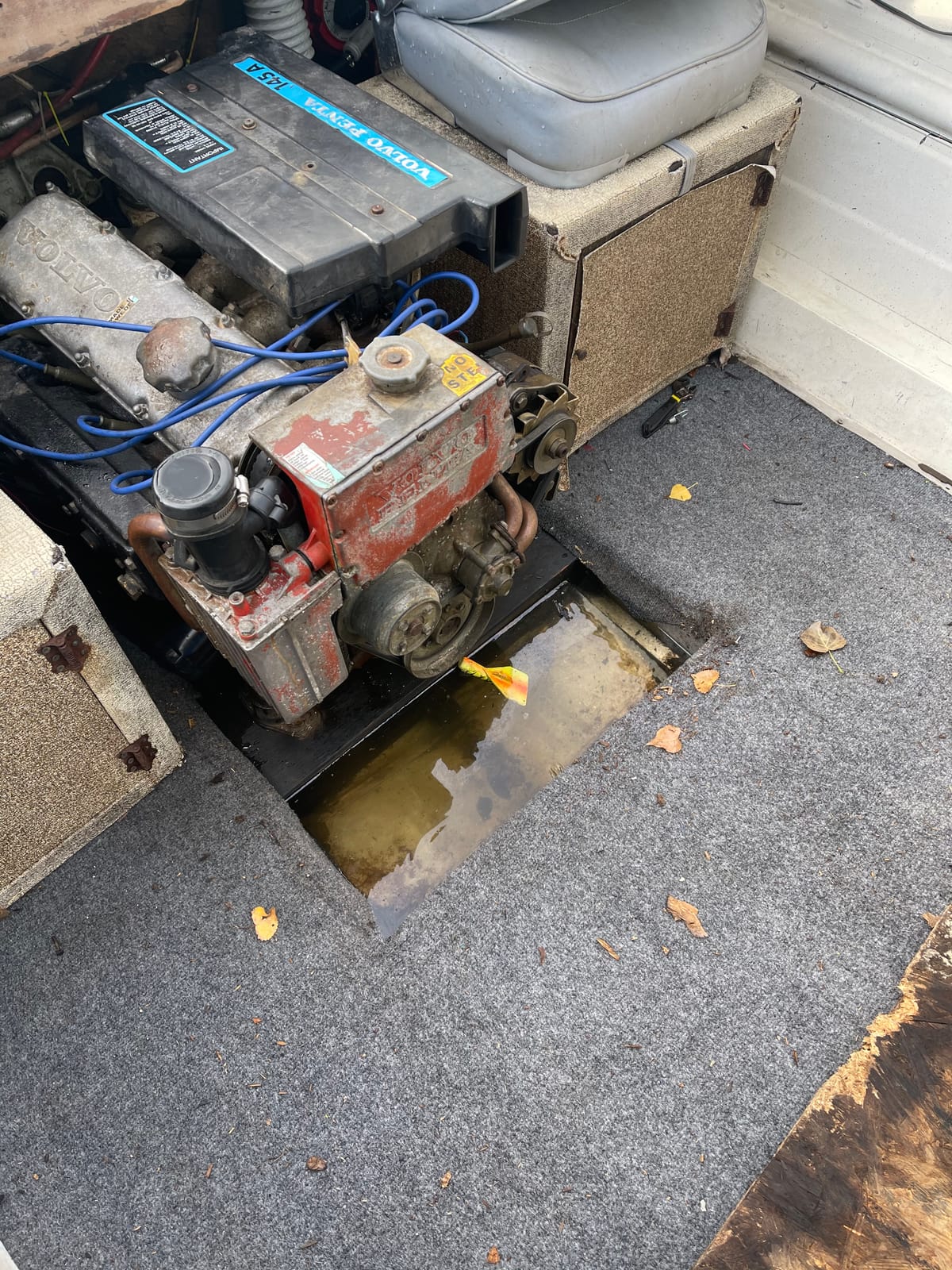
This pump must sit within about two degrees of level for the float to behave. Mount it canted and the switch can latch in the on position, which drains the battery without removing any water at all. That failure mode shows up on trailered boats more than any other, because trailer beds are not level by design.
Measure the base before you commit to a location and shim it if you have to. An inline fuse rated at 6 amps is also required and is not supplied, so add it to the parts list.
Where it falls short
At 750 GPH this is a small-boat pump, and buyers sometimes expect more. It is a sensible fit for a 14 to 18 foot angling boat or a small centre console, but it is not sized for a 30 foot cruiser with a deep bilge and a history of rain intake.
There are also a smaller number of units reported failing within weeks or straight out of the box, and some where the automatic float switch did not work while manual operation was fine. That points at the switch electronics rather than the impeller, and it is the main reason we rate this second rather than first.
3. creatorele 1500 GPH Bilge Pump Kit: Best for Quiet Operation
- Pump and float switch ship as one kit needing a single hose
- Stainless steel shaft resists corrosion in marine service
- Runs quietly with vibration-free operation
- Ultrasonic welded watertight seal
- 4.5 stars across 1520 ratings
- Some listings ship without the hoses and clamps shown in the box contents
- Occasional reports of internal float switch failure after a few months
Capacity is the headline number here. At 1500 GPH from 12V, this pump moves roughly twice what the entry-level automatic units manage, and it does so quietly enough that owners on liveaboards and small cruisers report running it at night without complaint. That combination of flow and quietness is unusual in this price band.
The kit ships with the float switch included, which is the reason it needs only one hose to get running. Most automatic pumps require the pump, the switch, and a length of hose between them. Removing that hose run also removes one of the most common leak points, since a loose clamp on a switch-to-pump hose is a leading suspect when a bilge keeps filling.
Construction details are better than the branding suggests. The housing is ABS with a stainless steel shaft for corrosion resistance, and the seam is ultrasonic welded rather than glued, which is a more reliable water seal. The body is 9.45 by 3.74 by 7.68 inches, so check your clearance because it is a taller unit than most competitors here.
At 4.5 stars from 1520 ratings, 74 percent of scores sit at five stars. The two complaints that recur are about what is or is not in the box and about switch durability over a couple of seasons.
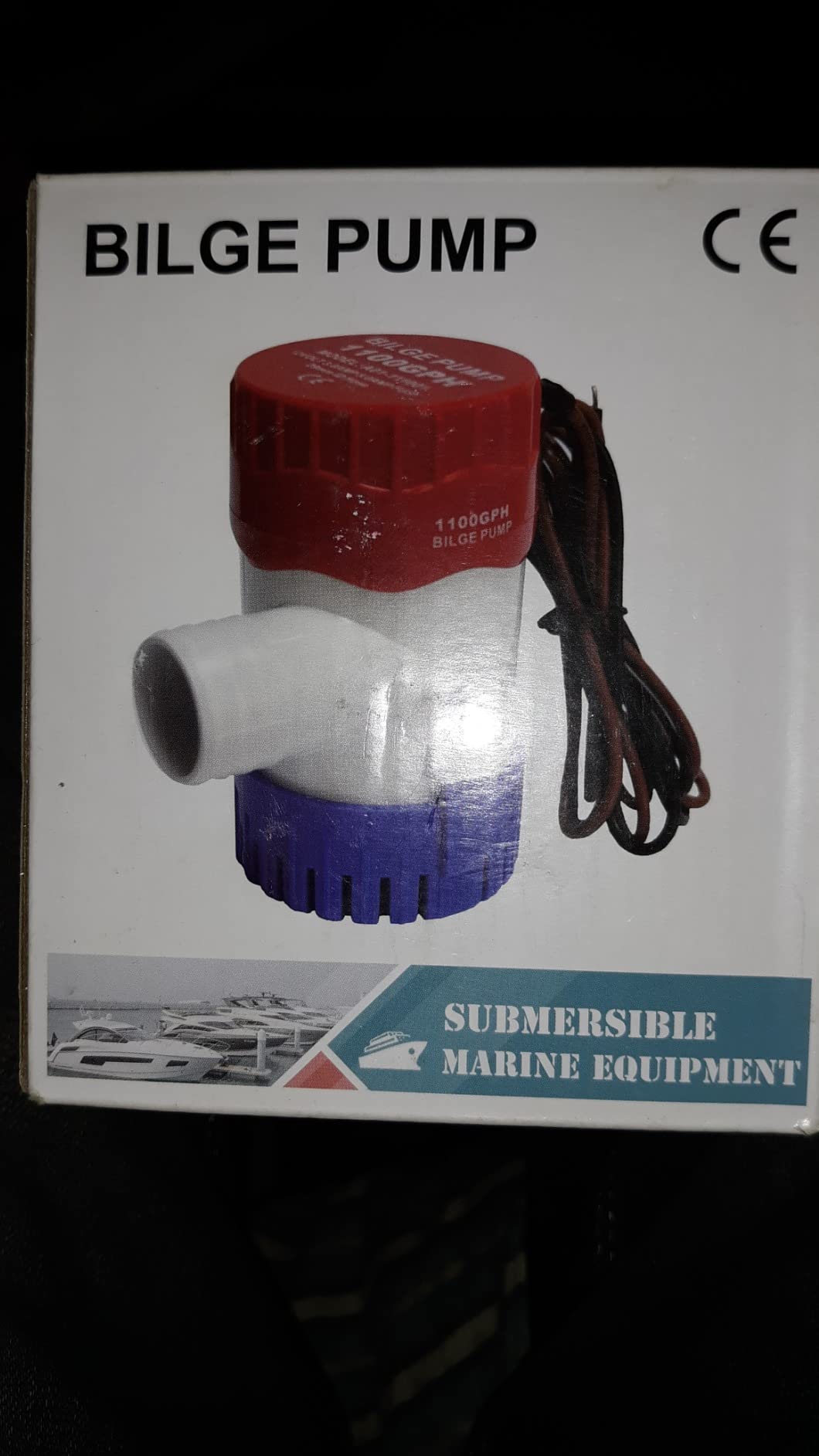
What fits in this kit
This is the pump to choose for a 20 to 28 foot boat that sees rain while moored and has a cabin where noise matters. 1500 GPH clears a moderate bilge quickly, and the single-hose layout keeps the install tidy under a sole or in a shallow centre locker.
The stainless steel shaft is the detail that separates it from plastic-shaft budget pumps. Corrosion at the shaft seal is one of the classic reasons a bilge pump dies, and a stainless shaft buys years before that becomes a question.
Where it falls short
Verify the box contents before you leave. Some listings arrive without the hoses, clamps, and adapters shown in the product images, and planning a weekend install around contents that are not in the box is an avoidable disappointment.
There are also a smaller number of owners reporting internal float switch failure after a few months of service. Treat the switch as a consumable and test the pump monthly, which is good practice for every pump in this roundup regardless.
4. SEAFLO 06 Series 750 GPH Automatic Bilge Pump: Best Warranty Coverage
- Best seller rank number one in Boat Bilge Pumps with a large installed base
- 4-year manufacturer warranty is unusually long for this class
- All-in-one pump and float switch simplifies tight-space installs
- 5-blade high-efficiency impeller
- Ignition-protected sealed marine housing
- 750 GPH is a lower flow rate than the 1500 to 2200 GPH options
- Float switch trigger height of 1.6 to 2.0 inches is fixed and cannot be adjusted
SEAFLO’s 06 Series is the most-installed pump in this group, and the 4-year manufacturer warranty is the reason we rank it here. A four-year warranty on a submersible marine pump is a genuinely unusual commitment, and it is a meaningful signal in a category where the usual warranty is 90 days.
Mechanically it is a 750 GPH unit drawing up to 5.0 amps, lifting to 8.2 feet, with a 5-blade high-efficiency impeller and a 3/4 inch outlet. The float switch is integrated and trips at approximately 1.6 to 2.0 inches of water, so the pump starts working before the bilge is deep enough to reach critical components.
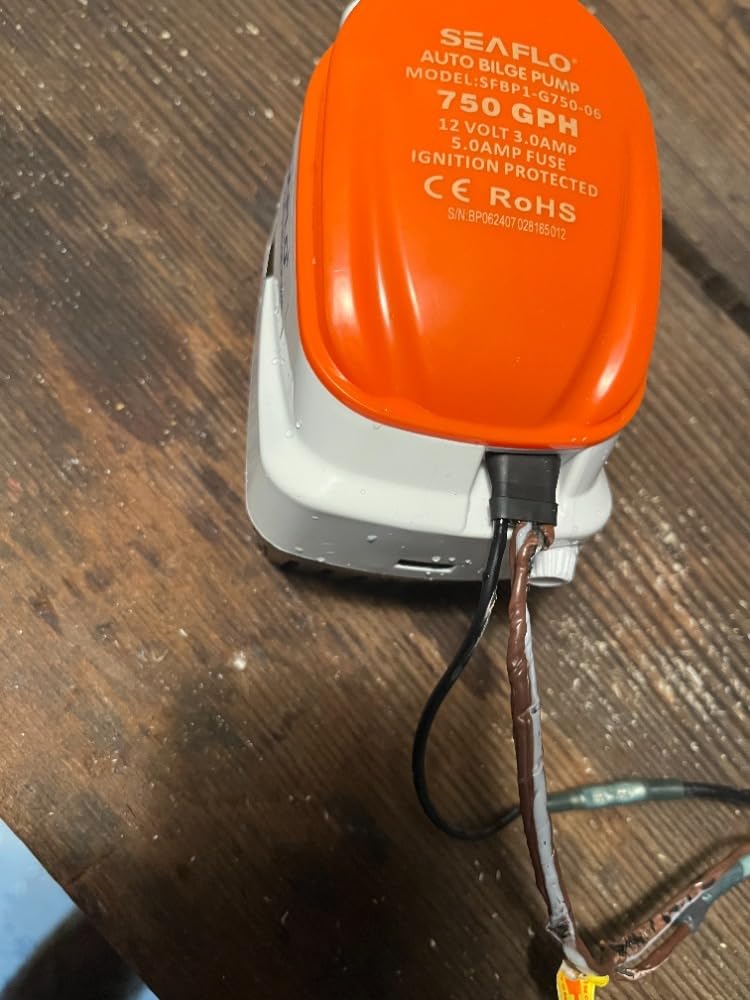
The housing is ignition-protected and sealed, which matters if the pump sits in an enclosed compartment near a petrol engine or a battery. The strainer base snaps off for cleaning, and the internal components are accessible for servicing rather than potted shut. At 5.7 by 3.2 by 4 inches and 1.3 pounds, it fits most bilges without a fight.
Across 1311 ratings the pump holds 4.5 stars, and 78 percent of scores are five stars. That is the highest share of top scores in this lineup, and the warranty is very likely doing part of that work.
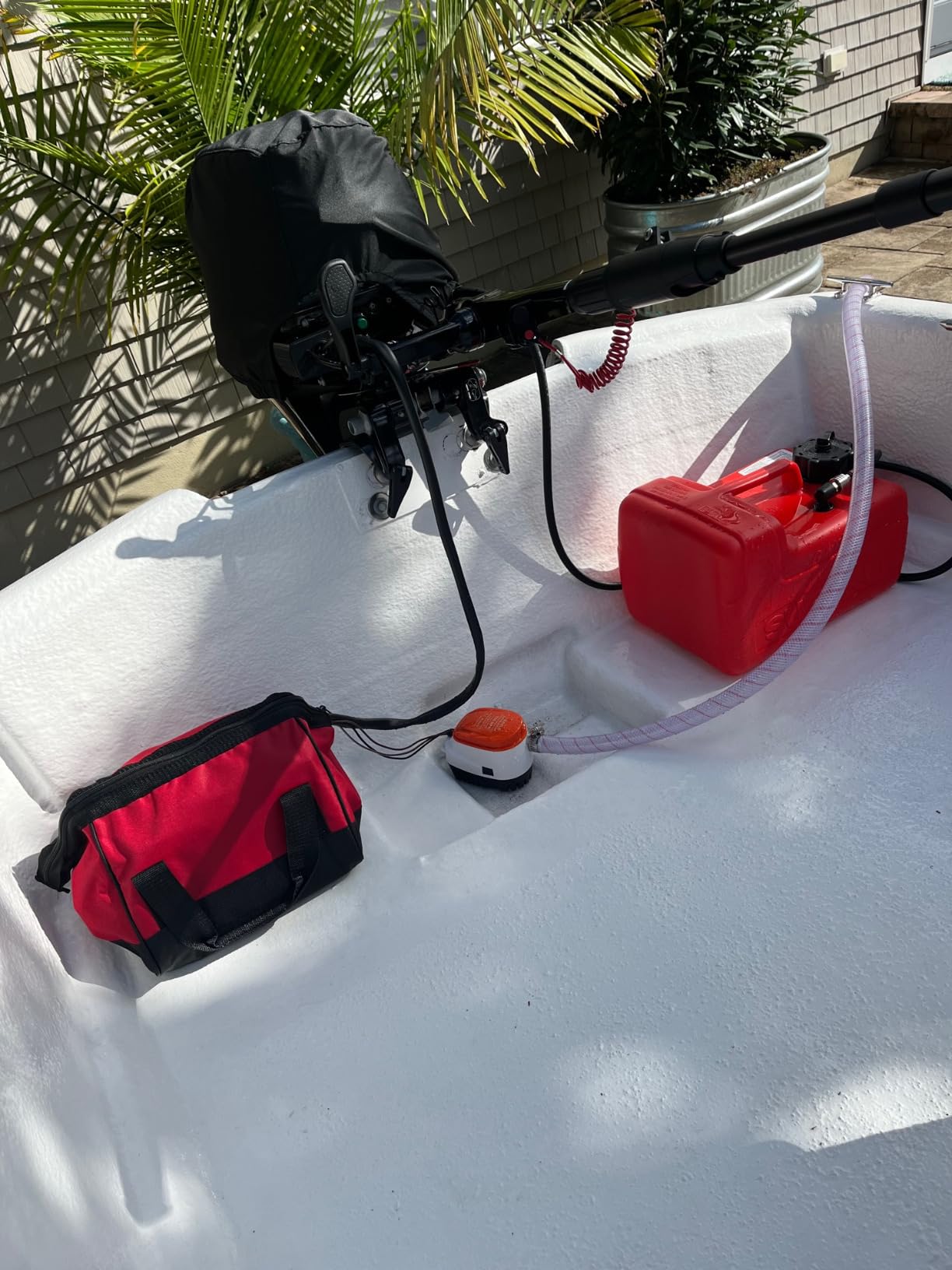
Why the warranty matters here
A bilge pump is a sealed device with a moving impeller sitting in salt water. When something does eventually give out, the two questions that matter are whether the part exists and whether anyone will stand behind it. A four-year warranty answers the first question quietly, because it implies a company expecting the unit to still be in service years later.
For a boat kept on a mooring or left at anchor, this is the version I would fit. The 750 GPH flow suits a small to medium boat where the bilge is being managed against a slow leak rather than a flood.
Where it falls short
The fixed trigger height is the one real limitation. At 1.6 to 2.0 inches the switch cannot be adjusted, so on a very shallow bilge the pump may hold more water than you would like, and on a deeper one it will still be well below the danger line.
Capacity is the other. 750 GPH is fine for a 16 to 20 foot boat and modest for anything above 25 feet. Owners upgrading from a larger system have reported finding it underwhelmed, which is exactly what the rating difference in this roundup would predict.
5. Shoreline Marine 800 GPH Bilge Pump: Best for Small Craft
Shoreline Marine Fully Submersible Bilge Pump, 800GPH with ¾’ Outlet Hose Barb
- Pumps a full small-boat bilge quickly and runs gently on the battery
- Very compact body with a removable crown and mounting base
- Stainless steel impeller shaft and tinned marine grade wiring
- Universal mounting base simplifies installation and cleaning
- Internal float switch sits high so shallow craft may not trigger it
- Floating switch height is not adjustable
- Side mounting bracket does not fit every hull
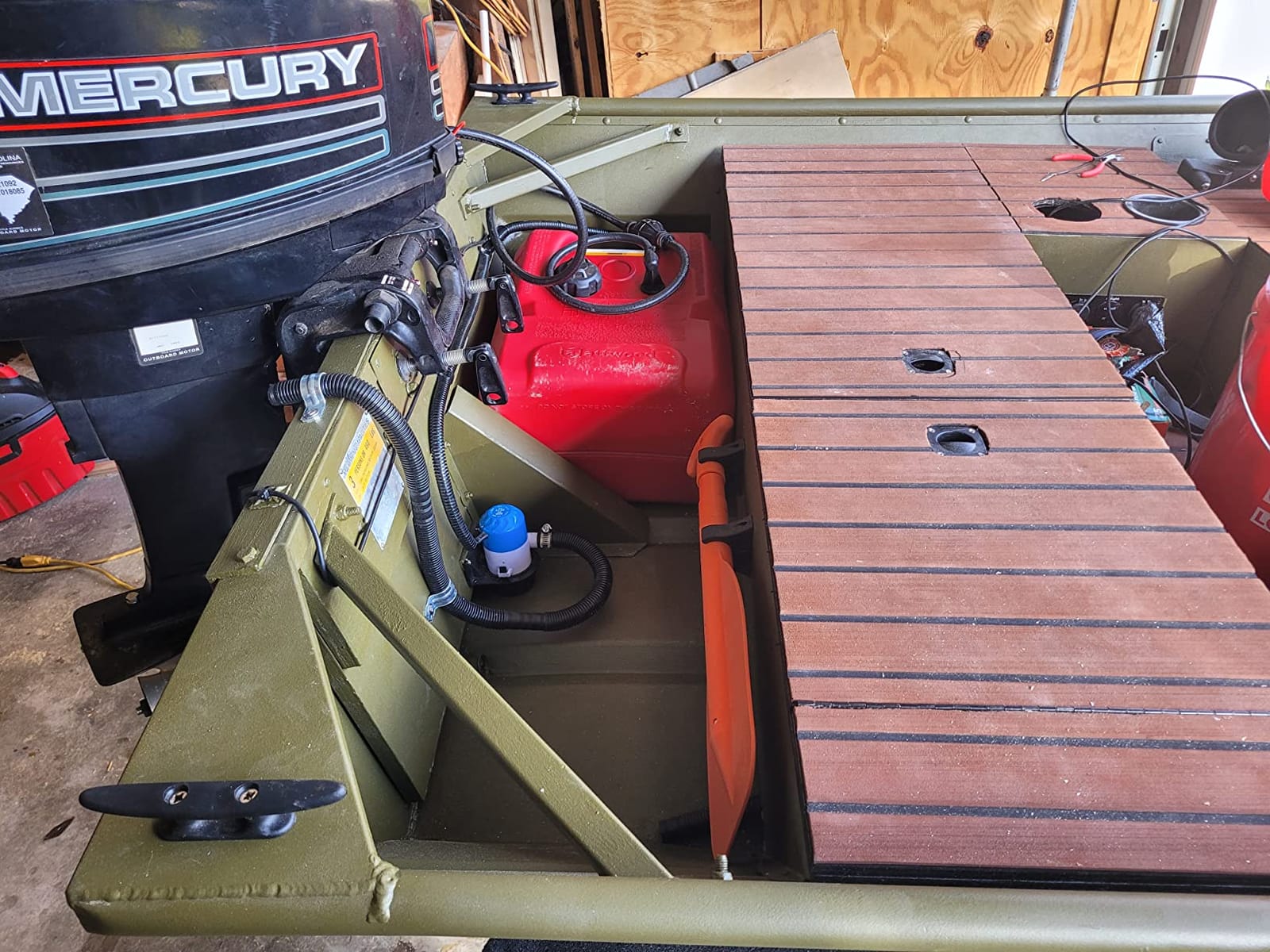
The Shoreline Marine pump is the simplest answer to the simplest question: what goes in a 14 foot skiff that sits on a trailer between weekends. It is an 800 GPH fully submersible unit with a self-contained automatic switch, weighing 12.8 ounces and drawing power gently enough that owners report no effect on a small battery bank.
The mounting base is universal and the crown lifts off, which means the pump can be dropped into an existing base or removed quickly for a strainer clean. That interchangeability is the feature that makes it popular with owners who already have one installed and want a spare that fits the same footprint.
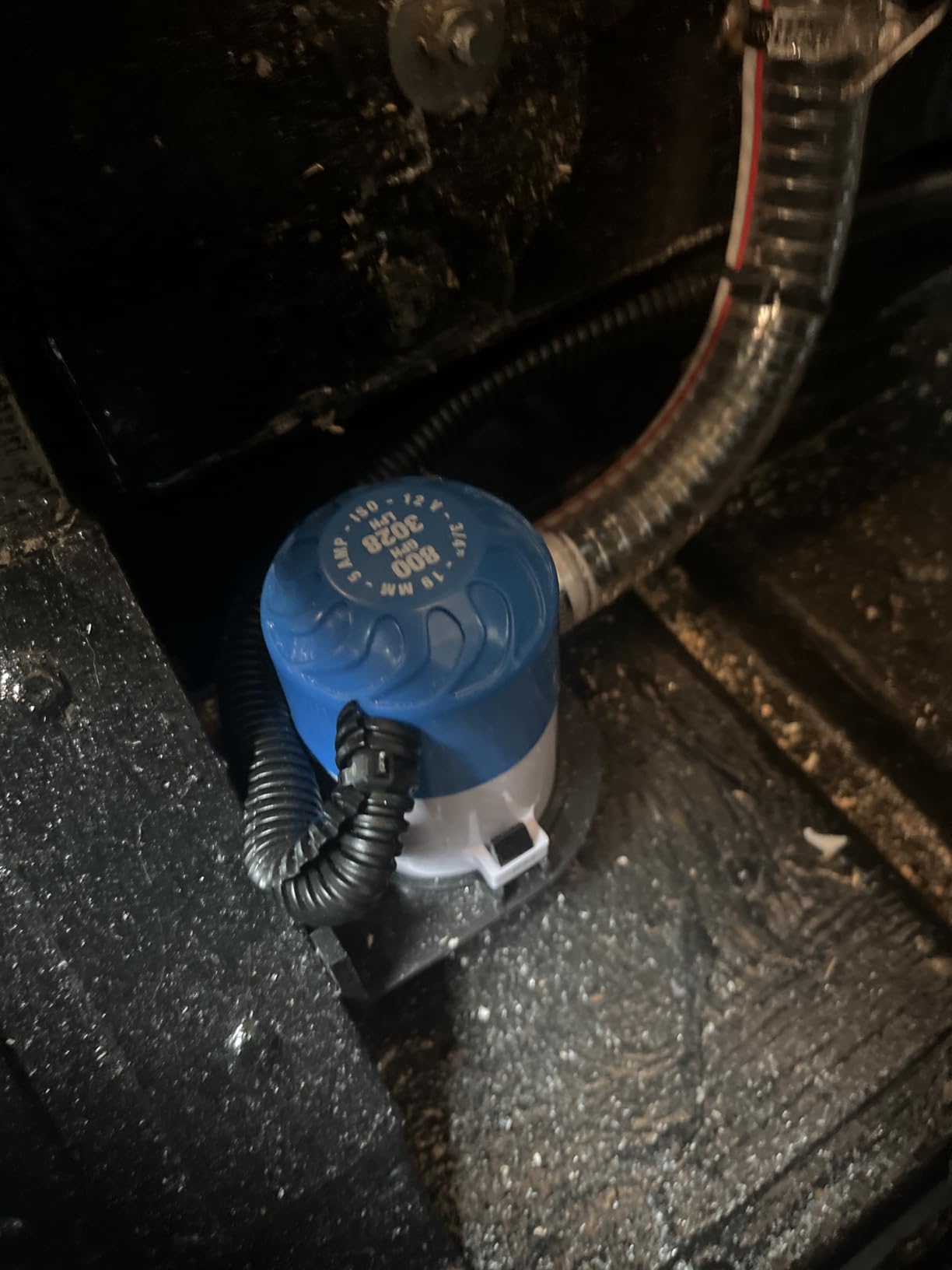
Materials are specified rather than generic. The impeller shaft is stainless steel, and the wiring is tinned marine grade, both of which resist the corrosion that ends cheaper pumps. The 3/4 inch outlet barb fits the common bilge hose and thru-hull fittings found on small boats.
At 4.5 stars from 933 ratings, 77 percent of ratings are five stars. Owners report service lives of roughly six to eight years in light duty, which would put a trailered boat on a five-year replacement cycle with this pump.
What makes it fit small boats
Size is the point. The body is tiny compared with the 1500 and 2000 GPH units, and that is what allows it into a skiff hull where there is no room for anything else. The low amperage draw also means it can sit on a small house bank without being the reason the battery dies overnight.
It is also a sensible second pump. A second unit at the forward end of a small boat, on the same float switch, gives you a second chance if the aft pump clogs with weed.
Where it falls short
The internal float switch sits high, and that is a genuine problem on very shallow craft where the water level may never reach the trigger. If your bilge is under a flat floor with little depth, this switch may never fire and you will end up operating it manually.
The switch height is not adjustable, and the side mounting bracket does not suit every hull shape, so check the mount before ordering. A smaller number of owners on heavier-duty boats report replacing the unit every couple of seasons, which is a fair reflection of using a light-duty pump in a demanding hull.
6. Rule 02 High-Performance 1500 GPH Bilge Pump: Most Versatile
- Very quiet operation even at full flow
- Owners report long service life including one pump lasting over two decades
- Exact drop-in replacement for earlier Rule 1500 GPH pumps
- 4.7 stars with 86 percent of ratings at five stars
- Easy to install if you have fitted Rule pumps before
- Non-automatic design requires a separate float switch and panel switch
- Outlet exits from the bottom so an elbow and short hose run are needed
- Only a 90-day warranty is listed
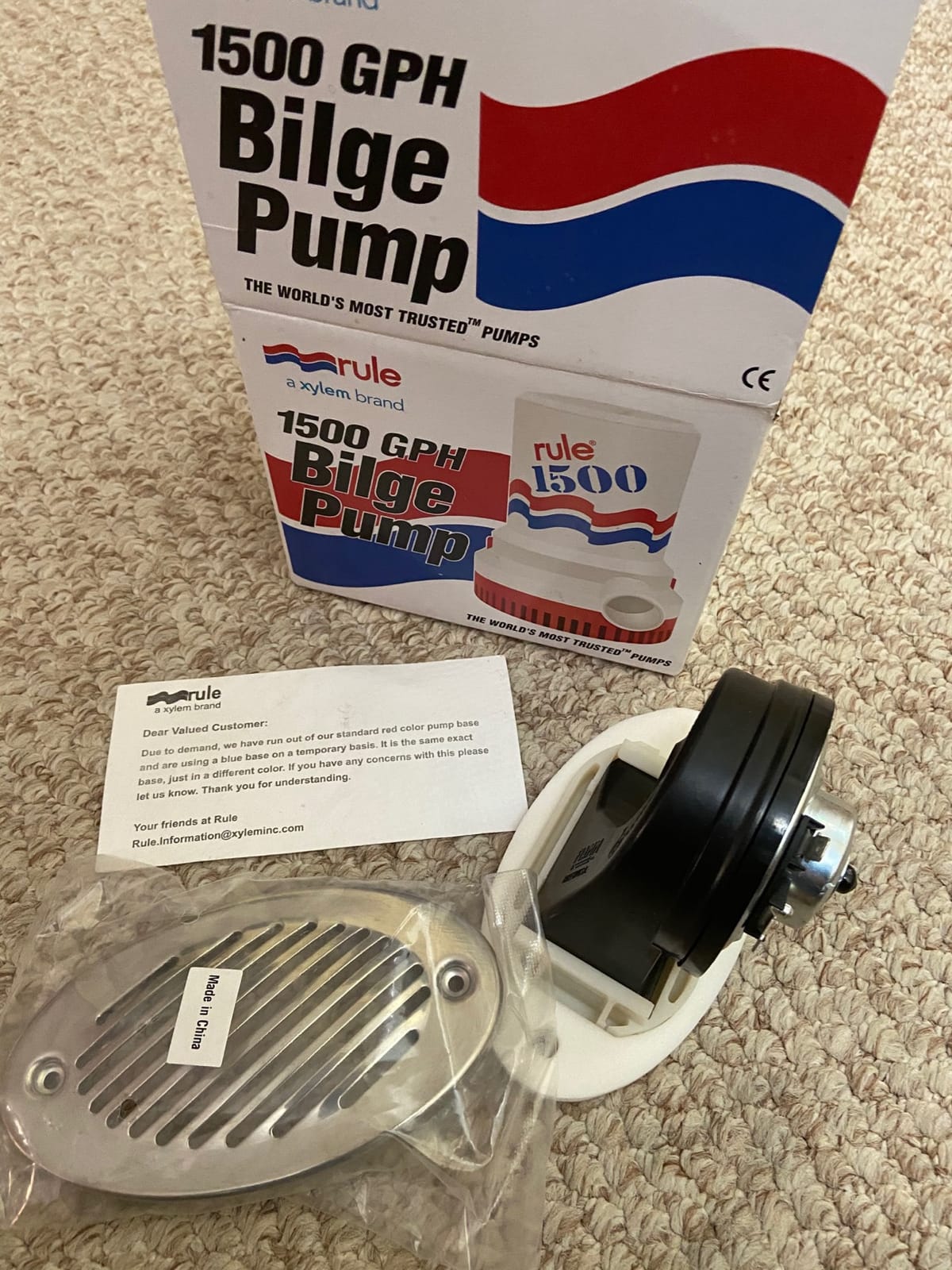
The Rule 02 is the highest-rated pump in this roundup at 4.7 stars, with 86 percent of its 837 ratings at five stars. It is a 1500 GPH non-automatic submersible unit rated at 5678 litres per hour, and it has been in production since 2001, which tells you something about how long owners expect to keep it.
That expectation is not unfounded. One owner reports running this pump on a cruising sailboat for over two decades. It is the kind of report that sounds implausible until you realise the part is a straightforward impeller pump with a replaceable service path rather than a sealed electronic assembly.
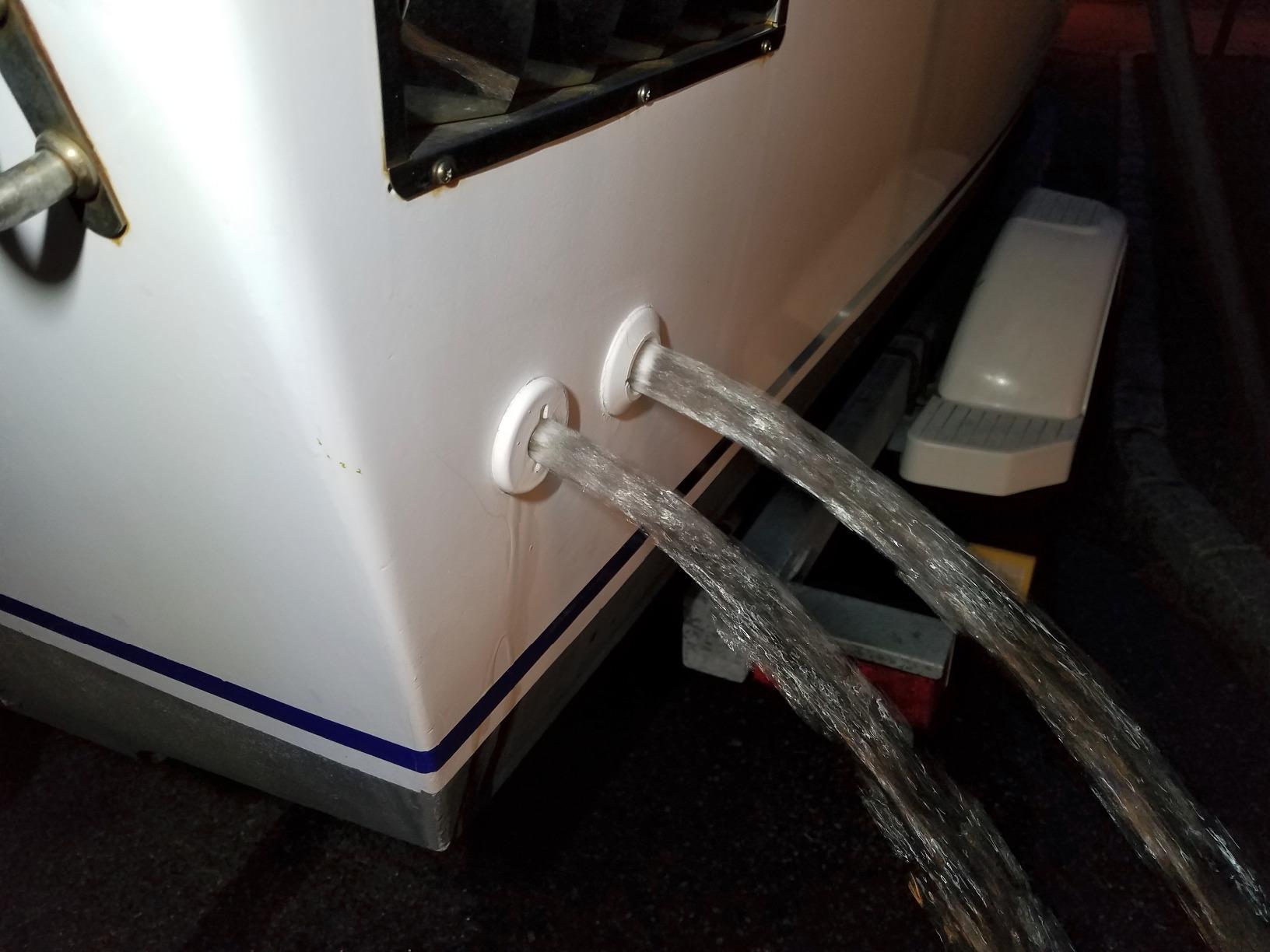
Noise is the other stand-out. Owners describe it as very quiet even at full flow, which is the reason it keeps appearing on boats with a cabin. The body is plastic and stainless steel, weighs 3.1 pounds, and measures 5.25 by 6 by 4.5 inches.
Because it is a direct drop-in replacement for earlier Rule 1500 GPH pumps, upgrading a boat that already carries a Rule 02-series unit is close to a ten-minute job. That is one of the strongest arguments for the brand that forum threads keep coming back to.
Why the non-automatic design is a feature
Being non-automatic means you choose how it runs. On a boat with a battery monitor and a switch panel, a manually triggered pump with your own float switch is often the more controllable arrangement, and it removes a component that can fail silently in the on position.
It also means the pump works at the dock, on the trailer, or on a hard over when you want it, regardless of switch condition. The cost is that you need a float switch and a panel switch, and a little more wiring.
Where it falls short
Nothing keeps itself running here, so if the boat is unattended at anchor you need a float switch or another automatic pump alongside it. The outlet exits from the bottom of the housing, so an elbow and a short hose run are normally part of the install.
The listed warranty is 90 days, which is a sharp contrast to the four-year cover on the SEAFLO and worth weighing if you are buying purely on paper rather than on reputation.
7. Rule 25DA 500 GPH Non-Automatic Bilge Pump: Best for Manual Control
Rule 25DA, Standard Bilge Pump, Non-Auto, Submersible,500 GPH, 12V
- Hidden air vents prevent an air lock during operation
- Built-in thermal cut-off protects against overheating
- Integrated check valves prevent backflow
- Threaded 3/4 inch ports make setup and maintenance straightforward
- Very low amperage draw suits small battery banks
- Non-automatic unit requires a separate float switch and panel switch
- 500 GPH is the smallest capacity here and suits only small craft
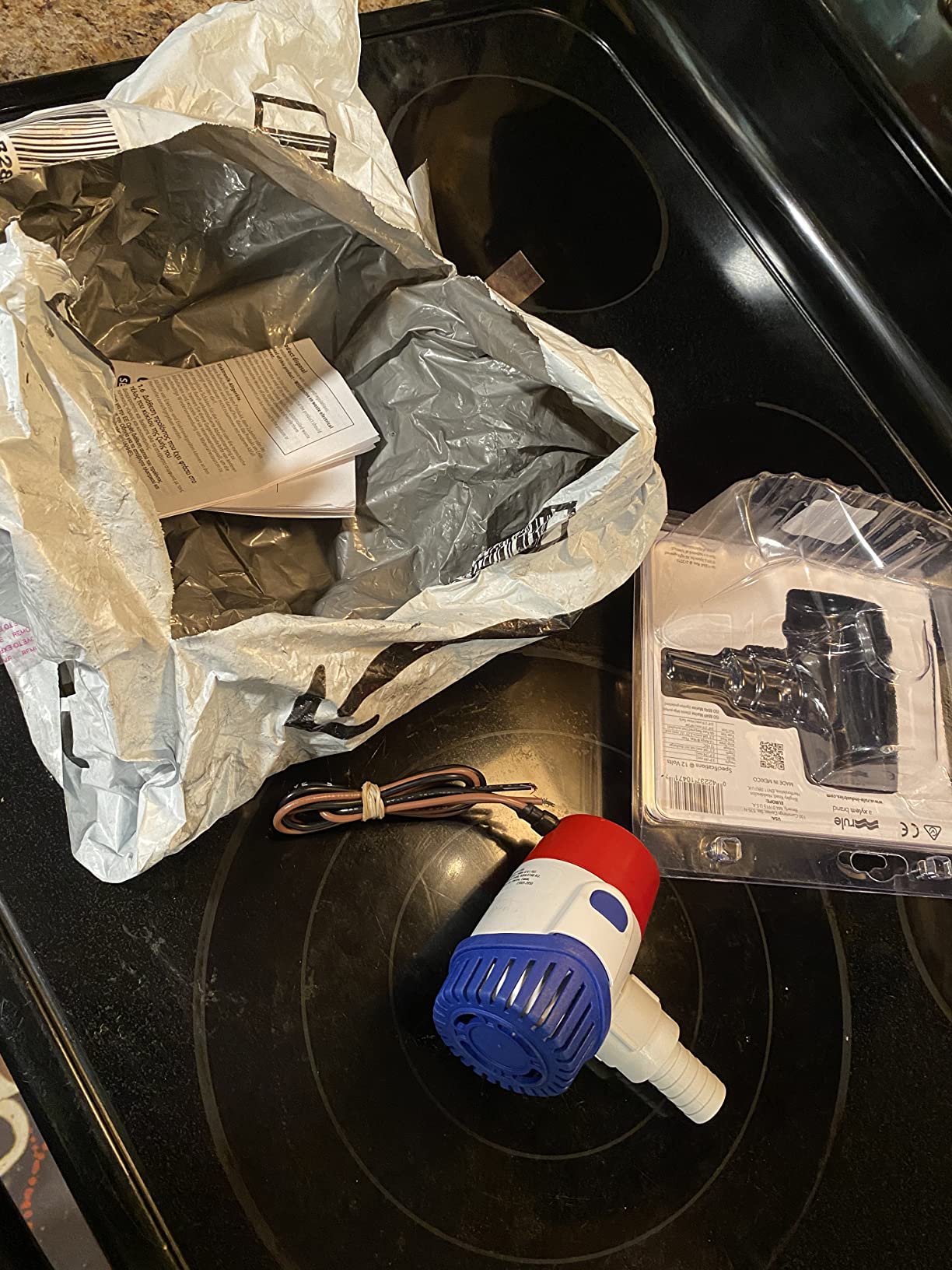
The Rule 25DA is the smallest and lightest pump in the roundup at 12.8 ounces, moving 500 GPH or 8.33 gallons per minute on 12V. It is a non-automatic manual pump, and the engineering detail that stands out is the set of protections built into a body this small.
Hidden air vents prevent an air lock, which is the failure that leaves a small pump spinning uselessly. A built-in thermal cut-off protects the motor if it ever runs dry, and integrated check valves stop the discharge line from dripping back into the bilge when the pump is off. On a pump this size, having all three as standard rather than as add-ons is unusual.
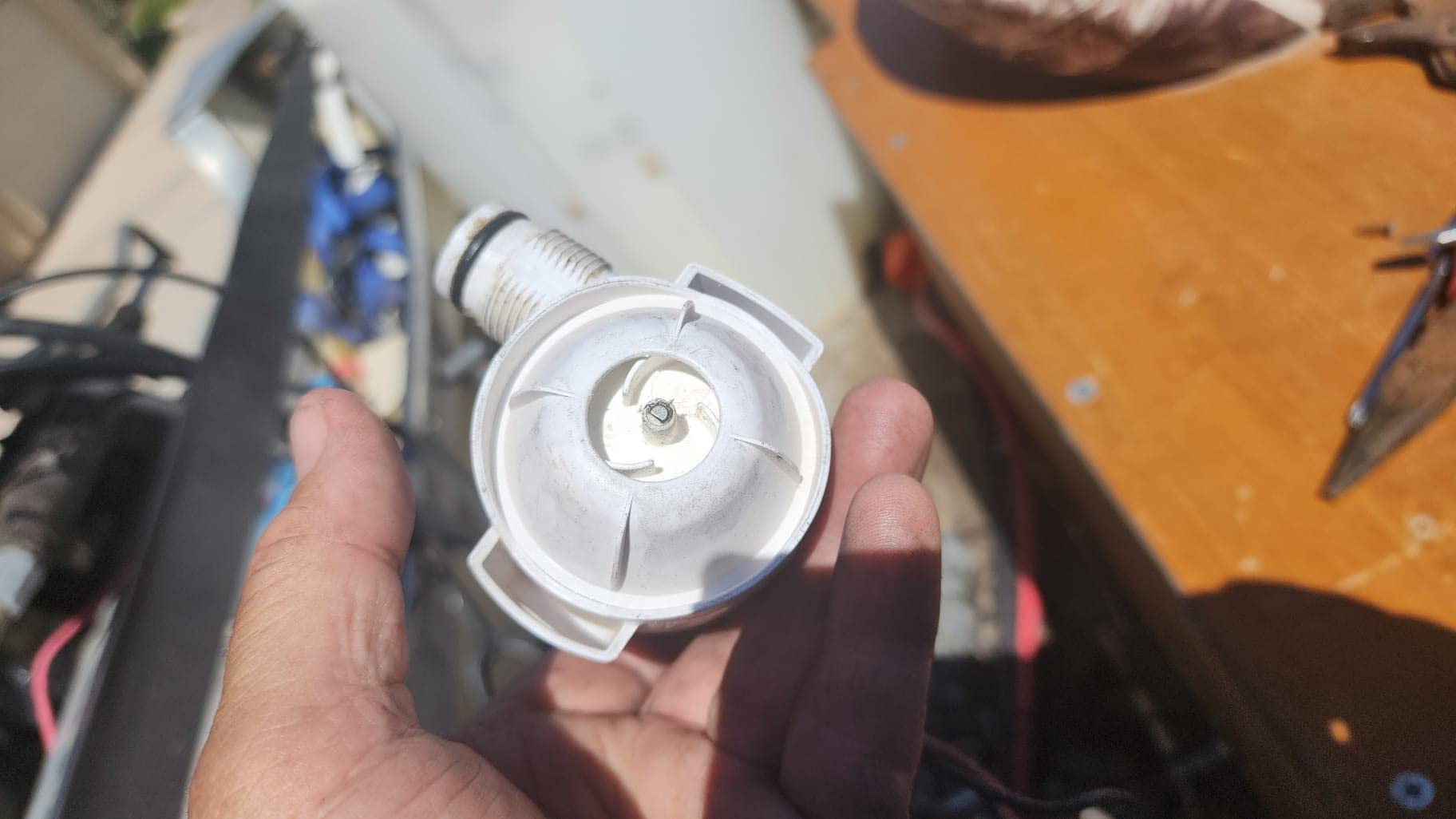
The threaded 3/4 inch discharge ports are threaded rather than a plain barb, which makes the hose connection repeatable and easy to break down for a strainer clean. Construction is stainless steel, and the low amperage draw means it can be run from a small battery bank without drama.
At 4.6 stars from 704 ratings with 79 percent at five stars, the feedback centres on reliability and on the fact that nothing breaks. It is a pump people fit and then forget about, which is the highest praise a bilge pump can earn.
When manual control is the right choice
Manual is right when you are on board and paying attention. It is right on a small open boat where you drain the bilge with a switch as you return to the dock, and it is right as a backup pump under a manual override, since a pump you can trigger on demand does not depend on a float switch being healthy.
It is also the natural choice for anyone who dislikes the idea of a switch latching on overnight. With no float switch fitted, there is nothing to stick.
Where it falls short
500 GPH is the smallest capacity here, and it is genuinely small. It suits dinghies, skiffs, and small centre consoles. It is not going to keep up with rain coming into a 30 foot cruiser’s bilge overnight, and fitting it there would be sizing to the wrong problem.
Because it is non-automatic, you will still want a float switch and a panel switch for a boat that is ever left unattended. On a completely manual boat, the pump is only as good as your habit of switching it on.
8. Rule 10-6UL 2000 GPH Heavy-Duty Bilge Pump: Best for Heavy Duty
Rule 10-6UL, 2000 GPH Bilge Pump 12V, Submersible, 1-1/8″ Discharge
- Highest-rated heavy capacity option with genuinely heavy flow
- Silent vibration-free running
- Anti-airlock and ignition-protected design
- 6 ft leads suit deep-bilge sailboat installations
- Continues pumping through minor debris
- Physically large so bilge and float switch space must be checked
- Non-automatic and needs a separate float switch and panel switch
- Wiring instructions can differ from the float switch documentation
The Rule 10-6UL is the heavy-duty answer in this roundup, moving 2000 GPH or 33.33 gallons per minute at 12V through a 1-1/8 inch discharge. It carries a 4.7-star rating from 205 ratings, with 85 percent of those at five stars, which makes it the second highest-rated pump here on a smaller review base.
Two details make it practical on a real boat. The six-foot leads reach into a deep bilge keel without needing an extension, and the snap-lock strainer comes apart for cleaning without disturbing the hose run. Owners also report that it keeps moving water through minor debris, which matters in a boat that sits under a tree or in a marina with floating vegetation.
Anti-airlock protection and ignition-protected construction are both fitted, and it runs silently and without vibration at full flow. The body is 3.2 pounds and measures 7 by 6 by 4 inches, with corrosion-resistant construction and marine-grade wiring.
This is a non-automatic unit, so it needs a float switch or sensor plus a panel switch. Manufacturers honoured the warranty in the field when issues have come up, which is worth noting given the shorter paper warranty some pumps in this category carry.
When you need this capacity
A 2000 GPH pump is justified when the bilge is genuinely large, when the boat sits at a mooring through rain, or when it is offshore where you cannot call for help. It is also a sensible primary pump for a 30 foot and above boat with a second smaller pump as backup, which is the arrangement long-term owners describe on thehulltruth.
The 1-1/8 inch discharge matches the larger hose sizes used on boats of that size, so you will not be restricted to 3/4 inch bilge hose.
Where it falls short
Size is the main constraint. At 7 by 6 by 4 inches it needs real bilge space, and you need room for a float switch alongside it. Measure before you order, because the buyers who report sizing regret are almost always the ones who did not.
There are also occasional early failures reported, and the review base is small at 205 ratings, so the sample is narrower than the budget pumps above it. It is a considered purchase for a boat that needs the capacity, not a first bilge pump for a small craft.
9. Johnson Pump 22004 2200 GPH Bilge Pump: Highest Flow Capacity
- Highest flow rating in the roundup at 2200 GPH
- Quiet high-volume pumping with low power draw around 7 amp hours
- Sturdy solidly built pump that handles heavy water volumes
- Manufacturer provided a free replacement when corrosion was diagnosed
- Useful beyond bilges such as sluice box recirculation
- Lowest average rating here at 4.0 with 16 percent one-star reviews
- Multiple owners report internal failure after roughly one to two seasons
- Susceptible to corrosion if seawater is left in the pump
- Heaviest unit at 5.3 lb and awkward in tightly packed sterns
The Johnson Pump 22004 has the highest flow rating in this roundup at 2200 GPH, and the manufacturer states five years of spare part availability, which is longer than any other brand here commits to on paper. It is a heavy-duty 12V unit with universal fit mounting and an impeller tested and optimised for flow and head.
Owners consistently describe the pumping itself as excellent. Reports of quiet, high-volume pumping with a draw around 7 amp hours, and of a pump that is solidly built and handles heavy water volumes, put the hardware in the same class as the Rule 2000. The manufacturer has also provided free replacements where corrosion was diagnosed, which shows the support path is real.
It is worth noting the pump is sold as an OEM-style replacement for several cruiser manufacturers, and owners have used it beyond bilge duty for sluice box recirculation. That versatility is a genuine plus for anyone running a liveaboard.
What to weigh before choosing it
The rating tells the story. At 4.0 stars from 136 ratings, this is the lowest-scoring pump in the roundup, with 16 percent of reviews at one star. A larger number of owners report internal failure after roughly one to two seasons, which is a shorter life than the 500 and 800 GPH budget units in the same list.
Corrosion is the recurring theme. Seawater left inside the pump after use attacks the internal components, so freshwater flushing after every trip in salt water is not optional with this model. Budget a few minutes at the dock and it becomes a non-issue; ignore it and you will be replacing the pump.
Where it falls short
At 5.3 pounds it is the heaviest unit here, and reaching one in a tightly packed stern is genuinely awkward. Many owners also note that the bracket design effectively locks them into replacing the same model, so plan for the long term rather than assuming a generic substitute will fit.
Given the mixed satisfaction scores, we would choose this pump for maximum flow on a boat that genuinely needs it and where freshwater flushing is part of the routine, not as a general-purpose replacement.
What Size Bilge Pump Do You Need?
Size by boat length first, then adjust for how much water the hull actually collects. The working rule is to match total flow capacity to the volume of water that can accumulate before the boat is in trouble, and to assume the worst case is rain entering an open cockpit while the boat is moored or a heeling boat taking water over the deck edge.
For most boats, a single pump rated between 1000 and 2000 GPH handles routine bilge management. Small craft under 16 feet often run fine on 500 to 800 GPH. Boats over 30 feet, and any boat that sits unattended at a mooring, want 1500 GPH or more as a primary pump, with a second unit as backup.
Here is the mapping we use when sizing a replacement:
Boats up to 14 feet: 500 to 800 GPH covers a dinghy, a skiff, or a small centre console that is trailered and drained after each trip. The Shoreline Marine 800 GPH and Rule 25DA 500 GPH sit comfortably here.
Boats from 16 to 20 feet: 800 to 1100 GPH. This is the band where the MAXZONE 1100 GPH and most integrated-switch automatic pumps sit, and it is where most weekend cruisers belong.
Boats from 22 to 28 feet: 1500 GPH. A deeper bilge collects more, and rain loading while moored scales quickly with cockpit area. The creatorele 1500 GPH kit and the Rule 02 1500 GPH are sized for this range.
Boats from 30 feet and up, or narrowboats and canal boats with long, low bilges: 2000 to 2200 GPH. This is the heavy-duty band where the Rule 10-6UL and Johnson 22004 make sense, usually as a primary plus a smaller backup.
Two adjustments matter more than boat length. A catamaran has two hulls and therefore two bilges, and each one needs its own pump, because a single switch in one hull cannot clear the other. A boat that lives on a mooring should be sized for continuous rain loading rather than for a manual hose-down after a rain shower.
Automatic vs Non-Automatic Bilge Pumps
Choose automatic if the boat is ever unattended while afloat, and non-automatic if you are always on board. An automatic pump with an integrated float switch starts without anyone noticing water, which is the only thing standing between a slow leak and a swamped boat at anchor. A manual pump costs less, draws less idle current, and depends entirely on your habit of turning it on.
Automatic units carry a risk of their own. A float switch that latches in the on position drains a battery overnight without removing any water, and that failure is well documented across owner reviews of the integrated switches. Several pumps here carry that as a listed con, and the Dontmiss in particular is sensitive to mounting angle.
Non-automatic pumps trade that failure for a different one. Nothing happens unless you act, so the risk is human rather than electrical. The Rule 02 and the Rule 10-6UL in this roundup are both non-automatic and both rated at 4.7 stars, with long service records attached to them.
There is a third option worth naming, and it is the arrangement long-term owners describe on thehulltruth: two pumps on separate float switches. One automatic, one manual, so the manual one can be triggered on demand if the automatic side fails. It is redundancy rather than a feature, and we cover it next.
Common Bilge Pump Failure Modes and Troubleshooting
Clogs, switch failures, and plumbing leaks account for most of the problems reported in owner discussions, and all three are diagnosable at the dock with basic tools. A pump that is silent while water rises is almost always an electrical problem. A pump that runs constantly with no water present is almost always a switch or leak problem.
Leaves and weed are the classic clog. On the r/boating subreddit, a failed pump found clogged with leaves is described as an easy routine fix rather than a design flaw, and that is the right framing. Any pump with a snap-off or snap-lock strainer turns this from a job into a five-minute one, which is why strainer design appears in the specification lists here.
A loose hose clamp is the first suspect when a bilge keeps filling. Reddit r/Sailboats discussion identifies a loose clamp as a leading cause, and it is worth remembering that the bilge pump may be working perfectly while water enters from a weeping deck seal or a loose hose clamp somewhere else entirely. Fill the bilge with a hose and watch where it comes from before condemning the pump.
A pump that runs continuously with the bilge empty points at a stuck float switch or a failed check valve. Disconnect the switch at the pump and run the pump manually. If it shuts down correctly when you switch it off, the pump is fine and the switch is the problem.
Freeze damage is the fourth mode and the easiest to prevent. Any pump left in a bilge in a boat stored where the bilge can freeze will be destroyed, and the impeller is the part that fails first. Draining the pump before lay-up costs nothing and prevents a certain replacement.
Bilge Pump Redundancy and a Testing Routine
Run two pumps if the boat is ever left alone on the water. The consensus on thehulltruth forum is blunt about this: a single bilge pump will fail, and that is simply Murphy’s Law. Owners there describe being happy with Rule pumps specifically because they test all three of them regularly, which is the behaviour that makes redundancy worth having.
Two pumps on separate float switches in different parts of the bilge is the arrangement that works. Separate switches matter, because a shared switch is a shared failure point and defeats the purpose. Owners running multiple Rule pumps on independent switches is a well-established pattern in these threads.
The testing routine is short. Once a month, pour a few gallons of water into the bilge and confirm the pump starts, runs, and shuts off. Before every departure, do the same test while you are aboard rather than trusting a pump you have not run in six months. It takes two minutes and it is the difference between finding out about a failed pump at the dock and finding out at anchor.
Do the same for the manual backup. A backup you have never switched on is a hope, not a plan.
Bilge Pump Maintenance and Winterization Checklist
Winterisation for a bilge pump is a short list, and skipping it is the main reason pumps stored over winter fail on the first cruise of the year. Draining the pump body is the single most important step, because a frozen impeller or a split housing cannot be repaired.
Start by removing the pump from the bilge or by pumping it dry, then flush it with fresh water if it has seen salt water. The Johnson 22004 in particular needs this after every trip in the brine, and the corrosion reports on that model are the direct consequence of skipping it.
Clean the strainer while the pump is out, and check the hose clamps while you are there. A clamp check takes a minute and catches the single most common cause of a bilge that will not stay empty. Then leave the pump disconnected and stored dry until spring.
Through the season, keep an eye on the battery. A bilge pump that has cycled a lot over a season will show a weak battery bank as an early warning, and a weak bank means the pump is the component that fails first when you actually need it.
Frequently Asked Questions
Who makes the most reliable bilge pumps?
Rule and Johnson are the two most-endorsed brands in owner discussions. Rule appears most often for long service life, near-silent running, and drop-in replaceability, while Johnson is favoured for cartridge serviceability and multi-year spare part availability. Both are trusted partly because a failure can be diagnosed and fixed rather than requiring a whole new system.
What is the average life expectancy of a bilge pump?
It depends far more on duty cycle, water quality, and maintenance than on brand. Owners in this roundup report service lives ranging from around two years on a heavily cycling budget pump to over two decades on a serviced Rule unit. The variable that predicts failure is not time but neglect: pumps that are tested monthly and flushed with fresh water last longest.
What are the top 3 boat bilge pumps?
For most boats the top three picks here are the MAXZONE 1100 GPH automatic pump for the strongest all-round package, the creatorele 1500 GPH kit for quiet high-capacity pumping with the float switch included, and the Rule 02 1500 GPH for the highest rating and best long-term durability record. A small boat on a budget is better served by the SEAFLO 06 Series.
What is the recommended bilge pump size for my boat?
Boats under 16 feet usually run well on 500 to 800 GPH, boats from 16 to 20 feet want 800 to 1100 GPH, boats from 22 to 28 feet want 1500 GPH, and boats of 30 feet and above want 2000 GPH or more as a primary pump. Catamarans need one pump per hull, and boats that sit on a mooring should be sized for continuous rain loading.
Do I need an automatic bilge pump or is manual better?
Automatic is the right choice if the boat is ever unattended while afloat, because a float switch starts the pump without anyone noticing the water. Manual is cheaper, draws no idle current, and is better if you are always on board and pay attention. A floating switch that latches in the on position can drain a battery overnight, so test the switch regularly either way.
Why is my bilge pump running constantly?
A pump that runs with the bilge empty usually has a float switch stuck in the on position or a failed check valve holding the discharge open. A bilge that keeps filling usually means a loose hose clamp, a weeping deck seal, or a slow leak somewhere other than the pump itself. Disconnect the switch and run the pump manually to isolate which of the two you have.
Can I run two bilge pumps at the same time?
Yes, and it is the recommended arrangement for boats left alone. Run one automatic pump on one float switch and a manual pump with a panel switch, ideally in different parts of the bilge. Use separate float switches, because a shared switch is a single point of failure and defeats the purpose of having a backup.
Conclusion: The Best Boat Bilge Pumps Verdict
The MAXZONE 1100 GPH automatic pump is the pick we would make for most boats. It combines 1100 GPH of flow with a built-in float switch, holds 4.5 stars across more than 4000 ratings, and removes a switch, a wire run, and a leak point from the install. For a boat between roughly 16 and 24 feet that is ever left afloat, that is the right balance of capacity and simplicity.
The creatorele 1500 GPH kit takes the recommendation for larger boats and anyone who cares about noise, and the Rule 02 1500 GPH is the durability answer, carrying the highest rating in this roundup and the longest reported service life. Below 16 feet the SEAFLO 06 Series or the Shoreline Marine 800 GPH will do everything you need, and the four-year warranty on the SEAFLO is worth having.
Whatever you fit, test it every month and run a second pump on a separate switch if the boat sleeps on the water alone. Our picks for the [best boat fenders](https://www.dognotebook.com/best-boat-fenders/) and [best boat seats](https://www.dognotebook.com/best-boat-seats/) cover the rest of the outfitting, and the sizing table above is the part to read twice before you order.