
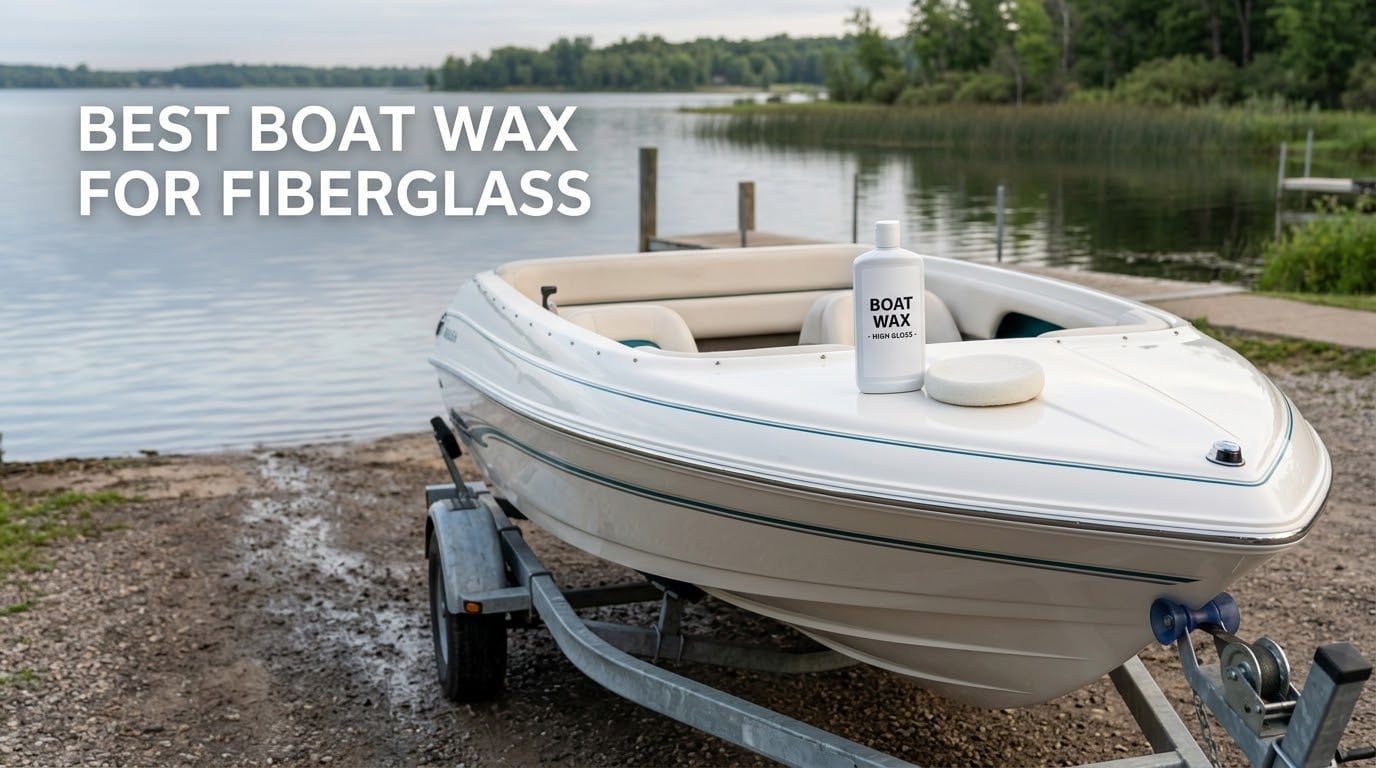
The best boat wax for fiberglass is the one that matches how faded your hull actually is. Meguiar’s Flagship Premium Marine Wax (M63) is our overall pick because it protects, adds gloss and knocks out light oxidation in one pass, and it has the deepest review base of anything in this roundup. If your gelcoat is chalky, a one-step cleaner wax such as the Meguiar’s M50 or Star Brite One Step will do more for you than a hard wax will.
Fiberglass boats are not shiny because of the glass. What you see is gelcoat, a pigmented polyester or epoxy layer sprayed over the hull, and it is porous by design. UV light oxidises that surface, it chalks, and it holds onto salt, exhaust stain and dock scum. Wax seals it in a thin hydrophobic layer so water beads and rolls off instead of soaking in, which slows the whole dulling process.
We compared 10 marine waxes and cleaners across the three big brands in this category, Meguiar’s, Star Brite and Collinite, plus 303 and 3M. We looked at how each one handles oxidation, how the finish actually looks after one coat, how much buffing effort it takes, and how much protection you can expect per coat. Below is the full list with the honest limitations each one carries.
While the boat is out for the season, it is also worth checking the hardware that takes the abuse, starting with your fenders and your seating, before you spend a weekend on the gelcoat.
Table of Contents
Top 3 Picks for Boat Wax for Fiberglass (October 2026)

Meguiar’s Flagship M63
- Deep gloss on gelcoat
- Light oxidation and swirl removal
- Hand or DA polisher use
- UV protection

Collinite 925
- 4-7 months of protection
- Salt and mineral resistance
- Spreads fast with minimal buffing
- One bottle covers five 20 foot boats
Star Brite Marine Polish
- Wash apply haze wipe off
- UV inhibitors against fading
- Works on fiberglass and plexi
- Second coat within 30 days
The M63 takes the top slot on strength of rating and volume of owner feedback. Collinite 925 earns the best value slot on its stated 4 to 7 month protection window and its wide coverage, and Star Brite Premium Marine Polish takes the budget pick because owners across boating forums consistently single it out for being the simplest to apply and remove.
Quick Comparison of All 10 Waxes
| Product | Specifications | Action |
|---|---|---|
| Meguiar’s Flagship Premium Marine Wax 32oz |
|
Check Latest Price |
 Meguiar’s M50 One-Step Cleaner Wax 32oz Meguiar’s M50 One-Step Cleaner Wax 32oz |
|
Check Latest Price |
 Meguiar’s M56 Pure Wax 16oz Meguiar’s M56 Pure Wax 16oz |
|
Check Latest Price |
 Star Brite Premium Restorer Wax 16oz Star Brite Premium Restorer Wax 16oz |
|
Check Latest Price |
 3M Perfect-It Boat Wax 1 Quart 3M Perfect-It Boat Wax 1 Quart |
|
Check Latest Price |
 Star Brite One Step Cleaner Wax 16oz Star Brite One Step Cleaner Wax 16oz |
|
Check Latest Price |
 Collinite 885 Fleetwax 12oz Collinite 885 Fleetwax 12oz |
|
Check Latest Price |
| Collinite 925 Fiberglass Wax 16oz |
|
Check Latest Price |
 303 Marine Quick Wax 32oz Aerosol 303 Marine Quick Wax 32oz Aerosol |
|
Check Latest Price |
| Star Brite Premium Marine Polish 16oz |
|
Check Latest Price |
How We Picked and What We Looked For
Every product here is a real marine formula sold for gelcoat, not a car wax with a boat label on it. We weighted five things: how much oxidation the product can actually remove, the gloss after a single coat, the effort to buff off, how long the protection lasts, and whether it leaves any dye behind on white gelcoat.
That last point matters more than most guides admit. Some cheap coloured waxes tint white hulls green or brown and the stain is genuinely hard to shift. Everything in this list is a clear or neutral marine formula.
Coverage planning helps too. BoatingLAB’s test notes put a 21-foot boat at roughly 8 to 10 ounces for one full coat, which is a useful yardstick when you are sizing up a container.
1. Meguiar’s Flagship Premium Marine Wax M63: Best Overall Gloss and UV Protection
- Easy to apply by hand or with a dual action polisher
- Long-lasting polymer protection and deep gloss on fiberglass and gelcoat
- Works as a mild swirl fine scratch and light oxidation remover
- Enriches colour and reveals the richness of the surface
- A polish step is still needed for heavily oxidized hulls
- Careful buffing needed to avoid hazing
The M63 has been on shelves since 2001 and it still sets the standard for what a maintenance wax should do. It is a polymer protection wax with just enough cutting action to tidy up light defects while it works.
On a hull that has been kept clean with a decent wash schedule, one coat brings the depth straight back and water starts beading along the topsides. It is the wax we reach for when a boat needs to look good without a full compound stage.
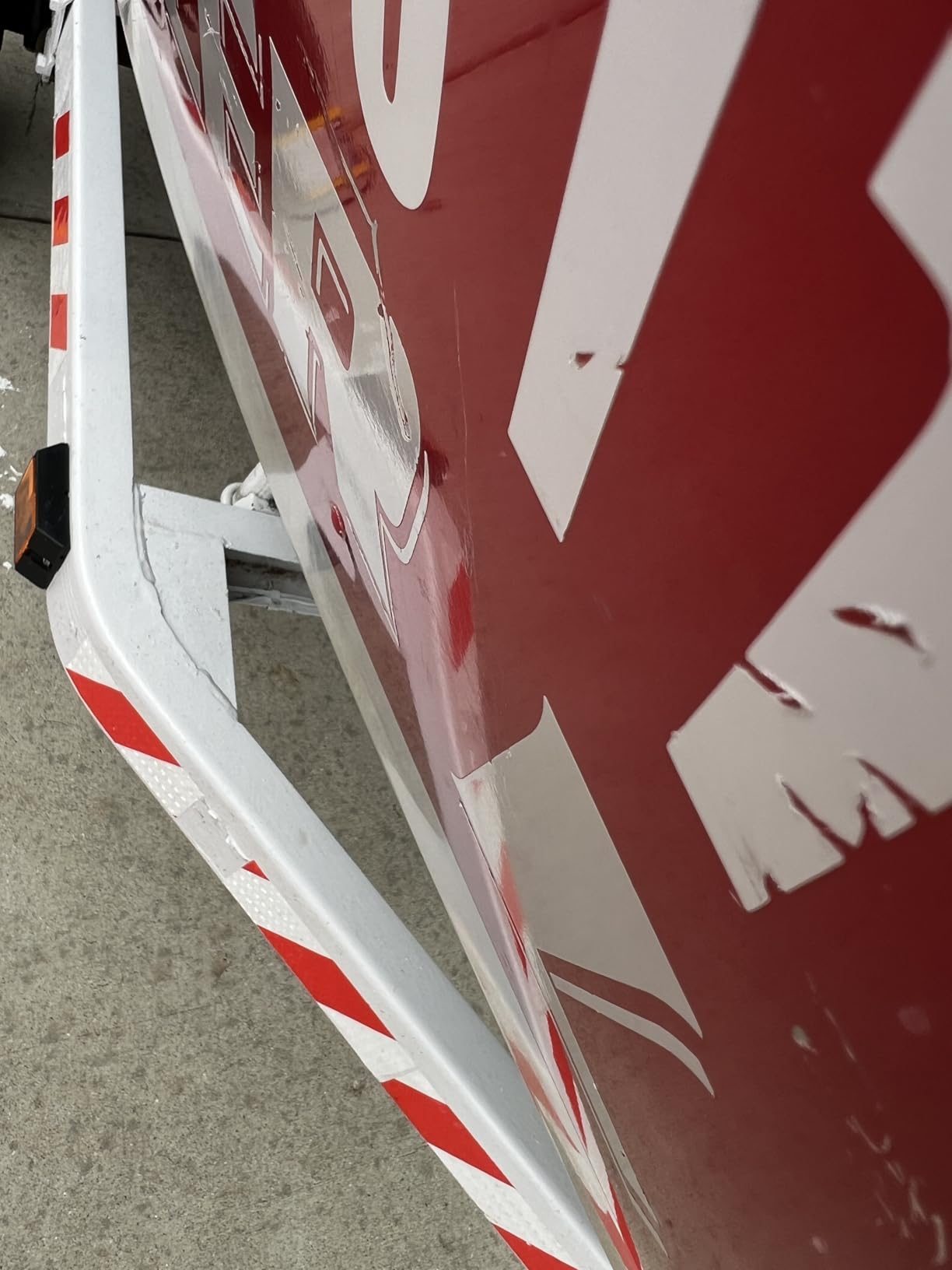
The UV protection is the real draw. Gelcoat fails from the sun side first, and owners who use this seasonally report the fading slows noticeably over a couple of years of consistent application.
It works equally well by hand or on a dual action polisher, and the 32 ounce bottle is the practical size for a boat in the 18 to 24 foot range with a bit of margin for a second coat.
Owners on r/boating describe it honestly as good but not spectacular, something closer to ok, looked good but was not blown away. That is fair. It is a maintainer, not a miracle worker for a hull that has sat in the sun for a decade.
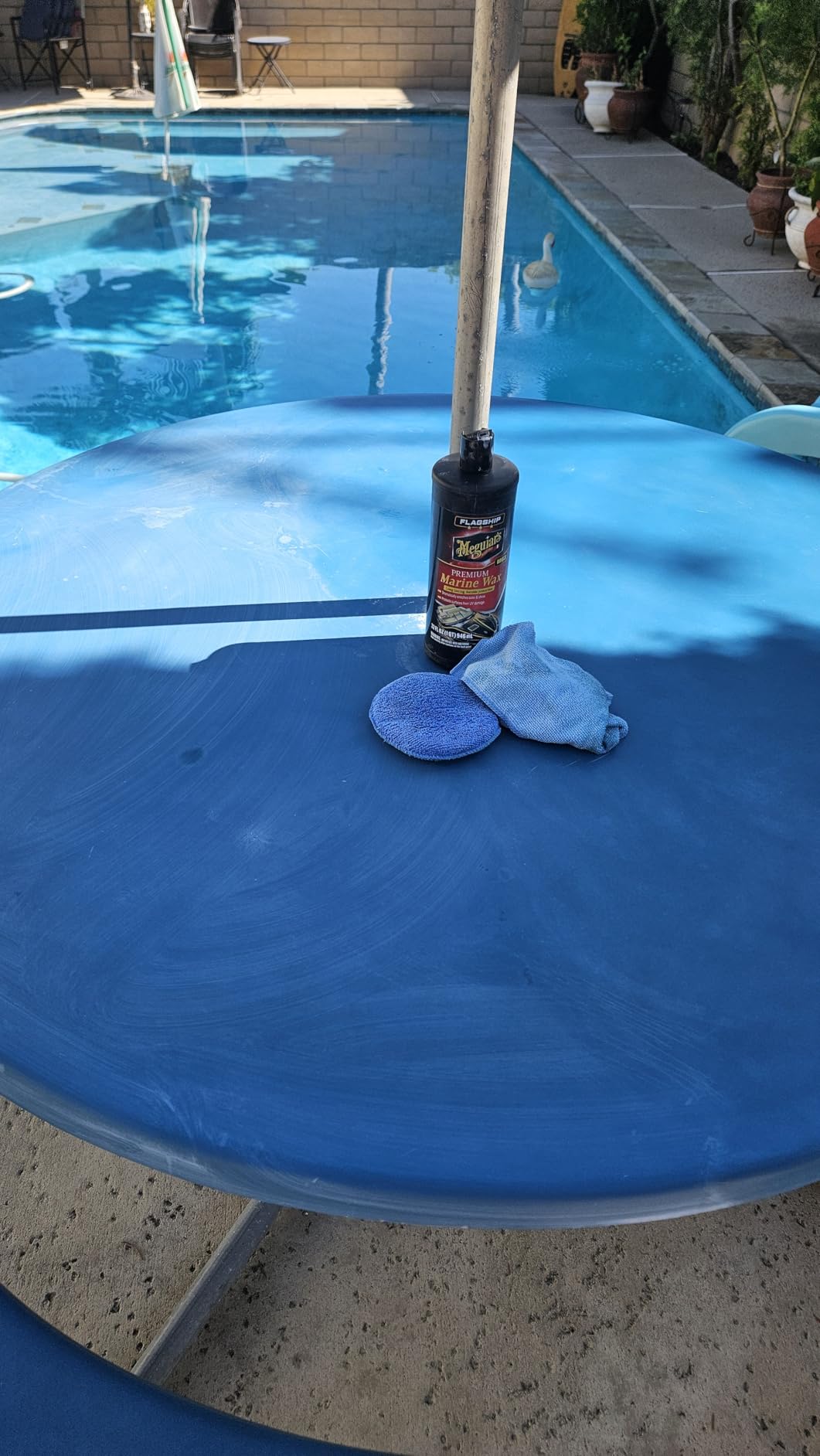
Who it suits
This is the right pick for the majority of fiberglass boats. It works on a hull that is reasonably maintained, and it handles the light haze and swirl marks that appear between full corrections. Pair it with a Meguiar’s M45 polishing compound when the hull needs more than a clean before you wax.
What to watch for
It will not save a heavily chalked hull on its own. If the gelcoat feels rough to the touch or has visible white chalking, start with a compound or an oxidation remover, otherwise you are waxing over dirt and grinding it into the finish.
2. Meguiar’s M50 One-Step Cleaner Wax: Best for Maintenance Without a Separate Polish
- Single-step clean and protect simplifies gelcoat maintenance
- Removes light oxidation haze minor scratches and swirls
- Non-abrasive cleaners and polishing oils restore colour and brilliance
- Works by hand or with a DA polisher or rotary buffer
- Not a strong cutter for heavy oxidation
- Can haze if not fully buffed off
The M50 is the product we recommend to owners who want one bottle to do the whole spring job. It cleans, it polishes lightly and it leaves a wax layer in a single pass.
The non-abrasive cleaners in the formula lift light oxidation and haze, and the polishing oils bring colour back into older gelcoat. On a boat stored under a cover or a pontoon that lives in a freshwater lake, it keeps the finish in good shape with a couple of applications a year.
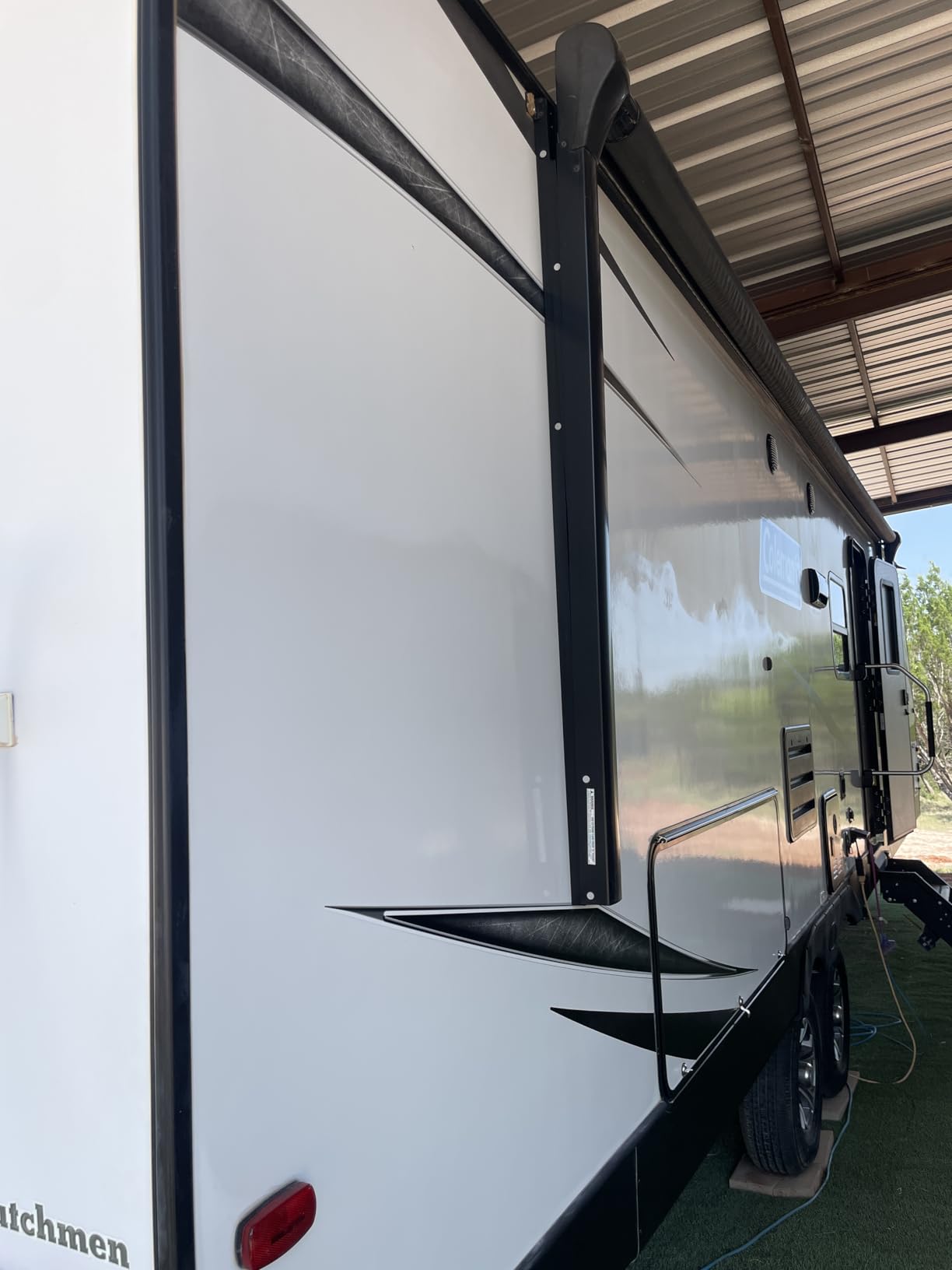
It is also the safest choice for a first-time boat owner, because there is very little that can go wrong. Apply a thin coat, let it haze and wipe or buff it off. No rotary buffer experience needed.
The formula is safe on gelcoat, and reviewers note it stands up well to salt air and UV exposure on boats that live near the coast.
Size is flexible here. The 32 ounce bottle suits most hulls, while 16 ounce and 128 ounce options cover either a small runabout or a larger boat where you want to do the whole thing in one session.
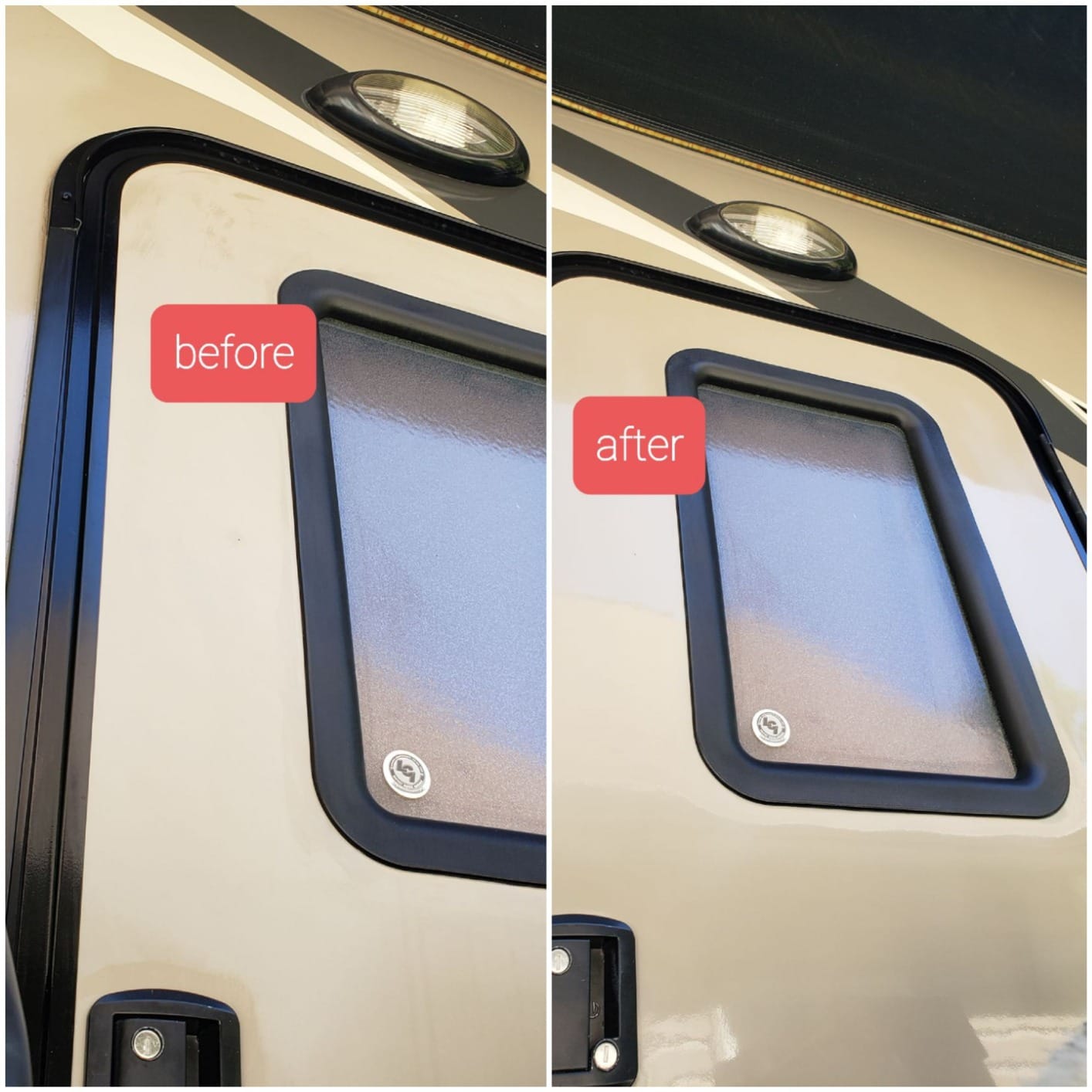
Who it suits
Anyone doing annual maintenance on a lightly oxidized hull, and anyone who wants one product instead of three. It is also a good second step after a compound if you want protection without running a full polish stage.
What to watch for
The heavy duty label is not there, because this is not a heavy duty cutter. On a hull with real chalking you will spend longer than you want to, and if you leave it too long before buffing it can haze the surface.
3. Meguiar’s M56 Pure Wax: Best for Dark Colours and Deep Gloss
- Carnauba blended with polymers and resins for durable protection
- Excellent UV barrier against fading and discoloration
- Safe on all fiberglass gelcoat and painted marine surfaces
- Exceptional depth on dark colors and clear-coated metal flake
- No cleaning or abrasive action so it cannot remove oxidation
- Protection needs regular reapplication
The M56 is a pure protection wax with no corrective ability at all, and that is exactly why it works so well on dark hulls. Brazilian carnauba gives it a warm depth that shows up most on black, navy and metallic paint schemes.
If your boat is stored indoors or under a canopy and the gelcoat is already in good shape, this is a wax you can apply without any prep beyond a wash and a dry.

Its UV barrier is a genuine selling point on a hull that sits in full sun. Reviewers consistently point to the protection against fading and discoloration rather than any shine off a neglected surface.
Application is flexible, hand pad or dual action polisher, and reviewers describe it as easy to spread and straightforward to remove.
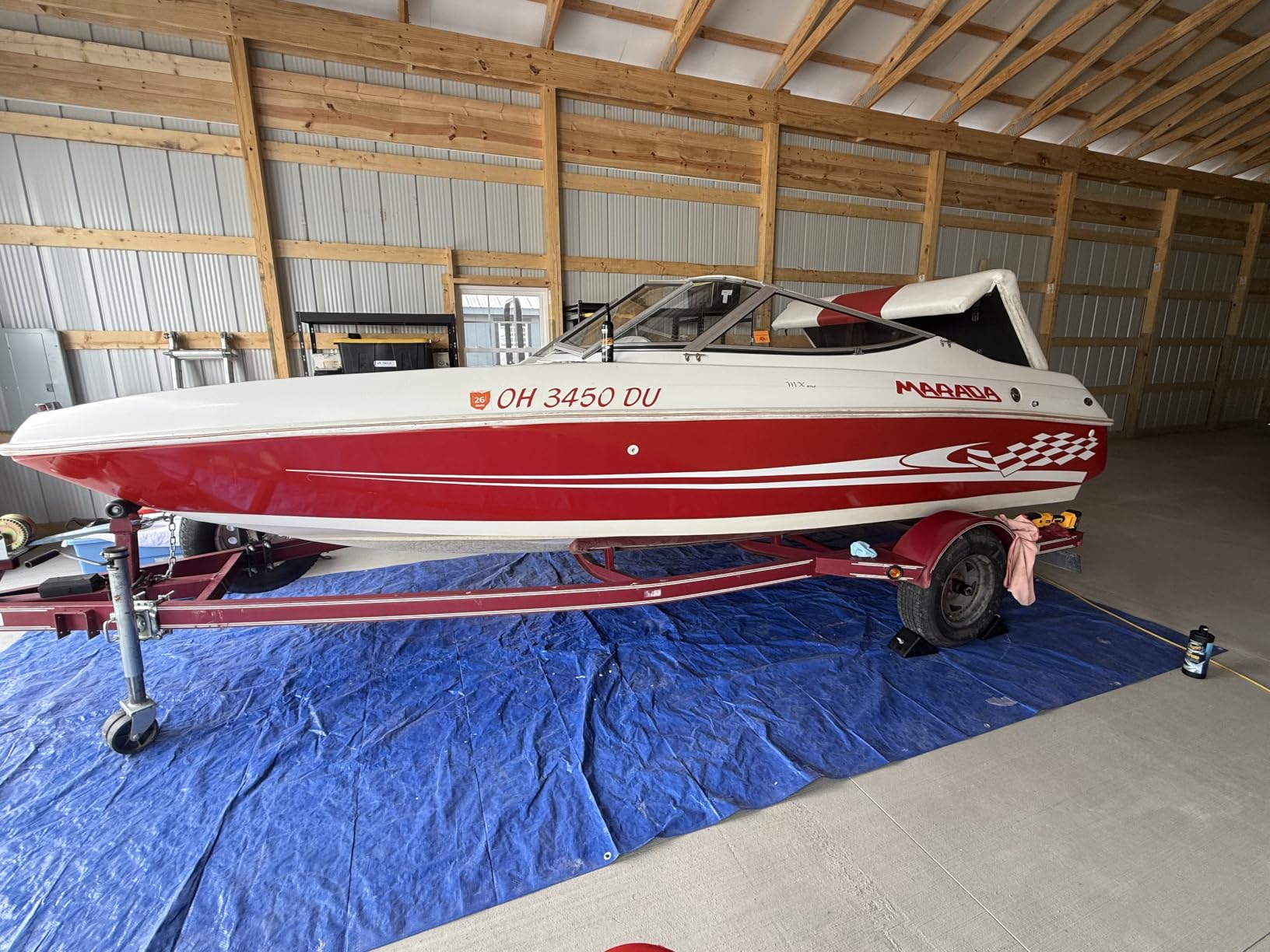
The 16 ounce bottle is the smallest here, so plan coverage carefully. On a 20-foot boat with one coat a season it works out fine, but a large hull will want two.
Who it suits
Dark coloured and metallic boats with healthy gelcoat, plus owners who polish elsewhere and just want a sealing step to finish with. It is safe on fiberglass, gelcoat and painted marine or RV surfaces.
What to watch for
Do not expect it to fix anything. If the hull is dull or chalky, you need a cleaner wax or a polish first, and applying a pure wax over oxidation just seals the problem in place.
4. Star Brite Premium Restorer Wax: Best for Medium to Heavy Oxidation
STAR BRITE Premium Restorer Wax for Medium to Heavy Oxidation
- Purpose-built for medium to heavy oxidation on colored hulls
- Combines oxidation removal with UV and stain protection
- Flexible hand or buffer application
- Amplifies shine beyond restoration
- Lowest average rating in this group at 4.4
- Needs machine buffing to work through heavy oxidation
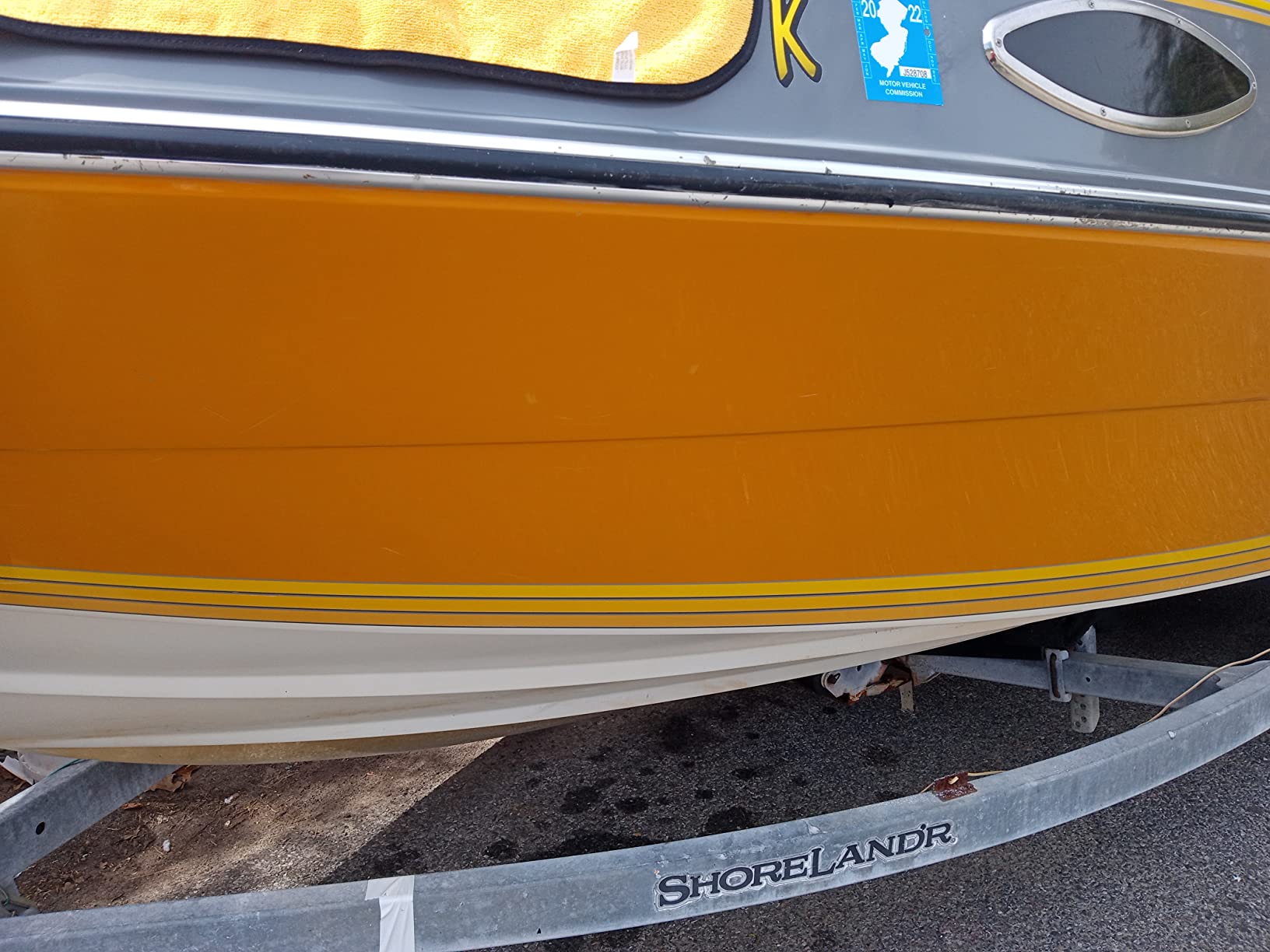
This is the one to buy when the boat has been neglected. Star Brite built the Restorer for colored fiberglass hulls with real oxidation, and it does what a maintenance wax will not.
On an aged hull with a dull, hazy film across the topsides, it cuts through the oxidation and leaves a genuine layer of protection behind rather than just masking the problem.
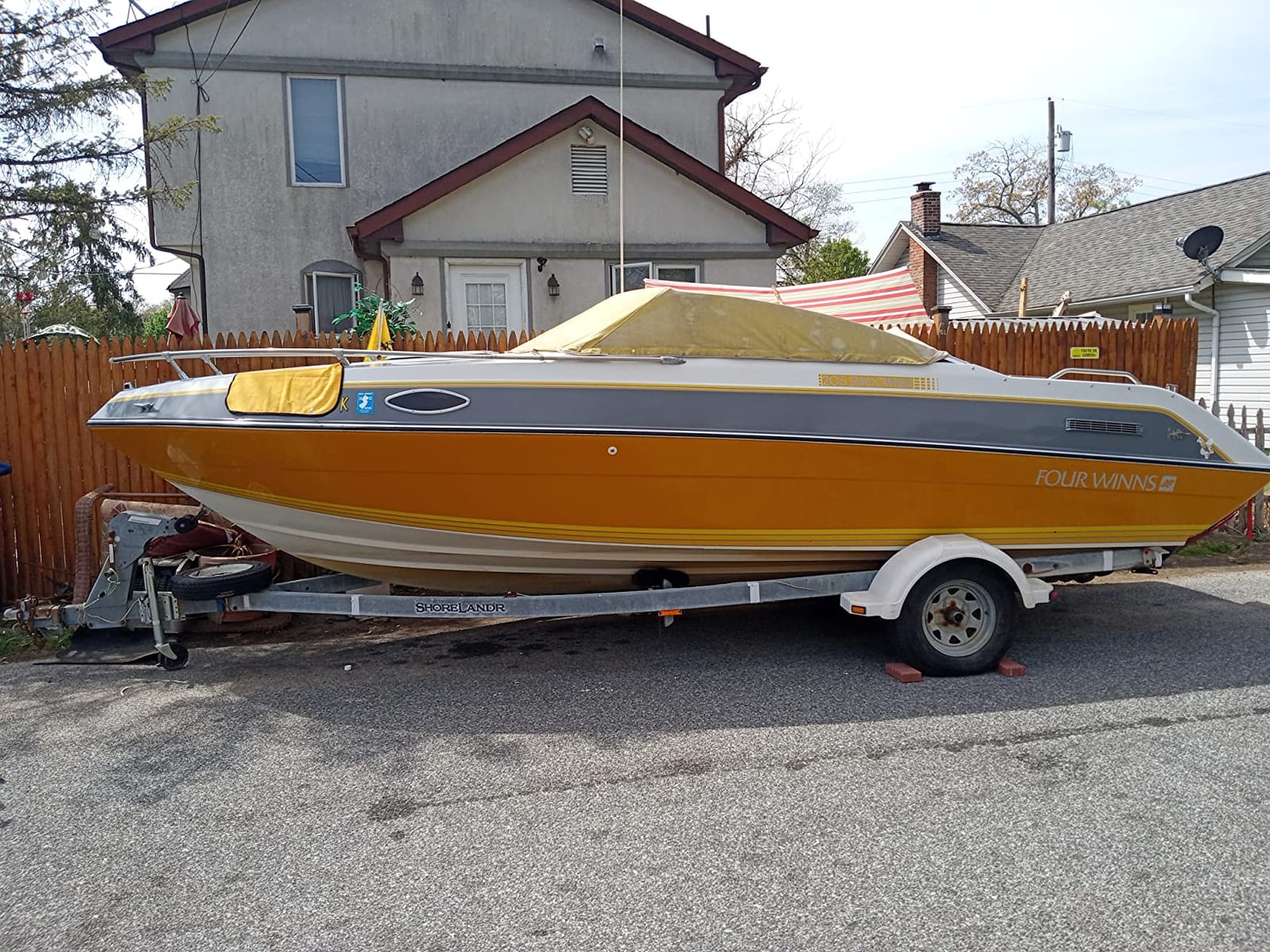
Reviewers confirm it strips medium oxidation reliably and leaves a durable gloss behind. For coloured hulls in particular, the finish comes back with colour rather than a flat white haze.
Application works by hand or with a buffer, and the formula suits boats and cars alike if you want to keep one product on the shelf.
The UV and stain protection is what keeps the result in place through the season, since restored gelcoat will oxidise again faster if you seal it with nothing.
Who it suits
Owners of an older coloured boat that has been outside for years and needs more than a maintenance wax. It is also the sensible first step before a hard wax on a hull that has never been detailed.
What to watch for
At 4.4 average it carries the lowest rating in this group, and reviewers report it wants a buffer and patience on very heavy chalk. The label also points at medium oxidation, so a severely chalked hull may still need a dedicated compound first.
5. 3M Perfect-It Boat Wax: Best Hard Carnauba Shell Finish
3M Perfect-It Boat Wax, 36113, 1 Quart, Contains Carnauba Wax
- Carnauba based formula delivering deep shine and high gloss
- Safe for gelcoat paint fiberglass and metal
- Forms a hard shell against weather water and oxidation
- Applies by hand straight from the bottle
- Higher cost per ounce than most of the category
- Built to follow 3M compounds and polishes rather than replace them
The 3M Perfect-It wax is the pro choice. It is a carnauba formula that forms a hard shell, which is why owners rate it consistently for durability and gloss once it is on.
It is safe on gelcoat, paint, fiberglass and metal, so you can run it over hardware and trim as well as the topsides. Applying it straight from the bottle by hand keeps the process simple.
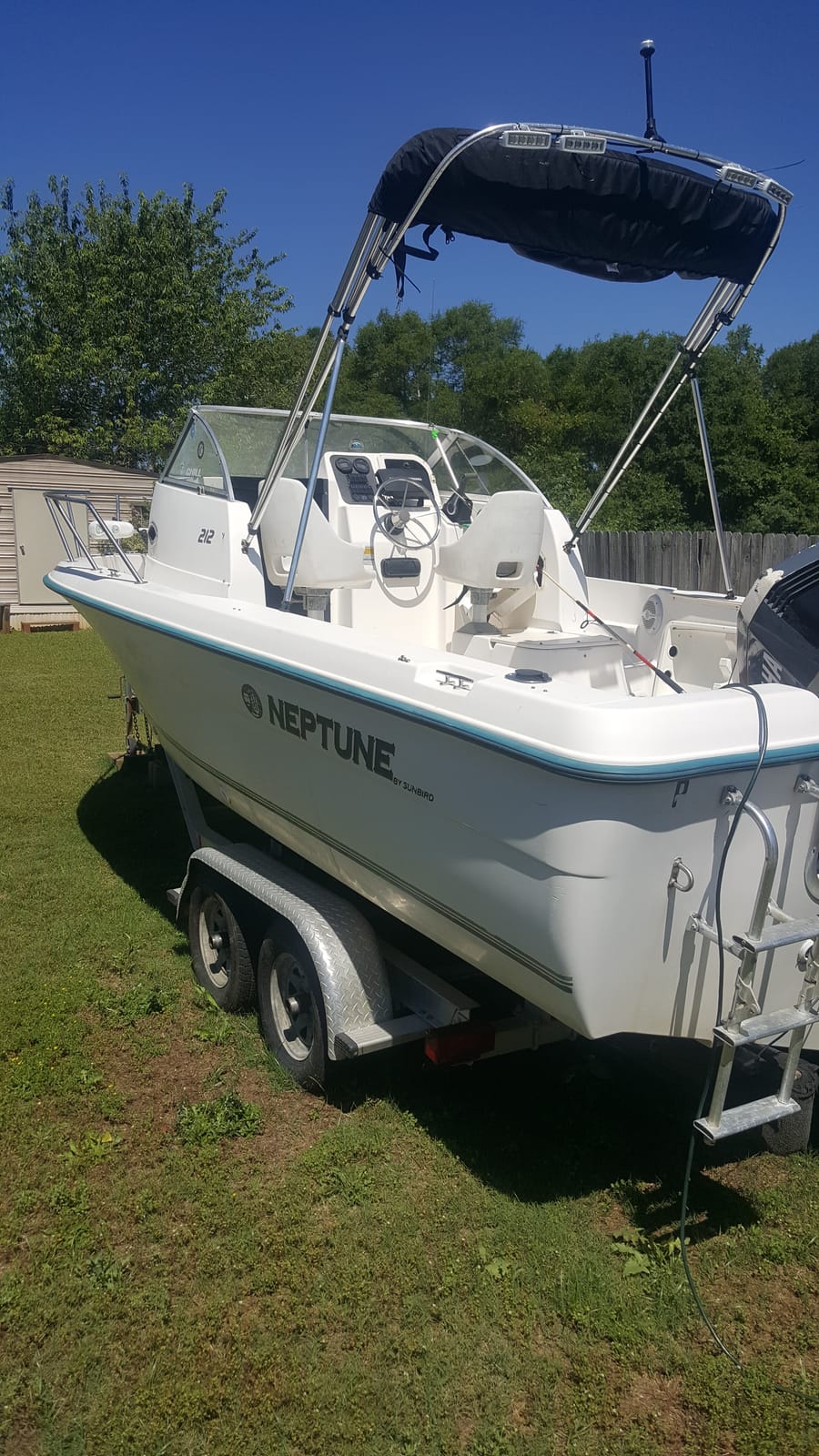
The quart size means fewer refills on a larger hull. If you own a boat big enough to make waxing a weekend job, a one quart container saves you stopping halfway through.
The finish is genuinely deep. Reviewers mention a hard glossy shell that stands up to weather, water and fresh oxidation better than the soft carnauba pastes they have used before.
It belongs to a system. 3M designs it as the final protection step after their gelcoat finishing compounds and polishes, and that is exactly how it performs best.
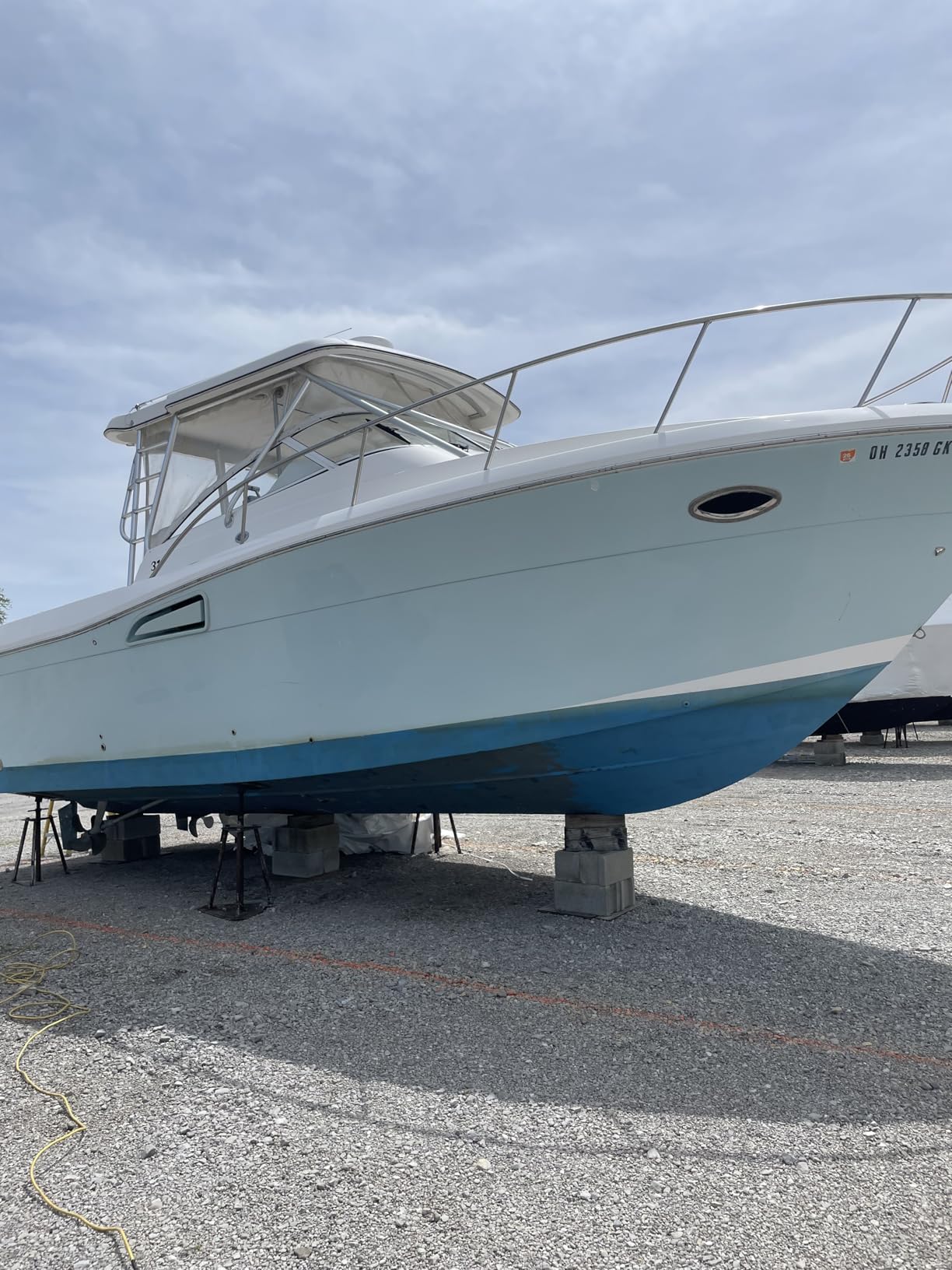
Who it suits
Owners who already work through the 3M Perfect-It range, or who want a hard carnauba shell for a hull that lives outdoors. It is a strong choice on larger boats and RVs where you want one product across gelcoat, paint and metal.
What to watch for
It works out to more per ounce than most of the waxes here, and it is not a one-step fix for a neglected hull. Waxing a chalky surface without prepping it first is the fastest way to bake dirt into the gelcoat.
6. Star Brite One Step Heavy Duty Cleaner Wax: Best for Light Chalk and Dock Marks
- Removes light to medium chalk and oxidation in one step
- UV inhibited coating against fading and sun rays
- Works on fiberglass metals and painted surfaces
- Restores luster and removes dock scuff marks
- Despite the name it will not cut heavy oxidation on its own
- Effort intensive to work in and buff off by hand
This cream cleaner wax is the easiest of the corrective products here to live with. You shake the bottle, apply in overlapping motions, rub it in and wipe it off.
It removes light to medium chalk and oxidation in a single step, which covers the majority of what most boats actually need after a winter sitting outside.
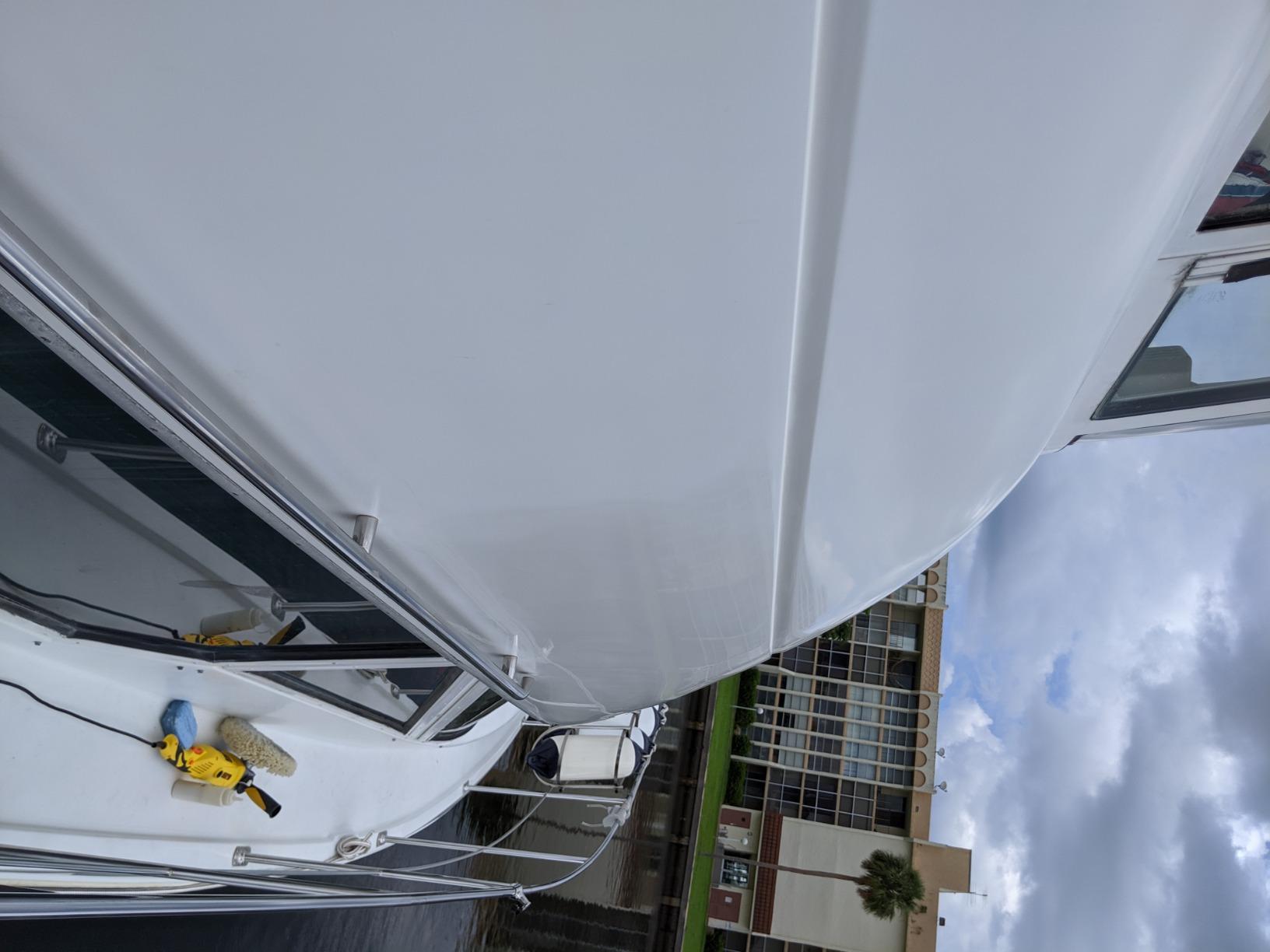
Owners rate the shine highly and note that it lifts dock scuff marks along with the general haze. That makes it a good product to keep on the dock for touch-ups during the season.
The UV-inhibited coating gives you protection as well as correction, and it is safe on fiberglass, metals and painted surfaces so you are not juggling products.
Star Brite suggests following up with their Ultimate Boat Guard Speed Detailer to maintain the finish, which keeps the protection topped up between full applications.
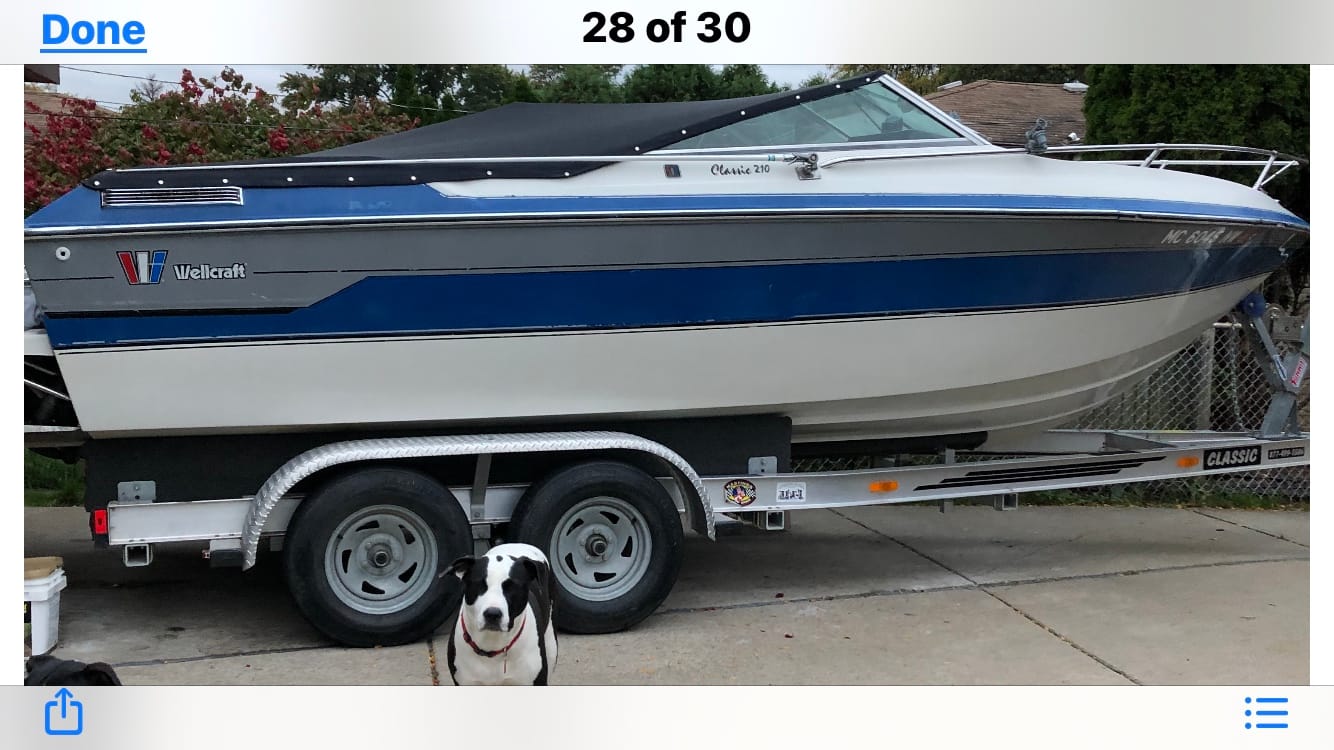
Who it suits
Boat owners dealing with light to medium chalk and general neglect, and anyone who wants one-step results without renting a buffer. It is also useful on metal fittings and painted surfaces that have dulled.
What to watch for
The heavy duty label overstates its cutting ability. Reviewers are blunt that it is a light to medium duty formula, and working it in by hand takes real effort across a full hull.
7. Collinite 885 Fleetwax: Best Paste Sealant for Salt and UV
- Marine polymers protect against UV surface heat and salt deposits
- Carnauba high gloss finish with water beading
- Goes on smoothly and buffs off with moderate effort
- One container covers multiple applications
- Solid paste format takes more effort than liquid waxes
- No cleaning or abrasive action for existing oxidation
The 885 is a thick carnauba and polymer paste built specifically for marine work. On a boat that lives in salt water, the salt and mineral resistance is the reason to choose it.
It is listed for gelcoat, fiberglass, clear coat, finished wood, painted plastic and painted or unpainted metal, so it works across the whole boat rather than just the topsides.
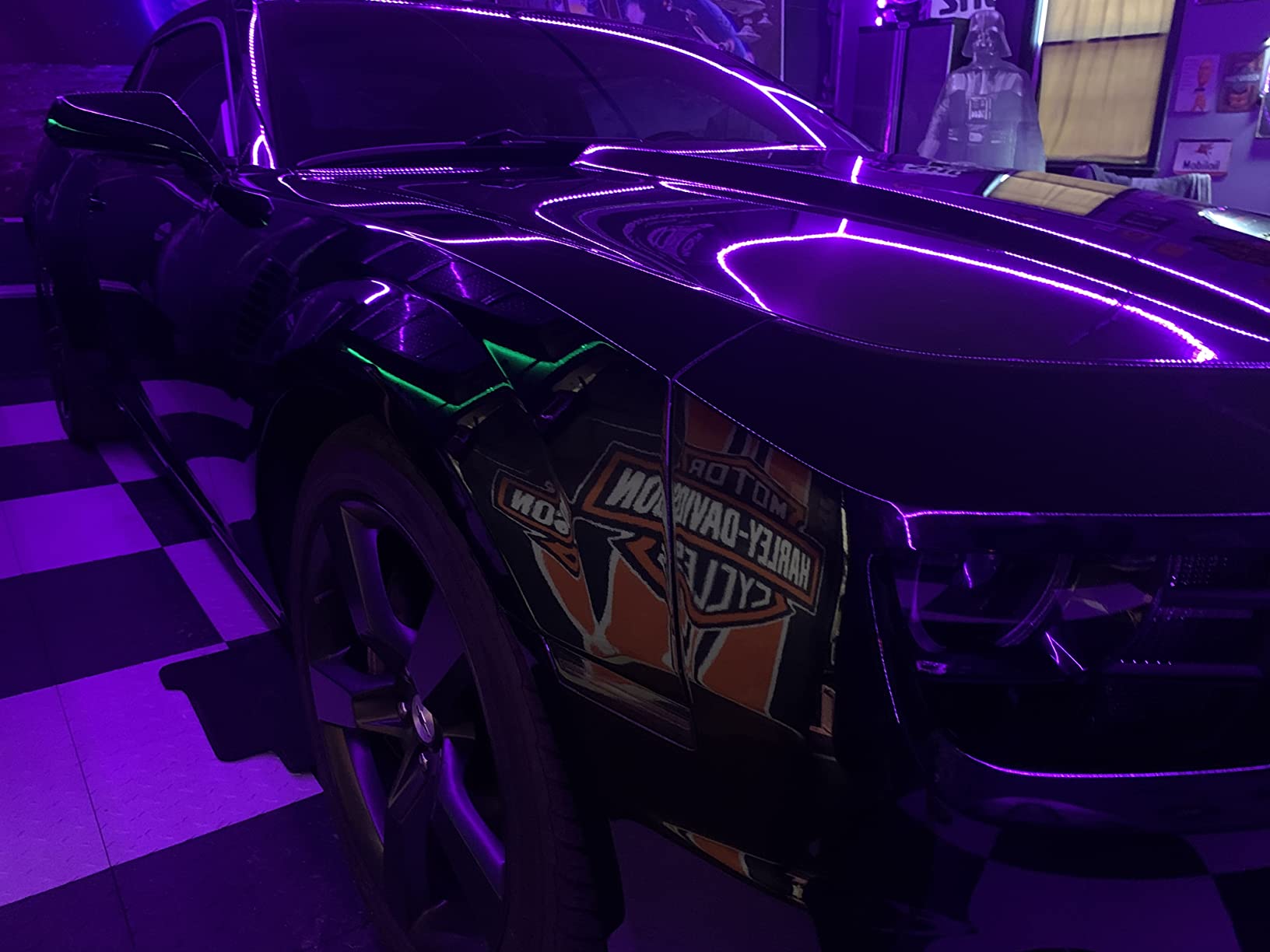
The gloss is carnauba deep and the finish beads water well, which is what keeps salt and drying water spots off the surface between washes.
Reviewers note it applies smoothly and buffs off with moderate effort, which is fair for a paste. You are not fighting a liquid, but you are not scraping it either.
Collinite 885 is one of the long-duration names that comes up most often across r/boating and thehulltruth.com for hulls that see a lot of sun and salt.
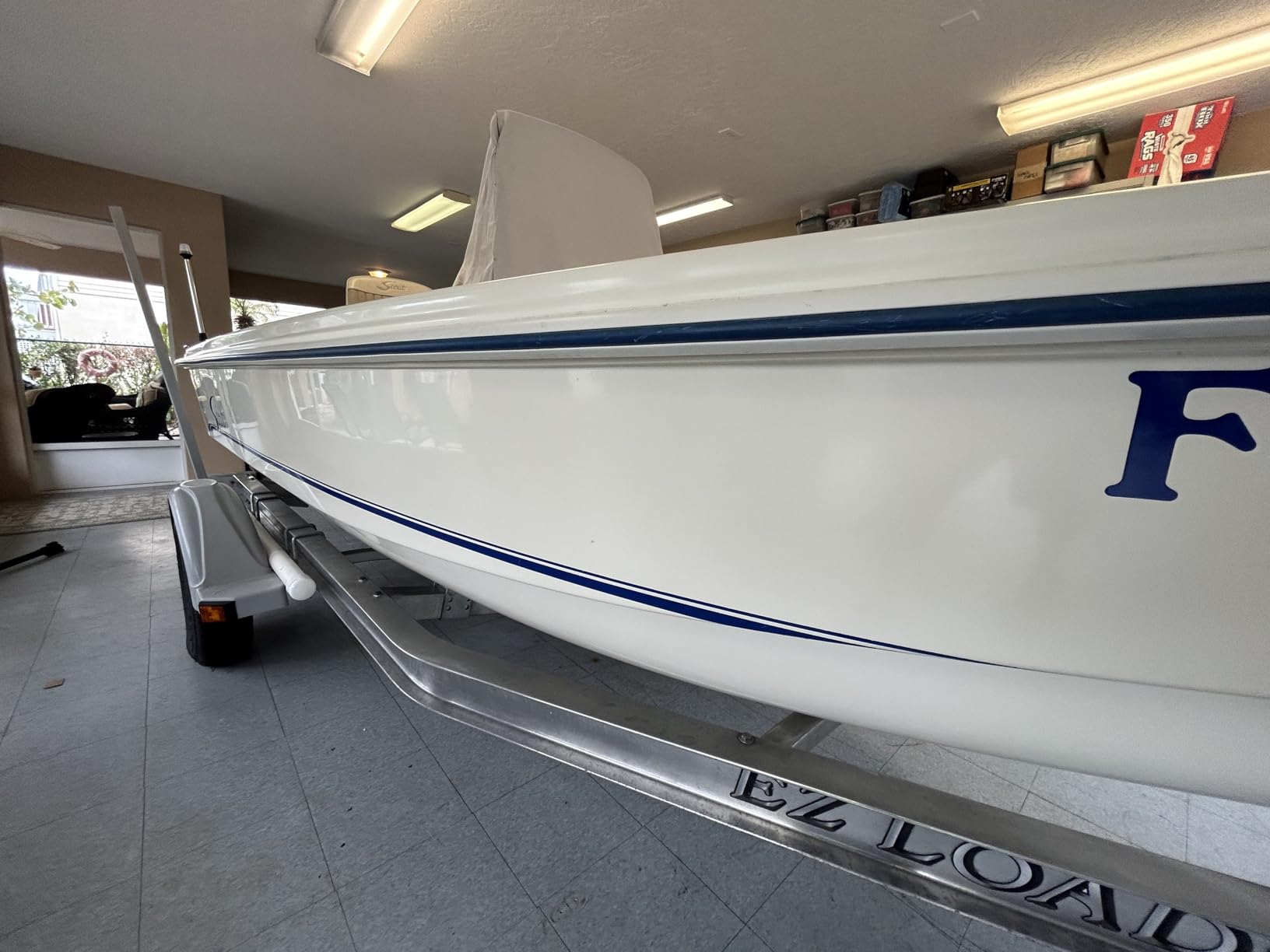
Who it suits
Saltwater boaters who want a hard marine sealant rather than a soft automotive paste, and anyone who prefers the control of a hand-applied paste over a spray or a machine.
What to watch for
It protects, it does not correct. Any existing oxidation needs a compound or cleaner wax first, and the solid format simply takes more arm work than a liquid across a big hull.
8. Collinite 925 Fiberglass Wax: Best Long-Lasting Durability
- Marine polymers give surface heat protection and salt resistance
- Stated 4-7 months of durability and water repellency
- Spreads fast with minimal buffing
- One bottle covers up to five 20 foot boats
- No cleaning or oxidation removal capability
- Listed item type does not match the marine description
Collinite 925 is the one that shows up most often when owners talk about how long a coat actually lasted. The stated durability window is 4 to 7 months, which is the longest claim in this roundup.
The liquid gel spreads fast and needs minimal buffing to lift, which is a big deal on a hull you are doing alone on a driveway in the sun.
The polymer chemistry handles surface heat and salt and mineral resistance well, and reviewers compare the protection favourably against ceramic coatings on a per dollar basis.
Coverage is the standout number. One 16 ounce bottle is rated to cover up to five 20-foot fiberglass boats, which works out to remarkably little product per coat.
It is safe by hand or on a DA polisher, and the marine formula has been trusted for the better part of fifty years, which is why coastal detailers reach for it.
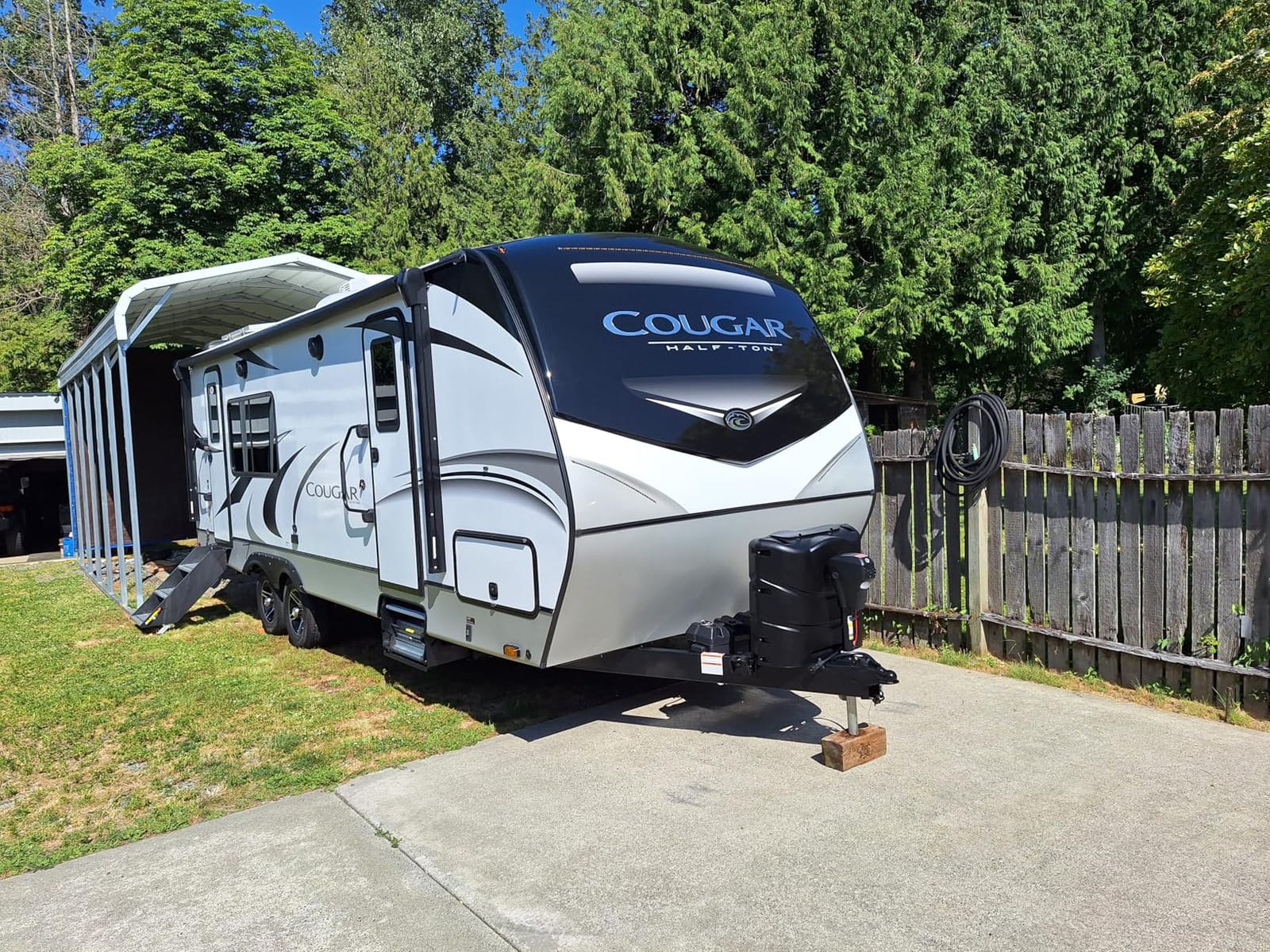
Who it suits
Owners who want the longest interval between coats, especially on saltwater or full-sun storage. It also suits anyone doing their own work who wants fast spread and low buffing effort.
What to watch for
It seals, it does not clean. A neglected hull needs a compound or cleaner wax underneath, and the listing shows a generic item type that does not describe the product accurately, so check the label when it arrives.
9. 303 Marine Quick Wax: Best Quick Spray-On Maintenance
- Quick spray on application with no buffing time
- Roughly 90 days of protection per application
- Works on wet or dry surfaces after a wash or in the rain
- Natural and synthetic wax blend
- Shorter protection window than paste or liquid carnauba waxes
- Aerosol format gives less coverage per container
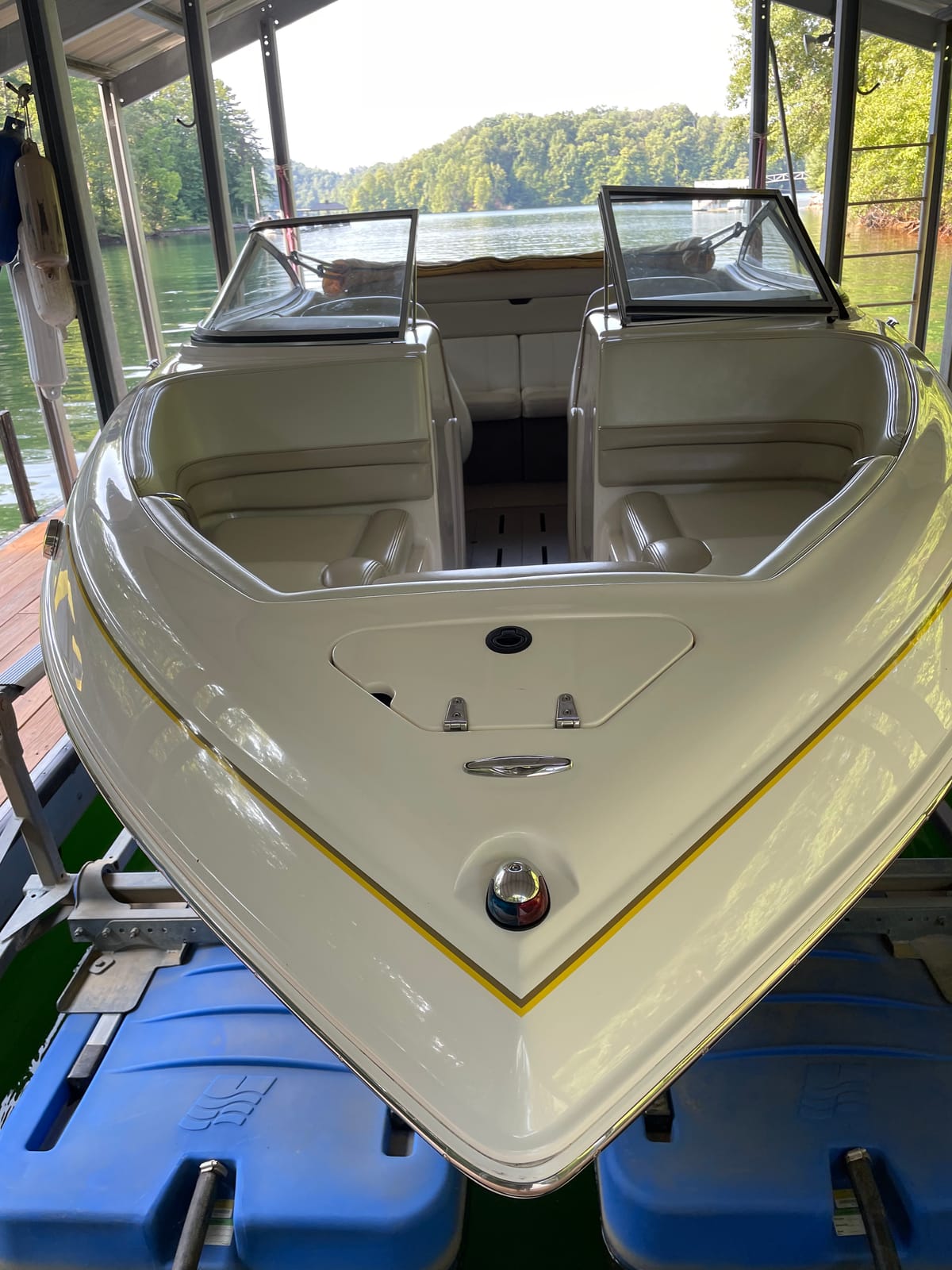
The 303 Quick Wax is the product you keep on the boat for the weeks between full waxes. It is an aerosol, so there is no pad, no haze time and no buffing.
Spray it on and wipe it down, and you get roughly 90 days of protection each time. It also removes water spots, which makes it handy after a day on the water.
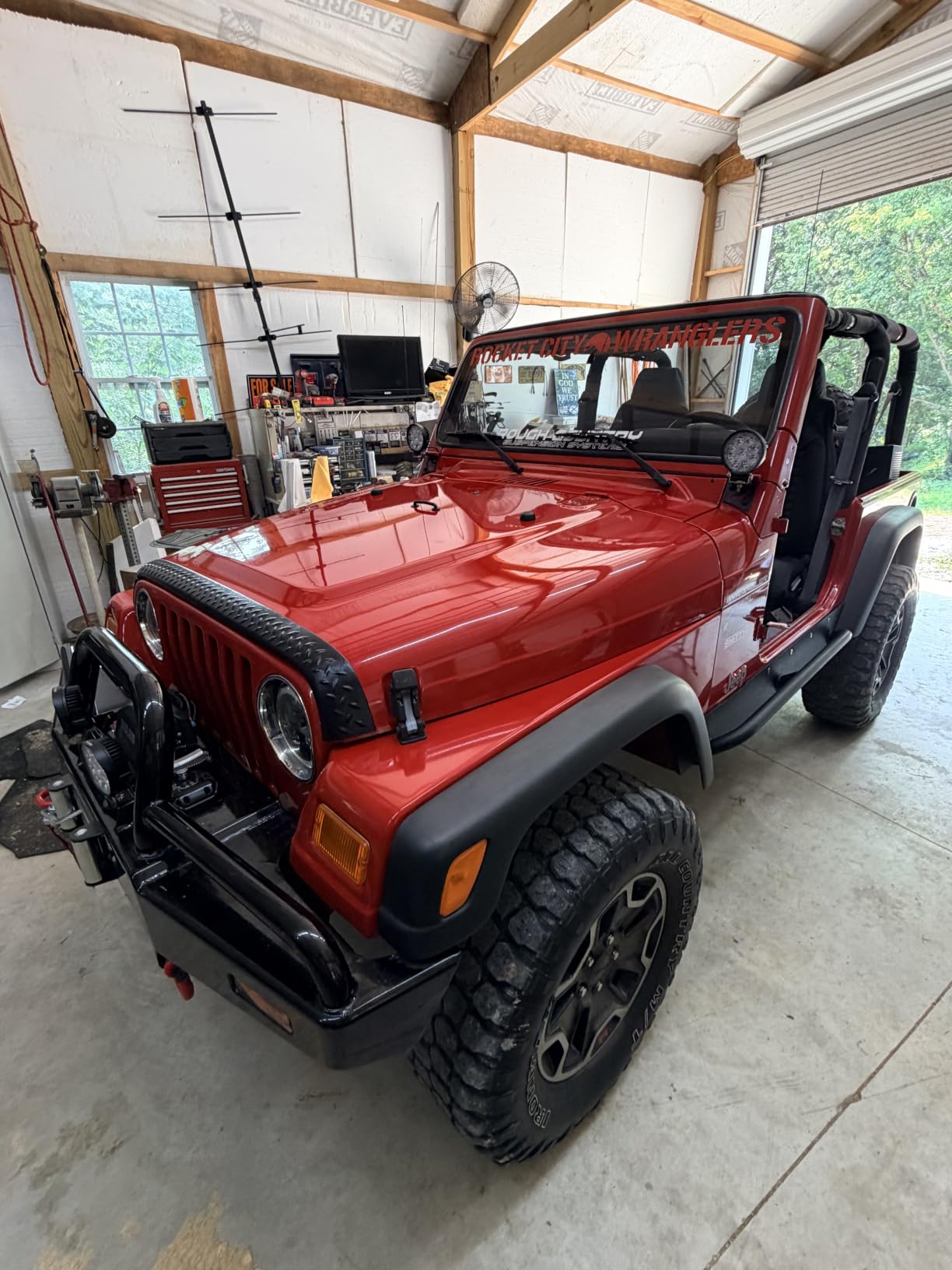
One of its most useful features is that it works on wet or dry surfaces. You can do it straight after a rinse or in a light shower, which no paste wax allows.
The finish is slick and glossy, combining natural carnauba with synthetic protection, and boaters consistently pick it as the fast option between serious applications.
Coverage per container is the trade-off with an aerosol. A 32 ounce can goes further than the size suggests if you are disciplined about a thin, even coat.
Who it suits
Boaters who want a fast top-up between seasons, anyone with a small runabout or jet ski, and owners who will not buff a full hull on a weekend. It is genuinely the least effort product in the roundup.
What to watch for
Ninety days is a fraction of what the pastes and liquids give you, and the aerosol covers less ground per container. Use it as maintenance between real coats, not as your only protection.
10. Star Brite Premium Marine Polish: Best for Easy Application and Gloss
STAR BRITE Premium Marine Polish, Maximum UV Protection & High Gloss Finish
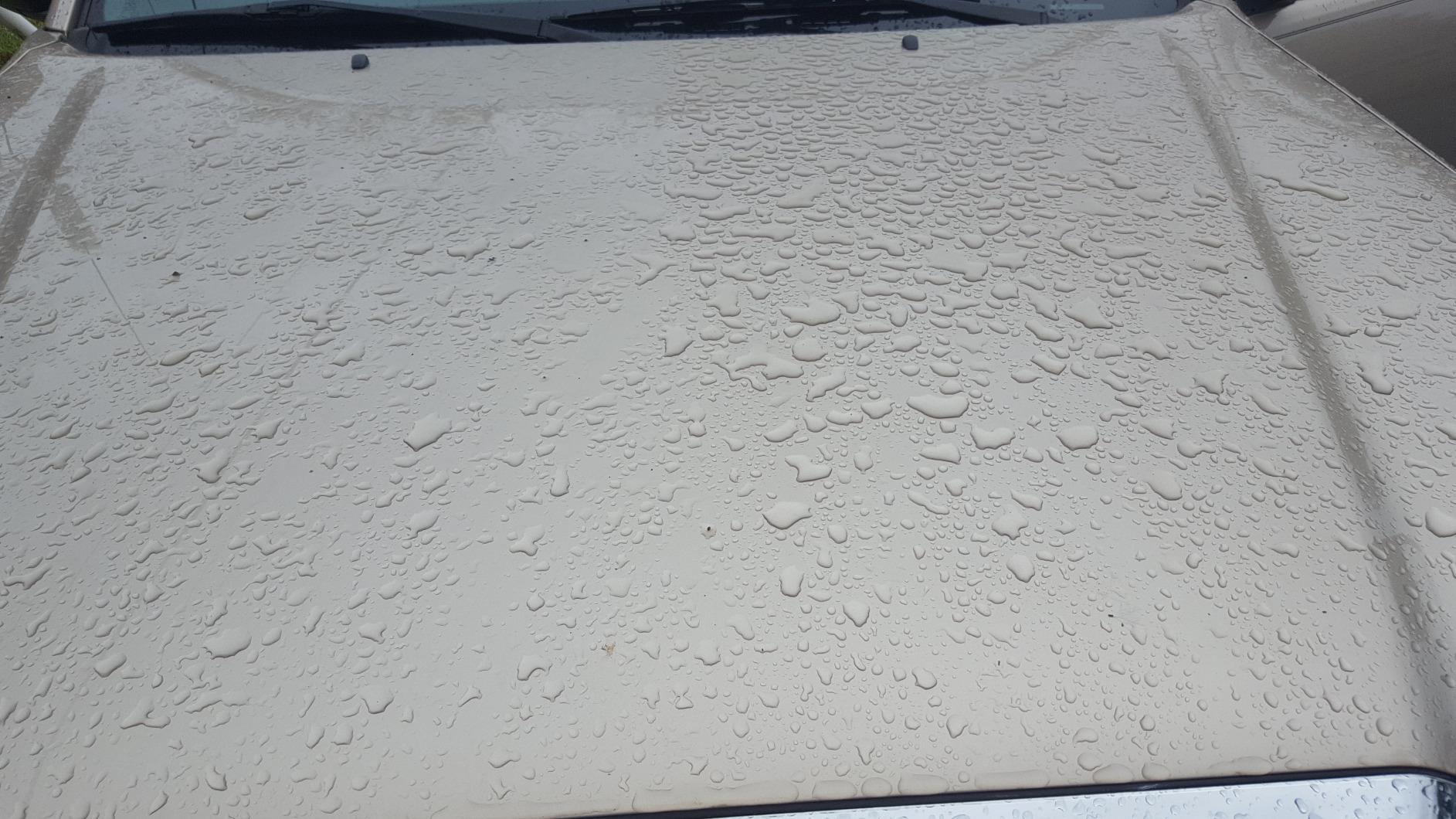
- Delivers a mirror-like high gloss with UV salt and oxidation protection
- Repels stains and deposits for quick easy cleanup
- Works on fiberglass metal plexiglass and painted surfaces
- Wash apply haze and wipe off process
- Best longevity needs a second coat within 30 days
- Not the right choice for heavier oxidation without a prior cleaning step
Star Brite Premium Marine Polish is the one owners name most often as the easiest to apply and remove. Across boating forums it comes up repeatedly as the product people recommend when buffing is the thing they want to avoid.
The process is wash, apply, let it haze, wipe off. No pads, no machine, and the film lifts with a microfibre towel.
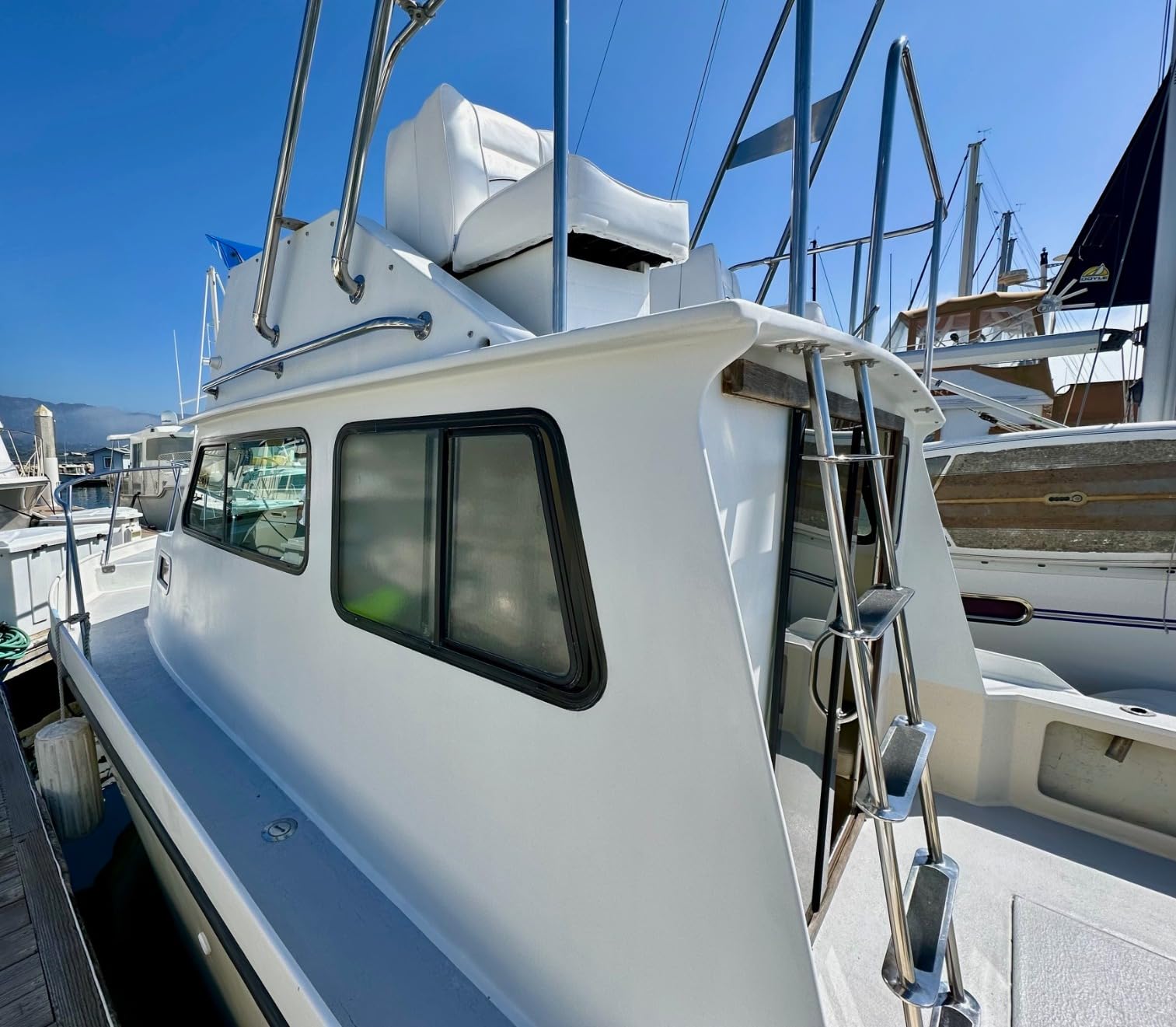
The finish is the mirror-like gloss the brand is known for, with UV inhibitors guarding against fading and chalking and a repellent layer that keeps stains and deposits from taking hold.
It is versatile, working on fiberglass, metal, plexiglass and painted surfaces, so it suits yachts, runabouts and personal watercraft with the same bottle.
Star Brite recommends treating faded surfaces with their Restorer Wax first, then applying the polish as the finishing step. That two-product order is how you get the best result.
Who it suits
Anyone who wants a deep gloss without a buffer, plus owners of mixed-surface boats where one product has to cover hull, metal and trim. It works well as the final step after cleaning.
What to watch for
Two coats get you the longevity. The brand advises a second coat within 30 days for best results, and on a hull with real oxidation you need a cleaning step first or the gloss will not last.
How to Wax a Fiberglass Boat Step by Step?
Getting the process right matters more than the brand on the bottle. Work through these steps in order and any of the ten products here will do what it claims.
Wash the hull first, with a boat-specific soap rather than automotive shampoo, and dry it fully.
Feel the gelcoat with your hand. If it is rough or chalky, run an oxidation remover or compound before you go near wax.
Work in small panels, about the size of a door, so the product does not dry out before you buff it.
Apply a thin coat with a foam pad, and use a DA polisher if you have one for more even coverage.
Let it haze as directed, then buff or wipe off with clean microfibre towels before it hardens.
Let the hull cool and cure, then consider a second coat for longer protection.
Never wax over unwashed or chalky gelcoat. That is the single most common way owners permanently haze a hull, because the wax drags loose dirt across the surface and seals it in.
Also skip the non-skid deck. A glossy wax on a textured floor is a genuine slipping hazard, and no product on this list is designed to stay grippy. Keep wax on the topsides, the smooth cabin sides and the hardware. If your boat lives on a trailer, add a dedicated non-skid safe treatment for the floors only.
Above deck you are also juggling fenders and boarding ladders every time you come alongside, which is worth thinking about before your next trip. Our boat ladder guide covers the boarding side, and boat generator picks matter more if you plan to run power onboard for a while.
Wax, Polish or Ceramic Coating: What Each One Actually Fixes
Boat wax, boat polish and ceramic coating get confused constantly, and the shelf labels are not consistent across brands. Here is the plain version.
A wax seals a clean surface and adds gloss. It cannot remove oxidation, so it is the wrong tool for a faded hull.
A polish contains mild abrasives, so it removes light defects and haze. It leaves less protection behind than a wax, which is why the two usually go together.
A cleaner wax combines both, which is why products like the Meguiar’s M50 and the Star Brite One Step are the sensible one-bottle choice for a hull in average condition.
A ceramic coating lasts longer than any wax here and resists UV and salt extremely well, but it needs a properly decontaminated bare surface and careful application. On a boat stored outdoors in full sun all year, a coating reduces how often you need to wax. On a seasonal boat that gets covered, wax is simpler and cheaper.
Buying Guide for Fiberglass Boat Wax
Choose based on the condition of the hull, not on the label.
If the gelcoat is dull but not chalky, any of the maintenance waxes will do it. The Meguiar’s M63 is our pick because it protects and lightly corrects in the same pass.
If it has visible chalk and a hazy film, you need corrective action. The Star Brite Premium Restorer Wax handles medium to heavy oxidation, while the One Step cleaner wax covers light to medium chalk.
If the hull is already in good shape and you only want gloss, a pure wax such as the Meguiar’s M56 or the Collinite 885 gives you depth without any abrasive risk.
On durability, the Collinite 925 leads with a stated 4 to 7 months, the Collinite 885 is built for salt and UV, and the 3M Perfect-It forms the hardest shell. For the shortest effort, the 303 Quick Wax sprays on in minutes but protects for around 90 days.
Size the container by coverage. A 21-foot hull takes roughly 8 to 10 ounces per coat, so a 16 ounce bottle covers a whole small boat twice, while the 32 ounce options cover a large hull in one go.
Finally, buy the accessories at the same time. Fresh applicator pads, clean microfibre towels, a DA polisher if you can stretch to one, and a boat soap that will not strip the wax you are about to put down.
Frequently Asked Questions
What is the difference between boat wax and boat polish?
A wax seals a clean surface and adds gloss but has no ability to remove oxidation. A polish contains mild abrasives that cut light defects, haze and swirl marks but leave less protection behind. Most owners use a polish first on a dull hull and a wax second to protect it.
What is the best wax for removing oxidation from a boat?
For medium to heavy oxidation on a colored fiberglass hull, the Star Brite Premium Restorer Wax is built specifically for that job. For lighter chalk and haze, a cleaner wax such as the Meguiar’s M50 or the Star Brite One Step Heavy Duty Cleaner Wax will remove oxidation and protect in one pass. Very heavy chalking needs a dedicated compound first.
How long does Collinite 925 last?
Collinite 925 states a durability of 4 to 7 months per application with water repellency. That makes it the longest-lasting wax in our roundup. On a boat stored outdoors in full sun or kept in salt water, expect to reapply toward the shorter end of that range.
Is it better to wax or ceramic coat a boat?
Wax is simpler, cheaper and forgiving of imperfect preparation. A ceramic coating lasts much longer and resists UV and salt better, but it needs a bare, decontaminated surface and careful application. If your boat sits uncovered in full sun all year, a coating cuts how often you wax. If it is a seasonal boat under a cover, wax is the easier choice.
What is the best wax to put on a fiberglass boat?
For most fiberglass boats, the Meguiar’s Flagship Premium Marine Wax M63 is the strongest all-rounder because it adds gloss, protects against UV and removes light oxidation in one step. If your hull has visible chalk, pick a corrective cleaner wax such as the Meguiar’s M50 or the Star Brite Premium Restorer Wax instead.
Which Meguiar’s boat wax is best?
The M63 Flagship Premium Marine Wax is the best all-rounder, combining polymer protection with light oxidation removal. The M56 Pure Wax gives the deepest gloss on dark colors but cannot correct defects. The M50 One-Step Cleaner Wax is the pick for maintenance, since it cleans and protects in a single pass.
Can I use CLR on a fiberglass boat?
Household calcium and lime removers are not formulated for gelcoat. They are acidic and can etch or dull the surface, and they will not remove oxidation properly anyway. Use a purpose-made marine oxidation remover or cleaner wax instead, and keep acidic cleaners for interior Bilge or metal work only.
Conclusion
The best boat wax for fiberglass depends on how much damage the UV has already done. Start with the Meguiar’s Flagship M63 on a healthy hull, move up to the Star Brite Premium Restorer Wax if there is real oxidation, and reach for the Collinite 925 when you want the longest gap between coats.
Wash properly, compound chalky gelcoat before you wax, and keep glossy wax off non-skid decks. Get that right in 2026 and the boat will stay sharp all season. If you are still outfitting the boat, our guides to boat fenders and boat ladders cover the hardware that actually gets used every trip.