
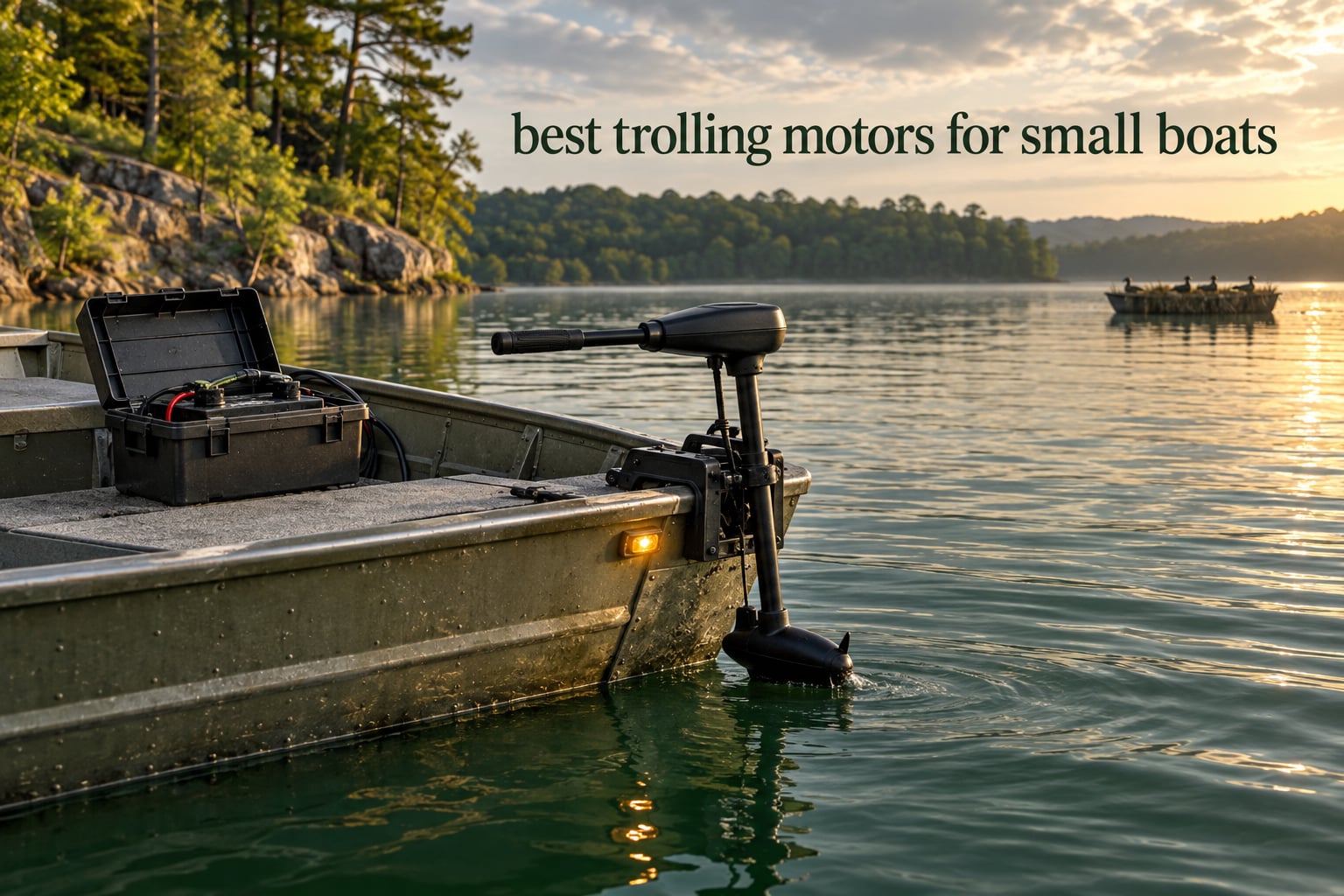
Most small boats do not need a big outboard. They need a quiet one that can hold position over a stump field while the wind pushes from the wrong direction. That is the whole job a trolling motor does, and picking the right one comes down to four numbers: your hull length, the loaded weight of the boat, the freeboard at the bow, and whether you fish salt or fresh water.
We compared eight of the strongest small-boat trolling motors on the market, all transom or bow mounts in the 26-65 lb of thrust class that suits hulls from 10 to 16 feet. We looked at thrust ratings against realistic loaded weights, shaft length against measured freeboard, mounting style against the space a jon boat actually has, and the weight of the motor itself, because on a 150 lb hull a heavy motor eats into your load rating and your ability to lift it out solo.
If you are starting from zero, our complete trolling motor guide covers the technology in full, and our kayak trolling motor picks go deeper on portable setups. For everything below, the focus is hulls you can carry, row, or tow behind a truck: jon boats, duck boats, dinghies, inflatables and small aluminum skiffs.
Table of Contents
Top 3 Best Trolling Motors for Small Boats in 2026
Our best overall pick, best value pick and premium pick cover the three situations most small-boat owners fall into. The overall winner handles the standard 12-14 ft jon boat. The value pick does the same job in saltwater for less. The premium pick adds hands-free foot control for anyone whose transom is already occupied by a gas outboard.

Minn Kota Endura C2 30
- 30 lb thrust
- 30 inch shaft
- 12V freshwater transom mount
- 5 forward and 3 reverse speeds
- 15 lb unit weight

Newport NV-Series 46
- 46 lb thrust
- 30 inch shaft
- saltwater capable
- 3-blade prop
- LED battery indicator
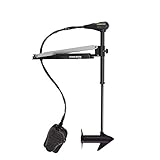
Minn Kota Edge 45
- 45 lb thrust
- 36 inch freshwater bow mount
- heel-toe foot pedal
- latch and door bracket
All 8 Trolling Motors for Small Boats Compared in 2026
Every motor below is a transom or bow mount suited to a small hull. Thrust figures are the manufacturer ratings, and we note where owners report real-world results fall below the label.
| Product | Specifications | Action |
|---|---|---|
| Minn Kota Endura C2 30 |
|
Check Latest Price |
| Newport NV-Series 46 |
|
Check Latest Price |
| Minn Kota Edge 45 |
|
Check Latest Price |
 Intex 40 lb Transom Motor Intex 40 lb Transom Motor |
|
Check Latest Price |
 PEXMOR 26 lb 8 Speed PEXMOR 26 lb 8 Speed |
|
Check Latest Price |
 Minn Kota Endura Max 55 Minn Kota Endura Max 55 |
|
Check Latest Price |
 AQUOS Haswing 65 Brushless AQUOS Haswing 65 Brushless |
|
Check Latest Price |
 Goplus 46 lb 8 Speed Goplus 46 lb 8 Speed |
|
Check Latest Price |
1. Minn Kota Endura C2 30 – Best Overall for Jon Boats
Minn Kota Endura C2 30 Freshwater Transom Mounted Trolling Motor (30″ Shaft)
- Very quiet
- essentially inaudible while running
- Light at 15 lb so one person can carry it
- Ten-position lever lock transom bracket
- 5 forward and 3 reverse speeds for fine trolling control
- Move a 12-17 ft jon boat or canoe easily
- Weak reverse that froths without much push
- No quick-disconnect plug on the battery leads
- 30 lb thrust is marginal against wind with a full load
This is the motor we kept reaching for while working through the roundup because it does the least amount of nothing wrong. At 15 lb it is the second-lightest unit here, which matters when you are lifting it over a gunwale onto a trailer. The 30 lb of thrust is honest 30 lb, and it moves a 12 to 17 ft jon boat or a full-size canoe without drama on flat water.
The 10-position lever lock transom bracket is the detail owners mention most, because it lets you trim the motor to match your freeboard and then lock it in one pull. The six-inch telescoping tiller extends to reach a seat behind you, so you can steer and troll at the same time instead of kneeling at the transom.
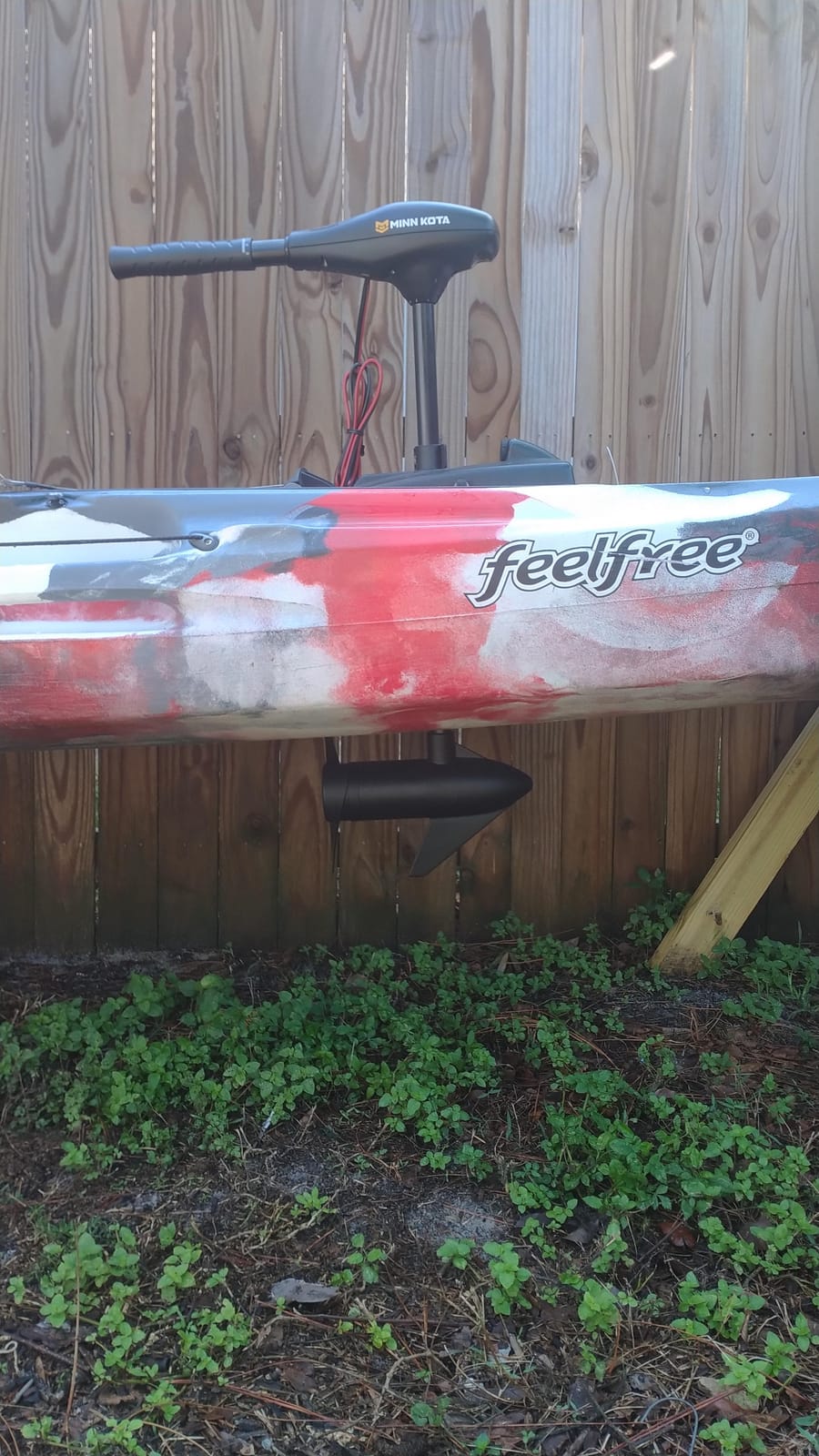
One owner in r/boating described the exact scenario this motor suits: a 12 ft aluminum jon boat, previously paddled by hand, looking for electric propulsion. A 30 lb 12V motor is the conventional answer, and this is the one most of those owners end up with.
The bracketing is where this motor separates itself. Five forward speeds and three reverse speeds give you a trolling speed low enough to move a decoy presentation at a crawl, and the composite shaft and reinforced composite bracket resist flexing, warping and UV damage better than the cheap stamped-steel parts on budget units.
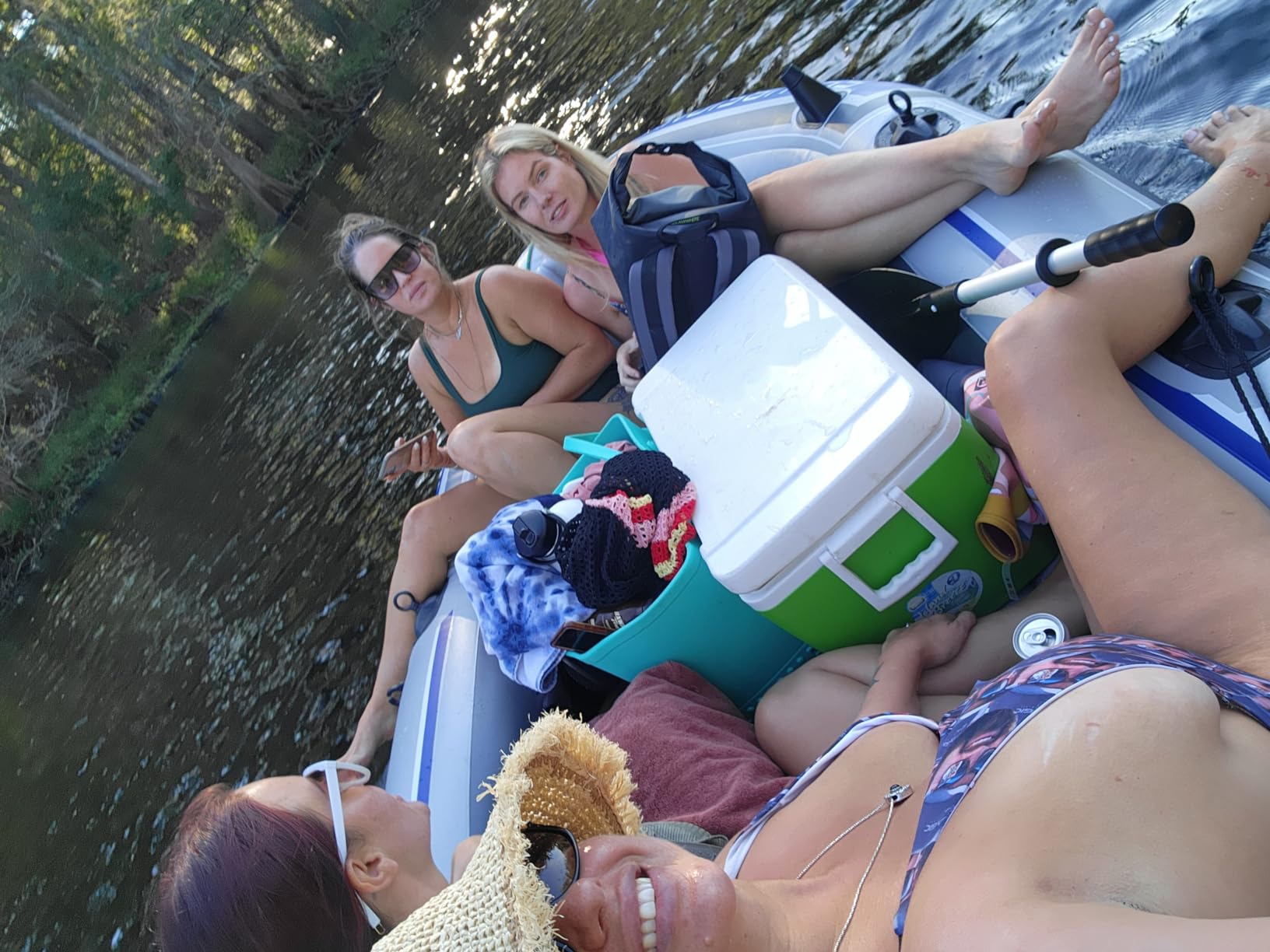
Why this is the right pick for a first jon boat
Because it removes the three variables that trip people up. It is freshwater-rated, so you are not tempted to run it in a bay. It carries a 30 inch shaft, which suits the shallow freeboard of a flat-bottomed jon hull. And at 15 lb it stays within a weight you can manage solo.
For flat water on lakes and rivers without strong current, it also has more thrust than a lot of boats need. An owner in r/canoecamping runs a 30 lb unit on a 16 ft 6 in Kevlar canoe for crossing big water, which puts the realistic ceiling of this class well above the 12 ft jon boat most people buy.
Where it falls short
Reverse is the weak point. Owners repeatedly describe it frothing water without much push, which matters less than it would on a bass boat because a small hull rotates 360 degrees with a paddle. Treat reverse as a positioning aid rather than a sternway function.
Two more practical notes. The battery connection uses bolt-on terminal ends rather than a quick-disconnect plug, so plan your cable routing before you leave the driveway. And in a real headwind with two people and full gear aboard, 30 lb is a modest reserve, so if you fish open water in wind, step up a thrust class.
2. Newport NV-Series 46 – Best Value Saltwater Transom Mount
- Strong value against equivalent Minn Kota models
- LED battery level indicator on the head unit
- 3-blade prop holds in wind and light current
- 8-speed control with useful reverse
- USA-based customer support
- Battery cables under 4 ft with fork ends
- Inline circuit breaker is awkward to hook up
- Owners report real thrust nearer a 35 lb motor
This is the motor to look at if your small boat lives in salt water. The NV-Series is built with corrosion-resistant components and an aluminum construction that suits brackish bays, inshore flats and coastal creeks, and it covers the thrust class where a 12V unit still makes sense on a 14 to 16 ft hull.
Three things put it ahead of its class. The 3-blade propeller digs in and holds a line in light current better than the two-blade props on cheaper units. The LED battery level indicator on the head unit tells you when to stop, which matters more than it sounds when the battery is not in sight. And the same line comes in 36, 46, 55, 62 and 86 lb, so the family grows with your hull.

Owners consistently report that it runs quietly on modest battery draw. One logged roughly 5 hours on a 100Ah lithium battery while using about 20 percent of its capacity, which is the kind of efficiency figure you want when the battery lives in a sealed box under a deck.
The 8-speed control, five forward and three reverse, is a genuine step over the 5-speed budget units. Reverse is strong enough on this motor to be useful, and 20 lb of unit weight still sits at the portable end of the list. If you also fish fresh water, our saltwater trolling motor picks cover the higher-end sealed options.
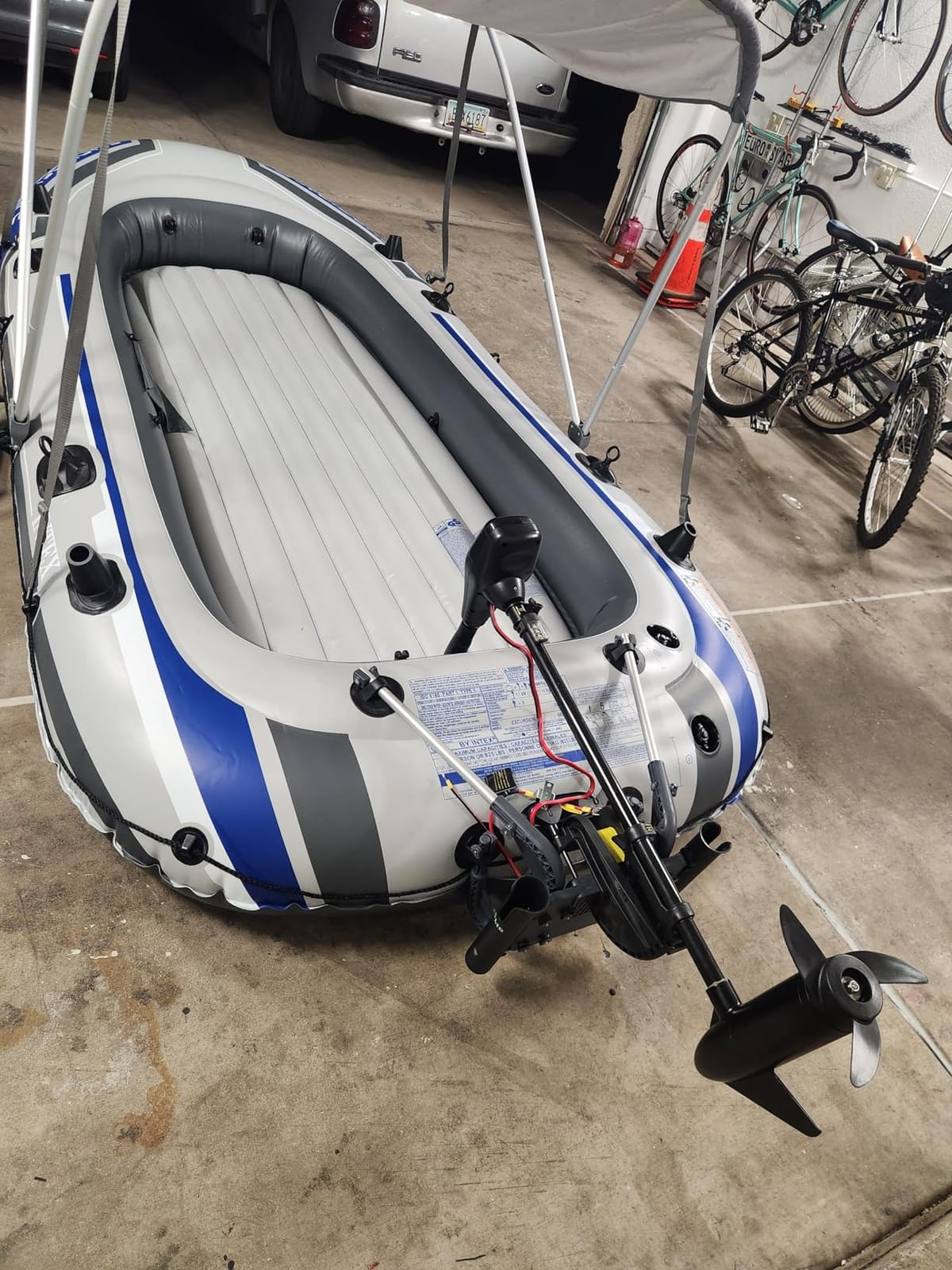
Who should buy the NV-Series 46
Anyone running a jon boat, dinghy, kayak or inflatable in brackish or salt water who wants real thrust without stepping up to a 24V system and two batteries. It is the most common recommendation we saw for a 14 to 16 ft hull that only needs to move a couple of people and some gear.
It also suits anyone who wants a saltwater-capable motor as a safety boat for a larger one. A 46 lb unit on a tender is enough to get a 20 ft boat home if the outboard quits, without taking up a dedicated battery bank budget.
What to watch for
The thrust rating runs optimistic. Owners report delivered thrust closer to what a 35 lb motor gives, so size this motor as if it were in the 35 to 40 lb class when you are pushing a heavy load in wind. In dense water lilies it can also run out of torque, which is a weed problem rather than a power problem.
The included battery cables are short, under 4 ft, and end in split or fork terminals rather than ring terminals. Plan on buying proper cable and a breaker. The inline circuit breaker is awkward to connect and can touch the negative post, so give it room and route it away from the battery.
3. Minn Kota Edge 45 – Best Bow Mount with Foot Pedal Control
- Foot pedal gives hands-free
- responsive speed control
- Latch and Door bracket holds the motor securely and releases daily
- Built-in directional indicator in the motor head
- Power Prop handles heavy vegetation
- 5 speed settings for trolling
- Highest cost in this roundup for a 45 lb freshwater unit
- Foot steering takes practice in tight spots
- Cable-steer pedal adds bow installation complexity
- 36 in shaft is the shallow option
Almost every small boat has the same mounting problem. The transom is either occupied by your outboard or it is the only flat surface strong enough to hold a bracket, and you are steering one-handed from a seat that faces the wrong way. A bow mount fixes the steering position, and the Edge is the cleanest way to do it on a hull this size.
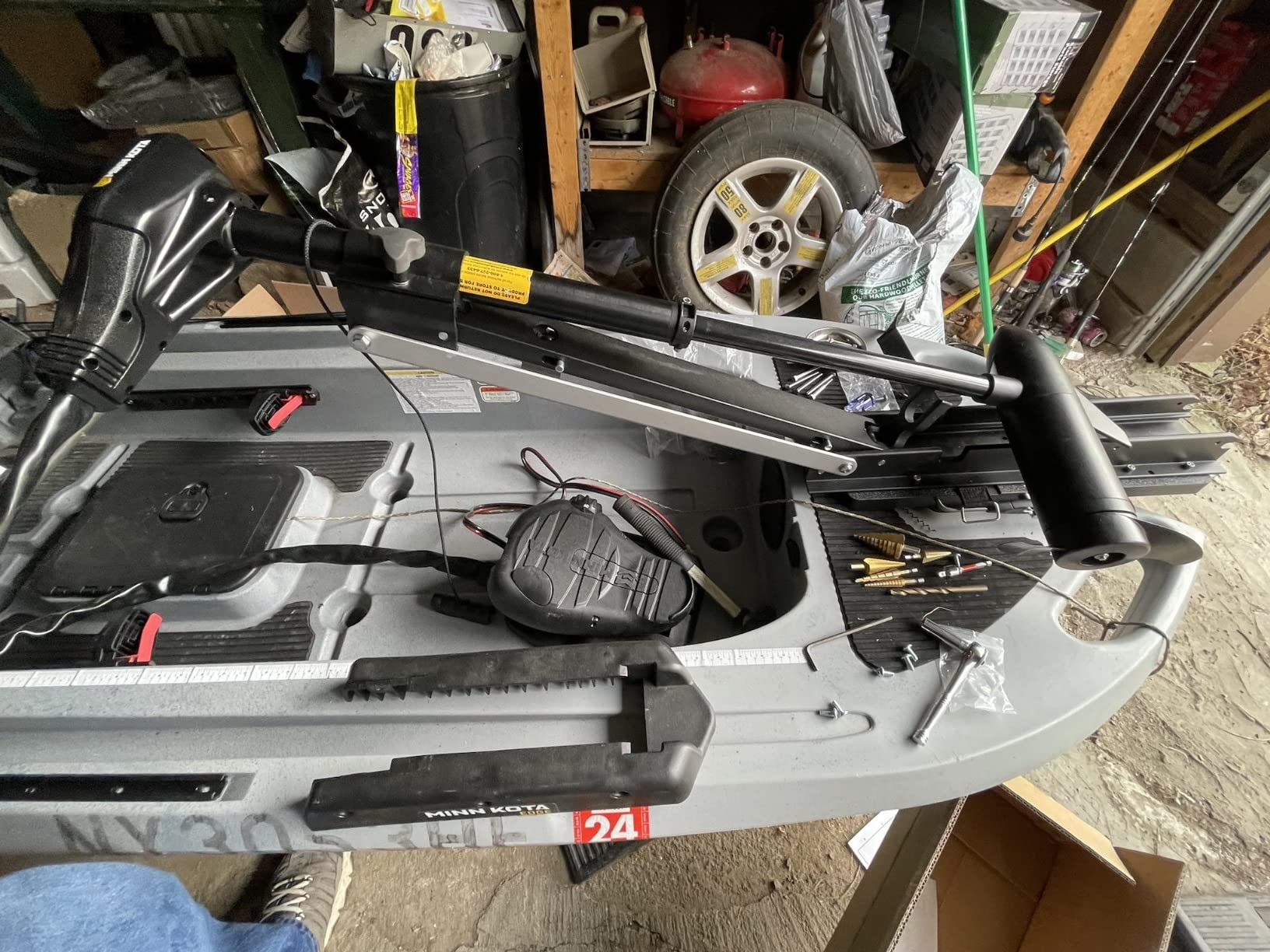
The heel-toe cable-steer foot pedal is the reason to buy it. Pressing the toe walks the motor forward, the heel walks it back, and releasing it stops, which means you can hold a position over structure with both hands on a rod or a gun. The Latch and Door bracket keeps the motor planted and lets you release it at the end of the day without tools.
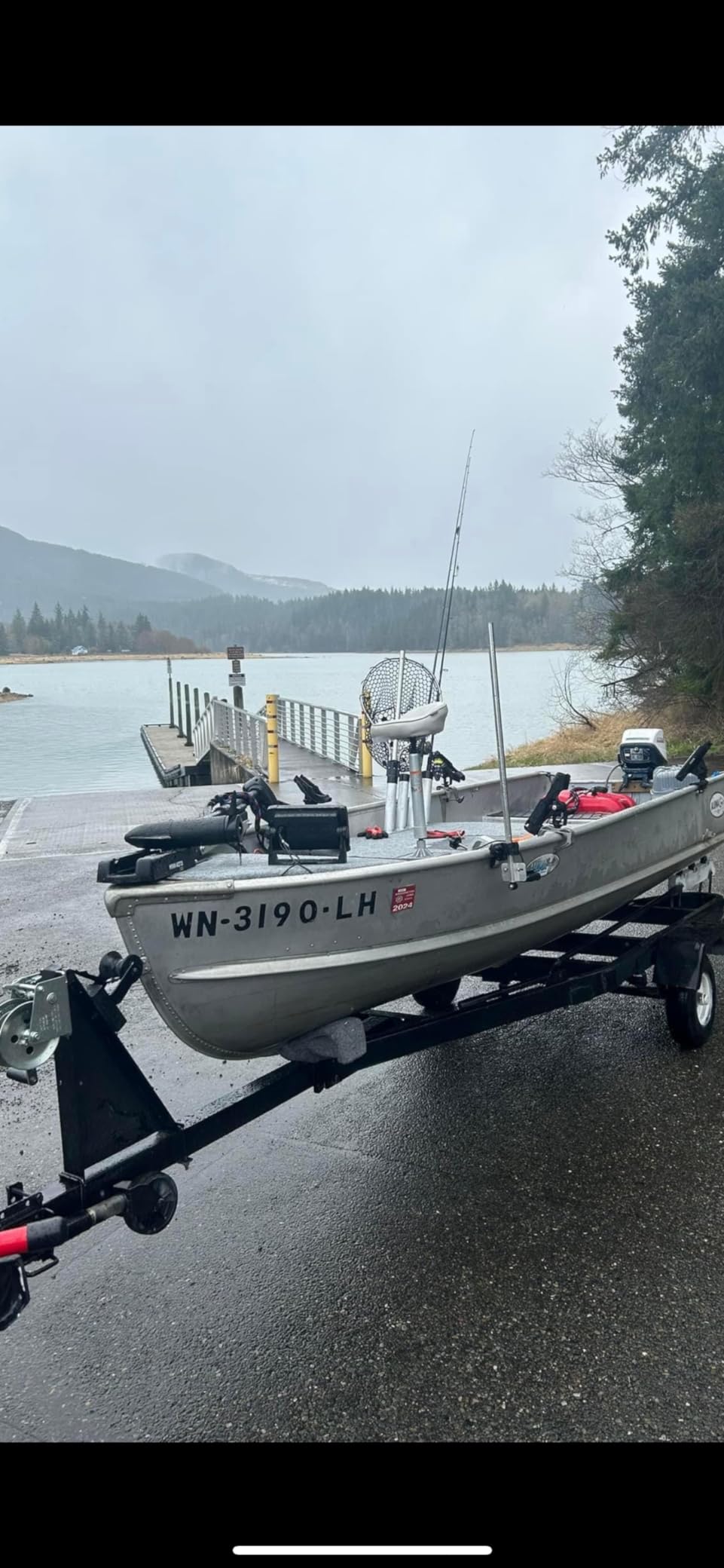
The built-in directional indicator in the top of the motor head is a small touch that solves a real problem. Bow-mounted motors pull to one side out of the box, and being able to read the heading off the head while the compass is in your pocket is more useful than it sounds.
At 18 lb, the Edge is heavier than the Endura C2 but still portable enough for one person to lift onto a 14 ft bow. The Power Prop, sized for 3-1/4 inch motor diameters, handles the vegetation that clogs a stock prop in a bayou or a weedy lake margin.
Why a bow mount earns its place on a small boat
Because control position matters more than mounting convenience. On a transom mount you steer from the back of the boat, which means looking over your shoulder at the water you are fishing. Bow-mounted foot control puts the boat’s direction in front of you, and the response is immediate.
It also solves the two-position problem. With a small outboard on the transom, a transom-mounted trolling motor has nowhere to go when the outboard is down. A bow mount and a transom outboard can both be on the water at once, which is how most small-boat owners run a full day.
Where it is not the right call
This is freshwater-rated, so it does not belong in a bay. It is also the most expensive 45 lb freshwater unit in the group, and that cost buys control ergonomics rather than thrust. If your budget is tight and you fish open water, the Newport NV-Series 46 gives you more push for the money.
Two practical warnings. Foot steering has a learning curve and feels twitchy until you get used to it, so practice in a driveway or on a calm lake first. And the 36 inch shaft is the shallow option, suited to a boat with modest freeboard. Measure before you buy, because a too-short shaft loses thrust to cavitation as soon as the prop comes near the surface in a chop.
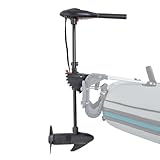
4. Intex 40 lb Transom Motor – Best for Inflatable Boats
INTEX Transom Electric Trolling Motor for Inflatable Boat, 40lb Thrust
- Dimensioned for Intex inflatable pontoons out of the box
- Multi-position tiller with 8 tilt positions
- Weed escape and auto power modulation are genuinely useful
- Battery meter plus dry-run and overload indicators
- 8 speeds including 3 reverse
- No manufacturer warranty
- Plastic construction draws fair criticism
- Deep cycle battery sold separately
- Only fits Intex hulls without modification
This one exists because inflatable pontoons do not have a transom in the sense a rigid boat does. The Intex motor is dimensioned around that constraint, with an adjustable mounting bracket and a 6-inch tiller that extends and tilts through 8 positions so you can find a comfortable angle on a hull that flexes with your weight.
At 17 lb and 40 lb of thrust, it is sized for the Challenger 3, Seahawk 2 through 4, Excursion 4 and 5, and Mariner 3 and 4. That is a real advantage over a general-purpose motor, because the bracket geometry already matches these boats and you are not improvising a mount on a tube.

The electronics are the differentiator. The weed escape function rapidly alternates forward and reverse to back the propeller out of vegetation, and auto power modulation reduces draw to stretch a charge. On a lake full of lilies or a duck pond with submerged grass, that is worth more than a few extra pounds of thrust.
The control panel adds a battery meter, a dry-operation warning and an overload indicator. On a boat with no console and no wiring, having the motor tell you when it is about to cook itself is a meaningful safety margin.

Why inflatable owners should look here first
Because a standard transom bracket rarely fits a pontoon tube, and the alternatives are usually a kayak-style mount that means leaning over the side. This is designed for the boat, so the install is a bracket and two bolts and the motor sits where the tiller reaches your seat.
It is also a good duck boat partner. If you are hunting waterfowl on a small layout or pontoon and you want to arrive quietly, 40 lb of thrust moves the boat at a trolling speed without the noise of an outboard at idle.
Where the compromises are
There is no manufacturer warranty on this unit, which is the single biggest difference from the rest of this list. Owners also point out the plastic construction and fit and finish as thin next to a metal transom motor, and about 12 percent of ratings are 1-star, which points to mixed long-term durability.
Two practical constraints. The deep cycle battery is not included, so it is a separate purchase. And while the listing describes fresh water, inflatable boats and salt water use, the plastic hardware and the absent warranty make this a poor choice for a saltwater inflatable run long term.
5. PEXMOR 26 lb 8 Speed – Best Budget Pick
- Lowest cost motor in this roundup
- Spare propellers included for 26
- 36
- 45 and 55/86 variants
- Eight speeds with a telescoping handle
- Owners report all-day running on a 100Ah LiFePO4 battery
- Adequate for 12 ft boats and inflatables in moderate current
- Plastic boat mount and tilt mechanism
- No battery terminal clamps included
- Only a 1-year warranty
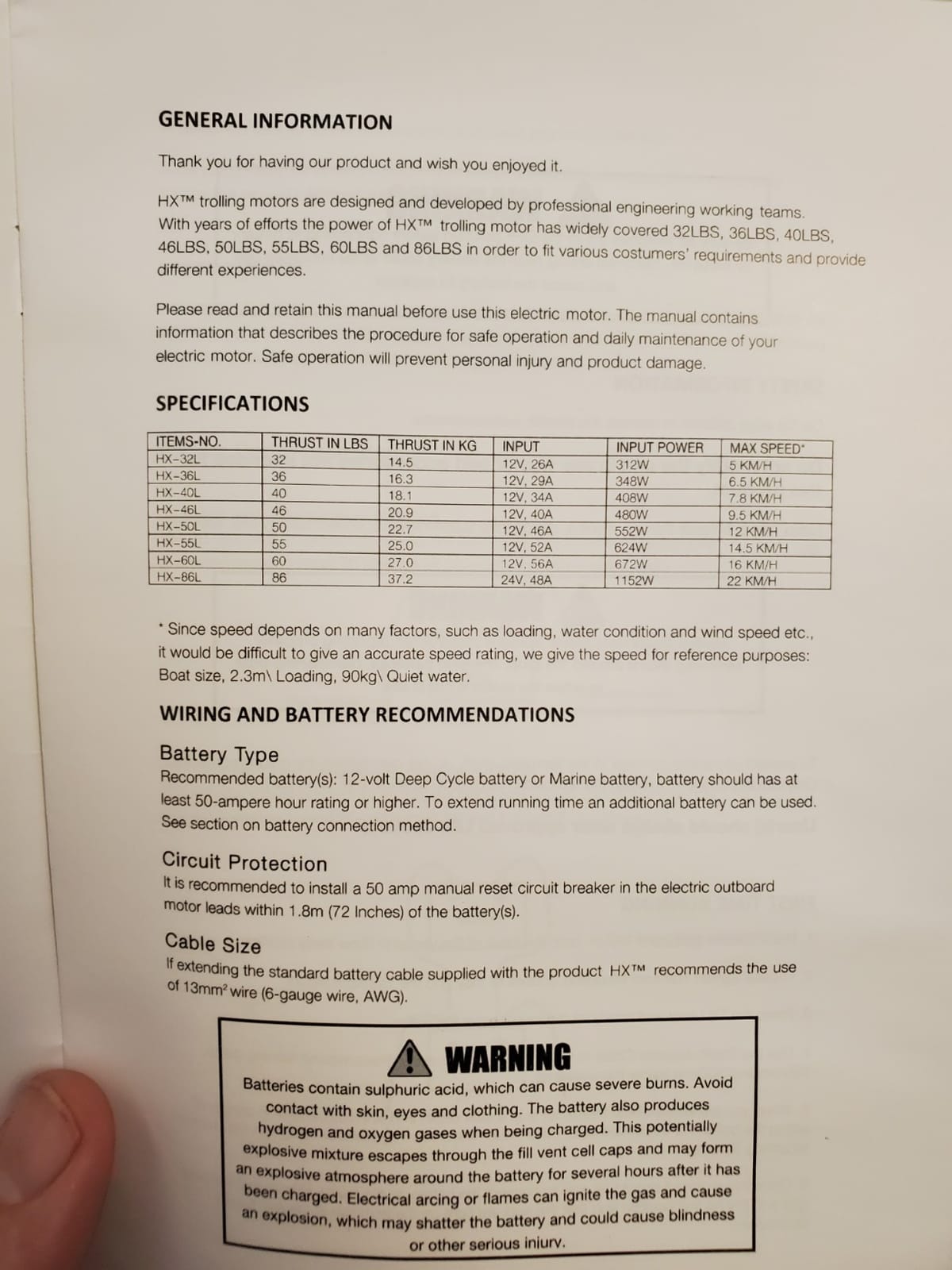
The PEXMOR is here because a lot of small-boat owners are buying their first motor on a tight budget, and it delivers more than the spec sheet suggests. This listing is the 26 lb variant, with 36, 45, 55 and 86 lb versions in the same family, so the mounting pattern you learn on the small one carries to a bigger hull later.
Five forward and three reverse speeds, a 6-inch telescoping handle, adjustable shaft angle and a depth knob give you a surprising amount of control for the money. The included spare propellers are the detail owners single out, since a bent or chewed prop is the most common reason a small motor comes home from a day on the water limping.
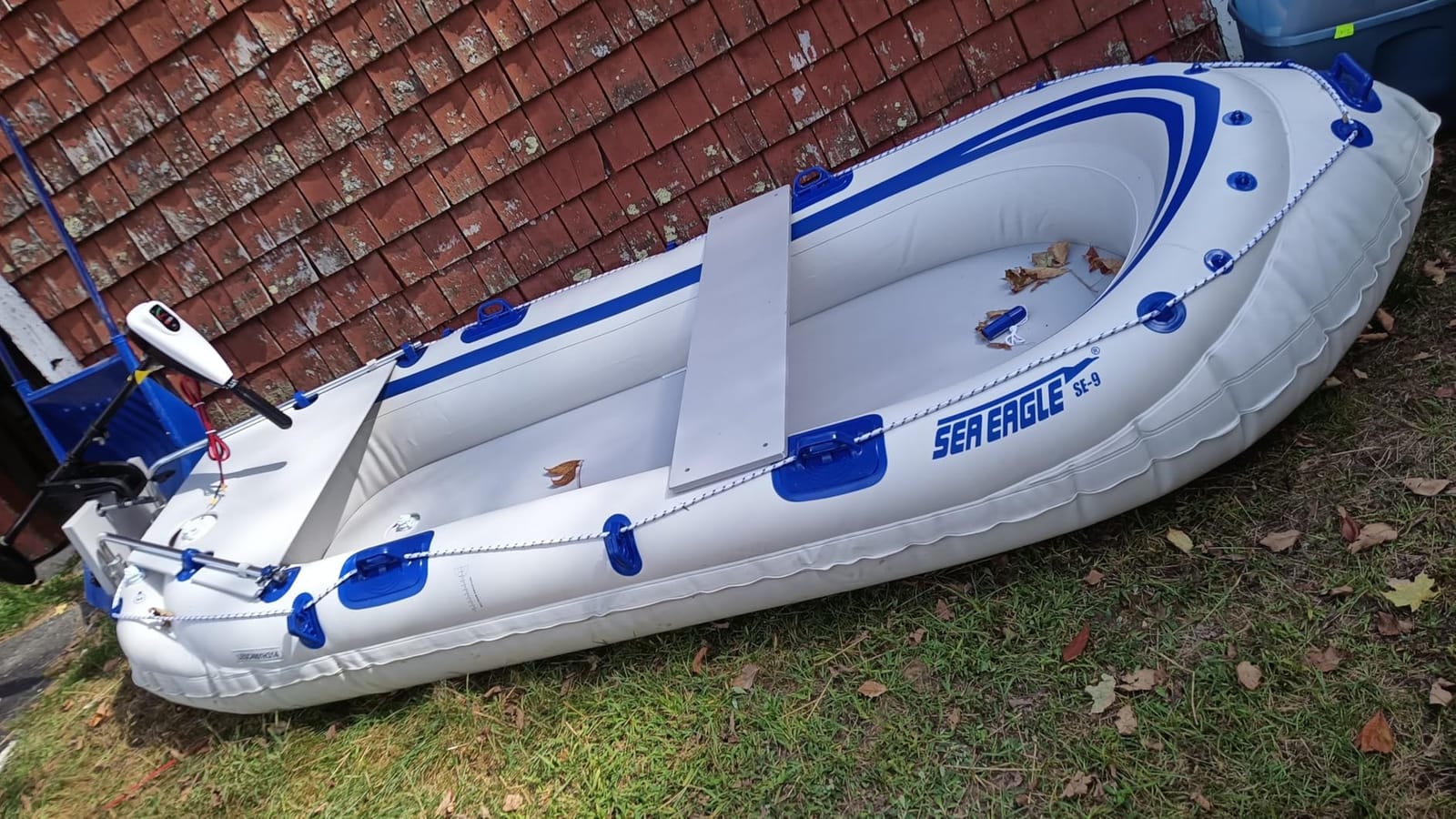
One owner reports running all day on a 100Ah LiFePO4 battery, which is achievable at trolling speeds rather than full throttle. Another describes it as enough power for a 12 ft boat and an inflatable in moderate current, which matches the thrust math once you know the load.
The 10-LED battery gauge is unusually granular for this tier. One to three red lights signal low power, so you get a real picture of remaining capacity rather than a single warning lamp, and that matters when the battery is under a seat or in a sealed box.
When the budget pick makes sense
On a flat lake, in calm conditions, with a hull that weighs 300 to 400 lb loaded, 26 lb of thrust is adequate. The saving goes toward a battery, which is where most of the money has to go anyway, and toward a second motor later if you outgrow this one.
It is also a defensible companion to a kayak or a small inflatable, and a reasonable backup motor to keep in the truck for a boat you already have electric thrust on. The included spare props reduce the most common reason for a trip home.
What you accept to save money
The boat mount and the tilt and telescoping mechanism are plastic rather than metal, which is the durability concern that comes up first. The throttle handle durability over extended use is also uncertain, and no battery terminal clamps are included, so your cables need adapting before the motor will connect.
There is one owner report of the motor failing after two months and leaving the owner stranded, and the warranty is one year against two years on most of the units here. On a motor you will operate at trolling speeds, that is a reasonable trade, but carry a paddle.
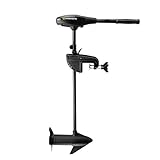
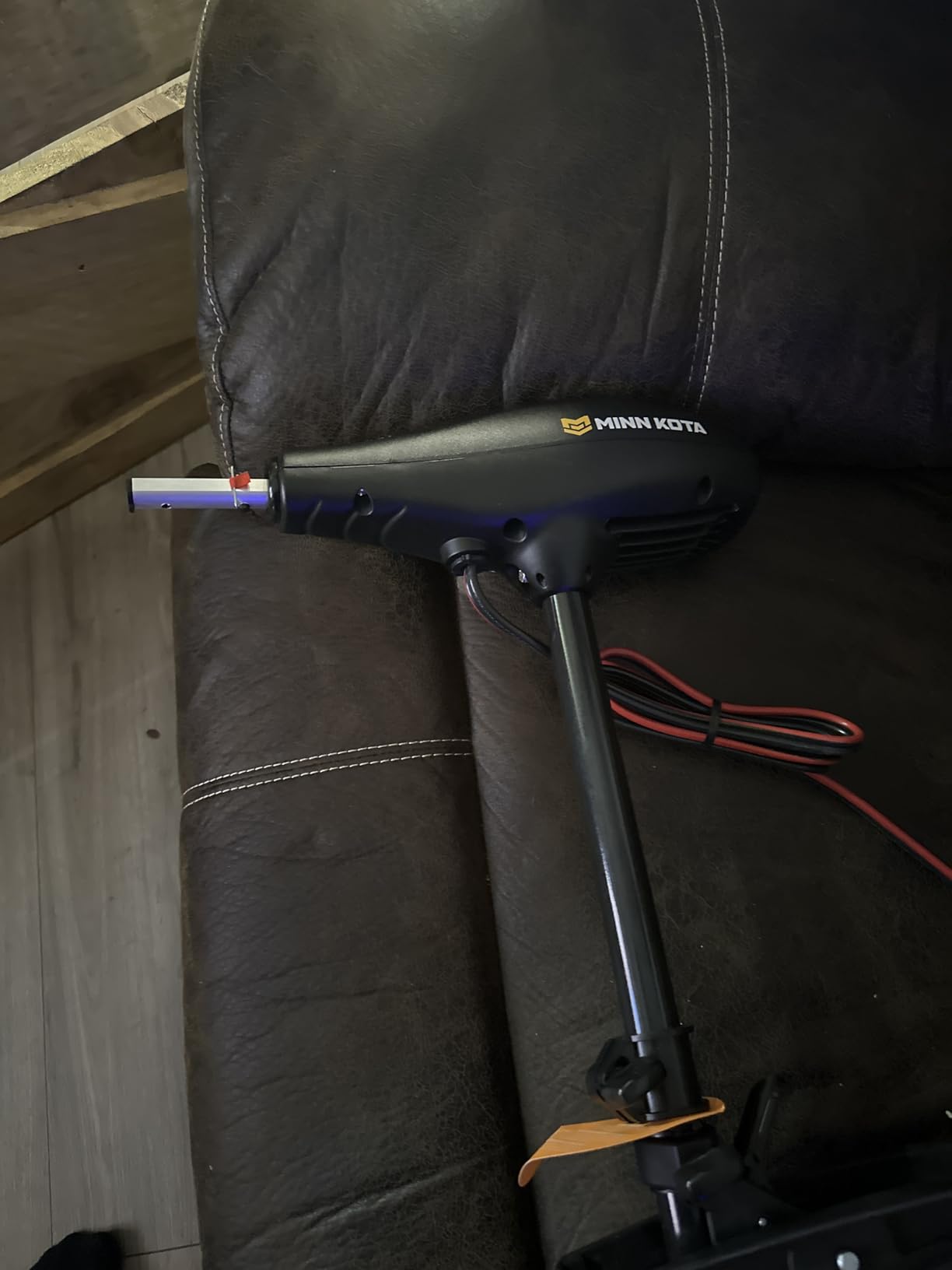
6. Minn Kota Endura Max 55 – Best for 12 to 16 Foot Boats
Minn Kota Endura Max Transom-Mount Electric Trolling Motor – 55 Lb. Thrust, 42 In. Shaft, Freshwater
- Digital Maximizer extends runtime on a single charge
- 55 lb of thrust suits mid-size jon boats and skiffs
- Indestructible composite shaft core
- 6-inch telescoping tiller with fine speed control
- Push-to-test battery meter removes guesswork
- Bulkier and heavier than brushless rivals
- 42 in shaft can be longer than a very small boat needs
- Some early component wear reported
This is the answer when a 12 to 16 ft hull is loaded with two people, a battery, tackle and a cooler. Fifty-five pounds of thrust on 12V is a strong match for a mid-size jon boat or a small skiff, and it leaves headroom for a beam wind that a 30 lb motor would be fighting.
Digital Maximizer is the technology worth understanding. It meters power to the motor so it holds speed with less draw, and Minn Kota rates runtime up to 5 times longer on a single charge as a result. The push-to-test battery meter means you can check remaining charge without leaving the tiller.
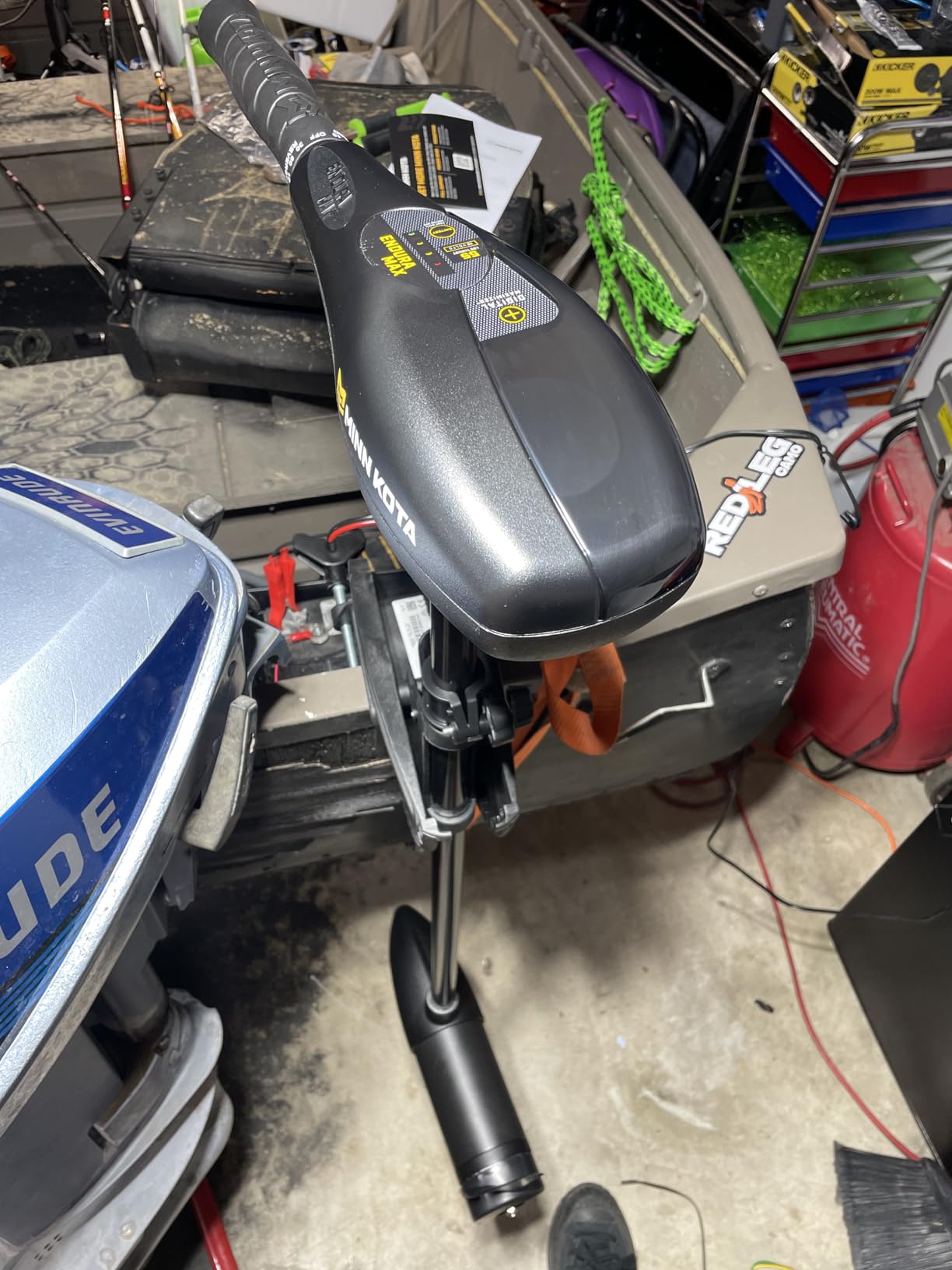
The 42 inch shaft is longer than most small boats strictly need, but it is a virtue in a chop. A longer shaft keeps the prop deeper relative to the surface, which is exactly what prevents the cavitation that costs you thrust when the prop breaks the water.
Owners point to the indestructible composite shaft core and the reinforced composite lever lock bracket, which resist flexing, warping and UV damage. The 6-inch telescoping tiller with finite speed adjustment gives fine control across the 10-position bracket. We cover the brand in more depth in our Minn Kota trolling motor rankings.
Why 55 lb is the sweet spot for mid-size hulls
Because it fits the rule of thumb that has held up across forums for years: roughly 2 lb of thrust for every 100 lb of loaded boat weight, tripled if you expect to push into wind or current. A 14 ft jon boat loaded to 800 lb lands right in this range, and the 55 lb unit gives you the margin that rule assumes.
It is also the last motor that comfortably stays on a single 12V battery bank. That matters on a small boat, because a second deep cycle battery is both weight and a second place a battery can fail on a wet hull.
Where it does not fit
On a very small hull, the 42 inch shaft can be longer than the freeboard needs, and the unit is bulkier and heavier than the brushless motors in this roundup. If your boat is a 10 or 11 ft jon with low freeboard, the Endura C2 30 is the better-matched tool.
Durability is not perfect across the board. Reviewers note a 2 to 7 percent spread of 3-star and 2-star ratings, which points to some early component wear on a small number of units. If you are in salt water, note that this listing is described for salt water use but the shaft and bracket are composite, and saltwater rinse after every trip matters more than it does on a sealed brushless head.
7. AQUOS Haswing 65 Brushless – Best Thrust-to-Weight Pick
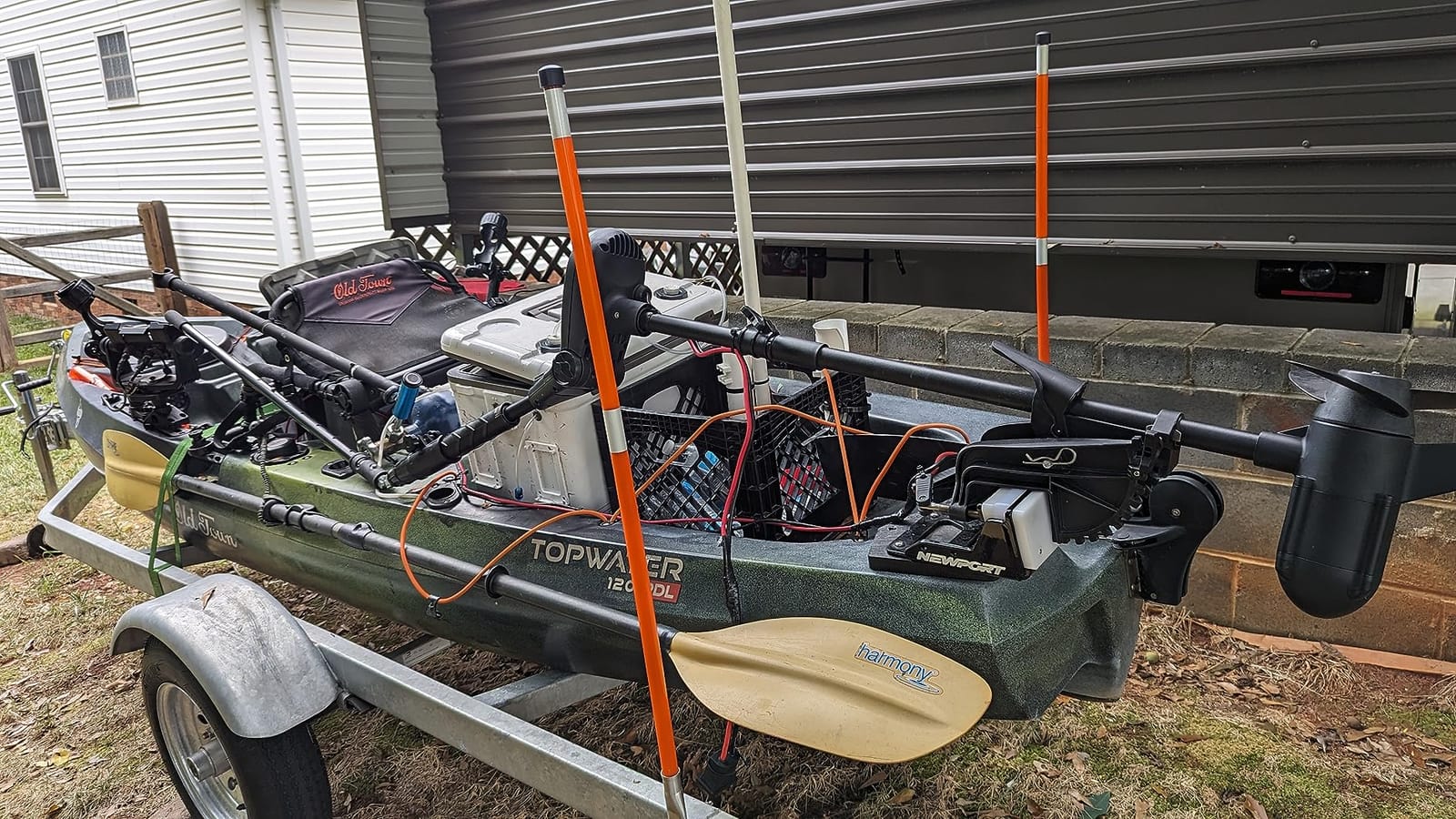
AQUOS Haswing 12V 65lbs 35.5in Brushless Transom Trolling Motor
- Brushless motor is notably lighter than comparable brushed units
- Stepless forward and reverse control for any speed
- Excellent battery efficiency in owner reports
- Compact lower unit clears a transom-mounted outboard
- Suitable for both salt and fresh water
- Causes EM and RF interference on sonar and fish finders
- Draws power even in the off position
- No circuit breaker included
- Head unit and tilt handle feel less durable
Sixty-five pounds of thrust from a brushless motor is the standout number in this group, and the reason is the motor type. A brushless design drops the commutator and brushes, which cuts weight and heat, and owners consistently report this motor feeling lighter than 55 to 65 lb brushed alternatives.
Stepless speed control is the feature you will notice most on the water. Instead of five fixed gear steps, you get continuous adjustment in both directions, which makes it easy to find the exact trolling speed that keeps a lure working at the edge of a weed line.

Battery efficiency is the other headline. Owners report around 10 hours of trolling with roughly 40 percent of a 100Ah battery remaining, which is a much better result than brushed motors of the same thrust. For a long day of duck scouting or a slow paddle across a wide lake, that difference decides the trip.
The compact lower unit is genuinely useful on a small boat because it clears a transom-mounted outboard, so you are not choosing between the two. The 15.7-inch foldable handle extension with 180 degrees of fold and 10 tilt positions, a 3-level LED power indicator, a kill switch and a quick-lock trim adjustment round out a well-equipped head unit.
Who this brushless motor is for
Boat owners who fish long days in mild current, who care about the weight they have to lift, and who are running a loaded hull in the 15 to 16 ft range. The listed weight is 9 kg, and a two-year warranty covers the entire motor, which is stronger coverage than most of the budget units here.
It is also one of the few motors on this list that is straightforwardly rated for both salt and fresh water, which is why our saltwater readers should look here as well as at the NV-Series. Our saltwater trolling motor guide covers the sealed, fully marine electronics tier above this one.
The interference problem to know about
This is the reason to pause before buying. Owners repeatedly report EM and RF interference that degrades fish finder and sonar readings, even with a separate power supply. If your electronics sit directly above the battery on a small boat, a brushless motor is very likely to be a problem for you.
Also note that it draws power even in the off position, so expect a small spark when you connect or disconnect it, and no circuit breaker is included. One cluster of reviews mentions noticeable noise, vibration, a fragile tiller extension and a listed handle extension shorter than advertised, and the head unit and tilt handle feel less durable than brushed rivals.
8. Goplus 46 lb 8 Speed – Best for Weedy Lakes
- 46 lb of thrust at a mid-tier price point
- Glass fiber composite shaft with die-cast aluminum head
- Fuse trips before the motor burns out in heavy weeds
- Adjustable shaft and tilt let you steer seated or standing
- LED battery indicator for planning battery swaps
- Two-blade prop has limited weed-clearing ability
- Composite shaft is less rigid than aluminum
- Brand has a limited long-term track record
The Goplus 46 puts 46 lb of thrust on a 12V transom mount with a 36 inch shaft, which places it in the middle of the size range where most 14 to 16 ft small boats land. It is sold for fresh water, salt water and sail boats, so it covers the bases without a separate marine model.
Its distinguishing feature is the fuse. A glass fiber composite shaft and a die-cast aluminum head sit behind a protected circuit that trips before the motor burns out when the prop is trapped in heavy weed, which is exactly the failure mode that ends a long day on a weedy lake.
The adjustable shaft and tilt mechanism let you steer while seated or standing, which is useful on a low-sided skiff where the stock position puts the handle at an awkward height. The LED battery indicator signals when to recharge or swap in a second battery, and reverse helps clear jams in vegetation.
Owners like the thrust for the money, and the same family is offered in 55 and 86 lb versions if you move up to a bigger hull later. The head is die-cast aluminum, which is a step up from the stamped parts used on entry-level motors.
When it makes sense
On a mid-size aluminum boat in a lake with heavy vegetation, where you need more push than a 30 lb class motor and better weed tolerance than a two-blade prop gives you. The 8-speed control and adjustable steering position make it a comfortable all-day platform for flat-water fishing.
It is also a reasonable bridge motor if you are between hulls. The 36 inch shaft suits a boat with moderate freeboard, and the mounting pattern is a conventional transom bracket, so it will transfer to another boat without modification.
Where it falls short
The two-blade propeller is the main functional compromise. Compared with the three-blade prop on the Newport NV-Series, it pushes a little harder at speed but clogs sooner in dense weeds, so on heavy vegetation it is the weaker of the two despite the fuse protection.
The composite shaft is also less rigid than an aluminum shaft, so more flex transfers into the head under hard push. And the brand carries a limited long-term track record next to Minn Kota or Newport, which for most owners means the two-year support question is worth asking about before you commit.
How to Choose a Trolling Motor for a Small Boat?
Sizing a trolling motor is arithmetic, not opinion. Work through the four steps below in order and the correct thrust class falls out of the math. The forum advice of bigger is better is not wrong on open water, but it is a poor substitute for a number you can defend.
How much thrust do you actually need?
Step one is loaded weight, not hull length. Add the boat’s dry weight, the battery, the motor, your gear and your passengers, then apply the standard rule: about 2 lb of thrust for every 100 lb of loaded weight. Triple that figure if you will routinely push into wind or river current, which is the situation most often underestimated.
A 12 ft jon boat typically weighs 150 to 250 lb empty and lands around 400 to 600 lb loaded, which puts the answer at 8 to 12 lb of thrust by the basic rule and 30 to 45 lb once you add the wind margin. That is why 30 lb units dominate jon boat recommendations and why forum threads about them keep succeeding rather than disappointing.
As a reference tier: 10 to 12 ft hulls on calm water sit in the 30 to 45 lb, 12V class. 14 to 17 ft hulls, and anything you will push in wind or current, sit in the 55 to 65 lb, 12V class or move to 24V. Advice from forums.ozarkanglers.com follows the same logic: if you fish current, a 24V motor is the right buy unless you strictly anchor fish.
Transom mount or bow mount?
For most small boats, a transom mount. It is cheaper, it is lighter, it bolts to a flat surface most hulls already have, and it uses no deck space. It is also the only realistic choice on a boat whose bow is a pointed or flexible front, which covers most jon boats and duck boats.
A bow mount pays off when steering position and hands-free control matter more than mounting convenience, and when your transom is already shared with an outboard. The Minn Kota Edge with foot pedal control is the clearest example in this roundup. The trade is cable routing complexity at the bow and a heavier, more expensive unit.
How long should the shaft be?
Measure the freeboard: the distance from the top of the transom or bow deck down to the waterline, as thehulltruth.com forum advice puts it. Add 16 to 20 inches to that number and you have your minimum shaft length. A 30 inch shaft suits a low-freeboard jon hull, and a 36 to 42 inch shaft suits a taller skiff or a duck boat with a raised deck.
Shaft length is not a comfort feature, it is a performance feature. Too short and the prop breaks the surface in chop, the blades aerate, and you lose thrust exactly when you need it. This cavitation problem is the number one reason a motor that pushes fine on a flat lake feels weak on open water, and it is a mounting problem rather than a thrust problem.
12V or 24V, and how long the battery lasts
12V is right for boats under about 800 lb loaded in calm or lightly moving water, and it means one deep cycle battery, one charger and far less weight. 24V means two 12V batteries in series, roughly double the current capability for the same thrust class, and it is the right call for wind, current or a hull over 800 lb loaded.
Runtime depends far more on how you run the motor than on its label. A 55 lb 12V motor drawing roughly 30 to 50 amps at full throttle will flatten a single 100Ah battery quickly, which is why trolling at speeds 1 through 3 changes the whole day. On a 100Ah battery, expect the practical all-day range to come from a 30 to 55 lb motor used at low and medium throttle, and expect a high-throttle run to be measured in a much shorter window.
For a 65 to 80 lb thrust class, plan on a 24V bank, typically two deep cycle 100Ah or larger batteries. Lithium is increasingly the choice on small boats, not because of capacity but because a 100Ah lithium pack can weigh roughly half of a comparable lead acid bank, and on a 150 lb hull every pound of battery you remove is a pound of load rating and a pound you are not lifting over the gunwale.
Freshwater, saltwater and mounting without drilling
Never run a freshwater-only motor in salt water. Salt intrusion corrodes the shaft, bracket and connections, and it is the standard way owners void a warranty. The saltwater-rated options in this roundup are the Newport NV-Series, the AQUOS Haswing brushless motor and the Goplus 46. Rinse any motor with fresh water after every saltwater trip, and do it whether or not the motor is rated for it.
On mounting, owners of older hulls often do not want new holes drilled. An owner in r/kayakfishing put it plainly about an Old Town 132 PDL: the budget motor was fine, the constraint was not wanting to make new holes. Transom straps and adjustable clamp brackets solve this on most flat transoms, and bolting to an existing railing or rail cap is the standard approach on a jon boat.
One more thing that catches new owners: a small hull rotates 360 degrees under paddle power, so reverse is not required. It is a convenience for repositioning at a dock, not a necessity. That is useful context, because several cheaper motors in this roundup have weak reverse and it matters far less than the spec sheets suggest.
For deeper coverage of the brands mentioned here, our MotorGuide trolling motor reviews and full trolling motor guide cover the alternatives we did not have room for here.
Frequently Asked Questions
How big of a trolling motor do I need for a 12 foot jon boat?
A 12 ft jon boat usually weighs 150-250 lb empty and 400-600 lb fully loaded. At roughly 2 lb of thrust per 100 lb of loaded weight, that points to a 30 lb motor, and 45 lb if you plan to fish wind or current. Stay on 12V at this size, with a 30 or 36 inch shaft for a low-freeboard hull.
Can you run a jon boat with a trolling motor?
Yes, jon boats are among the most common platforms for trolling motors because they are flat, light and have a solid transom. A 30 to 45 lb 12V transom mount covers most jon boats. Reverse is not necessary, since a small hull pivots 360 degrees under paddle power, and mounting straps avoid drilling new holes in an older hull.
Which is better, a 12 volt or 24 volt trolling motor?
12V suits boats under about 800 lb loaded in calm water and needs only one deep cycle battery. 24V uses two 12V batteries in series and roughly doubles current capability, which is what you want for wind, river current or a heavier hull. On a small boat, the extra battery weight usually argues for staying on 12V unless conditions demand otherwise.
How long will a 55 lb thrust motor run on a 100Ah battery?
A 55 lb 12V motor draws roughly 30 to 50 amps at full throttle, so high-throttle time on a single 100Ah battery is short. Most of a full day comes from trolling at low and middle speeds, where draw is a fraction of full throttle. Motors with digital power management or brushless design, such as the Endura Max and the AQUOS Haswing, stretch that window considerably.
How big of a boat will a 55 lb thrust motor push?
Fifty-five pounds of thrust moves a loaded hull in the 1,000 to 1,500 lb range comfortably on flat water, which covers most 14 to 16 ft jon boats, duck boats and small skiffs. Performance drops quickly in a headwind or current, so size for the conditions you fish rather than for hull length alone. Forum owners running 80 lb units on 16 ft boats are buying margin, not necessity.
Who makes the most reliable trolling motor?
Long-term owner reports most often favour established makers with composite shafts and composite brackets, which resist flexing, warping and UV damage better than stamped steel or all-plastic mounts. Budget brands are widely used and rarely criticised for performance, but they carry shorter warranties and more mixed long-term durability reports. Match the warranty length to how hard you run the boat.
Final Verdict: Best Trolling Motors for Small Boats
The Minn Kota Endura C2 30 wins this roundup as the best trolling motor for small boats overall, because it is quiet, light enough to carry solo, honest about its 30 lb of thrust and bracket-mounted without drilling. For a 12 ft jon boat or a loaded canoe, it is the motor we would buy first.
Pick by hull type. Jon boat or 10-12 ft skiff on calm water: Endura C2 30. Brackish bay, duck boat or inflatable: Newport NV-Series 46, or the Intex 40 lb unit if your boat is an Intex pontoon. 14-16 ft boat loaded with people and gear, or any current: Endura Max 55, or the AQUOS Haswing 65 if runtime and low weight matter and you can live with the electronics interference. Weedy lake with a low budget: PEXMOR 26, with a paddle as backup.
Two decisions will shape your satisfaction more than the brand. Get the shaft length right by measuring freeboard, and budget for a proper deep cycle battery and a breaker, because the motor rarely arrives with one. Work through our full trolling motor buyer guide for the wider picture, and check the latest pricing on each of these before you commit.