
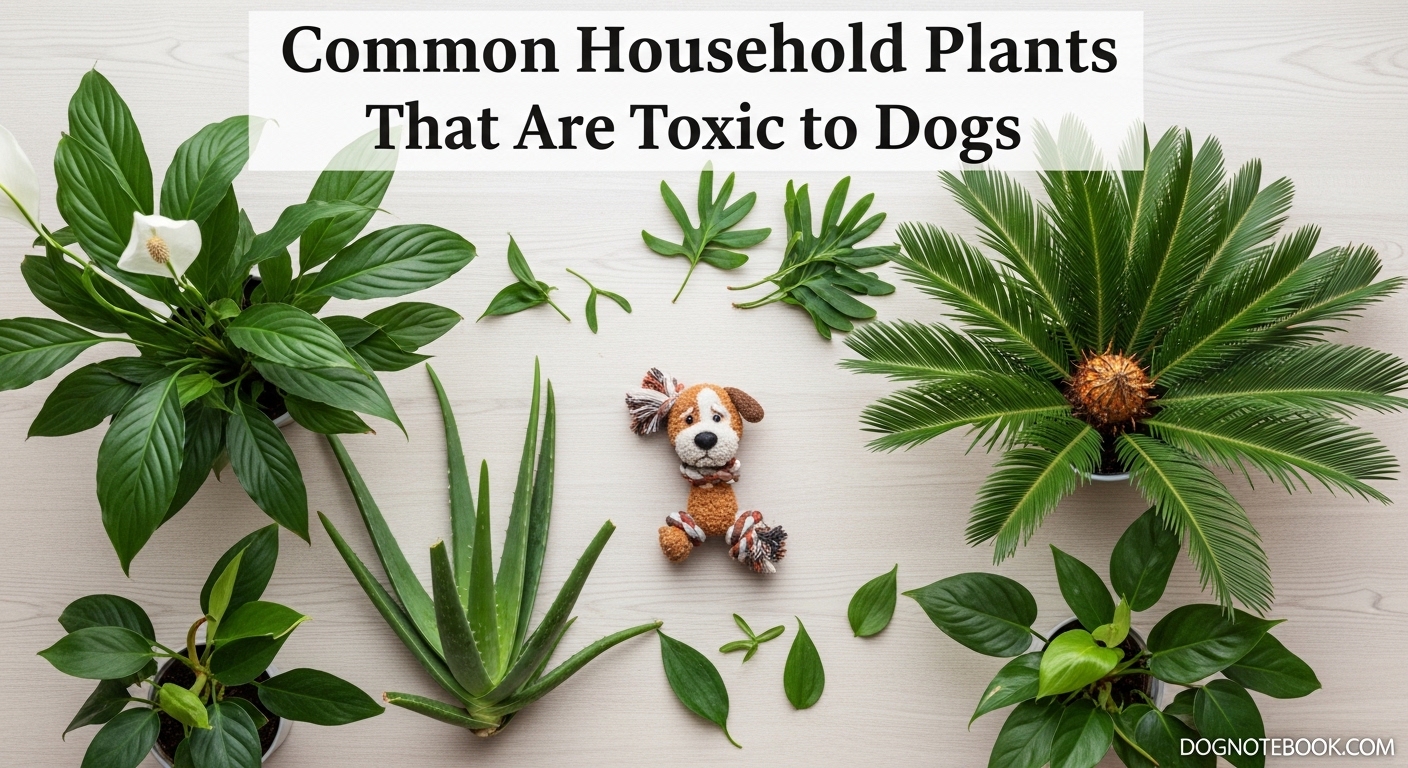
If you have a dog and houseplants sharing the same living space, you need to know which greenery could put your pet at risk. I learned this the hard way years ago when my Labrador pup nibbled on a pothos vine and spent an anxious night at the emergency vet. The truth is, many popular household plants that are toxic to dogs sit right on our windowsills and coffee tables without most owners realizing the danger.
According to the ASPCA Animal Poison Control Center, plants are among the top 10 reasons pet owners call for help each year. Some plants cause nothing more than an upset stomach, while others can be fatal in tiny amounts. The problem is that most resources lump everything together under one scary “toxic” label without telling you which plants are genuinely dangerous versus which ones just cause mild discomfort.
I have spent months researching this topic, talking with veterinarians, and digging through scientific literature to put together a clear, honest guide. In this article, you will find 13 common household plants that are toxic to dogs, each with a severity rating so you know the actual level of risk. I will also cover symptoms to watch for, exactly what to do in an emergency, how to prevent exposure, and which plants are genuinely safe alternatives.
Table of Contents
What Makes Common Household Plants Toxic to Dogs
Plants cannot run from predators, so many of them evolved chemical defenses to deter animals from eating them. These same defenses that protect the plant in nature can make our dogs sick. The specific compound determines how severe the reaction will be, and understanding the main categories helps you assess risk quickly.
Calcium Oxalate Crystals
These microscopic, needle-shaped crystals are found in plants like philodendron, pothos, peace lily, and dieffenbachia. When a dog bites into the plant, these crystals embed themselves in the mouth, tongue, and throat. The result is immediate, intense pain, drooling, pawing at the mouth, and difficulty swallowing. This is one of the most common toxic houseplant reactions veterinarians see, and while it looks terrifying, it is rarely life-threatening.
Cardiac Glycosides
Plants like oleander and lily of the valley contain cardiac glycosides, which directly affect the heart. These compounds interfere with the electrical signaling that controls heart rhythm, potentially causing irregular heartbeats, slowed heart rate, and in severe cases, cardiac arrest. Even small ingestions of these plants are considered medical emergencies. This is not the category where you wait and watch.
Saponins and Alkaloids
Saponins are soap-like compounds found in plants like aloe vera, snake plants, and English ivy. They irritate the digestive tract lining, leading to vomiting, diarrhea, and abdominal discomfort. Alkaloids, found in plants like the sago palm, are nitrogen-containing compounds that can affect the nervous system and organs. Sago palm contains cycasin, which specifically attacks the liver and can cause fatal liver failure even in small amounts.
Common Household Plants That Are Toxic to Dogs
Below are 13 of the most common household plants that are toxic to dogs, listed roughly from most dangerous to least dangerous. Each entry includes a severity rating, the toxic parts of the plant, the specific toxin involved, and symptoms to watch for. Use this as a reference guide you can come back to whenever you bring a new plant home.
1. Sago Palm (Cycas revoluta) — Life-Threatening
The sago palm is, in my opinion, the single most dangerous houseplant you can own if you have a dog. Every part of this plant contains cycasin, but the seeds (often called nuts) hold the highest concentration. Ingesting even one or two seeds can cause severe liver failure, and the mortality rate in dogs who ingest sago palm and develop liver damage can reach 30 to 50 percent even with treatment.
Symptoms typically begin within 15 minutes to a few hours. Initial signs include vomiting, diarrhea, and lethargy, which might seem manageable. But within 12 to 24 hours, liver damage can progress rapidly, leading to jaundice, increased thirst, fluid buildup in the abdomen, and potentially death. If you suspect your dog has chewed on any part of a sago palm, do not wait for symptoms. Get to an emergency vet immediately.
2. Oleander (Nerium oleander) — Life-Threatening
Oleander is a striking flowering shrub that some people grow indoors or keep on patios, and it contains cardiac glycosides throughout every part of the plant: leaves, flowers, stems, and even the water from its vase. A single leaf can contain enough toxin to seriously harm a small dog. The compounds affect the heart muscle directly, causing irregular rhythms, slowed pulse, and potentially fatal cardiac arrest.
Symptoms can appear within 30 minutes to a few hours and include drooling, abdominal pain, diarrhea, weakness, and tremors. The cardiac effects can develop quickly and without much warning. Because of how potent this plant is, any suspected ingestion warrants an immediate trip to the vet. Do not induce vomiting at home without veterinary guidance, as the cardiac effects can worsen suddenly.
3. Lily of the Valley (Convallaria majalis) — Severe to Life-Threatening
Lily of the valley contains over 30 different cardiac glycosides, including convallatoxin and convallarin, making it one of the most toxic common garden plants that sometimes gets brought indoors as cut flowers or potted gifts. All parts are poisonous, including the berries, roots, and even the water the flowers sit in.
Digitalis-like effects on the heart mean this plant can cause dangerous arrhythmias, slowed heart rate, and drops in blood pressure. Vomiting, diarrhea, and weakness usually appear first, followed by confusion, seizures, and potentially coma. If your dog has access to lily of the valley in any form, this plant needs to be removed entirely from your home and yard.
4. Dieffenbachia / Dumb Cane (Dieffenbachia spp.) — Moderate to Severe
Dieffenbachia is one of those plants you see in offices, waiting rooms, and living rooms everywhere. It earned the common name “dumb cane” because the calcium oxalate crystals in its leaves and stems can actually cause temporary speech loss in humans who chew on it. For dogs, the effects include intense oral burning, excessive drooling, difficulty swallowing, and vomiting.
The swelling in the mouth and throat is the main concern. In rare cases, particularly with larger ingestions, the airway can swell enough to cause breathing difficulty. While most cases resolve with supportive care, any sign of breathing trouble warrants immediate veterinary attention. The insoluble calcium oxalate crystals mean the pain starts the instant your dog bites in, which usually limits how much they consume.
5. Tulips and Hyacinths (Tulipa spp. / Hyacinthus spp.) — Moderate to Severe
These popular spring-blooming bulbs contain tulipalin A and B, with the highest concentration of toxins located in the bulbs themselves. Many dog owners do not realize that the bulbs sitting in their garage or garden shed are actually the most dangerous part. Dogs who dig up and chew on tulip or hyacinth bulbs can experience severe gastroenteritis, drooling, vomiting, and diarrhea.
In larger ingestions, particularly of the bulbs, dogs may develop elevated heart rate, difficulty breathing, and tremors. The toxin concentration in leaves and flowers is much lower, so a dog nibbling a petal will likely experience only mild stomach upset. However, if you catch your dog eating bulbs or a significant amount of the plant, contact your vet promptly.
6. Aloe Vera (Aloe barbadensis) — Moderate
Aloe vera sits on kitchen counters across the country, valued for its soothing gel. But the outer layer of the aloe leaf contains saponins and anthraquinones, including aloin, which is a potent laxative. When a dog chews on an aloe leaf, they ingest these compounds and typically develop vomiting, diarrhea, lethargy, and changes in urine color.
The sticky latex just under the leaf skin is the primary irritant. While the clear inner gel itself has low toxicity, dogs chewing on the leaf do not differentiate between the gel and the outer rind. Most cases are self-limiting and resolve within 24 to 48 hours, but severe diarrhea can lead to dehydration, especially in smaller dogs. Call your vet if symptoms persist beyond a day.
7. Peace Lily (Spathiphyllum) — Moderate
The peace lily is one of the most popular indoor plants in the United States, prized for its air-purifying qualities and low-maintenance nature. Unfortunately, it contains insoluble calcium oxalate crystals throughout its leaves, stems, and flowers. The moment a dog bites into a peace lily, those needle-like crystals cause immediate oral pain, swelling of the lips and tongue, excessive drooling, and difficulty swallowing.
Most dogs stop eating the plant quickly because the pain is instant and intense. Vomiting can follow within a few hours. While peace lily ingestion is rarely life-threatening, the oral swelling can be very uncomfortable, and in rare cases it can affect breathing. Offering your dog cold water or ice chips can help soothe the mouth irritation on the way to the vet.
8. Philodendron (Philodendron spp.) — Moderate
Philodendrons come in many varieties, from the classic heartleaf vine to the large, dramatic split-leaf varieties. All of them contain calcium oxalate crystals. Like peace lilies, the immediate effect is sharp oral pain when a dog bites the leaves, followed by drooling, pawing at the mouth, foaming, and vomiting.
Philodendrons are trailing plants that often dangle their vines within easy reach of curious dogs. This accessibility makes them one of the most commonly ingested toxic houseplants. The calcium oxalate crystals are insoluble, meaning they do not break down in the body. They physically irritate tissue, which is why the pain is so immediate. Most dogs recover fully with supportive care, but the experience is stressful for both dog and owner.
9. Pothos / Devil’s Ivy (Epipremnum aureum) — Moderate
Pothos might be the most common houseplant in America, and it is also one of the most frequently ingested by dogs. Like philodendron, pothos contains insoluble calcium oxalate crystals. The trailing vines make it easy for dogs to grab a mouthful, and the plant’s resilience means it is often placed in accessible locations around the home.
Symptoms are identical to philodendron exposure: immediate oral pain, swelling, drooling, foaming, and vomiting. The calcium oxalate crystals also can cause skin irritation if the plant sap contacts your dog’s skin. Pothos ingestion is rarely dangerous beyond acute discomfort, but the oral irritation can be significant. I always recommend placing pothos well out of reach or swapping it for a non-toxic trailing alternative like a spider plant.
10. Snake Plant / Mother-in-Law’s Tongue (Sansevieria trifasciata) — Moderate
Snake plants contain saponins, which are natural detergents the plant uses to defend against insects and fungi. When ingested by dogs, saponins irritate the gastrointestinal lining, leading to nausea, vomiting, diarrhea, and abdominal pain. The plant also contains mild organic acids that can contribute to oral irritation.
Because snake plants have tough, upright leaves, most dogs do not eat large quantities. The texture itself acts as a deterrent. But puppies and determined chewers can certainly get through the fibrous leaves. Symptoms usually appear within a few hours of ingestion. While most cases resolve with supportive care at home, prolonged vomiting or diarrhea warrants a vet visit to prevent dehydration.
11. ZZ Plant (Zamioculcas zamiifolia) — Moderate
The ZZ plant has surged in popularity because it thrives in low light and needs almost no attention. It contains both calcium oxalate crystals and a compound called jjazimin in its leaves, stems, and roots. The combination means dogs that chew on it experience oral irritation from the crystals plus potential gastrointestinal upset.
Symptoms include drooling, oral pain, vomiting, and diarrhea. The calcium oxalate reaction is usually milder than what you see with philodendron or dieffenbachia because the concentration is lower. Still, the ZZ plant is not something you want your dog snacking on. Like the snake plant, its tough, waxy leaves tend to discourage large ingestions, but any chewing should be monitored.
12. English Ivy (Hedera helix) — Moderate
English ivy is grown both indoors and outdoors, and it contains polyacetylene compounds and saponins, particularly concentrated in the leaves. Dogs that chew on ivy typically develop oral irritation, excessive drooling, vomiting, and diarrhea. In larger ingestions, the saponins can cause more severe gastrointestinal symptoms and, rarely, muscle weakness or breathing difficulty.
Indoors, ivy is often grown in hanging baskets or trained along shelves, which keeps it away from most dogs. However, fallen leaves or long trailing vines can become targets. English ivy also produces berries that are even more toxic than the leaves, though indoor plants rarely fruit. If your dog ingests ivy berries, treat it as a more serious exposure and contact your vet right away.
13. Jade Plant (Crassula ovata) — Mild to Moderate
The jade plant is a common succulent that sits on windowsills and desks in countless homes. Its exact toxic compound has not been fully identified, but ingestion in dogs causes vomiting, depression, lethargy, loss of appetite, and incoordination. Some dogs also develop a slow heart rate after eating jade plant leaves.
Jade plant toxicity is generally less severe than the other plants on this list, and many dogs who nibble a leaf or two show only mild symptoms or none at all. However, the lethargy and depression reported in some cases can be concerning, particularly for small dogs or puppies. If your dog eats a significant amount of jade plant and seems unusually tired or uncoordinated, a call to your vet or a pet poison helpline is warranted.
Symptoms of Plant Toxicity in Dogs
Recognizing the signs of plant poisoning quickly can make a real difference in outcomes. Symptoms fall into categories based on severity, and knowing which category applies helps you decide how urgently you need to act.
Mild Symptoms
Mild reactions include drooling, lip smacking, pawing at the mouth, and mild oral irritation. These symptoms are typical of calcium oxalate crystal exposure from plants like philodendron, pothos, and peace lily. Your dog might also refuse food for a meal or two because of mouth discomfort. Most mild symptoms resolve within 12 to 24 hours with supportive care.
Moderate Symptoms
Moderate reactions involve vomiting, diarrhea, abdominal pain, and noticeable lethargy. Saponin-containing plants like aloe vera, snake plant, and ivy commonly cause this level of response. Your dog may drink more water than usual and seem generally uncomfortable. Diarrhea and vomiting can lead to dehydration, especially in small dogs, so monitor water intake carefully.
Severe and Life-Threatening Symptoms
Severe symptoms include tremors, seizures, irregular heartbeat, collapse, jaundice (yellowing of gums and eyes), and extreme weakness. These are associated with plants containing cardiac glycosides or cycasin, such as sago palm, oleander, and lily of the valley. If you see any of these symptoms, do not wait. This is an immediate emergency.
One important detail many pet owners miss is the timeline. Some toxins, particularly cycasin in sago palm, have a delayed effect. Your dog might seem fine for several hours before liver damage begins to show symptoms. This is why I strongly recommend calling a pet poison helpline or your vet even if your dog seems normal after eating a known toxic plant. Waiting for symptoms to appear can mean waiting too long.
What to Do If Your Dog Eats a Toxic Plant
When you catch your dog chewing on a plant or find chewed leaves, time matters. Here is what to do, step by step.
Step 1: Remove the Plant and Identify It
Get the plant away from your dog immediately. Try to figure out exactly which plant it was. If you are unsure, take a photo of the plant or bring a sample with you to the vet. Knowing the plant species determines the urgency and treatment approach.
Step 2: Assess Your Dog
Check your dog’s mouth for visible plant material and remove what you can safely. Look for drooling, swelling, pawing at the mouth, or any behavioral changes. Note the time of ingestion. This information is critical for your veterinarian.
Step 3: Call a Professional Immediately
Do not wait for symptoms. Call one of these resources right away:
- ASPCA Animal Poison Control: (888) 426-4435 (consultation fee applies)
- Pet Poison Helpline: (855) 764-7661 (consultation fee applies)
- Your regular veterinarian or local emergency vet clinic
The poison control experts will ask what plant was eaten, how much, your dog’s weight, and any symptoms you are seeing. They can tell you whether you need to rush to the vet or whether home monitoring is appropriate for that specific plant.
Step 4: Do Not Induce Vomiting Without Guidance
This is critical. Inducing vomiting can actually make things worse with certain plants, especially those containing calcium oxalate crystals, because the plant material irritates tissue on the way back up. Only induce vomiting if a veterinary professional specifically instructs you to do so.
Step 5: Get to the Vet if Advised
If the poison control team or your vet recommends an emergency visit, go immediately. Bring the plant sample, a photo of the plant, and notes about when the ingestion happened and how much you think was consumed. Treatment may include activated charcoal to bind toxins, IV fluids, anti-nausea medication, and in severe cases, liver-protective medications or cardiac monitoring.
How to Keep Dogs Away from Toxic Plants
Prevention is always better than emergency response. If you have both dogs and plants in your home, here are the strategies I recommend based on what has worked for our team and the dog owners we have talked with.
Physical Barriers and Placement
The most reliable approach is keeping toxic plants completely out of reach. Hanging planters mounted high on walls or ceiling hooks work well for trailing plants like pothos and ivy. Tall plant stands that your dog cannot jump on also help. Closed rooms that your dog does not have access to are the safest option for the most dangerous plants like sago palm and oleander.
Remember that cats can knock plants off shelves onto the floor where dogs can reach them, and determined dogs can be surprisingly creative when they want to investigate something. If your dog is a known chewer, assume they will find a way to reach any plant that is not completely inaccessible.
Training and Deterrence
Teaching your dog a solid “leave it” command is one of the most valuable skills for a household with plants. Practice with low-value items first, then gradually work up to having plants nearby. Consistent reinforcement over weeks makes this command reliable in real situations.
Bitter apple spray applied to plant leaves can deter some dogs, though it needs reapplication regularly. Aluminum foil or double-sided tape placed around the base of plants creates an unpleasant texture that discourages investigation. Some dog owners also use motion-activated pet deterrent sprays that emit a harmless burst of air when a dog gets too close.
Know Before You Buy
Before bringing any new plant into your home, check it against the ASPCA’s toxic plant database. This free resource lists thousands of plants and indicates whether they are toxic to dogs, cats, or horses. Make it a habit to look up every plant before purchasing. Many plant nurseries and garden centers do not label toxicity warnings, so the responsibility falls on you as the pet owner.
Dog-Safe Houseplant Alternatives
You do not have to choose between having a beautiful home with plants and keeping your dog safe. Several popular houseplants are completely non-toxic to dogs, according to the ASPCA. Here are some of the best options I recommend to fellow dog owners.
Spider Plant (Chlorophytum comosum)
Spider plants are one of the best all-around choices for dog-owning households. They are listed as non-toxic by the ASPCA, they tolerate a wide range of light conditions, and they produce long arching leaves that look great in hanging baskets. If your dog does take a nibble, the worst outcome is a little cosmetic damage to the plant. Some dogs are actually attracted to spider plants because the leaves move, so even though it is safe, you may still want to hang it out of reach to protect the plant.
Boston Fern (Nephrolepis exaltata)
Boston ferns are lush, full plants that add a wonderful texture to any room. They are completely non-toxic to dogs and thrive in indirect light and higher humidity, making them great for bathrooms or kitchens. If your dog decides to sample a frond, there is no risk whatsoever.
Prayer Plant (Maranta leuconeura)
Prayer plants have gorgeous patterned leaves that fold up at night, giving them their name. They are non-toxic to dogs and cats, and they do well in medium indirect light. Their striking foliage makes them a great visual replacement for more toxic patterned plants like croton or aglaonema.
Parlor Palm (Chamaedorea elegans)
If you love the tropical look of palms but need to avoid sago palms at all costs, the parlor palm is your answer. It is non-toxic, slow-growing, and adapts well to indoor conditions. It has a similar aesthetic to the sago palm but without any of the danger.
Areca Palm (Dypsis lutescens)
The areca palm is another safe palm option that grows taller and fuller than the parlor palm. It is non-toxic to dogs and acts as a natural humidifier, making it a popular choice for living rooms. Just be prepared for it to need a bit more light than the parlor palm.
Haworthia
If you love the look of succulents but want to avoid the toxicity risk of jade plants and aloe vera, haworthia is an excellent safe alternative. These small, architectural succulents are non-toxic to dogs and require minimal care. They look striking on a sunny windowsill and come in several varieties with different textures and patterns.
FAQ
What indoor plants are fatal to dogs?
The most dangerous indoor plants for dogs include sago palm (Cycas revoluta), oleander (Nerium oleander), and lily of the valley (Convallaria majalis). Sago palm is considered the most lethal common houseplant for dogs, with a mortality rate of 30 to 50 percent in dogs that develop liver damage. Oleander and lily of the valley contain cardiac glycosides that can cause fatal heart arrhythmias. All three plants can be deadly even in small amounts and require immediate emergency veterinary care if ingested.
What plants should not be around dogs?
The most common household plants that should not be around dogs include sago palm, oleander, lily of the valley, aloe vera, peace lily, philodendron, pothos, snake plant, ZZ plant, dieffenbachia, English ivy, jade plant, and tulips or hyacinths. Of these, sago palm, oleander, and lily of the valley are the most dangerous and should be removed from any home with dogs. The others cause varying levels of discomfort but are rarely life-threatening.
How can I tell if my dog ate a toxic plant?
Watch for these signs: sudden excessive drooling, pawing at the mouth, swollen lips or tongue, vomiting, diarrhea, lethargy, loss of appetite, difficulty breathing, tremors, or seizures. Calcium oxalate plants like philodendron and peace lily cause immediate oral pain and drooling. Saponin-containing plants like aloe and snake plant cause delayed vomiting and diarrhea. Cardiac-toxic plants like oleander can cause weakness and irregular heart rate. If you see any of these symptoms and suspect plant ingestion, call your vet or a pet poison helpline immediately.
Should I induce vomiting if my dog eats a toxic plant?
No, do not induce vomiting without professional guidance. For plants containing calcium oxalate crystals (philodendron, pothos, peace lily, dieffenbachia), bringing the plant material back up causes additional irritation to the esophagus and mouth. For cardiac-toxic plants like oleander, inducing vomiting can worsen the cardiac effects. Always call ASPCA Poison Control at (888) 426-4435 or Pet Poison Helpline at (855) 764-7661 first. They will advise whether inducing vomiting is appropriate for the specific plant your dog ate.
How much of a toxic plant does a dog need to eat to get sick?
It depends entirely on the plant. Sago palm seeds can cause liver failure from just one or two seeds, making even tiny ingestions dangerous. A single oleander leaf can seriously affect a small dog’s heart. For calcium oxalate plants like philodendron and pothos, even one bite causes immediate oral pain, though the symptoms are usually self-limiting. Saponin-containing plants like snake plant and aloe typically require more significant ingestion to cause notable symptoms. When in doubt, always call a professional rather than guessing based on the amount consumed.
Are any succulents safe for dogs?
Yes. Haworthia, echeveria, and burro’s tail (Sedum morganianum) are all considered non-toxic to dogs by the ASPCA. Christmas cactus and Thanksgiving cactus are also safe options. Avoid jade plants, aloe vera, kalanchoe, and euphorbia species (like pencil cactus and crown of thorns), all of which are toxic to dogs.
Conclusion
Knowing which household plants that are toxic to dogs share your living space is one of the simplest ways to protect your pet. The most important takeaway from this guide is that not all “toxic” plants are equally dangerous. Sago palm, oleander, and lily of the valley are genuinely life-threatening and should never be in a home with dogs. Plants like philodendron, pothos, and peace lily cause painful but usually non-fatal reactions.
I recommend auditing every plant in your home today. Look up any you are unsure about on the ASPCA toxic plant database, replace dangerous plants with safe alternatives like spider plants and parlor palms, and keep the ASPCA Poison Control number (888) 426-4435 saved in your phone. A few minutes of prevention now can save you an emergency vet visit later. Your dog depends on you to make your home safe, and with the right information, that is straightforward to do.